Author: team dotsure.co.za

  • THINK TWICE BEFORE GIVING A PET AS A GIFT

    THINK TWICE BEFORE GIVING A PET AS A GIFT


    South Africans love giving dramatic gifts. If we could, we’d wrap up Table Mountain with a bow and put it under someone’s tree. But when it comes to pets, maybe just… maybe… we need to slow our roll. Because giving someone a whole living creature with emotions, bathroom habits, and a diet that costs more than your car’s full tank is not the same as handing over a scented candle from Mr Price Home (ok, fine… @Home🙄).

    Giving a pet as a gift often begins with the purest of intentions. You imagine joy. Healing. Companionship. But intentions don’t wash the food bowls, pay the vets and pet insurance premiums, vacuum the fur or navigate the emotional landscape of caring for another living being. Pets are love, but they are also long-term responsibility. Gifting that responsibility to someone who did not ask for it? Well, that’s where problems begin.

    Pets aren’t accessories, they’re family members with needs. These responsibilities may feel natural to someone ready for a pet. For someone unprepared, they feel like pressure.


    The Most Common Pets Gifted at Christmas

    Firstly, let’s unpack the most common gifted pets and why “cute” doesn’t always mean compatible.

    1. Puppies: adorable, sociable, energetic… and demanding.
    2. Kittens: sweet, curious, and often underestimated.
    3. Rabbits: gentle, but require complex care and space.
    4. Hamsters: fragile and nocturnal, unsuitable for small children.
    5. Guinea pigs: social animals who must live in pairs.
    6. Fish: sensitive to water quality, temperature, and proper habitat.
    7. Budgies/Parrots: intelligent, loud, and long-lived companions.
    8. Tortoises: need careful diets and can live for decades.
    9. Reptiles: require specialised environments and informed owners.

    So no, “cute” is not a measure of compatibility. Compatibility grows from intention, preparation, and choice.

    RELATED:HOW TO CHOOSE THE PERFECT PET FOR YOUR FAMILY 


    What Many Don’t Consider Before Gifting a Pet

    A dog needs walks.
    A cat needs stimulation.
    A bird needs companionship and enrichment.
    A fish needs water that doesn’t resemble the Vaal Dam.

    We get it. You saw a fluffy puppy online and thought, “This will cure my bestie or parent’s empty-nest syndrome AND look super-cute on Instagram.” But here’s the problem: They might not want a pet. Dad might want silence. Mom might want to travel. Bestie might be allergic. Many people imagine the romantic bioscope version of pet gifting: A delighted recipient, a joyful tear, a perfect bond. The reality is more complex. The recipient may not be ready. They may not be in a season of their life where they can commit to the needs of a pet, even if they adore animals.

    Baby animals grow up

    Imagine gifting your friend a hamster. Small, cute, harmless. Except later they discover hamsters are nocturnal and run marathons at 2am on a squeaky wheel that sounds like it’s transmitting messages to space.

    Or you give a teenager a rabbit because “it’s low maintenance.” Except rabbits chew things. Skirtings, shoes, phone chargers, basically anything with sentimental or financial value.

    That tiny puppy? Soon it’s a boisterous adult who needs space, training and dedication.

    That tortoise? It may outlive everyone in the house.

    And then there’s the money factor. That “free kitten” comes with:

    • Vaccinations
    • Deworming
    • Food
    • Litter
    • Vet visits
    • Sterilisation (you’re basically gifting someone a monthly vet bill)
    • And emotions. Lots of emotions.

    Holidays end, but pet care never does. And a pet does not simply fit into one’s life, it shifts it. Feeding schedules, training, noise, grooming, medical care, supervision, and… and! When a pet is unwanted or unexpected, this shift creates friction. Not because the person is unkind. But because they didn’t choose the change. And care without readiness becomes stress. While pet insurance can help with the oopsies that lead to vet bills, it can’t help the “oops, maybe I wasn’t ready for this” moments.

    RELATED: THE REAL COST OF PUPPY LOVE IN SOUTH AFRICA


    What Happens When Pets are Given as Surprise Gifts?

    The reality behind holiday pet trends

    During December, many new animals are purchased or adopted in a burst of feel-good enthusiasm. Everyone wants a fluffy creature to put under a Christmas tree. But after the holidays, a quieter, more sobering pattern emerges: returns, surrenders, and abandoned pets. Suddenly reality hits harder than Eskom Stage 6. The surprise gift becomes a surprise responsibility.

    Statistics of pet surrenders after Christmas

    Animal welfare groups report the same heartbreaking pattern every year:

    • Puppies and kittens flood shelters in January.
    • Many were Christmas gifts the recipients didn’t want or couldn’t care for.
    • Rabbits and hamsters also get surrendered once the novelty fades.
    • Some pets are even abandoned when families go on holiday.

    How impulse adoptions lead to overcrowded shelters

    Shelters already struggle financially, physically, emotionally. When gifted pets arrive weeks later:

    • Kennels overflow
    • Resources stretch
    • Staff burn out
    • Older animals are overlooked
    • And the circle of heartbreak repeats.

    Your cute gift becomes someone else’s crisis. While studies show that pets gifted with prior discussion fare well, pets given as complete surprises are at higher risk of being abandoned. Remember, pets are a lifetime of walks, vet visits, and unconditional love. Before you wrap up a wagging tail under the tree, take a moment to check if the recipient is ready.

    We’ve got a quick, fun quiz you, your bestie, sibling, or parent can take FIRST. It’s an easy way to see if a new furry friend is truly a perfect fit, long before the ribbons and bows.

    TAKE THE QUIZ: HOW TO KNOW IF YOU’RE READY FOR A PET


    Better Ways to Show You Care This Holiday: Visit an Animal Shelter Instead

    Invite your loved one on a meaningful outing:

    • Walk dogs
    • Socialise cats
    • Learn about the needs of different species
    • Allow them to express genuine interest (or disinterest).

    A thoughtful experience often reveals more than an impulsive gift.

    Volunteer your time or donate to animal welfare groups

    We’re all about big-hearted pet insurance, so we know that it isn’t just about protecting your own furry family, it’s also about helping pets in need. So, consider supporting a cause close to your heart. Shelters and rescue groups always appreciate:

    • Food donations
    • Blankets and bedding
    • Cleaning supplies
    • Medical contributions
    • Transport help
    • Or simply your time and care.

    Every little act counts. By giving back, you’re extending love and care beyond your home —and that’s exactly what responsible, compassionate pet parenting is all about.


    A Pet Is for Life, Not for the Holidays

    A pet is a 10–20-year commitment, not a seasonal fling. The best gifts are things people want, not things they must rearrange their entire lives around. Pets should never arrive wrapped in the weight of someone else’s expectations.

    If the person:

    • wants a pet
    • has researched the pet
    • has the budget
    • has the time,

    then go for it!

    Otherwise? Buy them chocolate. A book. A spa voucher. Even a pair of socks. Just not a living creature. The most loving thing we can do is respect the profound commitment of animal guardianship. Gifting one should honour both the human and the animal in equal measure.

    Now, we’re not saying everyone who gets a pet as a gift surrenders it. Research actually shows many keep them, if they wanted them in the first place. However, the problems arise in cases of impulse gifting.

    So, if you’re really considering gifting someone a pet, the least you can do is ensure you also give them pet insurance from dotsure.co.za along with the leash. Contact us to ensure they enjoy more moments together with fewer money worries and learn more about our affordable plans.

    RELATED: 14-GIFTS-FOR-YOUR-PET

    It’s a way to offer love without creating long-term obligations.


    Refer a Friend for Pet Insurance

    You know someone who’s struggling with vet bills?

    Fill in their details and share the benefits of dotsure.co.za pet insurance with your pack, because every “good boy” and “girl” deserves a safety net.
  • AFTER-HOURS EMERGENCIES ON THE ROAD

    AFTER-HOURS EMERGENCIES ON THE ROAD


    Breakdowns don’t keep business hours. One moment you and your friends are driving back from karaoke (still belting out bangers), and the next you’re stranded in the middle of nowhere because your car goes off-key with a flat tyre. Maybe your engine starts making funny sounds (that’s definitely not music to anyone’s ears), or a you have a medical emergency that brings everything to a screeching halt.

    That’s when our after-hours roadside assistance and extended car warranty comes in clutch. Because “after hours” doesn’t mean you’re on your own. At dotsure.co.za, we understand the importance of being there for our clients, especially during difficult situations and times. That’s why we don’t just let you Name Your PriceTM, we offer a range of emergency benefits, included in our comprehensive car insurance policies.


    What Is the Most Common Driving Emergency?

    There are a few common roadside emergencies (more like unwanted plot twists) that every South African driver faces at some point. Here’s the line-up of usual suspects that always seem to strike after hours:


    Flat Tyres

    Potholes, sharp stones, or just bad luck; one minute you’re cruising, the next you’re doing that awkward “slow wobble” to the side of the road. Whether it’s a slow puncture or a full-on blowout, it’s never fun changing a tyre on your own.

    RELATED: HOW MUCH TREAD DO YOUR TYRES NEED?

    Dead Battery

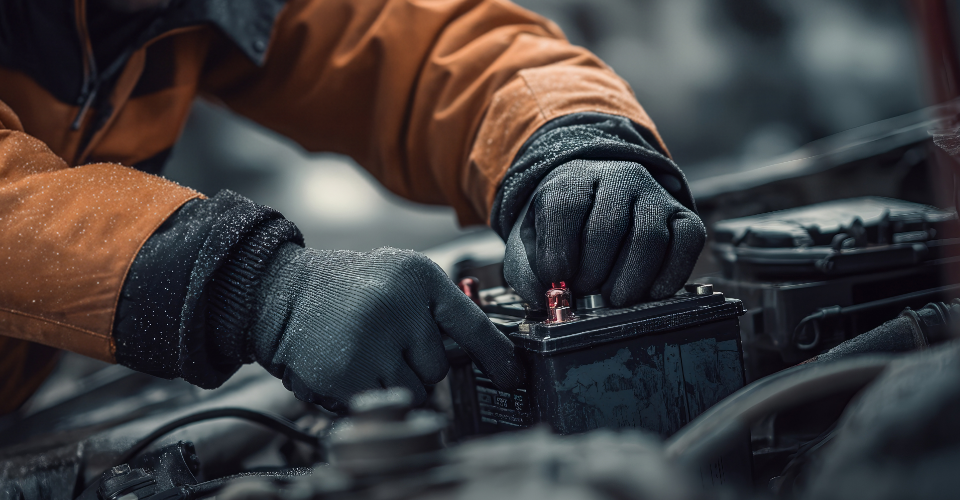
    Few things ruin your evening mood like a car that responds to your ignition with dead silence. A flat battery can happen if you’ve left your lights on, or your car’s battery is old.

    RELATED: HOW TO JUMP-START YOUR CAR LIKE A PRO

    Running Out of Fuel

    You thought you could “make it” to the next garage (so much for knowing your car). Now you’re freewheeling, praying there’s a petrol station at the bottom of the hill.

    Overheating Engine

    Summer heat, traffic, or a sneaky coolant leak; whatever the cause, when that temperature gauge climbs into the red, it’s time to pull over before your engine blows over.

    Locked Out of Your Car

    It’s always when you’re far from home, with your keys sitting smugly on the seat inside the car.

    Engine Stalling

    Whether it’s a fuel issue, a faulty sensor, or just bad timing, an engine stall in peak-hour traffic can feel like your car’s way of getting back at you for the way you drive.

    In all these emergencies, a quick call to dotsure.co.za’s after-hours roadside assistance gets you sorted faster than a robot turns red when you’re running late. Keep reading to learn how to turn a roadside nightmare into a story for the next braai.


    Roadside Emergencies: What to Do If Your Car Breaks Down After Hours

    Here’s the 411 on what to do when the wheels come off or when you’re stuck on the side of the road after hours. Don’t panic. Just follow the steps below to get back on the road:

    Call 0861 368 7873 We’re your pit crew on speed dial.
    Follow the voice prompts Select roadside or medical help.
    Confirm your policy Keep your ID or policy number ready.
    Sit tight and stay safe Our team dispatches help immediately.

    No need to call your uncle who “knows a guy.” Once confirmed, our team jumps into gear. Whether it’s a tow, a lift, or a medical emergency, help is on the way.


    Roadside Emergency Benefits You Can Count On

    Our roadside assistance has the jump leads for every jam. Think of us as your festive-season pit crew.

    Contact dotsure.co.za after-hours roadside assistance for help

    🚗 Towing Services & Breakdown Help

    Mechanical failure? Accident? We’ll tow you to the nearest approved panel beater or workshop, no matter the hour.

    🧳 Transportation for You, Your Passengers, and Luggage

    Stranded somewhere unfamiliar? We won’t leave you or your crew stranded on the shoulder of the highway. We’ll get you, your passengers, and your luggage to a safe place. (Yes, even your cooler box.)

    💬 Message Relay

    We’ll even send an urgent message to your loved ones.

    🧰 Mechanical and Electrical Breakdown Assistance

    Even if you break down at home (because the car knows when you have an early meeting), we’ll still send help.

    🔁 Second Tow Service

    Had your car towed to the wrong place? Don’t stress. We’ll move it to one of our approved facilities.

    🩺 24/7 Medical Help

    If you’re injured or need medical attention, we’ll send emergency responders and transport you to the closest facility.


    How We Help You Drive with Confidence After-Hours

    You can’t plan for potholes or those questionable petrol station pies that will probably end with a trip to the hospital, but you can plan for peace of mind.

    So, plan for the best and insure for the rest. Get Name Your PriceTM car insurance today and enjoy peace of mind from driveway to destination, knowing you’re never really alone on the road, even long after the sun’s gone down. Then take a few more seconds to cover over 60 parts with our no worries Extended Car Warranty, because festive road trips should end at your destination, not on the side of the N3.

    Drive safely, stay sharp, and remember: when your car calls in sick this festive season, or decides to take “December leave” without notice, dotsure.co.za will get you back behind the wheel in no time. Our after-hours roadside assistance is just a call away to help you finish the journey you started. Contact us anytime.

  • ROTTWEILER BREED GUIDE: TRAITS, TRAINING, AND CARE TIPS 

    ROTTWEILER BREED GUIDE: TRAITS, TRAINING, AND CARE TIPS 


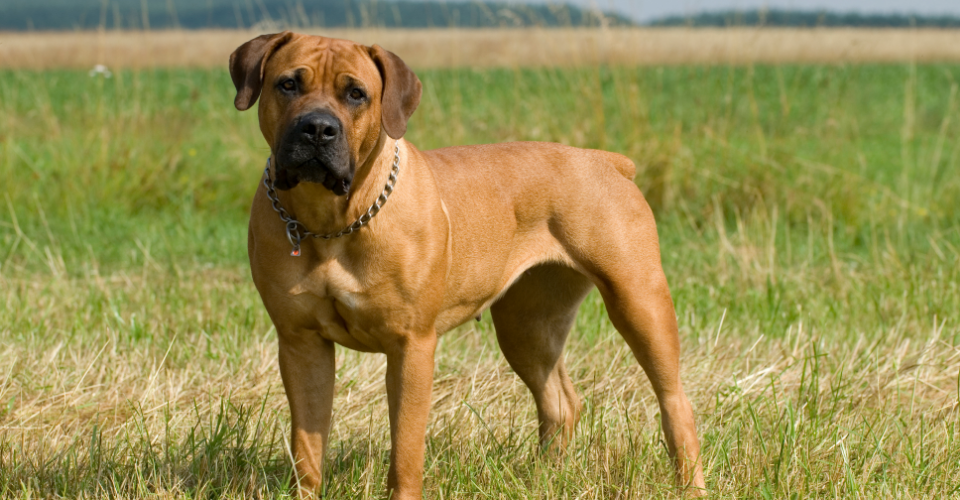
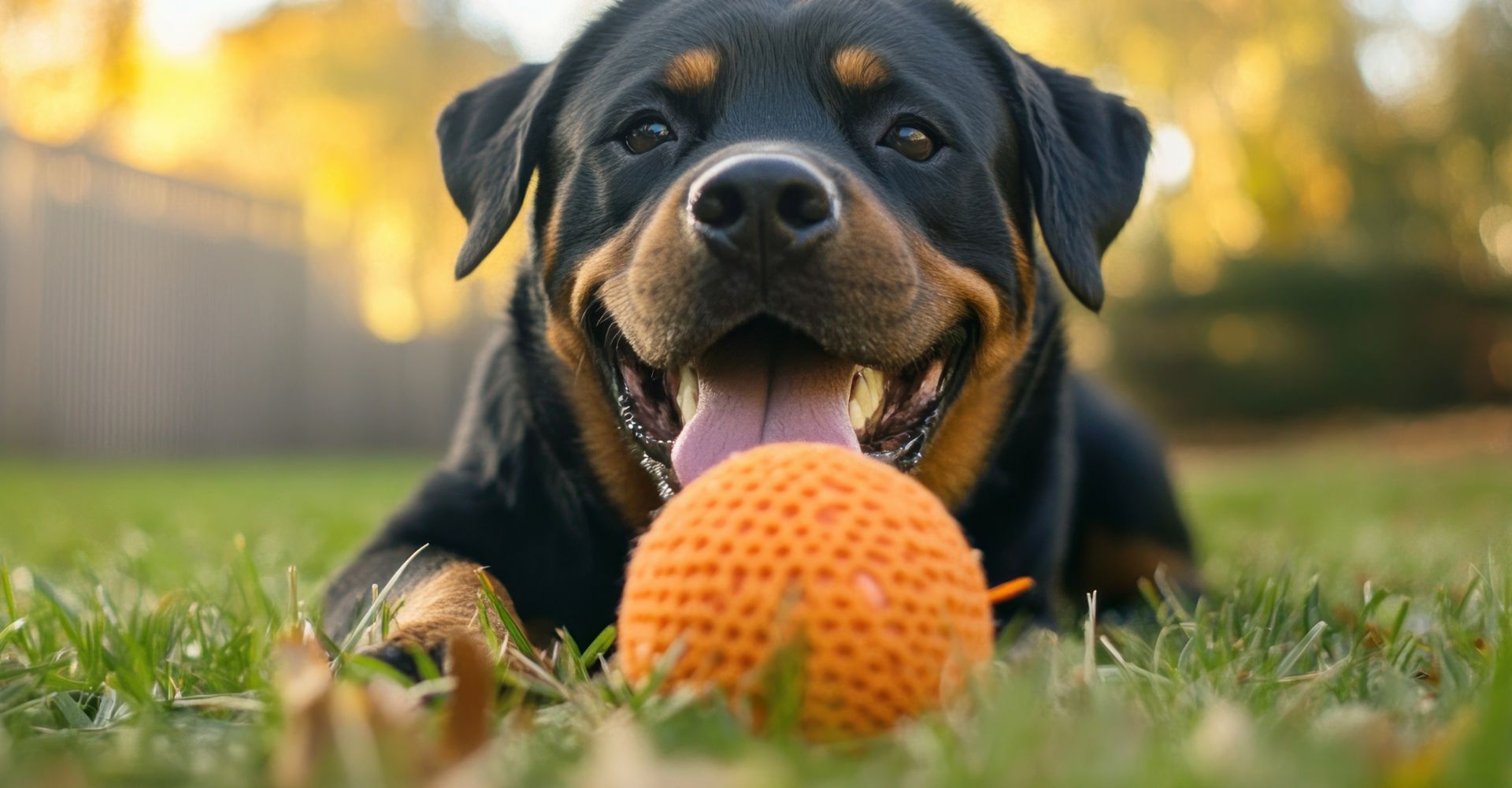
    If we can turn French fries into slap chips, we can definitely take this German breed and make it walk, bark, and nap like a local. The Rottweiler (or “Rottie” as we’ve renamed them here) has gone from a working dog in Germany’s cattle markets to holding it down as a household protector, couch companion, and unofficial “alarm system” across South Africa. 

    They might look intimidating, but most Rotties are just big softies with a bark that says, “Don’t mess with my people,” and a heart that says, “Now scratch my belly.” Rotties are prone to some health issues, so regular vet checkups are a must, which means insurance for your Rottweiler is too.  


    Rottweiler Breed Guide: Common Health Problems 

    Okay, let’s get the not-so-great news out of the way so we can get to all the great stuff. One of the first questions is always: What are the common Rottweiler health issues? Rotties are prone to hip dysplasia, heart issues, obesity if not exercised, and cancer. The second question is always: How long do Rottweilers live? On average, they live 8–10 years though with proper care and exercise, many live longer. That’s a decade of love, loyalty, and slobbery kisses. 


    Rottweiler Breed Guide: Traits, Temperament, and Types 

    If dogs had gym memberships, the Rottweiler would be that guy who never skips leg day. But, is a Rottweiler right for you? If you’re active, loving, and ready for a loyal bestie, maybe.  

    Temperament and Personality Traits 

    Rottweiler Appearance and Types 

    How Much Do Rottweilers Weigh as Adults? 

    Rottweilers are loyal, protective, and highly intelligent. Think of them as that one friend who looks tough but is secretly the first to cry during an emotional movie.  Muscular, broad-chested, and built like a bouncer with a soft side. Their black-and-tan coats are instantly recognisable, sleek, short, and easy to maintain.  Male Rottweilers can weigh up to 60 kg, females around 45 kg. Make sure you’ve got enough room at your place before you bring one home. 


    Rottweiler Breed Guide: Training and Care Tips 

    Training a Rottie is like raising a teenager… consistency, patience, and snacks go a long way. Start early, use positive reinforcement, and make training fun.  

    What Do Rottweilers Eat? 

    Do Rottweilers Need a Lot of Exercise? 

    How Often Should I Groom My Rottweiler? 

    Rottweilers need to eat high-quality, protein-rich food to maintain muscle and energy. If they could talk, they’d probably ask for boerie rolls and pap, but stick to a balanced diet. Premium dog food such as Hill’s Science Plan keeps them strong and shiny.  Yes, Rottweilers need plenty of exercise. A bored Rottie is a naughty Rottie. Long walks, play sessions, and training games help keep them fit and happy. They love fetch (but play like they’re trying to win a rugby match).  Once a week grooming for your Rottweiler should be fine. Their short coat is easy to manage, but you’ll want to brush regularly during shedding season.  


    Fun and Lifestyle Facts About Rottweilers 

    What Is a Rottweiler’s Weakness? 

    Their hearts. They’re emotional, sensitive, and loyal to a fault. But shem, maybe that’s why they’re prone to heart issues: too much love for one chest to handle.  

    What Roles Do Rottweilers Thrive In? 

    Guard dogs, police K9s, therapy companions, you name it. Their intelligence and loyalty make them adaptable to almost any role. 

    Are Rottweilers Good with Kids? 

    Rottweilers are good with kids, but supervision and socialisation are key.  

    Do Rottweilers Bark a Lot? 

    Not unnecessarily. When a Rottie barks, it usually means something’s up. They’re the definition of “speak only when it’s important.” 


    Why You Should Insure Your Rottweiler 

    Rottweilers give you everything, protection, loyalty, and unconditional love. The least you can do is protect them right back. Speak to dotsure.co.za about getting insurance for your Rottweiler in minutes. Need a little more info? Get in touch, and we’ll help you find cover that loves your pet as much as you do.


    RELATED:HERDING DOG BREEDS; TOY DOG BREEDS; BREED STANDARDS 

  • STUNNING LOOKS. EXPENSIVE FOOD BILL. PROS AND CONS OF MAINE COON CATS

    STUNNING LOOKS. EXPENSIVE FOOD BILL. PROS AND CONS OF MAINE COON CATS

    Most cat lovers will tell you to get a dog if you want an animal you can cuddle whenever you like. We say those cat lovers haven’t met the cuddly, game-changing cat for feline fanatics – the sweet-tempered and gentle souled Maine Coon. These cats are lofty, lovable, and treasure hanging out with their humans! If you’re thinking of adding one to your family, consider these pros and cons of Maine Coon cats before you commit yourself to a new fluffy fur baby.

    PS: Already own one of these gentle giants? Protect them with dotsure.co.za!

    RELATED: HOW TO CHOOSE THE PERFECT PET FOR YOUR FAMILY


    The Pros and Cons of Maine Coon Cats

    Before you commit to bringing one into your home, here are a few fun (and not-so-fun) facts to consider.

    PROS CONS
    Not a shedder Plenty of grooming required
    Very affectionate Needy
    Family friendly Expensive to buy/maintain
    Healthy Needs expensive food
    Loyal & emotionally sensitive High risk of theft
    Playful Toys are expensive
    Chatty Maybe too chatty
    Adapts well to urban living Needs loads of exercise

    Maine Coon Cats’ Pros and Cons in More Detail

    Maine Coons are clever, gentle giants who bring heaps of joy (and fur) into your life. With a 12 to 15-year lifespan, these affectionate fluffballs offer loads of cuddles, headbutts and warm companionship. If you’re into furry forehead kisses and cats that enjoy your company, this breed might be the purr-fect fit.

    But before you dive whiskers-first into Maine Coon parenthood, it’s worth weighing up the pros and cons of Maine Coon cats. These lovable floofs need high-quality food and mentally stimulating toys to thrive, which can get pricey. So, are you ready to commit to the royal treatment they deserve?

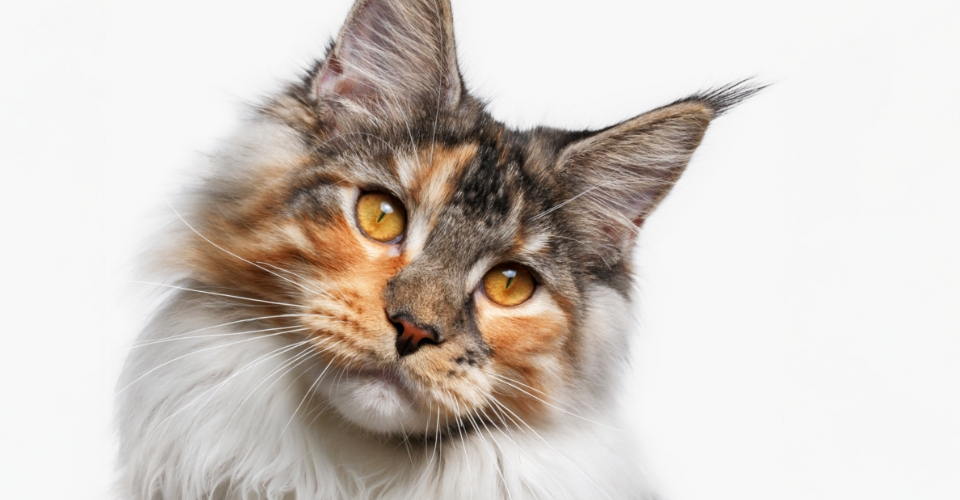
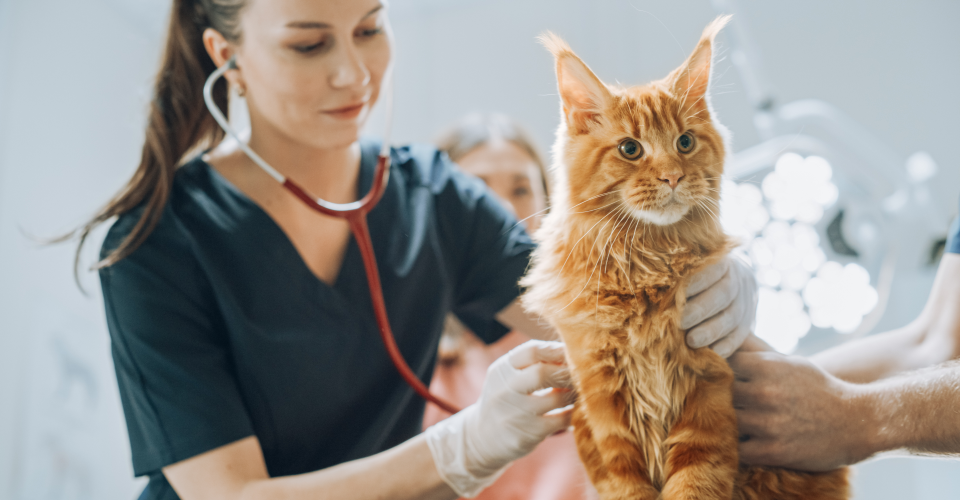
    A fluffy Maine Coon looking at the camera and scrunching it's nose.

    What Are the Downsides of a Maine Coon Cat?

    Maine Coons may be the gentle giants of the cat world, but they come with a few quirks that might not be for everyone. They require a lot of attention, so they don’t do well if left alone for long periods. They’re also very intelligent, which is cute until they start opening cupboards or plotting furniture destruction out of boredom. Additionally, their size can lead to joint problems like hip dysplasia, and their luxurious coats require consistent grooming. And let’s not forget the costs. Between grooming, nutrition, vet check-ups and their need for quality toys, Maine Coons can be one of the more expensive breeds to care for.

    Are Maine Coon Cats High Maintenance?

    In a word, yes. If you’re after a low-fuss feline, the Maine Coon might not be the match you’re looking for. Their thick coats need regular brushing to stay in top shape, and their playful personalities call for plenty of interactive playtime (think laser pointers, puzzle feeders and the works).

    They also need a high-protein diet, so standard cat kibble might not cut it. And because they form strong bonds with their humans, they can struggle with separation anxiety if left alone for too long.

    Do Maine Coons Shed a Lot?

    The great news is that Maine Coons don’t shed as much as you might expect from a long-haired breed. Their fur is thick but relatively manageable with regular grooming. However, during seasonal changes, the fluff flies as they shed their summer or winter coats. Weekly brushing will help keep their fur in check and prevent loose hairs from taking over your home.

    Pro Tip: Remember that those glossy coats you see in Google images aren’t effortless. They don’t just wake up like that; it results from regular grooming sessions. If you’re not looking to brush up on your grooming skills, maybe go for a Sphynx cat.

    Do Maine Coon Cats Talk a Lot?

    Maine Coons are famously chatty cats. They love “talking” to their humans with a mix of chirps, trills and meows. They’re not the type to sit silently in a corner. They’ll keep a running commentary about their day, their needs, and possibly their opinions on your dinner choices. If you enjoy a vocal pet who engages in conversation, you’ll love a Maine Coons commentary. But if you prefer peace, their constant vocal habits might be a little too much.

    Do Maine Coons Cuddle?

    Absolutely. Maine Coons are very affectionate and love being close to their people. They’ll drape across your lap, follow you around the house, and nudge you for attention every chance. Think of them as part-cat, part-shadow.


    Is a Maine Coon Right for You? 

    Maine Coons are more than just big, fluffy felines, they’re affectionate, intelligent, and playful companions that can bring endless joy to the right home. However, their high-maintenance grooming, expensive diet and need for attention mean they’re not the perfect fit for everyone.

    After considering the pros and cons of Maine Coon cats, if your answer settles on welcoming one of these gentle giants into your homes, make sure they’re protected with dotsure.co.za cat insurance! Maine Coons can experience unexpected health issues such as heart and kidney conditions and hip dysplasia, so investing in SA’s #1 Pet Insurance can help protect you from costly vet bills while ensuring your cat gets the wholehearted care they deserve.

    Contact us today and protect your Maine Coon!

    *Voted South Africa’s Best Pet Insurance 2023/2024 by readers of various media publications.

  • 6 DRIVE-IN MOVIE THEATRES IN SOUTH AFRICA

    6 DRIVE-IN MOVIE THEATRES IN SOUTH AFRICA

    As the world becomes increasingly digitised, it’s easy to forget about the simple pleasures of the past. It’s time to loosen up on those “no eating in the car” rules, as we have a few drive-in movie theatre options which include the yummiest of cinema snacks!


    What Is the Concept of Drive-In?

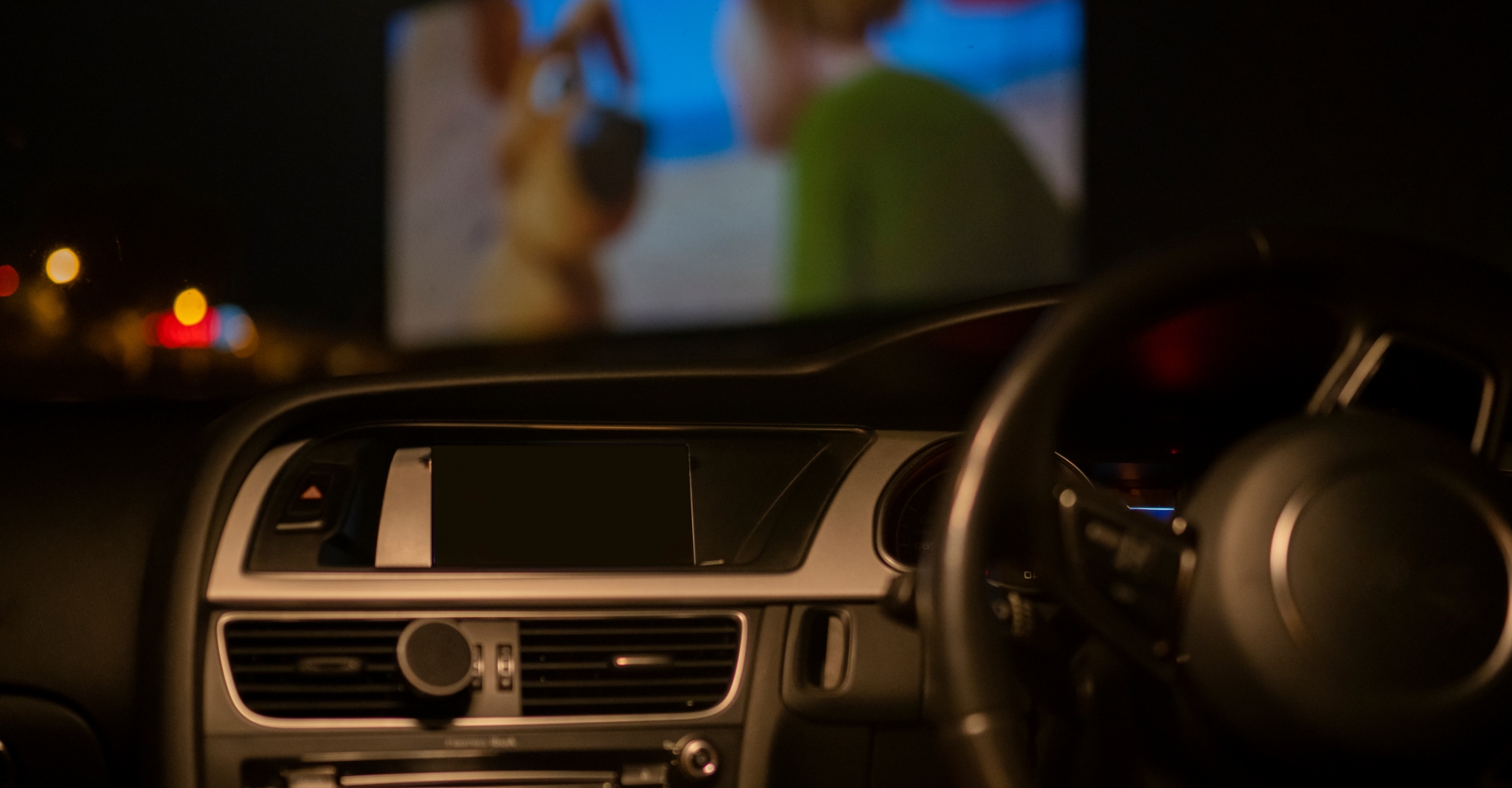
    A drive-in movie theatre lets you watch films from your car, outdoors. You park in front of a big screen and tune your car radio to the movie’s audio. It’s a mix of entertainment and nostalgia, perfect for a fun date night or family outing. You can enjoy snacks, stay comfy in your own space, and take in the movie under the open sky.


    Why Are Drive-in Movies Not Popular Anymore?

    Drive-in movies started to decline with the rise of indoor cinemas, home streaming, and changing lifestyles. People now prefer the comfort and convenience of watching movies at home or in modern cinemas. Plus urban development and limited space made it harder for drive-ins to survive. Still, they’re making a small comeback thanks to their vintage charm and safe, outdoor setting.


    Are There Any Drive-In Cinema’s Left in SA?

    Yes, there are still a few drive-in movie theatres left in South Africa! It’s a fun and retro way to enjoy a night out.


    Something Good Roadhouse (Gqeberha)

    Located along the scenic Marine Drive in Gqeberha. This is a local favourite known for its retro charm, delicious comfort food, and laid-back vibe. They sometimes host drive-in movie nights, combining classic cinema with a nostalgic roadhouse experience. The ultimate throwback evening out!

    Bright Night Cinema (Cape Town & Johannesburg)

    This company specialises in setting up outdoor movie theatres for private or corporate events. They have different packages available, which include picnic or drive-in options for a personalised experience.

    Molly Malone’s Roadhouse Drive-In (Johannesburg)

    This drive-in truly brings back the nostalgia with a roadhouse, a pub, and regular movie screenings. They serve burgers and milkshakes right at your car window, the old-school way!

    The Sandton City Drive-In (Johannesburg)

    Keep an eye on the schedule for Sandton City’s Ster Kinekor. A few times a year, the cinema hosts drive-in events showing the biggest blockbusters on their rooftop parking.

    Hart&Bosch Village (Hartenbos, Western Cape)

    For a coastal movie night to remember, the Hartenbos Village Drive-In offers an unforgettable outdoor cinema experience. Set against the charm of the seaside town, this venue screens family favourites and blockbuster hits under the stars.

    ShowMovies – George Landbou Skou Drive-in Movies (George, Western Cape)

    Hosted on the last day of each month, this family-friendly drive-in in George brings back all the nostalgic feels. Complete with popcorn, hot chocolate, and even picnic baskets with wine or biltong!


    Cool, Calm, and Cruising

    Whether you’re off to a drive-in or just cruising around town, it’s always smart to have peace of mind on the road. Explore our motor insurance or contact us at dotsure.co.za today!

  • 25 THERAPEUTIC DRIVING QUOTES FOR THE NEW YEARS

    25 THERAPEUTIC DRIVING QUOTES FOR THE NEW YEARS

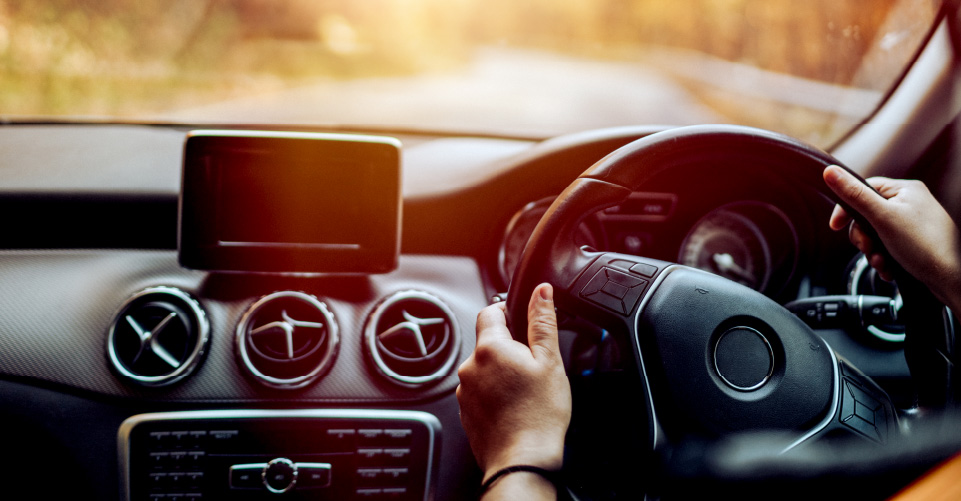
    Many people find that driving can help to reduce stress and can even serve as a form of meditation. Therapeutic driving quotes can help us remember some things that are more important than our problems.


    10 Driving Quotes to Get You Going

    • “Everything in life is somewhere else, and you get there in a car.” – Elwyn White
    • “All you need is that perfect song on that perfect drive to feel infinite.” – Unknown
    • “If you don’t know where you are going, any road will get you there.” – Lewis Carroll
    • “Leave sooner, drive slower, live longer.” – Unknown
    • “Some beautiful paths can’t be discovered without getting lost.” – Erol Ozan
    • “Still, round the corner there may wait a new road or a secret gate.” – John Tolkien
    • “I may not have gone where I intended to go, but I think I have ended up where I intended to be.” – Douglas Adams
    • “Any bad day can be fixed by driving a country road with the radio up and the windows down.” – Unknown
    • “There is nowhere to go but everywhere, so just keep on rolling under the stars.” – Jack Kerouac
    • “Do not follow where the path may lead. Go instead where there is no path and leave a trail.” – Ralph Emerson


    10 Funny Road Trip Quotes

    • “You know, somebody actually complimented me on my driving today. They left a little note on the windscreen, it said ‘Parking Fine’.” – Tommy Cooper
    • “Why do they call it rush hour when nothing moves?” – Robin Williams
    • “I couldn’t repair your brakes, so I made your horn louder.” – Steven Wright
    • “Men can read maps better than women because only the male mind could conceive of one inch equalling a hundred miles.” – Roseanne Barr
    • “Never have more children than you have car windows.” – Erma Bombeck
    • “When a man opens a car door for his wife, it’s either a new car or a new wife.” – Prince Philip
    • “Have you ever noticed that anybody driving slower than you is an idiot, and anyone going faster than you is a maniac?” – George Carlin
    • “Adults on board, we want to live too.” – Unknown
    • “Road trips require a couple of things: a well-balanced diet of caffeine, salt and sugar, and an excellent set of tunes. Oh, and directions.” – Jenn McKinlay
    • “Patience is something you admire in the driver behind you and scorn in the one ahead.” – Mac McCleary


    5 Safe Driving Quotes

    Quotes that encourage responsible driving, serve as powerful reminders to stay alert, be patient, and make every journey a safe one.

    • “Never drive faster than your guardian angel can fly.” – Unknown
    • “Texting while driving? You’re writing your own accident story.” – Unknown
    • “Speeding is like gambling with your life. Don’t take the risk.” – Unknown
    • “Drive as if every road sign says: Expect the Unexpected.” – Unknown
    • “The best car safety device is a careful driver.” – Unknown


    Worry-Free Driving Quote

    Driving should be fun, stress-free, and most importantly, safe! While good habits help prevent mishaps, vehicle insurance ensures you’re covered when the unexpected happens. At dotsure.co.za, we offer personalised, comprehensive cover to keep you protected on every journey.  Contact us and get a worry-free driving quote today!

  • RMI-APPROVED WORKSHOPS: EVERYTHING YOU NEED TO KNOW

    RMI-APPROVED WORKSHOPS: EVERYTHING YOU NEED TO KNOW

    When it comes to repairing your car, the right choice can make all the difference. In this guide we’ll answer popular questions about certified auto workshops, helping you to make confident choices when it comes to your car’s health and your wallet.


    What Does RMI Stand For?

    RMI stands for the Retail Motor Industry Organisation. It represents a broad network of vehicle-related businesses, from mechanical workshops to car dealerships, all committed to a code of conduct that puts the customer first.


    What Does RMI-Approved Mean?

    An RMI-approved workshop is one that is officially certified by the RMI, meaning they meet strict industry standards for ethical service and technical excellence.

    Choosing an RMI-approved repairer means you’re placing your vehicle in the hands of professionals who are held accountable for their workmanship, pricing, and quality. This is especially important if you’re making a motor warranty claim, where using an accredited provider is often a requirement.

    RELATED: HOW INSURANCE CLAIMS WORK


    Why Choose RMI-Approved Workshops?

    • Quality Workmanship: RMI-approved workshops are regularly audited and have to meet rigorous standards. They use the right tools, parts, and trained technicians to do the job right.
    • Guaranteed Work: Parts and labour are often backed by guarantees, so you’re not left stranded if something goes wrong.
    • Fair Pricing: RMI members commit to transparent and reasonable pricing. No hidden surprises.
    • Dispute Resolution: Not happy with the service? The RMI offers recourse through a formal complaint process.


    How to Check if a Company is RMI Registered

    Want to be sure the workshop is legitimate? Here’s how to check if a company is RMI registered:

    • Visit rmi.org.za and use the search tool to verify accreditation.
    • Ask directly. The workshop should be able to provide their RMI-accreditation number and certificate.
    • Check the invoice or quote. Most RMI workshops include accreditation details here.
    • Look for signage. Many proudly display certificates at their premises or on their websites.


    Why It Matters for Your Warranty and Peace of Mind

    Many motor warranty providers, including dotsure.co.za, require that all repair work be carried out by RMI-approved professionals. It’s a sign of credibility, skill, and accountability.

    Our extended car warranty covers you for up to    R400 000 in unexpected repairs. That’s real peace of mind when life throws a spanner in the works.

  • 7 TRAFFIC LAWS DRIVERS MISUNDERSTAND IN 2025

    7 TRAFFIC LAWS DRIVERS MISUNDERSTAND IN 2025

    Think you’ve got the rules of the road down? Even in 2025, many South African drivers are breaking traffic laws without realising it. They sometimes risk heavy fines, licence points, or even jail time. And while a good car insurance policy can help you when things go wrong, it’s better to avoid trouble in the first place. Here are 7 traffic laws that still catch people off guard.

    RELATED: FUNNY DRIVING LAWS IN SA

    Zero Tolerance for Drinking and Driving

    A blood-alcohol content of more than 0.05% when you’re behind the wheel, means you’re over the legal limit. No more “just one drink” excuses. Even mouthwash containing alcohol can land you in hot water.

    Penalty: Minimum fine of R2000, up to 6 years jailtime, and possible licence suspension.

    Right of Way at Traffic Circles

    Still confused at roundabouts? You’re not alone. The rule is simple: Traffic from your right always has the right of way, unless otherwise marked. Skipping this can lead to accidents, and the liability is usually yours.

    Is Flashing Your Lights for Roadblocks Illegal?

    Trying to warn fellow drivers about an upcoming roadblock? Flashing headlights, WhatsApp groups, or social media posts are considered to be obstructing law enforcement and could lead to a fine, or worse.

    Smoking in the Car with Kids

    Under the Tobacco Products Control Act, smoking in a vehicle with anyone under 12 is a no-no. It doesn’t matter if the window’s open or the car is parked, you’re still breaking the law.

    Penalty: A fine of about R500, and more if there are repeated offences.

    You Can’t Transport School Kids in a Bakkie (for Pay)

    It may be a common sight, but it’s against the law to transport children in the back of a bakkie for payment. This has been in place since 2017 but continues to be widely ignored.

    The law still applies, even if the trip is short or done “as a favour” for cash.

    Parking Against Traffic

    Parking your car facing oncoming traffic (on the right-hand side of a two-way street) might seem harmless, but it’s not allowed. It’s a violation of NRTA regulations and makes your vehicle a hazard at night.

    Speeding Rules Got Tighter

    There are now stricter speed limits in school zones, construction areas, and residential estates. Some provinces are also testing speed cameras that track your average speed between two points.

    Check for new signage in your area.

    Stay Informed. Drive Lawfully

    South Africa’s traffic laws are tightening in 2025 with the AARTO demerit points system, and ignorance won’t get you out of a fine. Stick to the rules, stay safe, and protect your pocket.

    Want to avoid costly surprises on the road? Quote online for affordable car insurance that keeps you covered, even when life throws the unexpected your way.

  • READY, SET, GO! YOUR ROAD TRIP PREP CHECKLIST

    READY, SET, GO! YOUR ROAD TRIP PREP CHECKLIST


    How to Get Your Car Ready For the Long Road Ahead

    Embarking on a road trip is exciting, but ensuring your car meets the challenge is crucial. A little preparation can prevent costly repairs and unexpected breakdowns. Pair that with an extended car warranty plan, and you’re set for smooth and safe travels. Take a look at our essential road trip prep list!

    Pre-Road Trip Car Check

    A thorough inspection of your vehicle is essential before hitting the open road. Start by tending to the essentials:

    • Fluids Checks
      Your car’s health depends on a range of fluids. Check your engine oil, coolant, brake, power steering, and transmission fluids to guarantee a smooth ride.
    • Battery Examination
      Look out for warning signs such as a slow start, dashboard engine lights or a swollen or leaking battery. A failing battery can leave you stranded, meaning no more road trips!
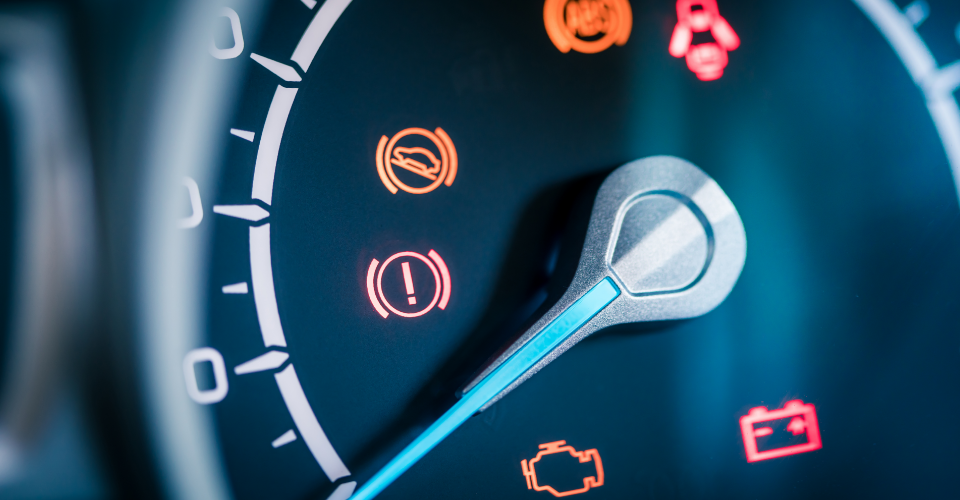
      RELATED: Don’t Ignore These Dashboard Lights
    • Tyre Maintenance
      Inspect tread depth and tyre pressure before you hit the road. Proper tyres improve safety and fuel efficiency. And don’t forget the spare tyre too; it’s your safety net in an emergency.
    • Visibility Matters
      Crystal-clear visibility is non-negotiable. If your windshield wipers show any streaking, skipping, slipping or squeaking, replace them. Also, clean all windows and mirrors for better visibility, especially for night driving.
    • Lights and Indicators
      Inspect all lights, from high beams to indicators, to ensure they are in good working condition. Faulty lights aren’t just a hazard; they could land you a fine.
    • Consider Weight and Load Limits
      Overloading your car can impact on its safety, stability and fuel efficiency. Stick to your vehicle’s weight limits and pack smart.
    • Route Mapping
      Familiarise yourself with the route and have alternate plans in place. A navigation system such as a GPS can be invaluable in unfamiliar territory.
    • Emergency Supplies
      No matter how well you plan, surprises happen. Pack an emergency kit with essentials like:

      • Jumper cables
      • A flashlight
      • A first aid kit
      • Tools like a tyre iron and jack
      • Spare key
      • Plastic funnel and water bucket for fluid needs and emergencies.
      • Chain or towing rope.
      • Set of screwdrivers and wrenches.

    Long Road Trip Survival Kit

    For a smoother journey, don’t forget these essentials:

    • Water and snacks
    • Games and entertainment to keep your passengers happy
    • A spare battery pack and cables to keep your devices charged.

    The Final Preparation

    Even with the best preparation, mechanical issues or breakdowns can happen. So, along with our road trip prep checklist, hit the road with a warranty plan to help you avoid costly repairs and ensure your adventures are stress-free! Visit dotsure.co.za and get a free online quote for an extended motor warranty today!

  • 4 RECIPES FOR PETS WHO LOVE PEANUT BUTTER

    4 RECIPES FOR PETS WHO LOVE PEANUT BUTTER


    Ready to Spread the Love with Some Homemade Pet Treats?

    Let’s be honest, peanut butter isn’t just a human obsession. Our pets love it just as much as we do! Not only is peanut butter a delicious treat, but it can also offer great nutritional benefits (in moderation). Just make sure to use pet-safe peanut butter without harmful ingredients such as xylitol.

    We’ve put together four easy, tasty recipes for homemade pet treats that will make your pets sit, stay and beg for more.

    PS: We recommend Vondi’s Peanut Butter. No preservatives, no nonsense. Just a delicious, nutritious treat they’ll love!


    Doggy Doughnuts

    Because your pet deserves more than just biscuits! These doughnuts are paw-sitively great for rewarding good boys and girls.

    Ingredients:

    • 1 cup of flour
    • 1 cup of oats
    • 1/3 cup of coconut oil
    • ½ cup of pet-friendly peanut butter
    • 2 eggs
    • ½ cup of plain yoghurt
    • ¼ cup of bacon bits

    Directions:

    1. Preheat your oven to 190°C and grease a doughnut pan.

    2. In a bowl, mix all ingredients (except bacon and yoghurt) until a dough forms.

    3. Press the dough into the pan and bake for 14 minutes or until golden brown.

    4. Let the doughnuts cool, then spread plain yoghurt on top and sprinkle with bacon bits for an extra crunch.

    5. Watch those tails wag in excitement!


    Pumpkin Dog Bones

    These bones are packed with pumpkin goodness and will keep your dog licking his paws!

    Ingredients:

    • 1 cup of oats
    • ⅓ cup of pumpkin puree
    • ¼ cup of Vondi’s Peanut Butter

    Directions:

    1. Preheat the oven to 180°C and line a baking tray with parchment paper.

    2. Use a food processor to grind the oats into a powder.

    3. Mix the pumpkin puree and peanut butter into the oat powder until a sticky batter forms.

    4. Flour your counter and roll out the dough.

    5. Use a bone-shaped cookie cutter and place each treat on the baking tray.

    6. Bake for 25 minutes or until the treats are hard.

    7. Cool on a rack before letting your pup enjoy!


    Peanut Butter Bird Treats

    Tweet your bird’s taste buds with these simple treats.

    Ingredients:

    • 4 slices of stale bread
    • 2 tablespoons of pet-friendly peanut butter
    • 1 cup of birdseed

    Directions:

    1. Use a cookie cutter to make fun shapes from the bread.

    2. Spread peanut butter on each shape and sprinkle generously with birdseed.

    3. Poke a small hole in each treat to hang them on a branch or feeder.

    4. Watch your feathered friends enjoy every peck!


    Rodent Nibbles

    Even your small pets need a treat now and then! These frozen drops are perfect for guinea pigs, hamsters and rats.

    Ingredients:

    • 1 ripe banana
    • ¼ cup of pet-friendly peanut butter
    • ¼ cup of rolled oats

    Directions:

    1. Mash the banana in a bowl.

    2. Mix in the peanut butter and rolled oats.

    3. Drop spoonfuls of the mixture onto a baking tray lined with parchment paper.

    4. Freeze for 30 minutes or until firm.

    5. Let them thaw slightly before serving them to your little furry friends.


    Peanut Butter: Delicious, But Know Your Pet’s Limits

    While peanut butter is a treat many pets enjoy, not every pet’s tummy will agree. Always make sure you’re using vet-approved, pet-friendly peanut butter, like the one from Vondi’s. Always consult your veterinarian and monitor your pet for any adverse reactions, such as itching, digestive issues or breathing difficulties.

    Happy baking, and hey, we’re never against peanut butter whisker pictures! Snap a pic and tag us – @dotsurepetsa!


    PS: these treats are human-friendly, too 😉.

  • BIG-HEARTED VETS: OUR TOP TAILS

    BIG-HEARTED VETS: OUR TOP TAILS


    The People Who Help Animals Out of the Goodness of Their Hearts

    In less privileged communities, dedicated veterinarians go beyond the call of duty, providing essential care to animals in need. dotsure.co.za is proud to support these heroes in their tireless efforts to make the world a better place for our fur babies. Here are some of the top heartwarming stories from the last year!


    Mount Pleasant Vet: Emergency Surgery for Gretal

    The Mount Pleasant Vet Clinic faced an urgent case with Gretal, a Staffie suffering from a severe uterine infection. The dedicated team performed emergency surgery, saving Gretal’s life.


    Mdzananda Animal Clinic: Vaccinations and Yoga for a Cause

    The Mdzananda Animal Clinic, in partnership with the Help A Paw initiative, administered vaccinations to 15 animals, protecting them from various diseases. Additionally, they participated in the 100 Yoga event at Eden on the Bay, where generous donations from the public further supported their cause.


    Mokopane Animal Clinic & Waterberg Wildlife Vets: Angel Care Fund

    Dr John and his team at the Mokopane Animal Clinic & Waterberg Wildlife Vets established the “Angel Care Fund” to assist clients who cannot afford veterinary care for their pets. Dr John’s compassion is legendary, often charging minimal fees or covering costs out of his own pocket.


    Pyramid Vet Clinic: A Soft Landing for Meco

    The Pyramid Vet Clinic provided life-saving surgery for Meco, a dog needing a leg amputation. Despite the challenging procedure, Meco is now recovering well, and his grateful owners can breathe a sigh of relief.


    Paulshof Vet Clinic: Partnering with 4Paws

    Since 2014, the Paulshof Vet Clinic has worked closely with 4Paws, an animal welfare organisation providing primary health care and rescue services for sick and injured pets in townships. Offering services at significantly reduced prices, the clinic treats 5-10 pets weekly, ensuring that they receive vaccinations, sterilisations, and other essential care.


    Linton Grange Animal Hospital: Saving Jet

    When Jet, a dog found burned on the road, was brought to the Linton Grange Animal Hospital, the team refused to give up on him. This story is a testament to the power of perseverance and the impact of community support in healing even the most severe injuries.


    Umgeni Vet: Caring for the Factory Cat

    The Umgeni Vet Clinic assisted a feral cat with a hernia, brought in by Jan Pharazyn, a dedicated animal lover who feeds and sterilises feral cats at her own expense. Despite her limited funds, Jan’s commitment to these cats never wavers.


    Animal Zone – Tongaat: Tyson’s Recovery

    Tyson, a dog injured by other dogs during a tornado, received crucial treatment at the Animal Zone in Tongaat. Tyson made a full recovery. This serves as a reminder of the importance of immediate medical intervention and community assistance in times of crisis.


    dotsure.co.za is honoured to support these heroes, ensuring that every pet receives the care they deserve, regardless of financial constraints. We aim to make a difference, one paw at a time.


  • 9 PET-FRIENDLY WINE FARMS

    9 PET-FRIENDLY WINE FARMS


    Celebrating French Heritage in Style

    Planning a day out in the beautiful Western Cape Winelands? With Bastille Day (French Independence Day) around the corner, there’s no better time to explore pet-friendly wine farms where you can soak up the sun, relax with a glass of wine and nibble on delicious platters, all while your dog enjoys the outing just as much as you do.


    Nitida Wine Farm

    Nestled in the Durbanville Wine Valley, Nitida offers a rustic and relaxed charm that is perfect for both you and your dog. The estate features two pet-friendly restaurants and a wine-tasting area located inside the barrel maturation cellar. Dogs are warmly welcomed at the tasting room and the outdoor dining areas.

    • Cassia Restaurant: Enjoy a meal on the deck with your dog by your side.
    • Tables at Nitida: This family bistro is ideal for breakfast and lunch, featuring a jungle gym and a large lawn for kids and dogs to play.


    Webersburg Wine Estate

    In the heart of Stellenbosch’s Golden Triangle, Webersburg Wine Estate is a family-owned gem where dogs can frolic next to a big dam under the shade of majestic oak trees. The estate offers stunning views of the Helderberg mountains and ample space for dogs to run and swim.

    • Wine Tastings: Two options are available.
    • Dining: Enjoy a variety of mouth-watering cuisine at the restaurant or have a picnic under the trees.


    Warwick Wine Estate

    Warwick Wine Estate in Stellenbosch is famous for its picnics and dog-friendly atmosphere. With picnic lawns, benches, and private picnic pods, it’s a paradise for pet parents.

    • Picnic Areas: Choose from various picnic spots where dogs are welcome on a leash.
    • Activities: Kids can enjoy jungle gyms and the “Fountain of Youth” splash area, while adults can choose from five wine-tasting options, including vegan and summer food pairings.


    South Hill Vineyards

    Located on the southeast side of the Elgin Valley, South Hill Vineyards is known for its cool climate wines and pet-friendly environment. The estate is a romantic wedding venue and a great spot for a pet-friendly getaway.

    • Wine Tasting and Dining: The tasting area and restaurant feature vibrant artwork, platters, tapas, and daily specials.
    • Amenities: Water bowls are available to keep your dog hydrated.


    Eagle’s Nest Estate

    Eagle’s Nest Estate in Constantia is a serene boutique wine farm offering a relaxed setting for you and your dog. Known for its Shiraz, Viognier, and Merlot, the estate boasts a large garden area shaded by tall trees.

    • Wine Tasting: One tasting option is available, accompanied by delicious platters.
    • Environment: A perfect place to unwind with your dog after a long week.


    Lourensford Estate

    Spanning over 4,000 hectares, Lourensford Estate in Somerset West is a dog-friendly haven with beautifully manicured gardens, fynbos, fruit orchards, and various activities.

    • Wine Tasting: Six options, including chocolate, vodka, Turkish delight, and nougat pairings.
    • Activities: Art or cooking workshops, mountain biking trails, and clay pigeon shooting.
    • Market: The vibrant Lourensford Market takes place every weekend, with live music and a festive atmosphere.


    Allée Bleue

    Located in the Franschhoek Valley, Allée Bleue is a picturesque estate known for its award-winning wines and dog-friendly policy.

    • Wine Tasting: Enjoy your tasting on a tree-shaded terrace or inside by the fire.
    • Dining: The bistro offers delicious foods for breakfasts and lunches, and picnic options are available.


    Benguela Cove

    Benguela Cove on the Hermanus wine route offers unique wine-related experiences right by the ocean.

    • Wine Pairings: Options include cheese, oyster, and a blind-blending experience.
    • Activities: Adventure mini golf, pontoon boat cruises, and more.
    • Environment: The estate is filled with beautiful art pieces, making it a sophisticated yet relaxing destination.


    Bosman Hermanus

    Bosman Hermanus offers a serene escape with gorgeous mountain views and plenty of trails for hiking with your dog.

    • Wine Tasting: Enjoy a relaxed tasting at the Frame House with tapas-style lunches.
    • Hiking Trails: Explore the estate’s beautiful surroundings, but keep your dog on a leash due to roaming wildlife.


    Tips for Your Visit

    • Leash Policy: Keep your dogs on a leash unless indicated otherwise.
    • Clean Up: Always pick up after your dog.
    • Water: Bring a water bowl for your dog, although many farms provide them.
    • Consideration: Be mindful of other visitors, as not everyone is comfortable around dogs.


    These wine farms in the Western Cape offer wonderful experiences for both you and your pets. For those celebrating their French heritage in the Winelands, why not include your furry friends in the festivities? Happy exploring, and cheers to making memories!

  • TAKING CARE OF A DACHSHUND

    TAKING CARE OF A DACHSHUND


    What to Expect When a Dachshund Joins the Family

    The Dachshund has earned superstar status in the canine kingdom. Known for their iconic long-backed bodies, short legs, and big personalities, Dachshunds are truly distinctive and beloved members of the purebred dog world.


    History and Characteristics

    Dachshunds were bred in Germany hundreds of years ago to hunt badgers. Dach means badger, and hund means dog. Their short, strong legs were perfect for digging out prey and navigating burrows. Larger Dachshunds chased deer and foxes, while smaller ones hunted hares and ferrets. Today, they are primarily beloved family pets.

    Dachshunds come in two sizes and three coat types, offering a delightful array of choices for dog lovers.

    Sizes:

    • Standard

    Typically weighing between 7 and 14 kg.

    • Miniature

    Weighing 5 kg or under.

    Coat Types:

    • Smooth-Coated

    Easy to care for with minimal grooming needs.

    • Wirehaired

    Requires regular grooming.

    • Longhaired

    Needs daily brushing to keep the coat tangle-free.


    Care Guide

    • Health: Dachshunds are generally a healthy breed, living about 12 to 16 years with proper care. Due to their long backs, special care is necessary to prevent disk problems, including managing their weight and limiting their ability to jump on and off furniture.
    • Grooming: Dachshunds are moderate shedders, relatively clean, and have little or no body odour. Their grooming needs vary with coat type, but all Dachshunds benefit from regular nail trimming and ear cleaning to prevent infections.
    • Exercise: Regular exercise is crucial for Dachshunds. Daily walks of moderate length help them stay fit and build strong muscles to support their backs. Despite their small size, they should not be underestimated. They need more than just indoor play to stay healthy.
    • Training: Training a Dachshund can be challenging due to their intelligence and independent streak. They respond best to positive, reward-based training methods and do not react well to harsh commands or punishment. Patience and consistency are essential.
    • Nutrition: To avoid straining their backs, it’s crucial to prevent Dachshunds from becoming overweight. Feed them only the recommended amount of high-quality dog food and be cautious with treats and table scraps. Their keen noses can get them into trouble, so keep food out of their reach.


    Living with a Dachshund

    Be prepared for a Dachshund’s instinctual behaviours such as digging and barking, and the potential for destructiveness. Despite their small size, they are known for their courageous nature, often taking on animals much larger than themselves. As family pets, they are loyal companions and excellent watchdogs.


  • VET ADVICE: HOW COLD WEATHER AFFECTS YOUR PETS

    VET ADVICE: HOW COLD WEATHER AFFECTS YOUR PETS


    Keeping Your Pets Safe During Winter

    Dr Hayley Du Toit is a veterinarian at the Tzaneen Animal Clinic in Limpopo, and she’s been a vet for almost 20 years!


    How does the cold weather affect pets?

    “Our pets definitely feel the cold just like we do. If they have any joint issues, they will experience more pain and stiffness during the colder months. Pets with less body fat and thin coats will also be more sensitive to the cold weather.”


    What are the signs of “winter blues” pet parents can look out for?

    “Pets don’t always show pain as we would expect them to. So, it can sometimes go unnoticed by pet parents. They may be less active, lie in their beds more, be less friendly than normal, and you might even see that older pets wet their beds (this is because they are trying to avoid going out into the cold and wait until their bladders are really full).”


    Do you have advice on how to help pets through the colder months?

    “Provide warm beds for your animals, and enough for each of them. We see more dog fights in winter as they compete for the prime sleeping spot. If you have a senior pet, please take them to your vet for a check-up to see if they have arthritis, which can be managed. There are a multitude of options that your vet can prescribe to keep your pet as pain-free as possible.”


    Learn More About Our Vet of the Month (VOM)

    Dr Hayley lives on a farm in Tzaneen with her husband and son. She works predominantly with pets, but their practice sees animals of all shapes and sizes.


    When did you decide to become a vet?

    “While I was taking a gap year, after school.”


    Do you have any pets?

    “We have four dogs, a Great Dane, a Border Collie, and 2 crossbreed rescues. We also have 2 cats and a parrot; they are also rescues! Oh, and about 20 chickens who keep my kitchen stocked with eggs.”


    Any last thoughts on the topic?

    “Please give your pet the option of sleeping indoors!”


  • DANGEROUS DRIVERS: SA STATISTICS

    DANGEROUS DRIVERS: SA STATISTICS


    Safety Risks for Road Users

    South Africa has a reputation for being one of the most dangerous places to drive, and recent studies back this up with some alarming statistics. With the highest number of fatal road accidents among 20 surveyed countries, our roads are some of the deadliest in the world.


    The Numbers Don’t Lie

    South Africa experiences 44,8 fatal accidents per 100,000 people. To put this into perspective, this rate is worse than in countries known for their chaotic traffic and poor road conditions, such as India, Brazil, Colombia, and Peru.


    What’s Causing the Chaos?

    • Reckless Driving:

    Speeding, aggressive driving, and ignoring traffic laws are common.

    • Drunk Driving:

    Driving under the influence of alcohol or drugs is a significant problem.

    • Poor Vehicle Maintenance:

    Many cars on the road are not properly maintained, which leads to accidents.

    • Corruption and Inefficiency:

    Bribes to avoid fines and illegitimate licences allow unqualified drivers to get behind the wheel.


    Driver Behaviour

    Out of over 4 million trips monitored, 28% of South African drivers indicated at least one bad driving habit such as harsh braking, harsh acceleration, speeding, and sharp cornering. Notably, acceleration and speeding accounted for 21% of the incidents. These dangerous habits contribute to over 12,500 road deaths, annually.

    A study revealed that South African youth exhibit more risky driving behaviours compared to their global counterparts. Many admit that they would fail their driving tests if they were retaken. Additionally, young drivers in South Africa aren’t well-prepared for challenging conditions such as heavy rain or night driving.


    The Road Ahead

    Driving in South Africa can be risky, but with the collective efforts of traffic law enforcement and responsible drivers, it’s possible to make the roads safer for everyone.


  • ARE DOGS AND TENNIS BALLS A WINNING MATCH?

    ARE DOGS AND TENNIS BALLS A WINNING MATCH?


    The Science Behind Your Dog’s Favourite Toy

    The sight of a dog gleefully chasing after a fuzzy, bouncing ball is a familiar and heartwarming one. But what exactly is it about tennis balls that captivates our canine companions?


    The Science Behind the Obsession

    • Prey Drive and Instincts:

    Dogs, like their wild ancestors, have a strong prey drive. This instinctual behaviour is rooted in the need to hunt and retrieve prey for survival. When a dog chases a tennis ball, it mimics the erratic movements of prey, triggering their natural hunting instincts. This is why dogs often shake their heads after catching a tennis ball – a behaviour reminiscent of breaking the neck of prey.

    • Feel-Good Chemicals:

    Playing fetch stimulates the release of endorphins and dopamine in a dog’s brain, creating a sense of pleasure and happiness. This neurochemical response reinforces the positive association with the ball and makes the game highly rewarding for them.

    • Colour Perception:

    Dogs have dichromatic vision, primarily seeing shades of blue and yellow. Tennis balls, often yellow and used in environments with green grass, stand out vividly against their visual landscape. This striking contrast makes tennis balls particularly eye-catching and exciting for dogs.

    • Oral Gratification:

    Tennis balls are the perfect size and texture for dogs to chew on. Chewing serves various purposes, including teething relief for puppies and stress reduction for adult dogs. Additionally, chewing on tennis balls helps maintain dental health by removing plaque and tartar buildup.


    The Benefits of Playing Fetch

    • Physical Exercise:

    Playing fetch is an excellent way for dogs to get physical exercise. Regular activity helps maintain a healthy weight, strengthens muscles, and improves cardiovascular health. It’s especially beneficial for high-energy breeds that require more vigorous exercise.

    • Mental Stimulation:

    Fetch engages a dog’s mind as well as their body. The act of chasing, retrieving, and returning the ball requires focus and problem-solving skills. This mental stimulation is crucial for preventing boredom and associated behavioural problems.

    • Bonding:

    Playing fetch is a fantastic way to strengthen the bond between you and your dog. It provides an opportunity for one-on-one interaction, fostering trust and companionship. The shared joy during playtime enhances the emotional connection between the two of you.

    • Training Opportunities:

    Fetch can be incorporated into various training routines. Teaching commands such as “Fetch,” “Drop,” “Take it,” and “Leave it” can improve a dog’s impulse control and obedience. These commands can also prevent guarding behaviours and encourage positive interactions.


    Potential Downsides

    • Overexertion:

    While fetch is beneficial, overplaying can lead to injuries, particularly in breeds prone to leg injuries like Labradors. It’s essential to limit playtime to avoid muscle strain and ligament damage.

    • Obsessive Behaviour:

    Some dogs can become overly obsessed with fetch, leading to anxiety and obsessive behaviours. If a dog becomes fixated on the ball or shows signs of stress when the game is stopped, it may be necessary to seek advice from a professional trainer.


    Teaching “Fetch”

    • Introduce the Ball:

    Start by getting your dog excited about the tennis ball. Use verbal praise and treats to create a positive association.

    • Teach “Take it”:

    Encourage your dog to take the ball from your hand. Reward them for holding the ball.

    • Teach “Drop”:

    Once your dog is comfortable holding the ball, teach them to drop it on command. Use treats to reinforce the behaviour.

    • Combine the Commands:

    Start throwing the ball short distances, using “Fetch” to signal your dog to retrieve it and “Drop” when they return it to you. Gradually increase the distance as they become more proficient.

    • Advanced Commands:

    Commands such as “Wait” and “Leave it” can be integrated into the fetch routine to improve impulse control.


    Safety Tips

    • Use appropriately sized balls to prevent choking hazards.
    • Ensure the playing area is safe and free from obstacles.
    • Regularly clean the tennis balls to prevent the buildup of germs.


    So, why wait? Grab a tennis ball and enjoy a game of fetch with your pup!


  • A BALANCED APPROACH TO CAR MAINTENANCE

    A BALANCED APPROACH TO CAR MAINTENANCE


    Getting Your Car’s Upkeep “Just Right”

    Since we’ve adapted to the “new normal” of the pandemic, many of us have transitioned to working from home, significantly reducing our daily commutes. While traffic has returned to normal, some cars still sit idle for long periods, leading to potential breakdowns and repair costs. On the flip side, over-maintenance can drain your wallet without offering significant benefits. Finding the perfect balance is important for keeping your car in tip-top shape!


    The Risks of Letting Your Car Sit

    Not using your car regularly can lead to several problems, including:

    • Dead Batteries: A car battery can discharge and lose its ability to hold a charge if the vehicle isn’t driven frequently.
    • Rusted Brakes: Rust can form on brake rotors if they aren’t used regularly, reducing braking efficiency.
    • Dried-Out and Leaking Seals: Lack of use can cause seals to dry out and start leaking fluids.
    • Insect and Rodent Infestation: Idle cars, even in garages, can become homes for pests.


    Essential Maintenance Tips

    If you need to keep your car despite not driving it much, follow these tips to maintain its health:

    • Drive Weekly: Start the car and drive it for 15-20 minutes weekly to keep parts lubricated, charge the battery, and prevent tyre flat spots.
    • Check Tyre Pressure: Factory recommendations suggest weekly checks, but monthly checks should suffice if you don’t drive often. Proper tyre pressure ensures optimal handling and safety.
    • Monitor Fluids: Regularly check oil, coolant, and windshield washer fluid levels. Even if the car isn’t driven much, these fluids need periodic changes.
    • Inspect Belts and Hoses: Monthly checks can help you spot cracks or leaks early.
    • Use a Battery Tender: If your car is not used for long periods, use a smart battery tender to maintain the battery charge.
    • Prevent Infestations: Use methods such as moth balls or traps to deter insects and rodents.


    Avoid Over-Maintenance

    While regular maintenance is crucial, over-maintenance can waste money without offering extra benefits.

    • Frequent Oil Changes: Modern oils last up to 11,000 km, with some synthetics exceeding 16,000 km. Follow your car’s manual for oil change intervals.
    • Unnecessary Filter Replacements: Dirt on a filter doesn’t always mean it needs replacement. Follow manufacturer guidelines for changing air filters.
    • Unneeded Wheel Alignments: Alignments are only necessary if the car pulls to one side or if the tyre treads show uneven wear.
    • Premature Spark Plug Changes: Modern spark plugs can last up to 160,000 km. Replace them according to your vehicle’s schedule.
    • Excessive Fluid Flushes: Follow your car’s manual for fluid change intervals. Unnecessary flushes add little benefit and cost more.
    • Routine Additives: Most vehicles don’t need aftermarket additives. Automakers design fluids to work well without extra products.


    Common Maintenance Mistakes to Avoid

    To ensure your car’s longevity, avoid these common maintenance mistakes:

    • Using Low-Grade Fuel: Stick to the recommended fuel grade to avoid engine damage.
    • Neglecting Car Cleaning: Regular cleaning prevents wear and tear, making it easier to spot issues.
    • Aggressive Braking: Avoid harsh braking to reduce wear on your vehicle.
    • Skipping Inspections: Regular professional inspections help identify problems early.
    • Ignoring Warning Signs: Address unusual noises or warning lights promptly to prevent larger issues.
    • Neglecting Regular Drives: Even when not in use, drive your car occasionally to keep it in good shape.


    Keep Your Car Going

    Keeping detailed maintenance records helps track your car’s health and can be useful if you decide to sell it in the future. Additionally, having the right Extended Car Warranty in place, can improve your car’s longevity.


  • THE NECESSITY FOR EMPLOYER’S LIABILITY INSURANCE

    THE NECESSITY FOR EMPLOYER’S LIABILITY INSURANCE


    Protecting Your Business and Your Employees

    As your business grows, so do your liabilities, especially when you start hiring more employees. This growth brings additional risks and obligations that you need to be prepared for. No matter what type of business you run, if you have employees, you share common employment-related liabilities.


    Workers’ Compensation vs. Employer’s Liability Insurance 

    Under COIDA (Compensation for Occupational Injuries and Diseases Act), workers’ compensation is mandatory for most employers in South Africa. Employees should be covered for medical costs, rehabilitation, and part of the lost wages if an employee gets injured or sick due to work. It provides financial relief for both the employer and the employee.

    Employer’s liability insurance, on the other hand, covers the legal costs if an employee sues their employer for negligence related to a workplace injury, which isn’t covered by COIDA. For example, if an employee gets hurt using a tool at work and feels that workers’ compensation hasn’t covered all their expenses, they might sue the employer for not maintaining the tool properly.

    These might seem similar, but they cover different aspects of workplace incidents and complement each other. Workers’ compensation covers the costs related to the injury itself, without claiming the employer is at fault. Employer’s liability insurance kicks in if the employer is sued for negligence.


    What Else Employer’s Liability Insurance Covers 

    • Third-party-over action lawsuits:

    If an employee sues a tool manufacturer for a defect, and the manufacturer then sues the employer for poor maintenance.

    • Loss of consortium:

    If an employee dies or suffers a severe injury affecting their ability to perform daily duties, a family member can sue the employer for negligence.

    • Dual-capacity lawsuits:

    If the employer also makes or supplies the product that caused the injury, the employee can sue the employer in both capacities.

    • Consequential bodily injury:

    If an employee’s severe injury causes a family member to suffer a related health issue, like a heart attack, the family member can sue the company.


    Do You Need Employer’s Liability Insurance?

    If you have employees, you need employer’s liability insurance to protect against claims resulting from injuries, illnesses, or deaths caused during employment. Even if you hire temporary or contractual workers, this coverage is important.


    Protecting Your Business

    To reduce the risk of lawsuits, create a safe and healthy work environment. Implement good health practices and provide protective gear to your employees. Adding employer’s liability insurance to your existing coverage is a smart move to protect your business from unexpected legal costs.


  • EXPLAINED: COMMON INSURANCE TERMS

    EXPLAINED: COMMON INSURANCE TERMS


    Simplifying Insurance Language

    At dotsure.co.za, we’re dedicated to making insurance simple and straightforward for our clients. Below, we break down some common insurance terms, to help you to understand the essentials of your policy and how to make the best choices for your needs.


    Commercial Use

    Commercial use refers to using your property (such as a vehicle or other equipment) for business purposes. Always refer to your policy document to understand what is permitted under your coverage and whether any specific conditions or exclusions apply.


    Credit Shortfall Insurance

    When financing a vehicle, the loan’s accrued interest in the first few years can mean the insured value is less than what you owe the bank if the vehicle is written off. Credit shortfall insurance can cover this gap, ensuring that you are not left paying out-of-pocket for the shortfall between the bank loan and your insurance settlement.


    Excess

    An excess, or deductible, is the portion of a claim you are responsible for paying. Be cautious of policies with low premiums but high excesses.


    Exclusions

    Exclusions are specific items, losses, or events not covered by your policy. These are clearly specified in your policy wording, so it is essential to read your policy carefully to understand what is and isn’t covered.


    Extensions

    An extension is additional coverage or benefits that can be added to your policy, sometimes at an extra premium. These add-ons enhance your coverage and provide extra protection tailored to your specific needs.


    “Held Liable”

    You are held liable (responsible) if someone proves that you caused injury, loss, or damage unlawfully, whether deliberately or accidentally (negligently). Liability insurance can protect you in such cases, covering the costs associated with these claims.


    Indemnity

    Indemnity is the core principle of most insurance policies. It aims to place you, as far as possible, in the same financial position you were in before the loss occurred. Depending on the policy, this could involve repair, replacement, reinstatement, or a cash payout.


    Pro-Rata Premium

    A pro-rata premium is a portion of the full premium you pay if you are only covered for a part of the period. For example, if you require cover from April 20, you will be charged a pro-rata premium for the 10 days from April 20 to April 30. After that, you will pay the full monthly premium.


    Replacement Cost

    Replacement cost is the amount required to replace or rebuild an item of similar quality using current materials and goods. It’s important to insure your home or valuable items for their replacement cost rather than their original purchase price to avoid financial shortfalls in case of a total loss.


    Safety Measures

    Your policy may require specific security measures, such as burglar bars on windows and doors, a vehicle tracking device, or an armed alarm system when you’re not at home. Ensure you meet these requirements to keep your coverage valid.


    Sum Insured

    The sum insured is the maximum amount your insurer will pay for insured property in the event of a valid claim. Ensuring this amount is adequate to cover potential losses is crucial to avoid being under-insured.


    Valuation

    Valuation involves assessing the financial worth of an item or asset. For appreciating assets, update your valuation certificates annually and insure them for their current replacement value.


    Wear and Tear

    Insurance covers sudden, unforeseen circumstances, not damage due to negligence or wear and tear. Examples include rising damp, unattended water leaks, or smooth tyres. Regular maintenance is crucial to avoid claim rejections.


    We at dotsure.co.za, are here to make insurance easy to understand and manage, ensuring that you have the coverage you need without the hassle.

  • UNDERSTANDING WORKERS COMPENSATION

    UNDERSTANDING WORKERS COMPENSATION


    Staying Compliant with Labour Laws

    As a business owner in South Africa, it’s essential to understand how workers’ compensation works to ensure compliance and to protect both your employees and your business.


    Eligibility for Claims

    You can claim if:

    • You were injured or contracted a disease while working (permanent or casual), training, or completing an apprenticeship.
    • You lost a family member who died on the job.
    • You’re an apprentice or trainee farm worker.
    • You’re a worker paid by a labour agency.

    You can’t claim if:

    • You are a member of the South African National Defence Force or Police Services (covered by separate funds).
    • You are an outsourced employee.
    • You work outside South Africa for more than 12 months at a time.


    Conditions for Claims

    Claims must be submitted correctly and on time. They will not be paid if:

    • The claim is made more than 12 months after the accident, death, or disease diagnosis.
    • You are off work for three days or less.
    • The accident resulted from your own wrongdoing (unless it led to serious disability or death).
    • You refuse medical treatment unreasonably.


    The Compensation Fund

    Employers are required to pay into the Compensation Fund on a monthly basis. The fund covers occupational diseases and workplace injuries listed in Schedule 3 of the Compensation for Occupational Injuries and Diseases Act No 130 of 1993 (COID Act). Other diseases may also be covered if you can prove they were caused by your working conditions.


    Types of Compensation

    Medical Costs:

    • Medical expenses are covered for up to two years from the date of the accident or disease diagnosis.
    • You can choose your medical service provider.
    • All medical accounts, including transport fees, should be submitted to the Commissioner.

    Temporary Disability:

    • If a doctor puts you off work for more than three days, you can claim for temporary disability.
    • You’ll receive 75% of your normal wage for the period you can’t work, up to 12 months, extendable to 24 months.

    Permanent Disability:

    • Permanent disabilities are rated from 100% to 1%.
    • Disabilities over 30% result in a monthly pension, whereas less severe disabilities are compensated with a lump sum.

    Death Benefits:

    • If a worker dies from a work-related injury or disease, their dependents can claim compensation.
    • The amount varies based on the relationship to the deceased and the deceased’s potential earnings.


    Employer Obligations

    Employers must:

    • Report incidents promptly (within 7 days for injuries, 14 days for diseases).
    • Ensure that all forms are correctly completed and submitted.
    • Pay initial compensation to employees and claim reimbursement from the fund.
    • Keep records of all incidents and communications related to the claims.


    Protection for Workers

    The Compensation for Occupational Injuries and Diseases Act (1993) protects workers from victimisation for filing a claim. Employers must ensure a supportive environment for employees who need to make a claim, while maintaining compliance with South African law.


  • ULTIMATE WINTER GUIDE FOR PET PARENTS

    ULTIMATE WINTER GUIDE FOR PET PARENTS


    Protecting Your Pets from the Chill

    Winter is here, and it’s time to make sure your furry friends are well taken care of during the colder months. Just like us, pets need extra attention to be healthy and comfy.


    Exercise and Nutrition

    • Exercise Regularly:

    Take brisk walks with your dog when the sun is out, play fetch in the yard, or engage in fun indoor activities. These will keep them physically fit and mentally stimulated.

    • Nutritious Diet:

    A diet with a good balance of fibre and Omega-3 fatty acids is essential. Fresh meat and vegetables can help maintain a healthy microbiome.

    Keep in mind that nutrition isn’t a case of one-size-fits-all. Your vet can tailor dietary recommendations based on your pet’s specific needs.

    • Supplements:

    Probiotics introduce beneficial microorganisms into the digestive tract, promoting gut and internal immunity. Consult your vet for appropriate strains and dosages.

    Fish oil is rich in Omega-3 fatty acids, which helps to fight inflammation.

    Found in turmeric, curcumin has anti-inflammatory and pain-relieving properties. Again, consult your vet before introducing any new supplements.


    Keeping Warm

    • Sleeping Area:

    Set up a cosy spot indoors, with extra blankets or cushions. Keep this area away from fireplaces and heaters to prevent burns.

    • Pet Sweaters:

    Consider pet sweaters for short-haired pets to help them retain body heat.

    • Outdoor Shelter:

    If your dog must stay outside, ensure they have a shelter protected from wind and rain, with enough blankets or a trampoline bed to keep them off the cold ground.


    Grooming

    • Regular Brushing:

    This boosts circulation, helping your pet stay warm.

    • Bathing:

    Only bathe your pet when necessary to avoid stripping their skin of natural oils. Choose a sunny day for bath time to ensure they dry off completely.

    • Paw Care:

    Wipe your pet’s paws after they’ve been outside to remove irritants. If their paws get irritated, dip them in warm water, dry them gently, and apply a natural moisturiser such as coconut oil.


    Special Care for Vulnerable Pets

    Puppies, senior pets, and those with health issues need extra attention during winter. Keep a close eye on them and consult your vet when needed. You might need to adjust their diet to ensure it suits the winter season.

    Cold weather can exacerbate arthritis. Watch for signs such as limping, whimpering, or reluctance to play. Provide joint supplements when needed, and always keep them warm and hydrated.


    As the temperature drops and you bundle up in your warm clothes, remember that your pets feel the cold too. Consider their age, coat type, activity level, and health conditions when adjusting their diet, routine, and environment.

    Enjoy the cosy cuddles and make the most of the season together!

  • AVOIDING WINTER DRIVING HAZARDS

    AVOIDING WINTER DRIVING HAZARDS


    Stay Safe on the Roads This Winter

    Our country’s winters are generally mild, but various regions experience different weather conditions. Whether you’re facing rain, fog, or the rare event of snow, it’s crucial to be prepared and to adapt your driving to stay safe.


    Stay Informed

    Before hitting the road, check weather forecasts to stay informed about any warnings or alerts. If severe weather is predicted, consider postponing your trip, if possible. Being aware of weather conditions allows you to plan your journey more safely.


    Slow Down

    Even in mild winter weather, slow down to match the road conditions. Avoid using cruise control on slippery surfaces and maintain a safe distance between you and other vehicles. This gives you ample time to react to unexpected situations.

    On wet or icy roads, avoid sudden changes in speed. Accelerate and brake gently to prevent skidding. If your vehicle is equipped with an anti-lock braking system (ABS), apply steady pressure to the brake pedal during emergencies. This helps maintain control and reduces the risk of accidents.


    Ensure Clear Visibility

    Rain and fog can significantly reduce visibility on the roads. Keep your windshield wipers in good condition and use them when necessary. Turn on your headlights to improve visibility for yourself and other drivers. Additionally, use fog lights or low beams in foggy conditions to help others to see you.

    You can combat glare by using polarised sunglasses, lowering your visor, and keeping your windshield clean. Slow down to adjust to changing light conditions and be mindful of sudden changes in visibility. If you need to pull over, do so safely and use your emergency lights to alert other drivers.


    South African drivers can minimise the risks associated with driving in winter road conditions by always prioritising safety and staying informed.


  • 7 Dad Myths About Car Maintenance

    7 Dad Myths About Car Maintenance


    Debunking “Dadvice”

    Owning a car means taking care of it, but with so much misinformation out there, it can be hard to separate fact from fiction. Let’s clear up some common myths about car maintenance that might have come from your dad’s well-meaning advice. 😉


    Myth 1: Dealerships Are the Only Option for Quality Repairs

    Dad might say you need to go to the dealership for the best repairs, but that’s not true. Independent car service centres (RMI-approved), also have skilled technicians and modern equipment.


    Myth 2: DIY Repairs Are Always Cheaper

    Sure, the internet is full of DIY repair tutorials, but not all car repairs should be done at home. Modern cars are complex, and without the right tools and knowledge, you could cause more harm than good. Trusting professionals ensures your vehicle is in capable hands, which save you from bigger repair bills later on.


    Myth 3: Regular Maintenance is Unnecessary

    Some believe regular maintenance is just a money grab. However, routine check-ups are vital for your car’s health. Skipping oil changes, brake inspections, and fluid checks can lead to bigger, more expensive problems. Stick to your vehicle’s maintenance schedule to keep it running smoothly and to avoid unexpected breakdowns.

    Myth 4: All Mechanics Are Out to Rip You Off

    It’s a common belief that all mechanics are untrustworthy. But reputable car service centres focus on honesty and customer satisfaction. If you use a trustworthy workshop, you’ll get accurate diagnoses and fair prices.


    Myth 5: New Cars Don’t Need Regular Servicing

    New cars might have advanced features, but they still need regular servicing. Following the manufacturer’s maintenance schedule helps to identify potential issues early, which keep your new car running well for years to come.


    Myth 6: Certain Warning Lights Can Be Ignored

    Ignoring any warning light is a bad idea. While some lights indicate minor issues, others signal serious problems that need immediate attention. Address warning lights promptly to prevent further damage and to ensure your safety.


    Myth 7: All Fluids Are the Same

    Using the wrong fluids can damage your car. Every vehicle has specific requirements, and using the wrong type of fluid can harm critical components.


    It’s clear that some of Dad’s advice is outdated. Automotive technology has changed a lot, and what might have been good advice years ago may no longer apply. So, while Dad might have been the go-to for all things cars, it’s always best to get the latest info from trusted professionals.


  • VET ADVICE: WHY YOUR PET SHOULD BE MICROCHIPPED

    VET ADVICE: WHY YOUR PET SHOULD BE MICROCHIPPED


    Does Your Pet Need to be Microchipped? We Asked the Experts

    Dr Sune Pretorius is a small animal vet at the Shelly Beach Veterinary Hospital, and she has been a vet for five years (and an animal lover all her life). She shared her expertise with us on the importance of having a pet microchipped.


    Why should pets be microchipped?

    “If your pet has been lost and then found by a member of the public, a vet can scan your pet’s microchip for the serial number to find your contact details.”


    What are the benefits of having a pet microchipped?

    “It is a permanent form of identification and it’s accepted for travelling anywhere outside our borders. The best part is that it helps to reunite lost or stolen pets with their owners.”


    Have you been involved with a lost pet being reunited with their owner, thanks to a microchip? If so, how was your experience?

    “I’ve seen many pets being reunited with their owner on the same day they were lost. A puppy named Chui was lost, he was brought in and scanned. We phoned the microchip company which requested the chip ID, and within minutes they gave us the contact number of the owner and we were able to reunite them that same day.”


    Which types of pets can get a microchip?

    “Any pet that you love can be microchipped, including snakes and birds. The location of the chip is the only difference.”


    Are there any alternatives you would recommend?

    “I recommend that your pet still wears an ID tag, with your details attached to their collar.”


    Learn more about our Vet of the Month (VOM)

    Dr Sune Pretorius works for the South Coast Vets group, which is a mixed practice focusing mainly on small animals, although they do treat pets of all shapes and sizes.


    Dr Sune, have you always wanted to be a vet?

    “I’ve known that I wanted to become a vet since I was a little girl!”


    Do you have pets?

    “I have five dogs, five cats, and a parrot.”


    Do you have any final thoughts on the topic?

    “There are many ways to identify a pet, but it is still our responsibility as pet owners to take care of our fur babies and always ensure their safety.”


    It’s important to note that in rare circumstances, microchips have stopped working. So, ask your vet to check that it still works on your next vet visit!


  • UNDERSTANDING CONSTRUCTION BUSINESS INSURANCE

    UNDERSTANDING CONSTRUCTION BUSINESS INSURANCE


    Laying a Solid Foundation for Your Business

    In the construction industry, unexpected setbacks can lead to significant financial losses. dotsure.co.za’s Contractors All Risk insurance is designed to safeguard your business against such uncertainties, ensuring that you can complete your projects with peace of mind.


    Comprehensive Coverage for Construction Projects

    Contractors All Risk insurance provides robust coverage tailored specifically for the construction industry. This insurance ensures that your hard work is protected against various risks.


    Features and Benefits

    • Construction Project Coverage:

    Covers all related construction activities, including buildings, supply, and installation projects.

    • Public Liability Cover:

    Includes public liability coverage for accidental death, bodily injury, or property damage, protecting you against potential legal claims and financial liabilities.

    • Debris Removal:

    Covers debris removal and clearance up to 10% of the contract value (up to R250,000), helping you manage the cleanup process efficiently after an incident.

    • Off-site Storage:

    Covers off-site storage up to 15% of the contract value (up to R250,000), ensuring that materials stored away from the construction site are also protected.

    • SASRIA Cover:

    Offers protection against damage or loss due to riots, strikes, and public disorder, providing an additional layer of security in volatile situations.

    • Theft Protection

    Safeguards your construction site against theft and loss, ensuring that valuable materials are covered.


    Tailored Policies for Contractors and Homeowners

    For Contractors:

    • Single Project Cover

    A once-off fee to cover a project for up to 6 months, with an option for a 3-month extension.

    • Multiple Projects Cover

    An annual policy with a monthly premium covering multiple projects within 12 months, with the possibility of a 12-month extension.

    For Homeowners:

    • Upfront Payment

    A one-time fee to cover new buildings or renovations.

    • Inclusive Cost

    Insurance cost included in the contractor’s overall fees, providing a seamless insurance experience.


    Value-Added Services

    dotsure.co.za offers added benefits that make managing your insurance simpler and more efficient.

    • Dedicated Engineering Specialist:

    From getting a quote to filing a claim, you have access to a dedicated specialist, ensuring personalised and expert assistance throughout your policy period.

    • Personalised Needs Analysis:

    A free individual needs audit to determine the exact level of protection required, tailored to your specific circumstances and projects.

    • Flexible Pricing Options:

    Up to three pricing and excess options to suit your needs and budget, providing flexibility and financial control.

    • Substantial Extensions:

    Up to R3 million in extensions, covering a range of incidents including theft, transit, debris removal, and other damages, which adds significant value to your policy.


    Contractors All Risk insurance provides comprehensive protection for your construction projects, helping you mitigate risks and focus on building your business. Get a quote today and lay the foundation for a secure future.


  • THE EFFECTS OF LOADSHEDDING ON YOUR BUSINESS

    THE EFFECTS OF LOADSHEDDING ON YOUR BUSINESS


    South African SME’s Struggle to Bear the Load

    Loadshedding in South Africa continues to significantly impact on businesses across various sectors.


    Current State of Loadshedding in South Africa

    Loadshedding has become a daily reality in South Africa, severely disrupting business operations. The constant power outages have forced businesses to invest in alternative power sources, such as solar panels, UPS systems, or diesel generators, to maintain standard operating levels. This has increased operational costs and made it challenging for businesses to plan and make strategic decisions.


    Effects of Loadshedding on Businesses

    • Loss of Production:

    Many businesses rely on electricity for machinery, technology, and lighting. Power outages disrupt operations and prevent companies from reaching their production targets.

    • Loss of Profit:

    Reduced production leads to a loss of profit. Businesses also incur additional costs, such as increased employee overtime and investments in backup power solutions.

    • Theft and Burglary:

    Small businesses are particularly vulnerable during loadshedding as security systems, such as alarms and CCTV systems become ineffective. This increases the risk of theft and burglary.

    • Damage to Electronics:

    Power surges resulting from loadshedding can damage electronic components, adding to the financial burden of businesses.


    Ways Load Shedding Impacts on Small Businesses

    • Failed Wi-Fi:

    Internet connectivity, essential for modern businesses, is disrupted, affecting communication, online transactions, and access to digital tools.

    • Poor Staff Morale:

    Frequent power outages lower staff morale, impacting on productivity, retention, and inter-office communication.

    • Faulty ATMs:

    Retail and restaurant sectors suffer when ATMs stop working, leading to reduced sales and customer dissatisfaction.

    • Loss of Planning

    Unplanned blackouts make it difficult for businesses to plan accurately, affecting staff and client management.

    • Inability to Trade:

    Without electricity, many stores and restaurants are forced to close, resulting in lost sales and increased operational costs.

    • Broken Equipment:

    Power surges can damage equipment, leading to costly repairs and replacements.

    • Bad Traffic:

    Non-functional traffic lights cause delays and missed appointments, affecting productivity and logistics.

    • Compromised Security:

    Power outages compromise security systems, increasing the risk of theft and necessitating higher insurance coverage.


    Possible Solutions

    Despite the challenges, there are steps businesses can take to mitigate the impact of load shedding.

    • Stay Informed:

    Keeping up with loadshedding schedules helps with planning operations accordingly.

    • Invest in Alternative Energy Solutions:

    UPS systems, backup generators, or solar PV systems can provide a reliable power supply during outages.

    • Backup Data:

    Regularly backing up essential data ensures business continuity during power outages.

    • Diversify Energy Sources:

    Combining multiple energy solutions, such as solar panels and backup generators, can offer a more sustainable power supply.


    Tax Benefits of Renewable Energy

    The South African government has introduced a R9 billion tax relief programme to support businesses to mitigate the impact of load shedding and transitioning to clean energy. The expanded renewable energy incentive allows businesses to claim a 125% deduction in the first year for all renewable energy projects, significantly reducing corporate income tax liability and easing the financial burden of investing in clean energy solutions.


  • STREAMLINE YOUR INSURANCE AND SHED UNNECESSARY COSTS

    STREAMLINE YOUR INSURANCE AND SHED UNNECESSARY COSTS


    Only Pay for the Cover You need

    Managing finances and cutting unnecessary expenditure have never been more crucial. When disposable income decreases, short-term insurance is often axed first, leaving people vulnerable to unfortunate incidents. However, you can streamline your insurance and save money without compromising coverage.


    Optimising Your Insurance

    With dotsure.co.za, you can customise your insurance to fit your specific needs.

    • Adjust Your Car Insurance:

    By removing certain cover sections on your car insurance, you can save on your premium.

    • Improve Home Security:

    Improving your home’s security can lower your insurance premium. Even if you don’t live in a security complex, these measures can still offer significant savings.

    • Consolidate Your Policies:

    Combining all your personal insurance needs under one policy with dotsure.co.za, can lead to significant savings on your monthly premium.

    • Increase Your Voluntary Excess:

    Raising your voluntary excess can significantly lower your monthly premium. Ensure you can afford the higher excess amount in case of a claim.

    • Correctly Insure Your Car:

    Avoid overinsuring older vehicles. Insure your vehicle for its correct value to avoid unnecessary costs.

    • Update Your Home Contents:

    Review your household inventory every six months and adjust the insured sum accordingly. Use replacement values, not market values, and remove old or discarded items from your inventory.

    • Avoid Duplicate Coverage:

    Ensure you’re not paying twice for the same benefit. If your car or home insurance includes roadside assistance, don’t opt for the same benefit from your medical aid provider.

    • Keep Details Updated:

    Inform your insurer of any changes in your lifestyle or needs. These updates can save you money by reflecting your current risk profile.

    • Avoid Unnecessary Claims:

    Avoid claiming for small events you can cover out-of-pocket. Reserve your insurance for significant, unexpected losses to keep your premiums lower.


    Insurance provides peace of mind and financial protection when things go wrong. Following these practical tips means you can reduce your premium while ensuring adequate coverage.


  • 9 INTERESTING FACTS ABOUT MIXED BREED DOGS

    9 INTERESTING FACTS ABOUT MIXED BREED DOGS


    Celebrating the Diversity of Dog Breeds

    In the rich tapestry of canine diversity, mixed-breed dogs stand out as unique individuals with a blend of genetic backgrounds. However, amidst the fascination surrounding these beloved pets, there are plenty of misconceptions and misunderstandings.


    Understanding the Basics

    To navigate the terminology, let’s begin with clarity. Purebred dogs have registered parents of the same breed, while mixed-breed dogs, often referred to as mutts, have unregistered parents with a lineage of several different breeds. While purebreds have predictable traits, mixed breeds offer a delightful surprise package, combining various traits from their diverse lineage.


    Mixed-Breed Dog Qualities

    Mixed breed dogs, or mutts, come in all shapes, sizes, and temperaments, which reflects the diversity of their ancestry. They may inherit the best (or the worst) traits from their parents, making them unique and unpredictable. Despite this variability, mixed-breed dogs make wonderful pets, cherished for their individuality and charm.


    Designer Dogs: A Closer Look

    Designer dogs, also known as hybrids or crossbreeds, are intentionally bred crosses between two existing breeds. They’re marketed for their unique combinations of traits, often aiming to blend desirable qualities from different breeds. However, the claims of non-shedding coats or superior health aren’t always guaranteed.


    Debunking Misconceptions

    • Coat Type and Shedding

    Contrary to popular belief, mixed breeds may or may not be non-shedding, depending on the combination of parental traits.

    • Predicting Personality

    Crossbreeding results in a wide range of personalities, making it challenging to anticipate a dog’s behaviour solely based on its breed mix.

    • Appearance

    Mixed-breed puppies can have vastly different appearances, making it difficult to predict their adult size, coat type, or physical characteristics.

    • Cost and Rarity

    Designer dogs are often priced higher than purebreds, and their popularity doesn’t necessarily reflect rarity or uniqueness.

    • “Hybrid Vigour”

    While hybrid vigour may offer some health benefits in first-generation crosses, subsequent generations may still inherit genetic vulnerabilities from their parent breeds.

    • Health Concerns

    Crossbreeding doesn’t eliminate the risk of hereditary health conditions, and responsible breeding practices are crucial for maintaining canine well-being.


    Fascinating Hybrid Dog Breeds

    Beyond the common Labradoodles and Goldendoodles, there’s a world of intriguing hybrid breeds.

    • Bull Arab: A versatile hunting and guard dog with a mix of Bull Terrier, Greyhound, and Pointer ancestry.
    • King Shepherd: A loyal and intelligent breed blending German Shepherd with other large breeds such as Alaskan Malamute and Great Pyrenees.
    • Lurcher: A sleek and agile hunting dog combining sighthounds such as Greyhounds with other breeds for versatility.
    • Maltese Shih Tzu: A small, affectionate companion merging the Maltese and Shih Tzu breeds for a hypoallergenic lapdog.
    • Northern Inuit Dog: A debated hybrid with Husky, Malamute, and German Shepherd lineage, known for its calm demeanour.
    • Puggle: A playful and friendly mix of Beagle and Pug, popular for its charming personality.
    • Staffy Bull Bullmastiff: A gentle giant blending Staffordshire Bull Terrier and Bullmastiff traits, ideal for families and guardianship.
    • Frenchton: A sociable and sturdy mix of French Bulldog and Boston Terrier, perfect for active families.
    • Chiweenie: A spunky and confident blend of Chihuahua and Dachshund, offering lively companionship.
    • Pomsky: A petite and affectionate hybrid of Pomeranian and Siberian Husky, combining regal looks with bonded companionship.


    Whether you adopt a mutt from a shelter or welcome a designer hybrid into your home, celebrating diversity, and embracing the unique qualities of each canine companion is essential to fostering a loving bond.

  • THE AVERAGE LIFESPAN OF YOUR CAR PARTS

    THE AVERAGE LIFESPAN OF YOUR CAR PARTS


    The Parts of Your Car That Won’t Last Forever

    The reality is that the average car owner might overlook the gradual wear and tear that affects various components over time. Every car part has a finite lifespan, but with proper care, you can extend their longevity significantly.


    Rubber Components

    Rubber parts such as belts, hoses, seals, and gaskets are susceptible to ageing. Exposure to heat, sunlight, and environmental elements causes them to degrade, crack, and develop leaks. Regular inspection and timely replacement, especially after a few years or at the first signs of wear, can prevent unexpected failures and leaks.


    Battery

    Car batteries typically last between three to five years. Over time, chemical reactions and internal corrosion diminish their capacity, leading to reduced starting power and potential failure. Monitoring battery health, checking terminals for corrosion, and replacing old batteries proactively can prevent unexpected breakdowns and ensure reliable operation.


    Approximate Lifespan of Car Parts

    • Tyres: 4 to 5 years.
    • Battery: 3 to 5 years.
    • Air filter: 19 000 to 25 000 kilometres.
    • Timing belt: 100 000 to 160 000 kilometres.
    • Radiator cooling system: 150 000 kilometres.
    • Steering wheel oil: 3 to 5 years.
    • AC compressor: 12 to 15 years.
    • Rubber car wipers: 12 to 24 months.
    • Oil filter: 5 000 to 15 000 kilometres.
    • Brakes: 50 000 to 65 000 kilometres.
    • Spark plugs: 30 000 to 50 000 kilometres.
    • Thermostat: 10 years.


    Preventative Measures

    Regular Maintenance: Adhering to the vehicle’s recommended maintenance schedule, including fluid changes, inspections, and component replacements, is crucial to prevent premature ageing and ensure optimal performance.

    Storage: Parking your vehicle in a sheltered area when not in use can shield it from the elements, reducing exposure to sunlight and prolonging the lifespan of various components.

    Regular Cleaning: Routine cleaning, both inside and out, removes contaminants that accelerate ageing. Use appropriate cleaning products for different surfaces to avoid damage.

    Regular Oil Changes: Check engine oil and other fluids regularly to prevent engine overheating and damage to the lubrication system.


    Additional Tips

    • Start your car at least once a month and change gears to warm up the engine, preventing deterioration due to insufficient lubrication.
    • Use soft rags and automotive soap wash for cleaning, both interior and exterior, to avoid damage.
    • Check tyre pressure at least twice a month to prevent flat tyres and ensure safe driving. Schedule regular visits to an auto mechanic for interim, full, and major car services to address any issues promptly.
    • Avoid common car maintenance mistakes such as using low-grade fuel, neglecting cleaning, or ignoring warning signs, as they can shorten your vehicle’s lifespan.


    If you prioritise proactive maintenance and stay informed about your vehicle’s specific needs, you can maximise its lifespan and minimise unexpected breakdowns. And if you want added peace of mind, consider investing in dotsure.co.za’s extended car warranty to safeguard you against unforeseen expenses down the road.

  • UNDERSTANDING BREED STANDARDS

    UNDERSTANDING BREED STANDARDS


    Getting to Know Dog Breeds and Types

    Ever wondered about the specifics of your favourite purebred pooch? It’s all in the breed standard – a sort of canine rulebook that defines what makes each breed special. From their swagger to their snout, breed standards paint a picture of perfection that guides breeders, judges, and dog enthusiasts alike.


    Who Writes the Rules?

    Breed standards are crafted by the American Kennel Club and their affiliates, the ultimate fan clubs for specific breeds. These folks live and breathe their chosen breed, coming together to hash out what makes their pups unique. Once they agree, it’s off to the AKC Board of Directors for the final stamp of approval.

    But here’s the kicker: interpreting these standards isn’t always straightforward.

    Breed standards come in all shapes and sizes. Some are verbose, detailing every whisker and wag, while others leave room for interpretation. It’s like trying to describe your favourite song in just a few words, everyone’s interpretation is a little different.


    Breed Types

    Breed type is like a breed’s personality. It’s what sets them apart from the pack. At shows these dog breeds are grouped into seven distinct categories, each representing the original purpose for which the breeds were developed.

    Sporting Group

    Hound Group

    Working Group

    • These are the blue-collar workers of the dog world, developed to assist humans in various tasks, such as pulling sledges and guarding flocks.
    • Well-known: Boxer and Rottweiler
    • Lesser-known: Chinook and Kuvasz

    Terrier Group

    Toy Group

    Non-Sporting Group

    • This diverse group of breeds, with no common job description, is sought after mainly as companion animals due to their fascinating histories.
    • Well-known: Bulldog and Dalmatian
    • Lesser-known: Coton De Tulear and Keeshond

    Herding Group


    A Rich History

    Breed standards have been around since the dawn of dogdom. They’re like a time capsule, preserving the traits and characteristics that made each breed unique.

    Today, organisations like The Kennel Club are tasked with preserving breed standards for future generations. They carefully review and revise standards to ensure that breed health and welfare remain top priorities.


    So, the next time you see a fancy dog strutting its stuff at a show, remember that there’s a whole story behind that swagger.

  • EXPLAINED: VEHICLE CREDIT SHORTFALL COVER

    EXPLAINED: VEHICLE CREDIT SHORTFALL COVER


    Why Your Car Needs Shortfall Cover

    Known by various names like Credit Shortfall, Shortfall Policy, or Gap Insurance, this type of coverage serves as a safety net against unforeseen financial burdens that can arise from accidents or theft.


    What is Vehicle Shortfall Cover?

    So, you’ve just purchased your dream car, financed through a bank or other financial institution. Unfortunately, an accident or theft can happen at any time. While your insurance compensates you based on the car’s current market value, this amount often falls short of what you still owe on your loan. Here’s where dotsure.co.za’s Vehicle Shortfall Cover steps in. It can cover the difference between the insurance payout and the outstanding loan amount, ensuring you’re not left with a hefty financial burden.


    How Does it Work?

    Let’s break it down with an example:

    • You buy a car and finance it for R100,000.
    • You pay a R20,000 deposit.
    • An accident occurs, and the insurance payout is R60,000, leaving you with an outstanding loan balance of R80,000.
    • The shortfall amounts to R20,000. This is the difference between what’s owed and what the insurance covers.
    • With shortfall cover, this R20,000 is settled, sparing you from dipping into your savings.

    It’s worth noting that shortfall cover typically excludes additional expenses such as excess payments, administrative fees, or charges for payments in arrears, which remain the policyholder’s responsibility.


    Why Opt for Shortfall Cover?

    South Africans, known for their attachment to their vehicles, face a stark reality. Car theft and accidents are all too common. New cars depreciate rapidly, and crime statistics paint a grim picture. Therefore, the risk of financial loss looms large.

    The emotional and financial toll of losing a vehicle is significant, making shortfall cover a wise choice.


    Additional Benefits

    Beyond bridging the gap between insurance payouts and loan balances, dotsure.co.za offers supplementary benefits:

    Accidental Death Benefit: In the event of the policyholder’s passing, the outstanding balance on the vehicle’s finance agreement may be covered, easing the financial strain on the family.

    Accidental Permanent Disability Benefit: If the policyholder suffers a total and permanent disability due to injury, the outstanding balance on the loan may be settled, providing much-needed financial relief during a challenging time.


    Whether it’s a minor mishap or a major loss, having the right coverage ensures that your journey on the road of life remains smooth and carefree.

  • TAKING CARE OF A YORKSHIRE TERRIER

    TAKING CARE OF A YORKSHIRE TERRIER


    What to Expect When a Yorkie Joins Your Family

    Beneath the glamorous façade of a Yorkshire Terrier lies the heart of a spirited and tenacious little dog. Yorkies, as they’re affectionately known, have a rich history as rat catchers in the depths of English mills before becoming beloved companions. Despite their small size, they’re brimming with confidence and a hint of bossiness, embodying the classic traits of terriers.


    History of Yorkies

    The story of Yorkshire Terriers traces back to the bustling cotton mills of Yorkshire, England, where weavers sought a solution to their rodent problem in the mid-19th century. Out of this need arose the Yorkie, a small yet determined breed with a knack for hunting vermin. Over time, they transitioned from working-class heroes to fashionable companions, capturing hearts on both sides of the Atlantic, including the White House.


    Yorkie Care

    Caring for a Yorkie involves more than just cuddles. These spirited pups thrive on early training and socialisation to keep their big personalities in check. Regular grooming is also a must to keep their signature coat looking its best.

    • Exercise:

    Yorkies are active little dogs who need daily walks and playtime to stay happy. Just be cautious during outdoor adventures to keep them safe from predatory birds that might swoop in.

    • Grooming:

    With their luxurious, low-shedding coats, Yorkies need regular brushing and baths to prevent tangles and matting. Whether you opt for a short or long coat, a little grooming TLC can go a long way.

    • Training:

    Yorkies are smart but can be a tad stubborn. Positive reinforcement and early training are essential to keeping them well-behaved. Remember to be patient, especially during potty training.

    • Health:

    While generally healthy, Yorkies can be prone to certain issues such as patellar luxation and dental problems. Regular vet check-ups and good dental care are essential for their well-being.

    • Nutrition:

    Feeding your Yorkie a high-quality diet tailored to small breeds ensures that they get the nutrients they need. Don’t forget to watch those treat portions and keep the water bowl filled!


    Yorkshire Terriers may be small, but they pack a whole lot of personality into those tiny frames. If you provide them with enough love and care, you’ll be rewarded with years of laughter, cuddles, and unwavering loyalty from your pint-sized pal.

  • WHICH CARS GET THE MOST SPEEDING FINES?

    WHICH CARS GET THE MOST SPEEDING FINES?


    Car Brands and Models That Have a Need for Speed

    Have you ever seen a sleek sports car zoom past you and thought, “Yep, they’re definitely getting pulled over”? Turns out, there might be some truth to that intuition.


    Recent research delved into which car brands tend to attract the most speeding fines:

    1. Infiniti

    Most-ticketed vehicle: Infiniti G37

    infiniti car

    1. Scion

    Most-ticketed vehicle: Scion FR-S

    scion car

    1. Volkswagen

    Most-ticketed vehicle: Volkswagen Golf GTI

    vw gti car

    1. Subaru

    Most-ticketed vehicle: Subaru WRX

    subaru car

    1. Mazda

    Most-ticketed vehicle: Mazda MX-5 Miata

    mazda car

    1. Audi

    Most-ticketed vehicle: Audi S4

    audi car

    1. Kia

    Most-ticketed vehicle: Kia Stinger

    kia car

    1. Honda

    Most-ticketed vehicle: Honda S2000

    honda car

    1. BMW

    Most-ticketed vehicle: BMW i3

    bmw car

    1. Hyundai

    Most-ticketed vehicle: Hyundai Genesis Coupe

    hyundai car


    On any given day, thousands of drivers find themselves pulled over by the traffic police. From expired plates to distracted driving, the reasons vary, but it’s clear that speeding is a major concern.

    Certain cars seem to attract more speed demons. Surprisingly, it’s not just flashy sports cars. Models like the Subaru WRX, Kia Stinger, Mazda 3, Scion FR-S, and Volkswagen GTI are among the most frequently pulled over.

    Why these cars? Well, some have a reputation for speed, while others just seem to attract drivers who like to push the limits. Interestingly, many of these models are also pretty affordable, which means more of them are on the road and that allows for more chances of speeding.

    Whatever the reason, one thing’s for sure: if you’re driving one of these models, you might want to keep an eye on your speedometer!


  • VET ADVICE: MIXED BREED PETS

    VET ADVICE: MIXED BREED PETS


    In Support of the Health and Happiness of All Pets

    Dr Nada de Villiers has been a veterinarian for 16 years and she’s currently working at Blouberg Animal Clinic in Limpopo.


    Are there common misconceptions about mixed-breed pets?

    “People tend to think that they are healthier than purebred pets, but they can get just as sick. People also think that ‘mutts’ are only found in shelters.”


    Does the health of mixed-breed pets tend to differ from those that are purebred?

    “Mixed-breed dogs tend to be slightly tougher, but it varies. A difficult question to answer because I think every vet has their own opinion regarding this topic. I do prefer mixed breeds because they are so interesting.”


    What are the benefits of having a DNA test done on a pet?

    “DNA tests can do a breakdown of the breed makeup of your dog (but there will still be plenty of research left to be done). Health testing, on the other hand, could predict certain health issues or genetic conditions in your dog (it involves breeds-specific screening or general screening for all potential disease-associated genes).”


    Would you say a pet’s temperament is determined by genetics or how they’re raised?

    “In my opinion, a pet’s temperament is determined by both, but I think how they are raised is the most important of the two. A pet with good genetics can be destroyed emotionally by a bad owner.”


    Any last thoughts on the topic?

    “I am in favour of mixed breeds because, in my opinion, one can mitigate some of the unhealthy genetic traits of certain pure breeds. For example, adding a dog with normal airways to a brachycephalic breed could improve the anatomy of their faces. I am not in favour of backyard breeding and irresponsible owners. I am a firm believer in having your pet spayed or neutered in order to prevent unwanted litters. Our shelters are full of animals due to irresponsible humans.”


    Learn More About Our Vet of the Month (VOM)

    Dr Nada is happily married and the mother of twins. She prefers small-animal medicine and performs most of the surgeries at the practice. She has what she calls “an abnormal love for all animals”, especially cats & horses.


    When did you decide to become a vet?

    “I wanted to be a veterinarian since I was a child. I was not interested in becoming anything else but a vet.”


    Dr Nada, do you have any pets?

    “Oh yes, and the pets! They are our children! Where do I start…”


    We thought it might be best to provide a comprehensive list of all Dr Nada’s pets 😉

    Rescue cats:

    • Sushi (tuxedo boy).
    • Jellytot (tabby girl).
    • Ninja (snow-shoe Burmese).
    • Monroe (tabby and white girl) and her brother, Catanova (black).
    • Dorito (calico).
    • Odin (tabby boy).
    • Impi (tabby boy).
    • Lennox aka Peanut (ginger boy).
    • Hicks (grey and white bi-colour).
    • Murphy and Sheldon (“seal point, long-haired floof balls”).
    • Quinn (bi-colour girl).
    • Siggy (“black and white, long-haired, floofy girl”).
    • Kai – “A tiny 4-week-old kitten.”
    • Peaches – “My stable cat. I took her in as a working cat, but she gets spoiled.”

    A dog:

    • Ntondo – “He is a mixed breed and one-of-a-kind. He has the sweetest nature ever.”

    A chicken:

    • Helga (Brahma hen).

    An Africa Grey:

    • Olga – “She has a huge cage inside our home and she’s living a life of luxury.”

    Ferrets:

    • Hobbs and Hooligan – “Super-charged, persistent chaos. We love them.”

    Dumbo rats:

    • Matyeo, Remi, Sprinkle, Django, and Mad-Eyed Moodie.

    Horses:

    • Dawn (Warmblood), Sugar aka Supergirl (Appaloosa), Toby’s Spots (Appaloosa), and Dakota (Appaloosa).

    Fish:

    • “We have one big black goldfish named Juju and plenty of guppies.”
  • DON’T IGNORE THESE DASHBOARD LIGHTS

    DON’T IGNORE THESE DASHBOARD LIGHTS


    Essential Warning Lights and What They Mean

    Regardless of how reliable your vehicle may be, it’s inevitable that something might malfunction or need attention at some point. Fortunately, modern cars are equipped with sensors and warning lights that alert you to potential problems before they escalate.


    Low Tyre Pressure

    • What it means: It indicates low tyre pressure in one or more tyres.
    • Action: Safely stop and inspect the tyres. If low, fill with air promptly.

    low tyre pressure

    Engine Oil Warning Light

    • What it means: It indicates low engine oil, risking engine damage.
    • Action: Check oil levels immediately and seek professional assistance.

    engine oil warning

    Check Engine Light

    • What it means: It signifies various engine issues, from minor to severe.
    • Action: Visit a mechanic promptly for diagnosis and repair.

    check engine light

    Brake System Warning Light

    • What it means: It indicates brake system malfunction or low brake fluid level.
    • Action: Stop the vehicle and seek professional help immediately.

    brake system warning

    Airbag Warning Light

    • What it means: It signals a problem with the airbag system.
    • Action: Get the car inspected promptly for safety concerns.

    airbag warning

    Battery Warning Light

    • What it means: It indicates a malfunction in the battery charging system.
    • Action: Seek professional assistance to avoid a potential breakdown.

    battery warning

    ABS Sensor Warning Light

    • What it means: It indicates an issue with the anti-lock brake system.
    • Action: Drive cautiously and seek professional help promptly.

    abs sensor warning

    Coolant Level Warning Light

    • What it means: It signals that the engine is overheating due to low coolant levels.
    • Action: Stop the vehicle, let it cool, and check coolant levels.

    coolant level warning

    Power Steering Warning Light

    • What it means: It indicates a problem with power steering assistance.
    • Action: Stop and check the steering mechanism and seek assistance to avoid safety risks.

    power steering warning

    Understanding Dashboard Warning Lights

    Dashboard warning lights are crucial indicators of your vehicle’s health, ranging from minor issues to potential safety hazards. Just remember that yellow or amber lights signify caution and should be addressed soon, while red lights indicate that immediate attention is required.


    With dotsure.co.za’s extended car warranty, you can take proactive measures to address problems, avoiding costly repair or replacement if car parts break or fail.

  • THE EFFECT OF POWER SURGES ON YOUR BUSINESS

    THE EFFECT OF POWER SURGES ON YOUR BUSINESS


    A Spike in Voltage Means a Spike in Costs

    Power surges, those sudden spikes in electrical voltage, may seem like minor inconveniences, but they can wreak havoc on small businesses.


    Understanding Power Surges

    A power surge occurs when there’s a sudden increase in electrical voltage within a building’s electrical system or the grid. These spikes can be caused by various factors, including lightning strikes, electrical grid fluctuations, or internal issues such as faulty wiring or malfunctioning appliances. Regardless of the source, power surges have the potential to damage connected devices and equipment, which leads to operational disruptions and financial losses.


    Business Operations

    The consequences of power surges on business operations can be significant. Financially, they can result in extensive costs, such as equipment damage repair or replacement expenses, as well as downtime leading to lost productivity and revenue. Frequent disruptions and equipment failures due to power surges can also affect customer trust and damage a business’s reputation. So, it’s crucial for businesses to address the risks posed by power surges effectively.


    Strategies to Protect Against Power Surges

    Businesses can implement several strategies to mitigate the risks associated with power surges:

    Surge Protection Devices (SPDs): Install SPDs at critical points in the electrical system to divert excess voltage away from sensitive equipment. This includes service entrance SPDs, distribution panel SPDs, and point-of-use SPDs.

    Uninterruptible Power Supply (UPS): Implement UPS devices to provide temporary power during surges or outages. This safeguards equipment from damage and allows for safe shutdown procedures.

    Grounding and Bonding: Ensure proper grounding and bonding of the electrical system to reduce the risk of surges caused by electrical faults.

    Regular Electrical Maintenance: Conduct regular inspections and maintenance to identify and address potential issues before they lead to surges.

    Employee Training and Awareness: Educate employees about power surge risks and establish protocols for immediate response to minimise damage and downtime.


    The Role of Business Insurance

    While preventive measures are essential, power surges can still occur unexpectedly, leading to damage and financial losses. However, dotsure.co.za’s business insurance policies can provide coverage for losses caused by weather-related power surges, such as lightning. Cover for stock, equipment, and business interruption are some of the benefits offered.

    Remember, business insurance policies do not cover power surges, unless appropriate preventive measures have been taken.

  • 3 TIPS FOR LOWERING YOUR CAR INSURANCE PREMIUM

    3 TIPS FOR LOWERING YOUR CAR INSURANCE PREMIUM


    The Most Effective Ways to Avoid a Higher Premium

    Whether you’re cruising in a Volkswagen or a Ferrari, one thing’s for sure: you need insurance. But let’s face it, premiums can be a drag. Fortunately, we’ve got you covered with saving savvy tips to trim those costs without sacrificing coverage.


    Choose Wisely

    • Your car model matters. High-end wheels mean high-end premiums. Opt for a vehicle with lower insurance costs to keep your premiums in check.
    • Sports cars may be thrilling, but they come with a hefty price tag, in more ways than one. Swap the speedster for a more practical ride to cut costs.
    • Believe it or not, your car’s colour could sometimes impact your premium. Flashy red might turn heads, but it could also inflate repair costs. Stick to standard hues to keep premiums down.
    • Stability counts. Some insurers favour brands with accessible service centres and readily available parts. Choose a brand with a solid reputation to avoid premium hikes.


    Regular Updates

    • Don’t set it and forget it. Regularly review your policy with your insurer. Changes in your circumstances could mean savings on your premium.
    • Did you score secure parking or start using alternative transportation? Let your insurer know. Reduced risk means reduced premiums.
    • Keep an eye on your policy and make adjustments when needed. Changes in your life or driving habits could mean big savings.


    Better Driver, Better Premium

    • It’s simple math. Less time on the road equals less risk. Explore carpooling or public transit options to lower your premium.
    • Level up your driving game with an advanced driving course.
    • Your driving record and license type can impact your premiums. Maintain a clean record and consider upgrading your license for potential savings.
    • The longer you’re insured, the better. Establishing a solid insurance history can lead to lower premiums over time.
    • Let your driving habits work for you – dotsure.co.za offers a rewards programme based on your driving behaviour, with no compromises on coverage required!
    • Invest in security features such as alarms and immobilisers to deter thieves. Parking in a safe area can also reduce your risk, and your premium.


    Remember, a little effort now can lead to big savings down the line. Happy driving – and saving!

  • WHY YOUR BUSINESS NEEDS SASRIA

    WHY YOUR BUSINESS NEEDS SASRIA


    Protection Against Special Risk Events

    All the riots and civil unrest that take place in South Africa have repeatedly left a trail of devastation in their wake, particularly affecting small business owners across the country. In the aftermath of such destruction, SASRIA (South African Special Risk Insurance Association) cover can be a lifeline.


    What is SASRIA?

    SASRIA is a vital pillar of support for South African businesses and individuals facing unforeseen perils. As a state-owned entity, it operates under the National Treasury, aiming to mitigate job losses and sustain livelihoods in the face of “special risk events.” These events can inflict significant damage, making SASRIA’s role pivotal in safeguarding against such occurrences.

    SASRIA cover is not a stand-alone insurance policy but rather an additional layer of protection integrated into existing insurance policies. It extends its shield to various risk events, including public disorder, political and non-political unrest, as well as terrorism.


    Types of SASRIA Cover

    For small business owners, SASRIA is involved in a range of products tailored to address specific needs. These include contents cover, insuring tangible assets such as property, equipment, and agricultural resources. Income cover protects cash assets, while goods in transit cover ensures the safety of transported goods within South Africa’s borders. Business interruption cover shields against indirect financial losses stemming from peril events, and construction cover caters to construction sites, safeguarding temporary works and existing structures.

    Moreover, SASRIA extends its umbrella to cover motor vehicles, offering protection for cars, delivery vehicles, busses, and trailers.


    Navigating SASRIA Claims

    In the event of a claim, small business owners must follow a structured process facilitated through their insurance providers. Claims are then submitted through intermediaries, with SASRIA directly managing the assessment and payout processes.


    For South African small businesses seeking comprehensive insurance solutions, dotsure.co.za offers business insurance with tailored protection against a spectrum of risks, including those covered by SASRIA.

  • EXPLAINED: EXTENDED CAR WARRANTY

    EXPLAINED: EXTENDED CAR WARRANTY


    The Effective and Affordable Way to Maintain Your Car

    When it comes to safeguarding your vehicle against unforeseen mechanical or electrical failures, an extended car warranty can provide invaluable peace of mind. Essentially, it acts as a safety net, offering financial protection against unexpected repair expenses that can arise as your vehicle ages.


    Expert Car Parts Cover

    dotsure.co.za understands the importance of providing comprehensive coverage and exceptional benefits to our customers. Our Extended Car Warranty goes above and beyond to ensure that you’re protected when you need it the most.

    This cover extends to the repair or replacement of parts affected by mechanical breakdowns or electrical failures, providing you with the confidence that your vehicle’s essential components are protected.


    Big on Benefits

    • Coverage for up to 60 components

    Cover includes an extensive list of components, ensuring that you have comprehensive protection for various parts of your vehicle.

    • Month-to-month cover

    Enjoy the flexibility of month-to-month coverage, allowing you to tailor your warranty plan according to your needs and budget.

    • Easy upgrades or downgrades

    Allows you to upgrade or downgrade your coverage at any time, ensuring that your warranty plan aligns with your evolving requirements.

    • Fast claims processing

    Experience peace of mind knowing that we aim for an average payout within three days, ensuring prompt resolution of claims.

    • Direct claims payment

    Claims are paid out directly to you, simplifying the reimbursement process and eliminating unnecessary delays.

    • Choice of workshop

    You have the freedom to select an RMI-approved workshop of your choice for repairs, ensuring high-quality service and convenience.


    Included Cover Enhancements

    CoverXtender:

    Receive additional funds to cover repair costs if the expense exceeds your designated limit for a particular part, providing added financial protection.

    Gold Club Benefits:

    • Emergency assistance

    Access 24/7 emergency roadside and medical assistance, ensuring support during unforeseen emergencies.

    • Road Protect

    Receive assistance in recovering or reducing costs associated with pothole damage, fines, and accidents, offering protection on and off the road.

    • Lifestyle benefits

    Enjoy discounts on tyres and car hire, adding value to your experience and saving you money on essential services.


    Optional Cover

    ServiceXtender:

    Receive a cash contribution towards your annual service, as well as a contribution towards the repair of minor chips and scratches.


    An extended car warranty serves as a valuable investment in protecting your vehicle and your finances against unexpected repair expenses. With dotsure.co.za’s worry-free Extended Car Warranty, you can have peace of mind on every journey.


  • TAKING CARE OF A BOERBOEL

    TAKING CARE OF A BOERBOEL


    What to Expect When a Boerboel Joins Your Family

    Meet the Boerboel, affectionately known as the South African Mastiff, a breed steeped in history as protectors of farms against formidable predators such as hyenas and lions. From their imposing stature to their gentle demeanour, Boerboels embody the perfect balance of strength and affection.


    Getting to Know Your Boerboel

    Boerboels are big – really big. Standing up to 70 cm and weighing up to a whopping 90 kg, these dogs demand attention. But don’t let their size fool you. They’re loving and loyal especially with children. However, their confidence and intelligence mean they’re best suited for experienced pet parents who can handle their needs.


    Care Tips

    While Boerboels may seem low maintenance, they require early socialisation and consistent training. They’re devoted to their families but can be wary of strangers. So, exposing them to various environments early on is essential to their comfort.


    Health Check

    Being a large breed, Boerboels have a shorter lifespan of 9 to 11 years. They’re prone to genetic health issues such as eye disorders, hip and elbow dysplasia, dilated cardiomyopathy, and gastric issues. Regular vet check-ups and a balanced, high-quality diet are crucial for keeping them healthy.


    Feeding

    With their size, Boerboels need much food – around 10 cups a day. Feeding them smaller, frequent meals and using elevated slow-feeder bowls can prevent stomach issues such as bloating.


    Training and Behaviour

    Boerboels are smart cookies, but they need plenty of mental and physical stimulation. Regular exercise, along with positive reinforcement training, helps keep them well-behaved and happy.


    Grooming Made Easy

    Their short coats make grooming a breeze. Just regular brushing and the occasional bath will do, but pay attention to their skin, eyes, and ears to keep them in tip-top shape.


    If you’re an experienced pet parent with space and time to spare, a Boerboel could be your perfect match. But remember, their size and needs require commitment. The right care and attention can ensure a loyal and loving companion for life.


  • CAR INSURANCE: WHAT’S COVERED?

    CAR INSURANCE: WHAT’S COVERED?


    Understanding Your Car Insurance Policy

    Getting behind the wheel in South Africa means more than just hitting the road; it means safeguarding your ride with the right insurance. Comprehensive car insurance is the go-to choice for many drivers, offering a broad safety net against a range of mishaps.


    What Most Policies Cover

    • Accidental damage
    • Theft and vandalism
    • Fire damage
    • Glass damage
    • Third-party liability
    • Towing


    What Most Policies Don’t Cover

    • Wear and tear
    • Driving under the influence
    • Unauthorised Use
    • Racing or reckless driving


    Getting the right car insurance in South Africa isn’t just about finding coverage; it’s about finding a policy that fits your lifestyle and budget. With dotsure.co.za’s Name Your Price™ car insurance, drivers can enjoy customisable car cover tailored to their specific needs, along with a host of additional benefits designed to provide peace of mind on the road.


    Additional Benefits Included

    dotsure.co.za goes the extra mile to keep you covered in tough situations.

    • Emergency Assistance

    Enjoy 24/7 access to emergency roadside, medical, and legal assistance when you need it most.

    • Road Protect

    Worried about pothole damage, fines, or accidents? We’ll help recover or reduce these costs.

    • Lifestyle Benefits

    As a policyholder, you’ll also enjoy discounts on tyres and car hire, making it even more affordable to stay on the road.


    Personalised Savings Options

    We understand that every driver is unique, which is why we offer customisable options to help you save on premiums.

    • Weekend Cover

    Pay for coverage on weekdays only if you don’t drive on weekends.

    • Hail Cover

    Opt for hail cover only if you live in areas prone to hailstorms, saving you money on your premium.

    • Night Driving

    If you rarely drive at night, you can choose to turn off coverage after 21:00 when the wheels aren’t turning.

    • Windscreen Cover

    Travelling on gravel roads? Activate Windscreen Cover only when you need it.

    • Frequent Driver

    Drive less frequently? Enjoy reduced premiums to match your usage.

    • Driver Options

    Whether you’re the only driver or share your car with others, you have flexible options to suit your needs.


    So, why settle for one-size-fits-all insurance when you can tailor your cover to fit your lifestyle and budget? Switch to dotsure.co.za today and drive with confidence knowing you’re in good hands.

  • 6 COMMON SIGNS OF PET FOOD ALLERGIES

    6 COMMON SIGNS OF PET FOOD ALLERGIES


    Understanding Food Allergies and Intolerance in Pets

    Pets, like humans, can suffer from allergies, and one of the most common types is a food allergy. Being able to recognise the typical triggers, symptoms, and signs is crucial for pet parents to provide appropriate care. However, since many symptoms can mimic those of other diseases, consulting a veterinarian is essential for accurate diagnosis and treatment.


    What’s the Deal with Food Allergies?

    A food allergy occurs when the immune system overreacts to a specific food ingredient, typically proteins, by producing antibodies against it. Common culprits include beef, chicken, eggs, and dairy for both cats and dogs. But sometimes, it’s the less suspect ones such as wheat or rice. These allergies can sneak up on your pet over time, with symptoms like itchy skin and tummy troubles.


    Common Signs of Food Allergy in Pets

    • Skin inflammation:

    Due to immune system activation, the skin becomes inflamed, leading to itching and potential bacterial infections.

    • Itching:

    Dogs typically show itching on the face, ears, paws, underarms, groin, stomach, and anal area, while cats may experience itching on the head and neck.

    • Other skin issues:

    Dry, crusty skin, hair loss, thickened or darkened skin, and secondary skin problems such as pustules and hot spots may occur.

    • Gastrointestinal problems:

    Symptoms may include increased defecation, flatulence, diarrhoea, constipation, vomiting, and colon inflammation.

    • Ear and paw infections (dogs):

    Inflammation in auditory canals or paws can lead to severe discomfort.

    • Eye problems (cats):

    Cats may experience eye inflammation, discharge, tear duct blockage, and conjunctivitis.


    First Steps

    • Narrow Down the Culprit:

    Try an elimination diet. Feed your pet a simple diet with ingredients they’ve never had before, such as duck or salmon, for a few weeks. If the symptoms improve, you might have found your answer.

    • Switch Up the Menu:

    Once you’ve identified the trigger, avoid feeding it to your pet. You can find specialised hypoallergenic foods or even cook homemade meals (with your vet’s guidance, of course).

    • Get Some Help:

    Your vet can recommend medication to soothe itching and treat any infections. They’ll also guide you through the whole process and make sure your pet is given the appropriate care.


    Allergies vs. Intolerance

    Allergies and intolerance aren’t the same thing! Allergies involve the immune system, while intolerance is more about digestion. Think of it like lactose intolerance in cats – their tummies just can’t handle milk after the kitten stage.


    Dealing with a pet food allergy isn’t fun, but with a bit of detective work and help from your vet, you can get to the bottom of it. Keep an eye out for those telltale signs. Try out some new foods and give your furry friend the relief they deserve. After all, a happy pet equals a happy pet parent!


  • THE HIDDEN COSTS OF CAR OWNERSHIP

    THE HIDDEN COSTS OF CAR OWNERSHIP


    Expenses Beyond the Initial Price Tag

    Ah, the excitement of buying a new car! From browsing through different models to envisioning yourself cruising down the road in your shiny new wheels, it’s a thrill like no other. But amidst all the excitement, there lies a crucial task often overlooked – calculating the true cost of owning that dream car.


    Once-off Costs

    Owning a car entails various once-off expenses that can catch you off guard if not considered upfront.

    If your car doesn’t come bundled with a service or maintenance plan, brace yourself for additional costs. These plans, although they require an upfront payment, offer peace of mind by covering scheduled services and potential faulty parts.

    The allure of factory-fitted extras is undeniable, be it advanced technology or enhanced comfort. However, each add-on comes with its own price tag. Choose wisely, ensuring that the extras align with your budget and requirement.


    Periodic Costs

    Cars, like all machinery, require periodic maintenance to keep them running smoothly. Ignoring these costs can lead to unpleasant surprises down the road.

    Components such as tyres, batteries, and wiper blades have a finite lifespan and need replacement periodically. Budgeting for these essentials is crucial to avoid unexpected expenses.

    Even with a maintenance plan, there comes a time when servicing costs fall on your shoulders. Be prepared for these recurring expenses once your plan expires.


    Monthly Expenses

    Owning a car translates to monthly expenditures that go beyond just fuel and loan repayments. It’s essential to factor in these recurring costs for a realistic financial outlook.

    Fuel expenses constitute a significant portion of the monthly budget. Calculating your car’s fuel consumption and estimating monthly fuel costs is essential to financial planning.

    Comprehensive insurance is non-negotiable for financed cars. Beyond protecting your investment, insurance safeguards against unforeseen circumstances, albeit at an additional cost.


    Annual Costs

    Annual expenses, though less frequent, are equally vital to consider for holistic financial planning.

    Skipping service plans means bearing the brunt of annual service costs. Additionally, car license disc fees and driver’s license renewal expenses add to the annual financial burden.


    While the allure of owning a car is undeniable, it’s crucial to peel back the layers of hidden costs before taking the plunge. So, before you rev up that engine, take a moment to crunch the numbers and ensure that your dream car doesn’t turn into a financial nightmare.

  • SKIP THE QUEUES: HOW TO CLAIM ONLINE WITH YOUR PET INSURANCE

    SKIP THE QUEUES: HOW TO CLAIM ONLINE WITH YOUR PET INSURANCE


    The Fastest and Easiest Way to Claim

    Most people get stressed out when having to claim from their insurer, but we want to change that. It’s our mission to make claiming as simple, straightforward, and as easy as possible. That’s why we’ve incorporated AI-driven technology into our claims process!

    Why bother with the old-school paper shuffle when you can go digital? Embracing online claiming isn’t just about saving trees, it’s about simplifying your life. With hassle-free submissions at your fingertips, you can say goodbye to papercuts. Plus, with technology powering the process, your claim is streamlined, secure, and oh-so-efficient.

    So, instead of waiting around for snail mail, just a few clicks and boom! Your claim is zooming its way to approval.


    Here’s How to Claim Online:


    Step 1 – Visit your vet

    Get the treatment your pet needs when they need it, and make sure to keep your itemised invoice after you’ve paid.


    Step 2 – Submit your claim online

    If we can get you through the entire claims process without having to talk on the phone, we consider it a job well done! Login to the Manage Portal to upload your vet invoice – anytime, anywhere.

    (If you’d prefer to chat with a friendly human, we have plenty of those too – simply call us on 0861 368 7873.)


    Step 3 – Get your cash back, fast

    Once you’ve submitted your claim and invoice, our average turnaround time for pet insurance claims is less than 48 hours!* (If you submit your claim online, your pay-out can be even faster.)


    After submitting a valid claim, we’ll send you the claim number and the details of your claim handler.


    It’s that simple.


    *Ts&Cs apply. Reimbursement is subject to submission of a valid claim and may be affected by weekends, public holidays, and bank policies.

  • INSURING YOUR CAR FOR RETAIL, MARKET, OR TRADE VALUE

    INSURING YOUR CAR FOR RETAIL, MARKET, OR TRADE VALUE


    How the Insured Value of Your Car Could Impact Your Claim

    Making sure your car is properly insured is essential to avoid financial headaches in case of accidents or theft. But when it comes to choosing the right insurance policy, it’s not just about picking the cheapest option, it’s also about understanding how the value you insure your car for can affect your claims and premiums.


    Picking the Right Insurance Policy

    With so many car insurance options available, it’s easy to feel overwhelmed. Start by figuring out exactly what you need and don’t pay for extras you won’t use. Shopping around and comparing quotes from different insurers is essential to finding the best deal that fits your needs.

    Your insurance premiums depend on various factors, such as your car’s age, where you park it, and its value. Speaking of value, you’ll come across three main ones when insuring your car: market, retail, and trade.


    Vehicle Values

    • Market Value:

    This is what you could sell your car for, considering its condition, mileage, and history. Check out similar models to get a good idea of your car’s market value.

    • Retail Value:

    This is what a dealer would sell your car for, including their markup. Insuring your car for retail value means it’ll be easier to replace if it’s stolen or written-off.

    • Trade Value:

    This is what a dealer would offer you for your car as a trade-in. It’s usually the lowest value. Opting for trade value insurance can mean lower premiums, but might not cover replacement costs fully.


    Choosing the Right Value to Insure For

    If your car is brand new, retail value might be the way to go. For older cars, market value insurance is often a better fit.

    Avoid insuring your car for less than it’s worth to avoid financial headaches if you need to make a claim.


    Don’t forget to consider any financial agreements or loans you have on the car. And if you’ve upgraded your ride with fancy audio gear or other add-ons, make sure your policy covers those too.

    In short, picking the right insurance value for your car is all about understanding your needs, your car’s value, and what you’d want if you had to replace it.


  • VET ADVICE: PROPER NUTRITION FOR YOUR PET

    VET ADVICE: PROPER NUTRITION FOR YOUR PET


    The Importance of High-Quality Pet Food

    Dr Tessa earned her Animal Science degree in the Netherlands, after which she moved to South Africa to study Veterinary Science. After graduating in 2014, she worked with various wildlife species in Lydenburg and Hoedspruit.

    Between 2018 and 2020, Dr Tessa opened the Family Vet Clinic in Centurion, as well as the Family Vet Hazeldean, in Silverlakes.


    How does a pet’s diet contribute to their health?

    “The phrase you are what you eat is applicable to humans and pets alike. Pets should receive a diet, which is suited for their species, breed, age, metabolism, and activity level. A high-quality diet which is balanced and fits your pets’ requirements will ensure your pet remains healthy.”


    What are the distinctions between effective nutrition and mere fillers?

    “Fillers are ingredients, which do not add nutritional value. Sometimes corn is described as a filler. However, if it is processed (cooked) correctly, corn has an excellent nutritional value. It contains many amino acids and vitamins, and it’s a source of protein and carbohydrates. Some true fillers are fibres, which are added to pet food to increase bulk and water in the intestinal contents to help promote and regulate normal bowel functions. This can be beneficial for pets with intestinal tract diseases. Furthermore, this fibre can be added to weight loss diets to help the pet to feel fuller. With the right composition, fillers can be beneficial.

    It’s better to discuss high-quality and poor-quality pet nutrition. High-quality pet food will use human-grade ingredients. They have strict and regular quality controls before, during, and after production. These controls ensure the quality and consistency of the food. All ingredients are completely traceable during the entire production system. All nutrients, vitamins, and minerals are balanced and based on extensive scientific research. Not only is protein important, but fats, carbohydrates, fibre, and other ingredients as well.

    Poor quality pet foods often have a variable ingredient content and a lower meat content. The ingredients of these foods are often adapted to the market prices of the ingredients. These foods also contain artificial additives and preservatives. Higher protein levels don’t mean that a food is of higher quality. Too high levels of dietary protein can even be problematic for dogs and cats, especially when they get older.”


    How can pet parents strike a balance between specially formulated pet food and homemade food?

    “If you want to spoil your pet with some homemade food in addition to your pet’s specifically formulated diets, then always remember that you must decrease your pet’s normal food intake. This is to ensure your pet doesn’t receive too many calories per day. Obesity in pets can lead to diabetes, joint problems, heart disease, anal gland issues, and chronic inflammation. High quantities of soft food can result in increased plaque build-up, which results in dental disease.

    Most home-cooked diets alone do not provide proper and complete nutrition for the longevity of your pets. These diets have deficiencies of the vitamins A, Bs, D and E, and minerals such as copper, calcium, phosphorus, magnesium, iron, selenium, and zinc. These deficiencies can result in various health problems. Based on various studies, it’s recommended to always ensure that animal-based protein is pathogen-free before it’s fed to your pet. This can occur by cooking, pasteurisation, or even irradiation.”


    What are the variables that could impact a pet’s dietary needs?

    “Pets should receive a diet which is suited for their species, breed, age, metabolism, and activity level. For instance, large-breed puppy diets have a different calcium-phosphorus content and ingredients suited for a higher energy level compared to small and medium-breed puppy diets. This ratio ensures that large dog breeds have a slow and steady development of their skeleton. The kibble size of the diet should also be adjusted to the size of the dog. Larger kibble is more suited for larger jaws, helps to slow down the speed of eating and helps to keep their teeth clean.”


    Learn More About Our Vet of the Month (VOM):

    Dr Tessa loves working as a veterinarian, as she never knows what will come through the door. She enjoys working with a variety of species, especially the small, furry, exotic animals.


    When did you decide to become a vet?

    “I always wanted to work with animals. During my studies in the Netherlands, I was able to work in zoos and wildlife rescue centres, and study as a veterinary nurse. I was very fortunate to be accepted to the Onderstepoort Faculty of the University of Pretoria to study as a veterinarian.”


    Do you have any pets?

    “We have a Rhodesian Ridgeback, two German Shorthair Pointers, a guinea pig, a rabbit, and a hamster. Most of them are rescues.”


    Any last thoughts on the topic?

    “Remember to slowly transition your pet to a new diet. For dogs, the transition period is approximately seven days and for cats it’s 14 days. The transition can take up to two months. You want to transition your pets slowly onto a new food to ensure they will not have an intestinal tract upset.

    You should always check that your pet’s food does not contain added salt. Too much salt can result in kidney disease or bladder stones.

    Some websites will say that carbohydrates can cause skin allergies in pets. However, research shows that animal proteins such as beef, dairy products, chicken, egg, lamb, or soy are more prone to cause allergies in dogs.

    Please, always discuss your pet’s nutrition with your veterinarian.”

  • 11 WAYS YOUR CAR INSURANCE PREMIUM IS CALCULATED

    11 WAYS YOUR CAR INSURANCE PREMIUM IS CALCULATED


    Learn More About What Contributes to Your Policy Premium

    Have you ever wondered what factors contribute to the cost of your car insurance? It may seem like a complex equation, but let’s break it down. Insurers consider various elements related to your vehicle, personal details, and driving habits to calculate your premium.


    Vehicle Details

    The characteristics of your car significantly influence your insurance premium.

    • Make, model and age:

    Newer or high-value vehicles often come with higher premiums due to increased repair or replacement costs.

    • Insurance group:

    Cars are categorised based on factors such as price, performance, and safety features. Safer vehicles with advanced security measures may qualify for lower premiums.

    • Modifications:

    Alterations such as custom exhausts or tinted windows could impact on premiums. Conversely, safety enhancements such as Autonomous Emergency Braking might reduce costs.


    Driving Habits and History

    Your behaviour behind the wheel and your driving history are crucial determinants of your premium.

    • Annual mileage:

    Higher mileage can lead to increased wear and tear, raising the likelihood of claims and, ultimately, of your premiums.

    • Driving record:

    Previous claims, penalty points, and convictions affect your perceived risk as a driver.

    • Location:

    Your home base influences premiums due to factors such as crime rates and accident frequency in your area.


    Policy Details

    Various aspects of your insurance policy structure can affect premiums.

    • No claim discounts:

    Accumulating claim-free years earns discounts, reflecting your history of safe driving.

    • Excess:

    Opting for a higher voluntary excess can lower premiums, but it means you’ll pay more in the event of a claim.

    • Add-ons:

    Additional options such as cover for personal belongings impacts on the overall premium.


    Credit History and Insurance Record

    Your financial and insurance history can impact on premiums.

    • Credit record:

    Maintaining a good credit history demonstrates financial responsibility and can lead to lower premiums.

    • Insurance history:

    Having a consistent insurance record may result in more favourable premium rates.


    Take control of your insurance costs and drive with peace of mind knowing you’re making informed choices. Remember, a proactive approach to managing your insurance can lead to significant savings over time.

  • WHAT MOTIVATES YOUR PET?

    WHAT MOTIVATES YOUR PET?


    Tips to Understand Your Dog’s Love Language

    Every dog is unique, just like us. What gets one pup’s tail wagging might not even register with another. So, when you’re teaching new tricks or practising good behaviour, it’s important to figure out what really motivates your pet.


    A Delicious Motivator

    Some dogs will do anything for a tasty treat, but not all treats are created equal in their eyes. Discover what makes your pup’s taste buds tingle – from crunchy biscuits to savoury meats, you can use them to your advantage during training sessions.


    Fun and Games 

    For many dogs, playtime is the ultimate reward. Whether it’s a game of fetch, tug-of-war, or just romping around with their favourite toy, incorporating play into training can make learning more enjoyable for both you and your furry friend.


    Explore and Enjoy 

    Letting your dog sniff and explore their surroundings can be a rewarding experience in itself. Use the opportunity to give them a chance to roam freely as a reward for good behaviour, reinforcing their sense of joy and fulfilment.


    Words of Affirmation 

    Never underestimate the power of praise! For some dogs, a pat on the head or a cheerful “good job” is just as rewarding as any treat. Pay attention to what kind of praise your dog responds best to and incorporate it into your training routine.


    Understanding Motivations 

    Unlocking the mysteries of your dog’s motivations is like solving a puzzle. Keep asking “why” until you uncover what truly drives them, whether it’s the promise of food, the excitement of play or simply the desire to be a dog.


    So, next time you’re scratching your head wondering why your dog does what they do, remember, it’s all about understanding what’s important to them. Because when you speak their language, you open a world of communication and connection that makes life with your furry friend even sweeter.

  • 8 ESSENTIAL CAR MAINTENANCE TIPS

    8 ESSENTIAL CAR MAINTENANCE TIPS


    Keeping Your Car in Shape

    A new car warranty can feel like a security blanket, but once it expires, it’s time to take proactive steps to ensure your vehicle stays in good shape without breaking the bank. We have some essential maintenance tips to keep your car running smoothly and avoid costly repairs after the manufacturer’s warranty has expired.


    Regular Oil Changes

    Think of oil changes as a spa day for your car. Refer to your owner’s manual for the recommended schedule and type of oil for your vehicle. Keeping your engine lubricated with clean oil is vital for its longevity and performance.


    Stick to the Maintenance Schedule

    Your owner’s manual is your best friend when it comes to maintaining your car. Follow the recommended maintenance schedule for tasks like tyre rotations, air filter changes, brake inspections, and more. Staying on top of these tasks can help catch minor issues before they escalate into major problems.


    Tyre Maintenance

    Check your tyre pressure regularly and ensure they are inflated to the recommended PSI. Uneven tread wear could indicate alignment or suspension issues, so address them promptly to avoid costly repairs and ensure safety on the road.


    Pay Attention to Warning Signs

    Strange noises or warning lights on your dashboard should never be ignored. These signs could indicate underlying issues that, if left unattended, may lead to more significant problems and costly repairs. Consult with a registered mechanic if you notice anything unusual.


    Routine Check-ups

    Even if everything seems fine, it’s a good idea to have a mechanic inspect your car periodically. Proactive maintenance can help identify potential problems early, saving you both time and money in the long run.


    Basic DIY Maintenance

    Learning some basic car maintenance tasks like changing air filters, topping up fluids, and maintaining your battery can save you money and empower you to take better care of your vehicle between professional services.


    Prepare for Unexpected Repairs

    As your car ages, the likelihood of unexpected repairs increases. Consider an extended car warranty to cover repairs and avoid financial strain when the time comes. Investing in high-quality parts is also crucial for preventing further issues down the road.


    Keep Detailed Records

    Maintain a detailed record of all maintenance and repairs performed on your car. Not only will this help mechanics diagnose issues more accurately, but it can also increase the resale value of your vehicle in the future.


    With dotsure.co.za’s Extended Car Warranty, you can extend the life of your vehicle and avoid costly repairs. Remember, proactive maintenance is key to keeping your car in top shape long after the warranty has expired.

    Taking care of your car doesn’t have to be complicated, but it does require consistency and attention to detail.


  • TAILORED COVER TO MATCH YOUR SMALL BUSINESS NEEDS

    TAILORED COVER TO MATCH YOUR SMALL BUSINESS NEEDS


    The Power of Personalised Business Insurance

    In the dynamic landscape of business, one size rarely fits all. Just as each enterprise possesses its own unique strengths and challenges, so does it require a bespoke approach to risk management. This is where personalised business insurance comes into play, offering a tailored solution that aligns perfectly with the individual needs of your small business.


    Why Personalised Insurance Matters

    Generic insurance plans may leave gaps in coverage or force you to pay for protection you don’t need. This lack of customisation can leave your business vulnerable in critical areas or burden you with unnecessary costs.


    Your Personalised Insurance Partner

    We understand the intricate needs of small businesses. That’s why dotsure.co.za offers customisable insurance solutions designed to match your specific requirements.

    Customisable Cover: We provide a wide array of general and specialised options to suit your unique business needs. Whether you require protection for property, motor vehicles, assets, or liability, we have you covered.

    Dedicated Insurance Specialist: You’re not just another policyholder; you’re a valued partner. Your dedicated insurance specialist will work closely with you to understand your business and tailor the perfect insurance package.

    Flexible Communication: Communication preferences vary from business to business. You have the freedom to choose how you interact with us, whether it’s through telephonic consultations or face-to-face meetings.

    Control Over Coverage: Take command of your insurance with a flexible policy structure. Choose from 20 sections to hand-pick the cover that best suits your needs.

    All-in-One Policy: Simplify your insurance management by consolidating your property, motor, assets, and liability insurance under a single, comprehensive policy. This streamlined approach not only saves you time but also ensures seamless protection across all fronts.

    Rapid Recovery: When the unexpected occurs, we have your back. Our coverage includes essential protection such as Business Interruption, Commercial Crimes, Broadform Liability, and more. With swift claim processing, we’ll get you back to business in no time.

    No Claim Fund: We reward responsible business practices. If you remain claim-free for 12 months, we’ll return 10% of your premiums into a No Claim Fund. This fund serves as a financial buffer, allowing you to reduce excesses or cover small claims without hassle.


    In today’s unpredictable business environment, generic insurance simply won’t cut it. For small businesses seeking comprehensive protection that adapts to their unique needs, personalised insurance is the ultimate solution.


  • WHEN IS BUSINESS INSURANCE NEEDED?

    WHEN IS BUSINESS INSURANCE NEEDED?


    The Ways Your Business is Protected

    As a small business owner, every decision you make carries weight, especially when it concerns managing your finances. While it’s tempting to allocate resources solely to revenue-generating activities, overlooking the importance of insurance can be a costly mistake.


    Protecting Your Physical Space

    Whether you’re a proud property owner or leasing your business premises, structural damage is a real threat. From fires to floods, unforeseen disasters can wreak havoc on your physical space, disrupting operations and draining finances. Property insurance steps in to cover the costs of repairing or replacing damaged buildings and equipment, to ensure that your business can weather the storm and emerge resiliently.


    Securing Your Business Assets

    Your business is more than just bricks and mortar. It’s the sum of its parts, including valuable equipment, inventory, and assets. Content insurance provides a safety net against losses resulting from theft, vandalism, or natural disasters. By safeguarding your belongings this coverage ensures that your business can continue operating smoothly, even in the face of adversity.


    Mitigating Financial Risks

    In the present competitive landscape, extending credit to clients is often a necessary practice for sustaining business growth. However, with economic uncertainty looming, the risk of clients defaulting on payments is ever-present. Credit protection insurance shields your business against losses stemming from clients’ insolvency or non-payment, by preserving cash flow and financial stability.


    Ensuring Continuity

    Unforeseen events, from natural disasters to civil unrest, can disrupt business operations and lead to significant income losses. Business interruption insurance steps in to cover lost revenue and ongoing expenses during periods of downtime. This enables your business to recover swiftly and resume normal operations.


    In the unpredictable world of business, proactive risk management is essential for long-term success and resilience. While the need for small business insurance may vary depending on factors such as industry, location, and business size, certain scenarios warrant immediate consideration.


  • UNDERSTANDING SHORT-TERM AND LONG-TERM INSURANCE

    UNDERSTANDING SHORT-TERM AND LONG-TERM INSURANCE


    Safeguarding All Your Assets with Relevant Cover

    In an unpredictable world where accidents, natural disasters and unforeseen circumstances can strike at any moment, insurance coverage becomes a crucial aspect of financial planning.


    Protection for Immediate Needs

    Short-term insurance encompasses a variety of policies that offer coverage for a limited duration, excluding life insurance, which is long-term insurance. Short-term insurance is indispensable for anyone who owns assets. Shockingly, statistics reveal that a significant portion of vehicles on South African roads are uninsured, leaving individuals vulnerable to substantial financial losses in the event of accidents or damages.

    Imagine driving an uninsured car and being involved in an accident or witnessing your home being destroyed by a devastating fire. Without insurance, you could be left grappling with significant repair or replacement costs, potentially draining your savings or pushing you into debt. Short-term insurance acts as a financial safeguard, covering expenses for repairs, replacements, or providing lump sum payouts in case of claims, depending on the policy’s terms and conditions.

    Short-term insurance policies typically cover a range of areas, including car insurance, business insurance, home contents insurance, travel insurance, and pet insurance. These policies offer protection against various risks, which ensure that individuals can mitigate the financial impact of unforeseen events.


    Different Types of Short-Term Insurance Policies

    • Vehicle Insurance:

    Protects you against damages, theft, or loss of vehicles such as cars, motorbikes, trailers, watercraft, or caravans.

    • Home Contents Insurance:

    Safeguards personal belongings within the home, including electronics, furniture and appliances, against loss, theft or damage.

    • Building Insurance:

    Covers the structure of the home against perils such as fires or floods.

    • Portable Possessions Insurance:

    Offers protection for valuable items such as smartphones, jewellery, or watches against theft, loss, or accidental damage.


    Understanding the Difference

    While short-term insurance addresses immediate protection needs for assets and possessions, long-term insurance focuses on providing coverage for extended periods, typically involving life-changing events such as death, disability, or retirement.

    Short-term insurance premiums may fluctuate annually or upon changes in circumstances, such as acquiring a new vehicle. In contrast, long-term insurance premiums remain relatively stable over the policy’s lifetime, offering consistent coverage for major events.

    Examples of Long-Term Insurance

    • Life Insurance:

    Provides a lump sum payment to beneficiaries in the event of the policyholder’s death, serving as financial protection for loved ones.

    • Provident Fund:

    A retirement savings fund where regular contributions accumulate over time, providing income during retirement.

    • Disability Policy:

    Offers financial support in the event of temporary or permanent disability, assisting with living expenses or medical care.

    • Health Cover:

    Covers medical expenses incurred due to illness or injury, alleviating the financial burden of healthcare costs.


    Making Informed Choices

    When selecting insurance coverage, it’s crucial to assess individual needs and risks carefully. Factors such as driving history, property location, and lifestyle influence the determination of insurance premiums.

    Investing in both short-term and long-term insurance provides peace of mind and financial security for the future. Whether one is facing a minor mishap or preparing for significant life events, having comprehensive insurance coverage ensures protection against unforeseen circumstances, safeguarding assets and loved ones.

  • VET ADVICE: A PET PARENT’S GUIDE TO BUNNIES

    VET ADVICE: A PET PARENT’S GUIDE TO BUNNIES


    The Basics of Caring for a Pet Rabbit

    For our ‘Vet Of The Month’, we’ve collaborated with two seasoned veterinarians who bring a wealth of experience and expertise: Dr Emily Baxter from Ikhala Veterinary Clinic in Makhanda, and Dr Tessa Brouwer from Family Vet Clinic in Centurion.


    What is considered to be a balanced diet for rabbits?

    Dr Emily: “Domestic rabbits are herbivorous and require a variety of different plant foods to get a good nutritional mix. A balanced diet consists of roughly 80% hay or fresh grass, 10% leafy vegetables, and 5% rabbit pellets. Keep things interesting for your pet rabbit by mixing the types of vegetables that they get, and remember to only give small amounts of sweet vegetables.”

    Dr Tessa: “Nutrition has a great influence on your rabbit’s health. High-quality fibre should make up 70-75% of the diet. We see far too many dental and intestinal tract diseases when rabbits do not eat enough fibre. High calcium intake can result in urinary tract problems, as rabbits have a much higher excretion of calcium in their urine. Lucerne has a high calcium content; therefore, it should only be given in moderation.”


    What would be the ideal environment to keep a rabbit as a pet?

    Dr Emily: “Rabbits need plenty of space for running, and binkying, not just hopping! Ideally, a rabbit enclosure should have two compartments, with a shelter to provide an area for sleeping and away from noise. The rabbit’s enclosure should be well-ventilated, dry, and draught-free. Please ensure your rabbits have adequate hiding places, enough bedding to stay warm, and a suitable toilet area.”

    Dr Tessa: “The ideal environment is spacious, with a minimum total area required for two average-sized rabbits being 3m by 1.8m, and at least 90cm high. Rabbits must be able to jump, run, and show natural behaviour. The environment should be safe from predators and there should be a clean, dry area where they can rest and sleep in comfort, sheltered from wind, rain, and sun.”


    Do rabbits need to be spayed/neutered?

    Dr Emily: “It is important to sterilise rabbits in order to prevent reproduction and overpopulation! Sterilising rabbits also prevents destructive, aggressive, and dominant behaviours. Neutering male rabbits may reduce territorial behaviour. Spaying female rabbits will also reduce the risk of mammary cancer.”

    Dr Tessa: “Yes, 80% of the unsterilised female rabbits will develop ovarian or uterine cancers, when they are five years of age. Males can also develop testicular cancers and testicular torsions (where the testicle rotates), which can be prevented. They also start breeding quite early. Therefore, I recommend sterilisation and castration from four to six months of age.”


    Are there certain behavioural traits that people usually aren’t aware of before they get a rabbit?

    Dr Emily: “Many people believe that rabbits are very cute and cuddly, while they are cute, rabbits are rarely cuddly! Rabbits are prey animals, which makes them nervous and they often don’t enjoy being picked up or cuddled.  Rabbits require patience and time to form bonds with their humans.”

    Dr Tessa: “Rabbits love to dig and chew. So indoor rabbits should be prevented from chewing cables and getting electrocuted. Digging can sometimes result in the rabbit ending up on a neighbour’s property, where dogs or cats could attack them. Uncastrated males start to mark their territory and even start to urinate against their owners.”


    Any last thoughts on the topic?

    Dr Emily: “Looking after rabbits is a big commitment as they can live for up to 12 years! As pets, they need to live in pairs and need an environment to display their natural behaviours. They also need to visit the vet annually, for health checks, vaccinations, and treatments. Rabbits can make great pets, but they need gentle handling, a thorough understanding of their care needs, and plenty of attention!”

    Dr Tessa: “Rabbits should be vaccinated on a yearly basis to prevent Rabbit Haemorrhagic Disease, which is a deadly and very contagious viral disease. They have very powerful hind legs and a relatively fragile skeleton. So, when they suddenly kick without hind leg support, it can cause a fracture in the spinal cord. Rabbits are easily potty trained and can be taught various tricks, just like a dog. I personally don’t think a rabbit is suited for very small children.”


    Learn more about our vets of the month!

    Dr Emily graduated from the University of Bristol in 2013, and was drawn to Africa by its incredible wildlife. She spent 9 months volunteering for Ikhala Wildlife Veterinary Services and Amakhala Game Reserve, before returning to the UK to work in a mixed animal practice for 18 months. She treated everything from mice and snakes to cows and horses. She re-joined the Ikhala team in 2016, to pursue her passion for working with the wildlife and exotic animals that South Africa has to offer.

    Currently the Practice Principle for Ikhala Veterinary Clinic, Emily is set on making the clinic an even more friendly, caring, and eco-conscious place. For her, being a vet is not just a career path, it’s who she is!

    Emily has three dogs: Rupert the Great Dane, Inspector Morse the Basset Hound, and Rusty the Border Collie! She also has three cats: Dasher, Comet, and Pirate. As well as two horses: Danny and Savannah.


    Dr Tessa was born and raised in the Netherlands, where she was able to work in zoos and wildlife rescue centres while studying as a veterinary nurse. When she earned her Animal Science degree, she moved to South Africa to study Veterinary Science. After graduating in 2014, she worked with various wildlife species in Lydenburg and Hoedspruit. In April 2018, Tessa opened the Family Vet Clinic in Centurion. In December 2020, she opened Family Vet Hazeldean, in Silverlakes.

    Tessa loves the variety of working as a veterinarian, as you never know what will come through the door. She enjoys working with a variety of species, especially the small, furry, exotic animals. As a child, she always wanted to work with animals.

    Tessa has a Rhodesian Ridgeback, two German Shorthair Pointers, a guinea pig, a rabbit, and a hamster (most of them are rescues).


  • 7 TIPS FOR A PET-FRIENDLY EASTER

    7 TIPS FOR A PET-FRIENDLY EASTER


    Have a Hoppy Time With the Whole Family

    As Easter approaches, many of us look forward to festive activities, delicious treats, and quality time with loved ones. But amidst the excitement, it’s important not to forget about our furry companions who are just as much a part of the family. With a little creativity and consideration, you can craft celebrations that are pet-friendly and inclusive!


    Easter Egg Hunt

    Egg hunts are a classic Easter tradition that can be adapted to include your four-legged friends. Instead of traditional eggs, opt for plastic ones filled with pet-friendly treats like aromatic biscuits or small bits of cooked chicken. Ensure the eggs have holes for the scent to escape and are large enough to prevent accidental swallowing. Hide them around your home or yard and watch as your pet eagerly sniffs them out. If your pet tends to chew on plastic, simply hide the treats around without the eggs.


    Buntastic Photoshoot

    Capture precious memories by organising an Easter-themed photoshoot for your pet. Whether it’s dressing them up in bunny ears or simply posing them next to festive props, you’re sure to get some adorable photos to cherish for years to come.


    Easter Brunch

    Treat your pet to their very own Easter brunch with pet-friendly pancakes or smoothies. If you prefer dining out, look for pet-friendly restaurants that offer special menus for fluffy companions.


    Pet-Friendly Easter Events

    Participate in pet-friendly Easter events in your community if your pet enjoys socialising. Dress them up in cute costumes if they’re comfortable in clothing, but always prioritise their comfort. Ensure they’re well-behaved and bring along water to keep them hydrated.


    Movie Marathon

    For a cosy celebration at home, snuggle up with your pet and enjoy a movie marathon featuring Easter-themed films. From classics like Easter Parade to animated favourites like Hop, there’s something for everyone to enjoy.


    Homemade Treats

    Get creative in the kitchen and whip up some homemade Easter treats for your pet. Experiment with Easter-themed shapes like bunnies and eggs, or try out new recipes tailored to their tastes and dietary needs.


    Botanical Gardens

    If you’re looking for an outdoor activity, consider visiting a pet-friendly botanical garden where you and your pet can enjoy the beauty of nature together. Remember to keep your pet on a leash and follow the garden’s rules to ensure a safe and enjoyable experience for everyone.


    This Easter weekend, include your pets in the festivities and make cherished memories together. With a little thought and planning, you can create a celebration that’s both fun and meaningful for the whole family.

  • HEREDITARY CONDITIONS: IS YOUR PET COVERED?

    HEREDITARY CONDITIONS: IS YOUR PET COVERED?


    How Genetics Play a Role in Your Pet’s Health

    Having a pet with a hereditary condition can present unique challenges for pet owners. These conditions can significantly impact your pet’s health, requiring ongoing medical care and attention to ensure their well-being.


    What are Hereditary Conditions?

    Hereditary conditions are genetic disorders passed down from one generation to another. Some of these conditions may be more widespread in specific breeds due to selective breeding, but common genetic disorders stem from ancient disease liability genes. These disorders can affect dogs and cats across various breeds as well as mixed breeds.


    Common Hereditary Diseases in Dogs and Cats

    • Hip Dysplasia: Especially common in large breeds, hip dysplasia is a malformation of the hip joint, causing pain and mobility issues.
    • Progressive Retinal Atrophy (PRA): Affects the retina, potentially leading to blindness.
    • Polycystic Kidney Disease (PKD): Results in cyst growth on the kidneys, potentially leading to kidney failure.
    • Hypertrophic Cardiomyopathy (HCM): Affects cats, causing a thickening of the heart muscle and potential heart failure.
    • Von Willebrand Disease: Causes excessive bleeding in dogs after injury or surgery.
    • Inflammatory Cystitis: Inflammation of the bladder, leading to discomfort and urinary issues.
    • Feline Urological Syndrome: Much like cystitis, causing urinary tract issues.
    • Diabetes Mellitus: Affects blood sugar regulation.
    • Lymphoplasmacytic Gingivostomatitis: Inflammation of the gums and mouth tissues.
    • Non-struvite Bladder Stones: Formation of bladder stones not composed of struvite.


    Detection and Management

    Some hereditary conditions may not show symptoms immediately, becoming apparent only later in your pet’s life. It’s crucial to monitor your pet’s health closely and seek veterinary advice if you notice any concerning symptoms. Regular check-ups and screenings can also help detect potential issues early.

    If your pet has been diagnosed, working closely with your veterinarian is essential. They can develop a tailored treatment plan that may include dietary changes, medication, or specialised therapies to manage the condition effectively. Proactive management can significantly improve your pet’s quality of life and minimise complications.


    The Role of Pet Insurance

    Pet insurance can play a crucial part in covering the cost of managing hereditary conditions. These conditions often require ongoing medical care and treatment, which can become expensive over time.

    Having your pet on our Superior or Ultimate plans could cover them for most* treatments related to hereditary conditions. With the right coverage, you can navigate the financial aspects of treatment, providing your pet with the best possible chance for a happy and healthy life.


    *Ts & Cs apply.

  • TAKING CARE OF A BORDER COLLIE

    TAKING CARE OF A BORDER COLLIE


    What to Expect When a Border Collie Joins Your Family

    If you want a dog with brains, brawn, and boundless energy, look no further than the Border Collie. Renowned for their intelligence and unwavering work ethic, these remarkable canines offer a plethora of admirable traits that make them exceptional companions and working partners. However, before bringing home a Border Collie, it’s crucial to understand their unique needs and characteristics to ensure a harmonious relationship.


    Characteristics and Traits

    Border Collies are distinguished by their high energy levels, sharp intelligence, and eagerness to serve a purpose. Bred as herding dogs in the countryside between Scotland and England, they possess an innate instinct to work diligently, often displaying a vigilant demeanour and a readiness to bark. Their athleticism and agility make them well-suited for various tasks, whether as a dedicated companion or a working dog for herding livestock.


    Caring for Your Border Collie

    While Border Collies bring an abundance of positive traits to the family, it’s essential to address their specific care requirements to raise a happy and well-adjusted dog:

    • Exercise and Stimulation: Border Collies thrive on physical activity and mental stimulation. Regular exercise is paramount to prevent boredom and curb destructive behaviours. Engage them in activities like running, hiking, or agility training to keep them content and mentally sharp.
    • Herding Instinct: Their strong herding instinct may manifest in behaviours like chasing cars and small animals. Proper training and supervision are essential to manage this tendency and prevent potential accidents.
    • Attention and Socialisation: Border Collies crave frequent attention and thrive in environments where they feel included. Socialisation from an early age helps them develop positive interactions with strangers and other pets, reducing the likelihood of shyness or snappish behaviour.
    • Grooming Needs: With a moderate shedding tendency, Border Collies require regular brushing to maintain a healthy coat. Weekly grooming sessions help minimise shedding and keep their fur in top condition.
    • Health Considerations: Like all breeds, Border Collies are susceptible to certain genetic health conditions. Regular veterinary check-ups and proactive healthcare measures can help mitigate potential risks and ensure your pet’s well-being.


    The Border Collie’s Place in Your Home

    When welcoming a Border Collie into your household, it’s essential to provide ample opportunities for exercise, mental stimulation, and companionship. Whether they’re herding livestock or playing fetch in the backyard, these intelligent canines thrive on having a job to do and a sense of purpose.

    Border Collies excel in environments where they receive the attention, training, and activity they crave. With proper care and dedication, they prove to be loyal, affectionate, and endlessly entertaining companions for individuals and families alike.


  • A GUIDE FOR TRAVELLING WITH YOUR PET

    A GUIDE FOR TRAVELLING WITH YOUR PET


    Pet-Friendly Accommodation and Other Necessities for a Great Trip

    Travelling with your pet can be a wonderful experience filled with exploration and bonding, but it requires careful planning and consideration to ensure a safe and enjoyable journey for them. Here’s everything you need to know about travelling with your pet, from preparation to safety tips.


    Preparation is Crucial

    Before hitting the road, it’s essential to plan ahead and make necessary preparations to ensure a smooth journey for your pet. Here are some vital tips to help you get started!

    • Health Check-Up

    Schedule a visit to your veterinarian to ensure your pet is in good health and up to date on vaccinations. This is also an excellent time to discuss any concerns you may have about motion sickness or anxiety during travel.

    • Pack a Travel Kit

    Put together a travel kit for your pet that includes essentials such as food, treats, water, bowls, leash, poop bags, and any necessary medications.

    • Safety First

    Invest in a secure dog seat or crate to keep your pet safe and comfortable while travelling in the car. It’s essential to minimise distractions and ensure that your pet remains securely restrained during the journey.

    • Frequent Breaks

    Plan regular rest stops along your route to allow your pet to stretch their legs, relieve themselves, and get some fresh air.

    • Comforts of Home

    Bring along familiar items such as your pet’s favourite toys, blankets, and bedding to help them feel more at ease in unfamiliar surroundings.

    • First-Aid Kit

    Prepare a pet-friendly first-aid kit containing essentials such as bandages, antiseptic wipes, and any necessary medications. It’s also a good idea to research and locate emergency veterinary clinics along your route in case of any unexpected health issues.


    Enjoying the Journey Together

    Keep your dog securely leashed while travelling and during rest stops to prevent them from wandering off or getting into unsafe situations. When visiting areas with wildlife, maintain a safe distance to prevent any encounters that could result in injuries or bites.

    Pets should never be left unattended in a car, especially in warm weather. Ensure that your pet stays comfortable by using air conditioning or fans while driving.


    Now for the best part! We have compiled a few pet-friendly options across South Africa to add to your itinerary:

    pet-friendly travel


    We hope you are ready for a fun trip with your fur-baby!

    Whether you’re close to home or on the road, take the stress out of vet trips and your journey, with dotsure.co.za pet insurance. You can visit any registered vet in South Africa, so no matter where your adventures take you, your fluffy traveller is covered.

  • PREPARING YOUR CAR FOR A LONG JOURNEY

    PREPARING YOUR CAR FOR A LONG JOURNEY


    The Essentials to Make Your Road Trip a Smooth Ride

    Embarking on a road trip is not just about the destination; it’s also about the journey. Whether you’re planning a cross-country expedition or a weekend getaway, ensuring your vehicle is ready for the adventure ahead is most important. Here’s a comprehensive guide to getting your car road trip ready!


    Pre-Trip Checks

    Before hitting the road, it’s crucial to conduct a thorough inspection of your car.

    Fluids: Inspect all critical fluids, including engine oil, transmission fluid, power steering fluid, and brake fluid to ensure optimal performance throughout your journey.

    Battery: Look out for warning signs such as sluggish starts or dashboard engine lights. Replace a swollen or leaking battery promptly.

    Visibility: Replace windshield wipers showing signs of streaking, skipping, slipping, or squeaking for clear visibility, especially during night drives.

    Tyres: Inflate tyres to the recommended pressure and check tread wear, including your spare tyre.

    Lights: Ensure all lights are functional for safe driving, especially at night.

    Weight: Avoid overloading your vehicle to maintain safety and stability on the road.

    Supplies: Prepare for unexpected situations with a stocked emergency kit containing essentials like jumper cables, a first aid kit, and a flashlight.

    Route: Familiarise yourself with the route and have alternate plans in place, utilising navigation systems like GPS.


    Road Trip Survival Kit

    For a smoother ride, include these items in your packing checklist:

    • Small garbage bag for easy clean-up.
    • Essential tools like tyre iron and jack.
    • Towels or wet wipes for various cleaning needs during the trip.
    • A spare key.
    • Window shields.
    • Entertainment options and necessary cables for devices.
    • Spare memory cards for capturing memories.
    • Plastic funnel and water bucket for fluid needs and emergencies.
    • Chain or towing rope.
    • Set of screwdrivers and wrenches.


    Driving Strategies

    Once your car is prepped, here are some driving tips for a safe and enjoyable journey.

    Stay Engaged: Keep conversations flowing to stay alert and connected.

    Know Your Limits: Plan your trip around your endurance level.

    Take It Easy on Speed: Opt for a steady pace to save fuel, stay safe, and enjoy the scenery.

    Rest When Needed: Avoid fatigue by taking breaks and naps when necessary.

    Beat Boredom: Keep entertained with podcasts, music, or audiobooks.

    Truck Etiquette: Give trucks space and avoid tailgating.


    Remember, proper preparation leads to peace of mind and unforgettable experiences on the open road. Before embarking on your trip, securing the right car insurance is essential.

  • EXPLAINED: BUSINESS INTERRUPTION COVER

    EXPLAINED: BUSINESS INTERRUPTION COVER


    Helping You Return to ‘Business as Usual’

    Picture this: Your business is thriving, everything’s running smoothly, and then disaster strikes! Whether it’s a fire, a flood, or any other unforeseen calamity, the interruption to your operations can be financially devastating. But fear not, because dotsure.co.za can save the day.


    What’s Covered?

    Business Interruption Cover steps in when your business grinds to a halt due to damage to your insured property. This includes scenarios covered under the fire, building combined, and office contents sections, or any other material damage insurance that safeguards your interests.


    Understanding the Basics

    When it comes to calculating your losses, we consider factors such as your annual turnover, revenue, and gross rentals. These figures are adjusted to reflect your business’s trends and any specific circumstances affecting it.


    The Indemnity Period

    This is the duration for which compensation is payable under your Business Interruption Cover. It starts from the date of the loss or damage and ends no later than the maximum indemnity period stated in your policy schedule.


    Making Sense of the Specifics

    We cover various aspects of your business operations, including:

    • Gross Profit (Difference Basis)

    This covers the loss of gross profit due to reduced turnover and increased cost of working. Essentially, it helps bridge the gap between your normal earnings and the downturn caused by the interruption.

    • Gross Profit (Additions Basis)

    Similar to the difference basis, this covers loss of gross profit, but also includes additional expenses incurred to maintain operations during the interruption.

    • Gross Rentals

    If your business relies on rental income, we will compensate you for any shortfall in gross rentals during the indemnity period.

    • Revenue

    It covers the loss of revenue during the interruption period, helping you to stay financially afloat despite the setback.

    • Additional Increase in Cost of Working

    For any reasonable additional expenses necessary to keep your business running smoothly during the interruption.

    • Wages

    It covers the loss incurred by paying wages during the indemnity period for employees whose services couldn’t be utilised fully due to the interruption.


    Key Takeaways

    • Act Quickly:

    It’s essential to take practical steps to minimise interruption to your business or avoid further losses after the damage occurs.

    • Keep Records:

    Any sales or services rendered from alternative premises during the interruption period need to be documented and accounted for in your claims.


    Business insurance acts as a financial safety net, helping you weather the storm when the unexpected happens. So, focus on running your business with peace of mind, knowing that dotsure.co.za has your back when you need it most.

  • PET SITTER OR DAY-CARE

    PET SITTER OR DAY-CARE


    How to Choose the Right Caretaker for Your Pet

    Your pet is not just a pet; they’re a cherished member of the family. So, when it is time to leave them behind, whether for work or travel, it’s essential to ensure they’re in good hands. But with options like day-cares, walkers, and sitters, how do you decide which is best for your beloved companion?

    We’ve compiled lists of some pros and cons to help you make the right decision for your pet.


    Day-Care

    • Socialisation: Day-care provides ample opportunities for your pet to interact with other pets, helping them maintain their social skills.
    • Exercise: With plenty of playtime and activities, your pet will stay mentally stimulated and physically active throughout the day.
    • Professional Supervision: Trained staff ensure your pet receives proper care, including medication administration if needed.
    • Overstimulation: Some pets may become overwhelmed by the busy environment, leading to anxiety or behavioural issues.
    • Risk of Illness: Close proximity to other animals increases the risk of illness or injury, especially if not all pets are up to date on vaccinations.


    Dog Walkers

    • Cost-Effective: Dog walkers are often more affordable than day-care or pet sitters, providing essential exercise and potty breaks for your pet.
    • Regular Schedule: Walkers typically stick to a set schedule, ensuring your pet receives consistent care.
    • Limited Attention: Your pet may not receive individualised attention, especially if the walker is responsible for multiple dogs.
    • Home Access: You must trust someone to enter your home and ensure it’s secure upon departure.


    Pet Sitters

    • Individualised Care: Pet sitters offer personalised attention tailored to your pet’s needs, making them ideal for animals with anxiety or special requirements.
    • Home Comfort: Your pet remains in a familiar environment, reducing stress and anxiety.
    • Cost: Pet sitting services can be expensive, particularly for extended periods or specialised care.
    • Trust Factor: Entrusting someone with access to your home requires a high level of trust and vetting.


    Ultimately, the best option depends on your pet’s temperament, health, and preferences. You know them from their snout to their tail, that’s why you would know where your pet would thrive.

    With dotsure.co.za’s range of pet insurance plans, you can choose one that suits their needs and your pocket. Get peace of mind and cover for their adventures, whether they’re staying at home or in a home away from home.

  • HOW TO MANAGE YOUR INSURANCE POLICY ONLINE

    HOW TO MANAGE YOUR INSURANCE POLICY ONLINE


    Your Guide to dotsure.co.za’s Manage Portal

    In today’s digital age, managing your insurance policies shouldn’t be a hassle. With the convenience of dotsure.co.za’s online Manage Portal, staying on top of your coverage, payments, and claims has never been easier.


    Policies

    Once logged in, you’ll gain access to a comprehensive overview of your insurance policies.

    • View Policy Details:

    Get all the necessary information about each of your policies. Having this information readily available helps you stay informed about your insurance needs.

    • Upgrade or Downgrade Policies:

    Life changes, and so do your insurance needs. Whether you’re planning to increase your coverage or adjust it to better fit your current circumstances, you can easily upgrade or downgrade your policies with just a few clicks.

    • Add Policies:

    Need additional coverage? No problem! You can add new policies directly through the portal, saving you time and the hassle of dealing with paperwork or making phone calls.

    • Access Policy Documents:

    Forget rifling through stacks of paperwork. Our portal provides convenient access to all your policy documents, ensuring that you have everything you need right at your fingertips.


    Personal Details

    Keeping your personal information updated is crucial to ensure the accuracy of your insurance policies. With our Manage Portal, you can effortlessly update your details whenever you need to. Whether you’ve moved to a new address, changed your phone number, or updated your email, you can easily make these changes online.


    Transactions

    Stay on top of your payments and premiums with the transaction features offered.

    • View Payments Made:

    Keep track of your payment history, including dates and amounts paid. This feature provides transparency into your financial transactions with us, helping you stay organised and informed.

    • View Premiums Due:

    The portal allows you to view upcoming premium due dates, ensuring that you’re always aware of when payments are due and can plan accordingly.


    Claims

    Filing insurance claims can be a stressful experience, but our online solution aims to streamline the process and alleviate some of that stress.

    • Submit a Claim:

    Whether you’ve been in an accident, experienced property damage, or had to take your pet to the vet, you can easily submit a claim through the portal.

    • View Claims in Progress:

    Wondering about the status of your claim? Our portal provides real-time updates on claims in progress, keeping you informed every step of the way.

    • View Processed Claims:

    Need to reference a past claim? The portal keeps a record of all processed claims, allowing you to review details such as claim amounts, dates, and resolutions.


    Managing your insurance policies doesn’t have to be a headache. With dotsure.co.za’s Manage Portal, you have all the tools you need to stay organised, informed, and in control of your coverage.


  • 11 TIPS FOR STAYING SAFE ON SOUTH AFRICA’S ROADS

    11 TIPS FOR STAYING SAFE ON SOUTH AFRICA’S ROADS


    Everything to Keep in Mind When Navigating Mzansi

    South Africa boasts the world’s tenth-largest road network, spanning an impressive 746 978 kilometres. However, with extensive roadways and bustling traffic, safety should always be a top priority for drivers. Whether you’re commuting daily or exploring scenic routes, we’ve gathered some essential road safety tips to keep in mind.


    General Road Safety

    • Keep Your Ride in Check:

    Before you hit the road, give your vehicle a once-over to make sure everything’s running smoothly.

    • Remember the Essentials:

    Keep your driver’s license and insurance details on hand.

    • Stay Fresh, Stay Alert:

    If you’re hitting the road for a long haul, make sure you’re well-rested. Take breaks, stretch those legs, and keep hydrated.

    • Follow the Rules:

    Stick to speed limits, keep your distance from the car ahead, and keep an eye out for anything unexpected, especially after sunset.

    • Strap In:

    Seat belts are non-negotiable. Buckle up, and make sure your passengers are safely strapped in too.


    Towing Trailers and Caravans

    • Check, Check, Check:

    Before you hit the road, give your trailer or caravan a once-over. Including lights, brakes, and registration.

    • Weight Distribution:

    Keep that load balanced and within the weight limit. A wobbly caravan on the highway can be dangerous.

    • Take it Easy:

    Towing means taking it slow and steady. Give yourself plenty of time to manoeuvre and watch out for sharp turns.


    For Motorbike Riders

    • Dress for Success:

    All the gear, all the time. Safety gear is a literal lifesaver.

    • Stay Visible:

    Assume you’re invisible to other drivers and ride defensively. Keep your distance and signal your intentions.

    • Keep Your Cool:

    Anticipate potential hazards and give yourself room to react.


    From bustling city streets to rugged rural roads, South Africa’s highways and byways offer a treasure trove of adventure. But remember, safety comes first, second, and third!

  • IS YOUR SMALL BUSINESS PREPARED FOR ANOTHER PANDEMIC?

    IS YOUR SMALL BUSINESS PREPARED FOR ANOTHER PANDEMIC?


    Secure Your Business in Case of the Unexpected

    Before 2020, the idea of a global health crisis disrupting the modern workplace and economy seemed like a distant possibility. However, the COVID-19 pandemic unveiled vulnerabilities in business operations, forcing entrepreneurs to adapt rapidly to survive. As we cautiously navigate the path towards recovery, it’s crucial for small business owners to prepare for potential future pandemics or similar crises.


    Strengthen Your Cybersecurity

    The shift to remote work during the pandemic highlighted the importance of robust cybersecurity measures. With employees accessing sensitive data from various locations, businesses became susceptible to cyber threats. As we transition back to more traditional work settings, it’s essential to prioritise cybersecurity to safeguard against potential breaches. Invest in updated security systems, conduct regular employee training on cybersecurity best practices, and enforce strict protocols to mitigate risks effectively.


    Automate As Much as Possible

    Automation emerged as a lifeline for businesses seeking to streamline operations and reduce costs during the pandemic. Embrace automation technologies to optimise efficiency across your business processes. From inventory management to customer service, automation can enhance productivity and resilience, ensuring your business remains agile in the face of future disruptions.


    Combat Employee Turnover

    The ‘Great Resignation’ phenomenon underscores the importance of prioritising employee retention strategies. High turnover rates can disrupt operations and incur significant costs for businesses. To retain top talent, foster a positive work culture, provide opportunities for growth and development, and offer competitive compensation packages. Investing in your employees’ well-being and professional advancement not only boosts morale but also strengthens your business’s resilience against workforce fluctuations.


    Outsource Your Non-Core Competencies

    Outsourcing non-core functions enables businesses to focus on their core competencies while accessing specialised expertise. With an increasing number of small businesses opting for outsourcing, consider delegating tasks such as marketing, accounting, and IT support to external professionals. Outsourcing not only saves time and money, but also provides flexibility and scalability, crucial for navigating uncertain economic landscapes.


    Develop a Cash Flow Contingency Plan

    Cash flow management is paramount for business survival, especially during times of crisis. Establish a robust cash flow contingency plan to mitigate financial risks and ensure liquidity in challenging circumstances. Monitor cash flow closely, explore opportunities to reduce expenses, and diversify revenue streams. Additionally, maintain open communication with suppliers and explore alternative payment arrangements to preserve cash reserves.


    The COVID-19 pandemic served as a wake-up call for businesses worldwide, emphasising the importance of adaptability and resilience in the face of adversity. As we navigate the path towards recovery, small business owners must take proactive steps to prepare for potential future pandemics or similar disruptions.

    The best way to safeguard your business against unforeseen situations, is with the right business insurance.

  • 8 TIPS FOR WALKING YOUR PET IN THE HEAT

    8 TIPS FOR WALKING YOUR PET IN THE HEAT


    Staying Active and Staying Safe In Warmer Weather


    The summer season brings the promise of outdoor adventures with our furry friends, but it also presents challenges that demand our attention. Walking your dog in the summer heat requires careful consideration – from hot pavements to heatstroke, there are a few potential hazards to keep in mind during your summer dog walks.


    The Time and Place for Walkies

    Timing is crucial during the summer months. Opt for walks in the cooler parts of the day, such as early mornings or late evenings. Avoid the hottest hours, between 10 am and 4 pm, to prevent discomfort from scorching pavement. Cooler temperatures reduce the risk of paw pad burns and make the walk more enjoyable for your dog.

    Seek walking paths that offer shade to prevent your dog from prolonged exposure to direct sunlight. Shaded areas, provided by trees, buildings, or covered trails, offer relief from the heat. Plan your route to include these spots, allowing your dog to rest and cool down when needed.

    On extremely hot days, opt for shorter walks to reduce sun exposure. Multiple shorter walks during cooler hours ensure your dog gets enough exercise without risking overheating.


    Protect Your Pooch

    Hydration is key: Enough water is crucial for both you and your dog. Carry a portable water bottle and a collapsible bowl for quick water breaks. Dogs can’t cool down as efficiently as humans, so offer water every 15-20 minutes, especially on humid days.

    Take Breaks: Avoid overexertion by allowing your dog to take breaks in shaded areas during hot walks. If your dog displays distress, find a cool place to rest and offer water immediately.

    Sun Protection: Protect your dog from sunburn by applying pet-safe sunscreen to areas with thin fur, like the nose and ears. Choose sunscreen formulated specifically for dogs to ensure their safety, as human sunscreen may contain harmful ingredients.

    Signs of Heatstroke: Heatstroke is a serious concern in the summer. Recognise symptoms such as excessive panting, weakness, or vomiting. If you suspect heatstroke, move your dog to a cool area, wet their body, and contact your veterinarian immediately.

    Individual Needs: Consider your dog’s breed and individual needs when planning walks. Take extra precautions for breeds with thick coats or underlying health conditions.

    Indoor Activities: For scorching days or rainy weather, provide alternative indoor activities. Engage your dog with puzzle toys, treat-dispensing toys, or hide-and-seek games to keep them mentally stimulated without exposing them to the weather.


    Protect Their Paws

    Hot pavement poses a threat to your dog’s paw pads. Check the temperature with your palm, and if it’s too hot for you, it’s too hot for them. Consider using dog booties or paw balm to create a protective barrier. Alternatively, choose grassy trails to minimise exposure to scalding pavement.

    Regularly check your dog’s paw pads for cracks, blisters, or burns, especially after hot walks. Address any issues promptly to prevent infections.


    Prioritise your dog’s comfort and stay attuned to their needs. Your summer outings can be a positive and safe experience for the whole family!

  • TIME TO SHOW YOUR PET SOME LOVE

    TIME TO SHOW YOUR PET SOME LOVE


    Ways To Spoil Your Favourite Valentine


    Valentine’s Day is just around the corner, and whether you’re flying solo or in a relationship, there’s one source of unconditional love that deserves some extra attention: your pet. This year, let Cupid’s arrow guide you to celebrate Valentine’s Day with the four-legged love of your life.


    Spa Day

    Pamper yourself with a relaxing bath, blow-dry, and a mani-pedi, then extend the love to your furry friend with a leisurely grooming session. For cats, opt for a gentle brushing session instead.


    Picnic at the Park

    Weather permitting, take your leashed and harnessed dog to the local park for a picnic stocked with treats for both of you. Alternatively, you can have a picnic in your own garden along with other pets.


    Coffee Date

    Visit a pet-friendly coffee shop (one with a doggy menu) and have some treats with your pup.


    Take a Spin

    Leash up your dog or harness-loving cat and go for a drive to a scenic location. A change of scenery can do wonders for both of you.


    Craft Night

    Engage your pet in a peanut butter lick painting project or create a flower crown for them. Share the artistic fun on social media!


    Pet Runway

    Set up a fashion show of sorts for you and your pet to wear matching outfits. Be sure to capture the stylish moments.


    Throw a Dance Party

    Select your favourite tunes, invite your pet to join in, and have a dance party. It’s a fun way to get your heart pumping and share joy with your furry companion.


    Bake Sweet Treats

    Whip up something sweet for yourself and create healthy treats for your pet using special recipes. Share the love: consider baking extra for the local shelter as a heartfelt gesture.


    Movie Marathon

    Cuddle up with your pet and enjoy a movie marathon featuring adorable pets and other animals.


    Beyond Valentine’s Day

    Showing love to your pet doesn’t stop on Valentine’s Day. Here are some everyday tips to strengthen your bond.

    Quality Time: Set aside 10 minutes each morning and night for a cuddle or a quick play session, depending on your pet’s preferences.

    Affection: Give your dog the physical touch they love, whether it’s belly rubs, ear scratches, or brushing. Physical touch fosters a strong connection.

    Exercise Together: Get fit and bond with your dog by exercising together. It’s a win-win for you both.

    Talk to Your Pet: Communication is key. Even if it feels silly, talking to your pet strengthens the bond and enhances understanding.

    Just Be with Them: In our busy lives, take moments to simply be present with your dog. Whether gardening, watching TV, or doing chores, your presence matters.

    Cover Their Tails: Have peace of mind that your pet is protected, with the right pet insurance.


    During this month of love, and the rest of the year, cherish the unconditional love and companionship your pet brings into your life. Celebrate the bond that makes every day brighter!

  • TIME TO SHOW YOUR CAR SOME LOVE

    TIME TO SHOW YOUR CAR SOME LOVE


    Simple Car Care Tips for Your Vehicle Valentine


    The month of love is the perfect time to extend some affection to an often-neglected companion: your car. If the inside of your vehicle is starting to resemble a garbage bin, filled with empty bottles, takeout bags, and forgotten receipts, it’s high time to show your car’s interior some tender loving care.


    Declutter and Reorganise

    Begin by removing valuables and personal items, making sure not to accidentally toss out anything important. Clean the interior while parked in your driveway for easy waste disposal. Wear gloves as you’re cleaning, to ensure no unpleasant surprises.

    To prevent items from tumbling around, invest in a non-slip rubber mat for your boot or use a plastic crate to keep your belongings in order. Additionally, keep a plastic sheet handy for transporting plants or messy items, ensuring your car remains clean and clutter-free.


    Squeaky Clean

    Remove all floor mats, shake off loose dirt, and wash or vacuum them. Vacuum every nook and cranny inside the car, as well as the boot.

    Use a damp non-static cloth to wipe down surfaces prone to gathering dirt, such as the dashboard, steering wheel, gear lever, and door panels. Tackle hard-to-reach areas using a cloth-wrapped flat-head screwdriver or an old toothbrush. Apply interior trim for added protection and shine.


    Clearing the View

    Finger marks and doggy nose prints can accumulate on your interior windows over time. Use an ammonia-free window cleaner on a microfiber cloth. Clean horizontally and vertically to eliminate streaks. Address any windshield chips as soon as possible, as they pose a safety risk.


    A Breath of Fresh Air

    Install or spray an air freshener to add the final touches. Consider specialised odour killers for persistent smells. Apply baking soda to stubborn stains for both removal and odour elimination.


    Dress to Impress

    Gift your car some new accessories to enhance its style and functionality. Consider getting a set of seat covers, a steering wheel cover, or even new floor mats. These additions not only freshen up the interior, but also protect your car from wear and tear.


    With South Africans spending significant hours in traffic each year, cars become a second home. This Valentine’s Day, invest some time and effort to give your car the love it deserves – along with the right car insurance, of course. 😉

  • THE HEART-WARMING WORLD OF ASSISTANCE DOGS

    THE HEART-WARMING WORLD OF ASSISTANCE DOGS


    Learn More About the Essential Work of Fluffy Heroes


    The South African Guide-Dogs Association stands as a beacon of hope, changing lives through the remarkable work of assistance dogs. The puppy-raisers, the trainers, and the dogs selflessly give their time and energy to help those with disabilities gain independence, mobility and companionship. Assistance and support dogs are trained to help people living with physical or visual impairments, as well as children on the autism spectrum.


    Providing Soft Landings

    At dotsure.co.za, our mission is to uplift communities wherever possible. That’s why we collaborate with the Guide-Dogs Association by supporting their wonderful cause. We:

    • Cover more than 50% of their monthly vet bills.
    • Sponsor the training of future guide dogs.

    Meet Maverick and Winston, our current puppies in training!

    guide dog puppies


    The Heart-Warming Working Dogs

    Assistance dogs can open up a whole new world of possibilities for people living with disabilities. We tend to take for granted that we’re able to cross the street, open doors, and avoid obstacles.

    A guide dog is a highly trained working dog dedicated to assisting individuals with visual impairments in navigating the world independently. The pairing process is meticulous, considering the individual’s lifestyle, the dog’s temperament, and the specific needs of both. The formal training focuses on obedience, guiding positions, obstacle avoidance, orientation points, and traffic-work exercises. It involves the use of positive reinforcement techniques, such as clickers and food rewards. In the final stages, instructors wear blindfolds to simulate the handler’s experience, ensuring the dog can navigate diverse environments successfully.

    Service dogs, another facet of the Guide-Dogs Association’s programme, are trained to assist individuals with physical disabilities. They’re not only working dogs but also devoted companions, aiding in tasks like retrieving objects, opening doors, and even barking on command.


    Supporting the Cause

    The Guide-Dogs Association’s story is one of compassion and dedication. The impact of these dogs goes beyond the individual partnerships. It extends to the broader community. They rely on support to provide necessary veterinary care, fund training programmes, and continue their mission of changing lives.


    As we celebrate the bond between humans and their working canine companions, let us recognise the vital role of support in ensuring that these extraordinary dogs continue to make a difference in the lives of those they serve.

  • WHEN TO LET GO OF YOUR FOUR-WHEELED BABY

    WHEN TO LET GO OF YOUR FOUR-WHEELED BABY


    How You Can Tell When It’s Time For an Upgrade


    Our cars can range from being mere modes of transportation, to sentimental companions on our life journeys. However, there comes a time when you need to part ways with your beloved vehicle and embrace the prospect of an upgrade.


    Safety Concerns

    The safety of your passengers and yourself should be a top priority. If you are nervous about your car’s reliability on the road, it might be time to consider an upgrade. A constant fear of something going wrong while driving is a clear sign that your car’s safety is compromised. Trust your instincts and, if needed, seek professional advice to determine if your car is roadworthy.


    Changing Needs

    As life evolves, so do our needs. If your once-perfect city car is now too cramped for a growing family, it’s time to look for a vehicle that better suits your current lifestyle. Your car should accommodate your needs, not hinder them.

    If you’re relocating to a city where a car is unnecessary, selling it before the move makes financial sense. The money gained from the sale can contribute to your new life without the burden of ongoing expenses related to parking, insurance, and maintenance.


    Maintenance Costs

    Keeping a car past its prime can lead to escalating maintenance costs. If you find yourself shelling out significant amounts for repairs that exceed the car’s market value, it’s a strong indicator that it’s more financially sensible to let go and invest in a more reliable vehicle.

    While you may not get as much money as you would for a fully functional car, there are still options for selling it.


    Age and Condition

    While an old car in good condition can still be valuable, holding onto a vehicle that requires extensive repairs can be challenging. If your car is still in good shape, consider selling it to maximise returns. However, if the vehicle is on the verge of becoming a money pit due to its age, it might be wise to let it go before major issues arise.

    A car that spends more time in the repair shop than on the road is a clear sign that it’s time to cut ties. The convenience of a paid-off car is outweighed by the continuous inconvenience and costs associated with frequent breakdowns.


    Knowing when to let go of your beloved car is a challenging but necessary decision. Upgrading to a newer, more reliable vehicle can bring a fresh chapter of worry-free adventures on the road.


  • TAKING CARE OF A LABRADOR

    TAKING CARE OF A LABRADOR


    What to Expect When a Labrador Joins Your Family


    Labrador Retrievers, often referred to as Labs, are beloved for their intelligence, easy trainability, and friendly demeanour, making them an ideal family pet. However, their energetic nature and specific needs require thoughtful care.

    Labs are sturdy dogs with a square appearance, characterised by a broad head, expressive eyes, and a distinctive “otter tail.” They come in three standard colours: black, yellow, and chocolate. Their double coat is short, dense, and water-repellent, requiring a moderate amount of grooming maintenance.


    Exercise and Training

    Labradors have moderate to high exercise requirements, but their intelligence and work-oriented nature demand mental stimulation as well. Labs thrive when given tasks, especially retrieving activities. Early obedience training is essential to manage their strength and exuberance.


    Living With a Labrador

    Labs are excellent family dogs, but they require companionship and regular exercise to prevent destructive behaviours. Chew toys, proper training, and a balanced diet help address their oral fixation and maintain a healthy weight.

    Labradors are best suited for active families with ample outdoor space. If you enjoy outdoor activities, such as jogging or swimming, a Labrador could be an ideal fit.


    Grooming

    Labradors shed moderately throughout the year, with more substantial shedding during seasonal changes. Weekly brushing and occasional baths, will help manage their shedding. Nail trimming and dental care are also essential aspects of their grooming routine.


    Health Considerations

    While Labs are generally healthy, certain conditions like elbow and hip dysplasia, exercise-induced collapse, weight issues, and eye disorders may occur. Regular veterinary check-ups, a balanced diet, and proper exercise can contribute to their overall well-being.


    Labrador Retriever History

    Originating from Newfoundland, Labrador Retrievers were initially working dogs for fishermen. Their intelligence, friendly nature, and adaptability led to their recognition as exceptional family pets. First recognised by kennel clubs in the early 20th century, Labradors have become one of the most popular dog breeds globally.


    Labradors are wonderful companions for families willing to invest time and effort in their care. Whether you choose to adopt or go through a reputable breeder, the bond you form with your Labrador will undoubtedly be a fulfilling and lasting one.

  • IS IT TIME FOR A SECOND CAR?

    IS IT TIME FOR A SECOND CAR?


    Reasons Why Two Cars Are Better Than One


    While the decision to add a second car to a household is a personal one, influenced by factors such as location, employment status, and individual preferences, it’s crucial to carefully consider the pros and cons before taking the plunge into dual car ownership.


    Affordability

    Owning a vehicle involves costs beyond the initial purchase price. These include insurance, registration, depreciation, taxes, fuel, maintenance, and repairs. While purchasing a second car may increase these costs, the impact on fuel and general maintenance might not be significantly higher if the driving distance is split between the two vehicles. However, the make, model, and year of the second car play a significant role in determining these long-term expenses.


    Utility and Convenience

    A second car can serve various purposes, making it a practical choice for some individuals. For example, someone running a landscaping business with a family of four may require a work vehicle and a family-friendly vehicle. In emergencies, having a backup car ensures uninterrupted daily life, offering peace of mind when the primary vehicle faces unexpected issues.


    Enjoyment

    For those who view driving as more than just a means of transportation, owning a second vehicle can provide the freedom to choose a vehicle that aligns with their driving preferences. Whether it’s a sports car for weekend joyrides or simply having the luxury of choosing between different driving experiences, a second car adds an element of enjoyment to the driving routine.


    Longevity

    Owning a second vehicle can potentially extend the lifespan of both cars. If the total driving distance remains constant, distributing it between two cars results in less wear and tear on each vehicle. While regular maintenance tasks like oil changes and tyre rotations are still necessary, they become less frequent, contributing to longer-lasting and better-performing vehicles.


    Before making the decision to add a second car to your household, evaluate your needs, desires, and financial constraints.

  • VET ADVICE: INTRODUCING NEW PETS INTO THE HOUSEHOLD

    VET ADVICE: INTRODUCING NEW PETS INTO THE HOUSEHOLD


    Tips and Tricks to Have a Harmonious Fur Family


    Dr Michele Miller is a veterinarian at Paws in Motion Vet in Alberton. She agreed to give some valuable advice on introducing new pets into a household with existing pets.


    What’s the best way to introduce a new pet?

    “Adult dogs being introduced to adult dogs should ideally be done in a neutral environment. Preferably on lead and then off lead. Have people with you in case you need help, should something go wrong. Puppies being introduced to adult dogs should be done slowly and always ensuring the safety of the puppy. Know your adult dog’s demeanour well, like is he/she puppy-friendly or not? Never leave your puppy alone with your adult dog if you are not there. Never feed puppies along with adult dogs. Puppies will always try to steal food from them, and this may lead to puppies being badly bitten.”


    Are there specific health checks recommended before introducing them?

    “All existing pets and new pets should be vaccinated, microchipped, sterilised, and dewormed. They should also get regular tick and flea treatment and preferably have pet insurance.”


    How can a pet parent help a new pet to adjust?

    “Introduce your new pet slowly and keep them with you for the first 24 hours so that they feel safe and secure. Show them where to get water and how to get to the garden for potty time. Also, show them their bed and feeding place. Be consistent with all of these. Remember, pets need routine. Introduce your new pet to your existing pets one by one, even if you have to do this over a few days. This keeps everyone safe and controlled. You can never give them too much love!”


    Are there any species/breed-specific considerations?

    “Know your species and choose the correct breed. Do your research on the type of pet you’re getting and the one you already have. Let the new pet meet your existing pets at home, one at a time so that it is not too overwhelming for the new pet. This makes it safer and easier for everyone involved – prevention is better than cure.”


    Learn more about our Vet Of the Month (VOM):

    Dr Michele is a true welfare vet by heart, and she devotes her entire life to animals. She enjoys riding her horse and spending time with her dogs!


    When did you decide to become a vet?

    “I always wanted to be a vet, even from a very young age.”


    Do you have any pets?

    “I live, breathe, and sleep animals! I have many rescue animals, from feral cats to dogs, horses, and chickens, as well as parrots and parakeets. Yes, I work to feed and look after them all. I understand that I cannot save them all, but I definitely do try for the ones that cross my path.”


    Any last thoughts on the topic?

    “Remember, pets are for life. They depend on us for everything. Always plan for the unexpected, as accidents do happen. Even though I’m a veterinarian myself, I also have medical insurance for some of my pets. Having to euthanise a pet because of funds is heart-breaking for both the owners and their vet.”


  • 5 BENEFITS OF BEING A SINGLE DRIVER

    5 BENEFITS OF BEING A SINGLE DRIVER


    Ways Independent Drivers Save Money On Car Insurance.


    There’s something uniquely satisfying about being the only driver of your car. Whether it’s the freedom to choose your playlist or the ability to take spontaneous road trips, being a single driver comes with its own set of perks.

    For many, the thought of being the sole driver of their car may seem like a solitary experience. However, this independence comes with a silver lining – substantial savings on car insurance.


    Personalised Policies

    When you’re the sole driver of your vehicle, your insurance policy can be tailored according to your specific needs and habits. This personalised approach allows you to avoid unnecessary coverage and, in turn, lowers your premium. You won’t be paying for features that cater to multiple drivers or their respective driving histories.


    Better Risk Profile

    Risk assessment is based on various factors, including driving history, age, and gender. When you’re the only person driving your car, a more accurate risk profile can be created, resulting in lower premiums. This personalised risk assessment rewards responsible driving habits, translating into significant savings over time.


    Reduced Likelihood of Accidents

    When you’re the only person driving your car, there’s less chance of accidents caused by unfamiliarity with the vehicle. Different drivers may have varying comfort levels or experiences with your car, potentially leading to mishaps. By driving solo, you minimise these risks.


    Easier Policy Management

    Managing an insurance policy becomes simpler when you’re the sole driver. There’s no need to juggle different schedules, driving habits, or individual preferences. This streamlined approach not only saves you time and effort but also helps maintain a clear driving record, potentially leading to additional discounts.


    Lower Premiums

    Being the only person who drives your car is not just about enjoying the freedom of the open road; it’s also a strategic move to maximise savings on car insurance. With dotsure.co.za’s Name Your Price™ car insurance, you can activate the “Single Driver” option on your policy to save on your monthly premium!

  • DOES YOUR PET HAVE SMELLY BREATH?

    DOES YOUR PET HAVE SMELLY BREATH?


    How to improve and maintain your pet’s dental health


    Your furry friend’s kisses can bring joy, but bad breath may signal an underlying health concern. Understanding the causes and addressing them is crucial for your pet’s overall well-being.


    Common Causes of Bad Breath

    Dental or Gum Disease: Periodontal disease, plaque, and tartar build-up contribute to foul odours in your pet’s breath. Regular dental care is essential to prevent these issues.

    Foreign Objects: Small pieces of items like bones or toys can get stuck in a pet’s mouth, causing bad breath. Be cautious with chew toys and monitor your pet’s playtime.

    Organ Dysfunction: Kidney or liver issues can result in a distinct smell on your pet’s breath, indicating a need for prompt veterinary attention.

    Diabetes: Untreated diabetes can lead to ketone production, giving your pet’s breath a distinctive odour. Monitor your pet for other diabetes symptoms.

    Toxic Ingestion: Ingesting harmful substances, including plants or cigarettes, can cause unpleasant breath. Identifying the toxin is crucial for appropriate treatment.

    Non-Food Items: Pets, especially puppies, may ingest non-food items like faeces, leading to bad breath and potential health issues.


    Oral Health in Dogs and Cats

    While home remedies can help alleviate symptoms, treating the underlying cause is essential.

    Halitosis is a common symptom, and successful treatment depends on addressing the root cause. Dental disease, a common contributor, can be managed, but regular dental care is necessary.

    Cats, too, suffer from bad breath due to dental issues caused by tartar build-up and gum disease. Additionally, systemic problems such as kidney disease, diabetes, and gastrointestinal trouble can contribute to foul odours.


    Maintaining Dental Health

    Veterinary Visits: Schedule regular dental check-ups with your vet to address issues promptly and maintain oral health.

    Brushing: Despite challenges, regular brushing with pet-friendly toothpaste helps prevent plaque. Experiment with different toothpaste flavours for your pet’s comfort.

    Dental Treats and Products: Utilise dental treats, water additives, and specific diets endorsed by your vet.

    Dietary Considerations: Choose pet-friendly diets that prevent bacterial imbalances in the mouth. Avoid feeding table scraps to prevent tartar build-up.

    Start Early: Begin dental care routines when your pets are young to establish good habits and reduce dental issues later in life.

    Hydration: Encourage water intake to flush away bacteria and food remnants. Consult your vet for water additives that enhance dental health.


    Your pet’s bad breath is more than a nuisance. It could be a sign of health issues. It’s essential to implement proactive dental care, to ensure your pet enjoys fresh breath and overall well-being.

  • THE NEED-TO-KNOW OF CHOOSING BUSINESS INSURANCE

    THE NEED-TO-KNOW OF CHOOSING BUSINESS INSURANCE


    How to Ensure Your Small Business Has the Right Cover


    Running a small business involves juggling numerous responsibilities and risks, making it imperative to have a robust plan in place to protect your venture. With a plethora of insurance options available, determining the right coverage for your specific needs can be challenging.


    Analyse Assets

    Start by conducting a meticulous evaluation of your business assets. This initial step helps you identify the key areas that require insurance coverage. Understanding your assets sets the foundation for building a comprehensive insurance plan.


    Understand Risks

    Every industry faces distinct risks. Whether you’re an accountant concerned about potential lawsuits for tax return errors, or a restaurant owner worried about customer health issues, assessing your industry-specific risks is crucial.


    Legal Responsibilities

    Insurance isn’t just a financial decision, it often aligns with legal obligations. Depending on your industry, regulations, and client relationships, specific insurance coverage may be mandatory. For example, liability cover might be required for businesses with employees. Thoroughly research and understand the legal requirements applicable to your business.


    Prioritise Coverage

    While cost is a valid concern for small businesses, compromising on the quality of coverage can have severe consequences. Balance the cost of insurance with the potential benefits it provides. Prioritise comprehensive coverage to avoid significant financial setbacks in the event of unforeseen circumstances.

    Consider the Excess

    Most insurance policies come with excess – the amount you must pay before the insurance coverage kicks in. While opting for a higher excess may lower premiums, ensure that your small business can afford the amount when filing a claim. Factor in both the premium costs and excess amounts when selecting your coverage plan.


    Seek Personalisation

    Opt for insurance plans that offer personalisation, allowing flexibility to adapt to your company’s changing needs. Whether facing a global pandemic, changes in productivity, or fluctuations in team size, personalised insurance plans provide the adaptability necessary for the evolving landscape of small businesses.


    With dotsure.co.za’s business insurance, you can tailor your policy according to your specific needs.

  • 3 REASONS YOUR SMALL BUSINESS NEEDS INSURANCE

    3 REASONS YOUR SMALL BUSINESS NEEDS INSURANCE


    The Biggest Threats to Your Success.


    Small businesses in South Africa face a myriad of challenges, and among the top concerns are crime, fire, and floods. As a small business owner, understanding and mitigating these risks is crucial for the longevity and success of your enterprise. One of the most effective ways to protect your business from unforeseen disasters is through comprehensive insurance coverage.


    Persistent Threats

    South African businesses are confronted with significant crime risks. Small businesses can expect to lose a substantial portion of their turnover, at least 20%, to crime-related incidents. The average annual cost of crime for these businesses amounts to over R100,000, impacting approximately 5 out of every 10 small businesses over a twelve-month period. This is where insurance proves to be invaluable.


    Potential Catastrophes

    While the chances of a fire occurring are lower than crime, the severity of the loss can be devastating. A fire has the potential to result in a total loss of your business assets, with damages running into millions. Many businesses may assume it will never happen to them, underestimating the risk.

    Floods are unpredictable and can cause severe damage to businesses. Last year, KZN witnessed floods that impacted 826 businesses, with an estimated cost of damage totalling around R7 billion. Similarly, Cape Town experienced heavy rains, resulting in flood damage estimated to be around R1.4 billion. Flood damage can significantly impact your business, and could result in a total loss.

    Rather than hoping your business remains unaffected, it’s wise to cover this risk.


    Your Partner in Small Business Insurance

    At dotsure.co.za, we recognise the unique challenges faced by small businesses, and we’ve established a specialist direct business department. Our team is friendly and committed to providing you with the best insurance solutions tailored to your needs.

    dotsure.co.za provides free professional advice and conducts a non-obligatory business needs analyses, exclusively for small business owners.

    Take the proactive step of safeguarding your business and the individuals who contribute to its success, by ensuring that your major insurable risks are covered.

  • GOAL SETTING FOR YOUR PET

    GOAL SETTING FOR YOUR PET


    How To Keep Your Pet Healthy This Year

    The beginning of a new year is the perfect time for personal resolutions, but it’s also an ideal opportunity to set some goals for your pets! Whether you have a dog, cat, bird, or any other beloved pet, setting achievable goals can enhance their well-being and strengthen your bond.


    Exercise and Activity Goals

    • Regular Walks or Outdoor Adventures

    For dogs, commit to more frequent walks or hikes. Set a target to increase the distance gradually to keep both you and your pup active and healthy.

    • Interactive Playtime

    Engage in more interactive play sessions for cats or other small animals using toys. Consider introducing new toys or rotating existing ones to keep them mentally stimulated.


    Health and Wellness Goals

    • Healthy Diet Plan

    Consult your vet to develop a well-balanced diet plan suitable for your pet’s age, size, and breed. Measure portions accurately and avoid overfeeding.

    • Regular Veterinary Check-ups

    Schedule regular visits to the vet for health check-ups, vaccinations, and dental care. Maintaining their overall health is crucial for a longer and happier life.


    Mental Stimulation Goals

    • Training Sessions

    Commit to regular training sessions to teach new tricks or reinforce existing commands. This mental exercise is beneficial for both dogs and some other pets.

    • Puzzle Toys or Games

    Introduce puzzle toys or games designed to stimulate your pet’s mind. For instance, foraging toys for birds or puzzle feeders for dogs can keep them engaged and entertained.


    Socialisation Goals

    • Meet New Friends

    Arrange playdates or visits to the dog park for your social pet. Interaction with other animals can improve their social skills and happiness.

    • Desensitisation Training

    If your pet is anxious or fearful around certain stimuli (such as loud noises or car rides), gradually expose them to these situations in a controlled, positive manner to help them overcome their fears.


    Grooming and Care Goals

    • Regular Grooming Routine

    Establish a grooming routine based on your pet’s needs. This could include brushing their coat, trimming nails, cleaning ears, and brushing teeth.

    • Create a Safe Environment

    Ensure that your home is a safe and comfortable space for your pet by pet-proofing and providing appropriate hiding spots or resting areas.


    Emotional Well-Being Goals

    • Quality Time Together

    Dedicate specific times during the day to bond with your pet. Whether it’s cuddling time, a short training session, or a quiet moment together, these moments strengthen your connection.

    • Recognise Stress Signs

    Learn to recognise signs of stress or discomfort in your pet. By understanding their body language, you can provide a more calming and supportive environment for them.


    Remember to celebrate their progress throughout the year and adjust goals as necessary. Here’s to a happy and healthy year for both you and your beloved pet!

  • YOUR ROADMAP TO NEW CARS AND FEATURES

    YOUR ROADMAP TO NEW CARS AND FEATURES


    Exciting Vehicle Developments To Look Out For This Year

    2024 is shaping up to be a thrilling year for automotive enthusiasts, with a diverse array of new car models and impressive features set to hit the roads. From sleek sports utility vehicles to tech-savvy compacts, there’s a lot in store for this year.


    Aston Martin

    Daytona, the local importers for Aston Martin, anticipate the arrival of updated iterations of the DBX series, including the powerful DBX 707 and DB12. Additionally, a mysterious new model is poised for release, keeping enthusiasts on the edge of their seats for more details.


    Audi

    Market-specific Black Edition versions of popular models like the A3, S3, A5, S5, Q2, Q3, Q5, and SQ5 are imminent, offering a unique aesthetic and potentially upgraded features. Towards the year-end, facelift models of A3, S3, Q7, Q8, and the Q8 E-Tron are set to launch, with technological enhancements for the Q2 and a new TDI derivative for the Q3.


    BMW

    Prepare for the radical new 5-Series and the X2, which will hit the market in the early months of 2024. Running updates for the 3-Series and 4-Series are in the pipeline, along with the confirmation of the much-anticipated M3 Touring. Later in the year, production of the X3 plug-in hybrid model will be launched, marking a significant step in BMW’s line-up.


    Ford

    With a robust line-up expansion, Ford is gearing up for major developments in 2024. The Ranger will see enhancements with the Platinum and Tremor upgrades, including a plug-in hybrid variant. Ford enthusiasts can also anticipate updates to the Toureno Custom and Transit Custom, alongside the return of the Mustang and the Territory.


    Hyundai

    Upgrades for the i20 and Tucson, along with the launch of the all-new Santa Fe in the second half of the year, signal Hyundai’s commitment to innovation and variety in their portfolio.


    Jaguar

    Exclusive units of the F-Type ZP and the arrival of the F-Pace 575 Edition promise luxury and performance for Jaguar aficionados.


    Lamborghini

    Witness the debut of the first Revuelto unit from the ‘raging bull’ brand, offering the epitome of wild and progressive automotive design.


    Mercedes-Benz

    A fleet of facelifted models including the GLE, GLA, GLB, and GLS, alongside new releases such as the GLC coupé, E-Class, and G-Class, showcase Mercedes’ dedication to luxury and innovation. The Mercedes-AMG line-up will bring forth anticipated models such as the C63, GT63, GLC63, and GLC43.


    Volvo

    With their focus on sustainability, Volvo is set to launch the all-electric EX30 and EX90 models, aligning with their ambitious goal of achieving a 50% electric and 50% hybrid global sales split by 2025.


    This peek into the automotive future promises exciting developments. As these vehicles hit the market, they’re sure to redefine the driving experience and capture the hearts of many car enthusiasts.


  • 9 WAYS TO KEEP YOUR CAR IN TIP-TOP SHAPE

    9 WAYS TO KEEP YOUR CAR IN TIP-TOP SHAPE


    Tips For Car Maintenance, and More

    Neglecting regular maintenance could lead to costly repairs and compromise your safety during trips. Proper care and maintenance are essential to ensure that your car stays reliable and efficient.


    Oil Check and Changes

    Regular oil checks and changes are vital. Engine oil, transmission fluid, power steering, and brake fluid should be checked periodically, ideally every 4,000 to 6,000 kilometres. This practice ensures optimal engine performance and longevity.


    Brake Maintenance

    The braking system is critical for your safety. Regularly inspect brakes for any signs of wear or issues. Address any brake-related problems immediately to avoid accidents.


    Tyre Care

    Regularly check tyre pressure and tread, and rotate tyres for even wear. Replace tyres every 40,000 to 50,000 kilometres, or if you notice cracks, to ensure your safety on the road.


    Car Body

    Protect the car’s exterior by washing, waxing, and promptly addressing dents and dings. This prevents rust and maintains the vehicle’s value.


    Interior Cleanliness

    Regularly clean the car’s interior to maintain aesthetics and prevent odour build-up. A well-kept interior can significantly impact your car’s resale value.


    Lighting System

    Ensure that all lights are functioning properly for both safety and aesthetics. Faulty lights can compromise visibility and safety while driving.


    Windows and Wipers

    Inspect windows for cracks and ensure wipers are in good condition, especially before the rainy season. Replace wipers annually to maintain visibility.


    Coolant Levels

    Regularly refill engine coolant to prevent overheating and ensure proper engine function. Look for coolant leaks under the car as a warning sign.


    Rust Prevention

    Park in shaded, cool areas to limit rust and avoid parking in hot, sun-exposed spots that can damage the car’s paint and interior.


    Whether your vehicle is old or new, regular care and attention will pay off in the long run.


  • THYROID PROBLEMS IN PETS

    THYROID PROBLEMS IN PETS


    Symptoms and Causes of Thyroid Disorders in Dogs and Cats

    The thyroid gland plays a crucial role in regulating metabolism and overall bodily functions in animals. When issues arise with this gland, it can significantly impact a pet’s health and quality of life.


    Hypothyroidism

    This occurs when the thyroid gland produces insufficient amounts of thyroid hormones. Dogs, especially medium to large breeds, are more prone to this condition. The most common cause is an autoimmune disorder called lymphocytic thyroiditis. This condition leads to the destruction of thyroid tissue, reducing hormone production. At the same time, some dogs are born with thyroid hormone deficiencies due to genetic factors.

    Although rare in well-balanced pet diets, inadequate levels of iodine can contribute to hypothyroidism.

    Treatment typically involves hormone replacement therapy using synthetic thyroid hormones prescribed by a vet. This medication aims to restore the deficient hormone levels and manage symptoms effectively.


    Hyperthyroidism

    More commonly found in cats, hyperthyroidism involves an overactive thyroid gland that produces excessive thyroid hormones. Benign tumours on the thyroid gland, known as adenomas, can cause this overproduction.

    Exposure to certain chemicals or toxins in the environment may impact thyroid function in both dogs and cats.

    Treatment options include medication, surgery, or radioactive iodine therapy. Medication can help control hormone levels, while surgery or radioactive iodine treatment might be recommended for more severe cases.


    Genetic Predisposition

    Certain breeds are more susceptible to thyroid disorders. For instance, breeds such as Golden Retrievers, Doberman Pinschers, and Boxers are more commonly affected by hypothyroidism, while hyperthyroidism is predominantly seen in older cats, especially those over ten years of age.


    Recognising Symptoms

    Identifying the signs of thyroid problems at an early stage is crucial for timely intervention. Some common symptoms include:

    • Changes in Weight

    Unexplained weight gain or loss.

    • Coat and Skin Issues

    Hair loss, thinning coat, or skin problems such as dryness or excessive greasiness.

    • Altered Behaviour

    Lethargy or hyperactivity, changes in appetite, increased thirst or urination.

    • Digestive Problems

    Vomiting, diarrhoea, or constipation.


    Providing Care

    Caring for a pet diagnosed with a thyroid disorder involves a holistic approach:

    • Medication

    Ensure that your pet receives prescribed medication consistently, as per the veterinarian’s instructions.

    • Dietary Management

    Some pets may benefit from specific diets tailored to their condition. Consult the vet about appropriate nutrition.

    • Regular Check-ups

    Schedule regular check-ups to monitor hormone levels and overall health status.


    Always consult a veterinarian for personalised guidance and treatment options tailored to your pet’s specific needs and condition. If you commit to being proactive and attentive, you can ensure a happy life for your pet.

  • HOW TO EXTEND YOUR CAR’S LIFESPAN

    HOW TO EXTEND YOUR CAR’S LIFESPAN


    The Importance of Regular Car Maintenance

    Keeping your car running smoothly isn’t just about avoiding breakdowns on the side of the road; it’s about maximising performance, and safety, and saving money in the long run. Regular maintenance ensures that your vehicle operates at its peak while preventing costly repairs.


    Enhanced Safety and Reliability

    Routine maintenance is your vehicle’s best defence against unexpected breakdowns. By keeping up with regular check-ups, you significantly decrease the chances of encountering malfunctions while driving. Imagine the peace of mind that comes with knowing your car is in top-notch condition every time you hit the road.


    Improved Performance

    A well-maintained vehicle performs better. Whether it’s about tyre traction, stable steering, or a reliable engine, consistent maintenance ensures your car operates at its best. From efficient fuel usage to smoother rides, proper care makes a noticeable difference in day-to-day driving.


    Cost-Efficiency

    One of the most compelling reasons for regular maintenance is the financial aspect. Investing in routine servicing saves you from potentially hefty repair bills down the line. Skipping minor services might seem like a cost-saving measure, but it often leads to bigger problems that demand costly fixes.


    Fuel Efficiency

    Small issues, if left unattended, can impact your car’s efficiency, leading to increased fuel consumption. On the other hand, a well-maintained vehicle optimises fuel usage and reduces trips to the pump, saving both time and money.


    Time-Saving Convenience

    Regular maintenance helps you to avoid unexpected breakdowns that could leave you without a vehicle for days. Opting for convenient services, like those offered by mobile mechanics, allows you to carry on with your day while your car gets the attention it needs, without disrupting your schedule.


    Preserve Resale Value

    A well-documented service history and a well-maintained car attract buyers and fetch better prices. It’s an investment that pays off when it’s time to upgrade or sell.

    Ultimately, a combination of professional maintenance and proactive checks by the driver is the recipe for a reliable and enduring vehicle. While trained professionals handle the technical aspects, drivers can play a role by regularly inspecting visible components and responding to warning signs such as unusual sounds or smells.


    By adding dotsure.co.za’s ServiceXtender to your extended car warranty policy, you can enjoy a contribution towards your annual service AND a contribution towards the repair of minor chips and scratches. Drive in style with added safety when your parts are covered.

  • 9 SIGNS YOUR PET IS HEALTHY

    9 SIGNS YOUR PET IS HEALTHY


    Ways to Determine If Your Pet Is Healthy or Not

    As a pet parent, your fur baby’s health is paramount. Their well-being is more than just a wagging tail or a purr – it’s about understanding their subtle cues and signs of vitality. If you can recognise these signs, you can be proactive about your pet’s wellness.


    Energy Levels

    Observe your pet’s usual activity levels. A healthy pet is generally energetic, curious, and playful. Sudden lethargy or a significant decrease in activity might signal an underlying issue.


    Appetite and Eating Habits

    A healthy pet typically has a consistent appetite and shows enthusiasm for mealtimes. Changes in eating habits, such as refusing food or overeating, could indicate health problems.


    Healthy Weight

    Monitor your pet’s weight. Being able to feel (but not see) their ribs, having a visible waist when viewed from above, and a tucked stomach are signs of an appropriate weight.


    Coat and Skin

    A shiny coat, free from excessive shedding, dandruff, bald patches, or skin irritations, indicates good health. Regular grooming can help maintain their coat and reveal any abnormalities.


    Good Digestion

    Regular bowel movements that are firm and easy to pass indicate a healthy digestive system. Diarrhoea, constipation, or blood in their stool can be signs of underlying issues.


    Dental Health

    Healthy gums should be pink, with no swelling, and teeth should be clean without tartar build-up. Bad breath or changes in eating habits might indicate dental problems.


    Behavioural Changes

    Pay attention to any significant alterations in behaviour, such as increased aggression, excessive vocalisation, hiding, or seeking more attention than usual. These changes might signal discomfort or distress.


    Respiratory Health

    Laboured breathing, coughing, or wheezing can indicate respiratory problems. Pets should breathe easily without any obvious signs of struggle.


    Regular Veterinary Check-ups

    Annual check-ups with a veterinarian are crucial for preventive care. A vet can identify subtle signs of illness and provide appropriate vaccinations or treatments.


    If you notice any unusual changes in your pet’s behaviour, appetite, or appearance, consulting with a veterinarian is advisable. Remember, your attentiveness to your pet’s health is a testament to your love and care for them!

  • KEEPING YOUR SMALL BUSINESS SAFE

    KEEPING YOUR SMALL BUSINESS SAFE


    Tips For Adapting to Changing Risks and Market Conditions

    In the dynamic landscape of business, safeguarding your small enterprise is crucial for sustainable growth and continuity. As markets evolve and risks fluctuate, adopting a proactive approach to security while staying adaptable to changing conditions becomes essential.


    Cybersecurity Measures

    In an increasingly digital world, cybersecurity is non-negotiable. Protect your business by keeping software, antivirus programs, and firewalls updated. Regularly back up critical data to prevent loss in case of cyberattacks.

    Educate your team on cybersecurity best practices, including recognising phishing attempts and using strong passwords. Encrypt sensitive information to enhance security, particularly when stored or transmitted.


    Risk Assessment and Mitigation

    Identify potential risks to your business and develop mitigation strategies. Conduct periodic risk assessments to identify vulnerabilities and address them promptly. Create contingency plans for various scenarios, such as supply chain disruptions or economic downturns.

    Explore insurance options that cover potential risks specific to your industry to mitigate financial losses.


    Adaptability to Market Changes

    Staying relevant in a competitive market requires adaptability. Stay connected to your customer base and request feedback to adapt your products or services based on their evolving needs and preferences. Consider diversifying your offerings or exploring new markets to spread risk and tap into different revenue streams.

    Develop an agile decision-making process to swiftly respond to market shifts or emerging trends.


    Financial Prudence

    Maintaining financial stability is critical. Regularly review and adjust your budget based on current financial data and market trends. Forecasting helps anticipate future challenges. Monitor cash flow meticulously to ensure solvency during lean periods or unexpected expenses. Keep a close eye on debt levels and explore refinancing options to manage interest rates and payments if necessary.


    Build Strong Relationships

    Maintain robust relationships with stakeholders and suppliers to ensure the continuity of your supply chain and funding, especially during disruptions.

    Build a strong presence in your community by engaging with customers, participating in local events, and supporting community initiatives.


    Continuous Learning and Innovation

    Embrace a culture of learning and innovation. Invest in continuous training and development for your team to keep skills sharp and adapt to new technologies. Foster a culture that encourages innovation and stays updated on industry trends and technology advancements to remain competitive.


    With today’s fast-paced operations, fortifying your small business against risks and adapting to changing market conditions are indispensable for sustained success. dotsure.co.za’s tailored business insurance is designed for your business’ needs.


  • THE REAL PRICE OF A NEW PET

    THE REAL PRICE OF A NEW PET


    Preparing For All the Costs of Pet Ownership

    Owning a pet is a rewarding journey filled with companionship and love. However, it’s essential to recognise that this journey comes with financial responsibilities that vary in frequency and intensity. From one-time expenses like sterilisation to recurring costs such as food and annual vet visits, the financial commitment spans daily, monthly, quarterly, and annual intervals.

    The lifespan of pets varies significantly, some pets live for a few short years while others could live up to two decades. During this time, you’ll carry the financial responsibility of caring for their needs. Some breeds may be more prone to hereditary conditions, requiring ongoing medical attention as they age. Others might encounter unexpected health issues or accidents during their adventures, leading to substantial vet bills.

    Every pet has a unique temperament, from serene to adventurous. While some pets may lead relatively uneventful lives, others have daring escapades that could unexpectedly lead to significant medical expenses.


    Ways you’ll pay for a pet during its lifetime:

    • Acquiring Your Pet

    Finding your new companion might initially seem cost-free, especially if a stray captures your heart. However, medical screenings and updated treatments can add up. A purebred pet from a reputable breeder might involve a high initial cost and could come with breed-specific health costs. While rescue and shelter pets are more affordable initially, their unknown lineage could result in higher costs later down the road.

    ➡️Estimated Cost: R2,000 to R25,000 once-off.

    • Feeding

    Your pet’s diet significantly impacts their health. Investing in high-quality, nutritionally balanced food can contribute to reduced vet expenses in the long run. However, pets with specific dietary needs or allergies might lead to higher food costs, especially as their nutritional requirements change with growth.

    ➡️Estimated Cost: R200 to R3,000 per month.

    • Equipment and Education

    Prepare for various expenses, including microchips, toys, training aids, leashes, collars, crates, fences, and more. Additionally, there are educational expenses like puppy school, behavioural consultations, and literature on understanding specific pedigrees.

    ➡️Estimated Cost: R100 to R4,000 once-off or per month.

    • Housing and Health

    Creating a comfortable living environment for your pet involves expenses for bedding, enclosures, and kennels, along with routine health needs like vaccinations, spaying/neutering, grooming, and potential medical care.

    ➡️Estimated Costs: R200 to R6,000 once-off or per month.

    • Travelling

    Travelling with or without pets entails costs for sitters, day-cares, carriers, and pet-friendly accommodations.

    ➡️Estimated Costs: R200 to R2,000 per vacation/trip.

    • Accidents

    Adventurous pets can get into all kinds of trouble. Accidents can happen, and they can lead to unexpected expenses, including liability charges.

    ➡️Estimated Costs: R400 to R30,000 per incident.


    Mitigating Costs

    This applies to your existing pets and any new ones you add to the family. dotsure.co.za’s pet insurance takes the pressure off some financial burdens associated with vet bills, age-related health issues, and liability charges. It’s an investment that can significantly ease the strain of pet expenses.


    It Costs More Than Just Money

    Beyond the financial implications, owning a pet demands time, energy, and emotional commitment. Each pet has unique needs and personalities, making it crucial to select a companion that aligns with your lifestyle and capabilities. Whether it’s a high-energy dog or a low-maintenance reptile, understanding your pet’s requirements is essential.

    Start small if you have doubts about the expenses or commitments. While a budgie might be more budget-friendly than a beagle, any pet brings immeasurable joy and companionship. Remember, caring for a pet is an emotional investment – one that enriches your life in ways money can’t quantify.

  • YOUR CHECKLIST FOR STARTING A BUSINESS

    YOUR CHECKLIST FOR STARTING A BUSINESS


    Everything You Need to Get Your Business Up and Running

    Starting a small business in South Africa is an exciting venture, but it requires careful planning, dedication, and a thorough understanding of the legal and operational aspects. We’ve put together a guide that covers the essential steps from inception to sustained growth.


    First Steps

    • Business Idea and Research

    Identify your business idea and conduct thorough market research to assess its viability.

    Understand your target audience, competition, and potential challenges.

    • Business Plan

    Draft a comprehensive business plan outlining your objectives, target market, financial projections, and marketing strategy.

    Determine your business structure (sole proprietorship, partnership, company, etc.).

    • Legal Requirements

    Register your business with the Companies and Intellectual Property Commission (CIPC) or other relevant authority.

    Obtain necessary licenses and permits specific to your industry.

    • Finances

    Set up a business bank account to keep personal and business finances separate.

    Secure funding through savings, loans, grants, or investors, depending on your needs.


    Get Going

    • Branding and Marketing

    Develop a compelling brand identity including a logo, website, and marketing materials.

    Utilise digital marketing strategies and social media platforms to reach your target audience.

    • Operations and Infrastructure

    Set up your workspace, procure necessary equipment, and establish efficient operational processes.

    Hire skilled employees or outsource tasks as needed.

    • Finances and Accounting

    Implement a robust accounting system to track income, expenses, and taxes.

    Consider hiring an accountant or using accounting software to maintain financial records accurately.


    Keep Growing

    • Customer Relationships

    Focus on excellent customer service to build a loyal customer base.

    Collect feedback and adapt your products or services based on your customers’ needs.

    • Expand and Diversify

    Explore opportunities for growth, whether through expanding product lines, entering new markets, or diversifying services.

    • Networking and Partnerships

    Network with other businesses and professionals to explore collaboration opportunities.

    Attend industry events and join business associations to expand your connections.


    Protect Your Business

    • Insurance

    Consider various types of insurance such as liability, property, and business interruption insurance to protect your venture against unforeseen events.

    • Legal Compliance and Contracts

    Stay updated with legal requirements and ensure compliance with labour laws, tax regulations, and other relevant statutes.

    Draft contracts carefully for partnerships, clients, and employees to protect your business interests.

    • Intellectual Property

    Safeguard your intellectual property rights by trademarking logos, patents, or copyrights associated with your business.


    Starting and growing a business in South Africa involves perseverance and adaptability. It’s crucial to stay agile, continuously learn, and evolve to meet market demands while safeguarding your business against potential risks. For insurance that speaks your business’ language and understands your insurance needs, get dotsure.co.za’s tailored business solutions.

  • DOES YOUR CAR GO THE DISTANCE?

    DOES YOUR CAR GO THE DISTANCE?


    You Might Be Driving Your Car Too Much, or Too Little

    In the realm of automobiles, how much or how little you drive can significantly influence the condition and longevity of your vehicle. Striking the right balance in your driving habits is not only beneficial for your car, but also for your wallet.


    The Toll of Excessive Driving

    Driving extensively puts a considerable strain on your vehicle. Each mile adds to the wear and tear of crucial components such as the engine, brakes, suspension, and tires. Continuous use without adequate rest periods for maintenance can accelerate the need for repairs or replacements.

    Frequent driving often translates to more frequent maintenance requirements. Oil changes, tyre rotations, brake pad replacements, and other routine services become more frequent, leading to increased maintenance costs over time.

    The more kilometres you rack up, the quicker your car depreciates in value. It can significantly impact the resale value of your vehicle, affecting its worth when it’s time for an upgrade or a trade-in.


    The Downsides of Driving Too Little

    Surprisingly, infrequent driving can also harm your car. Extended periods of inactivity can lead to issues such as battery drainage, tyre flat-spotting, and engine corrosion. Lack of use may cause fluids to degrade and parts to fail.

    If a car remains stationary for prolonged periods, the battery loses its charge, shortening its lifespan. Frequent jump-starts or replacements may become necessary due to underutilisation.

    Fluids in a vehicle, such as oil and coolant, need regular circulation to maintain their effectiveness. Infrequent driving can cause these fluids to break down, losing their lubricating or cooling properties and potentially damaging vital components.


    Finding the Sweet Spot

    Whether you drive extensively or sparingly, regular maintenance is key. Adhering to manufacturer-recommended service intervals, especially when the car remains unused for extended periods, helps to ensure its health and performance.

    For those who drive infrequently, periodic short drives can prevent issues caused by inactivity. This helps to maintain proper lubrication and circulation of fluids and keeps the battery charged.

    Regardless of frequency, mindful driving habits such as smooth acceleration, gentle braking, and proper warm-up can reduce wear and tear, prolonging the lifespan of various components.


    The driving of your car is a balancing act between overuse and underuse. Both extremes can impact your vehicle’s condition and longevity. Although, for the inevitable failing or breaking of certain components as your car ages, you can cover up to 60 crucial car parts with dotsure.co.za’s Extended Car Warranty.

  • 5 FACTS ABOUT RABIES

    5 FACTS ABOUT RABIES


    What you need to know about the deadly rabies virus.

    It’s Rabies Awareness Month, and we’re bringing you the facts! Rabies is a serious viral disease that can affect both animals and humans. There’s essential information that every pet owner should know about rabies to protect their pets, themselves, and their communities.


    What is Rabies?

    Rabies is a viral disease that affects the nervous system. It is typically transmitted through the saliva of an infected animal via bites, scratches or open wounds. The virus travels along the nerves to the brain, leading to severe neurological symptoms and eventual death.


    5 Facts About Rabies

    1. Range of Hosts:

    Rabies can affect a wide range of mammals, including domestic pets like dogs and cats, as well as wildlife, such as bats, squirrels, and foxes. Any mammal can potentially carry and transmit the virus.

    1. Human Transmission:

    The virus can be transmitted to humans through bites, scratches, or exposure to infected saliva. Immediate medical attention, including post-exposure prophylaxis (PEP), is crucial after potential exposure. Once symptoms appear (30 to 50 days after being bitten), the disease is almost always fatal.

    1. Prevention Is Better Than a Cure:

    Vaccinating your pets against rabies is essential. Regular vaccinations not only protects your pet from the disease but also helps to prevent its spread to humans and other animals. Puppies and kittens should receive their first rabies vaccine as early as 12 weeks of age.

    Follow your veterinarian’s recommended vaccination schedule, as booster shots are necessary to maintain immunity and should be given annually.

    1. Dangers of Wildlife Exposure:

    The other option for prevention is to avoid letting your pets roam freely and keep them indoors, especially during the evening and nighttime when wildlife is more active. Supervise outdoor activities and walks to prevent encounters with potentially infected animals.

    1. Common Symptoms:

    Infected animals may display behavioural changes, including aggression, confusion, excessive drooling, and difficulty swallowing. Paralysis and staggering may also occur.


    Seeking Veterinary Care

    If you suspect your pet has been exposed to rabies or is displaying abnormal behaviour, seek immediate veterinary care. Your veterinarian can determine the best course of action, which might include quarantine.


    It’s imperative that even when Rabies Awareness Month comes to an end, we continue to raise awareness and share knowledge with each other. Rabies is a serious and potentially deadly disease, but with education and responsible pet ownership, we can significantly reduce its impact.

  • HOW A PET INSURANCE POLICY PROTECTS YOUR PET

    HOW A PET INSURANCE POLICY PROTECTS YOUR PET


    We’ll discuss what pet insurance covers and doesn’t cover.

    As pet ownership continues to rise, many pet parents are recognising the importance of safeguarding the health and well-being of their four-legged companions. Just like us, pets can face unexpected medical emergencies or chronic health conditions that require veterinary care. This is where pet insurance provides an invaluable safety net for pet parents.


    Comprehensive Coverage for Veterinary Expenses

    Pet insurance covers a wide range of veterinary expenses, ensuring that your pet receives the necessary medical care without causing financial strain. Whether it’s emergency visits, surgery, hospitalisation, or ongoing treatment, pet insurance helps mitigate the costs associated with unexpected illnesses and accidents. These policies often cover diagnostic tests, medication, specialist referrals, and even alternative therapies.

    Peace of Mind during Emergencies

    One of the primary benefits of pet insurance is the peace of mind it offers during emergencies. Imagine your beloved furry friend suddenly falls ill or suffers an injury requiring immediate veterinary attention. In such situations pet insurance allows you to focus solely on your pet’s well-being instead of worrying about the financial implications. Having insurance coverage ensures that you can seek medical care promptly without hesitating due to cost concerns.

    Tailored Coverage Options

    Pet insurance policies offer different coverage options to suit various budgets and individual needs. These options may include accident-only coverage, illness coverage, or comprehensive plans that cover both accidents and illnesses. Some policies also provide coverage for routine preventive care, such as vaccinations, dental cleaning, and wellness exams. By selecting a policy that aligns with your pet’s specific needs, you can ensure adequate protection.

    Affordability and Cost Savings

    While the monthly premium for pet insurance may seem like an additional expense, it can potentially save you significant costs in the long run. Veterinary bills can escalate quickly, especially when dealing with complex surgeries or chronic conditions. Pet insurance helps you manage these expenses by covering a portion of the costs, therefore, reducing the financial burden you have to bear..

    What Isn’t Covered

    Pet insurance policies exclude coverage for pre-existing conditions that your pet had before the policy’s effective date or during the waiting period. Issues that are considered non-medical, such as behavioural problems and certain elective procedures, are also not covered. Exclusions may vary, so it’s essential to inquire about specific limitations when purchasing a policy.


    Prioritising your pet’s health by investing in pet insurance is a decision that can have a lasting positive impact on their overall quality of life. Why not have a look at the different pet insurance plans we have to offer?

  • ARE FINANCED VEHICLES REQUIRED TO HAVE COMPREHENSIVE COVER?

    ARE FINANCED VEHICLES REQUIRED TO HAVE COMPREHENSIVE COVER?


    3 different value options to insure your financed vehicle before driving it off the showroom floor.

    In South Africa, comprehensive cover is mandatory if you have a financed vehicle. Not only is it a contractual requirement, but it’s also there to reduce risks. You could end up paying for damages if you are involved in an accident, including your excess payments.


    Why It’s Necessary

    A financed vehicle represents a significant financial commitment. Comprehensive insurance provides coverage for a wide range of risks, including accidents, theft, vandalism, and other unforeseen events. By having comprehensive insurance, you safeguard your investment and minimise potential financial losses.

    Financiers usually require comprehensive insurance for financed vehicles. It acts as a safety net for both you and the financier, ensuring that the vehicle is protected against any potential damages or loss. By meeting this requirement, you comply with the terms of your financing agreement.

    Value Options for Insuring a Financed Vehicle

    • Retail Value:

    Insuring your financed car based on its retail value means that the insurance policy will provide coverage for the amount it would cost to replace the vehicle with a similar one. This option may be suitable for newer cars with higher market values.

    • Market Value:

    This option means that the insurance policy will provide coverage for the average cost between Retail and Trade value. This is more commonly used for second-hand or older vehicles.

    • Trade Value:

    With this, the insurance policy will provide coverage for the average price a car dealer would pay to buy your vehicle. This option may be suitable if you plan to trade your vehicle in, in the near future.

    Insurance Options After Your Car’s Paid Off

    Even after paying off your car, maintaining comprehensive insurance is still highly recommended. It continues to protect your vehicle against various risks, ensuring that you are financially safeguarded in case of accidents, theft, or other incidents.

    Third-party, fire, and theft cover is a type of insurance cover that insures you against damages to other vehicles or property caused by your car, as well as losses due to theft or fire. However, it does not provide coverage for your own vehicle in the event of an accident.

    The third-party-only cover option is a minimal insurance option that covers damages to other vehicles or property caused by your car, but does not provide coverage when your own vehicle is damaged or stolen.


    Whether your car is financed or fully paid off, it is crucial to carefully consider the value options and select the cover that best suits your needs. By having the right insurance in place, you can enjoy peace of mind and financial security on and off the road.

  • ANIMAL CRUELTY OR LEGITIMATE SOLUTION? THE LAW ON VOCAL CORD REMOVAL TO STOP EXCESSIVE BARKING

    ANIMAL CRUELTY OR LEGITIMATE SOLUTION? THE LAW ON VOCAL CORD REMOVAL TO STOP EXCESSIVE BARKING


    Is removing your pet’s vocal cords legal and humane?

    Dr Trudie Prinsloo is a qualified veterinarian and attorney. In 2015, she started Legal Vet Services to provide legal advice to the animal health and veterinary industries in South Africa and now she has teamed up with us to tell us more about the South African laws relating to the removal of dogs’ vocal cords.

    Is Vocal Cord Removal for Excessive Barking Still Acceptable?

    Excessive barking by dogs is a real and often very difficult problem to deal with, which is why I have written about it on more than one occasion in the past. Is vocal cord removal (also called debarking or ventriculi cordectomy) an acceptable method to deal with this problem?

    In my opinion, the answer is a huge “NO!”  However, before I explain my view, I want to acknowledge that vocal cord removal is a procedure that is still accepted and done in many parts of the world, including South Africa.  But there is increasing evidence against the use of this procedure and more and more people agree that it should not be done.

    Dogs bark excessively because there is something that causes them to bark.  It may be separation anxiety, it may be boredom, fear, or someone or something that is upsetting the dog. One of the main reasons people have dogs is for them to act as a warning system to alert us when there is a problem.  Barking is a dog’s main way of communication.  Taking away the dog’s ability to bark, is taking away its main method of communicating.  It does not solve the underlying problem! Imagine taking a child’s voice away because you think the child is too noisy! Or how would you feel if someone permanently silences you because they think you talk too much or too loudly?

    Furthermore, the procedure itself is an invasive surgery that needs to be done under general anaesthesia with several potential complications.  Here are some of the things that can go wrong:

    • Since it requires anaesthesia, it always comes with a risk of complications and potential anaesthetic death. Proponents of vocal cord removal will argue that this is true for all surgeries, which is, of course, correct.  And that is the very reason to avoid unnecessary surgery.  Especially a surgery that does not solve the actual problem.
    • The surgery carries a risk of excessive bleeding, which could also lead to the death of the patient.
    • The surgery is done in an area that cannot be kept completely sterile, and there is a significant risk of post-operative infection.
    • Scar tissue may form post-surgically (laryngeal web) that can cause obstruction of airflow and difficulty breathing. This will require corrective surgery and it can be life-threatening if not corrected.
    • Vocal cord removal and the dog’s inability to communicate can exacerbate the dog’s stress levels. People in favour of this procedure argue that this is not true.  However, there is scientific proof that the cortisol levels of dogs that had undergone a ventriculi cordectomy has increased.
    • In most cases, the noise level is only reduced and not eliminated. Some dogs learn to bark again, often with a very strange-sounding voice.

    Thus overall, the risk-benefit is completely skewed, with the risks far outweighing any potential benefits gained from the surgery.

    But are there any legal implications or can vocal cords be removed without legal consequences? The first place to search for an answer dealing with animal welfare is the Animals Protection Act, No. 71 of 1962. Section 2 of this Act sets out all the potential offences that can be committed concerning animals and which are punishable under the Act.  The very first offence set out in Section 2 is:

    “(1) Any person who

    (a) overloads, overdrives, overrides, ill­treats, neglects, infuriates, tortures, or maims or cruelly beats, kicks, goads or terrifies any animal;” [my emphasis].

    The word that stands out and is relevant to a ventriculi cordectomy is “maims”.  The Oxford Advance Learner’s Dictionary defines maim as: “to wound or injure somebody so that part of the body is permanently damaged or lost.”   This is exactly the effect that a ventriculi cordectomy has on the animal.  I am therefore of the opinion that it is an offence in terms of this Act to perform a ventriculi cordectomy.  However, it has not been applied in this manner to date, and it has not been tested in a court of law.

    The South African Veterinary Council through its “Code of Conduct” provides guidance to veterinarians regarding their professional conduct.  The following is stated about ventriculi cordectomies:

    • It may only be done by a registered veterinarian under general anaesthesia and with proper analgesia.
    • It must be discouraged and may only be done if all reasonable alternatives have been unsuccessful, and the owner is considering euthanizing the dog.
    • Veterinarians must also inform owners that the noise levels may only be reduced and that there may still be some noise generated by the dog.

    The procedure is therefore still done and accepted by some people in South Africa.  However, in my opinion, it should not be done at all, and alternative measures must be pursued until the problem has been resolved.


    dotsure.co.za is not responsible or liable for any advice, opinions, or any other information provided herein.

  • CAR REPOSSESSION: UNDERSTANDING YOUR RIGHTS AS A BORROWER

    CAR REPOSSESSION: UNDERSTANDING YOUR RIGHTS AS A BORROWER


    Can I tell the bank, “NO! You’re not taking my car”? Keep reading to know.

    Owning a car is a dream come true. From school runs to longer road trips, we cherish every kilometre we get to spend in our cars. Even when we know it’s time to say goodbye to our ‘ride or die’, it’s a difficult one. And if a goodbye is forced upon us, sooner than we’re ready, it can be heart-breaking.

    If you fail to keep up with your vehicle repayments, you’re at risk of losing your car. Car repossession is a stressful process that nobody wants to go through. However, if you find yourself in this situation, it’s essential to understand your rights and to know how to respond to a repossession notice.

    Understanding Your Rights

    • It’s crucial to understand that you have rights during the car repossession process. Repossession agents are not allowed to use force or threaten you in any way. Additionally, they are not allowed to enter your property without your consent or interfere with your possessions.
    • Repossession agents are not allowed to seize any personal items. If they attempt to do so, you should contact the police immediately. You also have the right to ask them to leave if they arrive at your property.
    • You must be provided with a Notice of Repossession. This notice will include details such as the date of repossession, the name of the lender, and any other relevant information. It’s important to read through this notice carefully and take note of any instructions or information it contains.

    Responding to a Repossession Notice

    • If you receive a repossession notice, and wish to dispute it, it’s important to act quickly and respond with a Notice of Objection as soon as possible. You can start by gathering all the documents related to the loan or lease agreement, including the original paperwork and any subsequent payments or communications. This will ensure that you have the best chance of protecting your property.
    • It’s also essential to seek legal advice as soon as possible. A lawyer can help you understand your options, and can represent you during the repossession process.

    Legal Requirements for Car Repossession in South Africa

    • A lender can only repossess a vehicle if the borrower has defaulted on their payments. The National Credit Act No. 34 of 2005 provides guidelines for the repossession process, and lenders must follow these guidelines to the letter.
    • Before a lender can repossess a vehicle, they must provide the borrower with a written notice of their intention to repossess the vehicle. The notice must include the amount that is in arrears, the steps that the borrower can take to remedy the situation, and the deadline by which the arrears must be paid.
    • If the borrower fails to pay the arrears or make alternative arrangements with the lender, the lender can then apply for a court order to repossess the vehicle. The court order must be served on the borrower, and the borrower has the right to dispute the matter in court.

    Navigating car repossession can be overwhelming. While you may not be able to stop the process from moving ahead, it is important to know what steps to follow and to know your rights.

    If you are at risk of having your vehicle repossessed, stay calm, seek legal advice, and follow the process.


  • DOES 95-OCTANE FUEL LAST LONGER THAN 93-OCTANE?

    DOES 95-OCTANE FUEL LAST LONGER THAN 93-OCTANE?


    Get pumped because we’re about to answer today’s most burning question: Does 95 fuel last longer than 93? With fuel prices reaching record highs it’s beginning to feel as if our cars are on an endless diet of caviar and truffles.

    Fuel prices keep increasing, but our salaries seem stuck in the parking lot! This means more and more people are looking for ways to be more fuel efficient.

    In this blog we’ll explore the differences between the two types of fuel and determine whether there is a clear winner when it comes to fuel efficiency.

    So, buckle up for some high-octane info.


    Fuel Fight: 95 vs 93 fuel – which will win?

    Choosing the correct octane fuel for your car is crucial for optimal performance and efficiency. Using 95-octane fuel may provide no additional benefits if your car requires 93-octane fuel. However, a higher octane fuel may offer better engine performance and cleaner burning, potentially leading to better fuel economy.

    Firstly, let’s talk about what octane rating means. Octane rating is a measure of a fuel’s ability to resist knocking during combustion (caused by the air/fuel mixture detonating prematurely in the engine). We need fuel to burn at just the right speed. If it burns too fast, it can cause the engine to knock, and that’s not good. The higher the octane rating, the more resistant the fuel is to pre-ignition.

    When it comes to fuel consumption, it’s essential to understand that higher octane fuel does not necessarily mean better fuel economy. Fuel economy is affected by various factors, including driving style, road conditions, and vehicle weight. Using the correct octane rating for your vehicle will ensure that it runs smoothly and efficiently. Stick to the manufacturer’s recommended octane rating and your car will thank you.

    It’s also important to note that using the wrong octane fuel for your vehicle can have negative consequences. Using a lower octane fuel than required can cause knocking, reduced power output, and potential damage to your engine. On the other hand, using a higher octane fuel than required may provide no additional benefit and result in wasted money.


    What octane gives better gas mileage?

    If you’re cruising around in a car with a 1.6 ℓ engine or smaller, it won’t make much difference if you fill her up with 93 or 95 (it’s probably not worth wasting extra money on the more expensive 95 octane). But if you’re chugging along in a 1.8 ℓ, you might feel a tad more oomph with 95. However, it’s in larger engines such as 2.0 ℓ turbo and V6 where the difference in performance is most noticeable, and manufacturers recommend using only 95 octane or higher.

  • CAN YOU DRIVE AROUND WITH A PICTURE OF YOUR LICENCE?

    CAN YOU DRIVE AROUND WITH A PICTURE OF YOUR LICENCE?


    Picture this: You’re driving down the road, music blasting, and suddenly you see those dreaded blue lights flashing in your rear-view mirror. You pull over, your heart racing, then realise, “Oh no! I forgot my driver’s licence at home!” What now?

    Let’s be honest; we’ve all forgotten or misplaced our driver’s licence at home. It’s that one annoying item that always disappears when you need it the most. So, what can you do if you find yourself in a sticky situation without your trusty licence?

    The best thing to do is to stay calm and explain the situation honestly. If you have any other form of identification, such as a passport or ID card, show it to the traffic cop. They might let you off with a warning or ask you to produce your license at a later stage.


    Can you drive around with a picture of your licence?

    The simple answer is NO. You cannot legally drive with a picture of your driver’s license instead of the physical card. In South Africa, the law requires drivers to carry their original driver’s licence with them at all times while driving. A photocopy or a digital image of the licence is not considered a valid substitute.

    While having a photo of your driver’s licence on your phone may seem convenient, it is not legally acceptable. Traffic cops are required to ask for your original driver’s licence when you get pulled over and if you cannot produce it, you could face a fine or even have your vehicle impounded.


    So, remember, driving around with a picture of your licence is not a legal substitute for the real thing. In fact, if you try to pull that trick with a traffic cop, you might end up with a ticket faster than you can say, “Cheese!”

  • 5 AFFORDABLE ELECTRIC CARS YOU CAN BUY IN SA (2023).

    5 AFFORDABLE ELECTRIC CARS YOU CAN BUY IN SA (2023).


    Following Formula E’s historic visit to Cape Town, it’s clear South Africa is revving up for a greener future. However, the issue of load shedding raises concerns about the feasibility of using electric cars. Getting stuck without petrol is every motorist’s worst nightmare. Just imagine an electric car without any juice.

    Despite these challenges, the potential benefits of electric cars in South Africa, such as reducing air pollution and decreasing dependence on fossil fuels, make it a promising and important development in the country’s sustainable future.

    So, without further ado, let’s check out the 5 cheapest electric cars you can buy in South Africa in 2023, including their price and estimated kilometre range.


    5 affordable electric cars charging into South Africa 

    The future is electric, and the automotive industry is evolving quickly to meet the growing demand for sustainable transportation. South Africa is no exception. There are a number of affordable electric cars available on the market. Here’s a table with the price range and estimated kilometre range for each of the 5 cheapest electric cars you can buy in South Africa in 2023:

    Electric Car Model Price Range (ZAR) Estimated Range (km)
    Mahindra eKUV100 R185,000 – R300,000 147 km
    BYD e2 R250,000 – R550,000 305 km
    BAIC EU5 R350,000 – R400,000 401 km
    Nissan Leaf R350,000 – R550,000 270-385 km
    Opel Corsa-e R400,000 – R700,000 330 km


    Note: The estimated range for each car model is based on the manufacturer’s specifications and may vary depending on factors such as driving style, weather conditions, and terrain. The price range for each car model is estimated and subject to change based on various factors such as market demand, availability, and exchange rates. Prices may also vary depending on the model and any additional features selected.


    Mahindra eKUV100

    The Mahindra eKUV100 is a compact and affordable electric car with a price range of R185,000 to R300,000. It has an estimated range of 147 km on a single charge, which makes it ideal for short trips and city driving. It has a 15.9 kWh battery and can be charged from 0-80% in approximately 6 hours and 30 minutes. A full charge may take about 8 hours.

    BYD e2

    The BYD e2 is a stylish and affordable electric car with a price range of R250,000 to R550,000. It has an estimated range of 305 km on a single charge, making it a great option for longer commutes and weekend getaways. It has a 35.2 kWh battery and can be charged from 0-80% in approximately 6 hours and 30 minutes. A full charge may take more or less 8 hours.

    BAIC EU5

    The BAIC EU5 is the third cheapest electric car available in South Africa in 2023, with a price range of R350,000 to R400,000. It has an estimated range of 401 km (the longest on a single charge), making it a practical and affordable option for daily commuting and longer trips. It has a 53.6 kWh battery and can be charged from 0-80% in approximately 9 hours and 30 minutes. A full charge may take 12 hours.

    Nissan Leaf

    The Nissan Leaf is another affordable electric car available in South Africa in 2023, with a price range of R350,000 to R550,000. It has an estimated range of 270-385 km on a single charge, depending on the battery size and driving conditions. It has two battery options: 40 kWh and 62 kWh. The 40 kWh Leaf can be charged from 0-80% in approximately 5 hours, while the 62 kWh Leaf can be charged in more or less 8 hours.

    Opel Corsa-e

    The Opel Corsa-e is a popular and affordable electric car with a price range of R400 000 to R700 000. It has an estimated range of 330 km on a single charge, making it a practical and stylish option for daily use. It has a 50 kWh battery and can be charged from 0-80% in approximately 7 hours and 30 minutes. A full charge may take 9 hours and 30 minutes.


    100% paperless car insurance for your eco-friendly car

    The electric vehicle market is rapidly expanding in South Africa, and there are a number of affordable options available. Each of these electric cars has its own unique features and advantages. When deciding which one to purchase, it’s important to consider your individual needs and lifestyle to determine which electric car is the best fit for you. Additionally, if you’re looking to reduce your environmental impact further, consider opting for 100% paperless car insurance. dotsure.co.za’s Name Your Price car insurance is the perfect option for eco-friendly cars. It can help improve your carbon and spending footprint.

  • WALKIES AT THE OFFICE PARK? LAWS AROUND EMOTIONAL SUPPORT ANIMALS IN SA

    WALKIES AT THE OFFICE PARK? LAWS AROUND EMOTIONAL SUPPORT ANIMALS IN SA


    Mental health problems are now seen in the same light as other physical health issues. But are support animals regarded as enabling facilities?

    Well, increasing recognition has been given to the positive effects that animals have on human mental health.  This specifically applies to conditions such as depression, anxiety, phobias, loneliness, and PTSD where proof exists that animal interaction has a positive impact on affected humans.

    The best thing that happened in modern South Africa, is the birth of our Constitution and the Bill of Rights contained in Chapter 2 – the development of equality legislation is a direct consequence of the Bill of Rights.  Equality legislation is designed to protect the rights of vulnerable groups of people, including people with disabilities.  The relevant acts are the “Promotion of Equality and Prevention of Unfair Discrimination Act No 4 of 2000”[i] and the “Employment Equity Act No 55 of 1998”[ii]

    But does this protect people with mental health issues who need an emotional support animal?


    What is a disability?

    To determine if mental health conditions can be regarded as disabilities, we must consider the definition of ‘disability’.  The Employment Equity Act and the “Code of Good Practice on the Employment of Persons with Disabilities” provide the following definition for disability:

    People who have a long-term or recurring physical or mental impairment which substantially limits their prospects of entry into, or advancement in, employment.

    Therefore, if the mental health impairment meets these conditions, it will be regarded as a disability and will be given the protection that is provided to people with disabilities.


    Can an emotional support animal be a “supporting or enabling facility”? 

    The Promotion of Equality Act does not tell us what supporting or enabling facilities are.  However, things such as walking sticks for the blind and electronic devices that assist disabled people will fall within the meaning of this statement.  Guide dogs for the blind are also accepted within this context.  There are currently no regulations on this topic, but based on this definition, emotional support animals should be seen as a “supporting or enabling facility” if there is proof that it is indeed the case and if the person who makes use of the animal has a disability.

    When there is a need for an emotional support animal to accompany a mentally impaired person to the workplace to enable the person to function in the environment, the employer will have to be provided with proper proof that this is indeed necessary and that the person has a genuine disability.  Generally, a letter from the person’s registered mental health care provider will be sufficient.


    Can an employer refuse to allow an emotional support animal?

    All our rights are limited by equal but conflicting rights, with very few rights being absolute.  If an employer unfairly refuses the use of an emotional support animal, the employee will have rights that can be enforced.  However, even where there is a proven need for an emotional support animal, an employer can still refuse to allow the animal if there are good reasons.  For example, if the animal is not well-behaved, or poses a danger to other employees, it would be justifiable to refuse to allow the animal.


    Choosing the ideal emotional support dog

    There is no one specific breed that can be identified as the best emotional support animal.  The most important criterium is that the dog must truly provide emotional support to the person with the mental health difficulty.  For this to happen, there must be a deep connection between the person and the dog and it requires loyalty.  Often, this type of bond and loyalty can be found in a cross-breed dog.

    Other characteristics that are important for an emotional support dog are intelligence and the ability to be trained, calmness, a gentle nature, and a people-orientated nature.  If you want to take an emotional support dog to work and public spaces, size is also important.  Small breed dogs are not only easier to manage, but there are also far more places that do not mind accommodating them.   It will without a doubt be easier to convince your employer to take your emotional support Yorkshire Terrier to work, than your emotional support Great Dane!

    A few large breed dogs that generally have the characteristics to make good emotional support dogs are Labradors, Retrievers, Golden Retrievers, Giant Schnauzers, Standard Poodles, Great Danes, and German Shepherds.  Small breed dogs that could be good emotional support dogs include Yorkshire Terriers, Maltese dogs, Shih Tzus, Miniature Schnauzers, Corgis, and Cavalier King Charles spaniels.


    Dr Trudie Prinsloo is a qualified veterinarian and attorney. In 2015, she started Legalvet Services to provide legal advice to the animal health and veterinary industries in South Africa – and now she’s teamed up with us to tell us more about the South African laws relating to emotional support animals.

     dotsure.co.za is not responsible or liable for any advice or any other information provided herein.


    [i] Promotion of Equality and Prevention of Unfair Discrimination Act, No. 4 of 2000

    [ii] Employment Equity Act, No. 55 of 1998

  • CAN DOGS DIE FROM A BROKEN HEART? WE DIG UP THE HEART-BREAKING FACTS

    CAN DOGS DIE FROM A BROKEN HEART? WE DIG UP THE HEART-BREAKING FACTS


    The good news is that there is no scientific evidence that emotional distress causes heart failure in pets.

    But let’s face it, it’s not uncommon to hear of people suffering from ‘broken-heart syndrome’, which can be triggered by immense grief such as the loss of someone close. This causes the heart muscle to weaken, potentially leading to heart failure and even to death.

    So, if a human being can die of a broken heart, then perhaps a pet can too, right?


    Wait, what exactly is broken-heart syndrome?

    Takotsubo cardiomyopathy, also known as broken-heart syndrome, is a temporary condition where the heart muscle weakens and changes shape, causing chest pain and shortness of breath. The condition is usually triggered by a stressful event, such as losing a loved one, breaking up, or physical stress. It can mimic the symptoms of a heart attack, but it’s not caused by a blocked coronary artery. Most people recover within a few weeks or months without any long-term effects on their heart function.


    Can cats and dogs die from heartache?

    According to the Head of Pet Wellness at dotsure.co.za Dr Nicky Greenblatt, there’s no solid evidence that any pet has ever died from a broken heart. Veterinary science hasn’t given official approval on the cause of death being stress-induced heart failure in pets.

    However, observations show that pets can go through behavioural changes when they lose a loved one, suggesting that perhaps there is something happening to them that is not entirely understood.

    Our pets bring us endless joy and love, but just like us, they too can experience the agony of a broken heart. While ice cream and a good movie might make everything better for you – cats and dogs are a different kettle of fish A few extra belly rubs and treats, or a new toy will not do the trick.


    Symptoms of heartbreak in pets

    Heartbroken dogs can exhibit symptoms of depression, low activity levels, a loss of interest in the things they once enjoyed, and a change in eating and/or sleeping habits. Other symptoms include:

    • Increased vocalisations such as meowing, barking, whining or whimpering.
    • Excessive self-grooming (too much licking can lead to a skin condition called lick granuloma).
    • Frequently returning to the places that remind him/her of lost loved ones.
    • Spending days sleeping and struggling to find rest during the night.
    • Unusual rejection of affection.
    • Loss of appetite.
    • Listlessness.


    How to help your grieving companion

    To help pets to cope with the emotional stress of a loss, our resident vet, Dr Nicky Greenblatt suggests that pet owners keep their pet’s routine as stable as possible. This includes maintaining their regular schedule for walks and feeding but also focusing on providing extra stimulation. This could include activities like a longer walk than usual, exercising together, or playing fetch as distractions that can take the pet’s mind off their grief.

    It is also important to ensure your pet has enough time to cope with the loss before bringing in a new one. As pets can sense our emotions, try to refrain from any outbursts that could worsen the situation. Doing so may help your pet on their journey to recovery.


  • CANCEL YOUR DATE WITH THE TRAFFIC DEPARTMENT! YOU CAN NOW RENEW YOUR LICENCES ONLINE

    CANCEL YOUR DATE WITH THE TRAFFIC DEPARTMENT! YOU CAN NOW RENEW YOUR LICENCES ONLINE


    Can you ditch the long Driving Licence Testing Centre (DLTC) queues and renew your licence online?

    Yes, according to transport minister Fikile Mbalula. Announcing the move to digital licence renewals, the minister stated, “The era of long queues and service centres that close at 15:30, forcing workers to take time off work to access traffic services, will soon become a thing of the past.”

    Mbulala asserted that the new system would eliminate incentives for corruption and take advantage of the tech revolution to improve service delivery. Instead of going to a DLTC and standing in endless lines, motorists can access the same services from the comfort of their homes or the convenience of their workplaces.

    But are the days of needing to take time off work and packing a good book, snacks, and a neck pillow to renew our licences truly behind us?


    Yes: you can renew your licence online, but there’s a catch!

    You thought you could avoid standing in line by getting your driving license online? Not so fast! While you can book your appointment, pay the fees and even have your shiny new licence delivered right to your doorstep, the DLTC is not letting you off that easily. You still have to visit your local DLTC to have your fingerprints taken and get your eyes checked.

    The good news is that your optometrist can give you the eye exam and you can hand in the results with your application form. Just remember, the eye exam is FREE at the DLTC, while your optometrist might charge you an arm and a leg (or at least an eye).

    Unfortunately, there’s no obvious way to skip the biometrics line short of maiming oneself. So, while you may be able to ditch the longest queues, you still have to show up at the DLTC and stand in a line or two.


    How to renew your driving licence online.

    Motorists can book to renew their driving licence cards using the Road Traffic Management Corporation’s National Traffic Information System (NaTIS). To make your booking, click here.

    Mzansi drivers are encouraged to renew their driving licence cards four to six weeks before their expiry date. Failure to do so will result in having to apply for a temporary driving licence at an additional cost while you wait for your driving licence to be issued.


    Renew, buy and manage your car insurance online, anytime.

    We do car insurance 100% online, so, you never have to take the morning off work to buy or manage cover for your four-wheeled baby. You can also claim online 24/7 and never worry about finding us closed because it’s a bank holiday … somewhere.

    To manage your policy or for 100% queue-less car insurance, click the button below.

    Manage Policy

    Get 100% Online Car Insurance

  • WHAT DOTSURE.CO.ZA MEANS BY SOFT LANDINGS

    WHAT DOTSURE.CO.ZA MEANS BY SOFT LANDINGS


    Creating fans rather than just policyholders is more than just a shift in focus from the traditional way of acquiring customers.

    It is one of three promises we make to all our customers. It is a wild ride away from the humdrum of just selling insurance products towards building a passionate community of fans who are head-over-heels in love with our brand.

    One of the ways we accomplish this is by living up to our third promise – to provide Soft Landings to the people and communities we serve.


    What are dotsure.co.za Soft Landings?

    Picture an aeroplane hurtling down through the clouds, its engines roaring as it descends towards the runway. Passengers grip their armrests tight, their hearts racing as the plane gets closer and closer to the ground. But the experienced pilots remain calm and focused, guiding the aeroplane down with smooth, steady movements.

    The wheels gently kiss the tarmac, the aeroplane slows to a stop, and the passengers let out a collective sigh of relief. They’ve all made it safely to their destination, thanks to the skilled and confident pilots who provided the soft landing.

    Life is this colossal plane hurtling down through the clouds. Our customers and the communities we serve are the passengers tightly gripping their armrests. And dotsure.co.za is the experienced pilot who ensures the soft landing. Therefore, Soft Landings is our promise to get our fans through life’s turbulent storms safely and ensure that they always land on their feet.

    RELATED: Our Hearts Are Too Good Not to Be True: dotsure.co.za Soft Landings.


    What Soft Landings mean for our clients and communities

    Just as a soft landing protects an aeroplane and its cargo, car insurance acts as a safety net for your vehicle and your finances, ensuring a smooth landing in case of any unexpected accidents or theft.

    Think of us as a parachute that helps you descend safely to earth or the oxygen mask that falls down to provide life-saving oxygen in an emergency. But it goes beyond just being a safety net. It’s also about providing moments of delight by delivering unsurpassed levels of service excellence, honouring our customer’s claims, and staying true to our commitment to uplifting and giving back to people in need.

    Our Soft Landings promise is how we show that we are the insurance company that cares the most! It’s how we open our hearts and share the love. It’s how we make a meaningful difference in the lives of our customers and the communities we serve.


    To read more about our commitment to kindness, click on the button below.

    Soft Landings

  • LEASH ETIQUETTE AND LAWS: STAY IN THE KNOW

    LEASH ETIQUETTE AND LAWS: STAY IN THE KNOW


    Dr Trudie Prinsloo is a qualified veterinarian and attorney. In 2015, she started Legalvet Services to provide legal advice to the animal health and veterinary industries in South Africa – and now she’s teamed up with us to tell us more about dog leash etiquette and laws in South Africa.

     dotsure.co.za is not responsible or liable for any advice or any other information provided herein.


    I am convinced Troy, our Giant Schnauzer, is a mind reader.  He always knows when I decide to take him for a walk.  Long before I say or do anything that could give it away, he gets excited and runs to fetch his leash.  He knows that he can only go outside if he has his leash.

    Dogs need to exercise, and they need stimulation.  Walking is a great way to provide this.  But with it comes several responsibilities.   When walking our dogs in public areas, we must keep them safe from dangers that they may not be aware of, such as speeding cars.  On the other hand, we also have a responsibility to make sure that our dogs do not pose a danger to people or other animals.  And while protecting our pets and other people, we must still make sure that we obey all relevant rules and laws.


    Some Leash Etiquette

    One of the joys of walking a dog is meeting other people and their dogs.  I make a note on my phone of the names of the people and dogs that Troy and I meet on our walks as soon as we get home.  The next time we see them, I greet them by name.  Most people we encounter on our walks are wonderful dog owners who automatically know good dog leash etiquette.  If you are a first-time dog owner, or sometimes wonder what is expected of people walking their dogs on a leash, here are some basic guidelines:

    1. Always have your dog on a leash in a public area, unless it is expressly indicated that they may be off-leash. And also make sure that if they are off-leash, they are well-behaved and will not attack other dogs or terrorize other dogs.

    2. Never take an untrained adult dog on a leash into a public area. It will be super stressful for your dog and for you.  Train your puppies to walk on a leash from eight weeks old and make sure they are well socialized.  This is the best and easiest time to train a dog.  If you must train an adult dog, rather get assistance from a professional dog trainer, animal behaviourist, or veterinarian.

    3. Do not allow someone who cannot handle your dog to take it dog for a walk. Recently I came across someone who insisted that I walk a huge detour with Troy because she was not capable of controlling her dog at all.  Not only is that rude, but it is also dangerous.  She will face serious legal consequences if her dog harms someone.

    4. Understand that a leash influences your dog’s natural behaviour. This could lead to unexpected aggression in an otherwise gentle dog.  If your dog does this, get help from an animal behaviourist as soon as possible.

    5. Be considerate towards other dog walkers, pedestrians, and property owners. Do not trespass with your dog and please pick up the dog’s poo!

    6. Avoid direct contact between your dog and other dogs, including dogs behind fences. Cross the street or move to a different area if necessary.  Only allow brief contact between your dog and another dog on a leash if you know your dog very well and the owner of the other dog is confident that their dog will be fine too and agrees to an introduction.


    By-laws

    Most local authorities have by-laws that specifically deal with the control of animals in public places.  Although the by-laws differ amongst different municipal areas, they generally require that dogs must be on leashes in public spaces, unless they are in designated areas where off-leash presence is allowed.  These by-laws provide for fines to be imposed on people who transgress them or for seizing and impounding the animals.

     Common law

    The common law principles of the Actio de pauperie are always relevant to dog owners.  This means that dog owners are strictly liable for any damages caused by their pets, even if the owner did not act negligently.  Although the Actio de pauperie does not require you to keep your dog on a leash, doing so will help you prevent your dog from causing harm to anyone.

    Animals Protection Act[i]

    Most dog owners who care enough to take their dogs for walks will not deliberately harm their pets.  However, if how a leash is used, or the material used to make a leash causes the dog to suffer unnecessarily, it is an offence as defined in the Animals Protection Act and will be punishable.  If you see anyone causing their dog to suffer in this way, please report it to the nearest SPCA branch.

    Please be responsible when walking your dog, but don’t forget to have fun and make it enjoyable for your dog too!

    [i] Animals Protection Act No 71 of 1962


    PAWRENTS WHO READ THIS ALSO READ:

  • DOG CUSTODY LAW: WHO KEEPS THE DOG?

    DOG CUSTODY LAW: WHO KEEPS THE DOG?


    Contributed by Karis Nafte, CDBC, a worldwide pioneer in dog-focused pet custody matters. A Certified Dog Behavior Consultant and Divorce Mediator, she works worldwide helping her clients focus on the best needs of the dog during divorce and separations.


    Pet Custody: Have you thought about who will keep the dog?

    Yes, this is an uncomfortable question, but it is something you should discuss with your partner before you would ever think you need to. Then, if you are ever in the position where you must decide “who keeps the dog?” it will save you, your partner, and your dog from a potentially expensive and explosive situation.

    In South Africa and most of the world, pets are officially considered personal property. This means that they are legally a possession, an item, owned by one person – just like a television or a car. When a separating couple is fighting over pet custody, the person who is identified as the legal owner will be allowed to keep the dog, even if the dog is more bonded with the other person.

    RELATED: Pets in a divorce: Who keeps Duke and Daisy?

    ‘Pwoof’ of ownership

    While the law is straightforward about pet ownership, proving rightful ownership isn’t always clear and can be determined in different ways. The name on adoption papers, kennel club or breeder registration is often primary proof of ownership. Also, the name that is listed on vet records, pet insurance documents, or microchips forms, or bank records can be a factor proving which person paid for the dog.

    However, if the dog was bought as a gift for a spouse this point can also be argued, but there are no guarantees of what the outcome will be. The whole reason to discuss pet custody between the two of you while you are still happy in a relationship is to avoid the hugely costly and utterly unnecessary legal battle of fighting over the custody of your dog in the unexpected event of a divorce or breakup.


    What about shared custody of the dog?

    Planning to share your dog if you separate (i.e., shared custody) might seem like a peaceful way to avoid making a hard choice about your dog’s long-term owner, but here are some realities to think about:

    Firstly, shared custody can be hard on dogs! For many dogs moving between homes is stressful and unsettling. Certainly, some dogs can tolerate this sort of lifestyle, but it is rarely the best option for them.

    Secondly, a shared custody arrangement will keep you in contact with your ex for years to come, which is not ideal for most people. Of course, if you have children, you will be in your ex’s life regardless, but for couples without kids this is something to consider wisely.

    Many clients I work with are utterly distraught that years later they must stay in regular contact with their ex because of their dog’s shared custody plan. At the time, agreeing to share their dog seemed like the kind and reasonable thing to do, but down the line the dynamic can become tiresome and sometimes people feel they can’t really move on because of the constant need to reconnect with their ex.

    Discuss honestly who your dog is more bonded with. While your dog loves you both, many dogs do have one person who they are most connected with. Or, which of you will be the most suitable owner in the long run.


    When the decision is made, put that person down on paper as the dog’s official, registered, recognized owner. Hopefully you never need to bring it up again!  However, if the unexpected should happen and you do end up going separate ways your dog won’t be caught between you in a fight and things can be peaceful for everyone involved.


    Remember: This blog is intended for informational purposes only and should in no way be regarded as a substitute for professional legal advice.

  • LEGAL ADVICE: 8 WAYS TO DEAL WITH A NEIGHBOUR’S NOISY BARKING DOG

    LEGAL ADVICE: 8 WAYS TO DEAL WITH A NEIGHBOUR’S NOISY BARKING DOG


    “The neighbour’s dog will not stop barking” is the opening line of a Billy Collins poem aptly (and amusingly) titled: Another Reason Why I Don’t Keep A Gun In The House.

    It’s easy to see his point.

    The excessive barking of dogs is not just annoying, if it continues over an extended period, it can lead to mental health issues and drive anyone over the edge.

    We’ve put together some practical steps you can take to solve the issue and take control of the situation below.

    Let’s get straight to the matter.


    What do to if the neighbour’s dog won’t stop barking

      • Avoid making enemies
      • Show empathy
      • Offer help
      • Gather evidence
      • Rally affected neighbours
      • Know the law
      • Escalate the matter
      • Get legal advice.


    1. Avoid making enemies with the owner of the barking dog

    You want the dog’s owner to assist you and resolve the situation. Be nice, be respectful, and don’t criticise them.

    2. Try to understand the situation and offer sympathy

    Dale Carnegie, in “How to Win Friends and Influence People”, says that about 75% of the people we meet are hungry for sympathy, and if you give it to them, they will love you. Try to find out what challenges the person is facing, which may cause the problem and sympathise if possible. It may be a person who works night shifts and has no other option but to let the dog stay home alone at night.
    3. Offer advice, help, or assistance to resolve the issue
    A good starting point is to state that you understand the dog may be barking because it may be scared or frustrated. Ask your veterinarian for the names of one or two animal behaviourists in the area and give that to the dog’s owner. Or, if you have time and it is a friendly, controllable dog, you may offer to petsit the dog a few mornings or take it for a walk. You can also find out about people in the area that provide those services and give the details to the owner. If you are helpful, they are far more likely to accommodate you.

    4. Gather good evidence

    Suppose the dog’s owner does not believe there is a problem. In that case, it will assist to have sound and video recordings of the barking behaviour. Keep records of when it happens and how long it continues. This will not only help you to prove your case, but it may help to identify the reason for the barking. If the issue cannot be resolved with the owner, this will be valuable information if you pursue legal action.

    5. Find out if other neighbours are also affected

    If more than one person confirms that there is a real problem, it will make it easier to convince the dog’s owner and, if necessary, the authorities that there is a real problem.

    Evidence gathered by other people will also assist.

    6. Know the law

    Local municipalities and provinces have by-laws that deal with noise control. Obtain a copy of the by-laws relevant to your local municipality and province. By-laws explicitly dealing with the keeping of animals may also assist. For example, the City of Cape Town has Animal By-Laws in which specific restrictions are listed for keeping dogs. One of these restrictions is: “No person shall keep any dog which barks, yelps, howls or whines for more than six accumulated minutes in an hour or more than three accumulated minutes in a half-hour”.

    Since this is quantifiable, it will help to eliminate arguments about whether the noise is reasonable.

    7. Report the matter to the law enforcement section of the local municipality

    If all your attempts to get the dog’s owner to cooperate have failed, the next step would be to report it to the local law enforcement authority. The SAPS do not deal with the enforcement of by-laws, and the local law enforcement services are specifically tasked with this.

    8. Obtain assistance from an attorney

    If all else fails, get assistance from an attorney. Ultimately everyone is entitled to peace and a healthy environment. A letter from the attorney may be all that is necessary for the noisy dog’s owner to resolve the issue. However, if all else fails, you, with the assistance of your attorney, can approach the court for an interdict. This will be a costly route to follow and will most likely damage the relationship between you and the owner of the dog irreparably, but in some cases, it may be the only permanent solution.


    These steps refer to cases where no serious animal abuse is involved. If you know that animal cruelty is the underlying reason for the barking or noise, report it to the SPCA immediately.

     Dr Trudie Prinsloo is a qualified veterinarian and attorney. In 2015, she started Legalvet Services to provide legal advice to the animal health and veterinary industries in South Africa – and now she’s teamed up with us to tell us what we can do concerning barking dogs.  While Dr Prinsloo is a qualified attorney, she cannot give legal advice remotely. This blog is intended for informational purposes only and should in no way be regarded as a substitute for professional legal advice.


    RELATED BLOGS

    Pauperien liability: The dog bite law that could come back to bite you.