Tag: bird insurance

  • 7 FASCINATING BIRD SUPERSTITIONS AND THEIR HIDDEN MEANINGS

    7 FASCINATING BIRD SUPERSTITIONS AND THEIR HIDDEN MEANINGS

    Birds have fluttered their way into superstitions and folklore around the world since the dawn of mankind. Some people believe them to be messengers from the gods or even representations of the gods themselves. Others believe them to be a sign of good luck or a bad omen. Let’s take a look at 7 bird superstitions and the hidden meanings behind them.

    PS: Do you already own a feathered friend? Protect them with dotsure.co.za!

    RELATED: BLACK CATS AND OTHER SUPERSTITIONS


    The Meaning of a Bird Pooping on You

    Getting pooped on by a bird might mess up your favourite shirt, but in many cultures it’s actually a sign of good luck. It’s believed to bring wealth and prosperity, especially if it lands on your head. So, next time it happens, instead of shouting some fowl language up to the sky, maybe go and play the Lotto.


    What Does It Mean When a Bird Enters Your House?

    A bird flying into your home can cause some panic, but in folklore it usually means one of two things:

    1. An important message is coming your way (good or bad).
    2. A spirit of a loved one is visiting.

    In some cultures, though, it’s a bad omen, especially if the bird can’t find its way out or flies into the window.


    Are Owls Omens of Death or Wisdom?

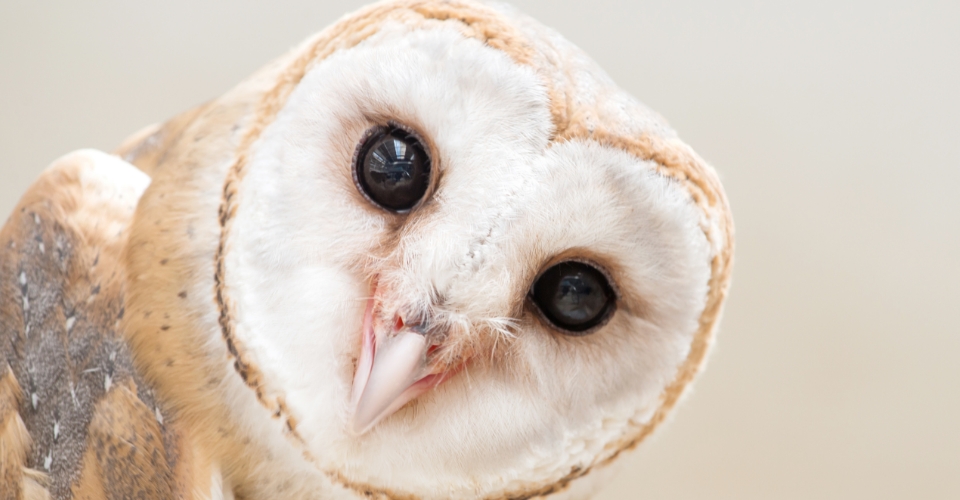
    Owls have a mystical reputation and they’re often linked to death in folklore. Many cultures believe seeing or hearing an owl means a major change or loss is coming. In other cultures owls symbolise wisdom and guidance.


    Do Crows and Ravens Mean Trouble Is Coming?

    Both crows and ravens have always been painted as villains in superstition. Seeing a single crow or raven is often thought to signal bad luck, misfortune or even death.

    However, seeing two or more crows together is actually considered good luck! So, if you spot a murder of crows (yes, that’s what a group of them is called, hence the whole villain thing), don’t panic, it might be a sign that fortune is on your side.


    Seeing a Robin Means a Loved One Is Watching Over You

    In many cultures, robins are believed to be messengers from the spirit world. If a robin appears near you, especially after you’ve lost someone, it could mean that a loved one is watching over you and sending comfort.

    So, next time you see a robin take a moment to appreciate the visit, it might just be a little feathered hug from above.


    Hearing a Bird Sing at Night Is a Bad Omen

    Birds are supposed to sleep at night, right? So, if you hear one chirping in the dark, it can feel a little eerie. According to superstition, it’s a sign of bad luck or an upcoming loss.

    On the flip side, some cultures believe a night-singing bird could mean a message is on its way. So, maybe their evening serenade is just trying to tell you something important.


    If a Bird Builds a Nest on Your House, It Brings Blessings

    Is there a bird’s nest on your house, balcony, or window ledge? Congrats! You’ve been hand-pecked for good fortune. Many cultures believe a bird nesting on your home means happiness, protection, and prosperity for the household.

    Just don’t disturb the nest. It’s said that removing it could reverse the good luck!


    Final Feathers of Thought

    Whether you believe in these bird superstitions or not, they do have a way of keeping life interesting.

    Do you want to keep your feathered pets safe? Visit dotsure.co.za for our Exotic Pet plans that cover birds!
  • UNDERSTANDING ASPERGILLOSIS IN BIRDS: A VET’S PERSPECTIVE

    UNDERSTANDING ASPERGILLOSIS IN BIRDS: A VET’S PERSPECTIVE

    Meet Dr. Kobus Grobler from Bergbos Animal Clinic in Rustenburg, here to answer questions about aspergillosis in birds, what it is, how to spot it early and how to protect your feathered friends from this potentially serious condition.


    What is Aspergillosis in Birds?

    ”Aspergillosis is caused by fungi of the genus Aspergillus, more often A fumigatus. The fungi occur in the environment and grow commonly in moist and warm conditions. Birds are especially prone to developing the disease. Infection occurs when spores are inhaled, and the bird’s immune system is compromised through concurrent disease or malnutrition. A seed-only diet is deficient in Vitamin A, predisposing the bird to respiratory infections. “

    What Are the First Signs and Symptoms of Aspergillus?

    “The fungus grows in the lungs and air sacs, causing chronic signs such as emaciation, difficulty breathing, and coughing.  It can also spread to the intestines and nervous system, causing diarrhoea and other nervous symptoms, but this happens infrequently. The diagnosis can be quite challenging, but radiographs can suggest the disease. The best way of diagnosing the disease is by endoscopy, where lesions in the trachea, lungs, and air sacs can be observed, and samples can be taken for either culture or histopathology. A preliminary diagnosis can also be made from direct smears from such lesions.”

    What Medication Is Used for Aspergillosis in Birds?

    “Anti-fungal drugs such as Itraconazole are used, but their efficacy is limited by the fact that the body forms granulomas around the lesions which block the penetration of the medication. The medication can also be instilled right into air sacs during endoscopic procedures.  Supportive care and improved nutrition are also important in managing sick birds.”

    How Can Bird Owners Prevent Aspergillosis?

    “The main preventative measures are ensuring the bird’s environment is dry and clean with good ventilation. Proper nutrition is paramount, especially vitamin A supplementation if deficient in the diet. Feed must be kept dry to prevent mould from growing on it.”

    Any Last Thoughts on ASpergillosis in Birds? 

    “Although Aspergillosis doesn’t occur very frequently, it can be devastating if it does. Diagnosis can be challenging, and treatment is not always effective. The antifungals can also be very pricey.  It is always better for birds to be seen to by vets who have experience with the disease and the necessary equipment for diagnosis, treatment, and aftercare.  As usual, prevention is better than cure!”


    More About Our Vet of The Month

    Tell us a little more about you and what you do.

    “I am originally from Pretoria, where I grew up, went to school and completed my Bachelor’s at Onderstepoort. I did a two-year stint in the Medical Corps in Bophuthatswana and then worked for six months in Kempton Park as a small animal vet. Since September 1990, I have been in mixed practice in Rustenburg, where we treat every non-human mammal imaginable. My favourite part of the job is small animal surgery, and if I had a choice, I would spend the whole day with some surgical instrument in my hands.”

    What inspired you to become a vet? 

    “I have often tried to answer that question, but ever since I can remember, that has been my dream, so I suppose it was a calling more than anything else. Working with vets like the late Dr Duncan Prinsloo just furthered my aspirations, and I must say, I have not regretted my decision.”

    Do you have any pets?

    I do not own any pets at the moment. Both my mutts died within a short time, and I am still trying to get over the loss.


    Pet Insurance and Aspergillosis

    At dotsure.co.za, we offer Exotic Pet plans that cover a wide range of avian health issues, including aspergillosis in birds, ensuring your feathered family members get the care they need. Visit dotsure.co.za and get a quote today.

    More from our expert vet community:

  • WHAT TO FEED A BABY BIRD IN AN EMERGENCY (AND WHAT TO AVOID)

    WHAT TO FEED A BABY BIRD IN AN EMERGENCY (AND WHAT TO AVOID)

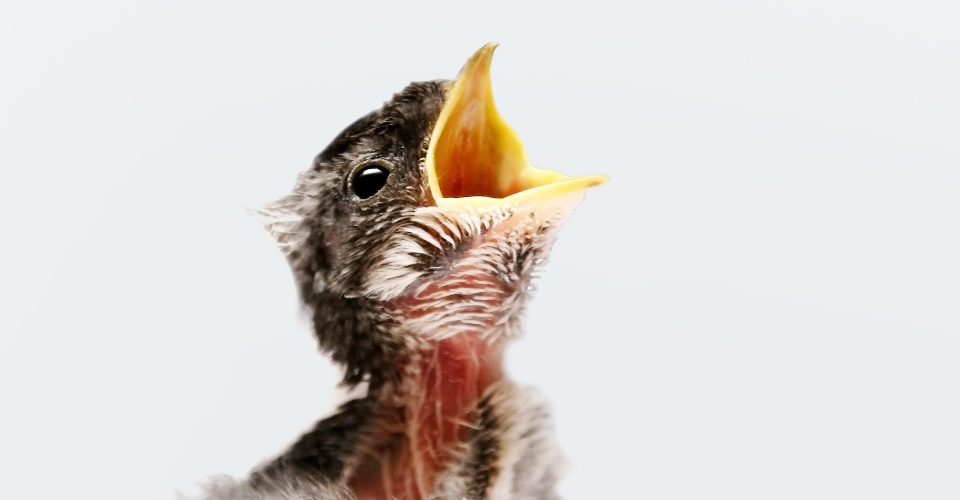
    So, you’ve found a baby bird on the ground chirping away for help, and just like that, you’re a new bird parent. But there’s just one problem. You have no idea what to feed your new feathered child. Before you start Googling recipes for worm smoothies, here’s what to feed a baby bird in an emergency and how to protect it, so you can give your new little friend the best shot at survival.


    What Homemade Food Can You Feed a Baby Bird in an Emergency?

    You can offer emergency food substitutes if you can’t get to a vet immediately. Depending on the bird species, you can try:

    • Soft dog or cat food soaked in warm water to a mushy consistency
    • Unseasoned scrambled eggs
    • Mashed-up insects or mealworms for insectivorous birds
    • Moistened plain baby cereal for grain-eating birds.

    Pro tip: Don’t force-feed. Gently touch the food to the edge of their beak and let them decide when to nibble.


    What Not to Feed Baby Birds

    Yes, it may be an emergency. Some foods can do more harm than good.

    • Milk: While milk sounds like the “nurturing” thing to feed them, baby birds can’t digest dairy.
    • Bread: It might fill their little bellies, but it offers zero nutrients. Instead, go for that moistened baby cereal we mentioned earlier on.
    • Raw meat: Too risky! It can introduce harmful bacteria and do more harm than good.
    • Rice: It’s hard to digest and can lead to bloating, which is not ideal for tiny tummies.
    • Fruit seeds: Some, like apple seeds, contain toxins. If you’re offering fruit, make sure you’ve cut the core out and removed the seeds.

    Avocado: Avo might be trendy for humans, but it is toxic to birds.


    How Often Should You Feed a Baby Bird?

    Feeding frequency will vary from every fifteen minutes to every two hours, depending on the species and age. If the bird looks weak or isn’t begging for food, get it to a professional ASAP!


    Can You Give a Baby Bird Water?

    Nope! Unlike adult birds, baby birds don’t drink water. They get all their hydration from their food. Dropping water directly into their beaks can cause choking or drowning.


    Our Final Chirp on Feeding Baby Birds

    Now that you know how to feed a baby bird, you’re better prepared to give a little life a fighting chance!

    If you already share your home with a pet bird, ensure they’re protected with dotsure.co.za pet insurance. It’s just one more way to be the best bird parent you can be!

    RELATED: SOUTH AFRICA’S MOST POPULAR PET BIRDS AND WHY WE LOVE THEM

  • SOUTH AFRICA’S MOST POPULAR PET BIRDS AND WHY WE LOVE THEM

    SOUTH AFRICA’S MOST POPULAR PET BIRDS AND WHY WE LOVE THEM

    Birds aren’t just beautiful. They’re full of personality, charm and even a few words. If you’re looking for a talkative companion, a low-maintenance friend, or a feathered cuddle bug, there’s a pet bird out there (and a dotsure.co.za pet insurance plan) to match.
    Two birds, with one stone. Except, no birds are harmed here, they’re only protected. 😉 Let’s meet South Africa’s most popular pet birds and what we love about them!


    Best Pet Birds for Beginners

    New to bird parenthood? Some birds are easier to care for than others. The best beginner-friendly birds are:

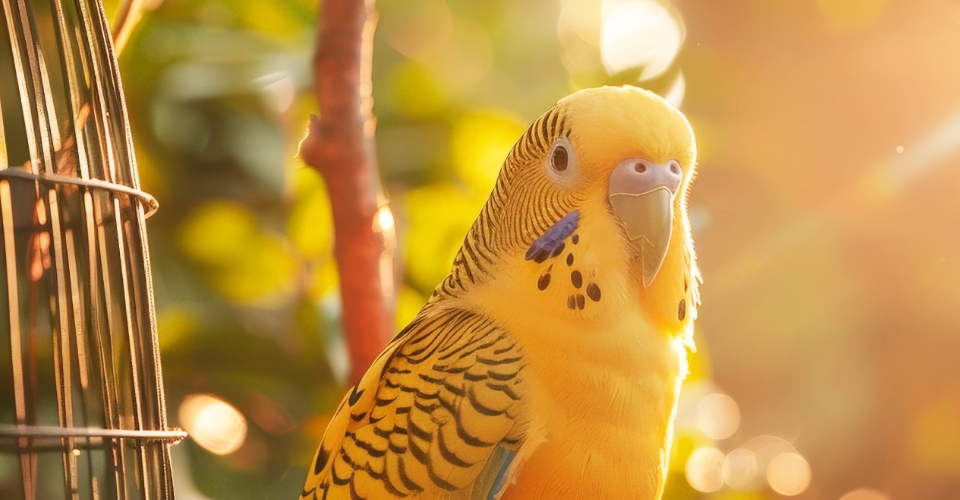
    • Budgies (Budgerigars): Small, social, and easy to train, budgies are amongst the best first birds for new owners. Plus, they can learn to mimic words.
    • Cockatiels: Friendly, intelligent, and relatively low-maintenance, cockatiels love whistling tunes and bonding with their humans.
    • Lovebirds: Tiny but full of personality, lovebirds are affectionate and easy to care for. They usually come in pairs, so give them enough social and mental stimulation if you get a single lovebird.


    Pet Birds That Can Talk

    Do you want a bird that chirps back? Some species are natural talkers and can even learn phrases:

    • African Grey Parrots: These intelligent birds can develop a vast vocabulary and accurately mimic human speech.
    • Indian Ringneck Parakeets: Known for their clear pronunciation, these birds can learn entire sentences!
    • Budgies: As mentioned earlier, budgies are great for beginner bird owners and can learn over 1 000 words with enough patience and training.

    Note to reader: Be careful what you say; your pet bird could reveal all your secrets.


    Low-Maintenance Pet Birds for Busy Owners

    Working pet parents, these birds are for you:

    • Canaries: Independent and happy in their cage, canaries need minimal handling. Plus, they love to sing and can remember melodies, so leave the radio on so that they can sing along.
    • Finches: These tiny birds thrive in pairs or groups and don’t need much human interaction.
    • Doves: Gentle and quiet, doves are easy-going pets that don’t demand constant attention.

    Fun fact: “To sing like a canary” doesn’t mean you’ve got pipes; it means you’re a bit of a snitch.


    Most Affectionate Pet Birds

    Looking for a bird that loves snuggles and companionship? These birds adore their humans:

    • Cockatoos: The cuddle bugs of the bird world! Cockatoos crave attention and will happily snuggle up to their owners.
    • Quaker Parrots: Playful, affectionate, and social, these parrots love to bond with their humans.
    • Lovebirds: Their name says it all. Lovebirds love love! They form strong attachments and enjoy sitting close to their owners.


    Which Pet Bird Is Right for You?

    Choosing the perfect bird depends on your lifestyle. Do you want a chatty companion, a hands-off pet, or a cuddly bird?

    No matter which popular pet bird you choose, dotsure.co.za pet insurance can help to protect their health and your pocket. Our Exotic Pet plans cover your bird’s vet visits, accidents and illnesses so you can focus on enjoying their chirps and songs without worrying about the vet bills.

    Get a quote online today, or contact us for more info.