Tag: breeds

  • DISCOVER YOUR PET’S HERITAGE WITH A DOG DNA TEST

    DISCOVER YOUR PET’S HERITAGE WITH A DOG DNA TEST


    It’s not just humans who can celebrate their heritage. Your dog can too! With a simple dog DNA test, you can find out exactly what mix of breeds makes your fluffy friend so unique. Maybe they’re secretly a sausage dog with a side hustle in shepherding? It’s all in their DNA. 

    Of course, heritage is fun, but health is everything. Pet insurance from dotsure.co.za covers a range of pets, regardless of their DNA test results! Do you need cover? Get a quote online or contact us for more info. 


    Why Pet Heritage Matters: Honouring Diversity This September 

    Discovering your pet’s backstory is more than fun trivia for your friends and family: 

    • Health insights: Some breeds are prone to conditions such as hip dysplasia. Knowing their roots means you can spot health risks before they become emergencies. 
    • Training tips: When you understand their heritage, you understand their behaviour. A Border Collie mix might need more mental stimulation. Training a Pug mix may mean many more snacks for motivation. 


    RELATED: TAKING CARE OF A BORDER COLLIEGERMAN SHEPHERD CHARACTERISTICS AND CARETAKING CARE OF A DACHSHUND 


    What Is a Dog DNA Test and How Does It Work?

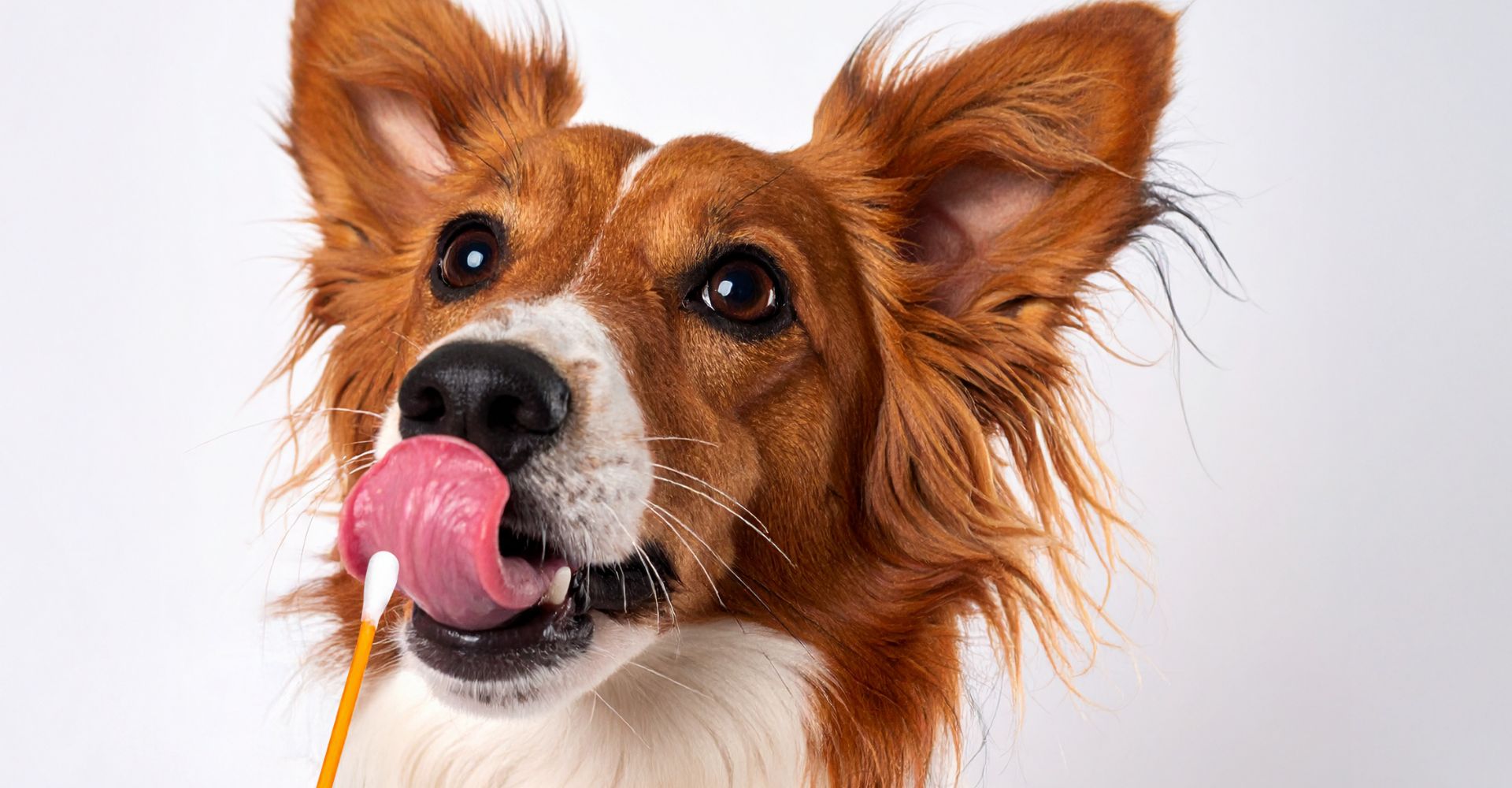
    Testing labs can read your dog’s genetic code with one cheek swab and reveal the mix hiding beneath that fluffy coat.

    The results usually come with breakdowns of breed percentages, possible genetic health markers, and even fun personality predictions.


    What Can a Dog DNA Test Tell You About Your Pet? 

    • Breed breakdown: You’ll discover if your rescue pup is 60% Labrador, 30% Beagle, or 10% Dachshund. 
    • Inherited quirks: DNA can explain why your dog insists on digging, herding, or chasing tennis balls like it’s their life’s work. 
    • Health indicators: Some tests highlight genetic predispositions to conditions such as heart disease or joint issues. This is helpful knowledge for your vet so that they can keep your dog thriving. 
    • Coat colour and traits: DNA reveals why your dog looks the way they do. 


    How to Do a Dog DNA Test at Home 

    1. Order a kit online. 
    2. Swab your doggo’s cheek. 
    3. Send it back. 
    4. Wait for the big reveal. 


    Where to Get a Dog DNA Test in South Africa 

    We sniffed out some options for you: 

    Provider  Price 
    EasyDNA SA  From R2 236 
    PetGen  From R2 995 
    homeDNAdirect  From R1 499 
    MuttMix  From R1 350 


    Heritage and Health

    Discovering your pup’s roots with a dog DNA test is exciting, but knowing you’ve got their health covered is even better. Protect your pet with dog insurance from dotsure.co.za. We cover accidents, illnesses, and more! Contact us today and chat to one of our friendly consultants for more information about wholehearted cover. 
     

    RELATED: THE AFRICANIS: SOUTH AFRICA’S ANIMAL HERITAGE 

  • TOP 10 MOST POPULAR DOG BREEDS IN SOUTH AFRICA

    TOP 10 MOST POPULAR DOG BREEDS IN SOUTH AFRICA


    South Africa is a land of rich heritage, breathtaking scenery, and an undeniable love for dogs. While every pup is special in their own way, certain breeds stand out for their loyalty, temperament, and ability to adapt to our diverse lifestyles. 

    As any dog parent knows, keeping your four-legged friend healthy can come with unexpected vet bills. That’s where dog insurance can help, ensuring your pup stays protected, no matter the breed.  

    RELATED: TOP 5 CAT BREEDS IN SA; RAREST DOG BREEDS IN SA 


    Boerboel (South African Mastiff)

    The Boerboel is South Africa’s very own gentle giant. Bred to guard homesteads and farms, this powerful breed is admired for their loyalty, intelligence, and natural protective instincts. Boerboels are excellent family dogs when well-socialised and properly trained. Although, their size means they thrive in homes with space to roam. 

    boerboel


    Staffordshire Bull Terrier

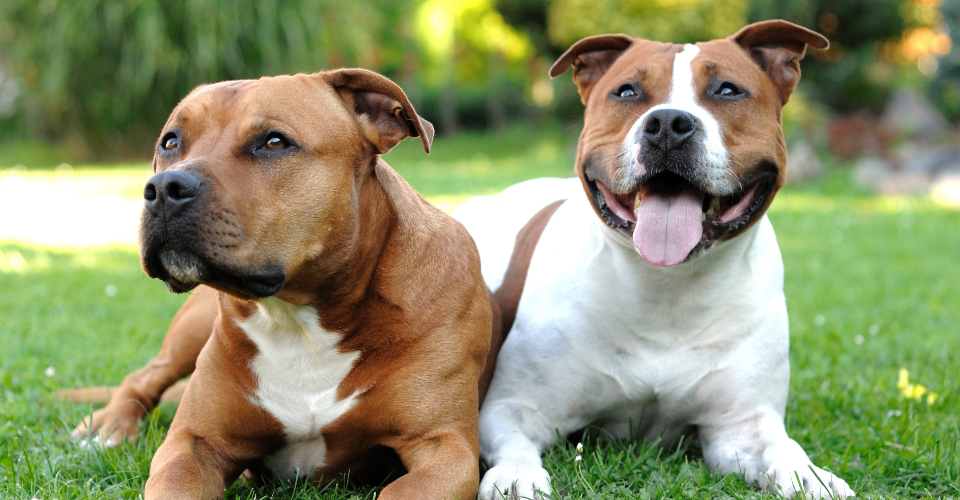
    Affectionately called a Staffy, this medium-sized, muscular breed is one of SA’s most-loved dogs. Staffies are famous for their affectionate and playful nature, especially around children. Loyal to the core and brimming with energy, they thrive in loving households where they’re part of the action. 

    staffordshire bull terrier


    Labrador Retriever

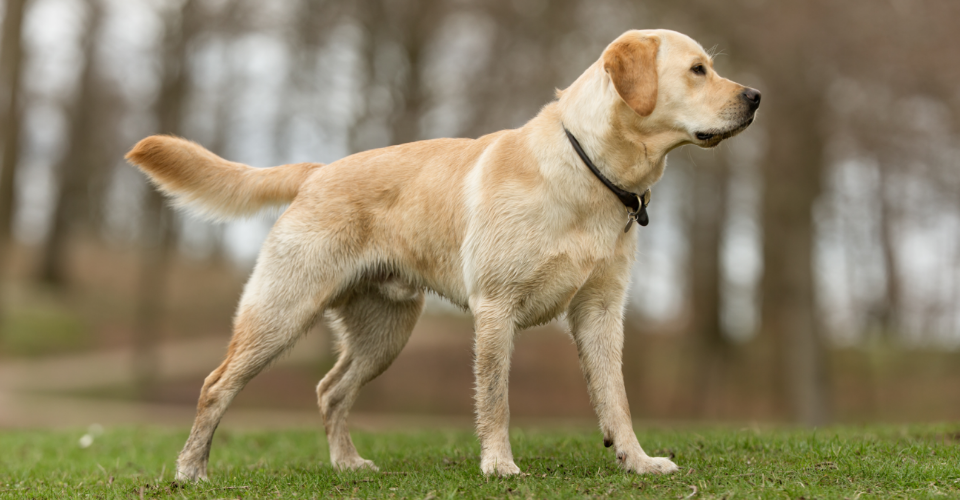
    Whether it’s for companionship, search-and-rescue work, or service duties, Labrador Retrievers remain a firm favourite. Friendly, eager to please, and highly trainable, Labs adapt well to families and active individuals. 

    labrador retriever


    Rottweiler

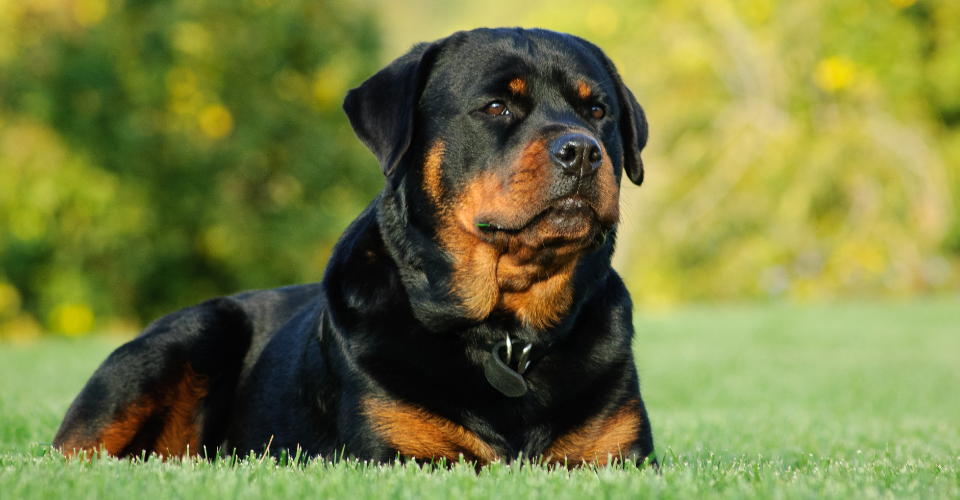
    Don’t let the tough exterior fool you, Rottweilers are affectionate and loyal pets. With proper training, they make fantastic protectors and loving family members. Known for their strength and confidence, they also require experienced, responsible pet parents. 

    rottweiler


    German Shepherd

    German Shepherds are renowned for their intelligence and versatility. Often used in police and security roles, this breed is a dependable family dog when trained and exercised properly. They’re deeply loyal, protective, and eager to learn. 

    german shepherd


    Border Collie

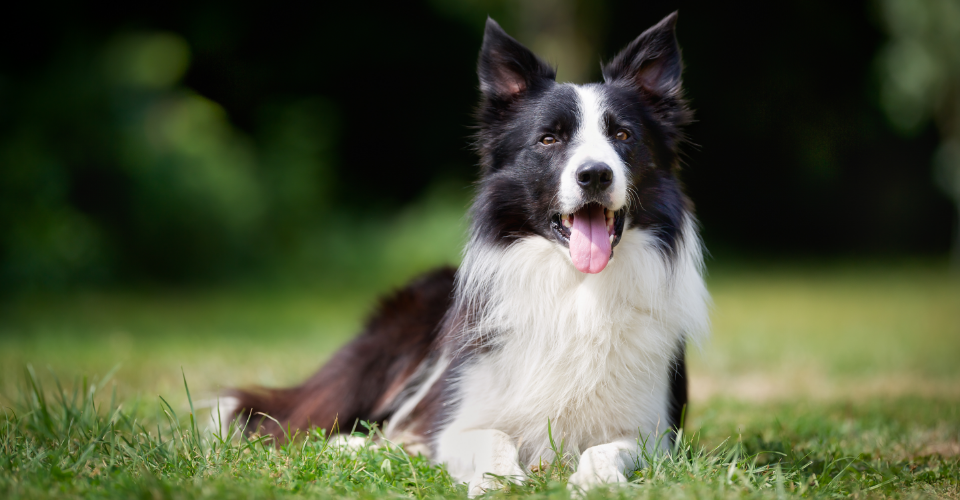
    The Border Collie is a bundle of energy and brainpower. Originally bred for herding, this intelligent breed thrives on mental stimulation and physical activity. Perfect for active families or agility lovers, Border Collies need plenty of engagement to thrive. 

    border collie


    Golden Retriever

    Golden Retrievers are the epitome of gentle, affectionate dogs. Ideal for families, these calm and loving pets are often used as therapy dogs. Their easygoing temperament makes them great with kids and other pets. 

    golden retriever


    Bull Terrier

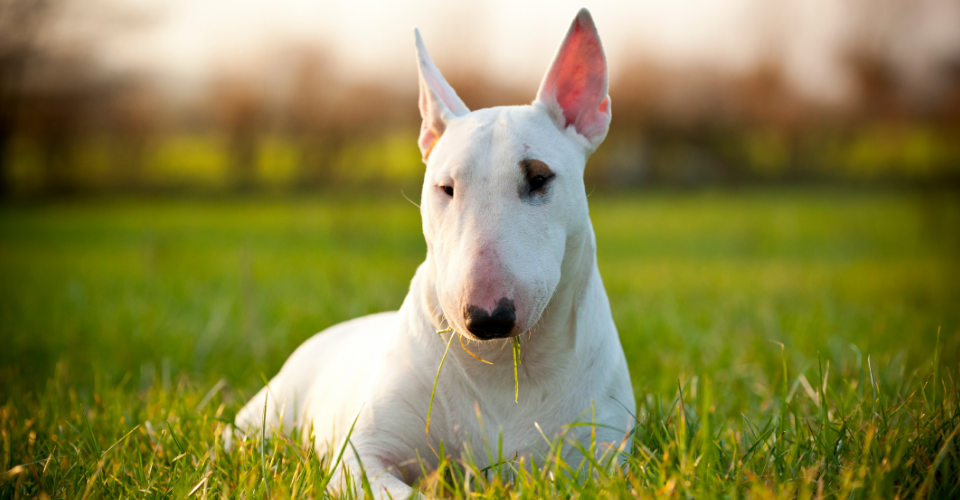
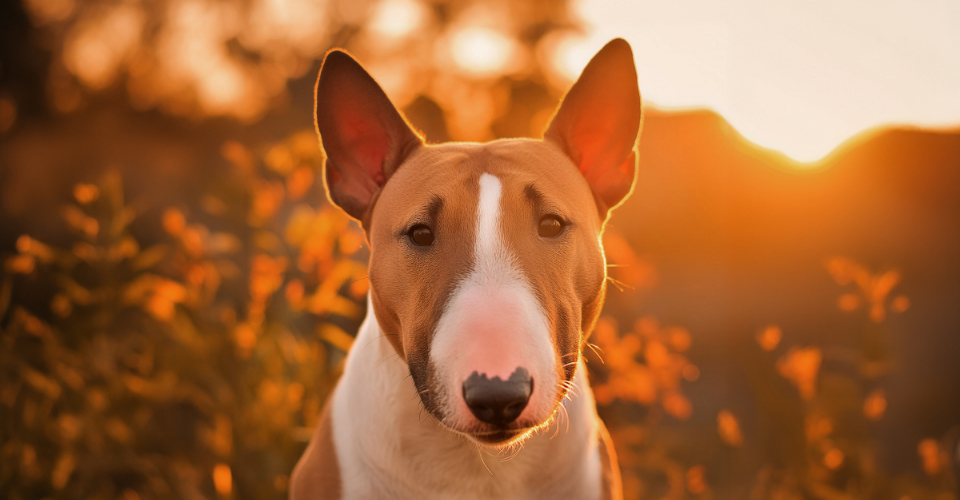
    Recognised by their unique egg-shaped heads, Bull Terriers are strong, playful, and a little cheeky. They’re known for their clown-like personalities and deep loyalty to their families, making them both fun and fiercely devoted companions. 

    bull terrier


    Yorkshire Terrier

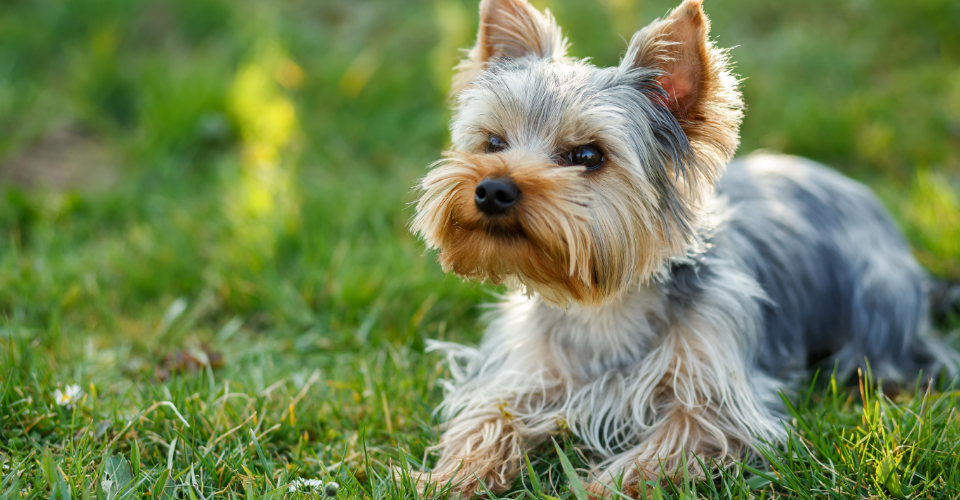
    Yorkies may be small, but their personalities are anything but. These confident and affectionate lapdogs are ideal for apartment living and have gained popularity in South Africa’s urban centres for their adaptability and charm. 

    yorkshire terrier


    Dachshund

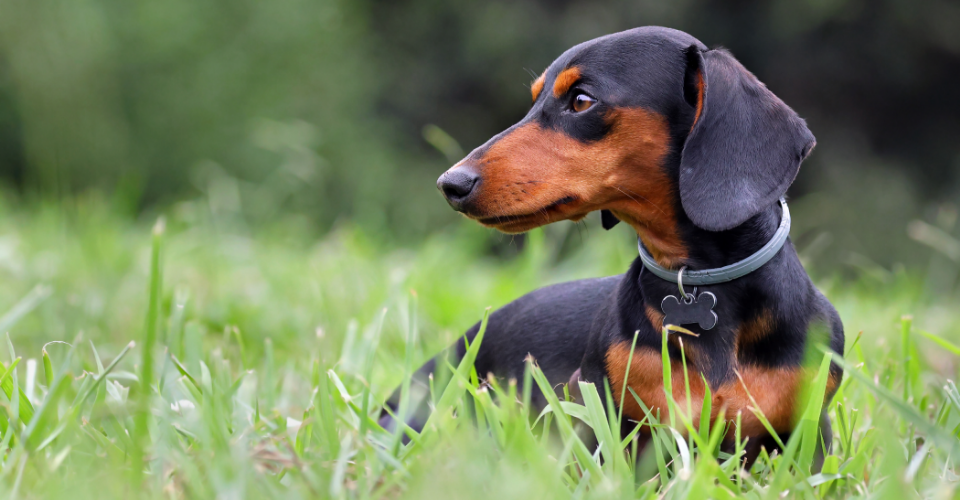
    With their long bodies and bold spirits, Dachshunds are adored for their spunky attitudes and loyal hearts. Whether you call them sausage dogs or wiener dogs, they’re clever companions who love being part of the family. 

    dachshund


    Protect Your Favourite Breed with Pet Insurance 

    No matter which breed has stolen your heart, the bond between humans and dogs is priceless. But when your dog needs unexpected medical care, the bills can bite. That’s why more and more South African pet owners are turning to dotsure.co.za for reliable pet insurance. Get a quote online and give your best friend the care they deserve! 


    READ MORE: HERDING DOG BREEDS; TOY DOG BREEDS; TERRIERS UNLEASHED; BREED STANDARDS 

  • TAKING CARE OF A BULL TERRIER

    TAKING CARE OF A BULL TERRIER


    What to Expect When a Bull Terrier Joins the Family

    Owning a Bull Terrier is an adventure filled with fun, energy, and lots of love. Here’s what you need to know about living with these unique and spirited dogs!


    History and Looks

    The Bull Terrier’s history dates back to 19th-century England. They’re famous for their unique egg-shaped heads and muscular builds. Originally a mix of the old English terrier and bulldog, with some Spanish Pointer, English terrier, and Dalmatian added in, they’re a stylish and tough breed. Their coats are smooth and shiny, with colour variations such as white, brindle, red, fawn, and black.


    Personality

    Bull Terriers are loyal and protective, making them great watchdogs. Their playful, happy-go-lucky attitude makes them wonderful family companions, but they can also be a bit stubborn and mischievous. They need early socialisation and consistent training to be well-behaved.


    Exercise and Play

    These dogs are bundles of energy! They need daily exercise to keep them happy and out of trouble. Whether it’s playing in a fenced yard or going for walks, Bull Terriers love outdoor activities. Just make sure they’re on a leash or in a secure area, as they can be a bit too adventurous.


    Training and Socialisation

    Training a Bull Terrier is a necessity. They need to learn the house rules early on, and they respond well to positive reinforcement. Socialising them with different people and pets from a young age helps them grow into well-rounded adults. They’re most suitable for experienced dog owners who can handle their strong-willed nature.


    Diet and Health

    Bull Terriers are prone to obesity, so be careful not to overfeed them. They need about 4 cups of high-quality dog food each day, split into two meals. Regular vet check-ups are important to keep an eye on their health, especially for issues such as hip dysplasia, elbow dysplasia, and eye problems.


    If you’re ready for a lively, loyal companion, a Bull Terrier might be the perfect dog for you.

  • UNDERSTANDING BREED STANDARDS

    UNDERSTANDING BREED STANDARDS


    Getting to Know Dog Breeds and Types

    Ever wondered about the specifics of your favourite purebred pooch? It’s all in the breed standard – a sort of canine rulebook that defines what makes each breed special. From their swagger to their snout, breed standards paint a picture of perfection that guides breeders, judges, and dog enthusiasts alike.


    Who Writes the Rules?

    Breed standards are crafted by the American Kennel Club and their affiliates, the ultimate fan clubs for specific breeds. These folks live and breathe their chosen breed, coming together to hash out what makes their pups unique. Once they agree, it’s off to the AKC Board of Directors for the final stamp of approval.

    But here’s the kicker: interpreting these standards isn’t always straightforward.

    Breed standards come in all shapes and sizes. Some are verbose, detailing every whisker and wag, while others leave room for interpretation. It’s like trying to describe your favourite song in just a few words, everyone’s interpretation is a little different.


    Breed Types

    Breed type is like a breed’s personality. It’s what sets them apart from the pack. At shows these dog breeds are grouped into seven distinct categories, each representing the original purpose for which the breeds were developed.

    Sporting Group

    Hound Group

    Working Group

    • These are the blue-collar workers of the dog world, developed to assist humans in various tasks, such as pulling sledges and guarding flocks.
    • Well-known: Boxer and Rottweiler
    • Lesser-known: Chinook and Kuvasz

    Terrier Group

    Toy Group

    Non-Sporting Group

    • This diverse group of breeds, with no common job description, is sought after mainly as companion animals due to their fascinating histories.
    • Well-known: Bulldog and Dalmatian
    • Lesser-known: Coton De Tulear and Keeshond

    Herding Group


    A Rich History

    Breed standards have been around since the dawn of dogdom. They’re like a time capsule, preserving the traits and characteristics that made each breed unique.

    Today, organisations like The Kennel Club are tasked with preserving breed standards for future generations. They carefully review and revise standards to ensure that breed health and welfare remain top priorities.


    So, the next time you see a fancy dog strutting its stuff at a show, remember that there’s a whole story behind that swagger.

  • TAKING CARE OF A BORDER COLLIE

    TAKING CARE OF A BORDER COLLIE


    What to Expect When a Border Collie Joins Your Family

    If you want a dog with brains, brawn, and boundless energy, look no further than the Border Collie. Renowned for their intelligence and unwavering work ethic, these remarkable canines offer a plethora of admirable traits that make them exceptional companions and working partners. However, before bringing home a Border Collie, it’s crucial to understand their unique needs and characteristics to ensure a harmonious relationship.


    Characteristics and Traits

    Border Collies are distinguished by their high energy levels, sharp intelligence, and eagerness to serve a purpose. Bred as herding dogs in the countryside between Scotland and England, they possess an innate instinct to work diligently, often displaying a vigilant demeanour and a readiness to bark. Their athleticism and agility make them well-suited for various tasks, whether as a dedicated companion or a working dog for herding livestock.


    Caring for Your Border Collie

    While Border Collies bring an abundance of positive traits to the family, it’s essential to address their specific care requirements to raise a happy and well-adjusted dog:

    • Exercise and Stimulation: Border Collies thrive on physical activity and mental stimulation. Regular exercise is paramount to prevent boredom and curb destructive behaviours. Engage them in activities like running, hiking, or agility training to keep them content and mentally sharp.
    • Herding Instinct: Their strong herding instinct may manifest in behaviours like chasing cars and small animals. Proper training and supervision are essential to manage this tendency and prevent potential accidents.
    • Attention and Socialisation: Border Collies crave frequent attention and thrive in environments where they feel included. Socialisation from an early age helps them develop positive interactions with strangers and other pets, reducing the likelihood of shyness or snappish behaviour.
    • Grooming Needs: With a moderate shedding tendency, Border Collies require regular brushing to maintain a healthy coat. Weekly grooming sessions help minimise shedding and keep their fur in top condition.
    • Health Considerations: Like all breeds, Border Collies are susceptible to certain genetic health conditions. Regular veterinary check-ups and proactive healthcare measures can help mitigate potential risks and ensure your pet’s well-being.


    The Border Collie’s Place in Your Home

    When welcoming a Border Collie into your household, it’s essential to provide ample opportunities for exercise, mental stimulation, and companionship. Whether they’re herding livestock or playing fetch in the backyard, these intelligent canines thrive on having a job to do and a sense of purpose.

    Border Collies excel in environments where they receive the attention, training, and activity they crave. With proper care and dedication, they prove to be loyal, affectionate, and endlessly entertaining companions for individuals and families alike.


  • TAKING CARE OF A LABRADOR

    TAKING CARE OF A LABRADOR


    What to Expect When a Labrador Joins Your Family


    Labrador Retrievers, often referred to as Labs, are beloved for their intelligence, easy trainability, and friendly demeanour, making them an ideal family pet. However, their energetic nature and specific needs require thoughtful care.

    Labs are sturdy dogs with a square appearance, characterised by a broad head, expressive eyes, and a distinctive “otter tail.” They come in three standard colours: black, yellow, and chocolate. Their double coat is short, dense, and water-repellent, requiring a moderate amount of grooming maintenance.


    Exercise and Training

    Labradors have moderate to high exercise requirements, but their intelligence and work-oriented nature demand mental stimulation as well. Labs thrive when given tasks, especially retrieving activities. Early obedience training is essential to manage their strength and exuberance.


    Living With a Labrador

    Labs are excellent family dogs, but they require companionship and regular exercise to prevent destructive behaviours. Chew toys, proper training, and a balanced diet help address their oral fixation and maintain a healthy weight.

    Labradors are best suited for active families with ample outdoor space. If you enjoy outdoor activities, such as jogging or swimming, a Labrador could be an ideal fit.


    Grooming

    Labradors shed moderately throughout the year, with more substantial shedding during seasonal changes. Weekly brushing and occasional baths, will help manage their shedding. Nail trimming and dental care are also essential aspects of their grooming routine.


    Health Considerations

    While Labs are generally healthy, certain conditions like elbow and hip dysplasia, exercise-induced collapse, weight issues, and eye disorders may occur. Regular veterinary check-ups, a balanced diet, and proper exercise can contribute to their overall well-being.


    Labrador Retriever History

    Originating from Newfoundland, Labrador Retrievers were initially working dogs for fishermen. Their intelligence, friendly nature, and adaptability led to their recognition as exceptional family pets. First recognised by kennel clubs in the early 20th century, Labradors have become one of the most popular dog breeds globally.


    Labradors are wonderful companions for families willing to invest time and effort in their care. Whether you choose to adopt or go through a reputable breeder, the bond you form with your Labrador will undoubtedly be a fulfilling and lasting one.