Tag: cat health

  • WHAT IS FIV IN CATS: CAUSES, CARE, AND PREVENTION 

    WHAT IS FIV IN CATS: CAUSES, CARE, AND PREVENTION 


    One minute they’re chasing geckos, the next they’re off their food, and you’re Googling things like “cat home remedies.” That’s why every pet parent needs to be clued-up on viruses like the Feline Immunodeficiency Virus. 

    To help us understand FIV in cats, our Vet of the Month, Dr. Roselle Hartwigsen, co-owner at AnimalQi Veterinary Clinic (where their focus is on holistic, compassionate treatment for pets, combining advanced diagnostics and conventional medicine with complementary approaches such as acupuncture, food therapy, and herbal medicine), gives us the inside scoop on what FIV really means and why insurance for your cat is so important. 


    What Is FIV in Cats? 

    “FIV is a viral infection in cats that’s similar in many ways to HIV in humans, although it’s species-specific and cannot spread to people or other animals. It’s a slow-acting virus that affects a cat’s immune system, making it harder for them to fight off infections.” But here’s the key thing: it’s not a death sentence. 


    How Do Cats Get FIV? 

    “FIV is most commonly transmitted through bite wounds from an infected cat, which is why it’s more often seen in unneutered males who roam outdoors and may get into territorial fights. It can also be passed from a mother cat to her kittens, although this is less common. Normal social interactions like grooming or sharing food bowls are not typical ways the virus spreads.” says Dr. Roselle. So, no need to separate besties over breakfast. 


    Symptoms of FIV in Cats 

    “FIV can be tricky because some cats show no signs for years, but over time the weakened immune system can lead to recurring or chronic health problems,” says Dr. Roselle. But eventually, you might spot things like: 

    • Recurrent gum or mouth infections 
    • Skin problems 
    • Chronic sniffles or respiratory infections 
    • Weight loss or a dull coat 
    • Swollen lymph nodes or general lethargy. 

    Basically, if your cat’s acting off, eating less, sleeping more, or not bossing you around as usual, it’s worth a vet check.   


    We asked Dr. Roselle how Vets Diagnose FIV and treat it 

    Diagnosis starts with a simple blood test that checks for FIV antibodies. “We usually do a quick ELISA test in-clinic,” explains Dr. Roselle. “If it’s positive, we’ll confirm with a lab test to be sure.” There’s no cure for FIV, but that doesn’t mean your cat can’t thrive. “Treatment is about keeping the immune system strong and preventing secondary infections,” she says. That means: 

    • A balanced, high-quality diet 
    • Regular vet visits 
    • Dental care and parasite prevention 
    • Quick treatment for any infections 

    “For some cats, supportive therapies like acupuncture or herbal medicine can also improve wellbeing, especially when stress is a factor. In some cases, we can use anti-retroviral medications to help keep the virus at bay and reduce the viral load, which may improve a cat’s overall health and slow disease progression,” added Dr. Roselle. “We want them to live well, not just longer.” 


    Prevention: How to Keep Your Cat FIV-Free 

    Dr. Roselle says, “Prevention is about protecting quality of life. A little precaution now can mean many healthy, happy years together.” 

    • Neuter to reduce the urge to fight and roam. 
    • Keep cats indoors or in enclosed gardens. 
    • Test new cats before introducing them to the clan. 
    • While no FIV vaccine is currently available in South Africa, early testing and regular care go a long way. 


    Final Word from Dr. Roselle 

    “With love, proper care, and regular vet visits, FIV-positive cats can live long, joyful lives. Reducing stress, supporting their immune system, and addressing health issues early are key. Having pet insurance from the start can make a huge difference. Because sometimes those ‘quick checkups’ become surprise bloodwork and ultrasounds.” 

    And if your cat’s health journey ever feels a bit daunting, remember, support (and cover) are just a click away at dotsure.co.za. 


    The Low-Down on FIV

    • FIV weakens their immunity, but it’s manageable.
    • Keep cats indoors and neutered.
    • Regular vet checks are a must.
    • Support their diet, reduce stress.
    • Insurance for your cat helps you focus on care, not costs.
    • Contact usto get a quote in minutes. 
  • THE SCOOP ON CAT POOP: WHAT TO LOOK FOR IN HEALTHY CAT POOP

    THE SCOOP ON CAT POOP: WHAT TO LOOK FOR IN HEALTHY CAT POOP


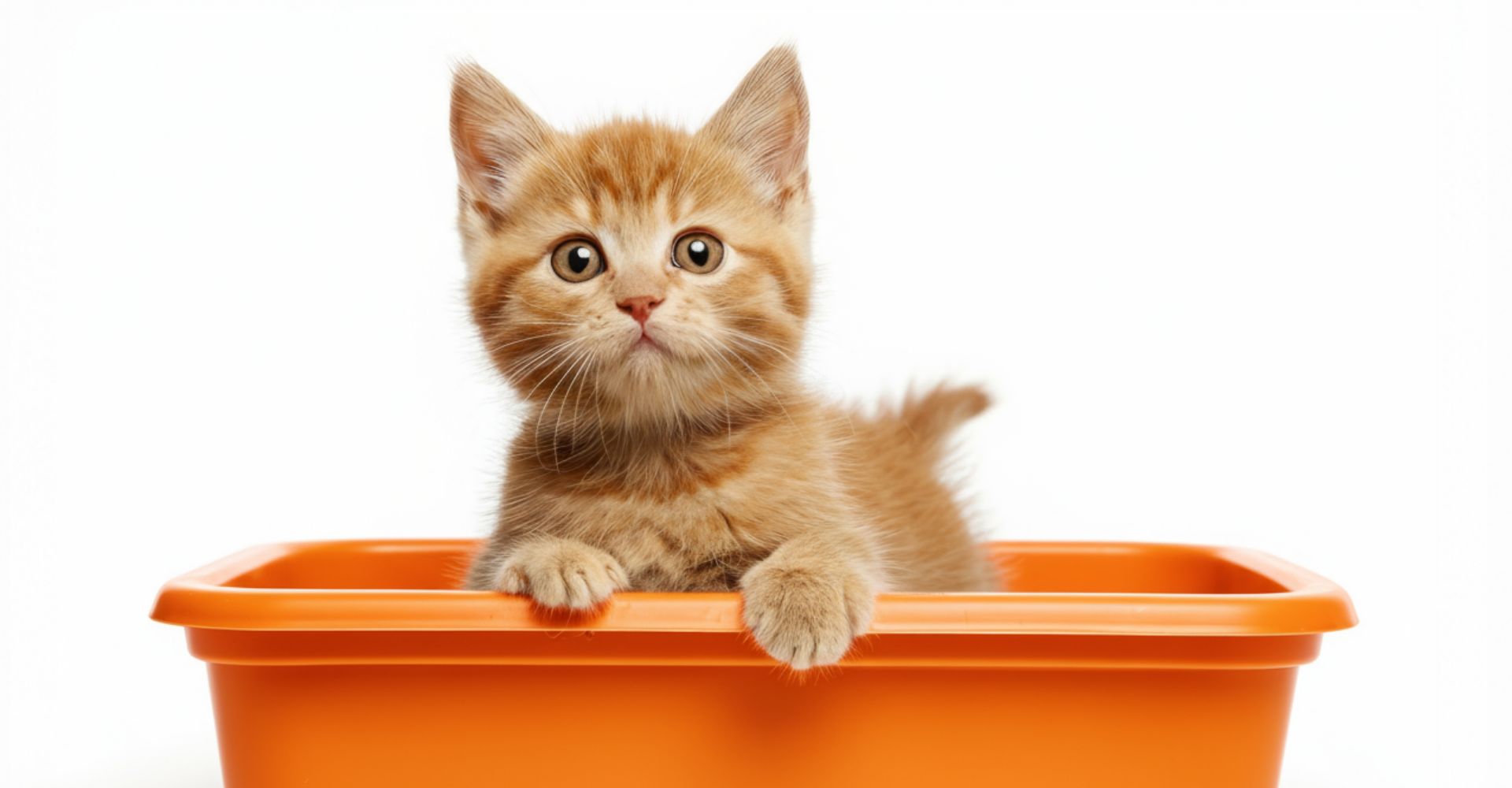
    It’s not exactly dinner-table talk, but cat poop says a lot about their health. Whether you’re a new cat parent or a seasoned “crazy cat person” (we see you), understanding what’s normal and what’s not, can make all the difference in spotting issues early. 

    From tummy troubles to serious illness, insurance for your cat comes in handy when the poop hits the fan. So, keep an eye on that litter box, it’s your cat’s way of sending you a health status update. 


    What to Look for in Healthy Cat Poop 

    Don’t worry, you don’t need a degree in poop-ology to figure out the gold standard of colour, firmness, shape, and smell.  According to Hill’s Pet Nutrition, ideal cat poop should be well-formed, easy to scoop, and brown in colour.  

    Keeping things “moving smoothly” (pun intended) comes down to a few factors for ideal cat poop: 

    • Choose balanced meals with enough fibre 
    • Wet food plus clean water equals a happy gut 
    • Scoop litter boxes daily 
    • No sudden food changes or skipped meals 


    The Colour of the Clump: Cat Poop Colour Guide 

    If cat poop could talk, colour would be its first language. Here’s what your cat poop colour may mean. 

    Colour  Possible Meaning  What To Do 
    🍫 Brown  Perfectly normal  Carry on #CatParentOfThe 

    Year. 

    ⚫ Black or Tarry  Internal bleeding  Get to the vet, ASAP. 
    ❤️ Red streaks  Fresh blood  Another trip to the vet. 
    🟡 Yellow/Orange  Liver or bile issues  Vet visit advised. 
    🟢 Green  Ate grass or infection  If it persists, get advice. 
    ⚪ White/Grey  Pancreas or bile problem  Off to the vet for tests. 
    ⚪ White Specks  Worms  Time for deworming. 

    A change in your cat’s poop colour could be your kitty trying to warn you that something inside isn’t right, so it’s always worth paying attention. 


    How Often Should a Cat Poop: Constipation and Other Red Flags 

    Most healthy adult cats poop once or twice a day. Kittens and cats on wet food might go more often, while older cats or those eating mainly dry kibble may go less. If your cat’s been regular and suddenly goes two days without a visit to the litter box (or starts going three times as much), something’s off. See your vet if: 

    • There’s straining or crying during a bowel movement. 
    • Poop is watery or ribbon-like. 
    • There’s visible blood or mucus. 


    RELATED: HUMAN FOODS CATS CAN AND CAN’T EAT 


    Cat Poop Chart: Consistency and Faecal Scores 

    Here’s a quick cat poop chart vets use (and now, so can you). 

    Score  Look & Feel  Meaning  Action 
    1  Tiny hard pellets  Constipated  More fluids or wet food, please. 
    2  Dry, firm log  Borderline hard  Keep an eye on water intake. 
    2.5  Firm, moist, smooth log  Perfect!  Screenshot-worthy poop (if you must). 
    3–4  Soft, shapeless  Mild diarrhoea  Check food changes or stress. 
    5  Liquid or watery  Serious diarrhoea  Call the vet, ASAP. 


    Cat Diarrhoea: Causes, Care, and When It’s Urgent 

    Just like humans, cats get the occasional tummy wobble. A quick diet change, too many treats, or even stress (yes, they feel it too) can upset their stomachs. 

    Common triggers include: 

    • Sudden food switches 
    • Parasites 
    • Intestinal inflammation (IBD) 
    • Viral infections 
    • Hairballs. 

    Home Care vs. Vet Care: The 24–48 Hour Rule

    If diarrhoea doesn’t clear up within two days, or if your cat stops eating or becomes lethargic, see your vet. Dehydration happens fast, especially in smaller cats. Hill’s Pet Nutrition recommends introducing new food slowly over 7–10 days to avoid digestive drama. 

    Quick FAQs on Cat Poop: Could Cat Poop Indicate Cancer? 

    It’s rare, but yes. Persistent black, bloody, or mucus-covered stools, especially with weight loss, can signal cancer. Vets might suggest imaging or bloodwork to get answers. 

    (Oh and Why does my cat’s poop smell so bad)? 

     Usually diet, or bacteria imbalance. If it’s a cause for concern, please consult your vet. 

    When to Bring a Stool Sample (and How to Collect It) 

    If you’ve made it this far, congrats, you’re practically fluent in cat poop. Your cat’s litter box might not be pretty, but it’s packed with health clues. Get to know what’s normal for your kitty and trust your gut (and theirs) when something’s off. 

    When it is off, stool samples may help your vet detect the issues. Here’s how to collect it: 

    • Scoop it within 12 hours 
    • Use a clean ziplock bag or container. 
    • Label it with your cat’s name and date. 
    • Keep it cool (not frozen) until your appointment. 


    Your vet will probably do a faecal test, maybe some bloodwork, an ultrasound, or even a biopsy… but they will definitely ask you if you have insurance for your cat because sometimes, those “little issues” turn into big bills. That’s where dotsure.co.za comes in. Get in touch anytime if you’re worried about your cat’s wellbeing. You can also check out relevant blogs for more litter-box wisdom.