Tag: dog

  • 5 IRRESISTIBLE HOMEMADE PET TREATS

    5 IRRESISTIBLE HOMEMADE PET TREATS


    Nothing says “I love you” like a tasty homemade pet treat. Plus, it’s a fun and rewarding way to spoil your pets, while ensuring you know exactly what goes into their snacks. Cats, dogs, birds, rodents, and reptiles, we’ve got the whole crew covered! And not just with some tasty recipes, but with pet insurance too.

    Let’s whip up some paw-licking goodness.


    Treats for Dogs: Peanut Butter Banana Bites

    Looking for healthy treats for dogs? These frozen peanut butter banana bites are a hit with pups and super easy to make.

    Ingredients:

    • 1 ripe banana
    • ¼ cup of natural peanut butter (unsalted, no xylitol!)
    • 1 tablespoon of coconut oil

    Instructions:

    1. Mash the banana in a bowl until smooth.
    2. Mix in the peanut butter and coconut oil until well combined.
    3. Spoon small dollops of the mixture onto a baking sheet lined with parchment paper.
    4. Place the baking sheet in the freezer for about an hour until the treats are firm.
    5. Once frozen, transfer the treats to an airtight container and store them in the fridge.


    RELATED: HOW TO MAKE LIP-SMACKING HOMEMADE DOG BISCUITS


    Treats for Cats: Tuna and Catnip Crackers

    These homemade cat treats are full of flavour and fun.

    Ingredients:

    • 1 can of tuna in water (drained)
    • 1 egg
    • 1 tablespoon of dried catnip
    • ½ cup of wholewheat flour

    Instructions:

    1. Preheat your oven to 180° C and line a baking sheet with parchment paper.
    2. In a bowl, combine the drained tuna, egg, and dried catnip.
    3. Gradually add the wholewheat flour and mix until a dough forms.
    4. Roll the dough out on a floured surface.
    5. Use cookie cutters to cut out shapes, or simply slice into small squares or rectangles.
    6. Place the treats on the prepared baking sheet and bake for 10-12 minutes, or until golden brown.
    7. Allow the treats to cool completely before serving.


    Treats for Rodents: Veggie Delights

    Rodents love variety, and these chewy veggie balls are the perfect little snack. Try out these treats for your hamster, rat, or guinea pig.

    Ingredients:

    • ½ cup of finely chopped mixed veg (carrots, broccoli, bell peppers)
    • ¼ cup of rolled oats
    • 2 tablespoons of honey
    • 2 tablespoons of chopped fresh parsley

    Instructions:

    1. Combine all ingredients in a bowl and mix until well combined.
    2. Roll the mixture into small balls, about the size of a marble.
    3. Place the balls on a plate and refrigerate for at least 30 minutes to firm up.
    4. Once firm, offer the treats to your rodent friend. Store any leftovers in the refrigerator.


    Treats for Birds: Nutty Bars

    Birds need stimulation and tasty bites! These homemade bird treats combine grains, fruit, and nuts into an energy-packed snack.

    Ingredients:

    • ½ cup of chopped nuts (almonds, walnuts, peanuts – unsalted)
    • ¼ cup of cooked quinoa
    • ¼ cup of mashed banana
    • 1 tablespoon of raw honey

    Instructions:

    1. Preheat oven to 180° C and line a dish with parchment paper.
    2. Combine all ingredients in a bowl.
    3. Press into the baking dish and flatten.
    4. Bake for 15–20 minutes until golden.
    5. Cool thoroughly before slicing into bite-sized bars. Store in an airtight container.


    Treats for Reptiles: Veggie and Fruit Medley

    Yes, even reptiles can get in on the snack action! These treats for reptiles are simple, safe, and packed with variety.

    Ingredients:

    • Reptile-safe vegetables (carrots, leafy greens, bell peppers)
    • Reptile-safe fruits (berries, apples, melons)
    • Calcium powder (optional – check with your vet)

    Instructions:

    1. Wash and finely chop the fruit and veg.
    2. Mix into a colourful medley.
    3. Lightly dust with calcium powder if needed.
    4. Serve as a snack and remove leftovers after a few hours.


    Treat Your Pets with Pet Insurance

    These homemade pet treats are a safe and simple way to keep tails wagging and feathers fluttering. Another safe and simple way to care for them? Pet insurance from dotsure.co.za!  We offer cover for cats, dogs, and exotic pets such as bunnies, birds, and reptiles. Get a quote today and treat them to the ultimate protection.
  • TOP 10 MOST POPULAR DOG BREEDS IN SOUTH AFRICA

    TOP 10 MOST POPULAR DOG BREEDS IN SOUTH AFRICA


    South Africa is a land of rich heritage, breathtaking scenery, and an undeniable love for dogs. While every pup is special in their own way, certain breeds stand out for their loyalty, temperament, and ability to adapt to our diverse lifestyles. 

    As any dog parent knows, keeping your four-legged friend healthy can come with unexpected vet bills. That’s where dog insurance can help, ensuring your pup stays protected, no matter the breed.  

    RELATED: TOP 5 CAT BREEDS IN SA; RAREST DOG BREEDS IN SA 


    Boerboel (South African Mastiff)

    The Boerboel is South Africa’s very own gentle giant. Bred to guard homesteads and farms, this powerful breed is admired for their loyalty, intelligence, and natural protective instincts. Boerboels are excellent family dogs when well-socialised and properly trained. Although, their size means they thrive in homes with space to roam. 

    boerboel


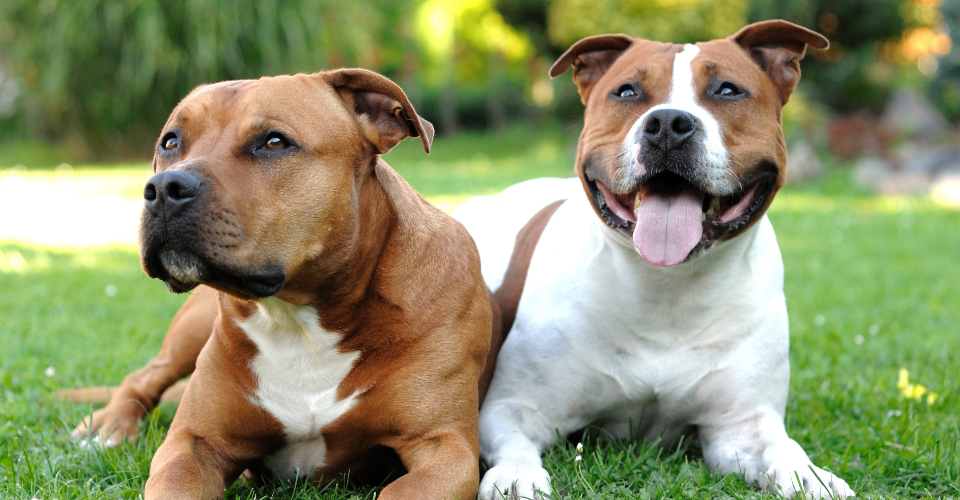
    Staffordshire Bull Terrier

    Affectionately called a Staffy, this medium-sized, muscular breed is one of SA’s most-loved dogs. Staffies are famous for their affectionate and playful nature, especially around children. Loyal to the core and brimming with energy, they thrive in loving households where they’re part of the action. 

    staffordshire bull terrier


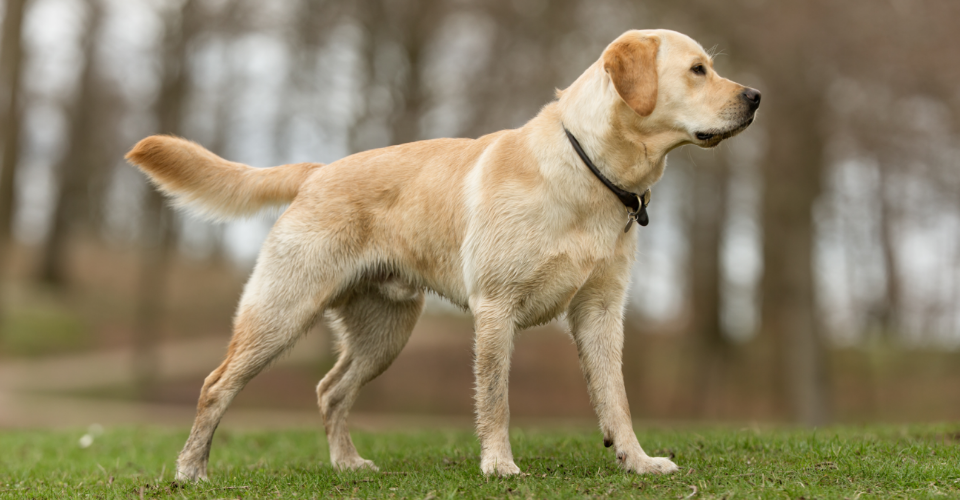
    Labrador Retriever

    Whether it’s for companionship, search-and-rescue work, or service duties, Labrador Retrievers remain a firm favourite. Friendly, eager to please, and highly trainable, Labs adapt well to families and active individuals. 

    labrador retriever


    Rottweiler

    Don’t let the tough exterior fool you, Rottweilers are affectionate and loyal pets. With proper training, they make fantastic protectors and loving family members. Known for their strength and confidence, they also require experienced, responsible pet parents. 

    rottweiler


    German Shepherd

    German Shepherds are renowned for their intelligence and versatility. Often used in police and security roles, this breed is a dependable family dog when trained and exercised properly. They’re deeply loyal, protective, and eager to learn. 

    german shepherd


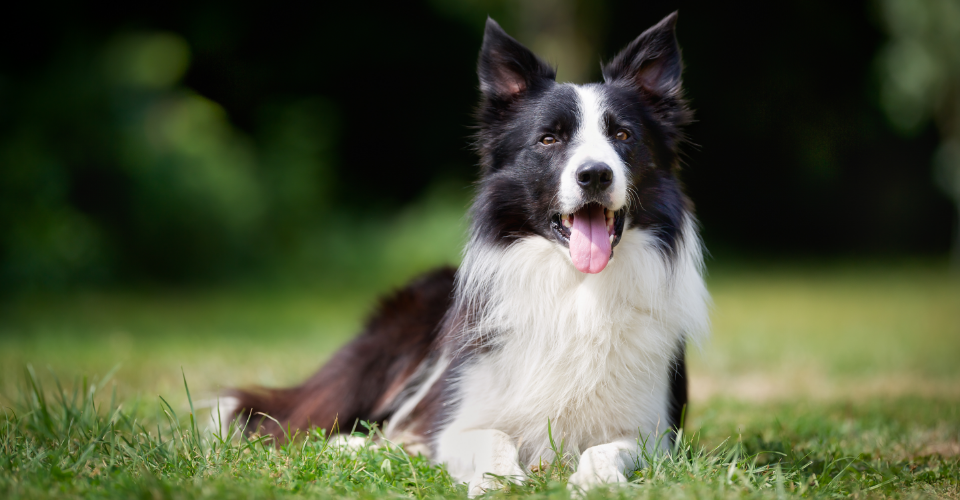
    Border Collie

    The Border Collie is a bundle of energy and brainpower. Originally bred for herding, this intelligent breed thrives on mental stimulation and physical activity. Perfect for active families or agility lovers, Border Collies need plenty of engagement to thrive. 

    border collie


    Golden Retriever

    Golden Retrievers are the epitome of gentle, affectionate dogs. Ideal for families, these calm and loving pets are often used as therapy dogs. Their easygoing temperament makes them great with kids and other pets. 

    golden retriever


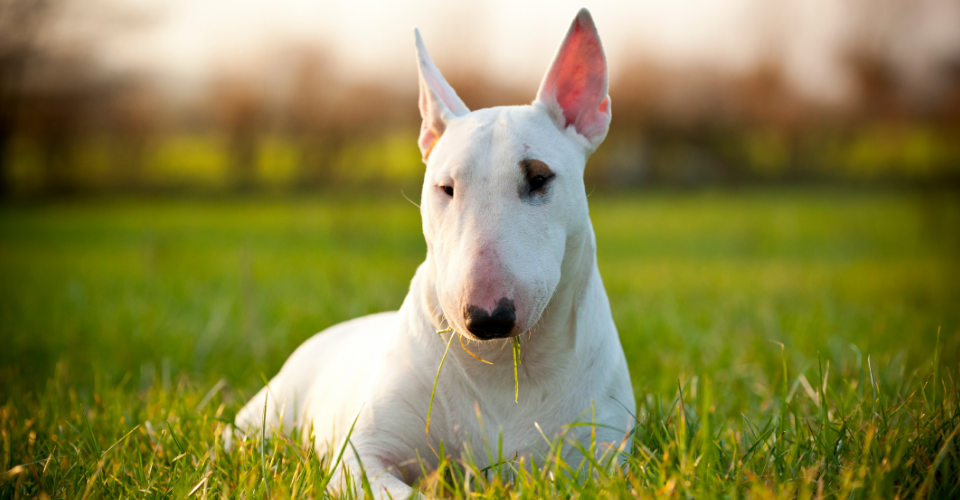
    Bull Terrier

    Recognised by their unique egg-shaped heads, Bull Terriers are strong, playful, and a little cheeky. They’re known for their clown-like personalities and deep loyalty to their families, making them both fun and fiercely devoted companions. 

    bull terrier


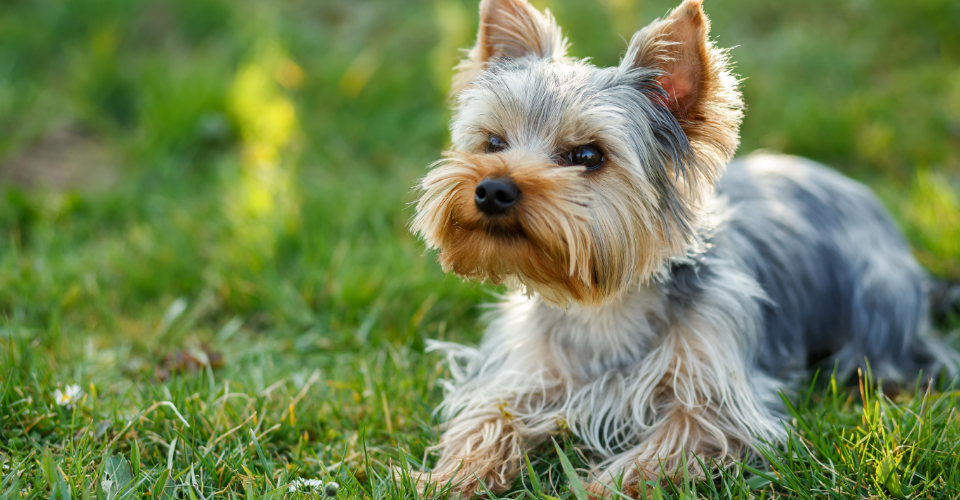
    Yorkshire Terrier

    Yorkies may be small, but their personalities are anything but. These confident and affectionate lapdogs are ideal for apartment living and have gained popularity in South Africa’s urban centres for their adaptability and charm. 

    yorkshire terrier


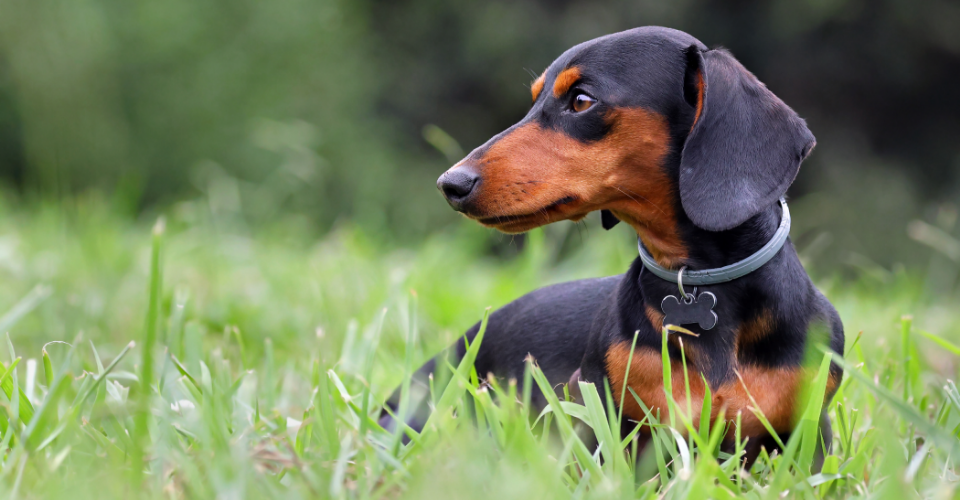
    Dachshund

    With their long bodies and bold spirits, Dachshunds are adored for their spunky attitudes and loyal hearts. Whether you call them sausage dogs or wiener dogs, they’re clever companions who love being part of the family. 

    dachshund


    Protect Your Favourite Breed with Pet Insurance 

    No matter which breed has stolen your heart, the bond between humans and dogs is priceless. But when your dog needs unexpected medical care, the bills can bite. That’s why more and more South African pet owners are turning to dotsure.co.za for reliable pet insurance. Get a quote online and give your best friend the care they deserve! 


    READ MORE: HERDING DOG BREEDS; TOY DOG BREEDS; TERRIERS UNLEASHED; BREED STANDARDS 

  • WHAT DOES MY DOG’S SLEEPING POSITION MEAN?

    WHAT DOES MY DOG’S SLEEPING POSITION MEAN?


    Ever caught your furry friend curled up in a ball, stretched out, or snoozing belly up with their paws in the air? A dog’s sleeping position is more than just adorable, it can reveal a lot about their personality, comfort level, and even their health.


    The Side Sleeper

    • What it Looks Like: Your dog is lying on their side, limbs extended, and belly partly exposed.
    • What it Means: This is one of the most relaxed positions for dogs. A side-sleeping pup feels safe, content, and at ease in their environment.
    • Pro Tip: If your dog chooses a cool tile floor on a hot day, they may be trying to cool down. Consider a cooling mat to help them stay comfortable.


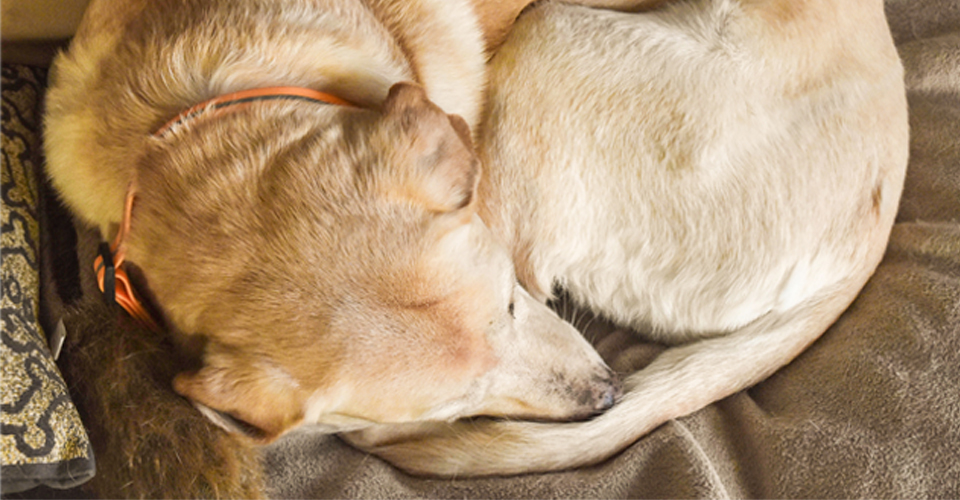
    The Doughnut

    • What it Looks Like: Curled into a tight ball, with paws tucked in and tail wrapped around their body.
    • What it Means: This position is often about conserving body heat, which is why it’s popular with dogs who feel chilly. It’s also common in shy or reserved pups, or those adjusting to a new home.
    • Health Note: If your dog doesn’t typically sleep this way but suddenly does, they could be feeling unwell. Monitor their behaviour and consult your vet if needed.


    The Superman

    • What it Looks Like: Belly down, with front legs stretched forward and back legs extended behind.
    • What it Means: This playful position is popular among puppies and high-energy breeds such as French Bulldogs and Pugs. It suggests your pup is tired but ready to jump back into action after their nap.
    • Fun Fact: The Superman pose often doubles as a cooling position, allowing your dog’s belly to rest on a cool surface.


    The Lion’s Pose

    • What it Looks Like: Your dog rests belly down, with their head perched on their front paws.
    • What it Means: This position is often seen when dogs are alert but relaxed. It’s a favourite of loyal pups who want to stay aware of their surroundings, whether they’re guarding the house or keeping an eye on their family.
    • Comfort Tip: Anxious dogs in this position may benefit from a calming dog bed to help them relax.


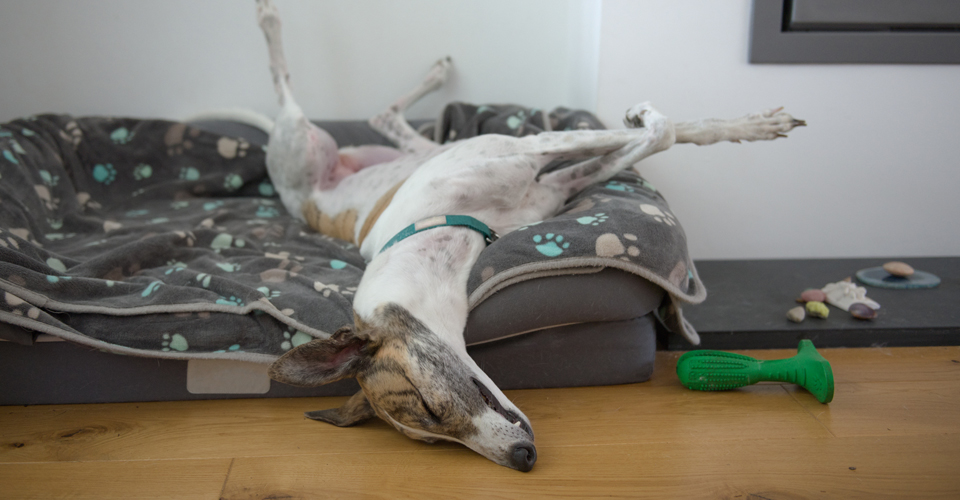
    The Belly-Up

    • What it Looks Like: Legs in the air, belly exposed, often referred to as the “dying cockroach.”
    • What it Means: A dog in this position feels completely safe and trusts their environment. It’s also a way to cool off, as exposing the belly helps regulate body temperature.
    • Age Insight: While this position is common in puppies, older dogs may prefer the side sleeper as they age, as the belly-up pose can strain their spine.


    The Burrower

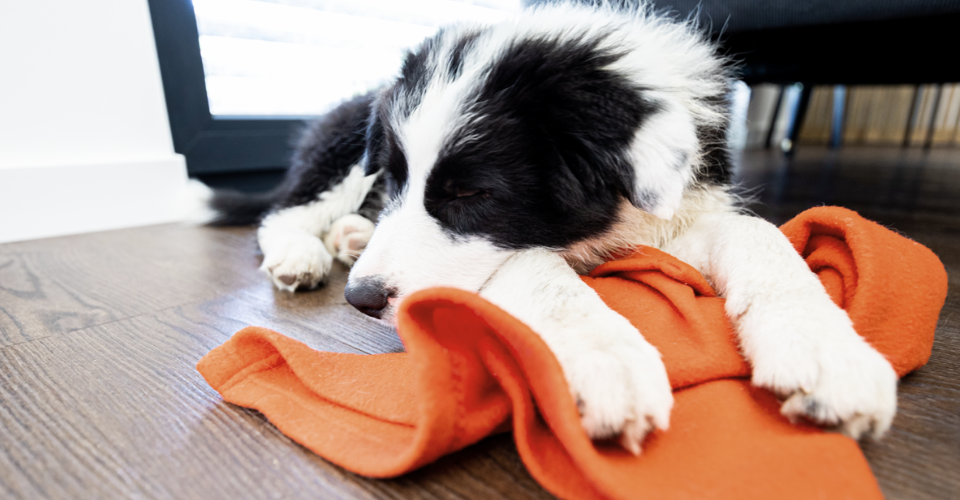
    • What it Looks Like: Nestled under a blanket, pillow, or even your clothes.
    • What it Means: This position shows your pup is seeking warmth or security. Burrowing can also be a way for dogs to calm themselves in stressful situations.
    • Comfort Hack: Provide a soft, plush bed with an extra blanket for ultimate burrowing bliss.


    Why Dogs Switch Positions

    Dogs sleep for 12–16 hours daily (even more for puppies), and their positions often change based on their mood, temperature, or health. While some positions are about comfort, others signal how your dog feels physically and emotionally.

  • THE AFRICANIS: SOUTH AFRICA’S ANIMAL HERITAGE

    THE AFRICANIS: SOUTH AFRICA’S ANIMAL HERITAGE


    The Tail of the Original Dog of Africa

    The Africanis isn’t just any dog. They are a living piece of South Africa’s history! With a lineage going back at least 7 000 years, they have left their paw prints alongside the footprints of indigenous people for centuries. This means the Africanis are as important to our heritage as the Big Five, just with more bark!


    Their Origin Tail

    What’s most fascinating about the Africanis is that they’re mainly a result of natural, not human, selection. These dogs trace their roots back to the ancient canines depicted in cave art and Egyptian murals. The earliest remains of what we now know as the Africanis were found in the Nile Delta, dating back to 4700 BC. By 650 AD, they were spotted in the lower Tugela valley; by 800 AD, they lived in a Khoisan settlement near Cape St Francis. Evolving from ancient wild dogs, they have naturally adapted to Africa’s diverse environments and climates.


    You and the Africanis: The Perfect Pair

    The Africanis is the perfect family dog known for their intelligence and loyalty. However, like all breeds, socialisation and training are always encouraged. These dogs thrive in environments where they can exercise their muscles and minds. If you’re outdoorsy, the Africanis is the perfect match for you. From hiking and running to playing fetch and going on pack walks, they’ll tag along with a wagging tail every step of the way.


    The Africanis Care Guide

    When it comes to grooming, the Africanis is low maintenance. They need just a little love, affection, and the occasional brush to keep their coat looking sharp. Health-wise, these hardy dogs don’t need much, and with pet insurance from dotsure.co.za, you’ll have added peace of mind.


    Add a Touch of South African Heritage to Your Home

    Adaptable, loyal, friendly — the list goes on and on. If you and your family want to add a four-legged companion to your lives, consider the original dog of Africa. The Africanis will keep up with you and your active lifestyle, filling your hearts and homes with a touch of South African history and heritage.

  • THE HYPOALLERGENIC DOG FOOD REACTION

    THE HYPOALLERGENIC DOG FOOD REACTION


    Discover the Top Benefits of Hypoallergenic Dog Food

    You might be asking: What exactly is hypoallergenic dog food, and does your dog really need it? Just like us, our dogs can develop allergies too. One of the contributing factors? Their food! Sometimes, what’s in the bowl disagrees with their digestive systems. That’s when hypoallergenic dog food is required.


    What is Hypoallergenic Dog Food?

    While it may be difficult to pronounce, it’s pretty straightforward. Hypoallergenic dog food is specially formulated with sensitive dogs in mind. When you spot the label “hypoallergenic”, you can assume the ingredients avoid common food allergens for dogs, such as beef, dairy, chicken, wheat, lamb, soy, corn, chicken eggs and gluten.


    The Benefits of Hypoallergenic Dog Food

     It Reduces the Risk of Allergic Reactions:

    If your dog seems to have a sensitive stomach or is scratching themselves like there’s no tomorrow, they may be allergic to regular dog foods. Hypoallergenic dog food eliminates the risks of allergies and intolerances by using unique proteins not recognised by your dog’s antibodies. This means less itch and irritation, and more playtime!

     Healthy Coats, Skin, and Smiles:

    The added proteins, vitamins, and minerals in hypoallergenic dog food can also support skin health and reduce irritations such as itchiness and inflammation. So, you may notice an improved smile thanks to whiter teeth and pinker gums, as well as an added sheen to their coats. Who knew dinner could double as a beauty treatment?

     Improved Digestive Health:

    The ingredients in hypoallergenic dog food are very similar to what our dogs would eat in the wild. Hypoallergenic dog food contains easily digestible proteins, which support better digestive functions. This reduces the risk of bloating or diarrhoea and makes for a much happier dog!


    The Hypoallergenic Dog Food Reaction

    As pet parents, we know you always want the best for your furry family members. And as the pet insurer who cares the most, we know allergic reactions hurt not just your dogs but your pocket too. If your dog struggles with allergies, it might be time to look closely at what’s inside their bowl. Chat with your vet and consider the hypoallergenic dog food reaction: fewer tummy troubles, healthier skin, and a happier, tail-wagging bestie.


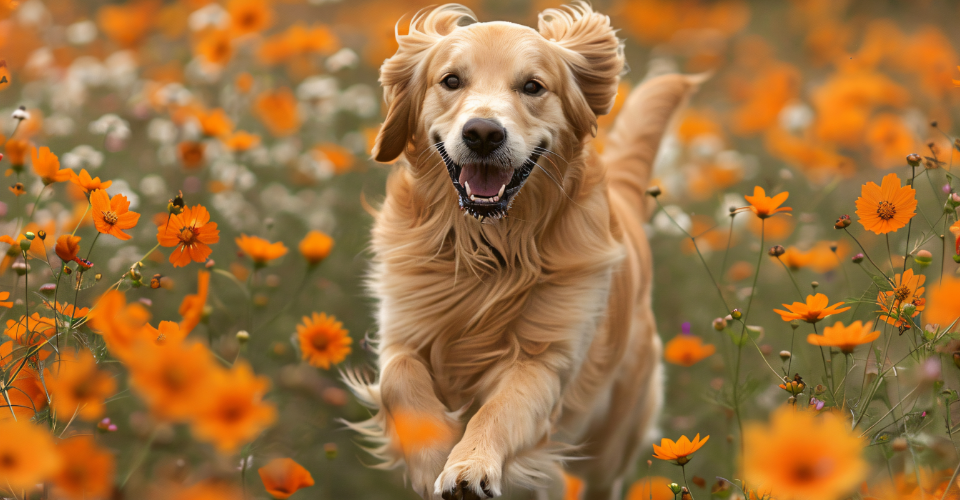
  • GOLDEN RULES FOR GOLDEN RETRIEVERS

    GOLDEN RULES FOR GOLDEN RETRIEVERS


    What to Expect When a Golden Retriever Joins the Family

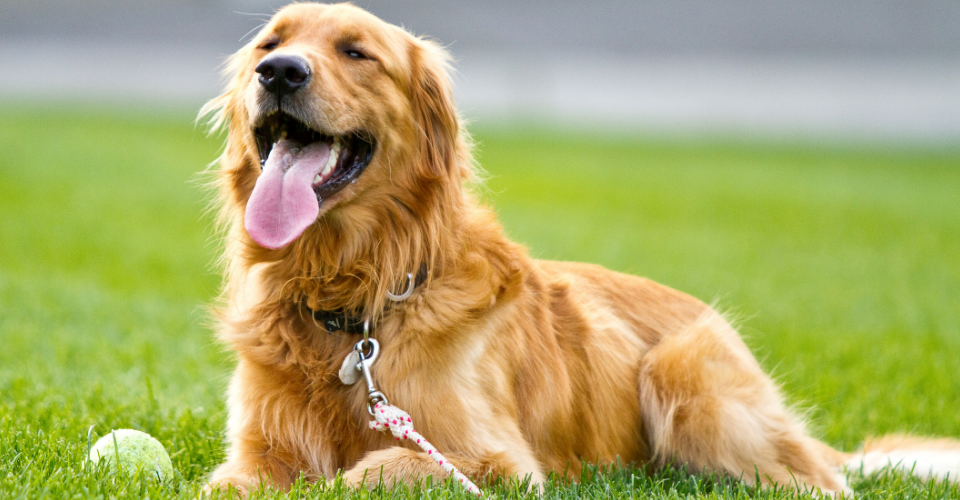
    “If dogs could compete in the Olympics, Golden Retrievers would own the water sports arena! They’re also extremely athletic, a master of any trick out there, and the best pet a family could ask for” – Written by a Golden Retriever. “Oh, they’re also highly intelligent.”


    Meet the Ultimate Family Companion

    If you’re looking for a new family pet, “paw-se” right there! Known for their friendly personalities, sociable nature and endless patience, Golden Retrievers are great with children and other pets. Whether it’s going on adventures or cuddling on the couch, these lovable furballs are up for it all, making themselves right at home in your family’s hearts.


    The Athletic Achievers

    Golden Retrievers are like the Michael Phelps of the dog world. Their love for water and impressive swimming skills make them natural water sports champions. Some even go as far as calling them “land seals”. But when they’re not splashing around, you’ll find them playing fetch, joining in on family jogs or taking part in any adventure that comes their way!


    The Ultimate Trick Masters

    Training a Golden Retriever is often a walk in the park, thanks to their intelligence. They’re quick learners and excel at mastering tricks and commands. “Roll over, fetch, open door” – they can do it all. Plus, smarts and obedience often make them great service dogs, too.


    Keeping Them Golden – Care Guide

    While Golden Retrievers are generally healthy, they can benefit from regular vet check-ups and a balanced diet to keep their energy levels and coats shiny. And, of course, their playful nature means they’ll need plenty of exercise and mental stimulation to stay golden.


    Protecting Your Golden Retriever: The Role of Insurance

    Even the most energetic and healthy Golden Retriever can face unexpected health issues or accidents. That’s where pet insurance comes in. dotsure.co.za offers comprehensive pet insurance that will ensure you and your doggo are covered for whatever life throws at you.


     Golden Moments Await

    If you need endless love, fun and happiness, then adding a Golden Retriever to the family is just what you need. With the right care and planning, you’ll be set to enjoy countless golden moments with your new best friend.


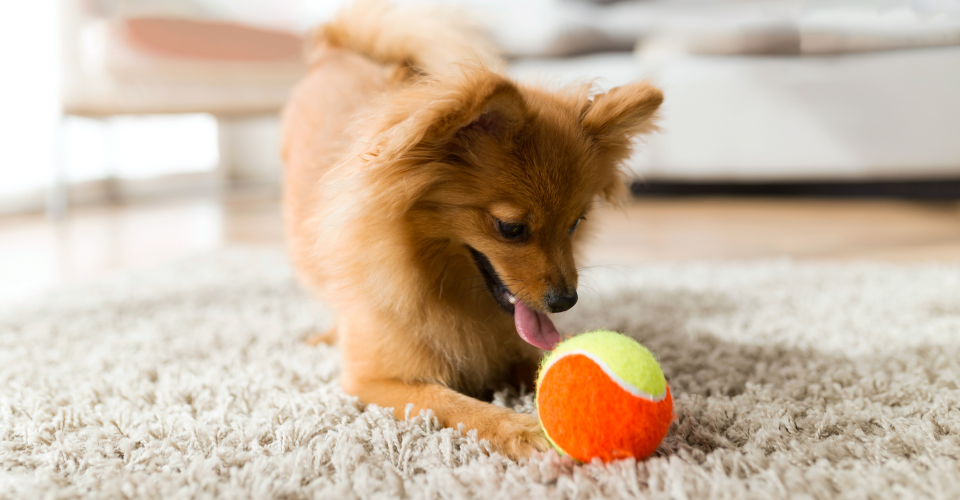
  • ARE DOGS AND TENNIS BALLS A WINNING MATCH?

    ARE DOGS AND TENNIS BALLS A WINNING MATCH?


    The Science Behind Your Dog’s Favourite Toy

    The sight of a dog gleefully chasing after a fuzzy, bouncing ball is a familiar and heartwarming one. But what exactly is it about tennis balls that captivates our canine companions?


    The Science Behind the Obsession

    • Prey Drive and Instincts:

    Dogs, like their wild ancestors, have a strong prey drive. This instinctual behaviour is rooted in the need to hunt and retrieve prey for survival. When a dog chases a tennis ball, it mimics the erratic movements of prey, triggering their natural hunting instincts. This is why dogs often shake their heads after catching a tennis ball – a behaviour reminiscent of breaking the neck of prey.

    • Feel-Good Chemicals:

    Playing fetch stimulates the release of endorphins and dopamine in a dog’s brain, creating a sense of pleasure and happiness. This neurochemical response reinforces the positive association with the ball and makes the game highly rewarding for them.

    • Colour Perception:

    Dogs have dichromatic vision, primarily seeing shades of blue and yellow. Tennis balls, often yellow and used in environments with green grass, stand out vividly against their visual landscape. This striking contrast makes tennis balls particularly eye-catching and exciting for dogs.

    • Oral Gratification:

    Tennis balls are the perfect size and texture for dogs to chew on. Chewing serves various purposes, including teething relief for puppies and stress reduction for adult dogs. Additionally, chewing on tennis balls helps maintain dental health by removing plaque and tartar buildup.


    The Benefits of Playing Fetch

    • Physical Exercise:

    Playing fetch is an excellent way for dogs to get physical exercise. Regular activity helps maintain a healthy weight, strengthens muscles, and improves cardiovascular health. It’s especially beneficial for high-energy breeds that require more vigorous exercise.

    • Mental Stimulation:

    Fetch engages a dog’s mind as well as their body. The act of chasing, retrieving, and returning the ball requires focus and problem-solving skills. This mental stimulation is crucial for preventing boredom and associated behavioural problems.

    • Bonding:

    Playing fetch is a fantastic way to strengthen the bond between you and your dog. It provides an opportunity for one-on-one interaction, fostering trust and companionship. The shared joy during playtime enhances the emotional connection between the two of you.

    • Training Opportunities:

    Fetch can be incorporated into various training routines. Teaching commands such as “Fetch,” “Drop,” “Take it,” and “Leave it” can improve a dog’s impulse control and obedience. These commands can also prevent guarding behaviours and encourage positive interactions.


    Potential Downsides

    • Overexertion:

    While fetch is beneficial, overplaying can lead to injuries, particularly in breeds prone to leg injuries like Labradors. It’s essential to limit playtime to avoid muscle strain and ligament damage.

    • Obsessive Behaviour:

    Some dogs can become overly obsessed with fetch, leading to anxiety and obsessive behaviours. If a dog becomes fixated on the ball or shows signs of stress when the game is stopped, it may be necessary to seek advice from a professional trainer.


    Teaching “Fetch”

    • Introduce the Ball:

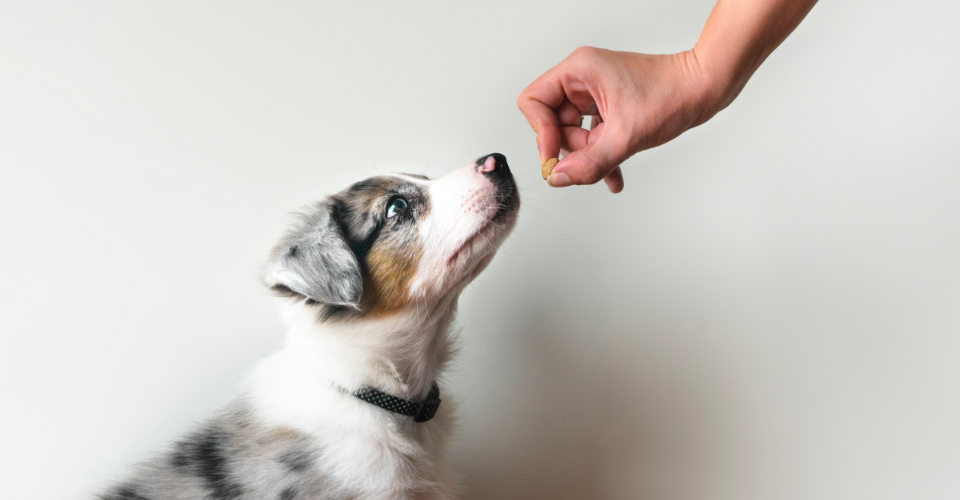
    Start by getting your dog excited about the tennis ball. Use verbal praise and treats to create a positive association.

    • Teach “Take it”:

    Encourage your dog to take the ball from your hand. Reward them for holding the ball.

    • Teach “Drop”:

    Once your dog is comfortable holding the ball, teach them to drop it on command. Use treats to reinforce the behaviour.

    • Combine the Commands:

    Start throwing the ball short distances, using “Fetch” to signal your dog to retrieve it and “Drop” when they return it to you. Gradually increase the distance as they become more proficient.

    • Advanced Commands:

    Commands such as “Wait” and “Leave it” can be integrated into the fetch routine to improve impulse control.


    Safety Tips

    • Use appropriately sized balls to prevent choking hazards.
    • Ensure the playing area is safe and free from obstacles.
    • Regularly clean the tennis balls to prevent the buildup of germs.


    So, why wait? Grab a tennis ball and enjoy a game of fetch with your pup!


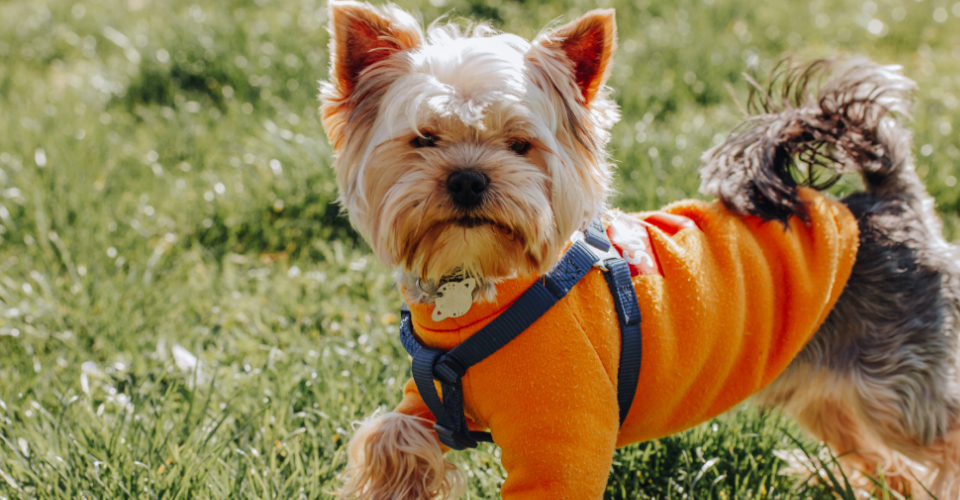
  • TAKING CARE OF A YORKSHIRE TERRIER

    TAKING CARE OF A YORKSHIRE TERRIER


    What to Expect When a Yorkie Joins Your Family

    Beneath the glamorous façade of a Yorkshire Terrier lies the heart of a spirited and tenacious little dog. Yorkies, as they’re affectionately known, have a rich history as rat catchers in the depths of English mills before becoming beloved companions. Despite their small size, they’re brimming with confidence and a hint of bossiness, embodying the classic traits of terriers.


    History of Yorkies

    The story of Yorkshire Terriers traces back to the bustling cotton mills of Yorkshire, England, where weavers sought a solution to their rodent problem in the mid-19th century. Out of this need arose the Yorkie, a small yet determined breed with a knack for hunting vermin. Over time, they transitioned from working-class heroes to fashionable companions, capturing hearts on both sides of the Atlantic, including the White House.


    Yorkie Care

    Caring for a Yorkie involves more than just cuddles. These spirited pups thrive on early training and socialisation to keep their big personalities in check. Regular grooming is also a must to keep their signature coat looking its best.

    • Exercise:

    Yorkies are active little dogs who need daily walks and playtime to stay happy. Just be cautious during outdoor adventures to keep them safe from predatory birds that might swoop in.

    • Grooming:

    With their luxurious, low-shedding coats, Yorkies need regular brushing and baths to prevent tangles and matting. Whether you opt for a short or long coat, a little grooming TLC can go a long way.

    • Training:

    Yorkies are smart but can be a tad stubborn. Positive reinforcement and early training are essential to keeping them well-behaved. Remember to be patient, especially during potty training.

    • Health:

    While generally healthy, Yorkies can be prone to certain issues such as patellar luxation and dental problems. Regular vet check-ups and good dental care are essential for their well-being.

    • Nutrition:

    Feeding your Yorkie a high-quality diet tailored to small breeds ensures that they get the nutrients they need. Don’t forget to watch those treat portions and keep the water bowl filled!


    Yorkshire Terriers may be small, but they pack a whole lot of personality into those tiny frames. If you provide them with enough love and care, you’ll be rewarded with years of laughter, cuddles, and unwavering loyalty from your pint-sized pal.

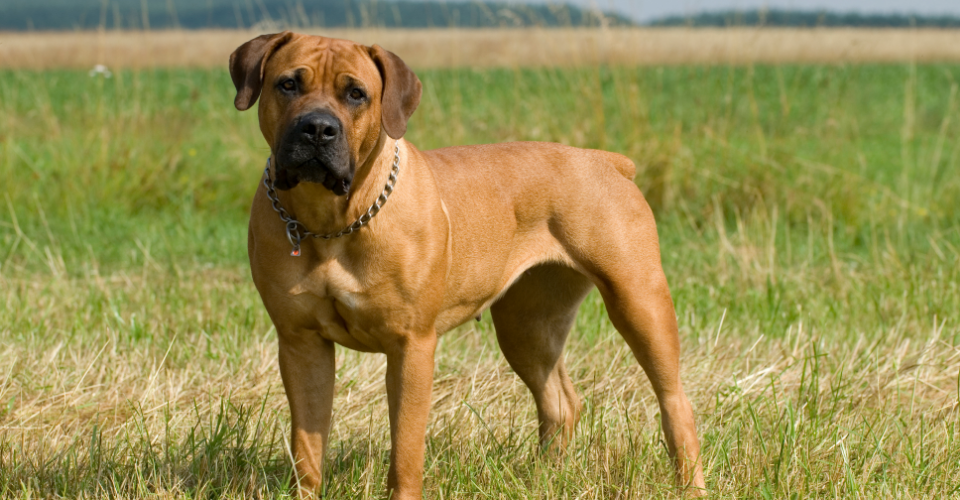
  • TAKING CARE OF A BOERBOEL

    TAKING CARE OF A BOERBOEL


    What to Expect When a Boerboel Joins Your Family

    Meet the Boerboel, affectionately known as the South African Mastiff, a breed steeped in history as protectors of farms against formidable predators such as hyenas and lions. From their imposing stature to their gentle demeanour, Boerboels embody the perfect balance of strength and affection.


    Getting to Know Your Boerboel

    Boerboels are big – really big. Standing up to 70 cm and weighing up to a whopping 90 kg, these dogs demand attention. But don’t let their size fool you. They’re loving and loyal especially with children. However, their confidence and intelligence mean they’re best suited for experienced pet parents who can handle their needs.


    Care Tips

    While Boerboels may seem low maintenance, they require early socialisation and consistent training. They’re devoted to their families but can be wary of strangers. So, exposing them to various environments early on is essential to their comfort.


    Health Check

    Being a large breed, Boerboels have a shorter lifespan of 9 to 11 years. They’re prone to genetic health issues such as eye disorders, hip and elbow dysplasia, dilated cardiomyopathy, and gastric issues. Regular vet check-ups and a balanced, high-quality diet are crucial for keeping them healthy.


    Feeding

    With their size, Boerboels need much food – around 10 cups a day. Feeding them smaller, frequent meals and using elevated slow-feeder bowls can prevent stomach issues such as bloating.


    Training and Behaviour

    Boerboels are smart cookies, but they need plenty of mental and physical stimulation. Regular exercise, along with positive reinforcement training, helps keep them well-behaved and happy.


    Grooming Made Easy

    Their short coats make grooming a breeze. Just regular brushing and the occasional bath will do, but pay attention to their skin, eyes, and ears to keep them in tip-top shape.


    If you’re an experienced pet parent with space and time to spare, a Boerboel could be your perfect match. But remember, their size and needs require commitment. The right care and attention can ensure a loyal and loving companion for life.


  • TAKING CARE OF A BORDER COLLIE

    TAKING CARE OF A BORDER COLLIE


    What to Expect When a Border Collie Joins Your Family

    If you want a dog with brains, brawn, and boundless energy, look no further than the Border Collie. Renowned for their intelligence and unwavering work ethic, these remarkable canines offer a plethora of admirable traits that make them exceptional companions and working partners. However, before bringing home a Border Collie, it’s crucial to understand their unique needs and characteristics to ensure a harmonious relationship.


    Characteristics and Traits

    Border Collies are distinguished by their high energy levels, sharp intelligence, and eagerness to serve a purpose. Bred as herding dogs in the countryside between Scotland and England, they possess an innate instinct to work diligently, often displaying a vigilant demeanour and a readiness to bark. Their athleticism and agility make them well-suited for various tasks, whether as a dedicated companion or a working dog for herding livestock.


    Caring for Your Border Collie

    While Border Collies bring an abundance of positive traits to the family, it’s essential to address their specific care requirements to raise a happy and well-adjusted dog:

    • Exercise and Stimulation: Border Collies thrive on physical activity and mental stimulation. Regular exercise is paramount to prevent boredom and curb destructive behaviours. Engage them in activities like running, hiking, or agility training to keep them content and mentally sharp.
    • Herding Instinct: Their strong herding instinct may manifest in behaviours like chasing cars and small animals. Proper training and supervision are essential to manage this tendency and prevent potential accidents.
    • Attention and Socialisation: Border Collies crave frequent attention and thrive in environments where they feel included. Socialisation from an early age helps them develop positive interactions with strangers and other pets, reducing the likelihood of shyness or snappish behaviour.
    • Grooming Needs: With a moderate shedding tendency, Border Collies require regular brushing to maintain a healthy coat. Weekly grooming sessions help minimise shedding and keep their fur in top condition.
    • Health Considerations: Like all breeds, Border Collies are susceptible to certain genetic health conditions. Regular veterinary check-ups and proactive healthcare measures can help mitigate potential risks and ensure your pet’s well-being.


    The Border Collie’s Place in Your Home

    When welcoming a Border Collie into your household, it’s essential to provide ample opportunities for exercise, mental stimulation, and companionship. Whether they’re herding livestock or playing fetch in the backyard, these intelligent canines thrive on having a job to do and a sense of purpose.

    Border Collies excel in environments where they receive the attention, training, and activity they crave. With proper care and dedication, they prove to be loyal, affectionate, and endlessly entertaining companions for individuals and families alike.


  • 8 TIPS FOR WALKING YOUR PET IN THE HEAT

    8 TIPS FOR WALKING YOUR PET IN THE HEAT


    Staying Active and Staying Safe In Warmer Weather


    The summer season brings the promise of outdoor adventures with our furry friends, but it also presents challenges that demand our attention. Walking your dog in the summer heat requires careful consideration – from hot pavements to heatstroke, there are a few potential hazards to keep in mind during your summer dog walks.


    The Time and Place for Walkies

    Timing is crucial during the summer months. Opt for walks in the cooler parts of the day, such as early mornings or late evenings. Avoid the hottest hours, between 10 am and 4 pm, to prevent discomfort from scorching pavement. Cooler temperatures reduce the risk of paw pad burns and make the walk more enjoyable for your dog.

    Seek walking paths that offer shade to prevent your dog from prolonged exposure to direct sunlight. Shaded areas, provided by trees, buildings, or covered trails, offer relief from the heat. Plan your route to include these spots, allowing your dog to rest and cool down when needed.

    On extremely hot days, opt for shorter walks to reduce sun exposure. Multiple shorter walks during cooler hours ensure your dog gets enough exercise without risking overheating.


    Protect Your Pooch

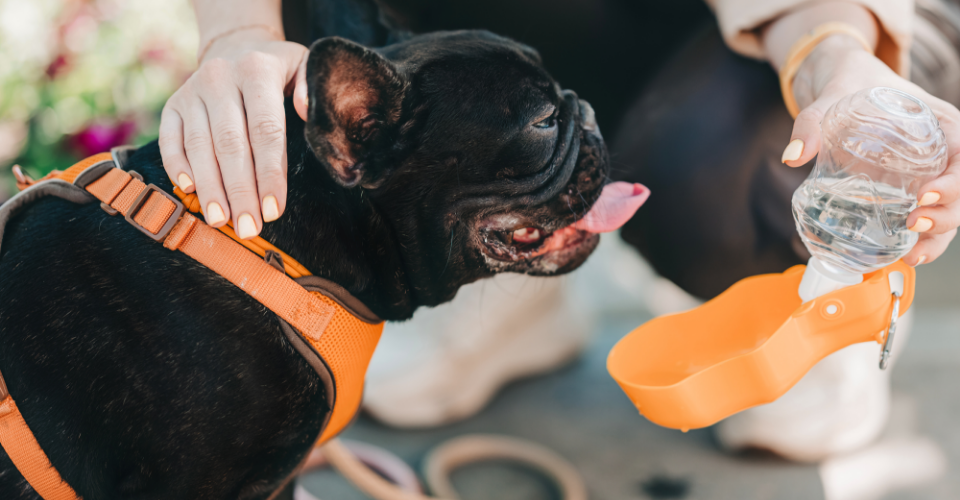
    Hydration is key: Enough water is crucial for both you and your dog. Carry a portable water bottle and a collapsible bowl for quick water breaks. Dogs can’t cool down as efficiently as humans, so offer water every 15-20 minutes, especially on humid days.

    Take Breaks: Avoid overexertion by allowing your dog to take breaks in shaded areas during hot walks. If your dog displays distress, find a cool place to rest and offer water immediately.

    Sun Protection: Protect your dog from sunburn by applying pet-safe sunscreen to areas with thin fur, like the nose and ears. Choose sunscreen formulated specifically for dogs to ensure their safety, as human sunscreen may contain harmful ingredients.

    Signs of Heatstroke: Heatstroke is a serious concern in the summer. Recognise symptoms such as excessive panting, weakness, or vomiting. If you suspect heatstroke, move your dog to a cool area, wet their body, and contact your veterinarian immediately.

    Individual Needs: Consider your dog’s breed and individual needs when planning walks. Take extra precautions for breeds with thick coats or underlying health conditions.

    Indoor Activities: For scorching days or rainy weather, provide alternative indoor activities. Engage your dog with puzzle toys, treat-dispensing toys, or hide-and-seek games to keep them mentally stimulated without exposing them to the weather.


    Protect Their Paws

    Hot pavement poses a threat to your dog’s paw pads. Check the temperature with your palm, and if it’s too hot for you, it’s too hot for them. Consider using dog booties or paw balm to create a protective barrier. Alternatively, choose grassy trails to minimise exposure to scalding pavement.

    Regularly check your dog’s paw pads for cracks, blisters, or burns, especially after hot walks. Address any issues promptly to prevent infections.


    Prioritise your dog’s comfort and stay attuned to their needs. Your summer outings can be a positive and safe experience for the whole family!

  • TIME TO SHOW YOUR PET SOME LOVE

    TIME TO SHOW YOUR PET SOME LOVE


    Ways To Spoil Your Favourite Valentine


    Valentine’s Day is just around the corner, and whether you’re flying solo or in a relationship, there’s one source of unconditional love that deserves some extra attention: your pet. This year, let Cupid’s arrow guide you to celebrate Valentine’s Day with the four-legged love of your life.


    Spa Day

    Pamper yourself with a relaxing bath, blow-dry, and a mani-pedi, then extend the love to your furry friend with a leisurely grooming session. For cats, opt for a gentle brushing session instead.


    Picnic at the Park

    Weather permitting, take your leashed and harnessed dog to the local park for a picnic stocked with treats for both of you. Alternatively, you can have a picnic in your own garden along with other pets.


    Coffee Date

    Visit a pet-friendly coffee shop (one with a doggy menu) and have some treats with your pup.


    Take a Spin

    Leash up your dog or harness-loving cat and go for a drive to a scenic location. A change of scenery can do wonders for both of you.


    Craft Night

    Engage your pet in a peanut butter lick painting project or create a flower crown for them. Share the artistic fun on social media!


    Pet Runway

    Set up a fashion show of sorts for you and your pet to wear matching outfits. Be sure to capture the stylish moments.


    Throw a Dance Party

    Select your favourite tunes, invite your pet to join in, and have a dance party. It’s a fun way to get your heart pumping and share joy with your furry companion.


    Bake Sweet Treats

    Whip up something sweet for yourself and create healthy treats for your pet using special recipes. Share the love: consider baking extra for the local shelter as a heartfelt gesture.


    Movie Marathon

    Cuddle up with your pet and enjoy a movie marathon featuring adorable pets and other animals.


    Beyond Valentine’s Day

    Showing love to your pet doesn’t stop on Valentine’s Day. Here are some everyday tips to strengthen your bond.

    Quality Time: Set aside 10 minutes each morning and night for a cuddle or a quick play session, depending on your pet’s preferences.

    Affection: Give your dog the physical touch they love, whether it’s belly rubs, ear scratches, or brushing. Physical touch fosters a strong connection.

    Exercise Together: Get fit and bond with your dog by exercising together. It’s a win-win for you both.

    Talk to Your Pet: Communication is key. Even if it feels silly, talking to your pet strengthens the bond and enhances understanding.

    Just Be with Them: In our busy lives, take moments to simply be present with your dog. Whether gardening, watching TV, or doing chores, your presence matters.

    Cover Their Tails: Have peace of mind that your pet is protected, with the right pet insurance.


    During this month of love, and the rest of the year, cherish the unconditional love and companionship your pet brings into your life. Celebrate the bond that makes every day brighter!

  • TAKING CARE OF A LABRADOR

    TAKING CARE OF A LABRADOR


    What to Expect When a Labrador Joins Your Family


    Labrador Retrievers, often referred to as Labs, are beloved for their intelligence, easy trainability, and friendly demeanour, making them an ideal family pet. However, their energetic nature and specific needs require thoughtful care.

    Labs are sturdy dogs with a square appearance, characterised by a broad head, expressive eyes, and a distinctive “otter tail.” They come in three standard colours: black, yellow, and chocolate. Their double coat is short, dense, and water-repellent, requiring a moderate amount of grooming maintenance.


    Exercise and Training

    Labradors have moderate to high exercise requirements, but their intelligence and work-oriented nature demand mental stimulation as well. Labs thrive when given tasks, especially retrieving activities. Early obedience training is essential to manage their strength and exuberance.


    Living With a Labrador

    Labs are excellent family dogs, but they require companionship and regular exercise to prevent destructive behaviours. Chew toys, proper training, and a balanced diet help address their oral fixation and maintain a healthy weight.

    Labradors are best suited for active families with ample outdoor space. If you enjoy outdoor activities, such as jogging or swimming, a Labrador could be an ideal fit.


    Grooming

    Labradors shed moderately throughout the year, with more substantial shedding during seasonal changes. Weekly brushing and occasional baths, will help manage their shedding. Nail trimming and dental care are also essential aspects of their grooming routine.


    Health Considerations

    While Labs are generally healthy, certain conditions like elbow and hip dysplasia, exercise-induced collapse, weight issues, and eye disorders may occur. Regular veterinary check-ups, a balanced diet, and proper exercise can contribute to their overall well-being.


    Labrador Retriever History

    Originating from Newfoundland, Labrador Retrievers were initially working dogs for fishermen. Their intelligence, friendly nature, and adaptability led to their recognition as exceptional family pets. First recognised by kennel clubs in the early 20th century, Labradors have become one of the most popular dog breeds globally.


    Labradors are wonderful companions for families willing to invest time and effort in their care. Whether you choose to adopt or go through a reputable breeder, the bond you form with your Labrador will undoubtedly be a fulfilling and lasting one.

  • GOAL SETTING FOR YOUR PET

    GOAL SETTING FOR YOUR PET


    How To Keep Your Pet Healthy This Year

    The beginning of a new year is the perfect time for personal resolutions, but it’s also an ideal opportunity to set some goals for your pets! Whether you have a dog, cat, bird, or any other beloved pet, setting achievable goals can enhance their well-being and strengthen your bond.


    Exercise and Activity Goals

    • Regular Walks or Outdoor Adventures

    For dogs, commit to more frequent walks or hikes. Set a target to increase the distance gradually to keep both you and your pup active and healthy.

    • Interactive Playtime

    Engage in more interactive play sessions for cats or other small animals using toys. Consider introducing new toys or rotating existing ones to keep them mentally stimulated.


    Health and Wellness Goals

    • Healthy Diet Plan

    Consult your vet to develop a well-balanced diet plan suitable for your pet’s age, size, and breed. Measure portions accurately and avoid overfeeding.

    • Regular Veterinary Check-ups

    Schedule regular visits to the vet for health check-ups, vaccinations, and dental care. Maintaining their overall health is crucial for a longer and happier life.


    Mental Stimulation Goals

    • Training Sessions

    Commit to regular training sessions to teach new tricks or reinforce existing commands. This mental exercise is beneficial for both dogs and some other pets.

    • Puzzle Toys or Games

    Introduce puzzle toys or games designed to stimulate your pet’s mind. For instance, foraging toys for birds or puzzle feeders for dogs can keep them engaged and entertained.


    Socialisation Goals

    • Meet New Friends

    Arrange playdates or visits to the dog park for your social pet. Interaction with other animals can improve their social skills and happiness.

    • Desensitisation Training

    If your pet is anxious or fearful around certain stimuli (such as loud noises or car rides), gradually expose them to these situations in a controlled, positive manner to help them overcome their fears.


    Grooming and Care Goals

    • Regular Grooming Routine

    Establish a grooming routine based on your pet’s needs. This could include brushing their coat, trimming nails, cleaning ears, and brushing teeth.

    • Create a Safe Environment

    Ensure that your home is a safe and comfortable space for your pet by pet-proofing and providing appropriate hiding spots or resting areas.


    Emotional Well-Being Goals

    • Quality Time Together

    Dedicate specific times during the day to bond with your pet. Whether it’s cuddling time, a short training session, or a quiet moment together, these moments strengthen your connection.

    • Recognise Stress Signs

    Learn to recognise signs of stress or discomfort in your pet. By understanding their body language, you can provide a more calming and supportive environment for them.


    Remember to celebrate their progress throughout the year and adjust goals as necessary. Here’s to a happy and healthy year for both you and your beloved pet!