Tag: dog breeds

  • ROTTWEILER BREED GUIDE: TRAITS, TRAINING, AND CARE TIPS 

    ROTTWEILER BREED GUIDE: TRAITS, TRAINING, AND CARE TIPS 


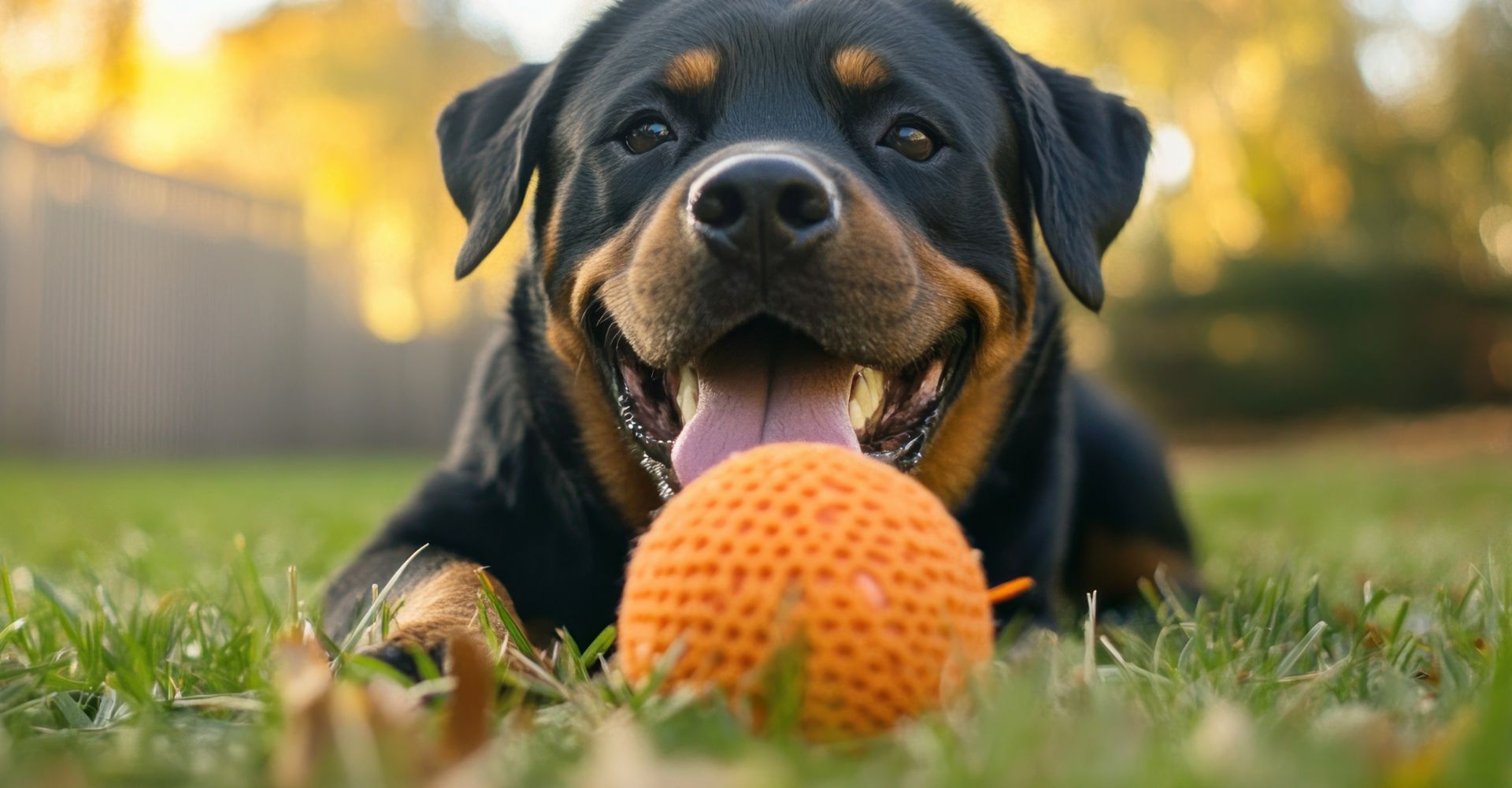
    If we can turn French fries into slap chips, we can definitely take this German breed and make it walk, bark, and nap like a local. The Rottweiler (or “Rottie” as we’ve renamed them here) has gone from a working dog in Germany’s cattle markets to holding it down as a household protector, couch companion, and unofficial “alarm system” across South Africa. 

    They might look intimidating, but most Rotties are just big softies with a bark that says, “Don’t mess with my people,” and a heart that says, “Now scratch my belly.” Rotties are prone to some health issues, so regular vet checkups are a must, which means insurance for your Rottweiler is too.  


    Rottweiler Breed Guide: Common Health Problems 

    Okay, let’s get the not-so-great news out of the way so we can get to all the great stuff. One of the first questions is always: What are the common Rottweiler health issues? Rotties are prone to hip dysplasia, heart issues, obesity if not exercised, and cancer. The second question is always: How long do Rottweilers live? On average, they live 8–10 years though with proper care and exercise, many live longer. That’s a decade of love, loyalty, and slobbery kisses. 


    Rottweiler Breed Guide: Traits, Temperament, and Types 

    If dogs had gym memberships, the Rottweiler would be that guy who never skips leg day. But, is a Rottweiler right for you? If you’re active, loving, and ready for a loyal bestie, maybe.  

    Temperament and Personality Traits 

    Rottweiler Appearance and Types 

    How Much Do Rottweilers Weigh as Adults? 

    Rottweilers are loyal, protective, and highly intelligent. Think of them as that one friend who looks tough but is secretly the first to cry during an emotional movie.  Muscular, broad-chested, and built like a bouncer with a soft side. Their black-and-tan coats are instantly recognisable, sleek, short, and easy to maintain.  Male Rottweilers can weigh up to 60 kg, females around 45 kg. Make sure you’ve got enough room at your place before you bring one home. 


    Rottweiler Breed Guide: Training and Care Tips 

    Training a Rottie is like raising a teenager… consistency, patience, and snacks go a long way. Start early, use positive reinforcement, and make training fun.  

    What Do Rottweilers Eat? 

    Do Rottweilers Need a Lot of Exercise? 

    How Often Should I Groom My Rottweiler? 

    Rottweilers need to eat high-quality, protein-rich food to maintain muscle and energy. If they could talk, they’d probably ask for boerie rolls and pap, but stick to a balanced diet. Premium dog food such as Hill’s Science Plan keeps them strong and shiny.  Yes, Rottweilers need plenty of exercise. A bored Rottie is a naughty Rottie. Long walks, play sessions, and training games help keep them fit and happy. They love fetch (but play like they’re trying to win a rugby match).  Once a week grooming for your Rottweiler should be fine. Their short coat is easy to manage, but you’ll want to brush regularly during shedding season.  


    Fun and Lifestyle Facts About Rottweilers 

    What Is a Rottweiler’s Weakness? 

    Their hearts. They’re emotional, sensitive, and loyal to a fault. But shem, maybe that’s why they’re prone to heart issues: too much love for one chest to handle.  

    What Roles Do Rottweilers Thrive In? 

    Guard dogs, police K9s, therapy companions, you name it. Their intelligence and loyalty make them adaptable to almost any role. 

    Are Rottweilers Good with Kids? 

    Rottweilers are good with kids, but supervision and socialisation are key.  

    Do Rottweilers Bark a Lot? 

    Not unnecessarily. When a Rottie barks, it usually means something’s up. They’re the definition of “speak only when it’s important.” 


    Why You Should Insure Your Rottweiler 

    Rottweilers give you everything, protection, loyalty, and unconditional love. The least you can do is protect them right back. Speak to dotsure.co.za about getting insurance for your Rottweiler in minutes. Need a little more info? Get in touch, and we’ll help you find cover that loves your pet as much as you do.


    RELATED:HERDING DOG BREEDS; TOY DOG BREEDS; BREED STANDARDS 
  • TYPES OF HOUND DOGS: CHARACTERISTICS, TRAITS AND CARE GUIDE

    TYPES OF HOUND DOGS: CHARACTERISTICS, TRAITS AND CARE GUIDE


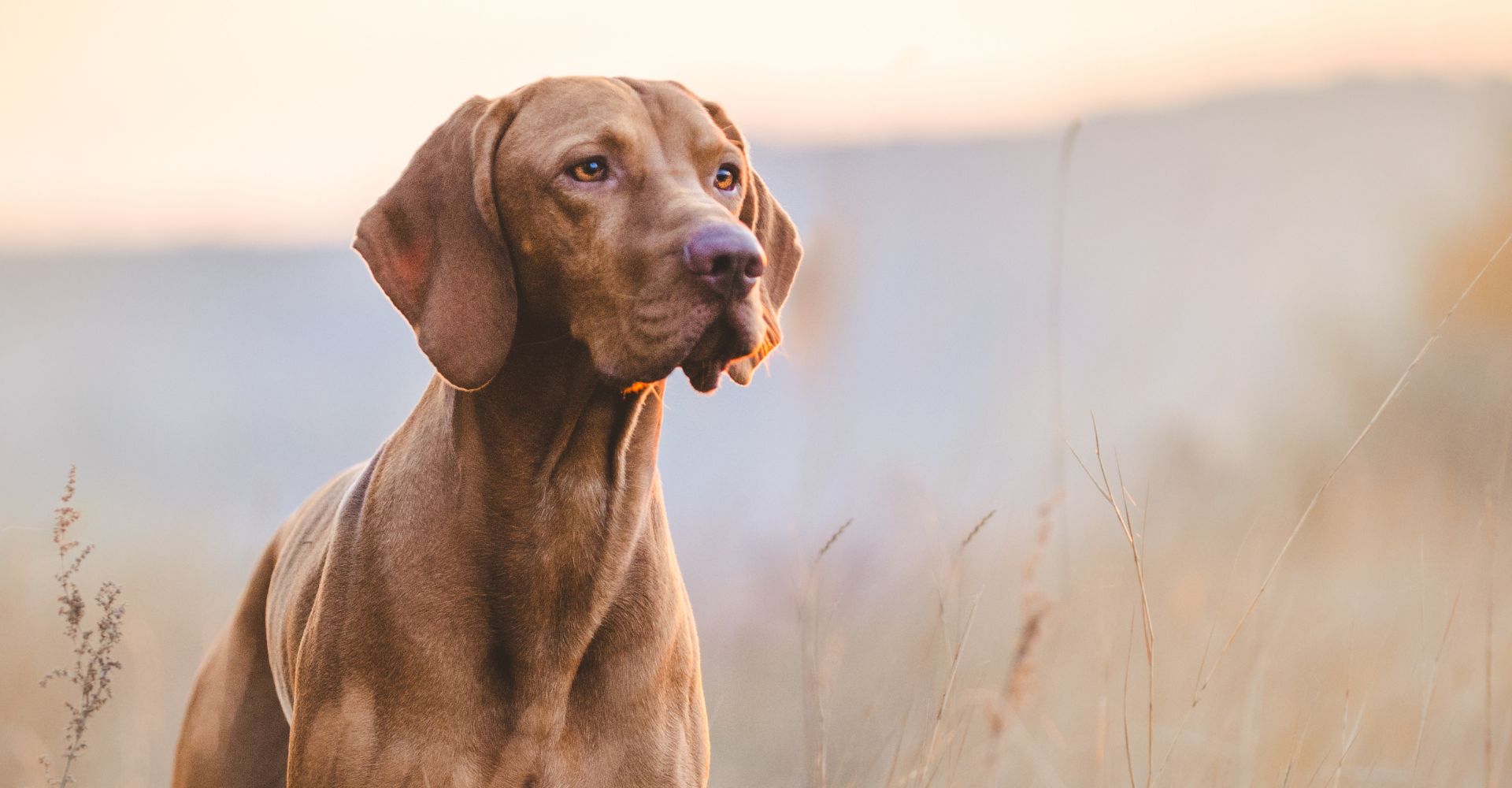
    These clever canines were bred for hunting, tracking, and trailing. Today, you can find many of them tracking down snacks and hunting for the comfiest spot on the couch. Whether it’s a beagle, basset or dachshund, understanding the types of hound dogs and their unique characteristics is key to choosing the right one for your family.

    Psst!!! at dotsure.co.za, we offer tailored pet insurance for every hound dog out there! Get a quote and protect your bestie today.


    RELATED: UNDERSTANDING BREED STANDARDS


    What Sets Hound Dogs Apart? Traits and Temperament Unpacked

    Hound dogs are one of the oldest dog groups in history, with instincts as strong as their loyalty.

    Key hound dog traits include:

    • Sharp senses, especially smell or sight
    • A stubborn streak for independence
    • Vocal communication. For example, a Dachshund will never hesitate to tell you when they are happy, irritated or hungry.
    • High energy levels
    • Extremely intelligent.


    Exploring the Different Types of Hound Dogs

    Scent Hounds: The Tracking Experts

    Scent hounds such as the Bloodhound or Beagle are built to sniff out everything from missing people to dropped food. Their long ears help funnel smells toward their noses, making them some of the best trackers in the world.

    Sight Hounds: The Speedsters

    Sight hounds rely on their vision and speed to chase prey with their long legs, lean frames, and fast reflexes. Don’t challenge Greyhounds and Afghan Hounds to a race, they’ll run circles around you!


    5 Popular Hound Dog Breeds and What Makes Them Special

    Beagle

    Small but mighty, Beagles are friendly, curious, and great with children. Their size and playful personality make them one of the most popular hound dog breeds in South Africa.

    Fun fact: Beagles are used in pet therapy because of their gentle and affectionate nature!

    Basset Hound

    With their long bodies and short legs, they will charm their way into your heart any day. Basset hounds are loyal, a little lazy, and completely irresistible with their droopy eyes and floppy ears. And, thanks to their powerful nose, they make great detectives should you need one.

    Greyhound

    Greyhounds are surprisingly relaxed despite their need for speed. They’re quiet, sleek, and love lounging around just as much as they enjoy a good zoomies session.

    Bloodhound

    The ultimate tracker with a sniffer so sharp it holds up in court! Bloodhounds are friendly giants that need space and much mental stimulation.

    Afghan Hound

    A fashion icon in the dog world. Afghans are graceful, a little goofy, and very independent. Their silky coat needs heaps of grooming, but their loyalty runs deep. While not the most common hound breed in South Africa, they are known for turning heads worldwide.


    RELATED: TOP 5 RAREST DOG BREEDS IN SOUTH AFRICA; SERVICE DOGS: THE IMPORTANCE OF PROFESSIONAL PUPS


    Honourable Hound Mentions

    There’s no such thing as too many hounds! Here are a few more favourites:

    • Dachshund: The “sausage dog,” brave and bold with a big bark.
    • Rhodesian Ridgeback: Known for guarding and endurance.
    • Whippet: A “mini” Greyhound, perfect for smaller spaces and laps.
    • Harrier: Great with kids and built for stamina.
    • Norwegian Elkhound: A hound with thick fur and a big bark, ideal for colder climates.


    RELATED: TOP 10 MOST POPULAR DOG BREEDS IN SOUTH AFRICA


    How to Care for a Hound Dog: Tips for Happy, Healthy Pets

    Caring for a hound dog means keeping their mind and body stimulated.

    • Exercise: Regular walks, play sessions, and scent games.
    • Diet: High-quality food that supports joint and energy health.
    • Grooming: Short-haired breeds need less brushing; long-haired hounds such as Afghans need regular grooming sessions.
    • Training: Start early and use positive reinforcement. You don’t want a stubborn hound.


    Should You Adopt a Hound Dog?

    If you want a loyal, clever companion with a bunch of personality, a hound might be the dog for you. Just be ready for howling, zoomies, and a little stubbornness. Protect them with dotsure.co.za pet insurance, no matter what type of hound dog you choose. From vet visits, illnesses, and accidents, we’ve got them covered!

    Get a quick quote online today or contact us for more info.


    RELATED:
    TOY DOG BREEDS: THE LITTLE PUPS WITH BIG ATTITUDES

    HERDING BREEDS: DOGS WITH LEADERSHIP INSTINCTS


  • HERDING BREEDS: DOGS WITH LEADERSHIP INSTINCTS

    HERDING BREEDS: DOGS WITH LEADERSHIP INSTINCTS


    Recognised for their unique instinctual ability to herd and protect livestock, the Herding Group is one of the most fascinating dog breed categories.


    History of Herding Dogs

    The first known herding breeds emerged in Asia over 10,000 years ago, with European settlers later introducing them to the Americas in the 16th century.

    Initially classified under the Working Group until 1983, these breeds have established their own distinct identity. Their ability to follow subtle hand signals and whistle commands has set them apart.

    Today, this group includes over 200 breeds, each adapted to specific herding and guarding tasks.


    Characteristics of Herding Breeds

    • Intelligence and Trainability: These dogs are quick learners, making them excellent at tasks requiring precision and focus.
    • Energy and Agility: Bred for short bursts of high-speed activity, herding dogs excel in physically demanding roles.
    • Protective Instincts: Their natural drive to protect their “flock” often extends to their human families, making them loyal companions and excellent watchdogs.
    • Versatility: From herding sheep to assisting law enforcement, herding breeds are as diverse as they are capable.


    Herding Behaviour

    The herding instinct is deeply ingrained in these breeds, and it sometimes manifests in surprising ways. For instance, herding dogs may try to “herd” their owners, especially children, by gently nipping at their heels or corralling them.

    Herding techniques also vary amongst breeds:

    • Barking and Circling: Some breeds, such as Australian Cattle Dogs, drive livestock by barking and nipping at their heels.
    • Silent Stare: Others, such as Border Collies, use an intense gaze to control and direct the flock.


    Popular Breeds in the Herding Group

    Some of the most beloved herding breeds include:

    • Border Collie: Famous for their intelligence and work ethic, they excel in agility and obedience sports.
    • Australian Shepherd: Energetic and loyal, this breed thrives in active households.
    • German Shepherd: Renowned for their versatility, they are often employed in police, military, and protection roles.
    • Belgian Malinois: Agile and focused, they are preferred for high stakes working environments.
    • Old English Sheepdog: A fluffy favourite known for its gentle nature and ability to herd sheep.


    Are Herding Breeds Right for You?

    If you’re an active individual or family looking for a loyal, energetic companion, a herding breed might be the perfect match. These dogs excel in homes where they can participate in regular outdoor activities and receive consistent training. Their protective instincts and eagerness to please make them beloved members of the family.