
Tag: mileage

  • HOW TO EXTEND YOUR CAR’S LIFESPAN

    HOW TO EXTEND YOUR CAR’S LIFESPAN


    The Importance of Regular Car Maintenance

    Keeping your car running smoothly isn’t just about avoiding breakdowns on the side of the road; it’s about maximising performance, and safety, and saving money in the long run. Regular maintenance ensures that your vehicle operates at its peak while preventing costly repairs.


    Enhanced Safety and Reliability

    Routine maintenance is your vehicle’s best defence against unexpected breakdowns. By keeping up with regular check-ups, you significantly decrease the chances of encountering malfunctions while driving. Imagine the peace of mind that comes with knowing your car is in top-notch condition every time you hit the road.


    Improved Performance

    A well-maintained vehicle performs better. Whether it’s about tyre traction, stable steering, or a reliable engine, consistent maintenance ensures your car operates at its best. From efficient fuel usage to smoother rides, proper care makes a noticeable difference in day-to-day driving.


    Cost-Efficiency

    One of the most compelling reasons for regular maintenance is the financial aspect. Investing in routine servicing saves you from potentially hefty repair bills down the line. Skipping minor services might seem like a cost-saving measure, but it often leads to bigger problems that demand costly fixes.


    Fuel Efficiency

    Small issues, if left unattended, can impact your car’s efficiency, leading to increased fuel consumption. On the other hand, a well-maintained vehicle optimises fuel usage and reduces trips to the pump, saving both time and money.


    Time-Saving Convenience

    Regular maintenance helps you to avoid unexpected breakdowns that could leave you without a vehicle for days. Opting for convenient services, like those offered by mobile mechanics, allows you to carry on with your day while your car gets the attention it needs, without disrupting your schedule.


    Preserve Resale Value

    A well-documented service history and a well-maintained car attract buyers and fetch better prices. It’s an investment that pays off when it’s time to upgrade or sell.

    Ultimately, a combination of professional maintenance and proactive checks by the driver is the recipe for a reliable and enduring vehicle. While trained professionals handle the technical aspects, drivers can play a role by regularly inspecting visible components and responding to warning signs such as unusual sounds or smells.


    By adding dotsure.co.za’s ServiceXtender to your extended car warranty policy, you can enjoy a contribution towards your annual service AND a contribution towards the repair of minor chips and scratches. Drive in style with added safety when your parts are covered.
  • DOES 95-OCTANE FUEL LAST LONGER THAN 93-OCTANE?

    DOES 95-OCTANE FUEL LAST LONGER THAN 93-OCTANE?


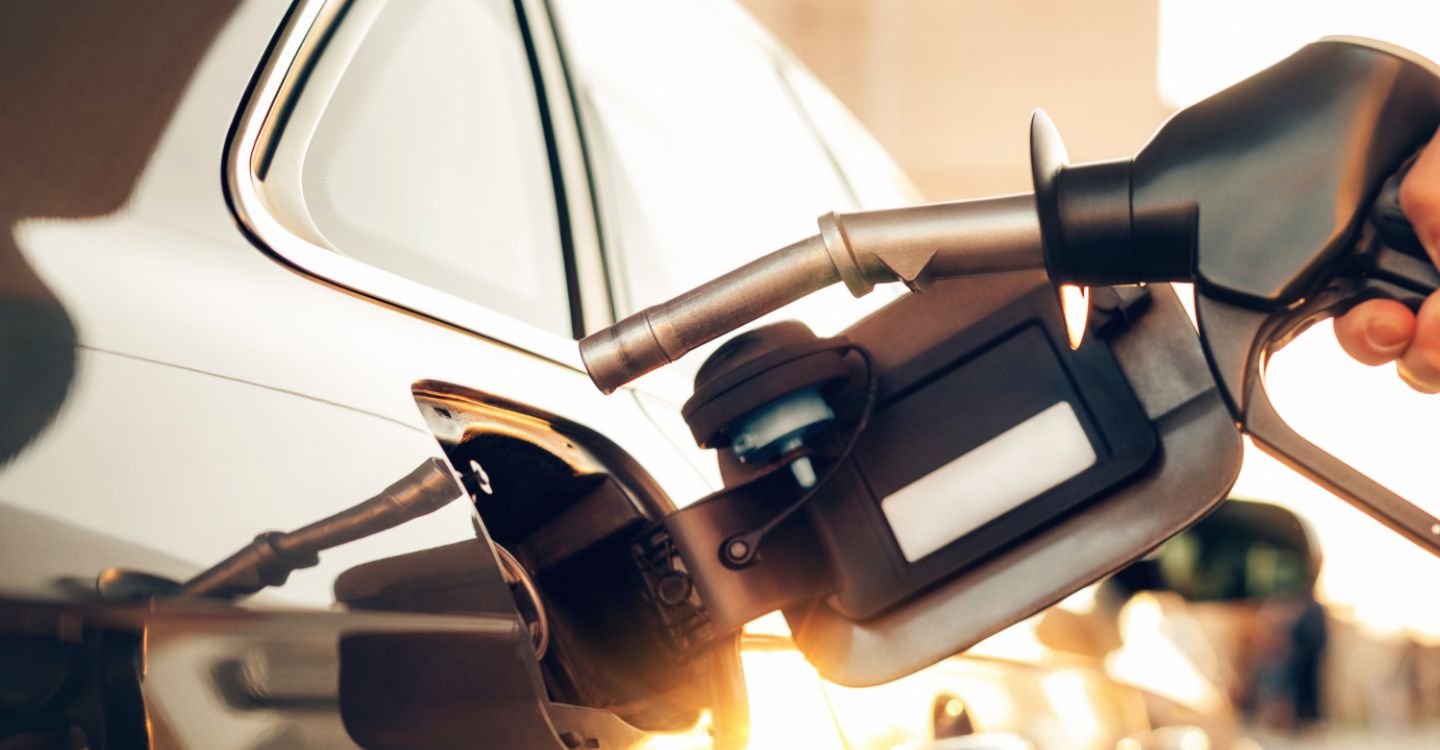
    Get pumped because we’re about to answer today’s most burning question: Does 95 fuel last longer than 93? With fuel prices reaching record highs it’s beginning to feel as if our cars are on an endless diet of caviar and truffles.

    Fuel prices keep increasing, but our salaries seem stuck in the parking lot! This means more and more people are looking for ways to be more fuel efficient.

    In this blog we’ll explore the differences between the two types of fuel and determine whether there is a clear winner when it comes to fuel efficiency.

    So, buckle up for some high-octane info.


    Fuel Fight: 95 vs 93 fuel – which will win?

    Choosing the correct octane fuel for your car is crucial for optimal performance and efficiency. Using 95-octane fuel may provide no additional benefits if your car requires 93-octane fuel. However, a higher octane fuel may offer better engine performance and cleaner burning, potentially leading to better fuel economy.

    Firstly, let’s talk about what octane rating means. Octane rating is a measure of a fuel’s ability to resist knocking during combustion (caused by the air/fuel mixture detonating prematurely in the engine). We need fuel to burn at just the right speed. If it burns too fast, it can cause the engine to knock, and that’s not good. The higher the octane rating, the more resistant the fuel is to pre-ignition.

    When it comes to fuel consumption, it’s essential to understand that higher octane fuel does not necessarily mean better fuel economy. Fuel economy is affected by various factors, including driving style, road conditions, and vehicle weight. Using the correct octane rating for your vehicle will ensure that it runs smoothly and efficiently. Stick to the manufacturer’s recommended octane rating and your car will thank you.

    It’s also important to note that using the wrong octane fuel for your vehicle can have negative consequences. Using a lower octane fuel than required can cause knocking, reduced power output, and potential damage to your engine. On the other hand, using a higher octane fuel than required may provide no additional benefit and result in wasted money.


    What octane gives better gas mileage?

    If you’re cruising around in a car with a 1.6 ℓ engine or smaller, it won’t make much difference if you fill her up with 93 or 95 (it’s probably not worth wasting extra money on the more expensive 95 octane). But if you’re chugging along in a 1.8 ℓ, you might feel a tad more oomph with 95. However, it’s in larger engines such as 2.0 ℓ turbo and V6 where the difference in performance is most noticeable, and manufacturers recommend using only 95 octane or higher.