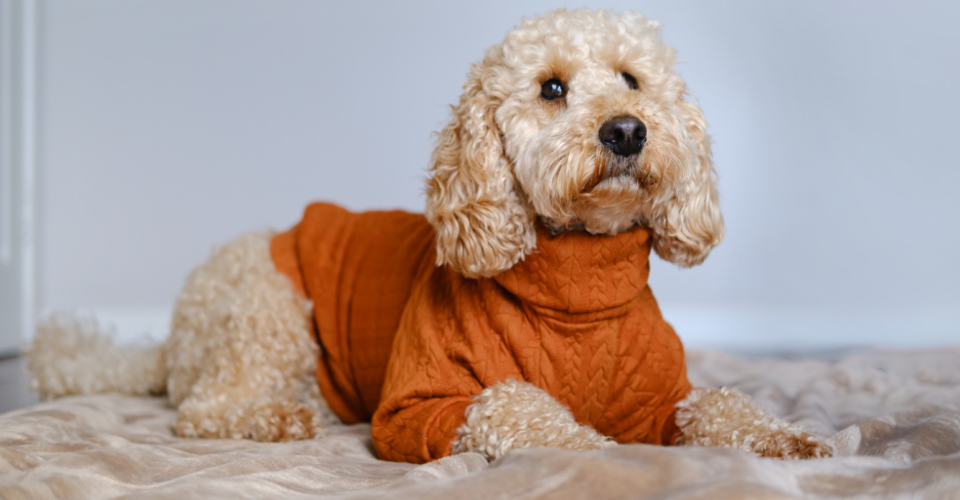
Tag: mixed breed

  • 9 INTERESTING FACTS ABOUT MIXED BREED DOGS

    9 INTERESTING FACTS ABOUT MIXED BREED DOGS


    Celebrating the Diversity of Dog Breeds

    In the rich tapestry of canine diversity, mixed-breed dogs stand out as unique individuals with a blend of genetic backgrounds. However, amidst the fascination surrounding these beloved pets, there are plenty of misconceptions and misunderstandings.


    Understanding the Basics

    To navigate the terminology, let’s begin with clarity. Purebred dogs have registered parents of the same breed, while mixed-breed dogs, often referred to as mutts, have unregistered parents with a lineage of several different breeds. While purebreds have predictable traits, mixed breeds offer a delightful surprise package, combining various traits from their diverse lineage.


    Mixed-Breed Dog Qualities

    Mixed breed dogs, or mutts, come in all shapes, sizes, and temperaments, which reflects the diversity of their ancestry. They may inherit the best (or the worst) traits from their parents, making them unique and unpredictable. Despite this variability, mixed-breed dogs make wonderful pets, cherished for their individuality and charm.


    Designer Dogs: A Closer Look

    Designer dogs, also known as hybrids or crossbreeds, are intentionally bred crosses between two existing breeds. They’re marketed for their unique combinations of traits, often aiming to blend desirable qualities from different breeds. However, the claims of non-shedding coats or superior health aren’t always guaranteed.


    Debunking Misconceptions

    • Coat Type and Shedding

    Contrary to popular belief, mixed breeds may or may not be non-shedding, depending on the combination of parental traits.

    • Predicting Personality

    Crossbreeding results in a wide range of personalities, making it challenging to anticipate a dog’s behaviour solely based on its breed mix.

    • Appearance

    Mixed-breed puppies can have vastly different appearances, making it difficult to predict their adult size, coat type, or physical characteristics.

    • Cost and Rarity

    Designer dogs are often priced higher than purebreds, and their popularity doesn’t necessarily reflect rarity or uniqueness.

    • “Hybrid Vigour”

    While hybrid vigour may offer some health benefits in first-generation crosses, subsequent generations may still inherit genetic vulnerabilities from their parent breeds.

    • Health Concerns

    Crossbreeding doesn’t eliminate the risk of hereditary health conditions, and responsible breeding practices are crucial for maintaining canine well-being.


    Fascinating Hybrid Dog Breeds

    Beyond the common Labradoodles and Goldendoodles, there’s a world of intriguing hybrid breeds.

    • Bull Arab: A versatile hunting and guard dog with a mix of Bull Terrier, Greyhound, and Pointer ancestry.
    • King Shepherd: A loyal and intelligent breed blending German Shepherd with other large breeds such as Alaskan Malamute and Great Pyrenees.
    • Lurcher: A sleek and agile hunting dog combining sighthounds such as Greyhounds with other breeds for versatility.
    • Maltese Shih Tzu: A small, affectionate companion merging the Maltese and Shih Tzu breeds for a hypoallergenic lapdog.
    • Northern Inuit Dog: A debated hybrid with Husky, Malamute, and German Shepherd lineage, known for its calm demeanour.
    • Puggle: A playful and friendly mix of Beagle and Pug, popular for its charming personality.
    • Staffy Bull Bullmastiff: A gentle giant blending Staffordshire Bull Terrier and Bullmastiff traits, ideal for families and guardianship.
    • Frenchton: A sociable and sturdy mix of French Bulldog and Boston Terrier, perfect for active families.
    • Chiweenie: A spunky and confident blend of Chihuahua and Dachshund, offering lively companionship.
    • Pomsky: A petite and affectionate hybrid of Pomeranian and Siberian Husky, combining regal looks with bonded companionship.


    Whether you adopt a mutt from a shelter or welcome a designer hybrid into your home, celebrating diversity, and embracing the unique qualities of each canine companion is essential to fostering a loving bond.
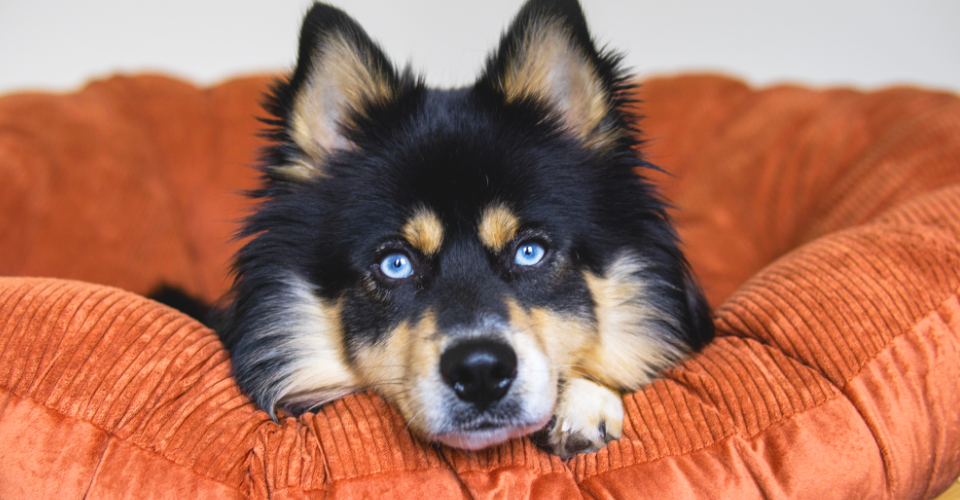
  • VET ADVICE: MIXED BREED PETS

    VET ADVICE: MIXED BREED PETS


    In Support of the Health and Happiness of All Pets

    Dr Nada de Villiers has been a veterinarian for 16 years and she’s currently working at Blouberg Animal Clinic in Limpopo.


    Are there common misconceptions about mixed-breed pets?

    “People tend to think that they are healthier than purebred pets, but they can get just as sick. People also think that ‘mutts’ are only found in shelters.”


    Does the health of mixed-breed pets tend to differ from those that are purebred?

    “Mixed-breed dogs tend to be slightly tougher, but it varies. A difficult question to answer because I think every vet has their own opinion regarding this topic. I do prefer mixed breeds because they are so interesting.”


    What are the benefits of having a DNA test done on a pet?

    “DNA tests can do a breakdown of the breed makeup of your dog (but there will still be plenty of research left to be done). Health testing, on the other hand, could predict certain health issues or genetic conditions in your dog (it involves breeds-specific screening or general screening for all potential disease-associated genes).”


    Would you say a pet’s temperament is determined by genetics or how they’re raised?

    “In my opinion, a pet’s temperament is determined by both, but I think how they are raised is the most important of the two. A pet with good genetics can be destroyed emotionally by a bad owner.”


    Any last thoughts on the topic?

    “I am in favour of mixed breeds because, in my opinion, one can mitigate some of the unhealthy genetic traits of certain pure breeds. For example, adding a dog with normal airways to a brachycephalic breed could improve the anatomy of their faces. I am not in favour of backyard breeding and irresponsible owners. I am a firm believer in having your pet spayed or neutered in order to prevent unwanted litters. Our shelters are full of animals due to irresponsible humans.”


    Learn More About Our Vet of the Month (VOM)

    Dr Nada is happily married and the mother of twins. She prefers small-animal medicine and performs most of the surgeries at the practice. She has what she calls “an abnormal love for all animals”, especially cats & horses.


    When did you decide to become a vet?

    “I wanted to be a veterinarian since I was a child. I was not interested in becoming anything else but a vet.”


    Dr Nada, do you have any pets?

    “Oh yes, and the pets! They are our children! Where do I start…”


    We thought it might be best to provide a comprehensive list of all Dr Nada’s pets 😉

    Rescue cats:

    • Sushi (tuxedo boy).
    • Jellytot (tabby girl).
    • Ninja (snow-shoe Burmese).
    • Monroe (tabby and white girl) and her brother, Catanova (black).
    • Dorito (calico).
    • Odin (tabby boy).
    • Impi (tabby boy).
    • Lennox aka Peanut (ginger boy).
    • Hicks (grey and white bi-colour).
    • Murphy and Sheldon (“seal point, long-haired floof balls”).
    • Quinn (bi-colour girl).
    • Siggy (“black and white, long-haired, floofy girl”).
    • Kai – “A tiny 4-week-old kitten.”
    • Peaches – “My stable cat. I took her in as a working cat, but she gets spoiled.”

    A dog:

    • Ntondo – “He is a mixed breed and one-of-a-kind. He has the sweetest nature ever.”

    A chicken:

    • Helga (Brahma hen).

    An Africa Grey:

    • Olga – “She has a huge cage inside our home and she’s living a life of luxury.”

    Ferrets:

    • Hobbs and Hooligan – “Super-charged, persistent chaos. We love them.”

    Dumbo rats:

    • Matyeo, Remi, Sprinkle, Django, and Mad-Eyed Moodie.

    Horses:

    • Dawn (Warmblood), Sugar aka Supergirl (Appaloosa), Toby’s Spots (Appaloosa), and Dakota (Appaloosa).

    Fish:

    • “We have one big black goldfish named Juju and plenty of guppies.”