Tag: pet

  • ROTTWEILER BREED GUIDE: TRAITS, TRAINING, AND CARE TIPS 

    ROTTWEILER BREED GUIDE: TRAITS, TRAINING, AND CARE TIPS 


    If we can turn French fries into slap chips, we can definitely take this German breed and make it walk, bark, and nap like a local. The Rottweiler (or “Rottie” as we’ve renamed them here) has gone from a working dog in Germany’s cattle markets to holding it down as a household protector, couch companion, and unofficial “alarm system” across South Africa. 

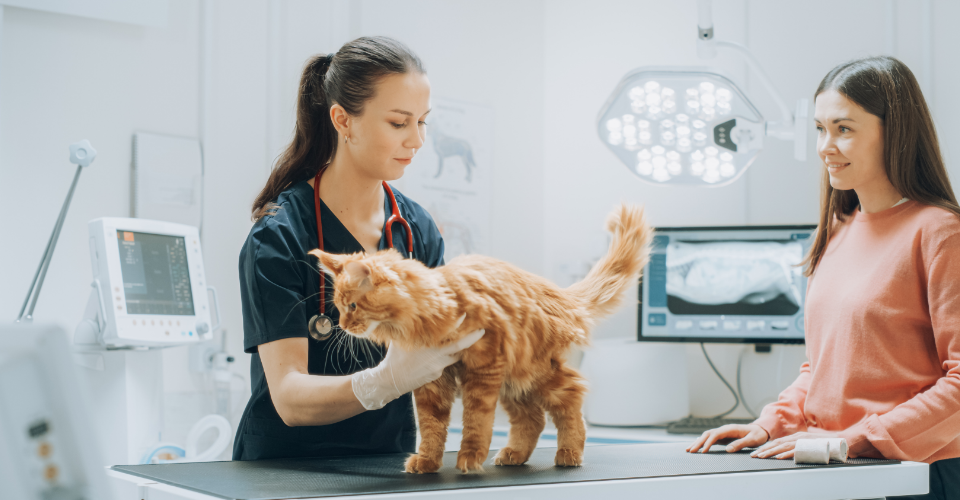
    They might look intimidating, but most Rotties are just big softies with a bark that says, “Don’t mess with my people,” and a heart that says, “Now scratch my belly.” Rotties are prone to some health issues, so regular vet checkups are a must, which means insurance for your Rottweiler is too.  


    Rottweiler Breed Guide: Common Health Problems 

    Okay, let’s get the not-so-great news out of the way so we can get to all the great stuff. One of the first questions is always: What are the common Rottweiler health issues? Rotties are prone to hip dysplasia, heart issues, obesity if not exercised, and cancer. The second question is always: How long do Rottweilers live? On average, they live 8–10 years though with proper care and exercise, many live longer. That’s a decade of love, loyalty, and slobbery kisses. 


    Rottweiler Breed Guide: Traits, Temperament, and Types 

    If dogs had gym memberships, the Rottweiler would be that guy who never skips leg day. But, is a Rottweiler right for you? If you’re active, loving, and ready for a loyal bestie, maybe.  

    Temperament and Personality Traits 

    Rottweiler Appearance and Types 

    How Much Do Rottweilers Weigh as Adults? 

    Rottweilers are loyal, protective, and highly intelligent. Think of them as that one friend who looks tough but is secretly the first to cry during an emotional movie.  Muscular, broad-chested, and built like a bouncer with a soft side. Their black-and-tan coats are instantly recognisable, sleek, short, and easy to maintain.  Male Rottweilers can weigh up to 60 kg, females around 45 kg. Make sure you’ve got enough room at your place before you bring one home. 


    Rottweiler Breed Guide: Training and Care Tips 

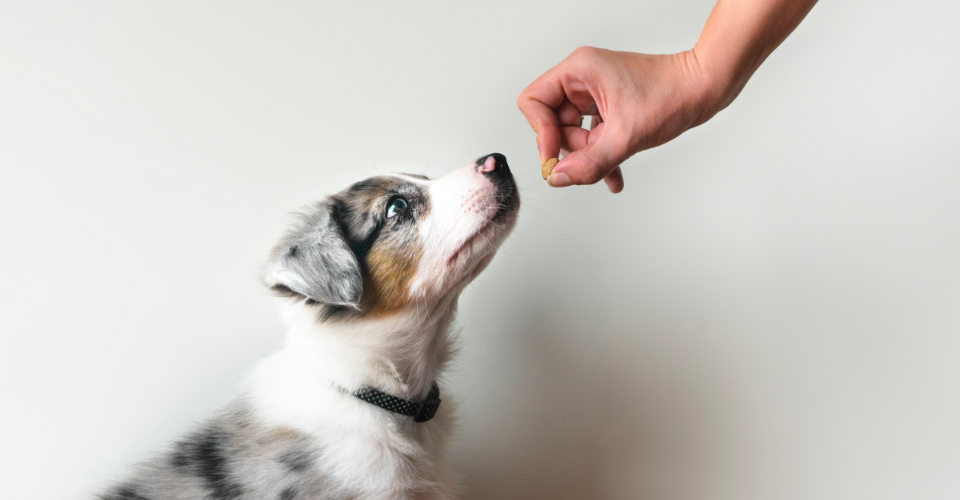
    Training a Rottie is like raising a teenager… consistency, patience, and snacks go a long way. Start early, use positive reinforcement, and make training fun.  

    What Do Rottweilers Eat? 

    Do Rottweilers Need a Lot of Exercise? 

    How Often Should I Groom My Rottweiler? 

    Rottweilers need to eat high-quality, protein-rich food to maintain muscle and energy. If they could talk, they’d probably ask for boerie rolls and pap, but stick to a balanced diet. Premium dog food such as Hill’s Science Plan keeps them strong and shiny.  Yes, Rottweilers need plenty of exercise. A bored Rottie is a naughty Rottie. Long walks, play sessions, and training games help keep them fit and happy. They love fetch (but play like they’re trying to win a rugby match).  Once a week grooming for your Rottweiler should be fine. Their short coat is easy to manage, but you’ll want to brush regularly during shedding season.  


    Fun and Lifestyle Facts About Rottweilers 

    What Is a Rottweiler’s Weakness? 

    Their hearts. They’re emotional, sensitive, and loyal to a fault. But shem, maybe that’s why they’re prone to heart issues: too much love for one chest to handle.  

    What Roles Do Rottweilers Thrive In? 

    Guard dogs, police K9s, therapy companions, you name it. Their intelligence and loyalty make them adaptable to almost any role. 

    Are Rottweilers Good with Kids? 

    Rottweilers are good with kids, but supervision and socialisation are key.  

    Do Rottweilers Bark a Lot? 

    Not unnecessarily. When a Rottie barks, it usually means something’s up. They’re the definition of “speak only when it’s important.” 


    Why You Should Insure Your Rottweiler 

    Rottweilers give you everything, protection, loyalty, and unconditional love. The least you can do is protect them right back. Speak to dotsure.co.za about getting insurance for your Rottweiler in minutes. Need a little more info? Get in touch, and we’ll help you find cover that loves your pet as much as you do.


    RELATED:HERDING DOG BREEDS; TOY DOG BREEDS; BREED STANDARDS 

  • 14 GIFTS FOR YOUR PET

    14 GIFTS FOR YOUR PET


    We’re celebrating 14 wonderful years of protecting South Africa’s pets with wholehearted pet insurance! And what better way to mark the occasion than with gift ideas to spoil your favourite family members?

    These proudly South African brands are all about wag-worthy treats and tail-thumping happiness.


    For Pets Deserving of Royal Treatment

    With stores nationwide and a well-stocked online store, The Queen Pet Shop offers everything from premium food and grooming gear to fun toys and stylish accessories. It’s a convenient go-to for everyday essentials, offering options for all kinds of pets!


    Luxury Pet Accessories

    Spoil your pup or kitty with the ultimate in local luxury. Kingsley & Gray Pet Boutique creates handcrafted collars, leashes, beds, and accessories made to order using eco-friendly materials. Each piece is elegant, functional, and bursting with style.


    Healthy Bunny Treats

    De Lange Bunnies caters specifically to rabbit lovers with pesticide-free oat hay, custom-blended pellets, and chew-safe toys made from untreated apple wood. It’s wholesome, locally sourced goodness for your bun’s belly and teeth.


    Tasty & Functional Dog Treats

    Bored of bland biscuits? Dog Lick delivers nutrient-rich, dog-friendly peanut butter to use on their lick mats. Packed with collagen, this snack helps with joint care and skin health.


    Stylish & Comfortable Pet Bedding

    For the pets who love lounging in style, Scruffs offers premium pet beds and accessories that combine softness, durability, and aesthetic appeal. Their beds come in various sizes and styles to suit every breed and space.


    Handmade Dog Accessories

    Based in Cape Town, Chommies designs vibrant dog accessories that are as joyful as your dog’s personality. Their colourful, handwoven leashes, collars, and toys are made with love and creativity.


    Holistic Pet Food & Nutrition

    Locally made and scientifically formulated, Vondi’s offers preservative-free pet meals packed with real meat, organic veggies, olive oil, and herbs. Their focus on holistic pet wellness helps support digestion, skin, energy, and dental health.


    Adventure Gear for Dogs

    If your dog’s a trail-blazer, South Hound is your brand. Born from exploring South Africa’s great outdoors, their harnesses and gear are built for hiking, swimming, and all kinds of canine adventures.


    Online Convenience & Variety

    Pet Heaven stocks over 6,000 pet products online, from toys and food to flea treatments and beds. They deliver straight to your door and make it easy to support pet shelters through optional donations.


    Hypoallergenic Pet Treats

    Made with human-grade, hypoallergenic ingredients, Mimi & Munch treats are perfect for pets with sensitivities. These wheat-free, preservative-free snacks come in fun shapes and can even be customised for birthdays and gotcha days.


    Vet-Backed Pet Products

    ePETstore  is an online hub trusted by South African vets. With expert advice and a wide selection of pet products, this is your one-click shop for nutrition, grooming, toys, and everything in between.


    Community-Focused Pet Supplies

    This friendly, family-run business offers a broad range of pet supplies, toys, and food options. Pet, Pool & Home is a community gem for pet parents looking for personal service and affordable local options.


    Eco-Friendly Pet Accessories

    Looking for locally made, planet-friendly pet products? Pawsh & Co handcrafts stylish collars, bandanas, and pet wear using safe, eco-conscious materials. Bonus: You can customise their pieces to suit your style!


    The Gift of Pet Insurance

    There’s no better gift than the peace of mind that comes with dotsure.co.za pet insurance. Our flexible plans cover everything from unexpected emergencies to routine care, so you can focus on cuddles and playtime instead of costly vet bills.

    Need help choosing the right plan? Contact us; we’re here to help you and your fur-family live your best lives.

  • HOW TO CALCULATE DOG YEARS: DOG AGEING EXPLAINED

    HOW TO CALCULATE DOG YEARS: DOG AGEING EXPLAINED


    For decades pet parents have followed the old rule that one dog year equals seven human years. While it’s a cute concept, it’s not scientifically accurate.

    Understanding how dogs age can help you provide better care, and make more informed decisions about their health, including choosing the right pet insurance. After all, our four-legged companions have different needs at every life stage.


    How to Calculate Dog Years Accurately

    The traditional 1:7 ratio doesn’t take into account how dogs mature. For example, a one-year-old dog is more like a 15-year-old human when it comes to physical and emotional development. In reality, dogs age much faster in their first two years of life. Then the pace slows down, especially for smaller breeds.

    How to calculate dog years more accurately:

    • Year 1 = Roughly 15 human years
    • Year 2 = Around 24 human years
    • Each year after = Add 4 to 5 human years for small dogs, and 6 to 9 years for large or giant breeds.

    This approach offers a more realistic view of your dog’s development and health needs.


    Why Do Smaller Dogs Live Longer Than Larger Dogs?

    Bigger dogs grow rapidly, which may accelerate the ageing process and lead to age-related illnesses earlier on. Research shows that for every extra 2 kilograms of body mass, a dog’s life expectancy drops by about a month. That’s why a Chihuahua might live 15 to 20 years, while a Great Dane might only live 7 to 10 years.


    RELATED: HOW LONG DO CATS LIVE?


    How Do Dogs Age? Stages of a Dog’s Life

    Dogs, like humans, go through defined life stages. Each with specific health and lifestyle requirements:

    Puppy (Birth to 7 months)

    Rapid growth, high energy, and critical socialisation. Puppies need vaccines, training, and proper nutrition.

    Junior (1 to 2 years)

    Still maturing emotionally and physically. Adolescents may be more independent or distracted. This is a good time for behavioural training and spaying or neutering.

    Adult (2 to 6 years)

    Dogs are fully grown, with established personalities. Keep up with exercise, enrichment, and annual vet check-ups.

    Mature (6 to 9 years)

    You may notice a slight slowdown in activity. It’s time to watch for early signs of joint issues or dental disease.

    Senior (7+ years for small breeds, 5+ for large breeds)

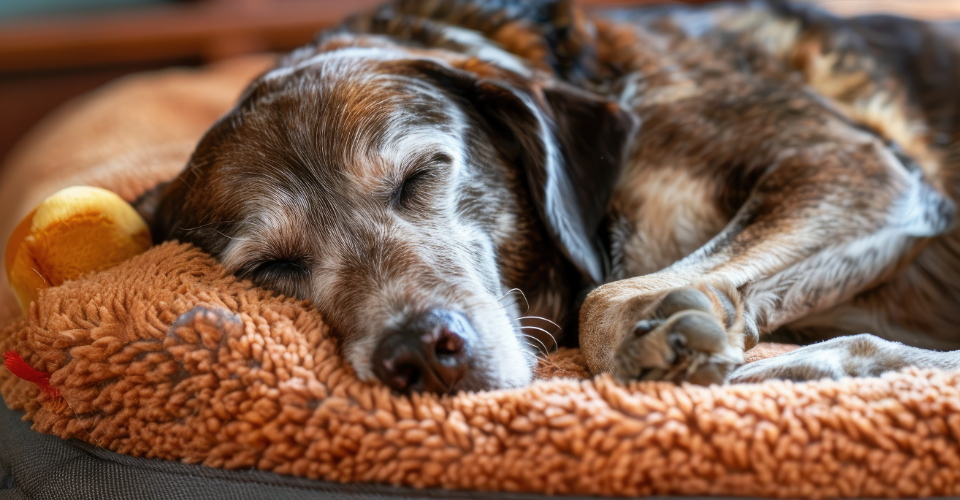
    Seniors may sleep more, be less active, and require a specialised diet or mobility aids.

    Geriatric (12+, varies by breed)

    Dogs in this final stage need regular health monitoring, gentle care, and sometimes assistance with daily activities.


    RELATED: STIFF COMPETITION: WHAT IS THE BEST JOINT CARE FOR DOGS?


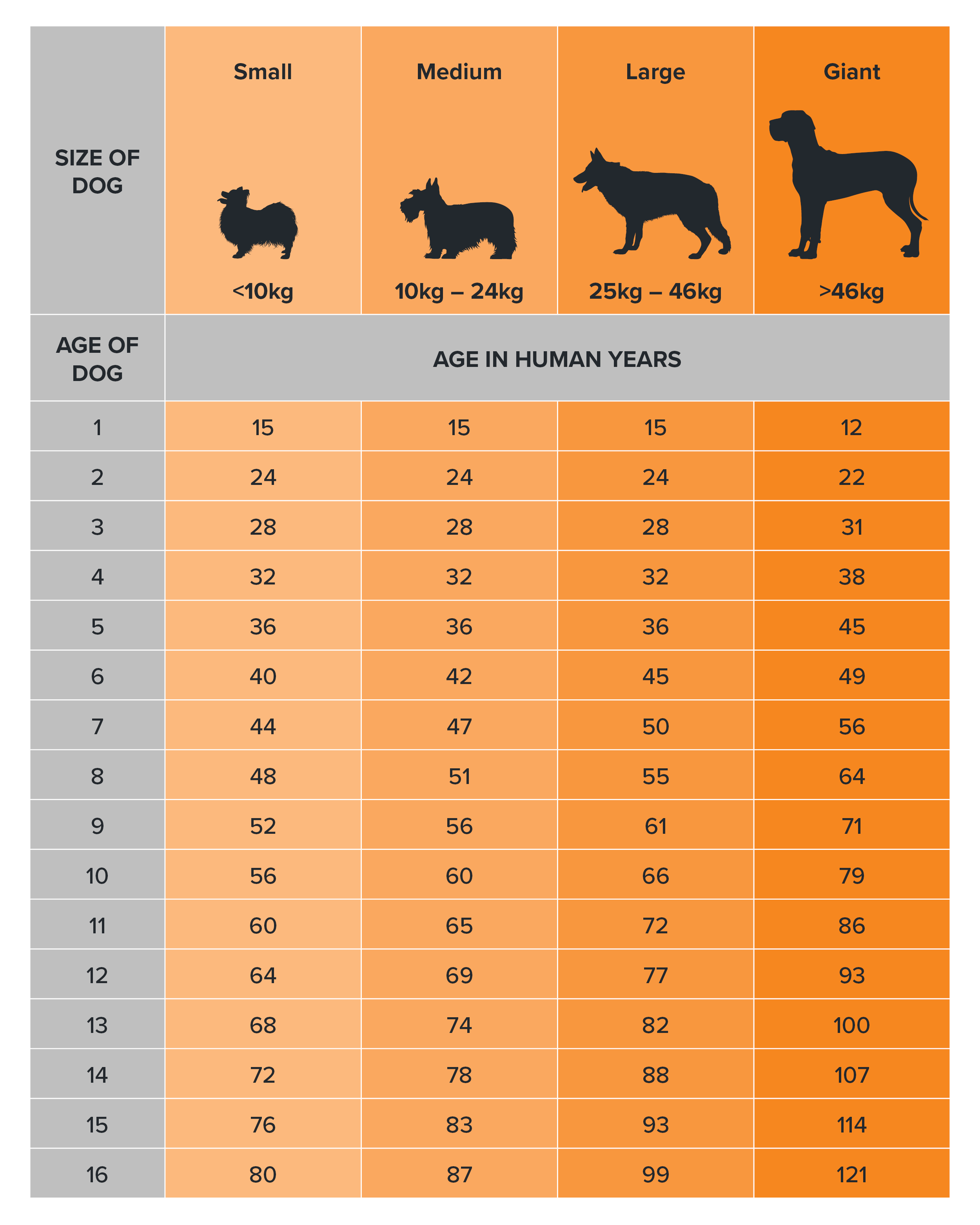
    Dog Age Chart by Breed Size

    Here’s a general reference for how dog years stack up by breed size:

    dog age chart


    How to Care for an Ageing Dog

    Getting older isn’t easy, even for dogs. But with a little extra love and proactive care, senior dogs can enjoy their golden years comfortably.

    Tips for caring for older dogs:

    • Schedule more frequent vet visits (every 3 months is ideal)
    • Adjust diet for joint, kidney, or digestive support
    • Provide soft bedding and non-slip surfaces
    • Keep walks shorter but regular
    • Look out for changes in behaviour, appetite, or movement.


    At dotsure.co.za, we know your dog is part of the family. Want to know how we can support your pet’s health journey? Contact us today to find the cover that fits your dog’s age, breed, and lifestyle.

  • 5 IRRESISTIBLE HOMEMADE PET TREATS

    5 IRRESISTIBLE HOMEMADE PET TREATS


    Nothing says “I love you” like a tasty homemade pet treat. Plus, it’s a fun and rewarding way to spoil your pets, while ensuring you know exactly what goes into their snacks. Cats, dogs, birds, rodents, and reptiles, we’ve got the whole crew covered! And not just with some tasty recipes, but with pet insurance too.

    Let’s whip up some paw-licking goodness.


    Treats for Dogs: Peanut Butter Banana Bites

    Looking for healthy treats for dogs? These frozen peanut butter banana bites are a hit with pups and super easy to make.

    Ingredients:

    • 1 ripe banana
    • ¼ cup of natural peanut butter (unsalted, no xylitol!)
    • 1 tablespoon of coconut oil

    Instructions:

    1. Mash the banana in a bowl until smooth.
    2. Mix in the peanut butter and coconut oil until well combined.
    3. Spoon small dollops of the mixture onto a baking sheet lined with parchment paper.
    4. Place the baking sheet in the freezer for about an hour until the treats are firm.
    5. Once frozen, transfer the treats to an airtight container and store them in the fridge.


    RELATED: HOW TO MAKE LIP-SMACKING HOMEMADE DOG BISCUITS


    Treats for Cats: Tuna and Catnip Crackers

    These homemade cat treats are full of flavour and fun.

    Ingredients:

    • 1 can of tuna in water (drained)
    • 1 egg
    • 1 tablespoon of dried catnip
    • ½ cup of wholewheat flour

    Instructions:

    1. Preheat your oven to 180° C and line a baking sheet with parchment paper.
    2. In a bowl, combine the drained tuna, egg, and dried catnip.
    3. Gradually add the wholewheat flour and mix until a dough forms.
    4. Roll the dough out on a floured surface.
    5. Use cookie cutters to cut out shapes, or simply slice into small squares or rectangles.
    6. Place the treats on the prepared baking sheet and bake for 10-12 minutes, or until golden brown.
    7. Allow the treats to cool completely before serving.


    Treats for Rodents: Veggie Delights

    Rodents love variety, and these chewy veggie balls are the perfect little snack. Try out these treats for your hamster, rat, or guinea pig.

    Ingredients:

    • ½ cup of finely chopped mixed veg (carrots, broccoli, bell peppers)
    • ¼ cup of rolled oats
    • 2 tablespoons of honey
    • 2 tablespoons of chopped fresh parsley

    Instructions:

    1. Combine all ingredients in a bowl and mix until well combined.
    2. Roll the mixture into small balls, about the size of a marble.
    3. Place the balls on a plate and refrigerate for at least 30 minutes to firm up.
    4. Once firm, offer the treats to your rodent friend. Store any leftovers in the refrigerator.


    Treats for Birds: Nutty Bars

    Birds need stimulation and tasty bites! These homemade bird treats combine grains, fruit, and nuts into an energy-packed snack.

    Ingredients:

    • ½ cup of chopped nuts (almonds, walnuts, peanuts – unsalted)
    • ¼ cup of cooked quinoa
    • ¼ cup of mashed banana
    • 1 tablespoon of raw honey

    Instructions:

    1. Preheat oven to 180° C and line a dish with parchment paper.
    2. Combine all ingredients in a bowl.
    3. Press into the baking dish and flatten.
    4. Bake for 15–20 minutes until golden.
    5. Cool thoroughly before slicing into bite-sized bars. Store in an airtight container.


    Treats for Reptiles: Veggie and Fruit Medley

    Yes, even reptiles can get in on the snack action! These treats for reptiles are simple, safe, and packed with variety.

    Ingredients:

    • Reptile-safe vegetables (carrots, leafy greens, bell peppers)
    • Reptile-safe fruits (berries, apples, melons)
    • Calcium powder (optional – check with your vet)

    Instructions:

    1. Wash and finely chop the fruit and veg.
    2. Mix into a colourful medley.
    3. Lightly dust with calcium powder if needed.
    4. Serve as a snack and remove leftovers after a few hours.


    Treat Your Pets with Pet Insurance

    These homemade pet treats are a safe and simple way to keep tails wagging and feathers fluttering. Another safe and simple way to care for them? Pet insurance from dotsure.co.za!  We offer cover for cats, dogs, and exotic pets such as bunnies, birds, and reptiles. Get a quote today and treat them to the ultimate protection.

  • PET INSURANCE THAT ADDS VALUE: GIVE YOUR POLICY A TREAT!

    PET INSURANCE THAT ADDS VALUE: GIVE YOUR POLICY A TREAT!


    Being a pet parent means doing everything to care for your furry, feathered, or scaled companions; because they’re more than pets, they’re family! 

    So, when it comes to protecting them, you need pet insurance that adds value. At dotsure.co.za, we do exactly that. Our pet insurance plans don’t just cover the basics. We let you level-up your policy with optional extras that give your pet, and your peace of mind, that little extra wag it deserves. 


    What are Value Added Products (VAPs)? 

    Value Added Products (VAPs) are optional enhancements to your existing pet insurance policy. Think of them as bonus treats for your pet’s policy. We’ve taken customising cover to suit your budget and pet’s lifestyle to a whole new level! 


    Can I Increase My Pet Insurance Cover? 

    Yes, you can! In fact, the best part about being covered by SA’s #1 pet insurer* is that you can do it online in just a few clicks via the Manage Portal! 

    From wellness benefits and no-excess claims to pet funeral support, these add-ons are the perfect way to get the most out of your pet insurance! 


    Value-Added Products You Can Add to Your Pet Policy* 

    Here’s a breakdown of our most popular optional add-ons for pet insurance in South Africa. Because yes, you really can teach an old policy new tricks. 

    RELATED: UNDERSTANDING PET INSURANCE WAITING PERIODS 


    Pet Funeral Support – Pet Insurance Funeral Cover in South Africa 

    Losing a pet is never easy, but stressing about the cost shouldn’t be part of it. Our Funeral Support offers up to R2,920 towards cremation or burial in the unfortunate event of your pet’s passing. 

    • Only R21 pm 
    • 3-month waiting period 
    • Available for pets up to 9 years old 
    • A must if you’re looking for affordable pet funeral cover in SA 


    Pet Excess Buster – No Surprises When You Claim 

    This add-on makes your excess disappear faster than a treat in a sausage dog’s mouth. 

    • R29 pm – Accidental 
    • R35 pm – Vital / Exotic Pet 
    • R39 pm – Elite 
    • R45 pm – Deluxe / Exotic Pet Plus 
    • R55 pm – Ultimate 
    • It’s the simplest way to enjoy no excess pet insurance in SA 


    Pet Cover Gap Extension – Waive Limits for Extra Cover 

    This add-on waives specific policy limits when you need a little extra cover. 

    • Premium depends on your plan, risk profile, pet and claim history. 
    • Already included in Ultimate and Exotic Pet Plus plans 
    • Purrfect for pet parents looking for cover gap extension for pets, just in case. 


    Pet Wellness Benefits – Routine Care Cover for Pets 

    From R69 pm, this one’s all about preventative care in pet insurance. Think of it as your pet’s annual spa day with cover for: 

    • Vaccinations 
    • Parasite control 
    • Grooming 
    • Dental check-ups 
    • Elective sterilisation  
    • Microchipping 
    • And more! 
    • Available on Vital, Elite, and Deluxe plans 

    RELATED: DOES YOUR PET INSURANCE COVER SPAYING AND NEUTERING? 


    Pet Wellness Benefits Plus – More TLC for Your Pet 

    All the same great cover as Wellness Benefits with bigger limits and a little more wiggle room. 

    • From R129 pm 
    • Includes everything in Wellness Benefits above 
    • With higher cover amounts for more peace of mind 
    • Great for older pets or pets with more complex wellness needs. 

    RELATED: DOES YOUR PET INSURANCE COVER VACCINATIONS? LET’S BREAK IT DOWN 


    Why Add Value-Added Products to Your Pet Insurance? 

    These extra pet insurance benefits can help you: 

    • Plan better for the unexpected 
    • Cover preventative care without dipping into your own savings 
    • Extend your peace of mind 

    How to Add VAPs to Your Pet Policy 

    It’s super easy to add any of these dotsure.co.za pet insurance extras: 

    1. Log in to the dotsure.co.za Manage Portal. 
    2. Choose your add-on and confirm your upgrade. 

    Prefer chatting to a human? Email us at [email protected] or call 0861 368 7873 and we’ll help you treat your policy quick-quick. 


    Ready To Get the Most from Your Pet Insurance? 

    Head to dotsure.co.za to manage or upgrade your plan today with wholehearted pet insurance that adds value. 


    *Ts & Cs and possible exclusions may apply and can be obtained by emailing [email protected]. Risk profile and policy dependent. Pricing and cover limits as at date of publishing. SA’s #1 Pet Insurance Company as voted by The Star, Die Burger, Beeld, City Press. 

  • TOP 10 MOST POPULAR DOG BREEDS IN SOUTH AFRICA

    TOP 10 MOST POPULAR DOG BREEDS IN SOUTH AFRICA


    South Africa is a land of rich heritage, breathtaking scenery, and an undeniable love for dogs. While every pup is special in their own way, certain breeds stand out for their loyalty, temperament, and ability to adapt to our diverse lifestyles. 

    As any dog parent knows, keeping your four-legged friend healthy can come with unexpected vet bills. That’s where dog insurance can help, ensuring your pup stays protected, no matter the breed.  

    RELATED: TOP 5 CAT BREEDS IN SA; RAREST DOG BREEDS IN SA 


    Boerboel (South African Mastiff)

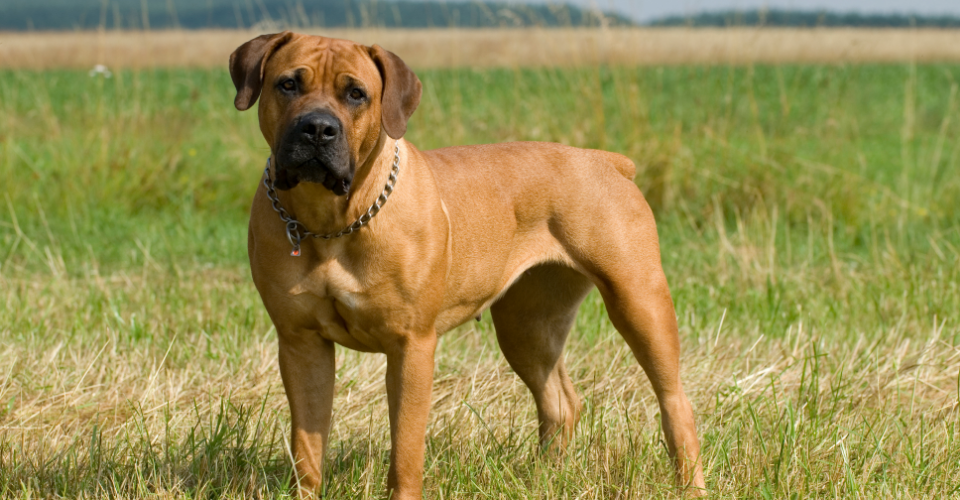
    The Boerboel is South Africa’s very own gentle giant. Bred to guard homesteads and farms, this powerful breed is admired for their loyalty, intelligence, and natural protective instincts. Boerboels are excellent family dogs when well-socialised and properly trained. Although, their size means they thrive in homes with space to roam. 

    boerboel


    Staffordshire Bull Terrier

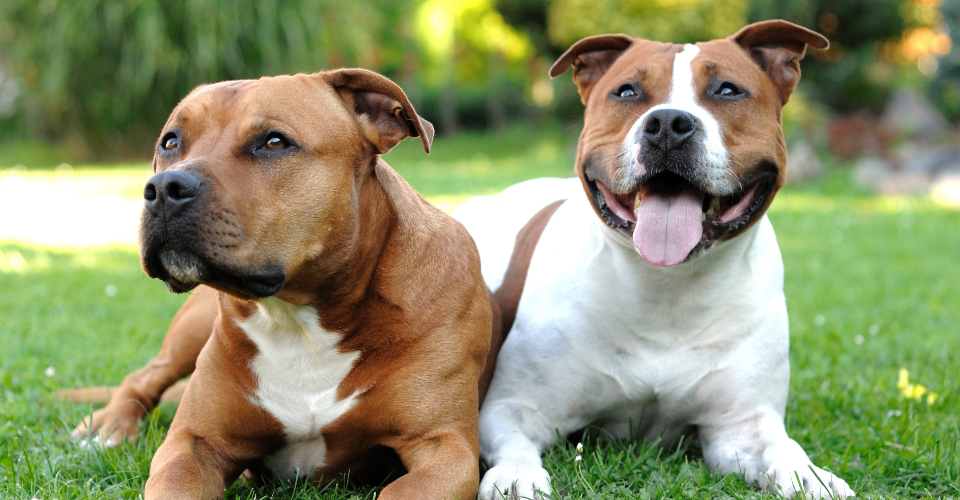
    Affectionately called a Staffy, this medium-sized, muscular breed is one of SA’s most-loved dogs. Staffies are famous for their affectionate and playful nature, especially around children. Loyal to the core and brimming with energy, they thrive in loving households where they’re part of the action. 

    staffordshire bull terrier


    Labrador Retriever

    Whether it’s for companionship, search-and-rescue work, or service duties, Labrador Retrievers remain a firm favourite. Friendly, eager to please, and highly trainable, Labs adapt well to families and active individuals. 

    labrador retriever


    Rottweiler

    Don’t let the tough exterior fool you, Rottweilers are affectionate and loyal pets. With proper training, they make fantastic protectors and loving family members. Known for their strength and confidence, they also require experienced, responsible pet parents. 

    rottweiler


    German Shepherd

    German Shepherds are renowned for their intelligence and versatility. Often used in police and security roles, this breed is a dependable family dog when trained and exercised properly. They’re deeply loyal, protective, and eager to learn. 

    german shepherd


    Border Collie

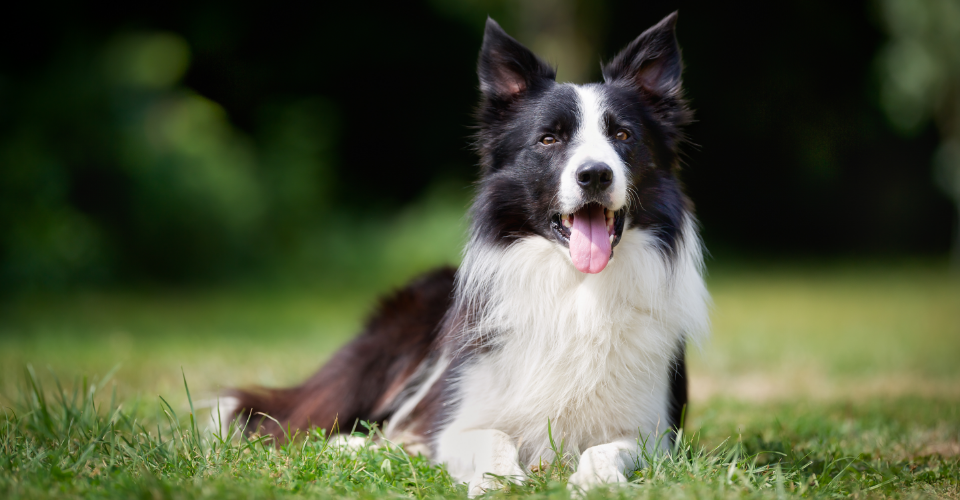
    The Border Collie is a bundle of energy and brainpower. Originally bred for herding, this intelligent breed thrives on mental stimulation and physical activity. Perfect for active families or agility lovers, Border Collies need plenty of engagement to thrive. 

    border collie


    Golden Retriever

    Golden Retrievers are the epitome of gentle, affectionate dogs. Ideal for families, these calm and loving pets are often used as therapy dogs. Their easygoing temperament makes them great with kids and other pets. 

    golden retriever


    Bull Terrier

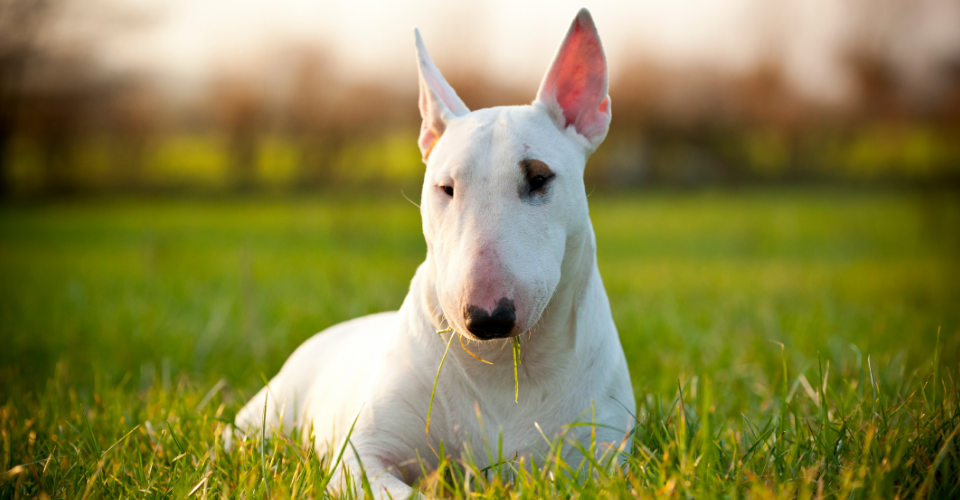
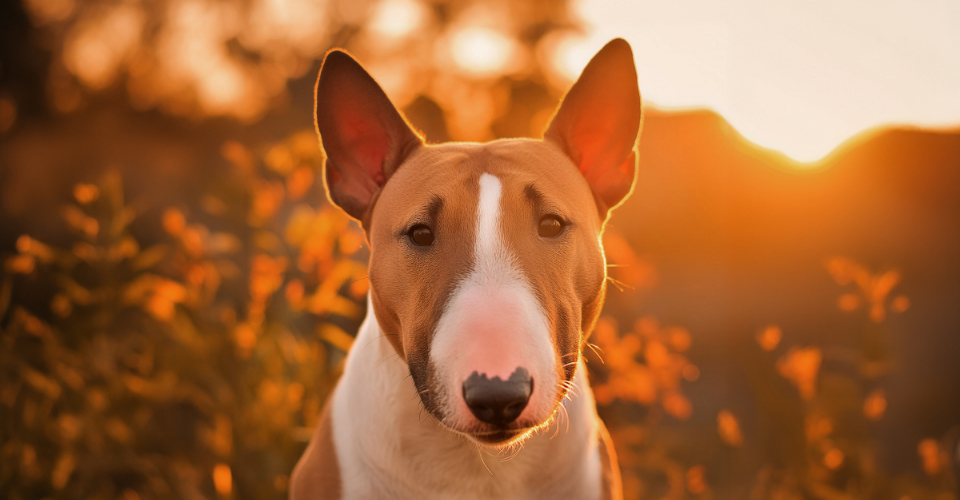
    Recognised by their unique egg-shaped heads, Bull Terriers are strong, playful, and a little cheeky. They’re known for their clown-like personalities and deep loyalty to their families, making them both fun and fiercely devoted companions. 

    bull terrier


    Yorkshire Terrier

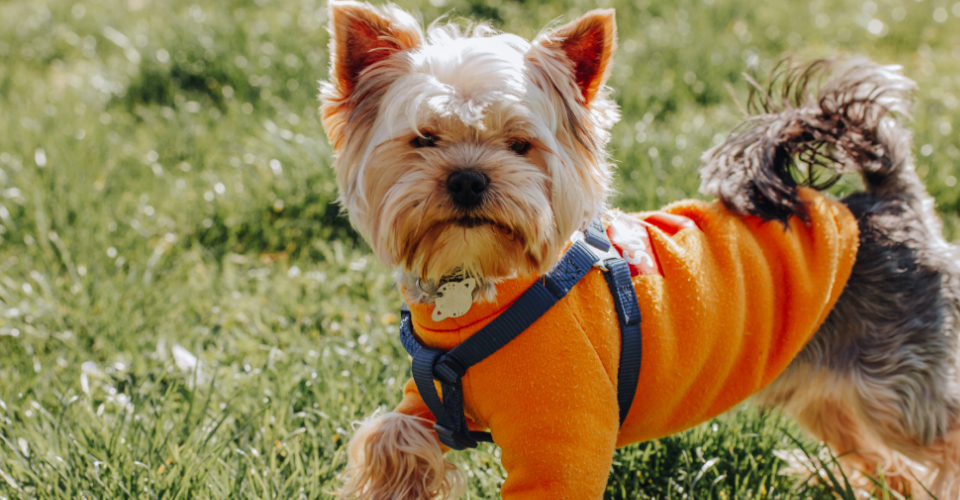
    Yorkies may be small, but their personalities are anything but. These confident and affectionate lapdogs are ideal for apartment living and have gained popularity in South Africa’s urban centres for their adaptability and charm. 

    yorkshire terrier


    Dachshund

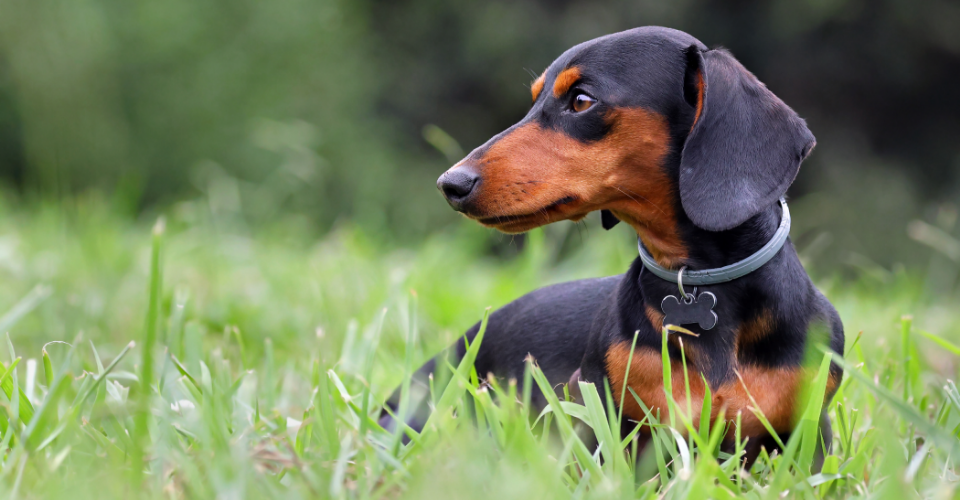
    With their long bodies and bold spirits, Dachshunds are adored for their spunky attitudes and loyal hearts. Whether you call them sausage dogs or wiener dogs, they’re clever companions who love being part of the family. 

    dachshund


    Protect Your Favourite Breed with Pet Insurance 

    No matter which breed has stolen your heart, the bond between humans and dogs is priceless. But when your dog needs unexpected medical care, the bills can bite. That’s why more and more South African pet owners are turning to dotsure.co.za for reliable pet insurance. Get a quote online and give your best friend the care they deserve! 


    READ MORE: HERDING DOG BREEDS; TOY DOG BREEDS; TERRIERS UNLEASHED; BREED STANDARDS 
  • A SECOND CHANCE: TIPS FOR FOSTERING PETS
    A SECOND CHANCE: TIPS FOR FOSTERING PETS


    If you’ve ever considered helping a rescue animal, fostering a pet is a rewarding way to change lives, without the long-term commitment of adoption. 

    At dotsure.co.za, we’re passionate about animal welfare. When you take out a pet insurance policy with us, you’re also helping us contribute to the work of dedicated welfare vets at the Animal Anti-Cruelty League. 

    RELATED: JOINING FORCES FOR ANIMALS IN NEED 


    Is Fostering Right for You?

    Before you apply to become a pet foster parent, take a moment to ask yourself a few important questions: 

    • Can you afford pet care essentials? While some shelters help with food and medical expenses, you may still need to cover some costs. 
    • Do you have time to care for an animal, especially one that may be recovering or need socialisation? 
    • Is your home pet-friendly, and does your landlord allow animals? 
    • Are your family or housemates on board with the idea of fostering? 
    • Do you already have pets, and how might they react to a temporary newcomer? 
    • Are there any upcoming life changes (like moving, travel, or work schedule shifts) that could interfere with your commitment? 


    How to Prepare for Fostering a Pet

    Once you’ve made the decision to foster, preparation is essential to creating a safe, loving environment. 

    Foster Pets Take Time and Patience 

    Fostering takes daily dedication. Make time for feeding, walks, grooming, and play. Some pets may need extra care, especially if they’ve experienced trauma or illness. 

    Create a Safe Environment 

    Pet-proof your home by removing hazards such as exposed wires, accessible food, and open bins. Ensure they have a calm, quiet place to rest, especially in the first few days of adjustment. 

    Stock Up on Pet Supplies 

    Gather the basics before your foster pet arrives: 

    • Food and water bowls 
    • High-quality pet food 
    • Kennel or carrier 
    • Collar, leash, and ID tag 
    • Toys, beds, and blankets 
    • Litter box (for cats) or poo bags (for dogs) 

    Support Pet Adoptions 

    You’ll play a big role in their socialising, training, and preparing them for adoption. Sharing updates and photos with the shelter (and potential adopters) can make a big difference in helping them find the right forever home.


    What to Expect When Fostering Dogs or Cats 

    If you’re new to fostering, it’s often best to start with an animal that doesn’t require intensive medical or behavioural care. This allows you to ease into the experience and build confidence. 

    Pet Fostering Duration 

    • Puppies and kittens are often fostered for 2 to 6 weeks, depending on their health and adoption readiness. 
    • Adult dogs and cats may stay longer, especially if they need time to heal or adjust to human interaction. 


    What Does it Mean to Foster a Pet?

    Fostering is incredibly rewarding, but it’s not always easy. 

    • Be Patient: Healing, training, and trust take time. Your support helps pets transition out of survival mode and into loving companionship. 
    • Special Needs Pets: Only take on the challenge if you’re truly equipped and ready for the additional emotional and physical effort. 
    • Saying Goodbye: Many foster parents experience heartache when their temporary companions are adopted. But remember, your efforts are helping animals get the love they deserve. 

    Of course, sometimes you fall in love, and decide you just can’t let go. This is what’s affectionately known as a “foster fail”, and it’s more common than you might think!  


    Facing a Foster Fail?

    If you’ve unexpectedly become a pet parent after fostering a pet, we’re here to help. Contact us to learn more about our affordable plans or to chat about how we can help your new companion get the care they need!   


    RELATED: HOW TO CHOOSE THE PERFECT PET FOR YOUR FAMILY 

  • A HELPING PAW FOR BIG-HEARTED VETS

    A HELPING PAW FOR BIG-HEARTED VETS


    Addressing Compassion Fatigue in the Veterinary Industry

    Veterinarians are driven by their love for animals and a desire to alleviate suffering. But for all their dedication, there’s an emotional cost that comes with being on the front lines of animal care every day.


    What is compassion fatigue?

    The chronic stress of caring for others can result in emotional and physical exhaustion. While burnout is related to job-related stress such as poor management or overwhelming workloads, compassion fatigue stems from repeated exposure to trauma and distress.


    The risk factors

    Veterinarians are uniquely vulnerable to compassion fatigue due to the nature of their work, which includes the following risks:

    • Having to make difficult decisions about an animal’s care, including whether to euthanise or provide treatment, can cause emotional strain.
    • Being regularly exposed to suffering, whether it’s the loss of a beloved pet or the aftermath of animal cruelty.
    • Long hours and the pressure of constant care can leave vets with little time to recharge and focus on their own well-being.


    The symptoms

    Compassion fatigue manifests in several ways, and for veterinarians, it can impact both their personal and professional lives. Some symptoms include:

    • Feeling disconnected from others, even in social or professional settings.
    • Losing interest in activities that once brought joy and fulfilment.
    • Suppressing emotions, which can lead to memory issues and anxiety.
    • Difficulty sleeping, which can have further negative effects on mental and physical health.


    Supporting our heroes

    We’ve always had a deep appreciation for the incredible work that veterinarians do. That’s why we’re launching a dedicated hotline for veterinarians experiencing compassion fatigue. This resource will connect vets with professional counselling services, offering them a safe space to talk through their experiences, emotions, and challenges.

    Veterinarians give so much of themselves to care for animals, and now it’s time to care for them. We’re committed to standing by their side, offering support when they need it most.

  • THINGS PET INSURANCE DOESN’T COVER

    THINGS PET INSURANCE DOESN’T COVER


    Pet insurance can be a lifesaver when unexpected vet bills pop up, but it’s just as important to know what’s not covered. Every policy has exclusions (areas where cover doesn’t apply), and these can vary between providers. Knowing what to expect upfront can save you from any surprises when it’s time to claim.


    Does Pet Insurance Cover Pre-Existing Conditions? 

    One of the most common things pet insurance won’t cover is pre-existing conditions. These are illnesses or injuries your pet had before your cover started or during the waiting period. Most insurers won’t cover ongoing or chronic health issues diagnosed before you signed up.

    RELATED: COVER FOR HEREDITARY CONDITIONS


    Does Pet Insurance Cover Routine Care?

    Routine checkups, dental cleanings, and vaccinations aren’t usually covered under standard pet insurance plans. But here’s the good news: dotsure.co.za offers Wellness Benefit extensions to help cover these costs!

    Typical routine or preventative care expenses:

    • Annual Vaccinations
    • Dental checks
    • Tick and flea treatments
    • Spaying and neutering
    • Emergency boarding fees
    • Prescribed foods and supplements
    • Behavioural therapy

    If you want to avoid out-of-pocket costs for these, consider adding Wellness Benefits to your policy. It could save you money in the long run.


    Are There Age Limits on Pet Insurance?

    Pet insurance often has age limits. Typically, puppies and kittens under eight weeks old may not be eligible for cover. Senior pets (often 12 years and older) might have limited cover options because they’re more prone to age-related health issues.


    Does Pet Insurance Cover Diseases If My Pet Wasn’t Vaccinated?

    If an illness could have been prevented with a vaccine, most pet insurance policies won’t cover it. This includes diseases such as Parvovirus and Feline Immunodeficiency Virus (FIV). Keeping your pet’s vaccinations up to date is essential, not just for their health, but also to ensure you’re covered when it matters most.

    RELATED: UNDERSTANDING CANINE PARVOVIRUS


    Protect Your Pet and Your Pocket

    Knowing what your pet insurance covers, and what it doesn’t, is crucial to avoid unexpected costs. Understanding your policy helps you make the best decisions for your pet’s health and keeps your budget in check!

    RELATED: PET INSURANCE FREQUENTLY ASKED QUESTIONS


  • THE REAL COST OF PUPPY LOVE IN SOUTH AFRICA

    THE REAL COST OF PUPPY LOVE IN SOUTH AFRICA

    Bringing a pet into your life can be a rewarding journey filled with companionship and love. But this journey is also a long-term financial commitment. From food to vet bills and toys to travel costs, the price tag of pet ownership adds up. Here’s a breakdown of how much that new dog will cost you.

    Do you want to know if you’re ready for a pet? Take our quiz and find out! QUIZ: HOW TO KNOW IF YOU’RE READY FOR A PET


    How Much Does It Cost to Buy a New Pet?

    If a stray captures your heart, the upfront cost might be minimal, but vaccinations and medical check-ups still apply. Purebred pets from reputable breeders can come with a high price tag alongside breed-specific health concerns. Rescue pets from shelters are generally more affordable, but their unknown lineage could result in higher costs later on.

    Estimated cost for adding a new dog to the family: R1 000 to R25 000 once-off.


    How Much Does It Cost to Feed a Pet?

    Good nutrition keeps pets healthy and happy. High-quality pet food can reduce future vet bills, but food costs vary depending on your pup’s size and dietary needs.

    Estimated cost for dog food: R200 – R3 000 per month.


    How Much Will Vet Visits and Health Care Cost?

    Pets need regular medical attention, from vaccinations and grooming to sterilisation or emergency care. Accidents and surprise health issues can also lead to unexpected vet visits. The bills add up, and you can never be sure just how much they will cost.

    Estimated cost for vet visits: R200 – R6 000 per month.
    Estimated cost for accidents: R400 – R30 000 per incident.


    Additional Costs to Consider:

    Gear, Training, and Toys – Think collars, leashes, beds, microchips, fences, training classes, and a never-ending supply of toys!

    Travelling – Are you heading on holiday? Travelling with or without pets entails costs for sitters, daycares, pet carriers, and pet-friendly accommodation.

    Beds and pet accessories – Creating a comfortable living environment for your pet involves blankets, food and water bowls, enclosures and kennel expenses.

    RELATED: HOW TO CARE FOR YOUR PET


    How to Manage the Cost of a Pet

    When it comes to vet bills and those surprise medical expenses, dotsure.co.za pet insurance can help protect your pet and your pockets!

    Get a quote today and protect your new fur baby with SA’s best pet insurer*


    *Voted South Africa’s Best Pet Insurance 2023/2024 by The Star, Die Burger, Beeld, and City Press.

  • HERDING BREEDS: DOGS WITH LEADERSHIP INSTINCTS

    HERDING BREEDS: DOGS WITH LEADERSHIP INSTINCTS


    Recognised for their unique instinctual ability to herd and protect livestock, the Herding Group is one of the most fascinating dog breed categories.


    History of Herding Dogs

    The first known herding breeds emerged in Asia over 10,000 years ago, with European settlers later introducing them to the Americas in the 16th century.

    Initially classified under the Working Group until 1983, these breeds have established their own distinct identity. Their ability to follow subtle hand signals and whistle commands has set them apart.

    Today, this group includes over 200 breeds, each adapted to specific herding and guarding tasks.


    Characteristics of Herding Breeds

    • Intelligence and Trainability: These dogs are quick learners, making them excellent at tasks requiring precision and focus.
    • Energy and Agility: Bred for short bursts of high-speed activity, herding dogs excel in physically demanding roles.
    • Protective Instincts: Their natural drive to protect their “flock” often extends to their human families, making them loyal companions and excellent watchdogs.
    • Versatility: From herding sheep to assisting law enforcement, herding breeds are as diverse as they are capable.


    Herding Behaviour

    The herding instinct is deeply ingrained in these breeds, and it sometimes manifests in surprising ways. For instance, herding dogs may try to “herd” their owners, especially children, by gently nipping at their heels or corralling them.

    Herding techniques also vary amongst breeds:

    • Barking and Circling: Some breeds, such as Australian Cattle Dogs, drive livestock by barking and nipping at their heels.
    • Silent Stare: Others, such as Border Collies, use an intense gaze to control and direct the flock.


    Popular Breeds in the Herding Group

    Some of the most beloved herding breeds include:

    • Border Collie: Famous for their intelligence and work ethic, they excel in agility and obedience sports.
    • Australian Shepherd: Energetic and loyal, this breed thrives in active households.
    • German Shepherd: Renowned for their versatility, they are often employed in police, military, and protection roles.
    • Belgian Malinois: Agile and focused, they are preferred for high stakes working environments.
    • Old English Sheepdog: A fluffy favourite known for its gentle nature and ability to herd sheep.


    Are Herding Breeds Right for You?

    If you’re an active individual or family looking for a loyal, energetic companion, a herding breed might be the perfect match. These dogs excel in homes where they can participate in regular outdoor activities and receive consistent training. Their protective instincts and eagerness to please make them beloved members of the family.

  • WHAT DOES MY DOG’S SLEEPING POSITION MEAN?

    WHAT DOES MY DOG’S SLEEPING POSITION MEAN?


    Ever caught your furry friend curled up in a ball, stretched out, or snoozing belly up with their paws in the air? A dog’s sleeping position is more than just adorable, it can reveal a lot about their personality, comfort level, and even their health.


    The Side Sleeper

    • What it Looks Like: Your dog is lying on their side, limbs extended, and belly partly exposed.
    • What it Means: This is one of the most relaxed positions for dogs. A side-sleeping pup feels safe, content, and at ease in their environment.
    • Pro Tip: If your dog chooses a cool tile floor on a hot day, they may be trying to cool down. Consider a cooling mat to help them stay comfortable.


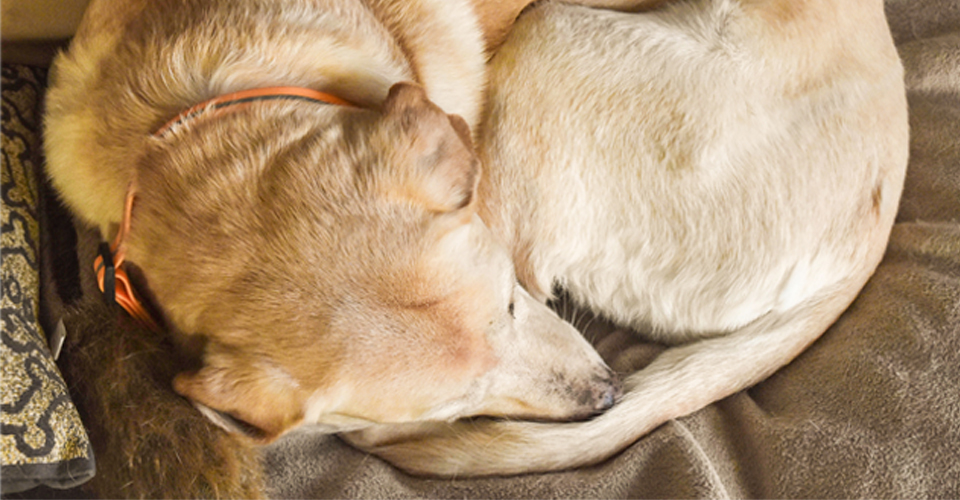
    The Doughnut

    • What it Looks Like: Curled into a tight ball, with paws tucked in and tail wrapped around their body.
    • What it Means: This position is often about conserving body heat, which is why it’s popular with dogs who feel chilly. It’s also common in shy or reserved pups, or those adjusting to a new home.
    • Health Note: If your dog doesn’t typically sleep this way but suddenly does, they could be feeling unwell. Monitor their behaviour and consult your vet if needed.


    The Superman

    • What it Looks Like: Belly down, with front legs stretched forward and back legs extended behind.
    • What it Means: This playful position is popular among puppies and high-energy breeds such as French Bulldogs and Pugs. It suggests your pup is tired but ready to jump back into action after their nap.
    • Fun Fact: The Superman pose often doubles as a cooling position, allowing your dog’s belly to rest on a cool surface.


    The Lion’s Pose

    • What it Looks Like: Your dog rests belly down, with their head perched on their front paws.
    • What it Means: This position is often seen when dogs are alert but relaxed. It’s a favourite of loyal pups who want to stay aware of their surroundings, whether they’re guarding the house or keeping an eye on their family.
    • Comfort Tip: Anxious dogs in this position may benefit from a calming dog bed to help them relax.


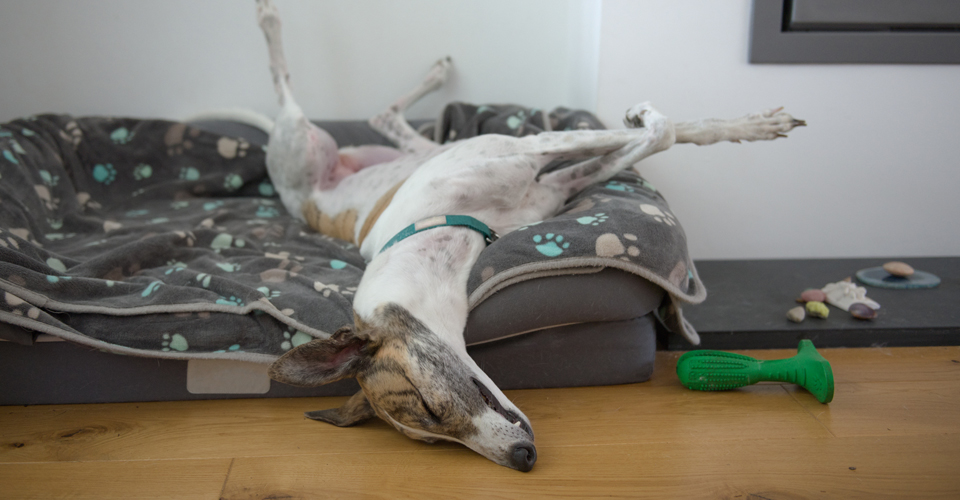
    The Belly-Up

    • What it Looks Like: Legs in the air, belly exposed, often referred to as the “dying cockroach.”
    • What it Means: A dog in this position feels completely safe and trusts their environment. It’s also a way to cool off, as exposing the belly helps regulate body temperature.
    • Age Insight: While this position is common in puppies, older dogs may prefer the side sleeper as they age, as the belly-up pose can strain their spine.


    The Burrower

    • What it Looks Like: Nestled under a blanket, pillow, or even your clothes.
    • What it Means: This position shows your pup is seeking warmth or security. Burrowing can also be a way for dogs to calm themselves in stressful situations.
    • Comfort Hack: Provide a soft, plush bed with an extra blanket for ultimate burrowing bliss.


    Why Dogs Switch Positions

    Dogs sleep for 12–16 hours daily (even more for puppies), and their positions often change based on their mood, temperature, or health. While some positions are about comfort, others signal how your dog feels physically and emotionally.

  • 15 WAYS PETS IMPROVE OUR LIVES

    15 WAYS PETS IMPROVE OUR LIVES


    We fully agree that pets are part of the family: They bring joy, comfort, and countless benefits to our lives. The fact is, the bond between humans and animals has transformative effects.


    Mental Health Boosters

    Pets have a profound impact on our mental wellbeing.

    • Calming the Mind: Stroking or playing with a pet releases serotonin and dopamine, the “feel-good” hormones that reduce stress and elevate mood.
    • Therapeutic Companionship: Pets are often used in therapy for trauma recovery, as they offer non-judgmental comfort, helping individuals work through challenging emotions.
    • Creating Routine: Caring for a pet adds structure to your day, which can be particularly beneficial for those managing mental health challenges.


    Physical Health Perks

    Having a pet is good for your heart, figuratively and literally.

    • Lower Stress Hormones: Interacting with pets has been shown to reduce cortisol levels, easing the effects of stress.
    • Better Heart Health: Pet parents often have lower blood pressure, cholesterol, and triglyceride levels, reducing the risk of heart disease.
    • Encouraging Exercise: Dogs, in particular, motivate owners to stay active, whether it’s daily walks, playful games of fetch, or outdoor adventures.


    Social Benefits

    Pets are natural social connectors, who can help break the ice.

    • Easing Loneliness: For those who live alone or work from home, pets offer consistent companionship.
    • Fostering Friendships: Walks in the park, visits to pet stores, or attending training classes often lead to meeting fellow pet enthusiasts.
    • Building Empathy: Caring for a pet nurtures patience and empathy, which are traits that can strengthen relationships with others.


    Different Life Stages

    For Children

    • Teaching Responsibility: Feeding, grooming, and caring for a pet instils accountability in children.
    • Boosting Confidence: The unconditional love of a pet helps children build self-esteem and a sense of importance.
    • Enhancing Social Skills: Children with pets often develop empathy and communication skills, helping them form stronger relationships with others.

    For Seniors

    • Providing Purpose: Caring for a pet can restore a sense of meaning and routine after retirement or life changes.
    • Encouraging Activity: Pets inspire older adults to stay active and engaged, boosting energy and immune function.
    • Combating Isolation: Pets are wonderful companions, who can also help spark conversations and new friendships.


    A Tail-Wagging Reminder

    Pets enrich our lives in countless ways, and the bond you share is one of life’s greatest joys. So, why not return the favour? Protect their unconditional love with wholehearted pet insurance!

  • QUIZ: HOW TO KNOW IF YOU’RE READY FOR A PET

    QUIZ: HOW TO KNOW IF YOU’RE READY FOR A PET


    These questions can help you determine if you’re prepared for the responsibilities and joys that come with being a pet parent.


    Take the Quiz!

    Why do you want a pet?

    a) For companionship and I’m prepared for the responsibility. (3 points)

    b) Because they’re cute and fun. (2 points)

    c) I’m not sure, I just feel like it. (1 point)

    How much time can you dedicate to a pet each day?

    a) A few hours daily, including walks, playtime, and training. (3 points)

    b) An hour or two, if I’m not busy. (2 points)

    c) I might not have time every day. (1 point)

    Do you have the financial means to care for a pet?

    a) Yes, I’ve budgeted for it, including pet insurance. (3 points)

    b) I can manage the basics, but might struggle with unexpected costs. (2 points)

    c) I’m not sure if I can afford it right now. (1 point)

    Do you live in a pet-friendly environment?

    a) Yes, I live in a pet-friendly home and neighbourhood. (3 points)

    b) It’s manageable, but there might be some challenges. (2 points)

    c) No, my living situation isn’t ideal for pets. (1 point)

    How much do you know about the type of pet you’re considering?

    a) A lot! I’ve done my research, and I know what they need. (3 points)

    b) Somewhat, but I still have questions. (2 points)

    c) Not much, I’ll figure it out as I go. (1 point)

    How will you handle your pet when travelling or during emergencies?

    a) I have plans in place for pet care. (3 points)

    b) I might need to scramble, but I’ll find a solution. (2 points)

    c) I haven’t thought about it yet. (1 point)

    Are you prepared for the long-term commitment a pet requires?

    a) Yes, I understand pets are a lifetime responsibility. (3 points)

    b) I think so, but it feels a bit daunting. (2 points)

    c) Not really, I’ll see how it goes. (1 point)

    How do you feel about cleaning up after a pet?

    a) It’s part of the deal, and I’m fine with it. (3 points)

    b) I’m okay with it, but it’s not my favourite idea. (2 points)

    c) I really don’t want to deal with that. (1 point)


    The Results Are In

    21-24 Points: Pro Pet Parent!

    You’re well-prepared for the commitment of providing a loving home for a pet.

    15-20 Points: Almost Ready!

    You’re close, but there are a few things to consider before making this decision.

    8-14 Points: Think Twice.

    Adding a pet to the family might not be the best choice for you right now.

    7 Points or Less: Not Ready Yet.

    Pets require significant time, effort, and money. Take your time to evaluate whether a pet will fit into your life.


    Still Have Love to Give?

    If you’re overflowing with love for animals but aren’t ready for a pet just yet, you can still make a difference. Consider donating supplies or volunteering at your local shelter. Every little bit helps!

  • VET ADVICE: TOP TIPS TO BEAT THE SNIFFS

    VET ADVICE: TOP TIPS TO BEAT THE SNIFFS


    Everything You Need to Know to Manage Your Pets’ Allergies This Spring

    Spring allergies are in the air, and Dr. Laura Roux from Northdene Vet Clinic is here to share her top tips for beating those sniffles!


    All About Pet Allergies

    What are the most common types of allergies?

    “Here on the East coast of South Africa, in Durban, we have a much higher parasite burden, particularly fleas, which are responsible for many allergic skin conditions. Environmental allergies such as grasses, pollen, fungal spores and house dust mites are also triggers.


    Common Allergy Symptoms?

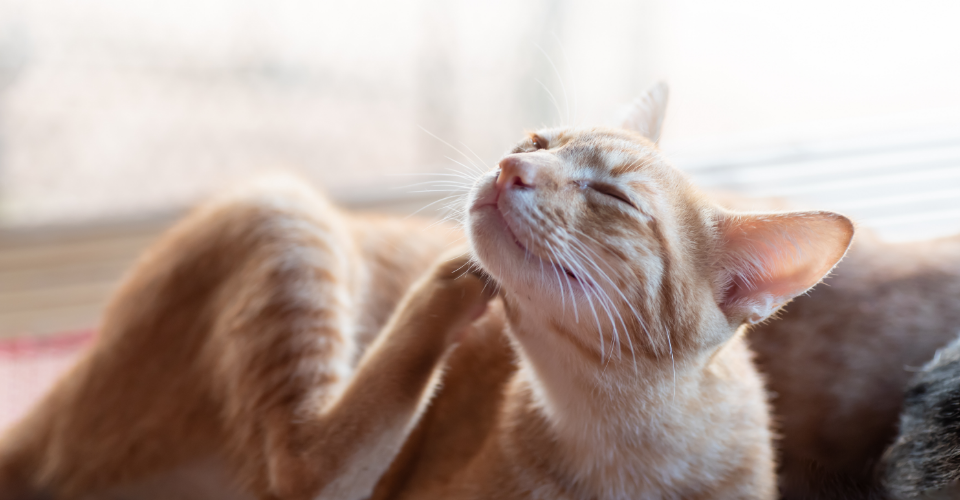
    “The most common sign of an allergy is if your pet is licking or scratching especially their feet or ears. Many ear troubles are secondary to underlying allergy triggers. Flea allergic dermatitis in dogs and cats often presents with classic hair loss and itchy skin at the base of the spine where the tail starts.”


    How do you treat or prevent allergies?

    “Regular ongoing flea control is vital in an allergic pet, even if fleas are not the main trigger. Several excellent diets are on the market, ranging from hypoallergenic and protein-exclusion to skin-support diets. Hypoallergenic shampoos help calm irritated skin and supplements can be added to your pet’s food for their skin and coat.”


    What should you do in case of a severe allergic reaction?

    “The first step for a severe allergic reaction is always to ensure you have your veterinarian’s and emergency vet’s telephone numbers easily accessible. Call for help or proceed straight to the clinic as quickly as possible.

    Never underestimate a bee sting, and do not self-medicate until you have spoken to your vet. Paracetamol (trade name Panado/Calpol) is toxic to felines.


    More about our Vet of the Month – Dr Laura Roux

    How long have you been caring for pets?

    I have been a small animal general practitioner for 31 years and a sole practice owner for 11 years during this time. I work as a locum veterinarian, mostly at Northdene Vet Clinic, where we treat dogs and cats.


    When did you decide to become a vet?

    “Back when I was younger, I wanted to be a magician. Nowadays, I still feel like a magician in a way when some patients who have been at death’s door survive and get healthy again. The pivotal moment for my decision to study Veterinary Science came after spending the day with a lovely vet who ran the mobile clinic for the veterinary faculty of Medunsa University in Pretoria. He was truly inspirational in his way of handling all sorts of animals, making a difference in their lives and their owners.”


    Last Thoughts

    “Always remember an allergy is not curable but often manageable. Speak to your veterinarian about the options available to assist our itchy, allergic friends. ”


  • TAKING CARE OF A BULL TERRIER

    TAKING CARE OF A BULL TERRIER


    What to Expect When a Bull Terrier Joins the Family

    Owning a Bull Terrier is an adventure filled with fun, energy, and lots of love. Here’s what you need to know about living with these unique and spirited dogs!


    History and Looks

    The Bull Terrier’s history dates back to 19th-century England. They’re famous for their unique egg-shaped heads and muscular builds. Originally a mix of the old English terrier and bulldog, with some Spanish Pointer, English terrier, and Dalmatian added in, they’re a stylish and tough breed. Their coats are smooth and shiny, with colour variations such as white, brindle, red, fawn, and black.


    Personality

    Bull Terriers are loyal and protective, making them great watchdogs. Their playful, happy-go-lucky attitude makes them wonderful family companions, but they can also be a bit stubborn and mischievous. They need early socialisation and consistent training to be well-behaved.


    Exercise and Play

    These dogs are bundles of energy! They need daily exercise to keep them happy and out of trouble. Whether it’s playing in a fenced yard or going for walks, Bull Terriers love outdoor activities. Just make sure they’re on a leash or in a secure area, as they can be a bit too adventurous.


    Training and Socialisation

    Training a Bull Terrier is a necessity. They need to learn the house rules early on, and they respond well to positive reinforcement. Socialising them with different people and pets from a young age helps them grow into well-rounded adults. They’re most suitable for experienced dog owners who can handle their strong-willed nature.


    Diet and Health

    Bull Terriers are prone to obesity, so be careful not to overfeed them. They need about 4 cups of high-quality dog food each day, split into two meals. Regular vet check-ups are important to keep an eye on their health, especially for issues such as hip dysplasia, elbow dysplasia, and eye problems.


    If you’re ready for a lively, loyal companion, a Bull Terrier might be the perfect dog for you.

  • VET ADVICE: RABIES PREVENTION

    VET ADVICE: RABIES PREVENTION


    Where Prevention is the Only Cure

    Dr Jozaan Nel is a veterinarian at Vets4All Animal Clinic in Kimberley. This mixed-animal practice treats everything from small animals to wildlife, livestock, and equines.


    How is rabies transmitted to pets?

    “Rabies is transmitted through saliva, in any form, usually through biting or licking. Rabies is a zoonotic disease, which means that humans can get it too!

    It’s important to note that rabies can affect all mammals. Livestock animals too, and farmers should familiarise themselves with the possible signs of rabies in the various species as they may differ.”


    What are the primary symptoms of rabies?

    “Mainly, a change in behaviour. Some animals become very aggressive, chew various objects, and develop a fear of water. There can be progressive paralysis and difficulty swallowing. Pet parents often think that there is something stuck in their pet’s throat. Later, pets become comatose and die.”


    How long does it take for rabies symptoms to appear after exposure?

    “The incubation period for rabies ranges between 1 to 8 weeks, however, various cases have been reported even 6 months after a bite or incident has occurred.”


    What are the most effective methods for preventing rabies in pets?

    “The most effective way of managing rabies is to vaccinate properly and appropriately, with an emphasis on correct vaccination schedules. Vaccinating animals is a priority for the safety of your family and your pets!”


    What are the essential steps pet parents should take if they suspect their pet has been exposed to rabies?

    “If you suspect your animal has been exposed to rabies, you must consult your vet immediately and make sure you take your pet’s vaccination card with you.”


    Learn more about our Vets of the Month (VOM)

    Dr Jozaan Nell loves spending time outdoors and exercising. Puppies are her favourite patients, and she especially enjoys working with horses. As for snakes and spiders – her colleagues can handle those. 😉


    Dr Jozaan, when did you decide to become a vet?

    “I can’t remember exactly when I wanted to become a vet, but if you asked my mom, she would say since I begged her for horse riding lessons and collected all the animal magazines.”


    Any last thoughts on the topic?

    “Rabies is one of the most horrible diseases I have ever learnt about! There is no cure, only prevention. Please save us the stress, by simply vaccinating your animal.”

  • VET ADVICE: HOW COLD WEATHER AFFECTS YOUR PETS

    VET ADVICE: HOW COLD WEATHER AFFECTS YOUR PETS


    Keeping Your Pets Safe During Winter

    Dr Hayley Du Toit is a veterinarian at the Tzaneen Animal Clinic in Limpopo, and she’s been a vet for almost 20 years!


    How does the cold weather affect pets?

    “Our pets definitely feel the cold just like we do. If they have any joint issues, they will experience more pain and stiffness during the colder months. Pets with less body fat and thin coats will also be more sensitive to the cold weather.”


    What are the signs of “winter blues” pet parents can look out for?

    “Pets don’t always show pain as we would expect them to. So, it can sometimes go unnoticed by pet parents. They may be less active, lie in their beds more, be less friendly than normal, and you might even see that older pets wet their beds (this is because they are trying to avoid going out into the cold and wait until their bladders are really full).”


    Do you have advice on how to help pets through the colder months?

    “Provide warm beds for your animals, and enough for each of them. We see more dog fights in winter as they compete for the prime sleeping spot. If you have a senior pet, please take them to your vet for a check-up to see if they have arthritis, which can be managed. There are a multitude of options that your vet can prescribe to keep your pet as pain-free as possible.”


    Learn More About Our Vet of the Month (VOM)

    Dr Hayley lives on a farm in Tzaneen with her husband and son. She works predominantly with pets, but their practice sees animals of all shapes and sizes.


    When did you decide to become a vet?

    “While I was taking a gap year, after school.”


    Do you have any pets?

    “We have four dogs, a Great Dane, a Border Collie, and 2 crossbreed rescues. We also have 2 cats and a parrot; they are also rescues! Oh, and about 20 chickens who keep my kitchen stocked with eggs.”


    Any last thoughts on the topic?

    “Please give your pet the option of sleeping indoors!”


  • ULTIMATE WINTER GUIDE FOR PET PARENTS

    ULTIMATE WINTER GUIDE FOR PET PARENTS


    Protecting Your Pets from the Chill

    Winter is here, and it’s time to make sure your furry friends are well taken care of during the colder months. Just like us, pets need extra attention to be healthy and comfy.


    Exercise and Nutrition

    • Exercise Regularly:

    Take brisk walks with your dog when the sun is out, play fetch in the yard, or engage in fun indoor activities. These will keep them physically fit and mentally stimulated.

    • Nutritious Diet:

    A diet with a good balance of fibre and Omega-3 fatty acids is essential. Fresh meat and vegetables can help maintain a healthy microbiome.

    Keep in mind that nutrition isn’t a case of one-size-fits-all. Your vet can tailor dietary recommendations based on your pet’s specific needs.

    • Supplements:

    Probiotics introduce beneficial microorganisms into the digestive tract, promoting gut and internal immunity. Consult your vet for appropriate strains and dosages.

    Fish oil is rich in Omega-3 fatty acids, which helps to fight inflammation.

    Found in turmeric, curcumin has anti-inflammatory and pain-relieving properties. Again, consult your vet before introducing any new supplements.


    Keeping Warm

    • Sleeping Area:

    Set up a cosy spot indoors, with extra blankets or cushions. Keep this area away from fireplaces and heaters to prevent burns.

    • Pet Sweaters:

    Consider pet sweaters for short-haired pets to help them retain body heat.

    • Outdoor Shelter:

    If your dog must stay outside, ensure they have a shelter protected from wind and rain, with enough blankets or a trampoline bed to keep them off the cold ground.


    Grooming

    • Regular Brushing:

    This boosts circulation, helping your pet stay warm.

    • Bathing:

    Only bathe your pet when necessary to avoid stripping their skin of natural oils. Choose a sunny day for bath time to ensure they dry off completely.

    • Paw Care:

    Wipe your pet’s paws after they’ve been outside to remove irritants. If their paws get irritated, dip them in warm water, dry them gently, and apply a natural moisturiser such as coconut oil.


    Special Care for Vulnerable Pets

    Puppies, senior pets, and those with health issues need extra attention during winter. Keep a close eye on them and consult your vet when needed. You might need to adjust their diet to ensure it suits the winter season.

    Cold weather can exacerbate arthritis. Watch for signs such as limping, whimpering, or reluctance to play. Provide joint supplements when needed, and always keep them warm and hydrated.


    As the temperature drops and you bundle up in your warm clothes, remember that your pets feel the cold too. Consider their age, coat type, activity level, and health conditions when adjusting their diet, routine, and environment.

    Enjoy the cosy cuddles and make the most of the season together!

  • VET ADVICE: WHY YOUR PET SHOULD BE MICROCHIPPED

    VET ADVICE: WHY YOUR PET SHOULD BE MICROCHIPPED


    Does Your Pet Need to be Microchipped? We Asked the Experts

    Dr Sune Pretorius is a small animal vet at the Shelly Beach Veterinary Hospital, and she has been a vet for five years (and an animal lover all her life). She shared her expertise with us on the importance of having a pet microchipped.


    Why should pets be microchipped?

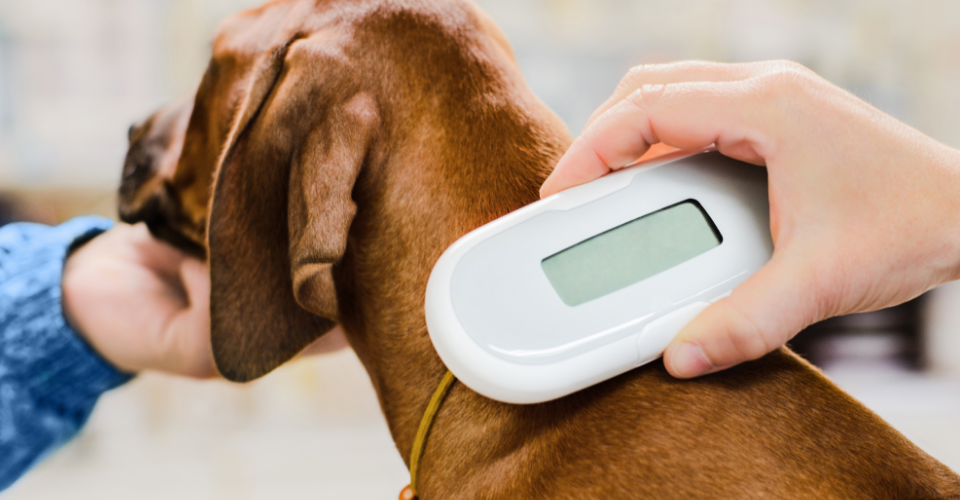
    “If your pet has been lost and then found by a member of the public, a vet can scan your pet’s microchip for the serial number to find your contact details.”


    What are the benefits of having a pet microchipped?

    “It is a permanent form of identification and it’s accepted for travelling anywhere outside our borders. The best part is that it helps to reunite lost or stolen pets with their owners.”


    Have you been involved with a lost pet being reunited with their owner, thanks to a microchip? If so, how was your experience?

    “I’ve seen many pets being reunited with their owner on the same day they were lost. A puppy named Chui was lost, he was brought in and scanned. We phoned the microchip company which requested the chip ID, and within minutes they gave us the contact number of the owner and we were able to reunite them that same day.”


    Which types of pets can get a microchip?

    “Any pet that you love can be microchipped, including snakes and birds. The location of the chip is the only difference.”


    Are there any alternatives you would recommend?

    “I recommend that your pet still wears an ID tag, with your details attached to their collar.”


    Learn more about our Vet of the Month (VOM)

    Dr Sune Pretorius works for the South Coast Vets group, which is a mixed practice focusing mainly on small animals, although they do treat pets of all shapes and sizes.


    Dr Sune, have you always wanted to be a vet?

    “I’ve known that I wanted to become a vet since I was a little girl!”


    Do you have pets?

    “I have five dogs, five cats, and a parrot.”


    Do you have any final thoughts on the topic?

    “There are many ways to identify a pet, but it is still our responsibility as pet owners to take care of our fur babies and always ensure their safety.”


    It’s important to note that in rare circumstances, microchips have stopped working. So, ask your vet to check that it still works on your next vet visit!


  • TAKING CARE OF A YORKSHIRE TERRIER

    TAKING CARE OF A YORKSHIRE TERRIER


    What to Expect When a Yorkie Joins Your Family

    Beneath the glamorous façade of a Yorkshire Terrier lies the heart of a spirited and tenacious little dog. Yorkies, as they’re affectionately known, have a rich history as rat catchers in the depths of English mills before becoming beloved companions. Despite their small size, they’re brimming with confidence and a hint of bossiness, embodying the classic traits of terriers.


    History of Yorkies

    The story of Yorkshire Terriers traces back to the bustling cotton mills of Yorkshire, England, where weavers sought a solution to their rodent problem in the mid-19th century. Out of this need arose the Yorkie, a small yet determined breed with a knack for hunting vermin. Over time, they transitioned from working-class heroes to fashionable companions, capturing hearts on both sides of the Atlantic, including the White House.


    Yorkie Care

    Caring for a Yorkie involves more than just cuddles. These spirited pups thrive on early training and socialisation to keep their big personalities in check. Regular grooming is also a must to keep their signature coat looking its best.

    • Exercise:

    Yorkies are active little dogs who need daily walks and playtime to stay happy. Just be cautious during outdoor adventures to keep them safe from predatory birds that might swoop in.

    • Grooming:

    With their luxurious, low-shedding coats, Yorkies need regular brushing and baths to prevent tangles and matting. Whether you opt for a short or long coat, a little grooming TLC can go a long way.

    • Training:

    Yorkies are smart but can be a tad stubborn. Positive reinforcement and early training are essential to keeping them well-behaved. Remember to be patient, especially during potty training.

    • Health:

    While generally healthy, Yorkies can be prone to certain issues such as patellar luxation and dental problems. Regular vet check-ups and good dental care are essential for their well-being.

    • Nutrition:

    Feeding your Yorkie a high-quality diet tailored to small breeds ensures that they get the nutrients they need. Don’t forget to watch those treat portions and keep the water bowl filled!


    Yorkshire Terriers may be small, but they pack a whole lot of personality into those tiny frames. If you provide them with enough love and care, you’ll be rewarded with years of laughter, cuddles, and unwavering loyalty from your pint-sized pal.

  • VET ADVICE: MIXED BREED PETS

    VET ADVICE: MIXED BREED PETS


    In Support of the Health and Happiness of All Pets

    Dr Nada de Villiers has been a veterinarian for 16 years and she’s currently working at Blouberg Animal Clinic in Limpopo.


    Are there common misconceptions about mixed-breed pets?

    “People tend to think that they are healthier than purebred pets, but they can get just as sick. People also think that ‘mutts’ are only found in shelters.”


    Does the health of mixed-breed pets tend to differ from those that are purebred?

    “Mixed-breed dogs tend to be slightly tougher, but it varies. A difficult question to answer because I think every vet has their own opinion regarding this topic. I do prefer mixed breeds because they are so interesting.”


    What are the benefits of having a DNA test done on a pet?

    “DNA tests can do a breakdown of the breed makeup of your dog (but there will still be plenty of research left to be done). Health testing, on the other hand, could predict certain health issues or genetic conditions in your dog (it involves breeds-specific screening or general screening for all potential disease-associated genes).”


    Would you say a pet’s temperament is determined by genetics or how they’re raised?

    “In my opinion, a pet’s temperament is determined by both, but I think how they are raised is the most important of the two. A pet with good genetics can be destroyed emotionally by a bad owner.”


    Any last thoughts on the topic?

    “I am in favour of mixed breeds because, in my opinion, one can mitigate some of the unhealthy genetic traits of certain pure breeds. For example, adding a dog with normal airways to a brachycephalic breed could improve the anatomy of their faces. I am not in favour of backyard breeding and irresponsible owners. I am a firm believer in having your pet spayed or neutered in order to prevent unwanted litters. Our shelters are full of animals due to irresponsible humans.”


    Learn More About Our Vet of the Month (VOM)

    Dr Nada is happily married and the mother of twins. She prefers small-animal medicine and performs most of the surgeries at the practice. She has what she calls “an abnormal love for all animals”, especially cats & horses.


    When did you decide to become a vet?

    “I wanted to be a veterinarian since I was a child. I was not interested in becoming anything else but a vet.”


    Dr Nada, do you have any pets?

    “Oh yes, and the pets! They are our children! Where do I start…”


    We thought it might be best to provide a comprehensive list of all Dr Nada’s pets 😉

    Rescue cats:

    • Sushi (tuxedo boy).
    • Jellytot (tabby girl).
    • Ninja (snow-shoe Burmese).
    • Monroe (tabby and white girl) and her brother, Catanova (black).
    • Dorito (calico).
    • Odin (tabby boy).
    • Impi (tabby boy).
    • Lennox aka Peanut (ginger boy).
    • Hicks (grey and white bi-colour).
    • Murphy and Sheldon (“seal point, long-haired floof balls”).
    • Quinn (bi-colour girl).
    • Siggy (“black and white, long-haired, floofy girl”).
    • Kai – “A tiny 4-week-old kitten.”
    • Peaches – “My stable cat. I took her in as a working cat, but she gets spoiled.”

    A dog:

    • Ntondo – “He is a mixed breed and one-of-a-kind. He has the sweetest nature ever.”

    A chicken:

    • Helga (Brahma hen).

    An Africa Grey:

    • Olga – “She has a huge cage inside our home and she’s living a life of luxury.”

    Ferrets:

    • Hobbs and Hooligan – “Super-charged, persistent chaos. We love them.”

    Dumbo rats:

    • Matyeo, Remi, Sprinkle, Django, and Mad-Eyed Moodie.

    Horses:

    • Dawn (Warmblood), Sugar aka Supergirl (Appaloosa), Toby’s Spots (Appaloosa), and Dakota (Appaloosa).

    Fish:

    • “We have one big black goldfish named Juju and plenty of guppies.”
  • TAKING CARE OF A BOERBOEL

    TAKING CARE OF A BOERBOEL


    What to Expect When a Boerboel Joins Your Family

    Meet the Boerboel, affectionately known as the South African Mastiff, a breed steeped in history as protectors of farms against formidable predators such as hyenas and lions. From their imposing stature to their gentle demeanour, Boerboels embody the perfect balance of strength and affection.


    Getting to Know Your Boerboel

    Boerboels are big – really big. Standing up to 70 cm and weighing up to a whopping 90 kg, these dogs demand attention. But don’t let their size fool you. They’re loving and loyal especially with children. However, their confidence and intelligence mean they’re best suited for experienced pet parents who can handle their needs.


    Care Tips

    While Boerboels may seem low maintenance, they require early socialisation and consistent training. They’re devoted to their families but can be wary of strangers. So, exposing them to various environments early on is essential to their comfort.


    Health Check

    Being a large breed, Boerboels have a shorter lifespan of 9 to 11 years. They’re prone to genetic health issues such as eye disorders, hip and elbow dysplasia, dilated cardiomyopathy, and gastric issues. Regular vet check-ups and a balanced, high-quality diet are crucial for keeping them healthy.


    Feeding

    With their size, Boerboels need much food – around 10 cups a day. Feeding them smaller, frequent meals and using elevated slow-feeder bowls can prevent stomach issues such as bloating.


    Training and Behaviour

    Boerboels are smart cookies, but they need plenty of mental and physical stimulation. Regular exercise, along with positive reinforcement training, helps keep them well-behaved and happy.


    Grooming Made Easy

    Their short coats make grooming a breeze. Just regular brushing and the occasional bath will do, but pay attention to their skin, eyes, and ears to keep them in tip-top shape.


    If you’re an experienced pet parent with space and time to spare, a Boerboel could be your perfect match. But remember, their size and needs require commitment. The right care and attention can ensure a loyal and loving companion for life.


  • 6 COMMON SIGNS OF PET FOOD ALLERGIES

    6 COMMON SIGNS OF PET FOOD ALLERGIES


    Understanding Food Allergies and Intolerance in Pets

    Pets, like humans, can suffer from allergies, and one of the most common types is a food allergy. Being able to recognise the typical triggers, symptoms, and signs is crucial for pet parents to provide appropriate care. However, since many symptoms can mimic those of other diseases, consulting a veterinarian is essential for accurate diagnosis and treatment.


    What’s the Deal with Food Allergies?

    A food allergy occurs when the immune system overreacts to a specific food ingredient, typically proteins, by producing antibodies against it. Common culprits include beef, chicken, eggs, and dairy for both cats and dogs. But sometimes, it’s the less suspect ones such as wheat or rice. These allergies can sneak up on your pet over time, with symptoms like itchy skin and tummy troubles.


    Common Signs of Food Allergy in Pets

    • Skin inflammation:

    Due to immune system activation, the skin becomes inflamed, leading to itching and potential bacterial infections.

    • Itching:

    Dogs typically show itching on the face, ears, paws, underarms, groin, stomach, and anal area, while cats may experience itching on the head and neck.

    • Other skin issues:

    Dry, crusty skin, hair loss, thickened or darkened skin, and secondary skin problems such as pustules and hot spots may occur.

    • Gastrointestinal problems:

    Symptoms may include increased defecation, flatulence, diarrhoea, constipation, vomiting, and colon inflammation.

    • Ear and paw infections (dogs):

    Inflammation in auditory canals or paws can lead to severe discomfort.

    • Eye problems (cats):

    Cats may experience eye inflammation, discharge, tear duct blockage, and conjunctivitis.


    First Steps

    • Narrow Down the Culprit:

    Try an elimination diet. Feed your pet a simple diet with ingredients they’ve never had before, such as duck or salmon, for a few weeks. If the symptoms improve, you might have found your answer.

    • Switch Up the Menu:

    Once you’ve identified the trigger, avoid feeding it to your pet. You can find specialised hypoallergenic foods or even cook homemade meals (with your vet’s guidance, of course).

    • Get Some Help:

    Your vet can recommend medication to soothe itching and treat any infections. They’ll also guide you through the whole process and make sure your pet is given the appropriate care.


    Allergies vs. Intolerance

    Allergies and intolerance aren’t the same thing! Allergies involve the immune system, while intolerance is more about digestion. Think of it like lactose intolerance in cats – their tummies just can’t handle milk after the kitten stage.


    Dealing with a pet food allergy isn’t fun, but with a bit of detective work and help from your vet, you can get to the bottom of it. Keep an eye out for those telltale signs. Try out some new foods and give your furry friend the relief they deserve. After all, a happy pet equals a happy pet parent!


  • SKIP THE QUEUES: HOW TO CLAIM ONLINE WITH YOUR PET INSURANCE

    SKIP THE QUEUES: HOW TO CLAIM ONLINE WITH YOUR PET INSURANCE


    The Fastest and Easiest Way to Claim

    Most people get stressed out when having to claim from their insurer, but we want to change that. It’s our mission to make claiming as simple, straightforward, and as easy as possible. That’s why we’ve incorporated AI-driven technology into our claims process!

    Why bother with the old-school paper shuffle when you can go digital? Embracing online claiming isn’t just about saving trees, it’s about simplifying your life. With hassle-free submissions at your fingertips, you can say goodbye to papercuts. Plus, with technology powering the process, your claim is streamlined, secure, and oh-so-efficient.

    So, instead of waiting around for snail mail, just a few clicks and boom! Your claim is zooming its way to approval.


    Here’s How to Claim Online:


    Step 1 – Visit your vet

    Get the treatment your pet needs when they need it, and make sure to keep your itemised invoice after you’ve paid.


    Step 2 – Submit your claim online

    If we can get you through the entire claims process without having to talk on the phone, we consider it a job well done! Login to the Manage Portal to upload your vet invoice – anytime, anywhere.

    (If you’d prefer to chat with a friendly human, we have plenty of those too – simply call us on 0861 368 7873.)


    Step 3 – Get your cash back, fast

    Once you’ve submitted your claim and invoice, our average turnaround time for pet insurance claims is less than 48 hours!* (If you submit your claim online, your pay-out can be even faster.)


    After submitting a valid claim, we’ll send you the claim number and the details of your claim handler.


    It’s that simple.


    *Ts&Cs apply. Reimbursement is subject to submission of a valid claim and may be affected by weekends, public holidays, and bank policies.

  • VET ADVICE: PROPER NUTRITION FOR YOUR PET

    VET ADVICE: PROPER NUTRITION FOR YOUR PET


    The Importance of High-Quality Pet Food

    Dr Tessa earned her Animal Science degree in the Netherlands, after which she moved to South Africa to study Veterinary Science. After graduating in 2014, she worked with various wildlife species in Lydenburg and Hoedspruit.

    Between 2018 and 2020, Dr Tessa opened the Family Vet Clinic in Centurion, as well as the Family Vet Hazeldean, in Silverlakes.


    How does a pet’s diet contribute to their health?

    “The phrase you are what you eat is applicable to humans and pets alike. Pets should receive a diet, which is suited for their species, breed, age, metabolism, and activity level. A high-quality diet which is balanced and fits your pets’ requirements will ensure your pet remains healthy.”


    What are the distinctions between effective nutrition and mere fillers?

    “Fillers are ingredients, which do not add nutritional value. Sometimes corn is described as a filler. However, if it is processed (cooked) correctly, corn has an excellent nutritional value. It contains many amino acids and vitamins, and it’s a source of protein and carbohydrates. Some true fillers are fibres, which are added to pet food to increase bulk and water in the intestinal contents to help promote and regulate normal bowel functions. This can be beneficial for pets with intestinal tract diseases. Furthermore, this fibre can be added to weight loss diets to help the pet to feel fuller. With the right composition, fillers can be beneficial.

    It’s better to discuss high-quality and poor-quality pet nutrition. High-quality pet food will use human-grade ingredients. They have strict and regular quality controls before, during, and after production. These controls ensure the quality and consistency of the food. All ingredients are completely traceable during the entire production system. All nutrients, vitamins, and minerals are balanced and based on extensive scientific research. Not only is protein important, but fats, carbohydrates, fibre, and other ingredients as well.

    Poor quality pet foods often have a variable ingredient content and a lower meat content. The ingredients of these foods are often adapted to the market prices of the ingredients. These foods also contain artificial additives and preservatives. Higher protein levels don’t mean that a food is of higher quality. Too high levels of dietary protein can even be problematic for dogs and cats, especially when they get older.”


    How can pet parents strike a balance between specially formulated pet food and homemade food?

    “If you want to spoil your pet with some homemade food in addition to your pet’s specifically formulated diets, then always remember that you must decrease your pet’s normal food intake. This is to ensure your pet doesn’t receive too many calories per day. Obesity in pets can lead to diabetes, joint problems, heart disease, anal gland issues, and chronic inflammation. High quantities of soft food can result in increased plaque build-up, which results in dental disease.

    Most home-cooked diets alone do not provide proper and complete nutrition for the longevity of your pets. These diets have deficiencies of the vitamins A, Bs, D and E, and minerals such as copper, calcium, phosphorus, magnesium, iron, selenium, and zinc. These deficiencies can result in various health problems. Based on various studies, it’s recommended to always ensure that animal-based protein is pathogen-free before it’s fed to your pet. This can occur by cooking, pasteurisation, or even irradiation.”


    What are the variables that could impact a pet’s dietary needs?

    “Pets should receive a diet which is suited for their species, breed, age, metabolism, and activity level. For instance, large-breed puppy diets have a different calcium-phosphorus content and ingredients suited for a higher energy level compared to small and medium-breed puppy diets. This ratio ensures that large dog breeds have a slow and steady development of their skeleton. The kibble size of the diet should also be adjusted to the size of the dog. Larger kibble is more suited for larger jaws, helps to slow down the speed of eating and helps to keep their teeth clean.”


    Learn More About Our Vet of the Month (VOM):

    Dr Tessa loves working as a veterinarian, as she never knows what will come through the door. She enjoys working with a variety of species, especially the small, furry, exotic animals.


    When did you decide to become a vet?

    “I always wanted to work with animals. During my studies in the Netherlands, I was able to work in zoos and wildlife rescue centres, and study as a veterinary nurse. I was very fortunate to be accepted to the Onderstepoort Faculty of the University of Pretoria to study as a veterinarian.”


    Do you have any pets?

    “We have a Rhodesian Ridgeback, two German Shorthair Pointers, a guinea pig, a rabbit, and a hamster. Most of them are rescues.”


    Any last thoughts on the topic?

    “Remember to slowly transition your pet to a new diet. For dogs, the transition period is approximately seven days and for cats it’s 14 days. The transition can take up to two months. You want to transition your pets slowly onto a new food to ensure they will not have an intestinal tract upset.

    You should always check that your pet’s food does not contain added salt. Too much salt can result in kidney disease or bladder stones.

    Some websites will say that carbohydrates can cause skin allergies in pets. However, research shows that animal proteins such as beef, dairy products, chicken, egg, lamb, or soy are more prone to cause allergies in dogs.

    Please, always discuss your pet’s nutrition with your veterinarian.”

  • WHAT MOTIVATES YOUR PET?

    WHAT MOTIVATES YOUR PET?


    Tips to Understand Your Dog’s Love Language

    Every dog is unique, just like us. What gets one pup’s tail wagging might not even register with another. So, when you’re teaching new tricks or practising good behaviour, it’s important to figure out what really motivates your pet.


    A Delicious Motivator

    Some dogs will do anything for a tasty treat, but not all treats are created equal in their eyes. Discover what makes your pup’s taste buds tingle – from crunchy biscuits to savoury meats, you can use them to your advantage during training sessions.


    Fun and Games 

    For many dogs, playtime is the ultimate reward. Whether it’s a game of fetch, tug-of-war, or just romping around with their favourite toy, incorporating play into training can make learning more enjoyable for both you and your furry friend.


    Explore and Enjoy 

    Letting your dog sniff and explore their surroundings can be a rewarding experience in itself. Use the opportunity to give them a chance to roam freely as a reward for good behaviour, reinforcing their sense of joy and fulfilment.


    Words of Affirmation 

    Never underestimate the power of praise! For some dogs, a pat on the head or a cheerful “good job” is just as rewarding as any treat. Pay attention to what kind of praise your dog responds best to and incorporate it into your training routine.


    Understanding Motivations 

    Unlocking the mysteries of your dog’s motivations is like solving a puzzle. Keep asking “why” until you uncover what truly drives them, whether it’s the promise of food, the excitement of play or simply the desire to be a dog.


    So, next time you’re scratching your head wondering why your dog does what they do, remember, it’s all about understanding what’s important to them. Because when you speak their language, you open a world of communication and connection that makes life with your furry friend even sweeter.

  • TIME TO SHOW YOUR PET SOME LOVE

    TIME TO SHOW YOUR PET SOME LOVE


    Ways To Spoil Your Favourite Valentine


    Valentine’s Day is just around the corner, and whether you’re flying solo or in a relationship, there’s one source of unconditional love that deserves some extra attention: your pet. This year, let Cupid’s arrow guide you to celebrate Valentine’s Day with the four-legged love of your life.


    Spa Day

    Pamper yourself with a relaxing bath, blow-dry, and a mani-pedi, then extend the love to your furry friend with a leisurely grooming session. For cats, opt for a gentle brushing session instead.


    Picnic at the Park

    Weather permitting, take your leashed and harnessed dog to the local park for a picnic stocked with treats for both of you. Alternatively, you can have a picnic in your own garden along with other pets.


    Coffee Date

    Visit a pet-friendly coffee shop (one with a doggy menu) and have some treats with your pup.


    Take a Spin

    Leash up your dog or harness-loving cat and go for a drive to a scenic location. A change of scenery can do wonders for both of you.


    Craft Night

    Engage your pet in a peanut butter lick painting project or create a flower crown for them. Share the artistic fun on social media!


    Pet Runway

    Set up a fashion show of sorts for you and your pet to wear matching outfits. Be sure to capture the stylish moments.


    Throw a Dance Party

    Select your favourite tunes, invite your pet to join in, and have a dance party. It’s a fun way to get your heart pumping and share joy with your furry companion.


    Bake Sweet Treats

    Whip up something sweet for yourself and create healthy treats for your pet using special recipes. Share the love: consider baking extra for the local shelter as a heartfelt gesture.


    Movie Marathon

    Cuddle up with your pet and enjoy a movie marathon featuring adorable pets and other animals.


    Beyond Valentine’s Day

    Showing love to your pet doesn’t stop on Valentine’s Day. Here are some everyday tips to strengthen your bond.

    Quality Time: Set aside 10 minutes each morning and night for a cuddle or a quick play session, depending on your pet’s preferences.

    Affection: Give your dog the physical touch they love, whether it’s belly rubs, ear scratches, or brushing. Physical touch fosters a strong connection.

    Exercise Together: Get fit and bond with your dog by exercising together. It’s a win-win for you both.

    Talk to Your Pet: Communication is key. Even if it feels silly, talking to your pet strengthens the bond and enhances understanding.

    Just Be with Them: In our busy lives, take moments to simply be present with your dog. Whether gardening, watching TV, or doing chores, your presence matters.

    Cover Their Tails: Have peace of mind that your pet is protected, with the right pet insurance.


    During this month of love, and the rest of the year, cherish the unconditional love and companionship your pet brings into your life. Celebrate the bond that makes every day brighter!

  • GOAL SETTING FOR YOUR PET

    GOAL SETTING FOR YOUR PET


    How To Keep Your Pet Healthy This Year

    The beginning of a new year is the perfect time for personal resolutions, but it’s also an ideal opportunity to set some goals for your pets! Whether you have a dog, cat, bird, or any other beloved pet, setting achievable goals can enhance their well-being and strengthen your bond.


    Exercise and Activity Goals

    • Regular Walks or Outdoor Adventures

    For dogs, commit to more frequent walks or hikes. Set a target to increase the distance gradually to keep both you and your pup active and healthy.

    • Interactive Playtime

    Engage in more interactive play sessions for cats or other small animals using toys. Consider introducing new toys or rotating existing ones to keep them mentally stimulated.


    Health and Wellness Goals

    • Healthy Diet Plan

    Consult your vet to develop a well-balanced diet plan suitable for your pet’s age, size, and breed. Measure portions accurately and avoid overfeeding.

    • Regular Veterinary Check-ups

    Schedule regular visits to the vet for health check-ups, vaccinations, and dental care. Maintaining their overall health is crucial for a longer and happier life.


    Mental Stimulation Goals

    • Training Sessions

    Commit to regular training sessions to teach new tricks or reinforce existing commands. This mental exercise is beneficial for both dogs and some other pets.

    • Puzzle Toys or Games

    Introduce puzzle toys or games designed to stimulate your pet’s mind. For instance, foraging toys for birds or puzzle feeders for dogs can keep them engaged and entertained.


    Socialisation Goals

    • Meet New Friends

    Arrange playdates or visits to the dog park for your social pet. Interaction with other animals can improve their social skills and happiness.

    • Desensitisation Training

    If your pet is anxious or fearful around certain stimuli (such as loud noises or car rides), gradually expose them to these situations in a controlled, positive manner to help them overcome their fears.


    Grooming and Care Goals

    • Regular Grooming Routine

    Establish a grooming routine based on your pet’s needs. This could include brushing their coat, trimming nails, cleaning ears, and brushing teeth.

    • Create a Safe Environment

    Ensure that your home is a safe and comfortable space for your pet by pet-proofing and providing appropriate hiding spots or resting areas.


    Emotional Well-Being Goals

    • Quality Time Together

    Dedicate specific times during the day to bond with your pet. Whether it’s cuddling time, a short training session, or a quiet moment together, these moments strengthen your connection.

    • Recognise Stress Signs

    Learn to recognise signs of stress or discomfort in your pet. By understanding their body language, you can provide a more calming and supportive environment for them.


    Remember to celebrate their progress throughout the year and adjust goals as necessary. Here’s to a happy and healthy year for both you and your beloved pet!

  • THYROID PROBLEMS IN PETS

    THYROID PROBLEMS IN PETS


    Symptoms and Causes of Thyroid Disorders in Dogs and Cats

    The thyroid gland plays a crucial role in regulating metabolism and overall bodily functions in animals. When issues arise with this gland, it can significantly impact a pet’s health and quality of life.


    Hypothyroidism

    This occurs when the thyroid gland produces insufficient amounts of thyroid hormones. Dogs, especially medium to large breeds, are more prone to this condition. The most common cause is an autoimmune disorder called lymphocytic thyroiditis. This condition leads to the destruction of thyroid tissue, reducing hormone production. At the same time, some dogs are born with thyroid hormone deficiencies due to genetic factors.

    Although rare in well-balanced pet diets, inadequate levels of iodine can contribute to hypothyroidism.

    Treatment typically involves hormone replacement therapy using synthetic thyroid hormones prescribed by a vet. This medication aims to restore the deficient hormone levels and manage symptoms effectively.


    Hyperthyroidism

    More commonly found in cats, hyperthyroidism involves an overactive thyroid gland that produces excessive thyroid hormones. Benign tumours on the thyroid gland, known as adenomas, can cause this overproduction.

    Exposure to certain chemicals or toxins in the environment may impact thyroid function in both dogs and cats.

    Treatment options include medication, surgery, or radioactive iodine therapy. Medication can help control hormone levels, while surgery or radioactive iodine treatment might be recommended for more severe cases.


    Genetic Predisposition

    Certain breeds are more susceptible to thyroid disorders. For instance, breeds such as Golden Retrievers, Doberman Pinschers, and Boxers are more commonly affected by hypothyroidism, while hyperthyroidism is predominantly seen in older cats, especially those over ten years of age.


    Recognising Symptoms

    Identifying the signs of thyroid problems at an early stage is crucial for timely intervention. Some common symptoms include:

    • Changes in Weight

    Unexplained weight gain or loss.

    • Coat and Skin Issues

    Hair loss, thinning coat, or skin problems such as dryness or excessive greasiness.

    • Altered Behaviour

    Lethargy or hyperactivity, changes in appetite, increased thirst or urination.

    • Digestive Problems

    Vomiting, diarrhoea, or constipation.


    Providing Care

    Caring for a pet diagnosed with a thyroid disorder involves a holistic approach:

    • Medication

    Ensure that your pet receives prescribed medication consistently, as per the veterinarian’s instructions.

    • Dietary Management

    Some pets may benefit from specific diets tailored to their condition. Consult the vet about appropriate nutrition.

    • Regular Check-ups

    Schedule regular check-ups to monitor hormone levels and overall health status.


    Always consult a veterinarian for personalised guidance and treatment options tailored to your pet’s specific needs and condition. If you commit to being proactive and attentive, you can ensure a happy life for your pet.

  • HOW A PET INSURANCE POLICY PROTECTS YOUR PET

    HOW A PET INSURANCE POLICY PROTECTS YOUR PET


    We’ll discuss what pet insurance covers and doesn’t cover.

    As pet ownership continues to rise, many pet parents are recognising the importance of safeguarding the health and well-being of their four-legged companions. Just like us, pets can face unexpected medical emergencies or chronic health conditions that require veterinary care. This is where pet insurance provides an invaluable safety net for pet parents.


    Comprehensive Coverage for Veterinary Expenses

    Pet insurance covers a wide range of veterinary expenses, ensuring that your pet receives the necessary medical care without causing financial strain. Whether it’s emergency visits, surgery, hospitalisation, or ongoing treatment, pet insurance helps mitigate the costs associated with unexpected illnesses and accidents. These policies often cover diagnostic tests, medication, specialist referrals, and even alternative therapies.

    Peace of Mind during Emergencies

    One of the primary benefits of pet insurance is the peace of mind it offers during emergencies. Imagine your beloved furry friend suddenly falls ill or suffers an injury requiring immediate veterinary attention. In such situations pet insurance allows you to focus solely on your pet’s well-being instead of worrying about the financial implications. Having insurance coverage ensures that you can seek medical care promptly without hesitating due to cost concerns.

    Tailored Coverage Options

    Pet insurance policies offer different coverage options to suit various budgets and individual needs. These options may include accident-only coverage, illness coverage, or comprehensive plans that cover both accidents and illnesses. Some policies also provide coverage for routine preventive care, such as vaccinations, dental cleaning, and wellness exams. By selecting a policy that aligns with your pet’s specific needs, you can ensure adequate protection.

    Affordability and Cost Savings

    While the monthly premium for pet insurance may seem like an additional expense, it can potentially save you significant costs in the long run. Veterinary bills can escalate quickly, especially when dealing with complex surgeries or chronic conditions. Pet insurance helps you manage these expenses by covering a portion of the costs, therefore, reducing the financial burden you have to bear..

    What Isn’t Covered

    Pet insurance policies exclude coverage for pre-existing conditions that your pet had before the policy’s effective date or during the waiting period. Issues that are considered non-medical, such as behavioural problems and certain elective procedures, are also not covered. Exclusions may vary, so it’s essential to inquire about specific limitations when purchasing a policy.


    Prioritising your pet’s health by investing in pet insurance is a decision that can have a lasting positive impact on their overall quality of life. Why not have a look at the different pet insurance plans we have to offer?