Tag: pet allergies

  • VET ADVICE: TOP TIPS TO BEAT THE SNIFFS

    VET ADVICE: TOP TIPS TO BEAT THE SNIFFS


    Everything You Need to Know to Manage Your Pets’ Allergies This Spring

    Spring allergies are in the air, and Dr. Laura Roux from Northdene Vet Clinic is here to share her top tips for beating those sniffles!


    All About Pet Allergies

    What are the most common types of allergies?

    “Here on the East coast of South Africa, in Durban, we have a much higher parasite burden, particularly fleas, which are responsible for many allergic skin conditions. Environmental allergies such as grasses, pollen, fungal spores and house dust mites are also triggers.


    Common Allergy Symptoms?

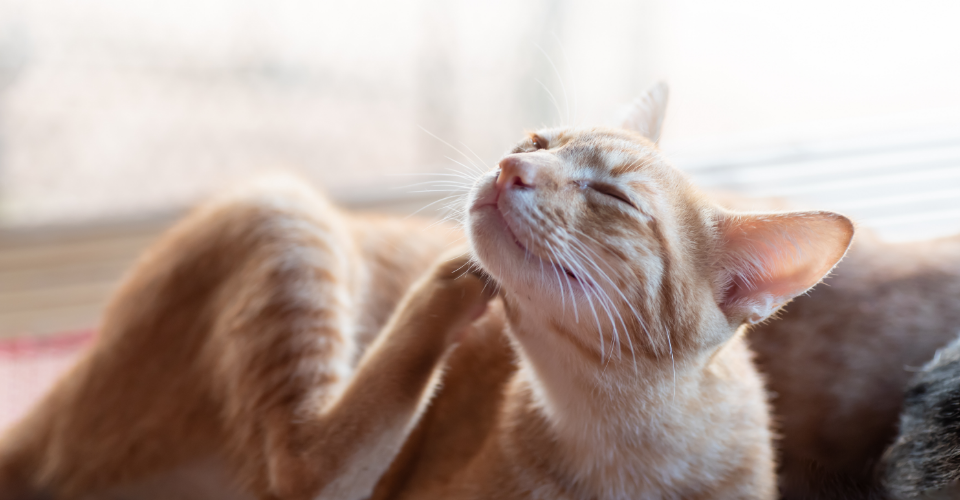
    “The most common sign of an allergy is if your pet is licking or scratching especially their feet or ears. Many ear troubles are secondary to underlying allergy triggers. Flea allergic dermatitis in dogs and cats often presents with classic hair loss and itchy skin at the base of the spine where the tail starts.”


    How do you treat or prevent allergies?

    “Regular ongoing flea control is vital in an allergic pet, even if fleas are not the main trigger. Several excellent diets are on the market, ranging from hypoallergenic and protein-exclusion to skin-support diets. Hypoallergenic shampoos help calm irritated skin and supplements can be added to your pet’s food for their skin and coat.”


    What should you do in case of a severe allergic reaction?

    “The first step for a severe allergic reaction is always to ensure you have your veterinarian’s and emergency vet’s telephone numbers easily accessible. Call for help or proceed straight to the clinic as quickly as possible.

    Never underestimate a bee sting, and do not self-medicate until you have spoken to your vet. Paracetamol (trade name Panado/Calpol) is toxic to felines.


    More about our Vet of the Month – Dr Laura Roux

    How long have you been caring for pets?

    I have been a small animal general practitioner for 31 years and a sole practice owner for 11 years during this time. I work as a locum veterinarian, mostly at Northdene Vet Clinic, where we treat dogs and cats.


    When did you decide to become a vet?

    “Back when I was younger, I wanted to be a magician. Nowadays, I still feel like a magician in a way when some patients who have been at death’s door survive and get healthy again. The pivotal moment for my decision to study Veterinary Science came after spending the day with a lovely vet who ran the mobile clinic for the veterinary faculty of Medunsa University in Pretoria. He was truly inspirational in his way of handling all sorts of animals, making a difference in their lives and their owners.”


    Last Thoughts

    “Always remember an allergy is not curable but often manageable. Speak to your veterinarian about the options available to assist our itchy, allergic friends. ”



  • THE HYPOALLERGENIC DOG FOOD REACTION

    THE HYPOALLERGENIC DOG FOOD REACTION


    Discover the Top Benefits of Hypoallergenic Dog Food

    You might be asking: What exactly is hypoallergenic dog food, and does your dog really need it? Just like us, our dogs can develop allergies too. One of the contributing factors? Their food! Sometimes, what’s in the bowl disagrees with their digestive systems. That’s when hypoallergenic dog food is required.


    What is Hypoallergenic Dog Food?

    While it may be difficult to pronounce, it’s pretty straightforward. Hypoallergenic dog food is specially formulated with sensitive dogs in mind. When you spot the label “hypoallergenic”, you can assume the ingredients avoid common food allergens for dogs, such as beef, dairy, chicken, wheat, lamb, soy, corn, chicken eggs and gluten.


    The Benefits of Hypoallergenic Dog Food

     It Reduces the Risk of Allergic Reactions:

    If your dog seems to have a sensitive stomach or is scratching themselves like there’s no tomorrow, they may be allergic to regular dog foods. Hypoallergenic dog food eliminates the risks of allergies and intolerances by using unique proteins not recognised by your dog’s antibodies. This means less itch and irritation, and more playtime!

     Healthy Coats, Skin, and Smiles:

    The added proteins, vitamins, and minerals in hypoallergenic dog food can also support skin health and reduce irritations such as itchiness and inflammation. So, you may notice an improved smile thanks to whiter teeth and pinker gums, as well as an added sheen to their coats. Who knew dinner could double as a beauty treatment?

     Improved Digestive Health:

    The ingredients in hypoallergenic dog food are very similar to what our dogs would eat in the wild. Hypoallergenic dog food contains easily digestible proteins, which support better digestive functions. This reduces the risk of bloating or diarrhoea and makes for a much happier dog!


    The Hypoallergenic Dog Food Reaction

    As pet parents, we know you always want the best for your furry family members. And as the pet insurer who cares the most, we know allergic reactions hurt not just your dogs but your pocket too. If your dog struggles with allergies, it might be time to look closely at what’s inside their bowl. Chat with your vet and consider the hypoallergenic dog food reaction: fewer tummy troubles, healthier skin, and a happier, tail-wagging bestie.


  • 6 COMMON SIGNS OF PET FOOD ALLERGIES

    6 COMMON SIGNS OF PET FOOD ALLERGIES


    Understanding Food Allergies and Intolerance in Pets

    Pets, like humans, can suffer from allergies, and one of the most common types is a food allergy. Being able to recognise the typical triggers, symptoms, and signs is crucial for pet parents to provide appropriate care. However, since many symptoms can mimic those of other diseases, consulting a veterinarian is essential for accurate diagnosis and treatment.


    What’s the Deal with Food Allergies?

    A food allergy occurs when the immune system overreacts to a specific food ingredient, typically proteins, by producing antibodies against it. Common culprits include beef, chicken, eggs, and dairy for both cats and dogs. But sometimes, it’s the less suspect ones such as wheat or rice. These allergies can sneak up on your pet over time, with symptoms like itchy skin and tummy troubles.


    Common Signs of Food Allergy in Pets

    • Skin inflammation:

    Due to immune system activation, the skin becomes inflamed, leading to itching and potential bacterial infections.

    • Itching:

    Dogs typically show itching on the face, ears, paws, underarms, groin, stomach, and anal area, while cats may experience itching on the head and neck.

    • Other skin issues:

    Dry, crusty skin, hair loss, thickened or darkened skin, and secondary skin problems such as pustules and hot spots may occur.

    • Gastrointestinal problems:

    Symptoms may include increased defecation, flatulence, diarrhoea, constipation, vomiting, and colon inflammation.

    • Ear and paw infections (dogs):

    Inflammation in auditory canals or paws can lead to severe discomfort.

    • Eye problems (cats):

    Cats may experience eye inflammation, discharge, tear duct blockage, and conjunctivitis.


    First Steps

    • Narrow Down the Culprit:

    Try an elimination diet. Feed your pet a simple diet with ingredients they’ve never had before, such as duck or salmon, for a few weeks. If the symptoms improve, you might have found your answer.

    • Switch Up the Menu:

    Once you’ve identified the trigger, avoid feeding it to your pet. You can find specialised hypoallergenic foods or even cook homemade meals (with your vet’s guidance, of course).

    • Get Some Help:

    Your vet can recommend medication to soothe itching and treat any infections. They’ll also guide you through the whole process and make sure your pet is given the appropriate care.


    Allergies vs. Intolerance

    Allergies and intolerance aren’t the same thing! Allergies involve the immune system, while intolerance is more about digestion. Think of it like lactose intolerance in cats – their tummies just can’t handle milk after the kitten stage.


    Dealing with a pet food allergy isn’t fun, but with a bit of detective work and help from your vet, you can get to the bottom of it. Keep an eye out for those telltale signs. Try out some new foods and give your furry friend the relief they deserve. After all, a happy pet equals a happy pet parent!