Tag: pets

  • HOW TO CARE FOR YOUR PET DURING THE HOLIDAYS: COMPLETE SAFETY GUIDE

    HOW TO CARE FOR YOUR PET DURING THE HOLIDAYS: COMPLETE SAFETY GUIDE


    The holidays are basically South Africa’s annual Olympics: traffic jams, sunburn, braais, emotional support potato salads, and at least one cousin who arrives unannounced with a new plus-one and an empty Tupperware. But while December is a jol for humans, it can be a lot for our pets.

    Between fireworks, heatwaves, uninvited toddlers, and all the festive food they think they deserve (but absolutely shouldn’t have), December can be rough on the furry fam. Which is why insurance for your pet becomes even more important. As we enter the busiest, brightest time of year, it becomes more important than ever to understand how to care for your pet in a way that keeps them safe, healthy, and stress-free.

    Caring for your pet during the holidays is about preventing expensive emergencies, stress meltdowns, and “Babe, where’s the dog?!” moments. In this blog, we talk routine, fireworks, travel and more. So, let’s get you holiday ready.


    Why Holiday Pet Care Matters More Than You Think

    December is chaotic for humans, but for pets, it’s a full-blown plot twist. Your dog is suddenly surrounded by strange people who smell like rotisserie chicken. Your cat is offended by the Christmas tree. Your parrot is repeating things your uncle shouldn’t have said in front of the kids. They don’t understand why the neighbours suddenly sound like they’re reenacting a cowboy shootout. And routine? Gone.

    Holiday pet care matters because:

    • Routine changes = stress
    • Loud celebrations = panic
    • New foods = stomach disasters
    • Heat waves = danger


    Keeping Your Pets Safe This Christmas (Without Killing the Festive Vibe)

    Keeping decorations, lights, and cords out of reach

    If your dog is a chewer, Christmas is basically a buffet of danger.

    Tinsel? Looks like a toy.
    Baubles? Perfect for fetch — until someone swallows one.
    Electric cords? A literal shocker.

    Your Christmas tree may look gorgeous, but to your pet it looks like:

    • A snack
    • A climbing challenge
    • A personal jungle gym
    • A tangle toy waiting to happen.

    A few small tweaks can keep your home festive and your pets safe, because nobody wants to spend Christmas Eve at the emergency vet.

    Secure the Christmas tree

    Anchor it to a wall or use a solid base so it doesn’t topple over mid-pounce.

    Choose pet-friendly décor

    Go for shatterproof ornaments and skip anything small enough to be swallowed.

    Keep the tempting stuff up high

    Anything sparkly, dangly, crunchy, or vaguely chewable.

    Hide the wires and cords

    Cover cords, tape them down, or tuck them away.

    Be plant-smart

    Holiday favourites like poinsettias, mistletoe, holly and lilies can make pets sick. Choose safer, pet-friendly alternatives.

    Rethink the candle moment

    Use flameless LED candles or place real candles where curious noses and swishy tails can’t reach them.


    Creating a calm space when guests visit

    December gatherings can turn your house into a rugby stadium. Loud, sweaty, and full of shouting. Create a quiet space for your pet with:

    • Fresh water
    • A comfy blanket
    • Treats
    • A familiar toy.

    Even the friendliest pet needs a safe zone away from chatty aunties and kids who think its tail is a steering wheel.


    What Can Dogs Eat Over Christmas and What Should They Avoid?

    Christmas food is winning the lotto, on your first try. Christmas food is the love of your life, saying, “I do”. Christmas food is all things wonderful… but it’s not for dogs, well, not all of it. To be on the safe side of the table, you should always consult your vet before putting any Christmas food on your pet’s plate.

    Safe-ish Christmas snacks:

    • Plain cooked chicken (no bones!)
    • Veggies such as carrots or peas
    • A tiny lick of mashed potato (unsalted).

    A big NOPE list:

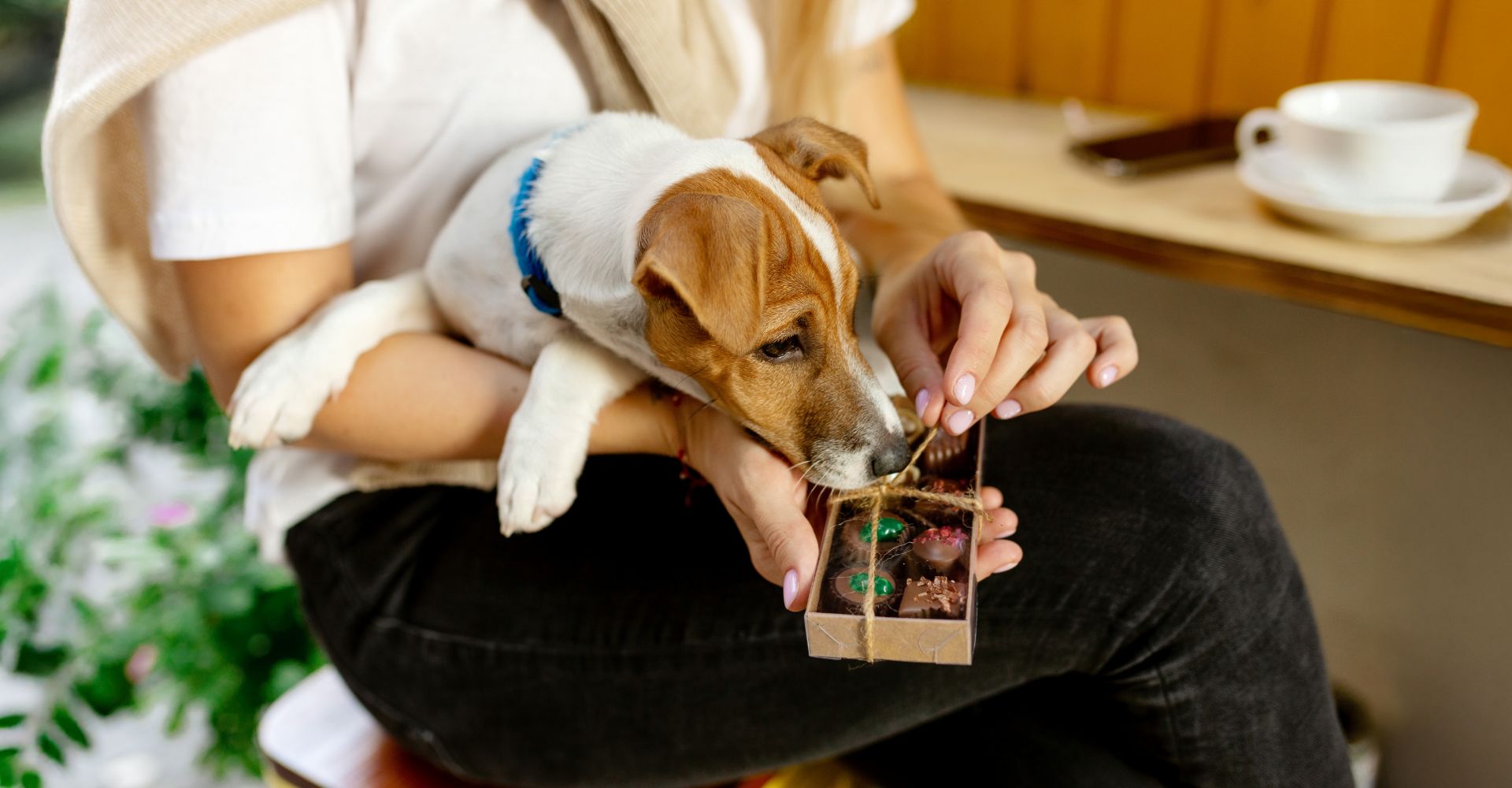
    • Chocolate (immediate vet trip)
    • Bones (splinter danger)
    • Raisins & grapes (toxic)
    • Anything marinated, salted, or spiced
    • Macadamias (poisonous)
    • Onion, garlic, chives
    • Chocolate (even “just a piece”)
    • Gammon with glaze
    • Alcohol
    • Christmas pudding.

    RELATED: PAWS OFF THE BEER!

    What To Do If Your Pet Overeats or Eats Something Toxic

    Please don’t try home remedies, milk, salt water, or forcing vomiting. Some toxins cause more damage coming back up than going down. Stop your pet from snacking on whatever they’ve found and move them away from the scene before they try round two. Then wait for proper guidance from a vet.

    Call your vet immediately

    Not your WhatsApp group, not your uncle who thinks he’s a doctor because he once watched House.  If you’re covered by dotsure.co.za, you can go to any vet. Literally. Any vet. (More on that later.)

    Step 1: Don’t panic.
    Step 2: Don’t Google. Dr Google lies.
    Step 3: Call your vet ASAP.
    Step 4: Have your pet insurance details ready; it speeds up emergency care.

    Common signs of poisoning to look out for:

    • Vomiting or diarrhoea
    • Excessive drooling
    • Lethargy or weakness
    • Wobbling or acting “drunk”
    • Shaking or seizures
    • Pale gums
    • Sudden collapse.

    If something feels off, trust your gut. Rather be the “over-worried pet parent” than the one who waited too long.

    RELATED: HOUSEPLANTS THAT ARE TOXIC TO DOGS AND CATS


    How to Protect Pets from Fireworks and Loud Celebrations

    South Africans and fireworks go together like pap and wors. But pets? Not so much.

    Pets fear fireworks because they hear them at between 4 and 7× the loudness you do. This can easily cause panic or trigger their flight instinct.

    Comforting techniques that help

    • Bringing them indoors
    • Closing curtains
    • Playing calming music
    • Staying close (nothing beats a warm lap and a safe human)

    When to speak to your vet about anxiety medication

    If your dog turns into a trembling jellybean every New Year’s Eve, speak to your vet beforehand. Don’t wait until 31 December when every vet in SA is busier than a petrol attendant on the N3. Again, being covered by us means you can speak to any vet. At the coast. In the Free State. In Sandton. Even that fancy one in Cape Town that serves pets artisanal water.

    Managing Pet Anxiety With Vet Guidance and Targeted Nutrition

    If your pet is naturally anxious or highly sensitive, speak to your vet. They can advise on medical interventions or prescription diets tailored to your pet’s specific stress triggers.

    There are various natural treatments and over-the-counter products available to help reduce stress and encourage calm. Like Hill’s Prescription Diet c/d Multicare Stress for cats and Hill’s Prescription Diet i/d Stress for dogs, which are formulated with ingredients that help reduce anxiety-related symptoms while supporting urinary and digestive health —two areas that often flare up when pets feel overwhelmed.  They can help you support emotional balance from the inside out.


    How to Keep Your Pet Cool and Comfortable in the Heat

    Summer in South Africa isn’t shy. Some days feel like you’re walking through a hairdryer on full blast and our pets feel it even more intensely. They’re basically wearing a full tracksuit made of fluff.

    One of the most common seasonal questions is: What temperature is too hot to walk a dog? A safe guideline: avoid walks during the hottest parts of the day, especially when temperatures rise above 26°C. Dogs regulate heat through panting, making them far more vulnerable to overheating during peak heat. A simple test is to hold your hand on the pavement for five seconds. If it’s too hot for you, it’s too hot for them.

    Signs of heatstroke — and what to do FAST

    • Excessive panting
    • Bright red gums
    • Vomiting
    • Collapse
    • Drooling
    • Disorientation.

    Heatstroke in pets is serious. Move them to shade, offer cool water, and get them to a vet urgently.

    Cooling tricks to prevent heat exhaustion

    Try:

    • Frozen treats
    • Wet towels
    • Fans
    • Cool mats
    • Shaded chill spots
    • Avoiding “high-octane ball throwing” at midday as if you’re training them for the PSL.


    What Should You Know About Pet Travel Safety?

    Holiday travel, whether a road trip down the coast or a quick city escape, can be a wonderful experience for pets, provided it’s done safely.

    RELATED: A GUIDE FOR TRAVELLING WITH YOUR PET

    How to prepare your pet for a road trip

    Preparation is everything:

    • Let them sit in the car for short sessions before the trip.
    • Pack familiar bedding or a favourite toy.
    • Ensure they’re up to date with vaccinations.
    • Feed them hours before the drive to reduce nausea.
    • Plan for rest stops every 2–3 hours.

    A calm, structured introduction makes travelling far less stressful.

    Safe travel carriers and restraint options

    Pets must always be safely restrained. Free-roaming pets in a moving vehicle are dangerous, both for them and for you.

    Consider:

    • Crash-tested harnesses
    • Secured carriers
    • Boot guards
    • Seat-belt clip-ins.

    Stability and comfort help your pet feel secure, especially on winding roads or during long-haul drives.

    Managing food, rest stops, and anxiety on the go

    Stop often, offer water regularly, and keep feeding light. If your pet struggles with anxiety, speak to your vet about calming supplements or strategies that work for travel.


    Can You Visit Any Vet When Covered by dotsure?

    Yes.
    Yebo.
    Hoekom nie?

    When your fur kid needs help, the last thing you should worry about is whether your vet is “in network.” With dotsure.co.za, you can visit any registered vet in South Africa.

    That means zero stress when:

    • You’re on holiday
    • Your pet eats something suspicious
    • You have a fireworks-related panic
    • It’s too hot and they need attention, or
    • Any other emergency.

    With us, you choose the vet, we cover the care. That’s what wholehearted pet insurance is all about.


    How Pet Insurance Can Save You and Your Pet This Holiday Season

    December emergencies hit harder than debit orders. One chocolate incident, one heatstroke scare, one “my dog swallowed a Christmas angel,” and you’re suddenly tapping into backup savings you didn’t plan to use.

    Emergencies happen fast. Vet bills add up faster. That’s why we pride ourselves on superfast claims.

    Pet insurance helps with:

    • Accident cover
    • Illness cover
    • Emergency care
    • Medication
    • Follow-ups

    And with dotsure.co.za, you can claim online, easily, even while braaiing. So, if you want a speedy claims payout, contact us today!


  • THINK TWICE BEFORE GIVING A PET AS A GIFT

    THINK TWICE BEFORE GIVING A PET AS A GIFT


    South Africans love giving dramatic gifts. If we could, we’d wrap up Table Mountain with a bow and put it under someone’s tree. But when it comes to pets, maybe just… maybe… we need to slow our roll. Because giving someone a whole living creature with emotions, bathroom habits, and a diet that costs more than your car’s full tank is not the same as handing over a scented candle from Mr Price Home (ok, fine… @Home🙄).

    Giving a pet as a gift often begins with the purest of intentions. You imagine joy. Healing. Companionship. But intentions don’t wash the food bowls, pay the vets and pet insurance premiums, vacuum the fur or navigate the emotional landscape of caring for another living being. Pets are love, but they are also long-term responsibility. Gifting that responsibility to someone who did not ask for it? Well, that’s where problems begin.

    Pets aren’t accessories, they’re family members with needs. These responsibilities may feel natural to someone ready for a pet. For someone unprepared, they feel like pressure.


    The Most Common Pets Gifted at Christmas

    Firstly, let’s unpack the most common gifted pets and why “cute” doesn’t always mean compatible.

    1. Puppies: adorable, sociable, energetic… and demanding.
    2. Kittens: sweet, curious, and often underestimated.
    3. Rabbits: gentle, but require complex care and space.
    4. Hamsters: fragile and nocturnal, unsuitable for small children.
    5. Guinea pigs: social animals who must live in pairs.
    6. Fish: sensitive to water quality, temperature, and proper habitat.
    7. Budgies/Parrots: intelligent, loud, and long-lived companions.
    8. Tortoises: need careful diets and can live for decades.
    9. Reptiles: require specialised environments and informed owners.

    So no, “cute” is not a measure of compatibility. Compatibility grows from intention, preparation, and choice.

    RELATED:HOW TO CHOOSE THE PERFECT PET FOR YOUR FAMILY 


    What Many Don’t Consider Before Gifting a Pet

    A dog needs walks.
    A cat needs stimulation.
    A bird needs companionship and enrichment.
    A fish needs water that doesn’t resemble the Vaal Dam.

    We get it. You saw a fluffy puppy online and thought, “This will cure my bestie or parent’s empty-nest syndrome AND look super-cute on Instagram.” But here’s the problem: They might not want a pet. Dad might want silence. Mom might want to travel. Bestie might be allergic. Many people imagine the romantic bioscope version of pet gifting: A delighted recipient, a joyful tear, a perfect bond. The reality is more complex. The recipient may not be ready. They may not be in a season of their life where they can commit to the needs of a pet, even if they adore animals.

    Baby animals grow up

    Imagine gifting your friend a hamster. Small, cute, harmless. Except later they discover hamsters are nocturnal and run marathons at 2am on a squeaky wheel that sounds like it’s transmitting messages to space.

    Or you give a teenager a rabbit because “it’s low maintenance.” Except rabbits chew things. Skirtings, shoes, phone chargers, basically anything with sentimental or financial value.

    That tiny puppy? Soon it’s a boisterous adult who needs space, training and dedication.

    That tortoise? It may outlive everyone in the house.

    And then there’s the money factor. That “free kitten” comes with:

    • Vaccinations
    • Deworming
    • Food
    • Litter
    • Vet visits
    • Sterilisation (you’re basically gifting someone a monthly vet bill)
    • And emotions. Lots of emotions.

    Holidays end, but pet care never does. And a pet does not simply fit into one’s life, it shifts it. Feeding schedules, training, noise, grooming, medical care, supervision, and… and! When a pet is unwanted or unexpected, this shift creates friction. Not because the person is unkind. But because they didn’t choose the change. And care without readiness becomes stress. While pet insurance can help with the oopsies that lead to vet bills, it can’t help the “oops, maybe I wasn’t ready for this” moments.

    RELATED: THE REAL COST OF PUPPY LOVE IN SOUTH AFRICA


    What Happens When Pets are Given as Surprise Gifts?

    The reality behind holiday pet trends

    During December, many new animals are purchased or adopted in a burst of feel-good enthusiasm. Everyone wants a fluffy creature to put under a Christmas tree. But after the holidays, a quieter, more sobering pattern emerges: returns, surrenders, and abandoned pets. Suddenly reality hits harder than Eskom Stage 6. The surprise gift becomes a surprise responsibility.

    Statistics of pet surrenders after Christmas

    Animal welfare groups report the same heartbreaking pattern every year:

    • Puppies and kittens flood shelters in January.
    • Many were Christmas gifts the recipients didn’t want or couldn’t care for.
    • Rabbits and hamsters also get surrendered once the novelty fades.
    • Some pets are even abandoned when families go on holiday.

    How impulse adoptions lead to overcrowded shelters

    Shelters already struggle financially, physically, emotionally. When gifted pets arrive weeks later:

    • Kennels overflow
    • Resources stretch
    • Staff burn out
    • Older animals are overlooked
    • And the circle of heartbreak repeats.

    Your cute gift becomes someone else’s crisis. While studies show that pets gifted with prior discussion fare well, pets given as complete surprises are at higher risk of being abandoned. Remember, pets are a lifetime of walks, vet visits, and unconditional love. Before you wrap up a wagging tail under the tree, take a moment to check if the recipient is ready.

    We’ve got a quick, fun quiz you, your bestie, sibling, or parent can take FIRST. It’s an easy way to see if a new furry friend is truly a perfect fit, long before the ribbons and bows.

    TAKE THE QUIZ: HOW TO KNOW IF YOU’RE READY FOR A PET


    Better Ways to Show You Care This Holiday: Visit an Animal Shelter Instead

    Invite your loved one on a meaningful outing:

    • Walk dogs
    • Socialise cats
    • Learn about the needs of different species
    • Allow them to express genuine interest (or disinterest).

    A thoughtful experience often reveals more than an impulsive gift.

    Volunteer your time or donate to animal welfare groups

    We’re all about big-hearted pet insurance, so we know that it isn’t just about protecting your own furry family, it’s also about helping pets in need. So, consider supporting a cause close to your heart. Shelters and rescue groups always appreciate:

    • Food donations
    • Blankets and bedding
    • Cleaning supplies
    • Medical contributions
    • Transport help
    • Or simply your time and care.

    Every little act counts. By giving back, you’re extending love and care beyond your home —and that’s exactly what responsible, compassionate pet parenting is all about.


    A Pet Is for Life, Not for the Holidays

    A pet is a 10–20-year commitment, not a seasonal fling. The best gifts are things people want, not things they must rearrange their entire lives around. Pets should never arrive wrapped in the weight of someone else’s expectations.

    If the person:

    • wants a pet
    • has researched the pet
    • has the budget
    • has the time,

    then go for it!

    Otherwise? Buy them chocolate. A book. A spa voucher. Even a pair of socks. Just not a living creature. The most loving thing we can do is respect the profound commitment of animal guardianship. Gifting one should honour both the human and the animal in equal measure.

    Now, we’re not saying everyone who gets a pet as a gift surrenders it. Research actually shows many keep them, if they wanted them in the first place. However, the problems arise in cases of impulse gifting.

    So, if you’re really considering gifting someone a pet, the least you can do is ensure you also give them pet insurance from dotsure.co.za along with the leash. Contact us to ensure they enjoy more moments together with fewer money worries and learn more about our affordable plans.

    RELATED: 14-GIFTS-FOR-YOUR-PET

    It’s a way to offer love without creating long-term obligations.


    Refer a Friend for Pet Insurance

    You know someone who’s struggling with vet bills?

    Fill in their details and share the benefits of dotsure.co.za pet insurance with your pack, because every “good boy” and “girl” deserves a safety net.

  • LESS LITTERS, MORE LOVE: HOW DOTSURE.CO.ZA SUPPORTS PET STERILISATION DRIVES ACROSS SA

    LESS LITTERS, MORE LOVE: HOW DOTSURE.CO.ZA SUPPORTS PET STERILISATION DRIVES ACROSS SA


    At dotsure.co.za, we believe that protecting pets is about so much more than when an insurance policy kicks in. That’s why our mission is to support big-hearted vets and animal heroes across the country who protect and care for our pets, too.

    When it comes to loving pets, fur parents dot every “I” for sure. However, there’s one significant act of love that is often overlooked: pet sterilisation. It is something close to the heart of Elize Goosen, Branch Manager at the SPCA Garden Route Mossel Bay, and her dedicated team, who work tirelessly to end animal cruelty. We were proud to join forces with the SPCA in their mission to prevent cruelty and promote the welfare of all animals by sponsoring the sterilisation of 222 pets.


    Why Pet Sterilisation is Important

    Pet Sterilisation (aka spaying and neutering) isn’t just about preventing an uprising of puppies and kittens (like in The Planet of the Apes), it’s about preventing suffering. In many areas, shelters are bursting at the seams.

    According to Elize, “Pet overpopulation is a major concern. The Garden Route SPCA in Mossel Bay and George took in over 11,000 unwanted animals over the past year alone.” That’s 11,000 wagging tails looking for homes and far too few arms to hold them and pet parents to love them. But this figure only represents the animals that found help. Countless more are still roaming the streets, neglected, abandoned, or suffering in silence.

    Sterilisation is also a major health win. “Sterilised pets are less likely to roam, fight, or develop cancers of the reproductive system,” Elize explains.

    RELATED: DOES PET INSURANCE COVER STERILISATION?


    The Real Cost of Pet Sterilisation and Community Drives

    The average dog sterilisation cost in SA can range from R600 to R2 000, depending on the size and gender, and that’s before considering fuel, anaesthetic, or aftercare. For welfare groups without government funding, those costs adds up faster than you can say “good boy.”

    That is why sponsorships matter. dotsure.co.za’s support means groups such as the SPCA can focus on the doing instead of the fundraising. And that translates into healthier pets, safer streets, and communities with a little less heartbreak.


    Partnering with the Mossel Bay SPCA and Animal Clinics

    “The support we have received from dotsure.co.za made a massive impact on our work. Thanks to their generosity, we were able to sterilise 222 domestic animals without the financial strain it would normally place on our branch. This kind of support is truly life-changing. Without it, many of these animals might have contributed to the already overwhelming overpopulation crisis. Instead, they now have a healthier, more secure future.

    Ongoing support from companies such as dotsure.co.za allows us to plan ahead, set achievable sterilisation goals, and focus our energy on reducing the suffering of animals in our community.”

    Elize couldn’t have said it better. Her words capture exactly what lives in our hearts and drives us to provide Soft Landings for pets, vets, welfare organisations, and communities.


    Helping Communities Create Long-Term Change Through Pet Sterilisation Drives

    To us, wholehearted care means more than paying vet bills or sponsoring pet sterilisation drives. It’s about helping pets live healthier, safer lives and supporting our big-hearted vets, so they know they are not alone in this fight.

    As Elize put it so beautifully, “dotsure.co.za gave us more than funding, they gave us hope. The energy and renewed sense of purpose it brought to our staff, who deal with cruelty, neglect, and heartbreak daily, was truly uplifting. It reminded us of why we do what we do and that we’re not alone. From the bottom of our hearts, we thank dotsure.co.za.”

    RELATED: OUR COMMUNITY CAT STERILISATION PROGRAMME


    How You Can Help Create Soft Landings Too

    As the insurer who cares the most, we always aim to show up with care, compassion, and a bit of that spirit of ubuntu that says, “we’ve got you.” But we can’t do it alone.

    Here’s how you can join us to create Soft Landings:

    • Sterilise your pets. It’s the ultimate act of love.
    • Adopt a fur baby. Give a homeless pet a forever home.
    • Support your local SPCA. Donate, volunteer, or simply share their posts.
    • Insure your pet with dotsure.co.za. Every policy bought online helps support animal welfare causes, such as pet sterilisations.

    Visit dotsure.co.za to explore wholehearted pet insurance options or contact us anytime to learn more about how we’re creating Soft Landings across South Africa.

  • ROTTWEILER BREED GUIDE: TRAITS, TRAINING, AND CARE TIPS 

    ROTTWEILER BREED GUIDE: TRAITS, TRAINING, AND CARE TIPS 


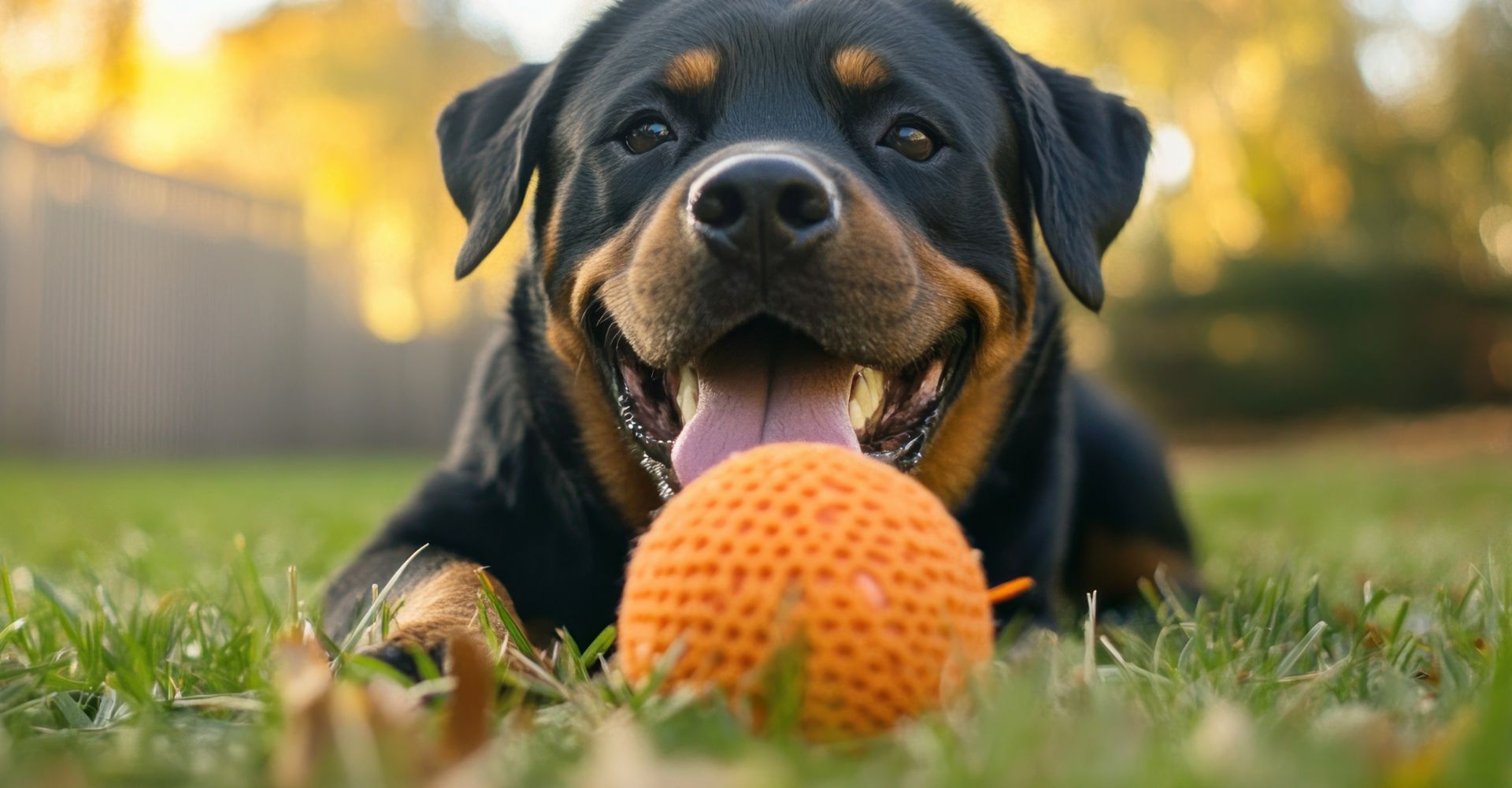
    If we can turn French fries into slap chips, we can definitely take this German breed and make it walk, bark, and nap like a local. The Rottweiler (or “Rottie” as we’ve renamed them here) has gone from a working dog in Germany’s cattle markets to holding it down as a household protector, couch companion, and unofficial “alarm system” across South Africa. 

    They might look intimidating, but most Rotties are just big softies with a bark that says, “Don’t mess with my people,” and a heart that says, “Now scratch my belly.” Rotties are prone to some health issues, so regular vet checkups are a must, which means insurance for your Rottweiler is too.  


    Rottweiler Breed Guide: Common Health Problems 

    Okay, let’s get the not-so-great news out of the way so we can get to all the great stuff. One of the first questions is always: What are the common Rottweiler health issues? Rotties are prone to hip dysplasia, heart issues, obesity if not exercised, and cancer. The second question is always: How long do Rottweilers live? On average, they live 8–10 years though with proper care and exercise, many live longer. That’s a decade of love, loyalty, and slobbery kisses. 


    Rottweiler Breed Guide: Traits, Temperament, and Types 

    If dogs had gym memberships, the Rottweiler would be that guy who never skips leg day. But, is a Rottweiler right for you? If you’re active, loving, and ready for a loyal bestie, maybe.  

    Temperament and Personality Traits 

    Rottweiler Appearance and Types 

    How Much Do Rottweilers Weigh as Adults? 

    Rottweilers are loyal, protective, and highly intelligent. Think of them as that one friend who looks tough but is secretly the first to cry during an emotional movie.  Muscular, broad-chested, and built like a bouncer with a soft side. Their black-and-tan coats are instantly recognisable, sleek, short, and easy to maintain.  Male Rottweilers can weigh up to 60 kg, females around 45 kg. Make sure you’ve got enough room at your place before you bring one home. 


    Rottweiler Breed Guide: Training and Care Tips 

    Training a Rottie is like raising a teenager… consistency, patience, and snacks go a long way. Start early, use positive reinforcement, and make training fun.  

    What Do Rottweilers Eat? 

    Do Rottweilers Need a Lot of Exercise? 

    How Often Should I Groom My Rottweiler? 

    Rottweilers need to eat high-quality, protein-rich food to maintain muscle and energy. If they could talk, they’d probably ask for boerie rolls and pap, but stick to a balanced diet. Premium dog food such as Hill’s Science Plan keeps them strong and shiny.  Yes, Rottweilers need plenty of exercise. A bored Rottie is a naughty Rottie. Long walks, play sessions, and training games help keep them fit and happy. They love fetch (but play like they’re trying to win a rugby match).  Once a week grooming for your Rottweiler should be fine. Their short coat is easy to manage, but you’ll want to brush regularly during shedding season.  


    Fun and Lifestyle Facts About Rottweilers 

    What Is a Rottweiler’s Weakness? 

    Their hearts. They’re emotional, sensitive, and loyal to a fault. But shem, maybe that’s why they’re prone to heart issues: too much love for one chest to handle.  

    What Roles Do Rottweilers Thrive In? 

    Guard dogs, police K9s, therapy companions, you name it. Their intelligence and loyalty make them adaptable to almost any role. 

    Are Rottweilers Good with Kids? 

    Rottweilers are good with kids, but supervision and socialisation are key.  

    Do Rottweilers Bark a Lot? 

    Not unnecessarily. When a Rottie barks, it usually means something’s up. They’re the definition of “speak only when it’s important.” 


    Why You Should Insure Your Rottweiler 

    Rottweilers give you everything, protection, loyalty, and unconditional love. The least you can do is protect them right back. Speak to dotsure.co.za about getting insurance for your Rottweiler in minutes. Need a little more info? Get in touch, and we’ll help you find cover that loves your pet as much as you do.


    RELATED:HERDING DOG BREEDS; TOY DOG BREEDS; BREED STANDARDS 

  • UNDERSTANDING THE DANGERS OF PET OBESITY

    UNDERSTANDING THE DANGERS OF PET OBESITY


    Keeping your furry friend healthy requires more than just cuddles and playtime. Just like us, pets can gain weight in ways that affect their health and happiness. Pet obesity is a growing concern, but with awareness, the right routine, and even pet insurance to cover unexpected health issues, you can help your pet live their best life.  


    What Is Pet Obesity and Why Does It Matter? 

    Pet obesity occurs when a pet carries excessive body fat that can harm their health. Overweight pets are at a higher risk for diabetes, joint issues, and heart problems. Recognising obesity early on makes it easier to prevent long-term complications. 

    A pet obesity calculator is a simple tool to check if your cat or dog is at a healthy weight.   

    What Causes Obesity in Dogs and Cats? 

    • Breed, Age, and Genetic Predispositions: 

    Certain breeds gain weight easily, and older pets may have slower metabolisms. Genetics combined with lifestyle factors often play a significant role in obesity risk. 

    • Common Contributors: 

    Overfeeding, high-calorie treats, and low activity levels are major contributors to obesity in dogs.  

    • Unique Risks: 

    Cats often gain weight silently. Indoor cats, neutered pets, and those with limited playtime may be more prone to obesity.  


    Health Risks Linked to Pet Obesity 

    Excess weight can affect both the body and mind of pets. The following summarises major health risks and prevention tips: 

    Health Risk  Description  Prevention Tips 
    Joint & Mobility Issues  Extra weight strains joints, causing arthritis and difficulty moving  Regular exercise, maintaining healthy weight, joint supplements if recommended by a vet 
    Diabetes  Excess body fat can lead to insulin resistance  Balanced diet, portion control, routine vet check-ups 
    Heart Problems  Obesity increases the risk of heart disease  Avoid overfeeding, provide daily physical activity, monitor weight regularly 
    Liver Disease  Fat accumulation affects liver function  Low-fat, nutritionally balanced diet, vet-guided weight management 
    Reduced Life Expectancy  Overweight pets tend to have shorter lifespans  Preventative care, healthy lifestyle, early intervention for weight gain 
    Behavioural Changes  Fatigue, low playfulness, anxiety, or social withdrawal  Mental enrichment, active playtime, gradual weight loss if needed 
    Respiratory Issues  Extra weight can make breathing more difficult, especially in brachycephalic breeds  Controlled diet, exercise routines suitable for breed and age 


    Love Means Keeping Them Healthy 

    Pet obesity may be common, but it’s preventable. Paying attention to their care and sticking to routine checkups, protects your pet from possible health risks. So, consider pet insurance as part of a responsible care plan. For guidance on cover, visit dotsure.co.za to contact us today! 

  • THE FUNNIEST THINGS THAT SCARE CATS

    THE FUNNIEST THINGS THAT SCARE CATS


    Cats are curious, independent, and sometimes a little dramatic. While it can be hilarious to watch the quirky reactions to things cats are scared of, it’s also a reminder that life with pets is unpredictable. That’s why having pet insurance on your side gives you peace of mind, no matter what antics your whiskered companion gets up to.  


    Scaredy Cats: The Science Behind Feline Fear   

    Cats might act tough, but their instincts are wired for survival. Sudden movements, unfamiliar objects, and loud noises can trigger a “fight or flight” response. These reflexes kept their ancestors safe in the wild, but today they mostly make for some funny (and occasionally baffling) behaviour. 

    The saying “curiosity killed the cat, but satisfaction brought it back,” exists for a reason. Cats are naturally inquisitive, poking their noses into boxes, bags, and corners. But when that curiosity collides with something unexpected, it can send them leaping into the air in a blur of fur. 


    RELATED: DO CATS HAVE 9 LIVES? 


    Things That Cats Are Scared Of (and Why It’s Funny) 

    Some feline fears have a logical explanation, while others are just downright silly. Here are a few that cat parents everywhere can relate to: 

    Fear  Why It Scares Cats 
    Cucumbers  Videos of cats leaping sky-high when they spot a cucumber behind them have gone viral. Experts suggest the green veggie resembles a snake, triggering an instinctive fear.  
    Water  Most cats avoid water like it’s lava. Wet fur makes them cold and heavy, limiting agility. Their ancestors also came from arid regions where swimming wasn’t necessary. Exceptions exist, but for most cats, bath time is enemy number one. 
    Rubber Snakes  Many cats will freak out at the sight of a rubber snake due to their evolutionary instinct to avoid slithering predators, even if the snake is fake. 
    Pictures  Some cats react to photos, TV screens, or drawings. A picture of a glaring cat or wide-eyed dog might trigger defensive instincts. 
    Noises  Vacuums, thunder, fireworks, or even doorbells can send cats running. With ultra-sensitive hearing, sounds that seem normal to us can feel overwhelming to them. 


    Should You Be Playing Pranks on Your Cat? 

    It might be tempting to set up funny scenarios, but it’s worth asking if it’s really fair. 

    The Line Between Funny and Stressful 

    Cats thrive in calm, predictable environments, and too much stress can affect their health. 

    Tips for Respecting Your Cat’s Comfort Zone 

    • Keep playful antics light-hearted and occasional 
    • Provide hiding spots where your cat feels safe 
    • Use toys and games to engage their curiosity without overwhelming them 
    • Reward bravery with treats and affection 


    Petition for Calm and Happy Cats 

    Cats may be startled by the oddest things, but that’s part of what makes them so entertaining to live with.  Just remember, a little respect for their limits goes a long way in keeping them content. 

    And if life ever throws something scarier than a cucumber your way, having cover for unexpected vet bills can make all the difference. Visit dotsure.co.za or contact us today to keep your feline friend safe and ready for their next curious adventure! 

  • WHAT TO DO WHEN YOUR PET GETS STUNG BY A BEE

    WHAT TO DO WHEN YOUR PET GETS STUNG BY A BEE


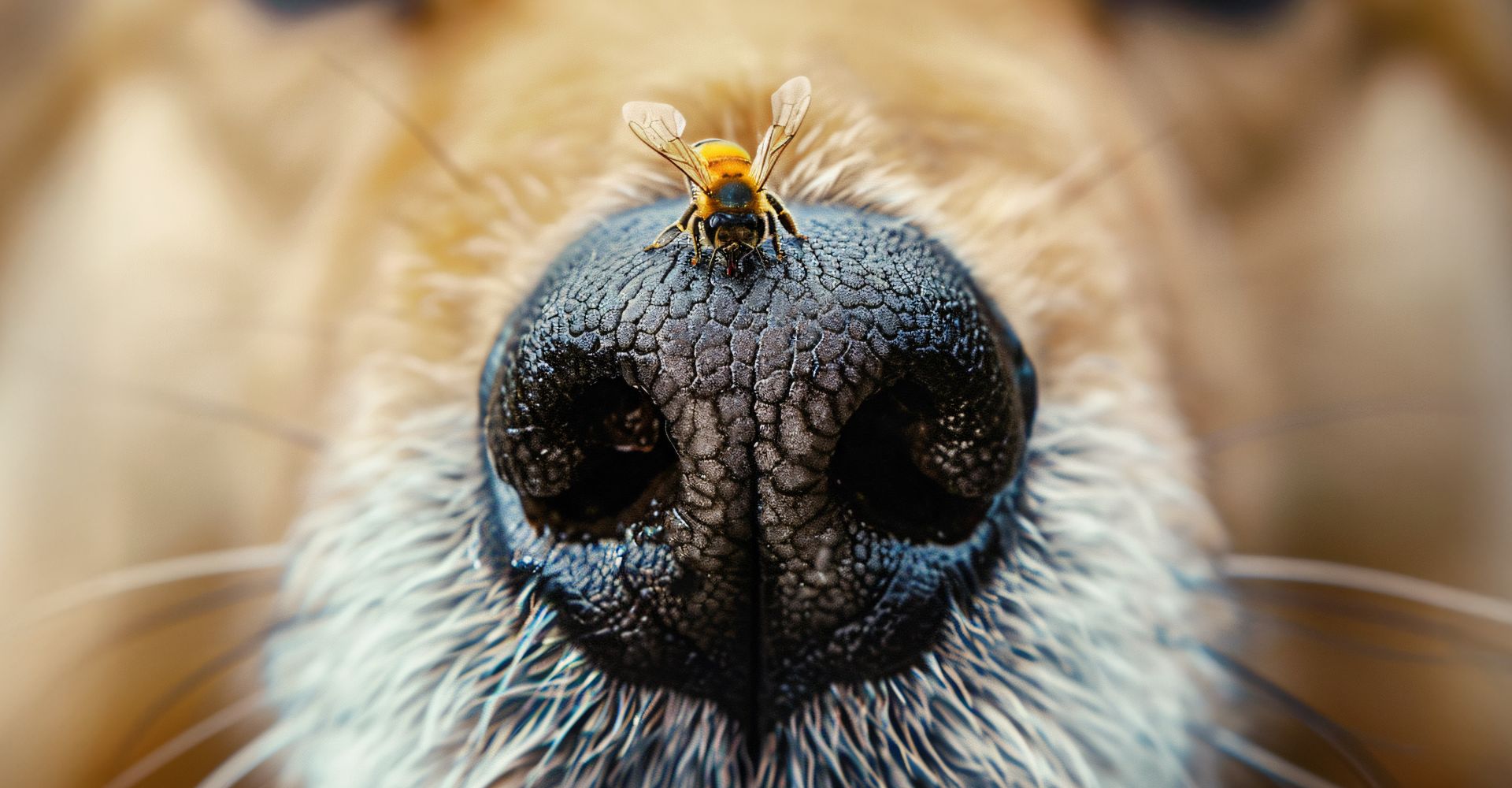
    Pets are naturally curious, and sometimes that curiosity leads to painful encounters with buzzing insects. Quick action, and being prepared with pet insurance, can make all the difference when dealing with stressful moments, such as your cat or dog being stung by a bee. 


    Expert Advice from Dr Edward Hall: 

    This article features insights from Dr Edward Hall, principal veterinarian at Die Poort Animal Clinic in Pretoria. With a passion for small animal medicine and wound treatment, Dr Hall brings years of hands-on experience to help pet parents handle everyday emergencies with confidence. 


    First Things First: Is It a Bee or Wasp Sting? 

    Both bees and wasps pack a punch, but the way they sting differs. 

    • Bees leave their stinger behind, and it can keep pumping venom if not removed quickly. 
    • Wasps don’t leave a stinger, but they can sting repeatedly. 

    Identifying the insect can help you and your vet decide on the best bee or wasp sting treatment. 


    What To Do if Your Dog Was Stung by a Bee 

    If your dog yelps suddenly and starts licking or chewing at their paw, a sting could be the culprit. Check for a stinger. If visible, gently scrape it out with a credit card rather than pinching with tweezers, which can release more venom. 

    But, what if your pet gets stung in the mouth? This situation is more serious. Stings inside the mouth or throat can cause swelling that interferes with breathing. If you notice swelling, drooling, or distress, head to your vet immediately. 


    Recognising a Bee Sting Allergy in Pets 

    Some pets react mildly, while others may have a bee sting allergy. 

    Signs to Watch For: 

    • Swelling of the face, muzzle, or eyes 
    • Hives on the skin 
    • Excessive drooling or pawing at the face 
    • Vomiting, diarrhoea, weakness, or collapse 

    If you see these symptoms, treat it as an emergency. Allergic reactions can progress to life-threatening anaphylaxis within minutes. 

    Can I Give My Dog Allergex®?   

    Yes, but only under veterinary guidance. The dosage depends on your dog’s size, weight, and health. Never guess. Always confirm with your vet before giving any medication. 


    Bee & Wasp Sting Treatments for Pets: At Home Remedy vs Vet Care 

    Call the vet immediately if your dog shows swelling, breathing trouble, or collapse. At home care may be appropriate for mild swelling or redness, but still confirm the correct treatment with your vet. 

    Treating a Bee Sting at Home 

    • Remove the stinger quickly if it’s a bee sting. 
    • Apply a cold compress for 5 to 10 minutes to reduce swelling. 
    • A paste of baking soda may help neutralise the venom. 

    If the reaction escalates, professional vet care is non-negotiable. 

    How to Soothe a Wasp Sting Safely 

    Wasp stings are alkaline. Gently applying vinegar or lemon juice may provide relief, alongside cold compresses. 


    Be Prepared, Not Panicked 

    A cat, dog, or any other pet being stung by a bee doesn’t have to be a crisis if you know the signs and steps. Stay calm, treat quickly, and get veterinary help when needed.  

    And remember, unexpected vet visits can sting your wallet too. That’s why dotsure.co.za is here to help. For peace of mind when life’s little surprises buzz your way, contact us or get a quote today!

  • SUPERSTITIONS ABOUT BLACK CATS AND OTHER ANIMALS

    SUPERSTITIONS ABOUT BLACK CATS AND OTHER ANIMALS


    Animals have always fascinated humans, but sometimes that fascination turns into fear. From whispers of witchcraft to omens of bad luck, myths about black cats and other creatures have been passed down through generations. But here’s the truth: behind the mystery is simply an animal deserving love, care, and protection 


    What Is the Superstition About Black Cats? 

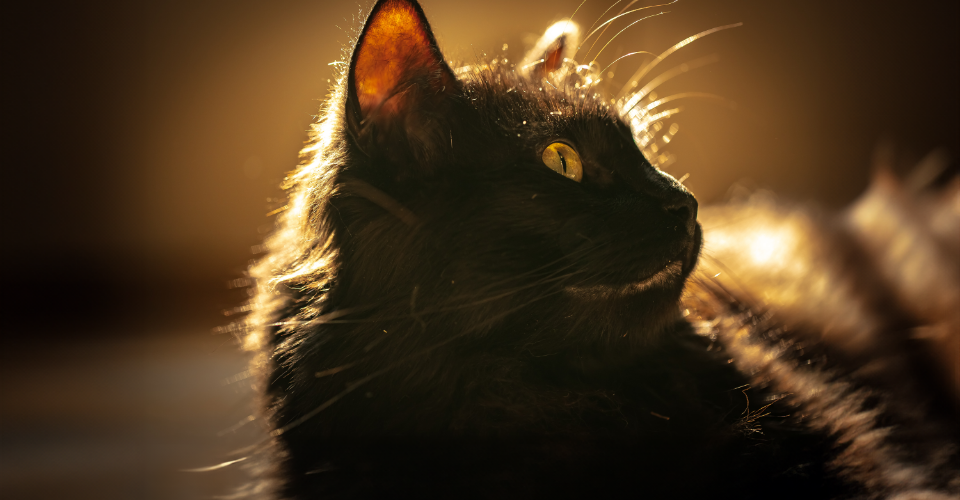
    Black cats have one of the most infamous reputations in folklore. They’re the centre of countless tales of luck, both good and bad. 

    In medieval Europe, black cats were linked to witchcraft. People believed they were witches’ companions or even witches transformed into animal form. As these ideas spread, so did fear of the black cat. In parts of Africa, some traditions carried similar warnings, while others viewed them as protective symbols. In ancient Egypt, black cats were deeply respected and associated with the goddess Bastet, a protector of homes and families. 

    Why Are People Scared of Black Cats? 

    The biggest reason is simple: fear of the unknown. Their dark coats made them harder to see at night, fuelling eerie associations.  

    Separating Truth from Folklore: 

    Myth  Fact 
    A black cat crossing your path means bad luck.  In many cultures, it’s actually a sign of protection. 
    Black cats are tied to witchcraft and evil spirits.  They’re just as cuddly and playful as any other cat. 
    Black cats are less friendly than other cats.  Personality is shaped by the individual cat, not its coat colour. 
    Black cats are harder to photograph.  With the right lighting, their glossy coats look stunning in photos. 
    Black cats don’t get adopted as often.  Shelters note this trend, but awareness campaigns are helping more black cats find loving homes. 

    Often, it’s less about the animal and more about stories people grew up with. 


    RELATED: REASONS TO LOVE BLACK CATS: PERSONALITY & TRAITS 


    Other Animal Superstitions You May Have Heard Of 

    Black cats may take centre stage, but plenty of animals have their own myths. 

    Seeing an Owl at Night Superstition 

    Across many cultures, an owl hooting at night was seen as an omen of death or bad news. Yet today, we know owls play a vital role in ecosystems by keeping rodent populations in check. 

    Snake in the House Superstition 

    A snake slithering indoors has long been seen as an omen, sometimes of misfortune, sometimes of transformation. While it might startle you, many snakes are harmless and even beneficial for controlling pests. 

    Spider Superstitions and Omens 

    Spiders often feature in folklore around wealth or misfortune. In some cultures, seeing a spider was believed to bring money, while others linked them to danger. The truth? Spiders are incredible little critters. 


    RELATED: 7 FASCINATING BIRD SUPERSTITIONS AND THEIR HIDDEN MEANINGS


    Facts Over Fear: Why It’s Time to Let Go of the Myths 

    Superstitions about black cats and other creatures can lead to fear and mistreatment of innocent animals. By spreading facts instead of fear, we can protect them and give them the respect they deserve. 

    At dotsure.co.za, we believe pets deserve love, care, and protection. If you’d like to give your pet the safety they deserve, contact us today! 
     

  • SPRING PET HAZARDS: HEALTH ISSUES TO WATCH OUT FOR IN DOGS AND CATS

    SPRING PET HAZARDS: HEALTH ISSUES TO WATCH OUT FOR IN DOGS AND CATS


    Spring has sprung! Flowers are blooming, days are warming, and your pets are probably itching to get outside. Pun intended. But while spring brings some sunshine back into our lives, it can also come with dangers for your furry family. Allergies, ticks, toxic plants… Spring can be ruff on our pets. So, we’ve put together a spring pet safety guide with hazards and health issues to look out for so that you can enjoy the warmer days, worry-free.   

    With SA’s #1 pet insurance, every season can be worry-free when your pet is protected with wholehearted cover. Just saying. 


    Toxic Plants and Environmental Dangers 

    Spring Blooms That Can Harm Your Pets 

    Many common spring flowers such as lilies, tulips, azaleas, and daffodils are toxic to cats and dogs. Cats in spring are especially curious and might nibble on plants, leading to upset stomachs or worse.  

    RELATED: COMMON HOUSEPLANTS THAT ARE TOXIC TO DOGS AND CATS 


    Spring Cleaning Chemicals 

    Time for a good spring clean? Just remember, harsh cleaning products such as bleach, ammonia, and phenols can cause burns or poisoning if pets walk across wet floors and lick their paws. Choose pet-safe cleaning solutions and always store chemicals out of reach. 


    Standing Water & Shared Bowls: Hidden Health Risks 

    Spring rains leave puddles, which can carry parasites such as Giardia or bacteria such as Leptospirosis. Avoid letting your dogs or cats drink from standing water, and wash their bowls often.


    Outdoor Hazards and Hidden Threats 

    Foxtails and Dog’s Ears 

    These grass seeds can burrow into paws, noses, or ears, causing pain and infections. Always check your dog after a walk; foxtails can cause ear infections and inflammation if not removed ASAP. 

    Snake Season: Signs of an Adder Bite in Pets 

    Snakes start slithering out of hiding as the weather warms, basking in the sun like office employees escaping the air-conditioning. In South Africa, puff adders are a huge spring risk. If your pet is bitten, you may notice sudden swelling, limping, or extreme lethargy. Please don’t wait. A vet visit is urgent in this situation. 


    Parasites, Stings, and Prevention 

    Pet Skin Allergies in Spring 

    More pollen in the air means itchy skin is on the rise. Dogs and cats may lick, scratch, or bite themselves raw. If your pet struggles with spring allergies, ask your vet about treatments or even consider hypoallergenic diets such as Hill’s Pet Nutrition. 

    RELATED:  VET ADVICE: TOP TIPS TO BEAT THE SNIFFSTHE HYPOALLERGENIC DOG FOOD REACTION 


    Parasite Season: Fleas, Ticks, Heartworm & More 

    Regular flea and tick preventatives are a must in spring and all year round. Heartworm prevention is also crucial, especially if you’re travelling to areas with many mosquitoes. 

    RELATED:  HOW TO REMOVE A TICK FROM A DOG: EXPERT STEP-BY-STEP GUIDEA GUIDE FOR TRAVELLING WITH YOUR PET 


    Bee and Wasp Stings: Symptoms and What to Do 

    If your pet is stung, mild swelling is common, but it’s an emergency if they struggle to breathe. Ice the sting, keep calm, and head to your vet if symptoms worsen.


    Emergency Response for Your Pets 

    If your pet ingests something toxic, here’s what you do: 

    • Remain calm 
    • Identify what they have eaten 
    • Phone your vet immediately 
    • Ensure you take the label, plant or chemical with you to the vet 
    • Don’t wait. Time is everything. 


    Spring Pet Safety Starts with You 

    Spring pets are happy pets if we keep them safe! And with dotsure.co.za pet insurance, you can rest easy knowing that unexpected vet bills from allergies, stings, or illnesses are covered. 

    Do you need a quick quote in minutes? Fetch a quote online or contact us for more information about protecting your pet with wholehearted cover. 

  • DISCOVER YOUR PET’S HERITAGE WITH A DOG DNA TEST

    DISCOVER YOUR PET’S HERITAGE WITH A DOG DNA TEST


    It’s not just humans who can celebrate their heritage. Your dog can too! With a simple dog DNA test, you can find out exactly what mix of breeds makes your fluffy friend so unique. Maybe they’re secretly a sausage dog with a side hustle in shepherding? It’s all in their DNA. 

    Of course, heritage is fun, but health is everything. Pet insurance from dotsure.co.za covers a range of pets, regardless of their DNA test results! Do you need cover? Get a quote online or contact us for more info. 


    Why Pet Heritage Matters: Honouring Diversity This September 

    Discovering your pet’s backstory is more than fun trivia for your friends and family: 

    • Health insights: Some breeds are prone to conditions such as hip dysplasia. Knowing their roots means you can spot health risks before they become emergencies. 
    • Training tips: When you understand their heritage, you understand their behaviour. A Border Collie mix might need more mental stimulation. Training a Pug mix may mean many more snacks for motivation. 


    RELATED: TAKING CARE OF A BORDER COLLIEGERMAN SHEPHERD CHARACTERISTICS AND CARETAKING CARE OF A DACHSHUND 


    What Is a Dog DNA Test and How Does It Work?

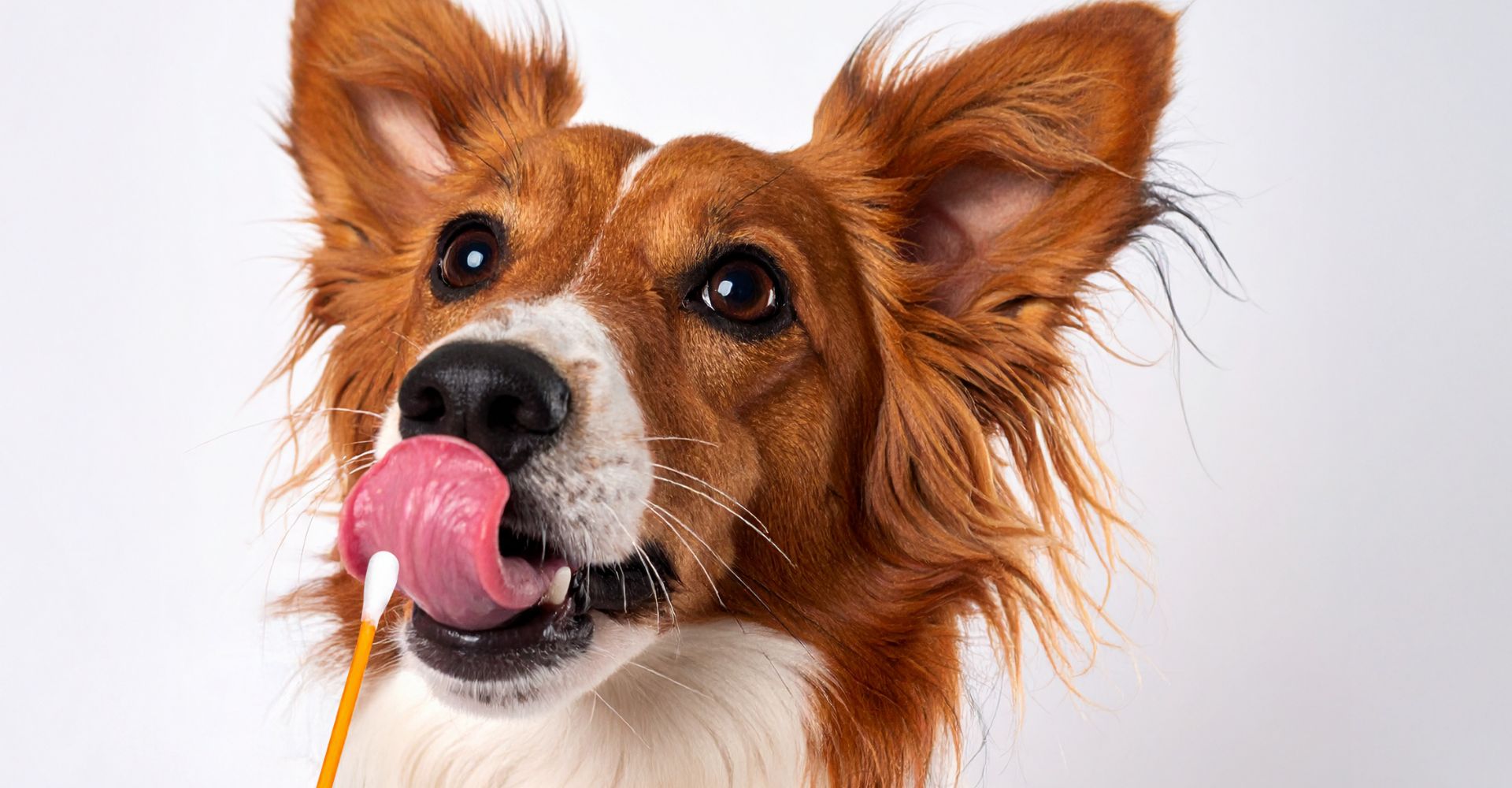
    Testing labs can read your dog’s genetic code with one cheek swab and reveal the mix hiding beneath that fluffy coat.

    The results usually come with breakdowns of breed percentages, possible genetic health markers, and even fun personality predictions.


    What Can a Dog DNA Test Tell You About Your Pet? 

    • Breed breakdown: You’ll discover if your rescue pup is 60% Labrador, 30% Beagle, or 10% Dachshund. 
    • Inherited quirks: DNA can explain why your dog insists on digging, herding, or chasing tennis balls like it’s their life’s work. 
    • Health indicators: Some tests highlight genetic predispositions to conditions such as heart disease or joint issues. This is helpful knowledge for your vet so that they can keep your dog thriving. 
    • Coat colour and traits: DNA reveals why your dog looks the way they do. 


    How to Do a Dog DNA Test at Home 

    1. Order a kit online. 
    2. Swab your doggo’s cheek. 
    3. Send it back. 
    4. Wait for the big reveal. 


    Where to Get a Dog DNA Test in South Africa 

    We sniffed out some options for you: 

    Provider  Price 
    EasyDNA SA  From R2 236 
    PetGen  From R2 995 
    homeDNAdirect  From R1 499 
    MuttMix  From R1 350 


    Heritage and Health

    Discovering your pup’s roots with a dog DNA test is exciting, but knowing you’ve got their health covered is even better. Protect your pet with dog insurance from dotsure.co.za. We cover accidents, illnesses, and more! Contact us today and chat to one of our friendly consultants for more information about wholehearted cover. 


    RELATED: THE AFRICANIS: SOUTH AFRICA’S ANIMAL HERITAGE 

  • COMMON HOUSEPLANTS THAT ARE TOXIC TO DOGS AND CATS

    COMMON HOUSEPLANTS THAT ARE TOXIC TO DOGS AND CATS


    With over 22 000 indigenous species of plants in South Africa, it’s no surprise we’re a nation of gardeners and plant lovers. But we’re also a nation of pet lovers, and before introducing some greenery into your home, it’s worth knowing that some of these houseplants can be toxic to dogs, cats and other pets.  

    That doesn’t mean you need to give up your indoor jungle dreams, though! Here’s a guide to the most common plants toxic to dogs and cats, the symptoms to watch out for, and some safe alternatives to keep your space safe. 

    Another thing that’s super pet-friendly is pet insurance from dotsure.co.za. Get a free quote online, and then come back to find out which flora is harmful and safe for your pets while you wait for a call back from us. 


    Why Some Houseplants Are Dangerous for Pets 

    How Plant Toxins Affect Dogs and Cats 

    Plants contain natural compounds that help them survive in the wild, but those compounds can be dangerous to your pet’s system. The toxins can irritate mouths and stomachs, and in some cases, damage organs. 

    Common Symptoms of Plant Poisoning in Pets 

    Keep an eye out for: 

    • Drooling or pawing at the mouth 
    • Vomiting or diarrhoea 
    • Lethargy or depression 
    • Difficulty swallowing 
    • In severe cases, tremors or seizures 

    If you notice any of these symptoms, call your vet immediately.


    Houseplants Poisonous to Dogs and Cats 

    Fiddle Leaf Fig (Ficus lyrata) 

    The Fiddle Leaf Fig is the Instagram star of houseplants. Its dramatic leaves and stylish vibes give it some serious décor cred. Unfortunately, this famous flora isn’t friendly to your fur-family, no matter how glamorous it looks. 

    Symptoms to look out for: 

    • Drooling 
    • Vomiting 
    • Skin irritation 
    • Gastrointestinal irritation 
    • Oral irritation. 


    Monstera Deliciosa 

    Second in online popularity only to the Fiddle Leaf Fig, these trendy tropical giants contain insoluble calcium oxalates, which makes the plant mildly toxic to humans and highly toxic to dogs and cats. 

    Symptoms to look out for: 

    • Difficulty swallowing 
    • Swelling of the mouth or throat 
    • Drooling 
    • Vomiting. 


    Mother-in-Law’s Tongue / Snake Plant (Sansevieria) 

    Low-maintenance and stylish, the Snake Plant is often found in homes and offices. But it contains saponins, which affects gastrointestinal activity if ingested. 

    Symptoms to look out for: 

    • Drooling 
    • Nausea 
    • Vomiting 
    • Diarrhoea. 


    Aloe Vera 

    Often a go-to for human skincare, Aloe Vera is far from safe for pets. Despite its healing properties for humans, it’s considered mildly to highly poisonous for cats and dogs. 

    Symptoms to look out for: 

    • Vomiting 
    • Diarrhoea 
    • Lethargy 
    • Depression 
    • Loss of appetite 
    • Tremors 
    • Change in urine colour. 


    Cannabis (Marijuana Plant) 

    With more cannabis plants making their way into gardens and homes, pet exposure has become a growing concern. Cannabis poisoning in dogs is one of the most common toxic plant emergencies vets see. 

    Symptoms to look out for: 

    • Incoordination 
    • Tremors 
    • Drooling 
    • Seizures 
    • Respiratory issues 
    • Depression 
    • Coma. 


    String of Pearls (Senecio rowleyanus) 

    This succulent is native to South Africa and has become popular for its delicate beaded strings and low water needs. Sadly, it’s also another indoor plant poisonous to dogs and cats. Not only is it toxic when ingested, but sap from the beads can also cause skin irritation in animals and humans. 

    Symptoms to look out for: 

    • Vomiting 
    • Diarrhoea 
    • Drooling 
    • Lethargy. 


    RELATED: TOP 15 FOODS DOGS SHOULD NEVER EAT AND WHY 


    Cycads, Flowers, and Other Toxic Plants for Cats and Dogs 

    It’s not just houseplants you have to worry about. Some of the most poisonous plants for dogs and cats grow outside our homes in the garden, park or sidewalks. 

    Cycad Poisoning in Dogs: Why It’s So Dangerous 

    Cycads are one of the most toxic plants to dogs. Every part of the plant, from its seeds to its leaves, contains cycasin, a toxin that attacks the liver. Dogs are especially prone to eating the seeds which can cause severe poisoning. 

    Symptoms of cycad poisoning in dogs include: 

    • Vomiting and diarrhoea 
    • Lethargy and weakness 
    • Jaundice (yellowing of the gums/eyes) 
    • Seizures 
    • In severe cases, liver failure. 

     NB: If you suspect your dog has eaten a cycad, it’s an emergency. Call your vet immediately. 


    Flowers That Are Toxic to Cats 

    Cats love to roam outside playing with leaves and chewing flowers, but some of these plants can be life-threatening. Those beautiful innocent looking lilies are one of them. Every part of the plant, even the pollen, is toxic to cats and can cause kidney failure.  

    Other flowers toxic to cats include: 

    • Azaleas and rhododendrons 
    • Daffodils 
    • Tulips 
    • Chrysanthemums. 


    Other Common Garden Plants That Harm Pets 

    • Oleander: Toxic to both cats and dogs, affecting the heart. 
    • Bougainvillaea: Not deadly, but the thorns can cause nasty injuries. 
    • Hydrangea: Contains cyanogenic glycosides, causing upset stomach in pets. 


    RELATED: SPRING PET HAZARDS: HEALTH ISSUES TO WATCH


    Safe and Non-Poisonous Plants for Cats and Dogs 

    If you love plants but don’t want to worry about your pets’ safety, here are some non-poisonous plants for cats and dogs: 

    • Areca palm 
    • Calathea 
    • Spider plant 
    • Bamboo palm 
    • African violets. 


    RELATED: HUMAN FOODS CATS CAN AND CAN’T EAT


    What to Do If Your Pet Eats a Toxic Plant 

    While ingesting a toxic plant won’t necessarily be deadly for your pet, it’s vital that you act quickly. As they metabolise the toxic material, their condition may worsen, even if they seem perfectly fine to begin with. 

    • DO stay calm and clear-headed 
    • DO call your vet’s emergency number 
    • DO clip a sample of the plant to show the vet 
    • DON’T induce vomiting unless instructed by the vet 
    • DON’T use ipecac or salt unless your vet advises; these old-fashioned approaches could have harmful side effects. 


    Information your vet will need 

    • What plant or flower was eaten 
    • How much your pet ingested 
    • Symptoms you’ve noticed. 


    Prevention and Safety Tips 

    • Place toxic plants for dogs on high shelves or use hanging planters. 
    • Try deterrent sprays if your fur-babies love nibbling leaves. 


    For pet parents who are also plant lovers, dotsure.co.za pet insurance is here to ensure you enjoy stress-free cuddles with wholehearted protection. Do you have questions? Chat with Ace, our 24/7 online chatbot, online or via WhatsApp 

  • VET ADVICE: KENNEL COUGH SYMPTOMS & TREATMENT

    VET ADVICE: KENNEL COUGH SYMPTOMS & TREATMENT


    Kennel cough is one of the most common reasons dogs end up at the vet, particularly after a visit to the groomer or a stay at a boarding kennel. We chat to Dr Gerrit Scheepers from Phalaborwa Animal and Bird Clinic about recognising, treating, and preventing kennel cough.

    As always, keeping your pet healthy starts with proactive care, and pet insurance helps make that care more affordable when you need it most.


    Meet Our Vet of the Month

    Dr Gerrit Scheepers is a dedicated vet practicing in Phalaborwa, Limpopo, where he runs a dynamic mixed-animal clinic with a wildlife extension. “We do large and small animal medicine,” says Dr Scheepers. “Our practice has a special interest in advanced orthopaedical and general surgery, as well as wildlife darting, treatment, and relocation. We’re even involved in the legal dehorning and movement of endangered rhinos.”

    He’s also a proud pet parent to two cats. Bella, a confident 6-year-old female, and a newly adopted fluffball kitten named Katryn.


    What is Kennel Cough?

    “Kennel cough, or Canine Infectious Respiratory Disease Complex (CIRDC), is a highly contagious upper respiratory tract infection. It spreads quickly in places where dogs are housed or interact closely, such as kennels, shelters, and grooming salons.”


    What Are the Common Symptoms of Kennel Cough?

    “The symptoms can vary from mild to severe, depending on the dog’s immunity and vaccination history. The most obvious symptom is a dry, harsh cough that may sound like gagging. You might also notice sneezing, nasal discharge, occasional white foam vomit, and general lethargy. Some dogs will still eat and appear alert, while others may worsen as the disease progresses.”


    Are Certain Dogs More at Risk of Developing Kennel Cough?

    “Yes. Young puppies under six months and elderly dogs are more vulnerable. Brachycephalic breeds, like Pugs, and toy breeds such as Poodles, Yorkies, and Pomeranians are also more prone to respiratory issues. But ultimately, any unvaccinated dog can get kennel cough.”


    How Do You Know It’s Kennel Cough, and Not Something Else?

    “It’s not easy for pet parents to tell the difference between kennel cough, allergies, or other respiratory infections. Many of the symptoms overlap. That’s why it’s important to visit your vet for a thorough health examination. We also use the pet’s history and, if needed, allergen elimination trials to rule out other causes.”


    What Are the Treatment Options for Kennel Cough?

    “Mild cases can often resolve on their own within 7 to 14 days, but supportive care can definitely help. Things such as cough suppressants, rest, humidifiers or nebulisation, and plenty of fluids. If your dog is severely affected, they may require isolation, hospitalisation, IV fluids, antibiotics, and even oxygen therapy.”


    Vet’s Final Thoughts

    “Be a responsible pet parent. Kennel cough is preventable. Vaccinate your pets and limit their exposure in high-risk areas.”


    Unexpected vet visits can be stressful, not just for your pet, but for your budget. From coughs to complex treatments, dotsure.co.za can help you care for your furry family members. Need help or have questions about our pet policies? Contact us today!
     

    More Expert Vet Advice:

    EXPERT VET TIPS FOR FOREIGN BODY OBSTRUCTION IN DOGS ; VET ADVICE: SIGNS OF SEPARATION ANXIETY

  • RARE CAT BREEDS: MARVELLOUS MUNCHKIN CATS

    RARE CAT BREEDS: MARVELLOUS MUNCHKIN CATS


    If you’ve ever scrolled past a video of an adorably short-legged cat waddling across the room, chances are you’ve already met the Munchkin cat online. Before adding one to your family, remember that even the cutest cats can get themselves into trouble and end up at the vet. That’s where reliable pet insurance can offer peace of mind.


    RELATED: TOP 5 RAREST CAT BREEDS


    What Makes Munchkin Cats Unique?

    Munchkin cats are most famous for their short legs, which is a result of a natural genetic mutation that affects their bone growth. Despite their size, these cats are anything but limited in spirit. They’re playful, fast, and known for their “ferret-like” scurry.

    They come in a variety of coat types, colours, and patterns, and are often crossbred with other cats, resulting in hybrids like the Minskin (Munchkin and Sphynx) and the Napoleon (Munchkin and Persian).

    Why Are Munchkin Cats So Expensive?

    With their growing fame and limited supply, Munchkin cats are considered a premium breed. You can expect to pay anywhere from R10,000 to R30,000 in South Africa, depending on lineage and breeder reputation.


    Are Munchkin Cats Healthy?

    Contrary to popular belief, their short legs aren’t always a health risk. Many live healthy, happy lives. However, they are at a slightly higher risk for spinal problems such as lordosis (excessive inward curvature of the spine) or pectus excavatum (sunken chest).


    Munchkin Cat Care Guide

    Caring for a Munchkin cat doesn’t require a special handbook, but a few extra considerations do help:

    • Choose furniture with easy access, or provide pet-friendly ramps.
    • Feed a balanced diet to maintain a healthy weight (less strain on joints).
    • Play daily to encourage movement and prevent boredom.
    • Schedule regular vet visits to catch health issues early.


    While Munchkin cats are undeniably cute and charming, they deserve the same love, care, and protection as any other pet. If you’re considering adding one to your home, make sure you’re prepared for both the adorable and the unexpected. With flexible and comprehensive pet insurance from dotsure.co.za, you can protect your cat and your pocket.

    Got questions about cover options? Contact us, we’re happy to help!

  • 14 GIFTS FOR YOUR PET

    14 GIFTS FOR YOUR PET


    We’re celebrating 14 wonderful years of protecting South Africa’s pets with wholehearted pet insurance! And what better way to mark the occasion than with gift ideas to spoil your favourite family members?

    These proudly South African brands are all about wag-worthy treats and tail-thumping happiness.


    For Pets Deserving of Royal Treatment

    With stores nationwide and a well-stocked online store, The Queen Pet Shop offers everything from premium food and grooming gear to fun toys and stylish accessories. It’s a convenient go-to for everyday essentials, offering options for all kinds of pets!


    Luxury Pet Accessories

    Spoil your pup or kitty with the ultimate in local luxury. Kingsley & Gray Pet Boutique creates handcrafted collars, leashes, beds, and accessories made to order using eco-friendly materials. Each piece is elegant, functional, and bursting with style.


    Healthy Bunny Treats

    De Lange Bunnies caters specifically to rabbit lovers with pesticide-free oat hay, custom-blended pellets, and chew-safe toys made from untreated apple wood. It’s wholesome, locally sourced goodness for your bun’s belly and teeth.


    Tasty & Functional Dog Treats

    Bored of bland biscuits? Dog Lick delivers nutrient-rich, dog-friendly peanut butter to use on their lick mats. Packed with collagen, this snack helps with joint care and skin health.


    Stylish & Comfortable Pet Bedding

    For the pets who love lounging in style, Scruffs offers premium pet beds and accessories that combine softness, durability, and aesthetic appeal. Their beds come in various sizes and styles to suit every breed and space.


    Handmade Dog Accessories

    Based in Cape Town, Chommies designs vibrant dog accessories that are as joyful as your dog’s personality. Their colourful, handwoven leashes, collars, and toys are made with love and creativity.


    Holistic Pet Food & Nutrition

    Locally made and scientifically formulated, Vondi’s offers preservative-free pet meals packed with real meat, organic veggies, olive oil, and herbs. Their focus on holistic pet wellness helps support digestion, skin, energy, and dental health.


    Adventure Gear for Dogs

    If your dog’s a trail-blazer, South Hound is your brand. Born from exploring South Africa’s great outdoors, their harnesses and gear are built for hiking, swimming, and all kinds of canine adventures.


    Online Convenience & Variety

    Pet Heaven stocks over 6,000 pet products online, from toys and food to flea treatments and beds. They deliver straight to your door and make it easy to support pet shelters through optional donations.


    Hypoallergenic Pet Treats

    Made with human-grade, hypoallergenic ingredients, Mimi & Munch treats are perfect for pets with sensitivities. These wheat-free, preservative-free snacks come in fun shapes and can even be customised for birthdays and gotcha days.


    Vet-Backed Pet Products

    ePETstore  is an online hub trusted by South African vets. With expert advice and a wide selection of pet products, this is your one-click shop for nutrition, grooming, toys, and everything in between.


    Community-Focused Pet Supplies

    This friendly, family-run business offers a broad range of pet supplies, toys, and food options. Pet, Pool & Home is a community gem for pet parents looking for personal service and affordable local options.


    Eco-Friendly Pet Accessories

    Looking for locally made, planet-friendly pet products? Pawsh & Co handcrafts stylish collars, bandanas, and pet wear using safe, eco-conscious materials. Bonus: You can customise their pieces to suit your style!


    The Gift of Pet Insurance

    There’s no better gift than the peace of mind that comes with dotsure.co.za pet insurance. Our flexible plans cover everything from unexpected emergencies to routine care, so you can focus on cuddles and playtime instead of costly vet bills.

    Need help choosing the right plan? Contact us; we’re here to help you and your fur-family live your best lives.

  • HOW TO CALCULATE DOG YEARS: DOG AGEING EXPLAINED

    HOW TO CALCULATE DOG YEARS: DOG AGEING EXPLAINED


    For decades pet parents have followed the old rule that one dog year equals seven human years. While it’s a cute concept, it’s not scientifically accurate.

    Understanding how dogs age can help you provide better care, and make more informed decisions about their health, including choosing the right pet insurance. After all, our four-legged companions have different needs at every life stage.


    How to Calculate Dog Years Accurately

    The traditional 1:7 ratio doesn’t take into account how dogs mature. For example, a one-year-old dog is more like a 15-year-old human when it comes to physical and emotional development. In reality, dogs age much faster in their first two years of life. Then the pace slows down, especially for smaller breeds.

    How to calculate dog years more accurately:

    • Year 1 = Roughly 15 human years
    • Year 2 = Around 24 human years
    • Each year after = Add 4 to 5 human years for small dogs, and 6 to 9 years for large or giant breeds.

    This approach offers a more realistic view of your dog’s development and health needs.


    Why Do Smaller Dogs Live Longer Than Larger Dogs?

    Bigger dogs grow rapidly, which may accelerate the ageing process and lead to age-related illnesses earlier on. Research shows that for every extra 2 kilograms of body mass, a dog’s life expectancy drops by about a month. That’s why a Chihuahua might live 15 to 20 years, while a Great Dane might only live 7 to 10 years.


    RELATED: HOW LONG DO CATS LIVE?


    How Do Dogs Age? Stages of a Dog’s Life

    Dogs, like humans, go through defined life stages. Each with specific health and lifestyle requirements:

    Puppy (Birth to 7 months)

    Rapid growth, high energy, and critical socialisation. Puppies need vaccines, training, and proper nutrition.

    Junior (1 to 2 years)

    Still maturing emotionally and physically. Adolescents may be more independent or distracted. This is a good time for behavioural training and spaying or neutering.

    Adult (2 to 6 years)

    Dogs are fully grown, with established personalities. Keep up with exercise, enrichment, and annual vet check-ups.

    Mature (6 to 9 years)

    You may notice a slight slowdown in activity. It’s time to watch for early signs of joint issues or dental disease.

    Senior (7+ years for small breeds, 5+ for large breeds)

    Seniors may sleep more, be less active, and require a specialised diet or mobility aids.

    Geriatric (12+, varies by breed)

    Dogs in this final stage need regular health monitoring, gentle care, and sometimes assistance with daily activities.


    RELATED: STIFF COMPETITION: WHAT IS THE BEST JOINT CARE FOR DOGS?


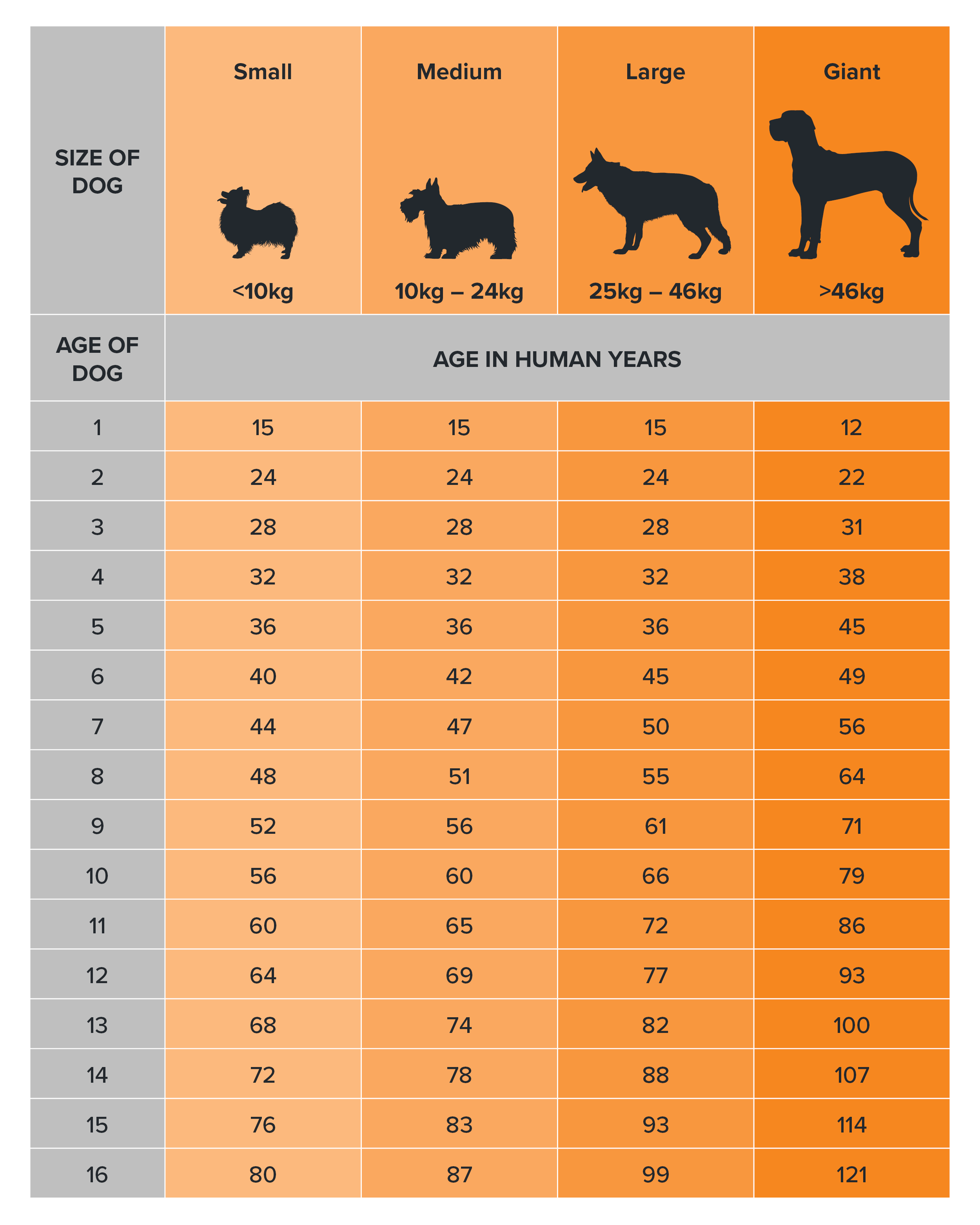
    Dog Age Chart by Breed Size

    Here’s a general reference for how dog years stack up by breed size:

    dog age chart


    How to Care for an Ageing Dog

    Getting older isn’t easy, even for dogs. But with a little extra love and proactive care, senior dogs can enjoy their golden years comfortably.

    Tips for caring for older dogs:

    • Schedule more frequent vet visits (every 3 months is ideal)
    • Adjust diet for joint, kidney, or digestive support
    • Provide soft bedding and non-slip surfaces
    • Keep walks shorter but regular
    • Look out for changes in behaviour, appetite, or movement.


    At dotsure.co.za, we know your dog is part of the family. Want to know how we can support your pet’s health journey? Contact us today to find the cover that fits your dog’s age, breed, and lifestyle.

  • WHY DO CATS PURR? DIFFERENT WAYS CATS COMMUNICATE

    WHY DO CATS PURR? DIFFERENT WAYS CATS COMMUNICATE


    Cats might be mysterious, but one thing is certain: they’re always communicating, just not in ways we understand immediately.

    Because changes in behaviour can sometimes signal illness or pain, it’s important for pet parents to pay close attention. That’s where pet insurance can come in handy, by helping you stay on top of vet visits if your kitty suddenly becomes unusually vocal or withdrawn.


    What Does It Mean When a Cat Purrs?

    The soothing sound of a cat’s purr is often associated with happiness, but it can also be more complex than that. Most commonly, cats purr when they’re relaxed or being petted. But they may also purr when they’re scared, in pain, or even during recovery from illness. Vets believe this may be a self-soothing mechanism.


    How Cats Purr to Communicate

    Unlike dogs, cats don’t always wear their hearts on their sleeves. Purring is a more subtle form of communication, often used to bond with humans or seek attention. Kittens begin purring as early as a few days old to let their mothers know they’re okay, and cats often carry this instinct into adulthood with their human families.


    How Do Cats Communicate Besides Purring?

    Cats use a combination of vocalisations, body language, and behaviour to express their needs and moods.

    Other Verbal Communication

    • Meowing: Usually directed at humans, not other cats. It can signal hunger, loneliness, or simply a request for attention.
    • Chirping & Chattering: These cute sounds often happen when they see birds or are excited by play.
    • Hissing or Growling: A warning to stay away. Your cat is scared or agitated.


    Cat Body Language

    Understanding feline body language can go a long way to strengthening your bond.

    Tail Talk

    • Upright Tail: Friendly and happy.
    • Wagging or Twitching Tail: Agitated or unsure.
    • Puffed-Up Tail: Frightened or feeling threatened.

    Eyes & Ears

    • Slow Blinks: A sign of affection. It’s like a kitty kiss!
    • Dilated Pupils: Excitement or fear.
    • Flattened Ears: Defensive or scared.
    • Forward Ears: Curious or relaxed.

    Touch

    • Head Butts (Bunting): Marks you as their person. Consider it a compliment!
    • Kneading: A throwback to kittenhood and a sign of comfort.


    Building a Bond with Your Cat

    Cats may have a reputation for being aloof, but they form strong attachments when they feel safe and understood. Building that trust means learning to read their cues, respecting their space, and responding gently.


    Reading the Signs

    If your cat suddenly changes their behaviour, it could signal a health issue. A check-up with the vet is always a good idea, and that’s when having pet insurance from dotsure.co.za can help you manage the costs.

    Want to learn more about keeping your cat healthy and happy? Contact us today to explore our cat insurance plans tailored for your companion.

  • TYPES OF HOUND DOGS: CHARACTERISTICS, TRAITS AND CARE GUIDE

    TYPES OF HOUND DOGS: CHARACTERISTICS, TRAITS AND CARE GUIDE


    These clever canines were bred for hunting, tracking, and trailing. Today, you can find many of them tracking down snacks and hunting for the comfiest spot on the couch. Whether it’s a beagle, basset or dachshund, understanding the types of hound dogs and their unique characteristics is key to choosing the right one for your family.

    Psst!!! at dotsure.co.za, we offer tailored pet insurance for every hound dog out there! Get a quote and protect your bestie today.


    RELATED: UNDERSTANDING BREED STANDARDS


    What Sets Hound Dogs Apart? Traits and Temperament Unpacked

    Hound dogs are one of the oldest dog groups in history, with instincts as strong as their loyalty.

    Key hound dog traits include:

    • Sharp senses, especially smell or sight
    • A stubborn streak for independence
    • Vocal communication. For example, a Dachshund will never hesitate to tell you when they are happy, irritated or hungry.
    • High energy levels
    • Extremely intelligent.


    Exploring the Different Types of Hound Dogs

    Scent Hounds: The Tracking Experts

    Scent hounds such as the Bloodhound or Beagle are built to sniff out everything from missing people to dropped food. Their long ears help funnel smells toward their noses, making them some of the best trackers in the world.

    Sight Hounds: The Speedsters

    Sight hounds rely on their vision and speed to chase prey with their long legs, lean frames, and fast reflexes. Don’t challenge Greyhounds and Afghan Hounds to a race, they’ll run circles around you!


    5 Popular Hound Dog Breeds and What Makes Them Special

    Beagle

    Small but mighty, Beagles are friendly, curious, and great with children. Their size and playful personality make them one of the most popular hound dog breeds in South Africa.

    Fun fact: Beagles are used in pet therapy because of their gentle and affectionate nature!

    Basset Hound

    With their long bodies and short legs, they will charm their way into your heart any day. Basset hounds are loyal, a little lazy, and completely irresistible with their droopy eyes and floppy ears. And, thanks to their powerful nose, they make great detectives should you need one.

    Greyhound

    Greyhounds are surprisingly relaxed despite their need for speed. They’re quiet, sleek, and love lounging around just as much as they enjoy a good zoomies session.

    Bloodhound

    The ultimate tracker with a sniffer so sharp it holds up in court! Bloodhounds are friendly giants that need space and much mental stimulation.

    Afghan Hound

    A fashion icon in the dog world. Afghans are graceful, a little goofy, and very independent. Their silky coat needs heaps of grooming, but their loyalty runs deep. While not the most common hound breed in South Africa, they are known for turning heads worldwide.


    RELATED: TOP 5 RAREST DOG BREEDS IN SOUTH AFRICA; SERVICE DOGS: THE IMPORTANCE OF PROFESSIONAL PUPS


    Honourable Hound Mentions

    There’s no such thing as too many hounds! Here are a few more favourites:

    • Dachshund: The “sausage dog,” brave and bold with a big bark.
    • Rhodesian Ridgeback: Known for guarding and endurance.
    • Whippet: A “mini” Greyhound, perfect for smaller spaces and laps.
    • Harrier: Great with kids and built for stamina.
    • Norwegian Elkhound: A hound with thick fur and a big bark, ideal for colder climates.


    RELATED: TOP 10 MOST POPULAR DOG BREEDS IN SOUTH AFRICA


    How to Care for a Hound Dog: Tips for Happy, Healthy Pets

    Caring for a hound dog means keeping their mind and body stimulated.

    • Exercise: Regular walks, play sessions, and scent games.
    • Diet: High-quality food that supports joint and energy health.
    • Grooming: Short-haired breeds need less brushing; long-haired hounds such as Afghans need regular grooming sessions.
    • Training: Start early and use positive reinforcement. You don’t want a stubborn hound.


    Should You Adopt a Hound Dog?

    If you want a loyal, clever companion with a bunch of personality, a hound might be the dog for you. Just be ready for howling, zoomies, and a little stubbornness. Protect them with dotsure.co.za pet insurance, no matter what type of hound dog you choose. From vet visits, illnesses, and accidents, we’ve got them covered!

    Get a quick quote online today or contact us for more info.


    RELATED:
    TOY DOG BREEDS: THE LITTLE PUPS WITH BIG ATTITUDES

    HERDING BREEDS: DOGS WITH LEADERSHIP INSTINCTS


  • TOP 15 FOODS DOGS SHOULD NEVER EAT AND WHY

    TOP 15 FOODS DOGS SHOULD NEVER EAT AND WHY


    Let’s face it: dogs will eat just about anything. Biltong scraps, a rogue carrot, your favourite pair of socks, their own… You get it. If it’s on the floor or within reach, it’s fair game. But when it comes to actual food, some of the human snacks we love can be dangerous for our furry friends. So, knowing the foods dogs should never eat isn’t just useful; it could save your pet’s life.

    With dotsure.co.za, those “Oops, my dog ate (insert toxic human food here)” moments don’t have to be so scary. Our pet insurance for dogs helps cover emergency care, from licking up some gauc to ingesting lingerie (yes, this happens)!


    RELATED: HUMAN FOODS CATS CAN AND CAN’T EAT


    Why Your Dog’s Diet Matters

    You love your dog like your family, but they can’t exactly eat what is served at the family dinner table. Many of the foods we eat can be toxic to them and cause symptoms such as vomiting, seizures, organ failure, or worse.

    Feeding your dog the right food based on their age, breed, and weight is one of the most important things you can do to protect their health. Always consult your vet regarding your dog’s dietary needs.


    Top 15 Poisonous Foods for Dogs

    These are the 15 most toxic foods for dogs, with the reasons why they’re risky:

    Chocolate

    Chocolate contains theobromine and caffeine, which are stimulants that dogs process much more slowly than we do. The darker the chocolate, the more dangerous it is because of the higher levels of these compounds. If ingested, it can cause vomiting, tremors, and even heart failure.

    Grapes and Raisins

    Some dogs can be more sensitive than others, but even small amounts can lead to sudden acute kidney failure. If you suspect your four-legged friend has eaten some grapes or raisins, contact your vet ASAP.

    Onions and Garlic

    The thiosulfate in onions and garlic attacks red blood cells, leading to anaemia. They are dangerous whether raw, cooked, or powdered.

    Xylitol (found in sugar-free gum and snacks)

    This common sugar substitute can cause liver failure, seizures, and hypoglycaemia. Always read your labels and ensure those diet-friendly snacks are out of reach!

    Alcohol

    Dogs absorb alcohol much faster than we do, so even one sip is dangerous. It depresses your dog’s central nervous system and can cause vomiting, difficulty breathing, and coma.

    Caffeine

    While coffee, tea, and energy drinks may give you the kick you need to tick off your to-do list, caffeine is the last thing dogs need in their diet. Dogs are much more sensitive to its effects, and consuming it can lead to hyperactivity, seizures, tremors, high blood pressure, and hyperthermia.

    Macadamia Nuts

    The exact reason why macadamia nuts are toxic for dogs is unclear, but these nuts are amongst the top human foods to avoid giving your pup! Symptoms include vomiting, weakness, hyperthermia and depression.

    Avocados

    Great for nachos, not great for our furry amigos! The persin in avocados can cause an upset stomach, diarrhoea, and fluid build-up around the heart or lungs in large amounts.

    Cooked Bones

    Cooked bones splinter easily, tearing the digestive tract or causing a blockage. Stick to vet-approved chew toys.

    Fat Trimmings

    Too much fat can lead to pancreatitis, a painful and potentially fatal condition.

    Salty Snacks

    Chips, biltong and processed snacks contain too much salt, which leads to dehydration, tremors, and sodium ion poisoning.

    Yeast Dough

    Raw dough rises in your dog’s stomach, causing bloating and discomfort. Plus, fermentation can produce alcohol, which we know is super dangerous, too.

    Dairy (in large amounts)

    Dogs don’t produce much lactase, so dairy often causes bloating, gas, and diarrhoea.

    Raw or Undercooked Meat

    “But that’s what dogs ate in the wild”.  We know your dog isn’t hunting for their food like their ancestors. Vet-approved raw foods are A-Okay with us. But some uncooked meat can carry bacteria like Salmonella or E. coli, which means a lot of discomfort for your pup and a hefty vet bill for you.

    Mouldy or Spoiled Food

    If it’s not good enough for you, it’s not good enough for them. Mould can contain tremorgenic mycotoxins, which cause seizures.

    Top Tip: Print this list and stick it on the fridge for friends, family or visitors to see! It will make everyone think twice about the human foods they share with your dog.


    What to Do If Your Dog Eats Something Toxic

    Accidents happen. Sometimes a sausage dog’s short legs are too fast; before you know it, that fallen grape has disappeared! Here’s what you should do right away:

    Step 1: Don’t panic

    Check the packaging if possible, and estimate how much they ate.

    Step 2: Call your vet or an emergency animal clinic

    Expert advice is always best. Describe the symptoms, quantity, and food involved and follow their instructions.

    Step 3: Skip the Google remedies

    Activated charcoal or inducing vomiting might help, but only if directed by a professional.


    When to Call the Vet Immediately

    Contact your vet ASAP if you spot any of these signs after your dog swallows something they shouldn’t:

    • Vomiting or diarrhoea
    • Drooling or panting
    • Tremors or seizures
    • Lethargy or collapse
    • Pale gums or bloated belly.

    As pet parents, you know your dog best, so trust your gut and if something feels off, call the vet!


    How Pet Insurance Can Help With Emergencies

    With dotsure.co.za pet insurance, if your dog has taken a bite out of something they shouldn’t have, we’ll help take the bite out of the vet bills in case of emergency treatment!

    Here’s how we help:

    • Cover for accidents such as poisoning
    • Emergency treatment and hospitalisation
    • Diagnostic tests and follow-ups.

    Do you want to know more about our plans and what we cover? Contact us today and chat to one of our friendly agents! If you already have pet insurance, visit the Manage Portal online and review your policy details to ensure you’re covered.


    Our Final Food for Thought

    A few things make the list of foods dogs should never eat. But now you’re equipped with the know-how to keep your bestie safe, and with dotsure.co.za here to help, a backup plan if they ever sink their teeth into something they shouldn’t. Protect them with SA’s #1 Pet Insurer today!


    RELATED: HOW TO MAKE LIP-SMACKING HOMEMADE DOG BISCUITS;
    THE MOST COMMONLY INGESTED FOREIGN OBJECTS IN PETS

  • EXPERT VET TIPS FOR FOREIGN BODY OBSTRUCTION IN DOGS

    EXPERT VET TIPS FOR FOREIGN BODY OBSTRUCTION IN DOGS


    When it comes to foreign body obstruction in dogs, vets have seen it all! This month, we spoke to Dr Gerna Smit from Hoogland Dierekliniek in Centurion to dig into why dogs swallow the weirdest things, how to handle it when they do, and how to protect your pet (and your bank account) with the right cover from dotsure.co.za.


    What Is Foreign Body Obstruction in Dogs?

    Foreign body obstruction happens when something your dog swallowed gets stuck in the digestive tract. It’s more than just an upset tummy, and if left untreated, it can become life-threatening. Whatever your dog has swallowed can block their intestines and require urgent medical attention.


    RELATED: THE MOST COMMONLY INGESTED FOREIGN OBJECTS IN PETS


    Expert Vet Q&A with Dr Gerna Smit

    How common is it for pets to ingest foreign objects?

    “Relatively common”


    What are some of the most unusual items you’ve seen a pet swallow?

    “A cellphone many years ago, and an Asterix and Obelix toy from a Kinder Joy sweet.”


    Are there specific types of toys or household items that pose a higher risk?

    “Socks, underwear, rope toys, mielie cobs, rubber toys that can be destroyed. The stuffing from soft toys and round pebbles also pose a risk.”


    What steps should a pet parent take if they suspect their pet has ingested a foreign object?

    “Take them to a vet and ask them to perform an ultrasound and X-rays.”


    What can pet parents do to prevent their pets from ingesting harmful objects?

    Supply them with safe chew toys and discard damaged toys.”


    Any last thoughts on the topic?

    “There will always be a first time, but often it’s not the last. Some dogs are serious repeat offenders. In Bassets, it’s a stone until proven otherwise. In Bull Terriers, it’s a mielie cob.”


    More About Our Vet of the Month

    Tell us a little more about you and what you do.

    “I have been qualified for 30 years. Always worked in small animal practice with a special interest in medicine. I also have two children and two grandchildren, and I love to cook.”


    What inspired you to become a vet?

    “My Dad. I also shadowed Dr Humphreys in Somerset West for many years.”


    Do you have any pets?

    “Mira, Great Dane. 5 years old. Only trusts ladies.

    Snippie, Yorkie. 8 years old. Very neurotic.

    Kiwhi, Maine Coon. 2 years old. Princess.”


    Protect Them With SA’s #1 Pet Insurance

    As Dr Gerna Smit said, some pets are repeat offenders, and those vet bills can add up fast! That’s why dotsure.co.za offers tailored pet insurance that can help cover accidental ingestions and emergency vet visits!

    Do you need to speak to us? Get in touch or get a quote online in minutes.

  • THE FOREIGN OBJECTS MOST COMMONLY INGESTED BY PETS

    THE FOREIGN OBJECTS MOST COMMONLY INGESTED BY PETS


    We’ve all seen the videos online: A gobbled-up sock or a swallowed AirPod. Pets ingesting foreign objects is one of the top reasons for emergency vet visits, and they can quickly turn into a serious and expensive situation.

    Let’s take a closer look at the most common foreign objects ingested by pets, how to spot the signs, and what to do if your fur child takes a bite out of something weird. And if you’re not already covered, dotsure.co.za pet insurance could take the bite out of those vet bills too!


    RELATED: EXPERT VET TIPS FOR FOREIGN BODY OBJECTS DOGS SWALLOW


    The Most Common Foreign Objects Pets Swallow

    Toys, Balls & Bits of Chewables

    Small rubber toys, squeakers, bouncy balls, and even toy stuffing are prime suspects that get stuck in your dog’s stomach. Cats aren’t innocent either. Those feather wands and loose strings can all be swallowed, too!

    Bones, Food Wrappers & Leftovers

    Cooked bones can splinter and cause blockages or internal damage. Foil, cling wrap, and packaging like a chip bag? They might smell like heaven to your pet, but can mean serious trouble inside their digestive tract.

    Socks, Underwear & Random Laundry

    Dogs love laundry day! The random sock or three that didn’t reach the washing line could be hanging out in their tummies instead. And yes, this also happens to cats, especially kittens.
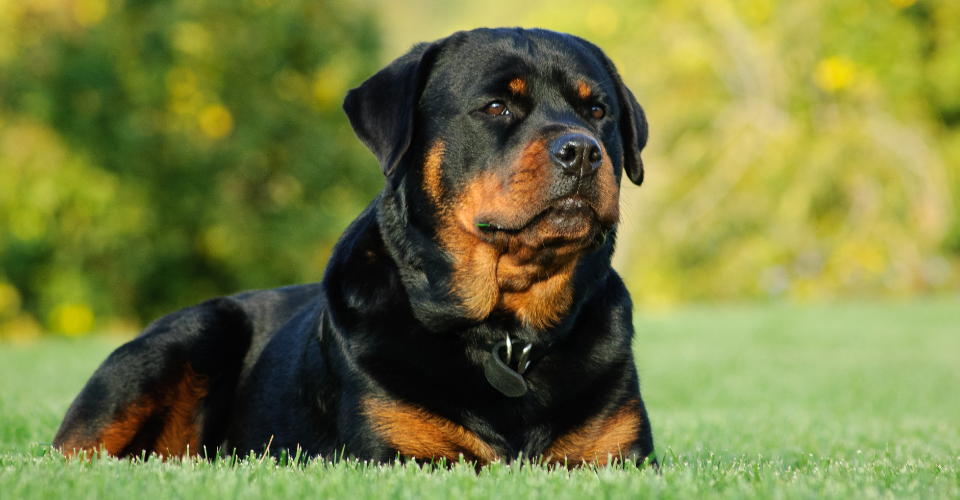
    Rocks, Sticks & Garden Debris

    Some dogs love eating rocks. And we will never get it. Others chew on garden branches like it’s their full-time job. These can cause severe obstructions or dental injuries.

    Metal, Plastic & Household Items

    Coins, batteries, jewellery, bottle caps, hair ties, earbuds… they’ve all made their way into a pet’s stomach at some point in time.


    RELATED: TOP 15 FOODS DOGS SHOULD NEVER EAT


    Signs Your Pet Has Swallowed a Foreign Object

    Worried that your pet’s eaten something dodgy? Look out for these signs:

    • Repeated vomiting or dry heaving
    • Refusing food, acting tired, or hiding away
    • Hunched posture, whining, or tummy sensitivity
    • Struggling to poop, or passing strange objects. Ever seen some lace hanging from their you know what? It happens!

    We do not recommend pulling that lacey lingerie out yourself. If you notice any of these signs, call your vet to discuss the best course of action.


    What To Do When Your Pet Swallows Something They Shouldn’t

    Step 1: Try to figure out what they ate and when.

    Step 2: Don’t try to make them vomit unless your vet says so.

    Step 3: Call your vet and follow their expert advice.

    Your vet will either suggest monitoring your pet and waiting until it passes naturally or recommend surgery if it’s dangerous and causing symptoms.


    Can You Help Them Pass It Naturally?

    Sometimes, yes. If the object is small and smooth, a vet may suggest feeding high-fibre food to help move things along. But this should never be done without professional guidance. Attempting DIY treatments can make things worse.


    Prevention is the Best Cure

    Keeping curious mouths out of trouble doesn’t have to be hard:

    Pet-proof your home

    Try to keep laundry, cables, and small objects out of reach.

    Choose the right toys

    Opt for vet-approved, size-appropriate toys that can’t be swallowed or shredded easily.

    Train & supervise

    “Leave it” and “drop it” are lifesaving commands. Monitor playtime and discourage chewing on unsafe things. It’s not “cute” when they eventually swallow that hair scrunchie they were playing with.


    Better Safe Than Swallowed

    The list of the most common foreign objects in pets is extensive. And while we love everything our pets do, eating weird stuff shouldn’t be one of them.

    Keep an eye out for signs of trouble and get your pet covered, just in case their next snack isn’t from their food bowl. For affordable, reliable cover when things go down the wrong hatch, pet insurance from dotsure.co.za is here to protect your wallet and your pet’s tummies!

  • HUMAN FOODS CATS CAN AND CAN’T EAT

    HUMAN FOODS CATS CAN AND CAN’T EAT


    Are you curious about what human foods cats can and can’t eat? You’re not alone. As much as we love sharing our snacks with our feline friends, not all foods are safe. Even if their eyes try to convince you otherwise! Whether you’re sprinkling a topper on their pellets or dealing with a countertop ninja who’s stolen a grape (eish!), it’s important to know what’s okay and what’s a hard no.

    PS: If something goes wrong, dotsure.co.za is here with SA’s #1 pet insurance* for cats to help cover those unexpected vet bills after a sneaky snack, and more!


    RELATED: TOP 15 FOODS DOGS SHOULD NEVER EAT AND WHY


    Fruits Your Cat Can Eat

    A little fruity treat, in moderation, never hurt anyone! These are the safer fruit snack options your cat will love:

    Apples (without the seeds, please)

    An apple a day keeps the doctor away! Okay, maybe not every day, but apples are great as an occasional snack! Just remove the core and seeds, which contain cyanide. Yes, really.

    Bananas

    A good source of potassium and fibre. Mash it up or offer them a small slice, but don’t overdo it. Bananas are full of sugar.

    Blueberries

    Rich in antioxidants and totally cat safe. They make for a great frozen summer snack, too!


    Vegetables That Are Feline-Friendly

    Like us, not all cats go wild for veg, but if yours is into them, these are some safe choices:

    Carrots (cooked)

    Boiled or steamed carrots are soft and sweet! Raw ones, on the other hand, can be a choking hazard.

    Green Beans

    Packed with fibre and low in calories. Just ensure they’re plain and cooked; no need to go all Gordon Ramsay on them.

    Pumpkin

    Great for digestion and often recommended for hairballs and tummy troubles.


    Meats Cats Can Eat Safely

    Cats are naturally carnivores, so meat is a must. Just make sure it’s cooked, unseasoned and lean. Again, please leave your MasterChef apron behind when cooking.

    Cooked Chicken

    Plain, skinless chicken breast is perfect. No bones, no spices.

    Lean Beef

    Small, cooked pieces of steak or mince with no sauces or spices are A-OK.


    Grains That Are Safe for Cats

    Yes, some carbs are fine in small doses.

    Rice

    Easily digestible and often used in bland diets for upset stomachs.

    Oats

    Rich in B vitamins and easy to mix into wet food if your cat enjoys it.

    Barley

    Another good grain option, especially when cooked and served plain.


    Fruits That Are a No-Go

    Some fruits are straight-up dangerous.

    Grapes and Raisins

    Toxic to cats and can cause kidney failure.

    Citrus Fruits

    Too acidic and can lead to an upset tummy and nervous system issues.

    Cherries

    Contain cyanide compounds and can be deadly in larger quantities.


    RELATED: FELINE KIDNEY HEALTH: TIPS, DISEASE PREVENTION AND CARE


    Vegetables Cats Shouldn’t Eat

    Onions and Garlic

    Even small amounts can damage red blood cells and cause anaemia.

    Tomatoes (unripe or leaves)

    The green parts and unripe tomato fruit contain solanine, which is toxic.

    Mushrooms

    Some store-bought varieties may be okay, but many wild mushrooms are highly toxic and will involve a trip (that’s punny) to the vet.


    Meats to Keep Out of the Bowl

    Processed Meats (such as ham, bacon)

    These are loaded with salt, preservatives, fat, and a hard no from us and your vet!

    Raw Fish and Fatty Cuts

    Always cook the fish first. Raw fish presents a risk of parasites and thiamine deficiency.

    Seasoned or Spiced Meats

    Herbs and spices like onion or garlic powder can be harmful. Keep it plain, Jane!


    Grains to Avoid

    Breads with Yeast or Additives

    Yeast dough can expand in the stomach and cause bloating.

    Sugary Cereal

    Empty calories and unnecessary sugar? Nope, thank you.

    Gluten-Heavy Grains

    Some cats may struggle with digestion. If yours does, opt for low-gluten or gluten-free options.


    How Pet Insurance Can Help When Treats Go Wrong

    Accidental snacking happens, and it can cost a small fortune at the vet. Pet insurance for cats from dotsure.co.za can help you cover:

    • Emergency vet visits
    • Diagnostic tests
    • Treatment for accidental poisoning.

    Pro tip: If your cat ever eats something questionable, don’t wait. Contact your vet ASAP. Pet insurance gives you the confidence to act fast without worrying about costs.


    A Few FAQs Before You Fill Their Bowl

    What are some vet-approved toppers for dry food?

    A small spoonful of pumpkin, boiled chicken, or a few flakes of tuna in water can safely upgrade their dinner.

    What if my cat ate something toxic?

    Call your vet immediately. Keep the packaging or a sample of the food or item with you for reference.

    Can a poor diet affect insurance claims?

    Yes! Some insurers may exclude claims related to poor nutrition or negligent feeding habits. Always feed your pet responsibly and follow vet advice.


    RELATED: 7 WEIRD THINGS PET PARENTS SEARCH


    Our Final Meow on What Cats Can and Can’t Eat

    Human foods cats can and can’t eat vary more than you might think. While treating them like the tiny humans we believe them to be is tempting, their digestive systems work differently, and even a small snack can become a big problem.

    For peace of mind, get pet insurance for cats that covers you when your cat eats something they shouldn’t. Visit dotsure.co.za to explore your cat insurance options or contact us for a quick quote.

  • 5 IRRESISTIBLE HOMEMADE PET TREATS

    5 IRRESISTIBLE HOMEMADE PET TREATS


    Nothing says “I love you” like a tasty homemade pet treat. Plus, it’s a fun and rewarding way to spoil your pets, while ensuring you know exactly what goes into their snacks. Cats, dogs, birds, rodents, and reptiles, we’ve got the whole crew covered! And not just with some tasty recipes, but with pet insurance too.

    Let’s whip up some paw-licking goodness.


    Treats for Dogs: Peanut Butter Banana Bites

    Looking for healthy treats for dogs? These frozen peanut butter banana bites are a hit with pups and super easy to make.

    Ingredients:

    • 1 ripe banana
    • ¼ cup of natural peanut butter (unsalted, no xylitol!)
    • 1 tablespoon of coconut oil

    Instructions:

    1. Mash the banana in a bowl until smooth.
    2. Mix in the peanut butter and coconut oil until well combined.
    3. Spoon small dollops of the mixture onto a baking sheet lined with parchment paper.
    4. Place the baking sheet in the freezer for about an hour until the treats are firm.
    5. Once frozen, transfer the treats to an airtight container and store them in the fridge.


    RELATED: HOW TO MAKE LIP-SMACKING HOMEMADE DOG BISCUITS


    Treats for Cats: Tuna and Catnip Crackers

    These homemade cat treats are full of flavour and fun.

    Ingredients:

    • 1 can of tuna in water (drained)
    • 1 egg
    • 1 tablespoon of dried catnip
    • ½ cup of wholewheat flour

    Instructions:

    1. Preheat your oven to 180° C and line a baking sheet with parchment paper.
    2. In a bowl, combine the drained tuna, egg, and dried catnip.
    3. Gradually add the wholewheat flour and mix until a dough forms.
    4. Roll the dough out on a floured surface.
    5. Use cookie cutters to cut out shapes, or simply slice into small squares or rectangles.
    6. Place the treats on the prepared baking sheet and bake for 10-12 minutes, or until golden brown.
    7. Allow the treats to cool completely before serving.


    Treats for Rodents: Veggie Delights

    Rodents love variety, and these chewy veggie balls are the perfect little snack. Try out these treats for your hamster, rat, or guinea pig.

    Ingredients:

    • ½ cup of finely chopped mixed veg (carrots, broccoli, bell peppers)
    • ¼ cup of rolled oats
    • 2 tablespoons of honey
    • 2 tablespoons of chopped fresh parsley

    Instructions:

    1. Combine all ingredients in a bowl and mix until well combined.
    2. Roll the mixture into small balls, about the size of a marble.
    3. Place the balls on a plate and refrigerate for at least 30 minutes to firm up.
    4. Once firm, offer the treats to your rodent friend. Store any leftovers in the refrigerator.


    Treats for Birds: Nutty Bars

    Birds need stimulation and tasty bites! These homemade bird treats combine grains, fruit, and nuts into an energy-packed snack.

    Ingredients:

    • ½ cup of chopped nuts (almonds, walnuts, peanuts – unsalted)
    • ¼ cup of cooked quinoa
    • ¼ cup of mashed banana
    • 1 tablespoon of raw honey

    Instructions:

    1. Preheat oven to 180° C and line a dish with parchment paper.
    2. Combine all ingredients in a bowl.
    3. Press into the baking dish and flatten.
    4. Bake for 15–20 minutes until golden.
    5. Cool thoroughly before slicing into bite-sized bars. Store in an airtight container.


    Treats for Reptiles: Veggie and Fruit Medley

    Yes, even reptiles can get in on the snack action! These treats for reptiles are simple, safe, and packed with variety.

    Ingredients:

    • Reptile-safe vegetables (carrots, leafy greens, bell peppers)
    • Reptile-safe fruits (berries, apples, melons)
    • Calcium powder (optional – check with your vet)

    Instructions:

    1. Wash and finely chop the fruit and veg.
    2. Mix into a colourful medley.
    3. Lightly dust with calcium powder if needed.
    4. Serve as a snack and remove leftovers after a few hours.


    Treat Your Pets with Pet Insurance

    These homemade pet treats are a safe and simple way to keep tails wagging and feathers fluttering. Another safe and simple way to care for them? Pet insurance from dotsure.co.za!  We offer cover for cats, dogs, and exotic pets such as bunnies, birds, and reptiles. Get a quote today and treat them to the ultimate protection.

  • TYPES OF INSURANCE TO PROTECT WHAT MATTERS

    TYPES OF INSURANCE TO PROTECT WHAT MATTERS


    Insurance is all about protecting the things (and people) you love. It helps soften the blow when the unexpected strikes, giving you peace of mind and a financial safety net. That’s why having the right type of insurance in place, matters.


    Most Common Types of Insurance

    There are many types of insurance available, but these six top the list for most people in Mzansi:

    • Car insurance
    • Home or household insurance
    • Business insurance
    • Pet insurance
    • Life insurance
    • Health insurance

    Each type serves a different purpose. Some can be required by law, while others are just plain smart to have.


    Car Insurance: Keeping You on the Move

    Your car is your ride to work, your weekend getaway machine, your family taxi. But with potholes, load-shedding traffic, and rising theft stats, your wheels need cover.

    Car insurance protects you from financial hits after accidents, theft, or damage. In South Africa, you’ll typically choose between:

    • Comprehensive insurance: Covers most events including accidents, theft, fire, and more.
    • Third-party, fire and theft: A step down but still decent protection.
    • Third-party only: Covers accidental damage to someone else’s vehicle.


    Household Insurance: Sheltering Your Abode

    Home is where your heart, and your biggest financial investment, lives. Building insurance protects the property itself (walls, roof, fixtures, etc.) from things like fire, floods, or natural disasters.

    There’s also home contents insurance, which covers valuables inside your house such as electronics, furniture, appliances, and more.


    Business Insurance: Safeguard Your Livelihood

    Whether you run a corner café or a nationwide logistics company, business insurance helps shield your hard work.

    Policies commonly include:

    • Property cover: For your premises and assets.
    • Theft cover: For stock or equipment.
    • Liability cover: If someone gets injured on your premises.
    • Vehicle cover: For business fleets or delivery vans.

    Our customised business insurance gives you a safety net so you can focus on growing your success, not just surviving obstacles.


    Pet Insurance: Wholehearted Protection

    Our pets are family. When they get sick or injured, vet bills can pile up fast. Pet insurance is one of the fastest-growing types of insurance in South Africa, for good reason.

    Depending on the plan, pet insurance can help cover:

    • Accidents and emergencies
    • Treatment of illnesses
    • Chronic conditions and surgeries
    • Routine care and wellness (such as vaccinations or parasite control)

    We offer different plans with dedicated cover to suit your pet’s needs.


    Life Insurance: Providing for Loved Ones

    While no one likes to think about it, life insurance is a powerful way to look after your loved ones when you no longer can. Your beneficiaries can receive a lump sum to help cover funeral costs, debt, education, and living expenses.

    There are different types of life insurance, including:

    • Term life insurance: Cover for a set period.
    • Whole life insurance: Cover for life, often with cash value.
    • Funeral cover: Quick payout for burial costs.


    Health Insurance: Looking After You

    Health insurance or medical aid helps cover medical expenses like doctor visits, hospital stays, surgeries, and chronic medications. In South Africa, private healthcare can be costly, and medical aid or hospital plans help take the edge off those bills.


    Need Cover? Let’s Chat

    From pets to property, the right types of insurance can make life a whole lot less stressful.

    Need help figuring out what suits you best? Visit dotsure.co.za or contact us, we’re here to help you find cover that fits like a glove.

    RELATED: HOW INSURANCE COMPANIES CALCULATE YOUR PREMIUMS


  • SERVICE DOGS: THE IMPORTANCE OF PROFESSIONAL PUPS

    SERVICE DOGS: THE IMPORTANCE OF PROFESSIONAL PUPS


    Aside from melting hearts, service dogs can completely transform lives. We believe these four-legged helpers deserve protection too, and that’s why we cover different types of service dogs under our pet insurance policies. 


    What Is a Service Dog? 

    A service dog is a specially trained dog that assists a person beyond their physical or mental abilities. These dogs undergo intensive training to perform tasks tailored to their handler’s needs. They are recognised as working animals and often have public access rights. 


    Different Types of Service Dogs 

    Guide Dogs: 

    Perhaps the most well-known type of service dog, guide dogs help people with visual impairments navigate the world safely. They’re trained to stop at curbs, avoid obstacles, and lead their handlers across streets.  

    Hearing Dogs: 

    Hearing dogs assist people who are deaf or hard of hearing by alerting them to sounds like doorbells, alarms, or someone calling their name.  

    Mobility Assistance Dogs: 

    Also known as mobility dogs, these helpers support individuals with physical disabilities or balance issues. They can retrieve dropped items, open doors, or even help with getting dressed. 

    Psychiatric Service Dogs: 

    Unlike emotional support animals, psychiatric service dogs are trained to assist people with conditions like PTSD, anxiety disorders, or depression.  

    Medical Alert Dogs: 

    Medical alert dogs detect and alert their handlers to specific medical issues, such as seizures or diabetic emergencies. Some are trained to retrieve medication and press emergency buttons. 

    Emotional Support Dogs: 

    While not classified as service dogs in many legal contexts, emotional support dogs offer vital comfort to people with mental health challenges.  

    RELATED: HEART-WARMING ASSISTANCE DOGS 


    Service Dogs for Security and Public Safety 

    In South Africa, specially trained dogs play a vital role in public safety, too. These include: 

    • Anti-Poaching Dogs: They track and apprehend wildlife poachers in national parks. 
    • Security Dogs: They’re used to detect intruders, weapons, or explosives in public areas or private premises. 
    • Military Dogs: They work alongside soldiers in combat zones or high-risk missions. 

    These working dogs are a critical part of our national safety infrastructure and deserve the same care and respect as other service animals.  


    The Importance of Service Dogs 

    The value of service dogs cannot be overstated. They empower people to live fuller, safer lives. In South Africa, the need for service dog support is growing, and awareness is key to ensuring access, funding, and fair treatment for handlers and their dogs. 


    Protecting the Protectors 

    At dotsure.co.za, we understand that all types of service dogs are more than just pets; they’re partners in health and safety. That’s why our pet insurance extends to professional pups, giving you peace of mind when it matters most. Contact us today and let’s chat about how we can protect your canine companion.   

  • STIFF COMPETITION: WHAT IS THE BEST JOINT CARE FOR DOGS?

    STIFF COMPETITION: WHAT IS THE BEST JOINT CARE FOR DOGS?


    Joint health issues are common in dogs, especially as they age or in larger breeds, but with the right approach, you can help support their mobility and comfort throughout every life stage. The good news? There are proactive ways to manage joint health, and pet insurance can help cover the costs of treatments, supplements, and even vet-recommended diets that support mobility care


    Types of Mobility and Joint-Related Health Issues  

    Joint issues in dogs can stem from several causes: 

    • Arthritis: Inflammation in one or more joints causing pain and reduced motion. 
    • Hip or elbow dysplasia: Improper development of the joint socket, often hereditary. 
    • Ligament injuries: Such as a torn cruciate ligament. 
    • Luxating patella: A kneecap that dislocates easily, common in smaller breeds. 
    • Degenerative joint disease (DJD): Chronic deterioration of cartilage and bone. 

    Each condition may require different care plans, which is why understanding your dog’s specific diagnosis matters. 


    Common Signs of Joint Pain in Dogs 

    Signs your dog may be experiencing joint discomfort include: 

    • Limping or favouring one leg 
    • Stiffness, especially after rest 
    • Reluctance to jump, climb stairs, or run 
    • Irritability or withdrawal 
    • Licking or chewing at joints 

    If you notice any of these symptoms, speak to your vet right away. 


    When to Start Joint Supplements  

    Many pet parents wait too long before starting joint support. Ideally, supplements should begin before joint damage sets in, especially in large breeds or those with a genetic predisposition. Starting as early as age 1–2 in large dogs, or at the first sign of stiffness in older dogs, can be a smart move. Your vet can help determine the best timing. 

    RELATED: THINGS PET INSURANCE DOESN’T COVER 

    Dog Joint Supplements List 

    When shopping for joint supplements, look for products that contain: 

    • Glucosamine: A building block for cartilage repair 
    • Chondroitin: Helps retain water in cartilage 
    • MSM (Methylsulfonylmethane): Anti-inflammatory properties 
    • Omega-3 fatty acids (from fish oil): Reduces joint inflammation 
    • Turmeric/curcumin: Natural anti-inflammatory 
    • Green-lipped mussel: Rich in omega-3s and glycosaminoglycans 

    Choose vet-recommended, high-quality supplements for the best results. 

    RELATED: A GUIDE TO CARING FOR YOUR SENIOR PET


    Supporting Mobility in Dogs: Everyday Habits and Special Diets 

    In addition to supplements, everyday habits matter. Keep your dog at a healthy weight to reduce joint strain and ensure they get low-impact exercise like swimming or walking. 

    Diet also plays a critical role. Hill’s Pet Nutrition, for example, offers specially formulated dog foods with mobility-supporting ingredients. 

    Pets with Joint Issues: How to Help Reduce Pain 

    If your dog is already experiencing joint pain, there are still ways to help: 

    • Provide orthopaedic bedding 
    • Use ramps instead of stairs 
    • Administer vet-approved pain relief 
    • Consider physical therapy or hydrotherapy 
    • Feed a joint-supportive diet 
    • Keep up with regular vet check-ups  


    Keep Your Pup Moving Happily 

    The best joint care for dogs is proactive care. At dotsure.co.za, our pet insurance policies can assist with costs related to mobility care, including vet visits, diagnostics, prescribed supplements, therapeutic treatments, and more. If you’re ready to support your dog’s joint health and protect your budget, contact us today to learn more.  

  • HOW TO HELP BORED DOGS DURING WINTER

    HOW TO HELP BORED DOGS DURING WINTER


    Cold winter days can leave your four-legged friend feeling cooped up and restless. Less outdoor time and shorter walks can take a toll on your dog’s physical and mental wellbeing, and that can lead to destructive behaviour, stress, or even health issues. It’s during these times that many pet parents realise how important it is to protect their pups with a reliable pet insurance policy, because sometimes, even boredom can lead to unexpected vet visits.  

    Without further ado, here’s how to help a bored dog!  

    RELATED: WINTER GUIDE FOR PET PARENTS 


    Signs of a Bored Dog 

    Bored dog signs can vary from subtle behavioural shifts to more destructive actions. Here’s what to look out for: 

    • Increased barking 
    • Increased chewing 
    • Circle running 
    • Whining 
    • Following you everywhere 

    RELATED: WHAT MOTIVATES YOUR PET? 


    Fun Activities for Bored Dogs 

    It’s easy to turn boredom into tail-wagging fun with the right activities, many of which you can do indoors. 

    Teach Your Dog to Play Hide and Seek: 

    Hide their favourite toy or a few treats around the house and encourage them to find it. This taps into your dog’s natural scent-tracking instincts. 

    Create a Doggy Obstacle Course: 

    Turn your lounge into a mini agility course using household items like cushions, chairs, and blankets. Guide your dog through jumps, tunnels, and weaves for a physical challenge. 

    Challenge Your Dog with Tug-Of-War: 

    Tug-of-war is an excellent bonding activity. Add a training twist by incorporating commands like “drop it” or “take it” to boost mental engagement during play. 

    Schedule Indoor Training Sessions: 

    Short on outdoor time? Use those indoor hours to teach your dog new tricks or refresh their obedience training. Ten minutes a day of positive reinforcement can go a long way. 

    Organise Playdates or Try Doggy Daycare: 

    If your dog enjoys the company of others, indoor playdates with canine friends or supervised doggy daycare can be a great outlet. Social time helps reduce loneliness and boredom. 

    Let Them Enjoy a Window View: 

    Set up a comfy perch by a window so your dog can watch birds, cars, and passersby. It’s a low-effort way to keep them entertained, but watch out for excessive barking if the excitement gets too much! 


    Mental Stimulation for Your Dog 

    Physical exercise is vital, but mental enrichment is equally important for a well-balanced dog. Activities that challenge your pup’s brain can reduce anxiety and improve their focus. 

    Rotate Their Toys Regularly: 

    Just as humans tire of the same old TV shows, dogs get bored with the same toys. Keep their interest high by rotating their toys weekly.  

    Use Interactive Toys: 

    Snuffle mats, food puzzles, and treat-dispensing toys are great tools to encourage problem-solving.  

    Introduce Scent Tracking Walks: 

    Not every walk needs to be a power walk. Let your dog lead with their nose on slower-paced walks where sniffing is encouraged. It’s a sensory-rich experience that provides great mental stimulation. 


    When Boredom Leads to Bigger Problems 

    If your energetic pooch accidentally gets hurt while zooming around the living room, pet insurance from dotsure.co.za can help cover unexpected vet bills. Quote online today and keep their tails wagging, no matter the weather. 


  • VET ADVICE: SIGNS OF SEPARATION ANXIETY

    VET ADVICE: SIGNS OF SEPARATION ANXIETY


    Dr Marelize Engelbrecht is a small animal veterinarian at Zwartkop Animal Clinic in Centurion, and she has provided us with her expertise! 


    What Are the Most Common Signs of Separation Anxiety? 

    Excessive vocalisation (barking and howling), destructive behaviour, escaping, and inappropriate elimination. Usually only when people are absent.” 


    What Typically Causes Separation Anxiety? 

    It could be instinctive or learned behaviour. Sometimes, genetics might play a role.  


    Are Certain Dog Breeds More Prone to Separation Anxiety Than Others? 

    Yes, some breeds are more prone than others, but any breed can experience it. Those most prone are working breeds like German Shepherds, Labradors, and Border Collies; high energy dogs like Vizslas and Australian Shepherds; and then toy breeds like Dachshunds, Miniature Poodles, and Yorkshire Terriers.” 


    What Steps Can Pet Parents Take to Prevent Separation Anxiety from Developing? 

    “Establish a consistent daily routine, with meals, playtime, walks, and alone time. Predictability reduces anxiety. 

    Create a safe and comfortable space for them to retreat and relax. 

    Practice gradual separations. Start with small steps by leaving them alone for short periods of time. 

    Practice leaving and returning without making a big deal out of it, to avoid reinforcing the idea that leaving is a stressful event. 

    Provide opportunities for exercise and add enrichment to their environment. 

    Stay calm and reassuring. 

    Don’t show any signs of anxiety form your side when leaving or returning.” 


    What Are the Treatment Options for Dogs with Severe Separation Anxiety? 

    “Manage triggers for behaviours, like departure cues. 

    Adjusting their environment and routine. 

    Teach new behaviour and reinforce with treats and praise. 

    Help them to calm down with vet-approved medication. 

    Pheromonatherapy. 

    Behavioural expert training.” 

    Need cover for alternative care? Talk to us about adding Wellness Benefits to your pet’s plan! 


    Meet Our Vet of the Month 

    Dr Marelize loves her work and always tries to live her life to the fullest. Her aim is to have a good worklife balance and to be the best vet she could possibly be! 

    What Inspired You to Become a Vet? 

    “I have always wanted to become a vet, even as a small child. I was inspired by my grandmother, who wasn’t a vet but might as well have been one. She loved all living things and taught me so much about animals and their care.” 

    Tell Us About Your Pets! 

    “I have a lot! Four dogs, one cat, two guinea pigs, two crested geckos, and a horse.” 

    Any Last Thoughts on the Topic? 

    “Addressing separation anxiety requires patience, professional guidance, and a commitment to positive reinforcement training.” 


    Expert Advice on Pet Care 

    At dotsure.co.za, we love vets and everything they do for our beloved pets! Understanding the signs of separation anxiety in dogs is the first step towards helping your furry friend feel secure and supported, even when you’re not around. And remember, having pet insurance can help cover the costs of vet visits and treatments! 


  • PET INSURANCE THAT ADDS VALUE: GIVE YOUR POLICY A TREAT!

    PET INSURANCE THAT ADDS VALUE: GIVE YOUR POLICY A TREAT!


    Being a pet parent means doing everything to care for your furry, feathered, or scaled companions; because they’re more than pets, they’re family! 
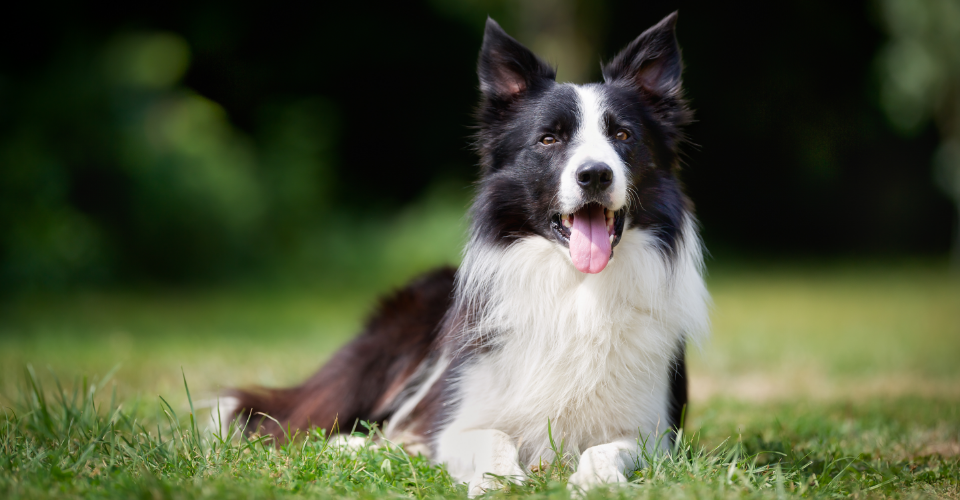
    So, when it comes to protecting them, you need pet insurance that adds value. At dotsure.co.za, we do exactly that. Our pet insurance plans don’t just cover the basics. We let you level-up your policy with optional extras that give your pet, and your peace of mind, that little extra wag it deserves. 


    What are Value Added Products (VAPs)? 

    Value Added Products (VAPs) are optional enhancements to your existing pet insurance policy. Think of them as bonus treats for your pet’s policy. We’ve taken customising cover to suit your budget and pet’s lifestyle to a whole new level! 
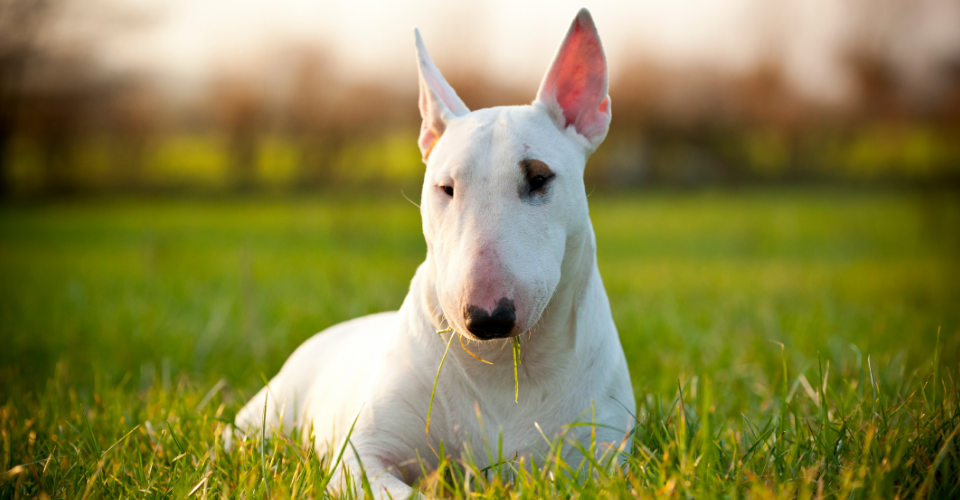
     

    Can I Increase My Pet Insurance Cover? 

    Yes, you can! In fact, the best part about being covered by SA’s #1 pet insurer* is that you can do it online in just a few clicks via the Manage Portal! 

    From wellness benefits and no-excess claims to pet funeral support, these add-ons are the perfect way to get the most out of your pet insurance! 


    Value-Added Products You Can Add to Your Pet Policy* 

    Here’s a breakdown of our most popular optional add-ons for pet insurance in South Africa. Because yes, you really can teach an old policy new tricks. 

    RELATED: UNDERSTANDING PET INSURANCE WAITING PERIODS 


    Pet Funeral Support – Pet Insurance Funeral Cover in South Africa 

    Losing a pet is never easy, but stressing about the cost shouldn’t be part of it. Our Funeral Support offers up to R2,920 towards cremation or burial in the unfortunate event of your pet’s passing. 

    • Only R21 pm 
    • 3-month waiting period 
    • Available for pets up to 9 years old 
    • A must if you’re looking for affordable pet funeral cover in SA 


    Pet Excess Buster – No Surprises When You Claim 

    This add-on makes your excess disappear faster than a treat in a sausage dog’s mouth. 

    • R29 pm – Accidental 
    • R35 pm – Vital / Exotic Pet 
    • R39 pm – Elite 
    • R45 pm – Deluxe / Exotic Pet Plus 
    • R55 pm – Ultimate 
    • It’s the simplest way to enjoy no excess pet insurance in SA 


    Pet Cover Gap Extension – Waive Limits for Extra Cover 

    This add-on waives specific policy limits when you need a little extra cover. 

    • Premium depends on your plan, risk profile, pet and claim history. 
    • Already included in Ultimate and Exotic Pet Plus plans 
    • Purrfect for pet parents looking for cover gap extension for pets, just in case. 


    Pet Wellness Benefits – Routine Care Cover for Pets 

    From R69 pm, this one’s all about preventative care in pet insurance. Think of it as your pet’s annual spa day with cover for: 

    • Vaccinations 
    • Parasite control 
    • Grooming 
    • Dental check-ups 
    • Elective sterilisation  
    • Microchipping 
    • And more! 
    • Available on Vital, Elite, and Deluxe plans 

    RELATED: DOES YOUR PET INSURANCE COVER SPAYING AND NEUTERING? 


    Pet Wellness Benefits Plus – More TLC for Your Pet 

    All the same great cover as Wellness Benefits with bigger limits and a little more wiggle room. 

    • From R129 pm 
    • Includes everything in Wellness Benefits above 
    • With higher cover amounts for more peace of mind 
    • Great for older pets or pets with more complex wellness needs. 

    RELATED: DOES YOUR PET INSURANCE COVER VACCINATIONS? LET’S BREAK IT DOWN 


    Why Add Value-Added Products to Your Pet Insurance? 

    These extra pet insurance benefits can help you: 

    • Plan better for the unexpected 
    • Cover preventative care without dipping into your own savings 
    • Extend your peace of mind 

    How to Add VAPs to Your Pet Policy 

    It’s super easy to add any of these dotsure.co.za pet insurance extras: 

    1. Log in to the dotsure.co.za Manage Portal. 
    2. Choose your add-on and confirm your upgrade. 

    Prefer chatting to a human? Email us at [email protected] or call 0861 368 7873 and we’ll help you treat your policy quick-quick. 


    Ready To Get the Most from Your Pet Insurance? 

    Head to dotsure.co.za to manage or upgrade your plan today with wholehearted pet insurance that adds value. 


    *Ts & Cs and possible exclusions may apply and can be obtained by emailing [email protected]. Risk profile and policy dependent. Pricing and cover limits as at date of publishing. SA’s #1 Pet Insurance Company as voted by The Star, Die Burger, Beeld, City Press. 

  • THE BEST WAYS TO MANAGE PET ODOURS

    THE BEST WAYS TO MANAGE PET ODOURS


    We adore our pets, but living with them can sometimes mean living with their smells too. From that wet dog scent after a rainy walk to that mysterious funk from the couch cushions, pet odours can linger. Thankfully, just like pet insurance helps you manage the unexpected vet bills, there are practical ways to keep your home fresh! 


    Why Does My Dog Smell So Bad? 

    There are a few reasons your pup might be extra stinky lately. Skin conditions, ear infections, poor grooming, diet, and even the weather can all play a part. Certain breeds are also more prone to odour due to oily coats or skin folds. If your dog’s smell seems unusually strong or persistent, a check-up with the vet is a good first step. 


    What’s the Best Way to Get Rid of That Dog Smell?   

    Here’s how to effectively manage pet odours. 

    Keep Your Pet Clean: 

    The first step to a fresher home is a clean pet. Bathe your dog regularly using a gentle, pet-friendly shampoo. The need to groom frequently will depend on their breed, coat type, and lifestyle.  

    Clean Pet Bedding and Toys Frequently: 

    Wash pet bedding, blankets, and soft toys at least every two weeks using unscented detergent. For non-washable items, wipe them down with a pet-safe disinfectant and allow them to air out in the sun. 

    Vacuum and Mop Often: 

    Pet hair and dander can trap odours in your carpets, upholstery, and even on hard floors. Vacuum your home at least twice a week to capture allergens and odour particles. Don’t forget to mop hard floors with a pet-safe cleaner that tackles smells at the source. 

    DIY Dog Smell Remover: 

    Baking soda is your best friend when it comes to neutralising pet smells. Sprinkle it over carpets or pet beds, let it sit for 15 to 30 minutes, and vacuum it up. Remember to properly clean up pet accidents, as soon as possible. 

    Improve Air Circulation: 

    Stale air makes odours worse. Open windows regularly to let fresh air flow through your home, and consider using fans or an air purifier with a carbon filter to help clear the air of dander and pet smells. 

    Try Pet-Safe Odour Eliminators: 

    There are several products designed specifically for pet households. Think enzymatic cleaners, sprays, and candles made with essential oils, which are safe for pets. These can mask or eliminate odours without harming your furry friend. 

    Tackle Accidents Immediately: 

    Accidents happen all the time. Clean them up promptly by using an enzymatic cleaner that breaks down the compounds causing the odour. The faster you act, the less likely the smell will set in. 

    Call the Professionals: 

    Sometimes, the smells run deep. That’s where professional cleaning services come in. Their trained teams can deep-clean carpets, upholstery, and hard-to-reach areas, giving your home a complete refresh.  

    RELATED: HOW TO GET RID OF THAT CAT PEE SMELL 


    Smells Happen. Be Ready for Anything 

    Just like a fresh-smelling home gives you peace of mind, so does being prepared for the unexpected. 

    At dotsure.co.za, we offer pet insurance plans that help you cover the costs of accidents, illness, and routine care. Want to know more? Contact us today to find out how we can help you and your pets enjoy every moment, smells and all!  


  • TOP 10 MOST POPULAR DOG BREEDS IN SOUTH AFRICA

    TOP 10 MOST POPULAR DOG BREEDS IN SOUTH AFRICA


    South Africa is a land of rich heritage, breathtaking scenery, and an undeniable love for dogs. While every pup is special in their own way, certain breeds stand out for their loyalty, temperament, and ability to adapt to our diverse lifestyles. 

    As any dog parent knows, keeping your four-legged friend healthy can come with unexpected vet bills. That’s where dog insurance can help, ensuring your pup stays protected, no matter the breed.  

    RELATED: TOP 5 CAT BREEDS IN SA; RAREST DOG BREEDS IN SA 


    Boerboel (South African Mastiff)

    The Boerboel is South Africa’s very own gentle giant. Bred to guard homesteads and farms, this powerful breed is admired for their loyalty, intelligence, and natural protective instincts. Boerboels are excellent family dogs when well-socialised and properly trained. Although, their size means they thrive in homes with space to roam. 

    boerboel


    Staffordshire Bull Terrier

    Affectionately called a Staffy, this medium-sized, muscular breed is one of SA’s most-loved dogs. Staffies are famous for their affectionate and playful nature, especially around children. Loyal to the core and brimming with energy, they thrive in loving households where they’re part of the action. 

    staffordshire bull terrier


    Labrador Retriever

    Whether it’s for companionship, search-and-rescue work, or service duties, Labrador Retrievers remain a firm favourite. Friendly, eager to please, and highly trainable, Labs adapt well to families and active individuals. 

    labrador retriever


    Rottweiler

    Don’t let the tough exterior fool you, Rottweilers are affectionate and loyal pets. With proper training, they make fantastic protectors and loving family members. Known for their strength and confidence, they also require experienced, responsible pet parents. 

    rottweiler


    German Shepherd

    German Shepherds are renowned for their intelligence and versatility. Often used in police and security roles, this breed is a dependable family dog when trained and exercised properly. They’re deeply loyal, protective, and eager to learn. 

    german shepherd


    Border Collie

    The Border Collie is a bundle of energy and brainpower. Originally bred for herding, this intelligent breed thrives on mental stimulation and physical activity. Perfect for active families or agility lovers, Border Collies need plenty of engagement to thrive. 

    border collie


    Golden Retriever

    Golden Retrievers are the epitome of gentle, affectionate dogs. Ideal for families, these calm and loving pets are often used as therapy dogs. Their easygoing temperament makes them great with kids and other pets. 

    golden retriever


    Bull Terrier

    Recognised by their unique egg-shaped heads, Bull Terriers are strong, playful, and a little cheeky. They’re known for their clown-like personalities and deep loyalty to their families, making them both fun and fiercely devoted companions. 

    bull terrier


    Yorkshire Terrier

    Yorkies may be small, but their personalities are anything but. These confident and affectionate lapdogs are ideal for apartment living and have gained popularity in South Africa’s urban centres for their adaptability and charm. 

    yorkshire terrier


    Dachshund

    With their long bodies and bold spirits, Dachshunds are adored for their spunky attitudes and loyal hearts. Whether you call them sausage dogs or wiener dogs, they’re clever companions who love being part of the family. 

    dachshund


    Protect Your Favourite Breed with Pet Insurance 

    No matter which breed has stolen your heart, the bond between humans and dogs is priceless. But when your dog needs unexpected medical care, the bills can bite. That’s why more and more South African pet owners are turning to dotsure.co.za for reliable pet insurance. Get a quote online and give your best friend the care they deserve! 


    READ MORE: HERDING DOG BREEDS; TOY DOG BREEDS; TERRIERS UNLEASHED; BREED STANDARDS 

  • A SECOND CHANCE: TIPS FOR FOSTERING PETS

    A SECOND CHANCE: TIPS FOR FOSTERING PETS


    If you’ve ever considered helping a rescue animal, fostering a pet is a rewarding way to change lives, without the long-term commitment of adoption. 

    At dotsure.co.za, we’re passionate about animal welfare. When you take out a pet insurance policy with us, you’re also helping us contribute to the work of dedicated welfare vets at the Animal Anti-Cruelty League. 

    RELATED: JOINING FORCES FOR ANIMALS IN NEED 


    Is Fostering Right for You?

    Before you apply to become a pet foster parent, take a moment to ask yourself a few important questions: 

    • Can you afford pet care essentials? While some shelters help with food and medical expenses, you may still need to cover some costs. 
    • Do you have time to care for an animal, especially one that may be recovering or need socialisation? 
    • Is your home pet-friendly, and does your landlord allow animals? 
    • Are your family or housemates on board with the idea of fostering? 
    • Do you already have pets, and how might they react to a temporary newcomer? 
    • Are there any upcoming life changes (like moving, travel, or work schedule shifts) that could interfere with your commitment? 


    How to Prepare for Fostering a Pet

    Once you’ve made the decision to foster, preparation is essential to creating a safe, loving environment. 

    Foster Pets Take Time and Patience 

    Fostering takes daily dedication. Make time for feeding, walks, grooming, and play. Some pets may need extra care, especially if they’ve experienced trauma or illness. 

    Create a Safe Environment 

    Pet-proof your home by removing hazards such as exposed wires, accessible food, and open bins. Ensure they have a calm, quiet place to rest, especially in the first few days of adjustment. 

    Stock Up on Pet Supplies 

    Gather the basics before your foster pet arrives: 

    • Food and water bowls 
    • High-quality pet food 
    • Kennel or carrier 
    • Collar, leash, and ID tag 
    • Toys, beds, and blankets 
    • Litter box (for cats) or poo bags (for dogs) 

    Support Pet Adoptions 

    You’ll play a big role in their socialising, training, and preparing them for adoption. Sharing updates and photos with the shelter (and potential adopters) can make a big difference in helping them find the right forever home.


    What to Expect When Fostering Dogs or Cats 

    If you’re new to fostering, it’s often best to start with an animal that doesn’t require intensive medical or behavioural care. This allows you to ease into the experience and build confidence. 

    Pet Fostering Duration 

    • Puppies and kittens are often fostered for 2 to 6 weeks, depending on their health and adoption readiness. 
    • Adult dogs and cats may stay longer, especially if they need time to heal or adjust to human interaction. 


    What Does it Mean to Foster a Pet?

    Fostering is incredibly rewarding, but it’s not always easy. 

    • Be Patient: Healing, training, and trust take time. Your support helps pets transition out of survival mode and into loving companionship. 
    • Special Needs Pets: Only take on the challenge if you’re truly equipped and ready for the additional emotional and physical effort. 
    • Saying Goodbye: Many foster parents experience heartache when their temporary companions are adopted. But remember, your efforts are helping animals get the love they deserve. 

    Of course, sometimes you fall in love, and decide you just can’t let go. This is what’s affectionately known as a “foster fail”, and it’s more common than you might think!  


    Facing a Foster Fail?

    If you’ve unexpectedly become a pet parent after fostering a pet, we’re here to help. Contact us to learn more about our affordable plans or to chat about how we can help your new companion get the care they need!   


    RELATED: HOW TO CHOOSE THE PERFECT PET FOR YOUR FAMILY 

  • EGGCELLENT TIPS FOR A PET-FRIENDLY EASTER

    EGGCELLENT TIPS FOR A PET-FRIENDLY EASTER


    As Easter approaches, many of us look forward to festive activities, delicious treats, and quality time with loved ones. But amidst the excitement, it’s important to ensure our furry friends are safely included in the celebrations. With a little creativity and planning, you can make Easter fun, engaging, and pet-friendly!


    Throw a Pet-Friendly Easter Egg Hunt

    A classic Easter egg hunt can be easily adapted to include your four-legged companions. Instead of using traditional chocolate eggs, opt for pet-safe alternatives:

    • Use plastic eggs with holes and fill them with pet-friendly treats such as biscuits or cooked chicken.
    • Hide treats around the home or garden for your pet to sniff out.
    • If your pet tends to chew on plastic, skip the eggs and place treats directly in hidden spots.

    Start with easy hiding places and gradually increase the difficulty to keep your pet engaged. Encourage and praise them when they find a treat to reinforce their excitement.


    More Buntastic Activities

    • Easter Photoshoot: Capture adorable Easter memories by organising a themed photoshoot for your pet.
    • Movie Marathon: For a relaxed celebration at home, snuggle up with your pet and enjoy an Easter-themed movie marathon.
    • Homemade Treats: Try baking homemade pet-friendly Easter treats shaped like bunnies or eggs. There are plenty of easy recipes using safe ingredients such as pumpkin, peanut butter, and oat flour.

    RELATED: HOLIDAY TREAT RECIPES FOR PETS; RECIPES FOR PETS WHO LOVE PEANUT BUTTER


    Why You Should Avoid Chocolate Easter Treats

    Chocolate contains theobromine, a chemical that is toxic to cats, dogs, and rabbits. Dark chocolate and baking chocolate have the highest levels of theobromine, but even milk chocolate can be dangerous. Symptoms of chocolate poisoning include vomiting, diarrhoea, seizures, internal bleeding, and even heart attacks.


    What to Do If Your Pet Eats Chocolate

    If you suspect your pet has consumed chocolate, call your vet immediately. Do not attempt to make them vomit, as this can be harmful.

    How to Prevent Chocolate-Related Accidents

    • Keep chocolate treats well out of your pet’s reach.
    • Teach young children that chocolate is dangerous for pets.
    • If hosting an Easter egg hunt, count the number of chocolate eggs hidden and ensure that all are retrieved.


    Have a Hoppy Easter!

    This Easter, make sure your pets are part of the fun with safe, engaging activities and pet-friendly treats. By planning ahead, you can create a celebration that’s enjoyable for the whole family.

    Speaking of planning ahead… Remember to keep your pet protected with the right pet insurance!

  • HOPPING HEALTH: HOW LONG BUNNIES LIVE AS PETS

    HOPPING HEALTH: HOW LONG BUNNIES LIVE AS PETS


    If you’re thinking about adopting a pet rabbit or already have one, understanding their lifespan can help you provide the best care possible. Unlike their wild counterparts, who face numerous threats, domestic rabbits enjoy a safer, more controlled environment.

    RELATED: CHOOSING THE PERFECT PET FOR YOUR FAMILY


    How Long Do Pet Rabbits Live?

    The average lifespan of a pet rabbit ranges from 5 to 10 years, though some can live up to 12 years with the proper care. Factors such as breed, diet, exercise, and healthcare play significant roles in determining how long your bunny may live.


    The Role of Nutrition and Exercise

    A rabbit’s diet and exercise routine have a bigger impact on longevity than genetics alone. Many people assume rabbits are low-maintenance pets, but they actually require significant attention and care.

    Proper Diet for a Longer Life:

    • Unlimited Timothy hay is essential to prevent overgrown teeth and digestive issues.
    • Fresh leafy greens such as romaine lettuce and parsley provide necessary vitamins and minerals.
    • High-fibre pellets should be given in moderation to supplement their diet.
    • Avoid sugary foods such as fresh grass, fruit, and carrots, as these can disrupt digestion.

    Exercise and Enrichment:

    • Large rabbits require at least 2 square metres of cage space.
    • Rabbits need several hours outside their cage each day to run, jump, and explore.
    • Toys, tunnels, and chewable items help prevent boredom and stress.


    Essential Rabbit Care Tips

    Beyond diet and exercise, there are other factors to consider for a long and healthy rabbit life.

    Keep Their Living Space Clean:

    Rabbits can be messy, so daily spot-cleaning and a weekly deep clean of their hutch are a must. Unclean environments can lead to bacterial infections and stress.

    Spay or Neuter Your Rabbit:

    Unspayed female rabbits are highly prone to uterine cancer, and unneutered males can develop testicular cancer. Spaying or neutering not only prevents health issues but also reduces aggressive behaviour.

    Find a Rabbit-Savvy Veterinarian:

    Rabbits are often classified as small mammals or exotic pets, meaning not all vets specialise in their care. Regular checkups can help detect issues such as overgrown teeth, respiratory infections, and tumours early.

    RELATED: PET PARENT’S GUIDE TO BUNNIES


    Give Your Bunny the Best Life

    If you’re thinking of bringing a rabbit into your home, ensure you’re ready for the commitment, and you’ll be rewarded with years of joy and companionship.

    Did you know dotsure.co.za offers pet insurance for exotics as well? Have a look at our dedicated plans for bunnies!

  • TOP 6 BUNNY BREEDS IN SOUTH AFRICA

    TOP 6 BUNNY BREEDS IN SOUTH AFRICA


    If you’re planning to welcome a fluffy, long-eared companion into your home, choosing the right breed to fit your lifestyle is most important. In South Africa, several rabbit breeds make excellent pets, each with unique characteristics and care needs.

    RELATED: PET PARENT’S GUIDE TO BUNNIES


    Netherland Dwarf Rabbit

    netherland dwarf rabbit

    One of the smallest rabbit breeds, the Netherland Dwarf, is adored for their compact body, big round eyes, and short upright ears. These bunnies are intelligent, playful, and high-energy, making them fun pets for experienced rabbit owners. However, their small size and skittish nature mean they may not be ideal for homes with young children, and it’s recommended that they be kept indoors.


    Jersey Wooly Rabbit

    jersey wooly rabbit

    A friendly, affectionate rabbit known for their luxurious, fluffy coat. These bunnies love to be cuddled and make wonderful indoor pets. Their beautiful fur requires regular grooming to prevent matting, so they are best suited to owners who have time for upkeep. Jersey Woolys are gentle and less prone to biting than some other breeds.


    Flemish Giant Rabbit

    flemish giant rabbit

    The Flemish Giant is one of the largest rabbit breeds. Despite their size, these gentle giants are calm, friendly, and great for families with children. They enjoy social interactions, love to be petted, and can even get along with other household pets. However, they require ample space and shouldn’t be confined to small cages for long periods.


    Mini Rex Rabbit

    mini rex rabbit

    The Mini Rex is a compact rabbit breed with a velvety soft coat that feels plush, but their fur should not be brushed frequently, as it can damage its unique texture. They are one of the most popular pet rabbits due to their affectionate and friendly nature. Mini Rex bunnies enjoy human interaction and are easy to handle, making them great for first-time rabbit owners.


    New Zealand Rabbit

    new zealand rabbit

    These medium-to-large-sized bunnies have a muscular build, soft fur, and upright ears. They are known for their friendly, social nature, making them easier to handle than some smaller breeds. New Zealand rabbits are intelligent and can learn tricks, play games, and even use a litter box. They thrive on human interaction and do well in pairs or groups.


    Himalayan Rabbit

    himalayan rabbit

    The Himalayan rabbit stands out due to its striking white body with dark markings on its nose, ears, feet, and tail. These markings are temperature-sensitive and may change slightly depending on the environment. Himalayan rabbits are calm, friendly, and love human interaction. They do well both indoors and outdoors but need a stable temperature to stay comfortable.


    Choosing the Right Bunny Breed

    When selecting a pet rabbit, consider factors such as size, grooming needs, temperament, and space requirements. Rabbits make wonderful pets if you’re able to provide the proper care, allowing for a happy, healthy bunny that will be a beloved part of your family.

    If you’re looking for the right pet insurance for your fluffy bun, have a look at our plans for exotic mammals!

  • 7 WEIRD THINGS PET PARENTS SEARCH

    7 WEIRD THINGS PET PARENTS SEARCH


    If you’ve ever found yourself down a rabbit hole of bizarre online searches about your pet, you’re not alone. Every pet owner has, at some point, typed out a burning question about their furry friend’s odd habits, hoping for an answer.


    Why Do My Dog’s Feet Smell Like Fritos? 

    If you’ve ever sniffed your pup’s paws and caught a whiff of corn chips, don’t panic. The distinct Fritos-like aroma comes from bacteria that naturally exist on a dog’s skin. Since dogs don’t sweat like humans, their paw pads release moisture, creating the perfect environment for these bacteria to thrive. While the smell is normal, excessive licking, redness, or limping may indicate a problem requiring veterinary attention.


    Do Dogs Dream? What Do They Dream About? 

    Yes, dogs dream! Research shows that dogs experience REM (rapid eye movement) sleep, the same stage in which humans dream. Ever noticed your dog twitching, whimpering, or moving their legs while asleep? They might be dreaming about their daily activities, such as chasing a ball or going for a walk.

    RELATED: WHAT DOES MY DOG’S SLEEPING POSITION MEAN?


    Why Does My Dog Greet Me with Their Butt? 

    While it may seem like an odd welcome, dogs greeting you with their rear end is a sign of trust and friendliness. Dogs communicate through scent, and presenting their behind allows other dogs to pick up on their unique scent profile. It’s their version of a handshake!


    Why Does My Dog Shake?

    Shaking or shivering can mean excitement, nervousness, or feeling cold. Some dogs shake when they’re wet to dry off, while others may tremble due to stress. If shaking becomes persistent and is accompanied by lethargy or appetite loss, a vet visit may be necessary.


    Common Cat Questions

    Dog parents aren’t the only ones with quirky queries.

    • Why does my cat follow me everywhere? Cats are naturally curious and bond strongly with their humans. They may also be staking their claim on you!
    • Why does my cat head-butt me? This is a sign of affection and a way for your cat to mark you with their scent.
    • Why does my cat love laser pointers? The quick, unpredictable movements mimic prey, tapping into their hunting instincts.

    RELATED: WAYS CATS COMMUNICATE


    Heartfelt Enquiry or Serious Concern

    Have a look at this visual exploration made by pet loving creatives: Why Do Dogs…?

    While Google is great for quick answers, always consult a veterinarian for medical concerns. After all, our pets deserve the best care!

    Finally, for your pet insurance related questions: uncover Pet Insurance Frequently Asked Questions.


  • WHAT DOES EXCESS MEAN ON PET INSURANCE CLAIMS?

    WHAT DOES EXCESS MEAN ON PET INSURANCE CLAIMS?


    When it comes to pet insurance, we aim to make your life easier. So, you can focus on what truly matters: spending quality time with your furry family members. One of the most common questions we receive is about excess on pet insurance claims. To help you, we’ve compiled this simple guide.

    RELATED: PET INSURANCE FREQUENTLY ASKED QUESTIONS


    What is Excess in Pet Insurance?

    Excess is a standard part of all short-term insurance policies, including pet insurance. It refers to the portion of a claim that you, as the policyholder, must pay before your insurer covers the remaining amount.

    RELATED: WHAT IS INSURANCE EXCESS


    Your Pet Insurance Excess

    Depending on your plan, the basic excess options at dotsure.co.za apply as follows:

    • 10% of the claim amount; minimum R200 (default option)
    • 20% of the claim amount; minimum R200

    Important Notes:

    • Basic excess does not apply to illness-related claims on the Vital Plan, as this plan covers 50% of the claim amount.
    • No excess applies to Wellness Benefit claims, keeping preventive and routine care affordable.


    Why Do I Have to Pay Excess on Insurance Claims?

    Insurance providers use excess to keep policy premiums affordable while ensuring that claims are reasonable. By requiring a small contribution from policyholders, excess helps prevent minor claims and ensures sustainability for pet parents in the long run.


    Excess Buster

    For those who want to reduce excess payments, dotsure.co.za offers the Excess Buster. This optional add-on waives applicable excesses following a valid insurance claim. The premium for this extension depends on your chosen plan, providing extra peace of mind and financial ease.

  • THINGS PET INSURANCE DOESN’T COVER

    THINGS PET INSURANCE DOESN’T COVER


    Pet insurance can be a lifesaver when unexpected vet bills pop up, but it’s just as important to know what’s not covered. Every policy has exclusions (areas where cover doesn’t apply), and these can vary between providers. Knowing what to expect upfront can save you from any surprises when it’s time to claim.


    Does Pet Insurance Cover Pre-Existing Conditions? 

    One of the most common things pet insurance won’t cover is pre-existing conditions. These are illnesses or injuries your pet had before your cover started or during the waiting period. Most insurers won’t cover ongoing or chronic health issues diagnosed before you signed up.

    RELATED: COVER FOR HEREDITARY CONDITIONS


    Does Pet Insurance Cover Routine Care?

    Routine checkups, dental cleanings, and vaccinations aren’t usually covered under standard pet insurance plans. But here’s the good news: dotsure.co.za offers Wellness Benefit extensions to help cover these costs!

    Typical routine or preventative care expenses:

    • Annual Vaccinations
    • Dental checks
    • Tick and flea treatments
    • Spaying and neutering
    • Emergency boarding fees
    • Prescribed foods and supplements
    • Behavioural therapy

    If you want to avoid out-of-pocket costs for these, consider adding Wellness Benefits to your policy. It could save you money in the long run.


    Are There Age Limits on Pet Insurance?

    Pet insurance often has age limits. Typically, puppies and kittens under eight weeks old may not be eligible for cover. Senior pets (often 12 years and older) might have limited cover options because they’re more prone to age-related health issues.


    Does Pet Insurance Cover Diseases If My Pet Wasn’t Vaccinated?

    If an illness could have been prevented with a vaccine, most pet insurance policies won’t cover it. This includes diseases such as Parvovirus and Feline Immunodeficiency Virus (FIV). Keeping your pet’s vaccinations up to date is essential, not just for their health, but also to ensure you’re covered when it matters most.

    RELATED: UNDERSTANDING CANINE PARVOVIRUS


    Protect Your Pet and Your Pocket

    Knowing what your pet insurance covers, and what it doesn’t, is crucial to avoid unexpected costs. Understanding your policy helps you make the best decisions for your pet’s health and keeps your budget in check!

    RELATED: PET INSURANCE FREQUENTLY ASKED QUESTIONS


  • VET ADVICE: WHEN IS ANAL GLAND EXPRESSION NECESSARY?

    VET ADVICE: WHEN IS ANAL GLAND EXPRESSION NECESSARY?


    Dr Corné Viljoen graduated from Onderstepoort in 2013 and is supported by an incredible team at Innovavet Veterinary Clinic.


    What are the main indicators that a dog has anal gland issues?

    “Common signs of anal gland issues in dogs include scooting, excessive licking or biting at the rear, a strong foul odour, pain or discomfort when sitting, redness or swelling around the anus, changes in bowel movements, and unusual behaviours such as restlessness or aggression. These symptoms may indicate that the anal glands are full, impacted, or infected and require veterinary attention.”


    Which treatments are available for these issues?

    “Treatment options for anal gland issues vary depending on the severity of the condition. A veterinarian will determine the best approach after a thorough evaluation. Manual expression is commonly used to relieve pressure in full or impacted glands, while antibiotics and anti-inflammatory medication may be prescribed for infections. In some cases, an anal gland flush can help clear debris or bacteria. Dietary adjustments, such as adding fibre, can aid natural expression, while steroids may be used to reduce inflammation. For chronic or severe cases, surgical removal of the glands may be considered as a last resort.”


    Can pet parents express their pet’s anal glands at home?

    “Yes, in some cases, pet parents can express their dog’s anal glands at home, though it’s not always recommended unless you’re comfortable with the process and have received proper guidance from a veterinarian. Improper handling can lead to injury, infection, or discomfort to the dog.”


    Introducing Our Vet of the Month

    Dr Corné Viljoen’s primary interest lies in pet healthcare, with a strong belief that prevention is better than cure. He’s dedicated to building lasting relationships with clients and is passionate about providing patients with the highest level of care and respect.

    What inspired you to become a vet?

    “I always wanted to be a veterinarian ever since I was a young boy. Since I can remember, I always had a deep love for animals and farm life. My parents also love animals, and we had many animals in and around the house when we grew up.”

    Dr Corné, do you have any pets?

    “Sometimes I feel like Dr Dolittle. I saved and treated some animals on the farm, and now they have a second chance at life on the farm. Others I bought or received as gifts. But they are all special and treated the same.”

    Any last thoughts on the topic?

    “If the anal glands are not causing problems and the dog isn’t showing any signs of discomfort or distress, there is generally no need to express them. Over-expression can also irritate the glands and may lead to further issues, so it’s best to avoid doing it unless it’s necessary. If you’re unsure whether the dog’s glands need to be expressed, a veterinarian can assess the situation and guide you on whether it’s necessary, and how often it should be done.”

  • COMPASSION FATIGUE: A VET’S PERSPECTIVE

    COMPASSION FATIGUE: A VET’S PERSPECTIVE


    Dr Saadiya Mangera is a small animal vet at (and owner of) Brighton Beach Veterinary Clinic in Durban. Admitting business isn’t her forte, Saadiya’s true passion is working with beloved pets.


    Understanding Compassion Fatigue

    For those who may not know, what is compassion fatigue?

    “It’s a combination of physical and psychological exhaustion that can result from caring for others and feeling empathy for their pain. Veterinary Science is unique in that we care for our patients, but we also have to consider the emotions of the pet parents.”


    What are the main signs of compassion fatigue?

    “It can be seen in physical and emotional effects, which includes feeling overwhelmed, helpless, detached, or exhausted.”


    How does compassion fatigue affect a vet’s own well-being while caring for their patients?

    “The close relationships we have with our patients are unique in that we often care for our patients from 6 weeks of age. We nurse and heal them during their lifespan, and we’re then required to help them on their final journey. It can be emotionally draining. Unfortunately, many vets have insufficient resources to cope.”


    Have you ever experienced compassion fatigue or seen a colleague go through it? How did you or they manage it?

    “Yes, I have. I’ve been a vet for over 24 years. I love my job and can’t see myself doing anything else, but it’s exhausting to deal with so many emotions. We try to keep our work environment as fun-filled and relaxed as possible. Every staff member is so supportive of each other. They’re quick to give me a hug if I’m having an emotionally draining day!”


    Do you recommend any resources, tools, or coping strategies to vets experiencing compassion fatigue?

    “Have a really, really, good support network! Check out NOMV – it’s a website that was started due to the high suicide rates in our profession.”


    What can pet parents do to support their vet teams better?

    “We all became vets because of our love for animals, but we also have to make a living from our jobs. Just be kind!”


    Learn More About Our Vet of the Month

    Dr Saadiya owns Brighton Beach Veterinary Clinic in Durban, where she’s been caring for pets since 2010. With over 20 years of experience, including nine years in the UK, she’s passionate about educating pet parents and promoting vaccination, especially against rabies. A proud wife and mom of three, she credits her family and faith for supporting her journey as a veterinarian and animal advocate.


    What inspired you to become a vet, and what do you love most about the profession?

    “I became a vet due to my love for all things feline. This started when I was a young girl and came across a litter of unwanted kittens. At the time, I wasn’t allowed to take all of them home, but I made up for it by always having cats as pets. I love dogs as well and have a special interest in canine behaviour. At Brighton Beach Vet Clinic, we try very hard to practice fear-free veterinary care. All of our patients are treated with special attention to ensure a calm experience.”


    Do you have any pets at home? 

    “I have 4 cats. They’re all female and their names are Nutmeg, Cinnamon, Sugar, and Pepper. Nutmeg and Cinnamon are siblings and come from Zululand. They both have heart problems but are very healthy and happy. Sugar has Feline Leukaemia, and I took her in knowing that she has this disease. She’s generally healthy, albeit a bit overweight. Pepper was abandoned as a 7-week-old kitten, but we’ve nurtured her and she’s about a year old now.”


    Any final words of advice for vets or pet parents about the importance of mental health?

    “Veterinarians have the highest rate of suicide in the medical field. As a result, there is a growing trend that vets, once qualified, are leaving the profession to pursue careers where there is no public interface; or leaving South Africa to pursue the profession where we’re appreciated more. There is a growing belief that vets are expensive and overpriced, which isn’t true. We’re doing what we’ve been trained to do. We’re both doctors and surgeons. We also play the role of dentist, ophthalmologist, dietician, and even behaviourist/psychologist. Please be kind and compassionate.”


  • DIFFERENT WAYS OUR PETS SHOW US LOVE

    DIFFERENT WAYS OUR PETS SHOW US LOVE


    Our fur babies may not speak our language, but they have countless ways of showing their love and affection. From a warm snuggle to a happy tail wag, pets communicate their feelings in unique and heartwarming ways.


    How Dogs Show Their Love

    Seeking Attention Through Touch

    Dogs thrive on physical contact as a way to connect. Whether they’re nudging your hand for attention or trying to fit on your lap (yes, even Great Danes) their actions scream love. These gestures are their way of saying, “I want to be close to you.”

    Loving Eye Contact

    Relaxed eye contact between you and your dog is more than just a gaze – it’s a bonding moment. Studies reveal that mutual eye contact releases oxytocin, the “love hormone,” in both humans and dogs.

    Wags and Wiggles

    A loose, wagging tail often accompanied by a wiggling body is a clear sign that your dog is thrilled to see you. This joyful movement is their way of expressing excitement and affection.

    Turning Back During Walks

    Even during their most adventurous walks, dogs often glance back at their humans to ensure they’re keeping up. This simple act shows they see you as part of their pack and want to make sure you’re safe.


    How Cats Show Their Love

    Purring and Meowing

    Cats save their meows for communicating with humans, which makes their “chats” with you extra special. Add in their soothing purrs, and it’s clear they’re happy and comfortable in your company.

    Head Bunts and Cheek Rubs

    Cats mark you as “theirs” by gently bumping their heads or rubbing their cheeks on you. This behaviour transfers their facial pheromones, signalling trust and affection.

    “Making Biscuits”

    When a cat kneads you with their paws, they’re showing they feel relaxed and safe, much like they did as kittens with their mothers.

    Bringing Gifts

    Though a gift might come in the form of a toy or a less-welcome surprise (hello, mice!), cats bring offerings to their humans as a gesture of affection.


    Universal Signs of Pet Love

    • Following You: Pets who love you will follow you from room to room, ensuring that they’re always near their favourite person.
    • Excited Hellos: Whether it’s a dog’s full-body wag or a cat’s eager chirp, their excitement when you return home is a surefire sign of love.
    • Calm Goodbyes: If your dog stays relaxed when you leave, it shows they trust that you’ll return, a sign of a secure bond.


    Showing Your Pet Some Love

    Keeping your pet healthy is the ultimate act of love. Remember the importance of regular vet visits, and consider comprehensive pet insurance to protect them against the unexpected!

  • HERDING BREEDS: DOGS WITH LEADERSHIP INSTINCTS

    HERDING BREEDS: DOGS WITH LEADERSHIP INSTINCTS


    Recognised for their unique instinctual ability to herd and protect livestock, the Herding Group is one of the most fascinating dog breed categories.


    History of Herding Dogs

    The first known herding breeds emerged in Asia over 10,000 years ago, with European settlers later introducing them to the Americas in the 16th century.

    Initially classified under the Working Group until 1983, these breeds have established their own distinct identity. Their ability to follow subtle hand signals and whistle commands has set them apart.

    Today, this group includes over 200 breeds, each adapted to specific herding and guarding tasks.


    Characteristics of Herding Breeds

    • Intelligence and Trainability: These dogs are quick learners, making them excellent at tasks requiring precision and focus.
    • Energy and Agility: Bred for short bursts of high-speed activity, herding dogs excel in physically demanding roles.
    • Protective Instincts: Their natural drive to protect their “flock” often extends to their human families, making them loyal companions and excellent watchdogs.
    • Versatility: From herding sheep to assisting law enforcement, herding breeds are as diverse as they are capable.


    Herding Behaviour

    The herding instinct is deeply ingrained in these breeds, and it sometimes manifests in surprising ways. For instance, herding dogs may try to “herd” their owners, especially children, by gently nipping at their heels or corralling them.

    Herding techniques also vary amongst breeds:

    • Barking and Circling: Some breeds, such as Australian Cattle Dogs, drive livestock by barking and nipping at their heels.
    • Silent Stare: Others, such as Border Collies, use an intense gaze to control and direct the flock.


    Popular Breeds in the Herding Group

    Some of the most beloved herding breeds include:

    • Border Collie: Famous for their intelligence and work ethic, they excel in agility and obedience sports.
    • Australian Shepherd: Energetic and loyal, this breed thrives in active households.
    • German Shepherd: Renowned for their versatility, they are often employed in police, military, and protection roles.
    • Belgian Malinois: Agile and focused, they are preferred for high stakes working environments.
    • Old English Sheepdog: A fluffy favourite known for its gentle nature and ability to herd sheep.


    Are Herding Breeds Right for You?

    If you’re an active individual or family looking for a loyal, energetic companion, a herding breed might be the perfect match. These dogs excel in homes where they can participate in regular outdoor activities and receive consistent training. Their protective instincts and eagerness to please make them beloved members of the family.

  • WHAT DOES MY DOG’S SLEEPING POSITION MEAN?

    WHAT DOES MY DOG’S SLEEPING POSITION MEAN?


    Ever caught your furry friend curled up in a ball, stretched out, or snoozing belly up with their paws in the air? A dog’s sleeping position is more than just adorable, it can reveal a lot about their personality, comfort level, and even their health.


    The Side Sleeper

    • What it Looks Like: Your dog is lying on their side, limbs extended, and belly partly exposed.
    • What it Means: This is one of the most relaxed positions for dogs. A side-sleeping pup feels safe, content, and at ease in their environment.
    • Pro Tip: If your dog chooses a cool tile floor on a hot day, they may be trying to cool down. Consider a cooling mat to help them stay comfortable.


    The Doughnut

    • What it Looks Like: Curled into a tight ball, with paws tucked in and tail wrapped around their body.
    • What it Means: This position is often about conserving body heat, which is why it’s popular with dogs who feel chilly. It’s also common in shy or reserved pups, or those adjusting to a new home.
    • Health Note: If your dog doesn’t typically sleep this way but suddenly does, they could be feeling unwell. Monitor their behaviour and consult your vet if needed.


    The Superman

    • What it Looks Like: Belly down, with front legs stretched forward and back legs extended behind.
    • What it Means: This playful position is popular among puppies and high-energy breeds such as French Bulldogs and Pugs. It suggests your pup is tired but ready to jump back into action after their nap.
    • Fun Fact: The Superman pose often doubles as a cooling position, allowing your dog’s belly to rest on a cool surface.


    The Lion’s Pose

    • What it Looks Like: Your dog rests belly down, with their head perched on their front paws.
    • What it Means: This position is often seen when dogs are alert but relaxed. It’s a favourite of loyal pups who want to stay aware of their surroundings, whether they’re guarding the house or keeping an eye on their family.
    • Comfort Tip: Anxious dogs in this position may benefit from a calming dog bed to help them relax.


    The Belly-Up

    • What it Looks Like: Legs in the air, belly exposed, often referred to as the “dying cockroach.”
    • What it Means: A dog in this position feels completely safe and trusts their environment. It’s also a way to cool off, as exposing the belly helps regulate body temperature.
    • Age Insight: While this position is common in puppies, older dogs may prefer the side sleeper as they age, as the belly-up pose can strain their spine.


    The Burrower

    • What it Looks Like: Nestled under a blanket, pillow, or even your clothes.
    • What it Means: This position shows your pup is seeking warmth or security. Burrowing can also be a way for dogs to calm themselves in stressful situations.
    • Comfort Hack: Provide a soft, plush bed with an extra blanket for ultimate burrowing bliss.


    Why Dogs Switch Positions

    Dogs sleep for 12–16 hours daily (even more for puppies), and their positions often change based on their mood, temperature, or health. While some positions are about comfort, others signal how your dog feels physically and emotionally.

  • 15 WAYS PETS IMPROVE OUR LIVES

    15 WAYS PETS IMPROVE OUR LIVES


    We fully agree that pets are part of the family: They bring joy, comfort, and countless benefits to our lives. The fact is, the bond between humans and animals has transformative effects.


    Mental Health Boosters

    Pets have a profound impact on our mental wellbeing.

    • Calming the Mind: Stroking or playing with a pet releases serotonin and dopamine, the “feel-good” hormones that reduce stress and elevate mood.
    • Therapeutic Companionship: Pets are often used in therapy for trauma recovery, as they offer non-judgmental comfort, helping individuals work through challenging emotions.
    • Creating Routine: Caring for a pet adds structure to your day, which can be particularly beneficial for those managing mental health challenges.


    Physical Health Perks

    Having a pet is good for your heart, figuratively and literally.

    • Lower Stress Hormones: Interacting with pets has been shown to reduce cortisol levels, easing the effects of stress.
    • Better Heart Health: Pet parents often have lower blood pressure, cholesterol, and triglyceride levels, reducing the risk of heart disease.
    • Encouraging Exercise: Dogs, in particular, motivate owners to stay active, whether it’s daily walks, playful games of fetch, or outdoor adventures.


    Social Benefits

    Pets are natural social connectors, who can help break the ice.

    • Easing Loneliness: For those who live alone or work from home, pets offer consistent companionship.
    • Fostering Friendships: Walks in the park, visits to pet stores, or attending training classes often lead to meeting fellow pet enthusiasts.
    • Building Empathy: Caring for a pet nurtures patience and empathy, which are traits that can strengthen relationships with others.


    Different Life Stages

    For Children

    • Teaching Responsibility: Feeding, grooming, and caring for a pet instils accountability in children.
    • Boosting Confidence: The unconditional love of a pet helps children build self-esteem and a sense of importance.
    • Enhancing Social Skills: Children with pets often develop empathy and communication skills, helping them form stronger relationships with others.

    For Seniors

    • Providing Purpose: Caring for a pet can restore a sense of meaning and routine after retirement or life changes.
    • Encouraging Activity: Pets inspire older adults to stay active and engaged, boosting energy and immune function.
    • Combating Isolation: Pets are wonderful companions, who can also help spark conversations and new friendships.


    A Tail-Wagging Reminder

    Pets enrich our lives in countless ways, and the bond you share is one of life’s greatest joys. So, why not return the favour? Protect their unconditional love with wholehearted pet insurance!

  • QUIZ: HOW TO KNOW IF YOU’RE READY FOR A PET

    QUIZ: HOW TO KNOW IF YOU’RE READY FOR A PET


    These questions can help you determine if you’re prepared for the responsibilities and joys that come with being a pet parent.


    Take the Quiz!

    Why do you want a pet?

    a) For companionship and I’m prepared for the responsibility. (3 points)

    b) Because they’re cute and fun. (2 points)

    c) I’m not sure, I just feel like it. (1 point)

    How much time can you dedicate to a pet each day?

    a) A few hours daily, including walks, playtime, and training. (3 points)

    b) An hour or two, if I’m not busy. (2 points)

    c) I might not have time every day. (1 point)

    Do you have the financial means to care for a pet?

    a) Yes, I’ve budgeted for it, including pet insurance. (3 points)

    b) I can manage the basics, but might struggle with unexpected costs. (2 points)

    c) I’m not sure if I can afford it right now. (1 point)

    Do you live in a pet-friendly environment?

    a) Yes, I live in a pet-friendly home and neighbourhood. (3 points)

    b) It’s manageable, but there might be some challenges. (2 points)

    c) No, my living situation isn’t ideal for pets. (1 point)

    How much do you know about the type of pet you’re considering?

    a) A lot! I’ve done my research, and I know what they need. (3 points)

    b) Somewhat, but I still have questions. (2 points)

    c) Not much, I’ll figure it out as I go. (1 point)

    How will you handle your pet when travelling or during emergencies?

    a) I have plans in place for pet care. (3 points)

    b) I might need to scramble, but I’ll find a solution. (2 points)

    c) I haven’t thought about it yet. (1 point)

    Are you prepared for the long-term commitment a pet requires?

    a) Yes, I understand pets are a lifetime responsibility. (3 points)

    b) I think so, but it feels a bit daunting. (2 points)

    c) Not really, I’ll see how it goes. (1 point)

    How do you feel about cleaning up after a pet?

    a) It’s part of the deal, and I’m fine with it. (3 points)

    b) I’m okay with it, but it’s not my favourite idea. (2 points)

    c) I really don’t want to deal with that. (1 point)


    The Results Are In

    21-24 Points: Pro Pet Parent!

    You’re well-prepared for the commitment of providing a loving home for a pet.

    15-20 Points: Almost Ready!

    You’re close, but there are a few things to consider before making this decision.

    8-14 Points: Think Twice.

    Adding a pet to the family might not be the best choice for you right now.

    7 Points or Less: Not Ready Yet.

    Pets require significant time, effort, and money. Take your time to evaluate whether a pet will fit into your life.


    Still Have Love to Give?

    If you’re overflowing with love for animals but aren’t ready for a pet just yet, you can still make a difference. Consider donating supplies or volunteering at your local shelter. Every little bit helps!

  • WHY SOME DOGS CAN’T STOP LICKING

    WHY SOME DOGS CAN’T STOP LICKING


    Dogs are known for licking, as it’s a natural behaviour that helps them explore their environment and express themselves. But when licking becomes excessive, it can signal underlying issues that might need your attention.


    Causes of Excessive Licking

    Behavioural Reasons

    • Boredom or Anxiety: Licking can be a way for dogs to self-soothe, as it releases relaxing hormones like dopamine. Look for triggers such as being left alone (separation anxiety) or a lack of mental stimulation.
    • Affection or Attention-Seeking: Dogs may lick their owners or other pets as a sign of affection, mimicking the nurturing licks they received as puppies. Sometimes, it’s simply a way to say hello or grab your attention.
    • Habit or Comfort: For some dogs licking becomes a habit, much like humans biting their nails or twirling their hair.
    • Taste or Hunger: Dogs might lick their lips because they’re hungry, or they might lick you because they enjoy the salty taste of your skin.

    Medical Reasons

    • Allergies: Skin allergies triggered by pollen, food, or fleas can cause intense itching, leading to excessive licking.
    • Infections: Bacterial, fungal, or parasitic infections can irritate the skin. Fleas, ticks, or hot spots (infected skin areas) are common culprits.
    • Pain or Discomfort: Dogs might lick a specific area, like a joint to soothe pain caused by arthritis or injury.
    • Gastrointestinal Issues: An upset stomach can prompt dogs to lick unusual surfaces, the air, or their abdomen. Research suggests that up to 60% of dogs with excessive licking behaviours may have a GI disorder.
    • Neurological or Cognitive Issues: Neurological conditions or age-related cognitive dysfunction can lead to compulsive licking.
    • Dental Problems: Oral pain, lesions, or dental disease might lead to increased licking often accompanied by bad breath.


    How to Help a Dog That Licks Excessively

    For Medical Causes:

    • Treat Allergies: Work with your vet to identify allergens and manage symptoms with medications or dietary changes.
    • Address Skin Conditions: Use flea and tick prevention and treat infections promptly.
    • Manage Pain: Joint supplements, arthritis medication, or prescribed pain relievers can help reduce discomfort.
    • Treat GI Issues: Diet adjustments or medication may alleviate gastrointestinal distress.

    For Behavioural Causes:

    • Mental and Physical Stimulation: Engage your dog with toys, games, and regular exercise to combat boredom.
    • Redirect Attention: Use commands like “leave it” and reward your dog when they stop licking.
    • Avoid Reinforcement: Ignore your dog when they lick excessively for attention to help break the habit.
    • Calming Environments: If anxiety is the root cause consider calming aids like vests or pheromone diffusers.
    • Seek Professional Help: A dog trainer could help address compulsive behaviours.


    When to See the Vet

    While occasional licking is harmless, excessive licking often results in negative side effects, such as:

    • Hair loss or bald patches.
    • Skin redness, irritation, or discharge.
    • Disrupted sleep due to constant grooming.
    • Whimpering or discomfort while licking.
    • Neglect of normal activities like playing.

    If you notice these signs, your dog may be dealing with more than just a quirky habit. Early intervention can prevent further complications and help your pup feel better sooner.

  • 5 HOLIDAY TREAT RECIPES FOR PETS

    5 HOLIDAY TREAT RECIPES FOR PETS


    The holiday season is all about love, laughter, and food! But why should humans have all the fun? This year, bring your pets into the festivities by whipping up some homemade holiday treats. We’ve got recipes tailored for dogs, cats, reptiles, small mammals, and even birds to make your celebrations extra special.


    Dog Delights: Berry Bones

    These frosty treats are a sweet, healthy snack for your dog!

    Ingredients:

    • Greek yoghurt
    • Diced strawberries
    • Blueberries

    Method:

    1. Scatter diced strawberries and whole blueberries into a freezer-safe mould (holiday-themed shapes like stars also work great!).
    2. Spoon Greek yoghurt over the fruit and smooth with the back of a spoon.
    3. Tap the mould gently on a hard surface to remove air bubbles.
    4. Freeze overnight.


    Cat Creations: Turkey Balls

    These savoury turkey balls are packed with flavours your feline friend will adore.

    Ingredients:

    • 1 cup ground turkey
    • ½ cup grated carrots
    • ¼ cup Parmesan cheese
    • ½ cup finely crushed crackers
    • ¼ cup powdered milk
    • 1 egg
    • 1 tbsp brewer’s yeast
    • ½ tsp salt

    Method:

    1. Preheat oven to 160°C.
    2. Mix all ingredients in a bowl using your hands.
    3. Shape into golf ball-sized nuggets and place on a non-stick baking tray.
    4. Bake for 20 minutes or until golden brown and fully cooked.
    5. Cool completely before serving.
    6. Freeze leftovers and reheat as needed.


    Reptile Refreshment: Pumpkin Pie

    Perfect for iguanas, bearded dragons, and more, this reptile-friendly pie is both nutritious and festive.

    Ingredients:

    • Natural reptile pellets
    • Pumpkin or butternut squash purée
    • Cranberries
    • Reptile multivitamin powder

    Method:

    1. Moisten and mash pellets into a crust-like base on a paper plate.
    2. Spread squash purée evenly over the crust.
    3. Garnish with cranberries and vitamin powder.
    4. Serve fresh.


    Small Mammal Munchies: Apple & Cinnamon Treats

    These bite-sized treats are ideal for hamsters, guinea pigs, and other small rodents.

    Ingredients:

    • 1 cup organic oatmeal
    • 1½ cups organic wholewheat flour
    • 1 apple, finely chopped
    • ¼ cup raw honey
    • 2 tbsp chopped walnuts
    • ½ tsp cinnamon (Ceylon)
    • ½ cup water

    Method:

    1. Preheat oven to 180°C.
    2. Combine oatmeal, apple, honey, walnuts, cinnamon, and water in a bowl.
    3. Gradually mix in flour until a firm dough forms.
    4. Roll small dough balls and flatten them with a fork on a lined baking tray.
    5. Bake for 15-20 minutes, ensuring they don’t burn.
    6. Cool completely before serving.


    Bird Bonanza: Sweet Potato Cookies

    These nutrient-packed cookies will be a hit with your feathered friends.

    Ingredients:

    • 3 cooked sweet potatoes
    • 1 cup all-purpose flour
    • ¼ tsp cinnamon (Ceylon)
    • ¼ tsp vanilla

    Method:

    1. Preheat oven to 180°C.
    2. Mash cooked sweet potatoes in a bowl.
    3. Mix in flour, cinnamon, and vanilla until well combined.
    4. Scoop spoonfuls of the mixture onto a lightly greased cookie sheet.
    5. Bake for 30 minutes or until the edges are golden brown.
    6. Cool completely before serving.


    Tips for Festive Pet Treats

    • Portion Control: Keep treats small to avoid overfeeding.
    • Storage: Many of these treats can be frozen for long-term enjoyment.
    • Safety First: Always check recipes for ingredients that may be harmful to pets, like chocolate, onions, or artificial sweeteners.


    Celebrate this holiday season by including your pets in the feasting fun!

  • GERMAN SHEPHERD CHARACTERISTICS AND CARE

    GERMAN SHEPHERD CHARACTERISTICS AND CARE


    German Shepherds are known for their intelligence, loyalty and bounds of energy! These protective and highly active companions also have a silly soul and a heart of pure gold! Just picture one, their ears too big for their head, looking up at you, tilting their face with absolute adoration.

    Whether you have a German Shepherd puppy or a professional working adult (they’re also known for policing our streets, you know), here’s your ultimate guide to caring for your loyal companion.


    How to Take Care of a German Shepherd


    Diet: Fuelling Their Energy Levels

    German Shepherds are high-energy dogs that need a well-balanced diet.

    • Protein-Rich Meals: Aim for 18-25% protein to support their active lifestyle. Chicken, fish and baked dry foods are great options.
    • Avoid Additives: Skip foods with wheat or soy that could trigger allergies.
    • Add Healthy Fats: Include Omega-3 and Omega-6 fatty acids to maintain their thick, luxurious coats.
    • Follow an Age-Specific Diet: Puppies need extra protein and fat, while adult and senior dogs require fewer calories to maintain their weight.


    How to Train a German Shepherd

    As highly active dogs, training is essential to help your German Shepherd channel their natural drive.

    • Physical Exercise: These dogs thrive on activities such as fetch, agility training and long hikes or walks. They need at least 2 hours of daily exercise.
    • Interactive Play: German Shepherds are extremely intelligent. Puzzle toys and scent games will keep them mentally stimulated.
    • Obedience Basics: Use positive reinforcement to strengthen their learning.


    Grooming: Keep Your Shepherd Looking Sharp

    Though their grooming needs are moderate, regular maintenance keeps German Shepherds looking extra fresh!

    • Brush Regularly: German Shepherds shed A LOT! So, brush them several times a week to remove loose hair and perhaps consider throwing out all your black clothing items.
    • Bath Occasionally: Use a gentle dog shampoo to keep their coat fresh.
    • Care for Ears and Paws: Clean those big ears regularly to prevent infections and trim nails to avoid discomfort (and zoomie scratches).
    • Dental Health: Brush their teeth at least twice a week to ensure a picture-perfect smile.


    Health Concerns to Watch Out For

    German Shepherds are generally healthy but can be prone to certain conditions:

    • Bloat/GDV: A severe condition where the stomach twists. It requires emergency treatment.
    • Hip and Elbow Dysplasia: These joint issues can cause pain and mobility challenges.
    • Allergies: Skin and food allergies may lead to itching, redness or hair loss.
    • Ear Infections: Regular ear cleaning can prevent moisture buildup that causes infections.
    • Arthritis: Osteoarthritis may develop with age, affecting their mobility.

    Make sure you keep to your routine vet visits so that your German Shepherd stays in top form.


    Ready to Welcome a GSP to Your Herd?

    Protect your German Shepherd with dotsure.co.za Pet Insurance for extra peace of mind. Because every shepherd needs a safety net when life’s adventures get RUFF!

  • 4 RECIPES FOR PETS WHO LOVE PEANUT BUTTER

    4 RECIPES FOR PETS WHO LOVE PEANUT BUTTER


    Ready to Spread the Love with Some Homemade Pet Treats?

    Let’s be honest, peanut butter isn’t just a human obsession. Our pets love it just as much as we do! Not only is peanut butter a delicious treat, but it can also offer great nutritional benefits (in moderation). Just make sure to use pet-safe peanut butter without harmful ingredients such as xylitol.

    We’ve put together four easy, tasty recipes for homemade pet treats that will make your pets sit, stay and beg for more.

    PS: We recommend Vondi’s Peanut Butter. No preservatives, no nonsense. Just a delicious, nutritious treat they’ll love!


    Doggy Doughnuts

    Because your pet deserves more than just biscuits! These doughnuts are paw-sitively great for rewarding good boys and girls.

    Ingredients:

    • 1 cup of flour
    • 1 cup of oats
    • 1/3 cup of coconut oil
    • ½ cup of pet-friendly peanut butter
    • 2 eggs
    • ½ cup of plain yoghurt
    • ¼ cup of bacon bits

    Directions:

    1. Preheat your oven to 190°C and grease a doughnut pan.

    2. In a bowl, mix all ingredients (except bacon and yoghurt) until a dough forms.

    3. Press the dough into the pan and bake for 14 minutes or until golden brown.

    4. Let the doughnuts cool, then spread plain yoghurt on top and sprinkle with bacon bits for an extra crunch.

    5. Watch those tails wag in excitement!


    Pumpkin Dog Bones

    These bones are packed with pumpkin goodness and will keep your dog licking his paws!

    Ingredients:

    • 1 cup of oats
    • ⅓ cup of pumpkin puree
    • ¼ cup of Vondi’s Peanut Butter

    Directions:

    1. Preheat the oven to 180°C and line a baking tray with parchment paper.

    2. Use a food processor to grind the oats into a powder.

    3. Mix the pumpkin puree and peanut butter into the oat powder until a sticky batter forms.

    4. Flour your counter and roll out the dough.

    5. Use a bone-shaped cookie cutter and place each treat on the baking tray.

    6. Bake for 25 minutes or until the treats are hard.

    7. Cool on a rack before letting your pup enjoy!


    Peanut Butter Bird Treats

    Tweet your bird’s taste buds with these simple treats.

    Ingredients:

    • 4 slices of stale bread
    • 2 tablespoons of pet-friendly peanut butter
    • 1 cup of birdseed

    Directions:

    1. Use a cookie cutter to make fun shapes from the bread.

    2. Spread peanut butter on each shape and sprinkle generously with birdseed.

    3. Poke a small hole in each treat to hang them on a branch or feeder.

    4. Watch your feathered friends enjoy every peck!


    Rodent Nibbles

    Even your small pets need a treat now and then! These frozen drops are perfect for guinea pigs, hamsters and rats.

    Ingredients:

    • 1 ripe banana
    • ¼ cup of pet-friendly peanut butter
    • ¼ cup of rolled oats

    Directions:

    1. Mash the banana in a bowl.

    2. Mix in the peanut butter and rolled oats.

    3. Drop spoonfuls of the mixture onto a baking tray lined with parchment paper.

    4. Freeze for 30 minutes or until firm.

    5. Let them thaw slightly before serving them to your little furry friends.


    Peanut Butter: Delicious, But Know Your Pet’s Limits

    While peanut butter is a treat many pets enjoy, not every pet’s tummy will agree. Always make sure you’re using vet-approved, pet-friendly peanut butter, like the one from Vondi’s. Always consult your veterinarian and monitor your pet for any adverse reactions, such as itching, digestive issues or breathing difficulties.

    Happy baking, and hey, we’re never against peanut butter whisker pictures! Snap a pic and tag us – @dotsurepetsa!


    PS: these treats are human-friendly, too 😉.

  • THE AFRICANIS: SOUTH AFRICA’S ANIMAL HERITAGE

    THE AFRICANIS: SOUTH AFRICA’S ANIMAL HERITAGE


    The Tail of the Original Dog of Africa

    The Africanis isn’t just any dog. They are a living piece of South Africa’s history! With a lineage going back at least 7 000 years, they have left their paw prints alongside the footprints of indigenous people for centuries. This means the Africanis are as important to our heritage as the Big Five, just with more bark!


    Their Origin Tail

    What’s most fascinating about the Africanis is that they’re mainly a result of natural, not human, selection. These dogs trace their roots back to the ancient canines depicted in cave art and Egyptian murals. The earliest remains of what we now know as the Africanis were found in the Nile Delta, dating back to 4700 BC. By 650 AD, they were spotted in the lower Tugela valley; by 800 AD, they lived in a Khoisan settlement near Cape St Francis. Evolving from ancient wild dogs, they have naturally adapted to Africa’s diverse environments and climates.


    You and the Africanis: The Perfect Pair

    The Africanis is the perfect family dog known for their intelligence and loyalty. However, like all breeds, socialisation and training are always encouraged. These dogs thrive in environments where they can exercise their muscles and minds. If you’re outdoorsy, the Africanis is the perfect match for you. From hiking and running to playing fetch and going on pack walks, they’ll tag along with a wagging tail every step of the way.


    The Africanis Care Guide

    When it comes to grooming, the Africanis is low maintenance. They need just a little love, affection, and the occasional brush to keep their coat looking sharp. Health-wise, these hardy dogs don’t need much, and with pet insurance from dotsure.co.za, you’ll have added peace of mind.


    Add a Touch of South African Heritage to Your Home

    Adaptable, loyal, friendly — the list goes on and on. If you and your family want to add a four-legged companion to your lives, consider the original dog of Africa. The Africanis will keep up with you and your active lifestyle, filling your hearts and homes with a touch of South African history and heritage.

  • BITE BACK: LOOK OUT FOR THESE RABIES SYMPTOMS

    BITE BACK: LOOK OUT FOR THESE RABIES SYMPTOMS


    Protect Your Pets and Family Against Rabies

    Rabies has a fatality rate of 100%. This is the highest fatality rate of any infectious disease known to man. With World Rabies Day (28 September 2024) coming up, we wanted to spread awareness so that pets and their parents can stay safe.


    About Rabies

    Rabies is transmitted to animals and humans via saliva through bites or scratches from an infected mammal, affecting the central nervous system. It can also spread via direct contact with mucosa, for example, through the eyes, mouth or open wounds, but this is rare.

    Related: 5 Facts About Rabies


    Rabies Symptoms

    With an incubation period of 2-3 months, the initial symptoms include:

    • Headache
    • Fever
    • Sore Throat
    • Fatigue
    • Loss of appetite
    • Nausea and vomiting
    • Tingling, pricking or burning sensations at the wound site.

    As it moves to the central nervous system, progressive and fatal inflammation of the brain and spinal cord develops. The symptoms include:

    • Severe agitation
    • Aggressive, uncontrollable behaviour
    • Inability to swallow
    • Excessive salivation
    • Seizures
    • Hydrophobia.


    Prevention

    Vaccination is the most effective form of prevention for protecting your pets. Therefore, it’s essential to ensure that their vaccinations are current.

    Keep your distance if you are unsure of other animals’ vaccination status. Stay away from stray dogs and keep your pets at home if they haven’t yet been vaccinated (between 12 and 16 weeks old).

    Related: Vet Advice: Rabies Prevention.


    How Can You Bite Back?

    Educate your friends and family about the risks and how to avoid exposure. They should always inform you if they were attacked by or encountered an animal behaving strangely.


    Having Pet Insurance from dotsure.co.za can help protect your pets and your pocket with coverage for vaccinations, illness, accidents, and more. Learn more about our Pet Insurance Plans, which are designed to care for your pets.

    Rabies is a preventable disease. With proper education and care, we can keep the people and pets around us safe. Here’s to biting back against Rabies!


  • THE HYPOALLERGENIC DOG FOOD REACTION

    THE HYPOALLERGENIC DOG FOOD REACTION


    Discover the Top Benefits of Hypoallergenic Dog Food

    You might be asking: What exactly is hypoallergenic dog food, and does your dog really need it? Just like us, our dogs can develop allergies too. One of the contributing factors? Their food! Sometimes, what’s in the bowl disagrees with their digestive systems. That’s when hypoallergenic dog food is required.


    What is Hypoallergenic Dog Food?

    While it may be difficult to pronounce, it’s pretty straightforward. Hypoallergenic dog food is specially formulated with sensitive dogs in mind. When you spot the label “hypoallergenic”, you can assume the ingredients avoid common food allergens for dogs, such as beef, dairy, chicken, wheat, lamb, soy, corn, chicken eggs and gluten.


    The Benefits of Hypoallergenic Dog Food

     It Reduces the Risk of Allergic Reactions:

    If your dog seems to have a sensitive stomach or is scratching themselves like there’s no tomorrow, they may be allergic to regular dog foods. Hypoallergenic dog food eliminates the risks of allergies and intolerances by using unique proteins not recognised by your dog’s antibodies. This means less itch and irritation, and more playtime!

     Healthy Coats, Skin, and Smiles:

    The added proteins, vitamins, and minerals in hypoallergenic dog food can also support skin health and reduce irritations such as itchiness and inflammation. So, you may notice an improved smile thanks to whiter teeth and pinker gums, as well as an added sheen to their coats. Who knew dinner could double as a beauty treatment?

     Improved Digestive Health:

    The ingredients in hypoallergenic dog food are very similar to what our dogs would eat in the wild. Hypoallergenic dog food contains easily digestible proteins, which support better digestive functions. This reduces the risk of bloating or diarrhoea and makes for a much happier dog!


    The Hypoallergenic Dog Food Reaction

    As pet parents, we know you always want the best for your furry family members. And as the pet insurer who cares the most, we know allergic reactions hurt not just your dogs but your pocket too. If your dog struggles with allergies, it might be time to look closely at what’s inside their bowl. Chat with your vet and consider the hypoallergenic dog food reaction: fewer tummy troubles, healthier skin, and a happier, tail-wagging bestie.


  • GOLDEN RULES FOR GOLDEN RETRIEVERS

    GOLDEN RULES FOR GOLDEN RETRIEVERS


    What to Expect When a Golden Retriever Joins the Family

    “If dogs could compete in the Olympics, Golden Retrievers would own the water sports arena! They’re also extremely athletic, a master of any trick out there, and the best pet a family could ask for” – Written by a Golden Retriever. “Oh, they’re also highly intelligent.”


    Meet the Ultimate Family Companion

    If you’re looking for a new family pet, “paw-se” right there! Known for their friendly personalities, sociable nature and endless patience, Golden Retrievers are great with children and other pets. Whether it’s going on adventures or cuddling on the couch, these lovable furballs are up for it all, making themselves right at home in your family’s hearts.


    The Athletic Achievers

    Golden Retrievers are like the Michael Phelps of the dog world. Their love for water and impressive swimming skills make them natural water sports champions. Some even go as far as calling them “land seals”. But when they’re not splashing around, you’ll find them playing fetch, joining in on family jogs or taking part in any adventure that comes their way!

     

    The Ultimate Trick Masters

    Training a Golden Retriever is often a walk in the park, thanks to their intelligence. They’re quick learners and excel at mastering tricks and commands. “Roll over, fetch, open door” – they can do it all. Plus, smarts and obedience often make them great service dogs, too.


    Keeping Them Golden – Care Guide

    While Golden Retrievers are generally healthy, they can benefit from regular vet check-ups and a balanced diet to keep their energy levels and coats shiny. And, of course, their playful nature means they’ll need plenty of exercise and mental stimulation to stay golden.


    Protecting Your Golden Retriever: The Role of Insurance

    Even the most energetic and healthy Golden Retriever can face unexpected health issues or accidents. That’s where pet insurance comes in. dotsure.co.za offers comprehensive pet insurance that will ensure you and your doggo are covered for whatever life throws at you.


     Golden Moments Await

    If you need endless love, fun and happiness, then adding a Golden Retriever to the family is just what you need. With the right care and planning, you’ll be set to enjoy countless golden moments with your new best friend.


  • VET ADVICE: RABIES PREVENTION

    VET ADVICE: RABIES PREVENTION


    Where Prevention is the Only Cure

    Dr Jozaan Nel is a veterinarian at Vets4All Animal Clinic in Kimberley. This mixed-animal practice treats everything from small animals to wildlife, livestock, and equines.


    How is rabies transmitted to pets?

    “Rabies is transmitted through saliva, in any form, usually through biting or licking. Rabies is a zoonotic disease, which means that humans can get it too!

    It’s important to note that rabies can affect all mammals. Livestock animals too, and farmers should familiarise themselves with the possible signs of rabies in the various species as they may differ.”


    What are the primary symptoms of rabies?

    “Mainly, a change in behaviour. Some animals become very aggressive, chew various objects, and develop a fear of water. There can be progressive paralysis and difficulty swallowing. Pet parents often think that there is something stuck in their pet’s throat. Later, pets become comatose and die.”


    How long does it take for rabies symptoms to appear after exposure?

    “The incubation period for rabies ranges between 1 to 8 weeks, however, various cases have been reported even 6 months after a bite or incident has occurred.”


    What are the most effective methods for preventing rabies in pets?

    “The most effective way of managing rabies is to vaccinate properly and appropriately, with an emphasis on correct vaccination schedules. Vaccinating animals is a priority for the safety of your family and your pets!”


    What are the essential steps pet parents should take if they suspect their pet has been exposed to rabies?

    “If you suspect your animal has been exposed to rabies, you must consult your vet immediately and make sure you take your pet’s vaccination card with you.”


    Learn more about our Vets of the Month (VOM)

    Dr Jozaan Nell loves spending time outdoors and exercising. Puppies are her favourite patients, and she especially enjoys working with horses. As for snakes and spiders – her colleagues can handle those. 😉


    Dr Jozaan, when did you decide to become a vet?

    “I can’t remember exactly when I wanted to become a vet, but if you asked my mom, she would say since I begged her for horse riding lessons and collected all the animal magazines.”


    Any last thoughts on the topic?

    “Rabies is one of the most horrible diseases I have ever learnt about! There is no cure, only prevention. Please save us the stress, by simply vaccinating your animal.”

  • TAKING CARE OF A DACHSHUND

    TAKING CARE OF A DACHSHUND


    What to Expect When a Dachshund Joins the Family

    The Dachshund has earned superstar status in the canine kingdom. Known for their iconic long-backed bodies, short legs, and big personalities, Dachshunds are truly distinctive and beloved members of the purebred dog world.


    History and Characteristics

    Dachshunds were bred in Germany hundreds of years ago to hunt badgers. Dach means badger, and hund means dog. Their short, strong legs were perfect for digging out prey and navigating burrows. Larger Dachshunds chased deer and foxes, while smaller ones hunted hares and ferrets. Today, they are primarily beloved family pets.

    Dachshunds come in two sizes and three coat types, offering a delightful array of choices for dog lovers.

    Sizes:

    • Standard

    Typically weighing between 7 and 14 kg.

    • Miniature

    Weighing 5 kg or under.

    Coat Types:

    • Smooth-Coated

    Easy to care for with minimal grooming needs.

    • Wirehaired

    Requires regular grooming.

    • Longhaired

    Needs daily brushing to keep the coat tangle-free.


    Care Guide

    • Health: Dachshunds are generally a healthy breed, living about 12 to 16 years with proper care. Due to their long backs, special care is necessary to prevent disk problems, including managing their weight and limiting their ability to jump on and off furniture.
    • Grooming: Dachshunds are moderate shedders, relatively clean, and have little or no body odour. Their grooming needs vary with coat type, but all Dachshunds benefit from regular nail trimming and ear cleaning to prevent infections.
    • Exercise: Regular exercise is crucial for Dachshunds. Daily walks of moderate length help them stay fit and build strong muscles to support their backs. Despite their small size, they should not be underestimated. They need more than just indoor play to stay healthy.
    • Training: Training a Dachshund can be challenging due to their intelligence and independent streak. They respond best to positive, reward-based training methods and do not react well to harsh commands or punishment. Patience and consistency are essential.
    • Nutrition: To avoid straining their backs, it’s crucial to prevent Dachshunds from becoming overweight. Feed them only the recommended amount of high-quality dog food and be cautious with treats and table scraps. Their keen noses can get them into trouble, so keep food out of their reach.


    Living with a Dachshund

    Be prepared for a Dachshund’s instinctual behaviours such as digging and barking, and the potential for destructiveness. Despite their small size, they are known for their courageous nature, often taking on animals much larger than themselves. As family pets, they are loyal companions and excellent watchdogs.


  • VET ADVICE: HOW COLD WEATHER AFFECTS YOUR PETS

    VET ADVICE: HOW COLD WEATHER AFFECTS YOUR PETS


    Keeping Your Pets Safe During Winter

    Dr Hayley Du Toit is a veterinarian at the Tzaneen Animal Clinic in Limpopo, and she’s been a vet for almost 20 years!


    How does the cold weather affect pets?

    “Our pets definitely feel the cold just like we do. If they have any joint issues, they will experience more pain and stiffness during the colder months. Pets with less body fat and thin coats will also be more sensitive to the cold weather.”


    What are the signs of “winter blues” pet parents can look out for?

    “Pets don’t always show pain as we would expect them to. So, it can sometimes go unnoticed by pet parents. They may be less active, lie in their beds more, be less friendly than normal, and you might even see that older pets wet their beds (this is because they are trying to avoid going out into the cold and wait until their bladders are really full).”


    Do you have advice on how to help pets through the colder months?

    “Provide warm beds for your animals, and enough for each of them. We see more dog fights in winter as they compete for the prime sleeping spot. If you have a senior pet, please take them to your vet for a check-up to see if they have arthritis, which can be managed. There are a multitude of options that your vet can prescribe to keep your pet as pain-free as possible.”


    Learn More About Our Vet of the Month (VOM)

    Dr Hayley lives on a farm in Tzaneen with her husband and son. She works predominantly with pets, but their practice sees animals of all shapes and sizes.


    When did you decide to become a vet?

    “While I was taking a gap year, after school.”


    Do you have any pets?

    “We have four dogs, a Great Dane, a Border Collie, and 2 crossbreed rescues. We also have 2 cats and a parrot; they are also rescues! Oh, and about 20 chickens who keep my kitchen stocked with eggs.”


    Any last thoughts on the topic?

    “Please give your pet the option of sleeping indoors!”


  • ULTIMATE WINTER GUIDE FOR PET PARENTS

    ULTIMATE WINTER GUIDE FOR PET PARENTS


    Protecting Your Pets from the Chill

    Winter is here, and it’s time to make sure your furry friends are well taken care of during the colder months. Just like us, pets need extra attention to be healthy and comfy.


    Exercise and Nutrition

    • Exercise Regularly:

    Take brisk walks with your dog when the sun is out, play fetch in the yard, or engage in fun indoor activities. These will keep them physically fit and mentally stimulated.

    • Nutritious Diet:

    A diet with a good balance of fibre and Omega-3 fatty acids is essential. Fresh meat and vegetables can help maintain a healthy microbiome.

    Keep in mind that nutrition isn’t a case of one-size-fits-all. Your vet can tailor dietary recommendations based on your pet’s specific needs.

    • Supplements:

    Probiotics introduce beneficial microorganisms into the digestive tract, promoting gut and internal immunity. Consult your vet for appropriate strains and dosages.

    Fish oil is rich in Omega-3 fatty acids, which helps to fight inflammation.

    Found in turmeric, curcumin has anti-inflammatory and pain-relieving properties. Again, consult your vet before introducing any new supplements.


    Keeping Warm

    • Sleeping Area:

    Set up a cosy spot indoors, with extra blankets or cushions. Keep this area away from fireplaces and heaters to prevent burns.

    • Pet Sweaters:

    Consider pet sweaters for short-haired pets to help them retain body heat.

    • Outdoor Shelter:

    If your dog must stay outside, ensure they have a shelter protected from wind and rain, with enough blankets or a trampoline bed to keep them off the cold ground.


    Grooming

    • Regular Brushing:

    This boosts circulation, helping your pet stay warm.

    • Bathing:

    Only bathe your pet when necessary to avoid stripping their skin of natural oils. Choose a sunny day for bath time to ensure they dry off completely.

    • Paw Care:

    Wipe your pet’s paws after they’ve been outside to remove irritants. If their paws get irritated, dip them in warm water, dry them gently, and apply a natural moisturiser such as coconut oil.


    Special Care for Vulnerable Pets

    Puppies, senior pets, and those with health issues need extra attention during winter. Keep a close eye on them and consult your vet when needed. You might need to adjust their diet to ensure it suits the winter season.

    Cold weather can exacerbate arthritis. Watch for signs such as limping, whimpering, or reluctance to play. Provide joint supplements when needed, and always keep them warm and hydrated.


    As the temperature drops and you bundle up in your warm clothes, remember that your pets feel the cold too. Consider their age, coat type, activity level, and health conditions when adjusting their diet, routine, and environment.

    Enjoy the cosy cuddles and make the most of the season together!

  • VET ADVICE: WHY YOUR PET SHOULD BE MICROCHIPPED

    VET ADVICE: WHY YOUR PET SHOULD BE MICROCHIPPED


    Does Your Pet Need to be Microchipped? We Asked the Experts

    Dr Sune Pretorius is a small animal vet at the Shelly Beach Veterinary Hospital, and she has been a vet for five years (and an animal lover all her life). She shared her expertise with us on the importance of having a pet microchipped.


    Why should pets be microchipped?

    “If your pet has been lost and then found by a member of the public, a vet can scan your pet’s microchip for the serial number to find your contact details.”


    What are the benefits of having a pet microchipped?

    “It is a permanent form of identification and it’s accepted for travelling anywhere outside our borders. The best part is that it helps to reunite lost or stolen pets with their owners.”


    Have you been involved with a lost pet being reunited with their owner, thanks to a microchip? If so, how was your experience?

    “I’ve seen many pets being reunited with their owner on the same day they were lost. A puppy named Chui was lost, he was brought in and scanned. We phoned the microchip company which requested the chip ID, and within minutes they gave us the contact number of the owner and we were able to reunite them that same day.”


    Which types of pets can get a microchip?

    “Any pet that you love can be microchipped, including snakes and birds. The location of the chip is the only difference.”


    Are there any alternatives you would recommend?

    “I recommend that your pet still wears an ID tag, with your details attached to their collar.”


    Learn more about our Vet of the Month (VOM)

    Dr Sune Pretorius works for the South Coast Vets group, which is a mixed practice focusing mainly on small animals, although they do treat pets of all shapes and sizes.


    Dr Sune, have you always wanted to be a vet?

    “I’ve known that I wanted to become a vet since I was a little girl!”


    Do you have pets?

    “I have five dogs, five cats, and a parrot.”


    Do you have any final thoughts on the topic?

    “There are many ways to identify a pet, but it is still our responsibility as pet owners to take care of our fur babies and always ensure their safety.”


    It’s important to note that in rare circumstances, microchips have stopped working. So, ask your vet to check that it still works on your next vet visit!


  • 9 INTERESTING FACTS ABOUT MIXED BREED DOGS

    9 INTERESTING FACTS ABOUT MIXED BREED DOGS


    Celebrating the Diversity of Dog Breeds

    In the rich tapestry of canine diversity, mixed-breed dogs stand out as unique individuals with a blend of genetic backgrounds. However, amidst the fascination surrounding these beloved pets, there are plenty of misconceptions and misunderstandings.


    Understanding the Basics

    To navigate the terminology, let’s begin with clarity. Purebred dogs have registered parents of the same breed, while mixed-breed dogs, often referred to as mutts, have unregistered parents with a lineage of several different breeds. While purebreds have predictable traits, mixed breeds offer a delightful surprise package, combining various traits from their diverse lineage.


    Mixed-Breed Dog Qualities

    Mixed breed dogs, or mutts, come in all shapes, sizes, and temperaments, which reflects the diversity of their ancestry. They may inherit the best (or the worst) traits from their parents, making them unique and unpredictable. Despite this variability, mixed-breed dogs make wonderful pets, cherished for their individuality and charm.


    Designer Dogs: A Closer Look

    Designer dogs, also known as hybrids or crossbreeds, are intentionally bred crosses between two existing breeds. They’re marketed for their unique combinations of traits, often aiming to blend desirable qualities from different breeds. However, the claims of non-shedding coats or superior health aren’t always guaranteed.


    Debunking Misconceptions

    • Coat Type and Shedding

    Contrary to popular belief, mixed breeds may or may not be non-shedding, depending on the combination of parental traits.

    • Predicting Personality

    Crossbreeding results in a wide range of personalities, making it challenging to anticipate a dog’s behaviour solely based on its breed mix.

    • Appearance

    Mixed-breed puppies can have vastly different appearances, making it difficult to predict their adult size, coat type, or physical characteristics.

    • Cost and Rarity

    Designer dogs are often priced higher than purebreds, and their popularity doesn’t necessarily reflect rarity or uniqueness.

    • “Hybrid Vigour”

    While hybrid vigour may offer some health benefits in first-generation crosses, subsequent generations may still inherit genetic vulnerabilities from their parent breeds.

    • Health Concerns

    Crossbreeding doesn’t eliminate the risk of hereditary health conditions, and responsible breeding practices are crucial for maintaining canine well-being.


    Fascinating Hybrid Dog Breeds

    Beyond the common Labradoodles and Goldendoodles, there’s a world of intriguing hybrid breeds.

    • Bull Arab: A versatile hunting and guard dog with a mix of Bull Terrier, Greyhound, and Pointer ancestry.
    • King Shepherd: A loyal and intelligent breed blending German Shepherd with other large breeds such as Alaskan Malamute and Great Pyrenees.
    • Lurcher: A sleek and agile hunting dog combining sighthounds such as Greyhounds with other breeds for versatility.
    • Maltese Shih Tzu: A small, affectionate companion merging the Maltese and Shih Tzu breeds for a hypoallergenic lapdog.
    • Northern Inuit Dog: A debated hybrid with Husky, Malamute, and German Shepherd lineage, known for its calm demeanour.
    • Puggle: A playful and friendly mix of Beagle and Pug, popular for its charming personality.
    • Staffy Bull Bullmastiff: A gentle giant blending Staffordshire Bull Terrier and Bullmastiff traits, ideal for families and guardianship.
    • Frenchton: A sociable and sturdy mix of French Bulldog and Boston Terrier, perfect for active families.
    • Chiweenie: A spunky and confident blend of Chihuahua and Dachshund, offering lively companionship.
    • Pomsky: A petite and affectionate hybrid of Pomeranian and Siberian Husky, combining regal looks with bonded companionship.


    Whether you adopt a mutt from a shelter or welcome a designer hybrid into your home, celebrating diversity, and embracing the unique qualities of each canine companion is essential to fostering a loving bond.

  • UNDERSTANDING BREED STANDARDS

    UNDERSTANDING BREED STANDARDS


    Getting to Know Dog Breeds and Types

    Ever wondered about the specifics of your favourite purebred pooch? It’s all in the breed standard – a sort of canine rulebook that defines what makes each breed special. From their swagger to their snout, breed standards paint a picture of perfection that guides breeders, judges, and dog enthusiasts alike.


    Who Writes the Rules?

    Breed standards are crafted by the American Kennel Club and their affiliates, the ultimate fan clubs for specific breeds. These folks live and breathe their chosen breed, coming together to hash out what makes their pups unique. Once they agree, it’s off to the AKC Board of Directors for the final stamp of approval.

    But here’s the kicker: interpreting these standards isn’t always straightforward.

    Breed standards come in all shapes and sizes. Some are verbose, detailing every whisker and wag, while others leave room for interpretation. It’s like trying to describe your favourite song in just a few words, everyone’s interpretation is a little different.


    Breed Types

    Breed type is like a breed’s personality. It’s what sets them apart from the pack. At shows these dog breeds are grouped into seven distinct categories, each representing the original purpose for which the breeds were developed.

    Sporting Group

    Hound Group

    Working Group

    • These are the blue-collar workers of the dog world, developed to assist humans in various tasks, such as pulling sledges and guarding flocks.
    • Well-known: Boxer and Rottweiler
    • Lesser-known: Chinook and Kuvasz

    Terrier Group

    Toy Group

    Non-Sporting Group

    • This diverse group of breeds, with no common job description, is sought after mainly as companion animals due to their fascinating histories.
    • Well-known: Bulldog and Dalmatian
    • Lesser-known: Coton De Tulear and Keeshond

    Herding Group


    A Rich History

    Breed standards have been around since the dawn of dogdom. They’re like a time capsule, preserving the traits and characteristics that made each breed unique.

    Today, organisations like The Kennel Club are tasked with preserving breed standards for future generations. They carefully review and revise standards to ensure that breed health and welfare remain top priorities.


    So, the next time you see a fancy dog strutting its stuff at a show, remember that there’s a whole story behind that swagger.

  • 6 COMMON SIGNS OF PET FOOD ALLERGIES

    6 COMMON SIGNS OF PET FOOD ALLERGIES


    Understanding Food Allergies and Intolerance in Pets

    Pets, like humans, can suffer from allergies, and one of the most common types is a food allergy. Being able to recognise the typical triggers, symptoms, and signs is crucial for pet parents to provide appropriate care. However, since many symptoms can mimic those of other diseases, consulting a veterinarian is essential for accurate diagnosis and treatment.


    What’s the Deal with Food Allergies?

    A food allergy occurs when the immune system overreacts to a specific food ingredient, typically proteins, by producing antibodies against it. Common culprits include beef, chicken, eggs, and dairy for both cats and dogs. But sometimes, it’s the less suspect ones such as wheat or rice. These allergies can sneak up on your pet over time, with symptoms like itchy skin and tummy troubles.


    Common Signs of Food Allergy in Pets

    • Skin inflammation:

    Due to immune system activation, the skin becomes inflamed, leading to itching and potential bacterial infections.

    • Itching:

    Dogs typically show itching on the face, ears, paws, underarms, groin, stomach, and anal area, while cats may experience itching on the head and neck.

    • Other skin issues:

    Dry, crusty skin, hair loss, thickened or darkened skin, and secondary skin problems such as pustules and hot spots may occur.

    • Gastrointestinal problems:

    Symptoms may include increased defecation, flatulence, diarrhoea, constipation, vomiting, and colon inflammation.

    • Ear and paw infections (dogs):

    Inflammation in auditory canals or paws can lead to severe discomfort.

    • Eye problems (cats):

    Cats may experience eye inflammation, discharge, tear duct blockage, and conjunctivitis.


    First Steps

    • Narrow Down the Culprit:

    Try an elimination diet. Feed your pet a simple diet with ingredients they’ve never had before, such as duck or salmon, for a few weeks. If the symptoms improve, you might have found your answer.

    • Switch Up the Menu:

    Once you’ve identified the trigger, avoid feeding it to your pet. You can find specialised hypoallergenic foods or even cook homemade meals (with your vet’s guidance, of course).

    • Get Some Help:

    Your vet can recommend medication to soothe itching and treat any infections. They’ll also guide you through the whole process and make sure your pet is given the appropriate care.


    Allergies vs. Intolerance

    Allergies and intolerance aren’t the same thing! Allergies involve the immune system, while intolerance is more about digestion. Think of it like lactose intolerance in cats – their tummies just can’t handle milk after the kitten stage.


    Dealing with a pet food allergy isn’t fun, but with a bit of detective work and help from your vet, you can get to the bottom of it. Keep an eye out for those telltale signs. Try out some new foods and give your furry friend the relief they deserve. After all, a happy pet equals a happy pet parent!


  • VET ADVICE: PROPER NUTRITION FOR YOUR PET

    VET ADVICE: PROPER NUTRITION FOR YOUR PET


    The Importance of High-Quality Pet Food

    Dr Tessa earned her Animal Science degree in the Netherlands, after which she moved to South Africa to study Veterinary Science. After graduating in 2014, she worked with various wildlife species in Lydenburg and Hoedspruit.

    Between 2018 and 2020, Dr Tessa opened the Family Vet Clinic in Centurion, as well as the Family Vet Hazeldean, in Silverlakes.


    How does a pet’s diet contribute to their health?

    “The phrase you are what you eat is applicable to humans and pets alike. Pets should receive a diet, which is suited for their species, breed, age, metabolism, and activity level. A high-quality diet which is balanced and fits your pets’ requirements will ensure your pet remains healthy.”


    What are the distinctions between effective nutrition and mere fillers?

    “Fillers are ingredients, which do not add nutritional value. Sometimes corn is described as a filler. However, if it is processed (cooked) correctly, corn has an excellent nutritional value. It contains many amino acids and vitamins, and it’s a source of protein and carbohydrates. Some true fillers are fibres, which are added to pet food to increase bulk and water in the intestinal contents to help promote and regulate normal bowel functions. This can be beneficial for pets with intestinal tract diseases. Furthermore, this fibre can be added to weight loss diets to help the pet to feel fuller. With the right composition, fillers can be beneficial.

    It’s better to discuss high-quality and poor-quality pet nutrition. High-quality pet food will use human-grade ingredients. They have strict and regular quality controls before, during, and after production. These controls ensure the quality and consistency of the food. All ingredients are completely traceable during the entire production system. All nutrients, vitamins, and minerals are balanced and based on extensive scientific research. Not only is protein important, but fats, carbohydrates, fibre, and other ingredients as well.

    Poor quality pet foods often have a variable ingredient content and a lower meat content. The ingredients of these foods are often adapted to the market prices of the ingredients. These foods also contain artificial additives and preservatives. Higher protein levels don’t mean that a food is of higher quality. Too high levels of dietary protein can even be problematic for dogs and cats, especially when they get older.”


    How can pet parents strike a balance between specially formulated pet food and homemade food?

    “If you want to spoil your pet with some homemade food in addition to your pet’s specifically formulated diets, then always remember that you must decrease your pet’s normal food intake. This is to ensure your pet doesn’t receive too many calories per day. Obesity in pets can lead to diabetes, joint problems, heart disease, anal gland issues, and chronic inflammation. High quantities of soft food can result in increased plaque build-up, which results in dental disease.

    Most home-cooked diets alone do not provide proper and complete nutrition for the longevity of your pets. These diets have deficiencies of the vitamins A, Bs, D and E, and minerals such as copper, calcium, phosphorus, magnesium, iron, selenium, and zinc. These deficiencies can result in various health problems. Based on various studies, it’s recommended to always ensure that animal-based protein is pathogen-free before it’s fed to your pet. This can occur by cooking, pasteurisation, or even irradiation.”


    What are the variables that could impact a pet’s dietary needs?

    “Pets should receive a diet which is suited for their species, breed, age, metabolism, and activity level. For instance, large-breed puppy diets have a different calcium-phosphorus content and ingredients suited for a higher energy level compared to small and medium-breed puppy diets. This ratio ensures that large dog breeds have a slow and steady development of their skeleton. The kibble size of the diet should also be adjusted to the size of the dog. Larger kibble is more suited for larger jaws, helps to slow down the speed of eating and helps to keep their teeth clean.”


    Learn More About Our Vet of the Month (VOM):

    Dr Tessa loves working as a veterinarian, as she never knows what will come through the door. She enjoys working with a variety of species, especially the small, furry, exotic animals.


    When did you decide to become a vet?

    “I always wanted to work with animals. During my studies in the Netherlands, I was able to work in zoos and wildlife rescue centres, and study as a veterinary nurse. I was very fortunate to be accepted to the Onderstepoort Faculty of the University of Pretoria to study as a veterinarian.”


    Do you have any pets?

    “We have a Rhodesian Ridgeback, two German Shorthair Pointers, a guinea pig, a rabbit, and a hamster. Most of them are rescues.”


    Any last thoughts on the topic?

    “Remember to slowly transition your pet to a new diet. For dogs, the transition period is approximately seven days and for cats it’s 14 days. The transition can take up to two months. You want to transition your pets slowly onto a new food to ensure they will not have an intestinal tract upset.

    You should always check that your pet’s food does not contain added salt. Too much salt can result in kidney disease or bladder stones.

    Some websites will say that carbohydrates can cause skin allergies in pets. However, research shows that animal proteins such as beef, dairy products, chicken, egg, lamb, or soy are more prone to cause allergies in dogs.

    Please, always discuss your pet’s nutrition with your veterinarian.”

  • WHAT MOTIVATES YOUR PET?

    WHAT MOTIVATES YOUR PET?


    Tips to Understand Your Dog’s Love Language

    Every dog is unique, just like us. What gets one pup’s tail wagging might not even register with another. So, when you’re teaching new tricks or practising good behaviour, it’s important to figure out what really motivates your pet.


    A Delicious Motivator

    Some dogs will do anything for a tasty treat, but not all treats are created equal in their eyes. Discover what makes your pup’s taste buds tingle – from crunchy biscuits to savoury meats, you can use them to your advantage during training sessions.


    Fun and Games 

    For many dogs, playtime is the ultimate reward. Whether it’s a game of fetch, tug-of-war, or just romping around with their favourite toy, incorporating play into training can make learning more enjoyable for both you and your furry friend.


    Explore and Enjoy 

    Letting your dog sniff and explore their surroundings can be a rewarding experience in itself. Use the opportunity to give them a chance to roam freely as a reward for good behaviour, reinforcing their sense of joy and fulfilment.


    Words of Affirmation 

    Never underestimate the power of praise! For some dogs, a pat on the head or a cheerful “good job” is just as rewarding as any treat. Pay attention to what kind of praise your dog responds best to and incorporate it into your training routine.


    Understanding Motivations 

    Unlocking the mysteries of your dog’s motivations is like solving a puzzle. Keep asking “why” until you uncover what truly drives them, whether it’s the promise of food, the excitement of play or simply the desire to be a dog.


    So, next time you’re scratching your head wondering why your dog does what they do, remember, it’s all about understanding what’s important to them. Because when you speak their language, you open a world of communication and connection that makes life with your furry friend even sweeter.

  • VET ADVICE: A PET PARENT’S GUIDE TO BUNNIES

    VET ADVICE: A PET PARENT’S GUIDE TO BUNNIES


    The Basics of Caring for a Pet Rabbit

    For our ‘Vet Of The Month’, we’ve collaborated with two seasoned veterinarians who bring a wealth of experience and expertise: Dr Emily Baxter from Ikhala Veterinary Clinic in Makhanda, and Dr Tessa Brouwer from Family Vet Clinic in Centurion.


    What is considered to be a balanced diet for rabbits?

    Dr Emily: “Domestic rabbits are herbivorous and require a variety of different plant foods to get a good nutritional mix. A balanced diet consists of roughly 80% hay or fresh grass, 10% leafy vegetables, and 5% rabbit pellets. Keep things interesting for your pet rabbit by mixing the types of vegetables that they get, and remember to only give small amounts of sweet vegetables.”

    Dr Tessa: “Nutrition has a great influence on your rabbit’s health. High-quality fibre should make up 70-75% of the diet. We see far too many dental and intestinal tract diseases when rabbits do not eat enough fibre. High calcium intake can result in urinary tract problems, as rabbits have a much higher excretion of calcium in their urine. Lucerne has a high calcium content; therefore, it should only be given in moderation.”


    What would be the ideal environment to keep a rabbit as a pet?

    Dr Emily: “Rabbits need plenty of space for running, and binkying, not just hopping! Ideally, a rabbit enclosure should have two compartments, with a shelter to provide an area for sleeping and away from noise. The rabbit’s enclosure should be well-ventilated, dry, and draught-free. Please ensure your rabbits have adequate hiding places, enough bedding to stay warm, and a suitable toilet area.”

    Dr Tessa: “The ideal environment is spacious, with a minimum total area required for two average-sized rabbits being 3m by 1.8m, and at least 90cm high. Rabbits must be able to jump, run, and show natural behaviour. The environment should be safe from predators and there should be a clean, dry area where they can rest and sleep in comfort, sheltered from wind, rain, and sun.”


    Do rabbits need to be spayed/neutered?

    Dr Emily: “It is important to sterilise rabbits in order to prevent reproduction and overpopulation! Sterilising rabbits also prevents destructive, aggressive, and dominant behaviours. Neutering male rabbits may reduce territorial behaviour. Spaying female rabbits will also reduce the risk of mammary cancer.”

    Dr Tessa: “Yes, 80% of the unsterilised female rabbits will develop ovarian or uterine cancers, when they are five years of age. Males can also develop testicular cancers and testicular torsions (where the testicle rotates), which can be prevented. They also start breeding quite early. Therefore, I recommend sterilisation and castration from four to six months of age.”


    Are there certain behavioural traits that people usually aren’t aware of before they get a rabbit?

    Dr Emily: “Many people believe that rabbits are very cute and cuddly, while they are cute, rabbits are rarely cuddly! Rabbits are prey animals, which makes them nervous and they often don’t enjoy being picked up or cuddled.  Rabbits require patience and time to form bonds with their humans.”
    Dr Tessa: “Rabbits love to dig and chew. So indoor rabbits should be prevented from chewing cables and getting electrocuted. Digging can sometimes result in the rabbit ending up on a neighbour’s property, where dogs or cats could attack them. Uncastrated males start to mark their territory and even start to urinate against their owners.”


    Any last thoughts on the topic?

    Dr Emily: “Looking after rabbits is a big commitment as they can live for up to 12 years! As pets, they need to live in pairs and need an environment to display their natural behaviours. They also need to visit the vet annually, for health checks, vaccinations, and treatments. Rabbits can make great pets, but they need gentle handling, a thorough understanding of their care needs, and plenty of attention!”
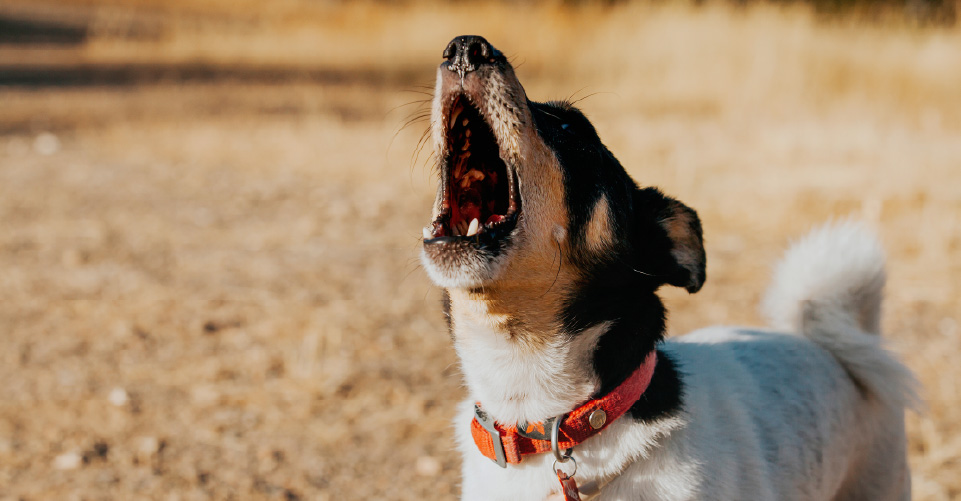
    Dr Tessa: “Rabbits should be vaccinated on a yearly basis to prevent Rabbit Haemorrhagic Disease, which is a deadly and very contagious viral disease. They have very powerful hind legs and a relatively fragile skeleton. So, when they suddenly kick without hind leg support, it can cause a fracture in the spinal cord. Rabbits are easily potty trained and can be taught various tricks, just like a dog. I personally don’t think a rabbit is suited for very small children.”


    Learn more about our vets of the month!

    Dr Emily graduated from the University of Bristol in 2013, and was drawn to Africa by its incredible wildlife. She spent 9 months volunteering for Ikhala Wildlife Veterinary Services and Amakhala Game Reserve, before returning to the UK to work in a mixed animal practice for 18 months. She treated everything from mice and snakes to cows and horses. She re-joined the Ikhala team in 2016, to pursue her passion for working with the wildlife and exotic animals that South Africa has to offer.

    Currently the Practice Principle for Ikhala Veterinary Clinic, Emily is set on making the clinic an even more friendly, caring, and eco-conscious place. For her, being a vet is not just a career path, it’s who she is!

    Emily has three dogs: Rupert the Great Dane, Inspector Morse the Basset Hound, and Rusty the Border Collie! She also has three cats: Dasher, Comet, and Pirate. As well as two horses: Danny and Savannah.


    Dr Tessa was born and raised in the Netherlands, where she was able to work in zoos and wildlife rescue centres while studying as a veterinary nurse. When she earned her Animal Science degree, she moved to South Africa to study Veterinary Science. After graduating in 2014, she worked with various wildlife species in Lydenburg and Hoedspruit. In April 2018, Tessa opened the Family Vet Clinic in Centurion. In December 2020, she opened Family Vet Hazeldean, in Silverlakes.

    Tessa loves the variety of working as a veterinarian, as you never know what will come through the door. She enjoys working with a variety of species, especially the small, furry, exotic animals. As a child, she always wanted to work with animals.

    Tessa has a Rhodesian Ridgeback, two German Shorthair Pointers, a guinea pig, a rabbit, and a hamster (most of them are rescues).


  • 7 TIPS FOR A PET-FRIENDLY EASTER

    7 TIPS FOR A PET-FRIENDLY EASTER


    Have a Hoppy Time With the Whole Family

    As Easter approaches, many of us look forward to festive activities, delicious treats, and quality time with loved ones. But amidst the excitement, it’s important not to forget about our furry companions who are just as much a part of the family. With a little creativity and consideration, you can craft celebrations that are pet-friendly and inclusive!


    Easter Egg Hunt

    Egg hunts are a classic Easter tradition that can be adapted to include your four-legged friends. Instead of traditional eggs, opt for plastic ones filled with pet-friendly treats like aromatic biscuits or small bits of cooked chicken. Ensure the eggs have holes for the scent to escape and are large enough to prevent accidental swallowing. Hide them around your home or yard and watch as your pet eagerly sniffs them out. If your pet tends to chew on plastic, simply hide the treats around without the eggs.


    Buntastic Photoshoot

    Capture precious memories by organising an Easter-themed photoshoot for your pet. Whether it’s dressing them up in bunny ears or simply posing them next to festive props, you’re sure to get some adorable photos to cherish for years to come.


    Easter Brunch

    Treat your pet to their very own Easter brunch with pet-friendly pancakes or smoothies. If you prefer dining out, look for pet-friendly restaurants that offer special menus for fluffy companions.


    Pet-Friendly Easter Events

    Participate in pet-friendly Easter events in your community if your pet enjoys socialising. Dress them up in cute costumes if they’re comfortable in clothing, but always prioritise their comfort. Ensure they’re well-behaved and bring along water to keep them hydrated.


    Movie Marathon

    For a cosy celebration at home, snuggle up with your pet and enjoy a movie marathon featuring Easter-themed films. From classics like Easter Parade to animated favourites like Hop, there’s something for everyone to enjoy.


    Homemade Treats

    Get creative in the kitchen and whip up some homemade Easter treats for your pet. Experiment with Easter-themed shapes like bunnies and eggs, or try out new recipes tailored to their tastes and dietary needs.


    Botanical Gardens

    If you’re looking for an outdoor activity, consider visiting a pet-friendly botanical garden where you and your pet can enjoy the beauty of nature together. Remember to keep your pet on a leash and follow the garden’s rules to ensure a safe and enjoyable experience for everyone.


    This Easter weekend, include your pets in the festivities and make cherished memories together. With a little thought and planning, you can create a celebration that’s both fun and meaningful for the whole family.

  • HEREDITARY CONDITIONS: IS YOUR PET COVERED?

    HEREDITARY CONDITIONS: IS YOUR PET COVERED?


    How Genetics Play a Role in Your Pet’s Health

    Having a pet with a hereditary condition can present unique challenges for pet owners. These conditions can significantly impact your pet’s health, requiring ongoing medical care and attention to ensure their well-being.


    What are Hereditary Conditions?

    Hereditary conditions are genetic disorders passed down from one generation to another. Some of these conditions may be more widespread in specific breeds due to selective breeding, but common genetic disorders stem from ancient disease liability genes. These disorders can affect dogs and cats across various breeds as well as mixed breeds.


    Common Hereditary Diseases in Dogs and Cats

    • Hip Dysplasia: Especially common in large breeds, hip dysplasia is a malformation of the hip joint, causing pain and mobility issues.
    • Progressive Retinal Atrophy (PRA): Affects the retina, potentially leading to blindness.
    • Polycystic Kidney Disease (PKD): Results in cyst growth on the kidneys, potentially leading to kidney failure.
    • Hypertrophic Cardiomyopathy (HCM): Affects cats, causing a thickening of the heart muscle and potential heart failure.
    • Von Willebrand Disease: Causes excessive bleeding in dogs after injury or surgery.
    • Inflammatory Cystitis: Inflammation of the bladder, leading to discomfort and urinary issues.
    • Feline Urological Syndrome: Much like cystitis, causing urinary tract issues.
    • Diabetes Mellitus: Affects blood sugar regulation.
    • Lymphoplasmacytic Gingivostomatitis: Inflammation of the gums and mouth tissues.
    • Non-struvite Bladder Stones: Formation of bladder stones not composed of struvite.


    Detection and Management

    Some hereditary conditions may not show symptoms immediately, becoming apparent only later in your pet’s life. It’s crucial to monitor your pet’s health closely and seek veterinary advice if you notice any concerning symptoms. Regular check-ups and screenings can also help detect potential issues early.

    If your pet has been diagnosed, working closely with your veterinarian is essential. They can develop a tailored treatment plan that may include dietary changes, medication, or specialised therapies to manage the condition effectively. Proactive management can significantly improve your pet’s quality of life and minimise complications.


    The Role of Pet Insurance

    Pet insurance can play a crucial part in covering the cost of managing hereditary conditions. These conditions often require ongoing medical care and treatment, which can become expensive over time.

    Having your pet on our Superior or Ultimate plans could cover them for most* treatments related to hereditary conditions. With the right coverage, you can navigate the financial aspects of treatment, providing your pet with the best possible chance for a happy and healthy life.


    *Ts & Cs apply.

  • A GUIDE FOR TRAVELLING WITH YOUR PET

    A GUIDE FOR TRAVELLING WITH YOUR PET


    Pet-Friendly Accommodation and Other Necessities for a Great Trip

    Travelling with your pet can be a wonderful experience filled with exploration and bonding, but it requires careful planning and consideration to ensure a safe and enjoyable journey for them. Here’s everything you need to know about travelling with your pet, from preparation to safety tips.


    Preparation is Crucial

    Before hitting the road, it’s essential to plan ahead and make necessary preparations to ensure a smooth journey for your pet. Here are some vital tips to help you get started!

    • Health Check-Up

    Schedule a visit to your veterinarian to ensure your pet is in good health and up to date on vaccinations. This is also an excellent time to discuss any concerns you may have about motion sickness or anxiety during travel.

    • Pack a Travel Kit

    Put together a travel kit for your pet that includes essentials such as food, treats, water, bowls, leash, poop bags, and any necessary medications.

    • Safety First

    Invest in a secure dog seat or crate to keep your pet safe and comfortable while travelling in the car. It’s essential to minimise distractions and ensure that your pet remains securely restrained during the journey.

    • Frequent Breaks

    Plan regular rest stops along your route to allow your pet to stretch their legs, relieve themselves, and get some fresh air.

    • Comforts of Home

    Bring along familiar items such as your pet’s favourite toys, blankets, and bedding to help them feel more at ease in unfamiliar surroundings.

    • First-Aid Kit

    Prepare a pet-friendly first-aid kit containing essentials such as bandages, antiseptic wipes, and any necessary medications. It’s also a good idea to research and locate emergency veterinary clinics along your route in case of any unexpected health issues.


    Enjoying the Journey Together

    Keep your dog securely leashed while travelling and during rest stops to prevent them from wandering off or getting into unsafe situations. When visiting areas with wildlife, maintain a safe distance to prevent any encounters that could result in injuries or bites.

    Pets should never be left unattended in a car, especially in warm weather. Ensure that your pet stays comfortable by using air conditioning or fans while driving.


    Now for the best part! We have compiled a few pet-friendly options across South Africa to add to your itinerary:

    pet-friendly travel


    We hope you are ready for a fun trip with your fur-baby!

    Whether you’re close to home or on the road, take the stress out of vet trips and your journey, with dotsure.co.za pet insurance. You can visit any registered vet in South Africa, so no matter where your adventures take you, your fluffy traveller is covered.

  • TIME TO SHOW YOUR PET SOME LOVE

    TIME TO SHOW YOUR PET SOME LOVE


    Ways To Spoil Your Favourite Valentine


    Valentine’s Day is just around the corner, and whether you’re flying solo or in a relationship, there’s one source of unconditional love that deserves some extra attention: your pet. This year, let Cupid’s arrow guide you to celebrate Valentine’s Day with the four-legged love of your life.


    Spa Day

    Pamper yourself with a relaxing bath, blow-dry, and a mani-pedi, then extend the love to your furry friend with a leisurely grooming session. For cats, opt for a gentle brushing session instead.


    Picnic at the Park

    Weather permitting, take your leashed and harnessed dog to the local park for a picnic stocked with treats for both of you. Alternatively, you can have a picnic in your own garden along with other pets.


    Coffee Date

    Visit a pet-friendly coffee shop (one with a doggy menu) and have some treats with your pup.


    Take a Spin

    Leash up your dog or harness-loving cat and go for a drive to a scenic location. A change of scenery can do wonders for both of you.


    Craft Night

    Engage your pet in a peanut butter lick painting project or create a flower crown for them. Share the artistic fun on social media!


    Pet Runway

    Set up a fashion show of sorts for you and your pet to wear matching outfits. Be sure to capture the stylish moments.


    Throw a Dance Party

    Select your favourite tunes, invite your pet to join in, and have a dance party. It’s a fun way to get your heart pumping and share joy with your furry companion.


    Bake Sweet Treats

    Whip up something sweet for yourself and create healthy treats for your pet using special recipes. Share the love: consider baking extra for the local shelter as a heartfelt gesture.


    Movie Marathon

    Cuddle up with your pet and enjoy a movie marathon featuring adorable pets and other animals.


    Beyond Valentine’s Day

    Showing love to your pet doesn’t stop on Valentine’s Day. Here are some everyday tips to strengthen your bond.

    Quality Time: Set aside 10 minutes each morning and night for a cuddle or a quick play session, depending on your pet’s preferences.

    Affection: Give your dog the physical touch they love, whether it’s belly rubs, ear scratches, or brushing. Physical touch fosters a strong connection.

    Exercise Together: Get fit and bond with your dog by exercising together. It’s a win-win for you both.

    Talk to Your Pet: Communication is key. Even if it feels silly, talking to your pet strengthens the bond and enhances understanding.

    Just Be with Them: In our busy lives, take moments to simply be present with your dog. Whether gardening, watching TV, or doing chores, your presence matters.

    Cover Their Tails: Have peace of mind that your pet is protected, with the right pet insurance.


    During this month of love, and the rest of the year, cherish the unconditional love and companionship your pet brings into your life. Celebrate the bond that makes every day brighter!

  • VET ADVICE: INTRODUCING NEW PETS INTO THE HOUSEHOLD

    VET ADVICE: INTRODUCING NEW PETS INTO THE HOUSEHOLD


    Tips and Tricks to Have a Harmonious Fur Family


    Dr Michele Miller is a veterinarian at Paws in Motion Vet in Alberton. She agreed to give some valuable advice on introducing new pets into a household with existing pets.


    What’s the best way to introduce a new pet?

    “Adult dogs being introduced to adult dogs should ideally be done in a neutral environment. Preferably on lead and then off lead. Have people with you in case you need help, should something go wrong. Puppies being introduced to adult dogs should be done slowly and always ensuring the safety of the puppy. Know your adult dog’s demeanour well, like is he/she puppy-friendly or not? Never leave your puppy alone with your adult dog if you are not there. Never feed puppies along with adult dogs. Puppies will always try to steal food from them, and this may lead to puppies being badly bitten.”


    Are there specific health checks recommended before introducing them?

    “All existing pets and new pets should be vaccinated, microchipped, sterilised, and dewormed. They should also get regular tick and flea treatment and preferably have pet insurance.”


    How can a pet parent help a new pet to adjust?

    “Introduce your new pet slowly and keep them with you for the first 24 hours so that they feel safe and secure. Show them where to get water and how to get to the garden for potty time. Also, show them their bed and feeding place. Be consistent with all of these. Remember, pets need routine. Introduce your new pet to your existing pets one by one, even if you have to do this over a few days. This keeps everyone safe and controlled. You can never give them too much love!”


    Are there any species/breed-specific considerations?

    “Know your species and choose the correct breed. Do your research on the type of pet you’re getting and the one you already have. Let the new pet meet your existing pets at home, one at a time so that it is not too overwhelming for the new pet. This makes it safer and easier for everyone involved – prevention is better than cure.”


    Learn more about our Vet Of the Month (VOM):

    Dr Michele is a true welfare vet by heart, and she devotes her entire life to animals. She enjoys riding her horse and spending time with her dogs!


    When did you decide to become a vet?

    “I always wanted to be a vet, even from a very young age.”


    Do you have any pets?

    “I live, breathe, and sleep animals! I have many rescue animals, from feral cats to dogs, horses, and chickens, as well as parrots and parakeets. Yes, I work to feed and look after them all. I understand that I cannot save them all, but I definitely do try for the ones that cross my path.”


    Any last thoughts on the topic?

    “Remember, pets are for life. They depend on us for everything. Always plan for the unexpected, as accidents do happen. Even though I’m a veterinarian myself, I also have medical insurance for some of my pets. Having to euthanise a pet because of funds is heart-breaking for both the owners and their vet.”


  • DOES YOUR PET HAVE SMELLY BREATH?

    DOES YOUR PET HAVE SMELLY BREATH?


    How to improve and maintain your pet’s dental health


    Your furry friend’s kisses can bring joy, but bad breath may signal an underlying health concern. Understanding the causes and addressing them is crucial for your pet’s overall well-being.


    Common Causes of Bad Breath

    Dental or Gum Disease: Periodontal disease, plaque, and tartar build-up contribute to foul odours in your pet’s breath. Regular dental care is essential to prevent these issues.

    Foreign Objects: Small pieces of items like bones or toys can get stuck in a pet’s mouth, causing bad breath. Be cautious with chew toys and monitor your pet’s playtime.

    Organ Dysfunction: Kidney or liver issues can result in a distinct smell on your pet’s breath, indicating a need for prompt veterinary attention.

    Diabetes: Untreated diabetes can lead to ketone production, giving your pet’s breath a distinctive odour. Monitor your pet for other diabetes symptoms.

    Toxic Ingestion: Ingesting harmful substances, including plants or cigarettes, can cause unpleasant breath. Identifying the toxin is crucial for appropriate treatment.

    Non-Food Items: Pets, especially puppies, may ingest non-food items like faeces, leading to bad breath and potential health issues.


    Oral Health in Dogs and Cats

    While home remedies can help alleviate symptoms, treating the underlying cause is essential.

    Halitosis is a common symptom, and successful treatment depends on addressing the root cause. Dental disease, a common contributor, can be managed, but regular dental care is necessary.

    Cats, too, suffer from bad breath due to dental issues caused by tartar build-up and gum disease. Additionally, systemic problems such as kidney disease, diabetes, and gastrointestinal trouble can contribute to foul odours.


    Maintaining Dental Health

    Veterinary Visits: Schedule regular dental check-ups with your vet to address issues promptly and maintain oral health.

    Brushing: Despite challenges, regular brushing with pet-friendly toothpaste helps prevent plaque. Experiment with different toothpaste flavours for your pet’s comfort.

    Dental Treats and Products: Utilise dental treats, water additives, and specific diets endorsed by your vet.

    Dietary Considerations: Choose pet-friendly diets that prevent bacterial imbalances in the mouth. Avoid feeding table scraps to prevent tartar build-up.

    Start Early: Begin dental care routines when your pets are young to establish good habits and reduce dental issues later in life.

    Hydration: Encourage water intake to flush away bacteria and food remnants. Consult your vet for water additives that enhance dental health.


    Your pet’s bad breath is more than a nuisance. It could be a sign of health issues. It’s essential to implement proactive dental care, to ensure your pet enjoys fresh breath and overall well-being.

  • GOAL SETTING FOR YOUR PET

    GOAL SETTING FOR YOUR PET


    How To Keep Your Pet Healthy This Year

    The beginning of a new year is the perfect time for personal resolutions, but it’s also an ideal opportunity to set some goals for your pets! Whether you have a dog, cat, bird, or any other beloved pet, setting achievable goals can enhance their well-being and strengthen your bond.


    Exercise and Activity Goals

    • Regular Walks or Outdoor Adventures

    For dogs, commit to more frequent walks or hikes. Set a target to increase the distance gradually to keep both you and your pup active and healthy.

    • Interactive Playtime

    Engage in more interactive play sessions for cats or other small animals using toys. Consider introducing new toys or rotating existing ones to keep them mentally stimulated.


    Health and Wellness Goals

    • Healthy Diet Plan

    Consult your vet to develop a well-balanced diet plan suitable for your pet’s age, size, and breed. Measure portions accurately and avoid overfeeding.

    • Regular Veterinary Check-ups

    Schedule regular visits to the vet for health check-ups, vaccinations, and dental care. Maintaining their overall health is crucial for a longer and happier life.


    Mental Stimulation Goals

    • Training Sessions

    Commit to regular training sessions to teach new tricks or reinforce existing commands. This mental exercise is beneficial for both dogs and some other pets.

    • Puzzle Toys or Games

    Introduce puzzle toys or games designed to stimulate your pet’s mind. For instance, foraging toys for birds or puzzle feeders for dogs can keep them engaged and entertained.


    Socialisation Goals

    • Meet New Friends

    Arrange playdates or visits to the dog park for your social pet. Interaction with other animals can improve their social skills and happiness.

    • Desensitisation Training

    If your pet is anxious or fearful around certain stimuli (such as loud noises or car rides), gradually expose them to these situations in a controlled, positive manner to help them overcome their fears.


    Grooming and Care Goals

    • Regular Grooming Routine

    Establish a grooming routine based on your pet’s needs. This could include brushing their coat, trimming nails, cleaning ears, and brushing teeth.

    • Create a Safe Environment

    Ensure that your home is a safe and comfortable space for your pet by pet-proofing and providing appropriate hiding spots or resting areas.


    Emotional Well-Being Goals

    • Quality Time Together

    Dedicate specific times during the day to bond with your pet. Whether it’s cuddling time, a short training session, or a quiet moment together, these moments strengthen your connection.

    • Recognise Stress Signs

    Learn to recognise signs of stress or discomfort in your pet. By understanding their body language, you can provide a more calming and supportive environment for them.


    Remember to celebrate their progress throughout the year and adjust goals as necessary. Here’s to a happy and healthy year for both you and your beloved pet!

  • THYROID PROBLEMS IN PETS

    THYROID PROBLEMS IN PETS


    Symptoms and Causes of Thyroid Disorders in Dogs and Cats

    The thyroid gland plays a crucial role in regulating metabolism and overall bodily functions in animals. When issues arise with this gland, it can significantly impact a pet’s health and quality of life.


    Hypothyroidism

    This occurs when the thyroid gland produces insufficient amounts of thyroid hormones. Dogs, especially medium to large breeds, are more prone to this condition. The most common cause is an autoimmune disorder called lymphocytic thyroiditis. This condition leads to the destruction of thyroid tissue, reducing hormone production. At the same time, some dogs are born with thyroid hormone deficiencies due to genetic factors.

    Although rare in well-balanced pet diets, inadequate levels of iodine can contribute to hypothyroidism.

    Treatment typically involves hormone replacement therapy using synthetic thyroid hormones prescribed by a vet. This medication aims to restore the deficient hormone levels and manage symptoms effectively.


    Hyperthyroidism

    More commonly found in cats, hyperthyroidism involves an overactive thyroid gland that produces excessive thyroid hormones. Benign tumours on the thyroid gland, known as adenomas, can cause this overproduction.

    Exposure to certain chemicals or toxins in the environment may impact thyroid function in both dogs and cats.

    Treatment options include medication, surgery, or radioactive iodine therapy. Medication can help control hormone levels, while surgery or radioactive iodine treatment might be recommended for more severe cases.


    Genetic Predisposition

    Certain breeds are more susceptible to thyroid disorders. For instance, breeds such as Golden Retrievers, Doberman Pinschers, and Boxers are more commonly affected by hypothyroidism, while hyperthyroidism is predominantly seen in older cats, especially those over ten years of age.


    Recognising Symptoms

    Identifying the signs of thyroid problems at an early stage is crucial for timely intervention. Some common symptoms include:

    • Changes in Weight

    Unexplained weight gain or loss.

    • Coat and Skin Issues

    Hair loss, thinning coat, or skin problems such as dryness or excessive greasiness.

    • Altered Behaviour

    Lethargy or hyperactivity, changes in appetite, increased thirst or urination.

    • Digestive Problems

    Vomiting, diarrhoea, or constipation.


    Providing Care

    Caring for a pet diagnosed with a thyroid disorder involves a holistic approach:

    • Medication

    Ensure that your pet receives prescribed medication consistently, as per the veterinarian’s instructions.

    • Dietary Management

    Some pets may benefit from specific diets tailored to their condition. Consult the vet about appropriate nutrition.

    • Regular Check-ups

    Schedule regular check-ups to monitor hormone levels and overall health status.


    Always consult a veterinarian for personalised guidance and treatment options tailored to your pet’s specific needs and condition. If you commit to being proactive and attentive, you can ensure a happy life for your pet.

  • 9 SIGNS YOUR PET IS HEALTHY

    9 SIGNS YOUR PET IS HEALTHY


    Ways to Determine If Your Pet Is Healthy or Not

    As a pet parent, your fur baby’s health is paramount. Their well-being is more than just a wagging tail or a purr – it’s about understanding their subtle cues and signs of vitality. If you can recognise these signs, you can be proactive about your pet’s wellness.


    Energy Levels

    Observe your pet’s usual activity levels. A healthy pet is generally energetic, curious, and playful. Sudden lethargy or a significant decrease in activity might signal an underlying issue.


    Appetite and Eating Habits

    A healthy pet typically has a consistent appetite and shows enthusiasm for mealtimes. Changes in eating habits, such as refusing food or overeating, could indicate health problems.


    Healthy Weight

    Monitor your pet’s weight. Being able to feel (but not see) their ribs, having a visible waist when viewed from above, and a tucked stomach are signs of an appropriate weight.


    Coat and Skin

    A shiny coat, free from excessive shedding, dandruff, bald patches, or skin irritations, indicates good health. Regular grooming can help maintain their coat and reveal any abnormalities.


    Good Digestion

    Regular bowel movements that are firm and easy to pass indicate a healthy digestive system. Diarrhoea, constipation, or blood in their stool can be signs of underlying issues.


    Dental Health

    Healthy gums should be pink, with no swelling, and teeth should be clean without tartar build-up. Bad breath or changes in eating habits might indicate dental problems.


    Behavioural Changes

    Pay attention to any significant alterations in behaviour, such as increased aggression, excessive vocalisation, hiding, or seeking more attention than usual. These changes might signal discomfort or distress.


    Respiratory Health

    Laboured breathing, coughing, or wheezing can indicate respiratory problems. Pets should breathe easily without any obvious signs of struggle.


    Regular Veterinary Check-ups

    Annual check-ups with a veterinarian are crucial for preventive care. A vet can identify subtle signs of illness and provide appropriate vaccinations or treatments.


    If you notice any unusual changes in your pet’s behaviour, appetite, or appearance, consulting with a veterinarian is advisable. Remember, your attentiveness to your pet’s health is a testament to your love and care for them!

  • THE REAL PRICE OF A NEW PET

    THE REAL PRICE OF A NEW PET


    Preparing For All the Costs of Pet Ownership

    Owning a pet is a rewarding journey filled with companionship and love. However, it’s essential to recognise that this journey comes with financial responsibilities that vary in frequency and intensity. From one-time expenses like sterilisation to recurring costs such as food and annual vet visits, the financial commitment spans daily, monthly, quarterly, and annual intervals.

    The lifespan of pets varies significantly, some pets live for a few short years while others could live up to two decades. During this time, you’ll carry the financial responsibility of caring for their needs. Some breeds may be more prone to hereditary conditions, requiring ongoing medical attention as they age. Others might encounter unexpected health issues or accidents during their adventures, leading to substantial vet bills.

    Every pet has a unique temperament, from serene to adventurous. While some pets may lead relatively uneventful lives, others have daring escapades that could unexpectedly lead to significant medical expenses.


    Ways you’ll pay for a pet during its lifetime:

    • Acquiring Your Pet

    Finding your new companion might initially seem cost-free, especially if a stray captures your heart. However, medical screenings and updated treatments can add up. A purebred pet from a reputable breeder might involve a high initial cost and could come with breed-specific health costs. While rescue and shelter pets are more affordable initially, their unknown lineage could result in higher costs later down the road.

    ➡️Estimated Cost: R2,000 to R25,000 once-off.

    • Feeding

    Your pet’s diet significantly impacts their health. Investing in high-quality, nutritionally balanced food can contribute to reduced vet expenses in the long run. However, pets with specific dietary needs or allergies might lead to higher food costs, especially as their nutritional requirements change with growth.

    ➡️Estimated Cost: R200 to R3,000 per month.

    • Equipment and Education

    Prepare for various expenses, including microchips, toys, training aids, leashes, collars, crates, fences, and more. Additionally, there are educational expenses like puppy school, behavioural consultations, and literature on understanding specific pedigrees.

    ➡️Estimated Cost: R100 to R4,000 once-off or per month.

    • Housing and Health

    Creating a comfortable living environment for your pet involves expenses for bedding, enclosures, and kennels, along with routine health needs like vaccinations, spaying/neutering, grooming, and potential medical care.

    ➡️Estimated Costs: R200 to R6,000 once-off or per month.

    • Travelling

    Travelling with or without pets entails costs for sitters, day-cares, carriers, and pet-friendly accommodations.

    ➡️Estimated Costs: R200 to R2,000 per vacation/trip.

    • Accidents

    Adventurous pets can get into all kinds of trouble. Accidents can happen, and they can lead to unexpected expenses, including liability charges.

    ➡️Estimated Costs: R400 to R30,000 per incident.


    Mitigating Costs

    This applies to your existing pets and any new ones you add to the family. dotsure.co.za’s pet insurance takes the pressure off some financial burdens associated with vet bills, age-related health issues, and liability charges. It’s an investment that can significantly ease the strain of pet expenses.


    It Costs More Than Just Money

    Beyond the financial implications, owning a pet demands time, energy, and emotional commitment. Each pet has unique needs and personalities, making it crucial to select a companion that aligns with your lifestyle and capabilities. Whether it’s a high-energy dog or a low-maintenance reptile, understanding your pet’s requirements is essential.

    Start small if you have doubts about the expenses or commitments. While a budgie might be more budget-friendly than a beagle, any pet brings immeasurable joy and companionship. Remember, caring for a pet is an emotional investment – one that enriches your life in ways money can’t quantify.

  • 5 FACTS ABOUT RABIES

    5 FACTS ABOUT RABIES


    What you need to know about the deadly rabies virus.

    It’s Rabies Awareness Month, and we’re bringing you the facts! Rabies is a serious viral disease that can affect both animals and humans. There’s essential information that every pet owner should know about rabies to protect their pets, themselves, and their communities.


    What is Rabies?

    Rabies is a viral disease that affects the nervous system. It is typically transmitted through the saliva of an infected animal via bites, scratches or open wounds. The virus travels along the nerves to the brain, leading to severe neurological symptoms and eventual death.


    5 Facts About Rabies

    1. Range of Hosts:

    Rabies can affect a wide range of mammals, including domestic pets like dogs and cats, as well as wildlife, such as bats, squirrels, and foxes. Any mammal can potentially carry and transmit the virus.

    1. Human Transmission:

    The virus can be transmitted to humans through bites, scratches, or exposure to infected saliva. Immediate medical attention, including post-exposure prophylaxis (PEP), is crucial after potential exposure. Once symptoms appear (30 to 50 days after being bitten), the disease is almost always fatal.

    1. Prevention Is Better Than a Cure:

    Vaccinating your pets against rabies is essential. Regular vaccinations not only protects your pet from the disease but also helps to prevent its spread to humans and other animals. Puppies and kittens should receive their first rabies vaccine as early as 12 weeks of age.

    Follow your veterinarian’s recommended vaccination schedule, as booster shots are necessary to maintain immunity and should be given annually.

    1. Dangers of Wildlife Exposure:

    The other option for prevention is to avoid letting your pets roam freely and keep them indoors, especially during the evening and nighttime when wildlife is more active. Supervise outdoor activities and walks to prevent encounters with potentially infected animals.

    1. Common Symptoms:

    Infected animals may display behavioural changes, including aggression, confusion, excessive drooling, and difficulty swallowing. Paralysis and staggering may also occur.


    Seeking Veterinary Care

    If you suspect your pet has been exposed to rabies or is displaying abnormal behaviour, seek immediate veterinary care. Your veterinarian can determine the best course of action, which might include quarantine.


    It’s imperative that even when Rabies Awareness Month comes to an end, we continue to raise awareness and share knowledge with each other. Rabies is a serious and potentially deadly disease, but with education and responsible pet ownership, we can significantly reduce its impact.

  • ANIMAL CRUELTY OR LEGITIMATE SOLUTION? THE LAW ON VOCAL CORD REMOVAL TO STOP EXCESSIVE BARKING

    ANIMAL CRUELTY OR LEGITIMATE SOLUTION? THE LAW ON VOCAL CORD REMOVAL TO STOP EXCESSIVE BARKING


    Is removing your pet’s vocal cords legal and humane?

    Dr Trudie Prinsloo is a qualified veterinarian and attorney. In 2015, she started Legal Vet Services to provide legal advice to the animal health and veterinary industries in South Africa and now she has teamed up with us to tell us more about the South African laws relating to the removal of dogs’ vocal cords.

    Is Vocal Cord Removal for Excessive Barking Still Acceptable?

    Excessive barking by dogs is a real and often very difficult problem to deal with, which is why I have written about it on more than one occasion in the past. Is vocal cord removal (also called debarking or ventriculi cordectomy) an acceptable method to deal with this problem?

    In my opinion, the answer is a huge “NO!”  However, before I explain my view, I want to acknowledge that vocal cord removal is a procedure that is still accepted and done in many parts of the world, including South Africa.  But there is increasing evidence against the use of this procedure and more and more people agree that it should not be done.

    Dogs bark excessively because there is something that causes them to bark.  It may be separation anxiety, it may be boredom, fear, or someone or something that is upsetting the dog. One of the main reasons people have dogs is for them to act as a warning system to alert us when there is a problem.  Barking is a dog’s main way of communication.  Taking away the dog’s ability to bark, is taking away its main method of communicating.  It does not solve the underlying problem! Imagine taking a child’s voice away because you think the child is too noisy! Or how would you feel if someone permanently silences you because they think you talk too much or too loudly?

    Furthermore, the procedure itself is an invasive surgery that needs to be done under general anaesthesia with several potential complications.  Here are some of the things that can go wrong:

    • Since it requires anaesthesia, it always comes with a risk of complications and potential anaesthetic death. Proponents of vocal cord removal will argue that this is true for all surgeries, which is, of course, correct.  And that is the very reason to avoid unnecessary surgery.  Especially a surgery that does not solve the actual problem.
    • The surgery carries a risk of excessive bleeding, which could also lead to the death of the patient.
    • The surgery is done in an area that cannot be kept completely sterile, and there is a significant risk of post-operative infection.
    • Scar tissue may form post-surgically (laryngeal web) that can cause obstruction of airflow and difficulty breathing. This will require corrective surgery and it can be life-threatening if not corrected.
    • Vocal cord removal and the dog’s inability to communicate can exacerbate the dog’s stress levels. People in favour of this procedure argue that this is not true.  However, there is scientific proof that the cortisol levels of dogs that had undergone a ventriculi cordectomy has increased.
    • In most cases, the noise level is only reduced and not eliminated. Some dogs learn to bark again, often with a very strange-sounding voice.

    Thus overall, the risk-benefit is completely skewed, with the risks far outweighing any potential benefits gained from the surgery.

    But are there any legal implications or can vocal cords be removed without legal consequences? The first place to search for an answer dealing with animal welfare is the Animals Protection Act, No. 71 of 1962. Section 2 of this Act sets out all the potential offences that can be committed concerning animals and which are punishable under the Act.  The very first offence set out in Section 2 is:

    “(1) Any person who

    (a) overloads, overdrives, overrides, ill­treats, neglects, infuriates, tortures, or maims or cruelly beats, kicks, goads or terrifies any animal;” [my emphasis].

    The word that stands out and is relevant to a ventriculi cordectomy is “maims”.  The Oxford Advance Learner’s Dictionary defines maim as: “to wound or injure somebody so that part of the body is permanently damaged or lost.”   This is exactly the effect that a ventriculi cordectomy has on the animal.  I am therefore of the opinion that it is an offence in terms of this Act to perform a ventriculi cordectomy.  However, it has not been applied in this manner to date, and it has not been tested in a court of law.

    The South African Veterinary Council through its “Code of Conduct” provides guidance to veterinarians regarding their professional conduct.  The following is stated about ventriculi cordectomies:

    • It may only be done by a registered veterinarian under general anaesthesia and with proper analgesia.
    • It must be discouraged and may only be done if all reasonable alternatives have been unsuccessful, and the owner is considering euthanizing the dog.
    • Veterinarians must also inform owners that the noise levels may only be reduced and that there may still be some noise generated by the dog.

    The procedure is therefore still done and accepted by some people in South Africa.  However, in my opinion, it should not be done at all, and alternative measures must be pursued until the problem has been resolved.


    dotsure.co.za is not responsible or liable for any advice, opinions, or any other information provided herein.

  • ECO-FRIENDLY GOODIES AND GIFTS FOR PETS

    ECO-FRIENDLY GOODIES AND GIFTS FOR PETS

    Time for a treat? If you’d like to spoil Spot and Sushi but you’re worried about the impact the products may have on the environment, or you just prefer to do things more naturally, you’re not alone.  Climate change is real and pet lovers are becoming more aware of their impact on nature. Good news is it’s entirely possible to be an animal lover and an earth guardian at the same time.

    The trick to it is to make more responsible choices for mother nature and your fur babies. Ethical eco-products use organic ingredients, sustainably-produced materials, and reduce waste and energy consumption in the production line. We’ve got a few suggestions for you.

    Treats for animals with an appetite

    Birds

    Wild bird seed bells will treat hungry birds in your garden and bring more birdsong to your windowsill. Not for homes with cats…!

    Cats

    Plant heirloom non-GMO, heirloom catnip seeds to grow more furry purrs.
    Cat bowls made with byproducts of rice production mean less waste and more yum.

    Dogs

    An ant-beater pet bowl means fewer refills. No more water-waste antics.
    These’s dog bowls use plant fibre from sustainably-produced bamboo.
    Yep, get delicious, wheat-free dog biscuits right here.


    Keeping them clean (and comfortable)

    Here’s a squeaky clean, natural pet shampoo that won’t wash away your flea and tick treatment.
    Speaking of which, pest powder with diatomaceous earth is a safe way to eradicate the pests that love pets.
    Wellness support, naturally

    Natural immune booster offers great support for your pet’s natural defences.
    Help your pet relax with this earthy remedy to motion sickness, fear, shock and stress.
    Spot got stinky breath? Natural ingredients will make licks delicious again.
    Probiotics for pets? Yup! This one’s all-natural, too.
    Eco hygiene for kitties
    Clean the tray and clear your green guilt in one scoop using an environmentally responsible litter tray and litter scoop.
    How about some environmentally-friendly litter to go in it? Here’s one made with the leftovers of soymilk production.

    Green doggie-do

    Plastic is causing a stink with environmentally conscious consumers. Pick up Spot’s ‘gifts’ with a poop bag holder made from biodegradable, plant-fibre plastic.
    You’ll need refills of these biodegradable poop bags.

    Strange smells

    Enviro-easy air freshener is natural, antibacterial, and antifungal. Fresh scents make sense!

    Toys!

    A variety of coconut fibre and cotton pet toys will give a natural thrill to playtime.

    If you do one thing…
    Remember, the eco-friendliest pet is one that neither hunts nor reproduces. Cats with access to wild spaces are considered an invasive alien species by some. Cats and dogs can quickly have large litters that need love and new homes. You don’t want to be responsible for adding to the hundreds of thousands of unwanted animals that are put to sleep each year, or the millions of birds killed by cats (and dogs) each year.

    Get a bell for your furry friends to warn your feathered friends that danger is near.
    Have your cats and dogs neutered or spayed as soon as your vet says it’s appropriate.
    Make sure you have a valid licence for your exotic pets.

    We’ll insure them all.

    Liked this? You’ll love these!
    How to road trip more safely and easily with your pets

    Do cats dream?

    DIY dog biscuits made by you with love (recipe)