
Tag: rabies

  • BITE BACK: LOOK OUT FOR THESE RABIES SYMPTOMS

    BITE BACK: LOOK OUT FOR THESE RABIES SYMPTOMS


    Protect Your Pets and Family Against Rabies

    Rabies has a fatality rate of 100%. This is the highest fatality rate of any infectious disease known to man. With World Rabies Day (28 September 2024) coming up, we wanted to spread awareness so that pets and their parents can stay safe.


    About Rabies

    Rabies is transmitted to animals and humans via saliva through bites or scratches from an infected mammal, affecting the central nervous system. It can also spread via direct contact with mucosa, for example, through the eyes, mouth or open wounds, but this is rare.

    Related: 5 Facts About Rabies


    Rabies Symptoms

    With an incubation period of 2-3 months, the initial symptoms include:

    • Headache
    • Fever
    • Sore Throat
    • Fatigue
    • Loss of appetite
    • Nausea and vomiting
    • Tingling, pricking or burning sensations at the wound site.

    As it moves to the central nervous system, progressive and fatal inflammation of the brain and spinal cord develops. The symptoms include:

    • Severe agitation
    • Aggressive, uncontrollable behaviour
    • Inability to swallow
    • Excessive salivation
    • Seizures
    • Hydrophobia.


    Prevention

    Vaccination is the most effective form of prevention for protecting your pets. Therefore, it’s essential to ensure that their vaccinations are current.

    Keep your distance if you are unsure of other animals’ vaccination status. Stay away from stray dogs and keep your pets at home if they haven’t yet been vaccinated (between 12 and 16 weeks old).

    Related: Vet Advice: Rabies Prevention.


    How Can You Bite Back?

    Educate your friends and family about the risks and how to avoid exposure. They should always inform you if they were attacked by or encountered an animal behaving strangely.


    Having Pet Insurance from dotsure.co.za can help protect your pets and your pocket with coverage for vaccinations, illness, accidents, and more. Learn more about our Pet Insurance Plans, which are designed to care for your pets.

    Rabies is a preventable disease. With proper education and care, we can keep the people and pets around us safe. Here’s to biting back against Rabies!
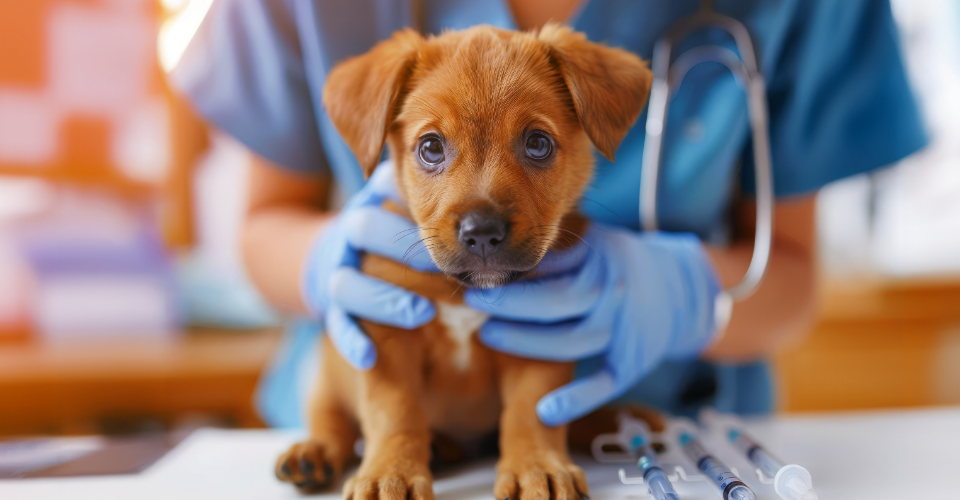

     

  • VET ADVICE: RABIES PREVENTION

    VET ADVICE: RABIES PREVENTION


    Where Prevention is the Only Cure

    Dr Jozaan Nel is a veterinarian at Vets4All Animal Clinic in Kimberley. This mixed-animal practice treats everything from small animals to wildlife, livestock, and equines.


    How is rabies transmitted to pets?

    “Rabies is transmitted through saliva, in any form, usually through biting or licking. Rabies is a zoonotic disease, which means that humans can get it too!

    It’s important to note that rabies can affect all mammals. Livestock animals too, and farmers should familiarise themselves with the possible signs of rabies in the various species as they may differ.”


    What are the primary symptoms of rabies?

    “Mainly, a change in behaviour. Some animals become very aggressive, chew various objects, and develop a fear of water. There can be progressive paralysis and difficulty swallowing. Pet parents often think that there is something stuck in their pet’s throat. Later, pets become comatose and die.”


    How long does it take for rabies symptoms to appear after exposure?

    “The incubation period for rabies ranges between 1 to 8 weeks, however, various cases have been reported even 6 months after a bite or incident has occurred.”


    What are the most effective methods for preventing rabies in pets?

    “The most effective way of managing rabies is to vaccinate properly and appropriately, with an emphasis on correct vaccination schedules. Vaccinating animals is a priority for the safety of your family and your pets!”


    What are the essential steps pet parents should take if they suspect their pet has been exposed to rabies?

    “If you suspect your animal has been exposed to rabies, you must consult your vet immediately and make sure you take your pet’s vaccination card with you.”


    Learn more about our Vets of the Month (VOM)

    Dr Jozaan Nell loves spending time outdoors and exercising. Puppies are her favourite patients, and she especially enjoys working with horses. As for snakes and spiders – her colleagues can handle those. 😉


    Dr Jozaan, when did you decide to become a vet?

    “I can’t remember exactly when I wanted to become a vet, but if you asked my mom, she would say since I begged her for horse riding lessons and collected all the animal magazines.”


    Any last thoughts on the topic?

    “Rabies is one of the most horrible diseases I have ever learnt about! There is no cure, only prevention. Please save us the stress, by simply vaccinating your animal.”

  • 5 FACTS ABOUT RABIES

    5 FACTS ABOUT RABIES


    What you need to know about the deadly rabies virus.

    It’s Rabies Awareness Month, and we’re bringing you the facts! Rabies is a serious viral disease that can affect both animals and humans. There’s essential information that every pet owner should know about rabies to protect their pets, themselves, and their communities.


    What is Rabies?

    Rabies is a viral disease that affects the nervous system. It is typically transmitted through the saliva of an infected animal via bites, scratches or open wounds. The virus travels along the nerves to the brain, leading to severe neurological symptoms and eventual death.


    5 Facts About Rabies

    1. Range of Hosts:

    Rabies can affect a wide range of mammals, including domestic pets like dogs and cats, as well as wildlife, such as bats, squirrels, and foxes. Any mammal can potentially carry and transmit the virus.

    1. Human Transmission:

    The virus can be transmitted to humans through bites, scratches, or exposure to infected saliva. Immediate medical attention, including post-exposure prophylaxis (PEP), is crucial after potential exposure. Once symptoms appear (30 to 50 days after being bitten), the disease is almost always fatal.

    1. Prevention Is Better Than a Cure:

    Vaccinating your pets against rabies is essential. Regular vaccinations not only protects your pet from the disease but also helps to prevent its spread to humans and other animals. Puppies and kittens should receive their first rabies vaccine as early as 12 weeks of age.

    Follow your veterinarian’s recommended vaccination schedule, as booster shots are necessary to maintain immunity and should be given annually.

    1. Dangers of Wildlife Exposure:

    The other option for prevention is to avoid letting your pets roam freely and keep them indoors, especially during the evening and nighttime when wildlife is more active. Supervise outdoor activities and walks to prevent encounters with potentially infected animals.

    1. Common Symptoms:

    Infected animals may display behavioural changes, including aggression, confusion, excessive drooling, and difficulty swallowing. Paralysis and staggering may also occur.


    Seeking Veterinary Care

    If you suspect your pet has been exposed to rabies or is displaying abnormal behaviour, seek immediate veterinary care. Your veterinarian can determine the best course of action, which might include quarantine.


    It’s imperative that even when Rabies Awareness Month comes to an end, we continue to raise awareness and share knowledge with each other. Rabies is a serious and potentially deadly disease, but with education and responsible pet ownership, we can significantly reduce its impact.