Tag: road safety

  • THE ULTIMATE ROAD SAFETY CHECKLIST FOR HOLIDAY TRAVELS

    THE ULTIMATE ROAD SAFETY CHECKLIST FOR HOLIDAY TRAVELS


    Road Safety Guide for the Great SA Festive Season Migration

    The species? Homo Mzansis, roadtrippicus holidayus. The destination? Anywhere with sun, sea, family, or a braai waiting.

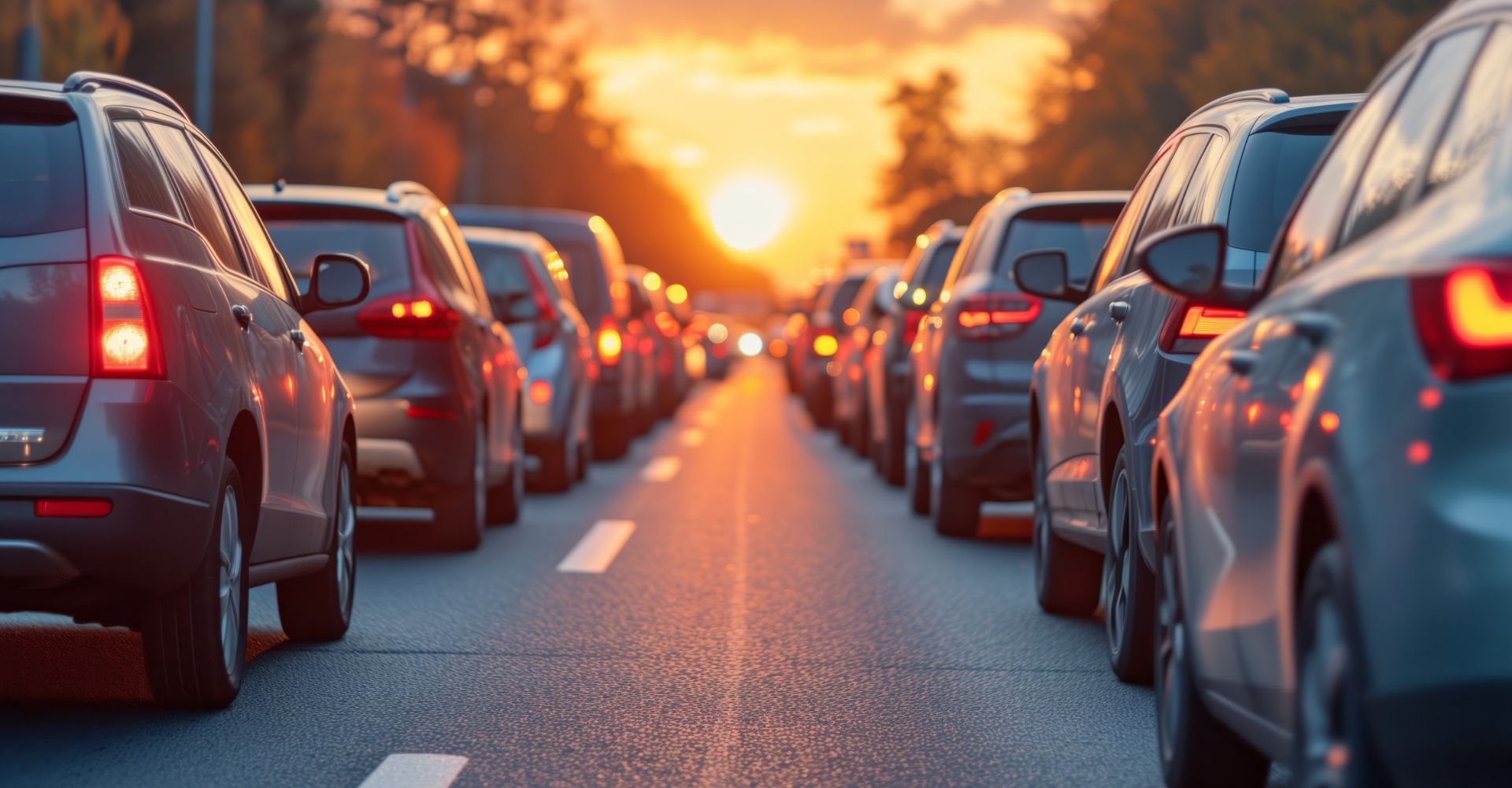
    Every December, a spectacular event unfolds across Mzansi. One so massive, so predictable, and so beautifully chaotic that it rivals the great wildebeest migration of the Serengeti. Millions of South Africans embark on their annual pilgrimage: The Great Festive Migration.

    As you join the migration this festive season, use this road safety checklist guide to ensure that your trusty steed is fit, fed, and roadworthy for the long road ahead. You should also manage your Name Your PriceTM car insurance and switch cover on or off this festive season via the 24/7 online Manage Portal.


    Pre-Trip Road Safety Checklist

    The Homo Mzansis, roadtrippicus holidayus begins weeks in advance. Forming queues at tyre shops and service centres, often debating oil grades with the confidence of seasoned mechanics. Because if you’re a roadtrippicus holidayus, you know that long drives require more than just directions and good music.

    You should:

    • Plan your route. Use reliable GPS apps and check for construction zones or detours. Print a backup map if you’re travelling through low-signal areas and always take the scenic route.
    • Rest before you drive. Fatigue is one of the biggest risks during holiday season travel. A well-rested driver reacts faster and stays calmer.
    • Avoid night-time trips. Visibility drops, reaction times slow, and roadside help can take longer to reach you.
    • Share your route. Let friends or family know where you’re headed and when you expect to arrive. And then get ready to hit the road.

    But First, the Harsh Reality of the Great Migration: Car Accident Stats

    The car accident stats in South Africa are scary. Beneath the joy and adventure, our holiday migration also brings heartbreak. Each year, around 14 000 lives are lost on South African roads. That’s not just a number – it’s mothers, fathers, friends, and neighbours who never make it back home.

    And here’s the kicker, it’s rarely the roads or the cars that are to blame. It’s how we drive. According to Arrive Alive, South Africa ranks amongst the worst globally for road traffic injuries. Every year, millions are injured on our roads. So, while the holiday season is about celebration and connection, it’s also a time to slow down, buckle up, and keep your herd safe on the journey. This all begins with ensuring that your car is roadworthy and ready for the holidays.


    Check Before You Trek: The Ultimate Road Safety Checklist

    A roadworthy car is your first line of defence. A scheduled service is the mark of a truly road-ready vehicle, the equivalent of getting your passport stamped. But how do you check your car’s readiness? Here’s a quick guide:

    • Tyres: Check tread, pressure, and the spare.
    • Brakes: A spongy pedal or squeaking sound is your cue to get them checked.
    • Fluids: Check oil, coolant, and brake fluid. Then top up where needed.
    • Battery: Ensure the terminals are clean and the battery isn’t past its lifespan.
    • Lights & Indicators: Essential for visibility and communication on busy roads.
    • Wipers: Replace worn blades.

    Pro tip: Before you hit the road, check your licence status or renewal date online because fines are not the souvenirs you want this December.

    RELATED: A BALANCED APPROACH TO CAR MAINTENANCE


    The Departure After the Road Safety Checks

    Dawn breaks. Coolers are packed, and one last check to see if you turned off the geyser. Our migraters, fueled by caffeine, merge onto the freeway to join a very diverse convoy:

    • The bakkie species, towing boats and braais equipment with pride.
    • The SUV clans, identifiable by roof racks and cooler boxes in the boot.
    • The sedan nomads, darting between lanes, playlists set to “old school” hits.
    • The hatchback herd, masters of the “just make it fit” migration technique, proving that even the tiniest species can carry half the house when the festive trek begins.

    From above, it’s a sight to behold. Shimmering lines of metal inching toward the coast. And here’s the best part – the really smart drivers won’t only be insured by dotsure.co.za, they’ll also be earning cashback rewards of up to 25% of their monthly premium thanks to our Smart Driver Programme.


    Pet Travel Safety: Observe the Sub-Species Known as Pet Parents

    Their migration is more complex, requiring hydration bowls, harnesses, and carefully managed aircon levels.

    Key behaviours include:

    • Frequent rest stops for “walkies.”
    • Sharing of padkos between species.
    • Regular affirmations (“Good boy, almost there!”).

    If your furry family members are tagging along; use a harness or carrier, keep water available at all times, never leave pets unattended in a car, and ensure your pet insurance is up to date.

    RELATED: TRAVELLING WITH YOUR PET


    Migration-Ready: What Should Be on Your Car Safety Checklist

    Accidents and breakdowns can happen, even to the best-prepared drivers. Keep a roadside emergency kit in your boot with:

    • Jumper cables
    • Reflective triangles
    • First-aid kit
    • Flashlight
    • Basic tools
    • Water and snacks

    If the unexpected happens, dotsure.co.za’s after-hours roadside assistance (call 0861 368 7873) is available 24/7, including public holidays. Whether it’s a tow, flat tyre, or medical emergency, we’ll get help to you fast.

    But Wait, How Do I Use a Traffic Circle the Right Way

    Ah, the traffic circle. Whereas most of Mzansi’s great migrators are used to the rhythm of the concrete jungle (guided by the glow of traffic lights and the beat of rush-hour chaos), every driver will encounter the great watering hole of the road (the traffic circle), unsure whether to charge in or wait it out. Here’s how to use a traffic circle the right way:

    • Yield to the right. The cars already in the circle have the right of way.
    • Ease in slowly, choose your lane wisely, and know your exit before you enter.
    • The left lane is your friend for left turns or going straight.
    • The right lane is for those making a right or full U-turn.

    And when it’s time to leave, signal your intentions clearly. Give a little blink to let the rest of the flock know where you’re headed.


    One More Thing: What are My Rights When Pulled Over

    Even the most graceful migrators of the open road eventually attract the attention of the rangers. When the blue lights flash behind or Infront of you, it’s not the time to panic or bolt. It’s simply part of the ecosystem.

    In South Africa, when a uniformed traffic officer or police official signals you to stop, you must comply; that’s the law of the land. But while you’re expected to cooperate, you’re also protected by a few important rights that help keep things fair and transparent.

    • Ask for identification. Every officer must carry an official appointment certificate.
    • Know why you’ve been stopped. You have the right to ask for the reason.
    • No cash, no problem. You cannot be forced to pay a fine on the spot.

    So, next time the rangers of the road wave you down, remember to respect the process, stay calm, and know your rights. Because even in the wilds of the festive migration, order keeps the herd moving safely.


    How Sleep Affects Your Driving: The Fatigue Factor

    As night falls, we see the toll of travel. Eyes grow heavy. Playlists loop. The driver hums tunelessly to stay awake.

    But driving tired slows your reaction time as much as alcohol does.

    • Take breaks every two hours.
    • Swap drivers if possible.
    • If you feel drowsy, pull over safely and rest.


    Having Car Insurance Is the Best Safety Net You Can Give Yourself

    After hundreds of kilometres, countless tolls, and at least one argument about directions, the migration is complete! But here’s the best part. Whether you’re driving solo or travelling in a full pack, you can Name Your Price™ this festive season and choose the cover that fits your journey best. And if life throws you a detour, our speedy claims payouts get you back on the road faster than you can say “Are we there yet?” So contact us today to get covered.

    RELATED: FUNNY SA DRIVING LAWS
  • CAR SAFETY INSPECTION CHECKLIST FROM US TO YOU

    CAR SAFETY INSPECTION CHECKLIST FROM US TO YOU


    Do you ever run through a car safety inspection checklist before you hit the road for that long weekend or even for your daily commute? Even if to-do lists are your thing, we’re leaning towards that answer being a “no.” 

    While it may seem tedious or unnecessary, it will help you avoid surprises such as a flat battery when you’re already late for work or a wiper that quits mid-thunderstorm. 

    PS: An extended car warranty should also be on that checklist! It can help cover those unexpected repair bills. Get a free quote right now in minutes, and you’ll have already ticked off #1 on our safety checklist! 


    Why Car Safety Inspections Matter 

    The Risks of Skipping Inspections 

    Ignoring inspections is like skipping the dentist. Everything seems fine until you chomp down a popcorn kernel, and then whoops, that rotten tooth you didn’t know about cracks. A worn brake pad or underinflated tyre can quickly escalate into a costly and dangerous breakdown. 

    When and How Often Should You Inspect Your Car? 

    A quick once-over every month should do it. You can perform a more thorough check before long trips. And of course, follow your car service plan and make sure you know when your vehicle is due for routine maintenance. 


    RELATED: EXTENDED CAR WARRANTY VS SERVICE PLAN 


    The Essential Car Safety Inspection Checklist 

    Engine Oil & Fluids: Check for Levels and Quality 

    Engine oil, brake fluid, and coolant are your car’s lifeblood. Ensure all levels are topped up and the fluids are clean. You don’t want any murky colours or burnt smells. 

    Battery: Clean Contacts and Test Power 

    You know how it goes, a weak battery loves to die on us at the worst possible moment. Check for corrosion on the terminals and test the voltage.  

    Wipers & Windscreen: You Need Clear Vision 

    Your car safety inspection checklist should always include checking your wipers and your windscreen. Replace blades if they streak, and keep your windscreen chip-free. 

    Top tip! Some wiper blades have a little black dot on them. When the black dot wears down it reveals a colour dot that means it’s time to replace them. 

    Tyres: Pressure, Tread, and Alignment 

    Far too many accidents are caused by cars with tyres that have no grip. Check tyre pressure monthly, measure tread depth (check out this blog on how much tread your tyres need) and look out for uneven wear that might signal misalignment. 

    Lights: Headlights, Indicators, Brake Lights, and DRLs 

    Lights keep you seen and safe. Test them all, including fog lights and daytime running lights, to avoid being “that car” with a missing headlight that looks like a motorbike in the dark. 


    Major vs Minor Car Service Checklist 

    A minor car service checklist usually covers oil changes, filters, spark plugs, and safety checks. 

    A major car service checklist is a lot more in-depth: timing belts, suspension, transmission fluids, and more. Your mechanic can do these checks for you, and it’s usually covered during your annual service. 


    Car Seat Safety Checklist: Keeping Your Little Ones Safe 

    How to Check Car Seats for Fit, Expiry, and Damage 

    Car seats aren’t made to last forever. Inspect straps for fraying, check expiry dates, and ensure the seat is correctly fitted and appropriate for your car model. 

    Legal Requirements for Car Seats and Seat Belts in South Africa 

    Under the National Road Traffic Act, all children under three must be secured in a proper car seat. Beyond the law, a car seat safety checklist can literally be life-saving. 

    Adults:  

    • Must wear a seatbelt if the seat is fitted with one (except while reversing or parking). 

    Children (3–14 years): 

    • Must use a suitable car seat or booster seat. 
    • If no child restraint is available but a seatbelt is, the child must wear the seatbelt. 

    Infants (0–3 years): 

    • Must be seated in an appropriate child restraint (car seat). 

    Rules for Riding Shotgun 

    • South African law does not prohibit a child from sitting in the front seat, nor does it set a hard minimum front-seat age. 
    • However, some sources do state that children aged 4 to 7 years may travel in the front seat, provided all rear seats are already occupied. 
    • This is more of a safety guideline than a clear statutory rule. 

    Why the Back Seat Is the Safest Place for Children 

    • The back seat is farthest from the point of frontal impact, which is the most common type of crash. 
    • If an airbag deploys, it can severely injure a child in the front seat especially in rear-facing car seats. 
    • Many child restraint manufacturers and road safety bodies strongly recommend keeping children in the rear seats as long as possible.  


    Staying Safe on the Road 

    At the end of the day, sticking to a car safety inspection checklist gives you peace of mind, prevents costly surprises, and keeps you and your passengers safe. Pair that with the right extended car warranty from dotsure.co.za, and you’re ready for the road ahead. 

    Do you need more info? Get a quick quote online or contact us for more about keeping your car and wallet safe. 


  • WHICH COLOUR CARS HAVE THE MOST ACCIDENTS?

    WHICH COLOUR CARS HAVE THE MOST ACCIDENTS?


    We all have our reasons for picking a car colour. Some people choose white because it lowers heat absorption. Others go for the luxurious vibes with a sleek black. But believe it or not, the colour you choose can also play a role in your safety on the road. While it’s not the only factor regarding crashes, research shows that visibility and car colour influence accident statistics. 

    So, which colour cars have the most accidents, and what’s the safest shade to drive in South Africa? Let’s break it down. 

    PS: No matter what colour car you drive. Drive it worry-free with our extended car warranty! Get a quote online today or contact us for more. 


    Does Car Colour Affect Safety? 

    The Link Between Colour and Visibility 

    The more a car blends into its environment, the harder it is for other drivers to spot it in time. A grey car on a misty day in Cape Town or a black car cruising along a dimly lit Joburg highway at night. Your eyes need a fraction of a second longer to notice that car, and those fractions of seconds make all the difference on the road. 

    Basically, if your car’s colour blends into the background or vanishes in low light, you may be at a higher risk of being hit, simply because someone didn’t see you in time. 


    Car Colours to Think Twice About 

    • Black: Sleek, stylish, but near-invisible at night. Black cars are up to 47% more likely to be involved in crashes than other coloured vehicles. 
    • Grey/Silver: Blends into both tarred roads and rainy weather or cloudy skies 
    • Blue: Dark blue is tricky to see in low light, and other lighter blue shades tend to blend into the sky 
    • Red and Brown: These are difficult to distinguish as they are the same colour as road signs. 

    That doesn’t mean you should cancel your order for that graphite-grey SUV. It just means you have to be more mindful of how you drive it. 


    What Is the Safest Colour Car on the Road? 

    Why White (and Similar Shades) Lead in Safety 

    White consistently ranks as the safest car colour because it’s easy to spot in most environments. It reflects light well, pops against the tar, and remains visible during both day and night driving. 

    Other Safe Colours and Their Visibility Benefits 

    • Yellow: Impossible to miss, even in bad weather. Hey, when was the last time you saw a yellow car? 
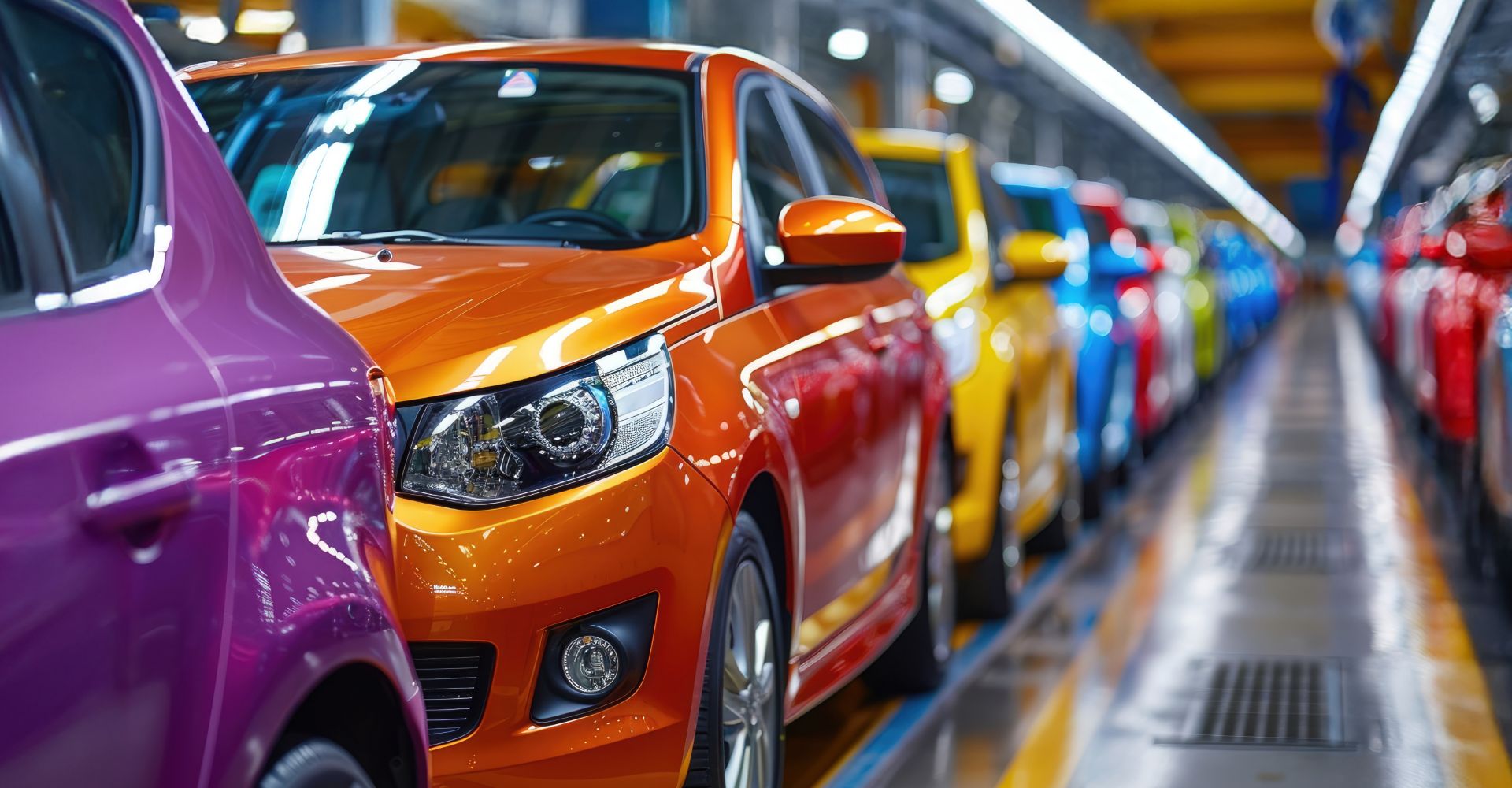
    • Orange: Similar visibility perks as yellow, with added personality. We may be biased here because orange is dotsure.co.za’s colour, of course! 
    • Gold/Beige: Not everyone’s cup of tea, but they stand out on the road. 


    What Your Car Colour Says About You 

    While we’re on the topic of car colours and what they say about our accident stats, what does your car colour say about you? This is just for fun. There is no need to turn green with envy or red with anger, okay? 

    • White: Clean, practical, maybe a little cautious. We’re also thinking mom vibes here, maybe? 
    • Black: Sophisticated, likes to be in control. Or really boujee. Or part of the Mafia? 
    • Silver/Grey: Modern, cool-headed, plays it safe (this is super ironic).  
    • Red: Confident, energetic, maybe a little fiery.  
    • Blue: Calm, trustworthy, dependable. Also, first car vibes. 
    • Yellow/Orange: Fun-loving, cheerful, and not afraid to stand out. Again, not sure when you last saw a yellow or orange car? Because their personalities are … the same. 


    RELATED: WHICH CARS GET THE MOST SPEEDING FINES? 


    Other Factors That Influence Car Safety 

    Even the brightest yellow car isn’t invincible to road accidents. Colour is just one factor to consider. What matters more is how you drive and how visible you make yourself. 

    Tips for Staying Visible on the Road 

    • Use daytime running lights (DRLs) or keep your headlights on during cloudy conditions. 
    • Add reflective strips if you drive a work vehicle at night. 
    • Keep your car clean. Dust, mud, and grime dull even the brightest colours. 
    • Drive smartly: Your car colour won’t save you if you’re speeding or distracted. 


    Drive Safe in Any Colour 

    At the end of the day, which colour cars have the most accidents is only part of the safety puzzle. Yes, white cars might be statistically safer, and black cars riskier, but how you drive matters most. Stay visible, maintain your car, and follow the laws of the road. 

    Do you want to look after what’s under the hood of that fancy paint job? Get an extended car warranty from dotsure.co.za, and protect your car parts and your wallet! 

    If you want to know more? Get a quick quote online or contact us today. 


  • WARNING: DRIVING WITH KILLER HEELS IS DANGEROUS!

    WARNING: DRIVING WITH KILLER HEELS IS DANGEROUS!


    Driving with heels may look stylish, but it’s not exactly the safest way to hit the road. Your choice of footwear can make a big difference when it comes to how quickly and safely you can react behind the wheel. So, let’s talk about the risks of driving with heels and which shoes are best for the road.

    Driving without car insurance? We’d say that’s pretty dangerous too! Get tailored cover today so that you’re protected on the road!


    Is it Okay to Drive with High Heels?

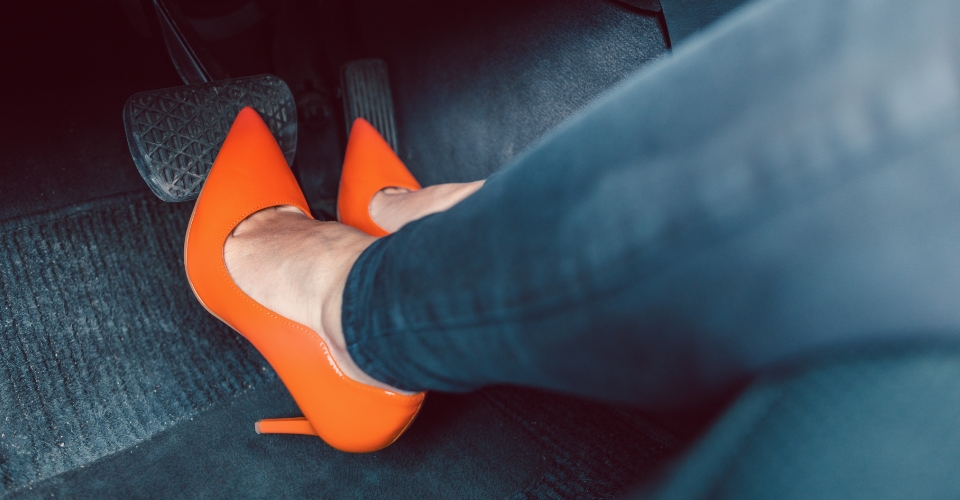
    Technically, yes. It is possible to drive with high heels, but it’s not recommended. Heels can make it harder for you to press the pedals correctly.

    • The narrow heel can slip off the pedal.
    • Your foot angle is awkward, which can reduce control.
    • Thicker platforms or wedges limit pedal sensitivity.

    Pro tip: Keep a pair of flat shoes or driving shoes in your car and switch out your heels when you get behind the wheel. You can still arrive in style but at least you’ll get there safely.


    RELATED: THE UNWRITTEN ROAD RULES FOR FEMALE DRIVERS


    What Is the Best Footwear for Driving?

    The best shoes for driving in South Africa are ones that give you maximum control, flexibility, and grip. Thin-soled sneakers or flat loafers allow you to feel the pedals while keeping your foot steady. Driving shoes made with rubber soles and soft leather are ideal because they don’t slip off.


    How Does Footwear Affect Driving Safety?

    Your footwear affects your reaction time and control. Shoes with thick soles, heels, or heavy boots can limit pedal feedback. Even flip-flops are risky because they can get caught under the pedal or slip off entirely.


    What Shoes Should You Avoid When Driving?

    • High heels or wedges: awkward angles and reduced control.
    • Flip-flops: too loose and slippery.
    • Heavy boots: bulky and reduce pedal feel.
    • Platform shoes: no flexibility and can delay braking response.


    RELATED: IS IT ILLEGAL TO DRIVE BAREFOOT?


    Safety First

    Driving with heels is risky business. It’s better to keep a pair of comfy flats or sneakers in your car to swap out before driving. And while you’re thinking about safety, remember that having reliable car insurance from dotsure.co.za is another smart move.

    Are you already insured with us? Log in to your manage portal to check your cover or contact us if you have any questions.


  • HOW TO AVOID CAR THEFT IN SOUTH AFRICA

    HOW TO AVOID CAR THEFT IN SOUTH AFRICA


    Car theft is a growing problem in South Africa. No car, regardless of make or model, is completely immune. With syndicates getting smarter and theft methods more sophisticated, it’s essential to take proactive steps to protect your vehicle. While practical precautions go a long way, having reliable car insurance is essential in case the worst happens.


    RELATED: DOES INSURANCE COVER HIJACKING?


    Why South African Car Theft Is a Growing Concern

    South Africa continues to experience high rates of vehicle theft. According to crime statistics, thousands of cars are stolen each year, many of which are never recovered. Whether for illegal resale, parts stripping, or cross-border smuggling, stolen vehicles are in high demand. It’s not just luxury SUVs or bakkies that are targeted. Everyday cars used for school runs or commutes are also on the hit list.


    Key Risk Factors That Make a Car a Theft Target 

    What makes a car a target? Thieves typically go for vehicles that are:

    • Easy to break into or start without detection
    • Parked in poorly lit or isolated areas
    • High in resale value or parts demand
    • Frequently driven models, which blend into traffic
    • Lacking visible or audible anti-theft deterrents.


    Practical Tips on How to Prevent Car Theft

    Use Anti-Theft Devices

    Popular options include steering wheel locks, gear locks, immobilisers, alarm systems, and GPS trackers. Many criminals will move on if they see even one of these installed, especially devices that are visible from outside the vehicle.

    Avoid Parking in High-Risk Areas

    Always aim to park in well-lit, secure, and monitored areas. If possible, choose parking spots covered by CCTV or patrolled security. Avoid leaving your car in the same public spot overnight, and try to vary your parking habits to avoid being monitored by syndicates.

    Don’t Leave Valuables in Sight

    A handbag, phone, or laptop bag left on the seat (even if empty) can tempt thieves to break in. Always lock away valuables in the boot or take them with you. Smash-and-grab crimes are a major contributor to vehicle damage and theft.

    Lock Up. Always

    It sounds basic, but how do you prevent car theft? Start by locking your car, even if you’re stepping away for just a minute. Be aware of remote jamming and always confirm that your car is locked by physically testing the door handle before walking away.


    How Anti-Theft Tech Can Help

    Today’s technology offers drivers more tools than ever before to protect their vehicles. Real-time tracking devices can help you and authorities recover a stolen car faster. Some systems allow remote shutdown of the vehicle, while dash cams with parking mode can act as a deterrent and evidence collector.

    Here’s a bonus: dotsure.co.za car insurance includes the installation of a state-of-the-art telematics device by Netstar. This smart system notifies you when entering unfavourable areas, and offers quick access to our emergency line, amongst other benefits.


    What to Do if Your Car Gets Stolen

    If your car is stolen:

    1. Report it to the SAPS immediately with your vehicle’s details.
    2. Notify your car tracker company (if installed) for immediate action.
    3. Contact your insurance provider to start the claims process.
    4. Alert your bank if your car is financed.

    Acting quickly increases your chances of recovery and smooths the insurance claim process.


    How Car Insurance Helps After a Theft

    Even the best precautions aren’t foolproof. That’s why comprehensive car insurance is essential. It covers theft, damage caused during attempted theft, and other risks such as hijacking or malicious damage.

    At dotsure.co.za, we offer customisable car insurance designed to keep you covered when it matters most.

    Need help protecting your car? Contact us today, or simply hop online to get a quote!

  • WHO ARE THE MOST VULNERABLE ROAD USERS? TIPS FOR SA DRIVERS

    WHO ARE THE MOST VULNERABLE ROAD USERS? TIPS FOR SA DRIVERS


    We all know SA’s roads are not only occupied by motorists. While drivers may feel the streets were made for them, cyclists, pedestrians, horses, cattle, and children also have the right to be there. However, these individuals are also amongst the most vulnerable road users in South Africa, and there is an urgent need for increased awareness and safer driving practices. 


    Why Vulnerable Road Users Need Your Extra Attention 

    • Pedestrians and cyclists are harder to see, especially during dawn, dusk and bad weather. 
    • Unlike driving in a car, they don’t have much physical protection, which means any collision could result in serious injuries. 
    • Children and animals can be unpredictable, running into the street unexpectedly or getting spooked by sudden noises. 
    • In many areas of our country, sidewalks or dedicated bicycle lanes don’t exist, so we all have to share the road. 


    Sharing the Road: Tips for SA Drivers 

    Pedestrians: Walkers, Joggers & Runners 

    Pedestrians are at the highest risk on our roads, specifically in townships, cities, and rural areas without pavements or streetlamps. 

    Pedestrian safety tips for drivers: 

    • Always slow down and stop at zebra crossings. 
    • Drive slower in areas with foot traffic, such as schools, shopping centres and bus or taxi stops. 


    Cyclists

    Cyclists get a bad rap for using our roads. Maybe we’re all guilty of waving a fist at a cyclist at some point, but they’re legally allowed to be there, so it’s our job to help keep them safe. 

    Driving tips for cyclist safety: 

    • Check your mirrors when turning left or opening a door. 
    • Don’t tailgate. Give them room and time to move safely. 
    • Avoid sudden braking or swerving in front of them. You wouldn’t like that done to you. 


    Horse Riders on SA Roads 

    Horse riders are legally allowed on many South African roads, especially in rural areas and the outskirts of cities. 

    Can you ride a horse on the road in SA?  

    Yebo, under the National Road Traffic Act, it’s allowed. 

    How to drive safely around horses: 

    • Slow down long before you reach them. 
    • If you need to pass, pass wide, at least a car’s width away, and don’t rush. 
    • Avoid revving your engine, honking, or flashing lights, which may startle the horses. 
    • Watch for hand signals, the rider may know something about their horse that you do not. 
    • Be prepared to stop completely if necessary. 


    Children

    Children often don’t understand road rules or how long a car takes to stop. They may suddenly run into the road, especially near schools or in neighbourhoods. 

    Tips for driving near children: 

    • Always obey school zone driving laws and speed limits. 
    • Be extra cautious when driving around the suburbs. 
    • Watch for kids on bicycles or skateboards. 


    Animals

    Roads are shared not only with humans but with animals too. 

    • Pets: Dogs and cats can sprint into traffic. 
    • Farm animals: Cows, goats, and sheep are often seen grazing on the side of the road. 
    • Wildlife: Look out for baboons, owls, and other wild birds near forests, bush and game reserves. 

    Our top driving tips: 

    • Stay alert in rural areas or game regions as you might encounter livestock or wildlife. 
    • If you see a warning sign for animals, take it seriously. Reduce your speed. 
    • Never swerve violently to avoid hitting an animal. This can be more dangerous than braking in a controlled manner. 

    What do you do if you hit an animal? 

    1. Stop safely and check on the animal (only if it’s safe). 
    1. Call animal welfare and local authorities. 
    1. Contact your insurer. dotsure.co.za offers 24-hour roadside assistance. 

    RELATED: HOW WE PROTECT YOU AFTER A CAR ACCIDENT 


    Who Else Counts as a Vulnerable Road User? 

    Here are a few more to keep an eye out for: 

    People with Disabilities 

    • Wheelchair users and people with limited mobility may take longer to cross the road. 
    • Be cautious near hospitals and clinics. 

    Emergency Responders 

    • Ambulance staff, firefighters and traffic officers working on the road are highly exposed. 
    • Always move over and slow down when approaching emergency scenes. 


    The Law is Clear: Slow Down and Share the Road 

    South African legislation mandates drivers to exercise caution and yield to vulnerable road users. According to the National Road Traffic Act 93 of 1996 drivers must stop their vehicles upon the request or signal of a person leading or driving any horse, cattle, donkey, mule, sheep, goat, pig or ostrich on a public road. This provision underscores the legal obligation to prioritise the safety of both human and animal road users. 

    Furthermore, the Act emphasises motorists’ responsibility to be vigilant and considerate towards pedestrians and cyclists, who are amongst the most vulnerable on the roads.  


    Drive Safe, Drive Kind 

    Let’s sum it up: pedestrians, cyclists, children, horse riders, and animals are all amongst the most vulnerable road users in SA. Adhering to traffic laws and exercising caution can significantly reduce accidents and fatalities involving these vulnerable road users.  


    PS: If you’re a motorist on SA’s roads driving without car insurance, we’d say you’re also pretty vulnerable. Click here for a free insurance quote online or contact us for more! 

  • 11 TIPS FOR STAYING SAFE ON SOUTH AFRICA’S ROADS

    11 TIPS FOR STAYING SAFE ON SOUTH AFRICA’S ROADS


    Everything to Keep in Mind When Navigating Mzansi

    South Africa boasts the world’s tenth-largest road network, spanning an impressive 746 978 kilometres. However, with extensive roadways and bustling traffic, safety should always be a top priority for drivers. Whether you’re commuting daily or exploring scenic routes, we’ve gathered some essential road safety tips to keep in mind.


    General Road Safety

    • Keep Your Ride in Check:

    Before you hit the road, give your vehicle a once-over to make sure everything’s running smoothly.

    • Remember the Essentials:

    Keep your driver’s license and insurance details on hand.

    • Stay Fresh, Stay Alert:

    If you’re hitting the road for a long haul, make sure you’re well-rested. Take breaks, stretch those legs, and keep hydrated.

    • Follow the Rules:

    Stick to speed limits, keep your distance from the car ahead, and keep an eye out for anything unexpected, especially after sunset.

    • Strap In:

    Seat belts are non-negotiable. Buckle up, and make sure your passengers are safely strapped in too.


    Towing Trailers and Caravans

    • Check, Check, Check:

    Before you hit the road, give your trailer or caravan a once-over. Including lights, brakes, and registration.

    • Weight Distribution:

    Keep that load balanced and within the weight limit. A wobbly caravan on the highway can be dangerous.

    • Take it Easy:

    Towing means taking it slow and steady. Give yourself plenty of time to manoeuvre and watch out for sharp turns.


    For Motorbike Riders

    • Dress for Success:

    All the gear, all the time. Safety gear is a literal lifesaver.

    • Stay Visible:

    Assume you’re invisible to other drivers and ride defensively. Keep your distance and signal your intentions.

    • Keep Your Cool:

    Anticipate potential hazards and give yourself room to react.


    From bustling city streets to rugged rural roads, South Africa’s highways and byways offer a treasure trove of adventure. But remember, safety comes first, second, and third!