
Tag: traffic fines

  • WHEN WILL THE DEMERIT SYSTEM BE IMPLEMENTED IN SOUTH AFRICA?

    WHEN WILL THE DEMERIT SYSTEM BE IMPLEMENTED IN SOUTH AFRICA?


    South Africa’s demerit system (under the AARTO Act) has been in the works for years, due in part to pandemic delays and legal reviews. While earlier plans set triggers in 2020 and 2021, we now finally have clarity on what’s coming.

    Do you need clarity on your car insurance cover with dotsure.co.za? Log in to Manage Portal or contact us and we’ll help you out!


    What Is the AARTO Demerit System?

    The Administrative Adjudication of Road Traffic Offences (AARTO) Act introduces a demerit point system aimed at disciplining drivers via administrative penalties. This Act decriminalises many minor traffic infringements and shifts the burden off overcrowded courts.


    When Will the Demerit System Be Rolled Out?

    • December 1, 2025: AARTO’s digital infrastructure and fine-processing system will go live in the first 69 municipalities, which are major metros like Johannesburg, Cape Town, and Pretoria.
    • February 1, 2026: A further roll‑out to remaining municipalities.
    • September 1, 2026: The full demerit point portion officially kicks in. This means accumulating 15 points will lead to licence suspension, with subsequent suspensions possibly resulting in cancellation and the need to reapply.


    How Does the Demerit Point System Work?

    Every South African driver will start off with zero points on their driving licence, and for every infringement, they will gain points according to the severity of their offence.

    You could be fined anywhere between 1 point (for example, operating a vehicle with a damaged light) and up to 6 points (for example, failing to stop your vehicle for a traffic officer).

    The aim of the game is to keep your points as low as possible, because once you reach 15 points you will be disqualified from operating a vehicle for a specified amount of time.


    The Points Breakdown for Various Offences

    1 Demerit point

    • Driving an unregistered vehicle
    • Driving an unlicensed vehicle
    • Driving a vehicle with the licence plate not visible
    • Driving while holding and using a cell phone
    • Skipping a stop sign (light vehicles)
    • Skipping a red light (light vehicles)
    • Failing to yield to a pedestrian
    • Overtaking across a barrier line (light vehicles)

    2 Demerit points

    • Skipping a stop sign (buses, trucks)
    • Skipping a red light (buses, trucks)
    • Overtaking across a barrier line (buses, trucks)
    • Driving 81-85 km/h in a 60 km/h zone
    • Driving 121-125 km/h in a 100 km/h zone
    • Driving 141-145 km/h in a 120 km/h zone

    3 Demerit points

    • Driving 106 -110 km/h in an 80 km/h zone

    4 Demerit points

    • Driving without a driving licence
    • Driving 131-135 km/h in a 100 km/h zone
    • 151-155 km/h in a 120 km/h zone

    5 Demerit points

    • Overloading a vehicle with max 56 000 kg combination mass by 12-13,99%

    6 Demerit points

    • Driving under the influence of an intoxicating substance
    • Driving 100 km/h+ in a 60 km/h zone
    • Driving 120 km/h+ in an 80 km/h zone
    • Driving 140 km/h+ in a 100 km/h zone
    • Driving 160 km/h+ in a 120 km/h zone


    What Happens If You Exceed the Points Limit?

    Your licence is suspended when you hit 15 demerit points, and every point beyond that adds another month of suspension. If you reach three suspensions, your licence will be revoked.


    How to Prepare for the Demerit System

    • Keep an eye on AARTO communications.
    • Maintain a clean driving record.
    • Pay or dispute fines within 32 days to reduce costs.
    • Follow road laws.
    • Track your demerit points as AARTO kicks in.

    The AARTO demerit system may feel overwhelming, but knowledge is power. Understanding when it will be implemented in South Africa helps you stay ahead.


    Do you need car insurance that works with your lifestyle? dotsure.co.za’s Name Your Price™ gives you flexible, affordable cover to protect your ride, whether AARTO is in full swing or not. Get your free quote today!
     

  • TRAFFIC FINES: EVERYTHING YOU NEED TO KNOW

    TRAFFIC FINES: EVERYTHING YOU NEED TO KNOW


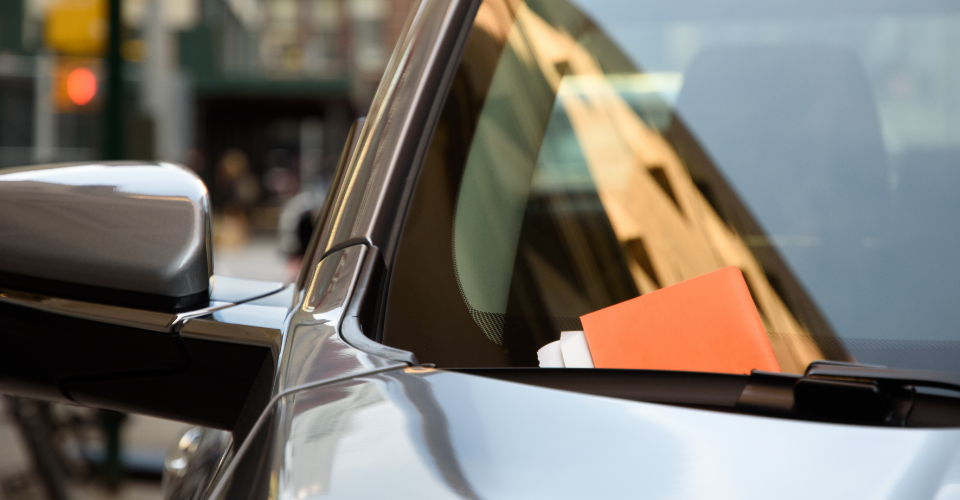
    Let’s face it; traffic fines aren’t exactly anyone’s favourite mail delivery. Plus, when you don’t often get mail (no one writes letters anymore ☹), it’s quite disappointing when you do finally receive one, and it’s a fines notice. However, understanding how traffic fines work, and knowing the process for paying them, are essential for all motorists. Let’s take a closer look and answer some common questions.


    Understanding Traffic Fines in SA

    Traffic fines are penalties imposed on motorists for violating traffic laws. They play a crucial role in:

    • Maintaining road safety
    • Ensuring compliance with traffic regulations
    • Promoting responsible driving behaviour


    Common Traffic Offences

    Some of the most common traffic offences in South Africa include:

    • Speeding
    • Reckless driving
    • Failure to obey traffic signals
    • Improper parking
    • Driving without a valid license or vehicle registration

    The severity of the offence determines the fine amount. For example, stopping past the line at a robot might result in a smaller fine than speeding.


    How Are Traffic Fines Issued?

    Traffic fines are typically issued in two ways:

    • Direct citation: A traffic officer issues the fine on the spot.
    • Camera system: Violations like speeding or running a red light are captured by cameras.

    Once issued, you’ll receive your fine in the mail. Again, it’s not as pleasant an experience as when we used to receive physical birthday cards from family members.


    How to Pay Your Traffic Fines

    • Online: Most municipalities have online payment platforms. All you need is your fine notice number, vehicle registration and a valid payment method.
    • Municipal Offices: Head to your local traffic department (yay) or municipal office. Bring your fine notice, ID, cash or card, and maybe some snacks. You may be there for a while.
    • EFT: Check your fine notice for banking details and make a transfer using your banking app. Remember the reference number!
    • Postal Payment: This is old-school but still an option. Mail a cheque or postal order with your fine notice to the relevant authority.

    Want to know what else we cover? Check out our blog, CAR INSURANCE: WHAT’S COVERED?


    How to Reduce Traffic Fines

    Looking to reduce your traffic fines? Here are some strategies:

    • Early Payment: Some municipalities offer discounts for early payment.
    • Representation: You can contest the fine if it was issued incorrectly.
    • Defensive Driving Courses: Some jurisdictions may reduce fines if you complete an approved driving course.
    • Use the Road Protect benefit included in your dotsure.co.za policy: With this, we can help negotiate fine reductions on your behalf.

    NB! Failure to pay traffic fines within 30 days may result in:

    • Increased fine amounts
    • A summons to appear in court
    • A warrant for your arrest (don’t let it come to this)


    How We Can Help

    As we mentioned earlier, if you’re a dotsure.co.za policyholder, you benefit from us on your side!

    • Road Protect: Assistance with fine payments and potential reductions.
    • License Protect: Reminders for license renewals to avoid related fines.
    • Fines Protect: Alerts for new fines and facilitation of seamless payments.

    Want to learn more about how we can help you stay on top of your traffic fines? Get a quote today!