
Tag: traffic laws

  • WHEN WILL THE DEMERIT SYSTEM BE IMPLEMENTED IN SOUTH AFRICA?

    WHEN WILL THE DEMERIT SYSTEM BE IMPLEMENTED IN SOUTH AFRICA?


    South Africa’s demerit system (under the AARTO Act) has been in the works for years, due in part to pandemic delays and legal reviews. While earlier plans set triggers in 2020 and 2021, we now finally have clarity on what’s coming.

    Do you need clarity on your car insurance cover with dotsure.co.za? Log in to Manage Portal or contact us and we’ll help you out!


    What Is the AARTO Demerit System?

    The Administrative Adjudication of Road Traffic Offences (AARTO) Act introduces a demerit point system aimed at disciplining drivers via administrative penalties. This Act decriminalises many minor traffic infringements and shifts the burden off overcrowded courts.


    When Will the Demerit System Be Rolled Out?

    • December 1, 2025: AARTO’s digital infrastructure and fine-processing system will go live in the first 69 municipalities, which are major metros like Johannesburg, Cape Town, and Pretoria.
    • February 1, 2026: A further roll‑out to remaining municipalities.
    • September 1, 2026: The full demerit point portion officially kicks in. This means accumulating 15 points will lead to licence suspension, with subsequent suspensions possibly resulting in cancellation and the need to reapply.


    How Does the Demerit Point System Work?

    Every South African driver will start off with zero points on their driving licence, and for every infringement, they will gain points according to the severity of their offence.

    You could be fined anywhere between 1 point (for example, operating a vehicle with a damaged light) and up to 6 points (for example, failing to stop your vehicle for a traffic officer).

    The aim of the game is to keep your points as low as possible, because once you reach 15 points you will be disqualified from operating a vehicle for a specified amount of time.


    The Points Breakdown for Various Offences

    1 Demerit point

    • Driving an unregistered vehicle
    • Driving an unlicensed vehicle
    • Driving a vehicle with the licence plate not visible
    • Driving while holding and using a cell phone
    • Skipping a stop sign (light vehicles)
    • Skipping a red light (light vehicles)
    • Failing to yield to a pedestrian
    • Overtaking across a barrier line (light vehicles)

    2 Demerit points

    • Skipping a stop sign (buses, trucks)
    • Skipping a red light (buses, trucks)
    • Overtaking across a barrier line (buses, trucks)
    • Driving 81-85 km/h in a 60 km/h zone
    • Driving 121-125 km/h in a 100 km/h zone
    • Driving 141-145 km/h in a 120 km/h zone

    3 Demerit points

    • Driving 106 -110 km/h in an 80 km/h zone

    4 Demerit points

    • Driving without a driving licence
    • Driving 131-135 km/h in a 100 km/h zone
    • 151-155 km/h in a 120 km/h zone

    5 Demerit points

    • Overloading a vehicle with max 56 000 kg combination mass by 12-13,99%

    6 Demerit points

    • Driving under the influence of an intoxicating substance
    • Driving 100 km/h+ in a 60 km/h zone
    • Driving 120 km/h+ in an 80 km/h zone
    • Driving 140 km/h+ in a 100 km/h zone
    • Driving 160 km/h+ in a 120 km/h zone


    What Happens If You Exceed the Points Limit?

    Your licence is suspended when you hit 15 demerit points, and every point beyond that adds another month of suspension. If you reach three suspensions, your licence will be revoked.


    How to Prepare for the Demerit System

    • Keep an eye on AARTO communications.
    • Maintain a clean driving record.
    • Pay or dispute fines within 32 days to reduce costs.
    • Follow road laws.
    • Track your demerit points as AARTO kicks in.

    The AARTO demerit system may feel overwhelming, but knowledge is power. Understanding when it will be implemented in South Africa helps you stay ahead.


    Do you need car insurance that works with your lifestyle? dotsure.co.za’s Name Your Price™ gives you flexible, affordable cover to protect your ride, whether AARTO is in full swing or not. Get your free quote today!

     

  • 7 TRAFFIC LAWS DRIVERS MISUNDERSTAND IN 2025

    7 TRAFFIC LAWS DRIVERS MISUNDERSTAND IN 2025

    Think you’ve got the rules of the road down? Even in 2025, many South African drivers are breaking traffic laws without realising it. They sometimes risk heavy fines, licence points, or even jail time. And while a good car insurance policy can help you when things go wrong, it’s better to avoid trouble in the first place. Here are 7 traffic laws that still catch people off guard.

    RELATED: FUNNY DRIVING LAWS IN SA

    Zero Tolerance for Drinking and Driving

    A blood-alcohol content of more than 0.05% when you’re behind the wheel, means you’re over the legal limit. No more “just one drink” excuses. Even mouthwash containing alcohol can land you in hot water.

    Penalty: Minimum fine of R2000, up to 6 years jailtime, and possible licence suspension.

    Right of Way at Traffic Circles

    Still confused at roundabouts? You’re not alone. The rule is simple: Traffic from your right always has the right of way, unless otherwise marked. Skipping this can lead to accidents, and the liability is usually yours.

    Is Flashing Your Lights for Roadblocks Illegal?

    Trying to warn fellow drivers about an upcoming roadblock? Flashing headlights, WhatsApp groups, or social media posts are considered to be obstructing law enforcement and could lead to a fine, or worse.

    Smoking in the Car with Kids

    Under the Tobacco Products Control Act, smoking in a vehicle with anyone under 12 is a no-no. It doesn’t matter if the window’s open or the car is parked, you’re still breaking the law.

    Penalty: A fine of about R500, and more if there are repeated offences.

    You Can’t Transport School Kids in a Bakkie (for Pay)

    It may be a common sight, but it’s against the law to transport children in the back of a bakkie for payment. This has been in place since 2017 but continues to be widely ignored.

    The law still applies, even if the trip is short or done “as a favour” for cash.

    Parking Against Traffic

    Parking your car facing oncoming traffic (on the right-hand side of a two-way street) might seem harmless, but it’s not allowed. It’s a violation of NRTA regulations and makes your vehicle a hazard at night.

    Speeding Rules Got Tighter

    There are now stricter speed limits in school zones, construction areas, and residential estates. Some provinces are also testing speed cameras that track your average speed between two points.

    Check for new signage in your area.

    Stay Informed. Drive Lawfully

    South Africa’s traffic laws are tightening in 2025 with the AARTO demerit points system, and ignorance won’t get you out of a fine. Stick to the rules, stay safe, and protect your pocket.

    Want to avoid costly surprises on the road? Quote online for affordable car insurance that keeps you covered, even when life throws the unexpected your way.

  • IS IT ILLEGAL TO DRIVE BAREFOOT?

    IS IT ILLEGAL TO DRIVE BAREFOOT?


    Regarding footwear and driving, many drivers question whether driving barefoot or in certain types of shoes, such as flip-flops or high heels, is illegal. While the short answer is “no,” it’s important to understand the risks associated with inappropriate footwear and how it can impact your safety on the road.


    What Does the Law Say? 

    In South Africa there is no specific law that prohibits driving barefoot, in flip-flops, or in high heels. However, the rules of the road stipulate that drivers must ensure that their clothing and footwear do not prevent them from operating the vehicle’s controls effectively. This puts the responsibility on drivers to make safe choices for maintaining control of their vehicles.


    The Impact of Footwear on Driving Safety 

    Your choice of footwear plays a significant role in how well you can control your vehicle. Here are some essential considerations:

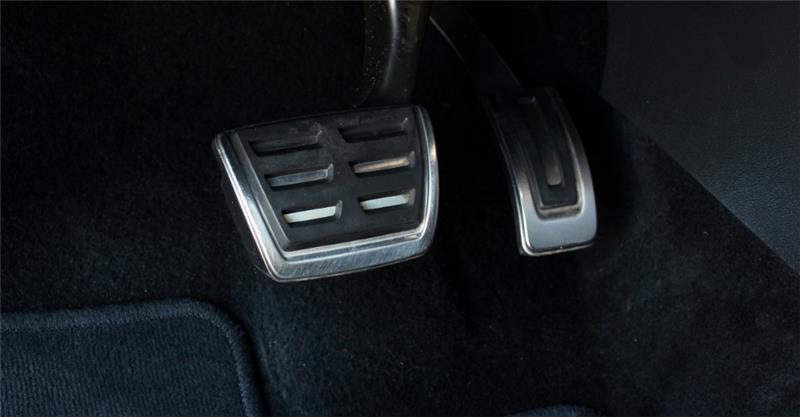
    • Pedal Control: Proper footwear helps you judge the pressure needed to operate the accelerator, brake and clutch effectively. Incorrect footwear may cause accidental pressing of two pedals or jerky movements, which may lead to unsafe driving.
    • Reaction Time: In an emergency, you need to brake swiftly and with precision. Loose or inappropriate shoes can delay your reaction time.
    • Fatigue and Comfort: Driving long distances can put strain on your feet and ankles. Comfortable shoes reduce fatigue and enhance control.


    The Risks of Driving Barefoot 

    Flip-flops are often considered one of the riskiest footwear choices for driving:

    • Lack of Support: They provide no ankle support, leading to the foot slipping off or missing the pedal.
    • Distraction: Flip-flops can easily come off, distracting the driver.
    • Reduced Braking Efficiency: Thin soles and poor grip make effective braking difficult.

    If you find yourself driving in flip-flops, removing them and driving barefoot may be safer.


    Safer Driving

    Whether you’re headed to the beach in flip-flops or a formal event in high heels, your choice of footwear can significantly impact on your safety on the road. Always prioritise effective vehicle control over fashion or convenience.