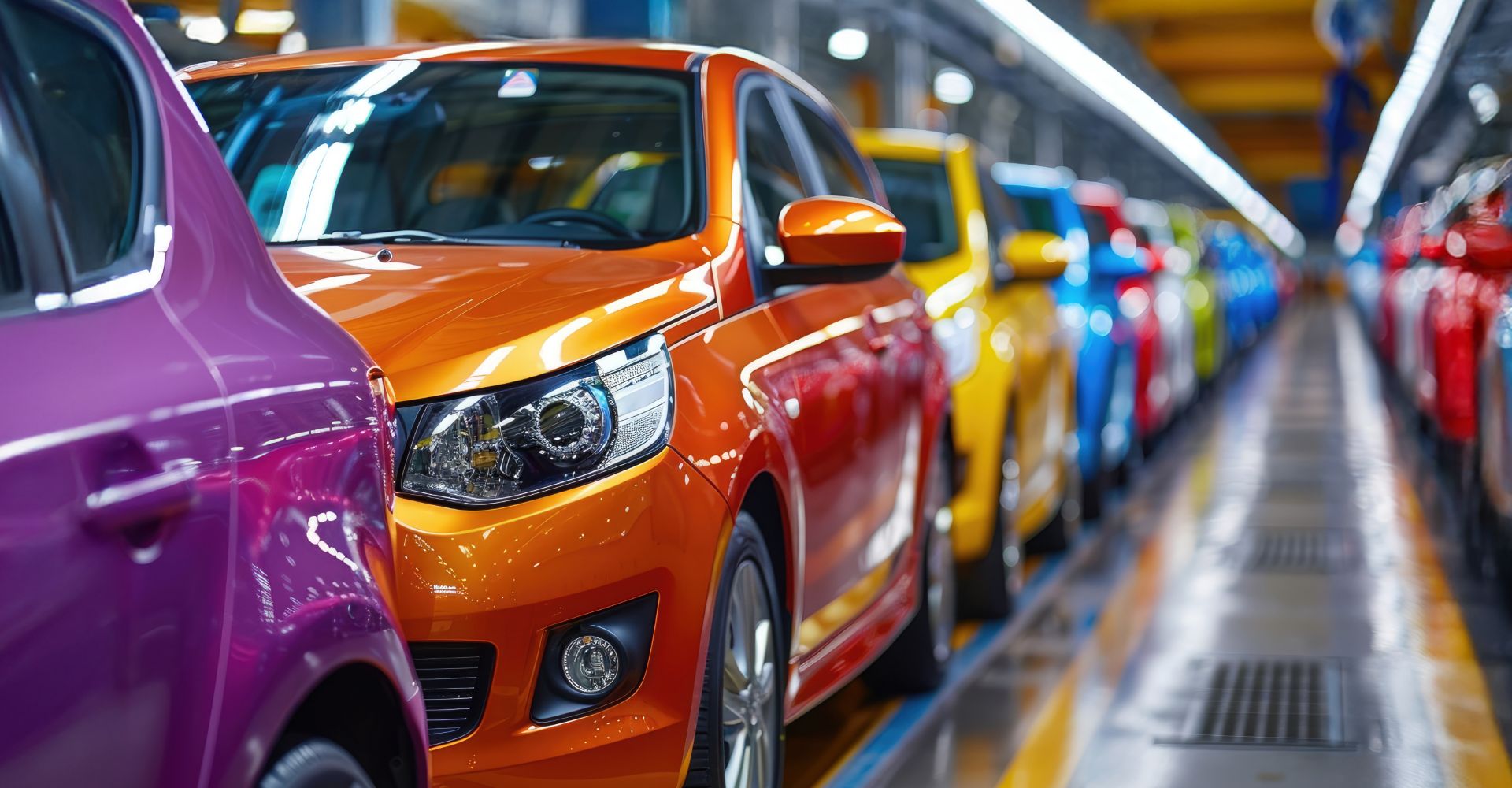
Tag: vehicle

  • WHICH COLOUR CARS HAVE THE MOST ACCIDENTS?

    WHICH COLOUR CARS HAVE THE MOST ACCIDENTS?


    We all have our reasons for picking a car colour. Some people choose white because it lowers heat absorption. Others go for the luxurious vibes with a sleek black. But believe it or not, the colour you choose can also play a role in your safety on the road. While it’s not the only factor regarding crashes, research shows that visibility and car colour influence accident statistics. 

    So, which colour cars have the most accidents, and what’s the safest shade to drive in South Africa? Let’s break it down. 

    PS: No matter what colour car you drive. Drive it worry-free with our extended car warranty! Get a quote online today or contact us for more. 


    Does Car Colour Affect Safety? 

    The Link Between Colour and Visibility 

    The more a car blends into its environment, the harder it is for other drivers to spot it in time. A grey car on a misty day in Cape Town or a black car cruising along a dimly lit Joburg highway at night. Your eyes need a fraction of a second longer to notice that car, and those fractions of seconds make all the difference on the road. 

    Basically, if your car’s colour blends into the background or vanishes in low light, you may be at a higher risk of being hit, simply because someone didn’t see you in time. 


    Car Colours to Think Twice About 

    • Black: Sleek, stylish, but near-invisible at night. Black cars are up to 47% more likely to be involved in crashes than other coloured vehicles. 
    • Grey/Silver: Blends into both tarred roads and rainy weather or cloudy skies 
    • Blue: Dark blue is tricky to see in low light, and other lighter blue shades tend to blend into the sky 
    • Red and Brown: These are difficult to distinguish as they are the same colour as road signs. 

    That doesn’t mean you should cancel your order for that graphite-grey SUV. It just means you have to be more mindful of how you drive it. 


    What Is the Safest Colour Car on the Road? 

    Why White (and Similar Shades) Lead in Safety 

    White consistently ranks as the safest car colour because it’s easy to spot in most environments. It reflects light well, pops against the tar, and remains visible during both day and night driving. 

    Other Safe Colours and Their Visibility Benefits 

    • Yellow: Impossible to miss, even in bad weather. Hey, when was the last time you saw a yellow car? 
    • Orange: Similar visibility perks as yellow, with added personality. We may be biased here because orange is dotsure.co.za’s colour, of course! 
    • Gold/Beige: Not everyone’s cup of tea, but they stand out on the road. 


    What Your Car Colour Says About You 

    While we’re on the topic of car colours and what they say about our accident stats, what does your car colour say about you? This is just for fun. There is no need to turn green with envy or red with anger, okay? 

    • White: Clean, practical, maybe a little cautious. We’re also thinking mom vibes here, maybe? 
    • Black: Sophisticated, likes to be in control. Or really boujee. Or part of the Mafia? 
    • Silver/Grey: Modern, cool-headed, plays it safe (this is super ironic).  
    • Red: Confident, energetic, maybe a little fiery.  
    • Blue: Calm, trustworthy, dependable. Also, first car vibes. 
    • Yellow/Orange: Fun-loving, cheerful, and not afraid to stand out. Again, not sure when you last saw a yellow or orange car? Because their personalities are … the same. 


    RELATED: WHICH CARS GET THE MOST SPEEDING FINES? 


    Other Factors That Influence Car Safety 

    Even the brightest yellow car isn’t invincible to road accidents. Colour is just one factor to consider. What matters more is how you drive and how visible you make yourself. 

    Tips for Staying Visible on the Road 

    • Use daytime running lights (DRLs) or keep your headlights on during cloudy conditions. 
    • Add reflective strips if you drive a work vehicle at night. 
    • Keep your car clean. Dust, mud, and grime dull even the brightest colours. 
    • Drive smartly: Your car colour won’t save you if you’re speeding or distracted. 


    Drive Safe in Any Colour 

    At the end of the day, which colour cars have the most accidents is only part of the safety puzzle. Yes, white cars might be statistically safer, and black cars riskier, but how you drive matters most. Stay visible, maintain your car, and follow the laws of the road. 

    Do you want to look after what’s under the hood of that fancy paint job? Get an extended car warranty from dotsure.co.za, and protect your car parts and your wallet! 

    If you want to know more? Get a quick quote online or contact us today. 
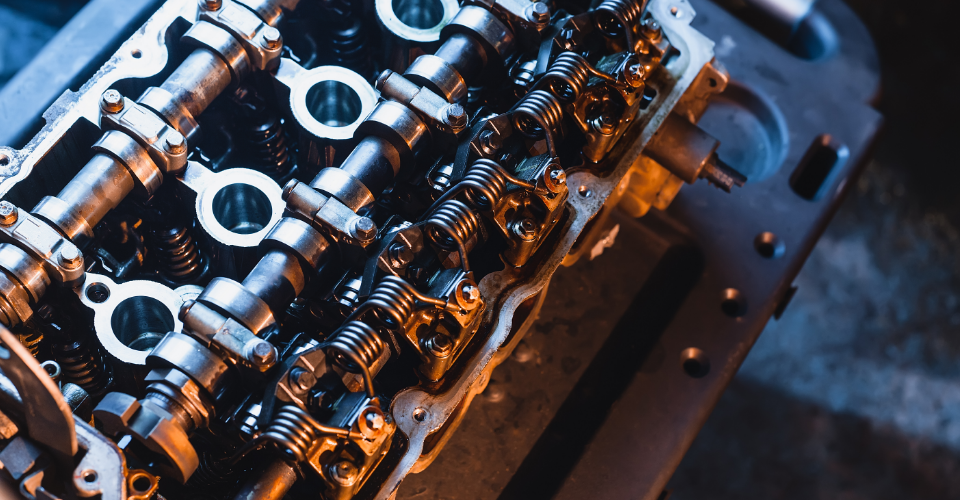
     

  • WELL-WARRANTED PROTECTION FOR CAR PARTS

    WELL-WARRANTED PROTECTION FOR CAR PARTS

    How to Get More from Your Extended Car Warranty

    An extended car warranty shields you from unexpected repair costs, helping you to avoid financial stress when things go wrong. But did you know you can take your warranty even further?

    At dotsure.co.za, we believe in giving you more: More protection, more value, and more personalisation. That’s why we offer extra value-adding cover options that go beyond your standard warranty, ensuring that your car stays in top shape without breaking the bank.

    RELATED: What an Extended Car Warranty Covers; How an Extended Car Warranty Works


    ServiceXtender: Keeping Your Car Running Smoothly

    Regular servicing is essential to keep your car in top condition. With the ServiceXtender add-on you’ll get:

    • Cover towards your annual service to help with routine maintenance costs.
    • A cash contribution for minor repairs, such as small chips and scratches.

    RELATED: Difference Between Motor Warranty and Service Plans


    Lights, Badges & Mirrors: Small Parts, Big Savings

    Replacing lights, badges, or mirrors may seem like a small fix, but these repairs can be costly. This add-on ensures you don’t have to claim from your main policy for:

    • Accidental loss or damage to headlamps, indicators, and brake lights.
    • Replacement of metal badges attached to your car.
    • Fitted external and internal mirrors.
    • Plastic covers that form part of lights and mirrors.


    Roadwise Tyre & Rim: Beat Potholes and Uneven Roads

    South African roads can be tough on your car, but you don’t have to foot the bill alone. You can get cover for:

    • Tyre damage from potholes and road hazards.
    • Rim repairs or replacement, ensuring your wheels stay in great shape.


    ScratchZone: Keep Your Car Looking Its Best

    Scratches and dents happen, but they don’t have to be a headache. This add-on includes:

    • Cover for the repair of minor chips, scratches, and dents to keep your car looking flawless.
    • The Excess Buster, covering up to 50% of your basic excess if you need to claim from your main policy.


    Upgrade Your Car’s Protection

    At dotsure.co.za, we’re all about making car ownership easier and more affordable. Adding these value-boosting cover options to your Extended Car Warranty is a smart move for stress-free driving.

  • HOW DOES A CAR WARRANTY WORK? A BEGINNER’S GUIDE

    HOW DOES A CAR WARRANTY WORK? A BEGINNER’S GUIDE


    It doesn’t matter how many YouTube videos you watch, unless you’re a mechanic or dotsure.co.za, most of us have an experience point (XP) level of minus 100 for repairing and replacing car parts, which is why a car warranty is a must-have for expert peace of mind. But how does an extended car warranty actually work? Let’s explore how to sign up, what your extended warranty covers, and how to claim.


    How To Sign Up For An Extended Car Warranty

    1 – Click the link below to get a quote:

    Quote Now.

    2 – Fill in your details:

    Share your name, surname, contact number, email address, and ID number.

    Provide details about your car: model, make, year, and mileage.

    3 – Choose your plan:

    Pick between 7 different pricing and cover options, which you can upgrade or downgrade anytime.

    4 – Sign up:

    Once you’ve signed up, there’s a waiting period of 30 days, and then you’re covered!


    What Does It Cover?

    Mechanical and electrical failures: We cover up to 60 components in your car that break due to mechanical or electrical failures. Plus, you can take your vehicle to any Retail Motor Industry (RMI)-approved workshop anywhere in SA, and we’ll pay the claims directly to you.

    Emergency roadside and medical assistance: Get help when you need it most at no extra cost!

    RELATED: AFTER-HOURS EMERGENCIES ON THE ROAD


    How to Claim

    If something goes wrong, claiming with dotsure.co.za is simple:

    1. Head to an approved provider:
      • Take your car to an RMI-approved workshop of your choice.
    2. Notify us:
      • Log in to your Manage Portal to submit your claim or contact our team directly.
    3. Submit your documents:
      • Have your policy number, breakdown report, and any required forms ready.
    4. Relax, while we handle the rest:
      • One of our consultants will contact you to process your claim!


    Seamless Cover

    Easy, right? Do you know what’s not as easy, though? Driving without a warranty and the ‘shift’ hits the fan. Life’s unpredictable; take back a little control and get covered with our extended car warranty today!

  • THE COST OF VEHICLE OWNERSHIP TRANSFERS IN SA

    THE COST OF VEHICLE OWNERSHIP TRANSFERS IN SA


    So, you’ve bought or sold a car; what’s next? Changing ownership is not just about signing papers. A process (and some costs) are involved. Don’t worry. We’ve broken it down from how to change your vehicle ownership to making sure you and your new car are covered every step of the way, too!


    How Much Does Vehicle Ownership Cost?

    The cost of changing ownership depends on where you are and what’s required. Here’s a quick breakdown of the typical expenses:

    • Change of Ownership Fee: This is capped at R330, as gazetted in May 2023.
    • Roadworthy Certificate: Expect to pay between R500 and R800 per vehicle at a roadworthy inspection centre.
    • Vehicle Licence Fees: These vary by province and car type, ranging from R500 to R1 500.

    Pro Tip: Costs can change, so double-check with your local licensing department before starting the process.

    RELATED: THE HIDDEN COSTS OF CAR OWNERSHIP.


    Steps to Transfer Ownership

    Changing ownership is easier when you know the steps. Here’s what you’ll need to do:

    1 – Get Your Documents Ready:

      • Both the buyer and seller need to provide copies of their IDs and proof of address.
      • The seller must hand over the vehicle registration certificate.
      • A valid roadworthy certificate is required.
      • A Notification of Change of Ownership (NCO) form (both buyer and seller need to sign this).

    Find all the forms you need here at the NATIS website.

    2 – Visit the Licensing Department or Post Office:

    Fill in the Notification of Change of Ownership (NCO) form and submit all the documents.

    3 – Pay the Fees:

    These include the ownership transfer fee and any outstanding licence fees.

    Pro Tip: Any changes to the vehicle owner or title holder’s details must be reported to the relevant registering authority within 21 days of the change.

    For a full guide, links to forms, and who to contact, check out this article by the SA Government: Change owner or title holder particulars for a vehicle.


    What About Your Car Insurance?

    Don’t forget to cancel your car insurance if you’re selling your car.

    Upgrading to a new ride? Update your policy to match your new vehicle. At dotsure.co.za, we make adjusting your motor insurance online quick and hassle-free! Simply sign in to your Manage Portal!


    Why It’s Worth It

    Changing ownership isn’t just a legal requirement; it’s peace of mind. Knowing your car is correctly registered in your name (or the new owner’s) avoids potential issues down the line. For example, if the new owner gets a speeding fine for a car still registered under your name, guess who’s paying? That’s right, you’ll be sent the fine.

    For seamless car insurance to match your new (or new to you) ride, visit dotsure.co.za today. We’ve got your back every step of the way!

  • CAR DESIGNS AHEAD OF THEIR TIME

    CAR DESIGNS AHEAD OF THEIR TIME


    Why Some Concepts and Features Never Made It to the Road

    When car manufacturers want to flaunt their next-gen technology or bold new designs, they roll out concept cars. These wild rides let designers go all out since they don’t have to follow the strict safety regulations production cars require. This freedom often leads to jaw-dropping designs that leave fans drooling. But when these concepts get toned down for actual production, it can be a bit of a letdown.

    While some brands manage to bring concepts to life almost unchanged, many amazing ideas never make it past the prototype stage.


    Chrysler ME Four-Twelve

    The Chrysler ME Four-Twelve, born from the Daimler-Benz merger, was a supercar dream with a mid-engine, four turbochargers, and a 6.0-litre V-12 producing 850 horsepower. Unfortunately, Mercedes saw it as a threat to their SLR McLaren and pulled the plug, stopping it from reaching production.


    Lamborghini Estoque

    Lamborghini’s Estoque was a sleek four-door coupe concept powered by a 5.2-litre V-10. It could have been a hit in the luxury performance market, but Audi, which owns Lamborghini, saw it as competition for the Porsche Panamera and decided not to greenlight it.


    Mazda Vision Coupe

    The 2017 Mazda Vision Coupe hinted at a rear-wheel-drive Mazda 6 with an inline-six engine. However, Mazda chose to focus on SUVs instead. While there’s still hope it might eventually be produced, for now, it remains a stunning concept.


    Shelby Cobra Concept

    Ford’s 2004 Shelby Cobra Concept teased a modern take on the classic American muscle car with a 6.4-litre V-10 engine. But economic downturns shelved the idea, leaving enthusiasts waiting for a true Shelby Cobra revival.


    Hyundai N Vision 74

    Hyundai’s N Vision 74 combined retro-futuristic design with modern tech, featuring a hydrogen fuel cell and electric motors. With 671 horsepower and a design inspired by the 1974 Hyundai Pony Coupe, it had the potential to be a game-changer. However, it remains a concept.


    Jaguar C-X75

    Jaguar almost introduced the first hybrid supercar with the C-X75. Developed with Williams Advanced Engineering, it boasted a hybrid powertrain producing 890 horsepower. However, Jaguar prioritised the I-Pace EV, leaving the C-X75 as a tantalising concept.


    Ford GT90

    Ford’s GT90 in the 1990s was a futuristic supercar with a quad-turbo V-12 engine producing 720 horsepower. Despite its impressive performance, it was only a developmental prototype and never made it to the showroom floor.


    Short-Lived Car Innovations

    Throughout automotive history, manufacturers have tried out various innovations, some of which didn’t stick around long.

    • Saab Sensonic Gearbox

    Saab’s Sensonic gearbox aimed to blend manual driving with automatic ease. However, it struggled with hill reversals due to the lack of clutch control, leading to its quick demise.

    • Fifth-Wheel Parking

    In the 1930s, the fifth-wheel parking concept allowed cars to easily manoeuvre into tight spaces. Despite its cleverness, it was deemed too expensive and never became popular.

    • In-Car Vinyl Player

    The in-car vinyl player let drivers play records on the go, but required special records and had limited demand, leading to its short-lived run.

    • Rolls Royce Toilet

    In 1954, a custom Rolls Royce featured a functioning toilet that emptied onto the road. While unique, it was impractical and rare, with only one known to exist.

    • Bose Suspension

    Bose developed an electromagnetic suspension system that eliminated body roll and allowed cars to jump. Despite its success, it was too expensive for production and found its place in truck seats instead.


    These concept cars and innovations show the boundless creativity and ambition of the automotive industry, even if they never made it to the road. They remind us of what could have been and continue to inspire future advancements.


  • DOES YOUR CAR GO THE DISTANCE?

    DOES YOUR CAR GO THE DISTANCE?


    You Might Be Driving Your Car Too Much, or Too Little

    In the realm of automobiles, how much or how little you drive can significantly influence the condition and longevity of your vehicle. Striking the right balance in your driving habits is not only beneficial for your car, but also for your wallet.


    The Toll of Excessive Driving

    Driving extensively puts a considerable strain on your vehicle. Each mile adds to the wear and tear of crucial components such as the engine, brakes, suspension, and tires. Continuous use without adequate rest periods for maintenance can accelerate the need for repairs or replacements.

    Frequent driving often translates to more frequent maintenance requirements. Oil changes, tyre rotations, brake pad replacements, and other routine services become more frequent, leading to increased maintenance costs over time.

    The more kilometres you rack up, the quicker your car depreciates in value. It can significantly impact the resale value of your vehicle, affecting its worth when it’s time for an upgrade or a trade-in.


    The Downsides of Driving Too Little

    Surprisingly, infrequent driving can also harm your car. Extended periods of inactivity can lead to issues such as battery drainage, tyre flat-spotting, and engine corrosion. Lack of use may cause fluids to degrade and parts to fail.

    If a car remains stationary for prolonged periods, the battery loses its charge, shortening its lifespan. Frequent jump-starts or replacements may become necessary due to underutilisation.

    Fluids in a vehicle, such as oil and coolant, need regular circulation to maintain their effectiveness. Infrequent driving can cause these fluids to break down, losing their lubricating or cooling properties and potentially damaging vital components.


    Finding the Sweet Spot

    Whether you drive extensively or sparingly, regular maintenance is key. Adhering to manufacturer-recommended service intervals, especially when the car remains unused for extended periods, helps to ensure its health and performance.

    For those who drive infrequently, periodic short drives can prevent issues caused by inactivity. This helps to maintain proper lubrication and circulation of fluids and keeps the battery charged.

    Regardless of frequency, mindful driving habits such as smooth acceleration, gentle braking, and proper warm-up can reduce wear and tear, prolonging the lifespan of various components.


    The driving of your car is a balancing act between overuse and underuse. Both extremes can impact your vehicle’s condition and longevity. Although, for the inevitable failing or breaking of certain components as your car ages, you can cover up to 60 crucial car parts with dotsure.co.za’s Extended Car Warranty.