Tag: vet advice

  • HOLIDAY TRIGGERS THAT CAUSE STRESS IN CATS AND HOW TO HELP

    HOLIDAY TRIGGERS THAT CAUSE STRESS IN CATS AND HOW TO HELP


    A guide to navigating holiday stress in cats by Vet of the Month: Dr Gerna Smit.

    The holidays are here, and while you’re singing Christmas carols and boasting a fridge full of leftovers, your cat is quietly hitting hazard lights behind the couch. But… what stresses your cat out so much during the holidays? To help us navigate this seasonal pile-up of stress, we contacted a professional; our Vet of the Month, Dr Gerna Smit from Hoogland Dierekliniek in Centurion. Thirty years in the game. Medicine specialist. And cat whisperer of note.

    So, think of this as a “road map” crafted with the wisdom, experience, and the compassion of Dr Smit, who has spent her career helping cats survive the toughest of emotional terrains (including the holiday season). Come with us on this journey to understanding your cat’s stress, spotting the signs, offering meaningful comfort and why cat insurance could be the difference between making it through the festive season and things taking a turn for the worst.

    RELATED: WHAT IS FIV IN CATS


    What Causes Stress in Cats During the Holidays?

    The festive season arrives with enough sensory input to frazzle any living creature. Humans cope with it by eating gammon at 9AM and ignoring their emails from the 15th of December. Cats, however? They experience December like a live-action horror film.

    According to Dr Smit holidays come with:

    Screamy kids, noisy cousins, and routine chaos

    Your cat is a creature of habit. Breakfast at 6am. Nap at 7:07am. Judge-you-from-the-couch at 9:10am.

    But in December? It’s a circus. Suddelny mom is still asleep at 7am, so no brekkie for tabby. Kids running around, relatives opening and closing doors like they’re training for the Olympics, and someone’s toddler aggressively “showing kitty their new truck.” To a cat, this is emotionally taxing and very stressful.

    Visitors, travel, and festive clutter

    Every new person has a new smell: perfume, sunscreen, boerie rolls, or koeksisters from Spar. Your cat is suddenly surrounded by unfamiliar scents and unfamiliar voices.

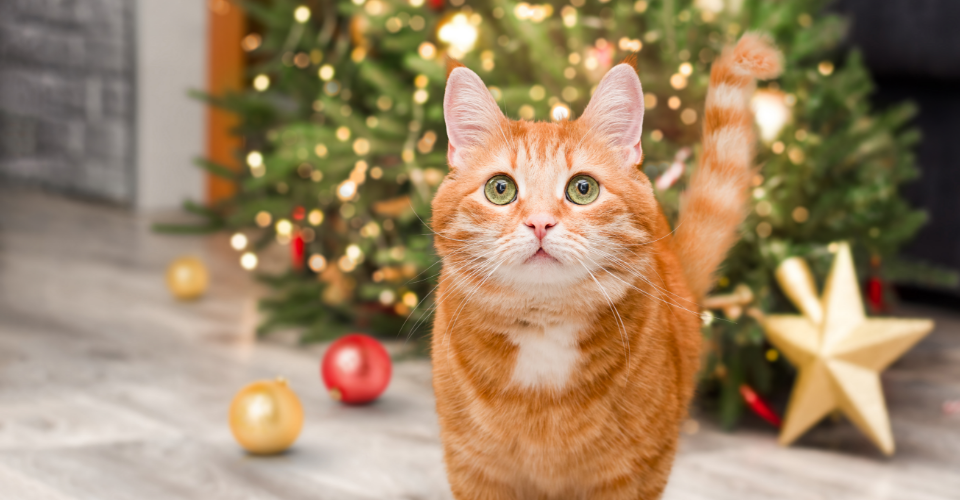
    And don’t get them started on decorations:

    • The tree: a stranger in their home.
    • The tinsel: is that a snake?
    • The baubles: target practice.
    • The wrapping paper: enemy number 1.

    Some cats are more sensitive than others. Just like people, cats have personalities:

    • The extrovert cat will mingle but hopes everyone leaves early.
    • The introvert cat will vanish into a corner you didn’t know was in your house.

    More on Our Vet of the Month: Dr Gerna Smit

    Special interest: Medicine
    Fun facts:

    • Loves to cook
    • Has a Great Dane named Mira (with trust issues)
    • Has a Yorkie named Snippie (that’s a bit neurotic)
    • Has a Maine Coon named Kiwhi (acts like the queen that she is)


    Why Do Cats Hide When They’re Stressed?

    According to Dr Smit:

    “Hiding is a survival instinct. Stressed cats often retreat to dark, quiet places, sometimes for days.” Hiding is emotional self-protection. It is a coping mechanism.

    In the wild, stress means danger. Danger means “hide or get eaten.” Your cat doesn’t know that the only predator in your house is the wooden spoon you use to chase the kids from the kitchen. To them, the festive cheer is more like festive chaos. So, when things get loud or overwhelming, your cat activates stealth mode. Under beds. Inside cupboards. Behind the fridge.

    What you can do when your cat goes missing

    Think of this like a Search & Rescue mission:

    • Check all quiet corners
    • Listen for tiny shuffling sounds
    • Shake the treat jar
    • Give them the vet-recommended c/d Multicare Stress Cat Food from Hills!

    But the real solution? Prevent them from needing to hide in the first place. We’ll get to that.


    What Are the Signs of Stress in a Cat?

    If cats had dashboards, these would be the flashing warning lights:

    • 🚨 Sudden hiding
    • 🚨 Aggression or irritation
    • 🚨 Overgrooming (patchy bald spots)
    • 🚨 Scratching furniture
    • 🚨 Urine marking
    • 🚨 Sniffles, sneezing, watery eyes
    • 🚨 Straining in the litter box or peeing blood
    • 🚨 Loss of appetite
    • 🚨 Vomiting or diarrhoea.

    Yes, stress can trigger physical illness. Cats don’t stress-eat like humans. They don’t bake banana bread or shop online at 2 AM. They exhibit stress through behavioural and bodily symptoms.

    How Can I Reduce My Cat’s Stress Naturally?

    You don’t need essential oils. You don’t need to whisper affirmations. You just need a plan. Here are Dr Smit’s top recommendations:

    • Create a safe room stocked with food, water, and litter
    • Add hiding spaces (open cupboards, boxes, tunnels)
    • Give them vertical spaces to retreat to
    • Keep lighting soft
    • Use catnip or calming pheromone diffusers
    • Maintain the feeding schedules
    • Stick to familiar routines.


    Can Toys & Playtime Help Reduce Stress in Cats?

    Absolutely.
    Interactive play isn’t just fun for cats, it’s therapy.

    How interactive play builds confidence

    Chasing a feather toy mimics hunting. Hunting builds confidence. Confidence reduces stress.

    Best enrichment ideas for indoor cats

    A stimulated cat is a calm cat. Try these enrichment ideas:

    • Slow feeders or puzzle bowls
    • Cardboard box “tunnels”
    • Window perches for bird-watching
    • Ice cubes with treats frozen inside
    • Laser pointer workouts (don’t forget to let them “catch” something at the end!)
    • Place boxes around the house.

    What Should You Avoid When Your Cat Is Stressed?

    Avoid:

    • Forcing interactions
    • Introducing new pets
    • Playing loud music
    • Moving furniture unnecessarily
    • Punishing stress behaviour
    • Spraying loud aerosols near them
    • Trapping them in high-traffic areas


    How Can a Vet Help a Stressed Cat?

    Vets can prescribe:

    • Calming collars
    • Pheromone sprays
    • Nutraceutical calming supplements
    • Anti-anxiety meds
    • Dietary support (including foods designed for stress management)
    • Behaviour modification plans

    Dr Smit recommends seeking vet attention when:

    • Your cat stops eating
    • Urine contains blood
    • They strain repeatedly in the litter box
    • They sneeze excessively
    • They develop a fever
    • Diarrhoea/vomiting persists
    • Behaviour becomes aggressive or unmanageable


    How to Prevent Cat Stress Before It Starts

    Holiday prep isn’t just for your fridge and your budget; it’s also for your cat.

    Prepare early

    Start creating safe spaces weeks before the chaos begins.

    Stick to routines

    Mealtimes. Play. Litter cleaning. Consistency equals safety.

    Have a firework plan

    Close curtains, play soft music, and secure all exits.

    Check in daily

    One-on-one time with your cat is non-negotiable. Even if it’s 5 minutes between flipping chops on the braai.


    How Cat Insurance Helps During Stress Season

    Vet visits spike during the holidays and not just because of chocolate poisoning.

    Stress-related issues such as cystitis, vomiting, upper respiratory infections, and injuries from frantic hiding can lead to unexpected vet bills. Having cat insurance helps you stay calm while your cat finds theirs.

    It means:

    • Vet bills are covered
    • Medication supported
    • Emergency visits are less scary
    • Peace of mind for you and your cat.

    And honestly? Nothing reduces your stress like knowing your kitty is covered by dotsure.co.za. Give your cat the calm, predictable December they deserve. Contact us today and get your cat covered online before they finish their next nap.

    And before we wrap up, Dr Smit has one last nugget of advice for you:

    “Keep a close eye on them and connect at least once a day. If they like brushing or cuddles, make time for it, even during the busy season.”

    RELATED: FELINE KIDNEY HEALTH
  • WHAT IS FIV IN CATS: CAUSES, CARE, AND PREVENTION 

    WHAT IS FIV IN CATS: CAUSES, CARE, AND PREVENTION 


    One minute they’re chasing geckos, the next they’re off their food, and you’re Googling things like “cat home remedies.” That’s why every pet parent needs to be clued-up on viruses like the Feline Immunodeficiency Virus. 

    To help us understand FIV in cats, our Vet of the Month, Dr. Roselle Hartwigsen, co-owner at AnimalQi Veterinary Clinic (where their focus is on holistic, compassionate treatment for pets, combining advanced diagnostics and conventional medicine with complementary approaches such as acupuncture, food therapy, and herbal medicine), gives us the inside scoop on what FIV really means and why insurance for your cat is so important. 


    What Is FIV in Cats? 

    “FIV is a viral infection in cats that’s similar in many ways to HIV in humans, although it’s species-specific and cannot spread to people or other animals. It’s a slow-acting virus that affects a cat’s immune system, making it harder for them to fight off infections.” But here’s the key thing: it’s not a death sentence. 


    How Do Cats Get FIV? 

    “FIV is most commonly transmitted through bite wounds from an infected cat, which is why it’s more often seen in unneutered males who roam outdoors and may get into territorial fights. It can also be passed from a mother cat to her kittens, although this is less common. Normal social interactions like grooming or sharing food bowls are not typical ways the virus spreads.” says Dr. Roselle. So, no need to separate besties over breakfast. 


    Symptoms of FIV in Cats 

    “FIV can be tricky because some cats show no signs for years, but over time the weakened immune system can lead to recurring or chronic health problems,” says Dr. Roselle. But eventually, you might spot things like: 

    • Recurrent gum or mouth infections 
    • Skin problems 
    • Chronic sniffles or respiratory infections 
    • Weight loss or a dull coat 
    • Swollen lymph nodes or general lethargy. 

    Basically, if your cat’s acting off, eating less, sleeping more, or not bossing you around as usual, it’s worth a vet check.   


    We asked Dr. Roselle how Vets Diagnose FIV and treat it 

    Diagnosis starts with a simple blood test that checks for FIV antibodies. “We usually do a quick ELISA test in-clinic,” explains Dr. Roselle. “If it’s positive, we’ll confirm with a lab test to be sure.” There’s no cure for FIV, but that doesn’t mean your cat can’t thrive. “Treatment is about keeping the immune system strong and preventing secondary infections,” she says. That means: 

    • A balanced, high-quality diet 
    • Regular vet visits 
    • Dental care and parasite prevention 
    • Quick treatment for any infections 

    “For some cats, supportive therapies like acupuncture or herbal medicine can also improve wellbeing, especially when stress is a factor. In some cases, we can use anti-retroviral medications to help keep the virus at bay and reduce the viral load, which may improve a cat’s overall health and slow disease progression,” added Dr. Roselle. “We want them to live well, not just longer.” 


    Prevention: How to Keep Your Cat FIV-Free 

    Dr. Roselle says, “Prevention is about protecting quality of life. A little precaution now can mean many healthy, happy years together.” 

    • Neuter to reduce the urge to fight and roam. 
    • Keep cats indoors or in enclosed gardens. 
    • Test new cats before introducing them to the clan. 
    • While no FIV vaccine is currently available in South Africa, early testing and regular care go a long way. 


    Final Word from Dr. Roselle 

    “With love, proper care, and regular vet visits, FIV-positive cats can live long, joyful lives. Reducing stress, supporting their immune system, and addressing health issues early are key. Having pet insurance from the start can make a huge difference. Because sometimes those ‘quick checkups’ become surprise bloodwork and ultrasounds.” 

    And if your cat’s health journey ever feels a bit daunting, remember, support (and cover) are just a click away at dotsure.co.za. 


    The Low-Down on FIV

    • FIV weakens their immunity, but it’s manageable.
    • Keep cats indoors and neutered.
    • Regular vet checks are a must.
    • Support their diet, reduce stress.
    • Insurance for your cat helps you focus on care, not costs.
    • Contact usto get a quote in minutes. 
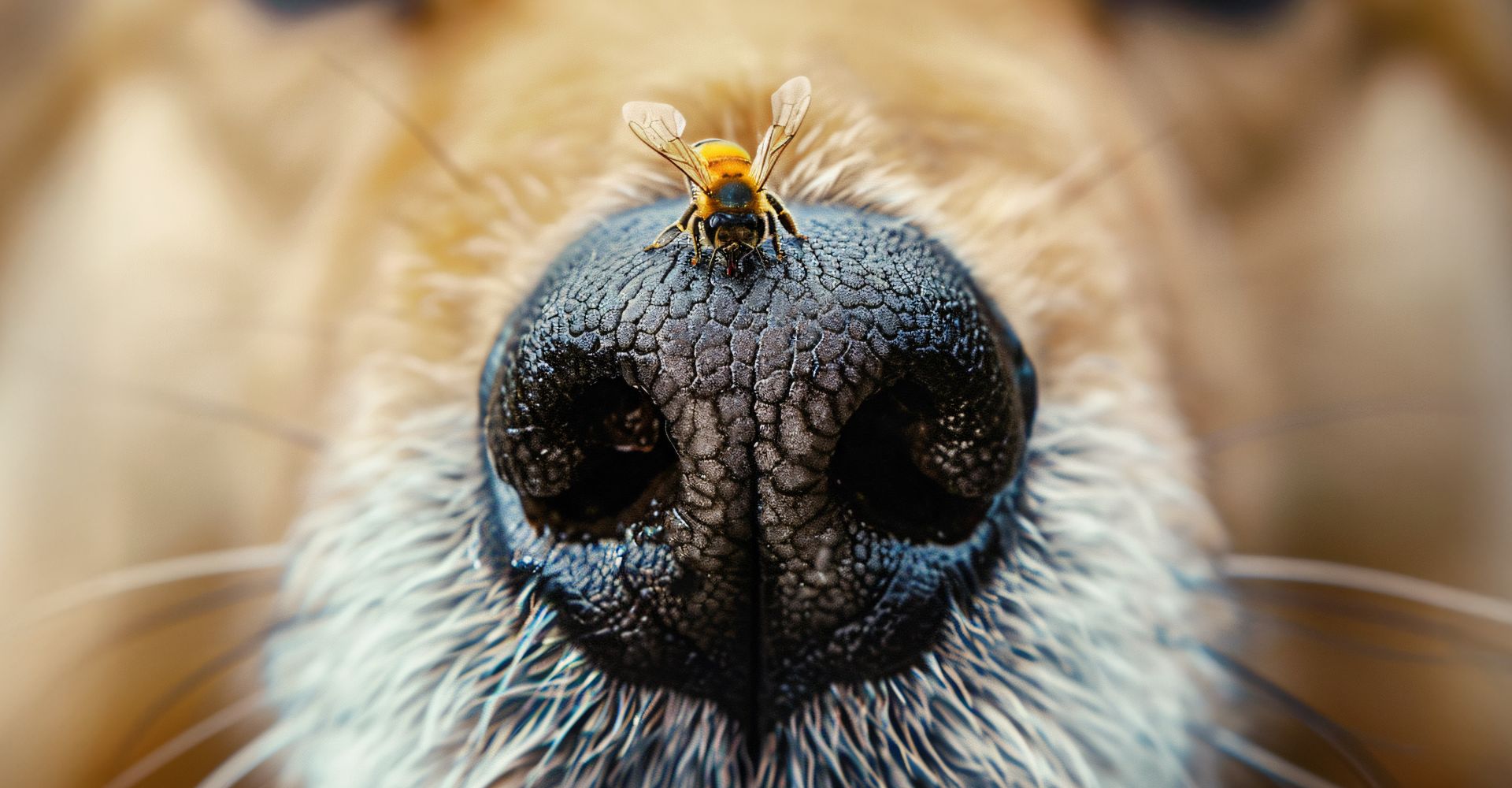
  • WHAT TO DO WHEN YOUR PET GETS STUNG BY A BEE

    WHAT TO DO WHEN YOUR PET GETS STUNG BY A BEE


    Pets are naturally curious, and sometimes that curiosity leads to painful encounters with buzzing insects. Quick action, and being prepared with pet insurance, can make all the difference when dealing with stressful moments, such as your cat or dog being stung by a bee. 


    Expert Advice from Dr Edward Hall: 

    This article features insights from Dr Edward Hall, principal veterinarian at Die Poort Animal Clinic in Pretoria. With a passion for small animal medicine and wound treatment, Dr Hall brings years of hands-on experience to help pet parents handle everyday emergencies with confidence. 


    First Things First: Is It a Bee or Wasp Sting? 

    Both bees and wasps pack a punch, but the way they sting differs. 

    • Bees leave their stinger behind, and it can keep pumping venom if not removed quickly. 
    • Wasps don’t leave a stinger, but they can sting repeatedly. 

    Identifying the insect can help you and your vet decide on the best bee or wasp sting treatment. 


    What To Do if Your Dog Was Stung by a Bee 

    If your dog yelps suddenly and starts licking or chewing at their paw, a sting could be the culprit. Check for a stinger. If visible, gently scrape it out with a credit card rather than pinching with tweezers, which can release more venom. 

    But, what if your pet gets stung in the mouth? This situation is more serious. Stings inside the mouth or throat can cause swelling that interferes with breathing. If you notice swelling, drooling, or distress, head to your vet immediately. 


    Recognising a Bee Sting Allergy in Pets 

    Some pets react mildly, while others may have a bee sting allergy. 

    Signs to Watch For: 

    • Swelling of the face, muzzle, or eyes 
    • Hives on the skin 
    • Excessive drooling or pawing at the face 
    • Vomiting, diarrhoea, weakness, or collapse 

    If you see these symptoms, treat it as an emergency. Allergic reactions can progress to life-threatening anaphylaxis within minutes. 

    Can I Give My Dog Allergex®?   

    Yes, but only under veterinary guidance. The dosage depends on your dog’s size, weight, and health. Never guess. Always confirm with your vet before giving any medication. 


    Bee & Wasp Sting Treatments for Pets: At Home Remedy vs Vet Care 

    Call the vet immediately if your dog shows swelling, breathing trouble, or collapse. At home care may be appropriate for mild swelling or redness, but still confirm the correct treatment with your vet. 

    Treating a Bee Sting at Home 

    • Remove the stinger quickly if it’s a bee sting. 
    • Apply a cold compress for 5 to 10 minutes to reduce swelling. 
    • A paste of baking soda may help neutralise the venom. 

    If the reaction escalates, professional vet care is non-negotiable. 

    How to Soothe a Wasp Sting Safely 

    Wasp stings are alkaline. Gently applying vinegar or lemon juice may provide relief, alongside cold compresses. 


    Be Prepared, Not Panicked 

    A cat, dog, or any other pet being stung by a bee doesn’t have to be a crisis if you know the signs and steps. Stay calm, treat quickly, and get veterinary help when needed.  

    And remember, unexpected vet visits can sting your wallet too. That’s why dotsure.co.za is here to help. For peace of mind when life’s little surprises buzz your way, contact us or get a quote today!

  • VET ADVICE: KENNEL COUGH SYMPTOMS & TREATMENT

    VET ADVICE: KENNEL COUGH SYMPTOMS & TREATMENT


    Kennel cough is one of the most common reasons dogs end up at the vet, particularly after a visit to the groomer or a stay at a boarding kennel. We chat to Dr Gerrit Scheepers from Phalaborwa Animal and Bird Clinic about recognising, treating, and preventing kennel cough.

    As always, keeping your pet healthy starts with proactive care, and pet insurance helps make that care more affordable when you need it most.


    Meet Our Vet of the Month

    Dr Gerrit Scheepers is a dedicated vet practicing in Phalaborwa, Limpopo, where he runs a dynamic mixed-animal clinic with a wildlife extension. “We do large and small animal medicine,” says Dr Scheepers. “Our practice has a special interest in advanced orthopaedical and general surgery, as well as wildlife darting, treatment, and relocation. We’re even involved in the legal dehorning and movement of endangered rhinos.”

    He’s also a proud pet parent to two cats. Bella, a confident 6-year-old female, and a newly adopted fluffball kitten named Katryn.


    What is Kennel Cough?

    “Kennel cough, or Canine Infectious Respiratory Disease Complex (CIRDC), is a highly contagious upper respiratory tract infection. It spreads quickly in places where dogs are housed or interact closely, such as kennels, shelters, and grooming salons.”


    What Are the Common Symptoms of Kennel Cough?

    “The symptoms can vary from mild to severe, depending on the dog’s immunity and vaccination history. The most obvious symptom is a dry, harsh cough that may sound like gagging. You might also notice sneezing, nasal discharge, occasional white foam vomit, and general lethargy. Some dogs will still eat and appear alert, while others may worsen as the disease progresses.”


    Are Certain Dogs More at Risk of Developing Kennel Cough?

    “Yes. Young puppies under six months and elderly dogs are more vulnerable. Brachycephalic breeds, like Pugs, and toy breeds such as Poodles, Yorkies, and Pomeranians are also more prone to respiratory issues. But ultimately, any unvaccinated dog can get kennel cough.”


    How Do You Know It’s Kennel Cough, and Not Something Else?

    “It’s not easy for pet parents to tell the difference between kennel cough, allergies, or other respiratory infections. Many of the symptoms overlap. That’s why it’s important to visit your vet for a thorough health examination. We also use the pet’s history and, if needed, allergen elimination trials to rule out other causes.”


    What Are the Treatment Options for Kennel Cough?

    “Mild cases can often resolve on their own within 7 to 14 days, but supportive care can definitely help. Things such as cough suppressants, rest, humidifiers or nebulisation, and plenty of fluids. If your dog is severely affected, they may require isolation, hospitalisation, IV fluids, antibiotics, and even oxygen therapy.”


    Vet’s Final Thoughts

    “Be a responsible pet parent. Kennel cough is preventable. Vaccinate your pets and limit their exposure in high-risk areas.”


    Unexpected vet visits can be stressful, not just for your pet, but for your budget. From coughs to complex treatments, dotsure.co.za can help you care for your furry family members. Need help or have questions about our pet policies? Contact us today!


    More Expert Vet Advice:

    EXPERT VET TIPS FOR FOREIGN BODY OBSTRUCTION IN DOGS ; VET ADVICE: SIGNS OF SEPARATION ANXIETY

  • EXPERT VET TIPS FOR FOREIGN BODY OBSTRUCTION IN DOGS

    EXPERT VET TIPS FOR FOREIGN BODY OBSTRUCTION IN DOGS


    When it comes to foreign body obstruction in dogs, vets have seen it all! This month, we spoke to Dr Gerna Smit from Hoogland Dierekliniek in Centurion to dig into why dogs swallow the weirdest things, how to handle it when they do, and how to protect your pet (and your bank account) with the right cover from dotsure.co.za.


    What Is Foreign Body Obstruction in Dogs?

    Foreign body obstruction happens when something your dog swallowed gets stuck in the digestive tract. It’s more than just an upset tummy, and if left untreated, it can become life-threatening. Whatever your dog has swallowed can block their intestines and require urgent medical attention.


    RELATED: THE MOST COMMONLY INGESTED FOREIGN OBJECTS IN PETS


    Expert Vet Q&A with Dr Gerna Smit

    How common is it for pets to ingest foreign objects?

    “Relatively common”


    What are some of the most unusual items you’ve seen a pet swallow?

    “A cellphone many years ago, and an Asterix and Obelix toy from a Kinder Joy sweet.”


    Are there specific types of toys or household items that pose a higher risk?

    “Socks, underwear, rope toys, mielie cobs, rubber toys that can be destroyed. The stuffing from soft toys and round pebbles also pose a risk.”


    What steps should a pet parent take if they suspect their pet has ingested a foreign object?

    “Take them to a vet and ask them to perform an ultrasound and X-rays.”


    What can pet parents do to prevent their pets from ingesting harmful objects?

    Supply them with safe chew toys and discard damaged toys.”


    Any last thoughts on the topic?

    “There will always be a first time, but often it’s not the last. Some dogs are serious repeat offenders. In Bassets, it’s a stone until proven otherwise. In Bull Terriers, it’s a mielie cob.”


    More About Our Vet of the Month

    Tell us a little more about you and what you do.

    “I have been qualified for 30 years. Always worked in small animal practice with a special interest in medicine. I also have two children and two grandchildren, and I love to cook.”


    What inspired you to become a vet?

    “My Dad. I also shadowed Dr Humphreys in Somerset West for many years.”


    Do you have any pets?

    “Mira, Great Dane. 5 years old. Only trusts ladies.

    Snippie, Yorkie. 8 years old. Very neurotic.

    Kiwhi, Maine Coon. 2 years old. Princess.”


    Protect Them With SA’s #1 Pet Insurance

    As Dr Gerna Smit said, some pets are repeat offenders, and those vet bills can add up fast! That’s why dotsure.co.za offers tailored pet insurance that can help cover accidental ingestions and emergency vet visits!

    Do you need to speak to us? Get in touch or get a quote online in minutes.

  • VET ADVICE: SIGNS OF SEPARATION ANXIETY

    VET ADVICE: SIGNS OF SEPARATION ANXIETY


    Dr Marelize Engelbrecht is a small animal veterinarian at Zwartkop Animal Clinic in Centurion, and she has provided us with her expertise! 


    What Are the Most Common Signs of Separation Anxiety? 

    Excessive vocalisation (barking and howling), destructive behaviour, escaping, and inappropriate elimination. Usually only when people are absent.” 


    What Typically Causes Separation Anxiety? 

    It could be instinctive or learned behaviour. Sometimes, genetics might play a role.  


    Are Certain Dog Breeds More Prone to Separation Anxiety Than Others? 

    Yes, some breeds are more prone than others, but any breed can experience it. Those most prone are working breeds like German Shepherds, Labradors, and Border Collies; high energy dogs like Vizslas and Australian Shepherds; and then toy breeds like Dachshunds, Miniature Poodles, and Yorkshire Terriers.” 


    What Steps Can Pet Parents Take to Prevent Separation Anxiety from Developing? 

    “Establish a consistent daily routine, with meals, playtime, walks, and alone time. Predictability reduces anxiety. 

    Create a safe and comfortable space for them to retreat and relax. 

    Practice gradual separations. Start with small steps by leaving them alone for short periods of time. 

    Practice leaving and returning without making a big deal out of it, to avoid reinforcing the idea that leaving is a stressful event. 

    Provide opportunities for exercise and add enrichment to their environment. 

    Stay calm and reassuring. 

    Don’t show any signs of anxiety form your side when leaving or returning.” 


    What Are the Treatment Options for Dogs with Severe Separation Anxiety? 

    “Manage triggers for behaviours, like departure cues. 

    Adjusting their environment and routine. 

    Teach new behaviour and reinforce with treats and praise. 

    Help them to calm down with vet-approved medication. 

    Pheromonatherapy. 

    Behavioural expert training.” 

    Need cover for alternative care? Talk to us about adding Wellness Benefits to your pet’s plan! 


    Meet Our Vet of the Month 

    Dr Marelize loves her work and always tries to live her life to the fullest. Her aim is to have a good worklife balance and to be the best vet she could possibly be! 

    What Inspired You to Become a Vet? 

    “I have always wanted to become a vet, even as a small child. I was inspired by my grandmother, who wasn’t a vet but might as well have been one. She loved all living things and taught me so much about animals and their care.” 

    Tell Us About Your Pets! 

    “I have a lot! Four dogs, one cat, two guinea pigs, two crested geckos, and a horse.” 

    Any Last Thoughts on the Topic? 

    “Addressing separation anxiety requires patience, professional guidance, and a commitment to positive reinforcement training.” 


    Expert Advice on Pet Care 

    At dotsure.co.za, we love vets and everything they do for our beloved pets! Understanding the signs of separation anxiety in dogs is the first step towards helping your furry friend feel secure and supported, even when you’re not around. And remember, having pet insurance can help cover the costs of vet visits and treatments! 


  • VET ADVICE: WHEN IS ANAL GLAND EXPRESSION NECESSARY?

    VET ADVICE: WHEN IS ANAL GLAND EXPRESSION NECESSARY?


    Dr Corné Viljoen graduated from Onderstepoort in 2013 and is supported by an incredible team at Innovavet Veterinary Clinic.


    What are the main indicators that a dog has anal gland issues?

    “Common signs of anal gland issues in dogs include scooting, excessive licking or biting at the rear, a strong foul odour, pain or discomfort when sitting, redness or swelling around the anus, changes in bowel movements, and unusual behaviours such as restlessness or aggression. These symptoms may indicate that the anal glands are full, impacted, or infected and require veterinary attention.”


    Which treatments are available for these issues?

    “Treatment options for anal gland issues vary depending on the severity of the condition. A veterinarian will determine the best approach after a thorough evaluation. Manual expression is commonly used to relieve pressure in full or impacted glands, while antibiotics and anti-inflammatory medication may be prescribed for infections. In some cases, an anal gland flush can help clear debris or bacteria. Dietary adjustments, such as adding fibre, can aid natural expression, while steroids may be used to reduce inflammation. For chronic or severe cases, surgical removal of the glands may be considered as a last resort.”


    Can pet parents express their pet’s anal glands at home?

    “Yes, in some cases, pet parents can express their dog’s anal glands at home, though it’s not always recommended unless you’re comfortable with the process and have received proper guidance from a veterinarian. Improper handling can lead to injury, infection, or discomfort to the dog.”


    Introducing Our Vet of the Month

    Dr Corné Viljoen’s primary interest lies in pet healthcare, with a strong belief that prevention is better than cure. He’s dedicated to building lasting relationships with clients and is passionate about providing patients with the highest level of care and respect.

    What inspired you to become a vet?

    “I always wanted to be a veterinarian ever since I was a young boy. Since I can remember, I always had a deep love for animals and farm life. My parents also love animals, and we had many animals in and around the house when we grew up.”

    Dr Corné, do you have any pets?

    “Sometimes I feel like Dr Dolittle. I saved and treated some animals on the farm, and now they have a second chance at life on the farm. Others I bought or received as gifts. But they are all special and treated the same.”

    Any last thoughts on the topic?

    “If the anal glands are not causing problems and the dog isn’t showing any signs of discomfort or distress, there is generally no need to express them. Over-expression can also irritate the glands and may lead to further issues, so it’s best to avoid doing it unless it’s necessary. If you’re unsure whether the dog’s glands need to be expressed, a veterinarian can assess the situation and guide you on whether it’s necessary, and how often it should be done.”

  • VET ADVICE: FESTIVE SEASON SAFETY

    VET ADVICE: FESTIVE SEASON SAFETY


    Meet Dr Marcus C. Lessing, here to answer our questions about keeping pets safe during the festive season!


    Which Holiday Foods Are Toxic or Harmful to Pets?

    “During the festive period and holiday celebrations, we indulge in quite a few foods that pose a risk if ingested by our pets. Some common examples include chocolate (dark chocolate posing the biggest risk), grapes (including raisins), xylitol (mostly found in sugar-free gum, some baked goods and candy), onions, garlic, left-over bones, as well as high fat foods such as roast lamb. Some nuts (including macadamias), and avocados could also be toxic. Alcoholic drinks and coffee could also be harmful to our furry friends if ingested.”


    Which Decorations Can Pose a Danger to Pets?

    “Any decorations made of plastic, decorations with strings or glitter, or any electrical items could potentially be harmful to pets. Any decorations or ornaments made from glass could pose a risk if broken. Candles could also be a risk if pets can access them in any way.”


    Any Advice for Pet Parents Travelling with Their Pets?

    “It’s always a good idea to have your pets checked by a veterinarian prior to any planned trips, to ensure that they are healthy and that vaccinations are up to date. Proper transport crates are essential, especially when travelling with cats. Depending on the distance travelled, one should try and stop frequently, allowing for bathroom breaks, stretching legs, as well as refreshments. When travelling with very nervous or anxious pets, calming medications prescribed by a registered veterinarian could make the trip run a lot smoother. Pet insurance is also an important consideration, to ensure that necessary care can be provided in case of emergencies.”


    How Can Pet Parents Help Pets Adjust to a Busy Home During the Holidays?

    “Pets can sometimes struggle with a lot of activity and new people in their territory. It is a good idea to have some areas where they can hide or relax away from the noise. Calming medications, again, can assist with stress related to the change in environment. A registered veterinarian should be consulted in this regard.”


    What Should Pet Parents Do in Case of Emergency When Vet Offices Are Closed?

    “There are quite a few veterinary clinics who operate on a 24-hour basis and are equipped to deal with emergencies. It is best to familiarise yourself with any such clinics at your holiday destination. It’s always a good idea to have some type of first aid kit for your pets when travelling. Speak to your local veterinarian, as they should be able to assist with acquiring the most important basics to deal with emergencies. It is, however, imperative to seek veterinary advice in any emergency situation.”


    Learn More About Our Vet of the Month!

    Dr Marcus graduated from the University of Pretoria in 2008 and has been a small animal veterinarian at Boskruin Vet Clinic since 2009. He mostly treats domestic pets and the occasional exotic animal, but he has a particular interest in feline medicine.


    When did you decide to become a vet?

    “Ever since I can remember I’ve had a fondness for animals. At school I realised that I had an interest and passion for the well-being of animals and decided to pursue a career in veterinary medicine.”


    Do you have any pets? If yes, tell us about them!

    “I have 3 cats. Benji is my old boy, a 15-year-old tabby, rescued when I first started working. Luke is a 14-year-old red bi-colour Munchkin, and then I have 4-year-old British Shorthair called Goose.”


    Any last thoughts on the topic?

    “The holiday season is a busy time of the year filled with lots of joy and good food. Pets form an integral part of our families and thus should always be considered during this time. It’s always a good idea to consult your local trusted veterinarian for any questions or queries relating to your pets.”


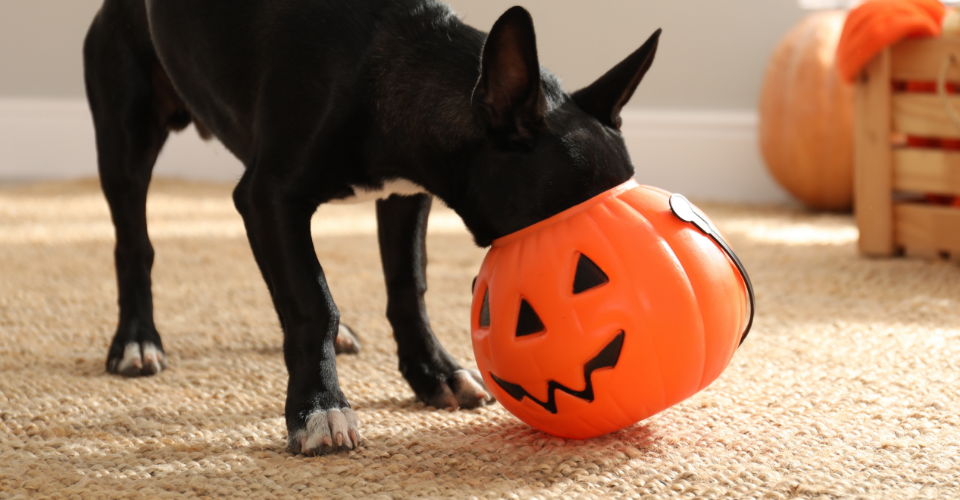
  • VET ADVICE: HOWLLOWEEN HAZARDS

    VET ADVICE: HOWLLOWEEN HAZARDS


    Top Tips for a Pet-Friendly Halloween

    Dr Gertruida Mentz is a small animal Veterinarian from Inanda Veterinary Hospital in Waterfall, Durban. We asked her some questions about making Halloween inclusive for our pets!

    What are the most common hazards for pets during Halloween?

    “The most common hazards for pets during Halloween include the ingestion of harmful sweets such as chocolates, raisins, and xylitol, which can be toxic. Additionally, pets may run away, escape, or get stuck in fences due to the heightened activity and noise during the holiday.”

    Are there specific types of decorations that pose a risk to pets?

    “Yes, certain Halloween decorations can pose significant risks to pets. For example, small balls can be a choking hazard or cause an obstruction if swallowed. Strings or hanging decorations can lead to pets getting entangled, potentially causing strangulation or internal obstructions if ingested.”

    What are the signs of a pet being stressed or uncomfortable in a costume?

    “Signs that a pet is stressed or uncomfortable in a costume include licking their lips, tucking their tail, hiding under furniture, or scratching at the costume in an attempt to remove it. Pets may also exhibit behaviours like staying still, not moving, or crouching down. For cats, signs of stress include freezing in place and having dilated pupils.”

    How can a pet’s anxiety be managed with the increased noise and activity?

    “To manage a pet’s anxiety during Halloween, it’s helpful to practice wearing a costume beforehand to allow them to get used to it. Socialising pets regularly can also help them feel more comfortable in large groups of people. If necessary, anxiety medication can be administered, and keeping pets indoors with the TV on or music playing can provide a calming environment.”

    Is the risk greater for pets to be outdoors during Halloween?

    “Yes, the risk is generally greater for pets to be outdoors during Halloween due to the increased noise, activity, and potential for them to encounter hazardous items or situations. Keeping pets indoors is often the safer option.”

    Learn more about our Vet of the Month

    Dr Gertruida works primarily with dogs and cats, and she is passionate about everything involving biology.

    When did you decide to become a Vet?

    “I have always been fascinated with figuring out how the natural world works, so a career in Veterinary science was a natural choice when choosing career paths in high school. My first conscious decision to become a Vet came when I was 15.”

    Do you have any pets?

    “I have two pets. Mina, a 5-year-old Domestic Shorthair cat and Tonka, an 11-month-old English Bull Terrier. Tonka was named after the brawny toy brand from the USA, as I just love their strong wills and endless energy, always ready to ‘bulldoze’ over everything that stands in their way. My real love lies with our feline friends, however, as I have always been completely intrigued by their demeanour and wide variety of personalities.”

  • VET ADVICE: RABIES PREVENTION

    VET ADVICE: RABIES PREVENTION


    Where Prevention is the Only Cure

    Dr Jozaan Nel is a veterinarian at Vets4All Animal Clinic in Kimberley. This mixed-animal practice treats everything from small animals to wildlife, livestock, and equines.


    How is rabies transmitted to pets?

    “Rabies is transmitted through saliva, in any form, usually through biting or licking. Rabies is a zoonotic disease, which means that humans can get it too!

    It’s important to note that rabies can affect all mammals. Livestock animals too, and farmers should familiarise themselves with the possible signs of rabies in the various species as they may differ.”


    What are the primary symptoms of rabies?

    “Mainly, a change in behaviour. Some animals become very aggressive, chew various objects, and develop a fear of water. There can be progressive paralysis and difficulty swallowing. Pet parents often think that there is something stuck in their pet’s throat. Later, pets become comatose and die.”


    How long does it take for rabies symptoms to appear after exposure?

    “The incubation period for rabies ranges between 1 to 8 weeks, however, various cases have been reported even 6 months after a bite or incident has occurred.”


    What are the most effective methods for preventing rabies in pets?

    “The most effective way of managing rabies is to vaccinate properly and appropriately, with an emphasis on correct vaccination schedules. Vaccinating animals is a priority for the safety of your family and your pets!”


    What are the essential steps pet parents should take if they suspect their pet has been exposed to rabies?

    “If you suspect your animal has been exposed to rabies, you must consult your vet immediately and make sure you take your pet’s vaccination card with you.”


    Learn more about our Vets of the Month (VOM)

    Dr Jozaan Nell loves spending time outdoors and exercising. Puppies are her favourite patients, and she especially enjoys working with horses. As for snakes and spiders – her colleagues can handle those. 😉


    Dr Jozaan, when did you decide to become a vet?

    “I can’t remember exactly when I wanted to become a vet, but if you asked my mom, she would say since I begged her for horse riding lessons and collected all the animal magazines.”


    Any last thoughts on the topic?

    “Rabies is one of the most horrible diseases I have ever learnt about! There is no cure, only prevention. Please save us the stress, by simply vaccinating your animal.”

  • VET ADVICE: HOW COLD WEATHER AFFECTS YOUR PETS

    VET ADVICE: HOW COLD WEATHER AFFECTS YOUR PETS


    Keeping Your Pets Safe During Winter

    Dr Hayley Du Toit is a veterinarian at the Tzaneen Animal Clinic in Limpopo, and she’s been a vet for almost 20 years!


    How does the cold weather affect pets?

    “Our pets definitely feel the cold just like we do. If they have any joint issues, they will experience more pain and stiffness during the colder months. Pets with less body fat and thin coats will also be more sensitive to the cold weather.”


    What are the signs of “winter blues” pet parents can look out for?

    “Pets don’t always show pain as we would expect them to. So, it can sometimes go unnoticed by pet parents. They may be less active, lie in their beds more, be less friendly than normal, and you might even see that older pets wet their beds (this is because they are trying to avoid going out into the cold and wait until their bladders are really full).”


    Do you have advice on how to help pets through the colder months?

    “Provide warm beds for your animals, and enough for each of them. We see more dog fights in winter as they compete for the prime sleeping spot. If you have a senior pet, please take them to your vet for a check-up to see if they have arthritis, which can be managed. There are a multitude of options that your vet can prescribe to keep your pet as pain-free as possible.”


    Learn More About Our Vet of the Month (VOM)

    Dr Hayley lives on a farm in Tzaneen with her husband and son. She works predominantly with pets, but their practice sees animals of all shapes and sizes.


    When did you decide to become a vet?

    “While I was taking a gap year, after school.”


    Do you have any pets?

    “We have four dogs, a Great Dane, a Border Collie, and 2 crossbreed rescues. We also have 2 cats and a parrot; they are also rescues! Oh, and about 20 chickens who keep my kitchen stocked with eggs.”


    Any last thoughts on the topic?

    “Please give your pet the option of sleeping indoors!”


  • VET ADVICE: WHY YOUR PET SHOULD BE MICROCHIPPED

    VET ADVICE: WHY YOUR PET SHOULD BE MICROCHIPPED


    Does Your Pet Need to be Microchipped? We Asked the Experts

    Dr Sune Pretorius is a small animal vet at the Shelly Beach Veterinary Hospital, and she has been a vet for five years (and an animal lover all her life). She shared her expertise with us on the importance of having a pet microchipped.


    Why should pets be microchipped?

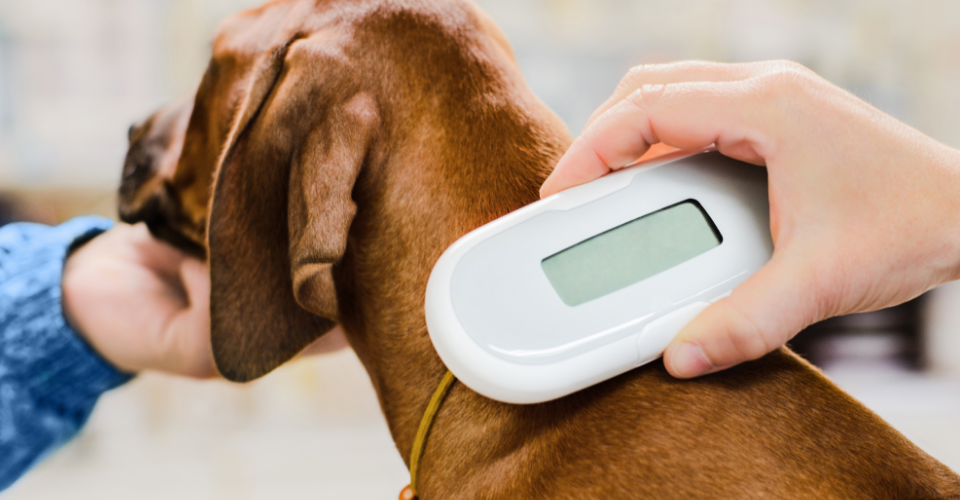
    “If your pet has been lost and then found by a member of the public, a vet can scan your pet’s microchip for the serial number to find your contact details.”


    What are the benefits of having a pet microchipped?

    “It is a permanent form of identification and it’s accepted for travelling anywhere outside our borders. The best part is that it helps to reunite lost or stolen pets with their owners.”


    Have you been involved with a lost pet being reunited with their owner, thanks to a microchip? If so, how was your experience?

    “I’ve seen many pets being reunited with their owner on the same day they were lost. A puppy named Chui was lost, he was brought in and scanned. We phoned the microchip company which requested the chip ID, and within minutes they gave us the contact number of the owner and we were able to reunite them that same day.”


    Which types of pets can get a microchip?

    “Any pet that you love can be microchipped, including snakes and birds. The location of the chip is the only difference.”


    Are there any alternatives you would recommend?

    “I recommend that your pet still wears an ID tag, with your details attached to their collar.”


    Learn more about our Vet of the Month (VOM)

    Dr Sune Pretorius works for the South Coast Vets group, which is a mixed practice focusing mainly on small animals, although they do treat pets of all shapes and sizes.


    Dr Sune, have you always wanted to be a vet?

    “I’ve known that I wanted to become a vet since I was a little girl!”


    Do you have pets?

    “I have five dogs, five cats, and a parrot.”


    Do you have any final thoughts on the topic?

    “There are many ways to identify a pet, but it is still our responsibility as pet owners to take care of our fur babies and always ensure their safety.”


    It’s important to note that in rare circumstances, microchips have stopped working. So, ask your vet to check that it still works on your next vet visit!


  • VET ADVICE: PROPER NUTRITION FOR YOUR PET

    VET ADVICE: PROPER NUTRITION FOR YOUR PET


    The Importance of High-Quality Pet Food

    Dr Tessa earned her Animal Science degree in the Netherlands, after which she moved to South Africa to study Veterinary Science. After graduating in 2014, she worked with various wildlife species in Lydenburg and Hoedspruit.

    Between 2018 and 2020, Dr Tessa opened the Family Vet Clinic in Centurion, as well as the Family Vet Hazeldean, in Silverlakes.


    How does a pet’s diet contribute to their health?

    “The phrase you are what you eat is applicable to humans and pets alike. Pets should receive a diet, which is suited for their species, breed, age, metabolism, and activity level. A high-quality diet which is balanced and fits your pets’ requirements will ensure your pet remains healthy.”


    What are the distinctions between effective nutrition and mere fillers?

    “Fillers are ingredients, which do not add nutritional value. Sometimes corn is described as a filler. However, if it is processed (cooked) correctly, corn has an excellent nutritional value. It contains many amino acids and vitamins, and it’s a source of protein and carbohydrates. Some true fillers are fibres, which are added to pet food to increase bulk and water in the intestinal contents to help promote and regulate normal bowel functions. This can be beneficial for pets with intestinal tract diseases. Furthermore, this fibre can be added to weight loss diets to help the pet to feel fuller. With the right composition, fillers can be beneficial.

    It’s better to discuss high-quality and poor-quality pet nutrition. High-quality pet food will use human-grade ingredients. They have strict and regular quality controls before, during, and after production. These controls ensure the quality and consistency of the food. All ingredients are completely traceable during the entire production system. All nutrients, vitamins, and minerals are balanced and based on extensive scientific research. Not only is protein important, but fats, carbohydrates, fibre, and other ingredients as well.

    Poor quality pet foods often have a variable ingredient content and a lower meat content. The ingredients of these foods are often adapted to the market prices of the ingredients. These foods also contain artificial additives and preservatives. Higher protein levels don’t mean that a food is of higher quality. Too high levels of dietary protein can even be problematic for dogs and cats, especially when they get older.”


    How can pet parents strike a balance between specially formulated pet food and homemade food?

    “If you want to spoil your pet with some homemade food in addition to your pet’s specifically formulated diets, then always remember that you must decrease your pet’s normal food intake. This is to ensure your pet doesn’t receive too many calories per day. Obesity in pets can lead to diabetes, joint problems, heart disease, anal gland issues, and chronic inflammation. High quantities of soft food can result in increased plaque build-up, which results in dental disease.

    Most home-cooked diets alone do not provide proper and complete nutrition for the longevity of your pets. These diets have deficiencies of the vitamins A, Bs, D and E, and minerals such as copper, calcium, phosphorus, magnesium, iron, selenium, and zinc. These deficiencies can result in various health problems. Based on various studies, it’s recommended to always ensure that animal-based protein is pathogen-free before it’s fed to your pet. This can occur by cooking, pasteurisation, or even irradiation.”


    What are the variables that could impact a pet’s dietary needs?

    “Pets should receive a diet which is suited for their species, breed, age, metabolism, and activity level. For instance, large-breed puppy diets have a different calcium-phosphorus content and ingredients suited for a higher energy level compared to small and medium-breed puppy diets. This ratio ensures that large dog breeds have a slow and steady development of their skeleton. The kibble size of the diet should also be adjusted to the size of the dog. Larger kibble is more suited for larger jaws, helps to slow down the speed of eating and helps to keep their teeth clean.”


    Learn More About Our Vet of the Month (VOM):

    Dr Tessa loves working as a veterinarian, as she never knows what will come through the door. She enjoys working with a variety of species, especially the small, furry, exotic animals.


    When did you decide to become a vet?

    “I always wanted to work with animals. During my studies in the Netherlands, I was able to work in zoos and wildlife rescue centres, and study as a veterinary nurse. I was very fortunate to be accepted to the Onderstepoort Faculty of the University of Pretoria to study as a veterinarian.”


    Do you have any pets?

    “We have a Rhodesian Ridgeback, two German Shorthair Pointers, a guinea pig, a rabbit, and a hamster. Most of them are rescues.”


    Any last thoughts on the topic?

    “Remember to slowly transition your pet to a new diet. For dogs, the transition period is approximately seven days and for cats it’s 14 days. The transition can take up to two months. You want to transition your pets slowly onto a new food to ensure they will not have an intestinal tract upset.

    You should always check that your pet’s food does not contain added salt. Too much salt can result in kidney disease or bladder stones.

    Some websites will say that carbohydrates can cause skin allergies in pets. However, research shows that animal proteins such as beef, dairy products, chicken, egg, lamb, or soy are more prone to cause allergies in dogs.

    Please, always discuss your pet’s nutrition with your veterinarian.”

  • VET ADVICE: INTRODUCING NEW PETS INTO THE HOUSEHOLD

    VET ADVICE: INTRODUCING NEW PETS INTO THE HOUSEHOLD


    Tips and Tricks to Have a Harmonious Fur Family


    Dr Michele Miller is a veterinarian at Paws in Motion Vet in Alberton. She agreed to give some valuable advice on introducing new pets into a household with existing pets.


    What’s the best way to introduce a new pet?

    “Adult dogs being introduced to adult dogs should ideally be done in a neutral environment. Preferably on lead and then off lead. Have people with you in case you need help, should something go wrong. Puppies being introduced to adult dogs should be done slowly and always ensuring the safety of the puppy. Know your adult dog’s demeanour well, like is he/she puppy-friendly or not? Never leave your puppy alone with your adult dog if you are not there. Never feed puppies along with adult dogs. Puppies will always try to steal food from them, and this may lead to puppies being badly bitten.”


    Are there specific health checks recommended before introducing them?

    “All existing pets and new pets should be vaccinated, microchipped, sterilised, and dewormed. They should also get regular tick and flea treatment and preferably have pet insurance.”


    How can a pet parent help a new pet to adjust?

    “Introduce your new pet slowly and keep them with you for the first 24 hours so that they feel safe and secure. Show them where to get water and how to get to the garden for potty time. Also, show them their bed and feeding place. Be consistent with all of these. Remember, pets need routine. Introduce your new pet to your existing pets one by one, even if you have to do this over a few days. This keeps everyone safe and controlled. You can never give them too much love!”


    Are there any species/breed-specific considerations?

    “Know your species and choose the correct breed. Do your research on the type of pet you’re getting and the one you already have. Let the new pet meet your existing pets at home, one at a time so that it is not too overwhelming for the new pet. This makes it safer and easier for everyone involved – prevention is better than cure.”


    Learn more about our Vet Of the Month (VOM):

    Dr Michele is a true welfare vet by heart, and she devotes her entire life to animals. She enjoys riding her horse and spending time with her dogs!


    When did you decide to become a vet?

    “I always wanted to be a vet, even from a very young age.”


    Do you have any pets?

    “I live, breathe, and sleep animals! I have many rescue animals, from feral cats to dogs, horses, and chickens, as well as parrots and parakeets. Yes, I work to feed and look after them all. I understand that I cannot save them all, but I definitely do try for the ones that cross my path.”


    Any last thoughts on the topic?

    “Remember, pets are for life. They depend on us for everything. Always plan for the unexpected, as accidents do happen. Even though I’m a veterinarian myself, I also have medical insurance for some of my pets. Having to euthanise a pet because of funds is heart-breaking for both the owners and their vet.”