Tag: vets

  • WE LOVE VETS: FUNDING A CAT STERILISATION PROGRAMME

    WE LOVE VETS: FUNDING A CAT STERILISATION PROGRAMME


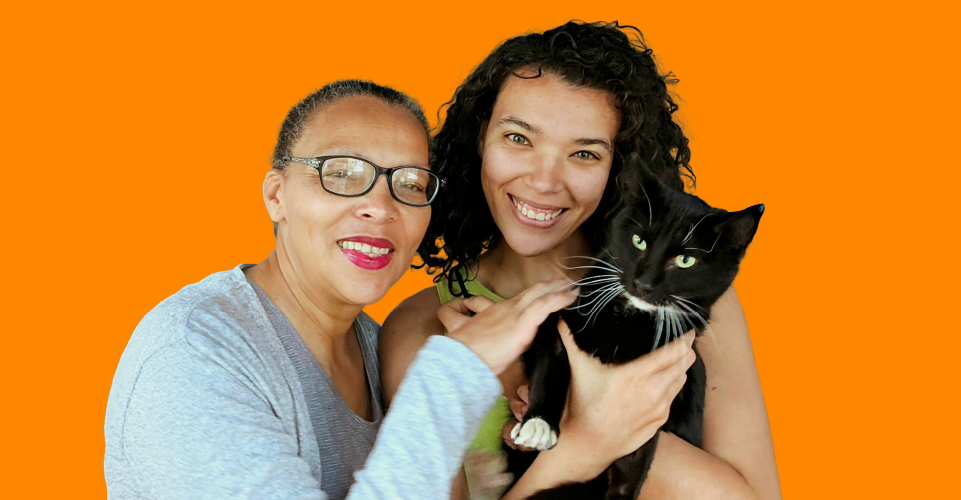
    In Kimberley, a small act of kindness has grown into a big-hearted initiative changing the lives of stray cats. Local actress Robyn Rossouw and her mom, Heloïse Rossouw, never expected their journey to begin with a few feral cats wandering onto their back stoep in 2021. What started with food bowls soon became a mission to care for, and sterilise, the neighbourhood’s cats. “We knew that if we could control the cat population, we’d give them a better chance at life,” says Robyn. 


    Since then, Robyn and her family, with the help of MediVet Kimberley, have sterilised dozens of cats, leading to happier colonies with fewer stray litters. Cats like Boolie and Mama Kiets (long-time escape artists) were finally sterilised after years of effort, marking a rewarding milestone for the team. 


    Recognising the importance of this work, we contributed to assist MediVet with sterilisation costs earlier this year, and we’re continuing to help sustain the programme until year-end. This commitment has inspired other local businesses to match the donations and extend the impact of this vital cause. 


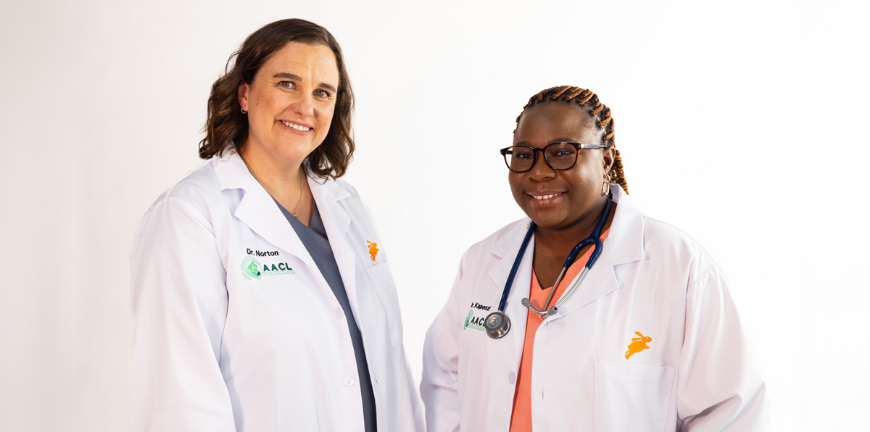
    Dr Katharina van der Linde and Dr Greta du Preez from MediVet explain why these initiatives are so important: “Sterilisation prevents overpopulation and reduces the spread of diseases like FIV and feline leukemia. It also helps cats live healthier, less stressful lives. Thanks to the support from partners and local heroes, we can keep expanding this programme.” 
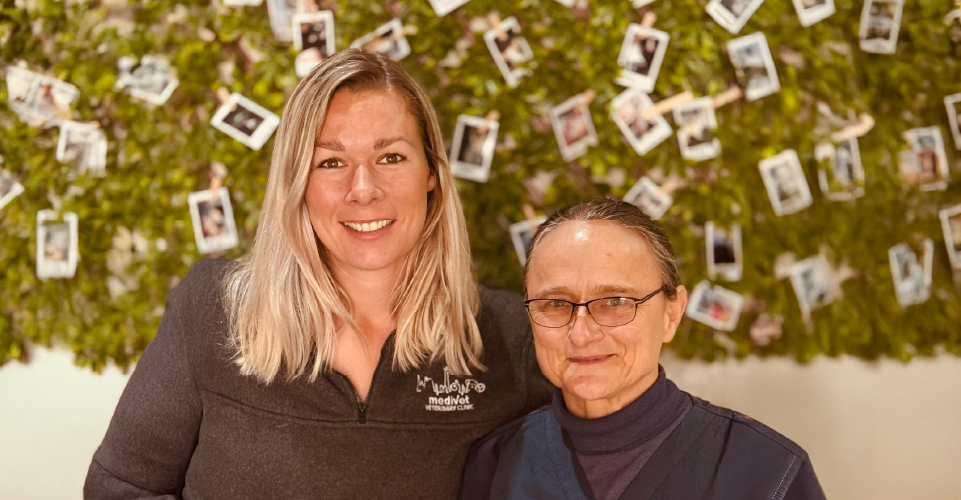
    Dr Katharina van der Linde and Dr Greta du Preez from MediVet Kimberley


    For Robyn and her family, the mission is as much about compassion as it is about population control. “Feeding strays is good, but ensuring long-term improvements in local cat colonies is even better. Helping just one cat can make a big difference.” 

    Sterilising stray cats is about so much more than population control. Female cats can avoid the strain of repeated pregnancies, while males are less likely to roam, fight, or spread diseases. It also makes life easier for communities. With fewer strays competing for food and territory, there is less risk of injuries or illness spreading between pets and ferals. That’s something everyone can feel good about! 
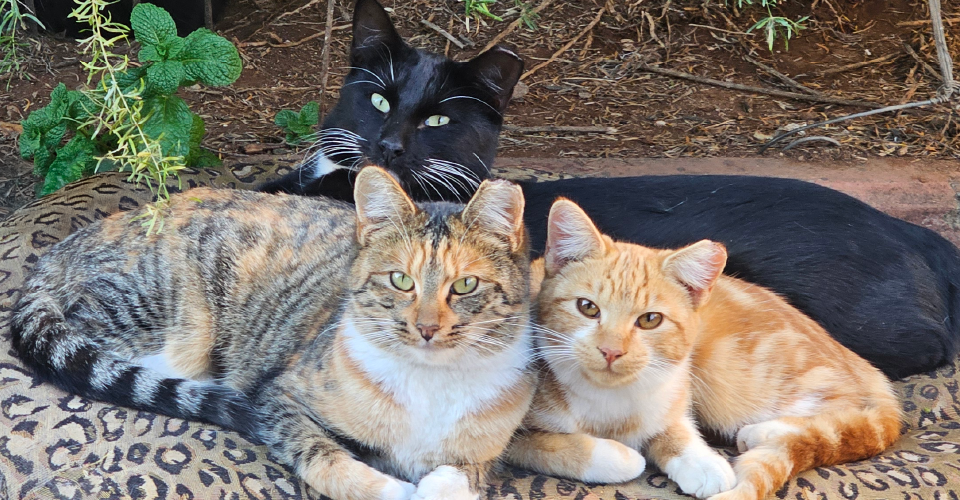
     

    Mittens (Tuxedo), Benji (Tabby) and Weasley (Ginger)


    Since we’re a pet-obsessed family here at dotsure.co.za, we believe in creating Soft Landings for animals and the people who care for them. It’s initiatives like this one in Kimberley, with the invaluable support of local vets, where kindness and community spirit truly make a difference.    


    Frequently Asked Questions:

    • What does “neutered” mean? It refers to the surgical procedure that prevents male cats from reproducing. 
    • What is spaying? Spaying is the sterilisation of female cats, preventing repeated pregnancies. 
    • When can a cat be sterilised? Vets recommend as early as possible, especially for strays, to reduce health risks.
    • What’s the cost of sterilising a cat? It varies depending on vet care, medication, and recovery needs, which is where contributions and community support are crucial. 


    Dotsure Limited (Registration number 2006/000723/06) is a licensed non-life insurer and authorised financial services provider (FSP39925). Voted South Africa’s Best Pet Insurance 2023/2024 by readers of The Star, Die Burger, Beeld, and City Press. 
     

  • COMPASSION FATIGUE: A VET’S PERSPECTIVE

    COMPASSION FATIGUE: A VET’S PERSPECTIVE


    Dr Saadiya Mangera is a small animal vet at (and owner of) Brighton Beach Veterinary Clinic in Durban. Admitting business isn’t her forte, Saadiya’s true passion is working with beloved pets.


    Understanding Compassion Fatigue

    For those who may not know, what is compassion fatigue?

    “It’s a combination of physical and psychological exhaustion that can result from caring for others and feeling empathy for their pain. Veterinary Science is unique in that we care for our patients, but we also have to consider the emotions of the pet parents.”


    What are the main signs of compassion fatigue?

    “It can be seen in physical and emotional effects, which includes feeling overwhelmed, helpless, detached, or exhausted.”


    How does compassion fatigue affect a vet’s own well-being while caring for their patients?

    “The close relationships we have with our patients are unique in that we often care for our patients from 6 weeks of age. We nurse and heal them during their lifespan, and we’re then required to help them on their final journey. It can be emotionally draining. Unfortunately, many vets have insufficient resources to cope.”


    Have you ever experienced compassion fatigue or seen a colleague go through it? How did you or they manage it?

    “Yes, I have. I’ve been a vet for over 24 years. I love my job and can’t see myself doing anything else, but it’s exhausting to deal with so many emotions. We try to keep our work environment as fun-filled and relaxed as possible. Every staff member is so supportive of each other. They’re quick to give me a hug if I’m having an emotionally draining day!”


    Do you recommend any resources, tools, or coping strategies to vets experiencing compassion fatigue?

    “Have a really, really, good support network! Check out NOMV – it’s a website that was started due to the high suicide rates in our profession.”


    What can pet parents do to support their vet teams better?

    “We all became vets because of our love for animals, but we also have to make a living from our jobs. Just be kind!”


    Learn More About Our Vet of the Month

    Dr Saadiya owns Brighton Beach Veterinary Clinic in Durban, where she’s been caring for pets since 2010. With over 20 years of experience, including nine years in the UK, she’s passionate about educating pet parents and promoting vaccination, especially against rabies. A proud wife and mom of three, she credits her family and faith for supporting her journey as a veterinarian and animal advocate.


    What inspired you to become a vet, and what do you love most about the profession?

    “I became a vet due to my love for all things feline. This started when I was a young girl and came across a litter of unwanted kittens. At the time, I wasn’t allowed to take all of them home, but I made up for it by always having cats as pets. I love dogs as well and have a special interest in canine behaviour. At Brighton Beach Vet Clinic, we try very hard to practice fear-free veterinary care. All of our patients are treated with special attention to ensure a calm experience.”


    Do you have any pets at home? 

    “I have 4 cats. They’re all female and their names are Nutmeg, Cinnamon, Sugar, and Pepper. Nutmeg and Cinnamon are siblings and come from Zululand. They both have heart problems but are very healthy and happy. Sugar has Feline Leukaemia, and I took her in knowing that she has this disease. She’s generally healthy, albeit a bit overweight. Pepper was abandoned as a 7-week-old kitten, but we’ve nurtured her and she’s about a year old now.”


    Any final words of advice for vets or pet parents about the importance of mental health?

    “Veterinarians have the highest rate of suicide in the medical field. As a result, there is a growing trend that vets, once qualified, are leaving the profession to pursue careers where there is no public interface; or leaving South Africa to pursue the profession where we’re appreciated more. There is a growing belief that vets are expensive and overpriced, which isn’t true. We’re doing what we’ve been trained to do. We’re both doctors and surgeons. We also play the role of dentist, ophthalmologist, dietician, and even behaviourist/psychologist. Please be kind and compassionate.”


  • BIG-HEARTED VETS: OUR TOP TAILS

    BIG-HEARTED VETS: OUR TOP TAILS


    The People Who Help Animals Out of the Goodness of Their Hearts

    In less privileged communities, dedicated veterinarians go beyond the call of duty, providing essential care to animals in need. dotsure.co.za is proud to support these heroes in their tireless efforts to make the world a better place for our fur babies. Here are some of the top heartwarming stories from the last year!


    Mount Pleasant Vet: Emergency Surgery for Gretal

    The Mount Pleasant Vet Clinic faced an urgent case with Gretal, a Staffie suffering from a severe uterine infection. The dedicated team performed emergency surgery, saving Gretal’s life.


    Mdzananda Animal Clinic: Vaccinations and Yoga for a Cause

    The Mdzananda Animal Clinic, in partnership with the Help A Paw initiative, administered vaccinations to 15 animals, protecting them from various diseases. Additionally, they participated in the 100 Yoga event at Eden on the Bay, where generous donations from the public further supported their cause.


    Mokopane Animal Clinic & Waterberg Wildlife Vets: Angel Care Fund

    Dr John and his team at the Mokopane Animal Clinic & Waterberg Wildlife Vets established the “Angel Care Fund” to assist clients who cannot afford veterinary care for their pets. Dr John’s compassion is legendary, often charging minimal fees or covering costs out of his own pocket.


    Pyramid Vet Clinic: A Soft Landing for Meco

    The Pyramid Vet Clinic provided life-saving surgery for Meco, a dog needing a leg amputation. Despite the challenging procedure, Meco is now recovering well, and his grateful owners can breathe a sigh of relief.


    Paulshof Vet Clinic: Partnering with 4Paws

    Since 2014, the Paulshof Vet Clinic has worked closely with 4Paws, an animal welfare organisation providing primary health care and rescue services for sick and injured pets in townships. Offering services at significantly reduced prices, the clinic treats 5-10 pets weekly, ensuring that they receive vaccinations, sterilisations, and other essential care.


    Linton Grange Animal Hospital: Saving Jet

    When Jet, a dog found burned on the road, was brought to the Linton Grange Animal Hospital, the team refused to give up on him. This story is a testament to the power of perseverance and the impact of community support in healing even the most severe injuries.


    Umgeni Vet: Caring for the Factory Cat

    The Umgeni Vet Clinic assisted a feral cat with a hernia, brought in by Jan Pharazyn, a dedicated animal lover who feeds and sterilises feral cats at her own expense. Despite her limited funds, Jan’s commitment to these cats never wavers.


    Animal Zone – Tongaat: Tyson’s Recovery

    Tyson, a dog injured by other dogs during a tornado, received crucial treatment at the Animal Zone in Tongaat. Tyson made a full recovery. This serves as a reminder of the importance of immediate medical intervention and community assistance in times of crisis.


    dotsure.co.za is honoured to support these heroes, ensuring that every pet receives the care they deserve, regardless of financial constraints. We aim to make a difference, one paw at a time.


  • VET ADVICE: MIXED BREED PETS

    VET ADVICE: MIXED BREED PETS


    In Support of the Health and Happiness of All Pets

    Dr Nada de Villiers has been a veterinarian for 16 years and she’s currently working at Blouberg Animal Clinic in Limpopo.


    Are there common misconceptions about mixed-breed pets?

    “People tend to think that they are healthier than purebred pets, but they can get just as sick. People also think that ‘mutts’ are only found in shelters.”


    Does the health of mixed-breed pets tend to differ from those that are purebred?

    “Mixed-breed dogs tend to be slightly tougher, but it varies. A difficult question to answer because I think every vet has their own opinion regarding this topic. I do prefer mixed breeds because they are so interesting.”


    What are the benefits of having a DNA test done on a pet?

    “DNA tests can do a breakdown of the breed makeup of your dog (but there will still be plenty of research left to be done). Health testing, on the other hand, could predict certain health issues or genetic conditions in your dog (it involves breeds-specific screening or general screening for all potential disease-associated genes).”


    Would you say a pet’s temperament is determined by genetics or how they’re raised?

    “In my opinion, a pet’s temperament is determined by both, but I think how they are raised is the most important of the two. A pet with good genetics can be destroyed emotionally by a bad owner.”


    Any last thoughts on the topic?

    “I am in favour of mixed breeds because, in my opinion, one can mitigate some of the unhealthy genetic traits of certain pure breeds. For example, adding a dog with normal airways to a brachycephalic breed could improve the anatomy of their faces. I am not in favour of backyard breeding and irresponsible owners. I am a firm believer in having your pet spayed or neutered in order to prevent unwanted litters. Our shelters are full of animals due to irresponsible humans.”


    Learn More About Our Vet of the Month (VOM)

    Dr Nada is happily married and the mother of twins. She prefers small-animal medicine and performs most of the surgeries at the practice. She has what she calls “an abnormal love for all animals”, especially cats & horses.


    When did you decide to become a vet?

    “I wanted to be a veterinarian since I was a child. I was not interested in becoming anything else but a vet.”


    Dr Nada, do you have any pets?

    “Oh yes, and the pets! They are our children! Where do I start…”


    We thought it might be best to provide a comprehensive list of all Dr Nada’s pets 😉

    Rescue cats:

    • Sushi (tuxedo boy).
    • Jellytot (tabby girl).
    • Ninja (snow-shoe Burmese).
    • Monroe (tabby and white girl) and her brother, Catanova (black).
    • Dorito (calico).
    • Odin (tabby boy).
    • Impi (tabby boy).
    • Lennox aka Peanut (ginger boy).
    • Hicks (grey and white bi-colour).
    • Murphy and Sheldon (“seal point, long-haired floof balls”).
    • Quinn (bi-colour girl).
    • Siggy (“black and white, long-haired, floofy girl”).
    • Kai – “A tiny 4-week-old kitten.”
    • Peaches – “My stable cat. I took her in as a working cat, but she gets spoiled.”

    A dog:

    • Ntondo – “He is a mixed breed and one-of-a-kind. He has the sweetest nature ever.”

    A chicken:

    • Helga (Brahma hen).

    An Africa Grey:

    • Olga – “She has a huge cage inside our home and she’s living a life of luxury.”

    Ferrets:

    • Hobbs and Hooligan – “Super-charged, persistent chaos. We love them.”

    Dumbo rats:

    • Matyeo, Remi, Sprinkle, Django, and Mad-Eyed Moodie.

    Horses:

    • Dawn (Warmblood), Sugar aka Supergirl (Appaloosa), Toby’s Spots (Appaloosa), and Dakota (Appaloosa).

    Fish:

    • “We have one big black goldfish named Juju and plenty of guppies.”
  • ANIMAL CRUELTY OR LEGITIMATE SOLUTION? THE LAW ON VOCAL CORD REMOVAL TO STOP EXCESSIVE BARKING

    ANIMAL CRUELTY OR LEGITIMATE SOLUTION? THE LAW ON VOCAL CORD REMOVAL TO STOP EXCESSIVE BARKING


    Is removing your pet’s vocal cords legal and humane?

    Dr Trudie Prinsloo is a qualified veterinarian and attorney. In 2015, she started Legal Vet Services to provide legal advice to the animal health and veterinary industries in South Africa and now she has teamed up with us to tell us more about the South African laws relating to the removal of dogs’ vocal cords.

    Is Vocal Cord Removal for Excessive Barking Still Acceptable?

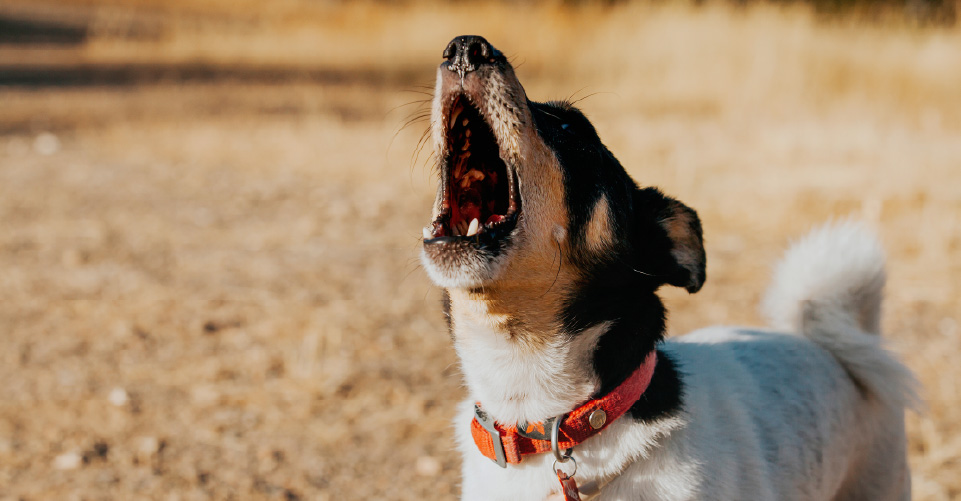
    Excessive barking by dogs is a real and often very difficult problem to deal with, which is why I have written about it on more than one occasion in the past. Is vocal cord removal (also called debarking or ventriculi cordectomy) an acceptable method to deal with this problem?

    In my opinion, the answer is a huge “NO!”  However, before I explain my view, I want to acknowledge that vocal cord removal is a procedure that is still accepted and done in many parts of the world, including South Africa.  But there is increasing evidence against the use of this procedure and more and more people agree that it should not be done.

    Dogs bark excessively because there is something that causes them to bark.  It may be separation anxiety, it may be boredom, fear, or someone or something that is upsetting the dog. One of the main reasons people have dogs is for them to act as a warning system to alert us when there is a problem.  Barking is a dog’s main way of communication.  Taking away the dog’s ability to bark, is taking away its main method of communicating.  It does not solve the underlying problem! Imagine taking a child’s voice away because you think the child is too noisy! Or how would you feel if someone permanently silences you because they think you talk too much or too loudly?

    Furthermore, the procedure itself is an invasive surgery that needs to be done under general anaesthesia with several potential complications.  Here are some of the things that can go wrong:

    • Since it requires anaesthesia, it always comes with a risk of complications and potential anaesthetic death. Proponents of vocal cord removal will argue that this is true for all surgeries, which is, of course, correct.  And that is the very reason to avoid unnecessary surgery.  Especially a surgery that does not solve the actual problem.
    • The surgery carries a risk of excessive bleeding, which could also lead to the death of the patient.
    • The surgery is done in an area that cannot be kept completely sterile, and there is a significant risk of post-operative infection.
    • Scar tissue may form post-surgically (laryngeal web) that can cause obstruction of airflow and difficulty breathing. This will require corrective surgery and it can be life-threatening if not corrected.
    • Vocal cord removal and the dog’s inability to communicate can exacerbate the dog’s stress levels. People in favour of this procedure argue that this is not true.  However, there is scientific proof that the cortisol levels of dogs that had undergone a ventriculi cordectomy has increased.
    • In most cases, the noise level is only reduced and not eliminated. Some dogs learn to bark again, often with a very strange-sounding voice.

    Thus overall, the risk-benefit is completely skewed, with the risks far outweighing any potential benefits gained from the surgery.

    But are there any legal implications or can vocal cords be removed without legal consequences? The first place to search for an answer dealing with animal welfare is the Animals Protection Act, No. 71 of 1962. Section 2 of this Act sets out all the potential offences that can be committed concerning animals and which are punishable under the Act.  The very first offence set out in Section 2 is:

    “(1) Any person who

    (a) overloads, overdrives, overrides, ill­treats, neglects, infuriates, tortures, or maims or cruelly beats, kicks, goads or terrifies any animal;” [my emphasis].

    The word that stands out and is relevant to a ventriculi cordectomy is “maims”.  The Oxford Advance Learner’s Dictionary defines maim as: “to wound or injure somebody so that part of the body is permanently damaged or lost.”   This is exactly the effect that a ventriculi cordectomy has on the animal.  I am therefore of the opinion that it is an offence in terms of this Act to perform a ventriculi cordectomy.  However, it has not been applied in this manner to date, and it has not been tested in a court of law.

    The South African Veterinary Council through its “Code of Conduct” provides guidance to veterinarians regarding their professional conduct.  The following is stated about ventriculi cordectomies:

    • It may only be done by a registered veterinarian under general anaesthesia and with proper analgesia.
    • It must be discouraged and may only be done if all reasonable alternatives have been unsuccessful, and the owner is considering euthanizing the dog.
    • Veterinarians must also inform owners that the noise levels may only be reduced and that there may still be some noise generated by the dog.

    The procedure is therefore still done and accepted by some people in South Africa.  However, in my opinion, it should not be done at all, and alternative measures must be pursued until the problem has been resolved.


    dotsure.co.za is not responsible or liable for any advice, opinions, or any other information provided herein.