South Africa’s winters might not bring blizzards and ice, but that doesn’t mean your car doesn’t need seasonal TLC. As temperatures drop it’s time to ensure your vehicle is prepared for the colder months. These winter car care tips will help keep you safe and ensure your vehicle performs at its best.
Psst…! The real car care begins when you protect your ride. Explore our car insurance options and get a quote today.
Check and Top Up Your Car’s Essential Fluids
Our winters may not freeze your engine block, but dips in temperature can still mess with your car’s fluids and performance. If you’re in Johannesburg, Bloemfontein, or other inland areas where morning temperatures drop below 5°C, this one’s especially for you.
Oil
Cold air thickens oil, making it difficult for your engine to start and operate smoothly. Consider using a multi-grade or winter-specific oil that flows better in low temperatures.
Pro tip: Your mechanic can help with the right recommendation for your model.
Coolant
Coolant (antifreeze) helps regulate engine temperature during short winter trips but doesn’t always warm your engine correctly. Ensure your car’s levels are good and the antifreeze ratio is spot on.
Windshield Washer Fluid
A water-only mix can freeze on your windscreen or become ineffective. Use a washer fluid with alcohol or spirits added. It’s a popular little hack that works surprisingly well during frosty morning drives.
Fuel
Keeping your tank full reduces condensation, which can lead to fuel line freeze-ups in colder regions. While the petrol and diesel prices may not be in our favour, it is a safe habit always to ensure your vehicle’s tank is full because you never know when you’ll be stuck in a traffic jam or have to take a spontaneous long drive.
RELATED: HOW TO: SAVE FUEL WHEN DRIVING
Prep Your Tyres for Winter Roads
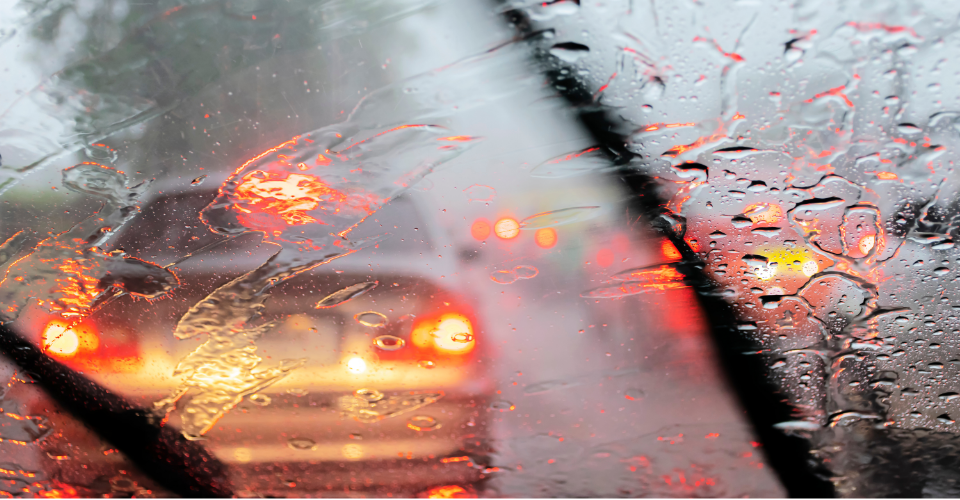
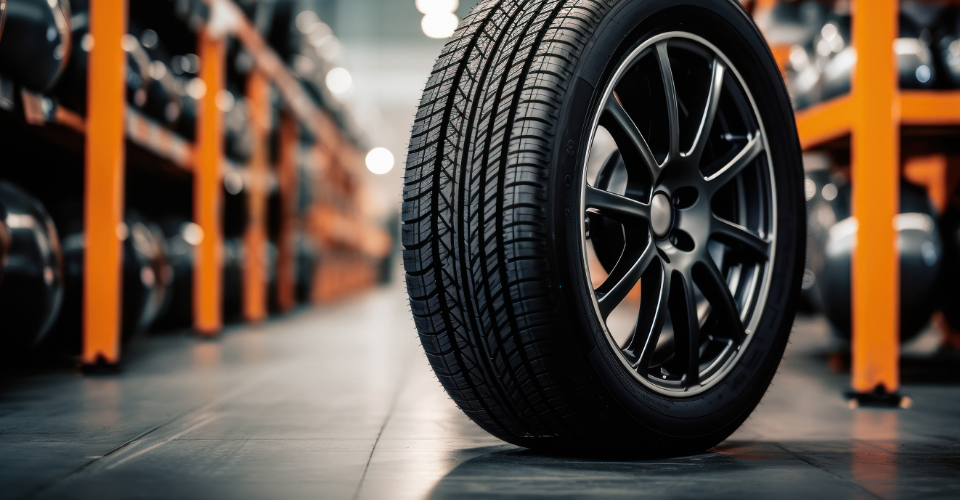
Rain, dew, and low sun angles often cause winter driving hazards, including blinding drivers during rush hour. Keeping your vehicle’s tyres in good condition is crucial for safe driving, especially in winter.
Tread Depth
The legal minimum tread in South Africa is 1,6 mm, but anything below 3 mm drastically reduces traction in wet conditions. Smooth tyres are a big no, no matter what type of weather you’re driving in, and need to be replaced ASAP!
Tyre Pressure
Cold air contracts, and you might lose tyre pressure overnight. Check it at least once a week, especially before early commutes. Low pressure affects braking and increases your fuel usage.
Winter Tyres
While most South Africans don’t need full-on snow tyres, drivers in areas near the Drakensberg or some parts of the Free State should consider all-weather or winter-rated tyres. They improve grip and handling on icy or gravel roads.
Inspect Battery and Lighting Systems
Car batteries are more likely to fail in winter due to the increased demand on the starter to crank a cold engine.
Battery Health
If your battery is over 3–4 years old, have it tested. Also, ensure the battery is clean and secure. Wipe the terminals with warm, soapy water to remove acid or dirt build-up, and ensure it is safely secured to prevent it from shifting.
RELATED: HOW LONG DO CAR BATTERIES LAST?
Lights
Shorter days mean more driving in the dark or in low-light conditions. Ensure all your headlights, brake lights, and indicators are working. Clean the lenses or replace the covers to boost visibility if they are dirty or foggy.
Keep Visibility Clear
Poor visibility can result from coastal fog or inland haze. This doesn’t just slow you down, it’s a safety risk.
Windshield Wipers
Your wipers put in overtime in winter. Replace them if they’re streaky, noisy, or leave missed patches.
Windshield Condition
Do you already have a chip from a flying stone thanks to your summer road trip? The winter cold can make it spread across the glass. Repair chips before they become cracks and compromise your visibility or your wallet.
Prioritise Safety and Emergency Preparedness
Brakes
Damp, cold roads increase stopping distances. Ensure your vehicle’s brakes function correctly and have sufficient pad thickness. Have them inspected and replaced if necessary.
Car Washes
It may sound wild, but winter is a great time to wash your car. Winter weather can be harsh on your car’s exterior.
- Regular Car Washes: Remove dirt and grime to prevent paint damage and rust.
- Wax Application: Apply a protective wax coating to shield your car from the elements.
Emergency Kit
A local-ready emergency kit includes:
- Jumper cables
- Blanket
- Snacks and water
- Phone charger or power bank
- Torch with spare batteries.
You might also add gloves and a raincoat, because being stuck in a KZN downpour with a flat tyre is no joke.
RELATED: AFTER-HOURS EMERGENCIES ON THE ROAD, HOW TO JUMP-START A CAR
Engine Pre-Heating
If you’re in the country’s colder regions, a block heater can help warm your engine before you start it. This reduces wear and improves fuel efficiency.
Are You up to Date with Your Winter Car Maintenance?
Being proactive about winter car care saves time, money, and stress. If you have any questions or need expert advice, contact us today at dotsure.co.za. You can also explore our car insurance options to learn more about how we can help you drive stress-free this winter.