
– 7 minutes
Table of contents
What is Zoonosis? Key Facts
Zoonosis is any disease or infection that is naturally transmissible from vertebrate animals to humans.
- There are over 200 known types of zoonoses.
- Zoonoses comprise a large percentage of new and existing diseases in humans.
- Some zoonoses, such as rabies, are 100% preventable through vaccination and other methods.
The above-mentioned are all according to the World Health Organisation,
When we think about keeping our pets healthy, we often focus on food, exercise, vaccinations, and affordable pet insurance. But another important part of responsible pet care deserves attention: understanding diseases that can be transmitted between animals and people. With World Zoonoses Day on 06 July, it’s the perfect time to learn more about zoonotic diseases, how they spread and the simple steps pet parents can take to keep everyone healthy. While the word zoonosis may sound intimidating, knowledge is one of the best forms of protection. Most zoonotic diseases are preventable, and responsible pet care plays a major role in reducing the risk.
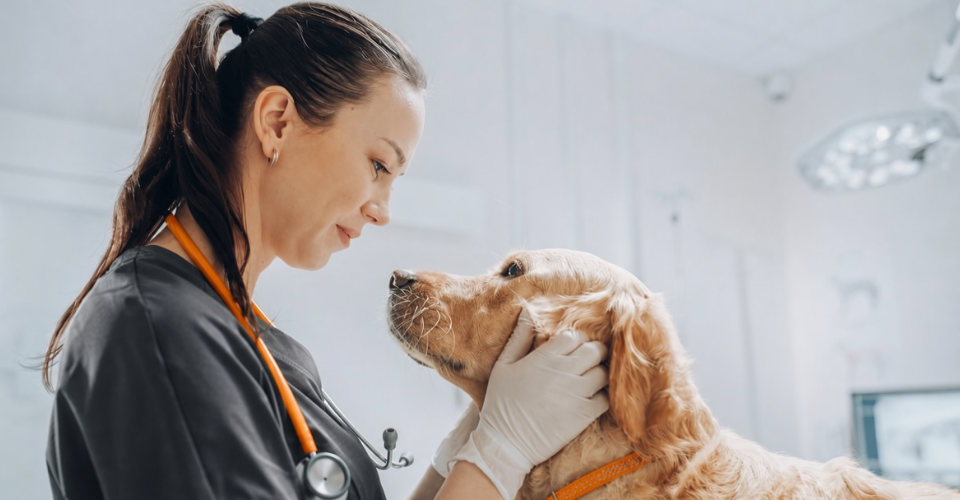
We spoke to veterinarian Dr Amanda Haechler from Harmelia Animal Clinic in Germiston, Gauteng, to understand whatzoonosis is. “In simple terms,” explains Dr Haechler, “a zoonosis is an infectious disease that is transmitted from an animal to a human,”. However, understanding zoonosis does not mean being afraid of your pets. It means becoming a more informed and responsible pet parent. “Education is key,” says Dr Haechler. “Once you know what you need to do as a pet owner, anxiety levels decrease.”
What is the Most Common Cause of Zoonotic Diseases?
There is no single cause of all zoonotic diseases. Different infections are caused by different organisms, including:
- Bacteria: such as Salmonella and Leptospirosis
- Viruses: such as Rabies
- Parasites: such as Toxoplasmosis
- Fungi: such as Ringworm.
The risk often depends on exposure. For example, a pet that spends time outdoors may encounter parasites or infected animals, while pets living in rural environments may have increased exposure to certain diseases. “Urban and outdoor pets are more likely to be exposed to infectious diseases,” explains Dr Haechler.
How do Zoonotic Diseases Spread?
Zoonotic diseases can spread in several ways, including:
- Direct contact with an infected animal
- Bites or scratches from infected animals
- Contact with infected faeces or urine
- Parasites such as ticks, fleas and worms
- Eating contaminated food, including undercooked meat or unpasteurised dairy products.
“Zoonotic diseases spread by direct or indirect contact with an infected pet,” says Dr Haechler. “They can also spread through contaminated food sources.”
This is why everyday habits matter. Something as simple as washing your hands after playing with your pet or cleaning up after them can significantly reduce the risk.
What are the Symptoms of Zoonosis?
The symptoms of zoonotic diseases can vary significantly depending on the type of infection, how it spreads and the person or animal affected. Some infections may cause mild symptoms, while others can lead to more serious illnesses if left untreated.
For humans, common symptoms of zoonotic infections may include:
- Fever
- Fatigue
- Flu-like symptoms
- Muscle aches
- Digestive issues such as vomiting or diarrhoea
- Skin irritation or rashes
- Swollen lymph nodes.
However, symptoms are not always immediately obvious, and some infections may develop gradually. This is why it is important to pay attention to changes in both your own health and your pet’s wellbeing. In pets, signs that may indicate a possible infection include:
- Unusual tiredness or changes in energy levels
- Skin problems or unexplained irritation
- Persistent scratching
- Changes in appetite
- Weight loss
- Vomiting or diarrhoea
- Changes in behaviour.
It is important to remember that these symptoms do not necessarily indicate that your pet has a zoonotic disease. Many common pet health issues can cause similar signs. However, if your pet shows ongoing symptoms or if you develop symptoms after close contact with an animal that may be unwell, it is best to speak to a veterinary or healthcare professional.
When Should You Seek Medical Attention?
Pet parents should seek medical advice if they experience:
- Fever after an animal bite or scratch
- A skin infection that is worsening or not improving
- Severe illness after handling a sick animal
- Symptoms following contact with an animal suspected of carrying an infection.
Early detection plays an important role in effective treatment. By recognising warning signs and seeking advice when needed, pet parents can help protect both their own and their pets’ health.
Who is Most at Risk of Zoonosis?
While anyone can potentially contract a zoonotic disease, some people may be more vulnerable. This includes:
- People with compromised immune systems
- Elderly individuals
- Young children
- People who work closely with animals, including farmers and veterinary professionals.
Families with children do not need to avoid pets. Instead, teaching safe interactions is key.
Again, Dr Haechler recommends encouraging children to wash their hands frequently, avoid unsupervised outdoor play with pets and ensure pets are vaccinated and treated for parasites.
Prevention Starts with Responsible Pet Care
The good news is that the prevention of zoonotic diseases is achievable. One of the biggest misconceptions about zoonotic diseases is that they only come from wild animals or places with poor hygiene. In reality, prevention starts at home. “Pet owners often think that because they live in an urban area, it is impossible for their pet to infect them,” says Dr Haechler. However, pets can still be exposed to infectious diseases through contact with other animals, outdoor environments or parasites. Regular veterinary care helps to identify risks early and ensures pets receive important preventative treatments. The best protection includes:
| Annual veterinary check-ups | Regular vet visits help to detect potential health concerns early, including infections, parasites and conditions that may not have obvious symptoms. |
| Vaccinations | Vaccines are one of the strongest tools against serious zoonotic diseases. Rabies is one of the most well-known examples. It can be transmitted when an infected animal bites a person, or when saliva from an infected animal comes into contact with an open wound. Keeping pets vaccinated helps to protect them and prevents transmission to people. |
| Parasite control | Fleas, ticks and intestinal worms can carry diseases that affect both pets and humans. Regular parasite prevention helps protect your pet from illness while also reducing the risks for the whole household. |
| Good hygiene habits | Wash your hands after handling pets Wash your hands before eating Clean up pet waste safely Wash fruit and vegetables before eating them raw Ensure food is properly cooked Choose pasteurised dairy products |
| Safe food preparation | Preparing food safely helps reduce the risk of harmful bacteria and parasites that can affect both pets and people. This includes cooking food properly, avoiding contaminated ingredients and choosing safe, appropriate diets for your pet. |
| Monitoring small changes | Paying attention to changes in your pet’s behaviour, appetite, energy levels or appearance can help identify health issues early. |
Common Myths About Zoonotic Diseases
Myth 1: “Indoor pets cannot carry zoonotic diseases”
While indoor pets may have lower exposure to risks, they are not completely risk-free.
Myth 2: “Only wild animals spread zoonotic diseases”
Many zoonotic diseases can involve domestic animals, too.
Myth 3: “If my pet looks healthy, they cannot spread disease”
Some infections may not show obvious signs immediately. Routine veterinary visits help detect potential problems.
Wholehearted Care Starts with Prevention and Preparation
“Zoonotic diseases are preventable, and most of them can be treated,” says Dr Haechler. The best care starts with prevention. Keeping vaccinations up to date, staying on top of parasite control, maintaining good hygiene and recognising changes in your pet’s health early.
And because caring for a pet means preparing for both the expected and unexpected, having the right support in place can make all the difference. With our affordable pet insurance, pet parents can prepare for unexpected veterinary costs while giving their pets access to the care they need when it matters most. Whether you need help managing a claim, adjusting your cover or simply preparing for your pet’s future healthcare needs, we’re here to support you every step of the way. Visit dotsure.co.za to learn more about affordable pet insurance and get an online quote, or contact us anytime.