
– 7 minutes
Table of contents
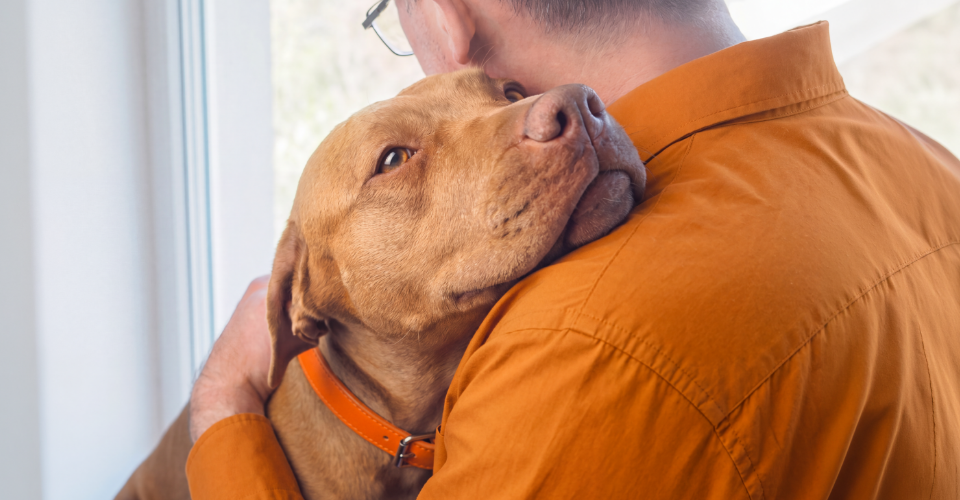
The Staffordshire Bull Terrier, affectionately known as the “Staffy” or “Staffie”, is a breed full of contrasts. Many Staffy owners will tell you their dogs have expressive faces and a special talent for looking as if they’re grinning. They look tough, but they’re famous for their affectionate personalities. They’re energetic but love a good cuddle session.
From their playful puppy years to their golden years, Staffies bring loyalty, personality and plenty of character into the home. But like every breed, they have specific care needs to help them thrive. Whether you’re already sharing your home with one of these lovable companions or considering welcoming a Staffy into your family, understanding their journey can help you give them the happiest, healthiest life possible. It also helps to have wholehearted pet insurance from dotsure.co.za in your furry family member’s corner for life’s little bumps, scrapes and surprises. Protect your Staffy with affordable dog insurance anytime in just a few clicks.
Is a Staffy a Pit Bull?
One of the most common questions people ask is, “Is a Staffy a pit bull?” While the Staffy and the breeds commonly referred to as Pit Bulls may share some historical connections and physical similarities, they are not the same breed. Staffies are a recognised breed with their own characteristics, history and breed standards.
| BREED STANDARD | DESCRIPTION |
| Origin | United Kingdom |
| Breed group | Terrier |
| Size | Medium-sized, compact and muscular |
| Height | Approximately 35–41 cm at the shoulder |
| Weight | Adult males weigh around 13–17 kg and females around 11–15 kg. |
| Build | Strong, athletic and well-muscled with a broad chest |
| Head | Short, deep head with pronounced cheek muscles and strong jaws |
| Ears | Small, rose or half-pricked ears |
| Muzzle | Short and well-defined, with a black nose |
| Tail | Medium length, tapering and carried low |
| Coat | Short, smooth and close-fitting |
| Colours | Red, fawn, white, black, blue, brindle, or combinations with white markings |
| Temperament | Courageous, intelligent, affectionate and playful. Known for being people-oriented and loyal. |
| Exercise needs | Moderate to high. Benefits from daily walks, play and mental stimulation |
| Typical lifespan | Around 12–14 years |
| Grooming | A weekly brush can help remove loose hair and keep their coat looking healthy. Regular nail care, dental hygiene and ear checks should also form part of their routine. |
| Nutrition | Staffies are active dogs with muscular builds, meaning they need a balanced diet that supports their energy levels. |
Bringing Home a Staffy Puppy
A Staffy puppy may start small, but their personality often arrives at full volume.
Those early months are an important foundation for the dog they’ll become. Like all puppies, Staffies need structure, patience and plenty of positive experiences.
Creating a consistent routine helps your puppy to feel secure. Regular meal times, play sessions and rest periods teach them what to expect while helping them settle into family life. Training should begin early. Staffies are intelligent dogs that often respond well to positive reinforcement, including praise, treats and play. They enjoy learning and love spending time with their humans, making training a great opportunity to strengthen your bond. Socialisation is equally important. Introducing your Staffy puppy to different people, sounds, environments and other animals helps them become confident and adaptable adults.
Staffy Growth Guide
Staffies are medium-sized dogs, but their solid build can make them feel much bigger than they are. They usually reach their adult height between 12 and 18 months, although they may continue filling out and developing muscle until around two to three years old.
Their growth depends on factors such as genetics, nutrition, exercise and overall health.
Staffy Weight and Size Chart by Age
| Age | Estimated Weight | Growth Stage |
| 8 weeks | 2–4 kg | Puppy stage begins: learning, exploring and developing confidence |
| 3 months | 5–8 kg | Rapid growth phase: training and socialisation are important |
| 6 months | 8–12 kg | Teenage stage begins, energy levels increase |
| 12 months | 11–16 kg | Approaching adult size and physical maturity |
| 18–24 months | 11–17 kg | Full adult frame and muscle development |
During their teenage phase, Staffies can be enthusiastic, playful and occasionally a little stubborn. This is where consistent training and mental stimulation become especially important. Staffies generally benefit from 60 to 90 minutes of activity a day, depending on their age and fitness level. Great activities include:
- Walks and outdoor adventures
- Fetch
- Tug games
- Puzzle toys
- Training sessions
- Scent games.
As adults, they are happiest when included in daily life. Whether it’s joining a walk, relaxing on the couch or following you from room to room, Staffies often want to be involved in whatever their humans are doing.
RELATED: HOW BIG WILL MY PUPPY GET?
Understanding Staffies Health Needs
While Staffies are generally considered a healthy and resilient breed, responsible ownership means understanding the health concerns they may be more prone to. According to WebMD, Staffies can be susceptible to several health conditions, including:
Hip Dysplasia
Staffies can be prone to hip dysplasia. Hip dysplasia occurs when the ball and socket of the hip joint do not develop or fit together correctly, which can affect movement and cause discomfort over time. Signs to look out for include:
- Limping or an unusual walking pattern
- Difficulty running, jumping or climbing stairs
- Reduced activity levels
- Stiffness, especially after resting
- Signs of pain or discomfort when moving.
Maintaining a healthy weight, providing appropriate exercise and attending routine vet appointments can help support joint health. If your Staffy shows changes in mobility, a vet can recommend the best approach for managing their comfort and quality of life.
Eye Conditions
Those expressive Staffy eyes are part of what makes the breed so lovable, but eye health is another area where owners should stay aware. They can be predisposed to certain inherited eye conditions, including hereditary cataracts, persistent hyperplastic primary vitreous (PHPV) and posterior polar subcapsular cataracts (PPSC).
Cataracts occur when changes in the eye lens affect how light enters the eye and, if left untreated, can impact on vision. Some cataracts develop due to genetics, while others may be linked to injury, medication or other health factors.
Another inherited condition to be aware of is progressive retinal atrophy (PRA), which affects the retina’s ability to function properly and can eventually lead to vision loss.
Regular eye checks during veterinary visits can help monitor your Staffy’s vision and identify concerns early.
Skin Allergies
Staffies have been known to have a sensitive skin. Allergies may be triggered by environmental factors such as pollen, plants, insects or certain materials, as well as food sensitivities. If your Staffy is constantly scratching, licking their paws, developing redness or showing signs of irritation, it’s worth speaking to your vet. Managing allergies may involve identifying triggers, changing aspects of their environment or using treatments recommended by a veterinary professional.
It’s also important to discuss preventative treatments with your vet, including protection against parasites such as heartworm, which can be serious if left untreated.
RELATED: COMMON SIGNS OF PET FOOD ALLERGIES
Best Food for Staffies
Staffies benefit from a balanced diet designed to support their active lifestyle. Because Staffies can be prone to sensitive skin, allergies and weight gain, many owners look for foods with quality protein sources, skin-supporting nutrients and carefully managed portions.
| Nutritional need | Why it matters for Staffies |
| High-quality protein | Real meat sources such as beef, salmon or lamb help support their lean muscle mass and active bodies. |
| Omega-3 fatty acids | Nutrients like EPA and DHA can help to support healthy skin and a shiny coat, which is especially important for Staffies prone to skin sensitivities. |
| Moderate fat levels | Staffies often love their food, so balanced fat levels and portion control can help prevent unwanted weight gain. |
| Limited ingredients | Simpler recipes with fewer ingredients may help owners identify and manage potential food sensitivities. |
| Easily digestible formulas | Sensitive stomachs may benefit from diets designed to support healthy digestion. |
Some Staffies may experience food-related sensitivities, which can show up as itchy skin, paw licking, recurring ear issues or digestive upset. If your Staffy regularly shows these signs, it’s worth speaking to your vet about possible dietary triggers and whether an elimination diet or specialised food plan could help.
Protect Your Staffy Through Every Chapter
From their first puppy steps to their senior snuggles, Staffies become more than pets. They become part of the family. And because every adventure, cuddle and life stage can come with unexpected moments, having the right protection in place helps you to focus on keeping your companion happy and healthy.
Protect your Staffy with affordable dog insurance from dotsure.co.za, with cover options designed for your four-legged family member’s needs. Whether it’s unexpected accidents, illnesses or veterinary care, having support when you need it can provide extra peace of mind.Because behind every strong Staffy is a big heart and every big heart deserves wholehearted cover. Get an instant quote online, visit dotsure.co.za to explore your options, or easily claim, upgrade, or adjust your policy on our Manage Portal whenever you need to.