Category: Animals

  • ECO-FRIENDLY GOODIES AND GIFTS FOR PETS

    ECO-FRIENDLY GOODIES AND GIFTS FOR PETS

    Time for a treat? If you’d like to spoil Spot and Sushi but you’re worried about the impact the products may have on the environment, or you just prefer to do things more naturally, you’re not alone.  Climate change is real and pet lovers are becoming more aware of their impact on nature. Good news is it’s entirely possible to be an animal lover and an earth guardian at the same time.

    The trick to it is to make more responsible choices for mother nature and your fur babies. Ethical eco-products use organic ingredients, sustainably-produced materials, and reduce waste and energy consumption in the production line. We’ve got a few suggestions for you.

    Treats for animals with an appetite

    Birds

    Wild bird seed bells will treat hungry birds in your garden and bring more birdsong to your windowsill. Not for homes with cats…!

    Cats

    Plant heirloom non-GMO, heirloom catnip seeds to grow more furry purrs.
    Cat bowls made with byproducts of rice production mean less waste and more yum.

    Dogs

    An ant-beater pet bowl means fewer refills. No more water-waste antics.
    These’s dog bowls use plant fibre from sustainably-produced bamboo.
    Yep, get delicious, wheat-free dog biscuits right here.


    Keeping them clean (and comfortable)

    Here’s a squeaky clean, natural pet shampoo that won’t wash away your flea and tick treatment.
    Speaking of which, pest powder with diatomaceous earth is a safe way to eradicate the pests that love pets.
    Wellness support, naturally

    Natural immune booster offers great support for your pet’s natural defences.
    Help your pet relax with this earthy remedy to motion sickness, fear, shock and stress.
    Spot got stinky breath? Natural ingredients will make licks delicious again.
    Probiotics for pets? Yup! This one’s all-natural, too.
    Eco hygiene for kitties
    Clean the tray and clear your green guilt in one scoop using an environmentally responsible litter tray and litter scoop.
    How about some environmentally-friendly litter to go in it? Here’s one made with the leftovers of soymilk production.

    Green doggie-do

    Plastic is causing a stink with environmentally conscious consumers. Pick up Spot’s ‘gifts’ with a poop bag holder made from biodegradable, plant-fibre plastic.
    You’ll need refills of these biodegradable poop bags.

    Strange smells

    Enviro-easy air freshener is natural, antibacterial, and antifungal. Fresh scents make sense!

    Toys!

    A variety of coconut fibre and cotton pet toys will give a natural thrill to playtime.

    If you do one thing…
    Remember, the eco-friendliest pet is one that neither hunts nor reproduces. Cats with access to wild spaces are considered an invasive alien species by some. Cats and dogs can quickly have large litters that need love and new homes. You don’t want to be responsible for adding to the hundreds of thousands of unwanted animals that are put to sleep each year, or the millions of birds killed by cats (and dogs) each year.

    Get a bell for your furry friends to warn your feathered friends that danger is near.
    Have your cats and dogs neutered or spayed as soon as your vet says it’s appropriate.
    Make sure you have a valid licence for your exotic pets.

    We’ll insure them all.

    Liked this? You’ll love these!
    How to road trip more safely and easily with your pets

    Do cats dream?

    DIY dog biscuits made by you with love (recipe)
     

  • MOHAIR INDUSTRY SPINNING OUT OF CONTROL?

    MOHAIR INDUSTRY SPINNING OUT OF CONTROL?

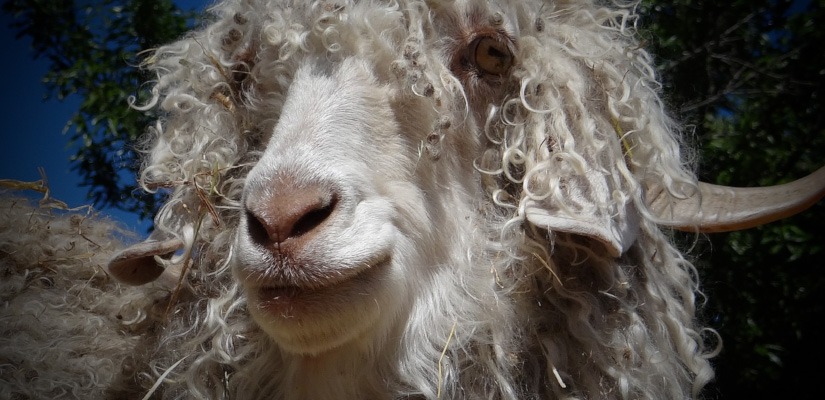
    South Africans and international retailers have been shocked out of their mohair socks and jackets. PETA (People for the Ethical Treatment of Animals) Asia released a video containing footage of Angora goats being dragged, dropped and injured by farmworkers. The video spread like wildfire and mohair farmers are starting to feel the burn. Ouch!


    PETA is threatening to shut down the mohair wool industry completely due to their shocking discovery. Yes, the mohair industry is hanging by a thread. Arcadia Group has stopped placing orders for mohair products across its eight top brands. Other big retailers like GAP, Banana Republic and ZARA will also stop using mohair by 2020. H&M however won’t wait to witness another gruesome goat slaughter – The global retailer will, effective immediately, remove the use of mohair from all their clothing ranges.


    Okay, that’s great! Retailers are standing up for our fluffy friends. The solution however isn’t as simple as to stop supporting the mohair industry. Removing mohair from products might (or might not) stop animal abuse, but what about the consequences of 30 000 jobless South Africans? That’s what will happen if the mohair industry crashes?


    The viral video is “totally misguided” according to Deon Saayman of the SAMGA (South African Mohair Growers Association).  “We have a Code of Production. That’s not how mohair is produced” says Deon. Gay van Hasselt, an Angora farmer from Prince Albert, agrees that the claims of widespread cruelty couldn’t be further from the truth. According to Hasselt many Angora farmers are passionate people that care deeply about their animals.


    There are always two sides to a story and generalisation isn’t fair, but the fact that the horror short film exists can’t be overlooked blindly. PETA has made a few sensible (and sensational) comments about the shocking short clip. The influential animal organization reported that the video revealed some shocking footage of stressful and abusive shearing.  PETA says that they visited 12 Angora farms. The video however does not include footage from all 12 farms.

    The Verdict


    Animal abuse is not okay! It’s a serious matter that needs to be investigated properly. The unravelling of the shocking video has brought a sensitive subject to light that will affect mohair farmers, workers, fashion brands and the South African economy. Hopefully the guilty parties will take ownership of their past mistakes and start treating their goats with respect, love and care. If the mohair industry spins off the wheel, there will be financial holes in many South African pockets and farms with empty sheds.


    Retailers and outlets should be responsible and make sure that their mohair comes from a farm that treats their animals fairly. Large retailers shouldn’t completely remove mohair from their clothing ranges, but should be sure about the farms that supply them.


    Thank you to the Angora farmers who do not tolerate animal abuse. To the rest – you’re gross. #stopanimalabuse


    What can you do to help?


    • Educate yourself and visit the following websites:


    http://www.angoras.co.za/

    https://investigations.peta.org/goat-mohair-expose/

    https://www.news24.com/Video/SouthAfrica/News/special-report-shear-lies-farmers-slam-misrepresentative-mohair-expose-20180528

  • 10 WAYS TO KEEP YOUR PUP FROM FREEZING THIS WINTER

    10 WAYS TO KEEP YOUR PUP FROM FREEZING THIS WINTER

    Temperatures are dropping and coffee is overflowing. You’re switching from tank tops to sweaters and your pooches are tempted to dive into the blankets with you. Winter isn’t coming, it has already arrived! Are you prepared for the shivers and teeth chattering chills?

    You might be ready to kick the cold to the curb, but what about your fur-kids? Sure, they’ve got coats to protect them from the cold, but they still need a little extra TLC.

    Here are 10 ways you can help your barking bud beat the cold this winter season:


    1. Limit outdoor playtime

    Make sure that you limit playtime to 30 minutes at a time. This will ensure that your dog doesn’t spend too much time out in the cold.


    1. Go on shorter walks

    Make sure your pooch gets enough exercise, but limit walks to 15 minutes each. Rather walk with your pup twice a day (mornings and early evenings).


    1. Keep an eye on your doggo.

    If your dog is showing signs of shivering, whining or trembling, heat them up with a fuzzy blanky or jersey.


    1. Don’t shave your dog!

    Your hound is lucky enough to have a natural permanent jersey to keep him/her warm during icy days. Don’t remove their natural fur for aesthetic reasons.


    1. Wipe their paws

    The freezing weather outside can make your pup’s paws wet and cold. Wipe Bailey’s paws with a dry towel before he enters the house. It’s won’t only help your pooch out, but also your floors and fancy furniture. Muddy dog paws can ruin your stylish beige sofa.


    1. Keep their tummies full

    Dogs burn more calories during chilly days. Make sure they are well fed this winter.


    1. Let sleeping dogs lie

    If your four-legged friend wants to snooze more, don’t force him to stand up. The winter weather steals energy and makes your poor bud feel tired. Don’t be jelly because your fur-friend gets to sleep in and you don’t. Let him drift off to dreamland.


    1. Grab an extra blanky

    Grab a warm fuzzy blanket and put it in your dog’s bed. Make sure there is also a warm blanky on his favourite spot on the floor. Tiles and wooden floors can be chilly.


    1. Keep a first aid kit handy

    Pets can injure themselves on wet surfaces. Keep bandages, antibiotic ointment and medication for accidents in a safe place in your home.

    Also, keep the following in your first aid kit:

    -Earbuds

    -Non-alcoholic ear cleanser

    -Vitamin supplements (especially vitamin C to fight flu)

    -Aloe Vera cream for bruises

    – Hydrogen Peroxide (For toxic indigestion)

    – Gauze, Scissors, Tape, Rubber Gloves

    – Vaccination & Medical Records


    1. Buy a comfy jersey

    If your dog’s fur isn’t thick enough, make sure you give him a comfy jersey. Make sure that the jersey isn’t too tight (especially around the neck, legs tummy) or too loose.

    Use the above tips and heat up winter with a little extra love and attention. Your pup will thank you for it by giving you endless snuggles and face-licks.

    Share your warmth this winter!


  • WE HAVE A WINNER! #DOTSURESNOOZE

    WE HAVE A WINNER! #DOTSURESNOOZE

    We received over 345 entries of super cute fur-kids snoozing. WOW! Thank you for all the PAW-some snaps on Instagram. Looks like our pets enjoy sleeping just as much as we do (even more). Choosing a winner was sooo difficult, that’s why we narrowed it down to the below TOP 15 finalists.


    Our Facebook judges voted for their favourite snoring pooch/pussycat. It was a difficult task, but one special doggy managed to melt hearts with her great set of pearly whites and adorable pink snout.

    AND the lucky winner is…NUMBER 10 with 244 of the total 892 votes received. The runner-up was NUMBER 14 with a total of 181 votes.

    Congratulations Michaela Kirsten! Your doggy is the lucky winner of a stylish bed and blanky. We hope Misha enjoys endless days and nights of glorious snores.

    But wait there’s more…we’ve randomly selected a voter who walks away with a R500 Takealot voucher. Congratulations goes to Natalie Kirsten. Thank you for voting.

    Thanks again for all the awesome entries and for all of you who made our jobs much easier by voting for your favourite.

    To view all the awesome entries, click here.

    Stay on the lookout for our next competition.

    Paws crossed!

  • THROWBACK TO YOUR FIRST PET

    THROWBACK TO YOUR FIRST PET


    A first pet is like a first love…

    Others may come, but you never forget the first furry faces you fell for.

    You probably remember the major milestones in your life like your first kiss and your first proper job. What about your first pet?

    You might relate to memories like this:

    “Stoffel was an overweight Pomeranian who often pooped in obscure places.”

    “Max couldn’t help himself! You opened a packet of biltong within 10 miles of him, and he was all over you!”

    “Cleo used to curl up into a ball of fur and sleep in an underwear drawer.”

    “Lilly always jumped over the fence to get a treat from the neighbours.”


    Here are genuine first pet stories from BuzzFeed:


    Punto – the Nervous Doggo

    “My family had a dog and two cats when I was born (winners, all!) but the first authentically NEW pet in my life was an Airedale terrier puppy named Punto. On the day we went to pick him up, we knew which one he was because of the ribbon around his neck. It was purple, a noble colour. He was very small and curly, and peed on my mom’s lap on the way home, which we all optimistically interpreted as an expression of his deep sense of comfort and belonging. We named him in honour of a previous fox terrier my mom had had as a kid. He grew up to be fairly large and unfailingly sweet. He was once tied by his leash to the leg a garden chair, at some point tried to get up and run after a tennis ball or something and was TERRIFIED to find that the chair was CHASING HIM. From that point on, he was always nervous around furniture, thunderstorms, and arguments. I loved him with all my heart.” —Rachel Sanders


    Two Cats for Christmas

    “My parents told me and my brother we were getting a surprise Christmas present and hinted strongly that it was going to be going to see a play. My brother and I both dressed up in our little suits for the theatre, and we drove to the ‘play.’ My parents had us put on blindfolds, apparently so we wouldn’t know what play we were seeing until the last minute. Why I believed all this, I have no idea, but I did and was thus very surprised when I took off my blindfold to discover that we had in fact arrived at an animal shelter, where we met brother cats subsequently named Hodge and Alan, who would become my pride and joy and the lights of my life for the next 18 years. That one belongs right up there with the happiest days of my life.” Jack Shepherd


    The “Floating” Turtle

    “My parents didn’t want to have a dog as long as we lived in an apartment. Much to their disappointment, my first word was ‘dog.’ They tried to avoid getting one by getting me other pets. When I was about 4 I had a turtle named Manuelita that lived in a fish tank during the week and we would take with us on weekend road trips. Manuelita was really smart; she would tap her head against the fish tank when she wanted to be walked. I remember my mom tying a red balloon to the turtle and letting her explore the ‘wild.’” Conz Preti


    Do you have a special first pet story to share with us? Please send us a message on Facebook. We’ll share it with the rest of the dotsure.co.za family.


    RIP fur-balls of the past. Your paw prints are FUR-ever printed in our hearts.


    xoxo


    P.S. Want more real stories? We’ve got one from a dotsure.co.za clients here.


  • DID YOU KNOW YOU (PROBABLY) LOOK LIKE YOUR DOG?

    DID YOU KNOW YOU (PROBABLY) LOOK LIKE YOUR DOG?

    Most of us have been told that we’ve got a doppelganger – one out of the billions of people walking the earth that looks exactly the way we do. What are the chances, realistically speaking, of it being true?

    According to research by Australian Scientists, finding a pair of matching faces is nearly impossible (excluding identical twins who have the same DNA). Sure, you might have matching hazel-brown eyes, the same pointy nose or a few similar facial features, but studies show that the chances of seeing your twin casually strolling the streets are one in a trillion. The slight possibility, however, is spine-shivering. Ancient Egyptians believed that an encounter with one’s double is a bad omen and that meeting two of your doubles meant death. Whoa!

    What if you met your dog double? Would you touch noses or roll over, belly up? Maybe you already have. If you have a dog, you might be surprised to discover that he or she does, in fact, look like you.

    Why doggie doubles?

     We sometimes choose pups with similar facial traits and personalities without even knowing it. Dr Kate Adams from Bondi Veterinary Clinic, Australia, says, “it’s definitely something I’ve noticed in my profession and it can happen on many levels: the blonde with a blonde dog, an anxious owner whose pet is also anxious, or the fit person with an active dog”. American psychology professor and neuropsychological researcher, Stanley Coren, believes the truth may lie in the principal of familiarity, which means we choose what is familiar to us because it’s likeable and safe. This explains why people like to see movies from their childhood – it’s familiar and comforting

    Psychologists also believe that we may subconsciously choose a partner who looks like us because their genes are compatible with our own. Thanks to this imprinting, it’s possible that we prefer anything that looks a little like us because we secretly love our own looks.

    The Studies: DOGGLE-gangers

    Michael Roy, a psychologist from the University of California, went to three dog parks. There, he took images of pooches, and of their owners. Afterwards, he asked a group of participants to match the pictures up. The group was given no insights at all.

    The Result: By only looking at facial features, the group matched dogs and their humans with reasonable accuracy.

     Coincidence? We think not, since science backs it up.

    In another study by Kwanesei Gakuin from a University in Japan, participants also matched pictures of dogs and their humans. Participants “sniffed” out the doubles with surprising accuracy.

    The Result: A whopping 8 out of 10 of participants correctly identified the dog/human pairs!

    Okay, so now that we’ve got the answer, we want to see if you and your pooch are twins. Even if all you share is a matching hairdo or the same goofy smile. Send us your pic by Instagram Direct Message or upload it to your public Instagram account and tag us @dotsure_pet and we’ll share it with the world. Remember, we can’t see it if your account is set to ‘private’.

  • WARNING: DON’T LEAVE YOUR DOG IN THE CAR!

    WARNING: DON’T LEAVE YOUR DOG IN THE CAR!

    The Garden Route SPCA has made a bold move and changed the law. Humans who leave their dogs untended in the car in the Eden district can now be fined up to R1000. Why the strictness?

    It’s because cars can kill dogs even when they’re stationary and switched off. How? Heat. Sit in a closed car on a 26-degree day.  How does it feel when the temperature rises to 32 in ten minutes? A panting dog can’t cool herself if the air she’s breathing is getting hotter and hotter! This is probably the last thing that a hurried human who’s “just popping into the supermarket for five minutes” thinks about. Problem is, life is unpredictable and five minutes often leads to 55 minutes, by which time the car is boiling. Boiling cars can lead to swooning dogs who can die from heatstroke in minutes.

    What to do if you see a dog left untended in a car

    1. Make sure it is, in fact, a dog – not a crumpled hoodie or an empty dog box. You’d be surprised.
    2. Keep your distance – if you approach the car rapidly, the doggie may feel threatened which could cause upset that makes the situation worse.
    3. Watch the dog for a while – are there signs of heat distress? Is his condition changing? Does the dog need water?
      Signs of heatstroke in a dog include: restlessness, excessive thirst, heavy panting, dark tongue, rapid heartbeat, fever, vomiting, lack of coordination.
      Can you safely get her water without trespassing? E.g. In the case of an open bakkie. Do it. Carefully. (Read this for how to approach a dog you don’t know more safely).
    4. Can you shade the car? A flattened cardboard box will help. Ask nearby shops for assistance.
    5. Try find the human carer by talking to people nearby e.g. security guards. If there’s an intercom system on the nearby building, ask them to call for the owner and include the number plate and a description of the dog and the vehicle.
    6. Look for a telephone number on a sign or piece of paper inside the car or on the windscreen. Sometimes concerned owners leave their numbers visible.
    7. If the dog is in distress, call your local SPCA immediately. They care about all animals, stray, wild or homed. Describe the dog’s exact condition to them and get their advice. If they’re coming to inspect, find out how soon they can arrive. Ask them how you can help the dog immediately.
    8. Very important: Don’t leave the scene. If you must, ask someone else to stand in for you and take notes.
    9. Take your own notes. Record what’s happening: when you first noticed the dog, how long it’s been, a description of the dog, her symptoms, and the car registration. If you have a smartphone, take video, otherwise, write it down – you might not remember it later. This will be useful if the authorities like the SPCA or SAPS or the owner ask questions later.
      Garden Route SPCA, George branch – 044 878 1990/1993
      Garden Route SPCA, George, emergency after hours – 082 378 7384
      Garden Route SPCA, Mossel Bay branch – 044 693 0824
      Garden Route SPCA, Mossel Bay, emergency after hours – 072 287 1761
      SAPS Garden Route – 10111 (landline)
      SAPS Garden Route – 112 (mobile)
    10. If you meet the owner, be nice. That could be you, you know…

    It’s not always possible to plan ahead. You can’t schedule emergencies or holdups. These tips will help your dog stay safe in the car.

    If you are forced to leave your dog in a car, follow these ten tips:

    1. Take a friend with to stay in the car with your pooch or ask someone nearby to stay with the dog. Maybe there’s an entrepreneurial car guard nearby looking for a good tip.
    2. Give your dog something to settle the nerves. CalmEze is a popular, non-prescription choice.
    3. Leave the aircon on with the car locked. Some newer cars can do this.
    4. Or, if you can’t leave the aircon on safely, attach a battery-operated fan to the window. Your dog needs to be familiar with it and know not to eat it, though.
    5. Leave multiple water sources inside the car. A secured, upright water feeder is better than an open bowl which can be tipped over.
    6. Make sure the water you’ve provided is cool. Add an ice cube that won’t cause overflow.
    7. Park in a quiet, heavily-shaded or covered area e.g. well-ventilated, underground parking. Light shade is often not enough cover to prevent heat stroke.
    8. Put sun shades up in the window. It will help keep the interior of the car quiet and cool.
    9. Leave your contact details in the window. Concerned citizens can let you know if something is wrong. It may also prevent panicking humans from breaking your car window to ‘save’ your dog.
    10. NEVER, EVER LEAVE YOUR DOG IN THE CAR WITH THE WINDOWS CLOSED. It could cost you a lot more than R1000.

    Despite progress with the law, the issue is widespread and ongoing and thousands of people don’t realise the very real risks. If we work together, we can help dogs suffer less.

    What else can I do to protect dogs from dying in hot cars?

    1. Educate your friends and family about the serious risks of leaving animals in the car.
    2. Approach local business to support an awareness drive. They could post signs in summer pointing out the risks and/or ask people to leave their dogs at home. Progressive malls might even consider a dog-sitting service.
    3. Start lobbying for the local law to be changed to support animal rights more. You’ll be surprised what a survey and a word with a judge can do for animals all around you.


  • CATS CAN SLEEPWALK? WTFUR?

    CATS CAN SLEEPWALK? WTFUR?

    Kitty wakes up, stretches, eats a pellet or four and makes her way straight back to bed less than 5 minutes later. But why? She’s just spent 10-hours catching Z’s, she can’t still be tired after that…could she? Strange behaviour is part of her DNA – her Doing Nothing Attitude. You can’t blame a feline for being comfortable in her own fur. Let your purr-machine snooze and don’t be green-eyed because she is free to dream whatever cats dream about while you face reality.

    Wait, do cats really dream?

    Just like us humans, cats go through multiple sleep stages. They experience Rapid Eye Movement (REM), which is the stage at which dreams are made. Kittles dreams about her daily life, just as we do. She dreams of chasing butterflies, nibbling on fishy dishes and getting loving cuddles from the one who gives her treats.

    According to Matthew Wilson of MIT’s Picower Institute for Learning and Memory, the part of the brain “that controls memory is called the hippocampus and it is wired very similarly from one vertebrate or mammal to the next”.

    This means that your kit-cat not only dreams, your other pets do, too. Doggo probably dreams about chasing kitty while kitty probably dreams of running away from him. No wonder Bruno growls during a visit to dreamland. Hmm…makes PURR-fect sense now.


    Cats and movement during slumber

    According to a behavioural consultant, Amy Shojai, a kitty’s senses remain active during 70% of her snooze time. She remains alert to react quickly to sounds and smells. The other 30% of the time, she’ll sleep deeply and wake up slowly – blinking, yawning and stretching, then grooming – to keep the fur coat shinny.

    During REM’s deep sleep, the body also turns off the feline friend’s large muscles. These control the arms and legs and prevent her from acting out in her dreams. Almost. The off switch doesn’t always function properly, which explains the twitching, kicks, sweet-soft meows and murmurs in her sleep.

    As pets age, the off switch becomes less productive, resulting in more physical movement during sleep. Sometimes the movements can wake Snowball up from his dreams, causing him to be startled and a little confused. Luckily cats recover quickly and go back to their normal purring selves in just a few minutes.


    Close-up of a blue-eyed cat looking up


    So, cats do funny stuff during sleep, but can they sleepwalk?

    Okay, we know some humans sleepwalk. It happens when two parts of the brain are “awake” at once, usually about half an hour before REM sleep. People twitch and flex during sleep because the nervous system is doing its job. A neurotransmitter called Gamma-Aminobutyric Acid, or GABA, limits the activity in the motor cortex so that major movements are impossible. When there is a lack of GABA in the system, lots of moving happens during sleep. That’s when your inner vampire emerges and makes you walk around at night without you knowing about it.

    Although cats move their paws and whiskers during their dreams, they don’t sleepwalk like some humans do. Usually, only cats with brain damage can sleepwalk. In a study done by professor Michel Jouvet from Claude-Bernard University in Lyons, France, cats with lesions around the locus coeruleus in the brainstem can act normal when awake, but they are no longer able to go into a hyper-relaxed mode. The felines in the study would crouch low and act as though they were stalking mice. Or they might go looking for food or play with make-believe toys. And all the while, they were “sound” asleep.  Who’d have imagined?

    The Verdict

    Felines sleep a lot and they dream often. They have some sweet dreams and some not-so-sweet ones. Although your kitty dreams and moves her paws and whiskers during sleep, if she’s alright upstairs, she won’t sleepwalk. If your fur-ball is healthy and happy, she’ll spend more time in her dreams than in the sandpit or in the trees. You needn’t worry about your snoozing fur-heads. Let sleeping cats lie or prepare to be scratched.

    Sweet dreams to all the Snowballs out there. Happy twitching!


    Zzzz…


  • More happy clients

    More happy clients

    We care about our clients and their fur-babies. Here is the evidence.

  • LISTERIA HYSTERIA: CAN MY DOG CATCH LISTERIOSIS?

    LISTERIA HYSTERIA: CAN MY DOG CATCH LISTERIOSIS?

    Symptoms include: weakness, nausea, skin infection, lack of coordination, stiffness, fever, diarrhoea, and/or lethargy. Dogs might not have all these symptoms. If your pup’s showing more than one, please consult your vet immediately. Depending on your doggo’s immune system, Listeriosis can be fatal if not treated fast enough. Prompt treatment could save your best four-legged buddy’s life.

    What’s the treatment?

    Your fur ball’s treatment depends on the severity of the infection. If Bruno is throwing-up or has a runny tummy, the vet will probably only prescribe gastrointestinal and pain medication. If the virus is more aggressive, your pooch will need to be hospitalized for immediate treatment. IV fluids and antibiotics will be given to the sick pup. The antibiotics include penicillin, amoxicillin, ampicillin and other meds with names that medical Einsteins find easy to pronounce.

    Dogs can recover completely from Listeriosis but, in some cases, death may result from vicious infection. Before the infection leaves your hound’s tail hanging, consult a vet and give pooch lots of TLC and the correct medication. Follow the veterinarian’s treatment plan to the T and finish all prescribed meds to ensure the best chance of a complete recovery from a Listeria infection.

    Can dogs pass Listeria on to humans?

    According to the Ontario Veterinary Medical Association, “it is highly unlikely that a dog that has eaten contaminated meat would pass the infection on to humans. Only a small percentage of healthy pets can shed Listeria in their stool at any time” which wouldn’t easily infect humans, unless the poop comes into contact with your hands.

    Listeria symptoms in Humans:

    • Fever
    • Diarrhoea
    • Nausea
    • Muscle aches

    *In more serious cases people can develop meningitis, brain abscesses and ultimately pass away.

    *NOTE: Pregnant women, new-borns, cancer patients, people with diabetes, and people with HIV/AIDS or compromised immune systems are at a higher risk of suffering severely OR from the disease and are more likely to die from it.


    How to prevent Listeriosis?


    1. Don’t eat meat (from Enterprise)!

    Enterprise polony is the source of the South African outbreak. 85% of 109 patients with the disease reported eating Enterprise processed meats like viennas or polony.


    1. Clean your fridge

    Your fridge is Listeria’s home. You might think it’s clean and cold, but this is where the infection multiplies and spreads to ready-to-eat meats and dairy products. Clean your fridge with a bleach solution to kill the infection (10 ml bleach for every 500ml water).


    1. Eat cooked meat

    Heat food above 70 degrees Celsius to eliminate the Listeria bacteria. Raw food should be kept separate from cooked food to prevent cross-contamination.


    Now that you know more about Listeriosis, you can prevent it and identify the symptoms (for both you and your doggo). Take care of your health and make sure your pal is happy and healthy. Defeat the Listeria bacteria polony-lover by being cautious and educated. Remember that our Superior Plan covers your pets for up to R10 000 per illness claim.

    Adios Listeriosis!

  • TRY THIS HIPSTER RECIPE FOR YOUR DOGGO!

    TRY THIS HIPSTER RECIPE FOR YOUR DOGGO!

    From Top Chef to the bottom of the bowl, humans are spoilt for choice when it comes to what we chew. There’s everything from Yotam Ottolenghi’s cuisine to your mum’s magical cooking. But what about dogs? If you spent your life loving and protecting the people who put food on your doggy plate, would you really want the same food, day after day? No wonder they wander off and eat things out of dustbins when they can or worse. To honour canine taste buds, and kitty ones, too, we are launching a series of recipes designed for dogs and cats (and maybe a few other animal friends). We’ll be digging around the office and the internet over the next months for suitable recipes to make your mutt howl with happiness.

    In honour of Dog Biscuit Appreciation Day (Feb 23rd) – and because we believe in biscuits EVERY day –  swap tedium for taste bomb and get the ol’ canine teeth snapping in antici-


    pation with this recipe.  It’s one for early-adopting, health-conscious hounds (and humans can have a taste, too).


    Yummy Dog Biscuit Recipe

    • Vegan
    • Sugar-free
    • Yippee
    • Don’t wolf them all down at once


    WHAT YOU NEED:

    • 1 cup Rice Flour
    • 2 mashed Bananas
    • ¼ cup unsweetened Peanut Butter**Make sure your dog is not allergic to peanut butter. Some pooches are very sensitive to nuts.


    WHAT YOU DO:

    1. Mash the banana and peanut butter.
    2. Combine the flour and mash.
    3. Preheat the oven to 160 C.
    4. Chill the dough for 20 minutes
    5. Place the dough on a well-floured counter.
    6. Roll the dough to 85- 130 mm thickness.
    7. Cut shapes using a cookie cutter (or improvise).
    8. Poke 4 fork holes into the cookies and place onto a baking tray greased with coconut oil*.
    9. Bake for 30-35 minutes.
    10. Allow to cool.
    11. Serve to a deserving pooch or person.
    12. Place the rest in an air-tight container.


    *It’s rare but do make sure your pooch is not allergic to coconut oil. Dogs at risk of pancreatitis and hyperlipidaemia are hypersensitive to it.


    We’re thinking gold pooch bombs or kidney-kind meals for kitty next. Got an idea? Or a recipe to share? Tell us about it on Facebook and maybe it’ll go into a real book…

    Woofer warning: Do NOT feed your doggle snacks containing any of these foods – they are dangerous for dogs.

  • CANCER DETECTION BY CANINE

    CANCER DETECTION BY CANINE

    We’re all familiar with the soft, moist buttons on our pooches’ faces. It’s the cherry on top of a fluffy face, it’s cute, and it can do some serious sniffing. Dogs’ sense of smell is over 100 000 times better than human’ and they can smell things we can’t. The nosy sniffers can snort out bedbugs, diabetes, even the C word…. cancer! WOW!

    Turns out that your doctor doesn’t have to be human to diagnose cancer. Studies show that dogs can smell cancerous cells. A unique odour released by the cells are early signs of cancer.

    It took humans thousands of years to figure this out; it takes a dog a split-second. Eventually, in 1989, doctors at King’s Hospital in London reported a case of a woman’s pup persistently snuffling a mole on her leg. Specialists ran tests which had some stinking results. The tests confirmed the early stages of malignant melanoma – a dangerous cancerous growth.

    So, your doggo knows you’re ill, even before you’ve said a word about the removal of your mole or the nasty nail pricks you’ve had to endure for the confirmation of the deadly disease. Hello, DOG-tor! The only problem with DOG-tor detection is communication. Milly can bark, roll over, jump on your lap or look at you with tears in her syrup-brown eyes, but she’ll never be able to put her actions into words.

    Dogs that go for specialized training at Penn Vet Working Dog Center at the University of Pennsylvania’s School of Veterinary Medicine become qualified DOG-tor translators. They receive top training and go through numerous tests, where A+ is the benchmark.


    How training works

    At the University of Pennsylvania’s School of Veterinary Medicine there are tables with extensions holding different samples of blood plasma, one of which is spiked with a drop of cancerous tissue. A fur-doc sniffs and identifies the sample with the cancer cells and gets a tennis ball from the trainer as a reward for the completion of the procedure. The doggie slides across the room and chases the ball across the floor to celebrate a diag-NOSES with a scent of success.

    Introducing DOG-tor Lucy!

    Dr Lucy is a cross between a Labrador, Retriever and an Irish Water Spaniel. She failed guide dog school because random scents distracted her from her master’s path. Eventually she was kicked out for her Attention Deficit Disorder (ADD)… Ag shame.  Luckily this didn’t stop her from pursuing her medical career.  She enrolled in Medical Detection Dogs and was trained to sniff out bladder, kidney and prostate cancers.

    Today Dr Lucy is a highly-qualified Oncologist with a diagnostic success rate of 95%. She’s awesome and she NOSE it!

    Okay, so still not sold on the idea of dogs being able to smell cancer? Let research add an air of conviction.

    3 PAW-some Studies

    1. In a research study by the Pine Street Foundation, breath samples of 31 breast cancer patients, 55 lung cancer patients and 83 healthy humans were presented to five trained doggies. Dogs detected breast and lung cancer with 90% accuracy. They deserve a certificate.
    2. According to U. News & World Report, a black Labrador named Marine was able to detect colon cancer in a study of 200 humans suffering from this disease with what seems a farfetched 97% accuracy. He was even more accurate than the blood tests were!
    3. In Milan, Humanitas Research Hospital took urine samples from 320 men with prostate cancer and 357 healthy men. The sick men had different stages of the disease from low-risk to high-risk tumours. In the group without prostate cancer, some patients had other diseases, including other types of cancer. Two dogs were used for this study. Taken together, the dogs had an accuracy rate of 98 percent.

    Dogs & Diabetes

    Do you have diabetes? Your canine can very likely smell an abnormal drop in blood sugar levels which happens to type 1 diabetes patients. Low blood glucose — hypoglycaemia or “hypo” — can occur suddenly. As a result, charities like Medical Detection Dogs train dogs to act as “medical alert assistance dogs” that tell owners when they’re at risk of a hypo attack.

    So, canines have natural life-saving senses. Bet you’re wondering what your fur-ball is sniffing right now? Hmm…hopefully the aromas of healthy blood cells. You know, the good stuff!


  • TRY THESE COOL PUP-STICKLE RECIPES OUT NOW!

    TRY THESE COOL PUP-STICKLE RECIPES OUT NOW!

    Doggos have natural furry jerseys to keep them warm during chilly winter nights. The coats look fur-tastic and stylish, but it gives the name “sweater” a new meaning…It makes the poor pup’s paw pads sweat. Yesh, drops of perspiration gather on their paws and noses when their bodies overheat. You can’t always see it, but it’s there and they can feel it. If you don’t give your dog liquids for a prolonged period they can dehydrate and even die. That’s why it’s super-important to keep your barking buddy cool during the flesh-frying summer days.


    You can keep your canine watered by simply keeping their water bowl full or giving them a tasty PUP-sickle or three every day.

    Here are 3 delicious pup-sickle recipes for your pooches’ delight.


    1. Chicken-licking


    Treat your pet with this mouth-watering, 3-ingredient ice lolly. It’s a burst of chickensy goodness mixed with a blend of peanut butter and parsley. YUM!


    Ingredients:

    1 cup chicken stock

    1 cup raw, unsalted peanut butter

     2 tablespoons of chopped parsley


    This lip-smacking munchie will not only hydrate your doggies but also keep their breaths fresh. So, no more stinky face licks for you, sir/ma’am.


    Directions:

    • Put the peanut butter and parsley into a small bowl and mix well.
    • Fill a popsicles tray with the chicken broth and place in freezer for an hour.
    • Spoon the peanut butter-parsley mix into the tray and place it in the freezer for 4 about hours.
    • Offer it to the fur kids and watch them indulge.


    1. Watermelove


    You don’t need much for this one. All you need is a quarter seedless “watermelove” and a can of coconut milk. This lolly will leave drool hanging from your dogs’ cute little jowls ‘coz it’s succulent and sweet.

    Please note: Watermelon is perfectly okay for dogs to eat if you remove the seeds first. The seeds can cause intestinal blockage.


    Directions

    • Scoop about ¼ of a de-seeded watermelon out and share the rest with your human pals.
    • Blend the coconut milk and watermelon.
    • Pour the mix into an ice cube tray, freeze and wait.
    • Now the fun begins. You and your canine can experience a burst of melon bliss.


    1. Banana and pumpkin paw-fection


    Who’s up for a healthy, frosty treat? Cool your dog this summer with a pumpkin and banana pop which you can also nibble on if you feel like adding more flavour to your palate.


    Ingredients:

    1 cup plain, unsweetened yogurt *

    1 can of pumpkin puree

    1 teaspoon irradiated honey

    1 ripe banana


    * Use Lactose-free yogurt from Woolworths if your pooch is lactose intolerant, sensitive beast!


    Directions

    • Blend all the ingredients together.
    • Spoon the mix into a silicone popsicle tray.
    • Freeze overnight
    • Pop out the moulds and serve on a hot day!


    Hope you enjoy making these delicious treats for your fur balls. Remember, although it’s tempting to give your dog a scoop of vanilla ice-cream, it can make pooch sick, because there are high levels of lactose inside your favorite scoops of vanilla. Rather take 5 minutes out of your day and whip up a healthy lolly to make your pet jolly.

    Happy lolly-licking, hounds!

  • SIT, ROBOT. MECHATRONIC METAL POOCHES FTW.

    SIT, ROBOT. MECHATRONIC METAL POOCHES FTW.

    Would you welcome a robot dog into your home? Do you wonder what else a robot animal might (be made to) do? We do, too. Here’s the second of our Furry Futures pieces, in which human’s best friend gets a mechatronics makeover.

    Meet Spot
    Spot can run, hop and open doors, and, in time, probably also kill on command. Spot is a system of springs, electrodes, metal and microchips, an autonomous machine that mimics a living, breathing, loving canine. Could you love a robot dog with mechanical paws?


    Robots are hard; humans are softies
    Robots have no hearts for the time being, yet those that mimic live, loving creatures like dogs or people, pull at our heartstrings.

    and put fear into them and while they started out creepy and clumsy

    they’re getting really good

    and it doesn’t even have to be a real robot

    It’s difficult to resist the characteristic wag of the electric tail even if you know there’s no known life in it. Try not to feel sorry for this poor piece of metal.


    and behold a synthetic prairie dog entirely fooling his adopted wild family.

    The capacity for empathy at both ends of the dog-and-human deal is what makes the human-canine bond so brilliant. It also leaves us open to manipulation when the canine is a can of electrodes and code, perhaps not by robots just yet, but certainly by their makers.

    And that’s okay if it’s positive manipulation – it’s perfectly natural! Domestic dogs evolved to contribute to human well-being as a way of ensuring their place in a changing world. They’re nice to us and we feed, house and adore them. But they get lonely if left without company (don’t!) and need to be fed at certain times (there’s an app for that ). Furry bots don’t. No poop scooping! No 4am wakeup calls. If robots are making decent companions to the aged, could robot dogs be our new best friend? Could Frodo 2.0 replace your real-life pooch?

    Maybe they aren’t quite the watchdog you want, but robot dogs like Spot are more real than Robo-Dog and could offer companionship of a sort.

    Some real dogs are wary.

    We think it’s when AI integrates into robotics and its technology begins to evolve of its own accord that the question really gets interesting. Wouldn’t it be weird if an AI dog did what the discontinued AI Twitter handle did? Dogs are a reflection of their humans, after all. We already have robot birds, scorpions, spiders, fish, salamanders, kangaroos and cheetahs (that look like a dog and sound like a fly). It’s the intelligent hybrids we’re waiting for. When robot dogs acquire drone functionality, they’re going to fly off the supermarket shelves and into our hearts. And then take over the world? Artificial intelligence is on its way in a real way, and we want to live in peace with the future, so maybe don’t name your robot dog Tay, K?

    In the meantime, the odds are still stacked in favour of living loved ones… who can give you warm cuddles and soulful stares…

    (just tolerate the copy machine; it has big dreams)

  • HOW TO REPORT ANIMAL CRUELTY SAFELY

    HOW TO REPORT ANIMAL CRUELTY SAFELY


    Be their voice

    As a society we have a collective responsibility to protect our pets against cruelty. Don’t turn a blind eye to animal abuse, use your voice to stand for every pet in need. Report animal cruelty to your local SPCA. Include as much detail as you can possibly give the inspectors (including physical evidence of the neglect or abuse in the form of photos where possible). Report animal cruelty via telephone to your nearest SPCA. click here for a list of phone numbers of your nearest SPCA

    Or

    The Animal Anti-Cruelty League (AACL), which has been protecting and caring for animals since 1956, is another channel you can use to report animal cruelty. They are the second largest independent Animal Welfare Organization in South Africa and get involved with all aspects of animal welfare. They provide shelter for abandoned animals, promote an efficient adoption programme, prosecute animal cruelty cases, run welfare hospitals for lower income groups, visit underprivileged areas with fully equipped mobile clinics and regularly address schools and clubs on the challenges of animal welfare.

    To report animal cruelty to the AACL, you can simply click here: http://www.aacl.co.za/report-animal-cruelty/ or alternatively phone them on 011 435 0672.

    What happens after your report?

    A trained inspector will visit the scene and investigate the complaint or report. Should it be found that there is a case of animal neglect or abuse, the owner will be issued with a warming to take corrective action. This will be followed-up with a second visit to check on the animal’s welfare. Within the parameters of the Animals Protection Act, no 71 of 1962, no animals may be confiscated without a warrant obtained from a magistrate. Should it be found that an animal is outright being abused or wilfully neglected, the inspector will instigate criminal charges against the owner.

    We can make the world a safer place for animals, by coming together to combat cruelty against animals!


    You have the power to protect vulnerable animals from abusive parents, but you also have the power to protect your own fur baby from illness and accidental injury. Don’t deny your fur-ball the veterinary care they deserve. Get a dotsure.co.za Pet Insurance quote today. Premiums starting from as little as R82p/m.*

    * T&Cs and possible exclusions may apply and can be obtained by emailing [email protected]. Risk profile and policy dependent. Limits and prices displayed applicable as at date of publishing and may be subject to change.