Tag: car

  • AFTER-HOURS EMERGENCIES ON THE ROAD

    AFTER-HOURS EMERGENCIES ON THE ROAD


    Breakdowns don’t keep business hours. One moment you and your friends are driving back from karaoke (still belting out bangers), and the next you’re stranded in the middle of nowhere because your car goes off-key with a flat tyre. Maybe your engine starts making funny sounds (that’s definitely not music to anyone’s ears), or a you have a medical emergency that brings everything to a screeching halt.

    That’s when our after-hours roadside assistance and extended car warranty comes in clutch. Because “after hours” doesn’t mean you’re on your own. At dotsure.co.za, we understand the importance of being there for our clients, especially during difficult situations and times. That’s why we don’t just let you Name Your PriceTM, we offer a range of emergency benefits, included in our comprehensive car insurance policies.


    What Is the Most Common Driving Emergency?

    There are a few common roadside emergencies (more like unwanted plot twists) that every South African driver faces at some point. Here’s the line-up of usual suspects that always seem to strike after hours:


    Flat Tyres

    Potholes, sharp stones, or just bad luck; one minute you’re cruising, the next you’re doing that awkward “slow wobble” to the side of the road. Whether it’s a slow puncture or a full-on blowout, it’s never fun changing a tyre on your own.

    RELATED: HOW MUCH TREAD DO YOUR TYRES NEED?

    Dead Battery

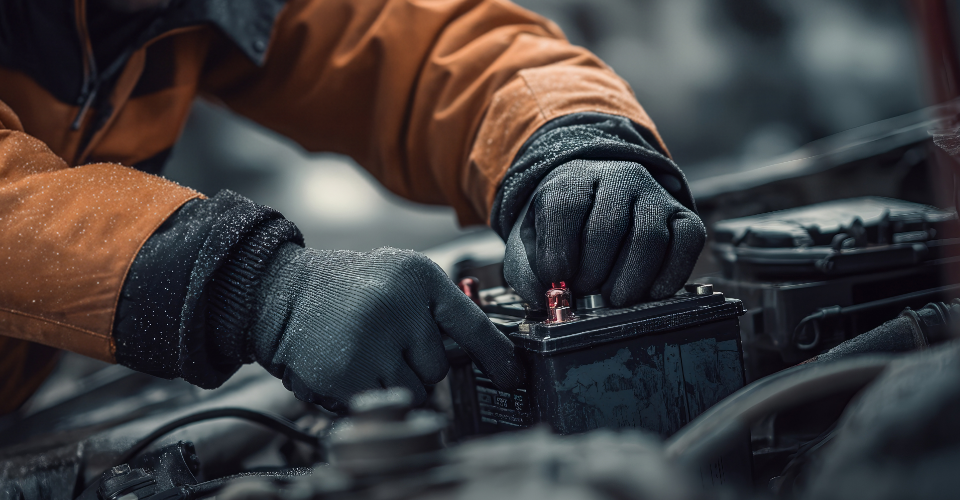
    Few things ruin your evening mood like a car that responds to your ignition with dead silence. A flat battery can happen if you’ve left your lights on, or your car’s battery is old.

    RELATED: HOW TO JUMP-START YOUR CAR LIKE A PRO

    Running Out of Fuel

    You thought you could “make it” to the next garage (so much for knowing your car). Now you’re freewheeling, praying there’s a petrol station at the bottom of the hill.

    Overheating Engine

    Summer heat, traffic, or a sneaky coolant leak; whatever the cause, when that temperature gauge climbs into the red, it’s time to pull over before your engine blows over.

    Locked Out of Your Car

    It’s always when you’re far from home, with your keys sitting smugly on the seat inside the car.

    Engine Stalling

    Whether it’s a fuel issue, a faulty sensor, or just bad timing, an engine stall in peak-hour traffic can feel like your car’s way of getting back at you for the way you drive.

    In all these emergencies, a quick call to dotsure.co.za’s after-hours roadside assistance gets you sorted faster than a robot turns red when you’re running late. Keep reading to learn how to turn a roadside nightmare into a story for the next braai.


    Roadside Emergencies: What to Do If Your Car Breaks Down After Hours

    Here’s the 411 on what to do when the wheels come off or when you’re stuck on the side of the road after hours. Don’t panic. Just follow the steps below to get back on the road:

    Call 0861 368 7873 We’re your pit crew on speed dial.
    Follow the voice prompts Select roadside or medical help.
    Confirm your policy Keep your ID or policy number ready.
    Sit tight and stay safe Our team dispatches help immediately.

    No need to call your uncle who “knows a guy.” Once confirmed, our team jumps into gear. Whether it’s a tow, a lift, or a medical emergency, help is on the way.


    Roadside Emergency Benefits You Can Count On

    Our roadside assistance has the jump leads for every jam. Think of us as your festive-season pit crew.

    Contact dotsure.co.za after-hours roadside assistance for help

    🚗 Towing Services & Breakdown Help

    Mechanical failure? Accident? We’ll tow you to the nearest approved panel beater or workshop, no matter the hour.

    🧳 Transportation for You, Your Passengers, and Luggage

    Stranded somewhere unfamiliar? We won’t leave you or your crew stranded on the shoulder of the highway. We’ll get you, your passengers, and your luggage to a safe place. (Yes, even your cooler box.)

    💬 Message Relay

    We’ll even send an urgent message to your loved ones.

    🧰 Mechanical and Electrical Breakdown Assistance

    Even if you break down at home (because the car knows when you have an early meeting), we’ll still send help.

    🔁 Second Tow Service

    Had your car towed to the wrong place? Don’t stress. We’ll move it to one of our approved facilities.

    🩺 24/7 Medical Help

    If you’re injured or need medical attention, we’ll send emergency responders and transport you to the closest facility.


    How We Help You Drive with Confidence After-Hours

    You can’t plan for potholes or those questionable petrol station pies that will probably end with a trip to the hospital, but you can plan for peace of mind.

    So, plan for the best and insure for the rest. Get Name Your PriceTM car insurance today and enjoy peace of mind from driveway to destination, knowing you’re never really alone on the road, even long after the sun’s gone down. Then take a few more seconds to cover over 60 parts with our no worries Extended Car Warranty, because festive road trips should end at your destination, not on the side of the N3.

    Drive safely, stay sharp, and remember: when your car calls in sick this festive season, or decides to take “December leave” without notice, dotsure.co.za will get you back behind the wheel in no time. Our after-hours roadside assistance is just a call away to help you finish the journey you started. Contact us anytime.


  • WHAT YOUR EXTENDED CAR WARRANTY ACTUALLY COVERS

    WHAT YOUR EXTENDED CAR WARRANTY ACTUALLY COVERS


    Nothing takes the sparkle out of a lovely day faster than car trouble, especially when you’ve got places to be: A big jol with the mates, brunch with someone special, or a trip home after proudly telling everyone how smoothly your new-to-you baby runs. Then comes the clunk, the cough, and then the silence. Like a Mzansi soapie cliffhanger, your car gives one last dramatic gasp… and dies mid-scene.

    Right there outside the office. Or worse, at the fast-food drive-thru with everyone watching your public fallout with your car. Welcome to the world of mechanical and electrical betrayal, and the reason it pays to know exactly what your extended car warranty covers (and what it doesn’t).


    What Is an Extended Car Warranty and Why Does It Matter?

    Think of a car warranty as your ride’s safety net. It’s an agreement between you and your insurer that says: “If something goes wrong unexpectedly, we’ve got you.” In other words, if a covered part fails due to a mechanical or electrical fault, they’ll cover the costs to repair or replace it (so you don’t have to spend the kids’ uniform money).

    Here are a few reasons why having car warranty cover is a great idea:

    • Saves You Money: Modern cars are tech-heavy, and fixing major parts like the engine or electronics can be pricey. A warranty helps keep surprise costs off your plate
    • Less Stress, More Driving: Knowing big repairs are covered lets you enjoy the journey without worrying about what might go wrong
    • Manufacturer-Certified Repairs: Warranty repair work is usually done by certified pros using genuine parts, so your car stays in top shape


    What Does an Extended Car Warranty Cover?

    Your extended car warranty isn’t there to fix every “eish” car moment under the sun. It’s designed to protect you from mechanical and electrical breakdowns, the big-ticket problems that make your car tap out when you least expect it.

    Here’s what’s typically covered under your extended car warranty:

    Covered under warranty
    Engine & gearbox Your car’s heart and spine.
    Cambelt The part that keeps everything moving in harmony.
    Electronic ignition  You cannot start any trip without it.
    Air conditioning Because December traffic without A/C is pure torture.
    Steering, fuel, & braking systems The unsung heroes that turn your car from a driveway ornament into a smooth ride.

    When your car’s electronics and mechanics blow, your mood follows suit, and so does your budget. That’s why having cover for the big stuff is so important.


    How Much Car Warranty Cover I Can Get?

    At dotsure.co.za, we don’t do one-size-fits-all. We check all the boxes, so you can enjoy cover that suits your ride and lifestyle.

    Finding a plan your wallet won’t fight with? Check. Cover for cars up to 15 years old? Check. Protection for 60+ mechanical and electrical bits and bobs? Big check. Now that’s what we call an Extended Car Warranty. Our goal is to keep you on the road longer, with fewer tow truck selfies on your camera roll.


    What’s Not Covered (Or Why Your Claim Got Declined)?

    This is where the heartbreak happens. Like we said, warranties won’t cover everything, no matter how nicely you ask.

    Not covered under warranty
    Wear and tear If it’s just worn down by time, it’s a job for a maintenance plan.
    Pre-existing damage That rattle you “ignored” since 2021.
    Unapproved mods Your dropped suspension dreams can void your cover.
    Neglect Skipping a service, so consider a service plan.
    Scratches and dents Cosmetic damage won’t make the list.
    Accidents That’s your car insurance’s job.


    RELATED: THE DIFFERENCE BETWEEN MECHANICAL BREAKDOWN & WEAR AND TEAR; WARRANTY EXLUSIONS AND LIMITATIONS


    What’s the Difference Between a Warranty, Service Plan, and Maintenance Plan?

    They might sound like the same thing, but these three have very different personalities.

    • Warranty: Steps in when something breaks
    • Service Plan: Handles the regular checkups like oil changes, and spark plugs
    • Maintenance Plan: Covers both your services and wear-and-tear parts such as brakes and wiper blades

    Your warranty saves you when things go wrong, your service plan keeps things ticking, and your maintenance plan makes sure you never have to worry about those “what’s that sound?” moments.


    ServiceXtender: Optional Support for Maintenance and Repairs

    Cars get older. Parts wear out. And servicing? Well, that’s your car’s leg day – you can’t skip it. Our ServiceXtender gives you a little extra backup for those maintenance costs from oil changes and filters to spark plugs and other essentials, helping you stay road-ready without the financial sweat.

    It’s like giving your car a self-care budget. Just add it to your Extended Car Warranty for that extra layer of protection and peace of mind. Simply log into your Manage Portal to update your cover.


    The Everyday Things That Can Void Your Warranty

    Sometimes it’s not the damage, it’s the driver. Even small oversights can void your warranty. Car warranties come with rules, and breaking them is like ignoring your GPS – things take a turn for the worst. Here’s how to avoid the “claim declined” heartbreak:

    • Stick to your service schedule
    • Use an industry-recognised specialist
    • Avoid using generic parts from that one cousin’s “friend” or cheap parts
    • Tell your insurer about any major changes
    • Don’t use your car for business when your policy says personal use only
    • Don’t skip payments or services

    At dotsure.co.za, our worry-free warranty gives you a 30-day grace period from policy start to catch up on services, plus freedom to use any industry-recognised specialist.


    How to Get the Right Car Warranty Cover for You

    Before you set off on one of those spontaneous long weekend missions, road trips, grocery runs, or whatever – take a moment to check your car warranty. Know what’s covered, what’s not, and if you’re unsure, reach out. We’ll help you figure it out.

    Why? Because sometimes, the real buzzkill of any journey isn’t the traffic… it’s your car’s gearbox. Car parts have impeccable timing (the bad kind), and when they do, you’ll want dotsure.co.za on your side.

    Don’t wait until you’re popping the bonnet and staring into the engine like it’s a maths paper, before you act. Get Extended Car Warranty cover that goes the extra mile, with protection for over 60 mechanical and electrical components, and payouts made directly to you for full control and peace of mind.

    When life throws you a mechanical curveball, let us help you get the situation straightened up.


    RELATED: CAR MAINTENANCE PLAN VS SERVICE PLAN VS MOTOR WARRANTY


    Ts & Cs apply.

  • FREE VEHICLE SAFETY CHECKS TO AVOID TRAFFIC FINES

    FREE VEHICLE SAFETY CHECKS TO AVOID TRAFFIC FINES


    Receiving a traffic fine in the mail really kills the vibes. Not only does it mean you have disobeyed the law, but it can also cost you some serious cash. One of the simplest ways to stay out of trouble? Keep your car roadworthy with a free vehicle safety check. Not only can it save you money, but it also keeps you safe. Speaking of being safe, have you got an extended car warranty yet? Get a quick online quote right now! 


    RELATED: HOW TO: CHECK YOUR CAR’S ROADWORTHINESS 


    Why Free Vehicle Safety Checks Matter 

    South Africa’s traffic laws are tightening, with the AARTO demerit system expected to roll out nationally in the near future. This means fines for “small” issues such as worn tyres or a faulty brake light could soon carry more weight, adding points to your driving record and costing you some ZAR. A quick inspection can spot problems early and save you from a penalty. 

    The Risks of Skipping Checks 

    • Fines ranging from R250 to R1 000 for faulty brakes, bald tyres, or missing reflectors. 
    • Demerit points (once AARTO is fully active) that stick to your record and steer you closer to suspension. 
    • Unexpected repair bills that a proactive check could have prevented. 


    RELATED: WHEN WILL THE DEMERIT SYSTEM BE IMPLEMENTED IN SOUTH AFRICA? 


    The Free Vehicle Safety Checklist 

    • Lights & Indicators:

      Switch on all your lights; the headlights, indicators, brake lights, and DRLs to confirm they’re working. 

    • Tyres:

      Look for tread depth, bulges, and make sure the pressure matches your manual. Don’t forget to also check your spare! 

    • Wipers & Windscreen:

      A cracked windscreen or worn-out wipers can have you fined plus it compromises safety. 

    • Brakes:

      You can test your brakes for stopping ability, vibration or noise. Your mechanic can test braking efficiency, handbrake performance, and spot wear before it becomes dangerous. 

    • Suspension & Steering:

      The condition of your shock absorbers are harder to self-diagnose but vital for safe handling. So, again, let the experts test them for you. 

    • Exhaust & Fuel System:

      Leaks, smoke, noise, or illegal mods can earn you a fine on the spot. 

    • Tools & Safety Equipment:

      It is essential you check your vehicle is equipped with a reflective triangles, car jack and wrench. It might not score you a fine, but it will score you extra peace of mind. Much like a car warranty from dotsure.co.za would! 


    How to Check Vehicle Fines Online 

    No, don’t worry. You do not need to go to the traffic department to check your fines! Most checks can be done online in just a few clicks. Here’s a simple guide on how to check your vehicle for outstanding fines: 

    1. The AARTO Website

    The Administrative Adjudication of Road Traffic Offences site is where fines and demerit points will be displayed once the system goes national. For now, it’s still a handy portal for checking fines. 

    • Login or register 
    • Scroll through your infringements list 
    • You can also search by notice number, date range and number plate 

    Pro tip: This is where your points balance will live once the system is fully rolled out, so it’s worth bookmarking. 

    1. The RTIA Portal

    The Road Traffic Infringement Agency (RTIA) manages all AARTO fines, and its website only redirects to the AARTO website. So, we recommend skipping this one. 

    1. App Options

    You can easily check fines via mobile apps such as payCity, Fines SA, Paymyfines, or even some banking apps such as the Standard Bank App or FNB Banking App. These allow you to: 

    • Get real-time notifications of new fines 
    • Pay directly from your phone 
    • Receive your proof of payment. 

    Our top tip here is: Don’t ignore a fine. Even a small one. It could block license renewals or affect your points once the demerit system kicks in. It’s not worth the legal headaches. 


    RELATED: HOW TO CHECK YOUR DRIVING LICENCE STATUS IN SOUTH AFRICA 


    Avoid Fines, Drive Worry-Free 

    A free vehicle safety check takes less than an hour but can save you thousands in fines, demerit points, and surprise repair costs. It’s also one of the easiest ways to keep your car compliant and safe on South Africa’s busy roads. 

    Do you need more peace of mind behind the wheel? Explore our extended car warranty options and contact us today for more info!

  • HOW MUCH TREAD DO YOUR TYRES NEED?

    HOW MUCH TREAD DO YOUR TYRES NEED?


    Your car might have an extended warranty to keep mechanical and electronic parts protected, but what’s keeping you safely connected to the road? That’s right, your tyres. They’re the only part of your car that actually touches the tar, so keeping an eye on their tread and condition is one of the smartest moves for safer (and smoother) driving. 


    Tread Carefully: How to Measure Tyre Tread Depth 

    Think of tyre tread as your car’s grip trainers. Too worn, and you risk slipping and sliding when the road gets wet. By law in South Africa, your tread must be at least 1 mm deep across the full width of the tyre, but experts recommend 1,6 mm or more for safer driving. 


    Pump It Up: Use That Tyre Pressure Gauge

    Even the best tread won’t help if your tyre pressure is wrong. Underinflated tyres wear out faster and can overheat, while overinflated ones reduce grip. Check your car’s recommended pressure (usually on a sticker inside the driver’s door or in the manual) and use a pressure gauge regularly. Proper inflation ensures longer-lasting tyres. 


    Run Flat Tyres: Can You Keep Driving? 

    Run-flat tyres are designed to keep you moving after a puncture, usually for about 80 km at reduced speed. That means you can get to a fitment centre or pull over safely without wrestling with a jack on the side of a busy highway. But don’t push your luck, they’re not meant for long-distance driving after a puncture. 


    The Flat Tyre Dilemma: Biscuit Spares & Safe Driving

    That tiny “biscuit” spare in your boot might save space, but it comes with limits. Biscuit tyres are narrower, only meant for short trips, and shouldn’t be driven faster than 60 km/h. If you travel in rural or remote areas, consider a full-size spare for better grip. 


    What Is Wheel Alignment and Why Does It Affect Tread 

    If your car drifts when you (briefly) let go of the steering wheel, your alignment might be out. Misaligned wheels cause uneven tread wear and shorten tyre life. Experts recommend checking alignment every 10,000 km or after hitting a pothole or curb. Proper alignment keeps your tread wearing evenly, and your car cruising straight. 


    How to Choose the Right Tyre for Your Car 

    Factors like your driving style, daily distance, and budget all play a role in choosing the right tyres. For example, if you drive long commutes, go for durable all-rounders. Weekend adventurers might need tougher, off-road-friendly tyres. OEM (Original Equipment Manufacturer) tyres are usually a safe bet, but it’s worth asking the experts for tailored advice. 


    Extend the Life of Your Wheels 

    Want to get the most kilometres out of your tyres? Rotate them every 10,000 km, balance them when needed, and avoid harsh braking or taking corners too fast. And don’t forget that tyres also age, even if you don’t drive much. Most need replacing every five to six years, regardless of tread. 


    RELATED: AVERAGE LIFESPAN OF CAR PARTS 


    The Road Ahead 

    Looking after your tyres not only boosts safety, but also saves you money in the long run. 

    At dotsure.co.za, we’re all about helping South Africans drive smarter and safer. This includes exclusive car insurance benefits such as discounts on tyres at Tiger Wheel & Tyre and Tyres & More. 

    Want to protect your wheels and your wallet? Contact us today!  


    RELATED: GET THE MOST OUT OF YOUR POLICY 


  • CAR TRIP INSTAGRAM QUOTES FOR GIRLS

    CAR TRIP INSTAGRAM QUOTES FOR GIRLS


    There’s nothing like a girls’ road trip. Long drives with good music, snacks, and many pics for the ‘gram. So, we wanted to help you with a library of the perfect Instagram quotes for girls’ trips, to go with all those sunset selfies and snack snaps!

    While we’re talking about road trips, don’t forget to check your car’s warranty before hitting the N2. dotsure.co.za’s motor warranty keeps your wheels and wallet covered when the unexpected happens.


    General Road Trip Captions for Instagram

    “Catch flights? Nope, we’re catching sunsets on the open road.”

    “No maps, just vibes.”

    “Windows down, volume up.”

    “Life is better with messy buns, playlists, and road trip puns.”

    “We don’t chase boys; we chase scenic routes.”

    “Current mood: windows down, hair everywhere.”

    “Keep calm and let’s get lost on purpose.”

    “The best therapy? A full tank and good company.”

    “Let’s wander where the WiFi is weak, but the snacks are strong.”


    Funny Road Trip Captions for Instagram

    “Road trips are just cheaper therapy sessions, with snacks.”

    “Warning: Unsupervised women on the loose.”

    “We’re 98% road trip, 2% knowing where we’re going.”

    “On a mission to find the best selfie spots.”

    “We didn’t choose the road trip life. The road trip life chose us.”

    “Just winging it. Life. Eyeliner. This road trip.”

    “Making memories and a few wrong turns”

    “If you listen closely, you can hear the sound of us trying to figure out where to eat next…”

    “We’re not lost, just ‘locationally’ flexible.”


    RELATED: DRIVING CAPTIONS FOR INSTAGRAM-WORTHY ROAD TRIPS


    Instagram Captions Based on Song Lyrics and Popular Quotes

    “Life is a highway, and I wanna ride it all night long.”

    “I’m on the highway to… coffee and snacks!”

    “Baby, you can drive my car.”

    “Oh darling, let’s be adventurers.”

    “Country roads, take me home.”

    “Just a small-town girl, taking a long drive anywhere.”

    “Adventure is worthwhile in itself.”

    “Only hang around people that are positive and make you feel good.”

    “Just grab a friend and take a ride, together upon the open road.”

    “We like pina coladas and getting caught in the rain.”

    “As soon as I saw you, I knew a grand adventure was about to happen.”


    Road Trip Captions with Friends

    “Road tripping with my ride-or-dies.”

    “Friends that road trip together, stay together.”

    “Not all girls are made of sugar and spice. Some are made of road trips and snacks.”

    “My favourite co-pilot? The one holding the snacks.”

    “Good friends never let you road trip alone.”

    “Here’s to late-night drives and laughter that makes your cheeks hurt.”

    “Real queens fix each other’s hair at red lights.”

    “Exploring new places is always sweeter with your favourite people.”


    The Ultimate Quote

    Next time you’re planning a road trip, remember to pack snacks, grab these Instagram quotes for girls, and make sure your car’s covered.

    Ready to hit the road? Get a quick quote online today and drive with peace of mind.


    RELATED: 25 THERAPEUTIC DRIVING QUOTES FOR THE NEW YEARS

  • DOES INSTALLING A CAR AUDIO VOID THE WARRANTY?

    DOES INSTALLING A CAR AUDIO VOID THE WARRANTY?


    There’s nothing quite like blasting your favourite playlist on a road trip. But sometimes those standard car radios just aren’t doof-doof enough, you know? So, does installing car audio void the warranty on your car? Not always, but it can if you don’t play by the rules.

    Your car warranty is there to cover you when certain parts fail or need repairs due to breakdowns or mechanical failures, but aftermarket upgrades like that new sound system can raise red flags. Before you put all your money in the boot of your car, let’s unpack what you need to know.

    RELATED: WHICH CAR MODS WILL VOID A WARRANTY?


    What Does Your Car Warranty Actually Cover?

    An extended car warranty usually covers mechanical and electrical failures such as engines, gearboxes, fuel systems, and onboard electronics. However, it doesn’t cover damage caused by aftermarket parts, dodgy DIY installations, or upgrades that compromise your car’s original systems.

    So, if that booming subwoofer installation fries your electrical wiring, you could be left paying the repair bill yourself.


    RELATED: WHAT DOES YOUR EXTENDED CAR WARRANTY ACTUALLY COVER?


    Aftermarket Audio Upgrades: Do They Void a Car Warranty?

    Simply adding an aftermarket sound system doesn’t automatically void your entire car warranty. But, as we mentioned previously, if the installation damages or interferes with the car’s electronics, sensors, or battery, your warranty on those affected components may no longer apply.

    Manufacturers and dealers take no responsibility for non-OEM (Original Equipment Manufacturer) modifications. Basically, if they can prove the fault is linked to your new sound system, you’re on your own.


    How to Install Car Audio Without Risking Your Warranty

    Do you want to keep pumping up the jam and keep your warranty intact? Here’s how:

    • Use a dealer-approved installer: Many dealerships have partnerships with trusted sound specialists.
    • Choose high-quality components: Cheap, low-grade equipment is more likely to cause electrical problems.
    • Get it documented: Keep your receipts and ask the installer to provide a professional report confirming they didn’t alter or damage the car’s wiring.


    Dealer vs. Independent Installation: Which Is Safer for Your Warranty?

    Dealerships will often charge more for audio installations, but they’ll usually ensure the warranty remains unaffected. Independent installers can be just as good, but the key is finding someone reputable who knows modern vehicles and their complex electronics.

    If you go the independent route, ask them directly: “Can you install this without voiding my warranty?” The pros will know how to avoid warranty voids.


    RELATED: RMI-APPROVED WORKSHOPS


    FAQs About Car Audio and Warranties

    What if I remove the sound system before claiming warranty?

    If the damage was already caused by the installation, removing the system won’t help.

    Is a warranty claim possible if I have proof of professional installation?

    Yes. Documentation helps to prove you didn’t mess with the factory wiring.


    RELATED: WARRANTY KNOW-HOW: YOUR MOST COMMON QUESTIONS ANSWERED


    Our Final Song on Car Audio and Warranties

    To answer the question, “does installing car audio void the warranty?”. Your killer sound system doesn’t have to kill your warranty. Just ensure it was professionally installed and that nothing interferes with your vehicle’s original wiring or electronics.

    dotsure.co.za’s extended car warranty is designed to protect your car’s most vital parts. Do you need more info? Get a quick quote online or contact us for more info about how to keep your car parts in tune.

  • TYPES OF INSURANCE TO PROTECT WHAT MATTERS

    TYPES OF INSURANCE TO PROTECT WHAT MATTERS


    Insurance is all about protecting the things (and people) you love. It helps soften the blow when the unexpected strikes, giving you peace of mind and a financial safety net. That’s why having the right type of insurance in place, matters.


    Most Common Types of Insurance

    There are many types of insurance available, but these six top the list for most people in Mzansi:

    • Car insurance
    • Home or household insurance
    • Business insurance
    • Pet insurance
    • Life insurance
    • Health insurance

    Each type serves a different purpose. Some can be required by law, while others are just plain smart to have.


    Car Insurance: Keeping You on the Move

    Your car is your ride to work, your weekend getaway machine, your family taxi. But with potholes, load-shedding traffic, and rising theft stats, your wheels need cover.

    Car insurance protects you from financial hits after accidents, theft, or damage. In South Africa, you’ll typically choose between:

    • Comprehensive insurance: Covers most events including accidents, theft, fire, and more.
    • Third-party, fire and theft: A step down but still decent protection.
    • Third-party only: Covers accidental damage to someone else’s vehicle.


    Household Insurance: Sheltering Your Abode

    Home is where your heart, and your biggest financial investment, lives. Building insurance protects the property itself (walls, roof, fixtures, etc.) from things like fire, floods, or natural disasters.

    There’s also home contents insurance, which covers valuables inside your house such as electronics, furniture, appliances, and more.


    Business Insurance: Safeguard Your Livelihood

    Whether you run a corner café or a nationwide logistics company, business insurance helps shield your hard work.

    Policies commonly include:

    • Property cover: For your premises and assets.
    • Theft cover: For stock or equipment.
    • Liability cover: If someone gets injured on your premises.
    • Vehicle cover: For business fleets or delivery vans.

    Our customised business insurance gives you a safety net so you can focus on growing your success, not just surviving obstacles.


    Pet Insurance: Wholehearted Protection

    Our pets are family. When they get sick or injured, vet bills can pile up fast. Pet insurance is one of the fastest-growing types of insurance in South Africa, for good reason.

    Depending on the plan, pet insurance can help cover:

    • Accidents and emergencies
    • Treatment of illnesses
    • Chronic conditions and surgeries
    • Routine care and wellness (such as vaccinations or parasite control)

    We offer different plans with dedicated cover to suit your pet’s needs.


    Life Insurance: Providing for Loved Ones

    While no one likes to think about it, life insurance is a powerful way to look after your loved ones when you no longer can. Your beneficiaries can receive a lump sum to help cover funeral costs, debt, education, and living expenses.

    There are different types of life insurance, including:

    • Term life insurance: Cover for a set period.
    • Whole life insurance: Cover for life, often with cash value.
    • Funeral cover: Quick payout for burial costs.


    Health Insurance: Looking After You

    Health insurance or medical aid helps cover medical expenses like doctor visits, hospital stays, surgeries, and chronic medications. In South Africa, private healthcare can be costly, and medical aid or hospital plans help take the edge off those bills.


    Need Cover? Let’s Chat

    From pets to property, the right types of insurance can make life a whole lot less stressful.

    Need help figuring out what suits you best? Visit dotsure.co.za or contact us, we’re here to help you find cover that fits like a glove.

    RELATED: HOW INSURANCE COMPANIES CALCULATE YOUR PREMIUMS


  • THE 5 CAR PARTS THAT FAIL MOST OFTEN DURING WINTER

    THE 5 CAR PARTS THAT FAIL MOST OFTEN DURING WINTER


    Winter in South Africa may not bring snow to every door, but it does bring a chill that your car might not be ready for. Certain car parts can fail during winter if you don’t take care or keep an eye on them, which means you could be left stranded. That’s why having an extended car warranty cover from dotsure.co.za and a little extra info on the car parts that fail most often in winter, is essential. 

    Here’s a look at 5 car parts that are often the culprits behind winter breakdowns and how to prevent them.  

    RELATED: THE AVERAGE LIFESPAN OF YOUR CAR PARTS  


    Car Batteries

    Batteries are the number one car part that fails during winter. Cold temperatures slow down chemical reactions in your battery, making it harder to produce enough oomph to start the engine. 

    How to charge a car battery 

    It’s not always winter’s fault. Your battery could just need a recharge. You can use a battery charger or jump-start it like a pro. Got an automatic? Push-starting it won’t work, but here’s what you can do. 

    RELATED: HOW LONG DO CAR BATTERIES LAST? 


    Car Fluids

    A short science lesson for you: Fluids thicken in the cold. If your car fluids are already low, it can cause performance problems or lead to part failures that could’ve been avoided. 

    What car fluids should you check? 

    • Engine oil 
    • Transmission fluid 
    • Coolant/antifreeze 
    • Brake fluid 
    • Windscreen washer fluid. 

    How to check car fluids

    Make it a monthly habit, especially in winter. Most reservoirs are clearly labelled, with “min” and “max” markers to guide you. Topping them up can prevent wear and tear and keep your warranty intact. 

    Pro tip: We suggest topping up your oil and water while you’re filling up or grabbing some snacks at a petrol station. The attendants there will happily assist you. When checking your vehicle’s other fluids, it’s always best to consult your mechanic if you’re unsure. 

    RELATED: COMMON WARRANTY EXCLUSIONS AND LIMITATIONS 


    Exhaust System & Undercarriage

    If you think you’re safe from rust and corrosion just because you don’t live by the sea, you’re wrong. Rain and wet conditions still accelerate rust and corrosion, especially on your exhaust, undercarriage, and brake lines. 

    What you can do: 

    • Wash your car regularly, especially the underbody 
    • Keep your car parked in a garage or under cover if possible 
    • Wax your paint to create a water-repellent barrier 
    • Add an old carpet to your garage floor to absorb excess moisture. 


    Tyre Pressure

    When the air gets colder, so does the air inside your vehicle’s tyres. This can lead to under-inflation, which reduces traction and wears down your tyres unevenly, which means you must replace your tyres sooner. 

    How to check your tyre pressure in winter 

    Most petrol stations in SA have pressure gauges. Check your car manual for the recommended PSI and top up as needed. Alternatively, pop in to Tiger Wheel & Tyre, one of our trusted partners, and they can handle it for you. 


    Spark Plugs

    The cold weather can make it more difficult for engines to start, and worn spark plugs may struggle to produce a strong enough spark. If your car’s feeling sluggish when you turn the key, the spark plugs might be the problem. 

    How to check spark plugs 

    Unless you’re a pro under the hood, getting an expert mechanic to check them during your next annual service is best. 

    RELATED: RMI-APPROVED WORKSHOPS: EVERYTHING YOU NEED TO KNOW 


    Expert Cover for Your Car Parts in Winter 

    Car batteries, spark plugs, fluids, tyres, and rust-prone components are the car parts that fail most often during winter. But with regular checks, a little TLC, and dotsure.co.za extended car warranty in your corner, you’ll be ready for the cold. 

    And if you’re not protected yet, now’s the perfect time to get extended warranty cover before anything happens, to keep your winter driving worry-free.

  • THE TOP INSURED CAR BRANDS IN SA

    THE TOP INSURED CAR BRANDS IN SA


    Do you ever wonder what your car says about you? Well, it might also say something about your car insurance premium. So, we’ve taken a peek under the hood at SA’s top insured car brands to uncover the popular rides Mzansi loves protecting. 

    RELATED: THE FASTEST AND MOST FURIOUS CARS OF 2025 


    Why These Car Brands Dominate South Africa’s Insurance Market 

    Car insurance trends in SA follow a few golden rules: affordability, availability of parts, resale value, and of course, popularity. Basically, if your car ticks those boxes, it’s likely to be cheaper to insure and more likely to appear on this list. 


    Toyota: South Africa’s Most Insured Car Brand 

    Why do so many South Africans insure Toyotas? 

    Toyota has earned its rep as South Africa’s go-to brand for value, reliability, and durability. With repair parts that are widely available and resale values that hold steady, Toyota car insurance tends to be simpler and more affordable. 

    Popular Toyota models South Africans insure:

    • Toyota Hilux
    • Toyota Corolla
    • Toyota Yaris


    Volkswagen: Reliable and Widely Insured

    Why Volkswagen models are a popular choice for cover 

    Volkswagens are all over the roads in South Africa. They’re reliable, widely serviced, and stylish without breaking the bank. And because of their popularity, they’re up there amongst the most insured. 

    Best VW’s to insure:

    • VW Polo Vivo
    • VW T-Cross
    • VW Tiguan


    Suzuki: Affordable, Light on Fuel and Insurance-Friendly 

    Why insuring a Suzuki makes sense 

    Suzuki has become the underdog-turned-superstar in South Africa. Lightweight, easy to drive, and cheap to repair, car insurance for a Suzuki is typically very affordable 

    SA’s top insured Suzuki cars: 

    • Suzuki Swift
    • Suzuki S-Presso
    • Suzuki Celerio


    Renault: Entry-Level Excellence 

    Renault Kwid insurance 

    The Renault Kwid has taken off amongst young drivers and first-time buyers. It’s compact, easy to park, and parts are becoming increasingly available, which makes Renault car insurance relatively affordable. 

    Other Renaults, such as the Clio and Duster, are also climbing up the road of popularity. 


    BMW: Premium Cars Worth Protecting 

    Why South Africans choose to insure their BMWs 

    BMW has advanced safety tech, strong resale value, and loyal fans. BMW car insurance in South Africa may be high because of their luxury status, but for many drivers, that peace of mind is worth the extra cost. 

    Top BMW cars insured in SA 

    • BMW 3 Series
    • BMW X3
    • BMW 1 Series


    What Makes a Car Popular to Insure in SA? 

    Affordability, Parts, and Resale Value 

    Cars with low running costs, widely available parts, and strong resale value tend to be cheaper to insure. That’s why so many of the cars on this list are compact, practical, and built to last. 

    RELATED: HOW INSURANCE COMPANIES CALCULATE YOUR PREMIUMS 


    Get a Car Insurance Quote That Matches Your Brand 

    Not all cars are created equal, and neither are their policies. Whether you drive one of these top insured car brands in SA or not, you deserve a car insurance plan that fits your budget and driving style. At dotsure.co.za, you can customise your cover with our Name Your Price™, and explore tailored options for your specific model. 

    Get a quote online or contact us today for game-changing car insurance you can count on! 


  • COMMON WARRANTY EXCLUSIONS AND LIMITATIONS THAT CATCH YOU OFF-GUARD

    COMMON WARRANTY EXCLUSIONS AND LIMITATIONS THAT CATCH YOU OFF-GUARD


    You’ve got your extended car warranty. You’re covered. You’re protected. But then the claim comes back… declined. Haibo. Welcome to the fine print of warranty exclusions and limitations. The bits that most drivers only discover after they’ve made a claim. Let’s break it down, with no jargon and no surprises, so you know exactly what your extended car warranty does and doesn’t cover. 


    What Vehicle Warranties Typically Cover 

    Extended car warranties generally cover mechanical breakdowns and electrical failures on major components. That means things such as: 

    • Engine failure 
    • Gearbox issues 
    • Electronic ignition faults 
    • Cooling and fuel systems 
    • Steering mechanisms. 

    RELATED: THE DIFFERENCE BETWEEN MECHANICAL BREAKDOWN & WEAR AND TEAR 


    Surprising Warranty Exclusions Most Drivers Miss 

    Warranties don’t cover everything. Some of the most common warranty exclusions include: 

    • Pre-existing damage 
    • Wear and tear (more on that below) 
    • Carbon build-up 
    • Unapproved modifications or racing 
    • Repairs without prior authorisation 
    • Incorrect fuel or oil use 
    • Corrosion or rust. 

    Psst: Your claim can be rejected if your odometer has been tampered with. So don’t try to pull a Ferris Bueller. 

    Not Covered  Reason 
    Wear-and-tear parts  These degrade naturally over time through normal use and aren’t due to a defect. 
    Cosmetic damage  Paint scratches and upholstery wear don’t impact your car’s function. 
    Modifications or aftermarket parts  Non-OEM parts can void the warranty, especially if they caused the damage. 
    Neglect or skipped services  Not sticking to your service schedule can hurt a claim. 
    Damage from accidents  That’s a claim for your car insurance plan. 


    Limitations That Can Void Your Warranty 

    It’s not just what’s not covered, it’s how you use your car. These everyday actions can void your warranty: 

    • Not sticking to the manufacturer’s service schedule 
    • Missing your annual service 
    • Having repairs done by an unapproved workshop 
    • Using your car for business or taxi use when it’s not covered for that 
    • Not informing your insurer when you hit the maximum vehicle age or mileage cap. 

    With dotsure.co.za’s worry-free Warranty, you have a 30-day grace period from policy inception to get your service up to date, and you’re free to use any RMI-approved workshop. 

    RELATED: CAR MODS THAT VOID A WARRANTY 


    Why Using Generic Parts Can Cost You 

    That off-brand part might seem like a bargain, but you could void your warranty if it’s not OEM-approved or professionally fitted. 

    At dotsure.co.za, we stick to quality parts and quotes from RMI-approved workshops 


    Does Insurance Ever Cover Wear and Tear? 

    It’s rare, but some comprehensive motor or wear and tear insurance products offer limited cover for these components. At dotsure.co.za our extended warranty focuses on mechanical or electrical failures. 

    You can check your policy wording and read your car warranty fine print, or contact our team for help if you’re unsure what your plan includes. 


    The Fine Print: Consequential Damage and Betterment Clauses 

    We know we said no jargon, but it’s insurance. So, here’s what these lawyery words mean: 

    Consequential Damage or Resultant Damage 

    If a covered part fails and causes other damage, the warranty might only cover the original part and not the full extent of the damage. if the damage to a covered part is caused by a part that is not covered, the damage may also not be covered.  

    The Betterment Clause 

    If replacing your part leaves your car “better” than it was before the failure, you may be liable to contribute to the cost. 

    Both clauses are standard in many warranties, but still catch people off-guard. The golden rule? Read your policy and the Ts & Cs. Remember, we’re always here to help explain it to you. 

    RELATED: WARRANTY KNOW-HOW: YOUR MOST COMMON QUESTIONS ANSWERED 


    Tips to Avoid Warranty Surprises 

    • Service on time every year, as recommended 
    • Use RMI-approved workshops 
    • Read your policy docs  
    • Add optional extras such as ServiceXtender if you want more peace of mind 
    • Log every repair or service. 


    Our Final Warranty Tips for Car Owners 

    A good extended car warranty is about confidence, not confusion. At dotsure.co.za, we give you simple insurance cover, fast payouts within 3 days, and real support when things go wrong.  

    Are you still not sure about the different warranty exclusions and limitations? Contact us, or log in to manage your policy today.


  • 5 TIPS FOR WINTER CAR CARE

    5 TIPS FOR WINTER CAR CARE


    South Africa’s winters might not bring blizzards and ice, but that doesn’t mean your car doesn’t need seasonal TLC. As temperatures drop it’s time to ensure your vehicle is prepared for the colder months. These winter car care tips will help keep you safe and ensure your vehicle performs at its best.

    Psst…! The real car care begins when you protect your ride. Explore our car insurance options and get a quote today.


    Check and Top Up Your Car’s Essential Fluids 

    Our winters may not freeze your engine block, but dips in temperature can still mess with your car’s fluids and performance. If you’re in Johannesburg, Bloemfontein, or other inland areas where morning temperatures drop below 5°C, this one’s especially for you. 

    Oil

    Cold air thickens oil, making it difficult for your engine to start and operate smoothly. Consider using a multi-grade or winter-specific oil that flows better in low temperatures.  

    Pro tip: Your mechanic can help with the right recommendation for your model. 

    Coolant

    Coolant (antifreeze) helps regulate engine temperature during short winter trips but doesn’t always warm your engine correctly. Ensure your car’s levels are good and the antifreeze ratio is spot on. 

    Windshield Washer Fluid

    A water-only mix can freeze on your windscreen or become ineffective. Use a washer fluid with alcohol or spirits added. It’s a popular little hack that works surprisingly well during frosty morning drives. 

    Fuel

    Keeping your tank full reduces condensation, which can lead to fuel line freeze-ups in colder regions. While the petrol and diesel prices may not be in our favour, it is a safe habit always to ensure your  vehicle’s tank is full because you never know when you’ll be stuck in a traffic jam or have to take a spontaneous long drive. 

    RELATED: HOW TO: SAVE FUEL WHEN DRIVING 


    Prep Your Tyres for Winter Roads 

    Rain, dew, and low sun angles often cause winter driving hazards, including blinding drivers during rush hour. Keeping your vehicle’s tyres in good condition is crucial for safe driving, especially in winter. 

    Tread Depth

    The legal minimum tread in South Africa is 1,6 mm, but anything below 3 mm drastically reduces traction in wet conditions. Smooth tyres are a big no, no matter what type of weather you’re driving in, and need to be replaced ASAP!  

    Tyre Pressure

    Cold air contracts, and you might lose tyre pressure overnight. Check it at least once a week, especially before early commutes. Low pressure affects braking and increases your fuel usage. 

    Winter Tyres

    While most South Africans don’t need full-on snow tyres, drivers in areas near the Drakensberg or some parts of the Free State should consider all-weather or winter-rated tyres. They improve grip and handling on icy or gravel roads. 


    Inspect Battery and Lighting Systems 

    Car batteries are more likely to fail in winter due to the increased demand on the starter to crank a cold engine. 

    Battery Health

    If your battery is over 3–4 years old, have it tested. Also, ensure the battery is clean and secure. Wipe the terminals with warm, soapy water to remove acid or dirt build-up, and ensure it is safely secured to prevent it from shifting. 

    RELATED: HOW LONG DO CAR BATTERIES LAST? 

    Lights

    Shorter days mean more driving in the dark or in low-light conditions. Ensure all your headlights, brake lights, and indicators are working. Clean the lenses or replace the covers to boost visibility if they are dirty or foggy. 


    Keep Visibility Clear

    Poor visibility can result from coastal fog or inland haze. This doesn’t just slow you down, it’s a safety risk. 

    Windshield Wipers

    Your wipers put in overtime in winter. Replace them if they’re streaky, noisy, or leave missed patches.  

    Windshield Condition

    Do you already have a chip from a flying stone thanks to your summer road trip? The winter cold can make it spread across the glass. Repair chips before they become cracks and compromise your visibility or your wallet. 


    Prioritise Safety and Emergency Preparedness 

    Brakes

    Damp, cold roads increase stopping distances. Ensure your vehicle’s brakes function correctly and have sufficient pad thickness. Have them inspected and replaced if necessary.  

    Car Washes

    It may sound wild, but winter is a great time to wash your car. Winter weather can be harsh on your car’s exterior. 

    • Regular Car Washes: Remove dirt and grime to prevent paint damage and rust. 
    • Wax Application: Apply a protective wax coating to shield your car from the elements. 

    Emergency Kit

    A local-ready emergency kit includes: 

    • Jumper cables 
    • Blanket 
    • Snacks and water 
    • Phone charger or power bank 
    • Torch with spare batteries. 

    You might also add gloves and a raincoat, because being stuck in a KZN downpour with a flat tyre is no joke. 

    RELATED: AFTER-HOURS EMERGENCIES ON THE ROAD, HOW TO JUMP-START A CAR 

    Engine Pre-Heating

    If you’re in the country’s colder regions, a block heater can help warm your engine before you start it. This reduces wear and improves fuel efficiency. 


    Are You up to Date with Your Winter Car Maintenance? 

    Being proactive about winter car care saves time, money, and stress. If you have any questions or need expert advice, contact us today at dotsure.co.za. You can also explore our car insurance options to learn more about how we can help you drive stress-free this winter. 


  • WHAT MAKES A CAR UNROADWORTHY? HERE ARE 8 SIGNS

    WHAT MAKES A CAR UNROADWORTHY? HERE ARE 8 SIGNS


    Is your ‘ride or die’ roadworthy, or is it time to upgrade? Knowing what makes a car unroadworthy is crucial, not only for your safety but also to comply with South African law. Below, we break down the top 8 red flags that could cause your vehicle to fail the test, and how you can fix them before it’s too late. 

    Tip: Protect yourself from unexpected repairs with a motor warranty from dotsure.co.za. It’s an easy way to keep your car safe and roadworthy. 

    RELATED: 9 BAD DRIVING HABITS THAT DAMAGE YOUR CAR 


    Mechanical Issues

    Even seemingly minor faults can make a car unroadworthy if they compromise performance or safety. The most common mechanical culprits include: 

    Wheels, Tyres & Brakes

    • Tyres and wheels must be the correct size. 
    • Tyres and wheels must fall within manufacturer specifications. 
    • All tyres (including the spare tyre) must have a tread of at least 1,6 mm deep. 
    • Wheel bearings must run smoothly. 
    • Brakes on all wheels must be in good working order. 
    • The parking brake must be in good working order. 
    • Brake discs must be in good working order and should not be grooved or concave. 
    • There should be no leaks from the hydraulic system. 

    Suspension

    • Shock absorbers must be in good working order, with no leaks. 
    • Kingpins, control arms, and anti-roll bars must be secure. 
    • The chassis must not show any signs of weakness or damage. 
    • The undercarriage must be free of rust and leaks. 
    • The steering system must be in good working order. 
    • The wheel alignment must be within specification. 

    Engine & Transmission

    • The engine compartment must be free from damage and leaks. 
    • Engine and transmission mountings must be intact. 
    • The battery should be secured with the required number of clamps. 
    • The battery should be clean and free of cracks or leaks. 
    • There may be no loose or damaged wiring. 
    • Exhaust mountings must be secure. 
    • No excessive smoke may be emitted from the exhaust. 
    • The transmission must be in good working order. 


    Structural Integrity

    A sound vehicle frame and properly fitted interior are non-negotiables for passing a roadworthy test. 

    Bodywork

    • The car body and chassis must be free of rust or damage. 
    • The body must be free of damage that could cause injury to pedestrians or cyclists. 
    • All doors must be easy to open from the inside and the outside. 
    • All doors must be firmly attached to their hinges. 
    • Interior door panels must be in place and in good condition. 

    Interior

    • Seatbelts must retract and lock securely. 
    • Seats should be firmly secured and undamaged. 
    • The hooter must be functional. 
    • The speedometer and odometer must work accurately. 


    Electrical and Safety Systems

    Faulty lights or a cracked windscreen can instantly make your vehicle unroadworthy. 

    Lights

    • All lights (indicators, headlights, brake lights) must be in good working order. 
    • Light casings must be intact with no water leaks or fogging. 
    • Both low and high beam functions and the beams’ level must be working well. 

    Windscreen & Windows

    • The windscreen should be crack-free and offer a clear view. 
    • All windows designed to open must be able to open and close. 
    • The windscreen wipers must be operational and in good condition. 


    Other Factors That Influence Your Roadworthy Certificate

    Even if your car seems mechanically sound, it could still fail its test due to legal or administrative oversights. 

    Identification

    • The engine and VIN number must match those on the registration document. 
    • There should be no signs of tampering on any of the vehicle identifiers. 
    • If the engine has been changed, all associated requirements (such as police clearance) must be in place. 


    Why You Need an Extended Motor Warranty

    Now that you know what makes a car unroadworthy, it’s time to take proactive steps. Unexpected repairs or replacements can be costly. That’s why having an extended motor warranty from dotsure.co.za is a smart move. With cover for up to 60 mechanical and electrical car parts, you can: 

    • Keep your vehicle roadworthy for longer 
    • Avoid expensive surprise repairs 
    • Drive worry-free. 

    Contact us today to learn more or get a quick quote online. 


    RELATED: RMI-APPROVED WORKSHOPS: EVERYTHING YOU NEED TO KNOW 

  • 7 TRAFFIC LAWS DRIVERS MISUNDERSTAND IN 2025

    7 TRAFFIC LAWS DRIVERS MISUNDERSTAND IN 2025

    Think you’ve got the rules of the road down? Even in 2025, many South African drivers are breaking traffic laws without realising it. They sometimes risk heavy fines, licence points, or even jail time. And while a good car insurance policy can help you when things go wrong, it’s better to avoid trouble in the first place. Here are 7 traffic laws that still catch people off guard.

    RELATED: FUNNY DRIVING LAWS IN SA

    Zero Tolerance for Drinking and Driving

    A blood-alcohol content of more than 0.05% when you’re behind the wheel, means you’re over the legal limit. No more “just one drink” excuses. Even mouthwash containing alcohol can land you in hot water.

    Penalty: Minimum fine of R2000, up to 6 years jailtime, and possible licence suspension.

    Right of Way at Traffic Circles

    Still confused at roundabouts? You’re not alone. The rule is simple: Traffic from your right always has the right of way, unless otherwise marked. Skipping this can lead to accidents, and the liability is usually yours.

    Is Flashing Your Lights for Roadblocks Illegal?

    Trying to warn fellow drivers about an upcoming roadblock? Flashing headlights, WhatsApp groups, or social media posts are considered to be obstructing law enforcement and could lead to a fine, or worse.

    Smoking in the Car with Kids

    Under the Tobacco Products Control Act, smoking in a vehicle with anyone under 12 is a no-no. It doesn’t matter if the window’s open or the car is parked, you’re still breaking the law.

    Penalty: A fine of about R500, and more if there are repeated offences.

    You Can’t Transport School Kids in a Bakkie (for Pay)

    It may be a common sight, but it’s against the law to transport children in the back of a bakkie for payment. This has been in place since 2017 but continues to be widely ignored.

    The law still applies, even if the trip is short or done “as a favour” for cash.

    Parking Against Traffic

    Parking your car facing oncoming traffic (on the right-hand side of a two-way street) might seem harmless, but it’s not allowed. It’s a violation of NRTA regulations and makes your vehicle a hazard at night.

    Speeding Rules Got Tighter

    There are now stricter speed limits in school zones, construction areas, and residential estates. Some provinces are also testing speed cameras that track your average speed between two points.

    Check for new signage in your area.

    Stay Informed. Drive Lawfully

    South Africa’s traffic laws are tightening in 2025 with the AARTO demerit points system, and ignorance won’t get you out of a fine. Stick to the rules, stay safe, and protect your pocket.

    Want to avoid costly surprises on the road? Quote online for affordable car insurance that keeps you covered, even when life throws the unexpected your way.

  • WORRYING CAR SOUNDS: WHAT THEY MEAN AND HOW TO FIX THEM

    WORRYING CAR SOUNDS: WHAT THEY MEAN AND HOW TO FIX THEM


    We know the sounds of car trouble can cause a sense of worry and panic because even the smallest sound can mean a huge dent in your pocket when it comes to repairs or replacements. Luckily, our extended car warranty covers mechanical breakdowns or electrical failures, so these sounds don’t have to send shivers down your spine!

    However, even with a warranty, it’s still important to listen to our cars and what they are trying to say. Here are some common car noises, what they mean, and what you should do about them.

    RELATED: WHAT DOES YOUR EXTENDED CAR WARRANTY ACTUALLY COVER?


    5 Worrying Car Sounds Under Your Hood


    Grinding or Screeching

    • What it means: If you hear a high-pitched screech when braking, your brake pads could be worn down. A grinding sound? That’s worse. Your brake discs might be damaged.
    • What to do: Get your brakes checked ASAP! Faulty brakes are a safety hazard.


    Ticking or Knocking

    • What it means: Ticking could mean low oil levels or valve issues. A rhythmic knocking sound could mean something’s wrong with your engine, bearings or pistons.
    • What to do: Your engine needs oil to run smoothly, so check the oil levels and top up if needed. If you hear a knocking sound, stop driving and have your car checked out immediately, before it waves a white flag.


    Clapping

    • What it means: If you hear a clicking sound while turning, your CV joints may be worn out.
    • What to do: Have them replaced before they fail. You don’t want to be left stranded!


    Whining or Humming

    • What it means: A high-pitched whining sound could indicate transmission issues, often due to low transmission fluid or mechanical failure.
    • What to do: Check your transmission fluid levels. If the noise persists, have it inspected.


    Hissing

    • What it means: A hissing sound could mean a leaking vacuum hose, a cooling system issue, or overheating.
    • What to do: Pull over and let your engine cool. If the problem continues, call for assistance.


    RELATED:
    AFTER-HOURS EMERGENCIES ON THE ROAD
    THE AVERAGE LIFESPAN OF YOUR CAR PARTS
    MECHANICAL ISSUES AND CAR CRASHES


    Don’t Drive with Worry, Drive with a Warranty

    We cover a range of mechanical and electrical failures, so if your car starts sounding suspicious, you won’t have to panic about surprise repair costs. Ready to drive with warranty? Get a quote online from dotsure.co.za today.


  • NEW VS USED CARS: SWIPE RIGHT ON THE PERFECT RIDE

    NEW VS USED CARS: SWIPE RIGHT ON THE PERFECT RIDE


    Car shopping can feel like navigating a dating app. You’re looking for your perfect match, love at first sight, an adventure buddy, or a long-term partner! So, should you swipe right on an out-of-the-box model or a pre-loved gem with stories to tell? Let’s help you figure it out.


    Why Choose a New Car?

    Going brand new comes with some undeniable perks:

    • Reliability: Fresh off the production line means fewer repairs (at least for a while).
    • Tech & safety upgrades: Hello, built-in parking assist and lane-keeping tech. Some of us are still winding our windows up (cough, cough).
    • Low maintenance: Manufacture warranties and service plans cover you for years.
    • Customisation: Pick your colour, features and add-ons straight from the get-go.

    The downside? Cha-ching! New cars come with a bigger price tag and depreciate faster than you can say, “Let’s Ride!”.


    Why Choose a Used Car?

    If you’re all about value, a used car might be your soulmate:

    • Cost savings: Avoid the depreciation hit; someone else has already covered that.
    • Lower insurance premiums: Used cars often mean cheaper cover.
    • More car for your money: A used premium model may cost the same as a new budget car.
    • Proven reliability: Trusted brands and models have a track record you can research.

    But don’t skip a thorough inspection! Just as you may stalk your potential dates on Instagram, find out as much as you can about your new-to-you car. Those red flags could lead to costly repairs.


    The Final Swipe

    Deciding between new and used depends on your budget, lifestyle, and priorities. Need the latest gadgets and tech? Go new. Want to save big and get more bang for your buck? Used it is!


    Swipe Right on Car Insurance

    Whether you’re cruising in something fresh off the showroom floor or a reliable pre-loved ride, dotsure.co.za car insurance has you covered. With customisable cover options thanks to Name Your Price™, we’ll help you find insurance that fits your budget.

    Ready to swipe right on stress-free car ownership? Get a free quote online today!

  • HOW DOES A CAR WARRANTY WORK? A BEGINNER’S GUIDE

    HOW DOES A CAR WARRANTY WORK? A BEGINNER’S GUIDE


    It doesn’t matter how many YouTube videos you watch, unless you’re a mechanic or dotsure.co.za, most of us have an experience point (XP) level of minus 100 for repairing and replacing car parts, which is why a car warranty is a must-have for expert peace of mind. But how does an extended car warranty actually work? Let’s explore how to sign up, what your extended warranty covers, and how to claim.


    How To Sign Up For An Extended Car Warranty

    1 – Click the link below to get a quote:

    Quote Now.

    2 – Fill in your details:

    Share your name, surname, contact number, email address, and ID number.

    Provide details about your car: model, make, year, and mileage.

    3 – Choose your plan:

    Pick between 7 different pricing and cover options, which you can upgrade or downgrade anytime.

    4 – Sign up:

    Once you’ve signed up, there’s a waiting period of 30 days, and then you’re covered!


    What Does It Cover?

    Mechanical and electrical failures: We cover up to 60 components in your car that break due to mechanical or electrical failures. Plus, you can take your vehicle to any Retail Motor Industry (RMI)-approved workshop anywhere in SA, and we’ll pay the claims directly to you.

    Emergency roadside and medical assistance: Get help when you need it most at no extra cost!

    RELATED: AFTER-HOURS EMERGENCIES ON THE ROAD


    How to Claim

    If something goes wrong, claiming with dotsure.co.za is simple:

    1. Head to an approved provider:
      • Take your car to an RMI-approved workshop of your choice.
    2. Notify us:
      • Log in to your Manage Portal to submit your claim or contact our team directly.
    3. Submit your documents:
      • Have your policy number, breakdown report, and any required forms ready.
    4. Relax, while we handle the rest:
      • One of our consultants will contact you to process your claim!


    Seamless Cover

    Easy, right? Do you know what’s not as easy, though? Driving without a warranty and the ‘shift’ hits the fan. Life’s unpredictable; take back a little control and get covered with our extended car warranty today!

  • THE COST OF VEHICLE OWNERSHIP TRANSFERS IN SA

    THE COST OF VEHICLE OWNERSHIP TRANSFERS IN SA


    So, you’ve bought or sold a car; what’s next? Changing ownership is not just about signing papers. A process (and some costs) are involved. Don’t worry. We’ve broken it down from how to change your vehicle ownership to making sure you and your new car are covered every step of the way, too!


    How Much Does Vehicle Ownership Cost?

    The cost of changing ownership depends on where you are and what’s required. Here’s a quick breakdown of the typical expenses:

    • Change of Ownership Fee: This is capped at R330, as gazetted in May 2023.
    • Roadworthy Certificate: Expect to pay between R500 and R800 per vehicle at a roadworthy inspection centre.
    • Vehicle Licence Fees: These vary by province and car type, ranging from R500 to R1 500.

    Pro Tip: Costs can change, so double-check with your local licensing department before starting the process.

    RELATED: THE HIDDEN COSTS OF CAR OWNERSHIP.


    Steps to Transfer Ownership

    Changing ownership is easier when you know the steps. Here’s what you’ll need to do:

    1 – Get Your Documents Ready:

      • Both the buyer and seller need to provide copies of their IDs and proof of address.
      • The seller must hand over the vehicle registration certificate.
      • A valid roadworthy certificate is required.
      • A Notification of Change of Ownership (NCO) form (both buyer and seller need to sign this).

    Find all the forms you need here at the NATIS website.

    2 – Visit the Licensing Department or Post Office:

    Fill in the Notification of Change of Ownership (NCO) form and submit all the documents.

    3 – Pay the Fees:

    These include the ownership transfer fee and any outstanding licence fees.

    Pro Tip: Any changes to the vehicle owner or title holder’s details must be reported to the relevant registering authority within 21 days of the change.

    For a full guide, links to forms, and who to contact, check out this article by the SA Government: Change owner or title holder particulars for a vehicle.


    What About Your Car Insurance?

    Don’t forget to cancel your car insurance if you’re selling your car.

    Upgrading to a new ride? Update your policy to match your new vehicle. At dotsure.co.za, we make adjusting your motor insurance online quick and hassle-free! Simply sign in to your Manage Portal!


    Why It’s Worth It

    Changing ownership isn’t just a legal requirement; it’s peace of mind. Knowing your car is correctly registered in your name (or the new owner’s) avoids potential issues down the line. For example, if the new owner gets a speeding fine for a car still registered under your name, guess who’s paying? That’s right, you’ll be sent the fine.

    For seamless car insurance to match your new (or new to you) ride, visit dotsure.co.za today. We’ve got your back every step of the way!

  • SHOULD YOU GET AN EXTENDED WARRANTY ON A USED CAR?

    SHOULD YOU GET AN EXTENDED WARRANTY ON A USED CAR?


    Buying a used car can feel like a huge win: lower price and solid value. But let’s say you bought it privately or on auction. Sometimes, the manufacturer and dealer warranty has expired.


    What’s the Difference Between a Car Warranty and an Extended Motor Warranty?

    When it comes to warranties, it’s good to know the basics:

    • Manufacturer Warranty:

      This is the coverage your car gets when it’s brand new, provided by the manufacturer. It typically lasts for a specific period, like 3 years or 100 000 km (whichever comes first), covering factory defects or faults.

    • Dealer Warranty:

      When you buy a pre-owned car from a dealership, it might come with a dealer warranty. These are usually shorter-term and may have limited coverage compared to manufacturer warranties.

    • Extended Car Warranty:

      Once your manufacturer or dealer warranty expires, an extended car warranty steps in. Without it, you’re exposed to the unexpected and need an additional safety net. At dotsure.co.za, we offer extended warranties for cars up to 15 years old and with up to 300 000 km on the clock, perfect for your “golden oldie.”

    RELATED: EXTENDED CAR WARRANTY VS SERVICE PLAN


    Why Our Extended Warranty is Perfect for Used Cars

    • Protection Against Costly Repairs:

      Older cars are more likely to need repairs for mechanical or electrical breakdowns. An extended warranty ensures you don’t have to dip into your savings.

    • Peace of Mind:

      Knowing you’re covered for expensive repair bills makes enjoying the drive much easier.

    • Tailored Coverage:

      With dotsure.co.za, you can choose a plan that fits your needs and budget. Why should you save by buying a used car and not when it comes to the cover you need for it?


    Ready to Keep Your Used Car Covered?

    dotsure.co.za makes it easy to protect your ride:

    • We offer cover for up to 60 car parts!
    • It includes mechanical and electrical repairs, replacement parts, and emergency roadside and medical assistance.

    Get a quote today and protect your used car.

  • TRAFFIC FINES: EVERYTHING YOU NEED TO KNOW

    TRAFFIC FINES: EVERYTHING YOU NEED TO KNOW


    Let’s face it; traffic fines aren’t exactly anyone’s favourite mail delivery. Plus, when you don’t often get mail (no one writes letters anymore ☹), it’s quite disappointing when you do finally receive one, and it’s a fines notice. However, understanding how traffic fines work, and knowing the process for paying them, are essential for all motorists. Let’s take a closer look and answer some common questions.


    Understanding Traffic Fines in SA

    Traffic fines are penalties imposed on motorists for violating traffic laws. They play a crucial role in:

    • Maintaining road safety
    • Ensuring compliance with traffic regulations
    • Promoting responsible driving behaviour


    Common Traffic Offences

    Some of the most common traffic offences in South Africa include:

    • Speeding
    • Reckless driving
    • Failure to obey traffic signals
    • Improper parking
    • Driving without a valid license or vehicle registration

    The severity of the offence determines the fine amount. For example, stopping past the line at a robot might result in a smaller fine than speeding.


    How Are Traffic Fines Issued?

    Traffic fines are typically issued in two ways:

    • Direct citation: A traffic officer issues the fine on the spot.
    • Camera system: Violations like speeding or running a red light are captured by cameras.

    Once issued, you’ll receive your fine in the mail. Again, it’s not as pleasant an experience as when we used to receive physical birthday cards from family members.


    How to Pay Your Traffic Fines

    • Online: Most municipalities have online payment platforms. All you need is your fine notice number, vehicle registration and a valid payment method.
    • Municipal Offices: Head to your local traffic department (yay) or municipal office. Bring your fine notice, ID, cash or card, and maybe some snacks. You may be there for a while.
    • EFT: Check your fine notice for banking details and make a transfer using your banking app. Remember the reference number!
    • Postal Payment: This is old-school but still an option. Mail a cheque or postal order with your fine notice to the relevant authority.

    Want to know what else we cover? Check out our blog, CAR INSURANCE: WHAT’S COVERED?


    How to Reduce Traffic Fines

    Looking to reduce your traffic fines? Here are some strategies:

    • Early Payment: Some municipalities offer discounts for early payment.
    • Representation: You can contest the fine if it was issued incorrectly.
    • Defensive Driving Courses: Some jurisdictions may reduce fines if you complete an approved driving course.
    • Use the Road Protect benefit included in your dotsure.co.za policy: With this, we can help negotiate fine reductions on your behalf.

    NB! Failure to pay traffic fines within 30 days may result in:

    • Increased fine amounts
    • A summons to appear in court
    • A warrant for your arrest (don’t let it come to this)


    How We Can Help

    As we mentioned earlier, if you’re a dotsure.co.za policyholder, you benefit from us on your side!

    • Road Protect: Assistance with fine payments and potential reductions.
    • License Protect: Reminders for license renewals to avoid related fines.
    • Fines Protect: Alerts for new fines and facilitation of seamless payments.

    Want to learn more about how we can help you stay on top of your traffic fines? Get a quote today!

  • READY, SET, GO! YOUR ROAD TRIP PREP CHECKLIST

    READY, SET, GO! YOUR ROAD TRIP PREP CHECKLIST


    How to Get Your Car Ready For the Long Road Ahead

    Embarking on a road trip is exciting, but ensuring your car meets the challenge is crucial. A little preparation can prevent costly repairs and unexpected breakdowns. Pair that with an extended car warranty plan, and you’re set for smooth and safe travels. Take a look at our essential road trip prep list!

    Pre-Road Trip Car Check

    A thorough inspection of your vehicle is essential before hitting the open road. Start by tending to the essentials:

    • Fluids Checks
      Your car’s health depends on a range of fluids. Check your engine oil, coolant, brake, power steering, and transmission fluids to guarantee a smooth ride.
    • Battery Examination
      Look out for warning signs such as a slow start, dashboard engine lights or a swollen or leaking battery. A failing battery can leave you stranded, meaning no more road trips!
      RELATED: Don’t Ignore These Dashboard Lights
    • Tyre Maintenance
      Inspect tread depth and tyre pressure before you hit the road. Proper tyres improve safety and fuel efficiency. And don’t forget the spare tyre too; it’s your safety net in an emergency.
    • Visibility Matters
      Crystal-clear visibility is non-negotiable. If your windshield wipers show any streaking, skipping, slipping or squeaking, replace them. Also, clean all windows and mirrors for better visibility, especially for night driving.
    • Lights and Indicators
      Inspect all lights, from high beams to indicators, to ensure they are in good working condition. Faulty lights aren’t just a hazard; they could land you a fine.
    • Consider Weight and Load Limits
      Overloading your car can impact on its safety, stability and fuel efficiency. Stick to your vehicle’s weight limits and pack smart.
    • Route Mapping
      Familiarise yourself with the route and have alternate plans in place. A navigation system such as a GPS can be invaluable in unfamiliar territory.
    • Emergency Supplies
      No matter how well you plan, surprises happen. Pack an emergency kit with essentials like:

      • Jumper cables
      • A flashlight
      • A first aid kit
      • Tools like a tyre iron and jack
      • Spare key
      • Plastic funnel and water bucket for fluid needs and emergencies.
      • Chain or towing rope.
      • Set of screwdrivers and wrenches.

    Long Road Trip Survival Kit

    For a smoother journey, don’t forget these essentials:

    • Water and snacks
    • Games and entertainment to keep your passengers happy
    • A spare battery pack and cables to keep your devices charged.

    The Final Preparation

    Even with the best preparation, mechanical issues or breakdowns can happen. So, along with our road trip prep checklist, hit the road with a warranty plan to help you avoid costly repairs and ensure your adventures are stress-free! Visit dotsure.co.za and get a free online quote for an extended motor warranty today!

  • CAR DESIGNS AHEAD OF THEIR TIME

    CAR DESIGNS AHEAD OF THEIR TIME


    Why Some Concepts and Features Never Made It to the Road

    When car manufacturers want to flaunt their next-gen technology or bold new designs, they roll out concept cars. These wild rides let designers go all out since they don’t have to follow the strict safety regulations production cars require. This freedom often leads to jaw-dropping designs that leave fans drooling. But when these concepts get toned down for actual production, it can be a bit of a letdown.

    While some brands manage to bring concepts to life almost unchanged, many amazing ideas never make it past the prototype stage.


    Chrysler ME Four-Twelve

    The Chrysler ME Four-Twelve, born from the Daimler-Benz merger, was a supercar dream with a mid-engine, four turbochargers, and a 6.0-litre V-12 producing 850 horsepower. Unfortunately, Mercedes saw it as a threat to their SLR McLaren and pulled the plug, stopping it from reaching production.


    Lamborghini Estoque

    Lamborghini’s Estoque was a sleek four-door coupe concept powered by a 5.2-litre V-10. It could have been a hit in the luxury performance market, but Audi, which owns Lamborghini, saw it as competition for the Porsche Panamera and decided not to greenlight it.


    Mazda Vision Coupe

    The 2017 Mazda Vision Coupe hinted at a rear-wheel-drive Mazda 6 with an inline-six engine. However, Mazda chose to focus on SUVs instead. While there’s still hope it might eventually be produced, for now, it remains a stunning concept.


    Shelby Cobra Concept

    Ford’s 2004 Shelby Cobra Concept teased a modern take on the classic American muscle car with a 6.4-litre V-10 engine. But economic downturns shelved the idea, leaving enthusiasts waiting for a true Shelby Cobra revival.


    Hyundai N Vision 74

    Hyundai’s N Vision 74 combined retro-futuristic design with modern tech, featuring a hydrogen fuel cell and electric motors. With 671 horsepower and a design inspired by the 1974 Hyundai Pony Coupe, it had the potential to be a game-changer. However, it remains a concept.


    Jaguar C-X75

    Jaguar almost introduced the first hybrid supercar with the C-X75. Developed with Williams Advanced Engineering, it boasted a hybrid powertrain producing 890 horsepower. However, Jaguar prioritised the I-Pace EV, leaving the C-X75 as a tantalising concept.


    Ford GT90

    Ford’s GT90 in the 1990s was a futuristic supercar with a quad-turbo V-12 engine producing 720 horsepower. Despite its impressive performance, it was only a developmental prototype and never made it to the showroom floor.


    Short-Lived Car Innovations

    Throughout automotive history, manufacturers have tried out various innovations, some of which didn’t stick around long.

    • Saab Sensonic Gearbox

    Saab’s Sensonic gearbox aimed to blend manual driving with automatic ease. However, it struggled with hill reversals due to the lack of clutch control, leading to its quick demise.

    • Fifth-Wheel Parking

    In the 1930s, the fifth-wheel parking concept allowed cars to easily manoeuvre into tight spaces. Despite its cleverness, it was deemed too expensive and never became popular.

    • In-Car Vinyl Player

    The in-car vinyl player let drivers play records on the go, but required special records and had limited demand, leading to its short-lived run.

    • Rolls Royce Toilet

    In 1954, a custom Rolls Royce featured a functioning toilet that emptied onto the road. While unique, it was impractical and rare, with only one known to exist.

    • Bose Suspension

    Bose developed an electromagnetic suspension system that eliminated body roll and allowed cars to jump. Despite its success, it was too expensive for production and found its place in truck seats instead.


    These concept cars and innovations show the boundless creativity and ambition of the automotive industry, even if they never made it to the road. They remind us of what could have been and continue to inspire future advancements.


  • CAN YOU REALLY AFFORD YOUR DREAM CAR?

    CAN YOU REALLY AFFORD YOUR DREAM CAR?


    The Hidden Costs of Luxury Vehicles

    Dream cars: Those sleek, powerful machines packed with cutting-edge technology are undeniably alluring. The idea of sliding into the driver’s seat of such a vehicle is enough to make anyone daydream. However, the initial purchase price is just the beginning. Owning a luxury or high-performance car has many hidden costs that can significantly impact on your financial planning.


    High Maintenance and Repair Costs

    Luxury cars are synonymous with high performance, but maintaining this standard comes at a steep price. The components used in these vehicles are typically high-end, rare, and more expensive to replace. Specialised maintenance from trained technicians is essential to keep these complex systems running smoothly, and such expertise doesn’t come cheap. Moreover, these high-performance vehicles often require more frequent servicing, adding to the overall maintenance costs.


    Insurance Premiums

    Insuring a luxury car is notably more expensive than insuring a standard vehicle. Comprehensive coverage is a necessity, not just for your peace of mind but also to meet the requirements of any financing agreements.


    Depreciation: A Silent Expense

    Depreciation is a significant, yet often overlooked, cost of owning a luxury vehicle. While all cars lose value over time, luxury cars tend to depreciate more rapidly. A new luxury car can lose up to 50% of its value within the first three to four years. Frequent updates in technology and design can make older models quickly outdated, further accelerating depreciation. Additionally, the market for second-hand luxury cars is limited, as potential buyers may prefer new models with updated features.


    Fuel Consumption

    High-performance engines are one of the main attractions of luxury cars, but they come at the cost of fuel efficiency. These larger, more powerful engines consume more fuel, and many high-end models require premium fuel, which is more expensive. Over time, this can add significantly to the cost of owning such a vehicle.


    Tax Implications

    Luxury cars are subject to higher taxes, including a hefty sales tax based on the car’s high cost. These taxes are often overlooked but can add thousands to the overall cost of ownership.


    Financing Pitfalls

    For most people, buying a car with cash isn’t an option, and financing through a bank is the most popular way to obtain a vehicle. However, without a decent deposit, this option can be costly due to the interest on the credit extended. Over time, you could end up paying almost double the car’s initial purchase price.


    Before you take the leap into buying your dream car, take the time to calculate all the associated costs beyond your monthly repayments. By doing so, you can ensure that your car remains a source of joy rather than a financial burden.

  • MEN VS. WOMEN DRIVERS: WHO’S BETTER?

    MEN VS. WOMEN DRIVERS: WHO’S BETTER?


    Discover How Car Insurance Can Make Anyone a Better Driver

    The debate over whether men or women are better drivers has been ongoing for years. Last year, we settled it: women are, in fact, the better drivers. Thanks to groundbreaking data analysis, compelling evidence debunks the myth. The study revealed that female drivers are involved in fewer accidents, practice safer driving habits, are better at parking (yes, even parallel parking) and thus have fewer insurance claims and lower premiums—go ladies!


    But what if the key to being a better driver lies in having car insurance? Instead of debating who’s better, let’s explore how car insurance influences our driving habits and helps all genders become better drivers.


    The Role of Car Insurance

    Peace of Mind for All Drivers

    Having car insurance provides financial protection, reducing stress and anxiety when it comes to the unexpected. This peace of mind allows drivers to focus more on the road and less on the daunting financial burdens of potential accidents. An insured driver is a calmer one.


    Financial Incentives to Drive Safely

    At dotsure.co.za, we reward safe driving behaviours with our Smart Driver App. By incentivizing better driving, we’re creating a community of fans who want to drive responsibly and maintain their smart driving rating because they’re rewarded for it.


    Monitoring and Accountability

    One word: Telematics. To monitor a car’s driving patterns, we use a telematics device known as the dotsure.co.za Smart-Box. This provides drivers with real-time feedback and monitors things like movement, location, and behaviour. So, if you’re slamming the brakes or accelerating like an F1 driver, you won’t be rewarded.


    Conclusion: The Best Drivers Are Insured Drivers

    The true measure of a good driver is not about gender but about the practices and behaviours that contribute to making our South African roads safer for all.


    dotsure.co.za, encourages safer driving. So, whether you’re male or female, we say the first step to becoming a better driver starts with car insurance.

  • ACTS OF SERVICE: A CAR’S LOVE LANGUAGE

    ACTS OF SERVICE: A CAR’S LOVE LANGUAGE


    4 Reasons Why Annual Car Services Are Important

    If your car could talk, it would tell you that its love language is acts of service. More specifically, acts of annual service.


    When it’s time for your car’s annual service, it can be easy to neglect or overlook it. Life gets busy, budgets are tight and car maintenance doesn’t even make it onto the to-do list. However, dedicating time to service your car annually offers many benefits that can save you money, ensure your safety and improve your relationship with your vehicle.


    Keeps you Safe

    Just because your dashboard is not lighting up with warning or engine lights does not mean there are no problems. Regular services allow mechanics to identify potential safety-related issues and an early diagnosis of parts likely to fail means they can be replaced before anything serious happens.


    Improves Performance

    A well-maintained car runs more efficiently. An annual service includes oil changes, filter replacements, tyre checks and lubricating engine parts that all contribute to better fuel efficiency and overall performance. By showing your car some love, you will extend its longevity and save money on fuel in the long run.


    Maintains Your Warranty

    For cars under warranty, adhering to the manufacturer’s recommended service schedule is essential.  Missing scheduled services can invalidate your warranty, resulting in you having to pay for repairs which would otherwise have been covered.


    Improves Resale Value

    And lastly, when it is time to move on, having a full-service history on your car is very attractive to potential buyers. It shows them that the vehicle has been well looked after and taken care of, which can increase its resale value.


    Happy Car, Happy Life

    Annual car servicing is an investment. By prioritising the maintenance of your vehicle, you ensure a safer, smoother and more rewarding relationship. So, give your car the love it needs with the annual service it deserves.


  • AVOIDING WINTER DRIVING HAZARDS

    AVOIDING WINTER DRIVING HAZARDS


    Stay Safe on the Roads This Winter

    Our country’s winters are generally mild, but various regions experience different weather conditions. Whether you’re facing rain, fog, or the rare event of snow, it’s crucial to be prepared and to adapt your driving to stay safe.


    Stay Informed

    Before hitting the road, check weather forecasts to stay informed about any warnings or alerts. If severe weather is predicted, consider postponing your trip, if possible. Being aware of weather conditions allows you to plan your journey more safely.


    Slow Down

    Even in mild winter weather, slow down to match the road conditions. Avoid using cruise control on slippery surfaces and maintain a safe distance between you and other vehicles. This gives you ample time to react to unexpected situations.

    On wet or icy roads, avoid sudden changes in speed. Accelerate and brake gently to prevent skidding. If your vehicle is equipped with an anti-lock braking system (ABS), apply steady pressure to the brake pedal during emergencies. This helps maintain control and reduces the risk of accidents.


    Ensure Clear Visibility

    Rain and fog can significantly reduce visibility on the roads. Keep your windshield wipers in good condition and use them when necessary. Turn on your headlights to improve visibility for yourself and other drivers. Additionally, use fog lights or low beams in foggy conditions to help others to see you.

    You can combat glare by using polarised sunglasses, lowering your visor, and keeping your windshield clean. Slow down to adjust to changing light conditions and be mindful of sudden changes in visibility. If you need to pull over, do so safely and use your emergency lights to alert other drivers.


    South African drivers can minimise the risks associated with driving in winter road conditions by always prioritising safety and staying informed.


  • 7 Dad Myths About Car Maintenance

    7 Dad Myths About Car Maintenance


    Debunking “Dadvice”

    Owning a car means taking care of it, but with so much misinformation out there, it can be hard to separate fact from fiction. Let’s clear up some common myths about car maintenance that might have come from your dad’s well-meaning advice. 😉


    Myth 1: Dealerships Are the Only Option for Quality Repairs

    Dad might say you need to go to the dealership for the best repairs, but that’s not true. Independent car service centres (RMI-approved), also have skilled technicians and modern equipment.


    Myth 2: DIY Repairs Are Always Cheaper

    Sure, the internet is full of DIY repair tutorials, but not all car repairs should be done at home. Modern cars are complex, and without the right tools and knowledge, you could cause more harm than good. Trusting professionals ensures your vehicle is in capable hands, which save you from bigger repair bills later on.


    Myth 3: Regular Maintenance is Unnecessary

    Some believe regular maintenance is just a money grab. However, routine check-ups are vital for your car’s health. Skipping oil changes, brake inspections, and fluid checks can lead to bigger, more expensive problems. Stick to your vehicle’s maintenance schedule to keep it running smoothly and to avoid unexpected breakdowns.

    Myth 4: All Mechanics Are Out to Rip You Off

    It’s a common belief that all mechanics are untrustworthy. But reputable car service centres focus on honesty and customer satisfaction. If you use a trustworthy workshop, you’ll get accurate diagnoses and fair prices.


    Myth 5: New Cars Don’t Need Regular Servicing

    New cars might have advanced features, but they still need regular servicing. Following the manufacturer’s maintenance schedule helps to identify potential issues early, which keep your new car running well for years to come.


    Myth 6: Certain Warning Lights Can Be Ignored

    Ignoring any warning light is a bad idea. While some lights indicate minor issues, others signal serious problems that need immediate attention. Address warning lights promptly to prevent further damage and to ensure your safety.


    Myth 7: All Fluids Are the Same

    Using the wrong fluids can damage your car. Every vehicle has specific requirements, and using the wrong type of fluid can harm critical components.


    It’s clear that some of Dad’s advice is outdated. Automotive technology has changed a lot, and what might have been good advice years ago may no longer apply. So, while Dad might have been the go-to for all things cars, it’s always best to get the latest info from trusted professionals.


  • 3 TIPS FOR LOWERING YOUR CAR INSURANCE PREMIUM

    3 TIPS FOR LOWERING YOUR CAR INSURANCE PREMIUM


    The Most Effective Ways to Avoid a Higher Premium

    Whether you’re cruising in a Volkswagen or a Ferrari, one thing’s for sure: you need insurance. But let’s face it, premiums can be a drag. Fortunately, we’ve got you covered with saving savvy tips to trim those costs without sacrificing coverage.


    Choose Wisely

    • Your car model matters. High-end wheels mean high-end premiums. Opt for a vehicle with lower insurance costs to keep your premiums in check.
    • Sports cars may be thrilling, but they come with a hefty price tag, in more ways than one. Swap the speedster for a more practical ride to cut costs.
    • Believe it or not, your car’s colour could sometimes impact your premium. Flashy red might turn heads, but it could also inflate repair costs. Stick to standard hues to keep premiums down.
    • Stability counts. Some insurers favour brands with accessible service centres and readily available parts. Choose a brand with a solid reputation to avoid premium hikes.


    Regular Updates

    • Don’t set it and forget it. Regularly review your policy with your insurer. Changes in your circumstances could mean savings on your premium.
    • Did you score secure parking or start using alternative transportation? Let your insurer know. Reduced risk means reduced premiums.
    • Keep an eye on your policy and make adjustments when needed. Changes in your life or driving habits could mean big savings.


    Better Driver, Better Premium

    • It’s simple math. Less time on the road equals less risk. Explore carpooling or public transit options to lower your premium.
    • Level up your driving game with an advanced driving course.
    • Your driving record and license type can impact your premiums. Maintain a clean record and consider upgrading your license for potential savings.
    • The longer you’re insured, the better. Establishing a solid insurance history can lead to lower premiums over time.
    • Let your driving habits work for you – dotsure.co.za offers a rewards programme based on your driving behaviour, with no compromises on coverage required!
    • Invest in security features such as alarms and immobilisers to deter thieves. Parking in a safe area can also reduce your risk, and your premium.


    Remember, a little effort now can lead to big savings down the line. Happy driving – and saving!

  • EXPLAINED: EXTENDED CAR WARRANTY

    EXPLAINED: EXTENDED CAR WARRANTY


    The Effective and Affordable Way to Maintain Your Car

    When it comes to safeguarding your vehicle against unforeseen mechanical or electrical failures, an extended car warranty can provide invaluable peace of mind. Essentially, it acts as a safety net, offering financial protection against unexpected repair expenses that can arise as your vehicle ages.


    Expert Car Parts Cover

    dotsure.co.za understands the importance of providing comprehensive coverage and exceptional benefits to our customers. Our Extended Car Warranty goes above and beyond to ensure that you’re protected when you need it the most.

    This cover extends to the repair or replacement of parts affected by mechanical breakdowns or electrical failures, providing you with the confidence that your vehicle’s essential components are protected.


    Big on Benefits

    • Coverage for up to 60 components

    Cover includes an extensive list of components, ensuring that you have comprehensive protection for various parts of your vehicle.

    • Month-to-month cover

    Enjoy the flexibility of month-to-month coverage, allowing you to tailor your warranty plan according to your needs and budget.

    • Easy upgrades or downgrades

    Allows you to upgrade or downgrade your coverage at any time, ensuring that your warranty plan aligns with your evolving requirements.

    • Fast claims processing

    Experience peace of mind knowing that we aim for an average payout within three days, ensuring prompt resolution of claims.

    • Direct claims payment

    Claims are paid out directly to you, simplifying the reimbursement process and eliminating unnecessary delays.

    • Choice of workshop

    You have the freedom to select an RMI-approved workshop of your choice for repairs, ensuring high-quality service and convenience.


    Included Cover Enhancements

    CoverXtender:

    Receive additional funds to cover repair costs if the expense exceeds your designated limit for a particular part, providing added financial protection.

    Gold Club Benefits:

    • Emergency assistance

    Access 24/7 emergency roadside and medical assistance, ensuring support during unforeseen emergencies.

    • Road Protect

    Receive assistance in recovering or reducing costs associated with pothole damage, fines, and accidents, offering protection on and off the road.

    • Lifestyle benefits

    Enjoy discounts on tyres and car hire, adding value to your experience and saving you money on essential services.


    Optional Cover

    ServiceXtender:

    Receive a cash contribution towards your annual service, as well as a contribution towards the repair of minor chips and scratches.


    An extended car warranty serves as a valuable investment in protecting your vehicle and your finances against unexpected repair expenses. With dotsure.co.za’s worry-free Extended Car Warranty, you can have peace of mind on every journey.


  • CAR INSURANCE: WHAT’S COVERED?

    CAR INSURANCE: WHAT’S COVERED?


    Understanding Your Car Insurance Policy

    Getting behind the wheel in South Africa means more than just hitting the road; it means safeguarding your ride with the right insurance. Comprehensive car insurance is the go-to choice for many drivers, offering a broad safety net against a range of mishaps.


    What Most Policies Cover

    • Accidental damage
    • Theft and vandalism
    • Fire damage
    • Glass damage
    • Third-party liability
    • Towing


    What Most Policies Don’t Cover

    • Wear and tear
    • Driving under the influence
    • Unauthorised Use
    • Racing or reckless driving


    Getting the right car insurance in South Africa isn’t just about finding coverage; it’s about finding a policy that fits your lifestyle and budget. With dotsure.co.za’s Name Your Price™ car insurance, drivers can enjoy customisable car cover tailored to their specific needs, along with a host of additional benefits designed to provide peace of mind on the road.


    Additional Benefits Included

    dotsure.co.za goes the extra mile to keep you covered in tough situations.

    • Emergency Assistance

    Enjoy 24/7 access to emergency roadside, medical, and legal assistance when you need it most.

    • Road Protect

    Worried about pothole damage, fines, or accidents? We’ll help recover or reduce these costs.

    • Lifestyle Benefits

    As a policyholder, you’ll also enjoy discounts on tyres and car hire, making it even more affordable to stay on the road.


    Personalised Savings Options

    We understand that every driver is unique, which is why we offer customisable options to help you save on premiums.

    • Weekend Cover

    Pay for coverage on weekdays only if you don’t drive on weekends.

    • Hail Cover

    Opt for hail cover only if you live in areas prone to hailstorms, saving you money on your premium.

    • Night Driving

    If you rarely drive at night, you can choose to turn off coverage after 21:00 when the wheels aren’t turning.

    • Windscreen Cover

    Travelling on gravel roads? Activate Windscreen Cover only when you need it.

    • Frequent Driver

    Drive less frequently? Enjoy reduced premiums to match your usage.

    • Driver Options

    Whether you’re the only driver or share your car with others, you have flexible options to suit your needs.


    So, why settle for one-size-fits-all insurance when you can tailor your cover to fit your lifestyle and budget? Switch to dotsure.co.za today and drive with confidence knowing you’re in good hands.

  • THE HIDDEN COSTS OF CAR OWNERSHIP

    THE HIDDEN COSTS OF CAR OWNERSHIP


    Expenses Beyond the Initial Price Tag

    Ah, the excitement of buying a new car! From browsing through different models to envisioning yourself cruising down the road in your shiny new wheels, it’s a thrill like no other. But amidst all the excitement, there lies a crucial task often overlooked – calculating the true cost of owning that dream car.


    Once-off Costs

    Owning a car entails various once-off expenses that can catch you off guard if not considered upfront.

    If your car doesn’t come bundled with a service or maintenance plan, brace yourself for additional costs. These plans, although they require an upfront payment, offer peace of mind by covering scheduled services and potential faulty parts.

    The allure of factory-fitted extras is undeniable, be it advanced technology or enhanced comfort. However, each add-on comes with its own price tag. Choose wisely, ensuring that the extras align with your budget and requirement.


    Periodic Costs

    Cars, like all machinery, require periodic maintenance to keep them running smoothly. Ignoring these costs can lead to unpleasant surprises down the road.

    Components such as tyres, batteries, and wiper blades have a finite lifespan and need replacement periodically. Budgeting for these essentials is crucial to avoid unexpected expenses.

    Even with a maintenance plan, there comes a time when servicing costs fall on your shoulders. Be prepared for these recurring expenses once your plan expires.


    Monthly Expenses

    Owning a car translates to monthly expenditures that go beyond just fuel and loan repayments. It’s essential to factor in these recurring costs for a realistic financial outlook.

    Fuel expenses constitute a significant portion of the monthly budget. Calculating your car’s fuel consumption and estimating monthly fuel costs is essential to financial planning.

    Comprehensive insurance is non-negotiable for financed cars. Beyond protecting your investment, insurance safeguards against unforeseen circumstances, albeit at an additional cost.


    Annual Costs

    Annual expenses, though less frequent, are equally vital to consider for holistic financial planning.

    Skipping service plans means bearing the brunt of annual service costs. Additionally, car license disc fees and driver’s license renewal expenses add to the annual financial burden.


    While the allure of owning a car is undeniable, it’s crucial to peel back the layers of hidden costs before taking the plunge. So, before you rev up that engine, take a moment to crunch the numbers and ensure that your dream car doesn’t turn into a financial nightmare.

  • INSURING YOUR CAR FOR RETAIL, MARKET, OR TRADE VALUE

    INSURING YOUR CAR FOR RETAIL, MARKET, OR TRADE VALUE


    How the Insured Value of Your Car Could Impact Your Claim

    Making sure your car is properly insured is essential to avoid financial headaches in case of accidents or theft. But when it comes to choosing the right insurance policy, it’s not just about picking the cheapest option, it’s also about understanding how the value you insure your car for can affect your claims and premiums.


    Picking the Right Insurance Policy

    With so many car insurance options available, it’s easy to feel overwhelmed. Start by figuring out exactly what you need and don’t pay for extras you won’t use. Shopping around and comparing quotes from different insurers is essential to finding the best deal that fits your needs.

    Your insurance premiums depend on various factors, such as your car’s age, where you park it, and its value. Speaking of value, you’ll come across three main ones when insuring your car: market, retail, and trade.


    Vehicle Values

    • Market Value:

    This is what you could sell your car for, considering its condition, mileage, and history. Check out similar models to get a good idea of your car’s market value.

    • Retail Value:

    This is what a dealer would sell your car for, including their markup. Insuring your car for retail value means it’ll be easier to replace if it’s stolen or written-off.

    • Trade Value:

    This is what a dealer would offer you for your car as a trade-in. It’s usually the lowest value. Opting for trade value insurance can mean lower premiums, but might not cover replacement costs fully.


    Choosing the Right Value to Insure For

    If your car is brand new, retail value might be the way to go. For older cars, market value insurance is often a better fit.

    Avoid insuring your car for less than it’s worth to avoid financial headaches if you need to make a claim.


    Don’t forget to consider any financial agreements or loans you have on the car. And if you’ve upgraded your ride with fancy audio gear or other add-ons, make sure your policy covers those too.

    In short, picking the right insurance value for your car is all about understanding your needs, your car’s value, and what you’d want if you had to replace it.


  • 11 WAYS YOUR CAR INSURANCE PREMIUM IS CALCULATED

    11 WAYS YOUR CAR INSURANCE PREMIUM IS CALCULATED


    Learn More About What Contributes to Your Policy Premium

    Have you ever wondered what factors contribute to the cost of your car insurance? It may seem like a complex equation, but let’s break it down. Insurers consider various elements related to your vehicle, personal details, and driving habits to calculate your premium.


    Vehicle Details

    The characteristics of your car significantly influence your insurance premium.

    • Make, model and age:

    Newer or high-value vehicles often come with higher premiums due to increased repair or replacement costs.

    • Insurance group:

    Cars are categorised based on factors such as price, performance, and safety features. Safer vehicles with advanced security measures may qualify for lower premiums.

    • Modifications:

    Alterations such as custom exhausts or tinted windows could impact on premiums. Conversely, safety enhancements such as Autonomous Emergency Braking might reduce costs.


    Driving Habits and History

    Your behaviour behind the wheel and your driving history are crucial determinants of your premium.

    • Annual mileage:

    Higher mileage can lead to increased wear and tear, raising the likelihood of claims and, ultimately, of your premiums.

    • Driving record:

    Previous claims, penalty points, and convictions affect your perceived risk as a driver.

    • Location:

    Your home base influences premiums due to factors such as crime rates and accident frequency in your area.


    Policy Details

    Various aspects of your insurance policy structure can affect premiums.

    • No claim discounts:

    Accumulating claim-free years earns discounts, reflecting your history of safe driving.

    • Excess:

    Opting for a higher voluntary excess can lower premiums, but it means you’ll pay more in the event of a claim.

    • Add-ons:

    Additional options such as cover for personal belongings impacts on the overall premium.


    Credit History and Insurance Record

    Your financial and insurance history can impact on premiums.

    • Credit record:

    Maintaining a good credit history demonstrates financial responsibility and can lead to lower premiums.

    • Insurance history:

    Having a consistent insurance record may result in more favourable premium rates.


    Take control of your insurance costs and drive with peace of mind knowing you’re making informed choices. Remember, a proactive approach to managing your insurance can lead to significant savings over time.

  • 8 ESSENTIAL CAR MAINTENANCE TIPS

    8 ESSENTIAL CAR MAINTENANCE TIPS


    Keeping Your Car in Shape

    A new car warranty can feel like a security blanket, but once it expires, it’s time to take proactive steps to ensure your vehicle stays in good shape without breaking the bank. We have some essential maintenance tips to keep your car running smoothly and avoid costly repairs after the manufacturer’s warranty has expired.


    Regular Oil Changes

    Think of oil changes as a spa day for your car. Refer to your owner’s manual for the recommended schedule and type of oil for your vehicle. Keeping your engine lubricated with clean oil is vital for its longevity and performance.


    Stick to the Maintenance Schedule

    Your owner’s manual is your best friend when it comes to maintaining your car. Follow the recommended maintenance schedule for tasks like tyre rotations, air filter changes, brake inspections, and more. Staying on top of these tasks can help catch minor issues before they escalate into major problems.


    Tyre Maintenance

    Check your tyre pressure regularly and ensure they are inflated to the recommended PSI. Uneven tread wear could indicate alignment or suspension issues, so address them promptly to avoid costly repairs and ensure safety on the road.


    Pay Attention to Warning Signs

    Strange noises or warning lights on your dashboard should never be ignored. These signs could indicate underlying issues that, if left unattended, may lead to more significant problems and costly repairs. Consult with a registered mechanic if you notice anything unusual.


    Routine Check-ups

    Even if everything seems fine, it’s a good idea to have a mechanic inspect your car periodically. Proactive maintenance can help identify potential problems early, saving you both time and money in the long run.


    Basic DIY Maintenance

    Learning some basic car maintenance tasks like changing air filters, topping up fluids, and maintaining your battery can save you money and empower you to take better care of your vehicle between professional services.


    Prepare for Unexpected Repairs

    As your car ages, the likelihood of unexpected repairs increases. Consider an extended car warranty to cover repairs and avoid financial strain when the time comes. Investing in high-quality parts is also crucial for preventing further issues down the road.


    Keep Detailed Records

    Maintain a detailed record of all maintenance and repairs performed on your car. Not only will this help mechanics diagnose issues more accurately, but it can also increase the resale value of your vehicle in the future.


    With dotsure.co.za’s Extended Car Warranty, you can extend the life of your vehicle and avoid costly repairs. Remember, proactive maintenance is key to keeping your car in top shape long after the warranty has expired.

    Taking care of your car doesn’t have to be complicated, but it does require consistency and attention to detail.


  • HOW TO CLAIM ON YOUR CAR INSURANCE

    HOW TO CLAIM ON YOUR CAR INSURANCE


    Your Step-By-Step Guide to the Claims Process

    With dotsure.co.za, claiming on your car insurance is a smooth ride. Because we know just how valuable time is, we don’t want you spending hours on the phone to submit your claim. After sending through the info we need, you can sit back and allow us to do what we do best!


    Step 1 – Log Claim

    Complete all relevant sections when logging the claim online and provide as much detail as possible.


    Step 2 – Submit Documents

    Submit all documents relevant to the claim via either the Manage Portal or email. If you choose email, please use your policy number or ID as a reference.

    What we need:

    • Quotation(s).
    • Self-assessment images of the vehicle.
    • SAPS report.
    • A1 statement: Complainant’s statement from the police station (in the event of theft).
    • Third-party details if they are not in the SAPS report or A1 statement.


    Step 3 – We’ll Be in Contact

    Once we have all the documents we need, one of our friendly claims handlers will contact you, update you on the progress, request additional information, and advise on the process.


    Step 4 – Verification

    We will verify the policy terms and conditions against the details of the claim.


    Step 5 – Claim Outcome*

    Once this is complete, your claims handler will contact you with the outcome and explain the process from there.


    Remember that in the event of a claim an excess will become payable. An excess is the first amount payable by you, as stated in your policy schedule.

    Have questions? At dotsure.co.za we’re all about transparency, so feel free to ask us anything regarding your claim and the claim process.

    Wishing you safe and happy travels.


    *Ts & Cs apply. Claim settlement is subject to a valid claim as well as policy limits.

  • PREPARING YOUR CAR FOR A LONG JOURNEY

    PREPARING YOUR CAR FOR A LONG JOURNEY


    The Essentials to Make Your Road Trip a Smooth Ride

    Embarking on a road trip is not just about the destination; it’s also about the journey. Whether you’re planning a cross-country expedition or a weekend getaway, ensuring your vehicle is ready for the adventure ahead is most important. Here’s a comprehensive guide to getting your car road trip ready!


    Pre-Trip Checks

    Before hitting the road, it’s crucial to conduct a thorough inspection of your car.

    Fluids: Inspect all critical fluids, including engine oil, transmission fluid, power steering fluid, and brake fluid to ensure optimal performance throughout your journey.

    Battery: Look out for warning signs such as sluggish starts or dashboard engine lights. Replace a swollen or leaking battery promptly.

    Visibility: Replace windshield wipers showing signs of streaking, skipping, slipping, or squeaking for clear visibility, especially during night drives.

    Tyres: Inflate tyres to the recommended pressure and check tread wear, including your spare tyre.

    Lights: Ensure all lights are functional for safe driving, especially at night.

    Weight: Avoid overloading your vehicle to maintain safety and stability on the road.

    Supplies: Prepare for unexpected situations with a stocked emergency kit containing essentials like jumper cables, a first aid kit, and a flashlight.

    Route: Familiarise yourself with the route and have alternate plans in place, utilising navigation systems like GPS.


    Road Trip Survival Kit

    For a smoother ride, include these items in your packing checklist:

    • Small garbage bag for easy clean-up.
    • Essential tools like tyre iron and jack.
    • Towels or wet wipes for various cleaning needs during the trip.
    • A spare key.
    • Window shields.
    • Entertainment options and necessary cables for devices.
    • Spare memory cards for capturing memories.
    • Plastic funnel and water bucket for fluid needs and emergencies.
    • Chain or towing rope.
    • Set of screwdrivers and wrenches.


    Driving Strategies

    Once your car is prepped, here are some driving tips for a safe and enjoyable journey.

    Stay Engaged: Keep conversations flowing to stay alert and connected.

    Know Your Limits: Plan your trip around your endurance level.

    Take It Easy on Speed: Opt for a steady pace to save fuel, stay safe, and enjoy the scenery.

    Rest When Needed: Avoid fatigue by taking breaks and naps when necessary.

    Beat Boredom: Keep entertained with podcasts, music, or audiobooks.

    Truck Etiquette: Give trucks space and avoid tailgating.


    Remember, proper preparation leads to peace of mind and unforgettable experiences on the open road. Before embarking on your trip, securing the right car insurance is essential.

  • TIME TO SHOW YOUR CAR SOME LOVE

    TIME TO SHOW YOUR CAR SOME LOVE


    Simple Car Care Tips for Your Vehicle Valentine


    The month of love is the perfect time to extend some affection to an often-neglected companion: your car. If the inside of your vehicle is starting to resemble a garbage bin, filled with empty bottles, takeout bags, and forgotten receipts, it’s high time to show your car’s interior some tender loving care.


    Declutter and Reorganise

    Begin by removing valuables and personal items, making sure not to accidentally toss out anything important. Clean the interior while parked in your driveway for easy waste disposal. Wear gloves as you’re cleaning, to ensure no unpleasant surprises.

    To prevent items from tumbling around, invest in a non-slip rubber mat for your boot or use a plastic crate to keep your belongings in order. Additionally, keep a plastic sheet handy for transporting plants or messy items, ensuring your car remains clean and clutter-free.


    Squeaky Clean

    Remove all floor mats, shake off loose dirt, and wash or vacuum them. Vacuum every nook and cranny inside the car, as well as the boot.

    Use a damp non-static cloth to wipe down surfaces prone to gathering dirt, such as the dashboard, steering wheel, gear lever, and door panels. Tackle hard-to-reach areas using a cloth-wrapped flat-head screwdriver or an old toothbrush. Apply interior trim for added protection and shine.


    Clearing the View

    Finger marks and doggy nose prints can accumulate on your interior windows over time. Use an ammonia-free window cleaner on a microfiber cloth. Clean horizontally and vertically to eliminate streaks. Address any windshield chips as soon as possible, as they pose a safety risk.

     

    A Breath of Fresh Air

    Install or spray an air freshener to add the final touches. Consider specialised odour killers for persistent smells. Apply baking soda to stubborn stains for both removal and odour elimination.


    Dress to Impress

    Gift your car some new accessories to enhance its style and functionality. Consider getting a set of seat covers, a steering wheel cover, or even new floor mats. These additions not only freshen up the interior, but also protect your car from wear and tear.


    With South Africans spending significant hours in traffic each year, cars become a second home. This Valentine’s Day, invest some time and effort to give your car the love it deserves – along with the right car insurance, of course. 😉
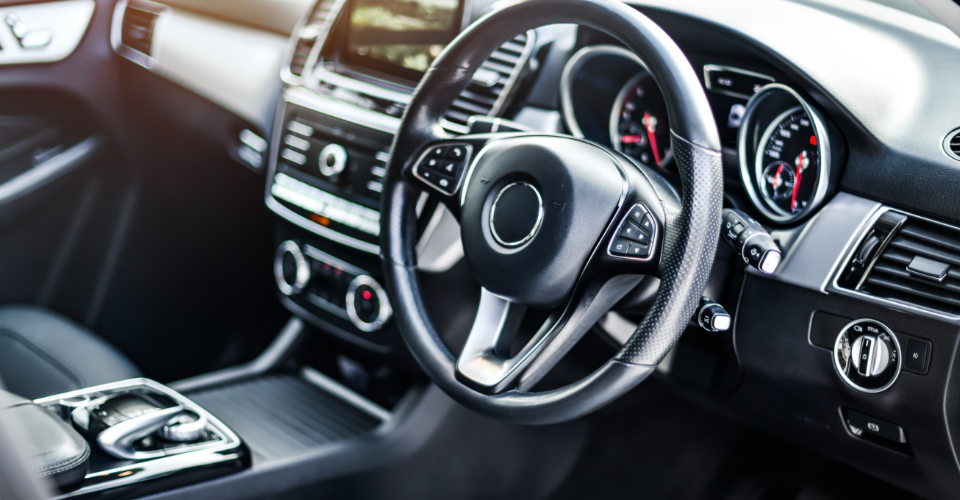

  • WHEN TO LET GO OF YOUR FOUR-WHEELED BABY

    WHEN TO LET GO OF YOUR FOUR-WHEELED BABY


    How You Can Tell When It’s Time For an Upgrade


    Our cars can range from being mere modes of transportation, to sentimental companions on our life journeys. However, there comes a time when you need to part ways with your beloved vehicle and embrace the prospect of an upgrade.


    Safety Concerns

    The safety of your passengers and yourself should be a top priority. If you are nervous about your car’s reliability on the road, it might be time to consider an upgrade. A constant fear of something going wrong while driving is a clear sign that your car’s safety is compromised. Trust your instincts and, if needed, seek professional advice to determine if your car is roadworthy.


    Changing Needs

    As life evolves, so do our needs. If your once-perfect city car is now too cramped for a growing family, it’s time to look for a vehicle that better suits your current lifestyle. Your car should accommodate your needs, not hinder them.

    If you’re relocating to a city where a car is unnecessary, selling it before the move makes financial sense. The money gained from the sale can contribute to your new life without the burden of ongoing expenses related to parking, insurance, and maintenance.


    Maintenance Costs

    Keeping a car past its prime can lead to escalating maintenance costs. If you find yourself shelling out significant amounts for repairs that exceed the car’s market value, it’s a strong indicator that it’s more financially sensible to let go and invest in a more reliable vehicle.

    While you may not get as much money as you would for a fully functional car, there are still options for selling it.


    Age and Condition

    While an old car in good condition can still be valuable, holding onto a vehicle that requires extensive repairs can be challenging. If your car is still in good shape, consider selling it to maximise returns. However, if the vehicle is on the verge of becoming a money pit due to its age, it might be wise to let it go before major issues arise.

    A car that spends more time in the repair shop than on the road is a clear sign that it’s time to cut ties. The convenience of a paid-off car is outweighed by the continuous inconvenience and costs associated with frequent breakdowns.


    Knowing when to let go of your beloved car is a challenging but necessary decision. Upgrading to a newer, more reliable vehicle can bring a fresh chapter of worry-free adventures on the road.


  • IS IT TIME FOR A SECOND CAR?

    IS IT TIME FOR A SECOND CAR?


    Reasons Why Two Cars Are Better Than One


    While the decision to add a second car to a household is a personal one, influenced by factors such as location, employment status, and individual preferences, it’s crucial to carefully consider the pros and cons before taking the plunge into dual car ownership.


    Affordability

    Owning a vehicle involves costs beyond the initial purchase price. These include insurance, registration, depreciation, taxes, fuel, maintenance, and repairs. While purchasing a second car may increase these costs, the impact on fuel and general maintenance might not be significantly higher if the driving distance is split between the two vehicles. However, the make, model, and year of the second car play a significant role in determining these long-term expenses.


    Utility and Convenience

    A second car can serve various purposes, making it a practical choice for some individuals. For example, someone running a landscaping business with a family of four may require a work vehicle and a family-friendly vehicle. In emergencies, having a backup car ensures uninterrupted daily life, offering peace of mind when the primary vehicle faces unexpected issues.


    Enjoyment

    For those who view driving as more than just a means of transportation, owning a second vehicle can provide the freedom to choose a vehicle that aligns with their driving preferences. Whether it’s a sports car for weekend joyrides or simply having the luxury of choosing between different driving experiences, a second car adds an element of enjoyment to the driving routine.


    Longevity

    Owning a second vehicle can potentially extend the lifespan of both cars. If the total driving distance remains constant, distributing it between two cars results in less wear and tear on each vehicle. While regular maintenance tasks like oil changes and tyre rotations are still necessary, they become less frequent, contributing to longer-lasting and better-performing vehicles.


    Before making the decision to add a second car to your household, evaluate your needs, desires, and financial constraints.

  • YOUR ROADMAP TO NEW CARS AND FEATURES

    YOUR ROADMAP TO NEW CARS AND FEATURES


    Exciting Vehicle Developments To Look Out For This Year

    2024 is shaping up to be a thrilling year for automotive enthusiasts, with a diverse array of new car models and impressive features set to hit the roads. From sleek sports utility vehicles to tech-savvy compacts, there’s a lot in store for this year.


    Aston Martin

    Daytona, the local importers for Aston Martin, anticipate the arrival of updated iterations of the DBX series, including the powerful DBX 707 and DB12. Additionally, a mysterious new model is poised for release, keeping enthusiasts on the edge of their seats for more details.


    Audi

    Market-specific Black Edition versions of popular models like the A3, S3, A5, S5, Q2, Q3, Q5, and SQ5 are imminent, offering a unique aesthetic and potentially upgraded features. Towards the year-end, facelift models of A3, S3, Q7, Q8, and the Q8 E-Tron are set to launch, with technological enhancements for the Q2 and a new TDI derivative for the Q3.


    BMW

    Prepare for the radical new 5-Series and the X2, which will hit the market in the early months of 2024. Running updates for the 3-Series and 4-Series are in the pipeline, along with the confirmation of the much-anticipated M3 Touring. Later in the year, production of the X3 plug-in hybrid model will be launched, marking a significant step in BMW’s line-up.


    Ford

    With a robust line-up expansion, Ford is gearing up for major developments in 2024. The Ranger will see enhancements with the Platinum and Tremor upgrades, including a plug-in hybrid variant. Ford enthusiasts can also anticipate updates to the Toureno Custom and Transit Custom, alongside the return of the Mustang and the Territory.


    Hyundai

    Upgrades for the i20 and Tucson, along with the launch of the all-new Santa Fe in the second half of the year, signal Hyundai’s commitment to innovation and variety in their portfolio.


    Jaguar

    Exclusive units of the F-Type ZP and the arrival of the F-Pace 575 Edition promise luxury and performance for Jaguar aficionados.


    Lamborghini

    Witness the debut of the first Revuelto unit from the ‘raging bull’ brand, offering the epitome of wild and progressive automotive design.


    Mercedes-Benz

    A fleet of facelifted models including the GLE, GLA, GLB, and GLS, alongside new releases such as the GLC coupé, E-Class, and G-Class, showcase Mercedes’ dedication to luxury and innovation. The Mercedes-AMG line-up will bring forth anticipated models such as the C63, GT63, GLC63, and GLC43.


    Volvo

    With their focus on sustainability, Volvo is set to launch the all-electric EX30 and EX90 models, aligning with their ambitious goal of achieving a 50% electric and 50% hybrid global sales split by 2025.


    This peek into the automotive future promises exciting developments. As these vehicles hit the market, they’re sure to redefine the driving experience and capture the hearts of many car enthusiasts.


  • 9 WAYS TO KEEP YOUR CAR IN TIP-TOP SHAPE

    9 WAYS TO KEEP YOUR CAR IN TIP-TOP SHAPE


    Tips For Car Maintenance, and More

    Neglecting regular maintenance could lead to costly repairs and compromise your safety during trips. Proper care and maintenance are essential to ensure that your car stays reliable and efficient.


    Oil Check and Changes

    Regular oil checks and changes are vital. Engine oil, transmission fluid, power steering, and brake fluid should be checked periodically, ideally every 4,000 to 6,000 kilometres. This practice ensures optimal engine performance and longevity.


    Brake Maintenance

    The braking system is critical for your safety. Regularly inspect brakes for any signs of wear or issues. Address any brake-related problems immediately to avoid accidents.


    Tyre Care

    Regularly check tyre pressure and tread, and rotate tyres for even wear. Replace tyres every 40,000 to 50,000 kilometres, or if you notice cracks, to ensure your safety on the road.


    Car Body

    Protect the car’s exterior by washing, waxing, and promptly addressing dents and dings. This prevents rust and maintains the vehicle’s value.


    Interior Cleanliness

    Regularly clean the car’s interior to maintain aesthetics and prevent odour build-up. A well-kept interior can significantly impact your car’s resale value.


    Lighting System

    Ensure that all lights are functioning properly for both safety and aesthetics. Faulty lights can compromise visibility and safety while driving.


    Windows and Wipers

    Inspect windows for cracks and ensure wipers are in good condition, especially before the rainy season. Replace wipers annually to maintain visibility.


    Coolant Levels

    Regularly refill engine coolant to prevent overheating and ensure proper engine function. Look for coolant leaks under the car as a warning sign.


    Rust Prevention

    Park in shaded, cool areas to limit rust and avoid parking in hot, sun-exposed spots that can damage the car’s paint and interior.


    Whether your vehicle is old or new, regular care and attention will pay off in the long run.


  • HOW TO EXTEND YOUR CAR’S LIFESPAN

    HOW TO EXTEND YOUR CAR’S LIFESPAN


    The Importance of Regular Car Maintenance

    Keeping your car running smoothly isn’t just about avoiding breakdowns on the side of the road; it’s about maximising performance, and safety, and saving money in the long run. Regular maintenance ensures that your vehicle operates at its peak while preventing costly repairs.


    Enhanced Safety and Reliability

    Routine maintenance is your vehicle’s best defence against unexpected breakdowns. By keeping up with regular check-ups, you significantly decrease the chances of encountering malfunctions while driving. Imagine the peace of mind that comes with knowing your car is in top-notch condition every time you hit the road.


    Improved Performance

    A well-maintained vehicle performs better. Whether it’s about tyre traction, stable steering, or a reliable engine, consistent maintenance ensures your car operates at its best. From efficient fuel usage to smoother rides, proper care makes a noticeable difference in day-to-day driving.


    Cost-Efficiency

    One of the most compelling reasons for regular maintenance is the financial aspect. Investing in routine servicing saves you from potentially hefty repair bills down the line. Skipping minor services might seem like a cost-saving measure, but it often leads to bigger problems that demand costly fixes.


    Fuel Efficiency

    Small issues, if left unattended, can impact your car’s efficiency, leading to increased fuel consumption. On the other hand, a well-maintained vehicle optimises fuel usage and reduces trips to the pump, saving both time and money.


    Time-Saving Convenience

    Regular maintenance helps you to avoid unexpected breakdowns that could leave you without a vehicle for days. Opting for convenient services, like those offered by mobile mechanics, allows you to carry on with your day while your car gets the attention it needs, without disrupting your schedule.


    Preserve Resale Value

    A well-documented service history and a well-maintained car attract buyers and fetch better prices. It’s an investment that pays off when it’s time to upgrade or sell.

    Ultimately, a combination of professional maintenance and proactive checks by the driver is the recipe for a reliable and enduring vehicle. While trained professionals handle the technical aspects, drivers can play a role by regularly inspecting visible components and responding to warning signs such as unusual sounds or smells.


    By adding dotsure.co.za’s ServiceXtender to your extended car warranty policy, you can enjoy a contribution towards your annual service AND a contribution towards the repair of minor chips and scratches. Drive in style with added safety when your parts are covered.

  • DOES YOUR CAR GO THE DISTANCE?

    DOES YOUR CAR GO THE DISTANCE?


    You Might Be Driving Your Car Too Much, or Too Little

    In the realm of automobiles, how much or how little you drive can significantly influence the condition and longevity of your vehicle. Striking the right balance in your driving habits is not only beneficial for your car, but also for your wallet.


    The Toll of Excessive Driving

    Driving extensively puts a considerable strain on your vehicle. Each mile adds to the wear and tear of crucial components such as the engine, brakes, suspension, and tires. Continuous use without adequate rest periods for maintenance can accelerate the need for repairs or replacements.

    Frequent driving often translates to more frequent maintenance requirements. Oil changes, tyre rotations, brake pad replacements, and other routine services become more frequent, leading to increased maintenance costs over time.

    The more kilometres you rack up, the quicker your car depreciates in value. It can significantly impact the resale value of your vehicle, affecting its worth when it’s time for an upgrade or a trade-in.


    The Downsides of Driving Too Little

    Surprisingly, infrequent driving can also harm your car. Extended periods of inactivity can lead to issues such as battery drainage, tyre flat-spotting, and engine corrosion. Lack of use may cause fluids to degrade and parts to fail.

    If a car remains stationary for prolonged periods, the battery loses its charge, shortening its lifespan. Frequent jump-starts or replacements may become necessary due to underutilisation.

    Fluids in a vehicle, such as oil and coolant, need regular circulation to maintain their effectiveness. Infrequent driving can cause these fluids to break down, losing their lubricating or cooling properties and potentially damaging vital components.


    Finding the Sweet Spot

    Whether you drive extensively or sparingly, regular maintenance is key. Adhering to manufacturer-recommended service intervals, especially when the car remains unused for extended periods, helps to ensure its health and performance.

    For those who drive infrequently, periodic short drives can prevent issues caused by inactivity. This helps to maintain proper lubrication and circulation of fluids and keeps the battery charged.

    Regardless of frequency, mindful driving habits such as smooth acceleration, gentle braking, and proper warm-up can reduce wear and tear, prolonging the lifespan of various components.


    The driving of your car is a balancing act between overuse and underuse. Both extremes can impact your vehicle’s condition and longevity. Although, for the inevitable failing or breaking of certain components as your car ages, you can cover up to 60 crucial car parts with dotsure.co.za’s Extended Car Warranty.

  • ARE FINANCED VEHICLES REQUIRED TO HAVE COMPREHENSIVE COVER?

    ARE FINANCED VEHICLES REQUIRED TO HAVE COMPREHENSIVE COVER?


    3 different value options to insure your financed vehicle before driving it off the showroom floor.

    In South Africa, comprehensive cover is mandatory if you have a financed vehicle. Not only is it a contractual requirement, but it’s also there to reduce risks. You could end up paying for damages if you are involved in an accident, including your excess payments.


    Why It’s Necessary

    A financed vehicle represents a significant financial commitment. Comprehensive insurance provides coverage for a wide range of risks, including accidents, theft, vandalism, and other unforeseen events. By having comprehensive insurance, you safeguard your investment and minimise potential financial losses.

    Financiers usually require comprehensive insurance for financed vehicles. It acts as a safety net for both you and the financier, ensuring that the vehicle is protected against any potential damages or loss. By meeting this requirement, you comply with the terms of your financing agreement.

    Value Options for Insuring a Financed Vehicle

    • Retail Value:

    Insuring your financed car based on its retail value means that the insurance policy will provide coverage for the amount it would cost to replace the vehicle with a similar one. This option may be suitable for newer cars with higher market values.

    • Market Value:

    This option means that the insurance policy will provide coverage for the average cost between Retail and Trade value. This is more commonly used for second-hand or older vehicles.

    • Trade Value:

    With this, the insurance policy will provide coverage for the average price a car dealer would pay to buy your vehicle. This option may be suitable if you plan to trade your vehicle in, in the near future.

    Insurance Options After Your Car’s Paid Off

    Even after paying off your car, maintaining comprehensive insurance is still highly recommended. It continues to protect your vehicle against various risks, ensuring that you are financially safeguarded in case of accidents, theft, or other incidents.

    Third-party, fire, and theft cover is a type of insurance cover that insures you against damages to other vehicles or property caused by your car, as well as losses due to theft or fire. However, it does not provide coverage for your own vehicle in the event of an accident.

    The third-party-only cover option is a minimal insurance option that covers damages to other vehicles or property caused by your car, but does not provide coverage when your own vehicle is damaged or stolen.


    Whether your car is financed or fully paid off, it is crucial to carefully consider the value options and select the cover that best suits your needs. By having the right insurance in place, you can enjoy peace of mind and financial security on and off the road.

  • CAR REPOSSESSION: UNDERSTANDING YOUR RIGHTS AS A BORROWER

    CAR REPOSSESSION: UNDERSTANDING YOUR RIGHTS AS A BORROWER


    Can I tell the bank, “NO! You’re not taking my car”? Keep reading to know.

    Owning a car is a dream come true. From school runs to longer road trips, we cherish every kilometre we get to spend in our cars. Even when we know it’s time to say goodbye to our ‘ride or die’, it’s a difficult one. And if a goodbye is forced upon us, sooner than we’re ready, it can be heart-breaking.

    If you fail to keep up with your vehicle repayments, you’re at risk of losing your car. Car repossession is a stressful process that nobody wants to go through. However, if you find yourself in this situation, it’s essential to understand your rights and to know how to respond to a repossession notice.

    Understanding Your Rights

    • It’s crucial to understand that you have rights during the car repossession process. Repossession agents are not allowed to use force or threaten you in any way. Additionally, they are not allowed to enter your property without your consent or interfere with your possessions.
    • Repossession agents are not allowed to seize any personal items. If they attempt to do so, you should contact the police immediately. You also have the right to ask them to leave if they arrive at your property.
    • You must be provided with a Notice of Repossession. This notice will include details such as the date of repossession, the name of the lender, and any other relevant information. It’s important to read through this notice carefully and take note of any instructions or information it contains.

    Responding to a Repossession Notice

    • If you receive a repossession notice, and wish to dispute it, it’s important to act quickly and respond with a Notice of Objection as soon as possible. You can start by gathering all the documents related to the loan or lease agreement, including the original paperwork and any subsequent payments or communications. This will ensure that you have the best chance of protecting your property.
    • It’s also essential to seek legal advice as soon as possible. A lawyer can help you understand your options, and can represent you during the repossession process.

    Legal Requirements for Car Repossession in South Africa

    • A lender can only repossess a vehicle if the borrower has defaulted on their payments. The National Credit Act No. 34 of 2005 provides guidelines for the repossession process, and lenders must follow these guidelines to the letter.
    • Before a lender can repossess a vehicle, they must provide the borrower with a written notice of their intention to repossess the vehicle. The notice must include the amount that is in arrears, the steps that the borrower can take to remedy the situation, and the deadline by which the arrears must be paid.
    • If the borrower fails to pay the arrears or make alternative arrangements with the lender, the lender can then apply for a court order to repossess the vehicle. The court order must be served on the borrower, and the borrower has the right to dispute the matter in court.

    Navigating car repossession can be overwhelming. While you may not be able to stop the process from moving ahead, it is important to know what steps to follow and to know your rights.

    If you are at risk of having your vehicle repossessed, stay calm, seek legal advice, and follow the process.


  • THE 10 MOST CHALLENGING CARS TO STEAL

    THE 10 MOST CHALLENGING CARS TO STEAL


    We all want to be seen driving the latest and best cars the world offers (those we can afford, anyway). The trouble is – these beauties generate unwanted attention from the wrong crowds.

    According to StatsSA an estimated 64 000 incidences of hijackings occurred in 2020/21.

    If you live in SA, you’ve probably developed an extreme OCD when leaving your car in public places (double and triple-checking if your car is locked.).

    Well, if you’re upgrading your car and looking for an option that will help you live with less fear of losing your mechanical baby, we’ve got your back.


    The 10 most difficult cars to steal.

    Here’s our list of beautiful mechanical babies that are unattractive to carjackers. These cars are hard nuts to crack for car thieves.

    Jaguar XF

    Hardest cars to steal | Jaguar XF | Dotsure The Jaguar XF can also be double-locked! You don’t know what that means, but you can tell it’s bad news for the bad guy. Well, once the car is double-locked, it cannot be unlocked or started. So even if criminals crack this nut, they won’t be able to get it going. It also has a clever In-Control App that can help the SAPS track and recover your car in the unlikely event it gets stolen.


    Tesla Model S

    Hardest cars to steal | Tesla Model S | Dotsure The Model S is one of the most secure electric cars you can buy in 2022. Its anti-theft features make it a carjacker’s nightmare. Tesla owners can use their smartphones to track the whereabouts of their vehicles. Even if the burglar has hacked the system and unplugged the tracker, the car would send a ping to Tesla HQ.


    Land Rover Discovery

    Hardest cars to steal | Land Rover Discovery | Dotsure The Land Rover Discovery employs ultra-wide-band radio technology to broadcast the key’s signal across various frequencies. Therefore, the signal amplifiers or relay devices, commonly used by thieves, struggle to pick up the key’s signal, making this car harder to lockpick.


    Mercedes Benz GL 550 by TAC

    Hardest cars to steal | Mercerdes GL 550 by TAC | Dotsure What do you look for in a safe, hard-to-steal car? You look for a car with steel. One that can bounce bullets off the windshield. You can drive away from danger without worrying about gun-toting and trigger-happy thieves in such a car. Well, that’s what this GL’s bulletproof exterior gives you.


    Mercedes-Benz G63 AMG By Inkas

    Hardest cars to steal | Mercedes G63 by Inkas | Dotsure Talk about an impenetrable fortress! Inkas’s version of the G63 is reinforced with bulletproof glass, powerful armour that can withstand shotgun shots and a bottom steel plate that can endure grenade explosions.


    Nissan Leaf

    Hardest cars to steal | Nissan Leaf | Dotsure Nissan turned a new safety leaf with this one! The Nissan Leaf will not start if the car key is not within range. If it is in neutral, it will not even move! A responsive GPS tracking technology can also help locate the car. The ordinary car thief leaves this one behind.


    Volkswagen Tiguan

    Hardest cars to steal | VW Tiguan | Dotsure There’s a reason the Volkswagen Tiguan has received several honours for being the safest car. Few cars have alarm systems that can compete. This car just will not start with a different key; forget it! It also sports a stolen-vehicle tracker that can assist in tracing the vehicle from your smartphone.


    Hyundai Tucson 

    Hardest cars to steal | Hyundai Tucson | Dotsure Although most vehicle critics rated the Hyundai Tucson’s engine performance as below average, the anti-theft system did not disappoint. Cutting the cables behind the horn is the easiest method to disable a car alarm, but the Tucson doesn’t make it so easy (you’d have better luck drawing blood from a stone than disconnecting the Tucson’s alarm system).


    Audi A4

    Hardest cars to steal | Audi A4 | Dotsure One of the notable security features of the Audi A4 is that the keys contain a chip that makes it more challenging to start with other devices. The keys include a chip that is programmed into the ECU.


    Tesla Model X 

    Hardest cars to steal | Tesla Model X | Dotsure Even though it is the less expensive sister of the Tesla S, the Model X has an equal level of protection. Aside from GPS monitoring, it offers a Sentry Mode that allows the vehicle to record its surroundings even when the engine is turned off.