Tag: cats

  • WORLD’S SMALLEST CAT BREED: THE SINGAPURA

    WORLD’S SMALLEST CAT BREED: THE SINGAPURA


    If you’ve ever wanted a cat that’s basically a pocket-sized supermodel with the confidence of Bonang on a good hair day, the Singapura is your girl.

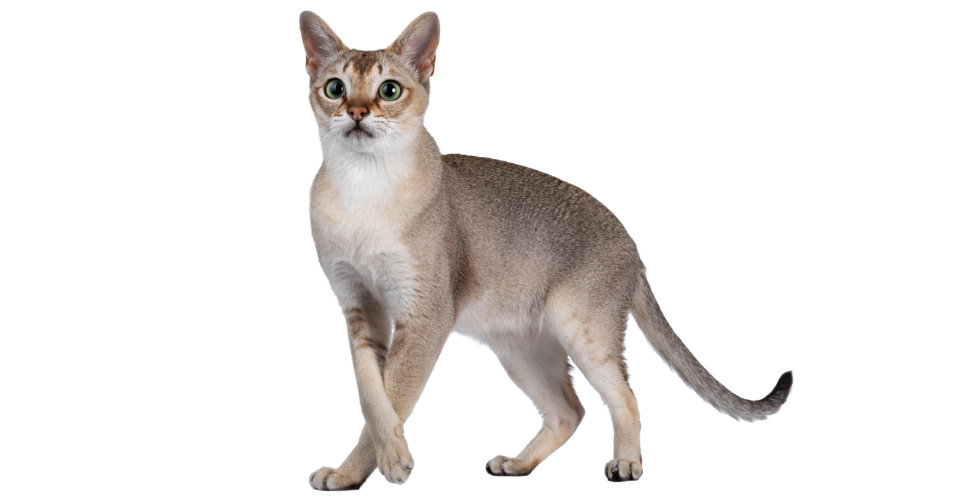
    The Singapura isn’t just the world’s smallest cat breed, it’s a pint-sized supermodel with the swagger of a couture headliner. Tiny, dazzling, and absolutely convinced that every room is a runway set just for her. And with that iconic sepia coat that glimmers like champagne under fairy lights, who could argue?

    But don’t let that fool you.  Singapuras are warm, curious, and endlessly affectionate little souls who move through your home like a spark of holiday magic. This blog is designed to help you understand her personality, how to care for her in a way that supports her delicate build and joyful spirit, as well as her pet insurance needs.

    Let’s begin the show.


    What Makes the Singapura Cat So Unique?

    Imagine discovering something so cute you immediately start speaking fluent cat-talk. That’s the Singapura story in a nutshell.

    It was somewhere in the 1970s. Hal and Tommy Meadow (globe-trotting, Singapore-hopping, and entirely enamoured with the local “drain cats” sporting that signature sepia ticked coat), whisked a few back to the USA and unknowingly launched a feline fashion empire. But then came the late 1980s, when breeder Jerry Mayes uncovered that the Singapura may not, in fact, be a naturally occurring street fashionista but rather an Abyssinian–Burmese cross, selectively bred into what we recognise today.

    RELATED: THE WEIRD & WONDERFUL LYKOI

    Whether she descended from local “drain cats” or from carefully bred Abyssinian–Burmese ancestors, one thing is clear: she has always carried a certain sparkle. She even became the mascot of the Singapore Tourism Board, because who better to represent warmth and welcome than the cat who never wants to be alone?


    What Does the Singapura Cat Look Like?

    Singapura cat size and weight explained

    Her delicate bone structure, petite frame, and kitten-like face all contribute to her reputation as the world’s smallest cat breed, a feat she wears like a crown.

    So, let’s discuss proportions because couture is, after all, about fit. The Singapura weighs between 1,8 to 2,7 kilograms. That’s:
    ✔ Lighter than a big tub of ice cream
    ✔ Lighter than your Christmas gammon
    ✔ Lighter even, than your handbag

    Distinctive coat, eyes, and colouring details

    This is the fashion girlie of the feline world. Every day is a good fur day. A Singapura basically wears designer couture 24/7.

    A fine, short coat with sepia-toned ticked tabby colouring; shimmering, understated, and luxurious. Like champagne silk under runway lights. Each strand is banded with alternating shades, giving the Singapura a soft glow even when she’s plotting mischief.

    The eyes are large, almond-shaped and come in hues of hazel, green, or gold. They’re framed by dark “eyeliner” that every makeup artist would envy.


    What Is the Singapura Cat’s Personality Like?

    Hyperactive, In-Your-Space, 24/7 Content Creator Energy

    If you’re imagining a quiet, demure, handbag-sized cat who lounges on satin pillows like a debutante, think again. The Singapura is the type to stride into your kitchen, step directly onto your cookbook, and announce her presence with a musical, insistent chirp.

    She is hyperactive.
    She is affectionate.
    She is endlessly in-your-space.

    Think of her as the model who’s both the star of the runway and the life of the afterparty. This cat doesn’t enjoy being alone. If you have a bustling home full of laughter and people floating in and out of rooms, she will thrive. If your home is quiet and you travel often, not so much.

    If the Singapura were human, she’d be:

    • That friend who always wants to go somewhere
    • The cousin who FaceTimes you at 11pm “just to check in”
    • A child on Christmas morning after three cans of Creme Soda

    How Singapura cats behave with kids and other pets

    The Singapura is great with kids. She loves other cats, guests, strangers, delivery drivers, and even the people you follow on TikTok. She adores being part of “the action,” which makes her wonderful with families and multi-pet homes.


    How to Care for a Singapura Cat

    Grooming and maintenance needs

    Good news: her coat is a low-maintenance masterpiece. She’s like that friend who rolls out of bed with perfect hair; a weekly brush is all she needs.

    Feeding: What do Singapura cats eat?

    Like any couture model, the Singapura needs high-quality nutrition. Protein-rich, balanced, and portion-appropriate for her petite frame. Treats are allowed but avoid overfeeding. Always check in with your vet if you are unsure about portions.

    Daily enrichment and companionship tips

    The Singapura is not a “see you later” cat. She’s more of a “where are you going and can I come?” cat.

    To keep her happy, you’ll need:

    • interactive play daily
    • climbing structures
    • puzzle feeders
    • soft blankets
    • Feed well
    • Visit the vet
    • Give her stimulation.

    She’ll also need your attention, loads of it. If you don’t keep her busy, she will keep herself busy. And by busy, we mean redecorating your living room.


    Are Singapura Cats Healthy?

    Common Singapura cat health issues

    Singapuras are generally robust but have a few notable health problems:

    • Pyruvate kinase deficiency, causing anaemia
    • Cardiomyopathy, affecting the heart
    • Uterine inertia in queens, sometimes requiring C-sections

    Average Singapura cat lifespan

    She boasts an impressive average lifespan of 16 years, long enough to appear in at least 16 annual family photoshoots, looking flawless in each.

    How regular vet check-ups can help detect problems early

    Her health issues are predictable and treatable if caught early. Routine check-ups are essential to keep her petite heart beating strong and her youthful energy in full sparkle mode.

    Are Singapura Cats Hypoallergenic?

    Because of their tiny size and short coat, many allergy sufferers cope better with Singapuras than fluffier breeds. They shed less than many breeds, but dander is still present. If allergies are a concern, meet a Singapura before committing to the full-season couture collection.


    Is the Singapura the Right Pet for You?

    Ideal home environments and owner types

    Pick this breed if:

    • You want a playful, affectionate cat
    • Your home is lively
    • You love interaction
    • You don’t mind a cat supervising all your activities
    • You’re looking for a fun, high-energy companion.

    Avoid this breed if:

    • You want a “quiet, independent” cat
    • Your home is empty most of the day
    • You don’t want a cat walking across your laptop during Teams calls.

    Singapura: Tiny Cat, Massive Personality

    A Singapura isn’t just a pet, she’s a catwalk queen. Compact but commanding. Small but emotionally expansive. And when she loves you, she loves you with her whole (tiny) heart.


    Why You Need Cat Insurance for Your Singapura

    Think a small cat equals small bills… think again! When your companion is as delicate as a couture gown and as energetic as a toddler on a sugar high, pet insurance is your best fashion accessory.

    Because of her:

    • genetic health risks
    • tendency to get into EVERYTHING
    • high energy
    • queenly “I deserve the best” energy.

    From unexpected vet emergencies to genetic health conditions, pet insurance ensures your Singapura receives top care without breaking the bank. Sort your cat’s insurance online, quick-quick, in under 3 minutes.

    Get dotsure.co.za on your side, because:

    When your tiny model does a high-fashion leap off the wardrobe and lands funny?
    Covered!

    When she swallows a tinsel string because “it was shiny”?
    Covered!

    When she develops a heart murmur later in life?
    Covered (if insured early).

    Protect your mini supermodel now, not after you’ve paid R12k for her emergency surgery.

    Remember, if you’re thinking about growing the family with the addition of a Singapura, you’ll save 15% off your plan premium when you insure more than one pet!  Get in touch for a quote or to learn more.

    RELATED: RARE CAT BREEDS
  • HOLIDAY TRIGGERS THAT CAUSE STRESS IN CATS AND HOW TO HELP

    HOLIDAY TRIGGERS THAT CAUSE STRESS IN CATS AND HOW TO HELP


    A guide to navigating holiday stress in cats by Vet of the Month: Dr Gerna Smit.

    The holidays are here, and while you’re singing Christmas carols and boasting a fridge full of leftovers, your cat is quietly hitting hazard lights behind the couch. But… what stresses your cat out so much during the holidays? To help us navigate this seasonal pile-up of stress, we contacted a professional; our Vet of the Month, Dr Gerna Smit from Hoogland Dierekliniek in Centurion. Thirty years in the game. Medicine specialist. And cat whisperer of note.

    So, think of this as a “road map” crafted with the wisdom, experience, and the compassion of Dr Smit, who has spent her career helping cats survive the toughest of emotional terrains (including the holiday season). Come with us on this journey to understanding your cat’s stress, spotting the signs, offering meaningful comfort and why cat insurance could be the difference between making it through the festive season and things taking a turn for the worst.

    RELATED: WHAT IS FIV IN CATS


    What Causes Stress in Cats During the Holidays?

    The festive season arrives with enough sensory input to frazzle any living creature. Humans cope with it by eating gammon at 9AM and ignoring their emails from the 15th of December. Cats, however? They experience December like a live-action horror film.

    According to Dr Smit holidays come with:

    Screamy kids, noisy cousins, and routine chaos

    Your cat is a creature of habit. Breakfast at 6am. Nap at 7:07am. Judge-you-from-the-couch at 9:10am.

    But in December? It’s a circus. Suddelny mom is still asleep at 7am, so no brekkie for tabby. Kids running around, relatives opening and closing doors like they’re training for the Olympics, and someone’s toddler aggressively “showing kitty their new truck.” To a cat, this is emotionally taxing and very stressful.

    Visitors, travel, and festive clutter

    Every new person has a new smell: perfume, sunscreen, boerie rolls, or koeksisters from Spar. Your cat is suddenly surrounded by unfamiliar scents and unfamiliar voices.

    And don’t get them started on decorations:

    • The tree: a stranger in their home.
    • The tinsel: is that a snake?
    • The baubles: target practice.
    • The wrapping paper: enemy number 1.

    Some cats are more sensitive than others. Just like people, cats have personalities:

    • The extrovert cat will mingle but hopes everyone leaves early.
    • The introvert cat will vanish into a corner you didn’t know was in your house.

    More on Our Vet of the Month: Dr Gerna Smit

    Special interest: Medicine
    Fun facts:

    • Loves to cook
    • Has a Great Dane named Mira (with trust issues)
    • Has a Yorkie named Snippie (that’s a bit neurotic)
    • Has a Maine Coon named Kiwhi (acts like the queen that she is)


    Why Do Cats Hide When They’re Stressed?

    According to Dr Smit:

    “Hiding is a survival instinct. Stressed cats often retreat to dark, quiet places, sometimes for days.” Hiding is emotional self-protection. It is a coping mechanism.

    In the wild, stress means danger. Danger means “hide or get eaten.” Your cat doesn’t know that the only predator in your house is the wooden spoon you use to chase the kids from the kitchen. To them, the festive cheer is more like festive chaos. So, when things get loud or overwhelming, your cat activates stealth mode. Under beds. Inside cupboards. Behind the fridge.

    What you can do when your cat goes missing

    Think of this like a Search & Rescue mission:

    • Check all quiet corners
    • Listen for tiny shuffling sounds
    • Shake the treat jar
    • Give them the vet-recommended c/d Multicare Stress Cat Food from Hills!

    But the real solution? Prevent them from needing to hide in the first place. We’ll get to that.


    What Are the Signs of Stress in a Cat?

    If cats had dashboards, these would be the flashing warning lights:

    • 🚨 Sudden hiding
    • 🚨 Aggression or irritation
    • 🚨 Overgrooming (patchy bald spots)
    • 🚨 Scratching furniture
    • 🚨 Urine marking
    • 🚨 Sniffles, sneezing, watery eyes
    • 🚨 Straining in the litter box or peeing blood
    • 🚨 Loss of appetite
    • 🚨 Vomiting or diarrhoea.

    Yes, stress can trigger physical illness. Cats don’t stress-eat like humans. They don’t bake banana bread or shop online at 2 AM. They exhibit stress through behavioural and bodily symptoms.

    How Can I Reduce My Cat’s Stress Naturally?

    You don’t need essential oils. You don’t need to whisper affirmations. You just need a plan. Here are Dr Smit’s top recommendations:

    • Create a safe room stocked with food, water, and litter
    • Add hiding spaces (open cupboards, boxes, tunnels)
    • Give them vertical spaces to retreat to
    • Keep lighting soft
    • Use catnip or calming pheromone diffusers
    • Maintain the feeding schedules
    • Stick to familiar routines.


    Can Toys & Playtime Help Reduce Stress in Cats?

    Absolutely.
    Interactive play isn’t just fun for cats, it’s therapy.

    How interactive play builds confidence

    Chasing a feather toy mimics hunting. Hunting builds confidence. Confidence reduces stress.

    Best enrichment ideas for indoor cats

    A stimulated cat is a calm cat. Try these enrichment ideas:

    • Slow feeders or puzzle bowls
    • Cardboard box “tunnels”
    • Window perches for bird-watching
    • Ice cubes with treats frozen inside
    • Laser pointer workouts (don’t forget to let them “catch” something at the end!)
    • Place boxes around the house.

    What Should You Avoid When Your Cat Is Stressed?

    Avoid:

    • Forcing interactions
    • Introducing new pets
    • Playing loud music
    • Moving furniture unnecessarily
    • Punishing stress behaviour
    • Spraying loud aerosols near them
    • Trapping them in high-traffic areas


    How Can a Vet Help a Stressed Cat?

    Vets can prescribe:

    • Calming collars
    • Pheromone sprays
    • Nutraceutical calming supplements
    • Anti-anxiety meds
    • Dietary support (including foods designed for stress management)
    • Behaviour modification plans

    Dr Smit recommends seeking vet attention when:

    • Your cat stops eating
    • Urine contains blood
    • They strain repeatedly in the litter box
    • They sneeze excessively
    • They develop a fever
    • Diarrhoea/vomiting persists
    • Behaviour becomes aggressive or unmanageable


    How to Prevent Cat Stress Before It Starts

    Holiday prep isn’t just for your fridge and your budget; it’s also for your cat.

    Prepare early

    Start creating safe spaces weeks before the chaos begins.

    Stick to routines

    Mealtimes. Play. Litter cleaning. Consistency equals safety.

    Have a firework plan

    Close curtains, play soft music, and secure all exits.

    Check in daily

    One-on-one time with your cat is non-negotiable. Even if it’s 5 minutes between flipping chops on the braai.


    How Cat Insurance Helps During Stress Season

    Vet visits spike during the holidays and not just because of chocolate poisoning.

    Stress-related issues such as cystitis, vomiting, upper respiratory infections, and injuries from frantic hiding can lead to unexpected vet bills. Having cat insurance helps you stay calm while your cat finds theirs.

    It means:

    • Vet bills are covered
    • Medication supported
    • Emergency visits are less scary
    • Peace of mind for you and your cat.

    And honestly? Nothing reduces your stress like knowing your kitty is covered by dotsure.co.za. Give your cat the calm, predictable December they deserve. Contact us today and get your cat covered online before they finish their next nap.

    And before we wrap up, Dr Smit has one last nugget of advice for you:

    “Keep a close eye on them and connect at least once a day. If they like brushing or cuddles, make time for it, even during the busy season.”

    RELATED: FELINE KIDNEY HEALTH

  • THINK TWICE BEFORE GIVING A PET AS A GIFT

    THINK TWICE BEFORE GIVING A PET AS A GIFT


    South Africans love giving dramatic gifts. If we could, we’d wrap up Table Mountain with a bow and put it under someone’s tree. But when it comes to pets, maybe just… maybe… we need to slow our roll. Because giving someone a whole living creature with emotions, bathroom habits, and a diet that costs more than your car’s full tank is not the same as handing over a scented candle from Mr Price Home (ok, fine… @Home🙄).

    Giving a pet as a gift often begins with the purest of intentions. You imagine joy. Healing. Companionship. But intentions don’t wash the food bowls, pay the vets and pet insurance premiums, vacuum the fur or navigate the emotional landscape of caring for another living being. Pets are love, but they are also long-term responsibility. Gifting that responsibility to someone who did not ask for it? Well, that’s where problems begin.

    Pets aren’t accessories, they’re family members with needs. These responsibilities may feel natural to someone ready for a pet. For someone unprepared, they feel like pressure.


    The Most Common Pets Gifted at Christmas

    Firstly, let’s unpack the most common gifted pets and why “cute” doesn’t always mean compatible.

    1. Puppies: adorable, sociable, energetic… and demanding.
    2. Kittens: sweet, curious, and often underestimated.
    3. Rabbits: gentle, but require complex care and space.
    4. Hamsters: fragile and nocturnal, unsuitable for small children.
    5. Guinea pigs: social animals who must live in pairs.
    6. Fish: sensitive to water quality, temperature, and proper habitat.
    7. Budgies/Parrots: intelligent, loud, and long-lived companions.
    8. Tortoises: need careful diets and can live for decades.
    9. Reptiles: require specialised environments and informed owners.

    So no, “cute” is not a measure of compatibility. Compatibility grows from intention, preparation, and choice.

    RELATED:HOW TO CHOOSE THE PERFECT PET FOR YOUR FAMILY 


    What Many Don’t Consider Before Gifting a Pet

    A dog needs walks.
    A cat needs stimulation.
    A bird needs companionship and enrichment.
    A fish needs water that doesn’t resemble the Vaal Dam.

    We get it. You saw a fluffy puppy online and thought, “This will cure my bestie or parent’s empty-nest syndrome AND look super-cute on Instagram.” But here’s the problem: They might not want a pet. Dad might want silence. Mom might want to travel. Bestie might be allergic. Many people imagine the romantic bioscope version of pet gifting: A delighted recipient, a joyful tear, a perfect bond. The reality is more complex. The recipient may not be ready. They may not be in a season of their life where they can commit to the needs of a pet, even if they adore animals.

    Baby animals grow up

    Imagine gifting your friend a hamster. Small, cute, harmless. Except later they discover hamsters are nocturnal and run marathons at 2am on a squeaky wheel that sounds like it’s transmitting messages to space.

    Or you give a teenager a rabbit because “it’s low maintenance.” Except rabbits chew things. Skirtings, shoes, phone chargers, basically anything with sentimental or financial value.

    That tiny puppy? Soon it’s a boisterous adult who needs space, training and dedication.

    That tortoise? It may outlive everyone in the house.

    And then there’s the money factor. That “free kitten” comes with:

    • Vaccinations
    • Deworming
    • Food
    • Litter
    • Vet visits
    • Sterilisation (you’re basically gifting someone a monthly vet bill)
    • And emotions. Lots of emotions.

    Holidays end, but pet care never does. And a pet does not simply fit into one’s life, it shifts it. Feeding schedules, training, noise, grooming, medical care, supervision, and… and! When a pet is unwanted or unexpected, this shift creates friction. Not because the person is unkind. But because they didn’t choose the change. And care without readiness becomes stress. While pet insurance can help with the oopsies that lead to vet bills, it can’t help the “oops, maybe I wasn’t ready for this” moments.

    RELATED: THE REAL COST OF PUPPY LOVE IN SOUTH AFRICA


    What Happens When Pets are Given as Surprise Gifts?

    The reality behind holiday pet trends

    During December, many new animals are purchased or adopted in a burst of feel-good enthusiasm. Everyone wants a fluffy creature to put under a Christmas tree. But after the holidays, a quieter, more sobering pattern emerges: returns, surrenders, and abandoned pets. Suddenly reality hits harder than Eskom Stage 6. The surprise gift becomes a surprise responsibility.

    Statistics of pet surrenders after Christmas

    Animal welfare groups report the same heartbreaking pattern every year:

    • Puppies and kittens flood shelters in January.
    • Many were Christmas gifts the recipients didn’t want or couldn’t care for.
    • Rabbits and hamsters also get surrendered once the novelty fades.
    • Some pets are even abandoned when families go on holiday.

    How impulse adoptions lead to overcrowded shelters

    Shelters already struggle financially, physically, emotionally. When gifted pets arrive weeks later:

    • Kennels overflow
    • Resources stretch
    • Staff burn out
    • Older animals are overlooked
    • And the circle of heartbreak repeats.

    Your cute gift becomes someone else’s crisis. While studies show that pets gifted with prior discussion fare well, pets given as complete surprises are at higher risk of being abandoned. Remember, pets are a lifetime of walks, vet visits, and unconditional love. Before you wrap up a wagging tail under the tree, take a moment to check if the recipient is ready.

    We’ve got a quick, fun quiz you, your bestie, sibling, or parent can take FIRST. It’s an easy way to see if a new furry friend is truly a perfect fit, long before the ribbons and bows.

    TAKE THE QUIZ: HOW TO KNOW IF YOU’RE READY FOR A PET


    Better Ways to Show You Care This Holiday: Visit an Animal Shelter Instead

    Invite your loved one on a meaningful outing:

    • Walk dogs
    • Socialise cats
    • Learn about the needs of different species
    • Allow them to express genuine interest (or disinterest).

    A thoughtful experience often reveals more than an impulsive gift.

    Volunteer your time or donate to animal welfare groups

    We’re all about big-hearted pet insurance, so we know that it isn’t just about protecting your own furry family, it’s also about helping pets in need. So, consider supporting a cause close to your heart. Shelters and rescue groups always appreciate:

    • Food donations
    • Blankets and bedding
    • Cleaning supplies
    • Medical contributions
    • Transport help
    • Or simply your time and care.

    Every little act counts. By giving back, you’re extending love and care beyond your home —and that’s exactly what responsible, compassionate pet parenting is all about.


    A Pet Is for Life, Not for the Holidays

    A pet is a 10–20-year commitment, not a seasonal fling. The best gifts are things people want, not things they must rearrange their entire lives around. Pets should never arrive wrapped in the weight of someone else’s expectations.

    If the person:

    • wants a pet
    • has researched the pet
    • has the budget
    • has the time,

    then go for it!

    Otherwise? Buy them chocolate. A book. A spa voucher. Even a pair of socks. Just not a living creature. The most loving thing we can do is respect the profound commitment of animal guardianship. Gifting one should honour both the human and the animal in equal measure.

    Now, we’re not saying everyone who gets a pet as a gift surrenders it. Research actually shows many keep them, if they wanted them in the first place. However, the problems arise in cases of impulse gifting.

    So, if you’re really considering gifting someone a pet, the least you can do is ensure you also give them pet insurance from dotsure.co.za along with the leash. Contact us to ensure they enjoy more moments together with fewer money worries and learn more about our affordable plans.

    RELATED: 14-GIFTS-FOR-YOUR-PET

    It’s a way to offer love without creating long-term obligations.


    Refer a Friend for Pet Insurance

    You know someone who’s struggling with vet bills?

    Fill in their details and share the benefits of dotsure.co.za pet insurance with your pack, because every “good boy” and “girl” deserves a safety net.

  • WHAT IS FIV IN CATS: CAUSES, CARE, AND PREVENTION 

    WHAT IS FIV IN CATS: CAUSES, CARE, AND PREVENTION 


    One minute they’re chasing geckos, the next they’re off their food, and you’re Googling things like “cat home remedies.” That’s why every pet parent needs to be clued-up on viruses like the Feline Immunodeficiency Virus. 

    To help us understand FIV in cats, our Vet of the Month, Dr. Roselle Hartwigsen, co-owner at AnimalQi Veterinary Clinic (where their focus is on holistic, compassionate treatment for pets, combining advanced diagnostics and conventional medicine with complementary approaches such as acupuncture, food therapy, and herbal medicine), gives us the inside scoop on what FIV really means and why insurance for your cat is so important. 


    What Is FIV in Cats? 

    “FIV is a viral infection in cats that’s similar in many ways to HIV in humans, although it’s species-specific and cannot spread to people or other animals. It’s a slow-acting virus that affects a cat’s immune system, making it harder for them to fight off infections.” But here’s the key thing: it’s not a death sentence. 


    How Do Cats Get FIV? 

    “FIV is most commonly transmitted through bite wounds from an infected cat, which is why it’s more often seen in unneutered males who roam outdoors and may get into territorial fights. It can also be passed from a mother cat to her kittens, although this is less common. Normal social interactions like grooming or sharing food bowls are not typical ways the virus spreads.” says Dr. Roselle. So, no need to separate besties over breakfast. 


    Symptoms of FIV in Cats 

    “FIV can be tricky because some cats show no signs for years, but over time the weakened immune system can lead to recurring or chronic health problems,” says Dr. Roselle. But eventually, you might spot things like: 

    • Recurrent gum or mouth infections 
    • Skin problems 
    • Chronic sniffles or respiratory infections 
    • Weight loss or a dull coat 
    • Swollen lymph nodes or general lethargy. 

    Basically, if your cat’s acting off, eating less, sleeping more, or not bossing you around as usual, it’s worth a vet check.   


    We asked Dr. Roselle how Vets Diagnose FIV and treat it 

    Diagnosis starts with a simple blood test that checks for FIV antibodies. “We usually do a quick ELISA test in-clinic,” explains Dr. Roselle. “If it’s positive, we’ll confirm with a lab test to be sure.” There’s no cure for FIV, but that doesn’t mean your cat can’t thrive. “Treatment is about keeping the immune system strong and preventing secondary infections,” she says. That means: 

    • A balanced, high-quality diet 
    • Regular vet visits 
    • Dental care and parasite prevention 
    • Quick treatment for any infections 

    “For some cats, supportive therapies like acupuncture or herbal medicine can also improve wellbeing, especially when stress is a factor. In some cases, we can use anti-retroviral medications to help keep the virus at bay and reduce the viral load, which may improve a cat’s overall health and slow disease progression,” added Dr. Roselle. “We want them to live well, not just longer.” 


    Prevention: How to Keep Your Cat FIV-Free 

    Dr. Roselle says, “Prevention is about protecting quality of life. A little precaution now can mean many healthy, happy years together.” 

    • Neuter to reduce the urge to fight and roam. 
    • Keep cats indoors or in enclosed gardens. 
    • Test new cats before introducing them to the clan. 
    • While no FIV vaccine is currently available in South Africa, early testing and regular care go a long way. 


    Final Word from Dr. Roselle 

    “With love, proper care, and regular vet visits, FIV-positive cats can live long, joyful lives. Reducing stress, supporting their immune system, and addressing health issues early are key. Having pet insurance from the start can make a huge difference. Because sometimes those ‘quick checkups’ become surprise bloodwork and ultrasounds.” 

    And if your cat’s health journey ever feels a bit daunting, remember, support (and cover) are just a click away at dotsure.co.za. 


    The Low-Down on FIV

    • FIV weakens their immunity, but it’s manageable.
    • Keep cats indoors and neutered.
    • Regular vet checks are a must.
    • Support their diet, reduce stress.
    • Insurance for your cat helps you focus on care, not costs.
    • Contact usto get a quote in minutes. 
  • UNDERSTANDING THE DANGERS OF PET OBESITY

    UNDERSTANDING THE DANGERS OF PET OBESITY


    Keeping your furry friend healthy requires more than just cuddles and playtime. Just like us, pets can gain weight in ways that affect their health and happiness. Pet obesity is a growing concern, but with awareness, the right routine, and even pet insurance to cover unexpected health issues, you can help your pet live their best life.  


    What Is Pet Obesity and Why Does It Matter? 

    Pet obesity occurs when a pet carries excessive body fat that can harm their health. Overweight pets are at a higher risk for diabetes, joint issues, and heart problems. Recognising obesity early on makes it easier to prevent long-term complications. 

    A pet obesity calculator is a simple tool to check if your cat or dog is at a healthy weight.   

    What Causes Obesity in Dogs and Cats? 

    • Breed, Age, and Genetic Predispositions: 

    Certain breeds gain weight easily, and older pets may have slower metabolisms. Genetics combined with lifestyle factors often play a significant role in obesity risk. 

    • Common Contributors: 

    Overfeeding, high-calorie treats, and low activity levels are major contributors to obesity in dogs.  

    • Unique Risks: 

    Cats often gain weight silently. Indoor cats, neutered pets, and those with limited playtime may be more prone to obesity.  


    Health Risks Linked to Pet Obesity 

    Excess weight can affect both the body and mind of pets. The following summarises major health risks and prevention tips: 

    Health Risk  Description  Prevention Tips 
    Joint & Mobility Issues  Extra weight strains joints, causing arthritis and difficulty moving  Regular exercise, maintaining healthy weight, joint supplements if recommended by a vet 
    Diabetes  Excess body fat can lead to insulin resistance  Balanced diet, portion control, routine vet check-ups 
    Heart Problems  Obesity increases the risk of heart disease  Avoid overfeeding, provide daily physical activity, monitor weight regularly 
    Liver Disease  Fat accumulation affects liver function  Low-fat, nutritionally balanced diet, vet-guided weight management 
    Reduced Life Expectancy  Overweight pets tend to have shorter lifespans  Preventative care, healthy lifestyle, early intervention for weight gain 
    Behavioural Changes  Fatigue, low playfulness, anxiety, or social withdrawal  Mental enrichment, active playtime, gradual weight loss if needed 
    Respiratory Issues  Extra weight can make breathing more difficult, especially in brachycephalic breeds  Controlled diet, exercise routines suitable for breed and age 


    Love Means Keeping Them Healthy 

    Pet obesity may be common, but it’s preventable. Paying attention to their care and sticking to routine checkups, protects your pet from possible health risks. So, consider pet insurance as part of a responsible care plan. For guidance on cover, visit dotsure.co.za to contact us today! 

  • STRANGE MYTHS: DO CATS HAVE 9 LIVES?

    STRANGE MYTHS: DO CATS HAVE 9 LIVES?


    Cats have a reputation for being fearless daredevils. Leaping from high places, squeezing into impossible gaps, and always seeming to land on their feet. It’s no wonder the age-old question pops up: Do cats really have 9 lives? While it’s a fun idea that’s part of folklore, the truth is your cat only has one precious life, which makes keeping them safe (with a little help from things like pet insurance) all the more important. 


    The Myth of Nine Lives: Where Did It Come From? 

    The idea that cats cheat death has been around for centuries. This myth was born from history, symbolism, and the cat’s uncanny ability to survive situations that would leave other animals in trouble. 

    The phrase “a cat has nine lives” is a way of saying cats seem to survive the impossible. Across cultures, the number nine has often been linked with magic, luck, and eternity. So, when people saw cats bouncing back from dangerous scrapes, the myth wrote itself. 

    Physically, cats are agile and flexible, with bodies built for climbing and leaping. Symbolically, their mysterious, independent nature made them seem otherworldly to ancient civilisations. The perfect myth-making recipe. 

    Do Cats Have Nine Lives, or Seven, or Six? 

    Interestingly, not every region agrees on the number. In English-speaking countries, it’s nine. In Spain, some say seven. In parts of the Middle East, it’s six. No matter the number, the idea is the same: cats are seen as tough survivors. 

    Cat Mythology and Folklore Through the Ages 

    In Ancient Egypt, cats were sacred, linked to the goddess Bastet and seen as protectors. In Norse mythology, Freyja’s chariot was pulled by cats, making them symbols of fertility and magic. Celtic tales also often feature cats as guardians of the Otherworld. Clearly, cat mythology and folklore have always painted them as mystical. 

    Black cats, especially, are surrounded by mystery. In Medieval Europe, they were tied to witchcraft and feared as omens. But in other cultures, they’re lucky charms, like in Japanese folklore, where they’re believed to bring good fortune. These cat myths and superstitions still shape how people see them today, especially around Halloween. 


    RELATED: 7 REASONS TO LOVE BLACK CATS 


    Cat Myths and Superstitions That Persist Today 

    Luck, Witches, and the Mystery of Cats 

    Even in the modern world, cats still carry a mystical aura. Some people believe a cat crossing your path is unlucky, while others see it as a blessing. Witches and cats remain linked in pop culture, showing how myths never quite fade away. 

    The Truth Behind the Agility: Why Cats Seem to Survive Everything 

    So, why do cats seem like they have extra lives? The science behind their survival skills is fascinating: 

    • Righting reflex: Cats can twist their bodies mid-air to land on their feet. 
    • Flexibility: Their spines bend like springs, helping absorb impact. 
    • Balance: Their inner ears give them incredible coordination. 
    • Survival instincts: Cats are cautious explorers who often know how to get out of sticky situations. 

    These abilities may look magical, but they’re really just nature’s design. 


    Celebrate Your Cat’s One Precious Life  

    At the end of the day, your cat only has one life, and it’s up to you to make it the best it can be. From cozy naps to adventurous playtime, every moment counts.  

    While you may find yourself asking, “Do cats have nine lives because they seem invincible?” Accidents and illnesses can happen, which is where a safety net like cat insurance can help them land on their feet.  

    If you’d like to make sure your feline friend’s one life is always protected, visit dotsure.co.za to get a quote or contact us today! 

  • THE FUNNIEST THINGS THAT SCARE CATS

    THE FUNNIEST THINGS THAT SCARE CATS


    Cats are curious, independent, and sometimes a little dramatic. While it can be hilarious to watch the quirky reactions to things cats are scared of, it’s also a reminder that life with pets is unpredictable. That’s why having pet insurance on your side gives you peace of mind, no matter what antics your whiskered companion gets up to.  


    Scaredy Cats: The Science Behind Feline Fear   

    Cats might act tough, but their instincts are wired for survival. Sudden movements, unfamiliar objects, and loud noises can trigger a “fight or flight” response. These reflexes kept their ancestors safe in the wild, but today they mostly make for some funny (and occasionally baffling) behaviour. 

    The saying “curiosity killed the cat, but satisfaction brought it back,” exists for a reason. Cats are naturally inquisitive, poking their noses into boxes, bags, and corners. But when that curiosity collides with something unexpected, it can send them leaping into the air in a blur of fur. 


    RELATED: DO CATS HAVE 9 LIVES? 


    Things That Cats Are Scared Of (and Why It’s Funny) 

    Some feline fears have a logical explanation, while others are just downright silly. Here are a few that cat parents everywhere can relate to: 

    Fear  Why It Scares Cats 
    Cucumbers  Videos of cats leaping sky-high when they spot a cucumber behind them have gone viral. Experts suggest the green veggie resembles a snake, triggering an instinctive fear.  
    Water  Most cats avoid water like it’s lava. Wet fur makes them cold and heavy, limiting agility. Their ancestors also came from arid regions where swimming wasn’t necessary. Exceptions exist, but for most cats, bath time is enemy number one. 
    Rubber Snakes  Many cats will freak out at the sight of a rubber snake due to their evolutionary instinct to avoid slithering predators, even if the snake is fake. 
    Pictures  Some cats react to photos, TV screens, or drawings. A picture of a glaring cat or wide-eyed dog might trigger defensive instincts. 
    Noises  Vacuums, thunder, fireworks, or even doorbells can send cats running. With ultra-sensitive hearing, sounds that seem normal to us can feel overwhelming to them. 


    Should You Be Playing Pranks on Your Cat? 

    It might be tempting to set up funny scenarios, but it’s worth asking if it’s really fair. 

    The Line Between Funny and Stressful 

    Cats thrive in calm, predictable environments, and too much stress can affect their health. 

    Tips for Respecting Your Cat’s Comfort Zone 

    • Keep playful antics light-hearted and occasional 
    • Provide hiding spots where your cat feels safe 
    • Use toys and games to engage their curiosity without overwhelming them 
    • Reward bravery with treats and affection 


    Petition for Calm and Happy Cats 

    Cats may be startled by the oddest things, but that’s part of what makes them so entertaining to live with.  Just remember, a little respect for their limits goes a long way in keeping them content. 

    And if life ever throws something scarier than a cucumber your way, having cover for unexpected vet bills can make all the difference. Visit dotsure.co.za or contact us today to keep your feline friend safe and ready for their next curious adventure! 

  • SUPERSTITIONS ABOUT BLACK CATS AND OTHER ANIMALS

    SUPERSTITIONS ABOUT BLACK CATS AND OTHER ANIMALS


    Animals have always fascinated humans, but sometimes that fascination turns into fear. From whispers of witchcraft to omens of bad luck, myths about black cats and other creatures have been passed down through generations. But here’s the truth: behind the mystery is simply an animal deserving love, care, and protection 


    What Is the Superstition About Black Cats? 

    Black cats have one of the most infamous reputations in folklore. They’re the centre of countless tales of luck, both good and bad. 

    In medieval Europe, black cats were linked to witchcraft. People believed they were witches’ companions or even witches transformed into animal form. As these ideas spread, so did fear of the black cat. In parts of Africa, some traditions carried similar warnings, while others viewed them as protective symbols. In ancient Egypt, black cats were deeply respected and associated with the goddess Bastet, a protector of homes and families. 

    Why Are People Scared of Black Cats? 

    The biggest reason is simple: fear of the unknown. Their dark coats made them harder to see at night, fuelling eerie associations.  

    Separating Truth from Folklore: 

    Myth  Fact 
    A black cat crossing your path means bad luck.  In many cultures, it’s actually a sign of protection. 
    Black cats are tied to witchcraft and evil spirits.  They’re just as cuddly and playful as any other cat. 
    Black cats are less friendly than other cats.  Personality is shaped by the individual cat, not its coat colour. 
    Black cats are harder to photograph.  With the right lighting, their glossy coats look stunning in photos. 
    Black cats don’t get adopted as often.  Shelters note this trend, but awareness campaigns are helping more black cats find loving homes. 

    Often, it’s less about the animal and more about stories people grew up with. 


    RELATED: REASONS TO LOVE BLACK CATS: PERSONALITY & TRAITS 


    Other Animal Superstitions You May Have Heard Of 

    Black cats may take centre stage, but plenty of animals have their own myths. 

    Seeing an Owl at Night Superstition 

    Across many cultures, an owl hooting at night was seen as an omen of death or bad news. Yet today, we know owls play a vital role in ecosystems by keeping rodent populations in check. 

    Snake in the House Superstition 

    A snake slithering indoors has long been seen as an omen, sometimes of misfortune, sometimes of transformation. While it might startle you, many snakes are harmless and even beneficial for controlling pests. 

    Spider Superstitions and Omens 

    Spiders often feature in folklore around wealth or misfortune. In some cultures, seeing a spider was believed to bring money, while others linked them to danger. The truth? Spiders are incredible little critters. 


    RELATED: 7 FASCINATING BIRD SUPERSTITIONS AND THEIR HIDDEN MEANINGS


    Facts Over Fear: Why It’s Time to Let Go of the Myths 

    Superstitions about black cats and other creatures can lead to fear and mistreatment of innocent animals. By spreading facts instead of fear, we can protect them and give them the respect they deserve. 

    At dotsure.co.za, we believe pets deserve love, care, and protection. If you’d like to give your pet the safety they deserve, contact us today! 


  • COMMON HOUSEPLANTS THAT ARE TOXIC TO DOGS AND CATS

    COMMON HOUSEPLANTS THAT ARE TOXIC TO DOGS AND CATS


    With over 22 000 indigenous species of plants in South Africa, it’s no surprise we’re a nation of gardeners and plant lovers. But we’re also a nation of pet lovers, and before introducing some greenery into your home, it’s worth knowing that some of these houseplants can be toxic to dogs, cats and other pets.  

    That doesn’t mean you need to give up your indoor jungle dreams, though! Here’s a guide to the most common plants toxic to dogs and cats, the symptoms to watch out for, and some safe alternatives to keep your space safe. 

    Another thing that’s super pet-friendly is pet insurance from dotsure.co.za. Get a free quote online, and then come back to find out which flora is harmful and safe for your pets while you wait for a call back from us. 


    Why Some Houseplants Are Dangerous for Pets 

    How Plant Toxins Affect Dogs and Cats 

    Plants contain natural compounds that help them survive in the wild, but those compounds can be dangerous to your pet’s system. The toxins can irritate mouths and stomachs, and in some cases, damage organs. 

    Common Symptoms of Plant Poisoning in Pets 

    Keep an eye out for: 

    • Drooling or pawing at the mouth 
    • Vomiting or diarrhoea 
    • Lethargy or depression 
    • Difficulty swallowing 
    • In severe cases, tremors or seizures 

    If you notice any of these symptoms, call your vet immediately.


    Houseplants Poisonous to Dogs and Cats 

    Fiddle Leaf Fig (Ficus lyrata) 

    The Fiddle Leaf Fig is the Instagram star of houseplants. Its dramatic leaves and stylish vibes give it some serious décor cred. Unfortunately, this famous flora isn’t friendly to your fur-family, no matter how glamorous it looks. 

    Symptoms to look out for: 

    • Drooling 
    • Vomiting 
    • Skin irritation 
    • Gastrointestinal irritation 
    • Oral irritation. 


    Monstera Deliciosa 

    Second in online popularity only to the Fiddle Leaf Fig, these trendy tropical giants contain insoluble calcium oxalates, which makes the plant mildly toxic to humans and highly toxic to dogs and cats. 

    Symptoms to look out for: 

    • Difficulty swallowing 
    • Swelling of the mouth or throat 
    • Drooling 
    • Vomiting. 


    Mother-in-Law’s Tongue / Snake Plant (Sansevieria) 

    Low-maintenance and stylish, the Snake Plant is often found in homes and offices. But it contains saponins, which affects gastrointestinal activity if ingested. 

    Symptoms to look out for: 

    • Drooling 
    • Nausea 
    • Vomiting 
    • Diarrhoea. 


    Aloe Vera 

    Often a go-to for human skincare, Aloe Vera is far from safe for pets. Despite its healing properties for humans, it’s considered mildly to highly poisonous for cats and dogs. 

    Symptoms to look out for: 

    • Vomiting 
    • Diarrhoea 
    • Lethargy 
    • Depression 
    • Loss of appetite 
    • Tremors 
    • Change in urine colour. 


    Cannabis (Marijuana Plant) 

    With more cannabis plants making their way into gardens and homes, pet exposure has become a growing concern. Cannabis poisoning in dogs is one of the most common toxic plant emergencies vets see. 

    Symptoms to look out for: 

    • Incoordination 
    • Tremors 
    • Drooling 
    • Seizures 
    • Respiratory issues 
    • Depression 
    • Coma. 


    String of Pearls (Senecio rowleyanus) 

    This succulent is native to South Africa and has become popular for its delicate beaded strings and low water needs. Sadly, it’s also another indoor plant poisonous to dogs and cats. Not only is it toxic when ingested, but sap from the beads can also cause skin irritation in animals and humans. 

    Symptoms to look out for: 

    • Vomiting 
    • Diarrhoea 
    • Drooling 
    • Lethargy. 


    RELATED: TOP 15 FOODS DOGS SHOULD NEVER EAT AND WHY 


    Cycads, Flowers, and Other Toxic Plants for Cats and Dogs 

    It’s not just houseplants you have to worry about. Some of the most poisonous plants for dogs and cats grow outside our homes in the garden, park or sidewalks. 

    Cycad Poisoning in Dogs: Why It’s So Dangerous 

    Cycads are one of the most toxic plants to dogs. Every part of the plant, from its seeds to its leaves, contains cycasin, a toxin that attacks the liver. Dogs are especially prone to eating the seeds which can cause severe poisoning. 

    Symptoms of cycad poisoning in dogs include: 

    • Vomiting and diarrhoea 
    • Lethargy and weakness 
    • Jaundice (yellowing of the gums/eyes) 
    • Seizures 
    • In severe cases, liver failure. 

     NB: If you suspect your dog has eaten a cycad, it’s an emergency. Call your vet immediately. 


    Flowers That Are Toxic to Cats 

    Cats love to roam outside playing with leaves and chewing flowers, but some of these plants can be life-threatening. Those beautiful innocent looking lilies are one of them. Every part of the plant, even the pollen, is toxic to cats and can cause kidney failure.  

    Other flowers toxic to cats include: 

    • Azaleas and rhododendrons 
    • Daffodils 
    • Tulips 
    • Chrysanthemums. 


    Other Common Garden Plants That Harm Pets 

    • Oleander: Toxic to both cats and dogs, affecting the heart. 
    • Bougainvillaea: Not deadly, but the thorns can cause nasty injuries. 
    • Hydrangea: Contains cyanogenic glycosides, causing upset stomach in pets. 


    RELATED: SPRING PET HAZARDS: HEALTH ISSUES TO WATCH


    Safe and Non-Poisonous Plants for Cats and Dogs 

    If you love plants but don’t want to worry about your pets’ safety, here are some non-poisonous plants for cats and dogs: 

    • Areca palm 
    • Calathea 
    • Spider plant 
    • Bamboo palm 
    • African violets. 


    RELATED: HUMAN FOODS CATS CAN AND CAN’T EAT


    What to Do If Your Pet Eats a Toxic Plant 

    While ingesting a toxic plant won’t necessarily be deadly for your pet, it’s vital that you act quickly. As they metabolise the toxic material, their condition may worsen, even if they seem perfectly fine to begin with. 

    • DO stay calm and clear-headed 
    • DO call your vet’s emergency number 
    • DO clip a sample of the plant to show the vet 
    • DON’T induce vomiting unless instructed by the vet 
    • DON’T use ipecac or salt unless your vet advises; these old-fashioned approaches could have harmful side effects. 


    Information your vet will need 

    • What plant or flower was eaten 
    • How much your pet ingested 
    • Symptoms you’ve noticed. 


    Prevention and Safety Tips 

    • Place toxic plants for dogs on high shelves or use hanging planters. 
    • Try deterrent sprays if your fur-babies love nibbling leaves. 


    For pet parents who are also plant lovers, dotsure.co.za pet insurance is here to ensure you enjoy stress-free cuddles with wholehearted protection. Do you have questions? Chat with Ace, our 24/7 online chatbot, online or via WhatsApp 

  • HOW LONG DO CATS LIVE? TIPS TO HELP YOUR PET THRIVE

    HOW LONG DO CATS LIVE? TIPS TO HELP YOUR PET THRIVE


    From kitten zoomies to cozy senior snoozes, every life stage of a cat is filled with charm. But as pet parents, it’s natural to wonder: how long do cats live? The good news is that with the right care, and a little help from things like pet insurance to manage the vet bills, many cats are living longer, healthier lives than ever before.


    How Old Do Cats Get?

    On average, domestic cats live between 12 and 18 years, but it’s not uncommon for well-cared-for indoor cats to reach their early 20s. The oldest recorded cat, Crème Puff, made it to an incredible 38 years!

    Indoor cats tend to live longer than outdoor cats due to fewer risks such as traffic accidents, infectious diseases, and predator encounters. Breed and genetics also play a role, as some breeds such as Siamese and Russian Blues are known to age gracefully.


    At What Age Is a Cat Considered Senior?

    Cats are generally considered “senior” from around 11 years old, and “geriatric” once they reach 15+. But don’t be fooled, many senior cats remain playful and active with the right support.


    How to Calculate Your Cat’s Age

    Forget the “seven-year” rule; it doesn’t really apply to cats. Here’s a better guide:

    • A 1-year-old cat = about 15 human years
    • A 2-year-old cat = around 24 human years
    • After that, add about 4 human years for each cat year

    So, if your kitty is 6, they’re roughly 40 in human years. Right in their prime!


    RELATED: HOW TO CALCULATE DOG YEARS


    Keeping Cats Happy: Fill Their Days with Play and Care

    How to Make Your Cat Happy

    Your cat deserves a joyful life too. Daily play, affection, and a stress-free environment can significantly boost their wellbeing.

    Mental Stimulation and Enrichment Ideas

    A bored cat can become a destructive or depressed cat. Keep them mentally sharp with:

    • Puzzle feeders or treat-dispensing toys
    • Window perches for birdwatching
    • New scents or textures such as cardboard boxes or cat-safe herbs
    • Rotating toys to keep things fresh.

    Older cats especially benefit from gentle brain teasers and simple activities that don’t require too much jumping or agility.

    Nutrition and Vet Care Tips

    High-quality food that suits your cat’s life stage is one of the best ways to extend their lifespan. Senior cats may need specific diets to support joint health, weight management, or kidney function.

    Regular vet check-ups (at least once every 6 months, or more for older cats) are crucial. Vaccinations, dental care, and parasite prevention can all prevent health issues before they start.


    RELATED: HUMAN FOODS CATS CAN AND CAN’T EAT


    Do Cats Really Have Nine Lives? Myth or Bust? 

    Many cultures believe cats have multiple lives. This myth comes from their amazing ability to escape danger, twist mid-air to land on their feet, and generally bounce back from things most animals couldn’t.

    An old English proverb sums it up nicely: “A cat has nine lives. For three he plays, for three he strays, and for the last three he stays.” It’s a poetic way of describing their life stages. From wild youngsters to wise old snugglers.


    Peace of Mind for All Nine Lives

    At dotsure.co.za, we understand that every whisker and tail flick matters. That’s why we offer flexible, affordable pet insurance for cats that helps you manage vet costs and focus on making memories.

    Contact us today to explore our cat-friendly plans and see how we can help your pet thrive at every age.

  • RARE CAT BREEDS: MARVELLOUS MUNCHKIN CATS

    RARE CAT BREEDS: MARVELLOUS MUNCHKIN CATS


    If you’ve ever scrolled past a video of an adorably short-legged cat waddling across the room, chances are you’ve already met the Munchkin cat online. Before adding one to your family, remember that even the cutest cats can get themselves into trouble and end up at the vet. That’s where reliable pet insurance can offer peace of mind.


    RELATED: TOP 5 RAREST CAT BREEDS


    What Makes Munchkin Cats Unique?

    Munchkin cats are most famous for their short legs, which is a result of a natural genetic mutation that affects their bone growth. Despite their size, these cats are anything but limited in spirit. They’re playful, fast, and known for their “ferret-like” scurry.

    They come in a variety of coat types, colours, and patterns, and are often crossbred with other cats, resulting in hybrids like the Minskin (Munchkin and Sphynx) and the Napoleon (Munchkin and Persian).

    Why Are Munchkin Cats So Expensive?

    With their growing fame and limited supply, Munchkin cats are considered a premium breed. You can expect to pay anywhere from R10,000 to R30,000 in South Africa, depending on lineage and breeder reputation.


    Are Munchkin Cats Healthy?

    Contrary to popular belief, their short legs aren’t always a health risk. Many live healthy, happy lives. However, they are at a slightly higher risk for spinal problems such as lordosis (excessive inward curvature of the spine) or pectus excavatum (sunken chest).


    Munchkin Cat Care Guide

    Caring for a Munchkin cat doesn’t require a special handbook, but a few extra considerations do help:

    • Choose furniture with easy access, or provide pet-friendly ramps.
    • Feed a balanced diet to maintain a healthy weight (less strain on joints).
    • Play daily to encourage movement and prevent boredom.
    • Schedule regular vet visits to catch health issues early.


    While Munchkin cats are undeniably cute and charming, they deserve the same love, care, and protection as any other pet. If you’re considering adding one to your home, make sure you’re prepared for both the adorable and the unexpected. With flexible and comprehensive pet insurance from dotsure.co.za, you can protect your cat and your pocket.

    Got questions about cover options? Contact us, we’re happy to help!

  • WHY DO CATS GO CRAZY FOR CATNIP?

    WHY DO CATS GO CRAZY FOR CATNIP?


    From zoomies to full-body rolls and dreamy-eyed bliss, catnip can turn even the most serious feline into a playful kitten. But why do cats like catnip so much? And is it safe for your furry friend to indulge in this green herb regularly?

    Just like pet insurance helps cover the unexpected, understanding your cat’s quirky behaviour can help you become a more confident pet parent!


    What Is Catnip for Cats?

    Catnip (Nepeta cataria) is a plant in the mint family, native to Europe and Asia, but it’s now widely grown around the world. What makes it so special for cats is a compound in its leaves and stems called nepetalactone. When cats smell catnip, the nepetalactone binds to receptors in their nose, stimulating the sensory neurons that affect mood and behaviour. The result? A short-lived burst of pure feline euphoria.


    Why Do Cats Like Catnip?

    The effects are neurological. When the nepetalactone compound hits your cat’s olfactory system, it sparks a reaction in the brain’s amygdala and hypothalamus, areas linked to emotions and behaviour.

    This creates a variety of responses, including:

    • Rolling, flipping, or rubbing
    • Purring or meowing
    • Playful zoomies or leaping
    • Temporary hyperactivity followed by calm

    The “high” typically lasts about 10 to 15 minutes. After that, your cat may lose interest until their senses reset.


    RELATED: WHY DO CATS PURR?


    Is Catnip Good for Cats?

    Yes, in moderation. Catnip is perfectly safe and even beneficial for most cats, as it can:

    • Encourage exercise in indoor or older cats
    • Relieve stress and anxiety
    • Stimulate mental enrichment and curiosity
    • Be a positive training aid for scratching posts or toys


    How Much Catnip Should You Give a Cat?

    A small pinch of dried catnip is usually enough. You can sprinkle it on toys, scratching posts, or inside puzzle feeders. Alternatively, you can try:

    • Catnip sprays (for sensitive noses)
    • Catnip-stuffed toys
    • Fresh leaves (grown in pots at home)

    If your cat has a sensitive tummy or pre-existing conditions, speak to your vet before introducing catnip to their routine.


    Protect Your Curious Kitten

    Just as catnip provides fun and relief, pet insurance provides peace of mind for when life throws a curveball.

    Visit dotsure.co.za to learn more about our custom pet insurance plans! Have any questions? Feel free to contact us!

  • WHY DO CATS PURR? DIFFERENT WAYS CATS COMMUNICATE

    WHY DO CATS PURR? DIFFERENT WAYS CATS COMMUNICATE


    Cats might be mysterious, but one thing is certain: they’re always communicating, just not in ways we understand immediately.

    Because changes in behaviour can sometimes signal illness or pain, it’s important for pet parents to pay close attention. That’s where pet insurance can come in handy, by helping you stay on top of vet visits if your kitty suddenly becomes unusually vocal or withdrawn.


    What Does It Mean When a Cat Purrs?

    The soothing sound of a cat’s purr is often associated with happiness, but it can also be more complex than that. Most commonly, cats purr when they’re relaxed or being petted. But they may also purr when they’re scared, in pain, or even during recovery from illness. Vets believe this may be a self-soothing mechanism.


    How Cats Purr to Communicate

    Unlike dogs, cats don’t always wear their hearts on their sleeves. Purring is a more subtle form of communication, often used to bond with humans or seek attention. Kittens begin purring as early as a few days old to let their mothers know they’re okay, and cats often carry this instinct into adulthood with their human families.


    How Do Cats Communicate Besides Purring?

    Cats use a combination of vocalisations, body language, and behaviour to express their needs and moods.

    Other Verbal Communication

    • Meowing: Usually directed at humans, not other cats. It can signal hunger, loneliness, or simply a request for attention.
    • Chirping & Chattering: These cute sounds often happen when they see birds or are excited by play.
    • Hissing or Growling: A warning to stay away. Your cat is scared or agitated.


    Cat Body Language

    Understanding feline body language can go a long way to strengthening your bond.

    Tail Talk

    • Upright Tail: Friendly and happy.
    • Wagging or Twitching Tail: Agitated or unsure.
    • Puffed-Up Tail: Frightened or feeling threatened.

    Eyes & Ears

    • Slow Blinks: A sign of affection. It’s like a kitty kiss!
    • Dilated Pupils: Excitement or fear.
    • Flattened Ears: Defensive or scared.
    • Forward Ears: Curious or relaxed.

    Touch

    • Head Butts (Bunting): Marks you as their person. Consider it a compliment!
    • Kneading: A throwback to kittenhood and a sign of comfort.


    Building a Bond with Your Cat

    Cats may have a reputation for being aloof, but they form strong attachments when they feel safe and understood. Building that trust means learning to read their cues, respecting their space, and responding gently.


    Reading the Signs

    If your cat suddenly changes their behaviour, it could signal a health issue. A check-up with the vet is always a good idea, and that’s when having pet insurance from dotsure.co.za can help you manage the costs.

    Want to learn more about keeping your cat healthy and happy? Contact us today to explore our cat insurance plans tailored for your companion.

  • HUMAN FOODS CATS CAN AND CAN’T EAT

    HUMAN FOODS CATS CAN AND CAN’T EAT


    Are you curious about what human foods cats can and can’t eat? You’re not alone. As much as we love sharing our snacks with our feline friends, not all foods are safe. Even if their eyes try to convince you otherwise! Whether you’re sprinkling a topper on their pellets or dealing with a countertop ninja who’s stolen a grape (eish!), it’s important to know what’s okay and what’s a hard no.

    PS: If something goes wrong, dotsure.co.za is here with SA’s #1 pet insurance* for cats to help cover those unexpected vet bills after a sneaky snack, and more!


    RELATED: TOP 15 FOODS DOGS SHOULD NEVER EAT AND WHY


    Fruits Your Cat Can Eat

    A little fruity treat, in moderation, never hurt anyone! These are the safer fruit snack options your cat will love:

    Apples (without the seeds, please)

    An apple a day keeps the doctor away! Okay, maybe not every day, but apples are great as an occasional snack! Just remove the core and seeds, which contain cyanide. Yes, really.

    Bananas

    A good source of potassium and fibre. Mash it up or offer them a small slice, but don’t overdo it. Bananas are full of sugar.

    Blueberries

    Rich in antioxidants and totally cat safe. They make for a great frozen summer snack, too!


    Vegetables That Are Feline-Friendly

    Like us, not all cats go wild for veg, but if yours is into them, these are some safe choices:

    Carrots (cooked)

    Boiled or steamed carrots are soft and sweet! Raw ones, on the other hand, can be a choking hazard.

    Green Beans

    Packed with fibre and low in calories. Just ensure they’re plain and cooked; no need to go all Gordon Ramsay on them.

    Pumpkin

    Great for digestion and often recommended for hairballs and tummy troubles.


    Meats Cats Can Eat Safely

    Cats are naturally carnivores, so meat is a must. Just make sure it’s cooked, unseasoned and lean. Again, please leave your MasterChef apron behind when cooking.

    Cooked Chicken

    Plain, skinless chicken breast is perfect. No bones, no spices.

    Lean Beef

    Small, cooked pieces of steak or mince with no sauces or spices are A-OK.


    Grains That Are Safe for Cats

    Yes, some carbs are fine in small doses.

    Rice

    Easily digestible and often used in bland diets for upset stomachs.

    Oats

    Rich in B vitamins and easy to mix into wet food if your cat enjoys it.

    Barley

    Another good grain option, especially when cooked and served plain.


    Fruits That Are a No-Go

    Some fruits are straight-up dangerous.

    Grapes and Raisins

    Toxic to cats and can cause kidney failure.

    Citrus Fruits

    Too acidic and can lead to an upset tummy and nervous system issues.

    Cherries

    Contain cyanide compounds and can be deadly in larger quantities.


    RELATED: FELINE KIDNEY HEALTH: TIPS, DISEASE PREVENTION AND CARE


    Vegetables Cats Shouldn’t Eat

    Onions and Garlic

    Even small amounts can damage red blood cells and cause anaemia.

    Tomatoes (unripe or leaves)

    The green parts and unripe tomato fruit contain solanine, which is toxic.

    Mushrooms

    Some store-bought varieties may be okay, but many wild mushrooms are highly toxic and will involve a trip (that’s punny) to the vet.


    Meats to Keep Out of the Bowl

    Processed Meats (such as ham, bacon)

    These are loaded with salt, preservatives, fat, and a hard no from us and your vet!

    Raw Fish and Fatty Cuts

    Always cook the fish first. Raw fish presents a risk of parasites and thiamine deficiency.

    Seasoned or Spiced Meats

    Herbs and spices like onion or garlic powder can be harmful. Keep it plain, Jane!


    Grains to Avoid

    Breads with Yeast or Additives

    Yeast dough can expand in the stomach and cause bloating.

    Sugary Cereal

    Empty calories and unnecessary sugar? Nope, thank you.

    Gluten-Heavy Grains

    Some cats may struggle with digestion. If yours does, opt for low-gluten or gluten-free options.


    How Pet Insurance Can Help When Treats Go Wrong

    Accidental snacking happens, and it can cost a small fortune at the vet. Pet insurance for cats from dotsure.co.za can help you cover:

    • Emergency vet visits
    • Diagnostic tests
    • Treatment for accidental poisoning.

    Pro tip: If your cat ever eats something questionable, don’t wait. Contact your vet ASAP. Pet insurance gives you the confidence to act fast without worrying about costs.


    A Few FAQs Before You Fill Their Bowl

    What are some vet-approved toppers for dry food?

    A small spoonful of pumpkin, boiled chicken, or a few flakes of tuna in water can safely upgrade their dinner.

    What if my cat ate something toxic?

    Call your vet immediately. Keep the packaging or a sample of the food or item with you for reference.

    Can a poor diet affect insurance claims?

    Yes! Some insurers may exclude claims related to poor nutrition or negligent feeding habits. Always feed your pet responsibly and follow vet advice.


    RELATED: 7 WEIRD THINGS PET PARENTS SEARCH


    Our Final Meow on What Cats Can and Can’t Eat

    Human foods cats can and can’t eat vary more than you might think. While treating them like the tiny humans we believe them to be is tempting, their digestive systems work differently, and even a small snack can become a big problem.

    For peace of mind, get pet insurance for cats that covers you when your cat eats something they shouldn’t. Visit dotsure.co.za to explore your cat insurance options or contact us for a quick quote.

  • TOP 5 RAREST CAT BREEDS IN SOUTH AFRICA

    TOP 5 RAREST CAT BREEDS IN SOUTH AFRICA


    Ever wonder if your neighbour’s purrculiar looking kitty might just be a rare purebred feline? Some exotic cat breeds are turning heads and stealing hearts. But when it comes to rare cat breeds, their unique traits often come with unique needs. That’s where cat insurance can be a real lifesaver! 

    RELATED: TOP 5 CAT BREEDS IN SA; RAREST DOG BREEDS IN SA 


    Marvellous Munchkins

    Munchkin cat looking in the distance

    Known as the Dachshunds of the cat world, Munchkins are as quirky as they are cute. With their adorably short legs and larger-than-life personalities, these sociable furballs love playing fetch and responding to voice commands, traits more commonly seen in dogs! Named after the tiny folk from The Wizard of Oz, Munchkins are agile despite their stature but may face bone and spinal issues due to their genetic makeup. Regular check-ups, vaccinations, and parasite control are essential. 


    Lovely Lykois

    Kitten Lykoi cat, 7 weeks old, also called the Werewolf cat against white background
    Kitten Lykoi cat, 7 weeks old, also called the Werewolf cat against white background

    Better known as Werewolf Cats, Lykois are one of South Africa’s most mysterious and misunderstood breeds. With patchy coats and dog-like behaviour, they may look a little wild, but they’re fiercely loyal and protective of their humans. The first Lykoi in South Africa was discovered by an animal rescue in Cape Town, in 2016. Since then, these rare cats have charmed feline fanatics with their unique appearance and quirky habits, like fetching toys and guarding snacks. Weekly grooming is a must, especially during shedding seasons. 


    Snuggly Singapuras

    Cute cat

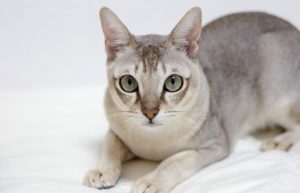
    Tiny but mighty, the Singapura holds the title of the world’s smallest pedigree cat. Weighing in at just around 2.5 kilograms, they make up for their size with heaps of charm and bold personality. Originating from Singapore, these playful kitties love getting involved in your daily activities. Singapuras can have health issues related to reproduction, such as uterine inertia, often requiring caesarean births. 


    Lavish LaPerms

    cat sitting on the couch

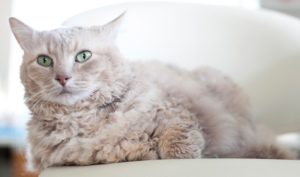
    If you’ve ever seen a cat that looks like it’s in the middle of a lifelong bad hair day, it was probably a LaPerm. Their springy, curly coats give them a unique, tousled look. But it’s their personalities that truly shine. Mischievous, loving, and intelligent, LaPerms love to communicate (using their paws to get your attention or snatch a bite of whatever you’re eating). They’re usually healthy and great with kids, making them ideal family pets. 


    Magical Maine Coons

    Maine Coon Cat
    Maine Coon Cat

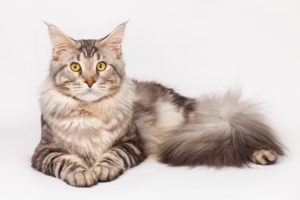
    The Maine Coon is one of the most majestic, and rather massive, cat breeds in the world. Known for their affectionate nature and dog-like loyalty, these gentle giants are incredibly intelligent and famously fond of water. Their long, luxurious coats and mood-sensing nature make them stand out. But don’t let the fluff fool you, these cats need emotional attention. Neglect a Maine Coon, and you might end up with one grumpy (and scratchy) feline. They thrive in loving homes where playtime and snuggles are part of the daily routine.  

    RELATED: STUNNING LOOKS. EXPENSIVE FOOD BILL. PROS AND CONS OF MAINE COON CATS 


    Protect Your Purr-fect Companion 

    With dotsure.co.za pet insurance, you can protect your one-of-a-kind companion from the unexpected, even if they’re one of the rarest cat breeds out there.  

    Get a quote today and keep your fur baby happily purring for years to come.  

  • STUNNING LOOKS. EXPENSIVE FOOD BILL. PROS AND CONS OF MAINE COON CATS

    STUNNING LOOKS. EXPENSIVE FOOD BILL. PROS AND CONS OF MAINE COON CATS

    Most cat lovers will tell you to get a dog if you want an animal you can cuddle whenever you like. We say those cat lovers haven’t met the cuddly, game-changing cat for feline fanatics – the sweet-tempered and gentle souled Maine Coon. These cats are lofty, lovable, and treasure hanging out with their humans! If you’re thinking of adding one to your family, consider these pros and cons of Maine Coon cats before you commit yourself to a new fluffy fur baby.

    PS: Already own one of these gentle giants? Protect them with dotsure.co.za!

    RELATED: HOW TO CHOOSE THE PERFECT PET FOR YOUR FAMILY


    The Pros and Cons of Maine Coon Cats

    Before you commit to bringing one into your home, here are a few fun (and not-so-fun) facts to consider.

    PROS CONS
    Not a shedder Plenty of grooming required
    Very affectionate Needy
    Family friendly Expensive to buy/maintain
    Healthy Needs expensive food
    Loyal & emotionally sensitive High risk of theft
    Playful Toys are expensive
    Chatty Maybe too chatty
    Adapts well to urban living Needs loads of exercise

    Maine Coon Cats’ Pros and Cons in More Detail

    Maine Coons are clever, gentle giants who bring heaps of joy (and fur) into your life. With a 12 to 15-year lifespan, these affectionate fluffballs offer loads of cuddles, headbutts and warm companionship. If you’re into furry forehead kisses and cats that enjoy your company, this breed might be the purr-fect fit.

    But before you dive whiskers-first into Maine Coon parenthood, it’s worth weighing up the pros and cons of Maine Coon cats. These lovable floofs need high-quality food and mentally stimulating toys to thrive, which can get pricey. So, are you ready to commit to the royal treatment they deserve?

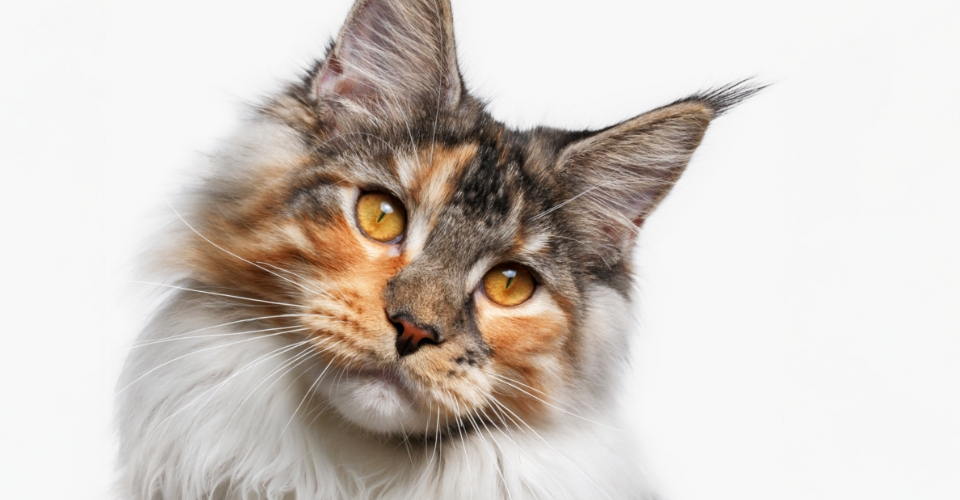
    A fluffy Maine Coon looking at the camera and scrunching it's nose.

    What Are the Downsides of a Maine Coon Cat?

    Maine Coons may be the gentle giants of the cat world, but they come with a few quirks that might not be for everyone. They require a lot of attention, so they don’t do well if left alone for long periods. They’re also very intelligent, which is cute until they start opening cupboards or plotting furniture destruction out of boredom. Additionally, their size can lead to joint problems like hip dysplasia, and their luxurious coats require consistent grooming. And let’s not forget the costs. Between grooming, nutrition, vet check-ups and their need for quality toys, Maine Coons can be one of the more expensive breeds to care for.

    Are Maine Coon Cats High Maintenance?

    In a word, yes. If you’re after a low-fuss feline, the Maine Coon might not be the match you’re looking for. Their thick coats need regular brushing to stay in top shape, and their playful personalities call for plenty of interactive playtime (think laser pointers, puzzle feeders and the works).

    They also need a high-protein diet, so standard cat kibble might not cut it. And because they form strong bonds with their humans, they can struggle with separation anxiety if left alone for too long.

    Do Maine Coons Shed a Lot?

    The great news is that Maine Coons don’t shed as much as you might expect from a long-haired breed. Their fur is thick but relatively manageable with regular grooming. However, during seasonal changes, the fluff flies as they shed their summer or winter coats. Weekly brushing will help keep their fur in check and prevent loose hairs from taking over your home.

    Pro Tip: Remember that those glossy coats you see in Google images aren’t effortless. They don’t just wake up like that; it results from regular grooming sessions. If you’re not looking to brush up on your grooming skills, maybe go for a Sphynx cat.

    Do Maine Coon Cats Talk a Lot?

    Maine Coons are famously chatty cats. They love “talking” to their humans with a mix of chirps, trills and meows. They’re not the type to sit silently in a corner. They’ll keep a running commentary about their day, their needs, and possibly their opinions on your dinner choices. If you enjoy a vocal pet who engages in conversation, you’ll love a Maine Coons commentary. But if you prefer peace, their constant vocal habits might be a little too much.

    Do Maine Coons Cuddle?

    Absolutely. Maine Coons are very affectionate and love being close to their people. They’ll drape across your lap, follow you around the house, and nudge you for attention every chance. Think of them as part-cat, part-shadow.


    Is a Maine Coon Right for You? 

    Maine Coons are more than just big, fluffy felines, they’re affectionate, intelligent, and playful companions that can bring endless joy to the right home. However, their high-maintenance grooming, expensive diet and need for attention mean they’re not the perfect fit for everyone.

    After considering the pros and cons of Maine Coon cats, if your answer settles on welcoming one of these gentle giants into your homes, make sure they’re protected with dotsure.co.za cat insurance! Maine Coons can experience unexpected health issues such as heart and kidney conditions and hip dysplasia, so investing in SA’s #1 Pet Insurance can help protect you from costly vet bills while ensuring your cat gets the wholehearted care they deserve.

    Contact us today and protect your Maine Coon!

    *Voted South Africa’s Best Pet Insurance 2023/2024 by readers of various media publications.

  • QUIZ: HOW TO KNOW IF YOU’RE READY FOR A PET

    QUIZ: HOW TO KNOW IF YOU’RE READY FOR A PET


    These questions can help you determine if you’re prepared for the responsibilities and joys that come with being a pet parent.


    Take the Quiz!

    Why do you want a pet?

    a) For companionship and I’m prepared for the responsibility. (3 points)

    b) Because they’re cute and fun. (2 points)

    c) I’m not sure, I just feel like it. (1 point)

    How much time can you dedicate to a pet each day?

    a) A few hours daily, including walks, playtime, and training. (3 points)

    b) An hour or two, if I’m not busy. (2 points)

    c) I might not have time every day. (1 point)

    Do you have the financial means to care for a pet?

    a) Yes, I’ve budgeted for it, including pet insurance. (3 points)

    b) I can manage the basics, but might struggle with unexpected costs. (2 points)

    c) I’m not sure if I can afford it right now. (1 point)

    Do you live in a pet-friendly environment?

    a) Yes, I live in a pet-friendly home and neighbourhood. (3 points)

    b) It’s manageable, but there might be some challenges. (2 points)

    c) No, my living situation isn’t ideal for pets. (1 point)

    How much do you know about the type of pet you’re considering?

    a) A lot! I’ve done my research, and I know what they need. (3 points)

    b) Somewhat, but I still have questions. (2 points)

    c) Not much, I’ll figure it out as I go. (1 point)

    How will you handle your pet when travelling or during emergencies?

    a) I have plans in place for pet care. (3 points)

    b) I might need to scramble, but I’ll find a solution. (2 points)

    c) I haven’t thought about it yet. (1 point)

    Are you prepared for the long-term commitment a pet requires?

    a) Yes, I understand pets are a lifetime responsibility. (3 points)

    b) I think so, but it feels a bit daunting. (2 points)

    c) Not really, I’ll see how it goes. (1 point)

    How do you feel about cleaning up after a pet?

    a) It’s part of the deal, and I’m fine with it. (3 points)

    b) I’m okay with it, but it’s not my favourite idea. (2 points)

    c) I really don’t want to deal with that. (1 point)


    The Results Are In

    21-24 Points: Pro Pet Parent!

    You’re well-prepared for the commitment of providing a loving home for a pet.

    15-20 Points: Almost Ready!

    You’re close, but there are a few things to consider before making this decision.

    8-14 Points: Think Twice.

    Adding a pet to the family might not be the best choice for you right now.

    7 Points or Less: Not Ready Yet.

    Pets require significant time, effort, and money. Take your time to evaluate whether a pet will fit into your life.


    Still Have Love to Give?

    If you’re overflowing with love for animals but aren’t ready for a pet just yet, you can still make a difference. Consider donating supplies or volunteering at your local shelter. Every little bit helps!

  • 6 COMMON SIGNS OF PET FOOD ALLERGIES

    6 COMMON SIGNS OF PET FOOD ALLERGIES


    Understanding Food Allergies and Intolerance in Pets

    Pets, like humans, can suffer from allergies, and one of the most common types is a food allergy. Being able to recognise the typical triggers, symptoms, and signs is crucial for pet parents to provide appropriate care. However, since many symptoms can mimic those of other diseases, consulting a veterinarian is essential for accurate diagnosis and treatment.


    What’s the Deal with Food Allergies?

    A food allergy occurs when the immune system overreacts to a specific food ingredient, typically proteins, by producing antibodies against it. Common culprits include beef, chicken, eggs, and dairy for both cats and dogs. But sometimes, it’s the less suspect ones such as wheat or rice. These allergies can sneak up on your pet over time, with symptoms like itchy skin and tummy troubles.


    Common Signs of Food Allergy in Pets

    • Skin inflammation:

    Due to immune system activation, the skin becomes inflamed, leading to itching and potential bacterial infections.

    • Itching:

    Dogs typically show itching on the face, ears, paws, underarms, groin, stomach, and anal area, while cats may experience itching on the head and neck.

    • Other skin issues:

    Dry, crusty skin, hair loss, thickened or darkened skin, and secondary skin problems such as pustules and hot spots may occur.

    • Gastrointestinal problems:

    Symptoms may include increased defecation, flatulence, diarrhoea, constipation, vomiting, and colon inflammation.

    • Ear and paw infections (dogs):

    Inflammation in auditory canals or paws can lead to severe discomfort.

    • Eye problems (cats):

    Cats may experience eye inflammation, discharge, tear duct blockage, and conjunctivitis.


    First Steps

    • Narrow Down the Culprit:

    Try an elimination diet. Feed your pet a simple diet with ingredients they’ve never had before, such as duck or salmon, for a few weeks. If the symptoms improve, you might have found your answer.

    • Switch Up the Menu:

    Once you’ve identified the trigger, avoid feeding it to your pet. You can find specialised hypoallergenic foods or even cook homemade meals (with your vet’s guidance, of course).

    • Get Some Help:

    Your vet can recommend medication to soothe itching and treat any infections. They’ll also guide you through the whole process and make sure your pet is given the appropriate care.


    Allergies vs. Intolerance

    Allergies and intolerance aren’t the same thing! Allergies involve the immune system, while intolerance is more about digestion. Think of it like lactose intolerance in cats – their tummies just can’t handle milk after the kitten stage.


    Dealing with a pet food allergy isn’t fun, but with a bit of detective work and help from your vet, you can get to the bottom of it. Keep an eye out for those telltale signs. Try out some new foods and give your furry friend the relief they deserve. After all, a happy pet equals a happy pet parent!


  • HEREDITARY CONDITIONS: IS YOUR PET COVERED?

    HEREDITARY CONDITIONS: IS YOUR PET COVERED?


    How Genetics Play a Role in Your Pet’s Health

    Having a pet with a hereditary condition can present unique challenges for pet owners. These conditions can significantly impact your pet’s health, requiring ongoing medical care and attention to ensure their well-being.


    What are Hereditary Conditions?

    Hereditary conditions are genetic disorders passed down from one generation to another. Some of these conditions may be more widespread in specific breeds due to selective breeding, but common genetic disorders stem from ancient disease liability genes. These disorders can affect dogs and cats across various breeds as well as mixed breeds.


    Common Hereditary Diseases in Dogs and Cats

    • Hip Dysplasia: Especially common in large breeds, hip dysplasia is a malformation of the hip joint, causing pain and mobility issues.
    • Progressive Retinal Atrophy (PRA): Affects the retina, potentially leading to blindness.
    • Polycystic Kidney Disease (PKD): Results in cyst growth on the kidneys, potentially leading to kidney failure.
    • Hypertrophic Cardiomyopathy (HCM): Affects cats, causing a thickening of the heart muscle and potential heart failure.
    • Von Willebrand Disease: Causes excessive bleeding in dogs after injury or surgery.
    • Inflammatory Cystitis: Inflammation of the bladder, leading to discomfort and urinary issues.
    • Feline Urological Syndrome: Much like cystitis, causing urinary tract issues.
    • Diabetes Mellitus: Affects blood sugar regulation.
    • Lymphoplasmacytic Gingivostomatitis: Inflammation of the gums and mouth tissues.
    • Non-struvite Bladder Stones: Formation of bladder stones not composed of struvite.


    Detection and Management

    Some hereditary conditions may not show symptoms immediately, becoming apparent only later in your pet’s life. It’s crucial to monitor your pet’s health closely and seek veterinary advice if you notice any concerning symptoms. Regular check-ups and screenings can also help detect potential issues early.

    If your pet has been diagnosed, working closely with your veterinarian is essential. They can develop a tailored treatment plan that may include dietary changes, medication, or specialised therapies to manage the condition effectively. Proactive management can significantly improve your pet’s quality of life and minimise complications.


    The Role of Pet Insurance

    Pet insurance can play a crucial part in covering the cost of managing hereditary conditions. These conditions often require ongoing medical care and treatment, which can become expensive over time.

    Having your pet on our Superior or Ultimate plans could cover them for most* treatments related to hereditary conditions. With the right coverage, you can navigate the financial aspects of treatment, providing your pet with the best possible chance for a happy and healthy life.


    *Ts & Cs apply.

  • DOES YOUR PET HAVE SMELLY BREATH?

    DOES YOUR PET HAVE SMELLY BREATH?


    How to improve and maintain your pet’s dental health


    Your furry friend’s kisses can bring joy, but bad breath may signal an underlying health concern. Understanding the causes and addressing them is crucial for your pet’s overall well-being.


    Common Causes of Bad Breath

    Dental or Gum Disease: Periodontal disease, plaque, and tartar build-up contribute to foul odours in your pet’s breath. Regular dental care is essential to prevent these issues.

    Foreign Objects: Small pieces of items like bones or toys can get stuck in a pet’s mouth, causing bad breath. Be cautious with chew toys and monitor your pet’s playtime.

    Organ Dysfunction: Kidney or liver issues can result in a distinct smell on your pet’s breath, indicating a need for prompt veterinary attention.

    Diabetes: Untreated diabetes can lead to ketone production, giving your pet’s breath a distinctive odour. Monitor your pet for other diabetes symptoms.

    Toxic Ingestion: Ingesting harmful substances, including plants or cigarettes, can cause unpleasant breath. Identifying the toxin is crucial for appropriate treatment.

    Non-Food Items: Pets, especially puppies, may ingest non-food items like faeces, leading to bad breath and potential health issues.


    Oral Health in Dogs and Cats

    While home remedies can help alleviate symptoms, treating the underlying cause is essential.

    Halitosis is a common symptom, and successful treatment depends on addressing the root cause. Dental disease, a common contributor, can be managed, but regular dental care is necessary.

    Cats, too, suffer from bad breath due to dental issues caused by tartar build-up and gum disease. Additionally, systemic problems such as kidney disease, diabetes, and gastrointestinal trouble can contribute to foul odours.


    Maintaining Dental Health

    Veterinary Visits: Schedule regular dental check-ups with your vet to address issues promptly and maintain oral health.

    Brushing: Despite challenges, regular brushing with pet-friendly toothpaste helps prevent plaque. Experiment with different toothpaste flavours for your pet’s comfort.

    Dental Treats and Products: Utilise dental treats, water additives, and specific diets endorsed by your vet.

    Dietary Considerations: Choose pet-friendly diets that prevent bacterial imbalances in the mouth. Avoid feeding table scraps to prevent tartar build-up.

    Start Early: Begin dental care routines when your pets are young to establish good habits and reduce dental issues later in life.

    Hydration: Encourage water intake to flush away bacteria and food remnants. Consult your vet for water additives that enhance dental health.


    Your pet’s bad breath is more than a nuisance. It could be a sign of health issues. It’s essential to implement proactive dental care, to ensure your pet enjoys fresh breath and overall well-being.

  • CAN DOGS DIE FROM A BROKEN HEART? WE DIG UP THE HEART-BREAKING FACTS

    CAN DOGS DIE FROM A BROKEN HEART? WE DIG UP THE HEART-BREAKING FACTS


    The good news is that there is no scientific evidence that emotional distress causes heart failure in pets.

    But let’s face it, it’s not uncommon to hear of people suffering from ‘broken-heart syndrome’, which can be triggered by immense grief such as the loss of someone close. This causes the heart muscle to weaken, potentially leading to heart failure and even to death.

    So, if a human being can die of a broken heart, then perhaps a pet can too, right?


    Wait, what exactly is broken-heart syndrome?

    Takotsubo cardiomyopathy, also known as broken-heart syndrome, is a temporary condition where the heart muscle weakens and changes shape, causing chest pain and shortness of breath. The condition is usually triggered by a stressful event, such as losing a loved one, breaking up, or physical stress. It can mimic the symptoms of a heart attack, but it’s not caused by a blocked coronary artery. Most people recover within a few weeks or months without any long-term effects on their heart function.


    Can cats and dogs die from heartache?

    According to the Head of Pet Wellness at dotsure.co.za Dr Nicky Greenblatt, there’s no solid evidence that any pet has ever died from a broken heart. Veterinary science hasn’t given official approval on the cause of death being stress-induced heart failure in pets.

    However, observations show that pets can go through behavioural changes when they lose a loved one, suggesting that perhaps there is something happening to them that is not entirely understood.

    Our pets bring us endless joy and love, but just like us, they too can experience the agony of a broken heart. While ice cream and a good movie might make everything better for you – cats and dogs are a different kettle of fish A few extra belly rubs and treats, or a new toy will not do the trick.


    Symptoms of heartbreak in pets

    Heartbroken dogs can exhibit symptoms of depression, low activity levels, a loss of interest in the things they once enjoyed, and a change in eating and/or sleeping habits. Other symptoms include:

    • Increased vocalisations such as meowing, barking, whining or whimpering.
    • Excessive self-grooming (too much licking can lead to a skin condition called lick granuloma).
    • Frequently returning to the places that remind him/her of lost loved ones.
    • Spending days sleeping and struggling to find rest during the night.
    • Unusual rejection of affection.
    • Loss of appetite.
    • Listlessness.


    How to help your grieving companion

    To help pets to cope with the emotional stress of a loss, our resident vet, Dr Nicky Greenblatt suggests that pet owners keep their pet’s routine as stable as possible. This includes maintaining their regular schedule for walks and feeding but also focusing on providing extra stimulation. This could include activities like a longer walk than usual, exercising together, or playing fetch as distractions that can take the pet’s mind off their grief.

    It is also important to ensure your pet has enough time to cope with the loss before bringing in a new one. As pets can sense our emotions, try to refrain from any outbursts that could worsen the situation. Doing so may help your pet on their journey to recovery.