Author: Team dotsure.co.za

  • CAR MAINTENANCE PLAN VS SERVICE PLAN VS MOTOR WARRANTY

    CAR MAINTENANCE PLAN VS SERVICE PLAN VS MOTOR WARRANTY


    Life’s already confusing enough, you don’t need complicated insurance jargon to make things worse. 

    That’s why we’ve put together this guide to help you make sense of your car maintenance plan, how it compares to service plans, and what sets it apart from car warranties. And if it gets confusing again, feel free to come back for a refresher! 


    Key Differences Between a Maintenance Plan vs a Service Plan 

    Simply put, a car warranty, a car service plan, and a maintenance plan are different types of cover for various vehicle functions and parts that make the car operate. 

    • Manufacturer/Extended warranty plans: Designed to cover unexpected failure or breakage of car parts as well as electrical components. This can be provided by the manufacturer or a third-party. 
    • Service/Maintenance plans: These generally cover elements guaranteed to become worn through normal wear and tear and vehicle use. Maintenance plans are usually more robust and come with a more comprehensive list of covered parts. 

    RELATED: HOW DOES A CAR WARRANTY WORK? A BEGINNER’S GUIDE 


    More About Manufacturer Warranty 

    All new cars come with a manufacturer’s warranty, which is a promise from the manufacturer that the vehicle is of good quality and the parts won’t fail. If they should, the manufacturer will repair or replace them.  

    However, as the car gets older, parts weaken and present a higher risk of failure, so manufacturers limit the time or kilometres for which their warranty is valid. Different manufacturers will have different warranty limits, for example, a 5-year/150,000 km warranty limit on mechanical parts or specific warranty limits on the paint, body, or battery. 

    Once these limits are exceeded, the components are no longer covered. At this point, the driver may choose to extend their manufacturer warranty or purchase an extended motor warranty through a third-party extended motor warranty provider, such as dotsure.co.za. 

    RELATED: EXTENDED CAR WARRANTY VS SERVICE PLAN 


    Service and Maintenance Plans for Vehicles Explained 

    A service plan is a separate policy from the manufacturer’s warranty or extended warranty. This plan pays the full cost of a scheduled motor service, which maintains elements that are expected to wear down during normal use. It generally includes things such as spark plugs, tyre rotations, filters, and fluid changes. Like a warranty plan, manufacturers limit their service plans to a period of time or number of kilometres driven. 

    A maintenance plan covers everything a service plan covers but is more comprehensive in nature. It also covers parts not covered by a service plan, for example brake pads or wiper blades. 

    RELATED: THE DIFFERENCE BETWEEN MECHANICAL BREAKDOWN & WEAR & TEAR  


    How Car Maintenance Insurance Complements Your Insurance 

    The first thing to know is that a warranty or service/maintenance plan complements car insurance and definitely isn’t intended as a replacement for your motor cover. 

    You can think of it as cover for internal vs. external risks. While a warranty or service/maintenance plan covers the car’s internal mechanics, car insurance will cover external risks such as accidental damage, theft, fire and/or third-party liability. 

    To ensure your car is fully covered, you want  comprehensive car insurance and a maintenance or warranty plan that keeps your car in top condition. Through a combination of these cover types, your car (and bank balance) will remain protected, especially if the unexpected happens. 

    For an obligation-free extended warranty quote, visit dotsure.co.za today. 

     

  • 5 TIPS FOR WINTER CAR CARE

    5 TIPS FOR WINTER CAR CARE


    South Africa’s winters might not bring blizzards and ice, but that doesn’t mean your car doesn’t need seasonal TLC. As temperatures drop it’s time to ensure your vehicle is prepared for the colder months. These winter car care tips will help keep you safe and ensure your vehicle performs at its best.

    Psst…! The real car care begins when you protect your ride. Explore our car insurance options and get a quote today.


    Check and Top Up Your Car’s Essential Fluids 

    Our winters may not freeze your engine block, but dips in temperature can still mess with your car’s fluids and performance. If you’re in Johannesburg, Bloemfontein, or other inland areas where morning temperatures drop below 5°C, this one’s especially for you. 

    Oil

    Cold air thickens oil, making it difficult for your engine to start and operate smoothly. Consider using a multi-grade or winter-specific oil that flows better in low temperatures.  

    Pro tip: Your mechanic can help with the right recommendation for your model. 

    Coolant

    Coolant (antifreeze) helps regulate engine temperature during short winter trips but doesn’t always warm your engine correctly. Ensure your car’s levels are good and the antifreeze ratio is spot on. 

    Windshield Washer Fluid

    A water-only mix can freeze on your windscreen or become ineffective. Use a washer fluid with alcohol or spirits added. It’s a popular little hack that works surprisingly well during frosty morning drives. 

    Fuel

    Keeping your tank full reduces condensation, which can lead to fuel line freeze-ups in colder regions. While the petrol and diesel prices may not be in our favour, it is a safe habit always to ensure your  vehicle’s tank is full because you never know when you’ll be stuck in a traffic jam or have to take a spontaneous long drive. 

    RELATED: HOW TO: SAVE FUEL WHEN DRIVING 


    Prep Your Tyres for Winter Roads 

    Rain, dew, and low sun angles often cause winter driving hazards, including blinding drivers during rush hour. Keeping your vehicle’s tyres in good condition is crucial for safe driving, especially in winter. 

    Tread Depth

    The legal minimum tread in South Africa is 1,6 mm, but anything below 3 mm drastically reduces traction in wet conditions. Smooth tyres are a big no, no matter what type of weather you’re driving in, and need to be replaced ASAP!  

    Tyre Pressure

    Cold air contracts, and you might lose tyre pressure overnight. Check it at least once a week, especially before early commutes. Low pressure affects braking and increases your fuel usage. 

    Winter Tyres

    While most South Africans don’t need full-on snow tyres, drivers in areas near the Drakensberg or some parts of the Free State should consider all-weather or winter-rated tyres. They improve grip and handling on icy or gravel roads. 


    Inspect Battery and Lighting Systems 

    Car batteries are more likely to fail in winter due to the increased demand on the starter to crank a cold engine. 

    Battery Health

    If your battery is over 3–4 years old, have it tested. Also, ensure the battery is clean and secure. Wipe the terminals with warm, soapy water to remove acid or dirt build-up, and ensure it is safely secured to prevent it from shifting. 

    RELATED: HOW LONG DO CAR BATTERIES LAST? 

    Lights

    Shorter days mean more driving in the dark or in low-light conditions. Ensure all your headlights, brake lights, and indicators are working. Clean the lenses or replace the covers to boost visibility if they are dirty or foggy. 


    Keep Visibility Clear

    Poor visibility can result from coastal fog or inland haze. This doesn’t just slow you down, it’s a safety risk. 

    Windshield Wipers

    Your wipers put in overtime in winter. Replace them if they’re streaky, noisy, or leave missed patches.  

    Windshield Condition

    Do you already have a chip from a flying stone thanks to your summer road trip? The winter cold can make it spread across the glass. Repair chips before they become cracks and compromise your visibility or your wallet. 


    Prioritise Safety and Emergency Preparedness 

    Brakes

    Damp, cold roads increase stopping distances. Ensure your vehicle’s brakes function correctly and have sufficient pad thickness. Have them inspected and replaced if necessary.  

    Car Washes

    It may sound wild, but winter is a great time to wash your car. Winter weather can be harsh on your car’s exterior. 

    • Regular Car Washes: Remove dirt and grime to prevent paint damage and rust. 
    • Wax Application: Apply a protective wax coating to shield your car from the elements. 

    Emergency Kit

    A local-ready emergency kit includes: 

    • Jumper cables 
    • Blanket 
    • Snacks and water 
    • Phone charger or power bank 
    • Torch with spare batteries. 

    You might also add gloves and a raincoat, because being stuck in a KZN downpour with a flat tyre is no joke. 

    RELATED: AFTER-HOURS EMERGENCIES ON THE ROAD, HOW TO JUMP-START A CAR 

    Engine Pre-Heating

    If you’re in the country’s colder regions, a block heater can help warm your engine before you start it. This reduces wear and improves fuel efficiency. 


    Are You up to Date with Your Winter Car Maintenance? 

    Being proactive about winter car care saves time, money, and stress. If you have any questions or need expert advice, contact us today at dotsure.co.za. You can also explore our car insurance options to learn more about how we can help you drive stress-free this winter. 


  • 7 FASCINATING BIRD SUPERSTITIONS AND THEIR HIDDEN MEANINGS

    7 FASCINATING BIRD SUPERSTITIONS AND THEIR HIDDEN MEANINGS

    Birds have fluttered their way into superstitions and folklore around the world since the dawn of mankind. Some people believe them to be messengers from the gods or even representations of the gods themselves. Others believe them to be a sign of good luck or a bad omen. Let’s take a look at 7 bird superstitions and the hidden meanings behind them.

    PS: Do you already own a feathered friend? Protect them with dotsure.co.za!

    RELATED: BLACK CATS AND OTHER SUPERSTITIONS


    The Meaning of a Bird Pooping on You

    Getting pooped on by a bird might mess up your favourite shirt, but in many cultures it’s actually a sign of good luck. It’s believed to bring wealth and prosperity, especially if it lands on your head. So, next time it happens, instead of shouting some fowl language up to the sky, maybe go and play the Lotto.


    What Does It Mean When a Bird Enters Your House?

    A bird flying into your home can cause some panic, but in folklore it usually means one of two things:

    1. An important message is coming your way (good or bad).
    2. A spirit of a loved one is visiting.

    In some cultures, though, it’s a bad omen, especially if the bird can’t find its way out or flies into the window.


    Are Owls Omens of Death or Wisdom?

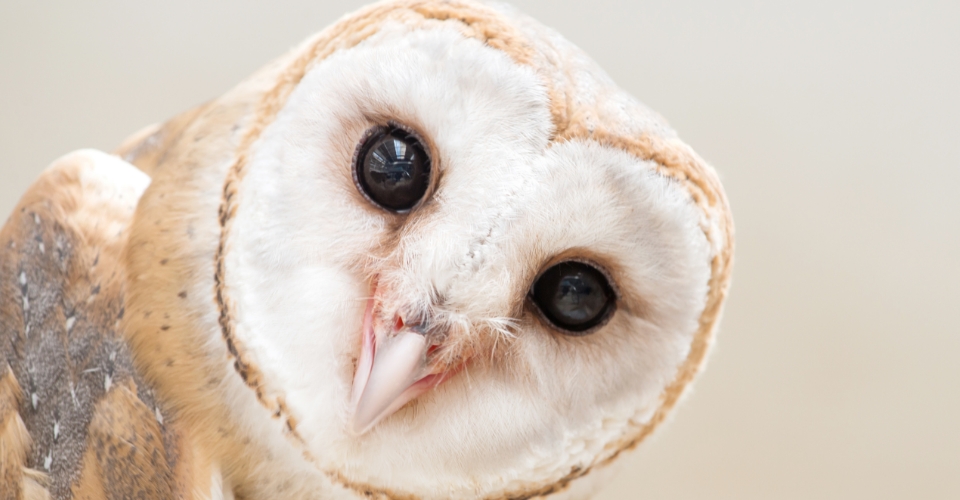
    Owls have a mystical reputation and they’re often linked to death in folklore. Many cultures believe seeing or hearing an owl means a major change or loss is coming. In other cultures owls symbolise wisdom and guidance.


    Do Crows and Ravens Mean Trouble Is Coming?

    Both crows and ravens have always been painted as villains in superstition. Seeing a single crow or raven is often thought to signal bad luck, misfortune or even death.

    However, seeing two or more crows together is actually considered good luck! So, if you spot a murder of crows (yes, that’s what a group of them is called, hence the whole villain thing), don’t panic, it might be a sign that fortune is on your side.


    Seeing a Robin Means a Loved One Is Watching Over You

    In many cultures, robins are believed to be messengers from the spirit world. If a robin appears near you, especially after you’ve lost someone, it could mean that a loved one is watching over you and sending comfort.

    So, next time you see a robin take a moment to appreciate the visit, it might just be a little feathered hug from above.


    Hearing a Bird Sing at Night Is a Bad Omen

    Birds are supposed to sleep at night, right? So, if you hear one chirping in the dark, it can feel a little eerie. According to superstition, it’s a sign of bad luck or an upcoming loss.

    On the flip side, some cultures believe a night-singing bird could mean a message is on its way. So, maybe their evening serenade is just trying to tell you something important.


    If a Bird Builds a Nest on Your House, It Brings Blessings

    Is there a bird’s nest on your house, balcony, or window ledge? Congrats! You’ve been hand-pecked for good fortune. Many cultures believe a bird nesting on your home means happiness, protection, and prosperity for the household.

    Just don’t disturb the nest. It’s said that removing it could reverse the good luck!


    Final Feathers of Thought

    Whether you believe in these bird superstitions or not, they do have a way of keeping life interesting.

    Do you want to keep your feathered pets safe? Visit dotsure.co.za for our Exotic Pet plans that cover birds!

  • UNDERSTANDING ASPERGILLOSIS IN BIRDS: A VET’S PERSPECTIVE

    UNDERSTANDING ASPERGILLOSIS IN BIRDS: A VET’S PERSPECTIVE

    Meet Dr. Kobus Grobler from Bergbos Animal Clinic in Rustenburg, here to answer questions about aspergillosis in birds, what it is, how to spot it early and how to protect your feathered friends from this potentially serious condition.


    What is Aspergillosis in Birds?

    ”Aspergillosis is caused by fungi of the genus Aspergillus, more often A fumigatus. The fungi occur in the environment and grow commonly in moist and warm conditions. Birds are especially prone to developing the disease. Infection occurs when spores are inhaled, and the bird’s immune system is compromised through concurrent disease or malnutrition. A seed-only diet is deficient in Vitamin A, predisposing the bird to respiratory infections. “

    What Are the First Signs and Symptoms of Aspergillus?

    “The fungus grows in the lungs and air sacs, causing chronic signs such as emaciation, difficulty breathing, and coughing.  It can also spread to the intestines and nervous system, causing diarrhoea and other nervous symptoms, but this happens infrequently. The diagnosis can be quite challenging, but radiographs can suggest the disease. The best way of diagnosing the disease is by endoscopy, where lesions in the trachea, lungs, and air sacs can be observed, and samples can be taken for either culture or histopathology. A preliminary diagnosis can also be made from direct smears from such lesions.”

    What Medication Is Used for Aspergillosis in Birds?

    “Anti-fungal drugs such as Itraconazole are used, but their efficacy is limited by the fact that the body forms granulomas around the lesions which block the penetration of the medication. The medication can also be instilled right into air sacs during endoscopic procedures.  Supportive care and improved nutrition are also important in managing sick birds.”

    How Can Bird Owners Prevent Aspergillosis?

    “The main preventative measures are ensuring the bird’s environment is dry and clean with good ventilation. Proper nutrition is paramount, especially vitamin A supplementation if deficient in the diet. Feed must be kept dry to prevent mould from growing on it.”

    Any Last Thoughts on ASpergillosis in Birds? 

    “Although Aspergillosis doesn’t occur very frequently, it can be devastating if it does. Diagnosis can be challenging, and treatment is not always effective. The antifungals can also be very pricey.  It is always better for birds to be seen to by vets who have experience with the disease and the necessary equipment for diagnosis, treatment, and aftercare.  As usual, prevention is better than cure!”


    More About Our Vet of The Month

    Tell us a little more about you and what you do.

    “I am originally from Pretoria, where I grew up, went to school and completed my Bachelor’s at Onderstepoort. I did a two-year stint in the Medical Corps in Bophuthatswana and then worked for six months in Kempton Park as a small animal vet. Since September 1990, I have been in mixed practice in Rustenburg, where we treat every non-human mammal imaginable. My favourite part of the job is small animal surgery, and if I had a choice, I would spend the whole day with some surgical instrument in my hands.”

    What inspired you to become a vet? 

    “I have often tried to answer that question, but ever since I can remember, that has been my dream, so I suppose it was a calling more than anything else. Working with vets like the late Dr Duncan Prinsloo just furthered my aspirations, and I must say, I have not regretted my decision.”

    Do you have any pets?

    I do not own any pets at the moment. Both my mutts died within a short time, and I am still trying to get over the loss.


    Pet Insurance and Aspergillosis

    At dotsure.co.za, we offer Exotic Pet plans that cover a wide range of avian health issues, including aspergillosis in birds, ensuring your feathered family members get the care they need. Visit dotsure.co.za and get a quote today.

    More from our expert vet community:

  • WHAT TO FEED A BABY BIRD IN AN EMERGENCY (AND WHAT TO AVOID)

    WHAT TO FEED A BABY BIRD IN AN EMERGENCY (AND WHAT TO AVOID)

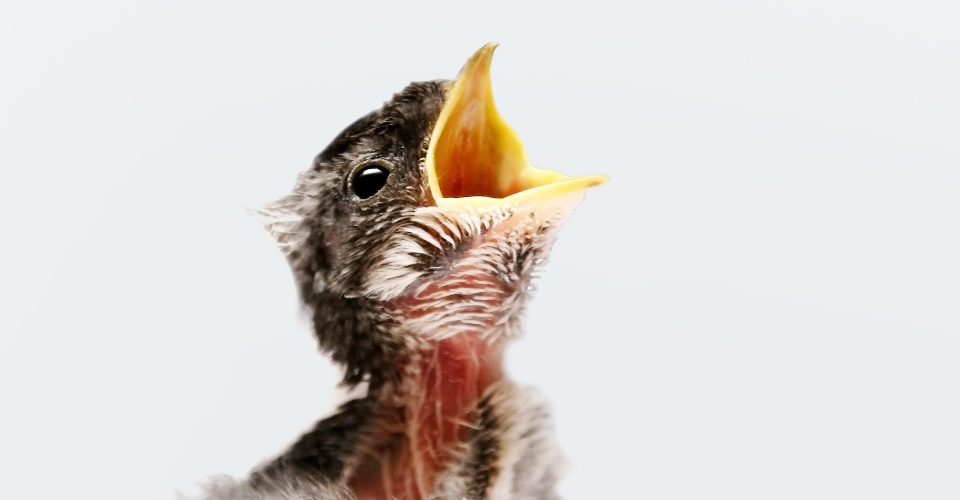
    So, you’ve found a baby bird on the ground chirping away for help, and just like that, you’re a new bird parent. But there’s just one problem. You have no idea what to feed your new feathered child. Before you start Googling recipes for worm smoothies, here’s what to feed a baby bird in an emergency and how to protect it, so you can give your new little friend the best shot at survival.


    What Homemade Food Can You Feed a Baby Bird in an Emergency?

    You can offer emergency food substitutes if you can’t get to a vet immediately. Depending on the bird species, you can try:

    • Soft dog or cat food soaked in warm water to a mushy consistency
    • Unseasoned scrambled eggs
    • Mashed-up insects or mealworms for insectivorous birds
    • Moistened plain baby cereal for grain-eating birds.

    Pro tip: Don’t force-feed. Gently touch the food to the edge of their beak and let them decide when to nibble.


    What Not to Feed Baby Birds

    Yes, it may be an emergency. Some foods can do more harm than good.

    • Milk: While milk sounds like the “nurturing” thing to feed them, baby birds can’t digest dairy.
    • Bread: It might fill their little bellies, but it offers zero nutrients. Instead, go for that moistened baby cereal we mentioned earlier on.
    • Raw meat: Too risky! It can introduce harmful bacteria and do more harm than good.
    • Rice: It’s hard to digest and can lead to bloating, which is not ideal for tiny tummies.
    • Fruit seeds: Some, like apple seeds, contain toxins. If you’re offering fruit, make sure you’ve cut the core out and removed the seeds.

    Avocado: Avo might be trendy for humans, but it is toxic to birds.


    How Often Should You Feed a Baby Bird?

    Feeding frequency will vary from every fifteen minutes to every two hours, depending on the species and age. If the bird looks weak or isn’t begging for food, get it to a professional ASAP!


    Can You Give a Baby Bird Water?

    Nope! Unlike adult birds, baby birds don’t drink water. They get all their hydration from their food. Dropping water directly into their beaks can cause choking or drowning.


    Our Final Chirp on Feeding Baby Birds

    Now that you know how to feed a baby bird, you’re better prepared to give a little life a fighting chance!

    If you already share your home with a pet bird, ensure they’re protected with dotsure.co.za pet insurance. It’s just one more way to be the best bird parent you can be!

    RELATED: SOUTH AFRICA’S MOST POPULAR PET BIRDS AND WHY WE LOVE THEM

  • DOES YOUR PET INSURANCE COVER SPAYING AND NEUTERING?

    DOES YOUR PET INSURANCE COVER SPAYING AND NEUTERING?

    Sterilising your pet is one of the best decisions you can make for their health, behaviour, and the general pet population. But, of course, it comes with a visit to the vet and a vet bill. So, we’re here to answer that burning question: Does pet insurance cover spaying and neutering?

    At dotsure.co.za, we offer flexible pet insurance plans and optional add-ons that can help cover sterilisation costs depending on your level of cover. Let’s break it down.


    What’s the Difference Between Spaying and Neutering?

    • Spaying is a surgical procedure for female animals which involves removing the ovaries and sometimes the uterus to prevent pregnancies.
    • Neutering is a surgical procedure for male animals which involves removing the testicles, reducing aggressive behaviours and making them sterile.

    While they are different procedures, spaying and neutering are collectively referred to as sterilisation.


    What Is the Difference Between Routine Care and Standard Cover?

    Standard Cover (Accident & Illness): Covers accidents, illnesses, surgeries, and vet visits, but not sterilisation. Some of our plans also cover hereditary conditions.

    Wellness Benefit (Routine Care): Depending on your selected plan, this is an added benefit to standard cover, which covers preventative treatments such as vaccinations, spaying and neutering.

    RELATED: HEREDITARY CONDITIONS: IS YOUR PET COVERED?


    How Much Does It Cost to Sterilise a Pet in South Africa?

    Sterilisation costs depend on your pet’s size, breed and the vet clinic you choose to visit, but here’s a rough estimate:

    Cats: R500 – R2 000
    Small Dogs: R750 – R2,500
    Medium to Large Dogs: R2 500 – R5 000

    Please note: This is just a rough estimate and not the actual costs. Consult your vet for a more detailed cost estimate.


    Are There Pet Insurance Plans That Cover Sterilisation?

    Yes! At dotsure.co.za, if your plan includes Wellness Benefits, you’ll be covered for sterilisation up to a specified amount.


    Can You Add Spaying and Neutering to Your Pet Insurance Plan?

    Yebo! With dotsure.co.za, if your plan supports the Wellness Benefit, you can add this extension to your plan.

    This not only helps with spaying and neutering costs but also covers:

    • Vaccinations
    • Deworming
    • Tick & flea treatments
    • Dental cleanings
    • And more.

    Do you need to add our Wellness Benefit to your policy? Contact us today or simply visit the 24/7 online Manage Portal.


    Get the Right Pet Insurance for Your Pet’s Needs

    Looking for pet insurance that covers more than just the basics? At dotsure.co.za, we offer customisable plans so you can choose what works for you. Visit dotsure.co.za to get a quote.

    Do you have more questions other than whether pet insurance covers spaying or neutering? Check our FAQS here: PET INSURANCE MADE SIMPLE: YOUR TOP QUESTIONS ANSWERED.

  • COMMON BIRD DISEASES EVERY OWNER SHOULD KNOW AND HOW TO SPOT THEM EARLY

    COMMON BIRD DISEASES EVERY OWNER SHOULD KNOW AND HOW TO SPOT THEM EARLY

    Fun fact: Birds are masters at hiding illness. Looking sick makes them an easy target in the wild, so even pet birds instinctively mask their symptoms. Knowing the common bird diseases and their early warning signs is key to keeping your feathered friend healthy.

    Here’s a breakdown of the most common bird diseases, how to spot them, and how you can protect your winged pets.


    Common Signs of Illness in Pet Birds

    If your bird isn’t acting like their usual chirpy self, watch for these signs of illness in birds:

    • Fluffed-up feathers for long periods
    • Lethargy or unusual quietness
    • Changes in eating or drinking habits
    • Runny nose or sneezing
    • Laboured breathing or tail bobbing
    • Unusual droppings (watery, discoloured, or fewer than usual)
    • Weakness or difficulty perching.

    Early detection can make a huge difference. So, a vet visit is always a good idea if something seems off.


    Psittacosis (Parrot Fever) in Pet Birds

    Psittacosis, also known as Parrot Fever, is one of the top contenders. It’s caused by a bacterium (Chlamydia psittaci) and can be transmitted to humans.

    Symptoms in birds include:

    • Greenish diarrhoea
    • Eye or nasal discharge
    • Ruffled feathers and weight loss
    • Difficulty breathing.

    Since humans can get psittacosis too, always wash your hands after handling your bird and keep their cage clean.


    Aspergillosis: A Dangerous Fungal Infection

    Aspergillosis is a serious fungal infection that affects the respiratory system in birds. It’s caused by mould, which is common in dirty cages, damp bedding, and old food.

    Symptoms include:

    • Difficulty breathing or wheezing
    • Loss of voice
    • Weakness and loss of appetite.

    Prevention is simple: Keep your bird’s environment dry, fresh and clean.

    RELATED: UNDERSTANDING ASPERGILLOSIS IN BIRDS: A VET’S PERSPECTIVE


    More Common Pet Bird Diseases

    Avian Polyomavirus

    This viral disease primarily affects young birds, causing a loss of feathers, vomiting, and sudden death in severe cases. Unfortunately, there’s no cure, so prevention through hygiene and vaccination is  very important.

    Proventricular Dilatation Disease (PDD)

    Sometimes called “Macaw Wasting Disease,” PDD affects the digestive and nervous systems, leading to weight loss, difficulty digesting food and neurological issues. While there’s no cure, early detection can help manage symptoms.


    Additional Bird Illnesses to Watch For

    Feather Plucking and Behavioural Issues

    While feather plucking can be caused by stress or boredom, it can also indicate underlying health issues, such as infections, mites, or nutritional deficiencies.

    Nutritional Deficiencies in Birds

    A poor diet can lead to vitamin and mineral deficiencies, affecting feather quality, bone health, and immune function. Ensure your bird has a balanced diet with fresh fruits, vegetables, and high-quality pellets.


    Can Humans Catch Bird Diseases?

    Yes, some bird diseases, such as Psittacosis, can spread to humans. While rare, practising good hygiene when handling birds and cleaning their cages is essential. See a doctor if you develop flu-like symptoms after exposure to a sick bird.


    How to Prevent Common Bird Diseases at Home

    Prevention is always better than treatment! Here’s how to keep your feathered friend healthy:

    • Provide a clean, dry, and well-ventilated living space
    • Feed a balanced diet tailored to their species
    • Schedule regular check-ups with an avian vet
    • Quarantine new birds before introducing them to existing pets.


    Protect Your Feathered Friend with Pet Insurance

    Vet bills for exotic pets can be pricey but with dotsure.co.za’s Exotic Pet plans, you can get cover for some common bird diseases and illnesses, vet visits and more. Get a quote today and protect your bird with SA’s #1 pet insurance*.

    *Voted South Africa’s Best Pet Insurance 2023/2024 by readers of various media publications.

  • DOES INSURANCE COVER HIJACKING IN SOUTH AFRICA?

    DOES INSURANCE COVER HIJACKING IN SOUTH AFRICA?

    Hijacking is an unfortunate reality on South African roads. With carjackings on the rise, many vehicle owners are worried about the financial implications. So, does your insurance cover hijackings in South Africa?


    How Common Is Hijacking in South Africa?

    According to the South African Police Service (SAPS), carjacking incidents have shown an upward trend in recent years, with thousands of cases reported annually. Criminals often operate in coordinated groups, targeting both private and business vehicles.


    Where Do Most Hijackings Take Place?

    While hijackings can happen anywhere, certain areas are considered high-risk. Hotspots often include:

    • Residential driveways during entry/exit
    • Intersections with high traffic volumes
    • Quiet streets near shopping malls
    • Petrol stations
    • Areas near schools and ATMs.

    Urban provinces like Gauteng, KwaZulu-Natal, and the Western Cape typically report the highest numbers of hijackings.


    Does Car Insurance Cover Hijacking?

    If your vehicle is hijacked, most insurers will typically pay out based on the market, retail, or agreed value of the car (depending on your policy). However, it’s essential to read the fine print, as not all policies include hijacking cover by default.

    Check that your car insurance includes:

    • Hijacking and theft cover
    • Towing and recovery costs
    • Temporary transport contribution.

    Also, check whether personal items inside the vehicle are covered. dotsure.co.za offers cover for Portable Possessions as an optional cover section.

    RELATED: CAR INSURANCE: WHAT’S COVERED?


    How Do Insurance Companies Pay for Recovered Hijacked Vehicles?

    If your car is recovered after a hijacking, your insurer will assess the vehicle for damage and decide on the next steps. Depending on the condition:

    • If the vehicle is repairable, the insurer may pay for repairs and return the car to you.
    • If the vehicle is written off, the insurer will pay out according to your policy terms.
    • If major parts are missing, such as the engine or transmission, this may influence the payout value.

    In either case, you’ll need a police case number and a detailed report for the claim process to begin.


    What Are the Safety Tips for Avoiding a Hijacking?

    Prevention is essential when it comes to hijackings. Here are some practical tips:

    • Be aware of your surroundings, especially when entering or leaving your driveway.
    • Avoid distractions such as using mobile phones while driving.
    • Leave enough space between you and the car in front to allow for a quick getaway.
    • Drive with doors locked and windows rolled up.
    • Avoid routine travel patterns. Switch your routes and times.
    • Be extra cautious at intersections and stop streets.
    • Avoid leaving valuable items visible (on cars seats or consoles).


    Protect What Moves You 

    Life is unpredictable, but the right insurance can give you peace of mind. At dotsure.co.za, we offer comprehensive car insurance that includes hijacking cover as a standard benefit (subject to Ts & Cs), along with flexible excess options and fast claims. We also offer business insurance that protects your business vehicles, including theft, hijacking, and accidental damage.

    Contact us or quote online today!

  • DOES YOUR PET INSURANCE COVER VACCINATIONS? LET’S BREAK IT DOWN

    DOES YOUR PET INSURANCE COVER VACCINATIONS? LET’S BREAK IT DOWN

    Your furry bestie deserves the best care, including those all-important vaccinations. But here’s the big question: Does pet insurance cover vaccinations, or will you need to budget separately for them? As SA’s #1 pet insurance*, we’ve got all the answers (and the plans) for you.


    Are Vaccinations Covered by Pet Insurance?

    Standard pet insurance usually covers unexpected illnesses and accidents; routine care such as vaccination isn’t always included. However, some plans (like some of the dotsure.co.za plans) allow you add wellness benefits that help cover these essential vet visits.

    Are you already part of the dotsure.co.za pet fam? Visit the Manage Portal online or contact us and add the Wellness Benefit today.

    RELATED: DOES YOUR PET INSURANCE COVER SPAYING AND NEUTERING?


    What Is the Cost of Pet Vaccinations in South Africa?

    Keeping your pet’s vaccines up to date is crucial, but what’s the price tag?

    Puppy and Kitten First-Year Vaccines

    Young pets need multiple vaccinations in their first year to protect them against deadly diseases such as parvo and rabies. The cost? Around R500 – R1 000 per shot, with multiple rounds needed.

    Annual Boosters

    After their first year, dogs and cats need yearly booster shots to stay protected. These costs are between R400 and R800 per visit.

    RELATED: CANINE PARVOVIRUS: SYMPTOMS, TREATMENT AND PREVENTION


    Do We Cover Vaccinations?

    Yes, with the right plan or extension! While vaccinations aren’t covered under standard accident and illness plans, our Wellness Benefit options helps with routine care costs. Here’s how they work:

    • Included in our Ultimate Plan
    • Available as an add-on for Elite, Vital and Deluxe Plans

    Helps cover the costs of vaccinations, deworming, tick and flea prevention, and more!


    Is Pet Insurance Worth It for Vaccinations Alone?

    Pet insurance is primarily designed for unexpected vet bills, but with the Wellness Benefit, you can get help with preventative care such as vaccines. That means less stress for you and better protection for your pet, which is a win-win!


    Ready to Protect Your Pet? Get a Quote Today!

    Keeping your pet happy and healthy is easier (and more affordable) with dotsure.co.za. Whether you need cover for surprise vet visits or routine care such as vaccinations, we have a plan for you!

    Get a quote today at dotsure.co.za.

    *Voted South Africa’s Best Pet Insurance 2023/2024 by readers of various media publications.

  • INSURANCE FOR VETS: TAILORED PROTECTION FOR YOUR VETERINARY PRACTICE

    INSURANCE FOR VETS: TAILORED PROTECTION FOR YOUR VETERINARY PRACTICE

    Running a veterinary practice comes with its fair share of unique risks. That’s where insurance for vets comes in, offering peace of mind so that you can focus on caring for our pets.


    What Is Veterinary Practice Insurance?

    This type of cover is designed specifically for veterinarians who would like insurance cover for all their business assets under one policy. It protects your clinic, equipment, and even the animals in your care. Basically, ensuring that when life throws a curveball (or a feisty Chihuahua) at you, you’re financially protected.


    Veterinary Practice Insurance Cover: What’s Included?

    Property and Contents Insurance

    Your clinic is more than just a workspace. It’s where you calm anxious pet parents, perform emergency surgery, or bring new life into the world. This cover protects your equipment, medication and stock from fire or theft, helping you to bounce back without “paws.”

    Animal Bailee Cover: Protecting Pets in Your Care

    What happens if a pet is injured or lost while in your care? That’s where animal bailee cover comes in. It helps to cover financial liability if something happens to a pet patient under your watch.

    Business Interruption Insurance for Veterinary Clinics

    If your clinic has to close tomorrow due to a fire, flood, or some other unexpected event, business interruption insurance ensures you don’t have to dig into your personal savings or go into panic mode. It covers lost revenue and ongoing expenses such as staff salaries and rent, helping you to get back on your feet!


    Why Choose Specialised Insurance for Your Vet Practice?

    At dotsure.co.za, we understand that vets face unique risks, so we offer tailored veterinary insurance that protects you while you protect our pets.

    Get a quote today and ensure your business keeps purring.

  • INSURANCE FOR BUTCHER SHOPS: SAFEGUARDING YOUR BUSINESS

    INSURANCE FOR BUTCHER SHOPS: SAFEGUARDING YOUR BUSINESS

    Owning a butchery is all about serving up the best cuts. With the right business insurance for butchers, you can ensure your shop stays a cut above the rest, no matter what happens.


    Why Butcher Shops Need Business Insurance

    You have built your business on great customer service, top-quality meats and a reputation for freshness. But what happens if a fire, theft or natural disaster threatens to take that all away? Much like your secret rub that everyone asks you about, you need a special ingredient to keep your business safe from these unexpected risks. That’s where business insurance comes in. It’s the special sauce that helps you get back to doing what you do best!

    RELATED: BUSINESS INSURANCE SIMPLIFIED: WHAT YOU NEED TO KNOW


    General Liability Insurance:

    Protection Against Customer Claims

    General liability insurance covers legal costs and compensation if someone gets injured or their property is damaged in your shop.


    Commercial Property Insurance:

    Safeguarding Your Physical Assets

    You can’t serve up cold cuts without a fridge or slicer, let alone an actual building. If a fire, theft or natural disaster causes damage to your shop or the contents of your shop, commercial property insurance helps to cover repairs or replacements.


    Business Interruption Insurance:

    Maintaining Financial Stability During Unexpected Closures

    If a fire or a flood causes you to close up shop, with Business interruption insurance, you can still bring home the bacon. It covers lost income so you can pay your bills, your staff and yourself until you’re back to serving up the good stuff.


    Choosing the Right Insurance Provider for Your Butcher Shop

    When it comes to protecting your business, you deserve a prime cut, not a raw deal. With dotsure.co.za, you can get custom-made business insurance for butchers to protect you and your unique risks.

    Ready to beef up your butcher shop’s protection? Contact us or request a quote online today!

  • SOUTH AFRICA’S MOST POPULAR PET BIRDS AND WHY WE LOVE THEM

    SOUTH AFRICA’S MOST POPULAR PET BIRDS AND WHY WE LOVE THEM

    Birds aren’t just beautiful. They’re full of personality, charm and even a few words. If you’re looking for a talkative companion, a low-maintenance friend, or a feathered cuddle bug, there’s a pet bird out there (and a dotsure.co.za pet insurance plan) to match.
    Two birds, with one stone. Except, no birds are harmed here, they’re only protected. 😉 Let’s meet South Africa’s most popular pet birds and what we love about them!


    Best Pet Birds for Beginners

    New to bird parenthood? Some birds are easier to care for than others. The best beginner-friendly birds are:

    • Budgies (Budgerigars): Small, social, and easy to train, budgies are amongst the best first birds for new owners. Plus, they can learn to mimic words.
    • Cockatiels: Friendly, intelligent, and relatively low-maintenance, cockatiels love whistling tunes and bonding with their humans.
    • Lovebirds: Tiny but full of personality, lovebirds are affectionate and easy to care for. They usually come in pairs, so give them enough social and mental stimulation if you get a single lovebird.


    Pet Birds That Can Talk

    Do you want a bird that chirps back? Some species are natural talkers and can even learn phrases:

    • African Grey Parrots: These intelligent birds can develop a vast vocabulary and accurately mimic human speech.
    • Indian Ringneck Parakeets: Known for their clear pronunciation, these birds can learn entire sentences!
    • Budgies: As mentioned earlier, budgies are great for beginner bird owners and can learn over 1 000 words with enough patience and training.

    Note to reader: Be careful what you say; your pet bird could reveal all your secrets.


    Low-Maintenance Pet Birds for Busy Owners

    Working pet parents, these birds are for you:

    • Canaries: Independent and happy in their cage, canaries need minimal handling. Plus, they love to sing and can remember melodies, so leave the radio on so that they can sing along.
    • Finches: These tiny birds thrive in pairs or groups and don’t need much human interaction.
    • Doves: Gentle and quiet, doves are easy-going pets that don’t demand constant attention.

    Fun fact: “To sing like a canary” doesn’t mean you’ve got pipes; it means you’re a bit of a snitch.


    Most Affectionate Pet Birds

    Looking for a bird that loves snuggles and companionship? These birds adore their humans:

    • Cockatoos: The cuddle bugs of the bird world! Cockatoos crave attention and will happily snuggle up to their owners.
    • Quaker Parrots: Playful, affectionate, and social, these parrots love to bond with their humans.
    • Lovebirds: Their name says it all. Lovebirds love love! They form strong attachments and enjoy sitting close to their owners.


    Which Pet Bird Is Right for You?

    Choosing the perfect bird depends on your lifestyle. Do you want a chatty companion, a hands-off pet, or a cuddly bird?

    No matter which popular pet bird you choose, dotsure.co.za pet insurance can help to protect their health and your pocket. Our Exotic Pet plans cover your bird’s vet visits, accidents and illnesses so you can focus on enjoying their chirps and songs without worrying about the vet bills.

    Get a quote online today, or contact us for more info.