Author: Team dotsure.co.za

  • THE FOREIGN OBJECTS MOST COMMONLY INGESTED BY PETS

    THE FOREIGN OBJECTS MOST COMMONLY INGESTED BY PETS


    We’ve all seen the videos online: A gobbled-up sock or a swallowed AirPod. Pets ingesting foreign objects is one of the top reasons for emergency vet visits, and they can quickly turn into a serious and expensive situation.

    Let’s take a closer look at the most common foreign objects ingested by pets, how to spot the signs, and what to do if your fur child takes a bite out of something weird. And if you’re not already covered, dotsure.co.za pet insurance could take the bite out of those vet bills too!


    RELATED: EXPERT VET TIPS FOR FOREIGN BODY OBJECTS DOGS SWALLOW


    The Most Common Foreign Objects Pets Swallow

    Toys, Balls & Bits of Chewables

    Small rubber toys, squeakers, bouncy balls, and even toy stuffing are prime suspects that get stuck in your dog’s stomach. Cats aren’t innocent either. Those feather wands and loose strings can all be swallowed, too!

    Bones, Food Wrappers & Leftovers

    Cooked bones can splinter and cause blockages or internal damage. Foil, cling wrap, and packaging like a chip bag? They might smell like heaven to your pet, but can mean serious trouble inside their digestive tract.

    Socks, Underwear & Random Laundry

    Dogs love laundry day! The random sock or three that didn’t reach the washing line could be hanging out in their tummies instead. And yes, this also happens to cats, especially kittens.

    Rocks, Sticks & Garden Debris

    Some dogs love eating rocks. And we will never get it. Others chew on garden branches like it’s their full-time job. These can cause severe obstructions or dental injuries.

    Metal, Plastic & Household Items

    Coins, batteries, jewellery, bottle caps, hair ties, earbuds… they’ve all made their way into a pet’s stomach at some point in time.


    RELATED: TOP 15 FOODS DOGS SHOULD NEVER EAT


    Signs Your Pet Has Swallowed a Foreign Object

    Worried that your pet’s eaten something dodgy? Look out for these signs:

    • Repeated vomiting or dry heaving
    • Refusing food, acting tired, or hiding away
    • Hunched posture, whining, or tummy sensitivity
    • Struggling to poop, or passing strange objects. Ever seen some lace hanging from their you know what? It happens!

    We do not recommend pulling that lacey lingerie out yourself. If you notice any of these signs, call your vet to discuss the best course of action.


    What To Do When Your Pet Swallows Something They Shouldn’t

    Step 1: Try to figure out what they ate and when.

    Step 2: Don’t try to make them vomit unless your vet says so.

    Step 3: Call your vet and follow their expert advice.

    Your vet will either suggest monitoring your pet and waiting until it passes naturally or recommend surgery if it’s dangerous and causing symptoms.


    Can You Help Them Pass It Naturally?

    Sometimes, yes. If the object is small and smooth, a vet may suggest feeding high-fibre food to help move things along. But this should never be done without professional guidance. Attempting DIY treatments can make things worse.


    Prevention is the Best Cure

    Keeping curious mouths out of trouble doesn’t have to be hard:

    Pet-proof your home

    Try to keep laundry, cables, and small objects out of reach.

    Choose the right toys

    Opt for vet-approved, size-appropriate toys that can’t be swallowed or shredded easily.

    Train & supervise

    “Leave it” and “drop it” are lifesaving commands. Monitor playtime and discourage chewing on unsafe things. It’s not “cute” when they eventually swallow that hair scrunchie they were playing with.


    Better Safe Than Swallowed

    The list of the most common foreign objects in pets is extensive. And while we love everything our pets do, eating weird stuff shouldn’t be one of them.

    Keep an eye out for signs of trouble and get your pet covered, just in case their next snack isn’t from their food bowl. For affordable, reliable cover when things go down the wrong hatch, pet insurance from dotsure.co.za is here to protect your wallet and your pet’s tummies!

  • HUMAN FOODS CATS CAN AND CAN’T EAT

    HUMAN FOODS CATS CAN AND CAN’T EAT


    Are you curious about what human foods cats can and can’t eat? You’re not alone. As much as we love sharing our snacks with our feline friends, not all foods are safe. Even if their eyes try to convince you otherwise! Whether you’re sprinkling a topper on their pellets or dealing with a countertop ninja who’s stolen a grape (eish!), it’s important to know what’s okay and what’s a hard no.

    PS: If something goes wrong, dotsure.co.za is here with SA’s #1 pet insurance* for cats to help cover those unexpected vet bills after a sneaky snack, and more!


    RELATED: TOP 15 FOODS DOGS SHOULD NEVER EAT AND WHY


    Fruits Your Cat Can Eat

    A little fruity treat, in moderation, never hurt anyone! These are the safer fruit snack options your cat will love:

    Apples (without the seeds, please)

    An apple a day keeps the doctor away! Okay, maybe not every day, but apples are great as an occasional snack! Just remove the core and seeds, which contain cyanide. Yes, really.

    Bananas

    A good source of potassium and fibre. Mash it up or offer them a small slice, but don’t overdo it. Bananas are full of sugar.

    Blueberries

    Rich in antioxidants and totally cat safe. They make for a great frozen summer snack, too!


    Vegetables That Are Feline-Friendly

    Like us, not all cats go wild for veg, but if yours is into them, these are some safe choices:

    Carrots (cooked)

    Boiled or steamed carrots are soft and sweet! Raw ones, on the other hand, can be a choking hazard.

    Green Beans

    Packed with fibre and low in calories. Just ensure they’re plain and cooked; no need to go all Gordon Ramsay on them.

    Pumpkin

    Great for digestion and often recommended for hairballs and tummy troubles.


    Meats Cats Can Eat Safely

    Cats are naturally carnivores, so meat is a must. Just make sure it’s cooked, unseasoned and lean. Again, please leave your MasterChef apron behind when cooking.

    Cooked Chicken

    Plain, skinless chicken breast is perfect. No bones, no spices.

    Lean Beef

    Small, cooked pieces of steak or mince with no sauces or spices are A-OK.


    Grains That Are Safe for Cats

    Yes, some carbs are fine in small doses.

    Rice

    Easily digestible and often used in bland diets for upset stomachs.

    Oats

    Rich in B vitamins and easy to mix into wet food if your cat enjoys it.

    Barley

    Another good grain option, especially when cooked and served plain.


    Fruits That Are a No-Go

    Some fruits are straight-up dangerous.

    Grapes and Raisins

    Toxic to cats and can cause kidney failure.

    Citrus Fruits

    Too acidic and can lead to an upset tummy and nervous system issues.

    Cherries

    Contain cyanide compounds and can be deadly in larger quantities.


    RELATED: FELINE KIDNEY HEALTH: TIPS, DISEASE PREVENTION AND CARE


    Vegetables Cats Shouldn’t Eat

    Onions and Garlic

    Even small amounts can damage red blood cells and cause anaemia.

    Tomatoes (unripe or leaves)

    The green parts and unripe tomato fruit contain solanine, which is toxic.

    Mushrooms

    Some store-bought varieties may be okay, but many wild mushrooms are highly toxic and will involve a trip (that’s punny) to the vet.


    Meats to Keep Out of the Bowl

    Processed Meats (such as ham, bacon)

    These are loaded with salt, preservatives, fat, and a hard no from us and your vet!

    Raw Fish and Fatty Cuts

    Always cook the fish first. Raw fish presents a risk of parasites and thiamine deficiency.

    Seasoned or Spiced Meats

    Herbs and spices like onion or garlic powder can be harmful. Keep it plain, Jane!


    Grains to Avoid

    Breads with Yeast or Additives

    Yeast dough can expand in the stomach and cause bloating.

    Sugary Cereal

    Empty calories and unnecessary sugar? Nope, thank you.

    Gluten-Heavy Grains

    Some cats may struggle with digestion. If yours does, opt for low-gluten or gluten-free options.


    How Pet Insurance Can Help When Treats Go Wrong

    Accidental snacking happens, and it can cost a small fortune at the vet. Pet insurance for cats from dotsure.co.za can help you cover:

    • Emergency vet visits
    • Diagnostic tests
    • Treatment for accidental poisoning.

    Pro tip: If your cat ever eats something questionable, don’t wait. Contact your vet ASAP. Pet insurance gives you the confidence to act fast without worrying about costs.


    A Few FAQs Before You Fill Their Bowl

    What are some vet-approved toppers for dry food?

    A small spoonful of pumpkin, boiled chicken, or a few flakes of tuna in water can safely upgrade their dinner.

    What if my cat ate something toxic?

    Call your vet immediately. Keep the packaging or a sample of the food or item with you for reference.

    Can a poor diet affect insurance claims?

    Yes! Some insurers may exclude claims related to poor nutrition or negligent feeding habits. Always feed your pet responsibly and follow vet advice.


    RELATED: 7 WEIRD THINGS PET PARENTS SEARCH


    Our Final Meow on What Cats Can and Can’t Eat

    Human foods cats can and can’t eat vary more than you might think. While treating them like the tiny humans we believe them to be is tempting, their digestive systems work differently, and even a small snack can become a big problem.

    For peace of mind, get pet insurance for cats that covers you when your cat eats something they shouldn’t. Visit dotsure.co.za to explore your cat insurance options or contact us for a quick quote.

  • HOW TO MAKE LIP-SMACKING HOMEMADE DOG BISCUITS

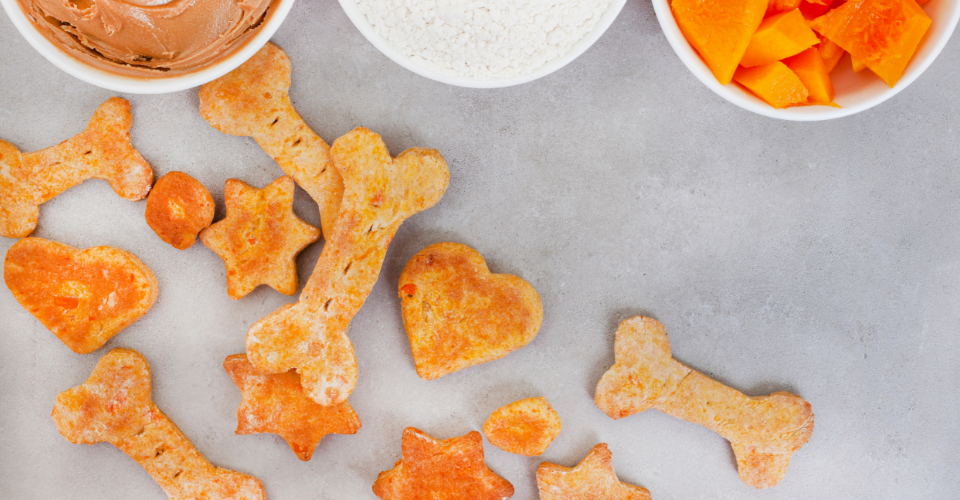
    HOW TO MAKE LIP-SMACKING HOMEMADE DOG BISCUITS


    There’s nothing quite like the smell of freshly baked goodies, especially when they’re for your best furry friend. There’s no need to be a professional baker. These homemade dog biscuits are a walk in the park to whip up.

    PS: We know how to make delicious treats and are also great at tailoring pet insurance! Get a quote online in minutes, and make your fur child and wallet happy.

    Ready to make some tails wag? Let’s bake.


    DIY Dog Treat Recipe: Quick, Easy, and Pup-Approved

    What you need:

    • 2 eggs
    • 1 jar (125ml) of carrot baby food
    • 2½ cups of flour (whole wheat flour works well)

    Instructions:

    1. Preheat your oven to 180°C.
    2. In a bowl, mix the eggs, baby food, and flour until a dough forms.
    3. Knead the dough by hand if needed. It should be slightly dry but stick together.
    4. Roll it out on a floured surface to about 0,5 cm thick.
    5. Cut the dough into any shape your doggo desires.
    6. Place on a lined baking tray and bake for ±25 minutes or until golden and firm.
    7. Let the biscuits cool completely before offering your pup a taste.
    8. Store in an airtight container. That’s if they last long enough!


    Prefer to follow along visually? Watch our original recipe video here and bake like a pro!


    What Baked Goods Are Safe for Dogs?

    These dog biscuits tick all the right boxes: they’re made with natural dog-safe ingredients, are free of xylitol, and contain no added salt or sugar. Always avoid raisins, chocolate, onions, and nutmeg when baking treats for dogs.

    If you’re ever unsure, speak to your vet.


    RELATED: HUMAN FOODS CATS CAN AND CAN’T EAT; TOP 15 FOODS DOGS SHOULD NEVER EAT


    Want More Pet-Friendly Recipes?

    We’ve got more recipes up our sleeves:


    Treat Your Dog and Your Budget

    Whether your pup is snacking on some homemade dog biscuits or playing in the dog park, accidents happen. Protect your dog with pet insurance that covers those unexpected moments so you can focus on the fun stuff.

    Do you need help? Contact us or get a quote online.


    Psst!!! We have some more treats to share. PET INSURANCE THAT ADDS VALUE: GIVE YOUR POLICY A TREAT!

  • 5 IRRESISTIBLE HOMEMADE PET TREATS

    5 IRRESISTIBLE HOMEMADE PET TREATS


    Nothing says “I love you” like a tasty homemade pet treat. Plus, it’s a fun and rewarding way to spoil your pets, while ensuring you know exactly what goes into their snacks. Cats, dogs, birds, rodents, and reptiles, we’ve got the whole crew covered! And not just with some tasty recipes, but with pet insurance too.

    Let’s whip up some paw-licking goodness.


    Treats for Dogs: Peanut Butter Banana Bites

    Looking for healthy treats for dogs? These frozen peanut butter banana bites are a hit with pups and super easy to make.

    Ingredients:

    • 1 ripe banana
    • ¼ cup of natural peanut butter (unsalted, no xylitol!)
    • 1 tablespoon of coconut oil

    Instructions:

    1. Mash the banana in a bowl until smooth.
    2. Mix in the peanut butter and coconut oil until well combined.
    3. Spoon small dollops of the mixture onto a baking sheet lined with parchment paper.
    4. Place the baking sheet in the freezer for about an hour until the treats are firm.
    5. Once frozen, transfer the treats to an airtight container and store them in the fridge.


    RELATED: HOW TO MAKE LIP-SMACKING HOMEMADE DOG BISCUITS


    Treats for Cats: Tuna and Catnip Crackers

    These homemade cat treats are full of flavour and fun.

    Ingredients:

    • 1 can of tuna in water (drained)
    • 1 egg
    • 1 tablespoon of dried catnip
    • ½ cup of wholewheat flour

    Instructions:

    1. Preheat your oven to 180° C and line a baking sheet with parchment paper.
    2. In a bowl, combine the drained tuna, egg, and dried catnip.
    3. Gradually add the wholewheat flour and mix until a dough forms.
    4. Roll the dough out on a floured surface.
    5. Use cookie cutters to cut out shapes, or simply slice into small squares or rectangles.
    6. Place the treats on the prepared baking sheet and bake for 10-12 minutes, or until golden brown.
    7. Allow the treats to cool completely before serving.


    Treats for Rodents: Veggie Delights

    Rodents love variety, and these chewy veggie balls are the perfect little snack. Try out these treats for your hamster, rat, or guinea pig.

    Ingredients:

    • ½ cup of finely chopped mixed veg (carrots, broccoli, bell peppers)
    • ¼ cup of rolled oats
    • 2 tablespoons of honey
    • 2 tablespoons of chopped fresh parsley

    Instructions:

    1. Combine all ingredients in a bowl and mix until well combined.
    2. Roll the mixture into small balls, about the size of a marble.
    3. Place the balls on a plate and refrigerate for at least 30 minutes to firm up.
    4. Once firm, offer the treats to your rodent friend. Store any leftovers in the refrigerator.


    Treats for Birds: Nutty Bars

    Birds need stimulation and tasty bites! These homemade bird treats combine grains, fruit, and nuts into an energy-packed snack.

    Ingredients:

    • ½ cup of chopped nuts (almonds, walnuts, peanuts – unsalted)
    • ¼ cup of cooked quinoa
    • ¼ cup of mashed banana
    • 1 tablespoon of raw honey

    Instructions:

    1. Preheat oven to 180° C and line a dish with parchment paper.
    2. Combine all ingredients in a bowl.
    3. Press into the baking dish and flatten.
    4. Bake for 15–20 minutes until golden.
    5. Cool thoroughly before slicing into bite-sized bars. Store in an airtight container.


    Treats for Reptiles: Veggie and Fruit Medley

    Yes, even reptiles can get in on the snack action! These treats for reptiles are simple, safe, and packed with variety.

    Ingredients:

    • Reptile-safe vegetables (carrots, leafy greens, bell peppers)
    • Reptile-safe fruits (berries, apples, melons)
    • Calcium powder (optional – check with your vet)

    Instructions:

    1. Wash and finely chop the fruit and veg.
    2. Mix into a colourful medley.
    3. Lightly dust with calcium powder if needed.
    4. Serve as a snack and remove leftovers after a few hours.


    Treat Your Pets with Pet Insurance

    These homemade pet treats are a safe and simple way to keep tails wagging and feathers fluttering. Another safe and simple way to care for them? Pet insurance from dotsure.co.za!  We offer cover for cats, dogs, and exotic pets such as bunnies, birds, and reptiles. Get a quote today and treat them to the ultimate protection.

  • THE 5 CAR PARTS THAT FAIL MOST OFTEN DURING WINTER

    THE 5 CAR PARTS THAT FAIL MOST OFTEN DURING WINTER


    Winter in South Africa may not bring snow to every door, but it does bring a chill that your car might not be ready for. Certain car parts can fail during winter if you don’t take care or keep an eye on them, which means you could be left stranded. That’s why having an extended car warranty cover from dotsure.co.za and a little extra info on the car parts that fail most often in winter, is essential. 

    Here’s a look at 5 car parts that are often the culprits behind winter breakdowns and how to prevent them.  

    RELATED: THE AVERAGE LIFESPAN OF YOUR CAR PARTS  


    Car Batteries

    Batteries are the number one car part that fails during winter. Cold temperatures slow down chemical reactions in your battery, making it harder to produce enough oomph to start the engine. 

    How to charge a car battery 

    It’s not always winter’s fault. Your battery could just need a recharge. You can use a battery charger or jump-start it like a pro. Got an automatic? Push-starting it won’t work, but here’s what you can do. 

    RELATED: HOW LONG DO CAR BATTERIES LAST? 


    Car Fluids

    A short science lesson for you: Fluids thicken in the cold. If your car fluids are already low, it can cause performance problems or lead to part failures that could’ve been avoided. 

    What car fluids should you check? 

    • Engine oil 
    • Transmission fluid 
    • Coolant/antifreeze 
    • Brake fluid 
    • Windscreen washer fluid. 

    How to check car fluids

    Make it a monthly habit, especially in winter. Most reservoirs are clearly labelled, with “min” and “max” markers to guide you. Topping them up can prevent wear and tear and keep your warranty intact. 

    Pro tip: We suggest topping up your oil and water while you’re filling up or grabbing some snacks at a petrol station. The attendants there will happily assist you. When checking your vehicle’s other fluids, it’s always best to consult your mechanic if you’re unsure. 

    RELATED: COMMON WARRANTY EXCLUSIONS AND LIMITATIONS 


    Exhaust System & Undercarriage

    If you think you’re safe from rust and corrosion just because you don’t live by the sea, you’re wrong. Rain and wet conditions still accelerate rust and corrosion, especially on your exhaust, undercarriage, and brake lines. 

    What you can do: 

    • Wash your car regularly, especially the underbody 
    • Keep your car parked in a garage or under cover if possible 
    • Wax your paint to create a water-repellent barrier 
    • Add an old carpet to your garage floor to absorb excess moisture. 


    Tyre Pressure

    When the air gets colder, so does the air inside your vehicle’s tyres. This can lead to under-inflation, which reduces traction and wears down your tyres unevenly, which means you must replace your tyres sooner. 

    How to check your tyre pressure in winter 

    Most petrol stations in SA have pressure gauges. Check your car manual for the recommended PSI and top up as needed. Alternatively, pop in to Tiger Wheel & Tyre, one of our trusted partners, and they can handle it for you. 


    Spark Plugs

    The cold weather can make it more difficult for engines to start, and worn spark plugs may struggle to produce a strong enough spark. If your car’s feeling sluggish when you turn the key, the spark plugs might be the problem. 

    How to check spark plugs 

    Unless you’re a pro under the hood, getting an expert mechanic to check them during your next annual service is best. 


    Expert Cover for Your Car Parts in Winter 

    Car batteries, spark plugs, fluids, tyres, and rust-prone components are the car parts that fail most often during winter. But with regular checks, a little TLC, and dotsure.co.za extended car warranty in your corner, you’ll be ready for the cold. 

    And if you’re not protected yet, now’s the perfect time to get extended warranty cover before anything happens, to keep your winter driving worry-free.

  • THE TOP INSURED CAR BRANDS IN SA

    THE TOP INSURED CAR BRANDS IN SA


    Do you ever wonder what your car says about you? Well, it might also say something about your car insurance premium. So, we’ve taken a peek under the hood at SA’s top insured car brands to uncover the popular rides Mzansi loves protecting. 

    RELATED: THE FASTEST AND MOST FURIOUS CARS OF 2025 


    Why These Car Brands Dominate South Africa’s Insurance Market 

    Car insurance trends in SA follow a few golden rules: affordability, availability of parts, resale value, and of course, popularity. Basically, if your car ticks those boxes, it’s likely to be cheaper to insure and more likely to appear on this list. 


    Toyota: South Africa’s Most Insured Car Brand 

    Why do so many South Africans insure Toyotas? 

    Toyota has earned its rep as South Africa’s go-to brand for value, reliability, and durability. With repair parts that are widely available and resale values that hold steady, Toyota car insurance tends to be simpler and more affordable. 

    Popular Toyota models South Africans insure:

    • Toyota Hilux
    • Toyota Corolla
    • Toyota Yaris


    Volkswagen: Reliable and Widely Insured

    Why Volkswagen models are a popular choice for cover 

    Volkswagens are all over the roads in South Africa. They’re reliable, widely serviced, and stylish without breaking the bank. And because of their popularity, they’re up there amongst the most insured. 

    Best VW’s to insure:

    • VW Polo Vivo
    • VW T-Cross
    • VW Tiguan


    Suzuki: Affordable, Light on Fuel and Insurance-Friendly 

    Why insuring a Suzuki makes sense 

    Suzuki has become the underdog-turned-superstar in South Africa. Lightweight, easy to drive, and cheap to repair, car insurance for a Suzuki is typically very affordable 

    SA’s top insured Suzuki cars: 

    • Suzuki Swift
    • Suzuki S-Presso
    • Suzuki Celerio


    Renault: Entry-Level Excellence 

    Renault Kwid insurance 

    The Renault Kwid has taken off amongst young drivers and first-time buyers. It’s compact, easy to park, and parts are becoming increasingly available, which makes Renault car insurance relatively affordable. 

    Other Renaults, such as the Clio and Duster, are also climbing up the road of popularity. 


    BMW: Premium Cars Worth Protecting 

    Why South Africans choose to insure their BMWs 

    BMW has advanced safety tech, strong resale value, and loyal fans. BMW car insurance in South Africa may be high because of their luxury status, but for many drivers, that peace of mind is worth the extra cost. 

    Top BMW cars insured in SA 

    • BMW 3 Series
    • BMW X3
    • BMW 1 Series


    What Makes a Car Popular to Insure in SA? 

    Affordability, Parts, and Resale Value 

    Cars with low running costs, widely available parts, and strong resale value tend to be cheaper to insure. That’s why so many of the cars on this list are compact, practical, and built to last. 

    RELATED: HOW INSURANCE COMPANIES CALCULATE YOUR PREMIUMS 


    Get a Car Insurance Quote That Matches Your Brand 

    Not all cars are created equal, and neither are their policies. Whether you drive one of these top insured car brands in SA or not, you deserve a car insurance plan that fits your budget and driving style. At dotsure.co.za, you can customise your cover with our Name Your Price™, and explore tailored options for your specific model. 

    Get a quote online or contact us today for game-changing car insurance you can count on! 


  • THE DIFFERENCE BETWEEN MECHANICAL BREAKDOWN & WEAR AND TEAR

    THE DIFFERENCE BETWEEN MECHANICAL BREAKDOWN & WEAR AND TEAR


    Your car has decided to make some weird sounds. You’re hoping it’s covered by your warranty but you’re actually not sure if it’s a mechanical breakdown or just wear and tear. 

    When it comes to car warranty claims, knowing the difference between a mechanical breakdown and wear and tear makes the fine print and your claim outcome easier to understand. 


    What is a Mechanical Breakdown? 

    Mechanical breakdowns happen when a component in your vehicle suddenly fails due to a defect or malfunction. The part wasn’t worn out; it stopped doing its job properly. 

    Mechanical breakdown examples include: 

    • Your starter motor seizing up 
    • A sudden turbocharger failure 
    • A malfunctioning timing belt 
    • The water pump breaking. 

    These kinds of issues are usually covered by extended warranty insurance if they weren’t caused by neglect, skipped services or pre-existing damage. 

    RELATED: EXTENDED CAR WARRANTY VS SERVICE PLAN 


    What Does Mechanical Breakdown Insurance Cover? 

    At dotsure.co.za, our extended warranty plans are designed to cover sudden, unexpected mechanical or electrical failures and not parts that have worn down over time from normal use. 

    That’s why regular servicing and maintenance records are essential if you want your claim to be paid. And if a car part fails out of the blue, you have peace of mind that you’ve got cover to help with the nasty repair bills. 

    Are you already covered? You can log in to manage your policy anytime. Not covered, yet? Get a quote now before the unexpected happens. 


    Understanding Wear and Tear on Vehicles 

    Wear and tear are expected because every car experiences them. It’s not a fault, it’s more like a pair of running shoes with holes in them: they’ve had their moment, and now it’s time for a new pair. 

    What is considered a wear and tear item on a vehicle? 

    It’s the car parts that gradually degrade over time, such as: 

    • Brake pads 
    • Clutch plates 
    • Tyres 
    • Wiper blades 
    • Shock absorbers 
    • Fan belts. 

    Most warranty plans do not cover these because they’re meant to be replaced periodically as part of standard vehicle maintenance. 


    Common Scenarios: Breakdown vs. Wear 

    Let’s clear it up with a few quick comparisons. 

    Scenario  Mechanical Breakdown?  Wear and Tear? 
    Your engine’s water pump fails suddenly.     
    Your clutch starts slipping after 80 000 km.     
    The starter motor burns out without warning.     
    The brake pads are worn below the minimum thickness.     


    Does Insurance Ever Cover Wear and Tear? 

    It’s rare, but some comprehensive motor or wear and tear insurance products offer limited cover for these components. At dotsure.co.za, our extended warranty focuses on mechanical or electrical breakdowns or failures. 

    If you want to know more, check your policy documents or contact our team for help if you’re unsure what your plan includes. 

    RELATED: COMMON WARRANTY EXCLUSIONS AND LIMITATIONS 


    Drive with the Warranty Experts 

    Understanding the difference between mechanical breakdown and wear and tear can help you avoid surprises when claiming. 

    And if you’re not yet protected? Don’t wait for the clunk. Get extended warranty cover today and drive with a warranty!  

  • THE EASIEST WAY TO GET AN INTERNATIONAL DRIVING PERMIT

    THE EASIEST WAY TO GET AN INTERNATIONAL DRIVING PERMIT


    Are you planning an overseas holiday and keen on road tripping across Italy or cruising down Route 66? Then you’ll need more than just car snacks and playlists. You’ll need an international driving permit (IDP). It’s your golden ticket to legal, hassle-free driving abroad and essential to avoid awkward conversations with foreign traffic cops. 

    Let’s break it down, the easy-peasy way. 


    Can I Drive Overseas with a South African Driver’s License? 

    You can use that trusty little SA driver’s card only in certain countries. Most destinations will ask for an international driving permit alongside your SA licence. 

    Pro tip: Your SA license must be valid and not expired to apply for an IDP. A suspended or expired licence? That’s a nope. 

    RELATED: HOW TO CHECK YOUR DRIVING LICENCE STATUS IN SOUTH AFRICA 


    What Is the Easiest Way to Get an International Driver’s Permit? 

    Through the Automobile Association of South Africa (AA): They’ve streamlined the process so you can drop gears and disappear ASAP. Just ensure you apply before leaving the country because you can’t get one when you’re abroad.  

    Online: Apply for an international driving permit online here and complete the application form! We said it would be easy-peasy, right? 

    In-store: Use their branch locator to find the closest AA-accredited sales agents and get your international driving permit in-store.  


    How To Get an International Driving Permit in South Africa 

    Option 1: Apply Online 

    Just a few clicks and you’re ready: 

    -A copy of your valid South African driver’s licence

    -Your ID or a valid passport

    -A passport-sized photo (just one per IDP type). 

    • Choose your preferred collection branch. 
    • Submit and wait for a ready-for-collection alert. 

    Heads-up: You still have to collect your IDP in person, but the paperwork is sorted ahead of time. 

    Option 2: Apply In-Store 

    Do you need it in a hurry? If you visit a participating AA Travel Experience outlet, you can leave there with your IDP in hand after about 10-30 minutes. 

    Bring the following: 

    • Your valid SA driver’s licence 
    • Your ID or passport 
    • A passport-sized photo (some stores can take them for you, so call ahead to check!). 

    Either way, it’s easy-peasy-lemon-squeezy! 


    AA International Driving Permit: Some FAQs Answered 

    The AA is the only officially recognised issuer of IDPs in South Africa. They’ll issue your permit according to the country you’re visiting (there are different versions, depending on the destination). The most common type is the 1949 Convention IDP. 

     We didn’t make this up earlier. The AA also recommends always carrying both your SA licence and your IDP when driving abroad. 

    How Much Does an International Driving Permit From South Africa Cost? 

    As of 2025, the cost is approximately R350, depending on the type and the branch. Some branches might charge extra for the passport photos if you don’t bring your own. 

    How Long Does It Take to Get an IDP in South Africa? 

    The good news is that applying in person with all the right documents is instant. You’ll walk out with your permit, ready to conquer foreign roads.  


    The Advantages of International Driving Permits 

    • The ability to drive in over 150 countries
    • Translated ID info (really helpful in non-English-speaking countries) 
    • Peace of mind with car rental agencies 
    • No fines for not having it where required. 


    On the Road… But Smarter 

    Getting an international driving permit in South Africa is easier than you think and much less stressful than trying to charm a traffic officer in Paris with your Afrikaans. So, wherever you’re heading, sort out your IDP ahead of time and drive stress-free. 

    Speaking of driving stress-free, with dotsure.co.za car insurance, Name Your Price™ lets you choose cover that fits your budget. So, when you’re driving your own car on home soil, you’re covered and protected too! 

    Do you still have questions? Contact us here or explore more travel and motor tips on our blogs below! 


    RELATED:  

  • WHO ARE THE MOST VULNERABLE ROAD USERS? TIPS FOR SA DRIVERS

    WHO ARE THE MOST VULNERABLE ROAD USERS? TIPS FOR SA DRIVERS


    We all know SA’s roads are not only occupied by motorists. While drivers may feel the streets were made for them, cyclists, pedestrians, horses, cattle, and children also have the right to be there. However, these individuals are also amongst the most vulnerable road users in South Africa, and there is an urgent need for increased awareness and safer driving practices. 


    Why Vulnerable Road Users Need Your Extra Attention 

    • Pedestrians and cyclists are harder to see, especially during dawn, dusk and bad weather. 
    • Unlike driving in a car, they don’t have much physical protection, which means any collision could result in serious injuries. 
    • Children and animals can be unpredictable, running into the street unexpectedly or getting spooked by sudden noises. 
    • In many areas of our country, sidewalks or dedicated bicycle lanes don’t exist, so we all have to share the road. 


    Sharing the Road: Tips for SA Drivers 

    Pedestrians: Walkers, Joggers & Runners 

    Pedestrians are at the highest risk on our roads, specifically in townships, cities, and rural areas without pavements or streetlamps. 

    Pedestrian safety tips for drivers: 

    • Always slow down and stop at zebra crossings. 
    • Drive slower in areas with foot traffic, such as schools, shopping centres and bus or taxi stops. 


    Cyclists

    Cyclists get a bad rap for using our roads. Maybe we’re all guilty of waving a fist at a cyclist at some point, but they’re legally allowed to be there, so it’s our job to help keep them safe. 

    Driving tips for cyclist safety: 

    • Check your mirrors when turning left or opening a door. 
    • Don’t tailgate. Give them room and time to move safely. 
    • Avoid sudden braking or swerving in front of them. You wouldn’t like that done to you. 


    Horse Riders on SA Roads 

    Horse riders are legally allowed on many South African roads, especially in rural areas and the outskirts of cities. 

    Can you ride a horse on the road in SA?  

    Yebo, under the National Road Traffic Act, it’s allowed. 

    How to drive safely around horses: 

    • Slow down long before you reach them. 
    • If you need to pass, pass wide, at least a car’s width away, and don’t rush. 
    • Avoid revving your engine, honking, or flashing lights, which may startle the horses. 
    • Watch for hand signals, the rider may know something about their horse that you do not. 
    • Be prepared to stop completely if necessary. 


    Children

    Children often don’t understand road rules or how long a car takes to stop. They may suddenly run into the road, especially near schools or in neighbourhoods. 

    Tips for driving near children: 

    • Always obey school zone driving laws and speed limits. 
    • Be extra cautious when driving around the suburbs. 
    • Watch for kids on bicycles or skateboards. 


    Animals

    Roads are shared not only with humans but with animals too. 

    • Pets: Dogs and cats can sprint into traffic. 
    • Farm animals: Cows, goats, and sheep are often seen grazing on the side of the road. 
    • Wildlife: Look out for baboons, owls, and other wild birds near forests, bush and game reserves. 

    Our top driving tips: 

    • Stay alert in rural areas or game regions as you might encounter livestock or wildlife. 
    • If you see a warning sign for animals, take it seriously. Reduce your speed. 
    • Never swerve violently to avoid hitting an animal. This can be more dangerous than braking in a controlled manner. 

    What do you do if you hit an animal? 

    1. Stop safely and check on the animal (only if it’s safe). 
    1. Call animal welfare and local authorities. 
    1. Contact your insurer. dotsure.co.za offers 24-hour roadside assistance. 

    RELATED: HOW WE PROTECT YOU AFTER A CAR ACCIDENT 


    Who Else Counts as a Vulnerable Road User? 

    Here are a few more to keep an eye out for: 

    People with Disabilities 

    • Wheelchair users and people with limited mobility may take longer to cross the road. 
    • Be cautious near hospitals and clinics. 

    Emergency Responders 

    • Ambulance staff, firefighters and traffic officers working on the road are highly exposed. 
    • Always move over and slow down when approaching emergency scenes. 


    The Law is Clear: Slow Down and Share the Road 

    South African legislation mandates drivers to exercise caution and yield to vulnerable road users. According to the National Road Traffic Act 93 of 1996 drivers must stop their vehicles upon the request or signal of a person leading or driving any horse, cattle, donkey, mule, sheep, goat, pig or ostrich on a public road. This provision underscores the legal obligation to prioritise the safety of both human and animal road users. 

    Furthermore, the Act emphasises motorists’ responsibility to be vigilant and considerate towards pedestrians and cyclists, who are amongst the most vulnerable on the roads.  


    Drive Safe, Drive Kind 

    Let’s sum it up: pedestrians, cyclists, children, horse riders, and animals are all amongst the most vulnerable road users in SA. Adhering to traffic laws and exercising caution can significantly reduce accidents and fatalities involving these vulnerable road users.  


    PS: If you’re a motorist on SA’s roads driving without car insurance, we’d say you’re also pretty vulnerable. Click here for a free insurance quote online or contact us for more! 

  • HOW DOTSURE.CO.ZA BECAME SA’S FIRST E-COMMERCE INSURER

    HOW DOTSURE.CO.ZA BECAME SA’S FIRST E-COMMERCE INSURER


    When others were still faxing forms, we were busy forming the facts on simple insurance. dotsure.co.za was built to make insurance easier, faster, and smarter. That’s why we became SA’s first e-commerce insurer, making it possible for you to buy, claim, and manage your policy with the click of a button. There were no queues or paperwork. Just simple insurance that was ahead of its time. 


    What It Means to Be the First Online Insurer in SA 

    We’re constantly evolving, adapting, and innovating. We’re not just tech-driven insurance. We’re a customer-obsessed team of experts who are always looking for ways to make your insurance journey fast and simple. Our online insurance platform allows you to get quotes, buy cover, and manage your claims and policies in one place. Being the first online insurer in South Africa means setting a standard we always aim to beat. 


    How We Changed the Insurance Landscape 

    Before we came along, buying insurance entailed admin. We spotted a gap in the market and built an online insurance model that made things easier for everyday South Africans. Fast-forward to today, and we’re one of the most trusted names in the digital insurance game.  

    Some of our digital firsts: 

    • First to offer an online solution to quote, buy, and manage car insurance 
    • First to offer Name Your Price™ on pet, car, and life insurance 
    • First pet insurer to have an online purchase process. 


    The Benefits of Buying Insurance Online 

    • Instant cover without any of that call centre drama 
    • Real-time quotes without the wait 
    • Paperless everything, so the trees don’t have to suffer. 


    Why We’re One of the Leading Online Insurers 

    From our award-winning tech innovations to our excellent customer service, we’ve built a business around putting customers, aka our fans, first. Not just our profits. 

    But don’t just take it from us, we’ve also got the reviews to back it up. Fans love us, pets love us, and even cars probably would if they could leave a favourable Google review. 

    Speaking of reviews, if we’ve made your insurance journey easier, let us know and leave a review. 


    A Look at Our Digital Insurance Products 

    Let’s talk about your dotsure.co.za online insurance options: 

    • Pet Insurance Online: SA’s #1 pet insurance* protects your furry, feathered, or scaled friends with wholehearted cover . 


    Join Our Fans Who Made the Switch to Online Insurance 

    Thousands of South Africans are already with us as they switched to insurance that actually keeps up with their lives. So, if you’re still calling your insurer to update your policy, it might be time to join the digital option. 

    Are you ready to experience one of SA’s smartest online insurance options? Get a quote at dotsure.co.za or speak to our team here 


    *Voted South Africa’s Best Pet Insurance 2023/2024 by readers of various media publications. 

  • COMMON WARRANTY EXCLUSIONS AND LIMITATIONS THAT CATCH YOU OFF-GUARD

    COMMON WARRANTY EXCLUSIONS AND LIMITATIONS THAT CATCH YOU OFF-GUARD


    You’ve got your extended car warranty. You’re covered. You’re protected. But then the claim comes back… declined. Haibo. Welcome to the fine print of warranty exclusions and limitations. The bits that most drivers only discover after they’ve made a claim. Let’s break it down, with no jargon and no surprises, so you know exactly what your extended car warranty does and doesn’t cover. 


    What Vehicle Warranties Typically Cover 

    Extended car warranties generally cover mechanical breakdowns and electrical failures on major components. That means things such as: 

    • Engine failure 
    • Gearbox issues 
    • Electronic ignition faults 
    • Cooling and fuel systems 
    • Steering mechanisms. 

    RELATED: THE DIFFERENCE BETWEEN MECHANICAL BREAKDOWN & WEAR AND TEAR 


    Surprising Warranty Exclusions Most Drivers Miss 

    Warranties don’t cover everything. Some of the most common warranty exclusions include: 

    • Pre-existing damage 
    • Wear and tear (more on that below) 
    • Carbon build-up 
    • Unapproved modifications or racing 
    • Repairs without prior authorisation 
    • Incorrect fuel or oil use 
    • Corrosion or rust. 

    Psst: Your claim can be rejected if your odometer has been tampered with. So don’t try to pull a Ferris Bueller. 

    Not Covered  Reason 
    Wear-and-tear parts  These degrade naturally over time through normal use and aren’t due to a defect. 
    Cosmetic damage  Paint scratches and upholstery wear don’t impact your car’s function. 
    Modifications or aftermarket parts  Non-OEM parts can void the warranty, especially if they caused the damage. 
    Neglect or skipped services  Not sticking to your service schedule can hurt a claim. 
    Damage from accidents  That’s a claim for your car insurance plan. 


    Limitations That Can Void Your Warranty 

    It’s not just what’s not covered, it’s how you use your car. These everyday actions can void your warranty: 

    • Not sticking to the manufacturer’s service schedule 
    • Missing your annual service 
    • Having repairs done by an unapproved workshop 
    • Using your car for business or taxi use when it’s not covered for that 
    • Not informing your insurer when you hit the maximum vehicle age or mileage cap. 

    With dotsure.co.za’s worry-free Warranty, you have a 30-day grace period from policy inception to get your service up to date, and you’re free to use any industry-recognised specialists. 

    RELATED: CAR MODS THAT VOID A WARRANTY 


    Why Using Generic Parts Can Cost You 

    That off-brand part might seem like a bargain, but you could void your warranty if it’s not OEM-approved or professionally fitted. 

    At dotsure.co.za, we stick to quality parts and quotes from industry-recognised specialists 


    Does Insurance Ever Cover Wear and Tear? 

    It’s rare, but some comprehensive motor or wear and tear insurance products offer limited cover for these components. At dotsure.co.za our extended warranty focuses on mechanical or electrical failures. 

    You can check your policy wording and read your car warranty fine print, or contact our team for help if you’re unsure what your plan includes. 


    The Fine Print: Consequential Damage and Betterment Clauses 

    We know we said no jargon, but it’s insurance. So, here’s what these lawyery words mean: 

    Consequential Damage or Resultant Damage 

    If a covered part fails and causes other damage, the warranty might only cover the original part and not the full extent of the damage. if the damage to a covered part is caused by a part that is not covered, the damage may also not be covered.  

    The Betterment Clause 

    If replacing your part leaves your car “better” than it was before the failure, you may be liable to contribute to the cost. 

    Both clauses are standard in many warranties, but still catch people off-guard. The golden rule? Read your policy and the Ts & Cs. Remember, we’re always here to help explain it to you. 

    RELATED: WARRANTY KNOW-HOW: YOUR MOST COMMON QUESTIONS ANSWERED 


    Tips to Avoid Warranty Surprises 

    • Service on time every year, as recommended 
    • Use industry-recognised workshops 
    • Read your policy docs  
    • Add optional extras such as ServiceXtender if you want more peace of mind 
    • Log every repair or service. 


    Our Final Warranty Tips for Car Owners 

    A good extended car warranty is about confidence, not confusion. At dotsure.co.za, we give you simple insurance cover, fast payouts within 3 days, and real support when things go wrong.  

    Are you still not sure about the different warranty exclusions and limitations? Contact us, or log in to manage your policy today.


  • WILL INSURANCE COVER NATURAL DISASTERS?

    WILL INSURANCE COVER NATURAL DISASTERS?


    What Is Considered a Natural Disaster? 

    Natural disasters are large-scale events caused by natural forces beyond our control, such as floods, storms, fires, and earthquakes. These events can cause considerable damage to property and infrastructure, and loss of life. But, will insurance cover natural disasters or not? When it comes to your insurance policy, the term “Act of Nature” is often used with the key characteristic being that it is unpredictable and unpreventable. Let’s unpack your cover and “Acts of Nature” before a natural disaster strikes! 

    RELATED: HOW INSURANCE COMPANIES CALCULATE YOUR PREMIUMS 


    Common Natural Disasters in South Africa 

    Floods

    Flooding is a recurring issue, particularly in KwaZulu-Natal and the Eastern Cape. In 2022, Durban experienced catastrophic floods, resulting in over 400 fatalities and extensive damage to infrastructure and homes. 

    Storms

    We’re no stranger to storms: hailstorms with hail the size of golf balls in Johannesburg and gale-force winds in Port Elizabeth. South Africa has experienced severe storms that have damaged homes, cars, and crops, leading to significant financial loss. 

    Fires

    Remember the devastating Knysna fires in 2017? Wildfires are ruthless and can destroy vast areas of vegetation and property. Dry conditions and strong winds often fuel these fires.  

    Earthquakes

    While not common, South Africa has experienced earthquakes, such as the 2014 Orkney earthquake, which measured 5.5 on the Richter scale. A few tremors have also been felt in other parts of the country, and while rare, they can cause structural damage and pose risks to communities. 

    Tornadoes

    Tornadoes are rare but have occurred. Just this year, on February 18, 2025, Pretoria North was struck by a tornado that tore through buildings, uprooted trees, and caused severe damage to vehicles. Miraculously, no one was hurt. 


    What Disaster Is Often Not Covered by Insurance? 

    Not all insurance policies automatically cover “Acts of Nature”. Some natural disasters, such as floods or earthquakes, are often not covered under standard insurance policies. These typically require additional cover or specific policies. Always check your policy details to ensure you are protected.  

    Need help reviewing your current insurance policy? Contact us or log in to our 24/7 Manage Portal to get started. 


    What Affects Your Claim During a Natural Disaster? 

    Several factors can influence the success of your insurance claim after a natural disaster: 

    • Your policy details: Go through your policy wording to ensure it includes cover for the specific disaster. 
    • Maintenance and preventative measures: If you don’t take care of your property, damage that could have been avoided with regular property maintenance can lead to claim denials. Demonstrating that you’ve taken steps to mitigate risks can support your claim. 
    • Documentation: Provide detailed damage records, including photos and receipts. 
    • Prompt reporting: Report damages to your insurer as soon as possible. 


    How Do I Claim for a Natural Disaster? 

    If you’re affected by a natural disaster: 

    1. Ensure safety: First, ensure you and everyone around you are safe after the natural disaster. 
    2. Contact your insurer: Reach out to your insurance provider to report the incident. 
    3. Document the damage: As mentioned above, take photographs and list all damages. 
    4. Submit your info: Provide all necessary documentation and information as requested to your insurer. 

    At dotsure.co.za, we aim to make the claims process as smooth as possible. You can manage your policy, submit claims and upload supporting data through our online Manage Portal. 


    Does Your Insurance Policy Have You Covered for Natural Disasters? 

    So, will insurance cover natural disasters? The short answer is “yes”. Insurance policies can cover natural disasters, but the type of cover and extent of that cover can vary.  

    The dotsure.co.za team is always here to help you understand your cover and make changes if needed. If you’re not covered yet, visit our website and stay protected. 


    RELATED: DOES INSURANCE COVER HIJACKING IN SOUTH AFRICA?