Author: Team dotsure.co.za

  • BEST SOUNDING CAR ENGINES LOVED BY ENTHUSIASTS

    BEST SOUNDING CAR ENGINES LOVED BY ENTHUSIASTS

    There’s something about a great-sounding engine that stirs the soul of every car enthusiast. Whether it’s the raspy bark of a high-revving V10 or the deep growl of a classic V8, the engine’s sound is one of the most emotional aspects of the driving experience.


    Why Do Some Engines Sound Different?

    That iconic roar, howl, or purr comes down to a range of engineering and design decisions made during development of an engine. While performance is the main goal, the sound has become a badge of honour, especially for petrol heads who love revving through tunnels or straights.

    What Determines the Sound of a Car Engine? 

    Several factors influence what an engine sounds like. It’s not just about displacement or horsepower, it’s about how the engine breathes, fires, and releases gases.

    Cylinder Count:

    More cylinders typically mean more pulses of combustion per cycle, which affects both the tone and the smoothness. A 12-cylinder engine often sounds smoother and more melodic than a four-cylinder, while a five-cylinder might sound oddly off-beat.

    Engine Configuration (V vs Inline):

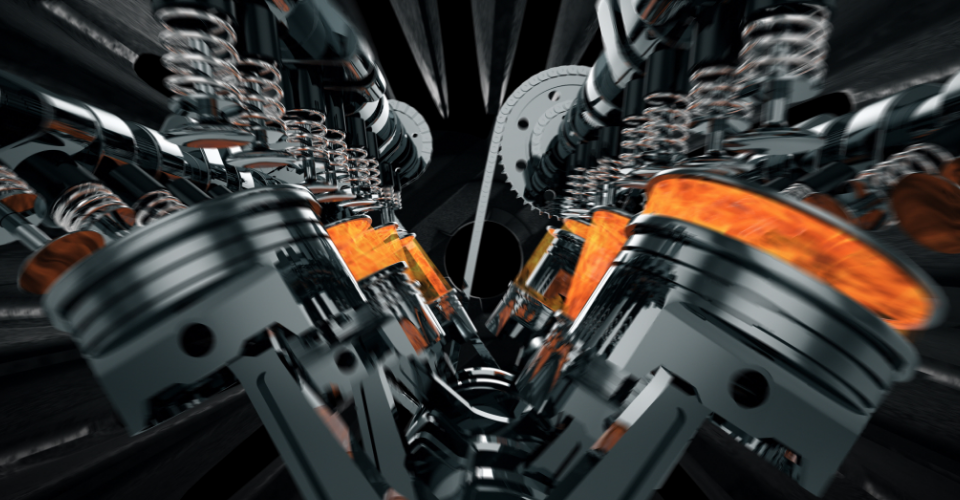
    Inline engines tend to produce a smoother, more balanced sound, while V-shaped engines (like V6s, V8s, V10s) often deliver a throatier and more aggressive growl. Flat engines (like those in some Subarus and Porsches) have their own unique rumble too.

    Exhaust Setup:

    The exhaust system plays a critical role. From pipe length and diameter to muffler and resonator design — these components can make a quiet engine sound like a beast or vice versa.

    Crankshaft Design (Flat-Plane vs Cross-Plane):

    A flat-plane crankshaft (often found in Ferraris or the Ford Mustang GT350) gives a sharper, higher-pitched sound, while cross-plane crankshafts (like those in American V8s) provide a deep and burbly tone.


    Top 7 Best Sounding Car Engines

    According to enthusiasts and sound tests around the world, here are engines that earn goosebumps on demand.

    • Ferrari 812 Superfast – 6.5L V12: Screams to the heavens at 8 900 RPM.
    • Porsche Carrera GT – 5.7L V10: Mechanical, raw, and totally addictive.
    • Ford Mustang GT350 – 5.2L Flat-Plane V8: Unique American sound with Ferrari-like flair.
    • Lamborghini Aventador SVJ – 6.5L V12: Thunderous drama with Italian soul.
    • Mercedes-AMG C63 (W204) – 6.2L V8: Raw, thunderous muscle.
    • Audi RS3 – 2.5L Inline-5: Unusual warble with character for days.
    • Mazda RX-7 – Rotary Engine: Lightweight scream with high-revving insanity.

    RELATED: FASTEST CARS OF 2025


    Why Do V8 Engines Sound So Good? 

    V8s are the sound of power and presence. With their even firing intervals (in cross-plane form) and balanced design, they produce a deep, rhythmic rumble that hits you in the chest.

    Whether it’s the burble of a classic muscle car or the refined thunder of a Mercedes-AMG, V8s deliver the perfect blend of grunt and drama.


    Want to Keep That Engine Singing? 

    A great-sounding engine deserves great care. Whether it’s a high-revving inline-4 or a soulful V12, the last thing you want is a costly breakdown muting the music. That’s where dotsure.co.za’s extended car warranty comes in, covering unexpected repair bills so your engine keeps purring, roaring, or howling like it should.

    RELATED: WORRYING CAR SOUNDS

  • UNDERSTANDING PET INSURANCE WAITING PERIODS

    UNDERSTANDING PET INSURANCE WAITING PERIODS


    We all know the saying, “Good things come to those who wait”. Well, when it comes to pet insurance, it’s no different. Let’s break down what a pet insurance waiting period is, why they exist, and why they’re worth the wait.

    RELATED: WAITING PERIODS EXPLAINED


    What Is a Waiting Period for Pet Insurance?

    Also known as the qualifying period, it is the time between when you sign up or upgrade your pet insurance and when certain cover types become active. In other words, it’s a short pause before you can claim for specific conditions. This prevents people from taking out insurance only after their pet is sick or injured.

    RELATED: THINGS PET INSURANCE DOESN’T COVER


    Why Does Pet Insurance Have Need Them?

    They help keep pet insurance fair and affordable for every paw-rent and their pets. Without them, people could try to dupe the system, leading to higher premiums for all pet parents.


    How Long Are Waiting Periods for Pet Insurance?

    Here’s a more detailed breakdown of our pet insurance waiting periods:

    • Accidental Claims: No waiting period.
    • Illness Claims: 30-day waiting period.
    • Wellness Claims: 60-day waiting period.
    • Hereditary Conditions: 12-month waiting period.


    What Happens If Your Pet Gets Sick During the Waiting Period?

    For example, if your pet develops an illness during the 30-day qualifying period, your policy won’t cover it. That’s why it’s best to sign up as soon as you become a pet parent, so you can cover your pet when it matters most. We cover accidental injuries from day one, so your pet gets immediate protection.


    Get Covered Today with SA’s #1 Pet Insurance*

    Pet insurance waiting periods might seem like a hassle, but they help keep pet insurance fair and affordable. The bottom line? Don’t wait for an emergency. Get your pet covered today with dotsure.co.za!

    *Voted South Africa’s Best Pet Insurance 2023/2024 by readers of various media publications.

  • 9 BAD DRIVING HABITS THAT DAMAGE YOUR CAR

    9 BAD DRIVING HABITS THAT DAMAGE YOUR CAR

    We all want our cars to last longer, perform better, and save us money in the long run. But the truth is, many of us develop bad driving habits without even realising the long-term damage they cause to our vehicles.

    RELATED: AVERAGE LIFESPAN OF CAR PARTS


    Riding the Clutch

    Riding the clutch means resting your foot on the clutch pedal while driving. This creates unnecessary friction and causes premature wear. Over time, it can lead to total clutch failure, which is an expensive fix.


    Shifting Gears Without Stopping Properly

    Ever shifted from reverse to drive (or vice versa) without coming to an absolute stop? Even if your car allows it, forcing the transmission to switch gears while moving can is bad driving habit that can cause internal damage to the gearbox.


    Not Using the Hand Brake Properly

    Relying solely on your automatic transmission’s “park” function when stopping on an incline puts strain on your transmission. Always engage the hand brake before releasing the foot brake to prevent gearbox damage.


    Driving Over Potholes Too Fast

    Potholes are a reality we face in many parts of South Africa. Hitting them at high speed can damage your car’s suspension, wheels, and alignment. If you can’t avoid it, slow down beforehand to reduce the impact.


    Overloading Your Vehicle

    The effects of overloading a vehicle include worn-out brakes, overheating, and a strain on suspension components. It also affects handling, especially in emergency situations.


    Ignoring Dashboard Warning Lights

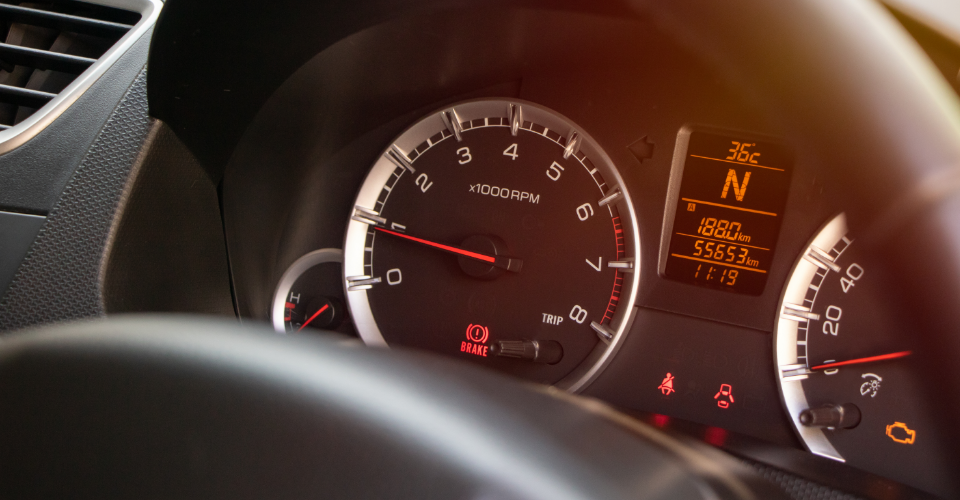
    Those dashboard warning lights aren’t just for show. Always investigate a warning light immediately to catch issues before they become serious (and expensive).


    Sudden Acceleration and Braking

    Rapid acceleration and braking can cause unnecessary strain on your engine, brakes, and transmission. Smooth driving not only extends the life of your car. It also improves fuel efficiency and road safety.


    Running on a Low Fuel Tank

    It might seem harmless, but the dangers of running on low tank fuel include damage to your fuel pump. Sediment at the bottom of the tank can clog the fuel filter and reduce engine performance. Try to refuel before dropping below a quarter tank.


    Using the Wrong Transmission Fluid

    The wrong type of transmission fluid can lead to overheating, gear slipping, or total transmission failure. Always use fluid recommended by your vehicle’s manufacturer.


    Protect Your Car and Your Pocket

    Breaking these bad driving habits will not only protect your car but also save you thousands in repairs. And for extra peace of mind, consider an extended car warranty from dotsure.co.za, the smart way to cover unexpected breakdowns and keep your car running longer.

  • FUNNY SOUTH AFRICAN DRIVING LAWS: THE UNWRITTEN ROAD RULES

    FUNNY SOUTH AFRICAN DRIVING LAWS: THE UNWRITTEN ROAD RULES

    Driving in South Africa comes with its fair share of official road rules, many of which are clearly outlined in the K53 manual and reinforced when it’s time to deal with your car insurance. But there’s also a set of silent, unspoken South African driving laws that many local drivers follow without question. So, which ones are real, and which are just myths passed down from generation to generation?


    Silent Driving Rules South African Drivers Still Believe 

    Many South African drivers adhere to a unique code of conduct that’s never been written down. These silent driving rules include:

    • Thanking fellow drivers with a double flick of the hazard lights.
    • Moving onto the shoulder to let faster traffic pass on single-lane roads.
    • Flashing headlights to alert oncoming drivers of possible obstructions ahead.
    • Waving your hand out the window to signal “thank you” or “after you.”

    These aren’t enforceable by law, but they’ve become part of the everyday driving culture, especially on rural and long-distance roads. Some of these, such as driving on the shoulder, can actually put you at risk and merit a fine.


    Common Driving Myths in South Africa That Aren’t True 

    Over time, myths about what’s legal and what’s not, have taken on a life of their own. Let’s clear up some of the most common ones.

    Is It Illegal to Drive Barefoot in South Africa?

    No, it’s not illegal. There’s no law in South Africa that prohibits driving barefoot. However, it’s always best to drive in footwear that provides good grip and control, just in case.

    Is Eating While Driving Illegal in South Africa?

    Not directly. Eating behind the wheel isn’t against the law in and of itself. But if it distracts you to the point where you’re not in full control of your vehicle, you could be fined for negligent or reckless driving.

    Can You Get Fined for Flashing Headlights in South Africa?

    Flashing your headlights to warn others about speed traps or hazards is a common courtesy among South African drivers. It could, however, be interpreted as obstructing justice.


    Weird Traffic Laws South Africa Actually Enforces 

    Some laws sound too strange to be true, but they’re legit.

    Things You Can Get Fined for in South Africa while Driving

    • Driving without a shirt on. While uncommon, this falls under “indecent exposure.”
    • Sticking your elbow out the window. This one is real. It’s considered unsafe and can earn you a fine.
    • Letting passengers travel in the boot. This is definitely illegal and dangerous.
    • Driving with an unsecured load. Yup, you’ll get a fine for putting a couch on the roof.

    RELATED: WHAT YOU NEED TO KNOW ABOUT TRAFFIC FINES


    South Africa Driving Laws: What’s Real and What’s Not

    While many silent rules are rooted in goodwill and practical experience, they shouldn’t be mistaken for legal obligations.

    Visit dotsure.co.za to explore flexible, affordable car insurance options that are as real as the road under your wheels.

  • INSURANCE EXPLAINED: UNDERSTANDING WAITING PERIODS

    INSURANCE EXPLAINED: UNDERSTANDING WAITING PERIODS

    When you take out an insurance policy, one term you’ll often come across is the waiting period. While it might sound like industry jargon, it’s an important part of how insurance works.

    RELATED: COMMON INSURANCE TERMS


    What Are Waiting Periods in Insurance?

    Also known as a qualifying period, this is the amount of time you need to wait after purchasing an insurance policy before you’re eligible to make certain types of claims. It’s essentially a buffer zone designed to prevent claims for incidents that may have occurred before the cover started.

    Waiting periods can vary depending on the type of insurance and the provider. For example, a pet insurance policy might have a waiting period for illness cover but offer immediate cover for accidental injuries.

    RELATED: PET INSURANCE WAITING PERIODS


    Why Does Insurance Have Waiting Periods?

    Insurance waiting periods exist to protect both the insurer and the wider pool of policyholders. Without them, people could take out a policy only after something has gone wrong, such as getting life cover after having received a serious diagnosis.

    These periods ensure fairness and allow insurers to keep premiums reasonable for everyone.


    What Is the Waiting Period for Claims? 

    The length depends on:

    • The type of insurance you have
    • The type of event or condition covered
    • The specific policy terms.

    Here are a few typical examples:

    • Pet Insurance: Often 30 days for illness, sometimes none for accidents (as with dotsure.co.za). Waiting periods for hereditary conditions may be much longer.
    • Health Insurance: Varies for different treatments. Dental or maternity benefits may have longer waiting periods.
    • Life Insurance: Often 12–24 months for claims related to pre-existing conditions or suicide.

    Always check the fine print when signing up for cover to understand what’s included and what’s excluded during the waiting period.

    RELATED: HOW INSURANCE CLAIMS WORK


    Can You Get Insurance Without a Waiting Period?

    If you’re switching providers and have maintained uninterrupted cover, some waiting periods might be waived or reduced, but this isn’t guaranteed. Look for insurers who are transparent about their waiting periods and make it easy to understand what’s covered and when.

    At dotsure.co.za, we’re committed to treating customers fairly and keeping things simple. That’s why we offer a fast and easy claim process, backed by clear policy terms and compassionate support when you need it most.

  • SA ROAD TRIP PIT STOPS YOU CAN’T MISS: A GUIDE BY PROVINCE

    SA ROAD TRIP PIT STOPS YOU CAN’T MISS: A GUIDE BY PROVINCE


    Road-tripping across South Africa? Buckle up! Here are some of the quirkiest, must-visit pit stops to stretch your legs, refuel, and stock up on the ultimate padkos.


    Western Cape


    Eastern Cape

    • Big Pineapple (Bathurst): The biggest pineapple in the world as your road trip selfie backdrop? Say less.
    • Marilyn’s 60s Diner (Storms River): A retro American-style diner with classic burgers and shakes. The portions are enormous, so pack a plastic container for some leftovers!
    • Nanaga Farm Stall (N2 near Port Elizabeth): Famed for its delicious pies, roosterkoek, and fresh pineapple juice.


    KwaZulu-Natal

    • Piggly Wiggly (Midlands Meander): A farm-style shopping and dining stop with gorgeous views of the vineyards.
    • Nottingham Road Brewing Company: One of SA’s oldest microbreweries, perfect for craft beer lovers (who aren’t drinking and driving, of course).
    • Blueberry Café (Nottingham Road): Scenic views and the best blueberry cheesecake.


    Gauteng

    • Irene Dairy Farm (Pretoria): A family-friendly experience with restaurants, a farm stall, walking trails, and the opportunity to say “hi” to the cows.
    • MiMi se Plaaskombuis: Home-cooked goodness and a beautiful view of the Vaal River.


    Northern Cape


    Mpumalanga


    Limpopo


    Free State

    • The Artist’s Café (Clarens): Artsy vibes and great coffee in SA’s ‘Jewel of the Eastern Free State.’


    Protect Your Road Trip

    Now that you have mapped out your pit stops, ensure your car is covered with dotsure.co.za car insurance before hitting the road!

    RELATED: READY, SET, GO! YOUR ROAD TRIP PREP CHECKLIST


  • WORRYING CAR SOUNDS: WHAT THEY MEAN AND HOW TO FIX THEM

    WORRYING CAR SOUNDS: WHAT THEY MEAN AND HOW TO FIX THEM


    We know the sounds of car trouble can cause a sense of worry and panic because even the smallest sound can mean a huge dent in your pocket when it comes to repairs or replacements. Luckily, our extended car warranty covers mechanical breakdowns or electrical failures, so these sounds don’t have to send shivers down your spine!

    However, even with a warranty, it’s still important to listen to our cars and what they are trying to say. Here are some common car noises, what they mean, and what you should do about them.

    RELATED: WHAT DOES YOUR EXTENDED CAR WARRANTY ACTUALLY COVER?


    5 Worrying Car Sounds Under Your Hood


    Grinding or Screeching

    • What it means: If you hear a high-pitched screech when braking, your brake pads could be worn down. A grinding sound? That’s worse. Your brake discs might be damaged.
    • What to do: Get your brakes checked ASAP! Faulty brakes are a safety hazard.


    Ticking or Knocking

    • What it means: Ticking could mean low oil levels or valve issues. A rhythmic knocking sound could mean something’s wrong with your engine, bearings or pistons.
    • What to do: Your engine needs oil to run smoothly, so check the oil levels and top up if needed. If you hear a knocking sound, stop driving and have your car checked out immediately, before it waves a white flag.


    Clapping

    • What it means: If you hear a clicking sound while turning, your CV joints may be worn out.
    • What to do: Have them replaced before they fail. You don’t want to be left stranded!


    Whining or Humming

    • What it means: A high-pitched whining sound could indicate transmission issues, often due to low transmission fluid or mechanical failure.
    • What to do: Check your transmission fluid levels. If the noise persists, have it inspected.


    Hissing

    • What it means: A hissing sound could mean a leaking vacuum hose, a cooling system issue, or overheating.
    • What to do: Pull over and let your engine cool. If the problem continues, call for assistance.


    RELATED:
    AFTER-HOURS EMERGENCIES ON THE ROAD
    THE AVERAGE LIFESPAN OF YOUR CAR PARTS
    MECHANICAL ISSUES AND CAR CRASHES


    Don’t Drive with Worry, Drive with a Warranty

    We cover a range of mechanical and electrical failures, so if your car starts sounding suspicious, you won’t have to panic about surprise repair costs. Ready to drive with warranty? Get a quote online from dotsure.co.za today.


  • HOW TO CHECK YOUR DRIVING LICENCE STATUS IN SOUTH AFRICA

    HOW TO CHECK YOUR DRIVING LICENCE STATUS IN SOUTH AFRICA


    Are you renewing your driver’s licence or waiting for a new card? Here are two ways to check your driving licence status in South Africa.


    SMS Notification Service

    The Road Traffic Management Corporation (RTMC) offers an SMS service to inform you about your licence status. By sending your ID number to 33214, you can receive real-time updates on your application. This service will provide you with the following responses:

    • Application Received: The Driver’s Licence Testing Centre (DLTC) has filed your application but it hasn’t been processed yet.
    • Production Queue: Your application is approved and awaiting card manufacturing.
    • Problem Card: There’s an issue with your card’s production; you’ll need to revisit the DLTC to resolve it.
    • Produced and Ready for Collection: Your licence is ready for pickup.

    NB: It’s essential to collect your new card within the specified timeframe mentioned in the SMS. If you don’t, the DLTC may deface your card, which means you’ll have to restart the entire process again and pay additional fees (not funny!).


    Online Status Check via NaTIS

    The National Traffic Information System (NaTIS) provides an online platform to monitor your licence application status:

    • Create a Profile: Visit the NaTIS website and register using your cell phone number or email address, along with your ID number.
    • Access Your Dashboard: After logging in, navigate to your profile dashboard to view the current status of your driver’s licence application.

    Here’s a step-by-step guide on how to: Renew your driving licence.


    Stay Road-Ready with Car Insurance

    While waiting for your licence, make sure your car is covered! Get a quick online quote from dotsure.co.za today.

    RELATED:


  • CAN YOU PUSH-START AN AUTOMATIC CAR?

    CAN YOU PUSH-START AN AUTOMATIC CAR?


    Did you accidentally leave your lights on all night? Now you’re sitting in a car that won’t start and wondering if you can give it a little push down the driveway and be on your way. If you drive a manual, the answer is yes. But if you’re behind the wheel of an automatic car, it’s a different story.

    RELATED: INSURING THE CAR PARTS OF TOMORROW


    Why You Can’t Push-Start an Automatic Car

    Push-starting works in manual cars because the clutch allows the engine to engage when the wheels turn. Automatic cars rely on hydraulic systems with a torque converter instead of a clutch, which means you can’t manually engage the engine by rolling the car forward because without power the transmission won’t engage.


    How to Start an Automatic Car with a Flat Battery

    Jump-start the battery:

    The most common culprit is a dead battery, so try to jump-start your car with another vehicle. We’ve got a step-by-step guide on how to do that here: HOW TO JUMP-START YOUR CAR LIKE A PRO

    Replace the battery:

    If jump-starting doesn’t work, your battery might be completely dead. Car batteries typically last 3–5 years, so it may be time for a new one if yours is older.

    Test the starter motor:

    If your car makes a clicking sound but doesn’t start, the starter motor could be faulty and need replacement.

    Get the neutral safety switch checked out:

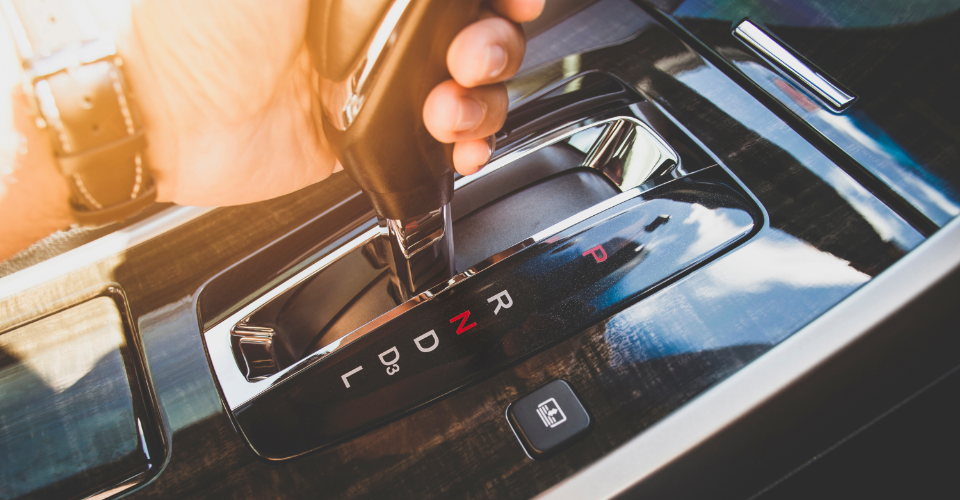
    Automatic cars have a neutral safety switch that prevents the engine from starting unless the car is in Park (P) or Neutral (N). If this switch is faulty, your car won’t start even if the battery is fine. Try shifting into Neutral and starting your car again.

    Call for help:

    Roadside assistance (or a warranty covering breakdowns and towing costs) can be a lifesaver if all else fails.

    RELATED: AFTER-HOURS EMERGENCIES ON THE ROAD


    Protect Your Car Against the Unexpected

    A dead battery is just one of the many car problems that can leave you stranded. Get covered for the unexpected and drive with an extended car warranty from dotsure.co.za.


  • HOW INSURANCE COMPANIES CALCULATE YOUR PREMIUMS

    HOW INSURANCE COMPANIES CALCULATE YOUR PREMIUMS


    Have you ever wondered why your insurance premium is a certain amount? Whether it’s for your car, pet, home, or business, insurance companies use a variety of factors to determine how much you pay.

    RELATED: WHY DO INSURANCE PREMIUMS INCREASE?


    The Key Factors That Influence Your Insurance Premium

    We don’t just pull your insurance premiums out of a hat. It’s far more personal than that. Insurance premiums are carefully calculated based on risk, statistics, and your individual details. Here are some of the main factors at play:

    • Your Risk Profile: Insurers assess how likely you are to claim based on statistics. For example, younger drivers might pay more for car insurance. Pet insurance may be pricier for certain breeds, and business insurance for an online store may be more expensive due to transit or cyber risks.
    • The Value of What You’re Insuring: A brand-new luxury car will cost more to insure than an older hatchback. The same goes for a larger home versus a modest one and selecting higher or lower limits on your pet insurance.
    • The Use of What You’re Insuring: A car or building used for business activities is exposed to more risk and, therefore, higher premiums.
    • Location, Location, Location: Where you live or operate your business affects your premium. High-crime areas or regions prone to extreme weather may result in higher premiums.
    • Claims History: A clean claims history can mean lower premiums, while frequent claims may increase premiums.
    • Excesses: The general insurance principle is that the higher your excess, the lower your premium. So, if you have chosen a lower excess to avoid paying more when you claim, you may pay a higher premium monthly.
    • Cover Level: Comprehensive cover, such as our Ultimate Pet Plan, will cost more than our Accidental Plan. The same applies to dotsure.co.za car insurance, which offers tailored cover with Name Your Price™. This allows you to save by removing cover options you don’t need.

    Psst… Find out exactly how your car insurance premiums are calculated here: HOW MUCH WILL MY CAR INSURANCE COST?


    Premium Insurance, Premium Peace of Mind

    At dotsure.co.za, we offer flexible cover, ensuring you get the best value for your money. Do you want a personalised quote? Get one today in minutes.

    RELATED: HOW INSURANCE CLAIMS WORK

  • WHY DO INSURANCE PREMIUMS INCREASE?

    WHY DO INSURANCE PREMIUMS INCREASE?


    Nobody enjoys a price increase. Petrol, medical aid, gym memberships… They always seem to be going up. And insurance premiums are no different. But before your inner Karen comes out and asks to speak to the manager, let’s unpack the reasons behind premium increases and what you can do about them.

    RELATED: HOW INSURANCE COMPANIES CALCULATE YOUR PREMIUMS


    Common Reasons for Insurance Premium Increases

    Inflation & Rising Costs

    Like groceries and petrol, repairs, vet treatments, and labour costs increase over time. If mechanics, vets, or spare parts become more expensive, insurers adjust premiums to keep up.

    Increased Claims in Your Area

    If your neighbourhood has more thefts or accidents, insurers may see it as a higher risk, influencing your premiums.

    Changes in Your Circumstances

    Moving to a new area, upgrading to a more expensive car, or adding a new pet to your policy can impact on your premium.

    Market Trends & Regulations

    Economic shifts, supply chain issues, and new regulations can also affect how premiums are structured.


    How to Keep Your Premiums Manageable

    Keep Your Claims History Clean

    The fewer claims you make, the less risky you appear to insurers — helping to keep your premiums steady.

    Choose the Right Plan

    Pick an insurance plan that matches your needs. Being underinsured can leave you exposed, but overinsuring can mean paying for cover you don’t need.

    Increase Your Excess

    A higher excess means lower monthly premiums, but only if you can afford the excess in the event of a claim.

    RELATED: CLAIMS 101: UNDERSTANDING POLICY WORDING


    Save with Insurance

    The bottom line? Insurance premiums aren’t random price hikes. They reflect real-world costs and risks. But by making smart choices, such as choosing the right insurance company (it’s us, dotsure.co.za), you can help keep your premiums in check while staying covered when you need it most.

    Are you looking for affordable car, pet, home, or business insurance? Visit dotsure.co.za today!

  • CANINE PARVOVIRUS: SYMPTOMS, TREATMENT AND PREVENTIONS

    CANINE PARVOVIRUS: SYMPTOMS, TREATMENT AND PREVENTIONS

    Meet Dr Simone Pietersen from Sandton Veterinary Clinic, here to answer questions about canine parvovirus.

    Understanding Canine Parvovirus

    What is canine parvovirus (parvo)?

    “Canine parvovirus is a viral infection that mainly affects young, unvaccinated dogs. It is an extremely contagious disease that spreads easily between dogs that are not protected by vaccinations. “

    Why is parvo such a serious illness for dogs?

    “What makes it such a serious disease is that it has a high mortality rate if not treated early, and even with treatment, it can still be fatal.”

    What are the main symptoms of parvovirus that pet parents should watch for?

    “The main symptoms are vomiting, diarrhoea, and inappetence. So, pet parents should notice it easily.”

    How is parvo transmitted?

    “Parvo is transmitted through the vomit and diarrhoea of infected dogs. The virus is extremely resistant to the environment and can survive and infect other dogs even years later. “

    Which dogs are most at risk for contracting parvo?

    “Young dogs under 2 years of age are most at risk because the virus replicates in fast-dividing cells. Unvaccinated animals have a much higher risk of contracting the virus than vaccinated animals.”

    What steps can pet parents take to prevent their dogs from contracting parvovirus?

    “Vaccination is the key factor. It is also important to keep young puppies who have not been fully vaccinated away from high-risk areas such as parks. Be sure not to introduce a new puppy into an area that has previously been contaminated by a parvo-positive dog unless it is fully vaccinated.”

    If a pet parent suspects their dog has parvo, what should they do immediately?

    “Please take your dog to a vet. There is a lot of advice online on how to treat these animals at home. There is no miracle cure. They need intravenous fluids, intravenous anti-nausea medications, and antibiotics for secondary bacterial infections. Only mild cases can be treated as outpatients.”

    Can parvovirus be treated?

    “The virus itself can’t be killed by medication. Only the immune system can fight the virus. And because the virus also suppresses the immune system, it can often be a losing battle.”

    What does the recovery process look like?

    “What we do in the hospital is provide fluid to prevent dehydration (with an IV drip) and help prevent nausea with antiemetics, keeping the animal going while the immune system fights the battle. It can be a long hospital stay, sometimes up to two weeks.”

    Any final advice for dog owners on protecting their pets from this dangerous virus?

    “Vaccination, vaccination, vaccination.”

    More About Our Vet of The Month

    Tell us a bit about yourself and your work as a vet.

    “I am a small animal vet who qualified in 2010 at Onderstepoort. I was born and raised in the Free State and never thought I would end up in Johannesburg. I now love Johannesburg, the people, and their pets. I love that I see people who want the absolute best for their pets and are willing to go the extra mile for them.”

    What inspired you to work with animals, and what keeps you passionate about your work?

    “I have always loved animals, as all vets do, but it was actually horse riding that made me want to study to be a vet. Later, at Onderstepoort, I realised that I really didn’t want to be an equine vet at all! I love the smallies and feel I make a difference in the owner’s lives as much as in the lives of their pets.”

    Do you have any pets? Share a little about your furry family members!

    “I have three dogs, all little mutts. One is called Vlooi, and he has three legs. The others are Benji and Lindsey. Then there are two cats called Milly and Snowy, one rabbit, and five silkie chickens. It can be a handful to manage sometimes, but luckily, I have help.”

    Pet Insurance and Canine Parvovirus

    dotsure.co.za pet insurance offers a range of plans to help cover the costs of vet bills. Vaccinations, including canine parvovirus vaccinations, are covered up to a specified limit under the Wellness cover section of the Ultimate plan. Wellness Benefits or Wellness Benefits Plus can be added to Vital, Elite and Deluxe plans at an additional premium.

    Get a quote today and ensure your pet is protected!

    RELATED BLOGS: