Author: Team dotsure.co.za

  • FIND THE RIGHT COVER WITH PET INSURANCE COMPARISONS

    FIND THE RIGHT COVER WITH PET INSURANCE COMPARISONS

    Choosing the right pet insurance isn’t just about comparing numbers on a chart. It’s about giving your furry, feathery, or scaly family member wholehearted care. Pets may be cute, but they can also be expensive, and every stage of their lives comes with its own set of health hiccups. From zoomie-powered dog chaos and cats who act as if they have nine lives (and bill you for all nine at the vet), to birds, reptiles, and exotic mammals that require specialists who charge specialist prices, dotsure.co.za is here to help.

    But we get it, choosing a pet insurance plan can feel like trying to pick the right dish at a family braai: you haven’t had pap in a while but you also want garlic rolls, chakalaka, coleslaw, chuck or short rib – yoh, kuniningi (it’s a lot)! How much cover should actually be on your pet’s plate?

    Well, we’re making pet insurance comparison easy. This guide breaks down dotsure.co.za’s pet insurance comparison options for dogs, cats, birds, reptiles, and exotic mammals. No jargon. No stress. Just straight talk and the real value-for-money insights every budget-savvy pet parent needs.

    RELATED: PET INSURANCE VS PET MEDICAL AID


    Compare Our Dog Insurance Plans

    Dogs: Loveable, loyal, and sometimes medically pricey. Even the healthiest dogs may face curveballs such as:

    • Canine Distemper: A dangerous, highly contagious virus that requires intensive care.
    • Canine Flu: Not usually fatal, but definitely vet-visit material.
    • Fleas, ticks & other external parasites: Tiny pests with big consequences such as anaemia.
    • Heartworm: Mosquito-borne and expensive to treat.
    • Leptospirosis: Needs urgent treatment to prevent liver or kidney failure.
    • Parvovirus: A true nightmare that often requires hospitalisation.

    One hospital stay can cost more than your back-to-school list. With cover in place, your wallet doesn’t take the bite, it bites back at vet bills.Below are the dotsure.co.za dog insurance plans.

    Accidental Dog Insurance Plan

    Helps with accidental injuries, emergency treatments, and basic crises.

    Perfect for:
    – The budget-conscious family
    – Dogs who treat the house as an action movie set or chase taxis

    Vital Dog Insurance Plan

    Offers more comprehensive cover for accidents and illnesses.

    Perfect for:
    – Households where vet visits are as regular as Sunday pap and vleis
    – Value-loving pet parents.

    Elite Dog Insurance Plan

    This one is for the dog parents who pretend, “Oh, he’s just a pet,” but the fridge door has a whole baby album.

    • You get bigger cover, more benefits, and added peace of mind.

    Deluxe Dog Insurance Plan

    The plan you get when you want top-shelf value without going full “celebrity dog mom.”

    •  If you want strong mid-tier pricing with high-tier protection, this is your plan.

    Ultimate Dog Insurance Plan

    Full cover, full peace of mind, zero surprises.

    • Gives you the most comprehensive pet insurance cover
    • Ideal if your pet is a breed known for medical surprises.
    BenefitAccidentalVitalEliteDeluxeUltimate
    Accidents
    Illness Cover
    50% of claim amount


    Wellness BenefitsOptional add-onOptional add-onOptional add-on
    Hereditary Conditions
    Hospitalisation
    Chronic Medication
    Annual LimitsLowBasicModerateHighHigher
    Monthly Price, fromR99R219R399R430R1399

    Compare Our Cat Insurance Plans

    Cats: Majestic, mysterious, and surprisingly fragile. Cats pretend they’re indestructible, but the vet receipts say otherwise. Here are common curveballs:

    • Feline Immunodeficiency Virus: Requires blood tests, medication and long-term care.
    • Cancer: Affects 1 in 5 cats, and early diagnosis matters.
    • External parasites: Fleas and ticks don’t care how fancy your feline is.
    • Heartworm: Costly to treat and needs follow-up vet visits.
    • Diabetes: Often requires hospitalisation and lifelong management.
    • Respiratory diseases: Can cause permanent damage without treatment.

    One sneeze turns into tests, x-rays, medication, and you’re suddenly searching for freelance gigs. Insurance? That’s the purr-fect safety net. Compare our best value plans:

    Accidental Cat Insurance Plan

    For the adventurous climbers and chaos gremlins. Steps in when Thandi climbs the curtains again and gravity wins.

    Ideal for:

    • Budgeters and rescue-cat households.

    Vital Cat Insurance Plan

    A great balance of affordability and cover.

    • Illness, tests, treatments, sorted.
    • All-rounder. Affordable. Reliable.

    Elite Cat Insurance Plan

    Perfect for bougie cats who judge your cooking and demand filtered water.

    Deluxe Cat Insurance Plan

    More protection, less stress.

    • More perks, more peace of mind, without breaking the bank.

    Ultimate Cat Insurance Plan

    The top shelf of cat cover!
    ideal if:

    • Your cat has chronic conditions, is older, or is the favourite child (don’t lie!)
    BenefitAccidentalVitalEliteDeluxeUltimate
    Accidents
    Illness Cover
    Wellness BenefitsOptional add-onOptional add-onOptional add-on
    Hereditary Conditions
    Hospitalisation
    Chronic Medication
    Annual LimitsBasicModerateHighHigherHighest
    Monthly Price, fromR99R219R399R430R1399

    Compare Our Bird Insurance Plans

    Birds: Delicate, dramatic & deceptively costly. From parrots that speak better Zulu than your boyfriend and cockatiels with main character syndrome, to budgies that think they’re WWE champions. Exotic birds aren’t just pets, they’re entertainers with feathers. Your “tweetie pie” may be tiny, but their medical bills? Not so tiny. Birds often face:

    • Candida: Needs antifungal meds.
    • Avian Pox: No cure; requires supportive care.
    • External parasites: Fleas and mites = big problems for small bodies.
    • Roundworms: Needs multiple treatments.
    • Aspergillosis: Requires MRIs, bloodwork, endoscopies… yes, really.
    • Proventricular Dilatation (PDD): Fatal, but treatment improves quality of life.

    dotsure.co.za covers them all with these amazing plans:

    Exotic Pet Insurance Plan (Birds)

    Essential cover for illness and injury.

    Exotic Pet Plus Insurance Plan (Birds)

    More cover, more benefits, still affordable.

    BenefitExotic PetExotic Pet Plus
    Accidents
    Illnesses
    50% of claim amount

    Higher limits
    Hospitalisation
    Chronic Treatments
    Surgery
    Annual LimitsStandardEnhanced
    Monthly Price, fromR165R239

    Compare Our Reptile Insurance Plans

    Reptiles: Tough-looking and high-maintenance. Reptiles may look like tiny dinosaurs from a bygone age, but their health issues are very 2026:

    • Cryptosporidiosis: Needs immediate specialist care.
    • Dystocia (egg binding): Often needs x-rays or surgery.
    • External parasites: Same fleas, same problems.
    • Metabolic Bone Disease: Preventable, treatable, but costly.
    • Shell infections: Can require vet intervention to repair.
    • Worms: Multiple treatments required.

    Whether you have a gentle leopard gecko or a “don’t touch me” beardie, they deserve the same safety net.

    Exotic Pet Insurance Plan (Reptiles)

    Covers the basics.

    Exotic Pet Plus Insurance Plan (Reptiles)

    Covers even more, from illnesses to tests to treatments.

    BenefitExotic PetExotic Pet Plus
    Accidental Injury
    Illness & Infection
    50% of claim amount

    Higher limits
    Hospitalisation
    Surgery
    Chronic Care
    Annual LimitsStandardHigh
    Monthly Price, fromR239R349

    Compare Our Exotic Mammal Insurance Plans

    Exotic Mammals: Cute chaos, costly complications. Bunnies, ferrets, guinea pigs and little primates can experience:

    • Flystrike: Life-threatening without rapid treatment.
    • Ear mites: Can cause hearing loss if ignored.
    • Zoonotic diseases: From primates to humans (yes, proper care matters).
    • Respiratory diseases: Often severe and long-term.
    • Cancer: Especially common in ferrets.
    • Canine Distemper: Yes, exotic mammals can catch this too.

    Finding a specialist for a monkey with a cough? Stressful. Paying for it without cover? Traumatic. Luckily, chinchillas, ferrets, hedgehogs, the whole quirky crew is covered:

    Exotic Pet Insurance Plan (Mammals)

    Strong essential cover.

    Exotic Pet Plus Insurance Plan (Mammals)

    Ideal for owners who want the best for their little adventurers.

    BenefitExotic PetExotic Pet Plus
    Accidents
    Illness Cover
    50% of claim amount

    More cover
    Hospitalisation
    Chronic Medication
    Surgery
    Annual LimitsStandardEnhanced
    Monthly Price, fromR269R395

    How Do I Know Which Pet Insurance to Get?

    If:

    • your dog is an adrenaline junkie → Accidental or Vital
    • your cat is a delicate diva → Elite or Deluxe
    • your pet is a walking medical aid claim → Ultimate
    • your pet is exotic → Exotic or Exotic Plus
    • your wallet is tight, but you still want protection → Accidental or Vital
    • you don’t want to think about bills → Deluxe or Ultimate
    • you’re team “maximum peace of mind, please” → Ultimate

    Why pet insurance matters

    Vet bills stack up, emergencies happen fast, and chronic illnesses can cost a fortune.

    Pet insurance protects your budget while giving your pet the best care. And when you choose dotsure.co.za, you’re choosing:

    • Wholehearted pet insurance
    • One of the only insurers that cover exotic pets
    • Comprehensive plans for dogs, cats, birds, reptiles, and exotics
    • Month-to-month flexibility
    • South Africa’s #1 Pet Insurer*
    • Fast, friendly claims process
    • 15% multiple-pet discount
    • Access to cover and your policy 24/7.

  • THE BEST TIME TO BUY A CAR IN SA (AND INSURANCE THAT FITS)

    THE BEST TIME TO BUY A CAR IN SA (AND INSURANCE THAT FITS)

    There’s something about the new year that makes us itchy for big decisions. New job. New gym contract. And yes, a shiny new car to match your “new me”. That new-car smell is nothing short of aromatherapy. But before you speed off to the dealership, here’s a little insider intel that suggests you might want to hit the brakes on that idea.

    The best time to buy a car isn’t necessarily when your resolutions are popping off and your December bonus is still smiling at you. In fact, knowing when to buy (and when to update your car insurance) could save you thousands. Here’s a practical guide to help you navigate the market and understand the best buying periods.

    RELATED: MORE THAN CAR INSURANCE


    When Is the Best Time of the Year to Buy a Car in South Africa?

    When it comes to buying a car in South Africa, timing isn’t just everything, it could save you thousands. Especially when industry bodies such as the Automotive Business Council are already pointing out that South African buyers are having to juggle what they want with what they can afford, as global factors continue to affect local prices and availability.

    • Best time to buy (especially pre-owned): End of the year
      Toward the end of the year, manufacturers push new-car sales to clear inventory before the next model year. This leads to more trade-ins and a larger supply of used vehicles at competitive prices.
    • Best time to sell or trade in: Start of the year
      Dealerships increase trade-in values to stimulate sales of both remaining stock and incoming models.

    This timing creates a natural advantage for buyers who can wait until late in the year, and for sellers who hold off until January or February.

    Contextual Factors to Consider

    • Urban vs rural markets:
      Urban dealerships follow predictable trade-in and inventory cycles, while rural markets rely more on private sales, making vehicle condition and mileage more influential than timing.
    • Demand cycles:
      Early-year demand for affordable, entry-level cars increases amongst matriculants, new graduates, and first-time employees seeking budget-friendly transportation.
    • Depreciation:
      Cars with strong brand reputations tend to retain their value longer, while niche or unreliable models depreciate more quickly.
    • Macro-economic conditions:
      Interest rates, consumer confidence, and supply availability heavily influence pricing for both new and used cars.

    Current Market Leaders

    According to Cars.co.za, some of the top-selling vehicles in 2025 included the Suzuki Swift, VW Polo Vivo, Toyota Starlet, Toyota Corolla Cross, Hyundai Grand i10, Haval Jolion, and similar value-focused models signalling that affordability remains the key driver.


    When’s the Best Time to Get Your Car Insurance?

    The best time to get your car insurance is before you put your new car in gear (whether new or pre-owned).

    Why timing matters:

    • Your car is most vulnerable on day one.
    • You don’t want to drive uninsured — not even to the petrol station.
    • Dealerships will often require proof of cover before you drive off.

    If you’re upgrading or switching cars, ensure insurance is active before taking ownership.

    RELATED: YOUR INSURANCE FAQS ANSWERED

    Car Insurance Policy Reviews

    New year, new car or same old trusty steed with a new steering wheel cover; January is naturally the best time to ensure that your cover still matches your needs. A car insurance policy review is one of the easiest ways to save money without compromising your cover.

    Why? Because cars age. Prices shift. Your financial situation changes. And cover that worked for you two years ago might not cover enough now.

    A good policy review checks:

    • Are you over-insured?
    • Under-insured?
    • Paying for things you don’t need?
    • Missing benefits you do need?
    • Do you still drive the same amount?
    • Are you still paying for extras you don’t use?

    And if the jargon stresses you out, don’t worry, we make it easy to compare, tweak, and update your cover online.


    Digital Car Insurance: Why South Africans Are Switching

    As South Africans, we’ve grown to love convenience. We do almost everything online. Groceries. Flights. Dating. Therapy. Weekend getaway deals at 2am. So naturally, digital car insurance is the next evolution.

    Whereas buying car insurance used to require queues, paperwork, phone calls, background hold music from 1997, and awkward small talk about your car’s mileage – now, you can cover your ride entirely online in minutes.

    Benefits of going digital:

    Instant cover
    No waiting days for a broker to “get back to you.”

    Anywhere, anytime
    Quote and buy from your couch. Or the dealership. No calls, no pressure, no “hold please.”

    It’s fast
    Typically under 3 minutes.

    It’s affordable
    Digital = fewer overheads = better prices.

    Easy to adjust
    You need to change your excess? Car value? Add a driver? Choose what you need. Skip what you don’t, all in a few clicks.

    Modern behaviour, modern protection
    Cars evolved. Drivers evolved. Insurance had to evolve too.

    RELATED: HOW AI IS TRANSFORMING THE INSURANCE INDUSTRY: INTRODUCING ACE


    So, New Year, New Car?

    Whether you’re replacing your vehicle, upgrading, or simply planning for 2026, staying informed and timing your decisions strategically can help you get the best value. But no matter when you buy, one rule stays the same: Sort out your car insurance before your tyres hit the tar.

    Here are the key takeaways:

    • End of year: Best time to buy, especially used vehicles
    • Start of year: Best time to sell and review your insurance
    • Immediately: Best time to insure a new or used vehicle
    • Digital insurance: The easiest, most convenient way to get cover.

    Whether you’re driving a Suzuki Swift, Toyota Starlet, Haval Jolion, or that one hatchback that refuses to die, the smartest move you can make this year is protecting your wheels properly.

    Get fast, simple, safe and affordable cover online, or get in touch for more info.

  • COMMON PET INSURANCE CLAIMS AND EMERGENCY ADVICE

    COMMON PET INSURANCE CLAIMS AND EMERGENCY ADVICE

    For most pet parents, emergencies don’t arrive with flashing lights or a warning siren. They arrive quietly. A limp that wasn’t there this morning. A bite wound hidden under fur. A dog who won’t eat. A cat who hasn’t used the litter box all day. Vet waiting rooms are full of these stories. Some sad, some surprising, some slightly unbelievable. What do they all have in common? No one planned to be there.

    We sat down with Dr Carla Goede, Vet of the Month and private-practice veterinarian at Rinaldo Riverside, to talk about the emergencies she sees most often. Using dotsure.co.za’s national pet insurance claims data, we explored the most common claims seen across South Africa and asked Dr Carla to share what those trends look like from her consulting rooms. We asked her to break down the costs that catch pet parents off-guard, and the emergencies she wishes people took more seriously.

    Dr Carla’s perspective is grounded not only in clinical experience, but in deep compassion. Inspired by South Africa’s natural world, she believes animals’ resilience is extraordinary, but that they shouldn’t have to fight alone. We couldn’t agree more.

    RELATED: VET ADVICE; PET INSURANCE VS PET MEDICAL AID


    Paws, Problems & Panic: What Are Some Common Pet Emergencies?

    We learned a few things from Dr Carla. Dogs explore their surroundings by chewing, eating, or licking things, which can make them sick, while cats roam long distances and are therefore more prone to injuries.

    “One of the most common emergencies we see is bite wounds. Dog-on-dog, cat-on-cat, and sometimes even wildlife-related,” says Dr Carla.

    And what looks like a small puncture can quickly turn into a severe infection, abscess, or internal injury. Bite wounds often require sedation, wound flushing, antibiotics, pain relief, and follow-up visits.

    Another emergency many pet parents underestimate is Rabies (rare, real, and relentless). “Rabies is still very real in South Africa,” Dr Carla stresses. “Vaccination is non-negotiable, not just for your pet, but for human safety too.”

    Then there are seasonal spikes they see every year:

    • Heat-related emergencies, especially in brachycephalic (flat-faced) dogs during summer
    • Chocolate toxicity around Easter
    • Gastroenteritis after festive-season table scraps
    • Parvovirus outbreaks following heavy rains.

    These are not rare cases. They are predictable, preventable, and often devastating without fast treatment. And super costly without pet insurance.


    Common Pet Insurance Claims

    Our claims data shows that many of the most common pet insurance claims stem from everyday environments, rather than reckless behaviour, something Dr Carla also confirmed seeing play out daily.

    Home & lifestyle hazards:

    • Rat poison and medications accidentally ingested
    • Fishhooks swallowed by dogs walked along beaches (especially Durban)
    • Foreign body removal after pets eat socks, bones, toys, or corn cobs.
    • Puppies are particularly vulnerable to Parvoviral Enteritis
    • Brachycephalic dogs often suffer from congenital and breathing-related complications
    • Senior pets commonly develop osteoarthritis, subtle at first, painful over time.

    These conditions consistently rank amongst the most common pet insurance claims nationally, and are also some of the issues vets like Dr Carla treat most frequently.

    RELATED: COMMON HOUSEPLANTS THAT ARE TOXIC TO DOGS AND CATS

    Dog Bite Wounds:

    These cases often escalate quickly. Don’t be fooled by fur. What’s hidden underneath could mean treatment which may include:

    • Sedation or anaesthesia
    • Wound exploration and flushing
    • Antibiotics and pain medication
    • Repeat visits for infection monitoring.

    Without insurance, costs can climb rapidly, especially if surgery is needed (because a small wound today can be a surgical site tomorrow).

    Dogs Being Hit by a Car:

    “One of the most common emergencies we treat are dogs that have been hit by cars,” Dr Carla explains. This happens fast, is extremely frightening and financially taxing. These cases often require:

    • X-rays or ultrasounds
    • Surgery
    • Hospitalisation
    • Long recovery periods.

    This is where pet insurance becomes critical.


    Bills, Breakdowns & Budget Shock: What do medical tests and surgery cost?

    In South Africa, the cost of medical care can vary widely depending on where you’re treated and what’s required. Diagnostic tests can cost anything from a few hundred to several thousand rands, while surgery in the private sector can quickly climb into the tens or even hundreds of thousands.

    Below is a rough guide to what you might expect in the private sector:

    Test / ProcedureEstimated Cost (ZAR)
    X-rays (e.g., chest, limb)R450 – R900
    Ultrasound / Sonar (e.g., abdomen, breast)R900 – R1 200
    ECG± R500
    CT-ScanR1 500 – R5 000+
    MRI ScanR6 000 – R18 000+
    Diagnostic Gastroscopy (day case)R3 730 – R7 000
    Diagnostic Colonoscopy (day case)R5 000 – R7 000

    These tests are often essential for getting an accurate diagnosis, but costs can add up quickly when more than one is needed.

    Here are some of the costs associated with surgery:

    ProcedureEstimated Cost (ZAR)
    Wisdom Teeth Extraction± R12 875
    Cataract Removal± R19 500
    Caesarean Section± R28 545
    Bunion RepairR28 000 – R28 575
    Laparoscopic AppendectomyR32 400 – R42 335
    Open Inguinal Hernia RepairR33 800 – R38 000
    Hip ReplacementR61 875+
    Knee ReplacementR59 370 – R150 000+
    Emergency Care (e.g., car accident)R100 000 – R150 000

    It is advisable to confirm current pricing directly with the specific health facility or laboratory.

    This is where comprehensive pet insurance proves its worth. “Surgery can be quite costly and tend to be the most financially stressful for pet parents. Especially orthopaedic procedures or emergency abdominal surgery. Severe stomach bloating in large breed dogs, and treatment ofParvovirus often end up costing more than the average pet parent expects.” Added Dr Carla.

    And when we asked if there are common conditions with hidden or ongoing costs that pet parents might not consider upfront? She shared that many chronic conditions, for example, skin and autoimmune conditions, or chronic pain such as osteoarthritis, may need long-term treatment, or a change to a specificprescription-only food, which will incur lifelong costs for that pet.


    Vet-Approved Advice You’ll Wish You Heard Sooner

    Here are some parting words of wisdom from Our Vet of the Month:

    Preventable emergencies and precautions

    • Tick and flea control. Tick bite fever kills
    • Spaying and neutering to prevent infections and cancers.

    One emergency every pet parent should understand:

    Snakebites. Know your nearest 24-hour vet and local snake rescuer before an emergency happens, she advises.

    Warning signs never to ignore:

    • Male cats struggling to urinate, this is life-threatening.

    What not to do:

    • Never give human medication
    • Never induce vomiting unless instructed to.

    One golden rule:

    Do not use poison, such as rat or snail poison, if you have pets in your yard, regardless of how securely you think it is stored.


    How to Claim With dotsure.co.za and Regain Peace of Mind

    Emergencies are complex enough. Claims shouldn’t be. While pet insurance doesn’t stop emergencies from happening, it stops them from becoming financial crises.

    With dotsure.co.za:

    • Claims are simple and fast
    • Support is wholehearted
    • Cover is designed for real-life emergencies.

    Because when things go wrong, your focus should be on your pet, not on the bills. Get in touch.

  • TEXTING WHILE DRIVING: WHY THAT ONE MESSAGE CAN WAIT

    TEXTING WHILE DRIVING: WHY THAT ONE MESSAGE CAN WAIT

    Phones: They buzz. They ding. They flash. They SCREAM for attention like a hungry toddler. And when you’re behind the wheel, they somehow become extra needy.

    You’ll be cruising along when your phone lights up in the cupholder. Maybe it’s a message you’ve been waiting for or a meme in the group chat you really want to reply to before you forget your punchline. Perhaps you’ve just remembered that one email you forgot to send, or you have a genius thought you’re 99% sure you’ll forget by the next robot.

    And just like that – you’re typing…

    But here’s the truth: even the most responsible, well-intentioned drivers can underestimate how dangerous texting while driving actually is (even that “quick reply”). Our brains cannot multitask while navigating swerving taxis, potholes, kids arguing in the back seat, speed traps, or the unpredictable nature of SA roads. This is why texting while driving remains one of the most dangerous habits worldwide and could be the reason why your car insurance claim is denied (more on that later).

    RELATED: SCARY ROAD ACCIDENT STATS IN SOUTH AFRICA


    Why Is Texting and Driving Dangerous?

    Texting while driving isn’t just a distraction. It’s three distractions happening at the exact same time.

    1. Manual Distraction

    Your hands leave the steering wheel to hold your phone. Even a one-handed grip reduces your ability to correct, brake, or steer suddenly.

    2. Visual Distraction

    Your eyes leave the road. Studies show that reading or sending a text takes your eyes off the road for about 5 seconds. At just under 90 km/h, that’s like driving the length of a football field blindfolded.

    3. Cognitive Distraction

    This is the big one. You may be looking forward, but your mind isn’t. This phenomenon is called “inattentional blindness.” You see the road, but your brain doesn’t process what’s there.


    South African Texting and Driving Statistics

    South Africa continues to rank amongst the countries with the highest road crash rates in the world, and distracted driving, especially cellphone use, plays a significant role in these statistics.

    According to the International Transport Forum (ITF), approximately 25% of road crashes in South Africa involve mobile phone use while driving.

    MasterDrive reports that 60%–80% of local car accidents are linked to distracted driving behaviour in general, emphasising just how common and deadly split attention on the road can be.

    The numbers paint a sobering picture:

    • 25% of vehicle crashes are connected to drivers using their phones.
    • 52% of drivers in accidents admit they were distracted by adjusting or playing with the radio.
    • 32% of accidents involve a driver eating or drinking.
    • Reaching for an object makes a driver 8 times more likely to crash.
    • Responding to a message takes your attention away for an average of 5 seconds — long enough at highway speed to travel a full football field without looking.

    Studies conducted by the UK Transport Research Laboratory showed that the risk of a crash or near-crash increases 2,8× when dialling, 1,3× when talking, and 1,4× when reaching for something — all behaviours that happen constantly on South African roads.

    Together, these statistics tell a clear story: even a few seconds of distraction can drastically increase your risk of a crash, injury, or worse.


    Is It Illegal to Text and Drive?

    Yes. Using your phone while driving is illegal in South Africa, even if it’s “just one quick message.”

    Penalties vary by city, but you can expect:

    • Fines of R500+
    • Phone confiscation in severe cases
    • Up to R5 000 to retrieve a confiscated device
    • Possible licence suspension
    • Criminal charges if an accident results in injury or death.

    But truthfully? The real consequence isn’t the fine. It’s what can happen in those five distracted seconds.

    RELATED: SOUTH AFRICAN DRIVING LAWS


    Consequences of Texting and Driving

    Let’s talk about the ripple effect of that “quick reply.” Even for careful drivers, texting behind the wheel can lead to:

    1. Accidents

    From minor bumper dents to life-changing collisions.

    2. Injuries & Fatalities

    Distracted-driving accidents often happen at full speed because the driver doesn’t brake in time. They could lead to injuries to you, your passengers, and innocent road users.

    3. Legal Consequences

    Fines, penalties, or even imprisonment (a R1 000 WhatsApp message is the worst ROI).

    4. Insurance Issues

    If the cause of the accident is found to be distracted driving, your insurance claim could be rejected, or your premiums could be increased.

    5. Guilt & Emotional Trauma

    Knowing the accident could have been prevented is a weight no one wants to carry.


    How To Break Up With Dangerous Texting Habits

    Breaking the habit isn’t about willpower. It’s about building systems that protect you from temptation. Here’s how to break with dangerous texting habits (gently):

    1. Put Your Phone Out of Reach

    Glove compartment. Bag. Back seat. Anywhere but your lap.

    2. Use “Do Not Disturb While Driving”

    Most phones have this feature built in. Your phone won’t beep.

    3. Use Smart Apps

    Some automatically block notifications when your car is in motion.

    4. Pull Over When Needed

    If a message is genuinely urgent, stop safely before responding.

    5. Lead by Example

    If you’re a parent, older sibling, or caregiver, your habits become someone else’s “normal.” Drive like someone’s watching, because they are.


    You can’t text and drive, but you can park and insure

    You’re not alone if you’ve been tempted to text and drive. It’s a very human impulse in a very connected world. But here’s the good news: Every safe choice creates safer roads. Every message you save for later is a moment of protection. For you, your passengers, and every person sharing that stretch of road with you.

    The truth is simple:
    No meme, message, notification, DM, emoji, email, or missed call is worth a life. Not yours. Not anyone else’s. Safe and Smart driving is a habit worth keeping.

    And if you’re looking to back that up with a motor insurer that actually has your back, dotsure.co.za is here. When life throws the unexpected your way, that’s where expert cover steps in. If you ever need help finding the right car insurance, just give us a shout (But not while driving. Even if your car can parallel park itself.)

    Stay present. Stay safe. Stay alive. And Name Your PriceTM for car insurance.

  • TOP 10 MOST POPULAR DOG BREEDS IN SOUTH AFRICA

    TOP 10 MOST POPULAR DOG BREEDS IN SOUTH AFRICA


    South Africans don’t agree on much… not the price of petrol, not the PSL, not even who makes the best bunny chow. But, if there’s one thing that unites us, it’s this: we absolutely adore our dogs. From the dusty Karoo to the Cape, South Africans love a loyal four-legged companion.

    Dogs are woven into our daily joy. So, we’ve rounded up some of the most popular dog breeds in South Africa, with a list of their personality traits, care needs, mental stimulation requirements, and wholehearted dog insurance that cares about them just as much as you, Mzansi.

    Get comfy, you’re about to meet some national treasures.


    Boerboel (South African Mastiff)

    Many South Africans grew up with a Boerboel watching over the yard, lying under the stoep table, or walking proudly beside their humans. Powerful, iconic, and respected wherever they go. Born and bred right here, the Boerboel was developed for farm protection, but don’t let that intimidating size fool you. When properly socialised, they’re soft-hearted marshmallows with a heart of gold.

    boerboel

    Personality & Temperament

    • Loyal like a bodyguard
    • Protective, but not aggressive by default
    • Calm, confident, intuitive
    • Excellent with kids when trained.

    Exercise Needs

    • Moderate daily exercise
    • Free play in a secure yard
    • Mental stimulation: scent games; obedience tasks.

    Care Notes

    Boerboels need strong leadership, early training, and regular vet checks due to joint issues.


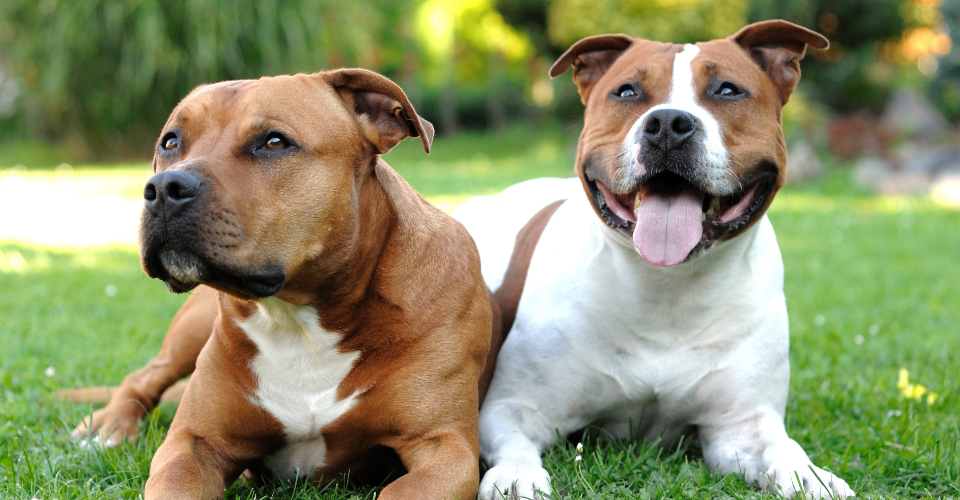
    Staffordshire Bull Terrier

    If South Africa had a dog minister of entertainment, it would be the Staffy. Outgoing, affectionate, loyal, and built like a “gym bro” called Princess. Staffies are pure love wrapped in muscles. They are the first to greet you, the last to leave your side, and the reason your couch is permanently warm on one side.

    staffordshire bull terrier

    Personality & Temperament

    • Friendly to a fault
    • People-obsessed
    • Protective but gentle
    • Known as “nanny dogs” for their love of children.

    Exercise Needs

    • They’re high energy, so they need daily walks
    • Tug-of-war, fetch, and puzzle toys
    • Mental challenge: obedience games.

    Care Notes

    Staffies are escape artists, sunlight enthusiasts, and world-class snugglers. Oh, and they have zero understanding of personal space – be ready to give them all the attention.


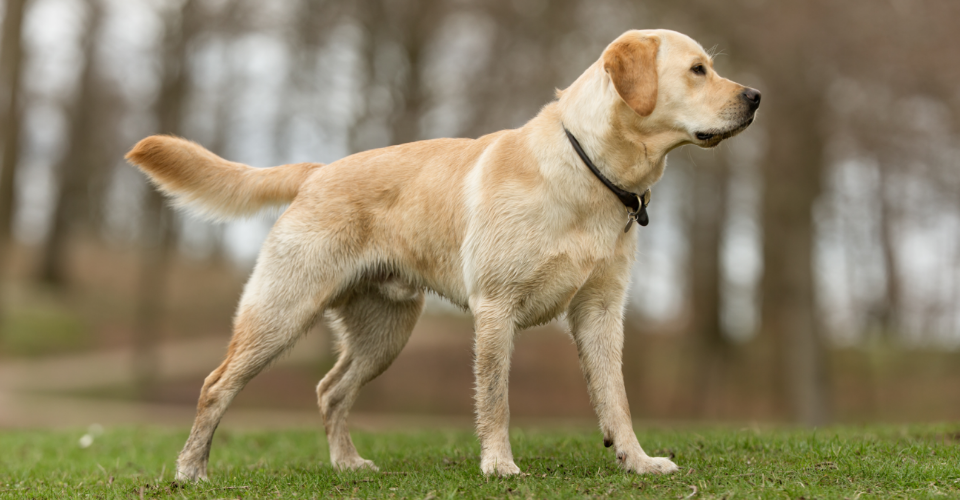
    Labrador Retriever

    Labradors are the overachievers of the dog world. Search-and-rescue? Sure. Therapy dog? Easy. Family companion? Their favourite. Snack thief? Olympic level. They’re the peacemakers, the snack chasers, and the dogs who genuinely believe the world is a happy place.

    labrador retriever

    Personality & Temperament

    • Friendly, intelligent, goofy
    • Patient with kids and other pets
    • People-pleasers.

    Exercise Needs

    • Long daily walks
    • Swimming if possible
    • Training sessions for mental stimulation.

    Care Notes

    Labs gain weight just by looking at food, so watch the snacks. Also: prepare loose hair. Lots of it.


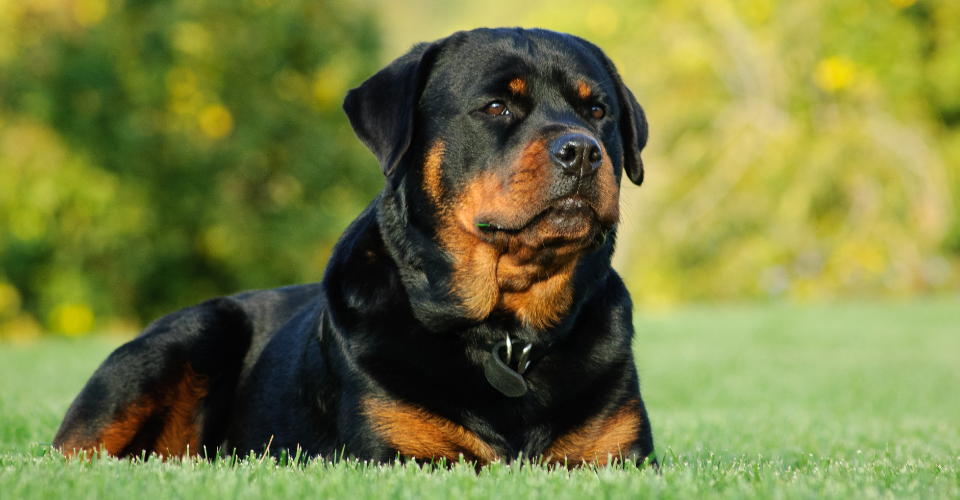
    Rottweiler

    A Rottweiler, A.K.A Rottie, raised right is a masterpiece. Strong. Loyal. Calm. And yes, a complete cuddle bug for their inner circle.

    rottweiler

    Personality & Temperament

    • Protective and confident
    • Affectionate with family
    • Intelligent and serious-minded.

    Exercise Needs

    • Daily walks
    • Training sessions
    • Mental work: tracking or scent work
    • Obedience training.

    Care Notes

    Rotties thrive under consistent training. They’re not for inexperienced dog parents – they need firm guidance.


    German Shepherd

    If ambition were a breed, it would be a German Shepherd. Police work, security, agility, search and rescue — they do it all, and they do it well. German Shepherds are the top students in class who remind the teacher that she forgot to give homework. Brilliant, focused, and loyal.

    german shepherd

    Personality & Temperament

    • Intelligent and alert
    • Eager to learn
    • Protective, loyal.

    Exercise Needs

    • High physical activity
    • Long walks and play
    • Mental stimulation: tasks, obedience training, and herding games.

    Care Notes

    Shedding? Intense. Training? Essential. But the reward is a fiercely loyal companion for life.


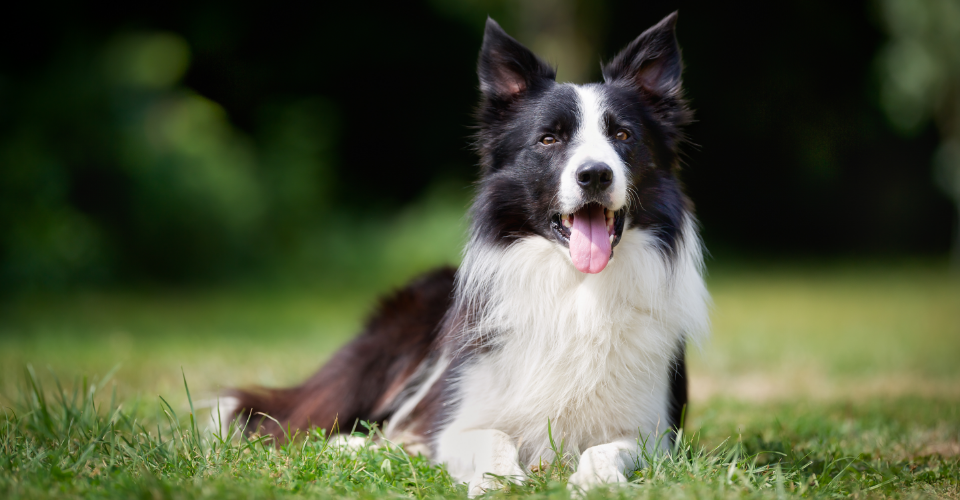
    Border Collie

    Border Collies are the Einsteins of the dog world. If Google was hiring pets, they would probably be running it by now. The Border Collie is the dog version of a gifted child who gets bored in class and dismantles the aircon. Smart. Fast. Driven.

    border collie

    Personality & Temperament

    • Hyper-intelligent
    • Sensitive and affectionate
    • Natural problem solvers

    Exercise Needs

    • High-intensity play
    • Agility or herding-style tasks
    • Constant mental engagement.

    Care Notes

    Great for farms or big yards. Not ideal for tiny apartments.


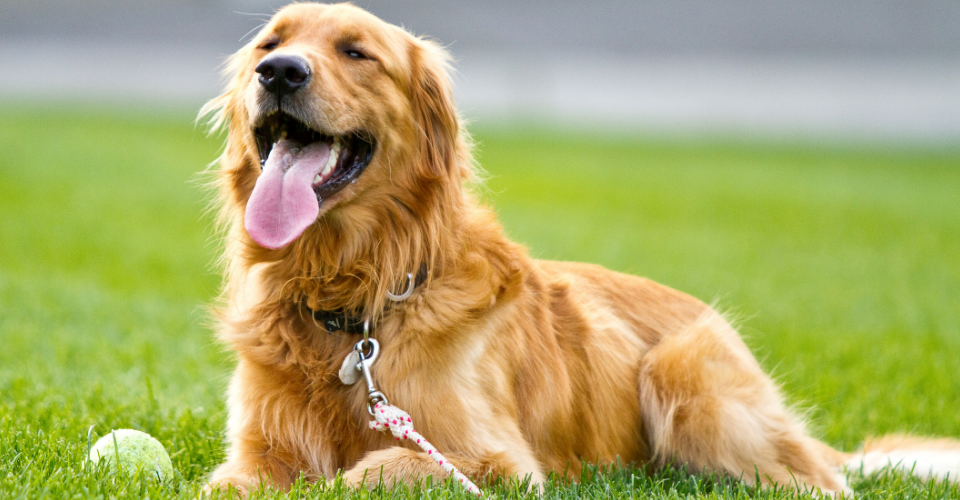
    Golden Retriever

    The poster child for “good-dog energy.” Goldens Retrievers are friendly, gentle, soft-hearted, and always happy to be part of the family.

    golden retriever

    Personality & Temperament

    • Affectionate and patient
    • Social butterflies
    • Excellent with kids.

    Exercise Needs

    • Moderate daily exercise
    • Fetch, walking, swimming
    • Mental games: scent puzzles.

    Care Notes

    Their fur is stunning… and everywhere. They shed enough fur to knit a winter jersey weekly. Also, they think all humans are their best friends.


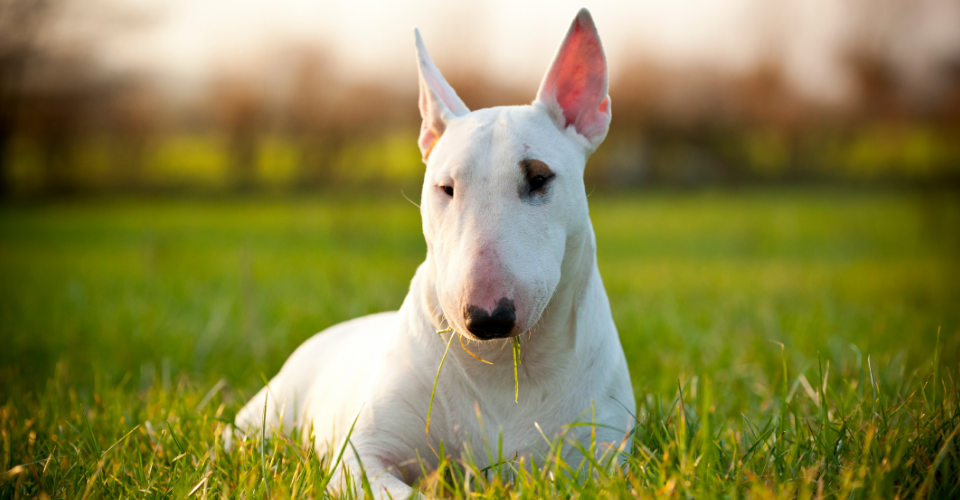
    Bull Terrier

    Known for their egg-shaped head and fun-loving personalities, Bull Terriers are the jokers of the dog breed world.

    bull terrier

    Personality & Temperament

    • Loyal
    • Mischievous
    • Goofy, playful, and fearless.

    Exercise Needs

    • Vigorous play
    • Walks
    • Puzzle toys
    • High-energy play
    • Strategic mental games
    • Strong chew toys.

    Care Notes

    They’re strong, sometimes stubborn, but deeply loving companions.


    Yorkshire Terrier

    Yorkies may be small enough to fit in a handbag, but their personalities are full size. Yorkies are city-living royalty. They believe they own the house, the street, and possibly the country.

    yorkshire terrier

    Personality & Temperament

    • Affectionate
    • Bold
    • Full of character.

    Exercise Needs

    • Toy play
    • Short walks
    • Indoor play
    • Brain games.

    Care Notes

    They need gentle handling, regular grooming, and lots of love. Regular grooming is a must.


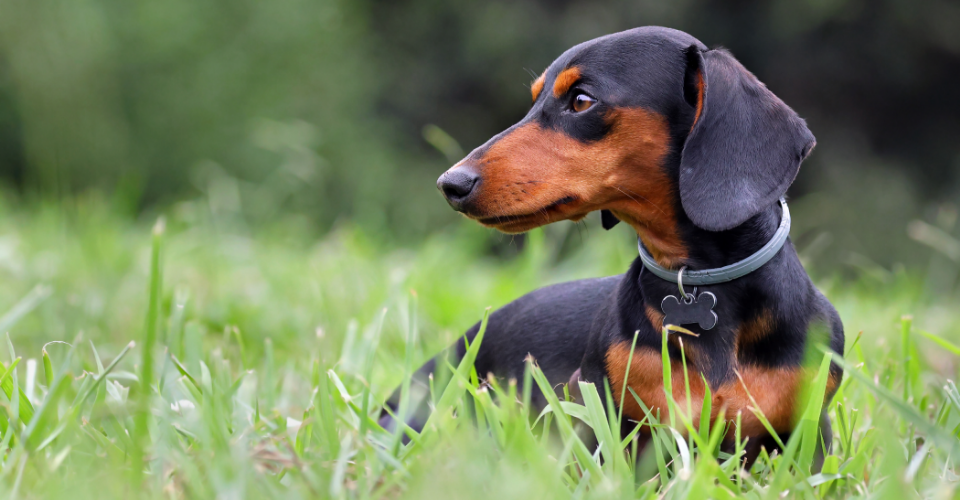
    Dachshund

    Dachshunds are curious little hearts in long bodies. They’re hilarious and surprisingly brave.

    dachshund

    Personality & Temperament

    • Curious and cheeky
    • Loyal and cuddly
    • Slightly dramatic (Alert watchdogs at heart).

    Exercise Needs

    • Short walks
    • Sniffing adventures
    • Scent games.

    Care Notes

    Watch their backs (no jumping off couches), keep them warm, and expect plenty of attitude. Blankets are essential for emotional wellbeing.


    Protect Your Favourite Breed with Pet Insurance 

    No matter which breed has stolen your heart, the bond between humans and dogs is priceless. But when your dog needs unexpected medical care, the bills can bite. That’s why more and more South African pet owners are turning to dotsure.co.za for reliable pet insurance. Get a quote online and give your best friend the care they deserve! 


    READ MORE: HERDING DOG BREEDS; TOY DOG BREEDS; TERRIERS UNLEASHED; BREED STANDARDS 

  • GUIDE DOG TRAINING IN SOUTH AFRICA: GRACE’S HEROIC JOURNEY

    GUIDE DOG TRAINING IN SOUTH AFRICA: GRACE’S HEROIC JOURNEY

    This hero’s story doesn’t start with a cape — it starts with a wagging tail and a pair of bright, hopeful eyes. Grace, a spirited little Labrador with more enthusiasm than her paws can sometimes keep up with, is one of the newest recruits in the South African Guide-Dogs Association’s training programme. Her journey from playful pup to steady, trusted companion is a gentle transformation built on patience, practice, and heaps of love. It’s a journey supported by big-hearted organisations such as dotsure.co.za, who help to empower the people whose lives are forever changed by these four-legged heroes.

    Grace’s training begins long before she ever slips on her first little training harness. Her puppy raiser, a volunteer who opens their home (and heart) to her for the first year, teaches her the basics: how to sit, stay, settle, and be a polite young lady in public. But mostly, it’s a year of bonding, learning that humans can be trusted, and that partnership is something you grow into together. Grace is currently one of the shining hopefuls in the South African Guide-Dogs Association’s life-changing training programme. And as you’ll soon see, it really does take a village, many treats, as well as wholehearted dog cover to raise a guide dog.


    What Is a Guide Dog?

    Let’s start with the basics: Many people still mix up the terms “guide dog,” “service dog,” and “assistance dog.”

    A guide dog is trained specifically to help a person who is visually impaired to navigate the world safely and independently. They don’t just follow commands; they judge, think, and sometimes disobey if disobedience is the safer option. That’s called intelligent disobedience, and it’s one of the most remarkable things about the profession. Where an assistance dog may help with mobility tasks or medical alerts, a guide dog becomes something closer to a trusted navigator, a GPS with a heartbeat, a partner who carries confidence in every step.

    RELATED: WHY GUIDE DOGS ARE IMPORTANT: MEET MAVERICK


    From Puppy to Professional: How Are Guide Dogs Trained?

    Grace’s guide-dog journey began long before she could even wobble properly on her tiny paws. Long before she knew what “heel,” “sit,” or even “no, sweetheart, that’s not a chew toy” meant.

    Early Socialisation: The Foundations of Calm

    For her first year, Grace stays with a volunteer puppy raiser. A kind, gentle, patient human who becomes a guide dog’s first safe place. Think of them as the warm-hearted aunty or uncle every family relies on, the one who spoils you a bit, teaches you a lot, and cheers for every tiny milestone.

    With them, Grace learns:

    • How to walk on different surfaces
    • How to enter busy shops without panicking
    • How to ignore loud taxis, hooting, trolleys, and bustling crowds
    • How to stay calm even when life is loud, fast, and unpredictable.

    Guide Dog Puppy Training: The Gentle Art of Basics

    The basics matter, but they’re taught with kindness, softness, and patient repetition. Grace learns:

    • Sit
    • stay
    • down
    • recall
    • polite greetings
    • patience (especially around snacks, her most difficult subject)

    None of this is taught like a drill or a command. It’s all built on trust, bonding, and encouragement. A guide dog’s early training relies on security, not pressure; connection, not fear.

    Formal Training: The Big Leagues

    Around 14 months old, Grace graduates to the formal training programme at the South African Guide-Dogs Association. Here, she learns the kind of skills that turn her from a smart dog into a life-changing partner:

    • stopping at curbs
    • avoiding obstacles
    • navigating narrow pathways
    • judging overhead clearances
    • finding doors, crossings, and entrances
    • maintaining laser focus in busy, unpredictable environments.

    And then comes the crown jewel of guide dog work — the skill that sets them apart from any other trained dog on earth…

    Intelligent Disobedience: The Bravery to Say ‘No’

    It sounds contradictory, but it’s one of the most extraordinary things a guide dog does. If a handler gives a command that would lead them into danger (a speeding car, a deep step, an unexpected barrier), Grace will refuse to move. She’ll hold her ground, even if the command was clear. That’s intelligent disobedience.


    How Long Does It Take to Train a Guide Dog?

    There’s no stopwatch for shaping a hero, but on average, it takes about two years for a guide dog to go from squishy puppy paws to confident professional. The first 12 to 14 months are all about soaking up the world: learning good manners, building trust, and getting used to life’s chaos. After that, the real graduate school begins with the association’s professional instructors.

    Here’s a simple look at the journey from puppy to partner:

    TrainingDurationFocus Area
    Puppy Raiser Phase12 to 14 monthsBasic commands, socialisation, exposure to public spaces.
    Early Training3 to 4 monthsObedience refinement, harness introduction, focus exercises.
    Advanced Training4 to 6 monthsNavigation, obstacle avoidance, intelligent disobedience.
    Graduation24 monthsMatched with a handler.

    At the end of her training, Grace will be carefully matched with a person whose lifestyle and pace align with her temperament. Their first steps together will mark a brand-new chapter, one where trust leads the way.

    Grace will learn to:

    • Walk in a perfect straight line
    • Avoid people, poles, signs, and objects
    • Stop at every curb
    • Judge moving hazards
    • Weave through crowds without bumping a thing
    • Stay calm in chaos.

    Her training becomes instinct, and instinct becomes security.


    What Breeds Are Used for Guide Dogs?

    Not every dog is cut out for hero work. Some are destined for couch naps and stealing treats, but a few breeds have exactly the right mix of heart, brains, and steady temperament.

    The stars of the guide-dog world are usually:

    • Labrador Retrievers: The overachievers of the dog universe. Smart, steady, gentle, and always keen to make you proud.
    • Golden Retrievers: Like Labradors’ slightly fluffier cousins; equally kind, equally brilliant, and endlessly patient.
    • German Shepherds: Focused, fast learners, and wonderfully loyal. They work with a calm intensity that’s pure magic to watch.
    • Standard Poodles: Ideal for handlers with allergies; clever, dignified, and surprisingly athletic beneath all that fluff.
    • Crossbreeds: Especially Lab–Golden mixes, carefully chosen to blend the best traits of both families.

    Whatever the breed, the real secret ingredient is temperament: calm, confident, trainable, and kind.

    How Much Does It Cost to Train a Guide Dog?

    Training a guide dog is quite expensive. Costs can rise well over R100 000, with some estimates reaching up to R500 000 for one fully trained guide dog in South Africa.

    But here’s the remarkable part: The person who receives the dog pays just R205 a month. That huge gap between cost and affordability? That’s covered by the generosity of South Africans and the tireless fundraising of the SA Guide-Dogs Association — a non-profit organisation that receives no government funding.

    Training & Operational Costs

    • Total cost: R100 000 to R500 000 from puppyhood to graduation.
    • Funding: Covered through donations, sponsorships, and supporters who believe in mobility for all.

    Cost for the Recipient

    • Monthly fee: R205.
    • What it covers:
      • The trained guide dog
      • Hands-on training with instructors
      • Accommodation during the training period
      • All the specialised equipment.
    • Ongoing responsibilities: The handler covers the dog’s day-to-day care and feeding.
    • Sponsorship options: From R5 000 to R100 000 for those who want to help raise the next Grace.

    Supporting the South African Guide-Dogs Association Through Soft Landings

    Training a guide dog is a labour of love, and you can be part of it. Support the South African Guide-Dogs Association through donations, volunteering, or get in touch with us if you need more info. We can help more pups find their purpose, and more people find their freedom.

    At dotsure.co.za, we believe in Soft Landings; so we proudly support the SA Guide-Dogs Association which make the world kinder and more accessible, one hero with a harness at a time. If Grace’s journey to becoming a guide dog has tugged at your heartstrings (even gently), you can:

    • Donate
    • Volunteer as a puppy raiser
    • Sponsor part of a dog’s training
    • Spread awareness
    • Attend SA GDA events

    Or, simply take out wholehearted dog cover which gives back to the South African Guide-Dogs Association with every policy sold!

  • HOW TO CARE FOR YOUR PET DURING THE HOLIDAYS: COMPLETE SAFETY GUIDE

    HOW TO CARE FOR YOUR PET DURING THE HOLIDAYS: COMPLETE SAFETY GUIDE


    The holidays are basically South Africa’s annual Olympics: traffic jams, sunburn, braais, emotional support potato salads, and at least one cousin who arrives unannounced with a new plus-one and an empty Tupperware. But while December is a jol for humans, it can be a lot for our pets.

    Between fireworks, heatwaves, uninvited toddlers, and all the festive food they think they deserve (but absolutely shouldn’t have), December can be rough on the furry fam. Which is why insurance for your pet becomes even more important. As we enter the busiest, brightest time of year, it becomes more important than ever to understand how to care for your pet in a way that keeps them safe, healthy, and stress-free.

    Caring for your pet during the holidays is about preventing expensive emergencies, stress meltdowns, and “Babe, where’s the dog?!” moments. In this blog, we talk routine, fireworks, travel and more. So, let’s get you holiday ready.


    Why Holiday Pet Care Matters More Than You Think

    December is chaotic for humans, but for pets, it’s a full-blown plot twist. Your dog is suddenly surrounded by strange people who smell like rotisserie chicken. Your cat is offended by the Christmas tree. Your parrot is repeating things your uncle shouldn’t have said in front of the kids. They don’t understand why the neighbours suddenly sound like they’re reenacting a cowboy shootout. And routine? Gone.

    Holiday pet care matters because:

    • Routine changes = stress
    • Loud celebrations = panic
    • New foods = stomach disasters
    • Heat waves = danger


    Keeping Your Pets Safe This Christmas (Without Killing the Festive Vibe)

    Keeping decorations, lights, and cords out of reach

    If your dog is a chewer, Christmas is basically a buffet of danger.

    Tinsel? Looks like a toy.
    Baubles? Perfect for fetch — until someone swallows one.
    Electric cords? A literal shocker.

    Your Christmas tree may look gorgeous, but to your pet it looks like:

    • A snack
    • A climbing challenge
    • A personal jungle gym
    • A tangle toy waiting to happen.

    A few small tweaks can keep your home festive and your pets safe, because nobody wants to spend Christmas Eve at the emergency vet.

    Secure the Christmas tree

    Anchor it to a wall or use a solid base so it doesn’t topple over mid-pounce.

    Choose pet-friendly décor

    Go for shatterproof ornaments and skip anything small enough to be swallowed.

    Keep the tempting stuff up high

    Anything sparkly, dangly, crunchy, or vaguely chewable.

    Hide the wires and cords

    Cover cords, tape them down, or tuck them away.

    Be plant-smart

    Holiday favourites like poinsettias, mistletoe, holly and lilies can make pets sick. Choose safer, pet-friendly alternatives.

    Rethink the candle moment

    Use flameless LED candles or place real candles where curious noses and swishy tails can’t reach them.


    Creating a calm space when guests visit

    December gatherings can turn your house into a rugby stadium. Loud, sweaty, and full of shouting. Create a quiet space for your pet with:

    • Fresh water
    • A comfy blanket
    • Treats
    • A familiar toy.

    Even the friendliest pet needs a safe zone away from chatty aunties and kids who think its tail is a steering wheel.


    What Can Dogs Eat Over Christmas and What Should They Avoid?

    Christmas food is winning the lotto, on your first try. Christmas food is the love of your life, saying, “I do”. Christmas food is all things wonderful… but it’s not for dogs, well, not all of it. To be on the safe side of the table, you should always consult your vet before putting any Christmas food on your pet’s plate.

    Safe-ish Christmas snacks:

    • Plain cooked chicken (no bones!)
    • Veggies such as carrots or peas
    • A tiny lick of mashed potato (unsalted).

    A big NOPE list:

    • Chocolate (immediate vet trip)
    • Bones (splinter danger)
    • Raisins & grapes (toxic)
    • Anything marinated, salted, or spiced
    • Macadamias (poisonous)
    • Onion, garlic, chives
    • Chocolate (even “just a piece”)
    • Gammon with glaze
    • Alcohol
    • Christmas pudding.

    RELATED: PAWS OFF THE BEER!

    What To Do If Your Pet Overeats or Eats Something Toxic

    Please don’t try home remedies, milk, salt water, or forcing vomiting. Some toxins cause more damage coming back up than going down. Stop your pet from snacking on whatever they’ve found and move them away from the scene before they try round two. Then wait for proper guidance from a vet.

    Call your vet immediately

    Not your WhatsApp group, not your uncle who thinks he’s a doctor because he once watched House.  If you’re covered by dotsure.co.za, you can go to any vet. Literally. Any vet. (More on that later.)

    Step 1: Don’t panic.
    Step 2: Don’t Google. Dr Google lies.
    Step 3: Call your vet ASAP.
    Step 4: Have your pet insurance details ready; it speeds up emergency care.

    Common signs of poisoning to look out for:

    • Vomiting or diarrhoea
    • Excessive drooling
    • Lethargy or weakness
    • Wobbling or acting “drunk”
    • Shaking or seizures
    • Pale gums
    • Sudden collapse.

    If something feels off, trust your gut. Rather be the “over-worried pet parent” than the one who waited too long.

    RELATED: HOUSEPLANTS THAT ARE TOXIC TO DOGS AND CATS


    How to Protect Pets from Fireworks and Loud Celebrations

    South Africans and fireworks go together like pap and wors. But pets? Not so much.

    Pets fear fireworks because they hear them at between 4 and 7× the loudness you do. This can easily cause panic or trigger their flight instinct.

    Comforting techniques that help

    • Bringing them indoors
    • Closing curtains
    • Playing calming music
    • Staying close (nothing beats a warm lap and a safe human)

    When to speak to your vet about anxiety medication

    If your dog turns into a trembling jellybean every New Year’s Eve, speak to your vet beforehand. Don’t wait until 31 December when every vet in SA is busier than a petrol attendant on the N3. Again, being covered by us means you can speak to any vet. At the coast. In the Free State. In Sandton. Even that fancy one in Cape Town that serves pets artisanal water.

    Managing Pet Anxiety With Vet Guidance and Targeted Nutrition

    If your pet is naturally anxious or highly sensitive, speak to your vet. They can advise on medical interventions or prescription diets tailored to your pet’s specific stress triggers.

    There are various natural treatments and over-the-counter products available to help reduce stress and encourage calm. Like Hill’s Prescription Diet c/d Multicare Stress for cats and Hill’s Prescription Diet i/d Stress for dogs, which are formulated with ingredients that help reduce anxiety-related symptoms while supporting urinary and digestive health —two areas that often flare up when pets feel overwhelmed.  They can help you support emotional balance from the inside out.


    How to Keep Your Pet Cool and Comfortable in the Heat

    Summer in South Africa isn’t shy. Some days feel like you’re walking through a hairdryer on full blast and our pets feel it even more intensely. They’re basically wearing a full tracksuit made of fluff.

    One of the most common seasonal questions is: What temperature is too hot to walk a dog? A safe guideline: avoid walks during the hottest parts of the day, especially when temperatures rise above 26°C. Dogs regulate heat through panting, making them far more vulnerable to overheating during peak heat. A simple test is to hold your hand on the pavement for five seconds. If it’s too hot for you, it’s too hot for them.

    Signs of heatstroke — and what to do FAST

    • Excessive panting
    • Bright red gums
    • Vomiting
    • Collapse
    • Drooling
    • Disorientation.

    Heatstroke in pets is serious. Move them to shade, offer cool water, and get them to a vet urgently.

    Cooling tricks to prevent heat exhaustion

    Try:

    • Frozen treats
    • Wet towels
    • Fans
    • Cool mats
    • Shaded chill spots
    • Avoiding “high-octane ball throwing” at midday as if you’re training them for the PSL.


    What Should You Know About Pet Travel Safety?

    Holiday travel, whether a road trip down the coast or a quick city escape, can be a wonderful experience for pets, provided it’s done safely.

    RELATED: A GUIDE FOR TRAVELLING WITH YOUR PET

    How to prepare your pet for a road trip

    Preparation is everything:

    • Let them sit in the car for short sessions before the trip.
    • Pack familiar bedding or a favourite toy.
    • Ensure they’re up to date with vaccinations.
    • Feed them hours before the drive to reduce nausea.
    • Plan for rest stops every 2–3 hours.

    A calm, structured introduction makes travelling far less stressful.

    Safe travel carriers and restraint options

    Pets must always be safely restrained. Free-roaming pets in a moving vehicle are dangerous, both for them and for you.

    Consider:

    • Crash-tested harnesses
    • Secured carriers
    • Boot guards
    • Seat-belt clip-ins.

    Stability and comfort help your pet feel secure, especially on winding roads or during long-haul drives.

    Managing food, rest stops, and anxiety on the go

    Stop often, offer water regularly, and keep feeding light. If your pet struggles with anxiety, speak to your vet about calming supplements or strategies that work for travel.


    Can You Visit Any Vet When Covered by dotsure?

    Yes.
    Yebo.
    Hoekom nie?

    When your fur kid needs help, the last thing you should worry about is whether your vet is “in network.” With dotsure.co.za, you can visit any registered vet in South Africa.

    That means zero stress when:

    • You’re on holiday
    • Your pet eats something suspicious
    • You have a fireworks-related panic
    • It’s too hot and they need attention, or
    • Any other emergency.

    With us, you choose the vet, we cover the care. That’s what wholehearted pet insurance is all about.


    How Pet Insurance Can Save You and Your Pet This Holiday Season

    December emergencies hit harder than debit orders. One chocolate incident, one heatstroke scare, one “my dog swallowed a Christmas angel,” and you’re suddenly tapping into backup savings you didn’t plan to use.

    Emergencies happen fast. Vet bills add up faster. That’s why we pride ourselves on superfast claims.

    Pet insurance helps with:

    • Accident cover
    • Illness cover
    • Emergency care
    • Medication
    • Follow-ups

    And with dotsure.co.za, you can claim online, easily, even while braaiing. So, if you want a speedy claims payout, contact us today!

  • THE ULTIMATE ROAD SAFETY CHECKLIST FOR HOLIDAY TRAVELS

    THE ULTIMATE ROAD SAFETY CHECKLIST FOR HOLIDAY TRAVELS


    Road Safety Guide for the Great SA Festive Season Migration

    The species? Homo Mzansis, roadtrippicus holidayus. The destination? Anywhere with sun, sea, family, or a braai waiting.

    Every December, a spectacular event unfolds across Mzansi. One so massive, so predictable, and so beautifully chaotic that it rivals the great wildebeest migration of the Serengeti. Millions of South Africans embark on their annual pilgrimage: The Great Festive Migration.

    As you join the migration this festive season, use this road safety checklist guide to ensure that your trusty steed is fit, fed, and roadworthy for the long road ahead. You should also manage your Name Your PriceTM car insurance and switch cover on or off this festive season via the 24/7 online Manage Portal.


    Pre-Trip Road Safety Checklist

    The Homo Mzansis, roadtrippicus holidayus begins weeks in advance. Forming queues at tyre shops and service centres, often debating oil grades with the confidence of seasoned mechanics. Because if you’re a roadtrippicus holidayus, you know that long drives require more than just directions and good music.

    You should:

    • Plan your route. Use reliable GPS apps and check for construction zones or detours. Print a backup map if you’re travelling through low-signal areas and always take the scenic route.
    • Rest before you drive. Fatigue is one of the biggest risks during holiday season travel. A well-rested driver reacts faster and stays calmer.
    • Avoid night-time trips. Visibility drops, reaction times slow, and roadside help can take longer to reach you.
    • Share your route. Let friends or family know where you’re headed and when you expect to arrive. And then get ready to hit the road.

    But First, the Harsh Reality of the Great Migration: Car Accident Stats

    The car accident stats in South Africa are scary. Beneath the joy and adventure, our holiday migration also brings heartbreak. Each year, around 14 000 lives are lost on South African roads. That’s not just a number – it’s mothers, fathers, friends, and neighbours who never make it back home.

    And here’s the kicker, it’s rarely the roads or the cars that are to blame. It’s how we drive. According to Arrive Alive, South Africa ranks amongst the worst globally for road traffic injuries. Every year, millions are injured on our roads. So, while the holiday season is about celebration and connection, it’s also a time to slow down, buckle up, and keep your herd safe on the journey. This all begins with ensuring that your car is roadworthy and ready for the holidays.


    Check Before You Trek: The Ultimate Road Safety Checklist

    A roadworthy car is your first line of defence. A scheduled service is the mark of a truly road-ready vehicle, the equivalent of getting your passport stamped. But how do you check your car’s readiness? Here’s a quick guide:

    • Tyres: Check tread, pressure, and the spare.
    • Brakes: A spongy pedal or squeaking sound is your cue to get them checked.
    • Fluids: Check oil, coolant, and brake fluid. Then top up where needed.
    • Battery: Ensure the terminals are clean and the battery isn’t past its lifespan.
    • Lights & Indicators: Essential for visibility and communication on busy roads.
    • Wipers: Replace worn blades.

    Pro tip: Before you hit the road, check your licence status or renewal date online because fines are not the souvenirs you want this December.

    RELATED: A BALANCED APPROACH TO CAR MAINTENANCE


    The Departure After the Road Safety Checks

    Dawn breaks. Coolers are packed, and one last check to see if you turned off the geyser. Our migraters, fueled by caffeine, merge onto the freeway to join a very diverse convoy:

    • The bakkie species, towing boats and braais equipment with pride.
    • The SUV clans, identifiable by roof racks and cooler boxes in the boot.
    • The sedan nomads, darting between lanes, playlists set to “old school” hits.
    • The hatchback herd, masters of the “just make it fit” migration technique, proving that even the tiniest species can carry half the house when the festive trek begins.

    From above, it’s a sight to behold. Shimmering lines of metal inching toward the coast. And here’s the best part – the really smart drivers won’t only be insured by dotsure.co.za, they’ll also be earning cashback rewards of up to 25% of their monthly premium thanks to our Smart Driver Programme.


    Pet Travel Safety: Observe the Sub-Species Known as Pet Parents

    Their migration is more complex, requiring hydration bowls, harnesses, and carefully managed aircon levels.

    Key behaviours include:

    • Frequent rest stops for “walkies.”
    • Sharing of padkos between species.
    • Regular affirmations (“Good boy, almost there!”).

    If your furry family members are tagging along; use a harness or carrier, keep water available at all times, never leave pets unattended in a car, and ensure your pet insurance is up to date.

    RELATED: TRAVELLING WITH YOUR PET


    Migration-Ready: What Should Be on Your Car Safety Checklist

    Accidents and breakdowns can happen, even to the best-prepared drivers. Keep a roadside emergency kit in your boot with:

    • Jumper cables
    • Reflective triangles
    • First-aid kit
    • Flashlight
    • Basic tools
    • Water and snacks

    If the unexpected happens, dotsure.co.za’s after-hours roadside assistance (call 0861 368 7873) is available 24/7, including public holidays. Whether it’s a tow, flat tyre, or medical emergency, we’ll get help to you fast.

    But Wait, How Do I Use a Traffic Circle the Right Way

    Ah, the traffic circle. Whereas most of Mzansi’s great migrators are used to the rhythm of the concrete jungle (guided by the glow of traffic lights and the beat of rush-hour chaos), every driver will encounter the great watering hole of the road (the traffic circle), unsure whether to charge in or wait it out. Here’s how to use a traffic circle the right way:

    • Yield to the right. The cars already in the circle have the right of way.
    • Ease in slowly, choose your lane wisely, and know your exit before you enter.
    • The left lane is your friend for left turns or going straight.
    • The right lane is for those making a right or full U-turn.

    And when it’s time to leave, signal your intentions clearly. Give a little blink to let the rest of the flock know where you’re headed.


    One More Thing: What are My Rights When Pulled Over

    Even the most graceful migrators of the open road eventually attract the attention of the rangers. When the blue lights flash behind or Infront of you, it’s not the time to panic or bolt. It’s simply part of the ecosystem.

    In South Africa, when a uniformed traffic officer or police official signals you to stop, you must comply; that’s the law of the land. But while you’re expected to cooperate, you’re also protected by a few important rights that help keep things fair and transparent.

    • Ask for identification. Every officer must carry an official appointment certificate.
    • Know why you’ve been stopped. You have the right to ask for the reason.
    • No cash, no problem. You cannot be forced to pay a fine on the spot.

    So, next time the rangers of the road wave you down, remember to respect the process, stay calm, and know your rights. Because even in the wilds of the festive migration, order keeps the herd moving safely.


    How Sleep Affects Your Driving: The Fatigue Factor

    As night falls, we see the toll of travel. Eyes grow heavy. Playlists loop. The driver hums tunelessly to stay awake.

    But driving tired slows your reaction time as much as alcohol does.

    • Take breaks every two hours.
    • Swap drivers if possible.
    • If you feel drowsy, pull over safely and rest.


    Having Car Insurance Is the Best Safety Net You Can Give Yourself

    After hundreds of kilometres, countless tolls, and at least one argument about directions, the migration is complete! But here’s the best part. Whether you’re driving solo or travelling in a full pack, you can Name Your Price™ this festive season and choose the cover that fits your journey best. And if life throws you a detour, our speedy claims payouts get you back on the road faster than you can say “Are we there yet?” So contact us today to get covered.

    RELATED: FUNNY SA DRIVING LAWS

  • WORLD’S SMALLEST CAT BREED: THE SINGAPURA

    WORLD’S SMALLEST CAT BREED: THE SINGAPURA


    If you’ve ever wanted a cat that’s basically a pocket-sized supermodel with the confidence of Bonang on a good hair day, the Singapura is your girl.

    The Singapura isn’t just the world’s smallest cat breed, it’s a pint-sized supermodel with the swagger of a couture headliner. Tiny, dazzling, and absolutely convinced that every room is a runway set just for her. And with that iconic sepia coat that glimmers like champagne under fairy lights, who could argue?

    But don’t let that fool you.  Singapuras are warm, curious, and endlessly affectionate little souls who move through your home like a spark of holiday magic. This blog is designed to help you understand her personality, how to care for her in a way that supports her delicate build and joyful spirit, as well as her pet insurance needs.

    Let’s begin the show.


    What Makes the Singapura Cat So Unique?

    Imagine discovering something so cute you immediately start speaking fluent cat-talk. That’s the Singapura story in a nutshell.

    It was somewhere in the 1970s. Hal and Tommy Meadow (globe-trotting, Singapore-hopping, and entirely enamoured with the local “drain cats” sporting that signature sepia ticked coat), whisked a few back to the USA and unknowingly launched a feline fashion empire. But then came the late 1980s, when breeder Jerry Mayes uncovered that the Singapura may not, in fact, be a naturally occurring street fashionista but rather an Abyssinian–Burmese cross, selectively bred into what we recognise today.

    RELATED: THE WEIRD & WONDERFUL LYKOI

    Whether she descended from local “drain cats” or from carefully bred Abyssinian–Burmese ancestors, one thing is clear: she has always carried a certain sparkle. She even became the mascot of the Singapore Tourism Board, because who better to represent warmth and welcome than the cat who never wants to be alone?


    What Does the Singapura Cat Look Like?

    Singapura cat size and weight explained

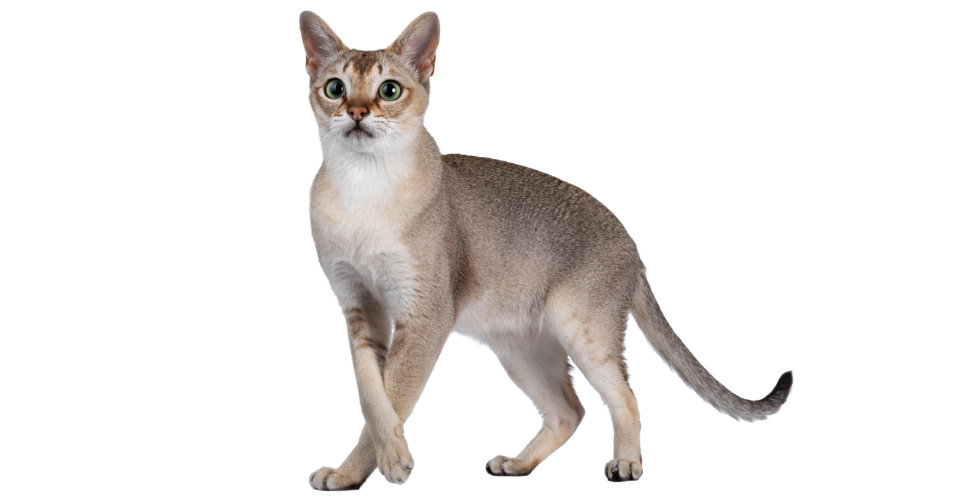
    Her delicate bone structure, petite frame, and kitten-like face all contribute to her reputation as the world’s smallest cat breed, a feat she wears like a crown.

    So, let’s discuss proportions because couture is, after all, about fit. The Singapura weighs between 1,8 to 2,7 kilograms. That’s:
    ✔ Lighter than a big tub of ice cream
    ✔ Lighter than your Christmas gammon
    ✔ Lighter even, than your handbag

    Distinctive coat, eyes, and colouring details

    This is the fashion girlie of the feline world. Every day is a good fur day. A Singapura basically wears designer couture 24/7.

    A fine, short coat with sepia-toned ticked tabby colouring; shimmering, understated, and luxurious. Like champagne silk under runway lights. Each strand is banded with alternating shades, giving the Singapura a soft glow even when she’s plotting mischief.

    The eyes are large, almond-shaped and come in hues of hazel, green, or gold. They’re framed by dark “eyeliner” that every makeup artist would envy.


    What Is the Singapura Cat’s Personality Like?

    Hyperactive, In-Your-Space, 24/7 Content Creator Energy

    If you’re imagining a quiet, demure, handbag-sized cat who lounges on satin pillows like a debutante, think again. The Singapura is the type to stride into your kitchen, step directly onto your cookbook, and announce her presence with a musical, insistent chirp.

    She is hyperactive.
    She is affectionate.
    She is endlessly in-your-space.

    Think of her as the model who’s both the star of the runway and the life of the afterparty. This cat doesn’t enjoy being alone. If you have a bustling home full of laughter and people floating in and out of rooms, she will thrive. If your home is quiet and you travel often, not so much.

    If the Singapura were human, she’d be:

    • That friend who always wants to go somewhere
    • The cousin who FaceTimes you at 11pm “just to check in”
    • A child on Christmas morning after three cans of Creme Soda

    How Singapura cats behave with kids and other pets

    The Singapura is great with kids. She loves other cats, guests, strangers, delivery drivers, and even the people you follow on TikTok. She adores being part of “the action,” which makes her wonderful with families and multi-pet homes.


    How to Care for a Singapura Cat

    Grooming and maintenance needs

    Good news: her coat is a low-maintenance masterpiece. She’s like that friend who rolls out of bed with perfect hair; a weekly brush is all she needs.

    Feeding: What do Singapura cats eat?

    Like any couture model, the Singapura needs high-quality nutrition. Protein-rich, balanced, and portion-appropriate for her petite frame. Treats are allowed but avoid overfeeding. Always check in with your vet if you are unsure about portions.

    Daily enrichment and companionship tips

    The Singapura is not a “see you later” cat. She’s more of a “where are you going and can I come?” cat.

    To keep her happy, you’ll need:

    • interactive play daily
    • climbing structures
    • puzzle feeders
    • soft blankets
    • Feed well
    • Visit the vet
    • Give her stimulation.

    She’ll also need your attention, loads of it. If you don’t keep her busy, she will keep herself busy. And by busy, we mean redecorating your living room.


    Are Singapura Cats Healthy?

    Common Singapura cat health issues

    Singapuras are generally robust but have a few notable health problems:

    • Pyruvate kinase deficiency, causing anaemia
    • Cardiomyopathy, affecting the heart
    • Uterine inertia in queens, sometimes requiring C-sections

    Average Singapura cat lifespan

    She boasts an impressive average lifespan of 16 years, long enough to appear in at least 16 annual family photoshoots, looking flawless in each.

    How regular vet check-ups can help detect problems early

    Her health issues are predictable and treatable if caught early. Routine check-ups are essential to keep her petite heart beating strong and her youthful energy in full sparkle mode.

    Are Singapura Cats Hypoallergenic?

    Because of their tiny size and short coat, many allergy sufferers cope better with Singapuras than fluffier breeds. They shed less than many breeds, but dander is still present. If allergies are a concern, meet a Singapura before committing to the full-season couture collection.


    Is the Singapura the Right Pet for You?

    Ideal home environments and owner types

    Pick this breed if:

    • You want a playful, affectionate cat
    • Your home is lively
    • You love interaction
    • You don’t mind a cat supervising all your activities
    • You’re looking for a fun, high-energy companion.

    Avoid this breed if:

    • You want a “quiet, independent” cat
    • Your home is empty most of the day
    • You don’t want a cat walking across your laptop during Teams calls.

    Singapura: Tiny Cat, Massive Personality

    A Singapura isn’t just a pet, she’s a catwalk queen. Compact but commanding. Small but emotionally expansive. And when she loves you, she loves you with her whole (tiny) heart.


    Why You Need Cat Insurance for Your Singapura

    Think a small cat equals small bills… think again! When your companion is as delicate as a couture gown and as energetic as a toddler on a sugar high, pet insurance is your best fashion accessory.

    Because of her:

    • genetic health risks
    • tendency to get into EVERYTHING
    • high energy
    • queenly “I deserve the best” energy.

    From unexpected vet emergencies to genetic health conditions, pet insurance ensures your Singapura receives top care without breaking the bank. Sort your cat’s insurance online, quick-quick, in under 3 minutes.

    Get dotsure.co.za on your side, because:

    When your tiny model does a high-fashion leap off the wardrobe and lands funny?
    Covered!

    When she swallows a tinsel string because “it was shiny”?
    Covered!

    When she develops a heart murmur later in life?
    Covered (if insured early).

    Protect your mini supermodel now, not after you’ve paid R12k for her emergency surgery.

    Remember, if you’re thinking about growing the family with the addition of a Singapura, you’ll save 15% off your plan premium when you insure more than one pet!  Get in touch for a quote or to learn more.

    RELATED: RARE CAT BREEDS

  • WHY GUIDE DOGS ARE IMPORTANT: MEET MAVERICK

    WHY GUIDE DOGS ARE IMPORTANT: MEET MAVERICK


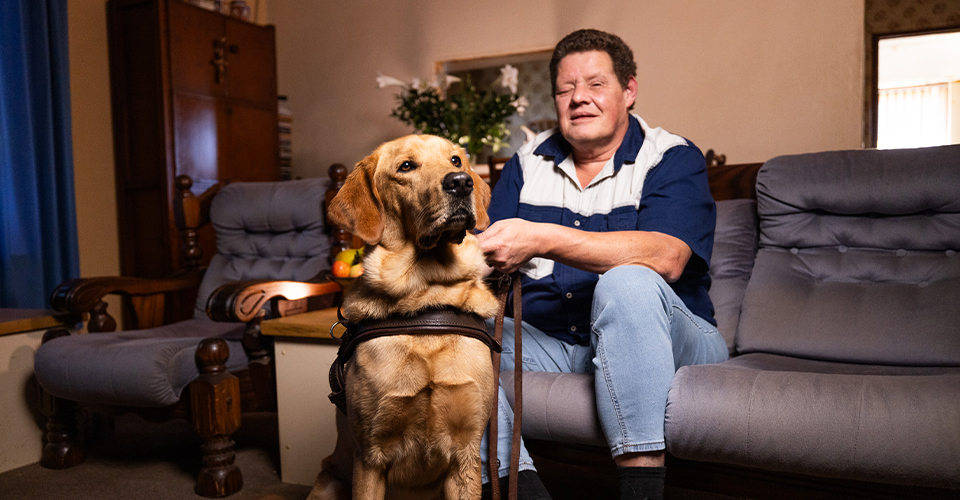
    Every great journey needs a co-pilot. For South African Air Force member Hentie, that co-pilot is Maverick, not the fighter-pilot from the movies, but a Labrador with steady paws, a steadfast heart, and a license to lead.

    For most of us, a dog is a companion. A source of comfort, joy, and the occasional muddy paw print. But for someone like Hentie, who is visually impaired, a guide dog is far more than that. These remarkable animals are partners in independence, confidence, and everyday safety. Today Hentie shares both his home and his working life with Maverick. But their partnership didn’t begin with a dramatic moment. Rather, it started with a quiet connection that began when Hentie’s wife spotted Maverick on a calendar photo, wearing sunglasses. Much like in the 1986 classic, Top Gun, Maverick the guide dog is a fluffy version of the fearless protagonist. “He has a big personality and a big heart,” Hentie says.

    Maverick isn’t just a pet. He isn’t just a helper dog. He is Hentie’s partner, his trusted navigator, his four-legged lieutenant with a mission of his own: to guide with dignity and keep his handler safe. As we explore the importance of dogs like Maverick, we’re also reminded of the care, support, and protection they need throughout their working lives. Big-hearted dogs like Maverick need wholehearted pet insurance to match!

    RELATED: HERO IN A HARNESS


    What Makes Guide Dogs So Important?

    If you’re sighted, you probably walk through a mall without thinking about it. You sidestep toddlers, avoid trolleys, and duck past those guys trying to spray-clean your sneakers. But for someone who’s visually impaired that mall might as well be a live obstacle course. That’s why guide dogs are so important. They give their handlers the freedom to move through the world with dignity, certainty, and trust.

    They help with:

    Obstacle Avoidance

    Such as cars, stairs, poles, or uneven ground.

    Pace Setting

    Smooth, steady walking. No sudden stops unless it’s necessary.

    Road Safety

    Stopping at curbs, checking for cars, preventing dangerous crossings.

    Spatial Awareness

    They “read” the environment like pros.

    Independence

    Guide dogs don’t just help people move, they help them live.

    Hentie describes it perfectly: “It’s like having a second pair of eyes that’s loyal, clever, and always on duty.”


    How Do Guide Dogs Know Where To Go?

    It’s a shared rhythm, built on trust. Each relies on the other: the human for direction, the dog for guidance.

    • The handler chooses the destination.
    • The dog chooses the safest way to get there.

    Guide dogs use a combination of training, memory, and instinct to guide their handlers through:

    • Repetition of familiar routes (helps them learn safe paths).
    • Recognising landmarks (allows them to orient themselves).
    • Sensing elevation changes (keeps their handler aware of steps, curbs, and slopes).
    • Avoiding obstacles and hazards (helps keep their partner secure).
    • And perhaps most impressively, they rely on something called intelligent disobedience.

    Intelligent Disobedience

    This is one of the defining skills of a trained guide dog and one of the reasons they are so extraordinary.

    If a handler gives a command that would lead them into danger, such as stepping into the road when a car is coming, the dog is trained to refuse the instruction. Instead, they pause, block, or redirect their handler to keep them safe. This skill isn’t defiance. It’s devotion. It’s the instinct and training that turns a guide dog into a true guardian and a partner that puts safety first, even when the world around them is unpredictable.


    Living And Working with a Guide Dog

    Today Maverick is Hentie’s co-pilot: steady, intuitive, and deeply attuned to his handler’s needs.

    Before they ever met, Hentie trained with his cane, learning the rhythm of moving through a world that doesn’t always bend easily for people with visual impairments. Maverick, long before joining the Air Force corridors as an honorary team member, was learning his own language: how to guide, how to pause, how to lead, how to protect. When they finally met, it was a match written in the stars.

    Living with a guide dog is not simply sharing a home with a pet, it’s sharing a life with a partner. According to Hentie, life with Maverick is a 24/7 partnership: Maverick wakes up ready, tail wagging and fully clocked in. At work, Maverick is basically a furry officer. Respected. Focused. And “Part of the crew,” as Hentie says. “He navigates corridors, busy buildings, and military environments with calm confidence.”


    How To Interact With a Working Guide Dog

    Hentie says what all handlers say: “Don’t distract the dog.”

    That means:

    • No petting.
    • No calling their name.
    • No whistling.
    • No making kissy sounds.
    • No “who’s a good boy”.

    If you ever see a guide dog alone, treat it as a red alert. These loyal-hearted dogs don’t leave their handlers unless something is truly wrong. Contact emergency services immediately, you could save a life.


    Does Every Blind Person Get A Guide Dog?

    The short answer is no. The long answer is that not everyone qualifies. A handler must:

    • have completed mobility training (like cane training)
    • have a lifestyle suited for a dog
    • pass a thorough assessment
    • be committed to ongoing care.

    Hentie, for example, trained at Optima College and became the first student referred to the Joburg branch of the SA Guide-Dogs Association.

    Not everyone wants one

    Some prefer canes. Some prefer human assistants. Some prefer independence without mobility aids. Guide dogs are amazing, but they’re not the only option.


    What Percentage Of Blind People Use A Guide Dog?

    Globally, it’s a small minority, usually around 2–5%. In South Africa, the percentage is even lower due to:

    • training costs
    • limited availability
    • geographic challenges
    • lifestyle compatibility
    • waiting lists.

    This is why supporting guide-dog organisations is so important. More funding equals more dogs, equals more independence for more people.


    Supporting The South African Guide-Dogs Association

    Raising a dog takes love, patience, and resources. Raising a dog to become a trusted mobility partner? That takes a village. The South African Guide-Dogs Association depends on your big-hearted generosity to:

    • Nurture and raise puppies with care
    • Train guide dogs to navigate the world safely
    • Assess and match dogs with their handlers
    • Place these incredible companions into loving homes
    • Provide lifelong aftercare
    • Support the bond between handler and dog every step of the way.

    Every contribution, whether financial or through volunteering, helps more Mavericks take flight. Every guide dog you help raise is a life touched, a heart lifted, and a world made a little brighter.

    RELATED: THE HEART-WARMING WORLD OF ASSISTANCE DOGS


    Big-hearted Heroes Deserve Wholehearted Pet Insurance

    It’s a role very few dogs have the temperament or intelligence to fulfil. Guide dogs help people return to work. They help people walk independently, feel safe, confident, and connected to the world again.

    To Hentie and so many South Africans, they are lifesavers. Because heroes don’t always fly jets. Sometimes, they walk on four paws, leading someone bravely through the world (giving back in their own way, what vision may have taken).

    That’s why we’re proud to support the SA Guide-Dogs Association and the warm-hearted trainers who raise dogs like Maverick for life-changing partnerships. At dotsure.co.za, we’re committed to providing pets, and their people, with Soft Landings. Heroes like Maverick are there to help people live fuller lives.  And our pet insurance is here to cover heroes such as Maverick, so that they can live full lives too.

    RELATED: THE IMPORTANCE OF PROFESSIONAL PUPS

  • HOLIDAY TRIGGERS THAT CAUSE STRESS IN CATS AND HOW TO HELP

    HOLIDAY TRIGGERS THAT CAUSE STRESS IN CATS AND HOW TO HELP


    A guide to navigating holiday stress in cats by Vet of the Month: Dr Gerna Smit.

    The holidays are here, and while you’re singing Christmas carols and boasting a fridge full of leftovers, your cat is quietly hitting hazard lights behind the couch. But… what stresses your cat out so much during the holidays? To help us navigate this seasonal pile-up of stress, we contacted a professional; our Vet of the Month, Dr Gerna Smit from Hoogland Dierekliniek in Centurion. Thirty years in the game. Medicine specialist. And cat whisperer of note.

    So, think of this as a “road map” crafted with the wisdom, experience, and the compassion of Dr Smit, who has spent her career helping cats survive the toughest of emotional terrains (including the holiday season). Come with us on this journey to understanding your cat’s stress, spotting the signs, offering meaningful comfort and why cat insurance could be the difference between making it through the festive season and things taking a turn for the worst.

    RELATED: WHAT IS FIV IN CATS


    What Causes Stress in Cats During the Holidays?

    The festive season arrives with enough sensory input to frazzle any living creature. Humans cope with it by eating gammon at 9AM and ignoring their emails from the 15th of December. Cats, however? They experience December like a live-action horror film.

    According to Dr Smit holidays come with:

    Screamy kids, noisy cousins, and routine chaos

    Your cat is a creature of habit. Breakfast at 6am. Nap at 7:07am. Judge-you-from-the-couch at 9:10am.

    But in December? It’s a circus. Suddelny mom is still asleep at 7am, so no brekkie for tabby. Kids running around, relatives opening and closing doors like they’re training for the Olympics, and someone’s toddler aggressively “showing kitty their new truck.” To a cat, this is emotionally taxing and very stressful.

    Visitors, travel, and festive clutter

    Every new person has a new smell: perfume, sunscreen, boerie rolls, or koeksisters from Spar. Your cat is suddenly surrounded by unfamiliar scents and unfamiliar voices.

    And don’t get them started on decorations:

    • The tree: a stranger in their home.
    • The tinsel: is that a snake?
    • The baubles: target practice.
    • The wrapping paper: enemy number 1.

    Some cats are more sensitive than others. Just like people, cats have personalities:

    • The extrovert cat will mingle but hopes everyone leaves early.
    • The introvert cat will vanish into a corner you didn’t know was in your house.

    More on Our Vet of the Month: Dr Gerna Smit

    Special interest: Medicine
    Fun facts:

    • Loves to cook
    • Has a Great Dane named Mira (with trust issues)
    • Has a Yorkie named Snippie (that’s a bit neurotic)
    • Has a Maine Coon named Kiwhi (acts like the queen that she is)


    Why Do Cats Hide When They’re Stressed?

    According to Dr Smit:

    “Hiding is a survival instinct. Stressed cats often retreat to dark, quiet places, sometimes for days.” Hiding is emotional self-protection. It is a coping mechanism.

    In the wild, stress means danger. Danger means “hide or get eaten.” Your cat doesn’t know that the only predator in your house is the wooden spoon you use to chase the kids from the kitchen. To them, the festive cheer is more like festive chaos. So, when things get loud or overwhelming, your cat activates stealth mode. Under beds. Inside cupboards. Behind the fridge.

    What you can do when your cat goes missing

    Think of this like a Search & Rescue mission:

    • Check all quiet corners
    • Listen for tiny shuffling sounds
    • Shake the treat jar
    • Give them the vet-recommended c/d Multicare Stress Cat Food from Hills!

    But the real solution? Prevent them from needing to hide in the first place. We’ll get to that.


    What Are the Signs of Stress in a Cat?

    If cats had dashboards, these would be the flashing warning lights:

    • 🚨 Sudden hiding
    • 🚨 Aggression or irritation
    • 🚨 Overgrooming (patchy bald spots)
    • 🚨 Scratching furniture
    • 🚨 Urine marking
    • 🚨 Sniffles, sneezing, watery eyes
    • 🚨 Straining in the litter box or peeing blood
    • 🚨 Loss of appetite
    • 🚨 Vomiting or diarrhoea.

    Yes, stress can trigger physical illness. Cats don’t stress-eat like humans. They don’t bake banana bread or shop online at 2 AM. They exhibit stress through behavioural and bodily symptoms.

    How Can I Reduce My Cat’s Stress Naturally?

    You don’t need essential oils. You don’t need to whisper affirmations. You just need a plan. Here are Dr Smit’s top recommendations:

    • Create a safe room stocked with food, water, and litter
    • Add hiding spaces (open cupboards, boxes, tunnels)
    • Give them vertical spaces to retreat to
    • Keep lighting soft
    • Use catnip or calming pheromone diffusers
    • Maintain the feeding schedules
    • Stick to familiar routines.


    Can Toys & Playtime Help Reduce Stress in Cats?

    Absolutely.
    Interactive play isn’t just fun for cats, it’s therapy.

    How interactive play builds confidence

    Chasing a feather toy mimics hunting. Hunting builds confidence. Confidence reduces stress.

    Best enrichment ideas for indoor cats

    A stimulated cat is a calm cat. Try these enrichment ideas:

    • Slow feeders or puzzle bowls
    • Cardboard box “tunnels”
    • Window perches for bird-watching
    • Ice cubes with treats frozen inside
    • Laser pointer workouts (don’t forget to let them “catch” something at the end!)
    • Place boxes around the house.

    What Should You Avoid When Your Cat Is Stressed?

    Avoid:

    • Forcing interactions
    • Introducing new pets
    • Playing loud music
    • Moving furniture unnecessarily
    • Punishing stress behaviour
    • Spraying loud aerosols near them
    • Trapping them in high-traffic areas


    How Can a Vet Help a Stressed Cat?

    Vets can prescribe:

    • Calming collars
    • Pheromone sprays
    • Nutraceutical calming supplements
    • Anti-anxiety meds
    • Dietary support (including foods designed for stress management)
    • Behaviour modification plans

    Dr Smit recommends seeking vet attention when:

    • Your cat stops eating
    • Urine contains blood
    • They strain repeatedly in the litter box
    • They sneeze excessively
    • They develop a fever
    • Diarrhoea/vomiting persists
    • Behaviour becomes aggressive or unmanageable


    How to Prevent Cat Stress Before It Starts

    Holiday prep isn’t just for your fridge and your budget; it’s also for your cat.

    Prepare early

    Start creating safe spaces weeks before the chaos begins.

    Stick to routines

    Mealtimes. Play. Litter cleaning. Consistency equals safety.

    Have a firework plan

    Close curtains, play soft music, and secure all exits.

    Check in daily

    One-on-one time with your cat is non-negotiable. Even if it’s 5 minutes between flipping chops on the braai.


    How Cat Insurance Helps During Stress Season

    Vet visits spike during the holidays and not just because of chocolate poisoning.

    Stress-related issues such as cystitis, vomiting, upper respiratory infections, and injuries from frantic hiding can lead to unexpected vet bills. Having cat insurance helps you stay calm while your cat finds theirs.

    It means:

    • Vet bills are covered
    • Medication supported
    • Emergency visits are less scary
    • Peace of mind for you and your cat.

    And honestly? Nothing reduces your stress like knowing your kitty is covered by dotsure.co.za. Give your cat the calm, predictable December they deserve. Contact us today and get your cat covered online before they finish their next nap.

    And before we wrap up, Dr Smit has one last nugget of advice for you:

    “Keep a close eye on them and connect at least once a day. If they like brushing or cuddles, make time for it, even during the busy season.”

    RELATED: FELINE KIDNEY HEALTH

  • ROADSIDE EMERGENCIES: WHAT TO DO WHEN THINGS GO WRONG

    ROADSIDE EMERGENCIES: WHAT TO DO WHEN THINGS GO WRONG


    December means one thing – road trip season. A time when inland empties out, the coast wakes up, and the open road becomes everyone’s best friend.

    But while we’re blasting tunes and shouting “are we there yet?” from the back seat, the roads can be unpredictable. Potholes, breakdowns, overheating cars, and the occasional goat crossing the N2, anything can happen. Knowing what to do and who to call in a roadside emergency, as well as having the right car insurance, and extended car warranty plan can save your festive cheer (and your pocket).

    RELATED: AFTER-HOURS EMERGENCIES ON THE ROAD


    What Is Considered a Roadside Emergency?

    A roadside emergency is one of those unplanned, heart-sinking moments that can turn an ordinary trip into a full-blown disaster. It’s any unexpected situation that puts your safety, your passengers, or your vehicle at risk; or that could cause more damage if not handled quickly. Think flat tyre in the middle of nowhere, an overheated engine, or locking your keys in the car (we’ve all done it). Even running out of fuel or getting stuck after a fender-bender counts. Basically, if you find yourself stranded or stressed, you’re in roadside emergency territory.

    With years of experience and thousands of South Africans helped every month, dotsure.co.za knows exactly how to get you back on the road, fast.


    What to do in a Roadside Emergency?

    If you’re a dotsure.co.za driver, you’ve got access to 24/7 help during a roadside emergency. Whether it’s a flat tyre in Upington, a breakdown in Butterworth, or a mild panic attack outside Parys; we can help you swerve away from distress.

    Here’s what to do in a Roadside emergency: Log in to the 24/7 online Manage Portal, and submit your claim in under 30 seconds. Easy.

    If you’re insured with us, your cover also includes these emergency roadside benefits:

    Emergency Medical

    When things go south and you’re more “ow” than “okay,” we’ve got you. Whether you need road or air transportation, we’ll get you to the nearest medical facility fast.

    Emergency Roadside

    Your old car decided to act brand-new? Relax. Whether you’re stuck, stranded, out of juice, or flat-batteried, we’ll find you, fuel you, jump you, and pick you up.

    Pothole Protect

    Hit a pothole? Don’t stress. We’ll handle the pothole damage claims, so you don’t have to go 12 rounds with paperwork.

    Accident Protect

    If there’s one thing worse than an accident, it’s dealing with the Road Accident Fund afterwards. Save yourself the drama. We’ll take on the stress, the admin, and the queueing.


    You should also keep a roadside emergency car kit in the boot for when things go sideways. Here’s what to pack:

    • Reflective triangle and vest
    • Jumper cables
    • Flashlight and extra batteries
    • Tyre inflator or sealant
    • Basic first-aid kit
    • Power bank and charging cable
    • Bottled water and non-perishable snacks.

    If you’re travelling with a four-legged passenger, consider packing a mini pet first-aid kit: Bandages, antiseptic, a soft towel, and dotsure.co.za pet cover.


    Who to call if the Roadside Emergency is an Accident

    Roadside emergency call numbers every driver should know in Mzansi:

    The emergency call feature on your phone works without signal. Some phones also auto-trigger SOS when they detect impact. This can shave minutes off emergency response time when it matters most. If tech fails, you may use alternative communication methods:

    Share live location

    Share your exact route and expected arrival time with a trusted friend or family member. If they don’t hear from you by a certain time, they will know to start looking for you or alert authorities.


    What To Do If You’re the First Person at an Accident or Involved in a Car Accident?

    Accidents can happen in a flash. One minute you’re cruising, the next your heart’s racing and you’re not sure what to do. Knowing the basics can help keep everyone safe until help arrives.

    AA give these guidelines in case of an accident:

    • Stop and get safe. Pull over immediately and switch on your hazard lights. Safety first.
    • Call for help. Dial 10111 or 112 and give your location.
    • Check for injuries. Only move injured people if they’re in immediate danger, like a fire.
    • Exchange details. Swap names, numbers, and insurance info with other drivers.
    • Document everything. Snap photos of the scene, number plates, and any damage.
    • Report it. Complete an accident report with SAPS and let your insurance provider know as soon as possible.


    What if a Pet is Involved in a Roadside Emergency?

    According to Legal Aid SA, if you’re in an accident involving a pet (somebody else’s or another animal), here’s how to handle it, step by step:

    • Stop right there. Even if it’s a small bump, pull over, put your hazards on, and make sure everyone’s safe — including yourself.
    • Check who (or what) needs help. If a person, pet, or animal has been hurt, take a breath and assess the situation. Don’t try to move anyone unless there’s real danger.
    • Call it in: Get the police or emergency services on the scene.
    • Report it properly. You’re required to report the accident:
      • Within 24 hours if a person or animal’s been injured.
      • On the next working day if no one was hurt.
    • Get the details. Note the name of the police officer you speak to and jot down the accident report reference number, you’ll need it for insurance later.

    Leaving the scene of an accident (even one involving an animal) is a serious offence. You could face a fine of up to R180 000, or even nine years in prison, or both.


    How Emergency Roadside Assistance Can Make a Difference?

    It happens to the best of us. One moment you’re vibing to amapiano, the next thing your car starts making weird noises. When that “ski-ding-ska-donk-klickityklunk” happens, your call for help could be resolved in minutes, if you’re covered by dotsure.co.za.

    But don’t just take our word for it. These fans show that when things go wrong, having dotsure.co.za on your side provides peace of mind:

    “So, I was going to camp with my family, 2 kids and husband. My little car was so full ya’ll. From Soweto to Harties, we drove, excited. As we were driving, literally in the middle of nowhere, the car lost control and started spinning, as if I were at a drag race. My husband goes out to check. He comes back and says, “The tyre came off.” Once we were safe dotsure.co.za came to the rescue with a tow truck. They asked us if we wanted to go home, sathi noooo (we said no), we are still going camping. So that was us, entering the resort in a tow truck.” – Kagiso Molete

    “So, I was in a rural area of North West province when my battery went flat and my car keys were locked inside. I called dotsure.co.za for assistance. Within 20 minutes, help arrived! It took them 5 minutes to fix everything and then I was home free. dotsure.co.za is the car insurance of choice.” – Bongani Hlongwane

    “I was travelling from the Eastern Cape to Hermanus with my father. It was about 2 in the morning when my front right tyre burst in the middle of nowhere. No cars passing by, just us in the dark. I attempted to change the tyre, then the worst thing happened – my car jack broke into pieces 😭. After about an hour or two, I managed to call dotsure.co.za. Because I was far from both towns, it took a bit longer for roadside assistance to get there, but it came through.” – Athi Mfungquza

    So, remember to keep your roadside emergency car kit packed, keep note of which number to call in an emergency, and if things go pear-shaped – rest easy knowing that we’ve got your back.

    You’re not covered with us? Get car cover that suits your budget with Name Your Price™, or contact us today to start enjoying superfast claims and 24/7 roadside assistance.

    EXPLORE MORE HANDY READS: ESSENTIAL PROTECTION: WHY IS INSURANCE IMPORTANT?; WHO ARE THE MOST VULNERABLE ROAD USERS? TIPS FOR SA DRIVERS