Author: Team dotsure.co.za

  • WHAT YOUR EXTENDED CAR WARRANTY ACTUALLY COVERS

    WHAT YOUR EXTENDED CAR WARRANTY ACTUALLY COVERS


    Nothing takes the sparkle out of a lovely day faster than car trouble, especially when you’ve got places to be: A big jol with the mates, brunch with someone special, or a trip home after proudly telling everyone how smoothly your new-to-you baby runs. Then comes the clunk, the cough, and then the silence. Like a Mzansi soapie cliffhanger, your car gives one last dramatic gasp… and dies mid-scene.

    Right there outside the office. Or worse, at the fast-food drive-thru with everyone watching your public fallout with your car. Welcome to the world of mechanical and electrical betrayal, and the reason it pays to know exactly what your extended car warranty covers (and what it doesn’t).


    What Is an Extended Car Warranty and Why Does It Matter?

    Think of a car warranty as your ride’s safety net. It’s an agreement between you and your insurer that says: “If something goes wrong unexpectedly, we’ve got you.” In other words, if a covered part fails due to a mechanical or electrical fault, they’ll cover the costs to repair or replace it (so you don’t have to spend the kids’ uniform money).

    Here are a few reasons why having car warranty cover is a great idea:

    • Saves You Money: Modern cars are tech-heavy, and fixing major parts like the engine or electronics can be pricey. A warranty helps keep surprise costs off your plate
    • Less Stress, More Driving: Knowing big repairs are covered lets you enjoy the journey without worrying about what might go wrong
    • Manufacturer-Certified Repairs: Warranty repair work is usually done by certified pros using genuine parts, so your car stays in top shape


    What Does an Extended Car Warranty Cover?

    Your extended car warranty isn’t there to fix every “eish” car moment under the sun. It’s designed to protect you from mechanical and electrical breakdowns, the big-ticket problems that make your car tap out when you least expect it.

    Here’s what’s typically covered under your extended car warranty:

    Covered under warranty
    Engine & gearbox Your car’s heart and spine.
    Cambelt The part that keeps everything moving in harmony.
    Electronic ignition  You cannot start any trip without it.
    Air conditioning Because December traffic without A/C is pure torture.
    Steering, fuel, & braking systems The unsung heroes that turn your car from a driveway ornament into a smooth ride.

    When your car’s electronics and mechanics blow, your mood follows suit, and so does your budget. That’s why having cover for the big stuff is so important.


    How Much Car Warranty Cover I Can Get?

    At dotsure.co.za, we don’t do one-size-fits-all. We check all the boxes, so you can enjoy cover that suits your ride and lifestyle.

    Finding a plan your wallet won’t fight with? Check. Cover for cars up to 15 years old? Check. Protection for 60+ mechanical and electrical bits and bobs? Big check. Now that’s what we call an Extended Car Warranty. Our goal is to keep you on the road longer, with fewer tow truck selfies on your camera roll.


    What’s Not Covered (Or Why Your Claim Got Declined)?

    This is where the heartbreak happens. Like we said, warranties won’t cover everything, no matter how nicely you ask.

    Not covered under warranty
    Wear and tear If it’s just worn down by time, it’s a job for a maintenance plan.
    Pre-existing damage That rattle you “ignored” since 2021.
    Unapproved mods Your dropped suspension dreams can void your cover.
    Neglect Skipping a service, so consider a service plan.
    Scratches and dents Cosmetic damage won’t make the list.
    Accidents That’s your car insurance’s job.


    RELATED: THE DIFFERENCE BETWEEN MECHANICAL BREAKDOWN & WEAR AND TEAR; WARRANTY EXLUSIONS AND LIMITATIONS


    What’s the Difference Between a Warranty, Service Plan, and Maintenance Plan?

    They might sound like the same thing, but these three have very different personalities.

    • Warranty: Steps in when something breaks
    • Service Plan: Handles the regular checkups like oil changes, and spark plugs
    • Maintenance Plan: Covers both your services and wear-and-tear parts such as brakes and wiper blades

    Your warranty saves you when things go wrong, your service plan keeps things ticking, and your maintenance plan makes sure you never have to worry about those “what’s that sound?” moments.


    ServiceXtender: Optional Support for Maintenance and Repairs

    Cars get older. Parts wear out. And servicing? Well, that’s your car’s leg day – you can’t skip it. Our ServiceXtender gives you a little extra backup for those maintenance costs from oil changes and filters to spark plugs and other essentials, helping you stay road-ready without the financial sweat.

    It’s like giving your car a self-care budget. Just add it to your Extended Car Warranty for that extra layer of protection and peace of mind. Simply log into your Manage Portal to update your cover.


    The Everyday Things That Can Void Your Warranty

    Sometimes it’s not the damage, it’s the driver. Even small oversights can void your warranty. Car warranties come with rules, and breaking them is like ignoring your GPS – things take a turn for the worst. Here’s how to avoid the “claim declined” heartbreak:

    • Stick to your service schedule
    • Use an industry-recognised specialist
    • Avoid using generic parts from that one cousin’s “friend” or cheap parts
    • Tell your insurer about any major changes
    • Don’t use your car for business when your policy says personal use only
    • Don’t skip payments or services

    At dotsure.co.za, our worry-free warranty gives you a 30-day grace period from policy start to catch up on services, plus freedom to use any industry-recognised specialist.


    How to Get the Right Car Warranty Cover for You

    Before you set off on one of those spontaneous long weekend missions, road trips, grocery runs, or whatever – take a moment to check your car warranty. Know what’s covered, what’s not, and if you’re unsure, reach out. We’ll help you figure it out.

    Why? Because sometimes, the real buzzkill of any journey isn’t the traffic… it’s your car’s gearbox. Car parts have impeccable timing (the bad kind), and when they do, you’ll want dotsure.co.za on your side.

    Don’t wait until you’re popping the bonnet and staring into the engine like it’s a maths paper, before you act. Get Extended Car Warranty cover that goes the extra mile, with protection for over 60 mechanical and electrical components, and payouts made directly to you for full control and peace of mind.

    When life throws you a mechanical curveball, let us help you get the situation straightened up.


    RELATED: CAR MAINTENANCE PLAN VS SERVICE PLAN VS MOTOR WARRANTY


    Ts & Cs apply.

  • LESS LITTERS, MORE LOVE: HOW DOTSURE.CO.ZA SUPPORTS PET STERILISATION DRIVES ACROSS SA

    LESS LITTERS, MORE LOVE: HOW DOTSURE.CO.ZA SUPPORTS PET STERILISATION DRIVES ACROSS SA


    At dotsure.co.za, we believe that protecting pets is about so much more than when an insurance policy kicks in. That’s why our mission is to support big-hearted vets and animal heroes across the country who protect and care for our pets, too.

    When it comes to loving pets, fur parents dot every “I” for sure. However, there’s one significant act of love that is often overlooked: pet sterilisation. It is something close to the heart of Elize Goosen, Branch Manager at the SPCA Garden Route Mossel Bay, and her dedicated team, who work tirelessly to end animal cruelty. We were proud to join forces with the SPCA in their mission to prevent cruelty and promote the welfare of all animals by sponsoring the sterilisation of 222 pets.


    Why Pet Sterilisation is Important

    Pet Sterilisation (aka spaying and neutering) isn’t just about preventing an uprising of puppies and kittens (like in The Planet of the Apes), it’s about preventing suffering. In many areas, shelters are bursting at the seams.

    According to Elize, “Pet overpopulation is a major concern. The Garden Route SPCA in Mossel Bay and George took in over 11,000 unwanted animals over the past year alone.” That’s 11,000 wagging tails looking for homes and far too few arms to hold them and pet parents to love them. But this figure only represents the animals that found help. Countless more are still roaming the streets, neglected, abandoned, or suffering in silence.

    Sterilisation is also a major health win. “Sterilised pets are less likely to roam, fight, or develop cancers of the reproductive system,” Elize explains.

    RELATED: DOES PET INSURANCE COVER STERILISATION?


    The Real Cost of Pet Sterilisation and Community Drives

    The average dog sterilisation cost in SA can range from R600 to R2 000, depending on the size and gender, and that’s before considering fuel, anaesthetic, or aftercare. For welfare groups without government funding, those costs adds up faster than you can say “good boy.”

    That is why sponsorships matter. dotsure.co.za’s support means groups such as the SPCA can focus on the doing instead of the fundraising. And that translates into healthier pets, safer streets, and communities with a little less heartbreak.


    Partnering with the Mossel Bay SPCA and Animal Clinics

    “The support we have received from dotsure.co.za made a massive impact on our work. Thanks to their generosity, we were able to sterilise 222 domestic animals without the financial strain it would normally place on our branch. This kind of support is truly life-changing. Without it, many of these animals might have contributed to the already overwhelming overpopulation crisis. Instead, they now have a healthier, more secure future.

    Ongoing support from companies such as dotsure.co.za allows us to plan ahead, set achievable sterilisation goals, and focus our energy on reducing the suffering of animals in our community.”

    Elize couldn’t have said it better. Her words capture exactly what lives in our hearts and drives us to provide Soft Landings for pets, vets, welfare organisations, and communities.


    Helping Communities Create Long-Term Change Through Pet Sterilisation Drives

    To us, wholehearted care means more than paying vet bills or sponsoring pet sterilisation drives. It’s about helping pets live healthier, safer lives and supporting our big-hearted vets, so they know they are not alone in this fight.

    As Elize put it so beautifully, “dotsure.co.za gave us more than funding, they gave us hope. The energy and renewed sense of purpose it brought to our staff, who deal with cruelty, neglect, and heartbreak daily, was truly uplifting. It reminded us of why we do what we do and that we’re not alone. From the bottom of our hearts, we thank dotsure.co.za.”

    RELATED: OUR COMMUNITY CAT STERILISATION PROGRAMME


    How You Can Help Create Soft Landings Too

    As the insurer who cares the most, we always aim to show up with care, compassion, and a bit of that spirit of ubuntu that says, “we’ve got you.” But we can’t do it alone.

    Here’s how you can join us to create Soft Landings:

    • Sterilise your pets. It’s the ultimate act of love.
    • Adopt a fur baby. Give a homeless pet a forever home.
    • Support your local SPCA. Donate, volunteer, or simply share their posts.
    • Insure your pet with dotsure.co.za. Every policy bought online helps support animal welfare causes, such as pet sterilisations.

    Visit dotsure.co.za to explore wholehearted pet insurance options or contact us anytime to learn more about how we’re creating Soft Landings across South Africa.

  • WHAT IS FIV IN CATS: CAUSES, CARE, AND PREVENTION 

    WHAT IS FIV IN CATS: CAUSES, CARE, AND PREVENTION 


    One minute they’re chasing geckos, the next they’re off their food, and you’re Googling things like “cat home remedies.” That’s why every pet parent needs to be clued-up on viruses like the Feline Immunodeficiency Virus. 

    To help us understand FIV in cats, our Vet of the Month, Dr. Roselle Hartwigsen, co-owner at AnimalQi Veterinary Clinic (where their focus is on holistic, compassionate treatment for pets, combining advanced diagnostics and conventional medicine with complementary approaches such as acupuncture, food therapy, and herbal medicine), gives us the inside scoop on what FIV really means and why insurance for your cat is so important. 


    What Is FIV in Cats? 

    “FIV is a viral infection in cats that’s similar in many ways to HIV in humans, although it’s species-specific and cannot spread to people or other animals. It’s a slow-acting virus that affects a cat’s immune system, making it harder for them to fight off infections.” But here’s the key thing: it’s not a death sentence. 


    How Do Cats Get FIV? 

    “FIV is most commonly transmitted through bite wounds from an infected cat, which is why it’s more often seen in unneutered males who roam outdoors and may get into territorial fights. It can also be passed from a mother cat to her kittens, although this is less common. Normal social interactions like grooming or sharing food bowls are not typical ways the virus spreads.” says Dr. Roselle. So, no need to separate besties over breakfast. 


    Symptoms of FIV in Cats 

    “FIV can be tricky because some cats show no signs for years, but over time the weakened immune system can lead to recurring or chronic health problems,” says Dr. Roselle. But eventually, you might spot things like: 

    • Recurrent gum or mouth infections 
    • Skin problems 
    • Chronic sniffles or respiratory infections 
    • Weight loss or a dull coat 
    • Swollen lymph nodes or general lethargy. 

    Basically, if your cat’s acting off, eating less, sleeping more, or not bossing you around as usual, it’s worth a vet check.   


    We asked Dr. Roselle how Vets Diagnose FIV and treat it 

    Diagnosis starts with a simple blood test that checks for FIV antibodies. “We usually do a quick ELISA test in-clinic,” explains Dr. Roselle. “If it’s positive, we’ll confirm with a lab test to be sure.” There’s no cure for FIV, but that doesn’t mean your cat can’t thrive. “Treatment is about keeping the immune system strong and preventing secondary infections,” she says. That means: 

    • A balanced, high-quality diet 
    • Regular vet visits 
    • Dental care and parasite prevention 
    • Quick treatment for any infections 

    “For some cats, supportive therapies like acupuncture or herbal medicine can also improve wellbeing, especially when stress is a factor. In some cases, we can use anti-retroviral medications to help keep the virus at bay and reduce the viral load, which may improve a cat’s overall health and slow disease progression,” added Dr. Roselle. “We want them to live well, not just longer.” 


    Prevention: How to Keep Your Cat FIV-Free 

    Dr. Roselle says, “Prevention is about protecting quality of life. A little precaution now can mean many healthy, happy years together.” 

    • Neuter to reduce the urge to fight and roam. 
    • Keep cats indoors or in enclosed gardens. 
    • Test new cats before introducing them to the clan. 
    • While no FIV vaccine is currently available in South Africa, early testing and regular care go a long way. 


    Final Word from Dr. Roselle 

    “With love, proper care, and regular vet visits, FIV-positive cats can live long, joyful lives. Reducing stress, supporting their immune system, and addressing health issues early are key. Having pet insurance from the start can make a huge difference. Because sometimes those ‘quick checkups’ become surprise bloodwork and ultrasounds.” 

    And if your cat’s health journey ever feels a bit daunting, remember, support (and cover) are just a click away at dotsure.co.za. 


    The Low-Down on FIV

    • FIV weakens their immunity, but it’s manageable.
    • Keep cats indoors and neutered.
    • Regular vet checks are a must.
    • Support their diet, reduce stress.
    • Insurance for your cat helps you focus on care, not costs.
    • Contact usto get a quote in minutes. 
  • MORE THAN CAR INSURANCE: COVER FOR TYRES, RIMS, AND MINOR DAMAGES  

    MORE THAN CAR INSURANCE: COVER FOR TYRES, RIMS, AND MINOR DAMAGES  


    When it comes to protecting your car, traditional car insurance is just the beginning. Everyday bumps, potholes, and small scrapes can take a toll on your vehicle and your wallet. That is where tyre & rim insurance and scratch & dent insurance can go the extra mile.   


    Simplifying Vehicle Protection for South Africans 

    dotsure.co.za’s new Essential Products are designed to offer more value, simplicity, and flexibility. Instead of choosing from multiple optional extras, you can now select from two convenient bundles that combine popular benefits, giving you more cover for less. 


    Why Tyre and Rim Cover Matters on South African Roads 

    South African roads are full of surprises, and not the good kind. Potholes, debris, and uneven surfaces can cause serious damage to your tyres and rims, often without warning. 

    If you commute daily, drive on secondary roads, or simply want peace of mind for those unpredictable hazards, tyre and rim cover is a smart move. 


    Protect Your Car’s Look with Scratch and Dent Cover 

    Parking-lot dings, stone chips, or scuffs from tight driveways can add up over time and impact your car’s resale value. 

    Scratch & dent insurance takes care of minor exterior repairs, including scratches, small dents, chips, and damage to mirrors, lights, and badges. It is a simple way to keep your car looking as good as new. 


    Bundle-Up on Car Insurance Savings 

    Our new Essential Products come in two options, Body Protector and Accident Protect. Each is designed to cover specific needs, whether that is fixing small damages, or covering extra costs after an accident. 

    Body Protector: Cover for Tyres, Rims, and Minor Exterior Damage 

    This product protects against everyday bumps and bruises with cover for: 

    • Minor scratches, chips, and dents 
    • Headlamps, indicators, and brake lights 
    • Metal badges and mirrors 
    • Tyre replacement, puncture repair, rim damage, and wheel alignment 

    Accident Protect: Financial Support When It Matters Most 

    Get a cash benefit after a valid car insurance claim for theft, hijacking, fire, or accident-related damage. Use it to: 

    • Contribute towards your excess 
    • Cover car hire or other expenses 


    Are Car Insurance Add-Ons Worth It? (Cost vs. Peace of Mind) 

    The average cost of a single tyre replacement or rim repair can far exceed the small monthly premium for protection. 

    Combining benefits in one bundle gives you better protection for less, all while keeping your car in peak condition. 


    Get Essential Protection Today 

    Protecting your car should not be complicated, and with dotsure.co.za car insurance, it’s not. Get a quick quote online or contact us to find the right fit for your car and budget. Because life happens!

  • PET INSURANCE VS PET MEDICAL AID: WHAT’S THE DIFFERENCE? 

    PET INSURANCE VS PET MEDICAL AID: WHAT’S THE DIFFERENCE? 


    If you’ve ever had to explain to your vet that you’ll “pay next week when payday hits,” this one’s for you. If you’ve found yourself searching “pet medical aid” after your cat yeeted itself off the fridge for the third time this month, you’re not alone. And if you’ve ever seen your dog misjudge a couch jump, faceplant, and then pretend it totally meant to do that, right after spinning itself dizzy chasing its own tail, you need to keep reading. Whether your pet thinks they are a stunt double or have a PhD in causing chaos, pet cover is something every South African pet parent should understand. But when it comes to medical aid vs insurance for your pet (whether furry, feathered, or scaly), the lines can get a bit blurry. So, let’s unpack it. 


    What Is the Difference Between Pet Insurance and Pet Medical Aid? 

    You’re not the only one wondering if pet insurance works like medical aid. Here’s how they compare: Pet insurance is about what ifs. What if your pet gets hurt, sick, or decides to swallow your AirPods (again)? That’s when you claim. It works a lot like your own car insurance. You pay a monthly premium, and if your furry friend has an accident or gets sick, your policy helps cover the costs.  Say Snuffles (we know your pet has a cute name) eats something he shouldn’t. You rush to the vet and claim back that bill from your insurer. That’s pet insurance doing what it does best, stepping in when life goes sideways.  

    On the other hand, pet medical aid, as most people mean it, refers to plans that cover both day-to-day care and unexpected vet visits. But the key difference is that pet insurance reimburses you for claims. Medical aid, for pets at least, is more of a nickname for comprehensive cover. 


    RELATED: WHY DO I NEED PET INSURANCE? 


    Can You Have Both Pet Insurance and Pet Medical Aid? 

    Not really. As we’ve already mentioned, pet insurance is a structured, regulated product designed to cover those “oh no” moments. Whereas pet medical aid isn’t an officially recognised product in South Africa.  

    Having both isn’t really an option. So, it’s more about finding the best pet insurance for your furry family member. Depending on your plan, you can get cover for routine stuff like checkups or vaccinations as well as accidents. The great thing about pet insurance is how flexible it is. You can choose your vet, pick your level of cover, and even add extras that suit your pet’s lifestyle. 


    What Happens If You Don’t Have Pet Insurance? 

    Say your pet knocks over your coffee, lands in it, freaks out, and injures their paw. You rush to the vet. They fix it up beautifully and then hand you a bill that looks like a small car payment. That’s why having some kind of cover isn’t just nice to have, it’s necessary. Vet costs are no joke, and emergencies don’t wait for payday. Without cover, it’s you vs. the invoice, and trust us, that fight never ends well.  


    Find the Right Cover for Your Furry Family Member 

    We hope you’ve got a better idea now of what the difference is between pet insurance and pet medical aid. At the end of the day, it’s all about finding a plan that fits your pet, your budget, and your lifestyle. Whether you’ve got a moody cat, a bouncy puppy, or a parrot who swears more than your uncle at a braai, dotsure.co.za has options that make sense. 

    Contact us today to keep your pet the same head-butting, chaos-causing ball of energy you love with insurance for your pet.  

  • THE DIFFERENCE BETWEEN CLASSIC, VINTAGE, AND ANTIQUE CARS 

    THE DIFFERENCE BETWEEN CLASSIC, VINTAGE, AND ANTIQUE CARS 


    For car enthusiasts, owning something rare and full of character is part of preserving history. Whether you’ve got your eye on a 1930s roadster or a 1980s icon, knowing the difference between classic, vintage, and antique cars can help you appreciate your ride even more. It also comes in handy when you’re sorting out things like registration, valuations, or car insurance for your vehicle. 


    Quick Car Age Class Definitions 

    What is a Classic Car? 

    A classic car generally falls between 20 and 40 years old, though many purists stretch that further. These cars, like 1960s Mustangs, 1970s Beetles, and early 1990s BMWs, represent eras that shaped motoring culture. They’re often admired for design, performance, or just the nostalgia they bring back every time you turn the key. 

    What is a Vintage Car? 

    When someone talks about a vintage car, they’re usually referring to vehicles built between 1919 and 1930. These beauties mark the shift from early motorised transport to the first true cars, crafted with precision and packed with personality. Think of long bonnets, upright grilles, and gleaming chrome. 

    What is an Antique Car? 

    Antique cars are usually those built before 1919, and they’re as rare as they are remarkable. These vehicles trace the origins of motoring itself, with hand-built machines that paved the way for everything that came after them. They’re less about speed and more about preserving the craftsmanship and history of the very first automobiles. 


    Classic vs Vintage Cars 

    While both vintage and classic cars have a timeless appeal, there are a few key differences that set them apart: 

    Category 

    Vintage Cars 

    Classic Cars 

    Era & Engineering 

    Built in the pre-war era, featuring mechanical brakes and early engine technology. These cars represent the foundations of automotive design.  Produced post-war and beyond, with hydraulic systems, electrical components and more refined handling. The improvement in comfort and drivability is easy to feel behind the wheel. 

    Originality vs Modification 

    Typically kept in original condition to preserve authenticity and historical accuracy.  Often restored or modified (“resto-mod”) to blend vintage charm with modern performance and comfort. 

    Example Models  

    Ford Model A, Rolls-Royce Silver Ghost, Bentley 4.5 Litre, and Bugatti Type 35  Jaguar E-Type, Mercedes-Benz 280SL, Volkswagen Beetle, BMW E30 3-Series, and Mazda MX-5 


    South African Context: Car Age Classes 

    Here in South Africa, enthusiasts often refer to the South African Vintage and Veteran Association (SAVVA) system to classify older vehicles by age. 

    Ancestor, Veteran, Vintage, Post-Vintage, and Post-War Cars 

    • Ancestor (pre-1905): The true trailblazers. 
    • Veteran (1905–1918): Early motor engineering and limited production. 
    • Vintage (1919–1930): The golden age of design and innovation. 
    • Post-Vintage (1931–1945): Refined craftsmanship and the rise of luxury. 
    • Post-War (1946–1960): Stronger, sleeker, and more accessible than ever. 

    These categories help determine eligibility for rallies, club membership, and heritage plates. So, they’re worth knowing if you’re joining the classic car community. 


    Insurance Considerations for Older Vehicles 

    Owning a classic, vintage, or antique car often means you’ll need specialised insurance. These policies consider factors such as your car’s age, rarity, and usage. 


    While dotsure.co.za offers comprehensive car insurance for vehicles up to 25 years old, it’s still worth protecting your ride. Whether it’s your everyday runabout or a weekend favourite, get a quick online quote or contact us to explore insurance options built around your lifestyle. 

  • BENEFITS OF TELEMATICS: WHAT IS THE SMART DRIVER PROGRAMME?

    BENEFITS OF TELEMATICS: WHAT IS THE SMART DRIVER PROGRAMME?


    Safer, smarter driving has never been easier, or more rewarding! With technology transforming the way we drive, telematics has become an exclusive benefit of modern car insurance, helping South African drivers make better decisions behind the wheel. We bring you the Smart Driver Programme, powered by our Smart-Box, a telematics device that encourages safer, more efficient driving. 


    What Is Telematics and How Does It Work? 

    Telematics is a combination of telecommunications and informatics. In simple terms, it’s the technology that collects and transmits data from your car to provide insights into how, when, and where you drive. 

    By combining GPS tracking and onboard diagnostics, a telematics device measures your vehicle’s speed, location, acceleration, braking, and cornering patterns. This data is securely processed to help you improve your driving and, when integrated with insurance, can help you unlock rewards and benefits. 

    What Is a Telematics Device and What Does It Do? 

    Our Smart-Box is a small electronic device installed in an insured vehicle. It collects information about driving behaviour, allowing us to send policyholders a detailed report every month. 

    This device works hand-in-hand with the MyNetstar app, allowing drivers to access trip data, safety alerts, and even emergency assistance. 

    What Does Our Telematics Smart-Box Track? 

    It monitors seven key driving indicators that make up a Smart Driver score: 

    • Distance travelled 
    • Harsh acceleration 
    • Harsh braking 
    • Speed 
    • Time of day 
    • Cornering 
    • Swerving. 


    From Crash Detection to Assistance: What Happens After a Serious Event 

    In the event of a serious collision, your Smart-Box automatically triggers Proactive Emergency Assistance. That means help is sent your way immediately, whether it’s medical assistance, towing, or support for a stolen or hijacked vehicle. 

    The Benefits of Telematics for Safer, Cheaper Driving 

    With the dotsure.co.za Smart Driver Programme, responsible drivers can enjoy: 

    • Cashback rewards of up to 25% of their monthly premium. 
    • Reduced excess for every year you remain claim-free. 
    • Better renewal rates for consistent safe driving. 

    You’ll also get access to Gold Club benefits, including roadside assistance, medical support, and discounts on tyres and car hire. 

    How Your Smart Driver Score and Leaderboard Payouts Work 

    Your Smart Driver score is based on the seven key metrics mentioned earlier. Each trip is scored individually, with your monthly score placing you on a leaderboard. The top 400 drivers receive 25% cashback on their premiums, and the next 400 receive 15% cashback, a rewarding reason to drive safely. 

    Privacy, Consent, and POPIA 

    Your data privacy matters. All telematics information collected by the Smart-Box is handled according to South Africa’s Protection of Personal Information Act (POPIA). We use your driving data solely to enhance your safety, provide assistance, and offer fair, behaviour-based insurance pricing. 


    Ready to Drive Smarter? 

    The dotsure.co.za Smart Driver Programme, along with the benefits of telematics, is here to help you drive better and save more. 

    Want to experience the benefits of telematics firsthand? Visit dotsure.co.za or contact us to learn more.


  • THE SCOOP ON CAT POOP: WHAT TO LOOK FOR IN HEALTHY CAT POOP

    THE SCOOP ON CAT POOP: WHAT TO LOOK FOR IN HEALTHY CAT POOP


    It’s not exactly dinner-table talk, but cat poop says a lot about their health. Whether you’re a new cat parent or a seasoned “crazy cat person” (we see you), understanding what’s normal and what’s not, can make all the difference in spotting issues early. 

    From tummy troubles to serious illness, insurance for your cat comes in handy when the poop hits the fan. So, keep an eye on that litter box, it’s your cat’s way of sending you a health status update. 


    What to Look for in Healthy Cat Poop 

    Don’t worry, you don’t need a degree in poop-ology to figure out the gold standard of colour, firmness, shape, and smell.  According to Hill’s Pet Nutrition, ideal cat poop should be well-formed, easy to scoop, and brown in colour.  

    Keeping things “moving smoothly” (pun intended) comes down to a few factors for ideal cat poop: 

    • Choose balanced meals with enough fibre 
    • Wet food plus clean water equals a happy gut 
    • Scoop litter boxes daily 
    • No sudden food changes or skipped meals 


    The Colour of the Clump: Cat Poop Colour Guide 

    If cat poop could talk, colour would be its first language. Here’s what your cat poop colour may mean. 

    Colour  Possible Meaning  What To Do 
    🍫 Brown  Perfectly normal  Carry on #CatParentOfThe 

    Year. 

    ⚫ Black or Tarry  Internal bleeding  Get to the vet, ASAP. 
    ❤️ Red streaks  Fresh blood  Another trip to the vet. 
    🟡 Yellow/Orange  Liver or bile issues  Vet visit advised. 
    🟢 Green  Ate grass or infection  If it persists, get advice. 
    ⚪ White/Grey  Pancreas or bile problem  Off to the vet for tests. 
    ⚪ White Specks  Worms  Time for deworming. 

    A change in your cat’s poop colour could be your kitty trying to warn you that something inside isn’t right, so it’s always worth paying attention. 


    How Often Should a Cat Poop: Constipation and Other Red Flags 

    Most healthy adult cats poop once or twice a day. Kittens and cats on wet food might go more often, while older cats or those eating mainly dry kibble may go less. If your cat’s been regular and suddenly goes two days without a visit to the litter box (or starts going three times as much), something’s off. See your vet if: 

    • There’s straining or crying during a bowel movement. 
    • Poop is watery or ribbon-like. 
    • There’s visible blood or mucus. 


    RELATED: HUMAN FOODS CATS CAN AND CAN’T EAT 


    Cat Poop Chart: Consistency and Faecal Scores 

    Here’s a quick cat poop chart vets use (and now, so can you). 

    Score  Look & Feel  Meaning  Action 
    1  Tiny hard pellets  Constipated  More fluids or wet food, please. 
    2  Dry, firm log  Borderline hard  Keep an eye on water intake. 
    2.5  Firm, moist, smooth log  Perfect!  Screenshot-worthy poop (if you must). 
    3–4  Soft, shapeless  Mild diarrhoea  Check food changes or stress. 
    5  Liquid or watery  Serious diarrhoea  Call the vet, ASAP. 


    Cat Diarrhoea: Causes, Care, and When It’s Urgent 

    Just like humans, cats get the occasional tummy wobble. A quick diet change, too many treats, or even stress (yes, they feel it too) can upset their stomachs. 

    Common triggers include: 

    • Sudden food switches 
    • Parasites 
    • Intestinal inflammation (IBD) 
    • Viral infections 
    • Hairballs. 

    Home Care vs. Vet Care: The 24–48 Hour Rule

    If diarrhoea doesn’t clear up within two days, or if your cat stops eating or becomes lethargic, see your vet. Dehydration happens fast, especially in smaller cats. Hill’s Pet Nutrition recommends introducing new food slowly over 7–10 days to avoid digestive drama. 

    Quick FAQs on Cat Poop: Could Cat Poop Indicate Cancer? 

    It’s rare, but yes. Persistent black, bloody, or mucus-covered stools, especially with weight loss, can signal cancer. Vets might suggest imaging or bloodwork to get answers. 

    (Oh and Why does my cat’s poop smell so bad)? 

     Usually diet, or bacteria imbalance. If it’s a cause for concern, please consult your vet. 

    When to Bring a Stool Sample (and How to Collect It) 

    If you’ve made it this far, congrats, you’re practically fluent in cat poop. Your cat’s litter box might not be pretty, but it’s packed with health clues. Get to know what’s normal for your kitty and trust your gut (and theirs) when something’s off. 

    When it is off, stool samples may help your vet detect the issues. Here’s how to collect it: 

    • Scoop it within 12 hours 
    • Use a clean ziplock bag or container. 
    • Label it with your cat’s name and date. 
    • Keep it cool (not frozen) until your appointment. 


    Your vet will probably do a faecal test, maybe some bloodwork, an ultrasound, or even a biopsy… but they will definitely ask you if you have insurance for your cat because sometimes, those “little issues” turn into big bills. That’s where dotsure.co.za comes in. Get in touch anytime if you’re worried about your cat’s wellbeing. You can also check out relevant blogs for more litter-box wisdom.

  • WHAT DOES THE LEMON LAW MEAN WHEN BUYING A NEW CAR?

    WHAT DOES THE LEMON LAW MEAN WHEN BUYING A NEW CAR?


    That sweet new-car smell can turn sour fast if your dream ride starts giving you trouble soon after purchase. When that happens, it’s normal to wonder what your rights are and whether there’s any protection for cars that turn out to be “lemons.” While regular service plans and extended car warranties can help you avoid costly repairs, the lemon law is what protects you when a car simply isn’t up to standard. 


    RELATED: WHAT DOES YOUR EXTENDED CAR WARRANTY ACTUALLY COVER? 


    Understanding the Lemon Law in South Africa 

    South Africa doesn’t technically have a law called the “Lemon Law,” but the Consumer Protection Act (CPA) plays a similar role. Under the CPA, consumers are protected from buying defective or poor quality goods, including cars. They have the right to have it repaired, replaced, or refunded in certain situations. 


    When Is a Car Officially Considered Defective? 

    A vehicle may be seen as defective if it fails to perform as reasonably expected, contains a material flaw, or requires repeated repairs for the same issue within the first 6 months of purchase. The defect must be more than minor wear and tear. It must affect the car’s use, value, or safety substantially. 


    What To Do If You Bought a Faulty Car  

    Step 1: Identify and Document the Issue 

    Keep detailed notes and evidence of the problem, including repair invoices, communication with the dealer, and photos or videos. 

    Step 2: Notify the Seller or Dealership 

    Report the problem in writing as soon as it appears. The dealership must be given the opportunity to fix it before further action is taken. 

    Step 3: Request Repair, Replacement, or Refund Under Section 56 

    Section 56 of the CPA gives you a six-month implied warranty on all goods (including vehicles). During this period, you can insist on a repair, replacement, or refund if the car is found to be defective. 

    Step 4: Escalate If Necessary 

    If the dealership fails to resolve the issue, you can escalate it to the Motor Industry Ombudsman of South Africa (MIOSA) or lodge a complaint with the National Consumer Commission (NCC) for further investigation. 


    Returning a Car or Getting a Refund 

    When You Can Return a Car Within Six Months: 

    You can return a vehicle within six months of purchase if it’s defective, provided it wasn’t damaged by misuse or neglect. 

    Conditions and Proof Requirements: 

    You’ll need to prove the defect existed at the time of sale and wasn’t caused by normal wear or driver error. 

    Why Refunds Are Rare: 

    Most dealerships prefer to repair or replace the vehicle before issuing a refund. However, if repeated repairs fail, you can legally request your money back. 


    Make Lemonade With Warranty Insurance 

    Even with the best precautions, some cars can still turn out to be lemons. That’s where dotsure.co.za steps in. Our extended car warranty helps cover the cost of unexpected repairs caused by mechanical breakdowns or electrical failures, keeping your budget safe and your car running smoothly. 

    If your ride’s been giving you grief, contact us to learn how we can help you make lemonade of your lemon. 


    RELATED: WARRANTY KNOW-HOW: YOUR MOST COMMON QUESTIONS ANSWERED 

  • RARE CAT BREEDS: THE WEIRD & WONDERFUL LYKOI

    RARE CAT BREEDS: THE WEIRD & WONDERFUL LYKOI


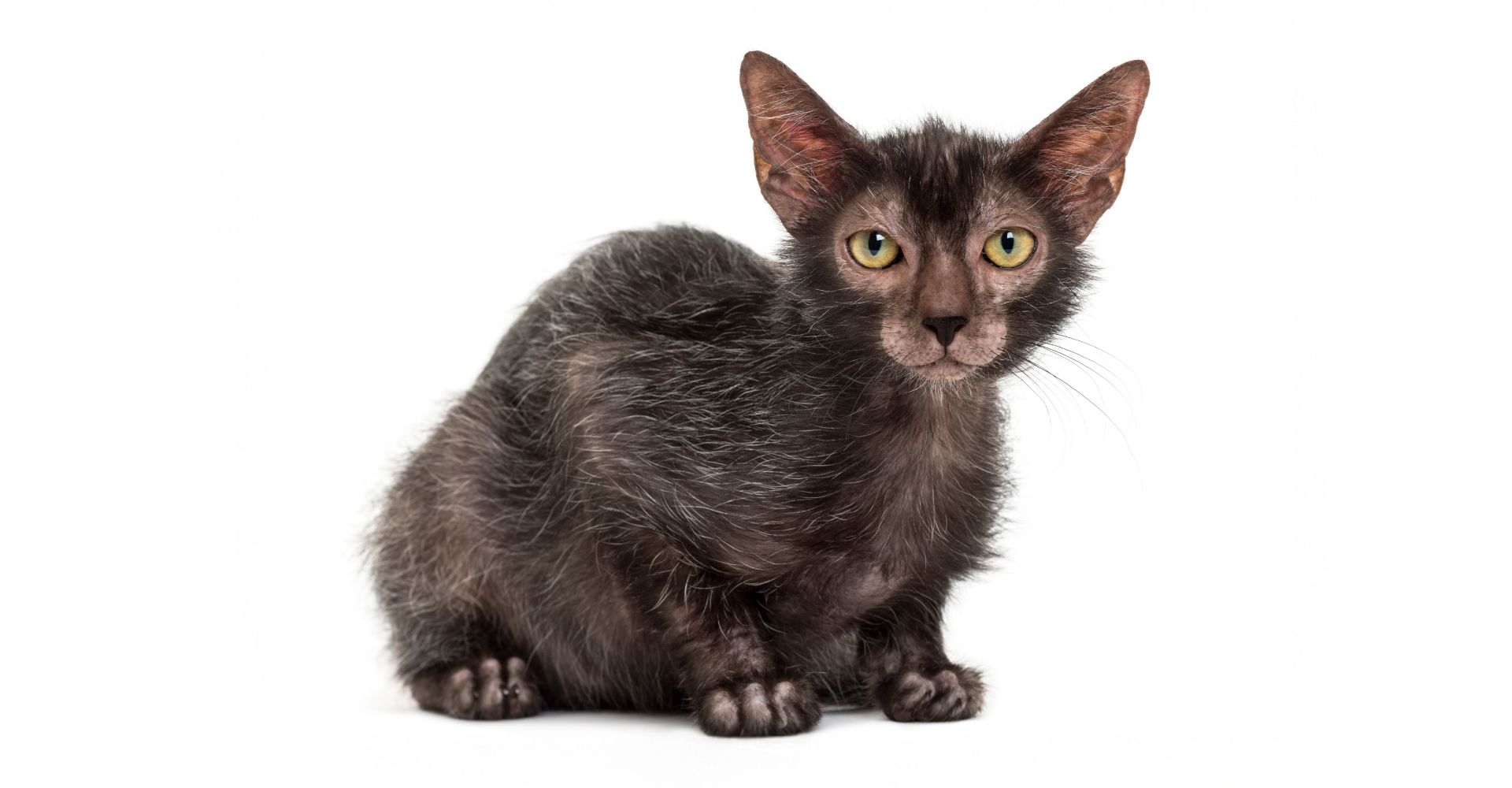
    If you’ve ever seen a photo of a Lykoi cat, you might have thought it walked straight out of a Halloween movie. Nicknamed the “werewolf cat”, this rare and fascinating breed has captured attention worldwide with its unusual coat and mysterious charm. While their looks are striking, caring for any rare breed means extra consideration. So, having pet insurance in place can help you manage the unexpected. 


    RELATED: TOP 5 RAREST CAT BREEDS IN SOUTH AFRICA 


    Getting to Know the Lykoi Cat Breed 

    The Lykoi is a relatively new discovery, first recognised in the early 2010s. Unlike designer crossbreeds, the Lykoi’s appearance stems from a natural genetic mutation affecting their hair follicles. They earned the spooky nickname of “werewolf cat” thanks to their patchy coat and intense, golden eyes. Their partial hair coverage gives them a scruffy, mid-transformation look, which appears perfectly wolfish without a full moon in sight. 

    Lykoi Pronunciation and Origin   

    Wondering how to say it? The word Lykoi is pronounced “lie-koi”. It comes from the Greek word lykos, meaning “wolf.” The breed originated in the United States when breeders noticed a unique pattern in feral domestic shorthair cats. 


    Lykoi Cat Traits and Personality 

    Lykoi cats are medium sized with lean, athletic bodies. Their coats are typically a mix of black and white, often referred to as “roan.” Some may look nearly hairless in certain patches, which can change throughout their life. 

    Are Werewolf Cats Hypoallergenic? 

    Unfortunately, no. Like most cats, they produce allergens in their saliva and skin oils, which can still trigger reactions. However, their thinner coat may slightly reduce the spread of allergens compared to fluffier breeds. 

    Temperament and Behaviour 

    Despite their “wild” appearance, Lykoi cats are gentle, intelligent, and playful. They’re often described as dog-like in their loyalty, following their humans from room to room. 

    Most Lykoi cats bond closely with their families but may be cautious around strangers. They usually get along well with other cats and even dogs, provided proper introductions are made. 


    How to Care for a Lykoi 

    A balanced, high-protein diet supports their active nature. Because of their coat, they can be more sensitive to temperature extremes. Consider pet sunscreen or shade in hot weather, and cosy spots in winter. Regular vet visits and cat insurance are essential to cover unexpected health issues. 


    A Unique Pet for the Right Home 

    The Lykoi cat isn’t for everyone, but for the right household, they bring endless fascination and affection. Their wolfish charm is balanced by a sweet, people-oriented personality, proof that looks can be deceiving. 

    If you’re considering adding a rare breed like the Lykoi cat to your family, make sure you’re ready for the commitment. And don’t forget the practical side: having pet insurance gives you peace of mind when caring for such a unique cat. At dotsure.co.za, we understand that extraordinary pets deserve extraordinary care. Ready to learn more? Contact us today!

  • UNDERSTANDING THE DANGERS OF PET OBESITY

    UNDERSTANDING THE DANGERS OF PET OBESITY


    Keeping your furry friend healthy requires more than just cuddles and playtime. Just like us, pets can gain weight in ways that affect their health and happiness. Pet obesity is a growing concern, but with awareness, the right routine, and even pet insurance to cover unexpected health issues, you can help your pet live their best life.  


    What Is Pet Obesity and Why Does It Matter? 

    Pet obesity occurs when a pet carries excessive body fat that can harm their health. Overweight pets are at a higher risk for diabetes, joint issues, and heart problems. Recognising obesity early on makes it easier to prevent long-term complications. 

    A pet obesity calculator is a simple tool to check if your cat or dog is at a healthy weight.   

    What Causes Obesity in Dogs and Cats? 

    • Breed, Age, and Genetic Predispositions: 

    Certain breeds gain weight easily, and older pets may have slower metabolisms. Genetics combined with lifestyle factors often play a significant role in obesity risk. 

    • Common Contributors: 

    Overfeeding, high-calorie treats, and low activity levels are major contributors to obesity in dogs.  

    • Unique Risks: 

    Cats often gain weight silently. Indoor cats, neutered pets, and those with limited playtime may be more prone to obesity.  


    Health Risks Linked to Pet Obesity 

    Excess weight can affect both the body and mind of pets. The following summarises major health risks and prevention tips: 

    Health Risk  Description  Prevention Tips 
    Joint & Mobility Issues  Extra weight strains joints, causing arthritis and difficulty moving  Regular exercise, maintaining healthy weight, joint supplements if recommended by a vet 
    Diabetes  Excess body fat can lead to insulin resistance  Balanced diet, portion control, routine vet check-ups 
    Heart Problems  Obesity increases the risk of heart disease  Avoid overfeeding, provide daily physical activity, monitor weight regularly 
    Liver Disease  Fat accumulation affects liver function  Low-fat, nutritionally balanced diet, vet-guided weight management 
    Reduced Life Expectancy  Overweight pets tend to have shorter lifespans  Preventative care, healthy lifestyle, early intervention for weight gain 
    Behavioural Changes  Fatigue, low playfulness, anxiety, or social withdrawal  Mental enrichment, active playtime, gradual weight loss if needed 
    Respiratory Issues  Extra weight can make breathing more difficult, especially in brachycephalic breeds  Controlled diet, exercise routines suitable for breed and age 


    Love Means Keeping Them Healthy 

    Pet obesity may be common, but it’s preventable. Paying attention to their care and sticking to routine checkups, protects your pet from possible health risks. So, consider pet insurance as part of a responsible care plan. For guidance on cover, visit dotsure.co.za to contact us today! 

  • STRANGE MYTHS: DO CATS HAVE 9 LIVES?

    STRANGE MYTHS: DO CATS HAVE 9 LIVES?


    Cats have a reputation for being fearless daredevils. Leaping from high places, squeezing into impossible gaps, and always seeming to land on their feet. It’s no wonder the age-old question pops up: Do cats really have 9 lives? While it’s a fun idea that’s part of folklore, the truth is your cat only has one precious life, which makes keeping them safe (with a little help from things like pet insurance) all the more important. 


    The Myth of Nine Lives: Where Did It Come From? 

    The idea that cats cheat death has been around for centuries. This myth was born from history, symbolism, and the cat’s uncanny ability to survive situations that would leave other animals in trouble. 

    The phrase “a cat has nine lives” is a way of saying cats seem to survive the impossible. Across cultures, the number nine has often been linked with magic, luck, and eternity. So, when people saw cats bouncing back from dangerous scrapes, the myth wrote itself. 

    Physically, cats are agile and flexible, with bodies built for climbing and leaping. Symbolically, their mysterious, independent nature made them seem otherworldly to ancient civilisations. The perfect myth-making recipe. 

    Do Cats Have Nine Lives, or Seven, or Six? 

    Interestingly, not every region agrees on the number. In English-speaking countries, it’s nine. In Spain, some say seven. In parts of the Middle East, it’s six. No matter the number, the idea is the same: cats are seen as tough survivors. 

    Cat Mythology and Folklore Through the Ages 

    In Ancient Egypt, cats were sacred, linked to the goddess Bastet and seen as protectors. In Norse mythology, Freyja’s chariot was pulled by cats, making them symbols of fertility and magic. Celtic tales also often feature cats as guardians of the Otherworld. Clearly, cat mythology and folklore have always painted them as mystical. 

    Black cats, especially, are surrounded by mystery. In Medieval Europe, they were tied to witchcraft and feared as omens. But in other cultures, they’re lucky charms, like in Japanese folklore, where they’re believed to bring good fortune. These cat myths and superstitions still shape how people see them today, especially around Halloween. 


    RELATED: 7 REASONS TO LOVE BLACK CATS 


    Cat Myths and Superstitions That Persist Today 

    Luck, Witches, and the Mystery of Cats 

    Even in the modern world, cats still carry a mystical aura. Some people believe a cat crossing your path is unlucky, while others see it as a blessing. Witches and cats remain linked in pop culture, showing how myths never quite fade away. 

    The Truth Behind the Agility: Why Cats Seem to Survive Everything 

    So, why do cats seem like they have extra lives? The science behind their survival skills is fascinating: 

    • Righting reflex: Cats can twist their bodies mid-air to land on their feet. 
    • Flexibility: Their spines bend like springs, helping absorb impact. 
    • Balance: Their inner ears give them incredible coordination. 
    • Survival instincts: Cats are cautious explorers who often know how to get out of sticky situations. 

    These abilities may look magical, but they’re really just nature’s design. 


    Celebrate Your Cat’s One Precious Life  

    At the end of the day, your cat only has one life, and it’s up to you to make it the best it can be. From cozy naps to adventurous playtime, every moment counts.  

    While you may find yourself asking, “Do cats have nine lives because they seem invincible?” Accidents and illnesses can happen, which is where a safety net like cat insurance can help them land on their feet.  

    If you’d like to make sure your feline friend’s one life is always protected, visit dotsure.co.za to get a quote or contact us today!