Tag: cars

  • MORE THAN CAR INSURANCE: COVER FOR TYRES, RIMS, AND MINOR DAMAGES  

    MORE THAN CAR INSURANCE: COVER FOR TYRES, RIMS, AND MINOR DAMAGES  


    When it comes to protecting your car, traditional car insurance is just the beginning. Everyday bumps, potholes, and small scrapes can take a toll on your vehicle and your wallet. That is where tyre & rim insurance and scratch & dent insurance can go the extra mile.   


    Simplifying Vehicle Protection for South Africans 

    dotsure.co.za’s new Essential Products are designed to offer more value, simplicity, and flexibility. Instead of choosing from multiple optional extras, you can now select from two convenient bundles that combine popular benefits, giving you more cover for less. 


    Why Tyre and Rim Cover Matters on South African Roads 

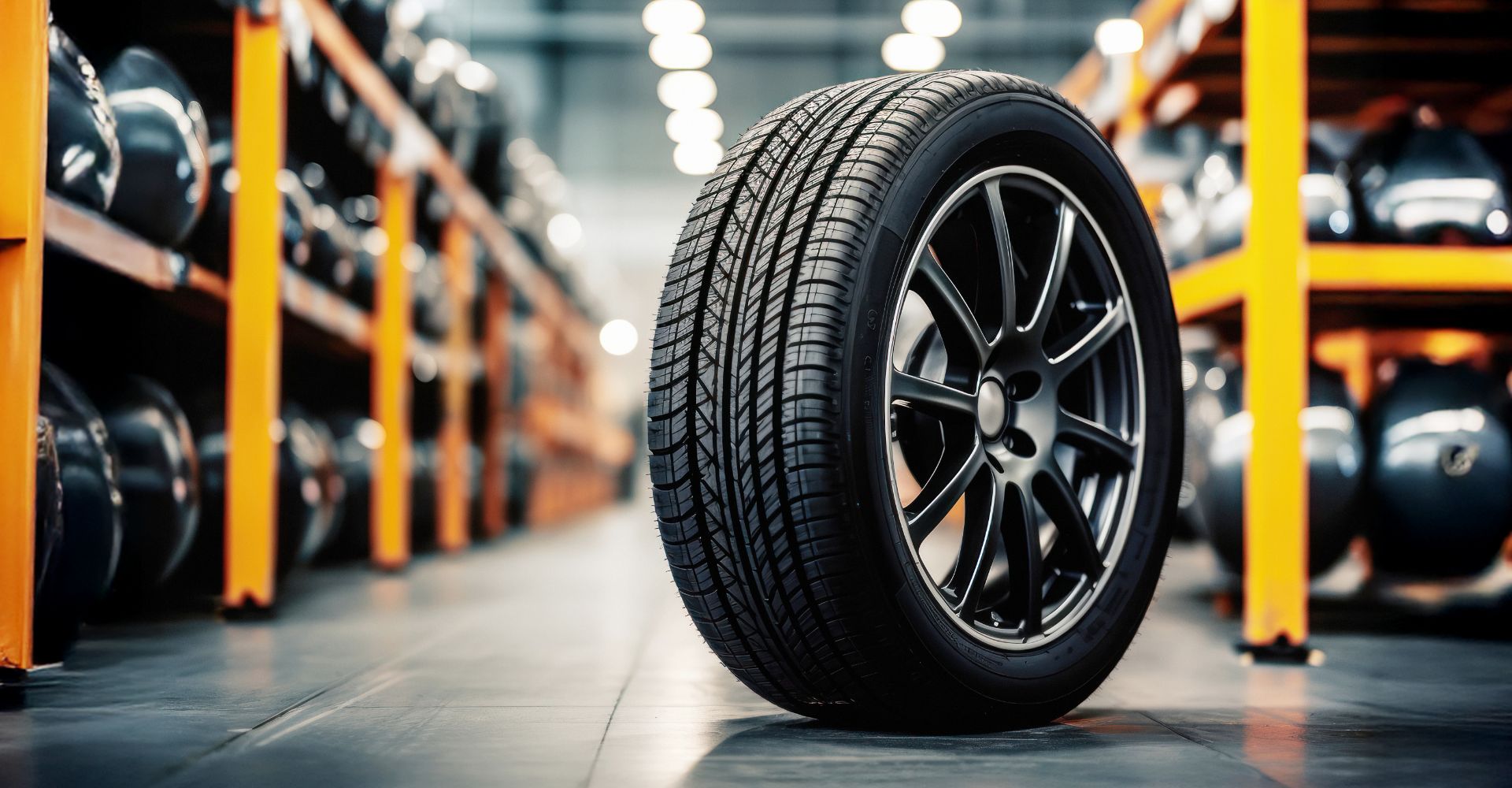
    South African roads are full of surprises, and not the good kind. Potholes, debris, and uneven surfaces can cause serious damage to your tyres and rims, often without warning. 

    If you commute daily, drive on secondary roads, or simply want peace of mind for those unpredictable hazards, tyre and rim cover is a smart move. 


    Protect Your Car’s Look with Scratch and Dent Cover 

    Parking-lot dings, stone chips, or scuffs from tight driveways can add up over time and impact your car’s resale value. 

    Scratch & dent insurance takes care of minor exterior repairs, including scratches, small dents, chips, and damage to mirrors, lights, and badges. It is a simple way to keep your car looking as good as new. 


    Bundle-Up on Car Insurance Savings 

    Our new Essential Products come in two options, Body Protector and Accident Protect. Each is designed to cover specific needs, whether that is fixing small damages, or covering extra costs after an accident. 

    Body Protector: Cover for Tyres, Rims, and Minor Exterior Damage 

    This product protects against everyday bumps and bruises with cover for: 

    • Minor scratches, chips, and dents 
    • Headlamps, indicators, and brake lights 
    • Metal badges and mirrors 
    • Tyre replacement, puncture repair, rim damage, and wheel alignment 

    Accident Protect: Financial Support When It Matters Most 

    Get a cash benefit after a valid car insurance claim for theft, hijacking, fire, or accident-related damage. Use it to: 

    • Contribute towards your excess 
    • Cover car hire or other expenses 


    Are Car Insurance Add-Ons Worth It? (Cost vs. Peace of Mind) 

    The average cost of a single tyre replacement or rim repair can far exceed the small monthly premium for protection. 

    Combining benefits in one bundle gives you better protection for less, all while keeping your car in peak condition. 


    Get Essential Protection Today 

    Protecting your car should not be complicated, and with dotsure.co.za car insurance, it’s not. Get a quick quote online or contact us to find the right fit for your car and budget. Because life happens!

  • THE DIFFERENCE BETWEEN CLASSIC, VINTAGE, AND ANTIQUE CARS 

    THE DIFFERENCE BETWEEN CLASSIC, VINTAGE, AND ANTIQUE CARS 


    For car enthusiasts, owning something rare and full of character is part of preserving history. Whether you’ve got your eye on a 1930s roadster or a 1980s icon, knowing the difference between classic, vintage, and antique cars can help you appreciate your ride even more. It also comes in handy when you’re sorting out things like registration, valuations, or car insurance for your vehicle. 


    Quick Car Age Class Definitions 

    What is a Classic Car? 

    A classic car generally falls between 20 and 40 years old, though many purists stretch that further. These cars, like 1960s Mustangs, 1970s Beetles, and early 1990s BMWs, represent eras that shaped motoring culture. They’re often admired for design, performance, or just the nostalgia they bring back every time you turn the key. 

    What is a Vintage Car? 

    When someone talks about a vintage car, they’re usually referring to vehicles built between 1919 and 1930. These beauties mark the shift from early motorised transport to the first true cars, crafted with precision and packed with personality. Think of long bonnets, upright grilles, and gleaming chrome. 

    What is an Antique Car? 

    Antique cars are usually those built before 1919, and they’re as rare as they are remarkable. These vehicles trace the origins of motoring itself, with hand-built machines that paved the way for everything that came after them. They’re less about speed and more about preserving the craftsmanship and history of the very first automobiles. 


    Classic vs Vintage Cars 

    While both vintage and classic cars have a timeless appeal, there are a few key differences that set them apart: 

    Category 

    Vintage Cars 

    Classic Cars 

    Era & Engineering 

    Built in the pre-war era, featuring mechanical brakes and early engine technology. These cars represent the foundations of automotive design.  Produced post-war and beyond, with hydraulic systems, electrical components and more refined handling. The improvement in comfort and drivability is easy to feel behind the wheel. 

    Originality vs Modification 

    Typically kept in original condition to preserve authenticity and historical accuracy.  Often restored or modified (“resto-mod”) to blend vintage charm with modern performance and comfort. 

    Example Models  

    Ford Model A, Rolls-Royce Silver Ghost, Bentley 4.5 Litre, and Bugatti Type 35  Jaguar E-Type, Mercedes-Benz 280SL, Volkswagen Beetle, BMW E30 3-Series, and Mazda MX-5 


    South African Context: Car Age Classes 

    Here in South Africa, enthusiasts often refer to the South African Vintage and Veteran Association (SAVVA) system to classify older vehicles by age. 

    Ancestor, Veteran, Vintage, Post-Vintage, and Post-War Cars 

    • Ancestor (pre-1905): The true trailblazers. 
    • Veteran (1905–1918): Early motor engineering and limited production. 
    • Vintage (1919–1930): The golden age of design and innovation. 
    • Post-Vintage (1931–1945): Refined craftsmanship and the rise of luxury. 
    • Post-War (1946–1960): Stronger, sleeker, and more accessible than ever. 

    These categories help determine eligibility for rallies, club membership, and heritage plates. So, they’re worth knowing if you’re joining the classic car community. 


    Insurance Considerations for Older Vehicles 

    Owning a classic, vintage, or antique car often means you’ll need specialised insurance. These policies consider factors such as your car’s age, rarity, and usage. 


    While dotsure.co.za offers comprehensive car insurance for vehicles up to 25 years old, it’s still worth protecting your ride. Whether it’s your everyday runabout or a weekend favourite, get a quick online quote or contact us to explore insurance options built around your lifestyle. 

  • THE PSYCHOLOGY BEHIND ROAD RAGE

    THE PSYCHOLOGY BEHIND ROAD RAGE


    Have you ever caught yourself muttering choice words at the driver who cut you off, holding up a choice finger out your window? Don’t worry, you’re not alone. The psychology behind road rage isn’t just about bad tempers and traffic jams. It’s a mix of stress, emotions, and, let’s be honest, a little bit of ego. 

    At dotsure.co.za, we’re not here to wag our finger (the pointy one, not the other one you use on the road). We’d rather help you understand why road rage happens, what it does to your mental health, and how to keep your cool behind the wheel. Yes, even when someone forgets how indicators work, or that their cars have them. 

    PS: Get a car insurance quote today and drive with one less thing to stress about. 


    What Is Road Rage? 

    Road Rage: Meaning and Common Examples 

    So, what’s the official meaning of road rage? It’s that sudden violent anger on the road that boils over into aggressive driving, or even full-blown confrontations. Have you ever watched the Netflix series Beef? Now, that’s a story of road rage gone to the extreme! 

    Common examples include: 

    • Shouting, hooting, or “creative” hand gestures 
    • Tailgating to “teach someone a lesson” 
    • Cutting others off intentionally 
    • Getting out of your car to confront another driver angrily.  

    Eye-Opening Road Rage Facts 

    Here are a few road rage facts that might surprise you: 

    • Studies show men under 30 are the most prone to road rage. 
    • Rush-hour traffic is the top trigger for aggressive driving. 
    • Road rage can spike your heart rate and blood pressure in seconds. 


    The Psychology Behind the Rage 

    Common Causes of Road Rage 

    • Traffic jams  
    • Running late 
    • Feeling disrespected 
    • Personal stress 

    Stress, Anonymity, and Cognitive Biases 

    Psychologists point out three key factors: 

    • Stress: The higher your stress, the lower your patience. 
    • Anonymity: People feel “less seen” in cars, so they act out. 
    • Cognitive bias: We assume others drive badly on purpose, but excuse ourselves with “oops.” You know that “oops, I was in the wrong lane, you have to let me in” vs “how can they just push in like that!” 


    Effects of Road Rage on Mental Health 

    Short-Term Reactions vs Long-Term Stress 

    In the moment, road rage can cause: 

    • Adrenaline spikes 
    • Aggressive outbursts 
    • Risky driving behaviour 

    Over time, it may lead to: 

    • High blood pressure 
    • Anxiety 
    • Emotional exhaustion 

    Daily exposure to rage-filled driving leaves you mentally drained. That’s not just bad for your mood, it’s bad for your health too. 


    Dangers and Consequences of Road Rage 

    Legal, Financial, and Safety Risks 

    The dangers of road rage go far beyond an angry hand gesture. It can lead to: 

    • Accidents and injuries 
    • Criminal charges (assault, reckless driving) 
    • Insurance claims that spike your premiums 

    Imagine smashing your bumper because your ego took control of the wheel… 


    RELATED: SCARY ROAD ACCIDENT STATS IN SOUTH AFRICA 


    Road Rage Prevention: How to Keep Calm and Carry On 

    Practical Ways to Prevent Road Rage 

    • Leave earlier to avoid time stress 
    • Breathe deeply instead of shouting 
    • Switch to uplifting music or a good podcast 
    • Don’t take it personally 

    Creating a Calmer Driving Environment 

    Keep your car a stress-free zone. You could include some comfy seats, your favourite playlist, maybe even a calming air freshener or some incense. If you feel yourself boiling, pull over and reset. 


    Road Rage Quotes and Jokes: Lightening the Mood 

    Funny Road Rage Quotes to Make You Smile 

    • “You can’t drive safely when you’re mad. Unless you’re in bumper cars.” – Unknown 
    • “If only cars were fuelled by road rage…” – Unknown 
    • “Sometimes I get road rage just pushing a shopping cart in the supermarket.” – Unknown 

    Road Rage Jokes That Might Just Diffuse the Anger 

    • Why did the angry driver get therapy? Because he couldn’t brake his bad habits. 
    • What do you call road rage in a Smart car? A little temper. 


    Final Thoughts: Mind Over Motor 

    Understanding the psychology behind road rage helps us see that it’s more than “bad driving.” It’s stress, bias, and ego mixed with a taxi and a robot that doesn’t work. Good news is you can take back control with a few calming tricks. 

    Tell Us Your Story 

    Have you ever had a road rage moment you laugh about now? Share your story with us on X and tag us! We’d love to hear it. 
    Get a car insurance quote or contact us today for cover that makes the road less stressful. 

  • CAR SAFETY INSPECTION CHECKLIST FROM US TO YOU

    CAR SAFETY INSPECTION CHECKLIST FROM US TO YOU


    Do you ever run through a car safety inspection checklist before you hit the road for that long weekend or even for your daily commute? Even if to-do lists are your thing, we’re leaning towards that answer being a “no.” 

    While it may seem tedious or unnecessary, it will help you avoid surprises such as a flat battery when you’re already late for work or a wiper that quits mid-thunderstorm. 

    PS: An extended car warranty should also be on that checklist! It can help cover those unexpected repair bills. Get a free quote right now in minutes, and you’ll have already ticked off #1 on our safety checklist! 
     

    Why Car Safety Inspections Matter 

    The Risks of Skipping Inspections 

    Ignoring inspections is like skipping the dentist. Everything seems fine until you chomp down a popcorn kernel, and then whoops, that rotten tooth you didn’t know about cracks. A worn brake pad or underinflated tyre can quickly escalate into a costly and dangerous breakdown. 

    When and How Often Should You Inspect Your Car? 

    A quick once-over every month should do it. You can perform a more thorough check before long trips. And of course, follow your car service plan and make sure you know when your vehicle is due for routine maintenance. 


    RELATED: EXTENDED CAR WARRANTY VS SERVICE PLAN 


    The Essential Car Safety Inspection Checklist 

    Engine Oil & Fluids: Check for Levels and Quality 

    Engine oil, brake fluid, and coolant are your car’s lifeblood. Ensure all levels are topped up and the fluids are clean. You don’t want any murky colours or burnt smells. 

    Battery: Clean Contacts and Test Power 

    You know how it goes, a weak battery loves to die on us at the worst possible moment. Check for corrosion on the terminals and test the voltage.  

    Wipers & Windscreen: You Need Clear Vision 

    Your car safety inspection checklist should always include checking your wipers and your windscreen. Replace blades if they streak, and keep your windscreen chip-free. 

    Top tip! Some wiper blades have a little black dot on them. When the black dot wears down it reveals a colour dot that means it’s time to replace them. 

    Tyres: Pressure, Tread, and Alignment 

    Far too many accidents are caused by cars with tyres that have no grip. Check tyre pressure monthly, measure tread depth (check out this blog on how much tread your tyres need) and look out for uneven wear that might signal misalignment. 

    Lights: Headlights, Indicators, Brake Lights, and DRLs 

    Lights keep you seen and safe. Test them all, including fog lights and daytime running lights, to avoid being “that car” with a missing headlight that looks like a motorbike in the dark. 


    Major vs Minor Car Service Checklist 

    A minor car service checklist usually covers oil changes, filters, spark plugs, and safety checks. 

    A major car service checklist is a lot more in-depth: timing belts, suspension, transmission fluids, and more. Your mechanic can do these checks for you, and it’s usually covered during your annual service. 


    Car Seat Safety Checklist: Keeping Your Little Ones Safe 

    How to Check Car Seats for Fit, Expiry, and Damage 

    Car seats aren’t made to last forever. Inspect straps for fraying, check expiry dates, and ensure the seat is correctly fitted and appropriate for your car model. 

    Legal Requirements for Car Seats and Seat Belts in South Africa 

    Under the National Road Traffic Act, all children under three must be secured in a proper car seat. Beyond the law, a car seat safety checklist can literally be life-saving. 

    Adults:  

    • Must wear a seatbelt if the seat is fitted with one (except while reversing or parking). 

    Children (3–14 years): 

    • Must use a suitable car seat or booster seat. 
    • If no child restraint is available but a seatbelt is, the child must wear the seatbelt. 

    Infants (0–3 years): 

    • Must be seated in an appropriate child restraint (car seat). 

    Rules for Riding Shotgun 

    • South African law does not prohibit a child from sitting in the front seat, nor does it set a hard minimum front-seat age. 
    • However, some sources do state that children aged 4 to 7 years may travel in the front seat, provided all rear seats are already occupied. 
    • This is more of a safety guideline than a clear statutory rule. 

    Why the Back Seat Is the Safest Place for Children 

    • The back seat is farthest from the point of frontal impact, which is the most common type of crash. 
    • If an airbag deploys, it can severely injure a child in the front seat especially in rear-facing car seats. 
    • Many child restraint manufacturers and road safety bodies strongly recommend keeping children in the rear seats as long as possible.  


    Staying Safe on the Road 

    At the end of the day, sticking to a car safety inspection checklist gives you peace of mind, prevents costly surprises, and keeps you and your passengers safe. Pair that with the right extended car warranty from dotsure.co.za, and you’re ready for the road ahead. 

    Do you need more info? Get a quick quote online or contact us for more about keeping your car and wallet safe. 


  • WHAT WEIGHT TRAILER CAN I LEGALLY TOW IN SOUTH AFRICA?

    WHAT WEIGHT TRAILER CAN I LEGALLY TOW IN SOUTH AFRICA?


    Have you ever spotted a tiny hatchback trying to drag a trailer the size of a small house? In South Africa, trailer towing has its own set of laws and limits. But knowing what weight trailer you can tow isn’t just about following the rules. It’s about safety and saving your clutch from an early retirement.  

    And while we can’t stop your aunt from overpacking, we can help you understand the rules and remind you that dotsure.co.za car insurance has your back when life on the road becomes heavy. 


    Trailer Towing Basics in South Africa 

    What Size Trailer Can I Tow with a Car? 

    Small cars can happily tow trailers like Venters and other lightweight models, provided they stay within the legal weight limits. This could carry your groceries, camping gear, or a small load of furniture. But if you’re thinking of moving your friend’s piano across the country in an Opel Corsa Lite… maybe you shouldn’t. 

    Understanding Trailer Towing Weights 

    Legally and mechanically, you need to know two key numbers: 

    • Gross Combination Mass (GCM): This is the maximum weight your car and whatever it’s towing can weigh in total. It includes your vehicle, all passengers, luggage, fuel, and the trailer with its load. Go over this, then you’re breaking the law and putting massive strain on your engine and brakes. 
    • Towing Capacity: This is the maximum trailer weight your vehicle is rated to pull. It will usually be split into two figures: 
    • Unbraked trailers: These don’t have their own braking system. In South Africa, they’re capped at 750 kg or less, no matter how powerful your car is. 
    • Braked trailers: These have their own braking system, which means they can safely weigh more. The actual limit depends on your specific vehicle’s manufacturer specifications, but the general rule is that the trailer can’t weigh more than the towing vehicle itself. 


    South African Trailer Towing Laws and Licensing 

    Trailer Towing Regulations South Africa 

    South Africa’s trailer towing laws are clear: 

    • Unbraked trailers cannot exceed 750 kg. 
    • A braked trailer may not weigh more than the tow vehicle. 
    • A load must always be evenly distributed and secured. 

    For a full deep dive, check Arrive Alive’s safe towing guide 

    Do You Need a Specific Licence to Tow a Trailer? 

    Yes. With a Code B licence (standard car licence), you can tow a light trailer up to 750 kg. If you want to haul anything heavier like a horse trailer or a double-axle camping trailer, you’ll need a Code EB licence or higher.  


    Vehicle Requirements for Towing 

    Best Cars and Vehicles for Towing Trailers 

    SUVs and bakkies are favourites for good reason: They’ve got the torque and weight to keep things steady. If you’re shopping around, look for vehicles with factory-rated towing capacities and towbar packages. 

    Best 4×4 for Towing a Horse Trailer 

    Horse trailers are heavy, sensitive loads. You’ll want stability and torque. Popular choices include the Toyota Land Cruiser, the Ford Everest, and the Land Rover Discovery. 

    Towing a Horse Trailer with an Automatic: What to Know 

    Yes, you can tow with an automatic, but not all gearboxes are made for it. Stick to vehicles with higher torque ratings and towing modes. 

    How Much Torque Do I Need to Tow a Trailer? 

    Torque is your pulling power. For light trailers, 150–200 Nm is often enough. For caravans or horse boxes, aim for 350 Nm or higher. 


    Safety Tips for Towing 

    Tyre Pressure When Towing a Travel Trailer 

    Check both the car and trailer tyres. Increase your pressure slightly (within safe limits) for heavy loads, and always do a pre-trip inspection. 

    Can I Tow a Double Axle Trailer with a Car? 

    It depends on the car. If it’s a small sedan, you probably can’t. Mid-sized SUVs or bakkies? Yes, if they meet the legal weight requirements. Always confirm your vehicle’s maximum towing capacity before hitching up. 


    RELATED: CAR SAFETY INSPECTION CHECKLIST FROM US TO YOU 


    Matching the Right Trailer to the Right Vehicle 

    So, what weight trailer can I tow? The short answer is, don’t ask your car to do more than it’s designed for. A small hatchback and a horse trailer are just a disaster waiting to happen. The longer answer is that it depends on your licence, your car’s specs, whether your trailer is braked or not, and your rulebook and manufacturer’s limits. 

    All this talk about towing has reminded us about one of the game-changing benefits of car insurance: We offer emergency roadside assistance! So, if you need a tow, we’ve got you covered. Get a quote online today, or contact us for more info. 

  • WHICH COLOUR CARS HAVE THE MOST ACCIDENTS?

    WHICH COLOUR CARS HAVE THE MOST ACCIDENTS?


    We all have our reasons for picking a car colour. Some people choose white because it lowers heat absorption. Others go for the luxurious vibes with a sleek black. But believe it or not, the colour you choose can also play a role in your safety on the road. While it’s not the only factor regarding crashes, research shows that visibility and car colour influence accident statistics. 

    So, which colour cars have the most accidents, and what’s the safest shade to drive in South Africa? Let’s break it down. 

    PS: No matter what colour car you drive. Drive it worry-free with our extended car warranty! Get a quote online today or contact us for more. 


    Does Car Colour Affect Safety? 

    The Link Between Colour and Visibility 

    The more a car blends into its environment, the harder it is for other drivers to spot it in time. A grey car on a misty day in Cape Town or a black car cruising along a dimly lit Joburg highway at night. Your eyes need a fraction of a second longer to notice that car, and those fractions of seconds make all the difference on the road. 

    Basically, if your car’s colour blends into the background or vanishes in low light, you may be at a higher risk of being hit, simply because someone didn’t see you in time. 


    Car Colours to Think Twice About 

    • Black: Sleek, stylish, but near-invisible at night. Black cars are up to 47% more likely to be involved in crashes than other coloured vehicles. 
    • Grey/Silver: Blends into both tarred roads and rainy weather or cloudy skies 
    • Blue: Dark blue is tricky to see in low light, and other lighter blue shades tend to blend into the sky 
    • Red and Brown: These are difficult to distinguish as they are the same colour as road signs. 

    That doesn’t mean you should cancel your order for that graphite-grey SUV. It just means you have to be more mindful of how you drive it. 


    What Is the Safest Colour Car on the Road? 

    Why White (and Similar Shades) Lead in Safety 

    White consistently ranks as the safest car colour because it’s easy to spot in most environments. It reflects light well, pops against the tar, and remains visible during both day and night driving. 

    Other Safe Colours and Their Visibility Benefits 

    • Yellow: Impossible to miss, even in bad weather. Hey, when was the last time you saw a yellow car? 
    • Orange: Similar visibility perks as yellow, with added personality. We may be biased here because orange is dotsure.co.za’s colour, of course! 
    • Gold/Beige: Not everyone’s cup of tea, but they stand out on the road. 


    What Your Car Colour Says About You 

    While we’re on the topic of car colours and what they say about our accident stats, what does your car colour say about you? This is just for fun. There is no need to turn green with envy or red with anger, okay? 

    • White: Clean, practical, maybe a little cautious. We’re also thinking mom vibes here, maybe? 
    • Black: Sophisticated, likes to be in control. Or really boujee. Or part of the Mafia? 
    • Silver/Grey: Modern, cool-headed, plays it safe (this is super ironic).  
    • Red: Confident, energetic, maybe a little fiery.  
    • Blue: Calm, trustworthy, dependable. Also, first car vibes. 
    • Yellow/Orange: Fun-loving, cheerful, and not afraid to stand out. Again, not sure when you last saw a yellow or orange car? Because their personalities are … the same. 


    RELATED: WHICH CARS GET THE MOST SPEEDING FINES? 


    Other Factors That Influence Car Safety 

    Even the brightest yellow car isn’t invincible to road accidents. Colour is just one factor to consider. What matters more is how you drive and how visible you make yourself. 

    Tips for Staying Visible on the Road 

    • Use daytime running lights (DRLs) or keep your headlights on during cloudy conditions. 
    • Add reflective strips if you drive a work vehicle at night. 
    • Keep your car clean. Dust, mud, and grime dull even the brightest colours. 
    • Drive smartly: Your car colour won’t save you if you’re speeding or distracted. 


    Drive Safe in Any Colour 

    At the end of the day, which colour cars have the most accidents is only part of the safety puzzle. Yes, white cars might be statistically safer, and black cars riskier, but how you drive matters most. Stay visible, maintain your car, and follow the laws of the road. 

    Do you want to look after what’s under the hood of that fancy paint job? Get an extended car warranty from dotsure.co.za, and protect your car parts and your wallet! 

    If you want to know more? Get a quick quote online or contact us today. 


  • FREE VEHICLE SAFETY CHECKS TO AVOID TRAFFIC FINES

    FREE VEHICLE SAFETY CHECKS TO AVOID TRAFFIC FINES


    Receiving a traffic fine in the mail really kills the vibes. Not only does it mean you have disobeyed the law, but it can also cost you some serious cash. One of the simplest ways to stay out of trouble? Keep your car roadworthy with a free vehicle safety check. Not only can it save you money, but it also keeps you safe. Speaking of being safe, have you got an extended car warranty yet? Get a quick online quote right now! 


    RELATED: HOW TO: CHECK YOUR CAR’S ROADWORTHINESS 


    Why Free Vehicle Safety Checks Matter 

    South Africa’s traffic laws are tightening, with the AARTO demerit system expected to roll out nationally in the near future. This means fines for “small” issues such as worn tyres or a faulty brake light could soon carry more weight, adding points to your driving record and costing you some ZAR. A quick inspection can spot problems early and save you from a penalty. 

    The Risks of Skipping Checks 

    • Fines ranging from R250 to R1 000 for faulty brakes, bald tyres, or missing reflectors. 
    • Demerit points (once AARTO is fully active) that stick to your record and steer you closer to suspension. 
    • Unexpected repair bills that a proactive check could have prevented. 


    RELATED: WHEN WILL THE DEMERIT SYSTEM BE IMPLEMENTED IN SOUTH AFRICA? 


    The Free Vehicle Safety Checklist 

    • Lights & Indicators:

      Switch on all your lights; the headlights, indicators, brake lights, and DRLs to confirm they’re working. 

    • Tyres:

      Look for tread depth, bulges, and make sure the pressure matches your manual. Don’t forget to also check your spare! 

    • Wipers & Windscreen:

      A cracked windscreen or worn-out wipers can have you fined plus it compromises safety. 

    • Brakes:

      You can test your brakes for stopping ability, vibration or noise. Your mechanic can test braking efficiency, handbrake performance, and spot wear before it becomes dangerous. 

    • Suspension & Steering:

      The condition of your shock absorbers are harder to self-diagnose but vital for safe handling. So, again, let the experts test them for you. 

    • Exhaust & Fuel System:

      Leaks, smoke, noise, or illegal mods can earn you a fine on the spot. 

    • Tools & Safety Equipment:

      It is essential you check your vehicle is equipped with a reflective triangles, car jack and wrench. It might not score you a fine, but it will score you extra peace of mind. Much like a car warranty from dotsure.co.za would! 


    How to Check Vehicle Fines Online 

    No, don’t worry. You do not need to go to the traffic department to check your fines! Most checks can be done online in just a few clicks. Here’s a simple guide on how to check your vehicle for outstanding fines: 

    1. The AARTO Website

    The Administrative Adjudication of Road Traffic Offences site is where fines and demerit points will be displayed once the system goes national. For now, it’s still a handy portal for checking fines. 

    • Login or register 
    • Scroll through your infringements list 
    • You can also search by notice number, date range and number plate 

    Pro tip: This is where your points balance will live once the system is fully rolled out, so it’s worth bookmarking. 

    1. The RTIA Portal

    The Road Traffic Infringement Agency (RTIA) manages all AARTO fines, and its website only redirects to the AARTO website. So, we recommend skipping this one. 

    1. App Options

    You can easily check fines via mobile apps such as payCity, Fines SA, Paymyfines, or even some banking apps such as the Standard Bank App or FNB Banking App. These allow you to: 

    • Get real-time notifications of new fines 
    • Pay directly from your phone 
    • Receive your proof of payment. 

    Our top tip here is: Don’t ignore a fine. Even a small one. It could block license renewals or affect your points once the demerit system kicks in. It’s not worth the legal headaches. 


    RELATED: HOW TO CHECK YOUR DRIVING LICENCE STATUS IN SOUTH AFRICA 


    Avoid Fines, Drive Worry-Free 

    A free vehicle safety check takes less than an hour but can save you thousands in fines, demerit points, and surprise repair costs. It’s also one of the easiest ways to keep your car compliant and safe on South Africa’s busy roads. 

    Do you need more peace of mind behind the wheel? Explore our extended car warranty options and contact us today for more info!

  • SPRING REFRESH: HOW TO DEEP CLEAN YOUR CAR

    SPRING REFRESH: HOW TO DEEP CLEAN YOUR CAR


    Spring has arrived and it’s time to throw open the windows, shake out the dust, and give your car the care it deserves. Just like keeping your car insurance up to date gives you peace of mind, giving your car a proper spring refresh makes every drive feel brand new.  


    Why Your Car Deserves a Spa Day 

    Life happens in your car. From coffee runs to road trips, it takes on crumbs, stains, dust, and more. A deep clean helps to: 

    • Protect your car’s value by preventing wear and tear. 
    • Improve your driving comfort with a fresher, cleaner environment. 
    • Boost safety by improving visibility and removing allergens. 

    It’s basically self-care, but for your car. 


    RELATED: TIK-TOK CAR HACKS THAT ACTUALLY WORK 


    The Ultimate Deep-Clean Checklist for Your Car 

    Grab your vacuum, microfibre cloths, and a little elbow grease.  

    • Declutter: Remove everything from the cabin, boot, and glove box. 
    • Vacuum thoroughly: Get into the crevices under seats and mats. 
    • Wipe down surfaces: Use an interior-safe cleaner for dashboards, doors, and consoles. 
    • Detail small areas: Focus on overlooked spots such as vents and roof lining. 
    • Wash and polish the exterior: Don’t forget the wheels and tyres. 


    Headlight Glow-Up: Cleaning the Inside of Your Car’s Headlights 

    Foggy headlights can reduce visibility at night. To clean them: 

    • Mix baking soda with toothpaste and gently rub onto the inner lens (use a soft cloth). 
    • Rinse with warm water and wipe dry. 
    • For stubborn grime, consider a headlight restoration kit. 


    Roof Rescue: Cleaning Your Car’s Interior Ceiling 

    Your car’s ceiling (headliner) often traps odours and stains. 

    • Lightly vacuum to remove loose dust. 
    • Spot-clean with a fabric-safe cleaner and a microfiber cloth. Avoid soaking the area, as too much moisture can loosen the adhesive or cause mould. 
    • For a fresh scent, finish with a gentle fabric spray. 


    Seat TLC: How to Clean Car Seats Like a Pro 

    Different materials need different treatments. 

    • Fabric seats: Vacuum first, then use an upholstery cleaner. Blot stains instead of scrubbing to avoid spreading them. 
    • Leather seats: Use a leather-safe cleaner and conditioner to prevent cracking. 
    • Synthetic seats: A mild soap and water solution works best. Dry with a clean towel. 


    Fresh Air Fix: Cleaning Out Those Car Vents 

    Dusty vents blow allergens straight into your face. No thanks! 

    • Use a soft brush or cotton swabs to loosen dust. 
    • Spray compressed air into the vent to push out hidden dirt. 
    • Finish with an antibacterial spray for freshness. 


    Shine On: The Best Way to Wash Your Car’s Exterior 

    A good exterior wash makes your car shine and protects the paintwork. 

    • Rinse with water to remove loose dirt. 
    • Use a two-bucket method: one for soapy water, one for rinsing your sponge. 
    • Don’t forget the wheels and rims, as they collect the most grime. 
    • Finish with a wax or polish for long-lasting shine and protection.


    Final Touches: Keep That Clean-Car Feeling Longer 

    • Work top to bottom: Always start with the roof and work your way down. 
    • Microfibre cloths are your friend: They reduce streaks and scratches. 
    • Protect your work: Consider a car cover or regular washes to maintain that fresh look. 
    • Schedule seasonal deep cleans: Just like a service check, they keep your car in great shape year-round. 


    While you’re giving your car a little love, don’t forget about its protection too. With the right insurance, you’ll have peace of mind knowing your ride is covered. 

    For more info on keeping your car protected, visit dotsure.co.za or contact us today!  


    RELATED: ROAD TRIP PREP CHECKLIST 

  • PROUDLY SOUTH AFRICAN NICKNAMES FOR CARS

    PROUDLY SOUTH AFRICAN NICKNAMES FOR CARS


    We give everything character, even our cars. And just like we protect what we love with car insurance, we also celebrate it. So, in honour of Heritage Day, we’re exploring where our unique Mzansi flair shines brightest. 


    RELATED: CAR MODIFICATIONS SEEN IN SA; FUNNY SOUTH AFRICAN DRIVING LAWS


    What’s in a Name? Mzansi’s Car Nicknaming Culture 

    From taxis to hatchbacks to droptops, South Africans rarely call a car by its “proper” manufacturer name. Instead, we invent names that tell stories, poke fun, or capture the essence of the car. It’s a tradition that’s been passed down, and every nickname carries a little piece of our culture. 


    Gusheshe Meaning and Local Legend 

    Ask any petrolhead about “Gusheshe” and they’ll probably break into a grin. This nickname belongs to the BMW 325iS (E30), a legend in SA’s spinning and drifting scene. Revered as the king of doughnuts, the Gusheshe is an icon that represents township pride, adrenaline, and a whole lot of tyre smoke. 


    Names of Cars in South Africa That Tell a Story 

    • Tjor / Itransi: Everyday slang for “car,” but you’ll only hear it on local roads. 
    • Skedonk / Skorokoro: Those old faithfuls that make more noise than movement. You drive them with the radio up so you don’t hear the rattles. 
    • Slahla: Our proudly South African word for convertibles. “Slahla” means “to throw away,” as in throwing away the roof. 


    Mzansi Cars and the Sound of “Vrr Phaa!” 

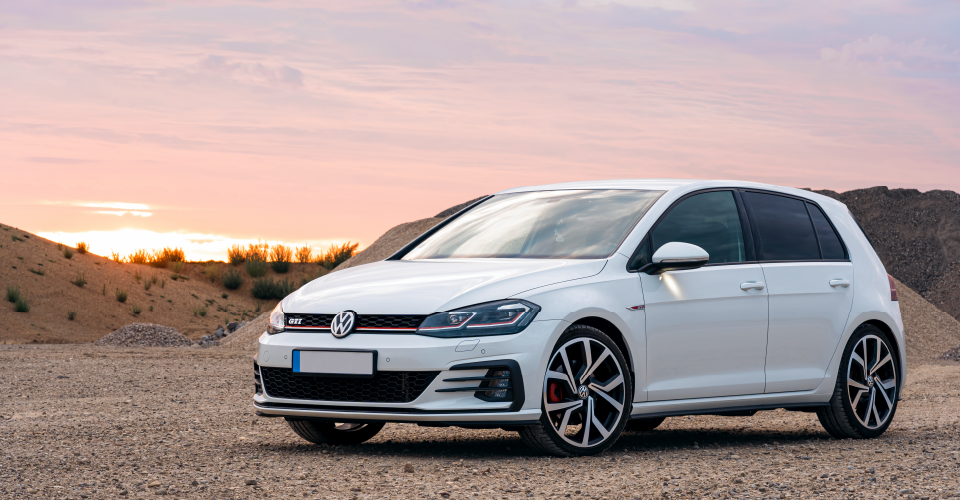
    No nickname list would be complete without the Vrr Phaa! If you’ve ever heard a VW Golf GTI change gears, you know exactly what it means. That sharp “whoosh-bang” between shifts is music to Mzansi ears. Today, “Vrr Phaa!” is used for most performance cars with dual-clutch gearboxes. 


    Honourable Mentions 

    Not every nickname is mainstream, but they’re still worth a nod. 

    • Molo Fish: Ford Cortina 
    • Anaconda: Mercedes-Benz S-Class (long and sleek) 
    • Zola Budd: Toyota Corolla (because it just keeps running) 
    • Starter Pack: VW Polo (the go-to first car for many) 
    • Tony Yengeni: Mercedes ML-Class (named after the politician) 
    • Caracara: VW Golf, inspired by the hit song


    Why South Africans Love Giving Cars Nicknames 

    Cars in SA are part of the family, part of our communities, and part of our stories. Giving them nicknames makes them memorable, relatable, and uniquely ours.


    Protecting the Cars We Love 

    No matter the drive, every car deserves protection. At dotsure.co.za, we offer car insurance that goes beyond the basics to keep you covered. 

    Contact us today to find out how we can help you protect the car you love!   

  • THE SAFEST CARS FOR WOMEN IN SOUTH AFRICA

    THE SAFEST CARS FOR WOMEN IN SOUTH AFRICA


    Are you looking for the safest cars for women in South Africa? We’ve done the digging, checking NCAP crash ratings, local trends, and driver feedback, to bring you a list of the top cars designed to keep you confident and protected behind the wheel.

    Safety is about more than just airbags and crash-test ratings. It’s also about making sure you have reliable motor warranty cover to keep repair costs from catching you off guard.


    Why Safety Matters for Female Drivers

    While avoiding bad driving habits is vital, having a vehicle with top-tier safety features can be a real game-changer. Plus, we know the road conditions in South Africa can sometimes be anything but safe. The best cars for women often come with:

    • High crash-test ratings: Cars tested and proven to protect passengers in an accident.
    • Advanced driver assistance systems (ADAS): Lane-keep assist, blind-spot monitoring, and emergency braking.
    • Reliable handling and braking: Especially in busy urban areas or roads full of potholes and animals.


    Best Cars for Women in South Africa

    Toyota Corolla Cross

    The Corolla Cross earned a 5‑star Euro NCAP rating, with 85% for adult protection and 83% for child passengers. It’s compact enough for city driving but still has all the smart tech you want, such as lane-keeping assist and automatic emergency braking. Plus, Toyotas are known for affordable parts and great resale value.

    Toyota RAV4

    Another 5-star safety champ, the RAV4 is perfect if you want something bigger but just as reliable. It’s packed with advanced driver assistance features and offers great all-round protection. It’s ideal for women who want a family-friendly SUV that’s easy to handle.

    Hyundai Tucson & Kia Sportage

    Both solid picks in the mid-size SUV space. They include safety features such as lane-keeping, AEB, and blind-spot monitoring as standard. They are also known for their strong crash test results overseas and come with competitive pricing.

    Mazda CX‑60

    The Mazda CX-60 is a newcomer to South Africa, but it’s already making the list with its 5-star Euro NCAP rating: 88% for adults and 91% for child passengers. It’s a great choice if you want something modern, and safe.

    Volkswagen T‑Cross & Polo Vivo

    The VW T-Cross offers a smart balance between affordability and safety. It’s a popular choice for women who want a compact car with a strong safety record. The Polo Vivo, while not as highly rated as the T-Cross (4-star NCAP rating), remains a favourite for its practicality, solid build, and great handling. Plus, it’s perfect for tight parking spots!

    Lexus RX & NX

    For those looking for a car where luxury and safety meet, Lexus models are worth every rand. Both the RX and NX hold 5-star Euro NCAP ratings, with some of the highest safety scores for adults and children.


    RELATED: THE TOP INSURED CAR BRANDS IN SA


    Key Safety Features to Look For

    When shopping for the best cars for women in South Africa, look for:

    • AEB (Automatic Emergency Braking)
    • Blind-Spot Monitoring
    • Lane Keep Assist
    • Anti-Theft Tech


    RELATED: HOW TO AVOID CAR THEFT


    How to Choose the Right Car for You

    It’s all about your lifestyle.  City drivers might prefer a compact model like the T-Cross, while families may lean towards a RAV4 or CX‑60.

    Tips for Test Driving and Comparing Options

    • Test drive during both day and night to assess visibility and comfort changes with lighting.
    • Compare safety features, fuel efficiency, and resale value.
    • Check how the car fits your daily life: Is it easy to park? Do the safety systems feel intuitive?

    Pro tip: Pairing the right car with dotsure.co.za Motor Warranty means you can enjoy every drive without stressing about unexpected repair bills!

    If you’ve just upgraded and are already a dotsure.co.za fan, head to the Manage Portal and update your car details.


    Summary: Our Recommended Safest Cars for Women Right Now

    • Compact SUV: Toyota Corolla Cross
    • Mid-size SUV: Toyota RAV4
    • Family SUV: Mazda CX-60
    • Budget-friendly: VW T-Cross
    • Premium pick: Lexus RX/NX


    RELATED: ARE ASIAN CAR BRANDS CHANGING THE GAME IN SOUTH AFRICA?


    Safety is a Worry-Free Warranty

    Choosing the safest cars for women is just one part of the journey. Making sure your car is protected from expensive mechanical failures and surprise breakdowns with a motor warranty from dotsure.co.za is the other. Whichever vehicle you choose, make sure its parts are covered too.


    Get a quick motor warranty quote online and keep both you and your car safe on the road.

  • UNWRITTEN ROAD RULES FOR FEMALE DRIVERS IN SOUTH AFRICA

    UNWRITTEN ROAD RULES FOR FEMALE DRIVERS IN SOUTH AFRICA


    Sure, the official road laws matter. But let’s be real. Experience has taught us a few unwritten road rules that every female driver in South Africa should know.

    Another safety rule you shouldn’t skip: Game-changing car insurance from dotsure.co.za. Get a quote online or contact us today for more information.


    Road Safety Tips for Women Drivers

    We all know these ones: buckle up, keep your doors locked, and stay alert. But here are the tips you should drive by:

    • Keep your phone charged

    A dead phone means no Google Maps, emergency calls, or live location sharing.

    • Fuel up before driving late at night

    Avoid stopping at deserted petrol stations.

    • Plan your routes

    If possible, stick to main roads and skip the shortcuts through poorly lit or quiet areas.


    The Unwritten Rules for Staying Safe While Driving Alone

    Ladies, we know you know these unofficial road rules:

    • Stop streets after dark don’t count

    It’s an unwritten rule amongst all females: If it’s after 21:00 and there’s no traffic, we slow down, check our surroundings, and keep moving cautiously.

    • Not pulling over for strangers or ‘broken down’ cars

    If we feel something’s off, we drive off. It’s not that we don’t want to help or can’t help; it’s that we know better.

    • Parking smart

    Women always choose well-lit areas near entrances, and if there’s a camera or security guard nearby, that parking spot gets bonus points.

    • Leaving space at traffic lights or in traffic

    There will always be a safe gap from the car in front. It doesn’t matter if we are in a rush or in traffic; that gap is there just in case we need to drive off quickly.


    RELATED: FUNNY SOUTH AFRICAN DRIVING LAWS: THE UNWRITTEN ROAD RULES


    Safety Apps for Female Drivers

    Here are a few apps and features every woman driver should know about:

    • Waze: So much more than a navigation app. It is great because users can plot where they’ve spotted an abandoned vehicle, heavy traffic, or police. That way, we can see what’s happening on the road before getting there.
    • WhatsApp Live Location: Share your live location with a trusted contact so that they can track where you are on your trip.
    • MySOS: Great for quick access to local emergency numbers and medical help.
    • Life360: A family safety and location-sharing app that helps users stay connected and informed about their loved ones’ whereabouts and activities.

    Our Top Tip: If you’re meeting someone or heading somewhere unfamiliar, always send your ETA to a friend or family member


    Safe Driving Advice for Women in SA

    The thing is, no matter how careful you are, the road is unpredictable. Accidents and theft happen. While these unwritten road rules can keep you safe, dotsure.co.za car insurance can keep your savings secure.

    Get a personalised quote today or contact us for more info.

  • HOW TO JUMP-START YOUR CAR LIKE A PRO

    HOW TO JUMP-START YOUR CAR LIKE A PRO


    There’s nothing like being in a rush, getting into your car, turning the key (or pressing a button), and all you get is a sad clicking sound. Now you’re sitting there with a flat battery and no idea how to jump-start a car or travel back in time to the moment you snoozed your alarm. Don’t worry; we’ve got you covered! Here’s how to give your dead car battery the little jump-start it needs!

    RELATED: TIKTOK CAR HACKS THAT ACTUALLY WORK


    Steps to Jump-Start a Car

    Step 1: Get Your Equipment

    • A working car with a fully charged battery
    • A set of jumper cables
    • A little patience

    Step 2: Line Up Both Cars

    Park the working car close enough for the cables to reach without the two cars touching. Ensure both vehicles are in neutral, all lights are turned off, accessories are unplugged, and hand brakes are engaged. Turn off both engines.

    Step 3: Connect the Jumper Cables

    • Red to dead: Attach the red (positive) clamp to the dead battery’s positive terminal.
    • Red to good: Attach the other end of the red clamp to the working battery’s positive terminal.
    • Black to good: Attach the black (negative) clamp to the working battery’s negative terminal.
    • Black to metal: Attach the final black clamp to an unpainted metal part on the engine block or chassis of the dead car.

    Pro tip: It is essential to always consult your car’s user manual, as battery specifications can vary between different vehicles.

    Step 4: Start Your Engines

    • Start the working car’s engine and let it run for a few minutes.
    • Then, try starting the dead car. If it roars back to life, success! If not, wait a few more minutes and try again.

    Step 5: Remove the Cables (In reverse order)

    • Black from metal
    • Black from good battery
    • Red from good battery
    • Red from dead battery

    Step 6: Keep It Running

    Once your car is running, keep it running for at least 15 minutes or take it for a spin around the block to recharge the battery. If the battery dies again, you may need a new one.

    RELATED: HOW LONG DO CAR BATTERIES LAST?


    Cover For Car Parts

    Now that you know how to bring your car back to life, why not jump-start your cover with an extended car warranty from dotsure.co.za? A flat battery is one thing, but a mechanical or electrical failure could leave you stuck for much longer (and with a pricey repair bill). Get a quote today and drive with a warranty, not worry!

  • CELEBRATING WOMEN IN THE AUTOMOBILE INDUSTRY

    CELEBRATING WOMEN IN THE AUTOMOBILE INDUSTRY


    The automobile industry in South Africa is full of revved-up females! Despite the stigmas and stereotypes out there, more and more women leaders in auto repair are showing us that this male-dominated field is no longer off-limits. And, at dotsure.co.za, we’re all about supporting those who drive change.


    RELATED: FIERCE WOMEN IN MOTORSPORT


    Meet Charmaine Pule: A Leader in Auto Body Repairs

    Charmaine Pule is a Director at DME Auto Body Repairs, where she plays a pivotal role to ensure high-quality service and fostering a positive work environment.


    What Does It Mean to Be a Director?

    Team Management:

    “I oversee the team of auto body repair technicians and coordinate their work schedules, assignments, and training. I ensure the team works efficiently to meet deadlines and maintain high-quality repairs.”

    Customer Relations:

    “I interact with customers, providing estimates for repairs, explaining the repair process, and addressing any concerns or questions they may have. Maintaining excellent customer service is crucial for customer satisfaction and retention.”

    Safety Compliance:

    “Safety is a top priority for me. I enforce safety protocols and ensure that all employees follow proper safety procedures to prevent accidents and injuries.”

    Equipment Maintenance:

    “I ensure that all tools and machinery are in good working condition and arrange for repairs or replacements as needed.”

    Training and Development:

    “I identify training needs for the staff and provide opportunities for skills development. This includes staying updated with the latest repair techniques, technology, and industry trends.”

    Business Development:

    “I am involved in business development activities, such as networking with potential clients, collaborating with insurance companies, and promoting the shop’s services to increase business opportunities.”


    Challenges for Women in the Automotive Industry

    “Operating as a female in a male-dominated industry, such as auto body repairs, can present several unique challenges. These challenges, I have noticed, arise due to traditional gender stereotypes, cultural norms, and ingrained biases within the industry.

    Some of the key challenges I have faced as a female include:

    • Gender bias and stereotypes
    • Lack of representation
    • Unequal opportunities
    • Balancing work-life demands.

    Despite these challenges, I am proudly growing by leveraging unique perspectives, communication skills, and problem-solving abilities in this male-dominated industry. I have vowed to create a supportive workplace culture, fostering diversity and inclusion, and promoting gender equality initiatives that help to address these challenges and create a more equitable environment for all employees.”


    Inspiring the Next Generation of Women in the Automobile Industry

    “There was a time when I entered a panel shop, and only men were working there. All of them were between the ages of 45 and 70. Only one woman was working there, the cleaner. This is when I decided to follow this career. I was certain that I wanted to alter the perspective. I wanted to make a difference. I tried to influence how people, and especially young people, view the automotive business. I wanted to run a repair shop. In addition, I wanted to support women to become technicians and executives in the car body restoration sector. I wanted to encourage more young people to enter the profession. So, now I am here helping to develop the next generation of automotive leaders, as I believe they will make a positive impact on the industry.”


    Advice for Aspiring Women in the Automobile Industry

    “For females in the auto body repair industry, pursuing a career in a male-dominated field can be rewarding and challenging. Here are some pieces of advice to help navigate and succeed in this industry:

    • Believe in yourself and your abilities.
    • Embrace learning new skills.
    • Find mentors and allies who can provide guidance and support.
    • Develop strong communication skills.
    • Ignore stereotypes and prove your capabilities through your actions and dedication.
    • Engage in industry events, workshops, and conferences. Networking can open doors to new opportunities and help you build a strong professional network.
    • Look for employers and workplaces that foster an inclusive and respectful environment.
    • Support other women in the industry. Encourage and uplift one another, and together, you can contribute to breaking down gender barriers.
    • Take pride in your work and celebrate your accomplishments.

    Remember, your gender does not define your abilities. By staying committed to your goals, continuously improving your skills, and embracing your passion for auto body repairs, you can thrive in this challenging yet rewarding industry.”


    Final Thoughts

    Women like Charmaine Pule are proof that the automobile industry is evolving for the better. Whether you’re in the workshop or just on the road, you deserve cover that supports you, too. Get a quick motor warranty quote from dotsure.co.za today and enjoy the ride knowing you’re protected.

  • WARNING: DRIVING WITH KILLER HEELS IS DANGEROUS!

    WARNING: DRIVING WITH KILLER HEELS IS DANGEROUS!


    Driving with heels may look stylish, but it’s not exactly the safest way to hit the road. Your choice of footwear can make a big difference when it comes to how quickly and safely you can react behind the wheel. So, let’s talk about the risks of driving with heels and which shoes are best for the road.

    Driving without car insurance? We’d say that’s pretty dangerous too! Get tailored cover today so that you’re protected on the road!


    Is it Okay to Drive with High Heels?

    Technically, yes. It is possible to drive with high heels, but it’s not recommended. Heels can make it harder for you to press the pedals correctly.

    • The narrow heel can slip off the pedal.
    • Your foot angle is awkward, which can reduce control.
    • Thicker platforms or wedges limit pedal sensitivity.

    Pro tip: Keep a pair of flat shoes or driving shoes in your car and switch out your heels when you get behind the wheel. You can still arrive in style but at least you’ll get there safely.


    RELATED: THE UNWRITTEN ROAD RULES FOR FEMALE DRIVERS


    What Is the Best Footwear for Driving?

    The best shoes for driving in South Africa are ones that give you maximum control, flexibility, and grip. Thin-soled sneakers or flat loafers allow you to feel the pedals while keeping your foot steady. Driving shoes made with rubber soles and soft leather are ideal because they don’t slip off.


    How Does Footwear Affect Driving Safety?

    Your footwear affects your reaction time and control. Shoes with thick soles, heels, or heavy boots can limit pedal feedback. Even flip-flops are risky because they can get caught under the pedal or slip off entirely.


    What Shoes Should You Avoid When Driving?

    • High heels or wedges: awkward angles and reduced control.
    • Flip-flops: too loose and slippery.
    • Heavy boots: bulky and reduce pedal feel.
    • Platform shoes: no flexibility and can delay braking response.


    RELATED: IS IT ILLEGAL TO DRIVE BAREFOOT?


    Safety First

    Driving with heels is risky business. It’s better to keep a pair of comfy flats or sneakers in your car to swap out before driving. And while you’re thinking about safety, remember that having reliable car insurance from dotsure.co.za is another smart move.

    Are you already insured with us? Log in to your manage portal to check your cover or contact us if you have any questions.


  • WHEN WILL THE DEMERIT SYSTEM BE IMPLEMENTED IN SOUTH AFRICA?

    WHEN WILL THE DEMERIT SYSTEM BE IMPLEMENTED IN SOUTH AFRICA?


    South Africa’s demerit system (under the AARTO Act) has been in the works for years, due in part to pandemic delays and legal reviews. While earlier plans set triggers in 2020 and 2021, we now finally have clarity on what’s coming.

    Do you need clarity on your car insurance cover with dotsure.co.za? Log in to Manage Portal or contact us and we’ll help you out!


    What Is the AARTO Demerit System?

    The Administrative Adjudication of Road Traffic Offences (AARTO) Act introduces a demerit point system aimed at disciplining drivers via administrative penalties. This Act decriminalises many minor traffic infringements and shifts the burden off overcrowded courts.


    When Will the Demerit System Be Rolled Out?

    • December 1, 2025: AARTO’s digital infrastructure and fine-processing system will go live in the first 69 municipalities, which are major metros like Johannesburg, Cape Town, and Pretoria.
    • February 1, 2026: A further roll‑out to remaining municipalities.
    • September 1, 2026: The full demerit point portion officially kicks in. This means accumulating 15 points will lead to licence suspension, with subsequent suspensions possibly resulting in cancellation and the need to reapply.


    How Does the Demerit Point System Work?

    Every South African driver will start off with zero points on their driving licence, and for every infringement, they will gain points according to the severity of their offence.

    You could be fined anywhere between 1 point (for example, operating a vehicle with a damaged light) and up to 6 points (for example, failing to stop your vehicle for a traffic officer).

    The aim of the game is to keep your points as low as possible, because once you reach 15 points you will be disqualified from operating a vehicle for a specified amount of time.


    The Points Breakdown for Various Offences

    1 Demerit point

    • Driving an unregistered vehicle
    • Driving an unlicensed vehicle
    • Driving a vehicle with the licence plate not visible
    • Driving while holding and using a cell phone
    • Skipping a stop sign (light vehicles)
    • Skipping a red light (light vehicles)
    • Failing to yield to a pedestrian
    • Overtaking across a barrier line (light vehicles)

    2 Demerit points

    • Skipping a stop sign (buses, trucks)
    • Skipping a red light (buses, trucks)
    • Overtaking across a barrier line (buses, trucks)
    • Driving 81-85 km/h in a 60 km/h zone
    • Driving 121-125 km/h in a 100 km/h zone
    • Driving 141-145 km/h in a 120 km/h zone

    3 Demerit points

    • Driving 106 -110 km/h in an 80 km/h zone

    4 Demerit points

    • Driving without a driving licence
    • Driving 131-135 km/h in a 100 km/h zone
    • 151-155 km/h in a 120 km/h zone

    5 Demerit points

    • Overloading a vehicle with max 56 000 kg combination mass by 12-13,99%

    6 Demerit points

    • Driving under the influence of an intoxicating substance
    • Driving 100 km/h+ in a 60 km/h zone
    • Driving 120 km/h+ in an 80 km/h zone
    • Driving 140 km/h+ in a 100 km/h zone
    • Driving 160 km/h+ in a 120 km/h zone


    What Happens If You Exceed the Points Limit?

    Your licence is suspended when you hit 15 demerit points, and every point beyond that adds another month of suspension. If you reach three suspensions, your licence will be revoked.


    How to Prepare for the Demerit System

    • Keep an eye on AARTO communications.
    • Maintain a clean driving record.
    • Pay or dispute fines within 32 days to reduce costs.
    • Follow road laws.
    • Track your demerit points as AARTO kicks in.

    The AARTO demerit system may feel overwhelming, but knowledge is power. Understanding when it will be implemented in South Africa helps you stay ahead.


    Do you need car insurance that works with your lifestyle? dotsure.co.za’s Name Your Price™ gives you flexible, affordable cover to protect your ride, whether AARTO is in full swing or not. Get your free quote today!


  • HOW TO AVOID CAR THEFT IN SOUTH AFRICA

    HOW TO AVOID CAR THEFT IN SOUTH AFRICA


    Car theft is a growing problem in South Africa. No car, regardless of make or model, is completely immune. With syndicates getting smarter and theft methods more sophisticated, it’s essential to take proactive steps to protect your vehicle. While practical precautions go a long way, having reliable car insurance is essential in case the worst happens.


    RELATED: DOES INSURANCE COVER HIJACKING?


    Why South African Car Theft Is a Growing Concern

    South Africa continues to experience high rates of vehicle theft. According to crime statistics, thousands of cars are stolen each year, many of which are never recovered. Whether for illegal resale, parts stripping, or cross-border smuggling, stolen vehicles are in high demand. It’s not just luxury SUVs or bakkies that are targeted. Everyday cars used for school runs or commutes are also on the hit list.


    Key Risk Factors That Make a Car a Theft Target 

    What makes a car a target? Thieves typically go for vehicles that are:

    • Easy to break into or start without detection
    • Parked in poorly lit or isolated areas
    • High in resale value or parts demand
    • Frequently driven models, which blend into traffic
    • Lacking visible or audible anti-theft deterrents.


    Practical Tips on How to Prevent Car Theft

    Use Anti-Theft Devices

    Popular options include steering wheel locks, gear locks, immobilisers, alarm systems, and GPS trackers. Many criminals will move on if they see even one of these installed, especially devices that are visible from outside the vehicle.

    Avoid Parking in High-Risk Areas

    Always aim to park in well-lit, secure, and monitored areas. If possible, choose parking spots covered by CCTV or patrolled security. Avoid leaving your car in the same public spot overnight, and try to vary your parking habits to avoid being monitored by syndicates.

    Don’t Leave Valuables in Sight

    A handbag, phone, or laptop bag left on the seat (even if empty) can tempt thieves to break in. Always lock away valuables in the boot or take them with you. Smash-and-grab crimes are a major contributor to vehicle damage and theft.

    Lock Up. Always

    It sounds basic, but how do you prevent car theft? Start by locking your car, even if you’re stepping away for just a minute. Be aware of remote jamming and always confirm that your car is locked by physically testing the door handle before walking away.


    How Anti-Theft Tech Can Help

    Today’s technology offers drivers more tools than ever before to protect their vehicles. Real-time tracking devices can help you and authorities recover a stolen car faster. Some systems allow remote shutdown of the vehicle, while dash cams with parking mode can act as a deterrent and evidence collector.

    Here’s a bonus: dotsure.co.za car insurance includes the installation of a state-of-the-art telematics device by Netstar. This smart system notifies you when entering unfavourable areas, and offers quick access to our emergency line, amongst other benefits.


    What to Do if Your Car Gets Stolen

    If your car is stolen:

    1. Report it to the SAPS immediately with your vehicle’s details.
    2. Notify your car tracker company (if installed) for immediate action.
    3. Contact your insurance provider to start the claims process.
    4. Alert your bank if your car is financed.

    Acting quickly increases your chances of recovery and smooths the insurance claim process.


    How Car Insurance Helps After a Theft

    Even the best precautions aren’t foolproof. That’s why comprehensive car insurance is essential. It covers theft, damage caused during attempted theft, and other risks such as hijacking or malicious damage.

    At dotsure.co.za, we offer customisable car insurance designed to keep you covered when it matters most.

    Need help protecting your car? Contact us today, or simply hop online to get a quote!

  • DO’S & DON’TS: HOW TO DEFROST A CAR WINDSCREEN

    DO’S & DON’TS: HOW TO DEFROST A CAR WINDSCREEN


    When winter bites, few things are more frustrating than facing a frozen windscreen when you’re already running late. But beyond the inconvenience, not defrosting your windscreen properly can shatter any prospects for having a good day. Preventable damage or accidents linked to poor visibility could influence your car insurance claim. That’s why it pays to know the right way to handle those frosty mornings.


    Why Windscreen Defrosting Matters 

    Safety Implications of Poor Visibility

    Driving with a partially defrosted windscreen can limit your vision and increase your risk of an accident. Obstructed views can prevent you from spotting hazards, pedestrians, or even other vehicles. Driving with impaired visibility is not only dangerous, but can also be seen as negligent, potentially affecting the outcome of insurance claims if an accident occurs.


    How to Defrost a Car Windscreen Properly 

    Step-by-Step Defrosting Guide:

    1. Start the car and turn on the heater. Set it to defrost mode and gradually increase the temperature.
    2. Turn on the rear window defroster. Most cars have a button for this. Let it run while the engine warms up.
    3. Use the air conditioning. This may sound odd in winter, but it helps to remove moisture from the air inside the car and prevents fogging.
    4. Gently scrape the ice. Use a plastic scraper or credit card to carefully remove ice as it starts to soften.

    Using Hot vs Cold Air

    Always start with cool or lukewarm air and slowly increase the temperature. Blasting hot air can cause the windscreen to crack due to thermal shock.

    Best Tools and Products

    Tool

    Description

    Plastic ice scrapers

    Durable and safe for glass.

    DIY de-icing spray

    Rubbing alcohol and water (1:1 ratio).

    Windscreen covers

    Great for preventing frost in the first place.


    Common Defrosting Mistakes to Avoid

    Why Pouring Water is Risky

    It’s tempting to grab a kettle, but pouring hot water on a frosty windscreen can cause the glass to crack instantly.

    Myths vs Facts: Boiling Water, Vinegar, and Salt

    • Boiling water: Too risky; avoid completely.
    • Vinegar mix: Can damage the glass or surrounding rubber seals over time.
    • Salt water: While it can melt ice, salt is corrosive and may harm your paintwork and wiper blades.


    Tips to Prevent Frost Buildup

    Night-Before Preparation Tips

    • Park your car facing east so the morning sun naturally warms the windscreen.
    • Keep your wiper blades raised to prevent them from sticking to the glass.

    How to Cover Your Windscreen

    • Use a windscreen cover or even a towel or sheet of cardboard to block the frost from forming.
    • In a pinch, a plastic bag or garbage bag can do the trick. Just secure it properly to avoid it flying off in the wind.


    Protect Your View

    For added peace of mind this winter, make sure your car insurance is up to the task. dotsure.co.za offers comprehensive cover with customisable options to suit your lifestyle.

    Need help or want to upgrade your policy? Contact us today.


    RELATED: CAR PARTS THAT FAIL DURING WINTER; TIPS FOR WINTER CAR CARE

  • HOW TO USE A TRAFFIC CIRCLE IN SOUTH AFRICA

    HOW TO USE A TRAFFIC CIRCLE IN SOUTH AFRICA


    Knowing how to use a traffic circle properly can keep you (and your car) out of trouble. Yes, it’s about good manners, but it’s also about staying safe, avoiding costly repairs, and reducing your risk of a motor insurance claim. Yet, despite how common they are, traffic circles still leave many drivers going in circles.


    RELATED: TRAFFIC LAWS DRIVERS MISUNDERSTAND


    Mini Traffic Circles (Single Lane)

    These are the smaller roundabouts you’ll typically find in residential areas or quiet intersections. There’s only one lane, and everyone must yield to the right.

    Taking the First Exit (Turning Left)

    • Signal left before you enter
    • Yield to any vehicles already in the circle approaching from your right
    • Stay alert for pedestrians

    Taking the Second Exit (Going Straight)

    • Don’t signal as you approach
    • Yield to vehicles from the right
    • Signal left after you pass the first exit
    • Exit smoothly and cautiously

    Taking the Third Exit (Turning Right)

    • Signal right as you approach
    • Yield to the right
    • Signal left after the second exit and leave the circle carefully


    Double-Lane Traffic Circles

    These are more complex, often found at busier intersections with higher traffic volumes. The double lane traffic circle rules are all about correct lane choice and signalling.

    Taking the First Exit (Turning Left)

    • Approach in the left lane
    • Signal left
    • Stay in the outer lane and exit at the first opportunity

    Taking the Second Exit (Going Straight)

    • You may use either the left or right lane unless road markings say otherwise
    • Don’t signal on approach
    • Signal left only after you’ve passed the first exit

    Taking the Third Exit (Turning Right)

    • Approach in the right lane
    • Signal right
    • Stay in the inner lane until past the second exit
    • Signal left and switch carefully to exit

    Tip: Always check for painted arrows and lane markings. They often give you helpful clues about which lane to use.


    FAQs About Traffic Rules for Roundabouts

    Is it illegal to turn around on a mini roundabout?

    No, it’s not illegal, but it must be done safely. U-turns are technically allowed unless prohibited by signage. Make sure you yield and indicate properly.

    Is it illegal to go around a traffic circle multiple times?

    Nope. There’s no law against circling a roundabout more than once. Just ensure you’re not obstructing traffic or confusing other drivers. A few spins while looking for your exit? Legal. Joyriding in circles? Risky.

    When entering a multi-lane roundabout, do you only need to yield to vehicles in the closest lane?

    False. You must yield to all traffic already in the circle, regardless of which lane they’re in. Double-lane roundabouts require extra vigilance. Look out for lane changes and blind spots.


    Stay in Your Lane. Stay Safe

    Mastering the rules of the road means smoother driving and fewer surprises. While good driving habits reduce your risk, accidents can still happen. At dotsure.co.za, we offer car insurance that helps you handle the unexpected.

    Want more info? Contact us today, we’re always happy to help!


    RELATED: UNWRITTEN ROAD RULES

  • THE EASIEST WAY TO GET AN INTERNATIONAL DRIVING PERMIT

    THE EASIEST WAY TO GET AN INTERNATIONAL DRIVING PERMIT


    Are you planning an overseas holiday and keen on road tripping across Italy or cruising down Route 66? Then you’ll need more than just car snacks and playlists. You’ll need an international driving permit (IDP). It’s your golden ticket to legal, hassle-free driving abroad and essential to avoid awkward conversations with foreign traffic cops. 

    Let’s break it down, the easy-peasy way. 


    Can I Drive Overseas with a South African Driver’s License? 

    You can use that trusty little SA driver’s card only in certain countries. Most destinations will ask for an international driving permit alongside your SA licence. 

    Pro tip: Your SA license must be valid and not expired to apply for an IDP. A suspended or expired licence? That’s a nope. 

    RELATED: HOW TO CHECK YOUR DRIVING LICENCE STATUS IN SOUTH AFRICA 


    What Is the Easiest Way to Get an International Driver’s Permit? 

    Through the Automobile Association of South Africa (AA): They’ve streamlined the process so you can drop gears and disappear ASAP. Just ensure you apply before leaving the country because you can’t get one when you’re abroad.  

    Online: Apply for an international driving permit online here and complete the application form! We said it would be easy-peasy, right? 

    In-store: Use their branch locator to find the closest AA-accredited sales agents and get your international driving permit in-store.  


    How To Get an International Driving Permit in South Africa 

    Option 1: Apply Online 

    Just a few clicks and you’re ready: 

    -A copy of your valid South African driver’s licence

    -Your ID or a valid passport

    -A passport-sized photo (just one per IDP type). 

    • Choose your preferred collection branch. 
    • Submit and wait for a ready-for-collection alert. 

    Heads-up: You still have to collect your IDP in person, but the paperwork is sorted ahead of time. 

    Option 2: Apply In-Store 

    Do you need it in a hurry? If you visit a participating AA Travel Experience outlet, you can leave there with your IDP in hand after about 10-30 minutes. 

    Bring the following: 

    • Your valid SA driver’s licence 
    • Your ID or passport 
    • A passport-sized photo (some stores can take them for you, so call ahead to check!). 

    Either way, it’s easy-peasy-lemon-squeezy! 


    AA International Driving Permit: Some FAQs Answered 

    The AA is the only officially recognised issuer of IDPs in South Africa. They’ll issue your permit according to the country you’re visiting (there are different versions, depending on the destination). The most common type is the 1949 Convention IDP. 

     We didn’t make this up earlier. The AA also recommends always carrying both your SA licence and your IDP when driving abroad. 

    How Much Does an International Driving Permit From South Africa Cost? 

    As of 2025, the cost is approximately R350, depending on the type and the branch. Some branches might charge extra for the passport photos if you don’t bring your own. 

    How Long Does It Take to Get an IDP in South Africa? 

    The good news is that applying in person with all the right documents is instant. You’ll walk out with your permit, ready to conquer foreign roads.  


    The Advantages of International Driving Permits 

    • The ability to drive in over 150 countries
    • Translated ID info (really helpful in non-English-speaking countries) 
    • Peace of mind with car rental agencies 
    • No fines for not having it where required. 


    On the Road… But Smarter 

    Getting an international driving permit in South Africa is easier than you think and much less stressful than trying to charm a traffic officer in Paris with your Afrikaans. So, wherever you’re heading, sort out your IDP ahead of time and drive stress-free. 

    Speaking of driving stress-free, with dotsure.co.za car insurance, Name Your Price™ lets you choose cover that fits your budget. So, when you’re driving your own car on home soil, you’re covered and protected too! 

    Do you still have questions? Contact us here or explore more travel and motor tips on our blogs below! 


    RELATED:  

  • WHO ARE THE MOST VULNERABLE ROAD USERS? TIPS FOR SA DRIVERS

    WHO ARE THE MOST VULNERABLE ROAD USERS? TIPS FOR SA DRIVERS


    We all know SA’s roads are not only occupied by motorists. While drivers may feel the streets were made for them, cyclists, pedestrians, horses, cattle, and children also have the right to be there. However, these individuals are also amongst the most vulnerable road users in South Africa, and there is an urgent need for increased awareness and safer driving practices. 


    Why Vulnerable Road Users Need Your Extra Attention 

    • Pedestrians and cyclists are harder to see, especially during dawn, dusk and bad weather. 
    • Unlike driving in a car, they don’t have much physical protection, which means any collision could result in serious injuries. 
    • Children and animals can be unpredictable, running into the street unexpectedly or getting spooked by sudden noises. 
    • In many areas of our country, sidewalks or dedicated bicycle lanes don’t exist, so we all have to share the road. 


    Sharing the Road: Tips for SA Drivers 

    Pedestrians: Walkers, Joggers & Runners 

    Pedestrians are at the highest risk on our roads, specifically in townships, cities, and rural areas without pavements or streetlamps. 

    Pedestrian safety tips for drivers: 

    • Always slow down and stop at zebra crossings. 
    • Drive slower in areas with foot traffic, such as schools, shopping centres and bus or taxi stops. 


    Cyclists

    Cyclists get a bad rap for using our roads. Maybe we’re all guilty of waving a fist at a cyclist at some point, but they’re legally allowed to be there, so it’s our job to help keep them safe. 

    Driving tips for cyclist safety: 

    • Check your mirrors when turning left or opening a door. 
    • Don’t tailgate. Give them room and time to move safely. 
    • Avoid sudden braking or swerving in front of them. You wouldn’t like that done to you. 


    Horse Riders on SA Roads 

    Horse riders are legally allowed on many South African roads, especially in rural areas and the outskirts of cities. 

    Can you ride a horse on the road in SA?  

    Yebo, under the National Road Traffic Act, it’s allowed. 

    How to drive safely around horses: 

    • Slow down long before you reach them. 
    • If you need to pass, pass wide, at least a car’s width away, and don’t rush. 
    • Avoid revving your engine, honking, or flashing lights, which may startle the horses. 
    • Watch for hand signals, the rider may know something about their horse that you do not. 
    • Be prepared to stop completely if necessary. 


    Children

    Children often don’t understand road rules or how long a car takes to stop. They may suddenly run into the road, especially near schools or in neighbourhoods. 

    Tips for driving near children: 

    • Always obey school zone driving laws and speed limits. 
    • Be extra cautious when driving around the suburbs. 
    • Watch for kids on bicycles or skateboards. 


    Animals

    Roads are shared not only with humans but with animals too. 

    • Pets: Dogs and cats can sprint into traffic. 
    • Farm animals: Cows, goats, and sheep are often seen grazing on the side of the road. 
    • Wildlife: Look out for baboons, owls, and other wild birds near forests, bush and game reserves. 

    Our top driving tips: 

    • Stay alert in rural areas or game regions as you might encounter livestock or wildlife. 
    • If you see a warning sign for animals, take it seriously. Reduce your speed. 
    • Never swerve violently to avoid hitting an animal. This can be more dangerous than braking in a controlled manner. 

    What do you do if you hit an animal? 

    1. Stop safely and check on the animal (only if it’s safe). 
    1. Call animal welfare and local authorities. 
    1. Contact your insurer. dotsure.co.za offers 24-hour roadside assistance. 

    RELATED: HOW WE PROTECT YOU AFTER A CAR ACCIDENT 


    Who Else Counts as a Vulnerable Road User? 

    Here are a few more to keep an eye out for: 

    People with Disabilities 

    • Wheelchair users and people with limited mobility may take longer to cross the road. 
    • Be cautious near hospitals and clinics. 

    Emergency Responders 

    • Ambulance staff, firefighters and traffic officers working on the road are highly exposed. 
    • Always move over and slow down when approaching emergency scenes. 


    The Law is Clear: Slow Down and Share the Road 

    South African legislation mandates drivers to exercise caution and yield to vulnerable road users. According to the National Road Traffic Act 93 of 1996 drivers must stop their vehicles upon the request or signal of a person leading or driving any horse, cattle, donkey, mule, sheep, goat, pig or ostrich on a public road. This provision underscores the legal obligation to prioritise the safety of both human and animal road users. 

    Furthermore, the Act emphasises motorists’ responsibility to be vigilant and considerate towards pedestrians and cyclists, who are amongst the most vulnerable on the roads.  


    Drive Safe, Drive Kind 

    Let’s sum it up: pedestrians, cyclists, children, horse riders, and animals are all amongst the most vulnerable road users in SA. Adhering to traffic laws and exercising caution can significantly reduce accidents and fatalities involving these vulnerable road users.  


    PS: If you’re a motorist on SA’s roads driving without car insurance, we’d say you’re also pretty vulnerable. Click here for a free insurance quote online or contact us for more! 

  • RMI-APPROVED WORKSHOPS: EVERYTHING YOU NEED TO KNOW

    RMI-APPROVED WORKSHOPS: EVERYTHING YOU NEED TO KNOW

    When it comes to repairing your car, the right choice can make all the difference. In this guide we’ll answer popular questions about certified auto workshops, helping you to make confident choices when it comes to your car’s health and your wallet.


    What Does RMI Stand For?

    RMI stands for the Retail Motor Industry Organisation. It represents a broad network of vehicle-related businesses, from mechanical workshops to car dealerships, all committed to a code of conduct that puts the customer first.


    What Does RMI-Approved Mean?

    An RMI-approved workshop is one that is officially certified by the RMI, meaning they meet strict industry standards for ethical service and technical excellence.

    Choosing an RMI-approved repairer means you’re placing your vehicle in the hands of professionals who are held accountable for their workmanship, pricing, and quality. This is especially important if you’re making a motor warranty claim, where using an accredited provider is often a requirement.

    RELATED: HOW INSURANCE CLAIMS WORK


    Why Choose RMI-Approved Workshops?

    • Quality Workmanship: RMI-approved workshops are regularly audited and have to meet rigorous standards. They use the right tools, parts, and trained technicians to do the job right.
    • Guaranteed Work: Parts and labour are often backed by guarantees, so you’re not left stranded if something goes wrong.
    • Fair Pricing: RMI members commit to transparent and reasonable pricing. No hidden surprises.
    • Dispute Resolution: Not happy with the service? The RMI offers recourse through a formal complaint process.


    How to Check if a Company is RMI Registered

    Want to be sure the workshop is legitimate? Here’s how to check if a company is RMI registered:

    • Visit rmi.org.za and use the search tool to verify accreditation.
    • Ask directly. The workshop should be able to provide their RMI-accreditation number and certificate.
    • Check the invoice or quote. Most RMI workshops include accreditation details here.
    • Look for signage. Many proudly display certificates at their premises or on their websites.


    Why It Matters for Your Warranty and Peace of Mind

    Many motor warranty providers, including dotsure.co.za, require that all repair work be carried out by RMI-approved professionals. It’s a sign of credibility, skill, and accountability.

    Our extended car warranty covers you for up to    R400 000 in unexpected repairs. That’s real peace of mind when life throws a spanner in the works.

  • 7 TRAFFIC LAWS DRIVERS MISUNDERSTAND IN 2025

    7 TRAFFIC LAWS DRIVERS MISUNDERSTAND IN 2025

    Think you’ve got the rules of the road down? Even in 2025, many South African drivers are breaking traffic laws without realising it. They sometimes risk heavy fines, licence points, or even jail time. And while a good car insurance policy can help you when things go wrong, it’s better to avoid trouble in the first place. Here are 7 traffic laws that still catch people off guard.

    RELATED: FUNNY DRIVING LAWS IN SA

    Zero Tolerance for Drinking and Driving

    A blood-alcohol content of more than 0.05% when you’re behind the wheel, means you’re over the legal limit. No more “just one drink” excuses. Even mouthwash containing alcohol can land you in hot water.

    Penalty: Minimum fine of R2000, up to 6 years jailtime, and possible licence suspension.

    Right of Way at Traffic Circles

    Still confused at roundabouts? You’re not alone. The rule is simple: Traffic from your right always has the right of way, unless otherwise marked. Skipping this can lead to accidents, and the liability is usually yours.

    Is Flashing Your Lights for Roadblocks Illegal?

    Trying to warn fellow drivers about an upcoming roadblock? Flashing headlights, WhatsApp groups, or social media posts are considered to be obstructing law enforcement and could lead to a fine, or worse.

    Smoking in the Car with Kids

    Under the Tobacco Products Control Act, smoking in a vehicle with anyone under 12 is a no-no. It doesn’t matter if the window’s open or the car is parked, you’re still breaking the law.

    Penalty: A fine of about R500, and more if there are repeated offences.

    You Can’t Transport School Kids in a Bakkie (for Pay)

    It may be a common sight, but it’s against the law to transport children in the back of a bakkie for payment. This has been in place since 2017 but continues to be widely ignored.

    The law still applies, even if the trip is short or done “as a favour” for cash.

    Parking Against Traffic

    Parking your car facing oncoming traffic (on the right-hand side of a two-way street) might seem harmless, but it’s not allowed. It’s a violation of NRTA regulations and makes your vehicle a hazard at night.

    Speeding Rules Got Tighter

    There are now stricter speed limits in school zones, construction areas, and residential estates. Some provinces are also testing speed cameras that track your average speed between two points.

    Check for new signage in your area.

    Stay Informed. Drive Lawfully

    South Africa’s traffic laws are tightening in 2025 with the AARTO demerit points system, and ignorance won’t get you out of a fine. Stick to the rules, stay safe, and protect your pocket.

    Want to avoid costly surprises on the road? Quote online for affordable car insurance that keeps you covered, even when life throws the unexpected your way.

  • SA ROAD TRIP PIT STOPS YOU CAN’T MISS: A GUIDE BY PROVINCE

    SA ROAD TRIP PIT STOPS YOU CAN’T MISS: A GUIDE BY PROVINCE


    Road-tripping across South Africa? Buckle up! Here are some of the quirkiest, must-visit pit stops to stretch your legs, refuel, and stock up on the ultimate padkos.


    Western Cape

    • Calitzdorp Cellar (Route 62): Sip on the taste of the Klein Karoo while taking in the region’s natural beauty. Designated drivers can stock up on some wine to enjoy off-duty.
    • Peregrine Farm Stall (Grabouw): Famous for pies and fresh produce.
    • The Blue Shed Coffee Roastery (Mossel Bay): A cosy spot to escape time with great coffee and sea views.


    Eastern Cape

    • Big Pineapple (Bathurst): The biggest pineapple in the world as your road trip selfie backdrop? Say less.
    • Marilyn’s 60s Diner (Storms River): A retro American-style diner with classic burgers and shakes. The portions are enormous, so pack a plastic container for some leftovers!
    • Nanaga Farm Stall (N2 near Port Elizabeth): Famed for its delicious pies, roosterkoek, and fresh pineapple juice.


    KwaZulu-Natal

    • Piggly Wiggly (Midlands Meander): A farm-style shopping and dining stop with gorgeous views of the vineyards.
    • Nottingham Road Brewing Company: One of SA’s oldest microbreweries, perfect for craft beer lovers (who aren’t drinking and driving, of course).
    • Blueberry Café (Nottingham Road): Scenic views and the best blueberry cheesecake.


    Gauteng

    • Irene Dairy Farm (Pretoria): A family-friendly experience with restaurants, a farm stall, walking trails, and the opportunity to say “hi” to the cows.
    • MiMi se Plaaskombuis: Home-cooked goodness and a beautiful view of the Vaal River.


    Northern Cape


    Mpumalanga


    Limpopo


    Free State

    • The Artist’s Café (Clarens): Artsy vibes and great coffee in SA’s ‘Jewel of the Eastern Free State.’


    Protect Your Road Trip

    Now that you have mapped out your pit stops, ensure your car is covered with dotsure.co.za car insurance before hitting the road!

    RELATED: READY, SET, GO! YOUR ROAD TRIP PREP CHECKLIST


  • HOW TO CHECK YOUR DRIVING LICENCE STATUS IN SOUTH AFRICA

    HOW TO CHECK YOUR DRIVING LICENCE STATUS IN SOUTH AFRICA


    Are you renewing your driver’s licence or waiting for a new card? Here are two ways to check your driving licence status in South Africa.


    SMS Notification Service

    The Road Traffic Management Corporation (RTMC) offers an SMS service to inform you about your licence status. By sending your ID number to 33214, you can receive real-time updates on your application. This service will provide you with the following responses:

    • Application Received: The Driver’s Licence Testing Centre (DLTC) has filed your application but it hasn’t been processed yet.
    • Production Queue: Your application is approved and awaiting card manufacturing.
    • Problem Card: There’s an issue with your card’s production; you’ll need to revisit the DLTC to resolve it.
    • Produced and Ready for Collection: Your licence is ready for pickup.

    NB: It’s essential to collect your new card within the specified timeframe mentioned in the SMS. If you don’t, the DLTC may deface your card, which means you’ll have to restart the entire process again and pay additional fees (not funny!).


    Online Status Check via NaTIS

    The National Traffic Information System (NaTIS) provides an online platform to monitor your licence application status:

    • Create a Profile: Visit the NaTIS website and register using your cell phone number or email address, along with your ID number.
    • Access Your Dashboard: After logging in, navigate to your profile dashboard to view the current status of your driver’s licence application.

    Here’s a step-by-step guide on how to: Renew your driving licence.


    Stay Road-Ready with Car Insurance

    While waiting for your licence, make sure your car is covered! Get a quick online quote from dotsure.co.za today.

    RELATED:


  • BUSINESS INSURANCE FOR MOTOR SERVICE: SPECIALIST WORKSHOP OWNER’S GUIDE

    BUSINESS INSURANCE FOR MOTOR SERVICE: SPECIALIST WORKSHOP OWNER’S GUIDE


    Running an automotive workshop is exciting but comes with its fair share of risks. Whether you’re servicing cars, repairing engines, or fitting accessories, having the right insurance keeps your business, employees, and customers protected. Some policies aren’t just nice to have, they’re essential.

    RELATED: WHEN A BUSINESS NEEDS INSURANCE


    Motor Traders Insurance

    This cover is designed for businesses in the automotive service industry, including fitment centres and auto repair shops.

    Important Features:

    • Covers client vehicles on your premises against accidental damage.
    • Protects against loss of, or damage to, specialised equipment and expensive stock due to fire, water, explosion, or impact.
    • Available to a variety of different types of motor repair shops.


    Insurance for Motor Service Industry

    dotsure.co.za offers tailored business insurance solutions for motor traders and related repair shops, covering risks such as loss, damage, and third-party liability.

    Cover Options:

    • Loss or Damage to Vehicles: Covers vehicles in the workshop or used by the business.
    • Liability to Third Parties: Protects against claims for third-party property damage or injuries.

    Additional Benefits:

    • Protection and removal of damaged vehicles.
    • Storage and delivery after repair.
    • Emergency repair cover.
    • Wreckage removal.
    • Liability for work performed off-premises.
    • Windscreen cover.
    • Cross-liabilities.


    Secure Your Auto Repair Business Today

    The right insurance cover ensures your motor service business thrives without unexpected financial setbacks. With dotsure.co.za, you get comprehensive, tailored cover to meet your business’s specific needs!

    RELATED: BUSINESS INSURANCE SIMPLIFIED; TYPES OF BUSINESS INSURANCE

  • CAN YOU PUSH-START AN AUTOMATIC CAR?

    CAN YOU PUSH-START AN AUTOMATIC CAR?


    Did you accidentally leave your lights on all night? Now you’re sitting in a car that won’t start and wondering if you can give it a little push down the driveway and be on your way. If you drive a manual, the answer is yes. But if you’re behind the wheel of an automatic car, it’s a different story.

    RELATED: INSURING THE CAR PARTS OF TOMORROW


    Why You Can’t Push-Start an Automatic Car

    Push-starting works in manual cars because the clutch allows the engine to engage when the wheels turn. Automatic cars rely on hydraulic systems with a torque converter instead of a clutch, which means you can’t manually engage the engine by rolling the car forward because without power the transmission won’t engage.


    How to Start an Automatic Car with a Flat Battery

    Jump-start the battery:

    The most common culprit is a dead battery, so try to jump-start your car with another vehicle. We’ve got a step-by-step guide on how to do that here: HOW TO JUMP-START YOUR CAR LIKE A PRO

    Replace the battery:

    If jump-starting doesn’t work, your battery might be completely dead. Car batteries typically last 3–5 years, so it may be time for a new one if yours is older.

    Test the starter motor:

    If your car makes a clicking sound but doesn’t start, the starter motor could be faulty and need replacement.

    Get the neutral safety switch checked out:

    Automatic cars have a neutral safety switch that prevents the engine from starting unless the car is in Park (P) or Neutral (N). If this switch is faulty, your car won’t start even if the battery is fine. Try shifting into Neutral and starting your car again.

    Call for help:

    Roadside assistance (or a warranty covering breakdowns and towing costs) can be a lifesaver if all else fails.

    RELATED: AFTER-HOURS EMERGENCIES ON THE ROAD


    Protect Your Car Against the Unexpected

    A dead battery is just one of the many car problems that can leave you stranded. Get covered for the unexpected and drive with an extended car warranty from dotsure.co.za.


  • WELL-WARRANTED PROTECTION FOR CAR PARTS

    WELL-WARRANTED PROTECTION FOR CAR PARTS

    How to Get More from Your Extended Car Warranty

    An extended car warranty shields you from unexpected repair costs, helping you to avoid financial stress when things go wrong. But did you know you can take your warranty even further?

    At dotsure.co.za, we believe in giving you more: More protection, more value, and more personalisation. That’s why we offer extra value-adding cover options that go beyond your standard warranty, ensuring that your car stays in top shape without breaking the bank.

    RELATED: What an Extended Car Warranty Covers; How an Extended Car Warranty Works


    ServiceXtender: Keeping Your Car Running Smoothly

    Regular servicing is essential to keep your car in top condition. With the ServiceXtender add-on you’ll get:

    • Cover towards your annual service to help with routine maintenance costs.
    • A cash contribution for minor repairs, such as small chips and scratches.

    RELATED: Difference Between Motor Warranty and Service Plans


    Lights, Badges & Mirrors: Small Parts, Big Savings

    Replacing lights, badges, or mirrors may seem like a small fix, but these repairs can be costly. This add-on ensures you don’t have to claim from your main policy for:

    • Accidental loss or damage to headlamps, indicators, and brake lights.
    • Replacement of metal badges attached to your car.
    • Fitted external and internal mirrors.
    • Plastic covers that form part of lights and mirrors.


    Roadwise Tyre & Rim: Beat Potholes and Uneven Roads

    South African roads can be tough on your car, but you don’t have to foot the bill alone. You can get cover for:

    • Tyre damage from potholes and road hazards.
    • Rim repairs or replacement, ensuring your wheels stay in great shape.


    ScratchZone: Keep Your Car Looking Its Best

    Scratches and dents happen, but they don’t have to be a headache. This add-on includes:

    • Cover for the repair of minor chips, scratches, and dents to keep your car looking flawless.
    • The Excess Buster, covering up to 50% of your basic excess if you need to claim from your main policy.


    Upgrade Your Car’s Protection

    At dotsure.co.za, we’re all about making car ownership easier and more affordable. Adding these value-boosting cover options to your Extended Car Warranty is a smart move for stress-free driving.

  • NEW VS USED CARS: SWIPE RIGHT ON THE PERFECT RIDE

    NEW VS USED CARS: SWIPE RIGHT ON THE PERFECT RIDE


    Car shopping can feel like navigating a dating app. You’re looking for your perfect match, love at first sight, an adventure buddy, or a long-term partner! So, should you swipe right on an out-of-the-box model or a pre-loved gem with stories to tell? Let’s help you figure it out.


    Why Choose a New Car?

    Going brand new comes with some undeniable perks:

    • Reliability: Fresh off the production line means fewer repairs (at least for a while).
    • Tech & safety upgrades: Hello, built-in parking assist and lane-keeping tech. Some of us are still winding our windows up (cough, cough).
    • Low maintenance: Manufacture warranties and service plans cover you for years.
    • Customisation: Pick your colour, features and add-ons straight from the get-go.

    The downside? Cha-ching! New cars come with a bigger price tag and depreciate faster than you can say, “Let’s Ride!”.


    Why Choose a Used Car?

    If you’re all about value, a used car might be your soulmate:

    • Cost savings: Avoid the depreciation hit; someone else has already covered that.
    • Lower insurance premiums: Used cars often mean cheaper cover.
    • More car for your money: A used premium model may cost the same as a new budget car.
    • Proven reliability: Trusted brands and models have a track record you can research.

    But don’t skip a thorough inspection! Just as you may stalk your potential dates on Instagram, find out as much as you can about your new-to-you car. Those red flags could lead to costly repairs.


    The Final Swipe

    Deciding between new and used depends on your budget, lifestyle, and priorities. Need the latest gadgets and tech? Go new. Want to save big and get more bang for your buck? Used it is!


    Swipe Right on Car Insurance

    Whether you’re cruising in something fresh off the showroom floor or a reliable pre-loved ride, dotsure.co.za car insurance has you covered. With customisable cover options thanks to Name Your Price™, we’ll help you find insurance that fits your budget.

    Ready to swipe right on stress-free car ownership? Get a free quote online today!

  • TRAFFIC FINES: EVERYTHING YOU NEED TO KNOW

    TRAFFIC FINES: EVERYTHING YOU NEED TO KNOW


    Let’s face it; traffic fines aren’t exactly anyone’s favourite mail delivery. Plus, when you don’t often get mail (no one writes letters anymore ☹), it’s quite disappointing when you do finally receive one, and it’s a fines notice. However, understanding how traffic fines work, and knowing the process for paying them, are essential for all motorists. Let’s take a closer look and answer some common questions.


    Understanding Traffic Fines in SA

    Traffic fines are penalties imposed on motorists for violating traffic laws. They play a crucial role in:

    • Maintaining road safety
    • Ensuring compliance with traffic regulations
    • Promoting responsible driving behaviour


    Common Traffic Offences

    Some of the most common traffic offences in South Africa include:

    • Speeding
    • Reckless driving
    • Failure to obey traffic signals
    • Improper parking
    • Driving without a valid license or vehicle registration

    The severity of the offence determines the fine amount. For example, stopping past the line at a robot might result in a smaller fine than speeding.


    How Are Traffic Fines Issued?

    Traffic fines are typically issued in two ways:

    • Direct citation: A traffic officer issues the fine on the spot.
    • Camera system: Violations like speeding or running a red light are captured by cameras.

    Once issued, you’ll receive your fine in the mail. Again, it’s not as pleasant an experience as when we used to receive physical birthday cards from family members.


    How to Pay Your Traffic Fines

    • Online: Most municipalities have online payment platforms. All you need is your fine notice number, vehicle registration and a valid payment method.
    • Municipal Offices: Head to your local traffic department (yay) or municipal office. Bring your fine notice, ID, cash or card, and maybe some snacks. You may be there for a while.
    • EFT: Check your fine notice for banking details and make a transfer using your banking app. Remember the reference number!
    • Postal Payment: This is old-school but still an option. Mail a cheque or postal order with your fine notice to the relevant authority.

    Want to know what else we cover? Check out our blog, CAR INSURANCE: WHAT’S COVERED?


    How to Reduce Traffic Fines

    Looking to reduce your traffic fines? Here are some strategies:

    • Early Payment: Some municipalities offer discounts for early payment.
    • Representation: You can contest the fine if it was issued incorrectly.
    • Defensive Driving Courses: Some jurisdictions may reduce fines if you complete an approved driving course.
    • Use the Road Protect benefit included in your dotsure.co.za policy: With this, we can help negotiate fine reductions on your behalf.

    NB! Failure to pay traffic fines within 30 days may result in:

    • Increased fine amounts
    • A summons to appear in court
    • A warrant for your arrest (don’t let it come to this)


    How We Can Help

    As we mentioned earlier, if you’re a dotsure.co.za policyholder, you benefit from us on your side!

    • Road Protect: Assistance with fine payments and potential reductions.
    • License Protect: Reminders for license renewals to avoid related fines.
    • Fines Protect: Alerts for new fines and facilitation of seamless payments.

    Want to learn more about how we can help you stay on top of your traffic fines? Get a quote today!

  • HOW MUCH WILL MY CAR INSURANCE COST? LET’S BREAK IT DOWN!

    HOW MUCH WILL MY CAR INSURANCE COST? LET’S BREAK IT DOWN!


    So, you plan  to insure your vehicle and wondering, “How much will my car insurance really cost?”. The answer isn’t just some random number we spin. The truth is that premiums vary from person to person. For example, a single driver, with access to secure parking, who only drives during the week, won’t pay the same premium as a mom living on the coast, commuting daily, in a big family SUV.

    As they say in Gen Z and Millennial lingo, it all comes down to the “deets” (details).😉

    Don’t worry; this blog does not end here. Let’s unpack these “deets” so that you can understand exactly what factors affect your car insurance premiums.


    What Affects Your Car Insurance Premium?

    The Car You Drive

    • Make and Model: High-performance or luxury cars often have higher premiums due to costly repairs and harder-to-source parts.
    • Age of the Vehicle: Newer cars cost more to insure because of their higher value. That said, older luxury cars can sometimes be just as pricey!
    • Safety Features: Cars with alarms, trackers, or advanced safety systems are considered lower risks, making them cheaper to insure.

    You, as The Driver

    • Age and Driving Experience: Younger drivers, or those with less experience, typically pay more. K53 only gets you so far, and a few fender benders are almost a rite of passage.
    • Driving History: A clean record equals lower premiums, but accidents or fines can push them up.
    • Occupation: If your job keeps you on the road, your risk profile increases, affecting insurance costs.

    Where You Live

    • Residential Area: Higher crime or accident rates in your area can raise premiums.
    • Parking Situation: A locked garage could help reduce costs, while street parking may increase your risk.

    How You Use Your Car

    • Daily Commutes vs Weekend Drives: More mileage generally means a higher accident risk, which affects premiums.
    • Business or Personal Use: Cars used for business purposes tend to cost more to insure, especially if others drive them on your behalf.

    Policy Add-Ons

    • Extras such as roadside assistance or car hire add convenience but can increase your premium slightly.

    RELATED: AFTER-HOURS EMERGENCIES ON THE ROAD.


    With Us, You Control How Much Your Car Insurance Costs

    At dotsure.co.za, your premiums work for you because with Name Your Price™, you can choose cover that fits your lifestyle and pocket. Basically, all your deets are the ingredients, and we use them to make the perfect insurance recipe just for you.

    Check it out: 7 WAYS TO SAVE ON  CAR INSURANCE WITH US.


    The Bottom Line

    Car insurance premiums don’t have to be a secret. And when you understand the factors that influence your premiums, you’re in the driver’s seat! Plus, with car insurance from dotsure.co.za, you have the perfect insurance dish: flexible, affordable and customisable, made just for you!

    Ready to save? Get an instant quote and start customising your policy today!

  • KEEP IT COOL: DEALING WITH CAR OVERHEATING

    KEEP IT COOL: DEALING WITH CAR OVERHEATING


    Few things can disrupt a summer road trip like an overheated engine. Watching steam rise from under the hood isn’t just frustrating, it can also lead to serious and costly damage. Knowing why engines overheat, how to respond, and how to prevent it can save you from unexpected breakdowns.


    Why Do Engines Overheat?

    Engines typically overheat due to issues in the cooling system, which prevents heat from escaping the engine compartment.

    Common causes include:

    • Cooling system leaks.
    • Faulty water pump.
    • Radiator problems.
    • Low engine oil levels.
    • Thermostat failure.

    If left unaddressed, overheating can cause severe damage to the engine, gaskets, hoses, and seals.


    Signs Your Engine is Overheating

    Keep an eye out for:

    • Steam rising from the hood.
    • High temperature gauge readings (in the red or on “H”).
    • Unusual smells, such as sweet odours from leaking coolant or burning smells from oil.

    If you notice these signs, take immediate action.


    What to Do When Your Engine Overheats

    1. Turn Off the A/C and Crank Up the Heat:

    Reducing the load on the engine by turning off the air conditioning and running the heater can help pull heat away from the engine.

    1. Find a Safe Place to Pull Over:

    Stop the car and turn off the engine. Allow it to cool for at least 15 minutes before checking the temperature gauge.

    1. Restart the Engine (if Necessary):

    If it’s safe and your car isn’t being towed, restart the engine and drive cautiously to the nearest workshop. Monitor the temperature gauge to avoid further overheating.

    1. Call for Assistance:

    If you have a dotsure.co.za car insurance policy, you can contact our emergency roadside assistance.


    Preventing Engine Overheating

    Regular maintenance is crucial to avoid overheating. Be sure to follow these tips, with help from your car’s service centre:

    • Check coolant levels frequently and refill as needed.
    • Inspect hoses, belts, and the radiator for wear or damage.
    • Schedule regular coolant flushes as per the manufacturer’s recommendations.
    • Monitor engine oil levels and change oil regularly.
    • Keep an eye on the temperature gauge while driving.


    Taking proactive steps, like having the right extended car warranty in place, can save you costly repairs down the road!

  • HOW LONG DO CAR BATTERIES LAST?

    HOW LONG DO CAR BATTERIES LAST?


    Car batteries power more than just your engine, they support the electrical systems that make driving modern vehicles comfortable and safe. But how long can you expect a car battery to last, and what can you do to extend its lifespan? Let’s have a look at the factors affecting battery longevity, signs of failure, and maintenance tips to keep your battery in top condition.


    Car Battery Lifespan

    The lifespan of a car battery depends on its type, usage, and environmental factors. On average, car batteries last 3 to 5 years, but proactive maintenance can extend their lifespan. If your battery shows signs of trouble or reaches its third birthday, consider testing it at a trusted fitment centre. Specialists can help you decide if a replacement is necessary, and they’ll even recycle your old battery responsibly.


    Signs Your Car Battery May Be Failing

    A failing battery can leave you stranded if not addressed. Look out for these warning signs:

    • Slow engine cranking.
    • Flickering lights.
    • Frequent jump starts.
    • Electrical malfunctions.
    • Rotten egg odour under the hood.

    Proactively test your battery every six months, especially once it’s over three years old.


    Why Do Car Batteries Fail?

    Even with regular use, car batteries eventually wear out. Common reasons for failure include:

    • Neglecting Lights or Electronics: Forgetting to switch off headlights or accessories drains the battery.
    • Corrosion: Dirty terminals block the flow of power.
    • Temperature Extremes: Both heat and cold strain the battery.
    • Short Trips: Frequent short drives prevent the battery from fully charging.
    • Inactivity: Cars left unused for long periods can suffer battery drain.


    Tips to Extend Your Car Battery Life

    With proper care, you can prolong your battery’s life and avoid unexpected failures. Follow these tips:

    Regular Battery Checks

    Have your battery tested twice a year to catch potential issues early. Trusted specialists can also assess your alternator and starter.

    Keep the Battery Clean

    Dirt and corrosion reduce performance. Clean your battery terminals with a mixture of water and baking soda.

    Avoid Extreme Temperatures

    Protect your battery from harsh weather by parking in a garage or using a car cover.

    Drive Regularly and Smartly

    Frequent driving keeps the battery charged. Avoid overloading it by switching on accessories only after the engine has been running for some time.

    Use a Battery Maintainer

    For cars left unused for extended periods, a battery maintainer prevents it from discharging.


    Proactive Car Care

    Regular checks, cleaning, and mindful driving habits are your best defence against sudden battery failure.

    As for the rest of your car, you’ll need our comprehensive car insurance to protect your pocket against unexpected costs!

  • IS IT ILLEGAL TO DRIVE BAREFOOT?

    IS IT ILLEGAL TO DRIVE BAREFOOT?


    Regarding footwear and driving, many drivers question whether driving barefoot or in certain types of shoes, such as flip-flops or high heels, is illegal. While the short answer is “no,” it’s important to understand the risks associated with inappropriate footwear and how it can impact your safety on the road.


    What Does the Law Say? 

    In South Africa there is no specific law that prohibits driving barefoot, in flip-flops, or in high heels. However, the rules of the road stipulate that drivers must ensure that their clothing and footwear do not prevent them from operating the vehicle’s controls effectively. This puts the responsibility on drivers to make safe choices for maintaining control of their vehicles.


    The Impact of Footwear on Driving Safety 

    Your choice of footwear plays a significant role in how well you can control your vehicle. Here are some essential considerations:

    • Pedal Control: Proper footwear helps you judge the pressure needed to operate the accelerator, brake and clutch effectively. Incorrect footwear may cause accidental pressing of two pedals or jerky movements, which may lead to unsafe driving.
    • Reaction Time: In an emergency, you need to brake swiftly and with precision. Loose or inappropriate shoes can delay your reaction time.
    • Fatigue and Comfort: Driving long distances can put strain on your feet and ankles. Comfortable shoes reduce fatigue and enhance control.


    The Risks of Driving Barefoot 

    Flip-flops are often considered one of the riskiest footwear choices for driving:

    • Lack of Support: They provide no ankle support, leading to the foot slipping off or missing the pedal.
    • Distraction: Flip-flops can easily come off, distracting the driver.
    • Reduced Braking Efficiency: Thin soles and poor grip make effective braking difficult.

    If you find yourself driving in flip-flops, removing them and driving barefoot may be safer.


    Safer Driving

    Whether you’re headed to the beach in flip-flops or a formal event in high heels, your choice of footwear can significantly impact on your safety on the road. Always prioritise effective vehicle control over fashion or convenience.

  • CAN YOU REALLY AFFORD YOUR DREAM CAR?

    CAN YOU REALLY AFFORD YOUR DREAM CAR?


    The Hidden Costs of Luxury Vehicles

    Dream cars: Those sleek, powerful machines packed with cutting-edge technology are undeniably alluring. The idea of sliding into the driver’s seat of such a vehicle is enough to make anyone daydream. However, the initial purchase price is just the beginning. Owning a luxury or high-performance car has many hidden costs that can significantly impact on your financial planning.


    High Maintenance and Repair Costs

    Luxury cars are synonymous with high performance, but maintaining this standard comes at a steep price. The components used in these vehicles are typically high-end, rare, and more expensive to replace. Specialised maintenance from trained technicians is essential to keep these complex systems running smoothly, and such expertise doesn’t come cheap. Moreover, these high-performance vehicles often require more frequent servicing, adding to the overall maintenance costs.


    Insurance Premiums

    Insuring a luxury car is notably more expensive than insuring a standard vehicle. Comprehensive coverage is a necessity, not just for your peace of mind but also to meet the requirements of any financing agreements.


    Depreciation: A Silent Expense

    Depreciation is a significant, yet often overlooked, cost of owning a luxury vehicle. While all cars lose value over time, luxury cars tend to depreciate more rapidly. A new luxury car can lose up to 50% of its value within the first three to four years. Frequent updates in technology and design can make older models quickly outdated, further accelerating depreciation. Additionally, the market for second-hand luxury cars is limited, as potential buyers may prefer new models with updated features.


    Fuel Consumption

    High-performance engines are one of the main attractions of luxury cars, but they come at the cost of fuel efficiency. These larger, more powerful engines consume more fuel, and many high-end models require premium fuel, which is more expensive. Over time, this can add significantly to the cost of owning such a vehicle.


    Tax Implications

    Luxury cars are subject to higher taxes, including a hefty sales tax based on the car’s high cost. These taxes are often overlooked but can add thousands to the overall cost of ownership.


    Financing Pitfalls

    For most people, buying a car with cash isn’t an option, and financing through a bank is the most popular way to obtain a vehicle. However, without a decent deposit, this option can be costly due to the interest on the credit extended. Over time, you could end up paying almost double the car’s initial purchase price.


    Before you take the leap into buying your dream car, take the time to calculate all the associated costs beyond your monthly repayments. By doing so, you can ensure that your car remains a source of joy rather than a financial burden.

  • MEN VS. WOMEN DRIVERS: WHO’S BETTER?

    MEN VS. WOMEN DRIVERS: WHO’S BETTER?


    Discover How Car Insurance Can Make Anyone a Better Driver

    The debate over whether men or women are better drivers has been ongoing for years. Last year, we settled it: women are, in fact, the better drivers. Thanks to groundbreaking data analysis, compelling evidence debunks the myth. The study revealed that female drivers are involved in fewer accidents, practice safer driving habits, are better at parking (yes, even parallel parking) and thus have fewer insurance claims and lower premiums—go ladies!


    But what if the key to being a better driver lies in having car insurance? Instead of debating who’s better, let’s explore how car insurance influences our driving habits and helps all genders become better drivers.


    The Role of Car Insurance

    Peace of Mind for All Drivers

    Having car insurance provides financial protection, reducing stress and anxiety when it comes to the unexpected. This peace of mind allows drivers to focus more on the road and less on the daunting financial burdens of potential accidents. An insured driver is a calmer one.


    Financial Incentives to Drive Safely

    At dotsure.co.za, we reward safe driving behaviours with our Smart Driver App. By incentivizing better driving, we’re creating a community of fans who want to drive responsibly and maintain their smart driving rating because they’re rewarded for it.


    Monitoring and Accountability

    One word: Telematics. To monitor a car’s driving patterns, we use a telematics device known as the dotsure.co.za Smart-Box. This provides drivers with real-time feedback and monitors things like movement, location, and behaviour. So, if you’re slamming the brakes or accelerating like an F1 driver, you won’t be rewarded.


    Conclusion: The Best Drivers Are Insured Drivers

    The true measure of a good driver is not about gender but about the practices and behaviours that contribute to making our South African roads safer for all.


    dotsure.co.za, encourages safer driving. So, whether you’re male or female, we say the first step to becoming a better driver starts with car insurance.

  • A BALANCED APPROACH TO CAR MAINTENANCE

    A BALANCED APPROACH TO CAR MAINTENANCE


    Getting Your Car’s Upkeep “Just Right”

    Since we’ve adapted to the “new normal” of the pandemic, many of us have transitioned to working from home, significantly reducing our daily commutes. While traffic has returned to normal, some cars still sit idle for long periods, leading to potential breakdowns and repair costs. On the flip side, over-maintenance can drain your wallet without offering significant benefits. Finding the perfect balance is important for keeping your car in tip-top shape!


    The Risks of Letting Your Car Sit

    Not using your car regularly can lead to several problems, including:

    • Dead Batteries: A car battery can discharge and lose its ability to hold a charge if the vehicle isn’t driven frequently.
    • Rusted Brakes: Rust can form on brake rotors if they aren’t used regularly, reducing braking efficiency.
    • Dried-Out and Leaking Seals: Lack of use can cause seals to dry out and start leaking fluids.
    • Insect and Rodent Infestation: Idle cars, even in garages, can become homes for pests.


    Essential Maintenance Tips

    If you need to keep your car despite not driving it much, follow these tips to maintain its health:

    • Drive Weekly: Start the car and drive it for 15-20 minutes weekly to keep parts lubricated, charge the battery, and prevent tyre flat spots.
    • Check Tyre Pressure: Factory recommendations suggest weekly checks, but monthly checks should suffice if you don’t drive often. Proper tyre pressure ensures optimal handling and safety.
    • Monitor Fluids: Regularly check oil, coolant, and windshield washer fluid levels. Even if the car isn’t driven much, these fluids need periodic changes.
    • Inspect Belts and Hoses: Monthly checks can help you spot cracks or leaks early.
    • Use a Battery Tender: If your car is not used for long periods, use a smart battery tender to maintain the battery charge.
    • Prevent Infestations: Use methods such as moth balls or traps to deter insects and rodents.


    Avoid Over-Maintenance

    While regular maintenance is crucial, over-maintenance can waste money without offering extra benefits.

    • Frequent Oil Changes: Modern oils last up to 11,000 km, with some synthetics exceeding 16,000 km. Follow your car’s manual for oil change intervals.
    • Unnecessary Filter Replacements: Dirt on a filter doesn’t always mean it needs replacement. Follow manufacturer guidelines for changing air filters.
    • Unneeded Wheel Alignments: Alignments are only necessary if the car pulls to one side or if the tyre treads show uneven wear.
    • Premature Spark Plug Changes: Modern spark plugs can last up to 160,000 km. Replace them according to your vehicle’s schedule.
    • Excessive Fluid Flushes: Follow your car’s manual for fluid change intervals. Unnecessary flushes add little benefit and cost more.
    • Routine Additives: Most vehicles don’t need aftermarket additives. Automakers design fluids to work well without extra products.


    Common Maintenance Mistakes to Avoid

    To ensure your car’s longevity, avoid these common maintenance mistakes:

    • Using Low-Grade Fuel: Stick to the recommended fuel grade to avoid engine damage.
    • Neglecting Car Cleaning: Regular cleaning prevents wear and tear, making it easier to spot issues.
    • Aggressive Braking: Avoid harsh braking to reduce wear on your vehicle.
    • Skipping Inspections: Regular professional inspections help identify problems early.
    • Ignoring Warning Signs: Address unusual noises or warning lights promptly to prevent larger issues.
    • Neglecting Regular Drives: Even when not in use, drive your car occasionally to keep it in good shape.


    Keep Your Car Going

    Keeping detailed maintenance records helps track your car’s health and can be useful if you decide to sell it in the future. Additionally, having the right Extended Car Warranty in place, can improve your car’s longevity.


  • THE AVERAGE LIFESPAN OF YOUR CAR PARTS

    THE AVERAGE LIFESPAN OF YOUR CAR PARTS


    The Parts of Your Car That Won’t Last Forever

    The reality is that the average car owner might overlook the gradual wear and tear that affects various components over time. Every car part has a finite lifespan, but with proper care, you can extend their longevity significantly.


    Rubber Components

    Rubber parts such as belts, hoses, seals, and gaskets are susceptible to ageing. Exposure to heat, sunlight, and environmental elements causes them to degrade, crack, and develop leaks. Regular inspection and timely replacement, especially after a few years or at the first signs of wear, can prevent unexpected failures and leaks.


    Battery

    Car batteries typically last between three to five years. Over time, chemical reactions and internal corrosion diminish their capacity, leading to reduced starting power and potential failure. Monitoring battery health, checking terminals for corrosion, and replacing old batteries proactively can prevent unexpected breakdowns and ensure reliable operation.


    Approximate Lifespan of Car Parts

    • Tyres: 4 to 5 years.
    • Battery: 3 to 5 years.
    • Air filter: 19 000 to 25 000 kilometres.
    • Timing belt: 100 000 to 160 000 kilometres.
    • Radiator cooling system: 150 000 kilometres.
    • Steering wheel oil: 3 to 5 years.
    • AC compressor: 12 to 15 years.
    • Rubber car wipers: 12 to 24 months.
    • Oil filter: 5 000 to 15 000 kilometres.
    • Brakes: 50 000 to 65 000 kilometres.
    • Spark plugs: 30 000 to 50 000 kilometres.
    • Thermostat: 10 years.


    Preventative Measures

    Regular Maintenance: Adhering to the vehicle’s recommended maintenance schedule, including fluid changes, inspections, and component replacements, is crucial to prevent premature ageing and ensure optimal performance.

    Storage: Parking your vehicle in a sheltered area when not in use can shield it from the elements, reducing exposure to sunlight and prolonging the lifespan of various components.

    Regular Cleaning: Routine cleaning, both inside and out, removes contaminants that accelerate ageing. Use appropriate cleaning products for different surfaces to avoid damage.

    Regular Oil Changes: Check engine oil and other fluids regularly to prevent engine overheating and damage to the lubrication system.


    Additional Tips

    • Start your car at least once a month and change gears to warm up the engine, preventing deterioration due to insufficient lubrication.
    • Use soft rags and automotive soap wash for cleaning, both interior and exterior, to avoid damage.
    • Check tyre pressure at least twice a month to prevent flat tyres and ensure safe driving. Schedule regular visits to an auto mechanic for interim, full, and major car services to address any issues promptly.
    • Avoid common car maintenance mistakes such as using low-grade fuel, neglecting cleaning, or ignoring warning signs, as they can shorten your vehicle’s lifespan.


    If you prioritise proactive maintenance and stay informed about your vehicle’s specific needs, you can maximise its lifespan and minimise unexpected breakdowns. And if you want added peace of mind, consider investing in dotsure.co.za’s extended car warranty to safeguard you against unforeseen expenses down the road.

  • EXPLAINED: VEHICLE CREDIT SHORTFALL COVER

    EXPLAINED: VEHICLE CREDIT SHORTFALL COVER


    Why Your Car Needs Shortfall Cover

    Known by various names like Credit Shortfall, Shortfall Policy, or Gap Insurance, this type of coverage serves as a safety net against unforeseen financial burdens that can arise from accidents or theft.


    What is Vehicle Shortfall Cover?

    So, you’ve just purchased your dream car, financed through a bank or other financial institution. Unfortunately, an accident or theft can happen at any time. While your insurance compensates you based on the car’s current market value, this amount often falls short of what you still owe on your loan. Here’s where dotsure.co.za’s Vehicle Shortfall Cover steps in. It can cover the difference between the insurance payout and the outstanding loan amount, ensuring you’re not left with a hefty financial burden.


    How Does it Work?

    Let’s break it down with an example:

    • You buy a car and finance it for R100,000.
    • You pay a R20,000 deposit.
    • An accident occurs, and the insurance payout is R60,000, leaving you with an outstanding loan balance of R80,000.
    • The shortfall amounts to R20,000. This is the difference between what’s owed and what the insurance covers.
    • With shortfall cover, this R20,000 is settled, sparing you from dipping into your savings.

    It’s worth noting that shortfall cover typically excludes additional expenses such as excess payments, administrative fees, or charges for payments in arrears, which remain the policyholder’s responsibility.


    Why Opt for Shortfall Cover?

    South Africans, known for their attachment to their vehicles, face a stark reality. Car theft and accidents are all too common. New cars depreciate rapidly, and crime statistics paint a grim picture. Therefore, the risk of financial loss looms large.

    The emotional and financial toll of losing a vehicle is significant, making shortfall cover a wise choice.


    Additional Benefits

    Beyond bridging the gap between insurance payouts and loan balances, dotsure.co.za offers supplementary benefits:

    Accidental Death Benefit: In the event of the policyholder’s passing, the outstanding balance on the vehicle’s finance agreement may be covered, easing the financial strain on the family.

    Accidental Permanent Disability Benefit: If the policyholder suffers a total and permanent disability due to injury, the outstanding balance on the loan may be settled, providing much-needed financial relief during a challenging time.


    Whether it’s a minor mishap or a major loss, having the right coverage ensures that your journey on the road of life remains smooth and carefree.

  • WHICH CARS GET THE MOST SPEEDING FINES?

    WHICH CARS GET THE MOST SPEEDING FINES?


    Car Brands and Models That Have a Need for Speed

    Have you ever seen a sleek sports car zoom past you and thought, “Yep, they’re definitely getting pulled over”? Turns out, there might be some truth to that intuition.


    Recent research delved into which car brands tend to attract the most speeding fines:

    1. Infiniti

    Most-ticketed vehicle: Infiniti G37

    infiniti car

    1. Scion

    Most-ticketed vehicle: Scion FR-S

    scion car

    1. Volkswagen

    Most-ticketed vehicle: Volkswagen Golf GTI

    vw gti car

    1. Subaru

    Most-ticketed vehicle: Subaru WRX

    subaru car

    1. Mazda

    Most-ticketed vehicle: Mazda MX-5 Miata

    mazda car

    1. Audi

    Most-ticketed vehicle: Audi S4

    audi car

    1. Kia

    Most-ticketed vehicle: Kia Stinger

    kia car

    1. Honda

    Most-ticketed vehicle: Honda S2000

    honda car

    1. BMW

    Most-ticketed vehicle: BMW i3

    bmw car

    1. Hyundai

    Most-ticketed vehicle: Hyundai Genesis Coupe

    hyundai car


    On any given day, thousands of drivers find themselves pulled over by the traffic police. From expired plates to distracted driving, the reasons vary, but it’s clear that speeding is a major concern.

    Certain cars seem to attract more speed demons. Surprisingly, it’s not just flashy sports cars. Models like the Subaru WRX, Kia Stinger, Mazda 3, Scion FR-S, and Volkswagen GTI are among the most frequently pulled over.

    Why these cars? Well, some have a reputation for speed, while others just seem to attract drivers who like to push the limits. Interestingly, many of these models are also pretty affordable, which means more of them are on the road and that allows for more chances of speeding.

    Whatever the reason, one thing’s for sure: if you’re driving one of these models, you might want to keep an eye on your speedometer!


  • DON’T IGNORE THESE DASHBOARD LIGHTS

    DON’T IGNORE THESE DASHBOARD LIGHTS


    Essential Warning Lights and What They Mean

    Regardless of how reliable your vehicle may be, it’s inevitable that something might malfunction or need attention at some point. Fortunately, modern cars are equipped with sensors and warning lights that alert you to potential problems before they escalate.


    Low Tyre Pressure

    • What it means: It indicates low tyre pressure in one or more tyres.
    • Action: Safely stop and inspect the tyres. If low, fill with air promptly.

    low tyre pressure

    Engine Oil Warning Light

    • What it means: It indicates low engine oil, risking engine damage.
    • Action: Check oil levels immediately and seek professional assistance.

    engine oil warning

    Check Engine Light

    • What it means: It signifies various engine issues, from minor to severe.
    • Action: Visit a mechanic promptly for diagnosis and repair.

    check engine light

    Brake System Warning Light

    • What it means: It indicates brake system malfunction or low brake fluid level.
    • Action: Stop the vehicle and seek professional help immediately.

    brake system warning

    Airbag Warning Light

    • What it means: It signals a problem with the airbag system.
    • Action: Get the car inspected promptly for safety concerns.

    airbag warning

    Battery Warning Light

    • What it means: It indicates a malfunction in the battery charging system.
    • Action: Seek professional assistance to avoid a potential breakdown.

    battery warning

    ABS Sensor Warning Light

    • What it means: It indicates an issue with the anti-lock brake system.
    • Action: Drive cautiously and seek professional help promptly.

    abs sensor warning

    Coolant Level Warning Light

    • What it means: It signals that the engine is overheating due to low coolant levels.
    • Action: Stop the vehicle, let it cool, and check coolant levels.

    coolant level warning

    Power Steering Warning Light

    • What it means: It indicates a problem with power steering assistance.
    • Action: Stop and check the steering mechanism and seek assistance to avoid safety risks.

    power steering warning

    Understanding Dashboard Warning Lights

    Dashboard warning lights are crucial indicators of your vehicle’s health, ranging from minor issues to potential safety hazards. Just remember that yellow or amber lights signify caution and should be addressed soon, while red lights indicate that immediate attention is required.


    With dotsure.co.za’s extended car warranty, you can take proactive measures to address problems, avoiding costly repair or replacement if car parts break or fail.

  • THE HIDDEN COSTS OF CAR OWNERSHIP

    THE HIDDEN COSTS OF CAR OWNERSHIP


    Expenses Beyond the Initial Price Tag

    Ah, the excitement of buying a new car! From browsing through different models to envisioning yourself cruising down the road in your shiny new wheels, it’s a thrill like no other. But amidst all the excitement, there lies a crucial task often overlooked – calculating the true cost of owning that dream car.


    Once-off Costs

    Owning a car entails various once-off expenses that can catch you off guard if not considered upfront.

    If your car doesn’t come bundled with a service or maintenance plan, brace yourself for additional costs. These plans, although they require an upfront payment, offer peace of mind by covering scheduled services and potential faulty parts.

    The allure of factory-fitted extras is undeniable, be it advanced technology or enhanced comfort. However, each add-on comes with its own price tag. Choose wisely, ensuring that the extras align with your budget and requirement.


    Periodic Costs

    Cars, like all machinery, require periodic maintenance to keep them running smoothly. Ignoring these costs can lead to unpleasant surprises down the road.

    Components such as tyres, batteries, and wiper blades have a finite lifespan and need replacement periodically. Budgeting for these essentials is crucial to avoid unexpected expenses.

    Even with a maintenance plan, there comes a time when servicing costs fall on your shoulders. Be prepared for these recurring expenses once your plan expires.


    Monthly Expenses

    Owning a car translates to monthly expenditures that go beyond just fuel and loan repayments. It’s essential to factor in these recurring costs for a realistic financial outlook.

    Fuel expenses constitute a significant portion of the monthly budget. Calculating your car’s fuel consumption and estimating monthly fuel costs is essential to financial planning.

    Comprehensive insurance is non-negotiable for financed cars. Beyond protecting your investment, insurance safeguards against unforeseen circumstances, albeit at an additional cost.


    Annual Costs

    Annual expenses, though less frequent, are equally vital to consider for holistic financial planning.

    Skipping service plans means bearing the brunt of annual service costs. Additionally, car license disc fees and driver’s license renewal expenses add to the annual financial burden.


    While the allure of owning a car is undeniable, it’s crucial to peel back the layers of hidden costs before taking the plunge. So, before you rev up that engine, take a moment to crunch the numbers and ensure that your dream car doesn’t turn into a financial nightmare.

  • 11 TIPS FOR STAYING SAFE ON SOUTH AFRICA’S ROADS

    11 TIPS FOR STAYING SAFE ON SOUTH AFRICA’S ROADS


    Everything to Keep in Mind When Navigating Mzansi

    South Africa boasts the world’s tenth-largest road network, spanning an impressive 746 978 kilometres. However, with extensive roadways and bustling traffic, safety should always be a top priority for drivers. Whether you’re commuting daily or exploring scenic routes, we’ve gathered some essential road safety tips to keep in mind.


    General Road Safety

    • Keep Your Ride in Check:

    Before you hit the road, give your vehicle a once-over to make sure everything’s running smoothly.

    • Remember the Essentials:

    Keep your driver’s license and insurance details on hand.

    • Stay Fresh, Stay Alert:

    If you’re hitting the road for a long haul, make sure you’re well-rested. Take breaks, stretch those legs, and keep hydrated.

    • Follow the Rules:

    Stick to speed limits, keep your distance from the car ahead, and keep an eye out for anything unexpected, especially after sunset.

    • Strap In:

    Seat belts are non-negotiable. Buckle up, and make sure your passengers are safely strapped in too.


    Towing Trailers and Caravans

    • Check, Check, Check:

    Before you hit the road, give your trailer or caravan a once-over. Including lights, brakes, and registration.

    • Weight Distribution:

    Keep that load balanced and within the weight limit. A wobbly caravan on the highway can be dangerous.

    • Take it Easy:

    Towing means taking it slow and steady. Give yourself plenty of time to manoeuvre and watch out for sharp turns.


    For Motorbike Riders

    • Dress for Success:

    All the gear, all the time. Safety gear is a literal lifesaver.

    • Stay Visible:

    Assume you’re invisible to other drivers and ride defensively. Keep your distance and signal your intentions.

    • Keep Your Cool:

    Anticipate potential hazards and give yourself room to react.


    From bustling city streets to rugged rural roads, South Africa’s highways and byways offer a treasure trove of adventure. But remember, safety comes first, second, and third!

  • WHEN TO LET GO OF YOUR FOUR-WHEELED BABY

    WHEN TO LET GO OF YOUR FOUR-WHEELED BABY


    How You Can Tell When It’s Time For an Upgrade


    Our cars can range from being mere modes of transportation, to sentimental companions on our life journeys. However, there comes a time when you need to part ways with your beloved vehicle and embrace the prospect of an upgrade.


    Safety Concerns

    The safety of your passengers and yourself should be a top priority. If you are nervous about your car’s reliability on the road, it might be time to consider an upgrade. A constant fear of something going wrong while driving is a clear sign that your car’s safety is compromised. Trust your instincts and, if needed, seek professional advice to determine if your car is roadworthy.


    Changing Needs

    As life evolves, so do our needs. If your once-perfect city car is now too cramped for a growing family, it’s time to look for a vehicle that better suits your current lifestyle. Your car should accommodate your needs, not hinder them.

    If you’re relocating to a city where a car is unnecessary, selling it before the move makes financial sense. The money gained from the sale can contribute to your new life without the burden of ongoing expenses related to parking, insurance, and maintenance.


    Maintenance Costs

    Keeping a car past its prime can lead to escalating maintenance costs. If you find yourself shelling out significant amounts for repairs that exceed the car’s market value, it’s a strong indicator that it’s more financially sensible to let go and invest in a more reliable vehicle.

    While you may not get as much money as you would for a fully functional car, there are still options for selling it.


    Age and Condition

    While an old car in good condition can still be valuable, holding onto a vehicle that requires extensive repairs can be challenging. If your car is still in good shape, consider selling it to maximise returns. However, if the vehicle is on the verge of becoming a money pit due to its age, it might be wise to let it go before major issues arise.

    A car that spends more time in the repair shop than on the road is a clear sign that it’s time to cut ties. The convenience of a paid-off car is outweighed by the continuous inconvenience and costs associated with frequent breakdowns.


    Knowing when to let go of your beloved car is a challenging but necessary decision. Upgrading to a newer, more reliable vehicle can bring a fresh chapter of worry-free adventures on the road.


  • IS IT TIME FOR A SECOND CAR?

    IS IT TIME FOR A SECOND CAR?


    Reasons Why Two Cars Are Better Than One


    While the decision to add a second car to a household is a personal one, influenced by factors such as location, employment status, and individual preferences, it’s crucial to carefully consider the pros and cons before taking the plunge into dual car ownership.


    Affordability

    Owning a vehicle involves costs beyond the initial purchase price. These include insurance, registration, depreciation, taxes, fuel, maintenance, and repairs. While purchasing a second car may increase these costs, the impact on fuel and general maintenance might not be significantly higher if the driving distance is split between the two vehicles. However, the make, model, and year of the second car play a significant role in determining these long-term expenses.


    Utility and Convenience

    A second car can serve various purposes, making it a practical choice for some individuals. For example, someone running a landscaping business with a family of four may require a work vehicle and a family-friendly vehicle. In emergencies, having a backup car ensures uninterrupted daily life, offering peace of mind when the primary vehicle faces unexpected issues.


    Enjoyment

    For those who view driving as more than just a means of transportation, owning a second vehicle can provide the freedom to choose a vehicle that aligns with their driving preferences. Whether it’s a sports car for weekend joyrides or simply having the luxury of choosing between different driving experiences, a second car adds an element of enjoyment to the driving routine.


    Longevity

    Owning a second vehicle can potentially extend the lifespan of both cars. If the total driving distance remains constant, distributing it between two cars results in less wear and tear on each vehicle. While regular maintenance tasks like oil changes and tyre rotations are still necessary, they become less frequent, contributing to longer-lasting and better-performing vehicles.


    Before making the decision to add a second car to your household, evaluate your needs, desires, and financial constraints.

  • YOUR ROADMAP TO NEW CARS AND FEATURES

    YOUR ROADMAP TO NEW CARS AND FEATURES


    Exciting Vehicle Developments To Look Out For This Year

    2024 is shaping up to be a thrilling year for automotive enthusiasts, with a diverse array of new car models and impressive features set to hit the roads. From sleek sports utility vehicles to tech-savvy compacts, there’s a lot in store for this year.


    Aston Martin

    Daytona, the local importers for Aston Martin, anticipate the arrival of updated iterations of the DBX series, including the powerful DBX 707 and DB12. Additionally, a mysterious new model is poised for release, keeping enthusiasts on the edge of their seats for more details.


    Audi

    Market-specific Black Edition versions of popular models like the A3, S3, A5, S5, Q2, Q3, Q5, and SQ5 are imminent, offering a unique aesthetic and potentially upgraded features. Towards the year-end, facelift models of A3, S3, Q7, Q8, and the Q8 E-Tron are set to launch, with technological enhancements for the Q2 and a new TDI derivative for the Q3.


    BMW

    Prepare for the radical new 5-Series and the X2, which will hit the market in the early months of 2024. Running updates for the 3-Series and 4-Series are in the pipeline, along with the confirmation of the much-anticipated M3 Touring. Later in the year, production of the X3 plug-in hybrid model will be launched, marking a significant step in BMW’s line-up.


    Ford

    With a robust line-up expansion, Ford is gearing up for major developments in 2024. The Ranger will see enhancements with the Platinum and Tremor upgrades, including a plug-in hybrid variant. Ford enthusiasts can also anticipate updates to the Toureno Custom and Transit Custom, alongside the return of the Mustang and the Territory.


    Hyundai

    Upgrades for the i20 and Tucson, along with the launch of the all-new Santa Fe in the second half of the year, signal Hyundai’s commitment to innovation and variety in their portfolio.


    Jaguar

    Exclusive units of the F-Type ZP and the arrival of the F-Pace 575 Edition promise luxury and performance for Jaguar aficionados.


    Lamborghini

    Witness the debut of the first Revuelto unit from the ‘raging bull’ brand, offering the epitome of wild and progressive automotive design.


    Mercedes-Benz

    A fleet of facelifted models including the GLE, GLA, GLB, and GLS, alongside new releases such as the GLC coupé, E-Class, and G-Class, showcase Mercedes’ dedication to luxury and innovation. The Mercedes-AMG line-up will bring forth anticipated models such as the C63, GT63, GLC63, and GLC43.


    Volvo

    With their focus on sustainability, Volvo is set to launch the all-electric EX30 and EX90 models, aligning with their ambitious goal of achieving a 50% electric and 50% hybrid global sales split by 2025.


    This peek into the automotive future promises exciting developments. As these vehicles hit the market, they’re sure to redefine the driving experience and capture the hearts of many car enthusiasts.


  • 9 WAYS TO KEEP YOUR CAR IN TIP-TOP SHAPE

    9 WAYS TO KEEP YOUR CAR IN TIP-TOP SHAPE


    Tips For Car Maintenance, and More

    Neglecting regular maintenance could lead to costly repairs and compromise your safety during trips. Proper care and maintenance are essential to ensure that your car stays reliable and efficient.


    Oil Check and Changes

    Regular oil checks and changes are vital. Engine oil, transmission fluid, power steering, and brake fluid should be checked periodically, ideally every 4,000 to 6,000 kilometres. This practice ensures optimal engine performance and longevity.


    Brake Maintenance

    The braking system is critical for your safety. Regularly inspect brakes for any signs of wear or issues. Address any brake-related problems immediately to avoid accidents.


    Tyre Care

    Regularly check tyre pressure and tread, and rotate tyres for even wear. Replace tyres every 40,000 to 50,000 kilometres, or if you notice cracks, to ensure your safety on the road.


    Car Body

    Protect the car’s exterior by washing, waxing, and promptly addressing dents and dings. This prevents rust and maintains the vehicle’s value.


    Interior Cleanliness

    Regularly clean the car’s interior to maintain aesthetics and prevent odour build-up. A well-kept interior can significantly impact your car’s resale value.


    Lighting System

    Ensure that all lights are functioning properly for both safety and aesthetics. Faulty lights can compromise visibility and safety while driving.


    Windows and Wipers

    Inspect windows for cracks and ensure wipers are in good condition, especially before the rainy season. Replace wipers annually to maintain visibility.


    Coolant Levels

    Regularly refill engine coolant to prevent overheating and ensure proper engine function. Look for coolant leaks under the car as a warning sign.


    Rust Prevention

    Park in shaded, cool areas to limit rust and avoid parking in hot, sun-exposed spots that can damage the car’s paint and interior.


    Whether your vehicle is old or new, regular care and attention will pay off in the long run.


  • 5 AFFORDABLE ELECTRIC CARS YOU CAN BUY IN SA (2023).

    5 AFFORDABLE ELECTRIC CARS YOU CAN BUY IN SA (2023).


    Following Formula E’s historic visit to Cape Town, it’s clear South Africa is revving up for a greener future. However, the issue of load shedding raises concerns about the feasibility of using electric cars. Getting stuck without petrol is every motorist’s worst nightmare. Just imagine an electric car without any juice.

    Despite these challenges, the potential benefits of electric cars in South Africa, such as reducing air pollution and decreasing dependence on fossil fuels, make it a promising and important development in the country’s sustainable future.

    So, without further ado, let’s check out the 5 cheapest electric cars you can buy in South Africa in 2023, including their price and estimated kilometre range.


    5 affordable electric cars charging into South Africa 

    The future is electric, and the automotive industry is evolving quickly to meet the growing demand for sustainable transportation. South Africa is no exception. There are a number of affordable electric cars available on the market. Here’s a table with the price range and estimated kilometre range for each of the 5 cheapest electric cars you can buy in South Africa in 2023:

    Electric Car Model Price Range (ZAR) Estimated Range (km)
    Mahindra eKUV100 R185,000 – R300,000 147 km
    BYD e2 R250,000 – R550,000 305 km
    BAIC EU5 R350,000 – R400,000 401 km
    Nissan Leaf R350,000 – R550,000 270-385 km
    Opel Corsa-e R400,000 – R700,000 330 km


    Note: The estimated range for each car model is based on the manufacturer’s specifications and may vary depending on factors such as driving style, weather conditions, and terrain. The price range for each car model is estimated and subject to change based on various factors such as market demand, availability, and exchange rates. Prices may also vary depending on the model and any additional features selected.


    Mahindra eKUV100

    The Mahindra eKUV100 is a compact and affordable electric car with a price range of R185,000 to R300,000. It has an estimated range of 147 km on a single charge, which makes it ideal for short trips and city driving. It has a 15.9 kWh battery and can be charged from 0-80% in approximately 6 hours and 30 minutes. A full charge may take about 8 hours.

    BYD e2

    The BYD e2 is a stylish and affordable electric car with a price range of R250,000 to R550,000. It has an estimated range of 305 km on a single charge, making it a great option for longer commutes and weekend getaways. It has a 35.2 kWh battery and can be charged from 0-80% in approximately 6 hours and 30 minutes. A full charge may take more or less 8 hours.

    BAIC EU5

    The BAIC EU5 is the third cheapest electric car available in South Africa in 2023, with a price range of R350,000 to R400,000. It has an estimated range of 401 km (the longest on a single charge), making it a practical and affordable option for daily commuting and longer trips. It has a 53.6 kWh battery and can be charged from 0-80% in approximately 9 hours and 30 minutes. A full charge may take 12 hours.

    Nissan Leaf

    The Nissan Leaf is another affordable electric car available in South Africa in 2023, with a price range of R350,000 to R550,000. It has an estimated range of 270-385 km on a single charge, depending on the battery size and driving conditions. It has two battery options: 40 kWh and 62 kWh. The 40 kWh Leaf can be charged from 0-80% in approximately 5 hours, while the 62 kWh Leaf can be charged in more or less 8 hours.

    Opel Corsa-e

    The Opel Corsa-e is a popular and affordable electric car with a price range of R400 000 to R700 000. It has an estimated range of 330 km on a single charge, making it a practical and stylish option for daily use. It has a 50 kWh battery and can be charged from 0-80% in approximately 7 hours and 30 minutes. A full charge may take 9 hours and 30 minutes.


    100% paperless car insurance for your eco-friendly car

    The electric vehicle market is rapidly expanding in South Africa, and there are a number of affordable options available. Each of these electric cars has its own unique features and advantages. When deciding which one to purchase, it’s important to consider your individual needs and lifestyle to determine which electric car is the best fit for you. Additionally, if you’re looking to reduce your environmental impact further, consider opting for 100% paperless car insurance. dotsure.co.za’s Name Your Price car insurance is the perfect option for eco-friendly cars. It can help improve your carbon and spending footprint.