
– 10 minutes
Table of contents
- What Do Dashboard Warning Lights Mean?
- What Do Red, Amber And Green Dashboard Lights Mean?
- What Are The Most Common Car Dashboard Warning Lights?
- Which Dashboard Warning Lights Mean You Should Stop Driving?
- Can Ignoring A Dashboard Warning Light Cause More Damage?
- What Should You Do When A Warning Light Comes On?
- Dashboard Warning Lights And Your Motor Warranty
- Don’t Ignore What Your Car Is Telling You
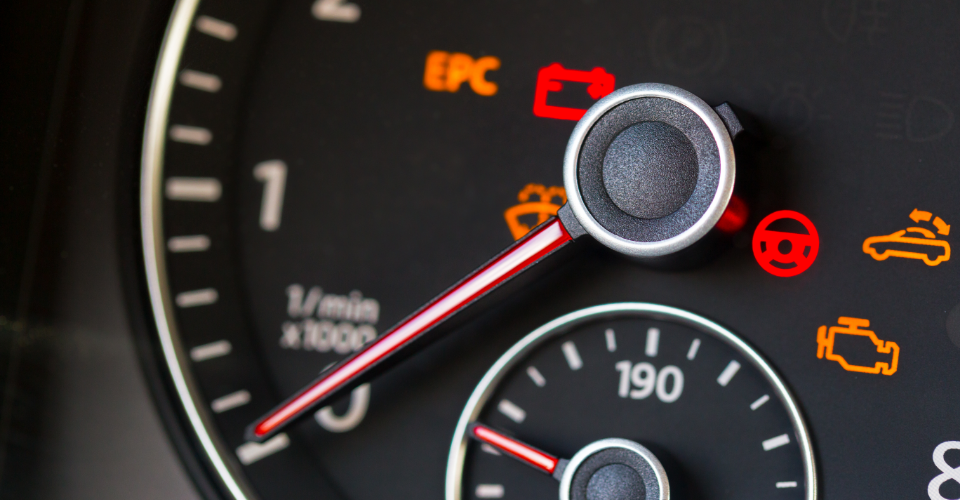
Your car’s dashboard is essentially its way of saying, “Hey, something needs your attention.” Dashboard warning lights can flag anything from an open door or engaged handbrake, to a tyre-pressure issue, or it can be a potentially serious engine or brake problem. Acting promptly can help you avoid further damage, but the exact meaning of each symbol depends on your vehicle, so always check the owner’s manual.
What Do Dashboard Warning Lights Mean?
Dashboard warning lights use colour-coded symbols to let you know how your car is doing, flag any potential problems, or show when certain features are switched on. It’s normal for some dashboard lights to come on when you start your car as part of its self-check.
For example, the battery light may briefly illuminate before switching off after a few seconds. Other lights can stay on because they’re showing that a feature is active. For example, the seatbelt light can remain illuminated until everyone has buckled up. The dashboard lights can vary between makes and models, so while the symbols below are useful guides, your vehicle’s handbook should always be your first port of call.
What Do Red, Amber And Green Dashboard Lights Mean?
While the exact system varies between vehicles, red dashboard lights can indicate an urgent or safety-critical issue, while amber or yellow dashboard lights usually mean something needs attention or diagnosis soon. Green, blue or white lights generally indicate that a feature or system is active. Check your own vehicle’s handbook for model-specific guidance on dashboard warning lights and what they mean.
Red Warning Lights
Some red lights simply show that something is active, such as the handbrake, which should switch off once it’s released. Others can signal a more serious problem, such as the oil pressure warning light. If this stays on while you’re driving, it could mean your engine isn’t getting the oil pressure it needs, so it’s important to stop safely and investigate rather than risk serious engine damage.
Amber Or Yellow Warning Lights
Amber and yellow usually mean caution rather than immediate panic. For example, the tyre pressure warning light lets you know that one or more tyres may be underinflated. You may be able to continue driving, but it’s important to check your tyre pressures as soon as you can. Driving with incorrect tyre pressure can affect handling, braking and fuel consumption.
Green, Blue Or White Lights
Green, blue or white lights generally show that a feature or system is switched on or active, rather than indicating a fault. A green light might show that your headlights are on, while a blue light usually indicates that your bright lights are switched on. White lights are generally indicators that show specific vehicle systems such as cruise control are turned on, active, or ready, depending on the vehicle.
These lights are still worth noticing. For example, if your blue high-beam light is on, remember to turn off your brights when approaching other vehicles so you don’t blind oncoming drivers.
What Are The Most Common Car Dashboard Warning Lights?
Here are some of the most common car dashboard warning lights, what they can indicate and what you should do.
| Warning light | Possible meaning | General urgency | Immediate action |
| Oil pressure | Oil-pressure fault | Potentially urgent | Stop safely and consult the manual. |
| Coolant temperature | Overheating or cooling fault | Potentially urgent | Stop and allow the engine to cool. |
| Brake system | Brake-system fault or low fluid | Potentially urgent | Stop if braking is affected. |
| ABS | Anti-lock braking fault | Prompt attention | Drive cautiously only if it is safe. |
Engine Oil Pressure Warning Light

What it means: This can indicate a problem with engine oil pressure. It does not necessarily mean that the engine simply has low oil.
How urgent is it? Potentially very urgent, as inadequate oil pressure can contribute to serious engine damage.
What should you do? Stop safely and follow the manufacturer’s guidance. Check the oil level if your vehicle’s manual recommends doing so, and seek professional assistance where required.
Engine Temperature Or Coolant Warning Light

What it means: The engine temperature light can indicate that the engine is overheating or that there is a problem with the cooling system.
How urgent is it? Potentially urgent. Continuing to drive an overheating car can lead to expensive mechanical damage.
What should you do? Stop somewhere safe, switch off the engine and allow it to cool according to the manufacturer’s guidance. Do not open a hot cooling system.
Battery Or Charging System Warning Light

What it means: A battery or charging system light usually indicates a problem with the vehicle’s charging system rather than necessarily meaning that the battery itself has failed.
How urgent is it? It requires attention because a charging-system fault can eventually leave you unable to start or operate the vehicle.
What should you do? Arrange professional diagnosis as soon as possible, particularly if other electrical systems are affected.
Brake System Warning Light

What it means: Depending on the vehicle, the brake system light can indicate a brake-system problem or another issue such as a low brake fluid level. It may be separate from a parking-brake indicator.
How urgent is it? Potentially urgent, especially if braking performance changes.
What should you do? Stop safely and seek professional assistance if the warning indicates a brake fault or the vehicle does not feel safe to drive.
ABS Warning Light
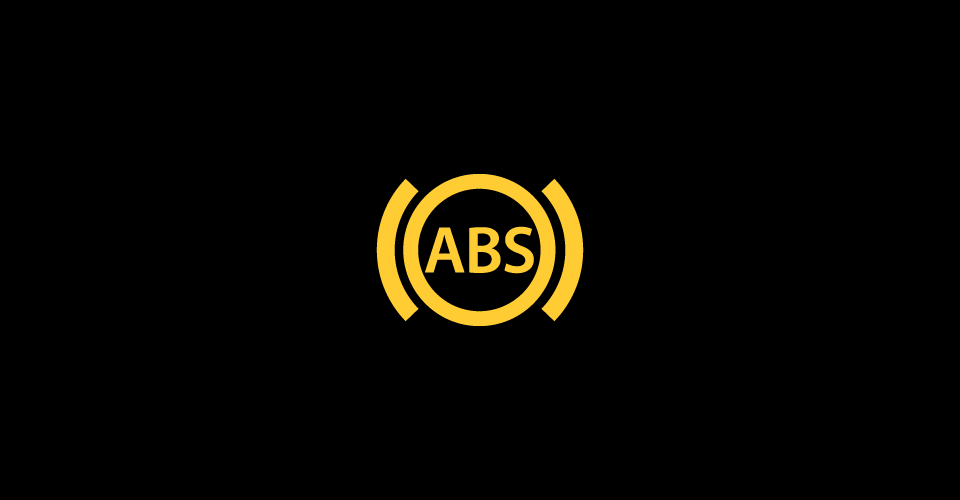
What it means: An ABS warning light can indicate a fault with the anti-locking brake system.
How urgent is it? The vehicle may still have conventional braking, but the ABS function may not operate as intended.
What should you do? Drive cautiously only if the vehicle remains safe to operate and arrange professional diagnosis promptly.
Check Engine Light
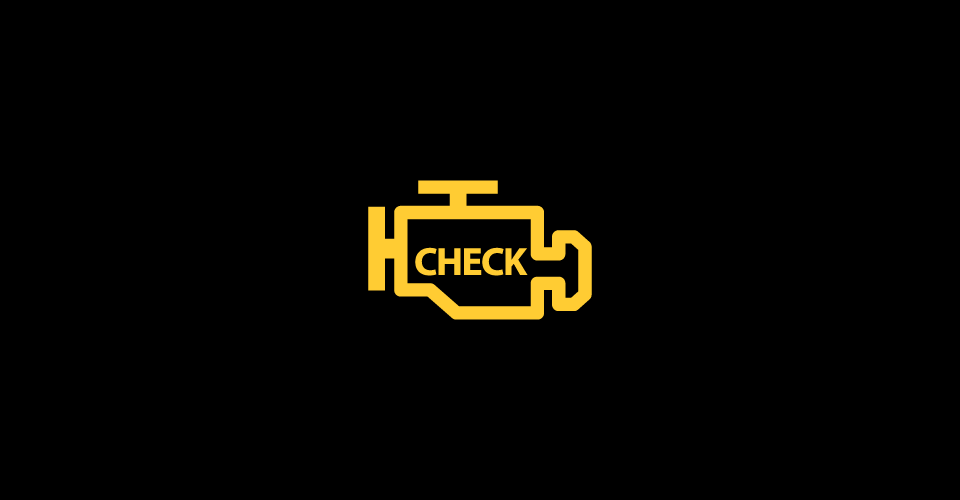
What it means: The check engine light can be triggered by a wide range of issues, from relatively minor faults to problems requiring immediate attention.
How urgent is it? It depends on the vehicle and circumstances. A steady light could point to something that needs attention but may not require you to stop immediately, such as an issue with the emissions system or a faulty sensor. A flashing light, on the other hand, can indicate a more serious problem, such as an engine misfire, which could cause damage if you keep driving.
What should you do? Check your vehicle’s owner manual for the specific warning and what your manufacturer recommends, and have the vehicle checked and diagnosed if the light stays on.
Tyre Pressure Warning Light
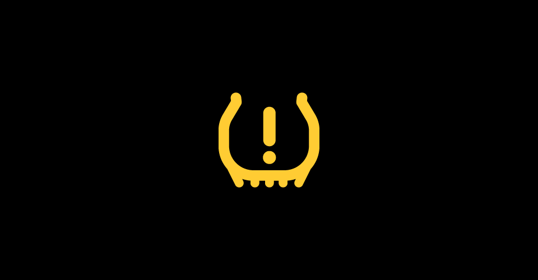
What it means: The tyre pressure warning light can indicate that one or more tyres have lost pressure.
How urgent is it? Check the tyres promptly, particularly if the vehicle feels different to drive.
What should you do? Stop safely and inspect the tyres. Check and adjust pressures according to the manufacturer’s recommended pressures, while investigating signs of a puncture or other cause of pressure loss.
Airbag Warning Light

What it means: The airbag light indicates that the vehicle’s supplementary restraint system may require attention.
How urgent is it? It should not be ignored because airbags and related restraint systems are important safety features.
What should you do? Arrange a professional inspection.
Power Steering Warning Light

What it means: The power steering light can indicate a problem with the vehicle’s steering assistance.
How urgent is it? Potentially serious if steering becomes heavier or difficult to control.
What should you do? If steering assistance is affected or the vehicle feels unsafe, stop somewhere safe and seek professional assistance.
Which Dashboard Warning Lights Mean You Should Stop Driving?
Oil-pressure, overheating and brake-system warning lights generally mean you should stop driving, particularly when accompanied by smoke, unusual noises, steering changes or a reduced braking performance.
However, there isn’t one universally “most serious warning light in a car” because warning meanings differ between vehicles. Rather stop somewhere safe and consult your owner’s manual before continuing.
Can Ignoring A Dashboard Warning Light Cause More Damage?
Yes, continuing to drive with certain mechanical warnings can allow a developing fault to worsen, potentially increasing the extent and cost of repairs.
A warning light should not be treated as a suggestion to “see how it goes”. Early diagnosis and proper maintenance can sometimes prevent a small problem from becoming a much bigger one. A motor warranty is not a substitute for maintenance, and warning-light-related repairs are not automatically covered. Read our car warranty FAQs to understand common cover questions.
What Should You Do When A Warning Light Comes On?
Are you not sure what to do when one of those little symbols suddenly lights up? Try this:
- Stay calm and assess whether the car is safe to drive.
- Note the symbol, colour and any dashboard message.
- Stop somewhere safe if the warning indicates an urgent problem or the vehicle behaves abnormally.
- Check the vehicle handbook for the model-specific meaning.
- Arrange a professional diagnosis where required.
- Keep maintenance and repair records for your vehicle.
Regular vehicle safety checks can also help you spot potential problems before the warning light comes on.
Dashboard Warning Lights And Your Motor Warranty
Not all dashboard lights result in repairs, but understanding how a car warranty works when they do could help keep you from blowing a fuse. A motor warranty can provide protection against certain qualifying mechanical or electrical failures, depending on the specific warranty plan, covered components, exclusions and applicable terms and conditions.
However, the appearance of a dashboard warning light does not automatically mean that the underlying repair will be covered. A warning may be caused by routine maintenance, wear and tear, an excluded component or another issue outside the scope of the warranty.
Learn more about how an extended car warranty works and whether an extended car warranty may be worth it for your needs. If you already have vehicle warranty cover, check its terms and comply with all applicable servicing and maintenance requirements.
Don’t Ignore What Your Car Is Telling You
Think of dashboard warning lights as your car’s early-warning system. You don’t need to know exactly what’s happening under the bonnet every time one appears, but you do need to know when it’s time to stop, check the manual and call in the professionals.
Are you looking for more ways to protect your vehicle? Visit dotsure.co.za to learn more about your options, including motor warranty cover. Rather get your cover sorted before the next dashboard surprise?Get a quote today