
– 7 minutes
Pet obesity is quietly becoming one of the biggest health risks for dogs and cats in South Africa and it often creeps up before anyone notices. By the time it’s obvious, it can already be impacting on your pet’s energy, comfort, and long-term health. So the question on the lips of thousands of pet parents: How do I tell if my pet is obese, and how do I prevent and treat it?
At dotsure.co.za, we believe those questions shouldn’t stay unanswered. Because wholehearted pet insurance isn’t just about being there in an emergency, it’s about preventative care too. After all, the earlier you know, the better you can care for them. So we’re letting you skip the vet’s waiting room and sending you straight in for the virtual consultation with Dr Anel Coetzee.
Dr Anel: “Hi there, what can I help you with today?”
Pet Parent: “I’m a bit worried… I think my pet might be overweight.”
Dr Anel: “You’re not alone. Let’s take a proper look together.”
What is considered pet obesity?
Pet obesity is defined as an excess accumulation of body fat that impacts negatively on a pet’s health and wellbeing. Typically, a pet is considered obese when they are 20% or more above their ideal body weight.
“Maintaining a healthy weight is one of the most important factors in keeping pets happy and healthy. As veterinarians, we assess a pet’s weight by considering several factors including breed, age, muscle mass, and body shape. During a physical exam, I will feel the ribs, waist, and abdomen and evaluate the pet’s overall body condition. We use the Body Condition Score chart to help determine the ideal body weight and to explain it clearly to pet parents.”
What is a Body Condition Score (BCS), and how does it work, Dr Coetzee?
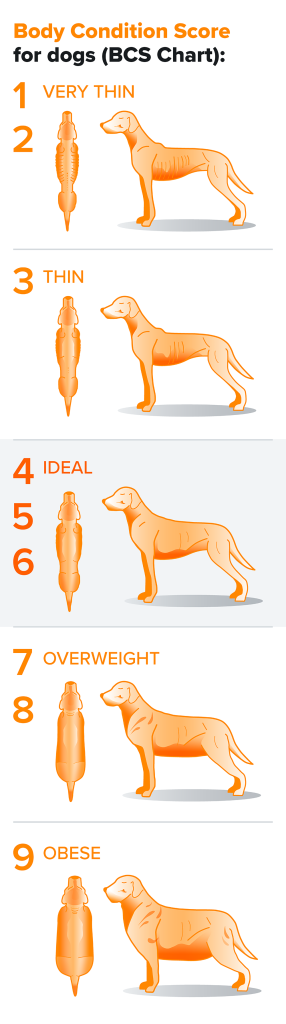
Dr Anel: “The Body Condition Score (BCS) is a simple system which we use to assess body fat.
Weight alone does not tell the full story. Two pets can weigh the same but have very different body compositions. One may have more muscle while another carries excess fat. Muscle weighs more than fat, so a muscular pet may weigh more but still be perfectly healthy. A pet at an ideal BCS should have ribs that can be felt easily without excess fat, a visible waist from above, and a tucked abdomen from the side with lean muscle. Anything outside of that is a weight issue we need to address.”
Are certain breeds more prone to weight gain than others?
Dr Anel: “ Yes, some breeds have a higher tendency to gain weight due to genetics, appetite, and metabolism. Breeds commonly prone to weight gain include Labrador Retrievers, Beagles, Dachshunds, Cocker Spaniels, and Pugs and a few more. In cats, breeds such as British Shorthairs and Persians may also be more prone to obesity, especially if they live indoors and have limited activity.
A pet’s lifestyle also plays a big part in their weight. Studies suggest that approximately 40–60% of dogs and cats are overweight or obese. This rise is largely linked to overfeeding, a lack of exercise, and high-calorie treats.“
The risks of obesity in pets
Excess weight puts strain on a pet’s body and organs and it affects their quality of life and can shorten the pet’s lifespan. It can reduce mobility, increase inflammation, and significantly raise the risk of chronic diseases.
What health conditions can obesity lead to?
Dr Anel: “Obesity can contribute to several serious health problems, including:
- Arthritis and joint problems
- Diabetes (especially in cats)
- Heart and respiratory disease
- High blood pressure
- Liver disease
- Urinary problems
- Increased surgical and anaesthetic risks.
Overweight pets may also tire more easily and struggle with normal daily activities.”
What early warning signs should I look for?
Dr Anel:
“Watch for:
- Difficulty feeling the ribs
- Loss of a visible waist
- A rounded or sagging abdomen
- Reduced activity or stamina
- Back pain
- Excess body fat, especially around the waist
- Fatigue
- Heavy sweating
- Inability to perform physical tasks
- Insomnia
- Joint pain.”
Common feeding & lifestyle mistakes that lead to pet obesity
Dr Anel: “Some of the most common mistakes include:
- Free feeding
Leaving food out all day often leads to overeating, especially in dogs and indoor cats.
- Too many treats
Treats and table scraps can add a surprising number of calories to a pet’s diet.
- Table scraps
Ideally, treats should make up no more than 10% of a pet’s daily calorie intake. Many human foods are also high in fat and salt, making them unsuitable for pets.
- Not measuring portions
I recommend measured meals at specific times of the day. This helps control calorie intake and allows owners to monitor their pet’s appetite and owners can spot concerns regarding the pet much quicker.”
Why is portion control so important?
Dr Anel: “Portion control ensures pets receive the right amount of calories for their size, age, and activity level. Measuring food with a proper cup or scale for the pet’s ideal weight helps prevent accidental overfeeding. Combined with regular exercise and a balanced diet, portion control is one of the most effective ways to maintain a healthy weight. Many commercial pet foods are higher in calories than pet owners expect. Even standard portion sizes can contribute to weight gain if not measured carefully. Always check feeding guidelines on the packaging and discuss your pet’s specific needs with your veterinarian.”
Dr Anel: “Practical ways to help manage pet obesity“
1. Healthy weight management plans
A balanced plan usually includes measured meals, limited treats, increased activity, and regular weight monitoring. I also recommend a specialised weight management diet like the Hills Metabolic diets or the Royal Canin Satiety diet or Ultra Dog Weight Control diet. There are also platforms and programmes to add to the weight management plan such as the Hills Pet Slimmer Programme, which helps the owner keep track and the programme rewards the owner & pet for regular weigh-ins and weigh loss for the pet.
2. Encouraging movement for indoor cats
I recommend using interactive toys, puzzle feeders, indoor cat tree to stimulate exercise. Even short, frequent play sessions each day make a difference. These also strengthen the bond between the pet parent and the cat.
3. Best types of play for overweight pets
Low-impact games, such as fetch, tug-of-war, gentle walks, or swimming, help burn calories without stressing joints. Make play fun to encourage consistent activity.
4. Aqua therapy for pets
Aqua therapy or hydrotherapy is excellent for pets with joint issues who are overweight. Water supports body weight while allowing safe exercise, improving fitness and mobility without strain.”
Dr Anel: “Sustainable habit changes for pet parents“
1. Regular weight check-ins
Schedule weigh-ins with your vet every 3–6 months. Early detection of weight changes helps prevent obesity. We also have Veterinary Nutritional Advisors in practice (most Vets have these awesome staff members) who can help the pet parent in between with advice and tips until their next vet checkup.
2. Reassessing feeding plans
A pet’s calorie needs can change with age, activity, health conditions and weight loss or even weight gain. I always recommend that we review and adjust their feeding plan as needed. The Veterinary Nutritional Advisors will also help the pet parent in-between checkups with the correct feeding amounts for the pet.
3. Cosnistency
Don’t feel guilty. Weight gain is common and every small change helps. Focus on gradual, sustainable improvements rather than perfection. Weight loss will take time, but the results will be worth it.”
From consultation to care
Here’s the good news: any kind of weight loss can significantly improve or even resolve certain health problems. Conditions such as arthritis, diabetes in cats, and breathing difficulties may improve when excess weight is reduced. Even modest weight loss can make a big difference to a pet’s comfort and mobility. You’ve already got a lot on your plate, so let dotsure.co.za help lighten the load when it comes to your pet’s health. With dotsure.co.za pet insurance, it’s not just about showing up in emergencies. It’s about ongoing care too. From consultations to check-ups and support along the way, it’s all there to help you care better, from the very start. So get in touch about a quote today.