Author: Team dotsure.co.za

  • HOW MUCH TREAD DO YOUR TYRES NEED?

    HOW MUCH TREAD DO YOUR TYRES NEED?


    Your car might have an extended warranty to keep mechanical and electronic parts protected, but what’s keeping you safely connected to the road? That’s right, your tyres. They’re the only part of your car that actually touches the tar, so keeping an eye on their tread and condition is one of the smartest moves for safer (and smoother) driving. 


    Tread Carefully: How to Measure Tyre Tread Depth 

    Think of tyre tread as your car’s grip trainers. Too worn, and you risk slipping and sliding when the road gets wet. By law in South Africa, your tread must be at least 1 mm deep across the full width of the tyre, but experts recommend 1,6 mm or more for safer driving. 


    Pump It Up: Use That Tyre Pressure Gauge

    Even the best tread won’t help if your tyre pressure is wrong. Underinflated tyres wear out faster and can overheat, while overinflated ones reduce grip. Check your car’s recommended pressure (usually on a sticker inside the driver’s door or in the manual) and use a pressure gauge regularly. Proper inflation ensures longer-lasting tyres. 


    Run Flat Tyres: Can You Keep Driving? 

    Run-flat tyres are designed to keep you moving after a puncture, usually for about 80 km at reduced speed. That means you can get to a fitment centre or pull over safely without wrestling with a jack on the side of a busy highway. But don’t push your luck, they’re not meant for long-distance driving after a puncture. 


    The Flat Tyre Dilemma: Biscuit Spares & Safe Driving

    That tiny “biscuit” spare in your boot might save space, but it comes with limits. Biscuit tyres are narrower, only meant for short trips, and shouldn’t be driven faster than 60 km/h. If you travel in rural or remote areas, consider a full-size spare for better grip. 


    What Is Wheel Alignment and Why Does It Affect Tread 

    If your car drifts when you (briefly) let go of the steering wheel, your alignment might be out. Misaligned wheels cause uneven tread wear and shorten tyre life. Experts recommend checking alignment every 10,000 km or after hitting a pothole or curb. Proper alignment keeps your tread wearing evenly, and your car cruising straight. 


    How to Choose the Right Tyre for Your Car 

    Factors like your driving style, daily distance, and budget all play a role in choosing the right tyres. For example, if you drive long commutes, go for durable all-rounders. Weekend adventurers might need tougher, off-road-friendly tyres. OEM (Original Equipment Manufacturer) tyres are usually a safe bet, but it’s worth asking the experts for tailored advice. 


    Extend the Life of Your Wheels 

    Want to get the most kilometres out of your tyres? Rotate them every 10,000 km, balance them when needed, and avoid harsh braking or taking corners too fast. And don’t forget that tyres also age, even if you don’t drive much. Most need replacing every five to six years, regardless of tread. 


    RELATED: AVERAGE LIFESPAN OF CAR PARTS 


    The Road Ahead 

    Looking after your tyres not only boosts safety, but also saves you money in the long run. 

    At dotsure.co.za, we’re all about helping South Africans drive smarter and safer. This includes exclusive car insurance benefits such as discounts on tyres at Tiger Wheel & Tyre and Tyres & More. 

    Want to protect your wheels and your wallet? Contact us today!  


    RELATED: GET THE MOST OUT OF YOUR POLICY 

     

  • HOW TO IDENTIFY FAKE NEWS IN INSURANCE

    HOW TO IDENTIFY FAKE NEWS IN INSURANCE


    Insurance is one of those industries where people have a lot to say. The challenge? Not everything you read online is true. Just like any other hot topic, fake news in insurance spreads quickly on social media, blogs, and even WhatsApp groups. Some of it is harmless, but sometimes it can mislead people into making poor financial decisions. 

    The good news? With a little know-how, you can spot the difference between fact and fiction.  


    RELATED: COMMON INSURANCE TERMS EXPLAINED 


    Spotting Fake News in Insurance: Red Flags to Watch For 

    Fake news is basically information presented as truth, but designed to mislead or manipulate. In insurance, this could look like: 

    • Allegations about how “all insurers deny every claim” (not true) 
    • Fake updates about new laws or rules that don’t exist 
    • Overly dramatic headlines meant to scare you into buying something. 

    When reading anything insurance-related, ask yourself: Does this sound a little too shocking to be true? If the answer is yes, dig deeper. 


    Check the Source: Reliable vs Risky 

    Not all sources are equal. Reputable insurers, consumer watchdogs, and trusted financial sites are far more reliable than random blogs or viral posts. If you’re unsure, ask: 

    • Who published this content? 
    • Do they have expertise in insurance? 
    • Is the same information available on other trustworthy sites? 

    Insurance is full of jargon, but credible sources explain things clearly and factually instead of pushing fear or drama. 


    Avoiding Fake News on Social Media 

    Social media is where fake insurance news thrives.  

    To protect yourself: 

    • Pause before sharing. If it sounds shocking or unbelievable, check it first. 
    • Look for original sources. Memes and screenshots are the most common culprits for misinformation. 
    • Engage wisely. Often, people point out errors or scams in comment sections or reviews.


    Fact-Checking Tools That Actually Work 

    You don’t need to be an investigator to confirm what’s real. These websites make it simple. 

    • FactCheck.org: A long-standing site that debunks rumours and hoaxes. 

    Bookmark them and use them whenever you feel that “wait, what?” moment.


    Deepfake AI and Misinformation 

    One of the latest threats is deepfake AI, which can create convincing fake videos or audio clips. Imagine a fake video of an “expert” saying your car warranty is invalid, or a made-up announcement about insurance law changes. These fakes can be tricky to spot, but they usually spread quickly through social channels before being debunked. 

    The best defence? Always double-check with a trusted insurer before believing what you see. 


    Stay Smart, Stay Covered 

    Fake news is no longer just about politics or celebrity gossip, it’s also creeping into industries like insurance.  

    At dotsure.co.za, we believe in transparency and keeping things simple. If you’ve got questions about insurance and want facts you can trust, contact us today!   

  • WE LOVE VETS: FUNDING A CAT STERILISATION PROGRAMME

    WE LOVE VETS: FUNDING A CAT STERILISATION PROGRAMME


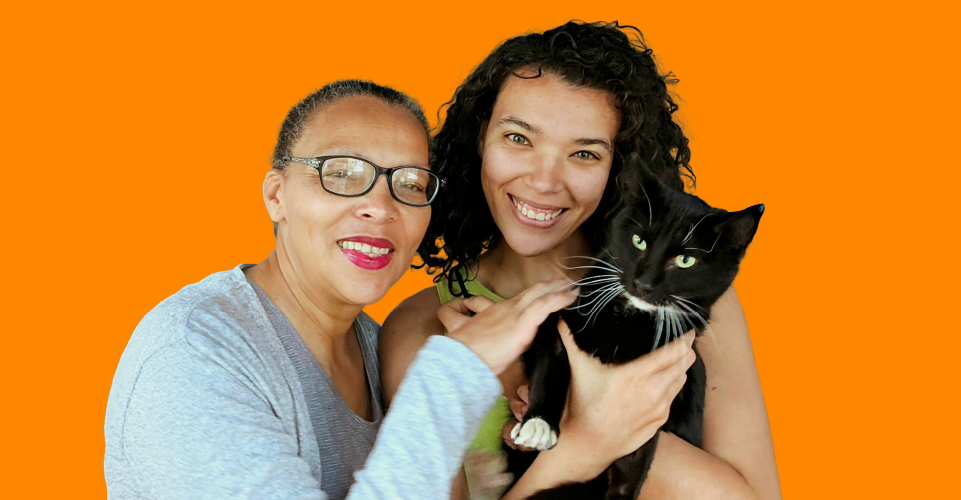
    In Kimberley, a small act of kindness has grown into a big-hearted initiative changing the lives of stray cats. Local actress Robyn Rossouw and her mom, Heloïse Rossouw, never expected their journey to begin with a few feral cats wandering onto their back stoep in 2021. What started with food bowls soon became a mission to care for, and sterilise, the neighbourhood’s cats. “We knew that if we could control the cat population, we’d give them a better chance at life,” says Robyn. 


    Since then, Robyn and her family, with the help of MediVet Kimberley, have sterilised dozens of cats, leading to happier colonies with fewer stray litters. Cats like Boolie and Mama Kiets (long-time escape artists) were finally sterilised after years of effort, marking a rewarding milestone for the team. 


    Recognising the importance of this work, we contributed to assist MediVet with sterilisation costs earlier this year, and we’re continuing to help sustain the programme until year-end. This commitment has inspired other local businesses to match the donations and extend the impact of this vital cause. 


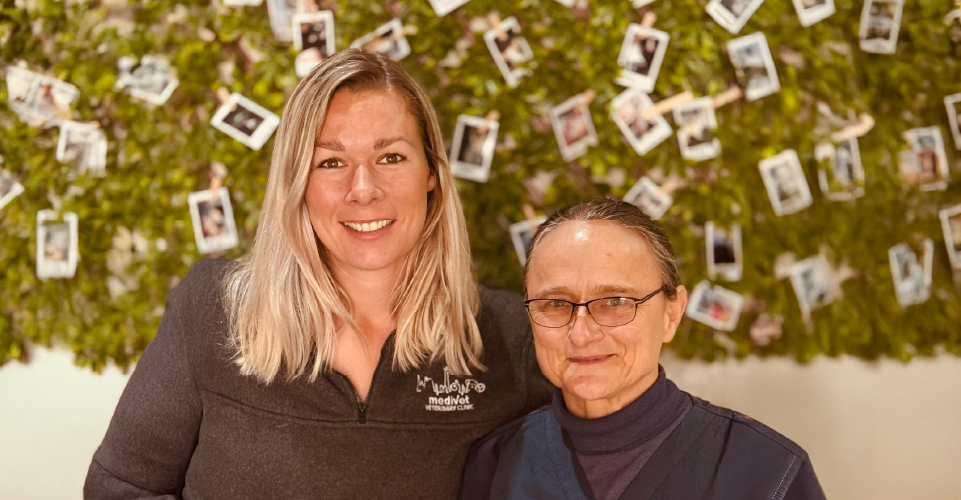
    Dr Katharina van der Linde and Dr Greta du Preez from MediVet explain why these initiatives are so important: “Sterilisation prevents overpopulation and reduces the spread of diseases like FIV and feline leukemia. It also helps cats live healthier, less stressful lives. Thanks to the support from partners and local heroes, we can keep expanding this programme.” 

    Dr Katharina van der Linde and Dr Greta du Preez from MediVet Kimberley


    For Robyn and her family, the mission is as much about compassion as it is about population control. “Feeding strays is good, but ensuring long-term improvements in local cat colonies is even better. Helping just one cat can make a big difference.” 

    Sterilising stray cats is about so much more than population control. Female cats can avoid the strain of repeated pregnancies, while males are less likely to roam, fight, or spread diseases. It also makes life easier for communities. With fewer strays competing for food and territory, there is less risk of injuries or illness spreading between pets and ferals. That’s something everyone can feel good about! 


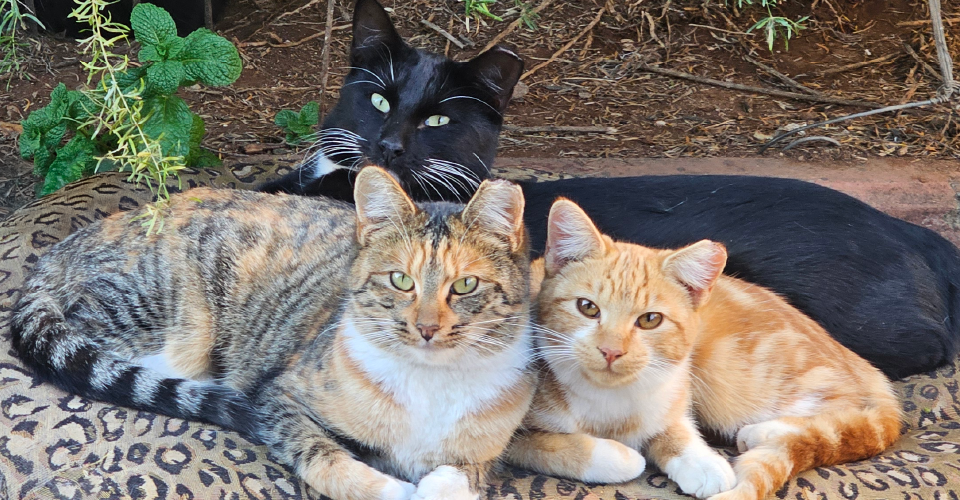
    Mittens (Tuxedo), Benji (Tabby) and Weasley (Ginger)


    Since we’re a pet-obsessed family here at dotsure.co.za, we believe in creating Soft Landings for animals and the people who care for them. It’s initiatives like this one in Kimberley, with the invaluable support of local vets, where kindness and community spirit truly make a difference.    


    Frequently Asked Questions:

    • What does “neutered” mean? It refers to the surgical procedure that prevents male cats from reproducing. 
    • What is spaying? Spaying is the sterilisation of female cats, preventing repeated pregnancies. 
    • When can a cat be sterilised? Vets recommend as early as possible, especially for strays, to reduce health risks.
    • What’s the cost of sterilising a cat? It varies depending on vet care, medication, and recovery needs, which is where contributions and community support are crucial. 


    Dotsure Limited (Registration number 2006/000723/06) is a licensed non-life insurer and authorised financial services provider (FSP39925). Voted South Africa’s Best Pet Insurance 2023/2024 by readers of The Star, Die Burger, Beeld, and City Press. 


  • HERO IN A HARNESS: WINSTON BEGINS HIS GUIDE-DOG JOURNEY

    HERO IN A HARNESS: WINSTON BEGINS HIS GUIDE-DOG JOURNEY


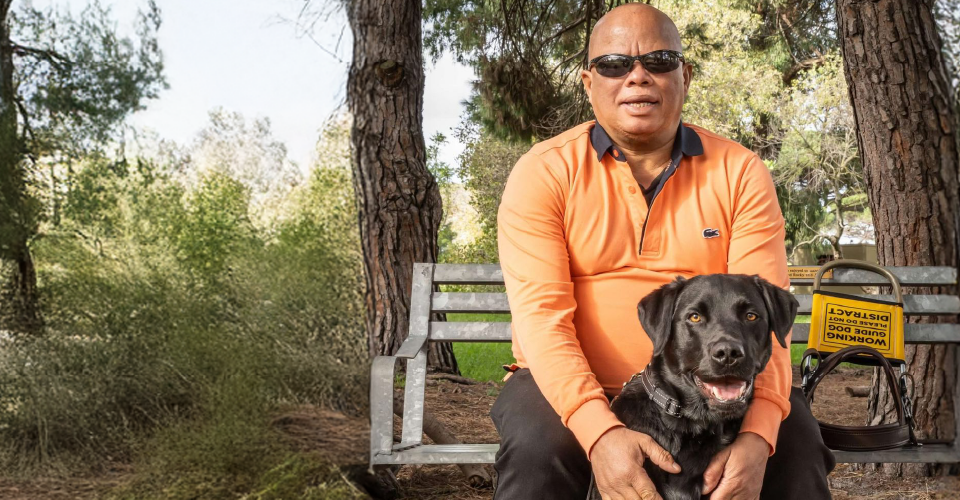
    At just under two years old, Winston, once a mischievous pup known for his cheeky bark and love of bucket-chasing, has officially graduated as a guide dog. Trained by the South African Guide-Dogs Association, Winston has been paired with Luwie, a seasoned handler who has welcomed him as a working partner, as well as family.


    Why Guide Dogs Are Important

    “I don’t see myself without a guide dog any longer,” says Luwie, who has been partnered with five guide dogs since 1994. “Since receiving Winston, I’ve been able to do everything myself again. He’s changed my daily routine completely. We bonded within a week, and now we’re just going strong.”


    How Are Guide Dogs Trained to Be So Obedient?

    Winston’s transformation didn’t happen overnight. Like many guide dogs in training, he began his journey bursting with energy and a strong personality, traits that initially made focus a challenge. “He was actually quite naughty in the beginning,” laughs Megan Reid, a trainer at the Guide-Dogs Association. “He was more interested in playing than working, and he’d steal anything he could find. But he’s incredibly food-motivated, and that helped us build trust and teach him the skills he needed.”

    The breakthrough moment came during a blindfolded test walk. Megan mistakenly believed they had reached a turning point in the route, but Winston refused to turn. “Despite my insistence, he held his ground. He knew the route better than I did. That was the moment I knew he was ready.”

    The warmhearted path of assistance dogs highlights the extraordinary dedication and training involved in matching the right dog with the right person. These partnerships restore independence and quality of life. As Luwie shares, “Winston is sociable, friendly, and incredibly helpful. He even keeps my wife company and occasionally steals her buckets!”


    Dedicated to Providing Soft Landings

    At dotsure.co.za, we’re proud to support this incredible and essential work, by helping to fund guide dog training and cover more than half of the Association’s monthly vet bills. It’s all part of our mission to provide Soft Landings, not just for pet parents but for overall animal welfare.

    The impact of professional pups like Winston ripples through families, communities, and hearts. And because all pets deserve protection, dotsure.co.za pet insurance also covers service dogs. Whether they’re chasing buckets or guiding the way, we’re here for them, wholeheartedly.

  • HOW LONG DO CATS LIVE? TIPS TO HELP YOUR PET THRIVE

    HOW LONG DO CATS LIVE? TIPS TO HELP YOUR PET THRIVE


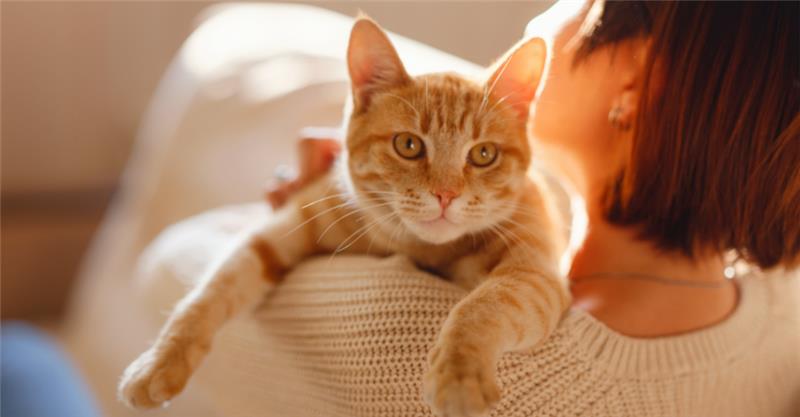
    From kitten zoomies to cozy senior snoozes, every life stage of a cat is filled with charm. But as pet parents, it’s natural to wonder: how long do cats live? The good news is that with the right care, and a little help from things like pet insurance to manage the vet bills, many cats are living longer, healthier lives than ever before.


    How Old Do Cats Get?

    On average, domestic cats live between 12 and 18 years, but it’s not uncommon for well-cared-for indoor cats to reach their early 20s. The oldest recorded cat, Crème Puff, made it to an incredible 38 years!

    Indoor cats tend to live longer than outdoor cats due to fewer risks such as traffic accidents, infectious diseases, and predator encounters. Breed and genetics also play a role, as some breeds such as Siamese and Russian Blues are known to age gracefully.


    At What Age Is a Cat Considered Senior?

    Cats are generally considered “senior” from around 11 years old, and “geriatric” once they reach 15+. But don’t be fooled, many senior cats remain playful and active with the right support.


    How to Calculate Your Cat’s Age

    Forget the “seven-year” rule; it doesn’t really apply to cats. Here’s a better guide:

    • A 1-year-old cat = about 15 human years
    • A 2-year-old cat = around 24 human years
    • After that, add about 4 human years for each cat year

    So, if your kitty is 6, they’re roughly 40 in human years. Right in their prime!


    RELATED: HOW TO CALCULATE DOG YEARS


    Keeping Cats Happy: Fill Their Days with Play and Care

    How to Make Your Cat Happy

    Your cat deserves a joyful life too. Daily play, affection, and a stress-free environment can significantly boost their wellbeing.

    Mental Stimulation and Enrichment Ideas

    A bored cat can become a destructive or depressed cat. Keep them mentally sharp with:

    • Puzzle feeders or treat-dispensing toys
    • Window perches for birdwatching
    • New scents or textures such as cardboard boxes or cat-safe herbs
    • Rotating toys to keep things fresh.

    Older cats especially benefit from gentle brain teasers and simple activities that don’t require too much jumping or agility.

    Nutrition and Vet Care Tips

    High-quality food that suits your cat’s life stage is one of the best ways to extend their lifespan. Senior cats may need specific diets to support joint health, weight management, or kidney function.

    Regular vet check-ups (at least once every 6 months, or more for older cats) are crucial. Vaccinations, dental care, and parasite prevention can all prevent health issues before they start.


    RELATED: HUMAN FOODS CATS CAN AND CAN’T EAT


    Do Cats Really Have Nine Lives? Myth or Bust? 

    Many cultures believe cats have multiple lives. This myth comes from their amazing ability to escape danger, twist mid-air to land on their feet, and generally bounce back from things most animals couldn’t.

    An old English proverb sums it up nicely: “A cat has nine lives. For three he plays, for three he strays, and for the last three he stays.” It’s a poetic way of describing their life stages. From wild youngsters to wise old snugglers.


    Peace of Mind for All Nine Lives

    At dotsure.co.za, we understand that every whisker and tail flick matters. That’s why we offer flexible, affordable pet insurance for cats that helps you manage vet costs and focus on making memories.

    Contact us today to explore our cat-friendly plans and see how we can help your pet thrive at every age.

  • VET ADVICE: KENNEL COUGH SYMPTOMS & TREATMENT

    VET ADVICE: KENNEL COUGH SYMPTOMS & TREATMENT


    Kennel cough is one of the most common reasons dogs end up at the vet, particularly after a visit to the groomer or a stay at a boarding kennel. We chat to Dr Gerrit Scheepers from Phalaborwa Animal and Bird Clinic about recognising, treating, and preventing kennel cough.

    As always, keeping your pet healthy starts with proactive care, and pet insurance helps make that care more affordable when you need it most.


    Meet Our Vet of the Month

    Dr Gerrit Scheepers is a dedicated vet practicing in Phalaborwa, Limpopo, where he runs a dynamic mixed-animal clinic with a wildlife extension. “We do large and small animal medicine,” says Dr Scheepers. “Our practice has a special interest in advanced orthopaedical and general surgery, as well as wildlife darting, treatment, and relocation. We’re even involved in the legal dehorning and movement of endangered rhinos.”

    He’s also a proud pet parent to two cats. Bella, a confident 6-year-old female, and a newly adopted fluffball kitten named Katryn.


    What is Kennel Cough?

    “Kennel cough, or Canine Infectious Respiratory Disease Complex (CIRDC), is a highly contagious upper respiratory tract infection. It spreads quickly in places where dogs are housed or interact closely, such as kennels, shelters, and grooming salons.”


    What Are the Common Symptoms of Kennel Cough?

    “The symptoms can vary from mild to severe, depending on the dog’s immunity and vaccination history. The most obvious symptom is a dry, harsh cough that may sound like gagging. You might also notice sneezing, nasal discharge, occasional white foam vomit, and general lethargy. Some dogs will still eat and appear alert, while others may worsen as the disease progresses.”


    Are Certain Dogs More at Risk of Developing Kennel Cough?

    “Yes. Young puppies under six months and elderly dogs are more vulnerable. Brachycephalic breeds, like Pugs, and toy breeds such as Poodles, Yorkies, and Pomeranians are also more prone to respiratory issues. But ultimately, any unvaccinated dog can get kennel cough.”


    How Do You Know It’s Kennel Cough, and Not Something Else?

    “It’s not easy for pet parents to tell the difference between kennel cough, allergies, or other respiratory infections. Many of the symptoms overlap. That’s why it’s important to visit your vet for a thorough health examination. We also use the pet’s history and, if needed, allergen elimination trials to rule out other causes.”


    What Are the Treatment Options for Kennel Cough?

    “Mild cases can often resolve on their own within 7 to 14 days, but supportive care can definitely help. Things such as cough suppressants, rest, humidifiers or nebulisation, and plenty of fluids. If your dog is severely affected, they may require isolation, hospitalisation, IV fluids, antibiotics, and even oxygen therapy.”


    Vet’s Final Thoughts

    “Be a responsible pet parent. Kennel cough is preventable. Vaccinate your pets and limit their exposure in high-risk areas.”


    Unexpected vet visits can be stressful, not just for your pet, but for your budget. From coughs to complex treatments, dotsure.co.za can help you care for your furry family members. Need help or have questions about our pet policies? Contact us today!


    More Expert Vet Advice:

    EXPERT VET TIPS FOR FOREIGN BODY OBSTRUCTION IN DOGS ; VET ADVICE: SIGNS OF SEPARATION ANXIETY

  • RARE CAT BREEDS: MARVELLOUS MUNCHKIN CATS

    RARE CAT BREEDS: MARVELLOUS MUNCHKIN CATS


    If you’ve ever scrolled past a video of an adorably short-legged cat waddling across the room, chances are you’ve already met the Munchkin cat online. Before adding one to your family, remember that even the cutest cats can get themselves into trouble and end up at the vet. That’s where reliable pet insurance can offer peace of mind.


    RELATED: TOP 5 RAREST CAT BREEDS


    What Makes Munchkin Cats Unique?

    Munchkin cats are most famous for their short legs, which is a result of a natural genetic mutation that affects their bone growth. Despite their size, these cats are anything but limited in spirit. They’re playful, fast, and known for their “ferret-like” scurry.

    They come in a variety of coat types, colours, and patterns, and are often crossbred with other cats, resulting in hybrids like the Minskin (Munchkin and Sphynx) and the Napoleon (Munchkin and Persian).

    Why Are Munchkin Cats So Expensive?

    With their growing fame and limited supply, Munchkin cats are considered a premium breed. You can expect to pay anywhere from R10,000 to R30,000 in South Africa, depending on lineage and breeder reputation.


    Are Munchkin Cats Healthy?

    Contrary to popular belief, their short legs aren’t always a health risk. Many live healthy, happy lives. However, they are at a slightly higher risk for spinal problems such as lordosis (excessive inward curvature of the spine) or pectus excavatum (sunken chest).


    Munchkin Cat Care Guide

    Caring for a Munchkin cat doesn’t require a special handbook, but a few extra considerations do help:

    • Choose furniture with easy access, or provide pet-friendly ramps.
    • Feed a balanced diet to maintain a healthy weight (less strain on joints).
    • Play daily to encourage movement and prevent boredom.
    • Schedule regular vet visits to catch health issues early.


    While Munchkin cats are undeniably cute and charming, they deserve the same love, care, and protection as any other pet. If you’re considering adding one to your home, make sure you’re prepared for both the adorable and the unexpected. With flexible and comprehensive pet insurance from dotsure.co.za, you can protect your cat and your pocket.

    Got questions about cover options? Contact us, we’re happy to help!

  • 14 GIFTS FOR YOUR PET

    14 GIFTS FOR YOUR PET


    We’re celebrating 14 wonderful years of protecting South Africa’s pets with wholehearted pet insurance! And what better way to mark the occasion than with gift ideas to spoil your favourite family members?

    These proudly South African brands are all about wag-worthy treats and tail-thumping happiness.


    For Pets Deserving of Royal Treatment

    With stores nationwide and a well-stocked online store, The Queen Pet Shop offers everything from premium food and grooming gear to fun toys and stylish accessories. It’s a convenient go-to for everyday essentials, offering options for all kinds of pets!


    Luxury Pet Accessories

    Spoil your pup or kitty with the ultimate in local luxury. Kingsley & Gray Pet Boutique creates handcrafted collars, leashes, beds, and accessories made to order using eco-friendly materials. Each piece is elegant, functional, and bursting with style.


    Healthy Bunny Treats

    De Lange Bunnies caters specifically to rabbit lovers with pesticide-free oat hay, custom-blended pellets, and chew-safe toys made from untreated apple wood. It’s wholesome, locally sourced goodness for your bun’s belly and teeth.


    Tasty & Functional Dog Treats

    Bored of bland biscuits? Dog Lick delivers nutrient-rich, dog-friendly peanut butter to use on their lick mats. Packed with collagen, this snack helps with joint care and skin health.


    Stylish & Comfortable Pet Bedding

    For the pets who love lounging in style, Scruffs offers premium pet beds and accessories that combine softness, durability, and aesthetic appeal. Their beds come in various sizes and styles to suit every breed and space.


    Handmade Dog Accessories

    Based in Cape Town, Chommies designs vibrant dog accessories that are as joyful as your dog’s personality. Their colourful, handwoven leashes, collars, and toys are made with love and creativity.


    Holistic Pet Food & Nutrition

    Locally made and scientifically formulated, Vondi’s offers preservative-free pet meals packed with real meat, organic veggies, olive oil, and herbs. Their focus on holistic pet wellness helps support digestion, skin, energy, and dental health.


    Adventure Gear for Dogs

    If your dog’s a trail-blazer, South Hound is your brand. Born from exploring South Africa’s great outdoors, their harnesses and gear are built for hiking, swimming, and all kinds of canine adventures.


    Online Convenience & Variety

    Pet Heaven stocks over 6,000 pet products online, from toys and food to flea treatments and beds. They deliver straight to your door and make it easy to support pet shelters through optional donations.


    Hypoallergenic Pet Treats

    Made with human-grade, hypoallergenic ingredients, Mimi & Munch treats are perfect for pets with sensitivities. These wheat-free, preservative-free snacks come in fun shapes and can even be customised for birthdays and gotcha days.


    Vet-Backed Pet Products

    ePETstore  is an online hub trusted by South African vets. With expert advice and a wide selection of pet products, this is your one-click shop for nutrition, grooming, toys, and everything in between.


    Community-Focused Pet Supplies

    This friendly, family-run business offers a broad range of pet supplies, toys, and food options. Pet, Pool & Home is a community gem for pet parents looking for personal service and affordable local options.


    Eco-Friendly Pet Accessories

    Looking for locally made, planet-friendly pet products? Pawsh & Co handcrafts stylish collars, bandanas, and pet wear using safe, eco-conscious materials. Bonus: You can customise their pieces to suit your style!


    The Gift of Pet Insurance

    There’s no better gift than the peace of mind that comes with dotsure.co.za pet insurance. Our flexible plans cover everything from unexpected emergencies to routine care, so you can focus on cuddles and playtime instead of costly vet bills.

    Need help choosing the right plan? Contact us; we’re here to help you and your fur-family live your best lives.

  • WHY DO CATS GO CRAZY FOR CATNIP?

    WHY DO CATS GO CRAZY FOR CATNIP?


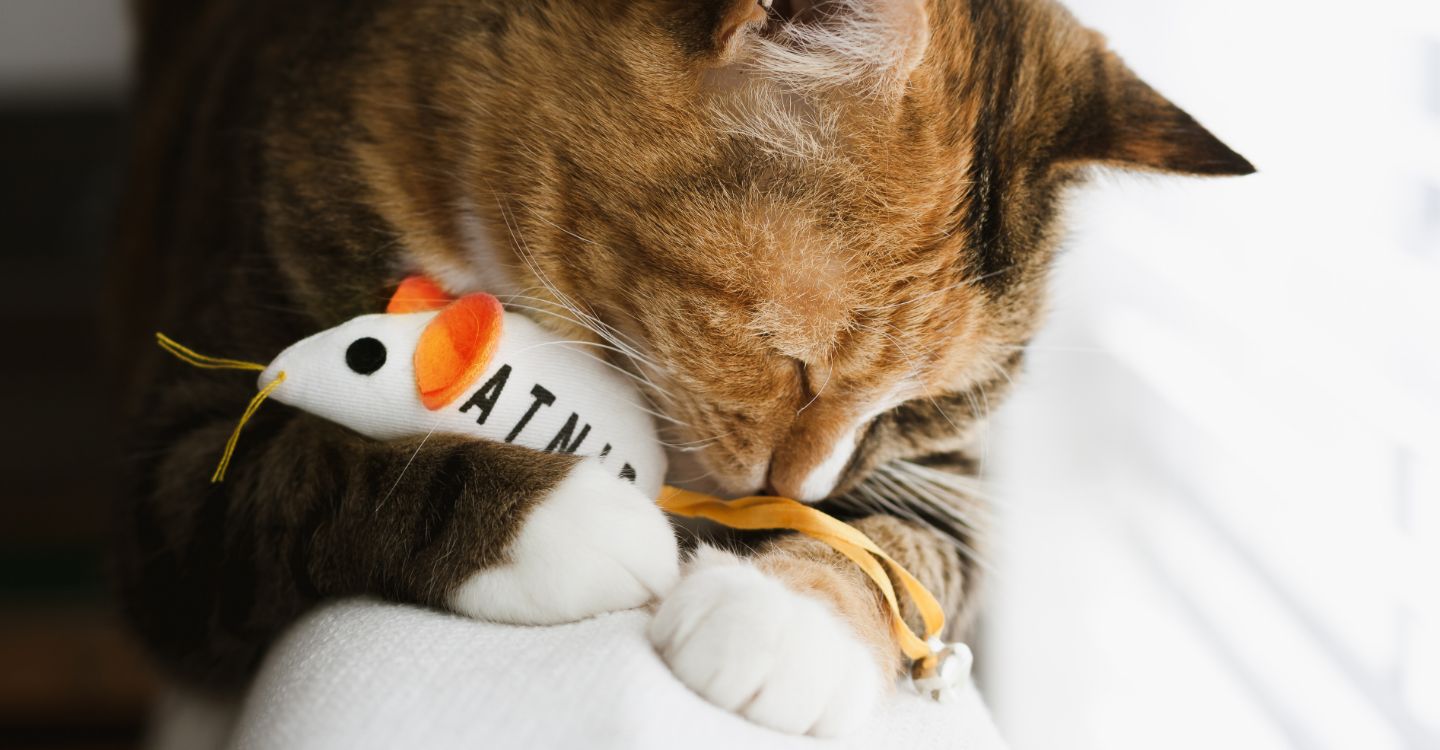
    From zoomies to full-body rolls and dreamy-eyed bliss, catnip can turn even the most serious feline into a playful kitten. But why do cats like catnip so much? And is it safe for your furry friend to indulge in this green herb regularly?

    Just like pet insurance helps cover the unexpected, understanding your cat’s quirky behaviour can help you become a more confident pet parent!


    What Is Catnip for Cats?

    Catnip (Nepeta cataria) is a plant in the mint family, native to Europe and Asia, but it’s now widely grown around the world. What makes it so special for cats is a compound in its leaves and stems called nepetalactone. When cats smell catnip, the nepetalactone binds to receptors in their nose, stimulating the sensory neurons that affect mood and behaviour. The result? A short-lived burst of pure feline euphoria.


    Why Do Cats Like Catnip?

    The effects are neurological. When the nepetalactone compound hits your cat’s olfactory system, it sparks a reaction in the brain’s amygdala and hypothalamus, areas linked to emotions and behaviour.

    This creates a variety of responses, including:

    • Rolling, flipping, or rubbing
    • Purring or meowing
    • Playful zoomies or leaping
    • Temporary hyperactivity followed by calm

    The “high” typically lasts about 10 to 15 minutes. After that, your cat may lose interest until their senses reset.


    RELATED: WHY DO CATS PURR?


    Is Catnip Good for Cats?

    Yes, in moderation. Catnip is perfectly safe and even beneficial for most cats, as it can:

    • Encourage exercise in indoor or older cats
    • Relieve stress and anxiety
    • Stimulate mental enrichment and curiosity
    • Be a positive training aid for scratching posts or toys


    How Much Catnip Should You Give a Cat?

    A small pinch of dried catnip is usually enough. You can sprinkle it on toys, scratching posts, or inside puzzle feeders. Alternatively, you can try:

    • Catnip sprays (for sensitive noses)
    • Catnip-stuffed toys
    • Fresh leaves (grown in pots at home)

    If your cat has a sensitive tummy or pre-existing conditions, speak to your vet before introducing catnip to their routine.


    Protect Your Curious Kitten

    Just as catnip provides fun and relief, pet insurance provides peace of mind for when life throws a curveball.

    Visit dotsure.co.za to learn more about our custom pet insurance plans! Have any questions? Feel free to contact us!

  • HOW TO CALCULATE DOG YEARS: DOG AGEING EXPLAINED

    HOW TO CALCULATE DOG YEARS: DOG AGEING EXPLAINED


    For decades pet parents have followed the old rule that one dog year equals seven human years. While it’s a cute concept, it’s not scientifically accurate.

    Understanding how dogs age can help you provide better care, and make more informed decisions about their health, including choosing the right pet insurance. After all, our four-legged companions have different needs at every life stage.


    How to Calculate Dog Years Accurately

    The traditional 1:7 ratio doesn’t take into account how dogs mature. For example, a one-year-old dog is more like a 15-year-old human when it comes to physical and emotional development. In reality, dogs age much faster in their first two years of life. Then the pace slows down, especially for smaller breeds.

    How to calculate dog years more accurately:

    • Year 1 = Roughly 15 human years
    • Year 2 = Around 24 human years
    • Each year after = Add 4 to 5 human years for small dogs, and 6 to 9 years for large or giant breeds.

    This approach offers a more realistic view of your dog’s development and health needs.


    Why Do Smaller Dogs Live Longer Than Larger Dogs?

    Bigger dogs grow rapidly, which may accelerate the ageing process and lead to age-related illnesses earlier on. Research shows that for every extra 2 kilograms of body mass, a dog’s life expectancy drops by about a month. That’s why a Chihuahua might live 15 to 20 years, while a Great Dane might only live 7 to 10 years.


    RELATED: HOW LONG DO CATS LIVE?


    How Do Dogs Age? Stages of a Dog’s Life

    Dogs, like humans, go through defined life stages. Each with specific health and lifestyle requirements:

    Puppy (Birth to 7 months)

    Rapid growth, high energy, and critical socialisation. Puppies need vaccines, training, and proper nutrition.

    Junior (1 to 2 years)

    Still maturing emotionally and physically. Adolescents may be more independent or distracted. This is a good time for behavioural training and spaying or neutering.

    Adult (2 to 6 years)

    Dogs are fully grown, with established personalities. Keep up with exercise, enrichment, and annual vet check-ups.

    Mature (6 to 9 years)

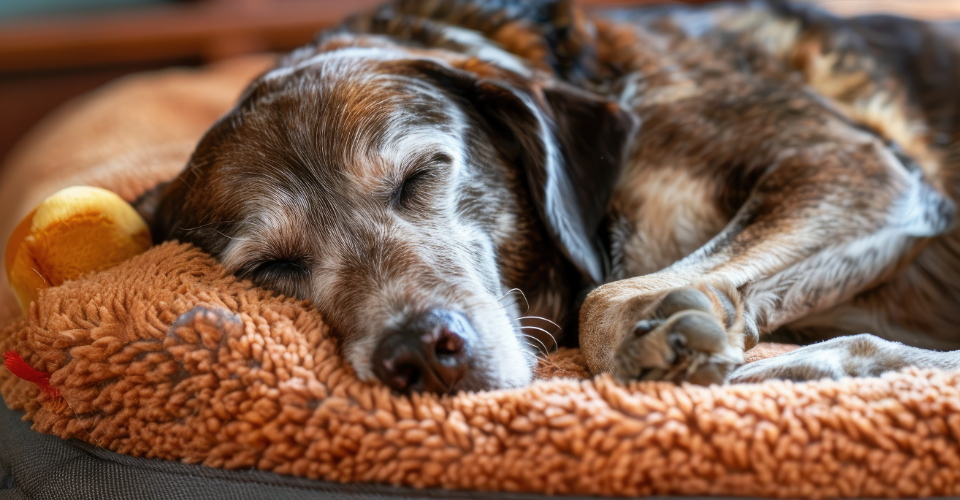
    You may notice a slight slowdown in activity. It’s time to watch for early signs of joint issues or dental disease.

    Senior (7+ years for small breeds, 5+ for large breeds)

    Seniors may sleep more, be less active, and require a specialised diet or mobility aids.

    Geriatric (12+, varies by breed)

    Dogs in this final stage need regular health monitoring, gentle care, and sometimes assistance with daily activities.


    RELATED: STIFF COMPETITION: WHAT IS THE BEST JOINT CARE FOR DOGS?


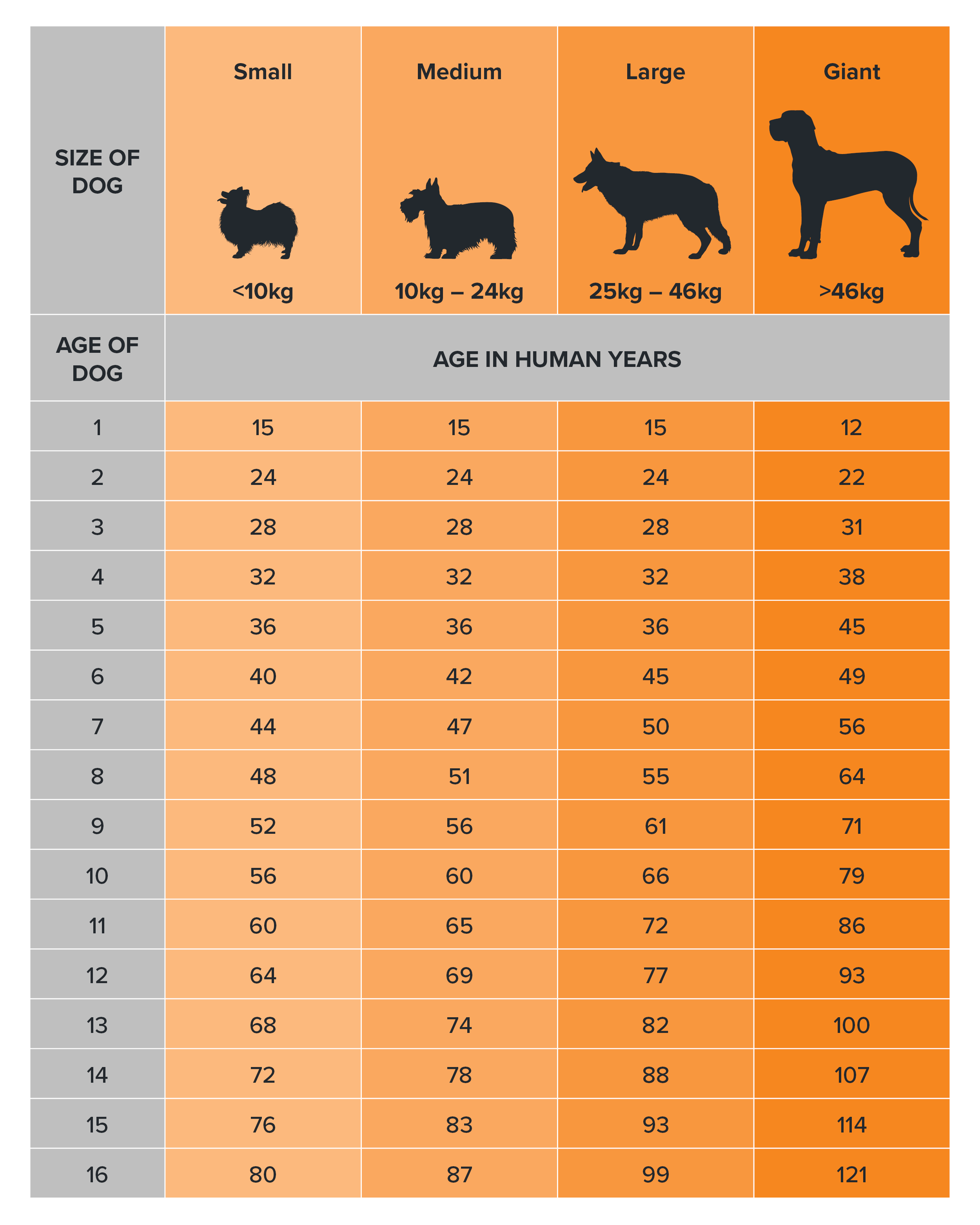
    Dog Age Chart by Breed Size

    Here’s a general reference for how dog years stack up by breed size:

    dog age chart


    How to Care for an Ageing Dog

    Getting older isn’t easy, even for dogs. But with a little extra love and proactive care, senior dogs can enjoy their golden years comfortably.

    Tips for caring for older dogs:

    • Schedule more frequent vet visits (every 3 months is ideal)
    • Adjust diet for joint, kidney, or digestive support
    • Provide soft bedding and non-slip surfaces
    • Keep walks shorter but regular
    • Look out for changes in behaviour, appetite, or movement.


    At dotsure.co.za, we know your dog is part of the family. Want to know how we can support your pet’s health journey? Contact us today to find the cover that fits your dog’s age, breed, and lifestyle.

  • WHY DO CATS PURR? DIFFERENT WAYS CATS COMMUNICATE

    WHY DO CATS PURR? DIFFERENT WAYS CATS COMMUNICATE


    Cats might be mysterious, but one thing is certain: they’re always communicating, just not in ways we understand immediately.

    Because changes in behaviour can sometimes signal illness or pain, it’s important for pet parents to pay close attention. That’s where pet insurance can come in handy, by helping you stay on top of vet visits if your kitty suddenly becomes unusually vocal or withdrawn.


    What Does It Mean When a Cat Purrs?

    The soothing sound of a cat’s purr is often associated with happiness, but it can also be more complex than that. Most commonly, cats purr when they’re relaxed or being petted. But they may also purr when they’re scared, in pain, or even during recovery from illness. Vets believe this may be a self-soothing mechanism.


    How Cats Purr to Communicate

    Unlike dogs, cats don’t always wear their hearts on their sleeves. Purring is a more subtle form of communication, often used to bond with humans or seek attention. Kittens begin purring as early as a few days old to let their mothers know they’re okay, and cats often carry this instinct into adulthood with their human families.


    How Do Cats Communicate Besides Purring?

    Cats use a combination of vocalisations, body language, and behaviour to express their needs and moods.

    Other Verbal Communication

    • Meowing: Usually directed at humans, not other cats. It can signal hunger, loneliness, or simply a request for attention.
    • Chirping & Chattering: These cute sounds often happen when they see birds or are excited by play.
    • Hissing or Growling: A warning to stay away. Your cat is scared or agitated.


    Cat Body Language

    Understanding feline body language can go a long way to strengthening your bond.

    Tail Talk

    • Upright Tail: Friendly and happy.
    • Wagging or Twitching Tail: Agitated or unsure.
    • Puffed-Up Tail: Frightened or feeling threatened.

    Eyes & Ears

    • Slow Blinks: A sign of affection. It’s like a kitty kiss!
    • Dilated Pupils: Excitement or fear.
    • Flattened Ears: Defensive or scared.
    • Forward Ears: Curious or relaxed.

    Touch

    • Head Butts (Bunting): Marks you as their person. Consider it a compliment!
    • Kneading: A throwback to kittenhood and a sign of comfort.


    Building a Bond with Your Cat

    Cats may have a reputation for being aloof, but they form strong attachments when they feel safe and understood. Building that trust means learning to read their cues, respecting their space, and responding gently.


    Reading the Signs

    If your cat suddenly changes their behaviour, it could signal a health issue. A check-up with the vet is always a good idea, and that’s when having pet insurance from dotsure.co.za can help you manage the costs.

    Want to learn more about keeping your cat healthy and happy? Contact us today to explore our cat insurance plans tailored for your companion.

  • ARE ASIAN CAR BRANDS CHANGING THE GAME IN SOUTH AFRICA?

    ARE ASIAN CAR BRANDS CHANGING THE GAME IN SOUTH AFRICA?


    In recent years Asian car brands have gained serious traction in South Africa. These vehicles are becoming top contenders for drivers who want value without compromise. And with so many new models on offer, it’s more important than ever to ensure you’re protected with the right car insurance.


    RELATED: TOP INSURED CAR BRANDS IN SA


    Chinese Car Brands

    Once met with skepticism, Chinese cars in South Africa are proving their worth in quality, design, and reliability.

    BYD

    Short for “Build Your Dreams”, BYD is revolutionising the EV market. Its Atto 3 has already made a splash globally and is now available in South Africa, offering an electric driving experience at a competitive price.

    NIO

    Although not officially launched locally, NIO’s buzz in the global EV space is undeniable. Known for its sleek designs and battery-swapping innovation, this Chinese brand could soon shake up South Africa’s premium EV sector.

    Geely

    Geely’s quiet rise is turning heads. With ownership stakes in Volvo, Lotus, and Proton, Geely delivers stylish and high-quality vehicles like the Coolray, already available in some markets.

    GWM

    Already a well-known name, GWM (Great Wall Motors) and its Haval sub-brand are surging in popularity. The P-Series bakkie and H6 SUV have been standout performers, offering both durability and modern tech.


    Japanese Car Brands

    Japanese car brands have long been a staple in South Africa for their dependability and lower maintenance costs.

    Toyota

    An all-time favourite, Toyota continues to dominate local sales charts with models like the Hilux, Fortuner, and Corolla Cross. Their balance of reliability and resale value is tough to beat.

    Honda

    Honda cars, such as the Ballade and HR-V, are practical and efficient with a reputation for longevity. Ideal for daily commuters and families, Honda is a quiet achiever on our roads.

    Nissan

    Nissan’s Navara, Qashqai, and Magnite bring strong design and innovation to the SUV and crossover market. With local manufacturing and solid dealer support, Nissan remains a dependable option.

    Subaru

    For drivers who love adventure, Subaru offers all-wheel-drive performance with models like the Forester and Outback. Known for their safety and handling, they’re a niche favourite with loyal fans.


    South Korean Car Brands

    Cars from South Korea are proving you don’t have to sacrifice style for substance.

    Hyundai

    Hyundai’s Tucson, i20, and Creta are packed with features that punch above their price range. With long warranties and a reputation for reliability, Hyundai is a strong contender in every segment.

    Kia

    Kia has transformed from budget brand to style leader. The Sonet, Seltos, and Sportage offer youthful flair and comfort, making them popular choices amongst urban drivers.

    Genesis

    Genesis, Hyundai’s luxury arm, isn’t yet widely available in South Africa, but the buzz is building. Known for world-class interiors and premium features, Genesis could soon challenge luxury wheels on local soil.


    Indian Car Brands

    Indian car brands have been gaining momentum in South Africa for several years now, offering affordability and ruggedness that suit local needs.

    Tata Motors

    Tata has long been known for commercial vehicles, but its passenger cars are becoming more refined. With budget-friendly options like the Tiago, Tata appeals to first-time buyers and value-seekers.

    Mahindra

    Mahindra has earned its place in the local market with the Scorpio-N SUV and Pik Up bakkie. Built for durability, Mahindra’s vehicles are especially popular in rural and off-road applications.

    Maruti Suzuki

    Maruti Suzuki powers many of the Suzuki models sold in South Africa, including the Swift and Dzire. Known for fuel efficiency and easy maintenance, they’re ideal for urban life and tight budgets.


    Ready to Hit the Road?

    Make sure your trusted ride is backed by insurance you can count on. dotsure.co.za offers customisable car insurance options (with exclusive benefits) to suit your lifestyle.

    Thinking of switching? Contact us today, and let’s get you on the road!