Author: Team dotsure.co.za

  • HOW TO AVOID CAR THEFT IN SOUTH AFRICA

    HOW TO AVOID CAR THEFT IN SOUTH AFRICA


    Car theft is a growing problem in South Africa. No car, regardless of make or model, is completely immune. With syndicates getting smarter and theft methods more sophisticated, it’s essential to take proactive steps to protect your vehicle. While practical precautions go a long way, having reliable car insurance is essential in case the worst happens.


    RELATED: DOES INSURANCE COVER HIJACKING?


    Why South African Car Theft Is a Growing Concern

    South Africa continues to experience high rates of vehicle theft. According to crime statistics, thousands of cars are stolen each year, many of which are never recovered. Whether for illegal resale, parts stripping, or cross-border smuggling, stolen vehicles are in high demand. It’s not just luxury SUVs or bakkies that are targeted. Everyday cars used for school runs or commutes are also on the hit list.


    Key Risk Factors That Make a Car a Theft Target 

    What makes a car a target? Thieves typically go for vehicles that are:

    • Easy to break into or start without detection
    • Parked in poorly lit or isolated areas
    • High in resale value or parts demand
    • Frequently driven models, which blend into traffic
    • Lacking visible or audible anti-theft deterrents.


    Practical Tips on How to Prevent Car Theft

    Use Anti-Theft Devices

    Popular options include steering wheel locks, gear locks, immobilisers, alarm systems, and GPS trackers. Many criminals will move on if they see even one of these installed, especially devices that are visible from outside the vehicle.

    Avoid Parking in High-Risk Areas

    Always aim to park in well-lit, secure, and monitored areas. If possible, choose parking spots covered by CCTV or patrolled security. Avoid leaving your car in the same public spot overnight, and try to vary your parking habits to avoid being monitored by syndicates.

    Don’t Leave Valuables in Sight

    A handbag, phone, or laptop bag left on the seat (even if empty) can tempt thieves to break in. Always lock away valuables in the boot or take them with you. Smash-and-grab crimes are a major contributor to vehicle damage and theft.

    Lock Up. Always

    It sounds basic, but how do you prevent car theft? Start by locking your car, even if you’re stepping away for just a minute. Be aware of remote jamming and always confirm that your car is locked by physically testing the door handle before walking away.


    How Anti-Theft Tech Can Help

    Today’s technology offers drivers more tools than ever before to protect their vehicles. Real-time tracking devices can help you and authorities recover a stolen car faster. Some systems allow remote shutdown of the vehicle, while dash cams with parking mode can act as a deterrent and evidence collector.

    Here’s a bonus: dotsure.co.za car insurance includes the installation of a state-of-the-art telematics device by Netstar. This smart system notifies you when entering unfavourable areas, and offers quick access to our emergency line, amongst other benefits.


    What to Do if Your Car Gets Stolen

    If your car is stolen:

    1. Report it to the SAPS immediately with your vehicle’s details.
    2. Notify your car tracker company (if installed) for immediate action.
    3. Contact your insurance provider to start the claims process.
    4. Alert your bank if your car is financed.

    Acting quickly increases your chances of recovery and smooths the insurance claim process.


    How Car Insurance Helps After a Theft

    Even the best precautions aren’t foolproof. That’s why comprehensive car insurance is essential. It covers theft, damage caused during attempted theft, and other risks such as hijacking or malicious damage.

    At dotsure.co.za, we offer customisable car insurance designed to keep you covered when it matters most.

    Need help protecting your car? Contact us today, or simply hop online to get a quote!

  • EXPERT VET TIPS FOR FOREIGN BODY OBSTRUCTION IN DOGS

    EXPERT VET TIPS FOR FOREIGN BODY OBSTRUCTION IN DOGS


    When it comes to foreign body obstruction in dogs, vets have seen it all! This month, we spoke to Dr Gerna Smit from Hoogland Dierekliniek in Centurion to dig into why dogs swallow the weirdest things, how to handle it when they do, and how to protect your pet (and your bank account) with the right cover from dotsure.co.za.


    What Is Foreign Body Obstruction in Dogs?

    Foreign body obstruction happens when something your dog swallowed gets stuck in the digestive tract. It’s more than just an upset tummy, and if left untreated, it can become life-threatening. Whatever your dog has swallowed can block their intestines and require urgent medical attention.


    RELATED: THE MOST COMMONLY INGESTED FOREIGN OBJECTS IN PETS


    Expert Vet Q&A with Dr Gerna Smit

    How common is it for pets to ingest foreign objects?

    “Relatively common”


    What are some of the most unusual items you’ve seen a pet swallow?

    “A cellphone many years ago, and an Asterix and Obelix toy from a Kinder Joy sweet.”


    Are there specific types of toys or household items that pose a higher risk?

    “Socks, underwear, rope toys, mielie cobs, rubber toys that can be destroyed. The stuffing from soft toys and round pebbles also pose a risk.”


    What steps should a pet parent take if they suspect their pet has ingested a foreign object?

    “Take them to a vet and ask them to perform an ultrasound and X-rays.”


    What can pet parents do to prevent their pets from ingesting harmful objects?

    Supply them with safe chew toys and discard damaged toys.”


    Any last thoughts on the topic?

    “There will always be a first time, but often it’s not the last. Some dogs are serious repeat offenders. In Bassets, it’s a stone until proven otherwise. In Bull Terriers, it’s a mielie cob.”


    More About Our Vet of the Month

    Tell us a little more about you and what you do.

    “I have been qualified for 30 years. Always worked in small animal practice with a special interest in medicine. I also have two children and two grandchildren, and I love to cook.”


    What inspired you to become a vet?

    “My Dad. I also shadowed Dr Humphreys in Somerset West for many years.”


    Do you have any pets?

    “Mira, Great Dane. 5 years old. Only trusts ladies.

    Snippie, Yorkie. 8 years old. Very neurotic.

    Kiwhi, Maine Coon. 2 years old. Princess.”


    Protect Them With SA’s #1 Pet Insurance

    As Dr Gerna Smit said, some pets are repeat offenders, and those vet bills can add up fast! That’s why dotsure.co.za offers tailored pet insurance that can help cover accidental ingestions and emergency vet visits!

    Do you need to speak to us? Get in touch or get a quote online in minutes.

  • WHERE TO START WHEN IT’S TIME FOR A NEW CAR

    WHERE TO START WHEN IT’S TIME FOR A NEW CAR


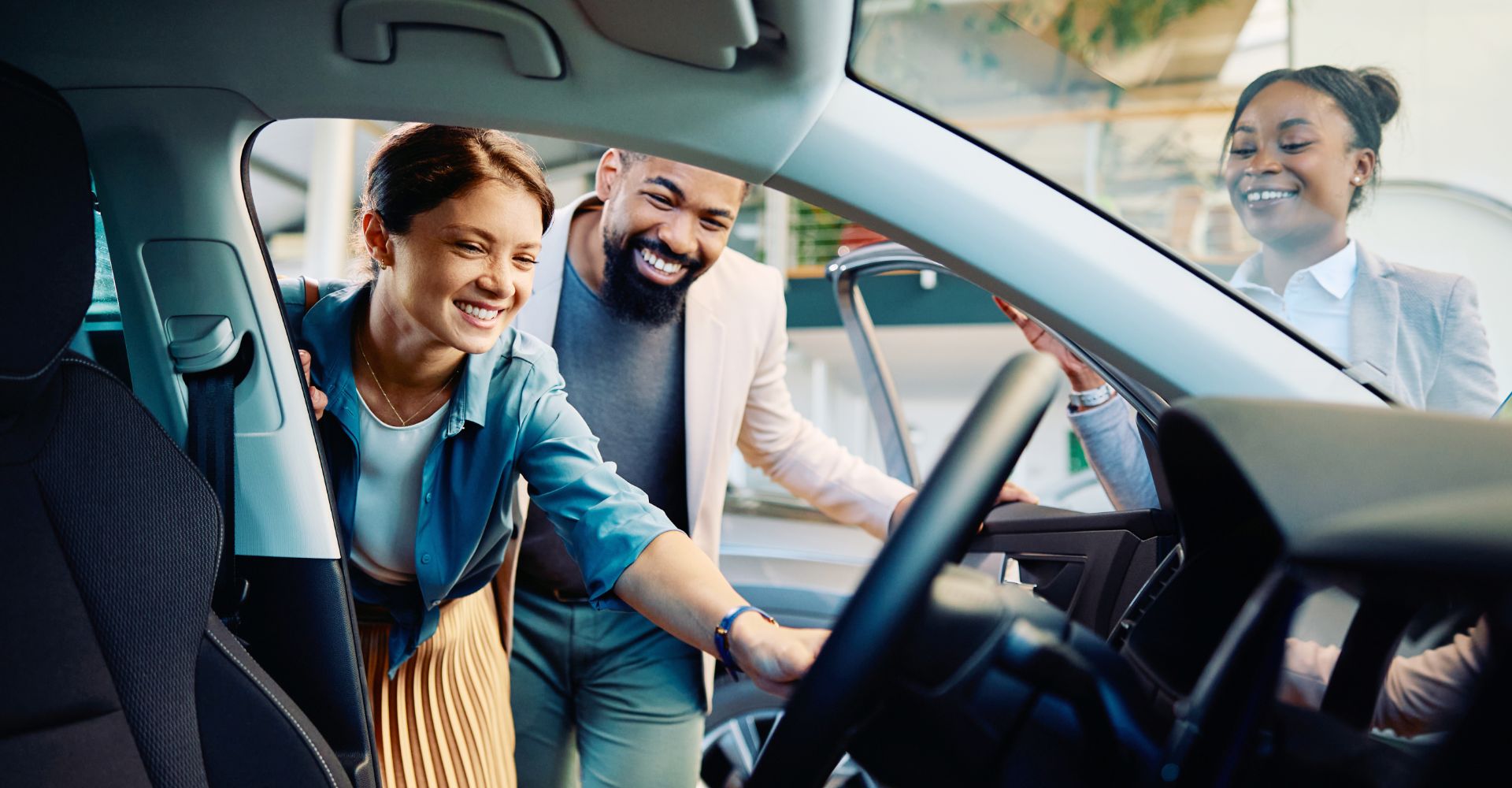
    We’ve all been there. Your trusty ride starts sounding a bit rough, repairs are getting more frequent, and the fuel bill is starting to feel personal. When you decide it’s time for a new car, the next steps can become overwhelming. For many South Africans, the decision involves affordability, safety, and lifestyle. And yes, that means getting car insurance, too.


    At What Point Is It Time for a New Car?

    Your car needs to take you from point A to B, safely. If it seems like it can’t do that anymore, it’s time to say goodbye.

    Weighing Repair Costs vs Long-Term Reliability

    Issue

    What it Could Mean

    Frequent, costly repairs

    Your car might be more expensive to maintain than it’s worth.

    One major repair (gearbox, engine) costs more than half the car’s value.

    Time to consider an upgrade.

    Unreliable starts

    Your vehicle may no longer be roadworthy or safe.

    Outdated safety features

    Newer models offer better protection for you and your passengers.

    Poor fuel economy

    You’re spending more than you need to every month.

    Persistent check engine light

    Something could be seriously wrong under the hood.


    RELATED: SIGNS YOUR CAR IS NOT ROADWORTHY


    What to Do First When Getting a New Car

    So, you’ve decided to take the plunge. Great! But before you run off into the sunset with a shiny new set of wheels, here’s where to start.

    Setting a Realistic Budget

    Remember to factor in the costs of fuel, insurance, maintenance, licensing fees, and potential finance charges. Don’t forget to look at the total cost of ownership, not just monthly instalments.

    Researching Models That Fit Your Needs

    Do you need boot space for kids and groceries? Or something compact for city traffic? Compare makes, models, and reviews. Keep reliability, resale value, and the service network in mind.


    RELATED: HIDDEN COSTS OF CAR OWNERSHIP


    What Is the Best First Car in South Africa?

    Buying your first car? Start here.

    Top Picks for Safety and Affordability

    South Africans love budget-friendly hatchbacks that still pack a punch. Models such as the Suzuki Swift, Toyota Starlet, VW Polo Vivo, and Renault Kwid are top contenders thanks to their reliability, safety ratings, and affordable running costs.

    Matching Your Car Choice to Your Lifestyle

    City drivers might prioritise fuel economy and compactness, while off-roaders and road-trippers might need something tougher. Whatever your vibe, there’s a car that fits it (and your budget).


    How Does Car Insurance Work When Buying a New Car?

    When you buy a new car, you’ll need to insure it before driving it off the lot (especially if it’s financed). You can usually transfer your current policy or take out a new one altogether.

    Your premium will depend on the car’s value, your driving history, where you live, and whether you install any added tech like trackers.


    Make the Move with Confidence

    There’s no shame in saying goodbye to your old car. It served you well. But if it’s costing more than it’s worth, compromising your safety, or just no longer suits your needs, it might be time to upgrade.

    When you’re ready to hit the road in something new, don’t forget to sort out your cover. Visit dotsure.co.za to get a quick quote, or contact us for help.


    RELATED: NEW VS USED CARS

  • UNDERSTANDING CAR PARTS: GLOW PLUGS VS SPARK PLUGS

    UNDERSTANDING CAR PARTS: GLOW PLUGS VS SPARK PLUGS


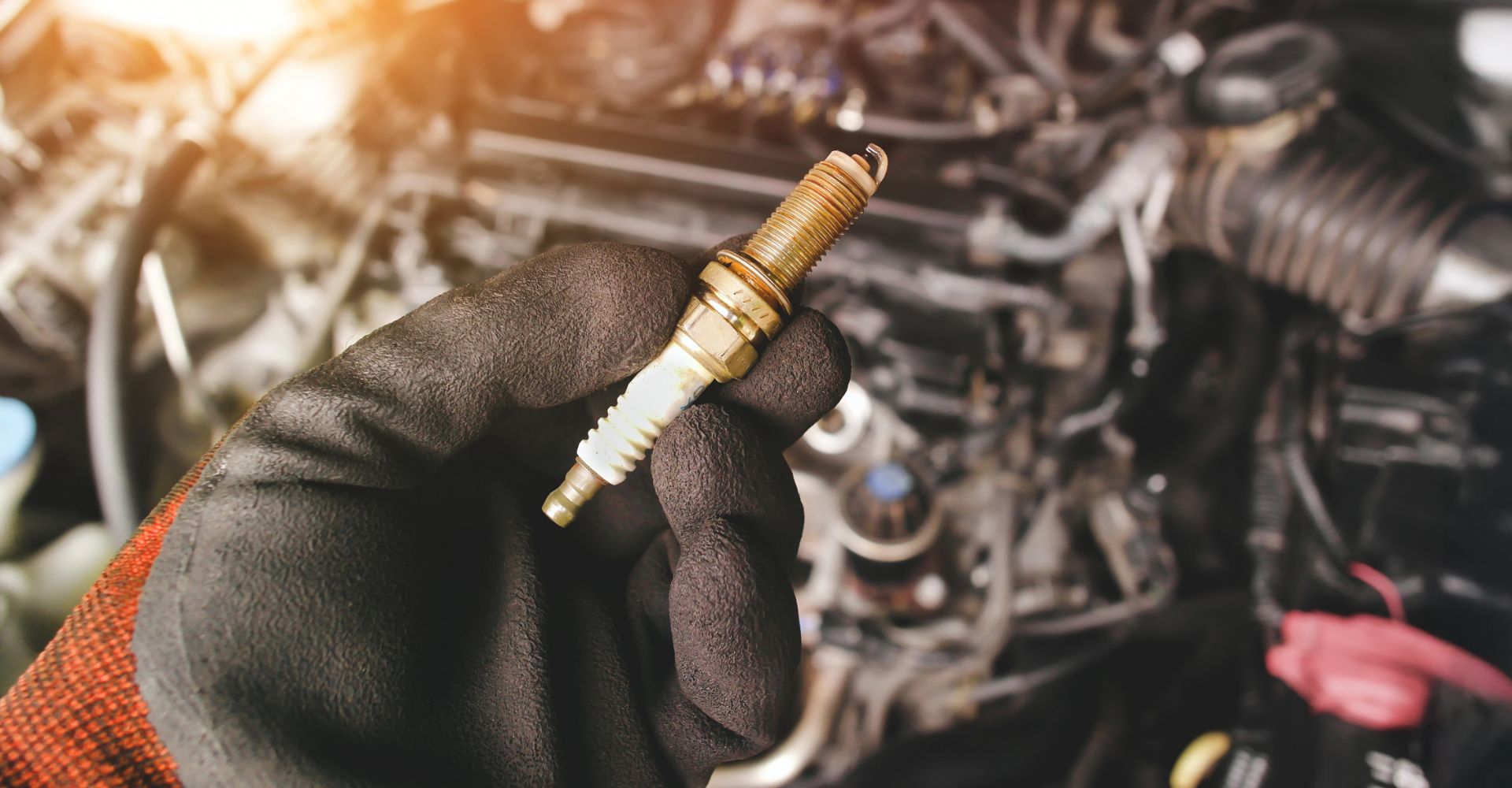
    What is the difference between a glow plug and a spark plug? These two car parts sound similar, but they each serve their own purpose. Knowing which is which can help you understand your vehicle’s performance and maintenance needs. If you’re thinking long-term about your vehicle’s health, an extended motor warranty can go a long way to cover costly repairs.


    What Is a Glow Plug?

    Glow plugs are heating devices used in diesel engines to help with starting, especially in cold weather. They work by warming the air in the combustion chamber to a temperature high enough to ignite fuel.

    Its Role in Diesel Engines

    Diesel engines rely on compression to ignite fuel, not a spark, like petrol engines. In cold conditions, the air-fuel mixture might not reach a high enough temperature to ignite on its own. Glow plugs act like little toasters inside your engine, heating things up quickly to get your car started smoothly.

    How Glow Plugs Operate

    Glow plugs are switched on when you turn the key (or press the start button), and they begin to heat the combustion chambers. Once the engine is running, they usually switch off, although some modern vehicles keep them running briefly to reduce emissions and ensure efficient operation.


    What Do Spark Plugs Do

    If you drive a petrol-powered car, you’ll be more familiar with spark plugs. They’re essential for starting and running your engine.

    Spark Plug Function in Petrol Engines

    Unlike diesel engines, petrol engines need a spark to ignite the air-fuel mixture. That’s exactly what spark plugs do. They deliver a small, high-voltage jolt of electricity to create a spark that kicks off combustion.


    Spark Plugs vs Glow Plugs

    While both parts live in the engine and are involved in combustion, they’re used in entirely different types of engines. Here’s a quick side-by-side:

    Feature

    Spark Plug

    Glow Plug

    Engine Type

    Petrol

    Diesel

    Function

    Creates spark to ignite fuel

    Heats chamber to aid ignition

    Activation

    During engine start & run

    Primarily during cold starts

    Failure Symptoms

    Misfires, rough idling

    Hard starts, white smoke


    Signs of Failing Glow Plugs and Spark Plugs 

    • Glow Plug Issues: If your diesel engine takes forever to start, especially on chilly mornings, your glow plugs might be on their last legs. Other signs include white smoke from the exhaust and poor fuel efficiency.
    • Spark Plug Problems: Misfiring, engine knocking, a rough idle, and decreased acceleration can all point to worn-out spark plugs.

    Effects on Vehicle Performance

    Neglecting these parts can lead to sluggish performance, higher fuel consumption, and even permanent engine damage over time. That’s why recognising early signs of failure is so important.


    Protect Your Engine & Your Pocket

    Understanding the basics of how car components work is important to keep your vehicle running at its best. And while you can manage some maintenance yourself, bigger issues can become expensive. That’s where a worry-free extended motor warranty can give you peace of mind.

    To explore our cover options for your ride, visit dotsure.co.za or contact us today. We’re here to help you keep your car in tip-top shape, from bumper to tailpipe!


    RELATED: EXPENSIVE CAR PARTS YOU NEED TO INSURE

  • DRIVING CAPTIONS FOR INSTAGRAM-WORTHY ROAD TRIPS

    DRIVING CAPTIONS FOR INSTAGRAM-WORTHY ROAD TRIPS


    There’s nothing quite like hitting the open road with your favourite playlist and the perfect view unfolding before you. The memories you make on a road trip deserve to be shared, and what’s a great post without the perfect caption? Here’s your guide to driving captions for Instagram that will elevate your feed.


    RELATED: THERAPEUTIC DRIVING QUOTES


    Instagram Driving Captions for Every Mood

    No matter your vibe: Chill, adventurous, or reflective. These captions match every mood behind the wheel.

    • “Left the city, found my peace.”
    • “Some paths can’t be discovered without getting lost.”
    • “Currently somewhere between where I was and where I want to be.”
    • “If you need me, I’ll be on the road… probably lost, but vibing.”
    • “This is what freedom feels like.”


    Short Unique Travel Quotes for Your Feed

    A punchy caption can speak volumes, especially when it’s paired with breathtaking views and your best road trip buddy. These quotes are perfect for quick uploads or stories:

    • “Gas tank full, heart fuller.”
    • “Not all those who wander are lost… some just forgot the map.”
    • “Adventure begins where plans end.”
    • “Drive. Discover. Repeat.”


    Long Drive Quotes for the Wanderlust Soul

    Some journeys are so scenic and soul-filling, they call for captions that dig a little deeper.

    • “It’s not about the destination. It’s about the road that gets you there, the people in the passenger seat, and the stories you collect on the way.”
    • “Long drives are therapy sessions, where the road listens, the music speaks, and the scenery heals.”
    • “With each mile, I feel lighter. Like the road is peeling away the weight of routine.”
    • “The best kind of escape is one where the horizon keeps moving, and the past fades in the rearview.”


    Funny Driving Captions to Lighten the Road

    Who says road trips have to be serious? Add a little humour to your journey with these captions that’ll have your followers double-tapping:

    • “I take the scenic route… mostly because I missed the turn.”
    • “Powered by snacks and questionable navigation.”
    • “Keep calm and avoid potholes.”
    • “This isn’t a road trip. It’s a ‘turn up the volume and hope we don’t run out of snacks’ tour.”
    • “Road trips: where you get to know your friends too well.”


    Late Night Driving Captions

    There’s something magical about the stillness of a late-night drive. These captions reflect the calm, the mystery, and the glow of headlights on an empty road:

    • “City lights in the rearview, stars ahead.”
    • “Late-night drives and even later thoughts.”
    • “Headlights on, world off.”
    • “Nothing but us, the road, and moonlight.”
    • “When the road is quiet, the soul speaks loudest.”


    Smart Drivers Behind Scenic Shots

    While you’re planning your next scenic escape, don’t forget to gear up with the right protection too. A reliable car insurance plan helps ensure that detours and surprises stay on the fun side of your trip.

    For more ways to protect your car (and your Instagram-worthy adventures), visit dotsure.co.za or contact us today.

  • DO’S & DON’TS: HOW TO DEFROST A CAR WINDSCREEN

    DO’S & DON’TS: HOW TO DEFROST A CAR WINDSCREEN


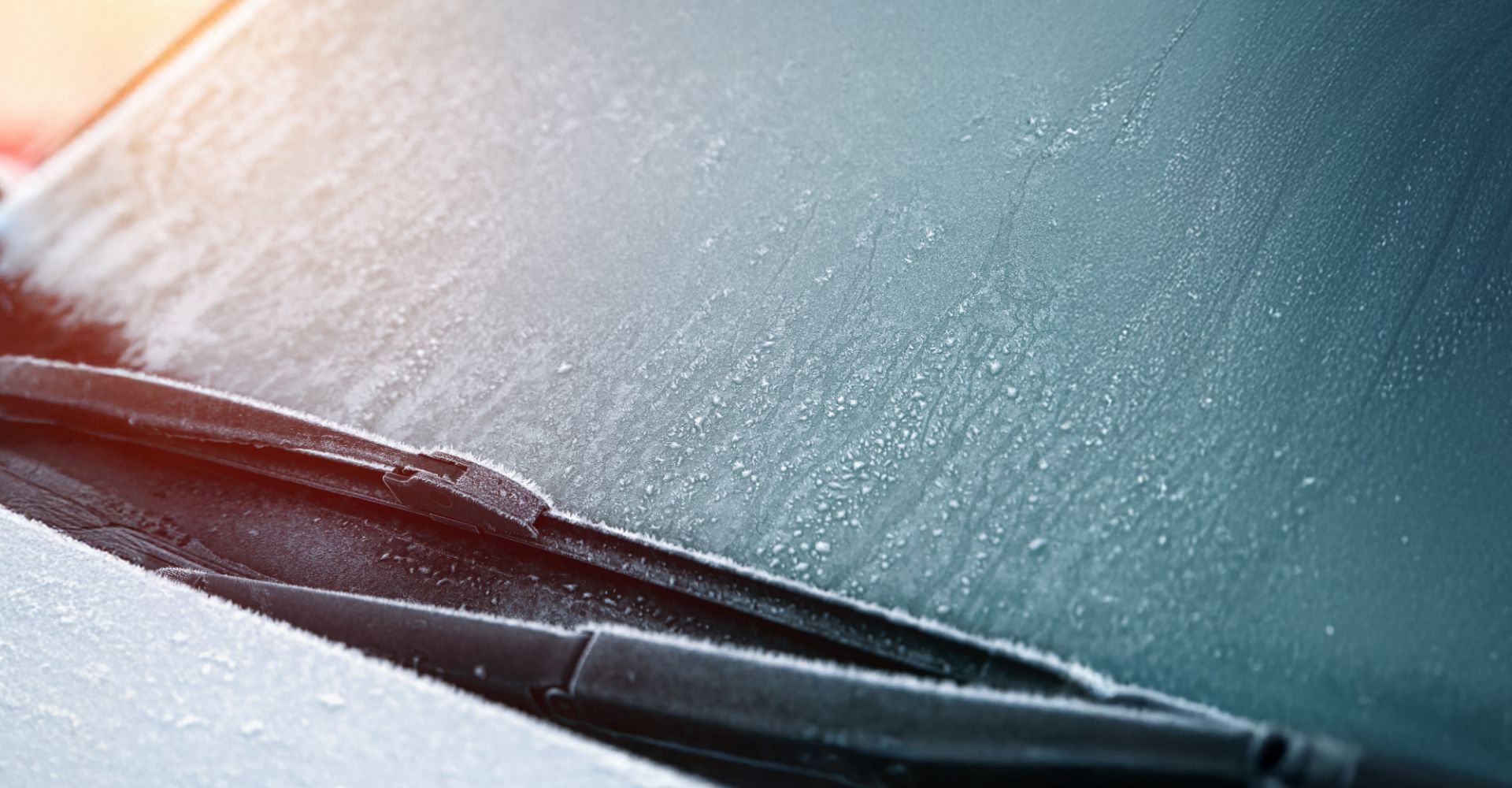
    When winter bites, few things are more frustrating than facing a frozen windscreen when you’re already running late. But beyond the inconvenience, not defrosting your windscreen properly can shatter any prospects for having a good day. Preventable damage or accidents linked to poor visibility could influence your car insurance claim. That’s why it pays to know the right way to handle those frosty mornings.


    Why Windscreen Defrosting Matters 

    Safety Implications of Poor Visibility

    Driving with a partially defrosted windscreen can limit your vision and increase your risk of an accident. Obstructed views can prevent you from spotting hazards, pedestrians, or even other vehicles. Driving with impaired visibility is not only dangerous, but can also be seen as negligent, potentially affecting the outcome of insurance claims if an accident occurs.


    How to Defrost a Car Windscreen Properly 

    Step-by-Step Defrosting Guide:

    1. Start the car and turn on the heater. Set it to defrost mode and gradually increase the temperature.
    2. Turn on the rear window defroster. Most cars have a button for this. Let it run while the engine warms up.
    3. Use the air conditioning. This may sound odd in winter, but it helps to remove moisture from the air inside the car and prevents fogging.
    4. Gently scrape the ice. Use a plastic scraper or credit card to carefully remove ice as it starts to soften.

    Using Hot vs Cold Air

    Always start with cool or lukewarm air and slowly increase the temperature. Blasting hot air can cause the windscreen to crack due to thermal shock.

    Best Tools and Products

    Tool

    Description

    Plastic ice scrapers

    Durable and safe for glass.

    DIY de-icing spray

    Rubbing alcohol and water (1:1 ratio).

    Windscreen covers

    Great for preventing frost in the first place.


    Common Defrosting Mistakes to Avoid

    Why Pouring Water is Risky

    It’s tempting to grab a kettle, but pouring hot water on a frosty windscreen can cause the glass to crack instantly.

    Myths vs Facts: Boiling Water, Vinegar, and Salt

    • Boiling water: Too risky; avoid completely.
    • Vinegar mix: Can damage the glass or surrounding rubber seals over time.
    • Salt water: While it can melt ice, salt is corrosive and may harm your paintwork and wiper blades.


    Tips to Prevent Frost Buildup

    Night-Before Preparation Tips

    • Park your car facing east so the morning sun naturally warms the windscreen.
    • Keep your wiper blades raised to prevent them from sticking to the glass.

    How to Cover Your Windscreen

    • Use a windscreen cover or even a towel or sheet of cardboard to block the frost from forming.
    • In a pinch, a plastic bag or garbage bag can do the trick. Just secure it properly to avoid it flying off in the wind.


    Protect Your View

    For added peace of mind this winter, make sure your car insurance is up to the task. dotsure.co.za offers comprehensive cover with customisable options to suit your lifestyle.

    Need help or want to upgrade your policy? Contact us today.


    RELATED: CAR PARTS THAT FAIL DURING WINTER; TIPS FOR WINTER CAR CARE

  • HOW TO CHOOSE THE RIGHT INSURANCE POLICY

    HOW TO CHOOSE THE RIGHT INSURANCE POLICY


    Choosing an insurance policy can be overwhelming. There’s jargon, options galore, and plenty of fine print.

    Here’s your no-nonsense guide on how to choose the right insurance for your needs, without losing your mind in the process.


    Understanding Your Insurance Needs

    Assessing Your Risk Profile

    If you drive daily, live in a high-risk area, or have valuable assets, insurance becomes less of a ‘nice-to-have’ and more of a ‘must-have’.

    Evaluating Life Stage and Dependents

    Your insurance needs will shift as your life changes. Single with a car and laptop? A basic policy might do. But if you’ve got kids, a home loan, and a family who depends on your income, your insurance game needs to level up accordingly.

    Short-Term vs Long-Term Needs

    Short-term insurance (such as car, home, or pet insurance) helps cover the day-to-day risks. Long-term policies (such as life or disability cover) kick in for the big stuff. You may need both, and that’s okay.


    RELATED: UNDERSTANDING SHORT-TERM AND LONG-TERM INSURANCE


    Important Factors in Policy Comparison 

    Premiums vs Coverage

    Cheaper doesn’t always mean better. It’s tempting to go for the lowest monthly cost, but make sure you’re not sacrificing critical cover just to save a few bucks upfront.

    Exclusions and Limitations

    The devil’s in the details. Make sure you know if you’re covered for wear-and-tear, pre-existing conditions, or specific high-risk scenarios.

    Claim Process and Support

    A good policy is only as strong as the support you get when it matters. Look for an insurer with a reputation for quick, easy claims and solid customer service.

    Policy Terms and Renewability

    Know when your cover starts, when it ends, and whether your premium might change over time. Some policies offer fixed terms; others are reviewed annually.


    Mistakes to Avoid When Choosing Insurance

    Underinsuring or Overinsuring

    Too little cover and you could be stuck footing the bill. Too much, and you might be paying for benefits you’ll never use. Try to find the sweet spot.

    Ignoring Fine Print

    Don’t just click “I accept”. If the wording feels like legal spaghetti, ask your insurer to break it down for you.

    Choosing Based on Price Alone

    Sure, budget matters. But how do people decide what kind of insurance they need? Consider the value of what you’re getting, not just what you’re paying.


    Need Help Deciding? Let’s Talk

    We believe insurance should be simple, affordable, and tailored to you.

    Visit dotsure.co.za or contact us for a chat. No hard sell, just solid advice.


    RELATED: COMMON INSURANCE TERMS

  • WHAT IS A FLEET WARRANTY?

    WHAT IS A FLEET WARRANTY?


    Running a business fleet in South Africa can be a logistical juggling act, from managing fuel costs and driver schedules to keeping vehicles roadworthy and productive.

    While motor warranties are often associated with individual cars, fleet warranties are there to help businesses reduce risk and manage repair costs across multiple vehicles.


    Understanding Fleet Warranties

    What Is a Fleet Warranty?

    A fleet warranty is a vehicle manufacturer’s guarantee that covers a group of business-owned vehicles against defects in materials or workmanship for a specific period or mileage limit. These warranties usually kick in when you purchase a certain number of vehicles from the same manufacturer and register them under a business or fleet account.

    How Do Fleet Warranties Differ from Individual Vehicle Warranties?

    While individual warranties apply to one privately owned car, fleet warranties are designed for business use. They factor in heavier usage, which helps when you’re servicing several vehicles with the same dealership or manufacturer-approved workshops.


    How Fleet Maintenance Works

    What is Fleet Maintenance?

    In simple terms, it’s the regular servicing and repair of your business vehicles to ensure safety, performance, and longevity.

    • Scheduled maintenance: Such as oil changes and inspections.
    • Unscheduled maintenance: Such as fixing mechanical breakdowns.

    The Role of a Fleet Warranty in Preventative Maintenance

    Fleet warranties often require proof that vehicles were serviced on time and according to the manufacturer’s guidelines. So, sticking to a preventative maintenance schedule is necessary to keep warranty cover valid.


    Choosing the Right Fleet Warranty

    Vehicle Type, Usage, and Provider Reputation

    Think about your business needs. Light delivery vehicles may need different cover than long-distance trucks or executive sedans. Also, consider the reliability and support offered by the vehicle manufacturer.

    Warranty Duration and Cover Specifics

    Not all fleet warranties are created equal. Some may cover only the basics, while others extend to electronics, suspension, or even wear-and-tear components.

    Common Exclusions and Limitations

    Fleet warranties often exclude damage from misuse, neglect, or unauthorised modifications. Be aware of mileage limits and servicing requirements to avoid voiding your warranty unintentionally.


    Tips for Managing Fleet Warranties

    Maintaining Accurate Service Records

    Keep detailed logs of all services and repairs. This helps you stay compliant with warranty conditions and streamlines the claims process.

    Centralising Warranty Data

    Use digital tools or platforms to manage your warranty documents, service histories, and expiry dates in one place. This minimises errors and avoids missing deadlines.

    Train Staff on Warranty Compliance

    Ensure your fleet managers and drivers understand basic warranty terms. For example, using non-approved parts or missing scheduled services can lead to rejected claims.


    Not Running a Fleet? We’ve Got You Covered

    While fleet warranties may not be our thing, dotsure.co.za is here for the everyday heroes behind the wheel. From unexpected breakdowns to surprise expenses, we’re all about making your journey smoother.  Contact us for an extended motor warranty that goes the distance.

  • HOW TO USE A TRAFFIC CIRCLE IN SOUTH AFRICA

    HOW TO USE A TRAFFIC CIRCLE IN SOUTH AFRICA


    Knowing how to use a traffic circle properly can keep you (and your car) out of trouble. Yes, it’s about good manners, but it’s also about staying safe, avoiding costly repairs, and reducing your risk of a motor insurance claim. Yet, despite how common they are, traffic circles still leave many drivers going in circles.


    RELATED: TRAFFIC LAWS DRIVERS MISUNDERSTAND


    Mini Traffic Circles (Single Lane)

    These are the smaller roundabouts you’ll typically find in residential areas or quiet intersections. There’s only one lane, and everyone must yield to the right.

    Taking the First Exit (Turning Left)

    • Signal left before you enter
    • Yield to any vehicles already in the circle approaching from your right
    • Stay alert for pedestrians

    Taking the Second Exit (Going Straight)

    • Don’t signal as you approach
    • Yield to vehicles from the right
    • Signal left after you pass the first exit
    • Exit smoothly and cautiously

    Taking the Third Exit (Turning Right)

    • Signal right as you approach
    • Yield to the right
    • Signal left after the second exit and leave the circle carefully


    Double-Lane Traffic Circles

    These are more complex, often found at busier intersections with higher traffic volumes. The double lane traffic circle rules are all about correct lane choice and signalling.

    Taking the First Exit (Turning Left)

    • Approach in the left lane
    • Signal left
    • Stay in the outer lane and exit at the first opportunity

    Taking the Second Exit (Going Straight)

    • You may use either the left or right lane unless road markings say otherwise
    • Don’t signal on approach
    • Signal left only after you’ve passed the first exit

    Taking the Third Exit (Turning Right)

    • Approach in the right lane
    • Signal right
    • Stay in the inner lane until past the second exit
    • Signal left and switch carefully to exit

    Tip: Always check for painted arrows and lane markings. They often give you helpful clues about which lane to use.


    FAQs About Traffic Rules for Roundabouts

    Is it illegal to turn around on a mini roundabout?

    No, it’s not illegal, but it must be done safely. U-turns are technically allowed unless prohibited by signage. Make sure you yield and indicate properly.

    Is it illegal to go around a traffic circle multiple times?

    Nope. There’s no law against circling a roundabout more than once. Just ensure you’re not obstructing traffic or confusing other drivers. A few spins while looking for your exit? Legal. Joyriding in circles? Risky.

    When entering a multi-lane roundabout, do you only need to yield to vehicles in the closest lane?

    False. You must yield to all traffic already in the circle, regardless of which lane they’re in. Double-lane roundabouts require extra vigilance. Look out for lane changes and blind spots.


    Stay in Your Lane. Stay Safe

    Mastering the rules of the road means smoother driving and fewer surprises. While good driving habits reduce your risk, accidents can still happen. At dotsure.co.za, we offer car insurance that helps you handle the unexpected.

    Want more info? Contact us today, we’re always happy to help!


    RELATED: UNWRITTEN ROAD RULES

  • TYPES OF INSURANCE TO PROTECT WHAT MATTERS

    TYPES OF INSURANCE TO PROTECT WHAT MATTERS


    Insurance is all about protecting the things (and people) you love. It helps soften the blow when the unexpected strikes, giving you peace of mind and a financial safety net. That’s why having the right type of insurance in place, matters.


    Most Common Types of Insurance

    There are many types of insurance available, but these six top the list for most people in Mzansi:

    • Car insurance
    • Home or household insurance
    • Business insurance
    • Pet insurance
    • Life insurance
    • Health insurance

    Each type serves a different purpose. Some can be required by law, while others are just plain smart to have.


    Car Insurance: Keeping You on the Move

    Your car is your ride to work, your weekend getaway machine, your family taxi. But with potholes, load-shedding traffic, and rising theft stats, your wheels need cover.

    Car insurance protects you from financial hits after accidents, theft, or damage. In South Africa, you’ll typically choose between:

    • Comprehensive insurance: Covers most events including accidents, theft, fire, and more.
    • Third-party, fire and theft: A step down but still decent protection.
    • Third-party only: Covers accidental damage to someone else’s vehicle.


    Household Insurance: Sheltering Your Abode

    Home is where your heart, and your biggest financial investment, lives. Building insurance protects the property itself (walls, roof, fixtures, etc.) from things like fire, floods, or natural disasters.

    There’s also home contents insurance, which covers valuables inside your house such as electronics, furniture, appliances, and more.


    Business Insurance: Safeguard Your Livelihood

    Whether you run a corner café or a nationwide logistics company, business insurance helps shield your hard work.

    Policies commonly include:

    • Property cover: For your premises and assets.
    • Theft cover: For stock or equipment.
    • Liability cover: If someone gets injured on your premises.
    • Vehicle cover: For business fleets or delivery vans.

    Our customised business insurance gives you a safety net so you can focus on growing your success, not just surviving obstacles.


    Pet Insurance: Wholehearted Protection

    Our pets are family. When they get sick or injured, vet bills can pile up fast. Pet insurance is one of the fastest-growing types of insurance in South Africa, for good reason.

    Depending on the plan, pet insurance can help cover:

    • Accidents and emergencies
    • Treatment of illnesses
    • Chronic conditions and surgeries
    • Routine care and wellness (such as vaccinations or parasite control)

    We offer different plans with dedicated cover to suit your pet’s needs.


    Life Insurance: Providing for Loved Ones

    While no one likes to think about it, life insurance is a powerful way to look after your loved ones when you no longer can. Your beneficiaries can receive a lump sum to help cover funeral costs, debt, education, and living expenses.

    There are different types of life insurance, including:

    • Term life insurance: Cover for a set period.
    • Whole life insurance: Cover for life, often with cash value.
    • Funeral cover: Quick payout for burial costs.


    Health Insurance: Looking After You

    Health insurance or medical aid helps cover medical expenses like doctor visits, hospital stays, surgeries, and chronic medications. In South Africa, private healthcare can be costly, and medical aid or hospital plans help take the edge off those bills.


    Need Cover? Let’s Chat

    From pets to property, the right types of insurance can make life a whole lot less stressful.

    Need help figuring out what suits you best? Visit dotsure.co.za or contact us, we’re here to help you find cover that fits like a glove.

    RELATED: HOW INSURANCE COMPANIES CALCULATE YOUR PREMIUMS


  • CAR PARTS FOR BEGINNERS: ARE THESE REAL OR FAKE

    CAR PARTS FOR BEGINNERS: ARE THESE REAL OR FAKE

    When you first start learning about car parts, it can feel as if you’ve opened a toolbox full of mystery objects. But here’s a fun fact: many car components actually resemble everyday household items. And while it’s entertaining to compare, it’s also a helpful way to learn the basics, especially if you’re thinking about protecting those car parts.


    Car Parts vs. Everyday Items

    Let’s play a round of “Guess the car part” and clear up a few FAQs while we’re at it.


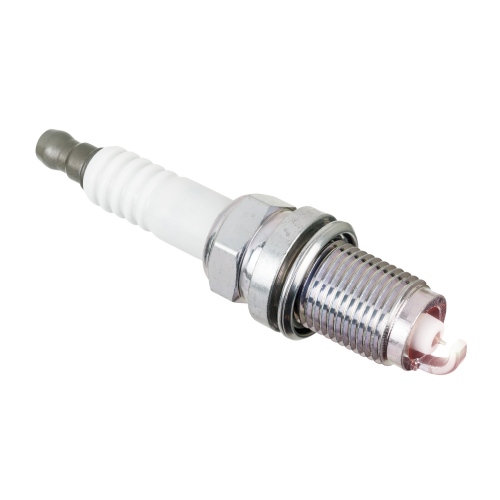
    Spark Plug or Candle Holder?

    spark plug

    What Does a Spark Plug Look Like?

    It’s a small, metal cylinder with an insulated centre and a visible electrode. At first glance, it can be mistaken for a decorative item.

    What is the Difference Between a Spark Plug and a Glow Plug?

    Spark plugs ignite fuel using an electric spark (in petrol engines), while glow plugs preheat the combustion chamber (in diesel engines).


    RELATED: UNDERSTANDING CAR PARTS: WHAT IS A GLOW PLUG?


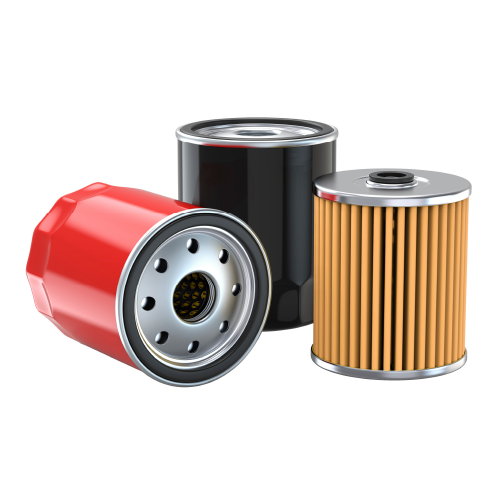
    Oil Filter or Coffee Filter?

    oil filter

    What Does an Oil Filter Look Like?

    It’s a compact, cylindrical object (often metal) screwed into the engine to trap dirt and debris from motor oil.

    How is an Oil Filter Different from a Fuel Filter?

    An oil filter cleans the engine oil, while a fuel filter cleans the fuel before it reaches the engine.


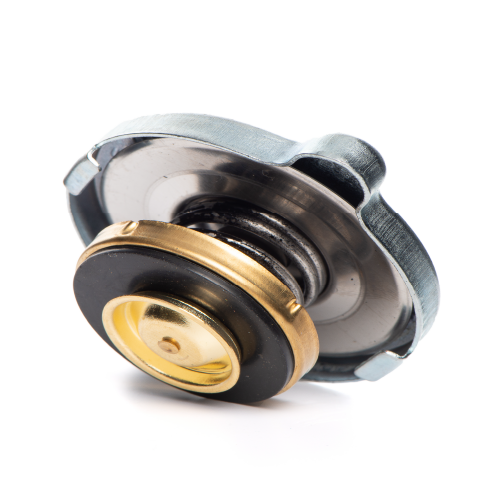
    Radiator Cap or Jar Lid?

    radiator cap

    What’s the Function of a Radiator Cap?

    It seals the radiator and helps maintain the proper pressure in your engine’s cooling system.

    Can a Radiator Cap Affect Engine Performance?

    Yes! A faulty cap can lead to overheating or coolant loss, both of which impact performance.


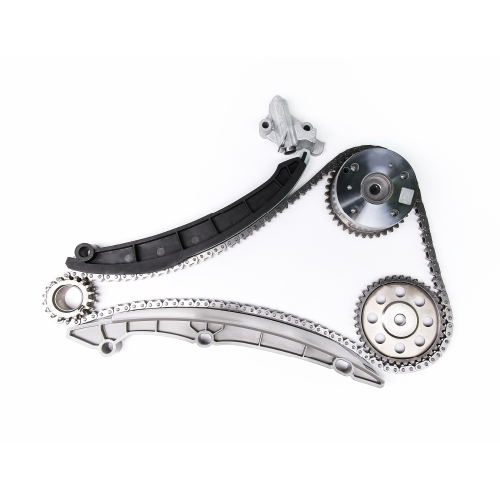
    Timing Belt or Yoga Mat Strap?

    timing belt

    What Does a Timing Belt Do?

    It synchronises the rotation of the crankshaft and camshaft so that engine valves open and close at the right time.

    Is a Timing Belt the Same as a Serpentine Belt?

    No. A timing belt manages engine timing, while a serpentine belt powers external accessories such as the alternator and AC compressor.


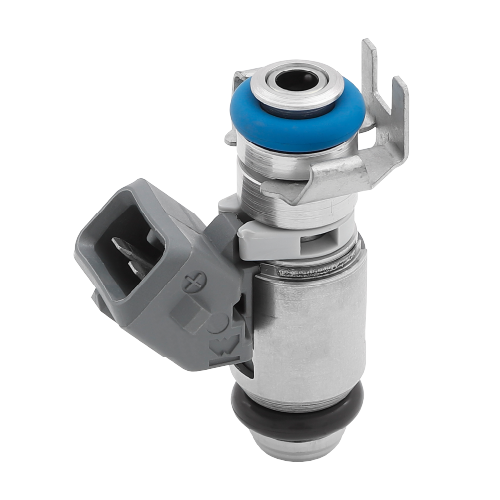
    Fuel Injector or Perfume Nozzle?

    fuel injector

    How Does a Fuel Injector Work?

    It injects fuel directly into the engine’s combustion chamber for precise ignition.

    What Are the Signs of a Faulty Fuel Injector?

    Look out for poor fuel economy, engine misfires, or rough idling. A failing injector can disrupt engine performance quickly.


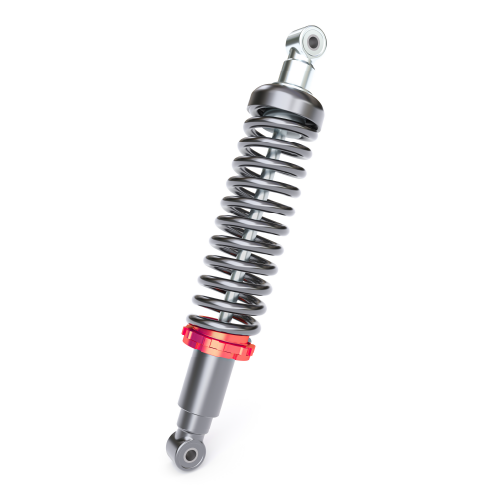
    Shock Absorber or Rolling Pin?

    shock absorber


    What Are Shock Absorbers Used For?

    They dampen the impact from road irregularities, providing a smoother ride and maintaining tyre contact with the road.

    How Do You Know If Your Shock Absorbers Are Worn Out?

    Excessive bouncing, uneven tyre wear, or poor handling can all point to worn shocks.


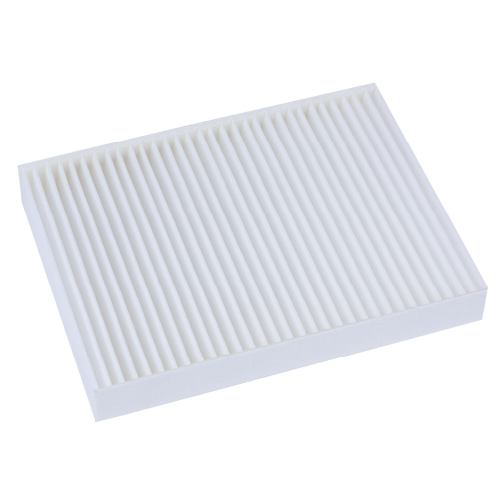
    Air Filter or Accordion Folder?

    air filter

    Why is the Air Filter Important for Your Engine?

    It prevents dirt, dust, and debris from entering the engine, helping it to breathe clean air for efficient combustion.

    How Often Should You Change Your Air Filter?

    Generally, every 15,000 to 30,000 km, but check your owner’s manual or replace it sooner if you drive in dusty conditions.


    Alternator or Electric Hand Mixer?

    alternator

    What Does an Alternator Look Like?

    It’s a compact, finned metal device with rotating parts, somewhat like an electric kitchen mixer.

    How Does an Alternator Charge the Battery?

    It converts mechanical energy from the engine into electrical energy, recharging the battery and powering your car’s electronics.


    Trust the Car Part Experts

    An extended motor warranty helps cover the cost of unexpected breakdowns, so you’re not left paying for what went wrong under the hood.

    Explore cover options at dotsure.co.za, or contact us to get a personalised quote today. Because when car parts go from “funny-looking” to “faulty,” it pays to be prepared.


  • SERVICE DOGS: THE IMPORTANCE OF PROFESSIONAL PUPS

    SERVICE DOGS: THE IMPORTANCE OF PROFESSIONAL PUPS


    Aside from melting hearts, service dogs can completely transform lives. We believe these four-legged helpers deserve protection too, and that’s why we cover different types of service dogs under our pet insurance policies. 


    What Is a Service Dog? 

    A service dog is a specially trained dog that assists a person beyond their physical or mental abilities. These dogs undergo intensive training to perform tasks tailored to their handler’s needs. They are recognised as working animals and often have public access rights. 


    Different Types of Service Dogs 

    Guide Dogs: 

    Perhaps the most well-known type of service dog, guide dogs help people with visual impairments navigate the world safely. They’re trained to stop at curbs, avoid obstacles, and lead their handlers across streets.  

    Hearing Dogs: 

    Hearing dogs assist people who are deaf or hard of hearing by alerting them to sounds like doorbells, alarms, or someone calling their name.  

    Mobility Assistance Dogs: 

    Also known as mobility dogs, these helpers support individuals with physical disabilities or balance issues. They can retrieve dropped items, open doors, or even help with getting dressed. 

    Psychiatric Service Dogs: 

    Unlike emotional support animals, psychiatric service dogs are trained to assist people with conditions like PTSD, anxiety disorders, or depression.  

    Medical Alert Dogs: 

    Medical alert dogs detect and alert their handlers to specific medical issues, such as seizures or diabetic emergencies. Some are trained to retrieve medication and press emergency buttons. 

    Emotional Support Dogs: 

    While not classified as service dogs in many legal contexts, emotional support dogs offer vital comfort to people with mental health challenges.  

    RELATED: HEART-WARMING ASSISTANCE DOGS 


    Service Dogs for Security and Public Safety 

    In South Africa, specially trained dogs play a vital role in public safety, too. These include: 

    • Anti-Poaching Dogs: They track and apprehend wildlife poachers in national parks. 
    • Security Dogs: They’re used to detect intruders, weapons, or explosives in public areas or private premises. 
    • Military Dogs: They work alongside soldiers in combat zones or high-risk missions. 

    These working dogs are a critical part of our national safety infrastructure and deserve the same care and respect as other service animals.  


    The Importance of Service Dogs 

    The value of service dogs cannot be overstated. They empower people to live fuller, safer lives. In South Africa, the need for service dog support is growing, and awareness is key to ensuring access, funding, and fair treatment for handlers and their dogs. 


    Protecting the Protectors 

    At dotsure.co.za, we understand that all types of service dogs are more than just pets; they’re partners in health and safety. That’s why our pet insurance extends to professional pups, giving you peace of mind when it matters most. Contact us today and let’s chat about how we can protect your canine companion.