Category: Business

  • WHAT IS A FLEET WARRANTY?

    WHAT IS A FLEET WARRANTY?


    Running a business fleet in South Africa can be a logistical juggling act, from managing fuel costs and driver schedules to keeping vehicles roadworthy and productive.

    While motor warranties are often associated with individual cars, fleet warranties are there to help businesses reduce risk and manage repair costs across multiple vehicles.


    Understanding Fleet Warranties

    What Is a Fleet Warranty?

    A fleet warranty is a vehicle manufacturer’s guarantee that covers a group of business-owned vehicles against defects in materials or workmanship for a specific period or mileage limit. These warranties usually kick in when you purchase a certain number of vehicles from the same manufacturer and register them under a business or fleet account.

    How Do Fleet Warranties Differ from Individual Vehicle Warranties?

    While individual warranties apply to one privately owned car, fleet warranties are designed for business use. They factor in heavier usage, which helps when you’re servicing several vehicles with the same dealership or manufacturer-approved workshops.


    How Fleet Maintenance Works

    What is Fleet Maintenance?

    In simple terms, it’s the regular servicing and repair of your business vehicles to ensure safety, performance, and longevity.

    • Scheduled maintenance: Such as oil changes and inspections.
    • Unscheduled maintenance: Such as fixing mechanical breakdowns.

    The Role of a Fleet Warranty in Preventative Maintenance

    Fleet warranties often require proof that vehicles were serviced on time and according to the manufacturer’s guidelines. So, sticking to a preventative maintenance schedule is necessary to keep warranty cover valid.


    Choosing the Right Fleet Warranty

    Vehicle Type, Usage, and Provider Reputation

    Think about your business needs. Light delivery vehicles may need different cover than long-distance trucks or executive sedans. Also, consider the reliability and support offered by the vehicle manufacturer.

    Warranty Duration and Cover Specifics

    Not all fleet warranties are created equal. Some may cover only the basics, while others extend to electronics, suspension, or even wear-and-tear components.

    Common Exclusions and Limitations

    Fleet warranties often exclude damage from misuse, neglect, or unauthorised modifications. Be aware of mileage limits and servicing requirements to avoid voiding your warranty unintentionally.


    Tips for Managing Fleet Warranties

    Maintaining Accurate Service Records

    Keep detailed logs of all services and repairs. This helps you stay compliant with warranty conditions and streamlines the claims process.

    Centralising Warranty Data

    Use digital tools or platforms to manage your warranty documents, service histories, and expiry dates in one place. This minimises errors and avoids missing deadlines.

    Train Staff on Warranty Compliance

    Ensure your fleet managers and drivers understand basic warranty terms. For example, using non-approved parts or missing scheduled services can lead to rejected claims.


    Not Running a Fleet? We’ve Got You Covered

    While fleet warranties may not be our thing, dotsure.co.za is here for the everyday heroes behind the wheel. From unexpected breakdowns to surprise expenses, we’re all about making your journey smoother.  Contact us for an extended motor warranty that goes the distance.

  • BUSINESS COVER FOR HOSPITALITY: A GUIDE TO AIRBNB INSURANCE

    BUSINESS COVER FOR HOSPITALITY: A GUIDE TO AIRBNB INSURANCE


    Hosting through Airbnb offers flexibility and freedom, but it also comes with plenty of risks. Running a short-term rental is a real business, and it deserves hospitality insurance that understands the risks of the industry. 


    What Is Airbnb Insurance and Why Does It Matter? 

    Short-term rental insurance is designed to protect hospitality entrepreneurs from the unique risks they face. While Airbnb provides some built-in protection through its AirCover for Hosts program, this is not a replacement for tailored business insurance that covers a range of common losses. 

    RELATED: TYPES OF BUSINESS INSURANCE 


    What Does Airbnb Insurance Actually Cover? 

    A comprehensive insurance policy for Airbnb properties typically includes: 

    Business Interruption: 

    A disaster can force you to close your doors temporarily. This helps get you back to business, quickly.  

    Property and Contents: 

    Get protection for your building, furniture, and appliances in the event of water damage or vandalism. 

    Liability: 

    Whether you’re hosting 10 or 1,000 guests a year, liability risk is real.  

    Cancellation of Bookings: 

    Cancellations due to unforeseen events don’t have to be financially devastating.  

    Billing Cover: 

    Your safety net if a guest leaves without paying for their stay. 


    Where to Find Insurance for Airbnbs 

    You don’t need to settle for a one-size-fits-all type of cover. At dotsure.co.za, we offer customised business insurance solutions for Airbnb owners and other hospitality professionals. Contact us today and let’s build a policy that works as hard as you do. 

  • SECURING YOUR SUCCESS: BUSINESS INSURANCE FAQS UNLOCKED

    SECURING YOUR SUCCESS: BUSINESS INSURANCE FAQS UNLOCKED

    Understanding How Business Insurance Works

    Running a business comes with its fair share of risks and having the right insurance is essential to protect your business when the unexpected happens. Whether it’s a flood, a fire or something entirely out of the blue, having cover means you’re not left picking up the pieces on your own. Business insurance can be tricky, but with dotsure.co.za, it doesn’t have to be. We’ve answered the top business insurance FAQS so you can confidently protect what matters.


    What is the Purpose of Business Insurance?

    It’s all about protecting your business from considerable, unexpected costs. If something goes wrong, your insurance can help cover the bills so that you and your business can keep going without a substantial financial hit.


    What Does General Business Insurance Cover?

    General business insurance typically covers your business against perils such as theft, fire, rain, and floods. Our business insurance allows you to choose from up to 20 cover sections to tailor your policy to your specific needs.

    • Buildings Combined: Cover for physical damage to your business building.
    • Office Contents: Protection for office equipment and furniture.
    • Business Interruption: Compensation for loss of income due to unforeseen disruptions caused by an insured peril.

    We also offer specialised cover for industries such as veterinary services, churches, and hospitality businesses.


    What Insurance is Most Important for a Business?

    That depends on your business type, but most need:

    • Cover for Building and contents as well as plant and tools
    • Public liability insurance in case someone gets hurt or takes legal action against you
    • Cover for business vehicles such as bakkies or vans
    • Business interruption insurance
    • Electronic equipment cover to protect your computers


    What Type of Business Insurance Do I Need?

    That depends on your business. We’ll look at:

    • What kind of work you do
    • How many people you employ
    • What assets or equipment you want to cover
    • The area in which you operate your business

    Pro tip: Our team is ready to chat and help you build a tailored insurance package that is relevant to your business and makes financial sense.


    What is Covered Under the Fire Section?

    Our fire section provides coverage for damage caused by:

    • Fire or lightning
    • Earthquake or explosions
    • Storms, wind, water, or hail
    • Impact damage (from trees, vehicles, satellite dishes, etc.).

    A full breakdown of the cover and conditions can be found in the policy wording.


    Does Business Insurance Cover Company Cars?

    Yes, if you choose commercial vehicle cover. Your business cars, bakkies and delivery vans can be covered for:

    • Accidents
    • Theft and hijacking
    • Windscreen for replacement or repairs
    • Hail damage, which is a genuine concern in some areas of our country
    • Third-party liability (damage to someone else’s property)

    Bonus: Our business vehicle policies are issued with an Open Driver clause. This means that anyone with your permission and a valid South African driver’s licence may drive the vehicle.


    What is SASRIA Cover?

    SASRIA (South African Special Risks Insurance Association) is included in your policy at an additional premium and provides cover for damage to your property caused by:

    • Riots, strikes, or public disorder
    • Civil commotion
    • Acts with political, social, or economic aims


    What is Business Interruption Insurance?

    If a fire or severe storm, for example, forces you to shut down your business temporarily, business interruption cover helps you stay afloat. Cover is based on your gross profit which includes:

    • Rent
    • Staff salaries
    • Lost profit
    • Moving to a temporary space.


    How Much Does Business Insurance Cost in South Africa?

    The cost depends on your insurance needs. Our trained staff will ensure that you get the best premium that works for your business and your budget.


    What Should I Do to Keep My Business Insurance Expenditure Low?

    Here are a few smart ways to save:

    • Bundle different cover options under one policy
    • Look after your property as if you do not have any insurance cover
    • Install security systems such as alarms or cameras
    • Avoid frequent, small claims
    • Opt for a higher excess and budget for it.


    What is Risk Analysis?

    Risk analysis helps us identify what could go wrong in your business so that we can:

    • Recommend the right cover
    • Set a fair premium
    • Spot potential gaps or risks and make sure you’re adequately protected


    Final Thoughts: Get the Most Out of Your Cover

    Do you still have questions? No problem! These business insurance FAQS are just the start. Every business is different, and our team is here to help you find the right cover to protect yours. Get in touch today for personalised advice or a quick, no-fuss quote with dotsure.co.za.

  • INSURANCE FOR VETS: TAILORED PROTECTION FOR YOUR VETERINARY PRACTICE

    INSURANCE FOR VETS: TAILORED PROTECTION FOR YOUR VETERINARY PRACTICE

    Running a veterinary practice comes with its fair share of unique risks. That’s where insurance for vets comes in, offering peace of mind so that you can focus on caring for our pets.


    What Is Veterinary Practice Insurance?

    This type of cover is designed specifically for veterinarians who would like insurance cover for all their business assets under one policy. It protects your clinic, equipment, and even the animals in your care. Basically, ensuring that when life throws a curveball (or a feisty Chihuahua) at you, you’re financially protected.


    Veterinary Practice Insurance Cover: What’s Included?

    Property and Contents Insurance

    Your clinic is more than just a workspace. It’s where you calm anxious pet parents, perform emergency surgery, or bring new life into the world. This cover protects your equipment, medication and stock from fire or theft, helping you to bounce back without “paws.”

    Animal Bailee Cover: Protecting Pets in Your Care

    What happens if a pet is injured or lost while in your care? That’s where animal bailee cover comes in. It helps to cover financial liability if something happens to a pet patient under your watch.

    Business Interruption Insurance for Veterinary Clinics

    If your clinic has to close tomorrow due to a fire, flood, or some other unexpected event, business interruption insurance ensures you don’t have to dig into your personal savings or go into panic mode. It covers lost revenue and ongoing expenses such as staff salaries and rent, helping you to get back on your feet!


    Why Choose Specialised Insurance for Your Vet Practice?

    At dotsure.co.za, we understand that vets face unique risks, so we offer tailored veterinary insurance that protects you while you protect our pets.

    Get a quote today and ensure your business keeps purring.

  • BUSINESS INSURANCE FOR MOTOR SERVICE: SPECIALIST WORKSHOP OWNER’S GUIDE

    BUSINESS INSURANCE FOR MOTOR SERVICE: SPECIALIST WORKSHOP OWNER’S GUIDE


    Running an automotive workshop is exciting but comes with its fair share of risks. Whether you’re servicing cars, repairing engines, or fitting accessories, having the right insurance keeps your business, employees, and customers protected. Some policies aren’t just nice to have, they’re essential.

    RELATED: WHEN A BUSINESS NEEDS INSURANCE


    Motor Traders Insurance

    This cover is designed for businesses in the automotive service industry, including fitment centres and auto repair shops.

    Important Features:

    • Covers client vehicles on your premises against accidental damage.
    • Protects against loss of, or damage to, specialised equipment and expensive stock due to fire, water, explosion, or impact.
    • Available to a variety of different types of motor repair shops.


    Insurance for Motor Service Industry

    dotsure.co.za offers tailored business insurance solutions for motor traders and related repair shops, covering risks such as loss, damage, and third-party liability.

    Cover Options:

    • Loss or Damage to Vehicles: Covers vehicles in the workshop or used by the business.
    • Liability to Third Parties: Protects against claims for third-party property damage or injuries.

    Additional Benefits:

    • Protection and removal of damaged vehicles.
    • Storage and delivery after repair.
    • Emergency repair cover.
    • Wreckage removal.
    • Liability for work performed off-premises.
    • Windscreen cover.
    • Cross-liabilities.


    Secure Your Auto Repair Business Today

    The right insurance cover ensures your motor service business thrives without unexpected financial setbacks. With dotsure.co.za, you get comprehensive, tailored cover to meet your business’s specific needs!

    RELATED: BUSINESS INSURANCE SIMPLIFIED; TYPES OF BUSINESS INSURANCE

  • BUSINESS INSURANCE FOR RETAILERS: A GUIDE FOR FLOWER SHOP OWNERS

    BUSINESS INSURANCE FOR RETAILERS: A GUIDE FOR FLOWER SHOP OWNERS


    A flower shop is a beautiful business – literally. But hidden behind the colourful arrangements and fragrant blooms, are risks waiting to happen.

    RELATED: GUIDE FOR ONLINE CLOTHING STORES


    Why Insurance is Essential for Florists

    Owning a flower shop means balancing creativity with business management. While you focus on crafting stunning floral designs, unexpected incidents can happen. If you have comprehensive insurance, you’re protected against financial challenges.

    RELATED: BUSINESS INSURANCE FREQUENTLY ASKED QUESTIONS


    Insurance for Flower Shops

    General Liability Insurance:

    This protects your business in case you’re found legally liable for accidental bodily injury or property damage.

    Commercial Property Insurance:

    Your shop’s physical space and assets, such as furniture, coolers, and floral inventory, are vulnerable to risks such as fire, theft, and natural disasters.

    Business Interruption Insurance:

    This cover ensures you can still pay rent, wages, and other bills if disaster temporarily halts operations.

    Motor Insurance:

    If you use a van, truck, or even your personal car for business purposes, motor insurance is crucial.

    Business All Risk Cover:

    Florists often use portable equipment such as laptops, mobile card readers, and tools that might be taken off-site for events or deliveries.

    Goods in Transit Insurance:

    Your floral arrangements, supplies, and stock are constantly moving. This ensures you’re covered if your products are lost, stolen, or damaged while being transported.

    Buildings Combined Cover:

    If you own the building that you run your business from, this covers the premises against fire, storms, theft, and accidental damage.

    RELATED: NECESSITY FOR EMPLOYER’S LIABILITY INSURANCE


    Protecting Your Business

    At dotsure.co.za, we understand the unique risks involved with running a flower shop. Our business insurance policies are designed for small to medium-sized businesses, allowing you to personalise your insurance to fit your specific needs. With comprehensive cover, we can help ensure that your business continues to flourish.


    Blooming with Confidence

    Don’t let risks wilt your success, invest in comprehensive business insurance and allow your floral dreams to bloom!

  • SMART MONEY MOVES: SMALL BUSINESS BUDGETING TIPS

    SMART MONEY MOVES: SMALL BUSINESS BUDGETING TIPS


    Budgeting isn’t just about numbers on a spreadsheet, it’s about giving your small business the best chance to thrive. A well-planned budget empowers you to eliminate wasteful spending, achieve profitability faster, and make informed financial decisions.

    RELATED: SMALL BUSINESS TIPS


    Why Budgeting Matters for Small Businesses

    A budget provides essential insights into your financial health by helping you:

    • Determine how many sales are needed to cover costs.
    • Decide how much money you can reinvest in the business.
    • Plan when you can afford to hire employees.


    The Numbers That Matter

    Budgeting might seem complicated, but it’s simpler than you think. It all comes down to understanding the essential financial reports.

    Profit & Loss Statement:

    This report helps you determine whether you’re making a profit or a loss by subtracting expenses from income.

    Balance Sheet:

    A balance sheet provides an overview of what your business owns (assets) and owes (liabilities).

    Trial Balance:

    A trial balance consolidates all your business transactions, showing debits, credits, assets, and liabilities in one document.


    Budgeting Tips for Your Small Businesses

    • Overestimate Expenses: Budgeting a little extra ensures you’re prepared for unforeseen expenditures.
    • Monitor Your Sales Cycle: Understanding your sales trends helps you plan for off-peak seasons.
    • Value Your Time: Budget for labour costs and set realistic deadlines to maximise efficiency.
    • Assess Risks: Identify financial risks such as market changes, regulatory updates, and potential crises.
    • Revisit and Adjust Your Budget: Regularly update it to reflect business growth and changing conditions.
    • Utilise Technology: Budgeting software can streamline financial management and provide accurate insights.
    • Plan for Taxes: Set aside funds for yearly tax obligations to avoid last-minute cash flow problems.
    • Prioritise Debt Management: Tackle high-interest debts first to save money in the long run.
    • Track Financial Performance: Regularly compare performance against your budget to identify areas for improvement.


    Protect Your Business with the Right Insurance

    Even with the best budgeting, unexpected setbacks can occur. That’s why dotsure.co.za business insurance offers tailored cover to protect your financial health. From asset protection to liability cover, we help safeguard your small business so you can focus on its growth.

  • BUSINESS INSURANCE FOR RESTAURANTS: A COFFEE SHOP OWNER’S GUIDE

    BUSINESS INSURANCE FOR RESTAURANTS: A COFFEE SHOP OWNER’S GUIDE

    A coffee shop isn’t just a place for great cappuccinos and steamy chats. It’s a business with daily risks. From broken coffee machines to customer accidents, a single mishap could spill over into financial trouble. That’s why business insurance for restaurants is essential to keep your coffee shop brewing smoothly.

    Not sure how business insurance works? Check out BUSINESS INSURANCE SIMPLIFIED: WHAT YOU NEED TO KNOW.

    Why Coffee Shops Need Business Insurance

    Running a coffee shop comes with unique risks including:

    • Equipment breakdowns – Coffee machines, grinders, and fridges. When they stop working, so does your business.
    • Customer injuries – A slip on a spilt Americano or a wobbly chair could lead to liability claims.
    • Fire and water damage – Kitchens are at a high risk for fires and burst pipes; not even the smoothest coffee shop playlist could save such a damp mood.
    • Food-related claims – You could be held responsible if a customer experiences an allergic reaction or food poisoning.

    Essential Cover for Coffee Shops

    All Risk Cover for Equipment:

    Your coffee machine, grinder, and other essential equipment are the heart of your business. All-risk cover protects you against accidental damage or loss.

    Liability Cover:

    If a customer spills a hot drink and gets burned or someone slips on a wet floor, there’s no need to cry over spilt milk. With liability cover, your business is protected from legal and medical claims.

    Food Poisoning Cover:

    If a customer claims they became ill from your food or drink, this cover helps you to handle legal costs, provided negligence is proven.

    Machinery Breakdown Cover:

    Coffee machines, fridges, and extractor fans need to work as hard as you do. If they break down due to a mechanical failure this cover ensures you can have them repaired or replaced without losing revenue.

    Business Interruption Cover:

    If a fire, flood, or major equipment failure forces you to close temporarily, business interruption cover helps replace lost income while you get back on the grind.

    Why Choose Business Insurance?

    At dotsure.co.za, we understand that no two coffee shops are the same. That’s why we offer specialised business insurance for restaurants, so you can keep those lattes flowing, no matter what happens. Ts & Cs apply.

  • BUSINESS INSURANCE FOR RETAILERS: A GUIDE FOR ONLINE CLOTHING STORES

    BUSINESS INSURANCE FOR RETAILERS: A GUIDE FOR ONLINE CLOTHING STORES

    Running an online clothing store requires you to focus on the newest trends, customer service, and seamless logistics. But just like a physical retail store, e-commerce businesses face risks. That’s where business insurance for retailers comes in. It covers your online store so you can focus on fashion, not on financial setbacks.

    RELATED: 7 TIPS FOR SMALL BUSINESS OWNERS

    Why Online Clothing Stores Need Business Insurance

    Your store may not have a brick-and-mortar location, but it still faces risks such as:

    • Stock damage or loss – Fire, theft, or courier mishaps could leave you out of pocket.
    • Cyber threats – Online fraud and data breaches are the fashion faux pas of e-commerce.
    • Delivery issues – Lost parcels and misplaced returns? So not in style!
    • Liability claims – You could be held responsible if a product is defective or causes harm.

    Essential Cover for Online Clothing Businesses

    Stock Protection:

    Your inventory is your runway to success. Whether stored in a warehouse or at home, ensure that your stock is covered against fire, theft, or accidental damage.

    Business Interruption Cover:

    If an unexpected event such as a fire or flood prevents you from walking the catwalk, business interruption cover can help replace lost income and keep you strutting forward.

    Goods in Transit Cover:

    Online clothing stores need to deliver their products to their customers. If you transport stock from suppliers or send out orders, cover for loss or damage while goods are in transit keeps your deliveries on-trend.

    RELATED: WHY TRANSIT INSURANCE IS CRUCIAL DURING BLACK FRIDAY

    Machinery Breakdown Cover:

    Online retailers often rely on packing and printing equipment, steamers, and sewing machines. If these break down due to mechanical failure, machinery breakdown cover ensures you’re not left hanging.

    Liability Cover:

    You don’t have to stitch up the damage on your own. If a customer claims an allergic reaction to a material or a courier gets injured while handling your package, liability insurance helps to cover legal and compensation costs.

    Why Choose Business Insurance for Your Online Store?

    With dotsure.co.za’s flexible business insurance, you have tailored cover that fits your retail needs. Protect your online clothing store with business insurance for retailers that means business! Ts & Cs Apply.

    Psst… Need some extra inspiration? Check out our MOTIVATIONAL QUOTES FOR SMALL BUSINESS SUCCESS.

  • INSURANCE BROKERS 101: EVERYTHING YOU NEED TO KNOW

    INSURANCE BROKERS 101: EVERYTHING YOU NEED TO KNOW

    Whether you’re looking for personal cover or insurance for your business, an insurance broker can help you understand the ins and outs of different insurance policies.

    RELATED: Understanding Short-Term and Long-Term Insurance

    What Is an Insurance Broker?

    They are the middleman between you and an insurance company. Unlike agents who work for specific insurers, brokers are independent and work to find the best policy for you. They know the market, understand different policies, and can break down the fine print so you know exactly what you’re signing up for.

    What Does an Insurance Broker Do?

    Brokers do much more than just find you a policy.
    • Understanding your needs: They take time to assess what kind of coverage suits you best.
    • Giving expert advice: Brokers offer recommendations based on thorough market research.
    • Managing risks: Brokers identify potential risks and suggest ways to protect yourself.
    • Handling paperwork: From applications to renewals, they take care of the admin side of things.

    Types of Brokers

    There are different kinds of brokers, depending on the type of coverage you need.

    General insurance brokers:

    They handle a range of policies from life, health, car, pet, to household insurance.

    Independent insurance brokers:

    These brokers do the hard work of researching options, so you can make an informed decision.

    Business insurance brokers:

    Also known as commercial insurance brokers, they specialise in helping businesses protect their assets and manage risks.

    RELATED: Business Insurance for Retailers; Business Insurance for Restaurants.

    How To Find the Right Insurance Broker

    Here’s what to look for:

    Experience & Specialisation
    Find someone with expertise in the type of insurance you need.
    Licensing & Accreditation
    Make sure they’re registered with the right regulatory bodies.

    Doing Your Insurance Research

    Whether you’re using a broker or making decisions on your own, we know one size doesn’t fit all. At dotsure.co.za, we offer a range of options for car insurance, extended car warranty, pet insurance, and business insurance!

  • BOOMING BUSINESS: WHEN YOU’LL NEED INSURANCE

    BOOMING BUSINESS: WHEN YOU’LL NEED INSURANCE


    Starting and running a small business can feel like walking a tightrope. Every decision, especially financial ones, feels consequential. While keeping costs low is a priority, skipping business insurance might leave you exposed to risks that could cripple your budding enterprise. The challenge is figuring out when you really need it. Here’s a breakdown to help you decide.


    Why Your Small Business Needs Insurance

    To Cover Equipment:

    Your equipment is the backbone of your business. From high-end tools to everyday essentials, these items can take a significant chunk out of your budget.

    Even home-based businesses need insurance to cover related risks such as inventory loss, legal expenses, or income disruption.

    To Protect Employees:

    Hiring your first employee is a big milestone, but it comes with responsibility. Offering employer’s liability cover not only attracts top talent, but also reassures them that you’re prepared for unforeseen circumstances.

    To Cover Your Premises:

    Your first physical location, whether a small storefront or a spacious warehouse, is an exciting step forward. Many commercial leases require tenants to carry business insurance to cover potential liabilities.


    What Happens if You Don’t Have Insurance?

    Small and medium enterprises (SMEs) and start-ups face a variety of risks, from financial challenges to operational disruptions. Without insurance these risks could result in:

    • Financial losses: A single unbudgeted claim can derail your operations.
    • Loss of income: Interruptions caused by theft, equipment failure, or natural disasters might force you to shut down temporarily.
    • Legal liabilities: Without liability coverage, you could face expensive lawsuits from third-party claims such as accidental injuries or damages.


    Types of Cover to Consider

    As you map out the right plan for your small business, here are essential types of cover to explore:

    • Broadform Liability: Covers third-party damages or injuries.
    • Buildings Combined: Protects your premises against damages or loss.
    • Employer’s Liability Insurance: Supports employees in case of workplace incidents.
    • Business Interruption: Covers income lost during operational disruptions.
    • Vehicle Insurance: Essential for businesses with cars, vans, or fleets.


    Don’t Wait Until It’s Too Late

    Taking proactive steps now ensures you’re covered from the start, so you don’t face the financial strain of an unexpected event.

    Hand over the risks, today! Talk to a business insurance expert to build tailored cover that suits your business needs.

  • 7 TIPS FOR SMALL BUSINESS OWNERS

    7 TIPS FOR SMALL BUSINESS OWNERS


    Starting a small business is an exciting yet challenging journey. While the road ahead may seem uncertain, you can increase your chances of success by learning from others’ experiences and following proven strategies. Here are a few practical tips to help you through the early stages of building a thriving venture!


    Focus on the Business, Not Just the Offering

    It’s easy to fall in love with a specific product or service, but this can limit your adaptability. Instead, embrace the concept of being a business owner. The ability to pivot and adjust your offerings in response to market needs is invaluable.


    Break Big Goals into Manageable Steps

    Define long-term goals, such as one-year and five-year objectives, and break them down into monthly milestones. These smaller, actionable steps will help you stay on track and measure progress effectively.


    Start Simple and Stay Focused

    Many entrepreneurs are tempted to overcomplicate their initial business ideas. Avoid unnecessary features and concentrate on delivering a high-quality product or service that solves a specific problem for your target audience. As your business grows, you can expand your offerings.

     

    Build an A-Team

    Delegate tasks that aren’t your strengths to qualified team members or outsource them. When hiring, look beyond skills. Seek individuals whose values and creativity align with your business vision.


    Count the Costs

    Calculate all potential expenses, including rent, supplies, marketing, and utilities. Develop a realistic business budget and explore funding options such as small business loans or investors. A solid financial foundation is essential to sustaining your operations.


    Automation is Your Friend

    Streamline your daily operations by implementing efficient processes and leveraging the power of technology. Automating repetitive tasks not only saves time, but also improves accuracy and consistency in your business.


    Protect Your Business

    Unexpected setbacks can derail even the best-planned businesses. Invest in insurance tailored to your small business needs, to cover industry-specific risks.

  • MOTIVATIONAL QUOTES FOR SMALL BUSINESS SUCCESS

    MOTIVATIONAL QUOTES FOR SMALL BUSINESS SUCCESS


    Running a business can be challenging, but the right words can spark inspiration when you need it most. We’ve created a collection of motivational quote for small business owners! Perfect for your workspace or LinkedIn. Save and share these to keep the momentum going!

    Kick 2025 With Our Motivational Quotes For Small Businesses

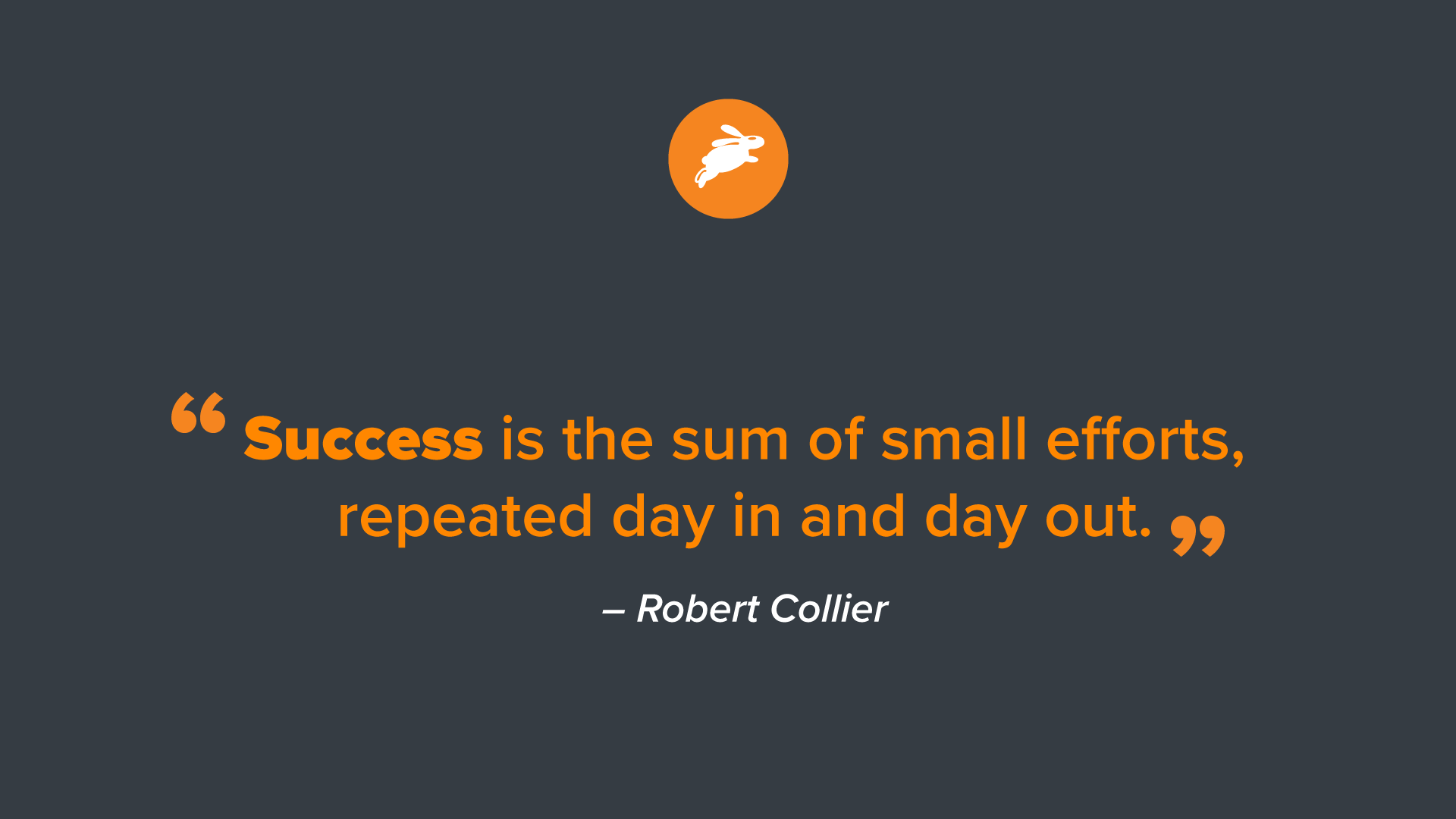
    An inspiring quote emphasizing that success comes from daily small efforts, encouraging a consistent and dedicated approach.

    “Success is the sum of small efforts, repeated day in and day out.” – Robert Collier

    Success isn’t a one-time thing! A series of consistent actions, day after day, make all the difference. When you focus on small, intentional steps, those efforts compound into big results.

    A motivational quote by Oprah Winfrey: "Do what you love, and success will follow," inspiring passion and achievement.

    “Do what you love, and success will follow.” – Oprah Winfrey

    Passion fuels progress, people! There are many versions of this, but it shows in all aspects of your work when you love what you do. Customers feel it, your work thrives, and growth often follows.

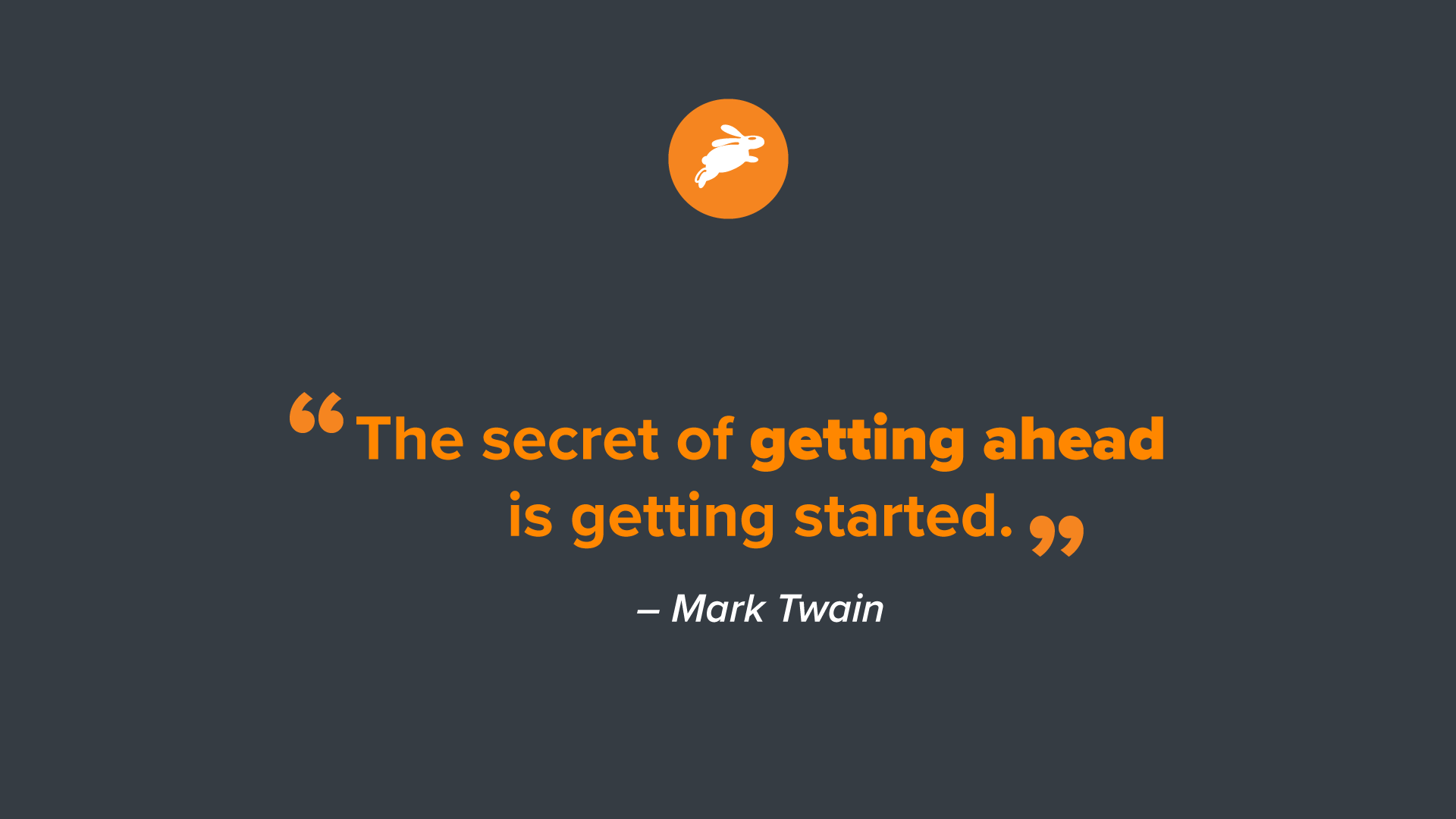
    Inspirational quote by Mark Twain: "The secret of getting ahead is getting started."

    “The secret of getting ahead is getting started.” – Mark Twain
    A blank canvas can be intimidating. But the key here is not to overthink it! Taking the first step, no matter how small, breaks the mental block. If you’re considering starting your own business, turn those notebook ideas into a strategy, even if the doors aren’t opening just yet.

    Chris Grosser's quote: "Opportunities don't happen. You create them." Inspiring words about taking initiative.

    “Opportunities don’t happen. You create them.” – Chris Grosser.

    Great businesses aren’t built by waiting for the right moment, but by proactive thinking and action. Define your ‘why’ and let it guide every decision you make. When you take charge, you’ll create the opportunities you need, not just the ones you want.

    A motivational quote by Theodore Roosevelt: "Believe in yourself, and you’re already halfway there."

    “Believe in yourself, and you’re already halfway there.” – Theodore Roosevelt

    Confidence is your foundation. Trusting yourself and your abilities is the starting point of every success story. When you back yourself, you’ve already won half the battle.


    How to Use These Quotes:

    • Print them for your workspace
    • Share them on your LinkedIn with the hashtag #DotsureBusinessSuccess
    • Use them in team meetings for a motivational boost
    • Save them for your desktop

    PS: Get small business insurance from dotsure.co.za for more business success! We offer personalised business insurance cover to match your small business needs!

  • THE ULTIMATE GOALS FOR SMALL BUSINESS SUCCESS IN 2025

    THE ULTIMATE GOALS FOR SMALL BUSINESS SUCCESS IN 2025


    Small businesses are the heartbeat of the economy, and 2025 is the perfect time to set bold objectives for growth and success. Whether you’re just starting out or already established, here are key small business goals to help you thrive in the year ahead.

    Your 2025 Business Goal Checklist:

    1. Strengthen Your Online Presence

    Hello, It’s 2025! Do we really need to harp on this one? We all know the importance of a digital footprint. Focus on strengthening that across all your digital platforms, from SEO to social media best practices.

    2. Prioritise Financial Security

    Financial stability is essential for long-term success. Review your business insurance policy to ensure you’re covered for unexpected events such as theft, fire or business interruptions. At dotsure.co.za, we offer tailored small business insurance solutions to protect you.

    Don’t you have business insurance? Get your business covered within 24 hours.

    3. Build Strong Customer Relationships

    Loyal customers are your biggest assets. To keep them coming back, focus on personalised service, loyalty rewards and genuine engagement. Remember, people like talking to people.

    4. Embrace Innovation

    Stay competitive by adopting the latest tech tools. From automated scheduling systems to AI-powered analytics, smart tech can streamline operations and save time.

    5. Invest in Your Team

    Can we get some morale? A motivated team is the backbone of your business. Encourage professional development, recognise achievements and foster a positive work culture.

    7. Give Back to Your Community

    Purpose-driven businesses stand out. Sponsor local events, support charities, or partner with initiatives that align with your values. Don’t force it; these initiatives or partnerships should come naturally.

    Did you know? At dotsure.co.za, we’re all about creating Soft Landings for our fans, employees and communities. Check out our Soft Landings initiatives here.


    Now, let’s make these small business goals happen. Here’s to an incredible 2025 with all the success and growth your business deserves.

  • BUSINESS INSURANCE SIMPLIFIED: WHAT YOU NEED TO KNOW

    BUSINESS INSURANCE SIMPLIFIED: WHAT YOU NEED TO KNOW


    How Business Insurance Works

    Business insurance protects your company from financial losses due to unforeseen events. At dotsure.co.za, we offer customised packages that combine property, motor, assets and liability insurance into one straightforward plan. This means you can get down to business, knowing that we’ve got you covered.

    What Does Business Insurance Cover?

    Our business insurance policies can be personalised to your specific needs, but typical business insurance coverage areas include:

    1. Property Damage: Protection for your buildings, office contents, and stock against perils such as fire, theft, and natural disasters.
    2. Business Interruption: Compensation for lost income if your operations are disrupted due to insured events.
    3. Liability Protection: Coverage against claims arising from injuries or damages related to your business activities.
    4. Commercial Vehicles: Insurance for company-owned vehicles used in daily operations.
    5. Goods in Transit: Safeguarding products being transported against loss or damage.
    6. Employer’s Liability: Cover for employee claims for work-related injuries or illnesses.

    RELATED: TAILORED COVER TO MATCH YOUR SMALL BUSINESS NEEDS

    What Does dotsure.co.za Business Insurance Cover?

    Let’s dive in to what dotsure.co.za can provide for you and your small business:

    1. Hospitality Cover

    This cover is ideal for hotels, guesthouses, and restaurants.

    • Business Interruption: Income replacement during disasters.
    • Property & Contents: Protection against fire, water damage and more.
    • Liability: Cover for guest-related claims, from injury to property damage.
    • Event & Booking Cancellations: Financial protection for cancellations.
    • Loss of Liquor Licence: If your licence is revoked, you get compensation for lost income.
    • Billing Cover: Protection if guests leave without paying.

    2. VetSure Cover

    Tailored for veterinary practices and animal care professionals.

    • Business Interruption: Income protection during closures.
    • Property & Contents: Cover for equipment, stock and medication.
    • Damage by Animals: Cover for property damage caused by animals.
    • Animal Bailee: Liability coverage for animal injury or loss.
    • Motor: Cover for business vehicles.

    3. Contractors’ All Risk Insurance

    Designed for construction and installation projects.

    • Construction Cover: Protection for projects from start to finish.
    • Public Liability: Cover for injury, death or property damage.
    • Debris Removal: Up to 10% of the contract value.
    • Off-Site Storage: Cover up to 15% of the contract value.
    • SASRIA: Riot, strike and public disorder cover.
    • Theft: On-site theft protection.

    4. Plant All Risk Insurance

    In construction and using heavy equipment? This cover was made for you.

    • Construction Equipment: Protection for damage, loss and temporary replacement or hire costs.
    • SASRIA: Riot, strike and public disorder protection.
    • Liability Cover: Third-party liability cover up to R2,5 million for accidental bodily injury, death or property damage.
    • Wreckage Removal: Optional extra, up to R20 000 cover per event.
    • Fire Extinguishing Costs: Optional extra, up to         R25 000 cover per event.
    • Stripping Costs: Optional extra, up to R25 000 cover per event.

    5. Church Cover

    Finally, this cover specifically supports places of worship and faith-based organisations

    • Buildings: Protection from unforeseen damages.
    • Public Liability: Cover for injury, death or property damage.
    • Loss of Income: Safeguards against revenue loss from disruptions.
    • Electronic Equipment: Cover for audiovisual and electronic equipment.
    • Motor Insurance: Protection for vehicles used by the church.
    • Theft & Money Cover: Protection against burglary and robbery.

    Now that you have a better understanding of how business insurance works, let’s get down to business! Get your business covered within 24 hours when you click here!

  • TOP FESTIVE SEASON INSURANCE CLAIMS – DON’T GET CAUGHT OFF-GUARD

    TOP FESTIVE SEASON INSURANCE CLAIMS – DON’T GET CAUGHT OFF-GUARD


    While the festive season is all about being merry and jolly, December is also a time when insurance claims tend to spike, thanks to the holiday chaos. From road accidents to car troubles, from household disasters to Mother Nature herself, here’s what to look out for to keep the festive spirit merry.

    Top Insurance Claims Over December

    Common Household Insurance Claims:

    • Power Surges: What happens when you pair load shedding and festive décor together? Things get heated, especially when the Christmas tree catches alight.
    • Water Damage: Burst geysers and leaking pipes due to extra water usage and old pipes can really dampen the holiday mood.
    • Theft: Empty homes and distracted neighbours? Sounds like the perfect time for burglars and thieves to take their chances.

    Common Car Insurance Claims

    • Accidents: This time of the year, the roads are packed with last-minute shoppers racing around, tired drivers from out of town, and everyone on holiday or on leave! Road accidents and collisions lurk around every corner.
    • Hijackings: It’s South Africa, Crime is always a concern, but it tends to spike during December because of all the distractions. Vehicle break-ins, theft and hijacking risks increase during this time.
      RELATED: Fact: Crime Increase Over December
    • Breakdowns: Old tyres, neglected services, and a planned road trip don’t always make the best memories. Being stranded on the side of the road isn’t the getaway anyone really plans for.

    Common Business Insurance Claims

    • Fire Damage: Thank overloaded circuits and festive lights for this one.
    • Theft: We know a busy store is all you want for Christmas, but they are also prime targets for shoplifters.
    • Defective Products: Nobody wants unhappy customers or clients, but the rush to meet demand can lead to costly product and service recalls and complaints.

    For prevention and tips, read our full Festive Season Survival Guide to help you to stay protected!

    Keep the Festive Spirit Alive with Protection

    Insurance may not be the most exciting part of your holiday checklist, but having the right cover ensures peace of mind when the unexpected happens. Whether you’re hitting the road or decking the halls, ensure your policy is ready for the season’s surprises.

    Visit dotsure.co.za today and keep your business, homes and vehicles protected over the December rush!

    Happy holidays, South Africa. Don’t let mishaps ruin your merry moments!

  • EXPLAINED: TYPES OF BUSINESS INSURANCE

    EXPLAINED: TYPES OF BUSINESS INSURANCE


    Every business is unique, and so are its insurance needs. Whether you’re running a small start-up or a larger enterprise, finding the right insurance can protect your operations, assets, and employees from the unexpected. At dotsure.co.za, we offer bespoke business insurance solutions that can be tailored to your specific industry, size, and risk profile.


    Core Business Insurance Options 

    • Buildings, Office Contents, and Stock: Protect your premises, assets, and inventory from damage, theft, or loss.
    • Business Interruption: When an unexpected event disrupts operations, this cover helps you recover lost income.
    • Business Vehicle: Covers loss or damage to company-owned vehicles.
    • Goods in Transit: Protects products being transported from loss or damage.
    • Employer’s Liability: Provides cover for claims made by employees for work-related injuries or illnesses.
    • Broadform Liability: Comprehensive protection for a wide range of liabilities.
    • Commercial Crime Insurance: Safeguards against fraudulent or dishonest acts by employees or third parties.
    • Business All Risks Insurance: Provides cover for movable assets both inside and outside your business premises.


    Specialised Insurance Solutions 

    Our cover options go beyond general business insurance by offering pre-packaged solutions designed for specific industries and risks.

    • DotBiz: Ideal for SMMEs, this straightforward solution covers all the essentials.
    • Hospitality Cover: Comprehensive protection for guesthouses, restaurants, and game lodges.
    • Church Cover: Trusted insurance for places of worship.
    • Contractors All Risk: Tailored for construction, supply, and installation projects.
    • Motor Trader Cover: Designed for businesses that buy, sell, or repair vehicles.
    • Plant All Risk: Customised cover for construction equipment, whether owned or hired.
    • VetSure: Specialised insurance for veterinary practices, addressing unique risks in the industry.


    Hand Over the Risks

    At dotsure.co.za, we believe in building solutions regarding your business, not the other way around. With up to 20 bespoke sections and numerous additional, industry-specific cover, we collaborate closely with you to craft an air-tight policy that meets your needs.

  • ON THE MOVE: WHY TRANSIT INSURANCE IS CRUCIAL DURING BLACK FRIDAY

    ON THE MOVE: WHY TRANSIT INSURANCE IS CRUCIAL DURING BLACK FRIDAY


    When Black Friday and Cyber Monday come around, businesses shift into high gear to meet consumer demands. However, there is also a shift when it comes to Goods in Transit Insurance claims. That’s because while businesses are moving stock and fulfilling all our online orders, hijacking of courier vehicles and theft of goods are in high gear too.


    Protecting Goods on the Road

    As Black Friday deals navigate across Mzansi this November, the risks such as traffic accidents, theft or even weather damage increase. Transit Insurance for goods ensures that your stock stays protected from pickup to delivery, minimising financial losses if something goes wrong along the way.


    Essential Tips for Courier Companies

    • Stay alert: It’s easy to get distracted while travelling all day. Keep your eyes on the road and always be aware of your surroundings.
    • Maintain distance: Leave enough room between your vehicle and the one in front of you to avoid being boxed in.
    • Watch for followers: If you suspect someone is following you, drive to the nearest police station or a safe, public location.
    • Insure smartly: Make sure your insurance covers both the vehicle and the goods in transit.
    • Employee training: Provide training to employees on theft prevention and how to react in case of a hijacking or a robbery.
    • Red Zone Alert: The first few hours after leaving the depot are often the riskiest. Be vigilant and switch your routes to avoid predictability.
    • Park smart: When possible, park in well-lit, guarded locations. The same goes for unpacking.
    • Control your speed: Adjust your speed when approaching traffic lights to avoid coming to a complete stop.


    Don’t Allow Your Business to Be Left Behind

    With deliveries piling up and shoppers counting on smooth transactions, get a Comprehensive Business Insurance Policy that includes Goods in Transit Protection as 1 of the 20 cover sections we offer.

    Stay ahead of the Black November Rush with dotsure.co.za. Get cover today and keep your business moving.

  • SOUTH AFRICAN BUSINESS INSURANCE: COVERING THE UNIQUE RISKS YOU FACE

    SOUTH AFRICAN BUSINESS INSURANCE: COVERING THE UNIQUE RISKS YOU FACE


    Every business is different, and those differences come with unique challenges in South Africa. From load shedding disruptions to theft, public liability and even riots, in Mzansi, your business needs insurance that works as hard as you do. At dotsure.co.za, we understand South African businesses’ risks — and we’ve designed comprehensive business insurance policies to protect you when it matters most.


    Unique Risks for South African Businesses


    Power Outages & Equipment Failure

    Load shedding can damage electronics and disrupt operations. Business property insurance protects you against equipment breakdowns, helping you bounce back faster than Eskom.


    Crime and Vandalism

    Many businesses face theft. Business insurance for retail and restaurant businesses ensures that your stock, equipment, and premises are protected from loss or damage.


    Weather & Riot Risks

    South Africa has it all: floods, hail, fires, and public protests! SASRIA insurance covers losses caused by riots, strikes and public disorder. Content insurance provides a safety net against losses resulting from natural disasters.


    Liability Risks for Any Business Size

    Accidents can happen whether you’re a sole trader or running a large enterprise. Public liability insurance protects your business from third-party injury or property damage claims.


    Specialised Industry Coverage

    Our policies extend to hospitality businesses, churches, vet practices and construction projects, with tailored cover to meet your industry-specific needs. These include event cancellation insurance, loss of liquor licences and plant machinery insurance.


    Get Business Insurance That Gets SA

    At dotsure.co.za, we offer flexible, customised Business Insurance that combines your property, motor, assets, and liability insurance into one simple, straightforward package. No matter what size your business or sector is, we’ve got you and the unique risks you face being a business in South Africa covered!

    Get your business covered within 24 hours – TODAY!

  • HOW TO SAFEGUARD YOUR BUSINESS AGAINST CYBER THREATS

    HOW TO SAFEGUARD YOUR BUSINESS AGAINST CYBER THREATS


    The modern business landscape faces an increasing number of cyber threats. Whether you own a small business or a larger enterprise, cyberattacks can cause significant financial losses and reputational damage. With proper planning and cybersecurity insurance, businesses can protect themselves better!


    What Are the Biggest Cyber Threats to Businesses?

    Phishing and Social Engineering Attacks

    Ever received an email that looks real, but something feels off? That’s phishing in action. And no, no actual fish are harmed; it’s just your ego when hackers trick you into handing over passwords or sensitive info through fake emails or websites. Be honest, almost everyone’s been close to falling for one (hopefully not you, though!).


    Ransomware Attacks

    This is when hackers lock up your files and demand a ransom to unlock them. Think of it as digital kidnapping. Without cyber insurance, paying that ransom or recovering from the damage could seriously hurt your business.


    Data Breaches and Identity Theft

    If hackers access your stored customer or employee data, it’s game over. This could lead to identity theft, lawsuits, and fines, especially if you don’t have cyber liability insurance in place to protect your business.

    If you’re wondering about dotsure.co.za’s cyber security, your information is safe with us (we are the insurance, remember 😉).


    Top Tips to Protect Your Business from Cyber-Attacks

    Invest in Cybersecurity Insurance

    Look into cyber insurance to cover losses from data breaches, ransomware and system downtime. Make sure the policy suits your business’ size and needs.


    Train Employees on Cybersecurity Best Practices

    Employees are often the first line of defence. Regular training to enable them to spot phishing emails and maintaining strong passwords can prevent breaches.


    Use Advanced Cybersecurity Software

    Consider using tailored cybersecurity solutions, such as firewalls and antivirus software, to keep your systems secure. Look for IT companies that specialise in helping small businesses.


    Backup Your Data and Have a Recovery Plan

    Back up your systems regularly to reduce downtime in case of a cyber incident. Having a recovery plan helps you bounce back quickly from attacks such as ransomware.


    Stay Protected with Dotsure Business Insurance

    Don’t leave your business exposed. Protect it with  Business Insurance, offering tailored solutions to fit your needs, including Cybersecurity Insurance. Visit dotsure.co.za to learn more.

  • THEFT COVER FOR YOUR BUSINESS

    THEFT COVER FOR YOUR BUSINESS


    Protect Your Business Assets with Theft Insurance

    Theft cover provides a safety net for your business, but it’s important to determine how much cover is needed.

    What’s covered under business theft insurance?

    Theft cover typically protects against loss or damage caused by forcible and violent entry. Common inclusions are:
    • Loss of or damage to business contents.
    • Damage to landlord fixtures and fittings.
    • Costs associated with locks and keys.
    • Losses caused by a concealed thief.
    • Personal effects, tools, or property of directors or staff.

    The right amount of cover

    When calculating theft cover for your business, it’s essential to estimate the potential losses your business could suffer in the event of a break-in or theft accurately.

    Factors to consider

    • Is your business in a high-theft area?

    If your business is located in an area known for high crime rates it’s worth investing in more comprehensive cover.

    • Do you have adequate physical security?

    Having strong deterrents, such as burglar bars, lock-in shutters, and alarms, may lower your insurance premiums while providing additional security.

    • What type of goods do you store?

    Some products, such as electronics or tobacco, are more attractive to thieves, which may require higher theft coverage.

    Features of vehicle tracking devices

    • Stolen Vehicle Recovery Services
    • Live Tracking
    • Early Warning Theft Alert
    • Battery Disconnect Alerts
    • Signal Jamming Detection
    • Impact Detection for Safety

    Securing adequate theft cover and investing in tracking devices for your business vehicles are essential strategies for the protection of your assets. Don’t wait for theft to happen – prepare today for a more secure tomorrow.

  • SPECIFYING 101: WHAT, HOW, & WHY

    SPECIFYING 101: WHAT, HOW, & WHY


    Let’s Get Specific About Specified Insurance Cover

    Specifying is when you deliberately specify an item to give it better coverage. When you have many valuable items that make your business run smoothly, you may require additional coverage for items, such as a cell phone or laptop, that are not linked to one address.


    Business All Risk Insurance & Specified Items

    Our business insurance policy’s Business All Risk section explicitly covers portable items that frequently leave your premises. However, all items insured under the Business All Risk section need to be specified or listed on the policy to be covered. Each portable item must be individually detailed in the insurance policy for coverage to apply.

    Psst… If you have a small or big business and you don’t have insurance, click here and get a quote from us today.


    What to Consider When Deciding Which Items to Specify

    • The replacement value of the item.
    • Having the correct description of said item.
    • Does it move off the premises?
    • Is it electronic?  –The contents exclude electronics such as laptops, printers, and cell phones.
    • Can it potentially break that you require the item to have an accidental damage cover?


    Examples of Specified Items That dotsure.co.za Covers

    • Generator
    • Compressor
    • Drills
    • Cell phones
    • Laptops
    • Printers
    • Invertors
    • High-end cameras
    • Technical/specialist equipment
    • Tablets


    How to Specify Items for Insurance Cover

    Our clients have to complete our claims form and provide the following information (where applicable):

    • Proof of ownership of items lost or stolen,
    • Photos of items damaged,
    • Damage reports for items damaged,
    • Repair/Replacement quotations for items lost, stolen or damaged,
    • Case number in the event of theft, and
    • any other relevant information to prove your claim.


    Why Does dotsure.co.za Recommend Specified Insurance?

    When it comes down to it, specifying your items ensures a better payout during the claims process, full coverage up to the value insured and broader protection against perils.

    With a more comprehensive cover, specifying your items is a no-brainer. Contact us today with any queries about our Business Insurance. We offer coverage for businesses in a wide range of industries

  • HOW AVERAGING AFFECTS BUSINESS RISK MANAGEMENT

    HOW AVERAGING AFFECTS BUSINESS RISK MANAGEMENT


    The Not-So-Average Risk of Underinsurance

    Small businesses often operate with tight budgets and limited resources, making effective risk management critical. One aspect of risk management that is frequently misunderstood is the concept of averaging in your business insurance. Averaging can significantly influence the level of risk a small business faces, especially during a claim.


    Impact on Small Businesses

    • Financial Strain:

    Small businesses often lack the financial buffer to absorb unexpected costs. If averaging applies to a claim, the reduced payout can create a significant financial strain. The business may struggle to replace essential equipment, leading to operational disruptions.

    • Operational Risks:

    Underinsured assets can lead to prolonged downtime. For instance, if a critical piece of machinery is damaged and the insurance payout is insufficient to replace it, production halts. This not only affects revenue but can also damage the business’s reputation and customer relationships.

    • Cash Flow Issues:

    Small businesses typically have less cash flow flexibility compared to larger corporations. Averaging reduces the claim amount, forcing the business to cover the shortfall, which can strain cash flow and limit the ability to invest in growth opportunities.


    Mitigating the Risk of Averaging

    The most effective strategy to mitigate the risks associated with averaging is to ensure accurate insurance valuations. Regularly review and update the insured values of your assets to reflect their current replacement costs. This proactive approach helps to ensure that, in the event of a claim, the payout is sufficient to cover the actual loss.


    SMEs Versus Larger Businesses

    While the principles of averaging apply equally to SMEs and larger businesses, the impact can be more pronounced for small businesses due to their limited financial resources. Larger businesses might have more diversified income streams and reserves to cushion the blow of reduced insurance payouts, but SMEs often operate on tighter margins and cannot afford significant gaps in coverage.


    Averaging is a critical factor in business insurance that small businesses must understand and address. Effective risk management through proper insurance coverage is essential for maintaining business continuity and achieving long-term success.

  • WHAT AVERAGING MEANS FOR YOUR BUSINESS

    WHAT AVERAGING MEANS FOR YOUR BUSINESS


    Understanding Averaging in Business Insurance

    Averaging is an important concept in business insurance that can significantly impact on how much you receive when you file a claim. Simply put, averaging occurs when the insured value of an item is less than its actual replacement value. This underinsurance can lead to reduced payouts, leaving businesses at a financial disadvantage during claims.


    How Averaging Works

    Consider this scenario: You insure a piece of equipment for R100,000, but its replacement value is R200,000. In this case, you’ve insured the item for only 50% of its actual value. If you need to make a claim, averaging will come into play. Instead of receiving the full insured amount, you would only get 50% of the claim amount. So, if you make a claim for R100,000, you will only receive R50,000.


    Strategies to Avoid Averaging

    The best way to avoid the pitfalls of averaging is to insure your items for their correct replacement values. This means evaluating the cost to replace the item with a new one of similar specifications, even if the original item was purchased second-hand. For instance, if you bought a second-hand laptop in 2002, you should insure it for the cost of buying a new laptop in 2024 with similar specifications.


    Impact on Businesses

    Averaging can be particularly detrimental for businesses. If your claim states that averaging has been applied, you will receive less than what you insured the item for, potentially leaving a significant financial gap. While lower premiums might seem attractive, the reduced payouts at claims stage can be financially crippling, especially for small businesses that might not have the reserves to cover these shortfalls.


    Ensuring that your insurance coverage reflects the true replacement value of your assets is crucial to avoid financial strain in the event of a claim.


  • THE NECESSITY FOR EMPLOYER’S LIABILITY INSURANCE

    THE NECESSITY FOR EMPLOYER’S LIABILITY INSURANCE


    Protecting Your Business and Your Employees

    As your business grows, so do your liabilities, especially when you start hiring more employees. This growth brings additional risks and obligations that you need to be prepared for. No matter what type of business you run, if you have employees, you share common employment-related liabilities.


    Workers’ Compensation vs. Employer’s Liability Insurance 

    Under COIDA (Compensation for Occupational Injuries and Diseases Act), workers’ compensation is mandatory for most employers in South Africa. Employees should be covered for medical costs, rehabilitation, and part of the lost wages if an employee gets injured or sick due to work. It provides financial relief for both the employer and the employee.

    Employer’s liability insurance, on the other hand, covers the legal costs if an employee sues their employer for negligence related to a workplace injury, which isn’t covered by COIDA. For example, if an employee gets hurt using a tool at work and feels that workers’ compensation hasn’t covered all their expenses, they might sue the employer for not maintaining the tool properly.

    These might seem similar, but they cover different aspects of workplace incidents and complement each other. Workers’ compensation covers the costs related to the injury itself, without claiming the employer is at fault. Employer’s liability insurance kicks in if the employer is sued for negligence.


    What Else Employer’s Liability Insurance Covers 

    • Third-party-over action lawsuits:

    If an employee sues a tool manufacturer for a defect, and the manufacturer then sues the employer for poor maintenance.

    • Loss of consortium:

    If an employee dies or suffers a severe injury affecting their ability to perform daily duties, a family member can sue the employer for negligence.

    • Dual-capacity lawsuits:

    If the employer also makes or supplies the product that caused the injury, the employee can sue the employer in both capacities.

    • Consequential bodily injury:

    If an employee’s severe injury causes a family member to suffer a related health issue, like a heart attack, the family member can sue the company.


    Do You Need Employer’s Liability Insurance?

    If you have employees, you need employer’s liability insurance to protect against claims resulting from injuries, illnesses, or deaths caused during employment. Even if you hire temporary or contractual workers, this coverage is important.


    Protecting Your Business

    To reduce the risk of lawsuits, create a safe and healthy work environment. Implement good health practices and provide protective gear to your employees. Adding employer’s liability insurance to your existing coverage is a smart move to protect your business from unexpected legal costs.


  • UNDERSTANDING WORKERS COMPENSATION

    UNDERSTANDING WORKERS COMPENSATION


    Staying Compliant with Labour Laws

    As a business owner in South Africa, it’s essential to understand how workers’ compensation works to ensure compliance and to protect both your employees and your business.


    Eligibility for Claims

    You can claim if:

    • You were injured or contracted a disease while working (permanent or casual), training, or completing an apprenticeship.
    • You lost a family member who died on the job.
    • You’re an apprentice or trainee farm worker.
    • You’re a worker paid by a labour agency.

    You can’t claim if:

    • You are a member of the South African National Defence Force or Police Services (covered by separate funds).
    • You are an outsourced employee.
    • You work outside South Africa for more than 12 months at a time.


    Conditions for Claims

    Claims must be submitted correctly and on time. They will not be paid if:

    • The claim is made more than 12 months after the accident, death, or disease diagnosis.
    • You are off work for three days or less.
    • The accident resulted from your own wrongdoing (unless it led to serious disability or death).
    • You refuse medical treatment unreasonably.


    The Compensation Fund

    Employers are required to pay into the Compensation Fund on a monthly basis. The fund covers occupational diseases and workplace injuries listed in Schedule 3 of the Compensation for Occupational Injuries and Diseases Act No 130 of 1993 (COID Act). Other diseases may also be covered if you can prove they were caused by your working conditions.


    Types of Compensation

    Medical Costs:

    • Medical expenses are covered for up to two years from the date of the accident or disease diagnosis.
    • You can choose your medical service provider.
    • All medical accounts, including transport fees, should be submitted to the Commissioner.

    Temporary Disability:

    • If a doctor puts you off work for more than three days, you can claim for temporary disability.
    • You’ll receive 75% of your normal wage for the period you can’t work, up to 12 months, extendable to 24 months.

    Permanent Disability:

    • Permanent disabilities are rated from 100% to 1%.
    • Disabilities over 30% result in a monthly pension, whereas less severe disabilities are compensated with a lump sum.

    Death Benefits:

    • If a worker dies from a work-related injury or disease, their dependents can claim compensation.
    • The amount varies based on the relationship to the deceased and the deceased’s potential earnings.


    Employer Obligations

    Employers must:

    • Report incidents promptly (within 7 days for injuries, 14 days for diseases).
    • Ensure that all forms are correctly completed and submitted.
    • Pay initial compensation to employees and claim reimbursement from the fund.
    • Keep records of all incidents and communications related to the claims.


    Protection for Workers

    The Compensation for Occupational Injuries and Diseases Act (1993) protects workers from victimisation for filing a claim. Employers must ensure a supportive environment for employees who need to make a claim, while maintaining compliance with South African law.


  • UNDERSTANDING CONSTRUCTION BUSINESS INSURANCE

    UNDERSTANDING CONSTRUCTION BUSINESS INSURANCE


    Laying a Solid Foundation for Your Business

    In the construction industry, unexpected setbacks can lead to significant financial losses. dotsure.co.za’s Contractors All Risk insurance is designed to safeguard your business against such uncertainties, ensuring that you can complete your projects with peace of mind.


    Comprehensive Coverage for Construction Projects

    Contractors All Risk insurance provides robust coverage tailored specifically for the construction industry. This insurance ensures that your hard work is protected against various risks.


    Features and Benefits

    • Construction Project Coverage:

    Covers all related construction activities, including buildings, supply, and installation projects.

    • Public Liability Cover:

    Includes public liability coverage for accidental death, bodily injury, or property damage, protecting you against potential legal claims and financial liabilities.

    • Debris Removal:

    Covers debris removal and clearance up to 10% of the contract value (up to R250,000), helping you manage the cleanup process efficiently after an incident.

    • Off-site Storage:

    Covers off-site storage up to 15% of the contract value (up to R250,000), ensuring that materials stored away from the construction site are also protected.

    • SASRIA Cover:

    Offers protection against damage or loss due to riots, strikes, and public disorder, providing an additional layer of security in volatile situations.

    • Theft Protection

    Safeguards your construction site against theft and loss, ensuring that valuable materials are covered.


    Tailored Policies for Contractors and Homeowners

    For Contractors:

    • Single Project Cover

    A once-off fee to cover a project for up to 6 months, with an option for a 3-month extension.

    • Multiple Projects Cover

    An annual policy with a monthly premium covering multiple projects within 12 months, with the possibility of a 12-month extension.

    For Homeowners:

    • Upfront Payment

    A one-time fee to cover new buildings or renovations.

    • Inclusive Cost

    Insurance cost included in the contractor’s overall fees, providing a seamless insurance experience.


    Value-Added Services

    dotsure.co.za offers added benefits that make managing your insurance simpler and more efficient.

    • Dedicated Engineering Specialist:

    From getting a quote to filing a claim, you have access to a dedicated specialist, ensuring personalised and expert assistance throughout your policy period.

    • Personalised Needs Analysis:

    A free individual needs audit to determine the exact level of protection required, tailored to your specific circumstances and projects.

    • Flexible Pricing Options:

    Up to three pricing and excess options to suit your needs and budget, providing flexibility and financial control.

    • Substantial Extensions:

    Up to R3 million in extensions, covering a range of incidents including theft, transit, debris removal, and other damages, which adds significant value to your policy.


    Contractors All Risk insurance provides comprehensive protection for your construction projects, helping you mitigate risks and focus on building your business. Get a quote today and lay the foundation for a secure future.


  • THE EFFECTS OF LOADSHEDDING ON YOUR BUSINESS

    THE EFFECTS OF LOADSHEDDING ON YOUR BUSINESS


    South African SME’s Struggle to Bear the Load

    Loadshedding in South Africa continues to significantly impact on businesses across various sectors.


    Current State of Loadshedding in South Africa

    Loadshedding has become a daily reality in South Africa, severely disrupting business operations. The constant power outages have forced businesses to invest in alternative power sources, such as solar panels, UPS systems, or diesel generators, to maintain standard operating levels. This has increased operational costs and made it challenging for businesses to plan and make strategic decisions.


    Effects of Loadshedding on Businesses

    • Loss of Production:

    Many businesses rely on electricity for machinery, technology, and lighting. Power outages disrupt operations and prevent companies from reaching their production targets.

    • Loss of Profit:

    Reduced production leads to a loss of profit. Businesses also incur additional costs, such as increased employee overtime and investments in backup power solutions.

    • Theft and Burglary:

    Small businesses are particularly vulnerable during loadshedding as security systems, such as alarms and CCTV systems become ineffective. This increases the risk of theft and burglary.

    • Damage to Electronics:

    Power surges resulting from loadshedding can damage electronic components, adding to the financial burden of businesses.


    Ways Load Shedding Impacts on Small Businesses

    • Failed Wi-Fi:

    Internet connectivity, essential for modern businesses, is disrupted, affecting communication, online transactions, and access to digital tools.

    • Poor Staff Morale:

    Frequent power outages lower staff morale, impacting on productivity, retention, and inter-office communication.

    • Faulty ATMs:

    Retail and restaurant sectors suffer when ATMs stop working, leading to reduced sales and customer dissatisfaction.

    • Loss of Planning

    Unplanned blackouts make it difficult for businesses to plan accurately, affecting staff and client management.

    • Inability to Trade:

    Without electricity, many stores and restaurants are forced to close, resulting in lost sales and increased operational costs.

    • Broken Equipment:

    Power surges can damage equipment, leading to costly repairs and replacements.

    • Bad Traffic:

    Non-functional traffic lights cause delays and missed appointments, affecting productivity and logistics.

    • Compromised Security:

    Power outages compromise security systems, increasing the risk of theft and necessitating higher insurance coverage.


    Possible Solutions

    Despite the challenges, there are steps businesses can take to mitigate the impact of load shedding.

    • Stay Informed:

    Keeping up with loadshedding schedules helps with planning operations accordingly.

    • Invest in Alternative Energy Solutions:

    UPS systems, backup generators, or solar PV systems can provide a reliable power supply during outages.

    • Backup Data:

    Regularly backing up essential data ensures business continuity during power outages.

    • Diversify Energy Sources:

    Combining multiple energy solutions, such as solar panels and backup generators, can offer a more sustainable power supply.


    Tax Benefits of Renewable Energy

    The South African government has introduced a R9 billion tax relief programme to support businesses to mitigate the impact of load shedding and transitioning to clean energy. The expanded renewable energy incentive allows businesses to claim a 125% deduction in the first year for all renewable energy projects, significantly reducing corporate income tax liability and easing the financial burden of investing in clean energy solutions.


  • THE EFFECT OF POWER SURGES ON YOUR BUSINESS

    THE EFFECT OF POWER SURGES ON YOUR BUSINESS


    A Spike in Voltage Means a Spike in Costs

    Power surges, those sudden spikes in electrical voltage, may seem like minor inconveniences, but they can wreak havoc on small businesses.


    Understanding Power Surges

    A power surge occurs when there’s a sudden increase in electrical voltage within a building’s electrical system or the grid. These spikes can be caused by various factors, including lightning strikes, electrical grid fluctuations, or internal issues such as faulty wiring or malfunctioning appliances. Regardless of the source, power surges have the potential to damage connected devices and equipment, which leads to operational disruptions and financial losses.


    Business Operations

    The consequences of power surges on business operations can be significant. Financially, they can result in extensive costs, such as equipment damage repair or replacement expenses, as well as downtime leading to lost productivity and revenue. Frequent disruptions and equipment failures due to power surges can also affect customer trust and damage a business’s reputation. So, it’s crucial for businesses to address the risks posed by power surges effectively.


    Strategies to Protect Against Power Surges

    Businesses can implement several strategies to mitigate the risks associated with power surges:

    Surge Protection Devices (SPDs): Install SPDs at critical points in the electrical system to divert excess voltage away from sensitive equipment. This includes service entrance SPDs, distribution panel SPDs, and point-of-use SPDs.

    Uninterruptible Power Supply (UPS): Implement UPS devices to provide temporary power during surges or outages. This safeguards equipment from damage and allows for safe shutdown procedures.

    Grounding and Bonding: Ensure proper grounding and bonding of the electrical system to reduce the risk of surges caused by electrical faults.

    Regular Electrical Maintenance: Conduct regular inspections and maintenance to identify and address potential issues before they lead to surges.

    Employee Training and Awareness: Educate employees about power surge risks and establish protocols for immediate response to minimise damage and downtime.


    The Role of Business Insurance

    While preventive measures are essential, power surges can still occur unexpectedly, leading to damage and financial losses. However, dotsure.co.za’s business insurance policies can provide coverage for losses caused by weather-related power surges, such as lightning. Cover for stock, equipment, and business interruption are some of the benefits offered.

    Remember, business insurance policies do not cover power surges, unless appropriate preventive measures have been taken.

  • WHY YOUR BUSINESS NEEDS SASRIA

    WHY YOUR BUSINESS NEEDS SASRIA


    Protection Against Special Risk Events

    All the riots and civil unrest that take place in South Africa have repeatedly left a trail of devastation in their wake, particularly affecting small business owners across the country. In the aftermath of such destruction, SASRIA (South African Special Risk Insurance Association) cover can be a lifeline.


    What is SASRIA?

    SASRIA is a vital pillar of support for South African businesses and individuals facing unforeseen perils. As a state-owned entity, it operates under the National Treasury, aiming to mitigate job losses and sustain livelihoods in the face of “special risk events.” These events can inflict significant damage, making SASRIA’s role pivotal in safeguarding against such occurrences.

    SASRIA cover is not a stand-alone insurance policy but rather an additional layer of protection integrated into existing insurance policies. It extends its shield to various risk events, including public disorder, political and non-political unrest, as well as terrorism.


    Types of SASRIA Cover

    For small business owners, SASRIA is involved in a range of products tailored to address specific needs. These include contents cover, insuring tangible assets such as property, equipment, and agricultural resources. Income cover protects cash assets, while goods in transit cover ensures the safety of transported goods within South Africa’s borders. Business interruption cover shields against indirect financial losses stemming from peril events, and construction cover caters to construction sites, safeguarding temporary works and existing structures.

    Moreover, SASRIA extends its umbrella to cover motor vehicles, offering protection for cars, delivery vehicles, busses, and trailers.


    Navigating SASRIA Claims

    In the event of a claim, small business owners must follow a structured process facilitated through their insurance providers. Claims are then submitted through intermediaries, with SASRIA directly managing the assessment and payout processes.


    For South African small businesses seeking comprehensive insurance solutions, dotsure.co.za offers business insurance with tailored protection against a spectrum of risks, including those covered by SASRIA.

  • TAILORED COVER TO MATCH YOUR SMALL BUSINESS NEEDS

    TAILORED COVER TO MATCH YOUR SMALL BUSINESS NEEDS


    The Power of Personalised Business Insurance

    In the dynamic landscape of business, one size rarely fits all. Just as each enterprise possesses its own unique strengths and challenges, so does it require a bespoke approach to risk management. This is where personalised business insurance comes into play, offering a tailored solution that aligns perfectly with the individual needs of your small business.


    Why Personalised Insurance Matters

    Generic insurance plans may leave gaps in coverage or force you to pay for protection you don’t need. This lack of customisation can leave your business vulnerable in critical areas or burden you with unnecessary costs.


    Your Personalised Insurance Partner

    We understand the intricate needs of small businesses. That’s why dotsure.co.za offers customisable insurance solutions designed to match your specific requirements.

    Customisable Cover: We provide a wide array of general and specialised options to suit your unique business needs. Whether you require protection for property, motor vehicles, assets, or liability, we have you covered.

    Dedicated Insurance Specialist: You’re not just another policyholder; you’re a valued partner. Your dedicated insurance specialist will work closely with you to understand your business and tailor the perfect insurance package.

    Flexible Communication: Communication preferences vary from business to business. You have the freedom to choose how you interact with us, whether it’s through telephonic consultations or face-to-face meetings.

    Control Over Coverage: Take command of your insurance with a flexible policy structure. Choose from 20 sections to hand-pick the cover that best suits your needs.

    All-in-One Policy: Simplify your insurance management by consolidating your property, motor, assets, and liability insurance under a single, comprehensive policy. This streamlined approach not only saves you time but also ensures seamless protection across all fronts.

    Rapid Recovery: When the unexpected occurs, we have your back. Our coverage includes essential protection such as Business Interruption, Commercial Crimes, Broadform Liability, and more. With swift claim processing, we’ll get you back to business in no time.

    No Claim Fund: We reward responsible business practices. If you remain claim-free for 12 months, we’ll return 10% of your premiums into a No Claim Fund. This fund serves as a financial buffer, allowing you to reduce excesses or cover small claims without hassle.


    In today’s unpredictable business environment, generic insurance simply won’t cut it. For small businesses seeking comprehensive protection that adapts to their unique needs, personalised insurance is the ultimate solution.


  • WHEN IS BUSINESS INSURANCE NEEDED?

    WHEN IS BUSINESS INSURANCE NEEDED?


    The Ways Your Business is Protected

    As a small business owner, every decision you make carries weight, especially when it concerns managing your finances. While it’s tempting to allocate resources solely to revenue-generating activities, overlooking the importance of insurance can be a costly mistake.


    Protecting Your Physical Space

    Whether you’re a proud property owner or leasing your business premises, structural damage is a real threat. From fires to floods, unforeseen disasters can wreak havoc on your physical space, disrupting operations and draining finances. Property insurance steps in to cover the costs of repairing or replacing damaged buildings and equipment, to ensure that your business can weather the storm and emerge resiliently.


    Securing Your Business Assets

    Your business is more than just bricks and mortar. It’s the sum of its parts, including valuable equipment, inventory, and assets. Content insurance provides a safety net against losses resulting from theft, vandalism, or natural disasters. By safeguarding your belongings this coverage ensures that your business can continue operating smoothly, even in the face of adversity.


    Mitigating Financial Risks

    In the present competitive landscape, extending credit to clients is often a necessary practice for sustaining business growth. However, with economic uncertainty looming, the risk of clients defaulting on payments is ever-present. Credit protection insurance shields your business against losses stemming from clients’ insolvency or non-payment, by preserving cash flow and financial stability.


    Ensuring Continuity

    Unforeseen events, from natural disasters to civil unrest, can disrupt business operations and lead to significant income losses. Business interruption insurance steps in to cover lost revenue and ongoing expenses during periods of downtime. This enables your business to recover swiftly and resume normal operations.


    In the unpredictable world of business, proactive risk management is essential for long-term success and resilience. While the need for small business insurance may vary depending on factors such as industry, location, and business size, certain scenarios warrant immediate consideration.


  • EXPLAINED: BUSINESS INTERRUPTION COVER

    EXPLAINED: BUSINESS INTERRUPTION COVER


    Helping You Return to ‘Business as Usual’

    Picture this: Your business is thriving, everything’s running smoothly, and then disaster strikes! Whether it’s a fire, a flood, or any other unforeseen calamity, the interruption to your operations can be financially devastating. But fear not, because dotsure.co.za can save the day.


    What’s Covered?

    Business Interruption Cover steps in when your business grinds to a halt due to damage to your insured property. This includes scenarios covered under the fire, building combined, and office contents sections, or any other material damage insurance that safeguards your interests.


    Understanding the Basics

    When it comes to calculating your losses, we consider factors such as your annual turnover, revenue, and gross rentals. These figures are adjusted to reflect your business’s trends and any specific circumstances affecting it.


    The Indemnity Period

    This is the duration for which compensation is payable under your Business Interruption Cover. It starts from the date of the loss or damage and ends no later than the maximum indemnity period stated in your policy schedule.


    Making Sense of the Specifics

    We cover various aspects of your business operations, including:

    • Gross Profit (Difference Basis)

    This covers the loss of gross profit due to reduced turnover and increased cost of working. Essentially, it helps bridge the gap between your normal earnings and the downturn caused by the interruption.

    • Gross Profit (Additions Basis)

    Similar to the difference basis, this covers loss of gross profit, but also includes additional expenses incurred to maintain operations during the interruption.

    • Gross Rentals

    If your business relies on rental income, we will compensate you for any shortfall in gross rentals during the indemnity period.

    • Revenue

    It covers the loss of revenue during the interruption period, helping you to stay financially afloat despite the setback.

    • Additional Increase in Cost of Working

    For any reasonable additional expenses necessary to keep your business running smoothly during the interruption.

    • Wages

    It covers the loss incurred by paying wages during the indemnity period for employees whose services couldn’t be utilised fully due to the interruption.


    Key Takeaways

    • Act Quickly:

    It’s essential to take practical steps to minimise interruption to your business or avoid further losses after the damage occurs.

    • Keep Records:

    Any sales or services rendered from alternative premises during the interruption period need to be documented and accounted for in your claims.


    Business insurance acts as a financial safety net, helping you weather the storm when the unexpected happens. So, focus on running your business with peace of mind, knowing that dotsure.co.za has your back when you need it most.

  • IS YOUR SMALL BUSINESS PREPARED FOR ANOTHER PANDEMIC?

    IS YOUR SMALL BUSINESS PREPARED FOR ANOTHER PANDEMIC?


    Secure Your Business in Case of the Unexpected

    Before 2020, the idea of a global health crisis disrupting the modern workplace and economy seemed like a distant possibility. However, the COVID-19 pandemic unveiled vulnerabilities in business operations, forcing entrepreneurs to adapt rapidly to survive. As we cautiously navigate the path towards recovery, it’s crucial for small business owners to prepare for potential future pandemics or similar crises.


    Strengthen Your Cybersecurity

    The shift to remote work during the pandemic highlighted the importance of robust cybersecurity measures. With employees accessing sensitive data from various locations, businesses became susceptible to cyber threats. As we transition back to more traditional work settings, it’s essential to prioritise cybersecurity to safeguard against potential breaches. Invest in updated security systems, conduct regular employee training on cybersecurity best practices, and enforce strict protocols to mitigate risks effectively.


    Automate As Much as Possible

    Automation emerged as a lifeline for businesses seeking to streamline operations and reduce costs during the pandemic. Embrace automation technologies to optimise efficiency across your business processes. From inventory management to customer service, automation can enhance productivity and resilience, ensuring your business remains agile in the face of future disruptions.


    Combat Employee Turnover

    The ‘Great Resignation’ phenomenon underscores the importance of prioritising employee retention strategies. High turnover rates can disrupt operations and incur significant costs for businesses. To retain top talent, foster a positive work culture, provide opportunities for growth and development, and offer competitive compensation packages. Investing in your employees’ well-being and professional advancement not only boosts morale but also strengthens your business’s resilience against workforce fluctuations.


    Outsource Your Non-Core Competencies

    Outsourcing non-core functions enables businesses to focus on their core competencies while accessing specialised expertise. With an increasing number of small businesses opting for outsourcing, consider delegating tasks such as marketing, accounting, and IT support to external professionals. Outsourcing not only saves time and money, but also provides flexibility and scalability, crucial for navigating uncertain economic landscapes.


    Develop a Cash Flow Contingency Plan

    Cash flow management is paramount for business survival, especially during times of crisis. Establish a robust cash flow contingency plan to mitigate financial risks and ensure liquidity in challenging circumstances. Monitor cash flow closely, explore opportunities to reduce expenses, and diversify revenue streams. Additionally, maintain open communication with suppliers and explore alternative payment arrangements to preserve cash reserves.


    The COVID-19 pandemic served as a wake-up call for businesses worldwide, emphasising the importance of adaptability and resilience in the face of adversity. As we navigate the path towards recovery, small business owners must take proactive steps to prepare for potential future pandemics or similar disruptions.

    The best way to safeguard your business against unforeseen situations, is with the right business insurance.