Category: Vehicles

  • WHEN TO LET GO OF YOUR FOUR-WHEELED BABY

    WHEN TO LET GO OF YOUR FOUR-WHEELED BABY


    How You Can Tell When It’s Time For an Upgrade


    Our cars can range from being mere modes of transportation, to sentimental companions on our life journeys. However, there comes a time when you need to part ways with your beloved vehicle and embrace the prospect of an upgrade.


    Safety Concerns

    The safety of your passengers and yourself should be a top priority. If you are nervous about your car’s reliability on the road, it might be time to consider an upgrade. A constant fear of something going wrong while driving is a clear sign that your car’s safety is compromised. Trust your instincts and, if needed, seek professional advice to determine if your car is roadworthy.


    Changing Needs

    As life evolves, so do our needs. If your once-perfect city car is now too cramped for a growing family, it’s time to look for a vehicle that better suits your current lifestyle. Your car should accommodate your needs, not hinder them.

    If you’re relocating to a city where a car is unnecessary, selling it before the move makes financial sense. The money gained from the sale can contribute to your new life without the burden of ongoing expenses related to parking, insurance, and maintenance.


    Maintenance Costs

    Keeping a car past its prime can lead to escalating maintenance costs. If you find yourself shelling out significant amounts for repairs that exceed the car’s market value, it’s a strong indicator that it’s more financially sensible to let go and invest in a more reliable vehicle.

    While you may not get as much money as you would for a fully functional car, there are still options for selling it.


    Age and Condition

    While an old car in good condition can still be valuable, holding onto a vehicle that requires extensive repairs can be challenging. If your car is still in good shape, consider selling it to maximise returns. However, if the vehicle is on the verge of becoming a money pit due to its age, it might be wise to let it go before major issues arise.

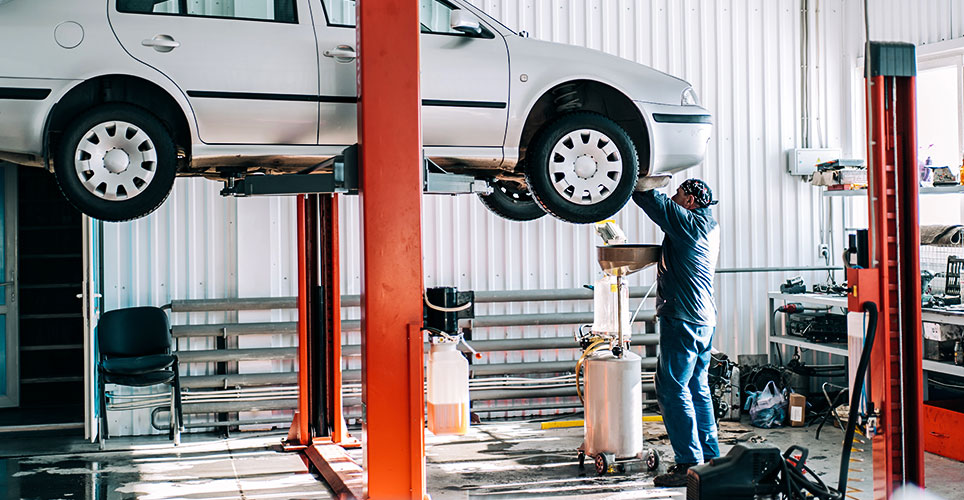
    A car that spends more time in the repair shop than on the road is a clear sign that it’s time to cut ties. The convenience of a paid-off car is outweighed by the continuous inconvenience and costs associated with frequent breakdowns.


    Knowing when to let go of your beloved car is a challenging but necessary decision. Upgrading to a newer, more reliable vehicle can bring a fresh chapter of worry-free adventures on the road.


  • IS IT TIME FOR A SECOND CAR?

    IS IT TIME FOR A SECOND CAR?


    Reasons Why Two Cars Are Better Than One


    While the decision to add a second car to a household is a personal one, influenced by factors such as location, employment status, and individual preferences, it’s crucial to carefully consider the pros and cons before taking the plunge into dual car ownership.


    Affordability

    Owning a vehicle involves costs beyond the initial purchase price. These include insurance, registration, depreciation, taxes, fuel, maintenance, and repairs. While purchasing a second car may increase these costs, the impact on fuel and general maintenance might not be significantly higher if the driving distance is split between the two vehicles. However, the make, model, and year of the second car play a significant role in determining these long-term expenses.


    Utility and Convenience

    A second car can serve various purposes, making it a practical choice for some individuals. For example, someone running a landscaping business with a family of four may require a work vehicle and a family-friendly vehicle. In emergencies, having a backup car ensures uninterrupted daily life, offering peace of mind when the primary vehicle faces unexpected issues.


    Enjoyment

    For those who view driving as more than just a means of transportation, owning a second vehicle can provide the freedom to choose a vehicle that aligns with their driving preferences. Whether it’s a sports car for weekend joyrides or simply having the luxury of choosing between different driving experiences, a second car adds an element of enjoyment to the driving routine.


    Longevity

    Owning a second vehicle can potentially extend the lifespan of both cars. If the total driving distance remains constant, distributing it between two cars results in less wear and tear on each vehicle. While regular maintenance tasks like oil changes and tyre rotations are still necessary, they become less frequent, contributing to longer-lasting and better-performing vehicles.


    Before making the decision to add a second car to your household, evaluate your needs, desires, and financial constraints.

  • YOUR ROADMAP TO NEW CARS AND FEATURES

    YOUR ROADMAP TO NEW CARS AND FEATURES


    Exciting Vehicle Developments To Look Out For This Year

    2024 is shaping up to be a thrilling year for automotive enthusiasts, with a diverse array of new car models and impressive features set to hit the roads. From sleek sports utility vehicles to tech-savvy compacts, there’s a lot in store for this year.


    Aston Martin

    Daytona, the local importers for Aston Martin, anticipate the arrival of updated iterations of the DBX series, including the powerful DBX 707 and DB12. Additionally, a mysterious new model is poised for release, keeping enthusiasts on the edge of their seats for more details.


    Audi

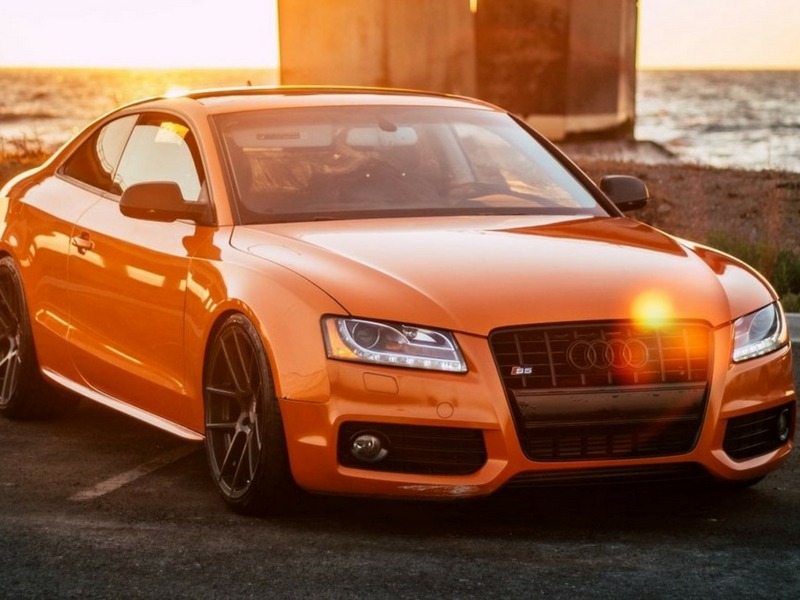
    Market-specific Black Edition versions of popular models like the A3, S3, A5, S5, Q2, Q3, Q5, and SQ5 are imminent, offering a unique aesthetic and potentially upgraded features. Towards the year-end, facelift models of A3, S3, Q7, Q8, and the Q8 E-Tron are set to launch, with technological enhancements for the Q2 and a new TDI derivative for the Q3.


    BMW

    Prepare for the radical new 5-Series and the X2, which will hit the market in the early months of 2024. Running updates for the 3-Series and 4-Series are in the pipeline, along with the confirmation of the much-anticipated M3 Touring. Later in the year, production of the X3 plug-in hybrid model will be launched, marking a significant step in BMW’s line-up.


    Ford

    With a robust line-up expansion, Ford is gearing up for major developments in 2024. The Ranger will see enhancements with the Platinum and Tremor upgrades, including a plug-in hybrid variant. Ford enthusiasts can also anticipate updates to the Toureno Custom and Transit Custom, alongside the return of the Mustang and the Territory.


    Hyundai

    Upgrades for the i20 and Tucson, along with the launch of the all-new Santa Fe in the second half of the year, signal Hyundai’s commitment to innovation and variety in their portfolio.


    Jaguar

    Exclusive units of the F-Type ZP and the arrival of the F-Pace 575 Edition promise luxury and performance for Jaguar aficionados.


    Lamborghini

    Witness the debut of the first Revuelto unit from the ‘raging bull’ brand, offering the epitome of wild and progressive automotive design.


    Mercedes-Benz

    A fleet of facelifted models including the GLE, GLA, GLB, and GLS, alongside new releases such as the GLC coupé, E-Class, and G-Class, showcase Mercedes’ dedication to luxury and innovation. The Mercedes-AMG line-up will bring forth anticipated models such as the C63, GT63, GLC63, and GLC43.


    Volvo

    With their focus on sustainability, Volvo is set to launch the all-electric EX30 and EX90 models, aligning with their ambitious goal of achieving a 50% electric and 50% hybrid global sales split by 2025.


    This peek into the automotive future promises exciting developments. As these vehicles hit the market, they’re sure to redefine the driving experience and capture the hearts of many car enthusiasts.


  • 9 WAYS TO KEEP YOUR CAR IN TIP-TOP SHAPE

    9 WAYS TO KEEP YOUR CAR IN TIP-TOP SHAPE


    Tips For Car Maintenance, and More

    Neglecting regular maintenance could lead to costly repairs and compromise your safety during trips. Proper care and maintenance are essential to ensure that your car stays reliable and efficient.


    Oil Check and Changes

    Regular oil checks and changes are vital. Engine oil, transmission fluid, power steering, and brake fluid should be checked periodically, ideally every 4,000 to 6,000 kilometres. This practice ensures optimal engine performance and longevity.


    Brake Maintenance

    The braking system is critical for your safety. Regularly inspect brakes for any signs of wear or issues. Address any brake-related problems immediately to avoid accidents.


    Tyre Care

    Regularly check tyre pressure and tread, and rotate tyres for even wear. Replace tyres every 40,000 to 50,000 kilometres, or if you notice cracks, to ensure your safety on the road.


    Car Body

    Protect the car’s exterior by washing, waxing, and promptly addressing dents and dings. This prevents rust and maintains the vehicle’s value.


    Interior Cleanliness

    Regularly clean the car’s interior to maintain aesthetics and prevent odour build-up. A well-kept interior can significantly impact your car’s resale value.


    Lighting System

    Ensure that all lights are functioning properly for both safety and aesthetics. Faulty lights can compromise visibility and safety while driving.


    Windows and Wipers

    Inspect windows for cracks and ensure wipers are in good condition, especially before the rainy season. Replace wipers annually to maintain visibility.


    Coolant Levels

    Regularly refill engine coolant to prevent overheating and ensure proper engine function. Look for coolant leaks under the car as a warning sign.


    Rust Prevention

    Park in shaded, cool areas to limit rust and avoid parking in hot, sun-exposed spots that can damage the car’s paint and interior.


    Whether your vehicle is old or new, regular care and attention will pay off in the long run.


  • HOW TO EXTEND YOUR CAR’S LIFESPAN

    HOW TO EXTEND YOUR CAR’S LIFESPAN


    The Importance of Regular Car Maintenance

    Keeping your car running smoothly isn’t just about avoiding breakdowns on the side of the road; it’s about maximising performance, and safety, and saving money in the long run. Regular maintenance ensures that your vehicle operates at its peak while preventing costly repairs.


    Enhanced Safety and Reliability

    Routine maintenance is your vehicle’s best defence against unexpected breakdowns. By keeping up with regular check-ups, you significantly decrease the chances of encountering malfunctions while driving. Imagine the peace of mind that comes with knowing your car is in top-notch condition every time you hit the road.


    Improved Performance

    A well-maintained vehicle performs better. Whether it’s about tyre traction, stable steering, or a reliable engine, consistent maintenance ensures your car operates at its best. From efficient fuel usage to smoother rides, proper care makes a noticeable difference in day-to-day driving.


    Cost-Efficiency

    One of the most compelling reasons for regular maintenance is the financial aspect. Investing in routine servicing saves you from potentially hefty repair bills down the line. Skipping minor services might seem like a cost-saving measure, but it often leads to bigger problems that demand costly fixes.


    Fuel Efficiency

    Small issues, if left unattended, can impact your car’s efficiency, leading to increased fuel consumption. On the other hand, a well-maintained vehicle optimises fuel usage and reduces trips to the pump, saving both time and money.


    Time-Saving Convenience

    Regular maintenance helps you to avoid unexpected breakdowns that could leave you without a vehicle for days. Opting for convenient services, like those offered by mobile mechanics, allows you to carry on with your day while your car gets the attention it needs, without disrupting your schedule.


    Preserve Resale Value

    A well-documented service history and a well-maintained car attract buyers and fetch better prices. It’s an investment that pays off when it’s time to upgrade or sell.

    Ultimately, a combination of professional maintenance and proactive checks by the driver is the recipe for a reliable and enduring vehicle. While trained professionals handle the technical aspects, drivers can play a role by regularly inspecting visible components and responding to warning signs such as unusual sounds or smells.


    By adding dotsure.co.za’s ServiceXtender to your extended car warranty policy, you can enjoy a contribution towards your annual service AND a contribution towards the repair of minor chips and scratches. Drive in style with added safety when your parts are covered.

  • DOES YOUR CAR GO THE DISTANCE?

    DOES YOUR CAR GO THE DISTANCE?


    You Might Be Driving Your Car Too Much, or Too Little

    In the realm of automobiles, how much or how little you drive can significantly influence the condition and longevity of your vehicle. Striking the right balance in your driving habits is not only beneficial for your car, but also for your wallet.


    The Toll of Excessive Driving

    Driving extensively puts a considerable strain on your vehicle. Each mile adds to the wear and tear of crucial components such as the engine, brakes, suspension, and tires. Continuous use without adequate rest periods for maintenance can accelerate the need for repairs or replacements.

    Frequent driving often translates to more frequent maintenance requirements. Oil changes, tyre rotations, brake pad replacements, and other routine services become more frequent, leading to increased maintenance costs over time.

    The more kilometres you rack up, the quicker your car depreciates in value. It can significantly impact the resale value of your vehicle, affecting its worth when it’s time for an upgrade or a trade-in.


    The Downsides of Driving Too Little

    Surprisingly, infrequent driving can also harm your car. Extended periods of inactivity can lead to issues such as battery drainage, tyre flat-spotting, and engine corrosion. Lack of use may cause fluids to degrade and parts to fail.

    If a car remains stationary for prolonged periods, the battery loses its charge, shortening its lifespan. Frequent jump-starts or replacements may become necessary due to underutilisation.

    Fluids in a vehicle, such as oil and coolant, need regular circulation to maintain their effectiveness. Infrequent driving can cause these fluids to break down, losing their lubricating or cooling properties and potentially damaging vital components.


    Finding the Sweet Spot

    Whether you drive extensively or sparingly, regular maintenance is key. Adhering to manufacturer-recommended service intervals, especially when the car remains unused for extended periods, helps to ensure its health and performance.

    For those who drive infrequently, periodic short drives can prevent issues caused by inactivity. This helps to maintain proper lubrication and circulation of fluids and keeps the battery charged.

    Regardless of frequency, mindful driving habits such as smooth acceleration, gentle braking, and proper warm-up can reduce wear and tear, prolonging the lifespan of various components.


    The driving of your car is a balancing act between overuse and underuse. Both extremes can impact your vehicle’s condition and longevity. Although, for the inevitable failing or breaking of certain components as your car ages, you can cover up to 60 crucial car parts with dotsure.co.za’s Extended Car Warranty.

  • CAR REPOSSESSION: UNDERSTANDING YOUR RIGHTS AS A BORROWER

    CAR REPOSSESSION: UNDERSTANDING YOUR RIGHTS AS A BORROWER


    Can I tell the bank, “NO! You’re not taking my car”? Keep reading to know.

    Owning a car is a dream come true. From school runs to longer road trips, we cherish every kilometre we get to spend in our cars. Even when we know it’s time to say goodbye to our ‘ride or die’, it’s a difficult one. And if a goodbye is forced upon us, sooner than we’re ready, it can be heart-breaking.

    If you fail to keep up with your vehicle repayments, you’re at risk of losing your car. Car repossession is a stressful process that nobody wants to go through. However, if you find yourself in this situation, it’s essential to understand your rights and to know how to respond to a repossession notice.

    Understanding Your Rights

    • It’s crucial to understand that you have rights during the car repossession process. Repossession agents are not allowed to use force or threaten you in any way. Additionally, they are not allowed to enter your property without your consent or interfere with your possessions.
    • Repossession agents are not allowed to seize any personal items. If they attempt to do so, you should contact the police immediately. You also have the right to ask them to leave if they arrive at your property.
    • You must be provided with a Notice of Repossession. This notice will include details such as the date of repossession, the name of the lender, and any other relevant information. It’s important to read through this notice carefully and take note of any instructions or information it contains.

    Responding to a Repossession Notice

    • If you receive a repossession notice, and wish to dispute it, it’s important to act quickly and respond with a Notice of Objection as soon as possible. You can start by gathering all the documents related to the loan or lease agreement, including the original paperwork and any subsequent payments or communications. This will ensure that you have the best chance of protecting your property.
    • It’s also essential to seek legal advice as soon as possible. A lawyer can help you understand your options, and can represent you during the repossession process.

    Legal Requirements for Car Repossession in South Africa

    • A lender can only repossess a vehicle if the borrower has defaulted on their payments. The National Credit Act No. 34 of 2005 provides guidelines for the repossession process, and lenders must follow these guidelines to the letter.
    • Before a lender can repossess a vehicle, they must provide the borrower with a written notice of their intention to repossess the vehicle. The notice must include the amount that is in arrears, the steps that the borrower can take to remedy the situation, and the deadline by which the arrears must be paid.
    • If the borrower fails to pay the arrears or make alternative arrangements with the lender, the lender can then apply for a court order to repossess the vehicle. The court order must be served on the borrower, and the borrower has the right to dispute the matter in court.

    Navigating car repossession can be overwhelming. While you may not be able to stop the process from moving ahead, it is important to know what steps to follow and to know your rights.

    If you are at risk of having your vehicle repossessed, stay calm, seek legal advice, and follow the process.


  • DOES 95-OCTANE FUEL LAST LONGER THAN 93-OCTANE?

    DOES 95-OCTANE FUEL LAST LONGER THAN 93-OCTANE?


    Get pumped because we’re about to answer today’s most burning question: Does 95 fuel last longer than 93? With fuel prices reaching record highs it’s beginning to feel as if our cars are on an endless diet of caviar and truffles.

    Fuel prices keep increasing, but our salaries seem stuck in the parking lot! This means more and more people are looking for ways to be more fuel efficient.

    In this blog we’ll explore the differences between the two types of fuel and determine whether there is a clear winner when it comes to fuel efficiency.

    So, buckle up for some high-octane info.


    Fuel Fight: 95 vs 93 fuel – which will win?

    Choosing the correct octane fuel for your car is crucial for optimal performance and efficiency. Using 95-octane fuel may provide no additional benefits if your car requires 93-octane fuel. However, a higher octane fuel may offer better engine performance and cleaner burning, potentially leading to better fuel economy.

    Firstly, let’s talk about what octane rating means. Octane rating is a measure of a fuel’s ability to resist knocking during combustion (caused by the air/fuel mixture detonating prematurely in the engine). We need fuel to burn at just the right speed. If it burns too fast, it can cause the engine to knock, and that’s not good. The higher the octane rating, the more resistant the fuel is to pre-ignition.

    When it comes to fuel consumption, it’s essential to understand that higher octane fuel does not necessarily mean better fuel economy. Fuel economy is affected by various factors, including driving style, road conditions, and vehicle weight. Using the correct octane rating for your vehicle will ensure that it runs smoothly and efficiently. Stick to the manufacturer’s recommended octane rating and your car will thank you.

    It’s also important to note that using the wrong octane fuel for your vehicle can have negative consequences. Using a lower octane fuel than required can cause knocking, reduced power output, and potential damage to your engine. On the other hand, using a higher octane fuel than required may provide no additional benefit and result in wasted money.


    What octane gives better gas mileage?

    If you’re cruising around in a car with a 1.6 ℓ engine or smaller, it won’t make much difference if you fill her up with 93 or 95 (it’s probably not worth wasting extra money on the more expensive 95 octane). But if you’re chugging along in a 1.8 ℓ, you might feel a tad more oomph with 95. However, it’s in larger engines such as 2.0 ℓ turbo and V6 where the difference in performance is most noticeable, and manufacturers recommend using only 95 octane or higher.

  • 5 AFFORDABLE ELECTRIC CARS YOU CAN BUY IN SA (2023).

    5 AFFORDABLE ELECTRIC CARS YOU CAN BUY IN SA (2023).


    Following Formula E’s historic visit to Cape Town, it’s clear South Africa is revving up for a greener future. However, the issue of load shedding raises concerns about the feasibility of using electric cars. Getting stuck without petrol is every motorist’s worst nightmare. Just imagine an electric car without any juice.

    Despite these challenges, the potential benefits of electric cars in South Africa, such as reducing air pollution and decreasing dependence on fossil fuels, make it a promising and important development in the country’s sustainable future.

    So, without further ado, let’s check out the 5 cheapest electric cars you can buy in South Africa in 2023, including their price and estimated kilometre range.


    5 affordable electric cars charging into South Africa 

    The future is electric, and the automotive industry is evolving quickly to meet the growing demand for sustainable transportation. South Africa is no exception. There are a number of affordable electric cars available on the market. Here’s a table with the price range and estimated kilometre range for each of the 5 cheapest electric cars you can buy in South Africa in 2023:

    Electric Car Model Price Range (ZAR) Estimated Range (km)
    Mahindra eKUV100 R185,000 – R300,000 147 km
    BYD e2 R250,000 – R550,000 305 km
    BAIC EU5 R350,000 – R400,000 401 km
    Nissan Leaf R350,000 – R550,000 270-385 km
    Opel Corsa-e R400,000 – R700,000 330 km


    Note: The estimated range for each car model is based on the manufacturer’s specifications and may vary depending on factors such as driving style, weather conditions, and terrain. The price range for each car model is estimated and subject to change based on various factors such as market demand, availability, and exchange rates. Prices may also vary depending on the model and any additional features selected.


    Mahindra eKUV100

    The Mahindra eKUV100 is a compact and affordable electric car with a price range of R185,000 to R300,000. It has an estimated range of 147 km on a single charge, which makes it ideal for short trips and city driving. It has a 15.9 kWh battery and can be charged from 0-80% in approximately 6 hours and 30 minutes. A full charge may take about 8 hours.

    BYD e2

    The BYD e2 is a stylish and affordable electric car with a price range of R250,000 to R550,000. It has an estimated range of 305 km on a single charge, making it a great option for longer commutes and weekend getaways. It has a 35.2 kWh battery and can be charged from 0-80% in approximately 6 hours and 30 minutes. A full charge may take more or less 8 hours.

    BAIC EU5

    The BAIC EU5 is the third cheapest electric car available in South Africa in 2023, with a price range of R350,000 to R400,000. It has an estimated range of 401 km (the longest on a single charge), making it a practical and affordable option for daily commuting and longer trips. It has a 53.6 kWh battery and can be charged from 0-80% in approximately 9 hours and 30 minutes. A full charge may take 12 hours.

    Nissan Leaf

    The Nissan Leaf is another affordable electric car available in South Africa in 2023, with a price range of R350,000 to R550,000. It has an estimated range of 270-385 km on a single charge, depending on the battery size and driving conditions. It has two battery options: 40 kWh and 62 kWh. The 40 kWh Leaf can be charged from 0-80% in approximately 5 hours, while the 62 kWh Leaf can be charged in more or less 8 hours.

    Opel Corsa-e

    The Opel Corsa-e is a popular and affordable electric car with a price range of R400 000 to R700 000. It has an estimated range of 330 km on a single charge, making it a practical and stylish option for daily use. It has a 50 kWh battery and can be charged from 0-80% in approximately 7 hours and 30 minutes. A full charge may take 9 hours and 30 minutes.


    100% paperless car insurance for your eco-friendly car

    The electric vehicle market is rapidly expanding in South Africa, and there are a number of affordable options available. Each of these electric cars has its own unique features and advantages. When deciding which one to purchase, it’s important to consider your individual needs and lifestyle to determine which electric car is the best fit for you. Additionally, if you’re looking to reduce your environmental impact further, consider opting for 100% paperless car insurance. dotsure.co.za’s Name Your Price car insurance is the perfect option for eco-friendly cars. It can help improve your carbon and spending footprint.

  • CANCEL YOUR DATE WITH THE TRAFFIC DEPARTMENT! YOU CAN NOW RENEW YOUR LICENCES ONLINE

    CANCEL YOUR DATE WITH THE TRAFFIC DEPARTMENT! YOU CAN NOW RENEW YOUR LICENCES ONLINE


    Can you ditch the long Driving Licence Testing Centre (DLTC) queues and renew your licence online?

    Yes, according to transport minister Fikile Mbalula. Announcing the move to digital licence renewals, the minister stated, “The era of long queues and service centres that close at 15:30, forcing workers to take time off work to access traffic services, will soon become a thing of the past.”

    Mbulala asserted that the new system would eliminate incentives for corruption and take advantage of the tech revolution to improve service delivery. Instead of going to a DLTC and standing in endless lines, motorists can access the same services from the comfort of their homes or the convenience of their workplaces.

    But are the days of needing to take time off work and packing a good book, snacks, and a neck pillow to renew our licences truly behind us?


    Yes: you can renew your licence online, but there’s a catch!

    You thought you could avoid standing in line by getting your driving license online? Not so fast! While you can book your appointment, pay the fees and even have your shiny new licence delivered right to your doorstep, the DLTC is not letting you off that easily. You still have to visit your local DLTC to have your fingerprints taken and get your eyes checked.

    The good news is that your optometrist can give you the eye exam and you can hand in the results with your application form. Just remember, the eye exam is FREE at the DLTC, while your optometrist might charge you an arm and a leg (or at least an eye).

    Unfortunately, there’s no obvious way to skip the biometrics line short of maiming oneself. So, while you may be able to ditch the longest queues, you still have to show up at the DLTC and stand in a line or two.


    How to renew your driving licence online.

    Motorists can book to renew their driving licence cards using the Road Traffic Management Corporation’s National Traffic Information System (NaTIS). To make your booking, click here.

    Mzansi drivers are encouraged to renew their driving licence cards four to six weeks before their expiry date. Failure to do so will result in having to apply for a temporary driving licence at an additional cost while you wait for your driving licence to be issued.


    Renew, buy and manage your car insurance online, anytime.

    We do car insurance 100% online, so, you never have to take the morning off work to buy or manage cover for your four-wheeled baby. You can also claim online 24/7 and never worry about finding us closed because it’s a bank holiday … somewhere.

    To manage your policy or for 100% queue-less car insurance, click the button below.

    Manage Policy

    Get 100% Online Car Insurance

  • THE 10 MOST CHALLENGING CARS TO STEAL

    THE 10 MOST CHALLENGING CARS TO STEAL


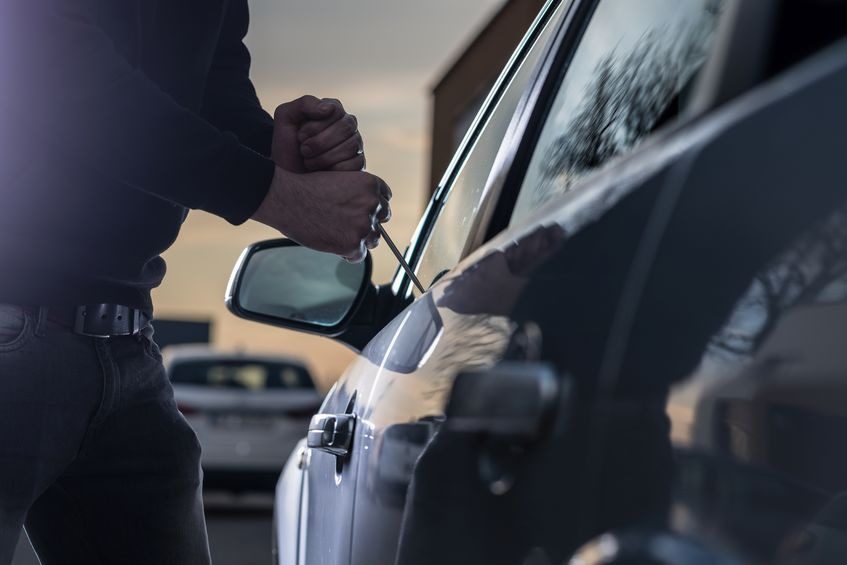
    We all want to be seen driving the latest and best cars the world offers (those we can afford, anyway). The trouble is – these beauties generate unwanted attention from the wrong crowds.

    According to StatsSA an estimated 64 000 incidences of hijackings occurred in 2020/21.

    If you live in SA, you’ve probably developed an extreme OCD when leaving your car in public places (double and triple-checking if your car is locked.).

    Well, if you’re upgrading your car and looking for an option that will help you live with less fear of losing your mechanical baby, we’ve got your back.


    The 10 most difficult cars to steal.

    Here’s our list of beautiful mechanical babies that are unattractive to carjackers. These cars are hard nuts to crack for car thieves.

    Jaguar XF

    Hardest cars to steal | Jaguar XF | Dotsure The Jaguar XF can also be double-locked! You don’t know what that means, but you can tell it’s bad news for the bad guy. Well, once the car is double-locked, it cannot be unlocked or started. So even if criminals crack this nut, they won’t be able to get it going. It also has a clever In-Control App that can help the SAPS track and recover your car in the unlikely event it gets stolen.


    Tesla Model S

    Hardest cars to steal | Tesla Model S | Dotsure The Model S is one of the most secure electric cars you can buy in 2022. Its anti-theft features make it a carjacker’s nightmare. Tesla owners can use their smartphones to track the whereabouts of their vehicles. Even if the burglar has hacked the system and unplugged the tracker, the car would send a ping to Tesla HQ.


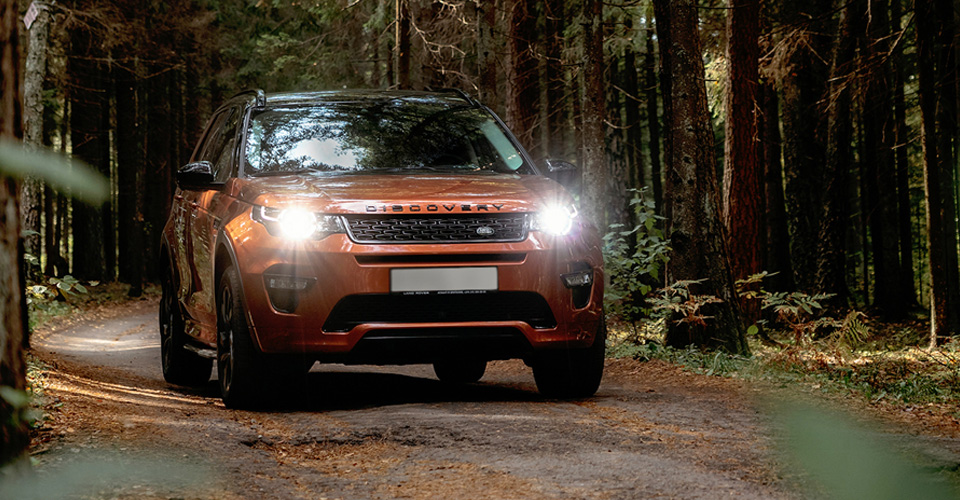
    Land Rover Discovery

    Hardest cars to steal | Land Rover Discovery | Dotsure The Land Rover Discovery employs ultra-wide-band radio technology to broadcast the key’s signal across various frequencies. Therefore, the signal amplifiers or relay devices, commonly used by thieves, struggle to pick up the key’s signal, making this car harder to lockpick.


    Mercedes Benz GL 550 by TAC

    Hardest cars to steal | Mercerdes GL 550 by TAC | Dotsure What do you look for in a safe, hard-to-steal car? You look for a car with steel. One that can bounce bullets off the windshield. You can drive away from danger without worrying about gun-toting and trigger-happy thieves in such a car. Well, that’s what this GL’s bulletproof exterior gives you.


    Mercedes-Benz G63 AMG By Inkas

    Hardest cars to steal | Mercedes G63 by Inkas | Dotsure Talk about an impenetrable fortress! Inkas’s version of the G63 is reinforced with bulletproof glass, powerful armour that can withstand shotgun shots and a bottom steel plate that can endure grenade explosions.


    Nissan Leaf

    Hardest cars to steal | Nissan Leaf | Dotsure Nissan turned a new safety leaf with this one! The Nissan Leaf will not start if the car key is not within range. If it is in neutral, it will not even move! A responsive GPS tracking technology can also help locate the car. The ordinary car thief leaves this one behind.


    Volkswagen Tiguan

    Hardest cars to steal | VW Tiguan | Dotsure There’s a reason the Volkswagen Tiguan has received several honours for being the safest car. Few cars have alarm systems that can compete. This car just will not start with a different key; forget it! It also sports a stolen-vehicle tracker that can assist in tracing the vehicle from your smartphone.


    Hyundai Tucson 

    Hardest cars to steal | Hyundai Tucson | Dotsure Although most vehicle critics rated the Hyundai Tucson’s engine performance as below average, the anti-theft system did not disappoint. Cutting the cables behind the horn is the easiest method to disable a car alarm, but the Tucson doesn’t make it so easy (you’d have better luck drawing blood from a stone than disconnecting the Tucson’s alarm system).


    Audi A4

    Hardest cars to steal | Audi A4 | Dotsure One of the notable security features of the Audi A4 is that the keys contain a chip that makes it more challenging to start with other devices. The keys include a chip that is programmed into the ECU.


    Tesla Model X 

    Hardest cars to steal | Tesla Model X | Dotsure Even though it is the less expensive sister of the Tesla S, the Model X has an equal level of protection. Aside from GPS monitoring, it offers a Sentry Mode that allows the vehicle to record its surroundings even when the engine is turned off.


  • JUST CANCELLED YOUR CAR INSURANCE? WHAT COULD GO WRONG?

    JUST CANCELLED YOUR CAR INSURANCE? WHAT COULD GO WRONG?


    What could go wrong you ask? Well, everything! Even if you’re the most careful driver on the road, other drivers aren’t always so careful and could crash into your car. Your car is always at risk of being stolen or hijacked. The wise thing to do is to cut back on unnecessary costs or chat to your service provider about what options are available to reduce your premium, rather than just cancelling your cover.


    1. Murphy’s Law

    Thanks to Murphy, you’ll always need to claim, almost immediately after you have cancelled your car insurance. And that’s only the top of the long list of things that could go wrong.


    1. Times may be tough, but they’re also unpredictable

    Accidents do happen. So, what happens if you collide with somebody else? How will you pay for third-party claims against you? Insurance – that’s how!


    1. You could pay more on future premiums

    Cancelling your current insurance policy could affect your premiums in the future. Your insurance history counts, and it can affect your future insurance quotes. Someone with a 6-year history qualifies for a more affordable rate than someone with a 1-year history. Continuous cover history matters too, meaning that you may go back to a 0 to 1-year history if you decide to cancel your insurance for a few months.


    1. High-risk, low-reward

    If you stay insured and keep your claims to a minimum, you can build a low insurance-risk profile. Insurers love low-risk clients and reward them with better premiums. On the other hand, you could become a high-risk client if you keep cancelling your car insurance. Which means, insurers could charge you higher premiums.


    1. You could struggle to get cover again

    The more you cancel your vehicle insurance, the more high-risk you become. Some insurers could go as far as to decline your application if they consider you to be too high-risk.


    1. It could cost you more than you save

    If you are involved in an accident, you might be liable to pay for all damages (to your car and the other person’s) out of your own pocket. Future insurance quotes could be higher than what you are currently paying as well.


    1. You could be left paying for a car you don’t own

    Theft, fire, and hijacking are three events that can happen to anyone at any time. They’re often just a case of bad luck. You could lose your car and still owe the bank if your car isn’t paid-up.


    1. You could be found in breach of contract

    If your vehicle is financed by a bank, you could be in breach of contract. Almost every car financing agreement requires the owner to have a comprehensive car insurance policy while the outstanding amount is being paid off. If you cancel your car insurance, you could be violating the terms of your financing agreement and your mechanical baby may be repossessed.

  • WHICH CARS HAVE THE CHEAPEST (AND MOST EXPENSIVE) PARTS?

    WHICH CARS HAVE THE CHEAPEST (AND MOST EXPENSIVE) PARTS?


    Owning a car isn’t cheap. From monthly payments to fuel expenses to ongoing maintenance, you can expect to spend quite a few rands to keep your baby in good condition.

    However, some cars can be way more cost-effective than others – and we’re not just talking initial payment. When you factor in the costs of replacement parts, not all cars are created equally. Choosing a vehicle with more affordable parts can end up saving you big bucks, while some of them might end up costing more than you bargained for.

    The 2020 AA-Kinsey Report, a survey which details costing for parts on various popular vehicles sold in South Africa across nine categories, has grouped car parts in three areas – service (spark plugs, oil filters, brake pads); repair parts (cam belt, shocks, clutch plate, fan belt) and crash parts (fenders, doors, bonnets, rims, light clusters). Here are some of the cars which according to the report have the best-priced parts:

    City cars

    If you’re regularly zipping through traffic in the big city in one of these, you can rest assured that you’re getting bang for your buck.

    The Renault Kwid won this category with a total basket price of R62,990, followed by the Ford Figo at R63,866, and the Hyundai Atos coming in third at R66,189. The Ford Figo is particularly well-priced when it comes to repair parts, with this category costing R6,187.

    Family cars

    Bigger, more reliable… but less expensive!

    The Toyota Quest is the family favourite this year, with a total parts basket cost of R85,031 – though it has risen in price since it won this category in 2019. Up next is the Nissan Almera (R86,488), while Toyota’s Corolla hatch is third with a total of R131,294.

    Compact cars

    These top-class compact cars are easy on the eye, and easy on the wallet.

    The Mahindra KUV 100 is the winner at a price of R81,776. Second is the Haval H2 with its parts amounting to R93,860, while French favourite Citroen C3 Aircross comes third with a parts basket total of R102,249.

    Double cab bakkies

    You just can’t beat a bakkie. Especially not at these prices!

    The Ford Ranger XLT takes top spot here with a basket price of R79,796, followed by the GWM Steed 6, at R86,105. Third place goes to the robust classic Toyota Hilux at R90,189.

    Executive crossovers

    Although pricey in general, car lovers will be pleased to know that these manufacturers offer good value in the long run.

    The Volvo XC 60 takes the lead at an overall price of R242,070. In second is the Audi Q5 with an overall parts basket cost of R251,288, and third the Mercedes GLE at R328,211.

    So, there you have it. In Kinsey’s own words: “Motoring has become more expensive, certainly from a parts perspective, and the results for 2020 show that. Although there may be similar alternative parts from non-franchise outlets – the durability of which cannot be vouched for – prices for original equipment are rising.”

    Luckily, dotsure.co.za customers don’t need to stress too much about the cost of car part replacements. Our robust Silver, Gold and Platinum Motor Warranty plans cover mechanical repairs and replacements – without the hassle.* Get a free online quote in under 3 minutes today.

    *T&Cs and certain exclusions may apply and can be obtained by emailing [email protected]. Risk profile and policy dependent. Price and cover limits subject to change and dependent on plan selection. All Motor Warranty plans provide cover for the same components, up to different limits.

  • WHAT DOES THE LAW SAY ABOUT PIMPING YOUR RIDE?

    WHAT DOES THE LAW SAY ABOUT PIMPING YOUR RIDE?


    Many of us are old enough to remember the days of MTV’s Pimp My Ride, where West Coast Customs and Xzibit upgraded contestants’ cars with everything from chandeliers to chocolate fountains to popcorn machines (yes, really).

    If you’re too young to have gotten a taste of this pop culture delicacy, don’t worry – Pimp My Ride culture still lives on through matte wraps, tinted windows, and spoilers of all sizes.

    But, before you blow your December bonus on extras for your ride, did you know some car modifications aren’t just illegal in South Africa – they may also put your insurance at risk?

    Read on to find out what the SA law (and dotsure.co.za Car Insurance) says about car modifications.

    What counts as pimping your ride?

    According to Arrive Alive, “It can be described as bringing about changes to the original vehicle parameter standards with a view, largely of enhancing a vehicle’s performance in fuel consumption, load capacity, cosmetic trim, or top speed runs”. Generally speaking, alterations wouldn’t necessarily affect the performance of the vehicle, whereas modifications would.

    Make sure your ride is on the right side of the tracks.

    “The National Road Traffic Act 93 of 1996 isn’t very specific about which modifications are indeed illegal or not. But, before you take your car in for an extreme makeover, you have to ask yourself if it will still be roadworthy and if it might endanger other drivers”, says Advocate Jackie Nagtegaal, Managing Director at Law For All. If your car’s not roadworthy, you need to remove the fancy extras from your vehicle.

    If you’re still confused, follow this list by Arrive Alive to drive you in the right direction.

    The following modifications are illegal:

    1. Speed enhancements like Nitrous Oxide Cylinders.
    2. Dangerously lowering the car’s suspension, which increases the risk of spinning out of control.
    3. Fitting larger wheels that might compromise control and handling.
    4. Installing a bigger engine that may wear tyres. Bigger isn’t always better!
    5. DIY suspension changes that compromise handling.
    6. Custom number plates with vulgar language or that include symbols such as (%, &,@ or $).
    7. Installing sound systems that may disrupt the peace.

    Does your dotsure.co.za car policy cover modifications?

    Yes, we do cover modifications if it’s specified and noted in your policy. The modifications include non-standard accessories like bigger rims, tyres, sound systems and tinted windows. You can select non-standard accessories and provide proof to receive cover for it. You will, however, be responsible for the excess stated in the schedule for every loss.

    Did you know?

    You can visit the 24/7 dotsure.co.za Manage Portal to add or remove non-standard accessories to your car insurance policy.

  • NEW! MOTOR WARRANTY COVER YOU CAN TRUST

    NEW! MOTOR WARRANTY COVER YOU CAN TRUST


    Have you heard about our NEW Motor Warranty insurance? If not, you’ve been missing out – sorry FOMO folks!

    We know that there is nothing worse than unexpected mechanical failure, especially if your car is no longer covered under the manufacturers’ warranty or on a dealership service plan. This is where we come in… sit back, relax and allow us to cover your ride with an extended warranty and let you continue your journey in carefree fashion!


    Why dotsure.co.za Warranty should be your #1 choice:


    1. You’ve got options

    The dotsure.co.za extended motor warranty product gives you the cover you need at a price that you can afford. You can have your pick between Silver, Gold or Platinum cover, whichever tickles your fancy or fits your pocket.


    2. We cover “senior” cars

    We’ll cover your 15-year old “tjor” even when it has up to 300,000 km on the clock. This is a no-judgement zone when it comes to the matured metal “roadsters” out there. 😉


    3. Life happens – we get it

    If you’ve missed a service, it’s not a train smash. We give you 30 days to sort it out, because we know you’ve got places to be and people to see.


    4. Our service is top of the range

    It’s no secret that we’re on a mission to turn policyholders into fans with our first-class service. We’ve been rated most trusted insurer in South Africa on Hellopeter** for quite some time now all thanks to the feedback received from our amazing dotsure.co.za fam!


    What you are covered for*

    You are covered for the repair or replacement of parts due to a mechanical breakdown or electrical failure which occurs during the period of cover on your policy.

    All extended car warranty options include cover for engine, clutch, transmission, turbo assembly, electrical components cover and more. We even cover some of your transport and towing costs.

    The amount that you are covered for depends on your vehicle’s age, mileage reading and plan option selected. Just as an example, if your ride is less than 5 years old, with less than 110,000 km on the clock, you could have engine cover of up to R70,900 under our Platinum Cover Warranty plan.


    The extended warranty plans

    Choose basic Silver, go for Gold or pick Platinum cover to suit your needs and pocket.


    1. Silver Cover

    This is our entry-level extended car warranty plan. You can get engine cover for up to R42,300; transmission rear-wheel drive cover for up to R17,100; and more. If you’re on a tight budget, this one’s for you.

    Click here to view detailed Silver Cover options and limits.


    2. Gold Cover

    Go for gold, and enjoy engine cover up to R56,600, transmission rear wheel drive cover for up to R22,700, turbo assembly cover for up to R19,000 and more.

    Follow this link for more information on the Gold Cover options and limits.


    3. Platinum Cover

    Our Platinum cover is top of the range. It gives your car (and pocket) the ultimate protection. You can get engine cover for up to R70,900; transmission rear wheel drive cover for up to R28,200 and more!

    Find more details on Platinum Cover options and limits here.


    Why not silence that little voice of worry about what you’ll do if something goes wrong with your car and how you’ll afford to pay for it? Go on, make the smart move and give your ride the protection it deserves. Get a dotsure.co.za motor warranty quote here or call us at 0861 368 7873 for more info!

    If you already have a car insurance policy with us, visit our Manage Portal to add your warranty cover policy to the mix.


    Safe travels!

    * T’s and C’s apply and are obtainable by emailing u2us@dotsure.co.za. Limits and pricing displayed effective as from 01 September 2020.

    ** As on hellopter.com at date of publishing


    More

    Here’s how to claim with dotsure.co.za.


  • NAME YOUR NUMBER PLATE WITHOUT GOING BROKE

    NAME YOUR NUMBER PLATE WITHOUT GOING BROKE


    Whether it’s a nickname, code name or a word that inspires you, if you choose what’s on your number plate it can cost a lot.

    Also dubbed ‘vanity licence plates’, these customised Mzansi registration plates are a public statement priced between R1,450 and R150,000 depending on the province you are buying in and other factors.

    Crazy price range*

    That’s right, there’s no standard price in the country. Prices vary between provinces and even within some provinces.

    Less costs more

    Minimalism is hipper than manicured man hair in the provinces of the Western Cape and Gauteng.

    That’s because “the less you want on your plate,” Business Insider warns, “the more you are going to pay”. Let’s find out which personalised number plate (PNP) is the priciest (and which is the cheapest)…


    In first place for crazy expensive PNPs by province, the Western Cape.

    The province that hosts our legislative capital is the winner of this dubious award.

    Its CAA type plates are top of the range in terms of price. Single digit CAA plates cost up to R150,000, e.g. 1 – CAA. You can get double digit, triple digit, or up to 5 digits. The more digits there are, the less you pay.

    WP variations are cheaper, but not by much. Single alpha or numeric character sell for R100,000, e.g. 1 – WP. Double characters will set you back R8,500, e.g. YO-WP. From there, they get cheaper the more digits you have, closing at R3,000 for between 4 and 7 characters, e.g. DOTSURE – WP.


    In second place for stunningly expensive PNPs by province is Gauteng.

    The province that is home to our administrative capital of Pretoria (or PTA 😉) charges much less for its low-character plates. Three characters retail at R5,950 and prices descend from there as characters increase, with 4 – 7 of them priced at R3,450.


    In third place for pricey PNPs by province, and descending order, #AllOtherProvinces.

    They charge a flat rate per PNP, namely R4,850 in the Eastern Cape, R4,700 in Mpumalanga, R3,500 in KwaZulu-Natal, R3,200 in Limpopo, R3,000 in the Free State, R2,800 is North West, and R2,530 in the Northern Cape.

    The cheapest, however, is not a PNP from the Northern Cape province, it’s one from Gauteng. Mekaish calls it a “SRN 3” and explains it as 3 numeric and 3 alpha characters (or vice versa) e.g. LUV247– GP or 365JOY – GP.


    Cash-strapped but want an unusual reg plate? Buy used.

    Unique number plates can’t be replicated but they aren’t in use for eternity. You can take over someone else’s old number auctions and online marketplaces like Gumtree under “Used Antiques & Collectables”.


    If PNPs are also auctioned, surely prices for plates can be sky-high?

    Yes they can, because it’s all about demand and supply and the highest bid wins. The most expensive customised registration plates were not even new when they sold as a set. Wheels24 reported that single-digit Gauteng Province plates sold at an auction for a whopping R1,89 million in 2016, making the plates 1-GP through 8-GP the leaders in outlandish prices for registration plates.


    What’s in a name? Even more expense, sometimes…

    Take care, because your PNP nickname may do more than announce you to other people.

    The Verge reports that Joseph Tataro put “Null” on his front and rear USA plates in 2018, and soon received over R200,000 worth of traffic fines he wasn’t responsible for. Woah!

    That’s because programming language recognises the letters forming the word “null” as an indiscernible value (like “void”). So “whenever any traffic cop didn’t enter a license number when writing a ticket,” Jon Porter explains on the popular tech news site, “it would automatically get assigned to Tartaro” in the digital system.

    Not the administrative nightmare you need. No matter which letters and numbers you choose, what you might need is our Road Protect benefit which will resolve your traffic fines and organise and deliver vehicle licence renewals for you**. That’s an added insurance benefit dotsure.co.za car insurance policyholders have access to.


    Final tip: don’t let it get swiped

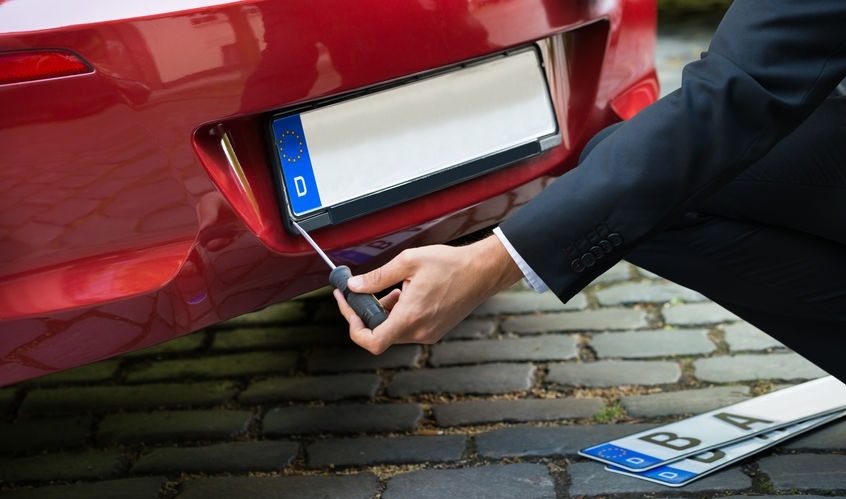
    Got a PNP? Here’s how to keep it. Attaching it with security screws can reduce the risk of thieves walking away with one of the most expensive name tags you’ll ever own. It can also help you avoid other problems related to this rare form of property because, “as far as the law is concerned,” Insight Security warns, “your car registration number ‘is you’…” so if your number plate is used to commit a further crime, you’ll have to prove that it was not you.

    Do you dream of tailored motor insurance to go with that personalised number plate? You can Name You Price™ when you cover your vehicle with dotsure.co.za. Get a dotsure.co.za car insurance quote online today. Don’t delay!

    MORE
    If you’re into number plate trivia, click here.


    *All prices are quoted from Mekaish.com.
    **T&Cs apply and are obtainable by emailing [email protected].

  • CAR STOLEN?! TAKE CHARGE WITH THESE PRACTICAL STEPS

    CAR STOLEN?! TAKE CHARGE WITH THESE PRACTICAL STEPS


    BusinessTech reports that with the gradual lifting of lockdown restrictions, road crime has returned to around 60% of pre-pandemic figures.

    While hijackings and car theft dropped to nearly zero at the start of lockdown back in March, Charles Morgan, Operations Executive at Netstar, tells BusinessTech that “now that we’ve all adjusted to the new reality, our records show we are heading back towards business as usual, in the mainstream and the illicit economy”.

    With car theft back in business, it’s important to know what to do if it happens to you.

    Here are practical steps to take if your car is stolen.


    First, report it


    1.  Visit your local police department ASAP to report your car as stolen.

    Time is of the essence, as a stolen car can be used to commit other crimes and you want the authorities to know that the car is no longer in your possession.

    According to Carinfo.co.za, “The police department will ask you questions and fill out all the paperwork for you, though you’ll almost certainly need to go down to the station and sign the report”.

    Provide as much information for the report as you can, including your personal details and identification; the make, model, year and colour, vehicle identification number (VIN), and any distinguishing features about your car (e.g. marks or dents).

    It helps to have original or certified copies of your driver’s licence, vehicle title and registration documents to speed things along.

    Please don’t dial the national emergency number unless your life and safety are at risk e.g., you’re alone in an isolated place and somebody is threatening you.

    You can find the contact details for your nearest police station here.


    2 Sign the statement in person.

    Make sure you read, check and sign the report and take the details (name, position, office number) of the officer who helps you.


    3. Get a case number.

    The assisting officer will provide you with a case number. Keep this handy for all further dealings on the subject.


    4. Get a copy of the report

    Ask the assisting officer for an official copy of the report. This could be used in insurance paperwork for your claim.


    5. Notify your car insurance company of the theft as soon as possible.

    It is very important to follow the required steps so that when you claim, it is unencumbered and stress-free.


    6. Let us help.

    If you have an active Roadside Emergency Benefit with your dotsure.co.za car cover, we will help you in a roadside emergency by letting your loved ones know what has happened.*


    Then, if your car is recovered


    The show’s not over if your car is recovered. In fact, it’s just begun.

    1.  The investigating officer handling the case will inform you that they have found it.
    2.  They will ask you to head down to the police impound lot to identify the car.
    3. They will also request that you provide proof of ownership of the car, like the registration documents or bill of sale.
    4. If your car is not insured, skip to 9 with all repair or replacement costs to your account.
    5. If your car is insured and has been damaged, your insurance company may advise on the damage assessment procedure (depending on your policy terms and conditions and the driving condition of the car).
    6. After assessment, the assessor will either declare that your vehicle can be repaired or should be written off, dependent on the extent of the damages suffered.
    7. If your vehicle is a write-off, and you are comprehensively insured at the time, your insurer will compensate you in line with your policy terms and conditions.*
    8. If the car can be repaired, your insurer will cover the cost of repairs according to the type of cover you have at the time. This may mean a cash contribution to you, or the insurer will advise where the car can be taken to for repairs, and the costs will be covered up to the limits in your policy.*
    9. Once it is repaired, you need a police clearance certificate from your local licencing authority before you can resume possession of the car.
    10. To get this certificate, “take the forms, along with supporting documents and your car,” Joburg.co.za advises, “to the SAPS Clearance Unit – which fills out the forms and grants clearance status to the vehicle.
    11. Once you’ve submitted these forms to the licensing authority, they will clear it on their systems and you’re good to go.


    Whether it’s recovered or not, still submit a claim if the car is insured


    Here are your options to get hold of us when you need to submit a claim:

    1. With dotsure.co.za, this is the easy part – you can submit a claim in minutes through your Manage Portal online. Simply log in to (or register for) your dotsure.co.za Manage Portal account here; alternatively
    2. phone us on 0861 dotsure (368 7873); or
    3. email us at: [email protected]; or
    4. live chat to a consultant via the online chat bubble at the bottom of the page on www.dotsure.co.za; or
    5. submit your details on our Contact Us page to request a call back at a time that suits you.

    Once your claim has been logged, one of our claims consultants will be in contact with you to register your claim. They will verify and request any additional information they may require to process your claim and will explain the process that will follow. You will be provided with the name of your personal claims consultant as well as your claim number for future reference. Throughout the process you will be kept updated on the progress of your claim and can even view this on your Manage Portal at any time.


    Uh oh – what if the car is recovered after you’ve claimed on it?


    It can happen that once your insured car is replaced, the authorities find the original car. What now? Joburg.co.za points out that you are legally obliged to let your insurer know. Not doing so could constitute fraud and lead to prosecution. In such an instance, dotsure.co.za will assess and conclude the process on a per case basis.*


    Protect yourself against the financial fallout of having a car stolen or highjacked with dotsure.co.za vehicle insurance. Get an obligation-free quote online in minutes here.


    *T&Cs apply and are obtainable by emailing [email protected]. Claims decisions subject to factual merits of incident.

     

    More

    Take these simple steps if:


  • WHAT IS COMPREHENSIVE INSURANCE?

    WHAT IS COMPREHENSIVE INSURANCE?


    In uncertain times, it can pay to go pro when it comes to insurance. Maybe you have cover and you’d like to boost it. Maybe you’re choosing insurance for the first time. Either way, you’re not alone. Let’s unpack Comprehensive cover.


    What exactly is Comprehensive Insurance?

    This is the top-of-the-range cover you can get from a registered financial services provider.

    It leaves much less to chance than any other cover options. Other options may be cheaper or offer cover in a more limited capacity. Comprehensive cover offers the widest range of cover and it generally carries a higher premium (monthly payment) that ticks all the boxes.


    What does dotsure.co.za Comprehensive Life insurance cover?

    If you’re after complete peace of mind for yourself and your loved ones, we suggest Comprehensive Life insurance which protects your personal finances should tragedy strike. It offers an added Terminal Illness benefit, that pays out up to 12 months* before death if you’re diagnosed with a terminal illness.


    e.g. Chike, a 31-year-old pharmacist and mom, pays R352p/m for Comprehensive Life insurance. Her family will receive a pay-out of R200,000* should she pass away or be diagnosed with a terminal illness.

    *T&Cs apply. Premiums and pay-outs displayed above are purely for illustrative purposes. Cover and premiums are dependent on the client’s risk profile. Errors and omissions exempted.


    This cover offers you the greatest peace of mind when you’re insuring your vehicle. And as a matter of general interest, vehicle financing institutions usually also require proof of full comprehensive cover for a vehicle they finance – this requirement remaining in force as part of the underlying financing agreement throughout the financing period.


    In general, with Comprehensive Car insurance, you’re covered for*:

    • Car repair if you are in an accident (excluding your excess payments). The excess is the amount you are liable to pay when you submit a valid claim. A smaller excess means a higher monthly premium; a larger excess means a lower monthly premium. According to the Treating Customers Fairly (TCF) regulations, all insurance companies must consider your financial position when advising on the ideal ratio for your income and expenses.
    • Full or part of the damages to any other car(s) in an accident you caused. This is called Third Party Liability cover.
    • Fire damage to your car.
    • The theft and/or hijacking of your car (some policies do not cover this in full, or cover it with higher excess payments, so check your policy document).


    Still not sure about Comprehensive Car insurance?

    When choosing an insurance package with dotsure.co.za, we’ll answer any and every question you have, because we believe in #totaltransparency.


    Questions to ask:

    • What’s covered and what’s not?
    • Is the cover of your vehicle limited to a named driver? Also known as a nominated driver policy.
    • What’s the excess for drivers under the age of 25? Is there a penalty for young drivers in the event of a claim?
    • Do you need a detection device to qualify for theft or hijacking cover?
    • Do you get discounts for good driving? dotsure.co.za offers discounts* with the Smartbox in place!
    • Is Third Party Liability cover included?
    • Which geographical areas are covered?
    • Is car hire covered?
    • What extra fees do you have to pay when you claim?
    • Are emergency benefits included?
    • Are the added benefits useful to you?
    • Can you manage your policy online?
    • Can you choose how much to pay for your cover?
    • Is the claims process fast and simple?


    Why choose dotsure.co.za comprehensive cover?

    1. You can get a free quote online in minutes here .
    2. You can Name Your Price™!
    3. You can manage your insurance on the dotsure.co.za Manage Portal.
    4. We’ve been rated the #1 insurance provider in South Africa based on independent reviews on Hellopeter.com**!
    5. We have a Smart Driver Programme which rewards you for good and responsible driving.


    Ready to commit to cover and become part of the dotsure.co.za family that really cares? Simply Name Your Price™ and get a quote for comprehensive life and motor cover NOW! Follow these links for more information on dotsure.co.za motor and life cover.


    *T&Cs apply and are obtainable by emailing [email protected]. Claims decisions subject to factual merits of incident.
    **As on Hellopeter.com at time of this article’s publication

  • I HAVE MOTOR COVER, BUT WHAT CAN I CLAIM FOR?

    I HAVE MOTOR COVER, BUT WHAT CAN I CLAIM FOR?


    Time to claim with dotsure.co.za car insurance?

    But what if you are unsure if you can claim or not? We’re here to help!


    Before you go to the website to submit that claim, here’s a breakdown of what we cover. No empty promises, no tired slogans. Why? Because we have a legacy of putting customer’s first, and it’s not just our high Hellopeter ratings that prove this. We were the first company in South Africa to offer car insurance online and we value transparency every step of the way. We are always available to explain your policy to you, or help you update it.

    We cover all kinds of vehicles – passenger vehicles for private owners, light delivery vehicles for the small business owner, motorbikes for thrill seekers, caravans for chill seekers, and trailers for everything else (like that annual pilgrimage to AfrikaBurn and its harrowing drive through the tyre-bursting Tankwa Karoo?)


    For now, back to the business of what you can claim for.


    Know thy needs


    First, ask yourself – who will be driving my vehicle? We provide cover for one regular driver (single driver), a regular driver and any other nominated driver stated on your policy schedule (nominated driver) or any person with your permission (open driver).

    We also give you a choice to insure your vehicle for private or business use.

    If your premium is too high, our clever Name Your Price™ feature allows you to place limitations on your cover, to keep the price just right. You can choose to limit your cover on hail claims, time of day travelled, days of the week travelled, total kilometres travelled per month or glass damage. You say what you can pay, we adjust the cover accordingly.

    The list of what we cover is long, so we’ll be brief here. We are always available to give you more details by email, phone or chat. Don’t be shy!


    Types of cover


    Comprehensive cover – This covers any accidental loss or damage to your vehicle as a result of an insured event. Accident, theft, hi-jacking or attempted theft – we’ve got you covered.

    Comprehensive cash settlement – This provides the same cover as the comprehensive cover, however here you have the option to have your claim settled in the form of a once-off cash settlement.

    Third Party, Fire and Theft – This protects you from the cost of damage to someone else’s property from an accidental incident (limited to South Africa).  In addition to this, with a high crime rate, you need compassionate cover. Whether it’s fire, self-ignition, lightning or explosion, theft, hijacking or attempted theft or hi-jacking, with this box ticked, we got you.

    Third party only – If you are not concerned about cover for your own vehicle, this option is just for you. This covers you for damage to third party’s property (limited to South Africa), however, loss of or damage to your own vehicle will not be covered.

    Total loss – This cover is restricted to a total loss of your vehicle, insured with us. If your vehicle is stolen and not recovered, or if your vehicle is damaged and the repair cost is more than 70% if its current insured value (incl. VAT), we will pay you the insured value of your vehicle.


    Additional cover


    Because we aim to be a cut above the rest, we also offer the following additional cover, at no extra costs to you:

    • Territorial limits – Your vehicle will be covered within the borders of not only South Africa, but also Swaziland, Lesotho, Namibia, Botswana, Mozambique, Zimbabwe, Malawi, Zambia and Angola. Just keep in mind that South African legal and insurance principles shall apply regardless of where the claim occurs.


    • Superb Sound Cover – Got six-by-nine speakers in seven places in your car? Installed an incredible new sound system for car parties? You sure paid prettily to pimp your ride. We’ll insure it so that you can sing along no matter what the song.


    • Great glass damage cover– Maybe it’s because we look through glass that many tend to OVERlook windscreen and window insurance, but it can be pricey to replace quickly. We take care of this.


    • Towing and storage – Stuck on the side of the road because of an accident? Give us a call and we will arrange for your vehicle to be towed to one of our approved service providers. Even if you do not call us and make use of our towing and storage facilities, we will still pay a maximum of R 1 000 towards towing costs and R 500 towards storage costs.


    • Complete Key Care – Keys are not just cut these days, they’re programmed. That can be pricey to replace (especially if you lost the original) but we’ve chipped away at intelligent car cover to reduce the pain of a trip to the automotive locksmith. Or, at least, cut away at the expense! We will cover up to the amount stated in our policy schedule.


    • Veterinary expenses – if your furry friend is injured during a road accident in your insured motor vehicle, we will do our part to make sure they get the necessary care as soon as possible. We will help you pay for the veterinary expenses – up to R 2 500 per pet and R 10 000 per event.


    Further additional cover – (at an additional premium)


    • Nice Non-standard accessories (specified) – Personalising your Peugeot? Accessorising your Audi? Adding some body work? Protect it while you admire it. We’ll cover it for loss or damage based on the item and value as stipulated in your schedule.


    What’s typically excluded?


    There are a few aspects which will be for your account.

    Some of these include:

    • Tyre and rim, springs and / or shock absorber damage;
    • General wear and tear;
    • Electronic or mechanical damage;
    • Resultant damage;
    • Loss or damage outside the territorial limits;
    • Alcohol and / or substance abuse; and
    • Unauthorised repairs.


    How to claim? 


    Right, ready to claim? Submit it online, give us a call, let us call you, or drop us a line, by:


    *T&Cs apply and are obtainable by emailing [email protected]. Claims decisions subject to factual merits of incident.
     

  • HIDDEN SPEED CAMERAS – LEGAL OR UNLAWFUL?

    HIDDEN SPEED CAMERAS – LEGAL OR UNLAWFUL?

    By now, most South African motorists have been exposed to the terrifying flashing lights of camouflaged cameras on highways and busy streets. The sudden flash comes with a surprise in the mail, which leaves you lost for words (and money). You’ve probably questioned the practice of hidden cameras every time you’ve had to pay an expensive fine. Is it ethical– or even legal to hide cameras in bushes and to camouflage them like troops in the army? Shouldn’t they come with a big sign and flashing amber lights or something? Let’s open the shutters and find out!


    What does the law say about these boobytraps?


    The current law surrounding hidden cameras, is still a little muddled. The Mother City however gives us hope for justice.

    According to the City of Cape Town’s traffic and speed camera report, speed cameras will now have to be made clearly visible and used in areas to improve road safety. Not as a cash cow. Furthermore, the new regulations states that:


    • A warning sign should be placed not more than 1km from the stationed area, in the direction being enforced;
    • Speed cameras, including mobile camera units, must be visible to approaching or departing motorists from where the enforcement is done;
    • Traffic officers are prohibited from using concealed netting and other deceptive tactics;
    • Where a fixed camera has been installed, it must be painted yellow in full, with reflective sheeting.


    “We will now be doing operations where it is visible to people. The recording of motorists in traffic vehicles or hidden away is stopped. On the issue of fines, we need to look at the justice system, because the fines we issue don’t help the situation,” said JP Smith.

    Smith, who is a mayoral committee member for safety, security and social services in Cape Town also said that Cape Town does not currently hide the speed cameras in any way, and that he himself was on board with changing the policy with regards to not hiding them.


    And the rest of Mzansi?


    Don’t get your hopes up! The grass isn’t greener in the rest of the country (although it might get more water). Justice Project SA’s, Howard Dembovsky says: “We often receive queries regarding unmanned, radar-based mobile speed camera deployments since this behaviour was, prior to December 2012, unlawful.”


    The 2006 TCSP guidelines prescribed that any non-permanent speed measuring equipment had to be operated by a qualified traffic officer. After the JPSA took issue with the placement of hidden speed cameras, the RTMC speedily amended the TCSP guidelines.


    As a result, the amended 2012 version legalised these operations – provided that the speed cameras be guarded by a traffic officer. In the process, the interval between the calibrations of speed measuring equipment was also illegally extended to every twelve months.

    This stands in direct contravention of A.4.1.2 of SANS 1795 which prescribes that “The initial calibration of every measuring instrument and subsequent calibrations at intervals not exceeding six months, shall follow on model registration.”


    The above might not come as a surprise to you. It makes us question if the cameras are really about safety on the roads or more about the financial gain from it? Whatever the reason might be, make sure to watch out for the speed limits. Being a good driver isn’t only good for your wallet but contributes to the safety of everyone around you. Being 10-minutes late won’t kill you, but speeding might just put you 6 feet under.


    Did you know?

    As a dotsure.co.za motor policyholder you automatically receive our Fines Protect Benefit. Fines Protect provides a uniquely convenient service that alerts you to any new traffic fines and provides a painless facility to settle them. We also negotiate on your behalf and help to get fines reduced wherever possible or overturned if illegal. Nice.

    To learn more, kindly send an email to [email protected]


    Conclusion

    Speed cameras are allowed under certain conditions. If you live in the Mother City, cameras must be visible and in line with the new regulations. There needs to be a sign which indicates the speed limit. The camera shouldn’t sit in a tree like a Chameleon waiting for its prey. That’s not a nice surprise for the poor victim.

    In short, if you stick to the speed limits, you’ll be safe regardless of the flashing predators along the way. Oh, and by the way, HIDDEN cameras may be against the law under certain conditions


  • HOW TO PROTECT YOUR CAR AGAINST THE SEA’S SALTY ‘BREATH’

    HOW TO PROTECT YOUR CAR AGAINST THE SEA’S SALTY ‘BREATH’


    So, you’re living the dream in your favourite coastal hometown, or having a nice loooong holiday by the seaside? Unfortunately, your car doesn’t share your love for this majestic waters (which is not ideal, as you need your wheels). What a bumm(p)er! The fact is, your car and saltwater, really what one would classify as a ‘match made in heaven’ – it’s all about the ‘sea’ in ‘chemistry’! 😉


    What happens when salt sticks to your car’s metal body?

    When your car is exposed to the salty, humid atmosphere near coastal regions, it activates a chemical reaction in which the iron-component of your car’s metal, interacts with oxygen to form rust. Rust could take a few weeks, months or even years to develop, depending on the period and severity of exposure to the seaside’s conditions. The ‘vulnerability’ of your car’s bodywork (existing, untreated dents and scratches), also plays a role. The rust will also form faster in warmer climates, as the salt-components may be absorbed quicker in these conditions.


    5 Tips to protect your car against the salty air


    1. Water and soap

    Make sure to wash your car with water and soap at least once a week if you live in a coastal region or if you’re on a beach holiday. Regular washing will remove the salt and delay the unwanted chemical reaction leading to rust.


    1. Wax on, wax off

    By treating your car to a nice polishing wax or protectant once in a while after washing, will create a barrier between your car’s body and the sea salt.

    You can find some Shield car polish wax on Takealot.com 👉🏻 here.


    1. Get a room (or a garage)

    It’s always better to park your car in a garage or to a cover it properly when it’s not in use.

    Buy a quality car cover 👉🏻 here.


    1. Get an expert involved

    Make sure that your mechanic looks for traces of rust when your car goes for a service. If it’s not too advanced, it can still be repaired. Rather make sure that the problem is taken care of, sooner than later.


    1. Choose wisely

    If you’re buying a used vehicle, make sure that it doesn’t have traces of rust.


    Watch this video to find out what you should inspect before you buy a car:

    Take note: Don’t buy a new car because you think it “won’t rust”. Although most new cars have plastic covers around the body to reduce wind resistance and improve fuel economy, the covers do not prevent rust. They simply prolong the period before oxidation (rust) develops.

    Take care of your wheels and make sure to wash your car regularly to avoid rust from taking over the show. Don’t allow rust to spoil your car’s ‘beach bod’ or to pull the brakes on your holiday plans.

    Outsmart the iron oxide beast.

    Remember to get a car insurance quote in less than 5 minutes here.

  • 4 WAYS AR BRINGS YOU CLOSER TO YOUR DREAM CAR

    4 WAYS AR BRINGS YOU CLOSER TO YOUR DREAM CAR


    Have you heard techie friends throwing words like “Augmented Reality” and “AR” around? They’re talking about different ways that technology can enhance the world around you visually, and bring new elements into it, digitally. In the past it was the stuff of imagination featured in movies like Robocop, Terminator and, more recently, Iron Man…


    … but we’re getting closer to using it in everyday life. We recently explored how Porsche is using AR to help you try one out in your driveway here .

    This time, we explore how AR can help you find the right car for your needs (and wishes). Car manufacturers and marketers are using AR in browsing, buying and fixing to make the whole process easier for you.


    Explain Augmented Reality again?

    Augmented reality (AR) is reality viewed through a device, with add-ons, or as Forbes puts it, “a computer-generated image of a person’s view”. It lets you see something that’s not there in an environment that is. Usually, you use a device like your phone or tablet to experience AR. The camera on your device records your surroundings and run it through the AR software where it projects objects onto it in 2D and 3D. You can often interact with these objects or move or change them by touching them on your device’s screen. Wondering how a new couch will look in your lounge? IKEA-d you not, you can see it with AR.


    Other awesome examples of AR include beauty brand Sephora letting you try false lashes, lipstick and eyeshadow on (if you have an iPhone).

    But back to the dream car, eh?

    Car shopping, enhanced

    Forbes reports that car dealerships across the planet are using AR to make it easier for you to buy a car or learn about it.

    If a dealership has limited floor space, or the newest models haven’t yet arrived, you can still “see” them with AR. You can use it to explore a model’s features and perks. Here are a few examples to inspire you:


    1. Virtually test-“drive” a Jaguar Velar
      You do it on your feet, with a phone in your hand. Jaguar shows you what the world would look like if you were sitting inside its Velar model. “The transparent windows gave consumers the sensation of actually being sat in the car” says partner Blippar. While you’re ‘driving’, you can touch hotspots to see more on key features like the entertainment system.


    2. Scroll through Hyundai looks, mate.
    Want to see if the Hyundai model you’re after comes in an interior shade to suit today’s manicure? In Australia, you can do this with AR by sitting inside a real one and using an iPad app to “see” more. Tapping through textures, finishes, colours while in the car seat – what a treat. Let’s hope it launches here soon.


    1. Stalk hot cars in real life.
      It’s like swipe right for cars. Hyundai took the technology mentioned above one step further to let you shop on the street. You can scan Hyundai models parked in real life on the side of the road and get info about them. It will even find you a dealership to sell you one on the spot. The app knows you’re a smart shopper and “can access a customer’s financial data to be able to provide personalised financing and insurance quotes.” We can, too. Without an app. Tap here for car insurance info tailored to you.
    2. Service a Porsche in cyberspace. Sort of.
      Even dream cars need TLC from time to time. Using custom AR glasses that you wear; Porsche has created live-view software that shoots footage of your actual Porsche’s engine. It transmits the data wirelessly to a remote Porsche expert who can diagnose and advise on next steps. So, while you may not be learning how to fix it yourself, you will certainly be less confused when you open the bonnet next.


  • SUPER SHORTCUTS BENEFITS GET EVEN BETTER!

    SUPER SHORTCUTS BENEFITS GET EVEN BETTER!


    At dotsure.co.za we are always looking for ways to add value! That’s why we’ve got some amazing Super Shortcuts benefits to make your journey on the road more enjoyable.  We’ve got your back with emergency, road protect and lifestyle benefits.

    Although our Super Shortcuts benefits are already top of the range, we’ve increased a few cover limits and made some more changes to will help you and your 4-wheeled baby in times of need.


    The following cover limits have increased:


    Roadside Emergency Benefits:


    Car hire assistance (in the event of a breakdown):

    We have doubled the cover limit. Now, if your vehicle has broken down and you need to rent a car, we’ll help you out by paying up to R1,000 incl. VAT towards your car hire.

    Note: (Group A or B) for 24 hours only. A maximum limit of up to R1000 incl. VAT will be paid towards

    the invoice for rental charges, delivery and collection of the hire car, and the first tank of fuel. You will be required to provide a credit card or debit card, whichever is required by the supplier of the rental vehicle, in order to secure the deposit (you must have a limit of at least R3,000 available on the card).The service includes the costs of the daily car rental, unlimited kilometre allowance, insurance fees and the delivery or collection charges of the car to a maximum of 25km respectively. The cost of additional fuel will be for your account.


    Hotel accommodation (in the event of a breakdown):

    We’ve doubled this benefit, too! Before, if you hit a bump in the road and needed to book into a hotel for a night, you would’ve only received a R500 refund. Now, you’ll receive a R1,000 reimbursement.


    Note: Hotel accommodation for 1 night only.

    This benefit excludes the cost of any meals, drinks or additional costs associated with the

    overnight stay. A maximum limit of up to R1,000 incl VAT will be refunded towards the invoice.


    ** Please note that in the event of a breakdown, you can either opt for the car hire assistance OR the Hotel accommodation (for 1 night only), and not both.


    Return of your vehicle (in the event of a breakdown)::

    You guessed it. This benefit has also doubled.  If you need to travel to collect your car, you will receive a reimbursement of up to R1,000.

    Note: A maximum limit of up to R1,000 excl. VAT will be paid towards 24 hour Group A or B car

    rental, a bus ticket or a flight ticket to enable you to collect your car from the approved dealer

    to which it was towed. Alternatively, a maximum limit of R1000 (excl VAT) will be paid towards

    the invoice of returning your car to your home or a place of your choosing, whichever is closer.

    We reserve the right to elect the most appropriate method from the above.


    Fuel assistance:

    You now get twice as much fuel! Fuel assistance limits have increased from 5 to 10 litres. This service is limited to 3 incidents per year. You call us and we’ll send someone to help. We’ll pay for the call out fee PLUS your first 10 litres of petrol. The rest will be for our own account.


    Other changes:


    Medical transportation

    Airlifts are no longer limited to R50 000 per year but rather one flight per year.


    Inter-facility Transportation

    If you need to be moved from your current treatment facility to another for further medical treatment and continuity of care, we will provide one transportation per event by air or ambulance (at our election, after liaising with your treating medical practitioners).


    Remember that the above Super Shortcuts including all the other Super Shortcuts benefits are available to you 24 hours a day, 7 days a week!

    Every car policyholder has access to these awesome benefits. To access your great benefits, call us on 0861 dotsure (3687873) or email us at [email protected]


  • 6 USED CARS THAT WON’T BLOW YOUR BUDGET

    6 USED CARS THAT WON’T BLOW YOUR BUDGET


    Most of us love that new car smell and we’d ALL buy a car straight form the manufacturing company’s dealership if we could. Must be nice to choose your perfect shade of grey and order fancy extras like rear-view mirror dash cameras and park assist. Unfortunately, paper Mandelas don’t fall from trees like ripe avos or mangos. We’ve got to budget and get value for our hard-earned cash. We can’t all buy a new set of wheels, but we can budget and be clever about the used cars we purchase. Let’s help you find a used car that won’t break your bank account (or spirit).

    There are some awesome used cars, which you can purchase from the comfort of your living room. But, where do you begin? How do you know which wheels won’t cost an arm and an engine?

    Relax, we’ve got your back with a list of the best used cars to buy today! The following list will fit most budgets and will keep you on the move for many years of road trips and important business meetings.

    The town hopper option (lowest budget)


    If you want a decent little car to drive from Checkers to Tekkie Town and your budget is around R50,000 – R80,000, you’ve got the following options:


    *2010 Hyundai Atos:

    You can buy a 2010 Atos with low mileage for around R69,000. This cheeky car is light on fuel and will allow you to squeeze into tight parking spaces.

    Features:

    Standard features like electric windows, a CD player and air conditioning.

    Click here to find a Hyundai Atos For Sale


    *2014 Chevrolet Spark  

    The Chevy Spark is a popular hatchback which can be owned for around R55,000 to R65,000. You will easily find a Sparky with low mileage and charming looks at that price.


    Features:

    Standard features like electric windows, a CD player and air conditioning.


    Click here to find a Chevy Spark For Sale

    The On The Road Again Option: (Medium budget)


    If you spend a lot of time behind the wheel and you’ve been bitten by the travel bug, you’ll love the following budget used cars which range between R80,000 – R110,000.


    *2014 Volkswagen Polo Vivo

    The Volkswagen Polo Vivo is the top selling car in the country. It’s super popular, because it’s both pretty and functional. You can buy a 2014 Volkswagen Polo Vivo with low mileage for around R100,000. That’s a steal for a car you can rely on!


    Features:

    Depending on the range, you can get standard features like electric windows up to non-standard accessories like Bluetooth and reverse cameras.


    Click here to find a Polo Vivo For Sale


    *2014 Ford Figo

    The Ford Figo is a great, affordable used car for students, young adults and older people. It’s small, light on fuel and comes with all you need for a comfortable road trip. You can get a fabulous 2014 Figo for about R95,000. That’s a relatively new car at a budget price.


    Features

    The Ford Figo comes with power steering, air conditioning, central locking and basic accessories.


    Click here to find a Ford Figo for sale


    Driving in style Option (Higher budget)


     Looking for a luxury, comfort and reliability? You’ll find everything you need in the following charming used cars which range from R120,000 to R160,000.


    *2011 Volkswagen Passat

    The Volkswagen Passat is an awesome family sedan with tons of room for baby strollers and child safety seats. It’s super safe, functional and easy on the eyes. You can be the proud owner of a second-hand Passat for around R120,000 to R150,000.


    Features

    The Volkswagen Passat Comfortline comes with cool features like cruise control, Bluetooth connectivity, climate control, electric side-view mirrors and a multi-functional steering wheel.


    Click here to find a Volkswagen Passat for sale


    *2013 Audi A4

    The Audi A4 is a stylish sedan which turns heads on the road. You can buy a luxurious Audi A4 for R160,000.


    Features

    The Audi A4 comes with features like cruise control, Bluetooth connectivity, climate control, electric side-view mirrors and multi-functional steering wheel.


    Click here to find A4 Audi for sale


    Any of the above wheels will serve you well, but remember to thank your car for its loyal service by purchasing car insurance. Follow this link to Name Your Price™ with dotsure.co.za car insurance: Get an instant quote!

    Safe travels!


  • WHAT TO DO IF YOU’RE IN A CAR ACCIDENT

    WHAT TO DO IF YOU’RE IN A CAR ACCIDENT

    It’s the last thing you think of but the first thing to remember if you are unfortunate enough to be in a car accident. Learn these 10 checks by heart before you go on the road. Staying calm, kind and collected can save more than a failed insurance claim, it can save lives.

    1. First, is everyone okay? Check the other car(s), too.
    2. DO NOT move anyone who is unconscious or injured and discourage them from moving too much if they are awake.
    3. Call for medical help if you are even slightly unsure. Beware of assuming everyone is okay – whiplash can be delayed, and some injuries don’t necessarily manifest with pain or disorientation.
    4. Is anyone showing signs of allergies or medical conditions taking hold? Asthma? Epilepsy? Ask about an EpiPen, antihistamine, etc, and share this info with the medical professionals who arrive to help. Do not administer the medication yourself unless you are qualified to do so: somebody suffering from epilepsy, for example, can become disoriented and misjudge their own medication. This could lead to a lethal overdose.
    5. Sympathise with others but avoid incriminating or defending yourself if accused of causing the accident. Being defensive might be interpreted as accepting culpability. This is for a court to decide if it comes to that. Being defensive can also make a tense situation worse.
    6. Get the other car’s registration, driver’s ID, and give your own details.
    7. Record the scene for evidence either in your insurance claim or court. Take photos or a video.
    8. Call the police (and your lawyer) if things get testy or if you’re not sure what happened. An officer of the law can help diffuse tensions and take statements.
    9. Are there any neutral witnesses? Somebody who saw the accident happen who is not connected to you, your passengers, the other driver(s), or their passengers? Ask them to give their statement to the police officer on duty, or make a video or voice recording as future evidence. Ask the witness’s permission to contact them at a later date and request their contact details. This is particularly useful for hit-and-run cases which we hope never happens to you.
    10. Are there any security cameras in the immediate vicinity? They might be in your or the driver’s car, on property adjoining accident scene, or on traffic cameras. Get that footage now! It’s evidence.


    FINALLY, remember that we all make mistakes, and be gentle on yourself, and others. Taking action can help turn a bad experience into a learning one, save lives and reduce the impact of injuries, and your positive input can make all the difference, regardless of who may be to blame.

    Remember, we’re here for you day or night. Phone us on 0861 dotsure (368 7873). You can also log your claim online using our online management portal.


    Safe travels

  • DO YOU HAVE YOUR 4-WHEEL BABY COVERED?

    DO YOU HAVE YOUR 4-WHEEL BABY COVERED?

    The festive season has arrived, and spirits are high on holiday cheer. Your mind is set on Christmas shopping, holiday prepping and lazy days on the beach. You’ve got everything sorted (or so you think). What about your car insurance, are you sure your 4-wheel baby will survive the holidays without a scratch?

    If you paused for a moment, perhaps you should consider car insurance or at the very least get an online quote from dotsure.co.za.


    Why dotsure.co.za car insurance?


    Well because dotsure.co.za offers Name Your Price comprehensive car insurance cover. That’s correct, that means you tell us how much you can afford to pay, and we mould the cover around that – you Name Your Price™! Cover includes accidental damage, third party, fire and theft, windscreen damage and specified non-standard accessories.


    What’s in it for you?

    Obviously, your car will be protected against damages. If that however isn’t enough to give you true peace of mind, we’ll also throw in these other cool benefits…


    Emergency Roadside Benefits

    Being stuck on the side of the road in South Africa can be a dangerous thing. Don’t worry, we would never leave you to be approached by an aggressive skollie, we’ll send help, fast! No matter where in the country or when, we’ll help out.


    Emergency Medical Benefits

    In the unfortunate event of a physical injury as a result of an accident in your car, our emergency medical benefits are there to help to soften the proverbial blow. We provide medical response, road or air transportation to the nearest medical facility.


    Emergency Legal Benefits

    We don’t condone trouble making. When things do go wrong though, or when you become a touch too disruptive, we’ll make sure that you have access to the legal advice that you need.

    Question?


    When you want to take a relationship to the next level, you offer lifestyle benefits right? We’re in it for the long haul so we’ll add these Lifestyle Benefits and Discounts:


    Tiger Wheel and Tyre Benefit

    As a dotsure.co.za client, you automatically qualify for a 5% discount off any purchase from any Tiger Wheel and Tyre store nationwide. Imagine what you could do with all the money you save?


    Car Hire Benefit

    We negotiate preferential “B-list celebrity” rates for car hire on your behalf and even assist with booking your ride when the need arises. We’re talking Pauly Shore level discounts!


    You enjoy your well-deserved break, while we protect your roadster for you. Get a quick online quote here: Car Insurance or call us on 0861 dotsure (368 7873). We’d love to hear from you!


  • TRAFFIC COPS ON YOUR CASE? – KNOW YOUR RIGHTS!

    TRAFFIC COPS ON YOUR CASE? – KNOW YOUR RIGHTS!

    You’re listening to Shotgun by George Ezra, banging on your steering wheel and performing a one man show on your way home from work on a Friday afternoon. It’s the weekend baaaby! You’re excited to the max and you’re in your zone.

    Suddenly, you see blue lights and a vehicle following you like a car in a James Bond movie. You panic and utter some unthinkable words. Geez, what did you do wrong this time? You greet the officer with a shivering smile and so the interrogation begins…


    What are your rights when you get pulled over by an officer of the law?


    Do I have to stop?

    Yeah, you must stop if a uniformed officer signals for you to pull over. If you however feel unsafe, you can stop in a more public area like a garage or in front of a shop. Just acknowledge the officer and indicate your intentions to stop somewhere where you feel safe. Your right to safety is non-negotiable!


    What questions may be asked by a traffic officer?

    Your relationship status has nada to do with the officer. He/she can’t ask you if you’re single and what your significant other’s name is. That’s not cool!  They are however allowed to ask you for your name, address and licence. If you are unable to produce your licence, you will have seven days to present it at any police station.


    Are officers allowed to search my car?

    Your 4-wheel baby is your private property. Officials aren’t allowed to just randomly search your car without a search warrant from a magistrate or judge. This rules out any ‘arbitrary’ search and seizure of your car, your person, and your possessions, and is written in the Constitution in the Criminal Procedure Act.


    Can I get arrested for outstanding traffic fines?

    If a traffic officer just randomly pulls you over and tries to handcuff you, you should contact your lawyer immediately! If there’s no warrant for arrest associated with any of your existing traffic fines, an officer will not have the right to arrest you.

    The blue crew can however serve you with a summons to appear in court for an outstanding traffic fine. This is as long as the court date is at least 14 days after the date of issuing (excluding public holidays or Sundays).


    Can an officer take my roadster away from me?

    If your car is unroadworthy, a police officer may take it away from you immediately. Alternatively, they may specify that the vehicle be used for a limited period, or to reach a specific destination. That sucks, but it’s for the safety of yourself (and others).


    Can an officer pull me over for no reason?

    A traffic officer can pull you over to check your licence or if you have broken a traffic law. Pulling you over for no good reason is however taboo and time wasting.


    Do I have a choice when it comes to a breathalyser or blood tests?

    Hate to break it to you, but you can’t refuse a breathalyser or blood test. According to Section 65 (9) of the National Road Traffic Act 93 of 1996, no person shall refuse that a specimen of blood, or a specimen of breath, be taken of him or her. You can be prosecuted for refusing to take a breathalyser or blood test.


    Say no to immediate spot fines settlements

    In layman’s terms this is called a “bribe”. Ask for your fine to be written out and issued to you and settle your fine using a system like PayMyFines or PayCity.


    Stick to your rights and stay calm the next time a traffic cop pulls you over. Remember that they’ve got a job to do. Stay friendly and take ownership of your human errors on the road. Be a good driver!


  • SCARY STATS ABOUT DRIVING IN SA

    SCARY STATS ABOUT DRIVING IN SA


    “South Africa has some of the worst road traffic injury statistics in the world,” says Arrive Alive. “Each year, millions of people are killed or injured on our roads.” The numbers of deaths and accidents increases at holiday time when friends and family commute long distance to be together, or to be lost forever.


    Crunching numbers, Crushing lives – the hard stats

    • We saw 510 deaths over Easter 2018 between March 29 and April 9, which was a 14% increase in road deaths from Easter the previous year. 2017, itself, saw a 51% increase from Easter 2016[1].
    • 14 071 road fatalities were reported by RTMC in 2016 with an annual average of 38.5 per day[2].
    • Drivers aged 25 – 34 are the most likely to die on South African roads[3].
    • Almost 80% of all crashes in South Africa are a result of human influence[4].

    Now add two beers, one red wine, a shot of tequila and a glass of champagne, and salient fact that alcohol abuse is behind at least 65% of the incidents and you can see why driving under the influence is the greatest tragedy happening on our roads right now.


    Why drink driving is deadly:

    • Alcohol affects your cognitive functions. Driving requires these functions including hand-eye and hand-leg coordination and split-second decision-making. Driving, as such, is severely affected by alcohol intake.
    • Alcohol can also result in “inattentional blindness” which is when you don’t see surprise objects like the motorbike coming up to overtake you just as you decide to hook an impulsive right turn.


    So, what’s my personal limit?

    “The basic guideline in South Africa is that 2 drinks within 1 hour will put you on/over the legal limit.”

    The legal limit is one tot. 1 tot = 8,4 g of ethyl alcohol. A beer generally has 13 – 16 grams of ethyl alcohol. So, a single beer is about equal to a double shot of something stronger, like brandy.

    However.

    The NGO, South Africans Against Drunk Driving (SADD) says, “We have done extensive research in the field and the legal limit is less than 0.05 g for an ordinary driver and less than 0.02 g for a professional driver [taxi, bus, truck drivers].

    You may be more sensitive than the average Jo-Anne.

    • You may have eaten a meal and not even feel the alcohol. It doesn’t matter in a court of law – if you’re over the legal limit, it’s illegal.
    • Medication you’re on may exacerbate the effect of alcohol and get you tipsy on a volume that’s beneath the legal limit. It doesn’t matter to the people you might injure in the accident – they don’t hurt less because of your medication…
    • Your metabolism may be slow at the mo and not burn the alcohol at the rate it usually would. If you followed the guide and still ended up inebriated, whose fault is that? Not the dead dog’s. And it doesn’t matter to your insurance claim for the car you wrote off, either – it’s still drunk driving and your claim will still fail.
    • And don’t think that if you didn’t have a blood test at the time, you’re safe. SADD helped two drink driving victims by having the ‘driving under the influence of alcohol’ charge added to his charge sheet.

    Whether you use the unit test or other measures, trying to assess your own ability to drive when you’ve been drinking alcohol is asking for trouble.

    The best way to assess your suitability to driving is not to drive at all after any alcohol intake. That’s why we love 24-hour taxis, all-night Ubers, and BFFs who count teetotalling amongst their many gifts.

    #arrivealive


  • MAKE A DIY FIRST AID KIT TO KEEP IN YOUR CAR

    MAKE A DIY FIRST AID KIT TO KEEP IN YOUR CAR

    Whether it’s motion sickness or a midlife crisis, it’s essential to be prepared for any odd feelings when you’re on the road. We’ve put together a guide to help you create a first aid kit to help you, your passengers and any others along the way. Remember never to drive if you are feeling faint, dizzy or nauseous and to contain unwell animals in appropriate travel containers for your safety and theirs.


    Compile your own first aid kit to keep in your car. Here’s what you need:


    person showing medicine and hand with bandage

    • Gloves
    • Waterless Antiseptic wipes or gel
    • Thermometer
    • Sharp scissors
    • Tweezers
    • Safety pins (for securing bandages/slings)
    • Needle or blade (for removing splinters)
    • Sterile gauze (different widths and sizes)
    • Sterile dressings in different sizes
    • Bandages – various sizes
    • Triangular elastic bandages (for slings and things)
    • Adhesive, hypoallergenic tape
    • Eye pads with bandages
    • Sterile cotton wool swabs
    • Assorted plasters for minor cuts
    • Saline solution for cleaning wounds
    • Antibiotic cream or powder, ditto
    • Rehydration sachets
    • Antihistamine for general allergies or hay fever attacks
    • Instant cold packs – the ones you snap to activate. Also good on a very hot day for keeping your coffee shake chilled!
    • Muscular Anti-inflammatories (that neck issue might flare up again on a long trip)
    • Sting bite creams (with local anaesthetic)
    • Insect repellent
    • Sunscreen with a SPF factor of 40+
    • Painkillers with paracetamol, ibuprofen or aspirin (check for allergies!)
    • Burn gel with Aloe Vera or similar
    • Current medication for the journey’s duration (e.g. stock-up on prescription meds)
    • Solar Torch (keep it charged by fixing it to the dashboard while you drive!)


    If you’re travelling with kids:

    • Any prescribed meds for you kids e.g. meds for serious allergies
    • Kids’ pain reliever (liquid if they are very small or struggle to swallow)


    Other:

    • Rescue remedy for shock
    • Calmeze with L-theanine (does not cause drowsiness)
    • Sweet treats to distract distraught passengers
    • Anti-nausea treatment (remember – the treatment for motion sickness may differ to that of morning sickness!)


    What to put it all into

    You want easy access in a robust holder like a fishing tackle box. Transparent inner compartments make it easier to find what you need. You can further separate items into categories with ziplocked bags or eco-friendlier mesh bags. Keep it simple – you may not have the mental space for sifting through over-organised bags when someone is sitting next to you bleeding! Don’t ever lock it – you may not be able to find the key when you’re called to care for someone. Keep it safely stowed away from children, however. The cubby hole is one good spot, but you can also secure the box under the car seat (without obstructing its mechanics). Ask your car doctor to advise on this one!


    TLDR

    Too busy to put the individual bits together? These readymade first aid kits will be delivered to your door. Bear in mind that the contents may vary from our list. Always check the specifics before you buy.


    DISCLAIMER: These tips and tools are meant for minor medical issues only, or, as Health24 puts it, to “help you treat minor injuries that do not require trained medical assistance, such as minor cuts”. If you suspect a serious condition, and are not officially qualified to practise first aid, rather call a medical professional right away. Likewise, never move someone hit by a car. In addition, you need permission from kids’ parents to treat them and it is essential to know of any medical allergies or intolerances before taking on the responsibility of another passenger. e.g. paracetamol.

    Save these national emergency numbers and keep a phone charger in the car at all times.


    Call for an ambulance, police support, or fire truck


    photo of red and white SOS decor


    From mobile               112

    From a landline           10111


    Did we forget something? Tell us what you include in your rescue kit or show us a pic of your first aid kit on Instagram (remember to tag us, and make the post public or we won’t be able to see it or regram)


    RELATED


    What to do if my car hits a dog

    Tips on travelling with pets

  • FANCY A VISIT TO THE LICENSING DEPARTMENT? UGH!

    FANCY A VISIT TO THE LICENSING DEPARTMENT? UGH!

    When it comes to the renewal of your car registration license, it seems like a massive speedbump in the road, an unavoidable pothole…It’s time consuming, super frustrating and just downright annoying…but it has to be done. Ugh!

    You’re a busy human and there’s no need for you to struggle with endless queue and complicated forms on your own. We’ve got your back (as always). Did you know as a dotsure.co.za motor policy holder you receive our Licence Protect Benefit?


    What is Licence Protect and how do I use this benefit?


    It’s as easy as 1,2,3 – let’s get you registered:

    1. Scan a copy of any document that reflects your vehicle registration number(s) – a photo of license disk(s), vehicle registration document(s) or license renewal notice(s), plus your driver’s license
    2. Send the copies to [email protected] or fax it to 086 500 2217.
    3. Voila, you’re registered on the system!


    What does the License Protect service include?

    • A timely and efficient license monitoring and notification system
    • Assistance with lost or stolen licenses
    • The convenience of not having to complete long and complicated forms
    • An easy payment facility
    • Delivery of renewed license


    How does this benefit you?


    1. No more visits to the Licencing Department for car registration licence renewals

    License Protect will deal with the Licensing Department or Post Office on your behalf, which means no more queues or admin nightmares. You also have the complete convenience of having your renewed license delivered to your door.


         2. No more penalties

    Never again will you have to worry about paying penalty fees for late license renewals.


          3. No more admin

    Their expert team will provide full administrative support for all license renewal related matters.


    How does it work?


    For Drivers’ License renewals:

    • By using a copy of your driver’s license card, License Protect will load your license information onto their system and proactively notify you a month prior to your renewal date.
    • License Protect will assist by sending you the license renewal forms to complete, notifying you of any supporting documents you need to take to the License Department as well as the total cost involved.
    • License Protect will also guide you to your closest License Department, informing you of the best time to arrive so that you potentially avoid the queues.


    For Car License renewals:

    • By using your car registration number, License Protect will load your license information onto their system and proactively notify you of any impending renewals a month prior to the renewal date.
    • License Protect will then send you an invoice for the face value of the license renewal fee. Once you have paid the full amount on the invoice to Road Protect, License Protect will start the renewal process   on your behalf, including payment for the renewal.
    • Once your license is processed, License Protect will contact you and arrangements will be made for the renewed license to be delivered to you.


    And there you have it! You’re welcome!


    *Terms and conditions apply. Please note that this benefit is for the member and their insured car only.

  • LIFEHACKS FOR PASSENGERS – BEYOND BUCKLING UP

    LIFEHACKS FOR PASSENGERS – BEYOND BUCKLING UP

    Did you know that you’re more likely to be in a car accident than in an earthquake or be attacked by a shark? Most of the time things are fine on the road but driving is dangerous. You can make a difference to road safety, even if you aren’t the one driving. We’ve put together some Passenger Empowerment Tips for you.


    1. Always buckle up (and never share seatbelts)
    2. Ask the driver if they’d like the side mirrors adjusted.
    3. Are the blind spots obscured by the goods inside the car? Help reorganise it to clear the view.
    4. Offer to answer the driver’s phone or send messages. Texting at the wheel is extremely dangerous as we discovered in this blog piece.
    5. Put pets in proper pet boxes. They get properly excited on the road. Check out more tips for travel with pets here.
    6. Put the kids in the back. If you hit another car head-on or rear-end it, their little bodies will experience less impact.
    7. On long trips, make frequent and regular stops to stretch, refresh and relax. Discuss when and where to break along the journey for meals, overnight stays etc. before you drive. This avoids tensions that might arise from journey fatigue.
    8. Keep talking. TO the driver (not on the phone). Falling asleep at the wheel is a big killer on the road and can happen even on short trips. Help the driver stay alert. If you’re listening to music or podcasts together, make conversation about what you hear and ask the driver questions to gauge drowsiness. Play games like punch buggy (but save the punches for the rest stop) and consider moderate amounts of coffee and energy drinks.
    9. Watch the road. You may notice other vehicles doing odd things like weaving, speeding, or sitting on blind spots. Comment on it to the driver. It may have gone unnoticed.
    10. Keep your cool at all times (even if you disagree with the driver’s moves). Don’t yell, yelp, lunge at the wheel or otherwise alarm or annoy the driver.
    11. Pregnant? Avoid being driven in the first month, and the last month. Driving can exacerbate morning sickness and anxiety. Also, waters breaking much?
    12. Driver drunk? Do not get into the car. Coax the keys away. Drunk driving is lethal and illegal. Call a cab. Get an Uber. It’s 2018 people. We should all know better.


    See how much you can do to stay safe on the road without having your hands on the wheel?


    P.S. this applies to uber trips, too!

  • 10 STUPID DRINKING AND DRIVING MYTHS

    10 STUPID DRINKING AND DRIVING MYTHS

    Some humans are misinformed, and others lose their minds once they’ve had a few shots or glasses of adult juice. After a night of drinking they insist on taking the wheel into their own hands and driving like Jeremy Clarkson on a serious mission. In their mind they’re 99% sober and 1% tipsy. Pfft!


    Here are 10 silly things most drunk drivers say (and believe):


    1. “I CAN DRINK AND DRIVE, AS LONG AS I USE THE BACK ROADS.”

    FACT: You should never drink and drive no matter the road. Police officers know what you’re thinking. They know about your plans to dodge them when you’re on your booze cruise. Taking the dusty roads won’t save you from getting into trouble with the law or worse an accident. Police officers patrol everywhere (even on the roads that seem to go nowhere).

    2. “I’VE ONLY HAD COCKTAILS. I’M FINE TO DRIVE!

    FACT: You’re not and no matter the drink, you should not be driving. Cocktails mostly contain high levels of hard liquor. Even though your tropical sunset might taste like a delicious non-alcoholic bevvie, it’s got enough power to throw you off balance. The effects of driving after a cocktail or three can leave you shaken and stirred.

    3. “I HAVEN’T HAD A DRINK IN AN HOUR! I’m SOBER NOW!

    FACT: You’re not and you should not be driving because you’ve been drinking. You’re not going to be sober after an hour of drinking more than you should. Alcohol stays in your bloodstream for longer periods of time.

    Below the time periods according to Healthline:

    4. “Ja, I’VE BEEN DRINKING, BUT I’M NOT GOING FAR.”

    FACT: You should never drink and drive, the distance you’ll be driving does not count. Most accidents happen close to home. When a route is familiar, drivers tend to pay less attention and switch to “auto-pilot,” which means that their caution is decreased in various driving situations (traffic lights, intersections, changing direction, etc.).

    5. “I DRANK A LOT, BUT ALSO ATE IN BETWEEN. I CAN DRIVE NOW.”

    FACT: It doesn’t matter if you ate an additional 2 loaves of bread with your six pack, YOU SHOULD STILL NOT BE DRIVING. Eating is cheating is a myth! You’re only fooling yourself. If you drink alcohol on an empty stomach it goes straight into your bloodstream. Thinking that it’s okay as long as you eat something afterwards is far from the truth– it’s too late since the alcohol has already affected your functioning. A Big Mac can’t save you from accidents or cold nights behind bars.

    6. “I’M NOT DRUNK!

    FACT: You are, you’re just in denial and you should not be driving anywhere. Usually the people around you are best to judge when it comes to your sober status. Your average Joe and Jane won’t roll their windows down and hang out of the car while waving to strangers and screaming words inspired by Jack Parrow. “Awe bra, hoe lykit?”.

    7. “I KNOW A COOL TRICK TO DECREASE MY BLOOD ALCOHOL CONCENTRATION.”

    FACT: There are no tricks to speed up elimination of alcohol – only time works. Taking an icy shower, drinking strong coffee or dirty dancing your way through a crowd will not lessen the effects of alcohol. Your liver eliminates almost everything. To sober up, you have to wait for your liver to recover from your binge session. This takes time so you should not be driving.

     8. “MEN HAVE A BETTER TOLERANCE FOR ALCOHOL THAN WOMEN.”

    FACT: A person’s sex has a fairly negligible effect compared to other factors that come into play, such as weight, rate of alcohol absorption by the stomach, fatigue or medication. Some girls can handle their liquor better than guys. #justsaying Whether you’re a guy, girl or Superman – you shouldn’t be driving.

    9. “I GOT 0.07 ON A WALL-MOUNTED BREATHALYZER TEST. THERE IS NO RISK IF I DRIVE.”

    FACT: Wall-mounted breathalyzer tests (often located near the exits or the bathrooms in bars) or the small low-cost tubes you can purchase, can measure your blood alcohol concentration, but cannot measure your ability to drive. Alcohol intolerance, fatigue, stress or taking other substances (like medication), does not increase your blood alcohol concentration, but can amplify the effects of alcohol. You are at a much greater risk of having an accident or being arrested for impaired driving. Guess what, even if that tests says it’s ok, it’s not and you should not be driving.

    10. “I CAN DRINK MORE, BECAUSE I’m CHUBBY”.

    FACT: Weight plays a role in alcohol consumption, but other factors also apply. If you are overweight, but on certain medications or you’re drinking on an empty stomach, your chances of being as drunk as a pirate after a few beers is extremely high. Your skinny pal might be able to gulp one or three beers more than you. If you’ve had more than 1 unit of alcohol you should not get behind the wheel!


    Be a responsible adult and don’t follow your own impaired advice when you’ve gone over the limit. Stop acting like an idiot and plan ahead, before you risk your own life or worse, other innocent lives.


    Think and drive!


  • FUEL FEASTING: CALCULATE YOUR CAR’S FUEL DIET!

    FUEL FEASTING: CALCULATE YOUR CAR’S FUEL DIET!

    Feels like we need to grab our Nikes and run like Forest Gump, because our cars are on an expensive liquid diet. Eish, quenching our roadsters’ thirst is difficult since fuel prices are super high and blowing our budgets. Is it even possible to use less fuel and to save some cash? Sure, but you’d have to do a bit of math to figure things out. You firstly need to know how much fuel your 4-wheel fellow consumes and what makes its stomach growl.

    How to calculate your fuel consumption:


    You need to follow these 6 easy steps to make sure that your calculations are accurate:

    1. Fill up your tank until the self-trigger mechanism clicks.
    2. Zero your trip meter.
    3. Drive your normal routes and the way you usually drive your car.
    4. Drive around for 400km or until your tank is almost empty.
    5. Fill your tank again.
    6. Write down your distance travelled, and liters of fuel used.


    Now you will be able calculate how much juice your car gulps to stay on the road:


    • Simply divide the distance travelled by the liters used and you will get the km/liter
    • Convert km/liter to L/100 km – divide 100 by km/liter


    Note: The AA recommends doing this test twice and comparing results, bearing in mind traffic flow, weather conditions, and changes in driving behavior influences fuel consumption.


    Example of calculation


    If you drive a Toyota Fortuner your calculation might look something like this:

    400km/40

    = 10Km/Litre

    Cost 40 Litres x R16,05

     = R642


    The Automobile Association (AA) notes the following factors that could affect your car’s fuel consumption:

    • Irregular servicing
    • Under-inflated tyres
    • Air conditioning
    • Traffic density
    • Air temperature
    • Humidity
    • The way you drive your car (fast running needs fuel for power)


    According to the AA in New-Zealand, it is estimated that 8% more fuel can be used on a return intercity trip when air conditioning is used for most of the journey. This means that your car will sweat fuel out faster. Which obviously means that you must refill your tank more frequently.


    Hint: If you want to save on fuel you need to open some windows instead of switching your aircon on. It’s also important to service your car regularly and make sure that your tyres are pumped.


    What car doesn’t overindulge in fuel?


    Clue:


    It’s a hatchback and it’s made by the company which original owner’s name was Henry.  The car’s name means “festival” in Spanish.

    Find the answer and more details by clicking on this image:


  • IS MY NUMBER PLATE ILLEGAL?

    IS MY NUMBER PLATE ILLEGAL?

    One of the most polarizing debates in the history of mankind is the one exploring the following fundamental question relating to human consumerism:

    Personalised number plates- Cool or uncool?

    No matter which side of the fence you’re on for this one, there is always one, unavoidable constraint. The legality of your plates. But how do you know if your number plate is legal? Well, we have put together this handy set of guidelines to help you with that very question:


    5 Guidelines for totally legal number plates

    To avoid fines and court cases, make sure your car, caravan and trailer’s plates are legal or suffer the consequences of losing some hard-earning moola.

    1. Yep, size matters…

    Your number plate must be one of the following, – embossed with 75 mm high alphanumerics:

    • 520 mm x 113 mm
    • 520 mm x 205 mm
    • 250 mm x 165 mm

    Note: Sometimes vehicles have different front and rear number plate gaps for plates in which case two different number plate sizes will do.


    1. Marks and fonts

    It’s important for your roadster to make his/her mark (the legal way).

    The right marks are:

    • A SABS sticker
    • A Certification mark with the name or trademark and batch number of the supplier.
    • The right legal number plate font (GE font)


    1. Sticky number plates

    Your number plate should stick to your car like mud to a tyre. Roads don’t always run smoothly and number plates tend to fall off when roads get rough. Don’t leave your plate behind, take ‘em along for the ride.


    Don’t use double-sided tape to attach your number plates. By law, number plates must be attached to the carriage with 4 mm rivets or one-way self-tapping screws. If you prefer a holding bracket instead, that’s also okay. Not sure what these words mean?

    Note: All vehicles need both front and rear number plates. A motorcycle, however, only needs a rear one.


    1. Which position?

    Okay, so your plates have all the right marks and sit tightly on your car’s booty. But is it really in its rightful place?


    If you drive a sedan or a SUV, your number plates should be less than 1.5 m from ground level. The front plate should be in the middle of your bumper or on one side if your car doesn’t allow you to put the plate in the middle. The rear plate must be clearly visible. A second number plate should be added if a bike rack hides the original plate.


    1. Design

    Each province of South Africa (and government vehicles) have different background designs for number plates. Visit the South African Number Plate Association (SANA) to see examples for each province. Anything other than these designs is punishable with a fine. Also remember that no ads are allowed on number plates. Leave the business logos for your car’s doors and boot.

    Okay, go check your number plates! If you’ve got a personalised plate, make sure it’s not just personalised it’s also permissible. Remember to renew your number plate every 5 years. It’s the new law!


    Read more here

    https://www.aa.co.za/insights/is-your-vehicles-number-plate-legal


  • READ THIS IF YOU DRIVE A POLO

    READ THIS IF YOU DRIVE A POLO

    YOLO, Polo!


    We love the Volkswagen Polo, right? It’s sexy and drives like a dream on the open road. It’s no surprise that the Polo is one of South Africa’s best-selling vehicles. In 2017, more than 20 000 brand-new Polos were bought. The 2018 numbers are blowing up due to the facelift, interior options and new engine sizes. It’s no longer just a car, it’s a lifestyle and the image of perfection.


    Uh oh…

    Although it’s got the looks, there is a glitch in the 2018 model’s safety features. The new Polo’s rear left seatbelt has a technical problem. In some situations, for example during a fast lane change test (with five passengers inside the roadster), two seatbelt buckles can press against one another, causing the lock of the outer left seat to pop open by accident. This puts the left passenger in dire danger as they will be travelling without a seatbelt if it unclips.

    As a result of the faulty seatbelts, Volkswagen has announced an international recall on over 220 000 new 2018 model Polos. SEAT Ibiza and Arona, are also affected by the defective seatbelts and new models of these vehicles will also be recalled.


    …there’s a solution waiting for you.

    “At Volkswagen, safety remains a main priority,” says Volkswagen, Germany. “The brand has identified a technical solution: a redesigned belt-lock fixture which will prevent this from happening.” Customers will receive a letter advising them to make an appointment with a Volkswagen service partner. The check, as well as the implementation of the redesigned belt-lock fixture, will be free of charge.

    Not sure if your new Polo is affected? Please contact Volkswagen South Africa.

    Back on the road

    Don’t worry, you’ll be safe once your baby’s belts are fixed. Remember, nobody’s (car) is perfect. Face the flaws and keep your Polo in tip-top shape.

    #Polo4life


    More on cars…

    https://www.dotsure.co.za/blog/think-like-a-criminal-to-prevent-car-theft

    https://www.dotsure.co.za/blog/why-does-my-car-have-body-odour

    https://www.dotsure.co.za/blog/how-to-wash-your-car-with-less-water

  • GET TO KNOW THE NEW MERCEDES BENZ X-CLASS BAKKIE

    GET TO KNOW THE NEW MERCEDES BENZ X-CLASS BAKKIE

    For cool farmers and hip tradespeople who love pickups, the Mercedes-Benz X-class is an upgrade, but don’t trade your SUV in just yet.


    The new Mercedes-Benz X-class has launched. In reality, it’s not new, it’s more like a newer version of Navara with a Mercedes-Benz bend.


    Like most leading car manufacturers, Merc interpreted the best and put a Benz on it. The X-Class pick-up truck could almost be the Nissan Navara incarnate, but the luxury car company applied its own touch and came up with a shiny, curvy … workhorse. This premium pick-up bakkie will take you off-road with a load in style. What a way to grab a gap in the automotive market. Is it good enough to keep it?


    The orange beast above is the Navara; the blue baby below is the X-class bakkie – long, solid, and balanced. On closer inspection, this new model a mix of what works (Nissan) and what Merc wants a pick-up to be. One day.


    It has the same wheelbase, ladder frame chassis, 2,3-litre Renault-developed turbo diesel engine, and switchable four-wheel-drive system as its Nissan inspiration. However, Mercedes-Benz tweaked the original design for better stability and a more comfortable ride. “Because it’s built on a ladder frame and has a solid rear axle,” Top Gear notes, “it’ll never match an SUV for comfort” but it is quiet up to 100km/hr (on 8l/100km) and “drives like there’s an extra layer of rubber in the suspension that’s soaking up punishment”. That’s great for bumpy country roads but probably overkill for a stylish trip to the shop.


    Speaking of style, no shortage of Merc magic in the X-class. While the starter button and the gear-lever scream Nissan, Merc lovers won’t be lost. It carries the cherished front grille, quintessential columns, familiar central screen, renowned rotary control and cues the ‘Benz girls and boys have come to love and rely on. The x-shaped air vents are a nice touch, too. The interior cabin has a distinctly premium feel although the entry-level model does use Nissan’s scratchy plastic dashboard surfaces.  It’s refined (for a pick-up) but while Mercedes is aiming it at almost everyone with aspirations and a bit of a load to move, it might not be about to knock your sexy SUV off its tracks.


    It doesn’t mind, though; it’s a tough baby and, at 163 or 190 horsepower, it sure knows how to work. It’ll carry up to 1,1 tonnes in weight. It will pull 3,5 tonnes. You know, your yacht or that new luxury tiny home you bought on impulse. The boot is huge at 1,2m by 1,6m. You know what they say about a big booty, eh? Sorry. Time to choose

    Choose between:

    • The X220d and X250d ranges
    • A 2,3-litre diesel engine with either 161 or 187bhp
    • A 6-speed manual or 7-speed auto gearbox
    • Pure, Progressive and Power trim levels

    Pay between:

    R642 103 (X220d 4×2 Progressive) and R818 340 (XZ250d 4×4 Power).

    Add-ons:

    • Roller covers and load liners – R38 000
    • Automatic gearbox – R28 000

    What to look forward to:

    • Merc plans to fit the 7cm longer track width with a V6 3L engine with permanent all-wheel drive later in the year.

    Top Gear sums it up with sass:

    Give it a long, slow look:

    This guy gives a great review and takes it for a spin:

    Liked this? You’ll love these!

    Car? Check. Driver? What driver? Driving goes AI.

    Hilux bakkie blues are not hot air.

    Eeyew. Left a coffee in the back seat too long?

    Navigate the traffic circle like a boss.


  • HIGH 5: HOW TO CHOOSE THE RIGHT CAR INSURANCE

    HIGH 5: HOW TO CHOOSE THE RIGHT CAR INSURANCE

    She gets you to and from home and work every day without a word about your early-morning driving habits (they’re good ones, right?). She’s there for you when your human mechanics can’t carry you. Since your car is so good to you, she deserves to be protected. There’s no knowing what’s around the next corner…

    Give your roadster the attention she deserves by getting the right type of car insurance. This way, a decent mechanic will fix her when she is broken. The outcome? Your car will stay in shape and you’ll arrive at your destination stress-free and on time. That is if you choose the right for your needs and your lifestyle. It doesn’t have to be a royal pain in the neck to choose the one. We’ve explained car insurance types in simple terms to help you and your metal baby rule.


    Types of car insurance


    1. Comprehensive Cover:

    This type of insurance is Queen of the insurance kingdom. It generally carries a higher premium (monthly payment) that ticks all the boxes.

    In general, you’re covered for:

    • Car repair if you are in an accident (excluding your excess*).
    • Full or part of the damages to any other car(s) in an accident you caused. This is called “third party liability cover”.
    • Fire damage to your car.
    • The theft and/or hijacking of your car (some policies do not cover this in full, or cover it with higher excess payments, so check your policy document).

    * The excess is the amount you are liable to pay when you make a claim. A smaller excess means a higher premium; a larger excess means a lower premium. Under Treating Customers Fairly (TCF) regulationsall insurance companies must consider your financial position when advising on the ideal ratio for your income and expenses.


    1. Third Party, Fire and Theft Cover:

    This cover is the guard at the gates of the Kingdom. It protects other vehicles when you are responsible for an accident.

    In general, you’re covered for:

    • The damages you cause to other vehicles (not your vehicle).
    • Fire damage and theft to your vehicle.

    If you have this cover and you are in the wrong in an accident, it is likely that the other car will claim against your policy even if they have their own insurance.


    1. Third Party Cover:

    This is the most affordable cover. Maybe you don’t drive very often or aren’t currently earning enough to get higher cover. This is the very minimum you should have.

    If you cause an accident (or are legally liable), you’re usually covered for:

    • The cost of the repair/replacement of the other vehicle(s), usually up to a specific amount.
    • NOTE: Third Party cover provides cover for other cars only.
    • NOTE: Fire damages and theft are not covered in Third Party cover.

    How to get the best car insurance for sho

    1. Get your geek on

    Do some research to find the best car insurer for your needs. Compare various insurance companies’ packages. Take your time and get at least 3 quotes.

    Please note: the cheapest option does not necessarily offer the best cover. Make sure you understand all the terms and conditions before you decide which is right for you.


    1. What’s in it for you?

    You need to compare benefits, premiums, excess and terms and conditions. Obviously, the insurer with the best policy cover at a price you can afford will be your first choice. And one that lets you Name Your PriceTM in an online quote in the comfort of your own home? That’s the jewel in the crown of insurance cover!

    It’s also useful to weigh up customer service from the start of the policy up until the claim is concluded. A small saving on a monthly premium with a company that’s hard to reach or relate to is not necessarily in your best interests. We have a policy of earning fans –  not customers – and we always put you first.  But don’t take our word for it, here’s what our customers say.


    1. You and dotsure.co.za – it’s a match!

    You may find exactly what you need at an insurance company with an orange bunny logo. That’s dotsure.co.za! Quotes will be customized to fit your specific needs and your budget, you’ll receive excellent customer service, and be rewarded for good driving. There’s no waiting period for claims, either.


    1. Read your policy like a legal eagle

    Make sure you know the ins and outs of everything in your policy before you make a decision.


    Ask yourself:

    • What’s covered and what’s not?
    • Is the cover of your vehicle limited to a named driver? Also known as a nominated driver policy.
    • What’s the excess for drivers under 25? Is there a penalty for young drivers?
    • Do you need a detection device to qualify for theft or hijacking cover?
    • Do you get discounts for good driving? We offer discounts* with the Smartbox in place!
    • Is Third Party Liability cover included?
    • Which geographical areas are covered?
    • Is car hire covered?
    • What extra fees do you have to pay when you claim?
    • Are emergency benefits included?
    • Are the added benefits useful to you?
    • Can you manage your policy online?
    • Can you choose how much to pay for your cover?
    • Is the claims process fast and simple?

    *Ts and Cs apply

    Now that you’ve got all the info and you can make an informed decision, it’s time to sign your policy. Once you’ve received your policy documents, keep a printed copy somewhere safe and check it before you claim.

    Why choose dotsure.co.za?

    While other insurers continue to push monthly premiums sky-high, we let you Name Your PriceTM. You pay what you can afford.

    You can get a quote online and even manage your insurance on the manage portal. It’s super-convenient and takes less than 5 minutes.

    Check out our benefits here and get an online quote now!


  • WHY DOES MY CAR HAVE BODY ODOUR?

    WHY DOES MY CAR HAVE BODY ODOUR?

    “What’s that sweet smell of roses coming from the engine?” said about 90% of people never!


    If you’ve got a set of wheels, you’ve most probably smelled unpleasant scents of gas, rotten eggs or rubber at some point. If not, beware of the possibilities of car Body Odour (BO). Like humans, your car can get smelly when there are problems. They usually aren’t problems that your air-fresher and fabric softener pouches can fix. Find out what the different smells mean and how to eliminate them right NOW!


    Here are some common bad smells, their possible causes and ways you can fix the funky aromas.


    Rotten eggs


    So, you smell rotten eggs, but it’s strange since you don’t secretly collect eggs and keep them under your car seat, do you? Although it might smell like a bad batch, it’s not! It’s your car sending out warning signals.


    Usually it’s an issue with the engine or emission system that makes your engine overheat. This happens when the weather is hot or when your car is running low on water (possibly from a leak in the radiator or water inlet pipe).

    Don’t panic and call the mechanic. Just park* somewhere safe, switch off the aircon and engine, open the windows and let the roadster chill out for 20 mins. Although it sounds weird, turning on the heater will also help cool down the engine as this draws excess heat from the engine.

    *Note: If you’re stuck in traffic, shift into Neutral (manual) or Park (automatic) and rev the engine for a short while. This will speed the water pump and fan up and draw more liquid and air through the radiator. The increased air and liquid circulation helps cool the engine down.


    Burning rubber


    Burning rubber is not exactly a fragrance you’d bottle. It’s nasty and something that you’d probably like to avoid.

    Ever wondered why this smell always seem to appear when the traffic flow is heavy and cars are lining up like a queue on Black Friday? Well, it can be because a clutch has overheated under pressure. In manual transmission vehicles, clutches need to be handled with care and used properly. Riding the clutch or bad gear-shifting can cause serious damage to the clutch.

    The burning rubber scent can be avoided by driving with more care. Try changing gears more smoothly and use your handbrake when moving slowly between lower gears or up and down hills. That’s why it’s there, after all.


    Electrical


    What’s up with that burning toast smell? Is it coming from outside? Nah…it’s your 4-wheel baby’s body odour. Phew!

    The burning toast smell could mean some serious issues. It might be a short circuit* or overheated components which could lead to a little bonfire in your bonnet.

    *Please note that short circuits are dangerous and should be handled with caution.

    If you’re not experienced, don’t try to fix the problem. If you see flames dancing around, it’s okay to give the mechanic or the Fire Department a call. You have a fire extinguisher in the car, right?


    Sweet Scent


    You forgot to spray your sweet perfume on this morning and your kids didn’t eat a sugary treat in the car, yet you smell something sweet.


    Although the syrupy sensation tickles your nostrils, it’s not a good sign. The smell usually means there’s a leak somewhere in the cooling system.  The source may not be easy to locate. For example, the leak could be from a rusted heat exchanger (AKA a heater core), which is usually behind the dashboard. The leak could be in the form of steam that enters the interior, producing the smell and potentially fogging the windows. Take care of the problem ASAP, because breathing antifreeze is bad for your health.


    Rotting fruit


    This time you can’t blame your vehicle for the bad aroma in the air. Your car didn’t have fruit for lunch last week. You munched it! Somehow a few grapes just managed to roll down to an unreachable destination under the seat and now it’s claiming its presence with a nasty stench.


    It happens to the best of us. Ignoring the problem is, however, not a solution. Remove the stinky grapes and clean your car with some germ-killing juice. No need to be a sour grape about the situation. Just clean it!


    May the senses leave you in peace!

  • HILUX RECALLED: AIRBAG DEATHS ARE NOT HOT AIR!

    HILUX RECALLED: AIRBAG DEATHS ARE NOT HOT AIR!

    Since Ford refined the production line back in 1913, we’ve come to expect standardisation and, more recently, automation, in the things we use. High-tech machinery and AI software do not, however, entirely iron out factory faults as both are subject to human error. We are no stranger to occasional product defects, but we’re not really used to them killing us. Until Takata.

    A recent batch of the automotive supplier’s airbags have an inbuilt “ the potential for moisture intrusion over time ” that has killed 22 people across the globe. The airbags explode (no joke) and send metal fragments into the body of the vehicle and its occupants. 46 million of the things are out there, sitting quietly behind the cubby hole of 34 million cars, pretending to protect you.

    In addition to the deaths, 280 people have been injured worldwide, but at present no South Africans have suffered. And Toyota is making sure it does what it can to keep this so. The automotive producer, loved and trusted for its reliable cars, is playing it safe and called for a recall. Again.

    In 2015, they recalled (and replaced) the killer components in their Corolla, RunX and Yaris models (built from 2002 to 2007) and Rav4, Hilux and Fortuner models (from July 2003 to December 2005). It happened again in 2017, and now again in 2018. Tsk, Takata; product improvement much? And while the faulty goods have affected many car brands (full list here ), Toyota South Africa is playing it down some. Their press release doesn’t mention these deaths but it admits that the detonating Takata safety cushion “poses a danger” . Would you say an exploding safety cushion that embeds metal bits into your body only “poses a danger”?


    How did it come to this? Cars are crash tested; it is law and it is good for business. How did the airbags get past the dummies? Or into, as it were. We’re not sure, and neither Takata nor Toyota are telling, with Takata consoling the bereaved with an inadequate public apology on their website. (search ‘airbags’)

    But it turns out these safety inflatables are dangerous just as they are in your car, working perfectly.

    They must be. They’ve got to stop you going through the windshield, amongst other things. Since 1998 they’ve counteracted the impact of collisions and crashes and saved lives across the globe. To do that, they use force. Sitting “too close” to one can mean burns and bashes as it opens at a high speed. These same “pop-up cushions” have saved thousands of lives and are a huge success in automotive safety design. You’re safer with one than without one, but that doesn’t mean they haven’t had an – ahem – impact of their own on road deaths. While stats prove that they reduce the chance of dying in a head-on collision by just under a third, they killed 238 in America between 1990 and 2002, without factory faults. And then there’s the airbag “nose job”…
    Warning: not for sensitive viewers.

    Children and adults with small frames are the most vulnerable, so the bigger you are, the safer you are from them, though “rear-facing child safety seats should never be used in the front seat of a car because an airbag could cause serious injury or death if it strikes the back of the seat.”

    The reality is that only about 2,5 percent of drivers involved in serious crashes are likely to suffer serious harm from this standard safety measure …if it’s not a faulty one, that is!

    Find out if your Hilux model needs its airbag changed

    1. Find your Vehicle Identification Number (VIN) on your licence disc.
    2. Enter your VIN into the form on  www.toyota.co.za/recall,
    3. Or contact the Toyota Call Centre on 0800 139 111 with it.

    Yippee, it will be fixed for free! It takes on average one to two hours to replace the offending component so take a book and make them check it (again) before you sign it off. With you outside the car, eh? Driving is a high-risk reality and while we can’t ensure the airbags in your vehicle won’t hurt you, we can insure your car …and your life.

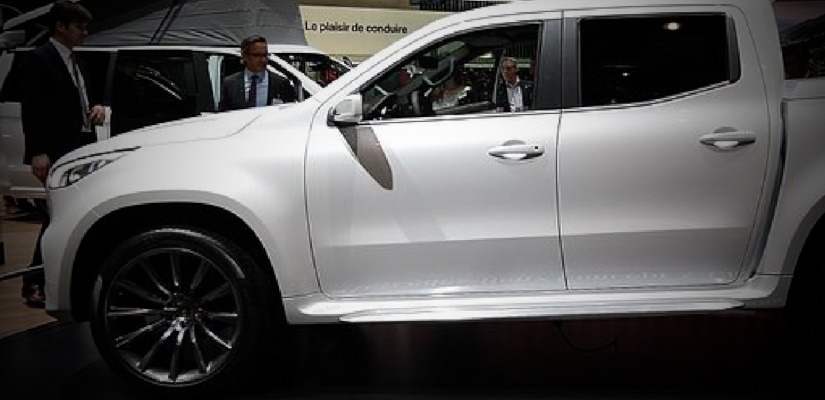
  • CAR SAFETY CHECKLIST FROM US TO YOU!

    CAR SAFETY CHECKLIST FROM US TO YOU!

    You’ll arrive home safely after your holiday with a little help from dotsure.co.za. Before you step on the petrol and feel the summer air blowing through your hair, do the checklist and service your car.

    Although your car is a strong 4-wheel lion on the road, it still needs some TLC to keep it roaring. You can’t expect to just hop in and drive from Durbs to Jozi without a maintenance check. Like us humans, our 4-wheel babies tend to get tired. Tired means they can break-down far from help.

    Keep a copy of this car service checklist and make sure your car is road-trip ready.


    The service checklist


    If it’s on the car maintenance list, it needs to be checked even if it costs an arm and a leg. At least it won’t be your arm and leg… Saving a few bucks is not worth the risk of losing something money can’t replace.


    6 Car checks


    Engine Oil


    If your engine oil levels are low, your 4-wheel lion maybe thirsty. Keep it juiced by adding some vital fluids.


    How to check your oil?

    1. Switch the engine off and wait a minute or three.
    2. Pop your bonnet and pull the oil dipstick out (it usually has a bright handle saying, “engine oil”).
    3. Wipe the dipstick off on disposable paper or engine lippie. Insert it again and pull it out to check the oil level.
    4. The oil level should be between the “low” and “full” mark. If the levels are low, add some fresh juice.
    5. Check the color. It should be golden brown not pitch black. If it’s black, you need to change the oil entirely. Chat with your mechanic about this.
    6. Read the owner’s manual for the best oil for your car.
    7. Check the oil again and put the dipstick back in its rightful place when you’re happy.


    Battery


    If you have trouble starting your mechanical feline, you might need to check your battery. Are the energy levels running low? It might be on the Highway to Hell.


    How to take care of your battery?

    1. Remove your battery terminals. Always remove the negative cable first.
    2. Clean the posts. Coca-Cola or special products you buy at your auto shop will do the trick.
    3. Rinse the cleaning liquid with a little water.
    4. Dry the posts with rags.
    5. Replace battery terminals.


    Wipers


    The road lion’s lashes might get sticky and it might need some replacing.


    How to replace your blades:

    1. Lift the wiper blades and remove the old rubber.
    2. Pay attention to how the old rubber connects to the metal arms.
    3. On most models, you’ll see a tab on the underside of the wiper. Push the tab to remove the old rubber.
    4. Attach the new rubber and voila you’ve got brand-new lashes!
    5. Remember to reposition the blades against the windscreen…


    Clean windscreen


    Dirty windows mixed with the sun’s eye-blinding rays is a deadly combo. Keep your windscreens squeaky clean and wash away blurry views.


    How to clean your windscreen:

    1. Spray eco-friendly window cleaner on your windscreen.
    2. Use a clean cloth and wipe in an up and down motion. Microfiber is magical.
    3. Remove all the wetness with a clean, dry cloth. An old towel works well.


    Hint: Keep window cleaner and cloths under your car seat for those unexpected window blobs and blurbs.


    Tyres


    Tyres tend to deflate. Check and adjust the tyre pressure before every long drive.

    How to pump your wheels?

    1. Buy a decent pressure gauge.
    2. Find the recommended tyre pressure in your car’s manual.
    3. Follow its instructions. If the pressure is above or below the limit for your load, it needs adjusting.
    4. Pump it up or release pressure and start your journey.


    Hint: Feel vibration at cruising speed? Balance your tyres. If the car is pulling to the side or feels unstable while you’re driving, check the alignment. Correct alignment means better cruising.


    Lights


    Your car’s lights need to be shining when the sun goes to bed.

    How to check car lights:

    • Grab a buddy to help you out.
    • Brake lights – Press the brake pedal and see if the red lights at the back of the vehicle illuminate.
    • Indicators – Left and right should flicker.
    • Reverse light – Shift into reverse and white lights at the rear should come on.
    • DRLs – Some cars have daytime running lights on the rear as well as the front. Check if your car has them and whether they work. It’s easier in the dark.
    • Number plate light – Your number plate must be well-lit for driving in the dark.


    Car Warranty


    Is your car still under warranty? There is almost nothing worse than the unexpected shock of a mechanical failure in your beloved vehicle. This tends to happen almost immediately after your factory warranty expires (thanks Murphy you bastard!). Our range of extended warranty products has spared many a budget in recent times and remains one of the best out there.

    Give dotsure.co.za a ring on 0861 dotsure (3687873) if you’re not sure about your car’s warranty details or you’re not insured with us yet.


    Well done, you’ve completed the checklist. Thumbs up to all the good drivers.


    Safe travels!

  • GETTING HANDS-ON WITH DRIVERLESS CARS IN 2018: AN UPDATE

    GETTING HANDS-ON WITH DRIVERLESS CARS IN 2018: AN UPDATE

    To date, self-drive has been a dream of those who prefer staring at the view to handling the road with two hands. Cars today express a sliver of the automotive independence we envision for them. Some can self-park, others break by themselves in limited circumstances, a few enforce safe distance or steer for you at 5km/h in bumper-to-bumper traffic. Revelatory, right? Wrong. It makes Kit and Back To The Future seem progressive.


    Sarcasm aside, the future of driving is, indeed, racing towards us in 2018. Automotive designers and red tape regulatory bodies are slowly unraveling a knot of reluctant permissions and high-speed possibilities and we’ve come a long way from the world’s first self-driving car crash 3 months ago.

    Most of us are still stuck in the passenger seat of this progress but those hoping for escalated road-equality and eyes-free rides are running out of gears to control the building excitement.


    Is 2018 the year we get to relinquish the wheel for real? Here are a few self-drive updates:

    1. Nissan wants to read your mind to autocorrect your driving. Mind you, it makes educated guesses and we are prone to unexplainable decisions; it is machine, and we are emotional beings, so it’s anybody’s guess what future its technology has beyond correcting your swerve (if a swerve is, in fact, the right thing to do right then).

    2. Assembly line grandfather, Ford, is trying to figure out the emerging market with a fleet of no-driver delivery vehicles that take the small talk and the illegal parking out of door-to-door deliveries. For now, it’s pizza, but soon it might be everything if they reach their goal of becoming the self-driving operating system (OS). You order, a driverless car delivers, if you’re in Ann Arbor, Michigan, that is. Users are so grateful, they explicitly thank the empty cars.

    3. Disruptors in related industries are jumping in the self-driver seat, too. Rideshare rebel, Uber, is elbowing in using AI to make its already-compromised human drivers redundant in its take on autonomous lifts. Are we surprised? Not by this, but…

    4. As technology redefines the automotive industry, it’s a giant that’s in top gear. GM (General Motors) wants to be the first to let you knit while you drive or clip your toenails in the fast lane. To move things along swiftly, it took the DIY-drive wheel by removing it. The steering wheel, that is. As aspiring automotive tech stars go, it’s in cruise control, already calling the first widely-available electric car its own, ahead of early-adopter Tesla. Their car-sharing service cashes in on an increasingly popular preference for renting over buying. They aren’t just pandering to millennial purchase habits by reinventing business models to thrive outside of a need for individual car sales; they already have a generational advantage. Four of them, in fact. They’re four generations deep into self-driving research and development and not about to slow the process down. That’s the Geneva Convention’s role.

    5. The Geneva Convention is an international treaty governing global traffic regulations completely contradicts the essence of self-driving. For now. It actually makes sense to more than the practically-minded pedestrians of future-thinking. Driving IRL (In Real Life) presents a wild array of unpredictable circumstances from unannounced obstacles to untameable road rage and AI just ain’t there yet. But how will we evolve to the no-stress road trip if the law requires a “driver to always maintain control of his vehicle” as it commands? Slowly. Geneva has begun to allow testing, testily, and “there must be less than one in a billion chance of a mistake,” for a technology to be considered for public dissemination, says Guillaume Devauchelle, director of innovation at Valeo, an auto equipment company. Driverless vehicles are already roving around Phoenix in the USA without the once-mandatory backup controller with a heartbeat. Still, once we’ve appeased the data crunchers, it’s looking like the technology will be aimed at shuttles and robotic taxis rather than private vehicles. That’s an uber let-down, until you remember the carbon footprint of a private vehicle.

    Call it slow-reflex if you like, but it’s going to be some time before the research and technology become an everyday reality for every one of us. Take comfort in the fact that you are not alone in dreaming of a world without car crashes. In the meantime, improve your real driving and road safety with these ten tips:


    Remember, we offer cash back on your car insurance premium if you’re in the top 200 of our drivers with a smartbox, an electronic telematics device fitted to your vehicle to track your trips to encourage you to drive more safely.

  • 8 FACTS ABOUT NUMBER PLATES

    8 FACTS ABOUT NUMBER PLATES

    Are you hitting the road this coming holiday?

    Here’s 8 number plate facts to share with your fellow road trippers…


    shallow focus photography black Mustang sports car parked beside the street


    1. Since 1994, the Western Cape and KwaZulu-Natal are the only two provinces where the registration can be still linked to specific towns and cities – woah!
    2. With the exception of diplomatic, government, police and military vehicles, the Western Cape and KwaZulu-Natal are also the only two provinces with a plain white background on their number plates and no background graphics #lekkerboring
    3. The Free State is the only province in South Africa that has an expiry date on registration plates. Say what?! Every five years, the owner is required to replace plates, irrespective of their condition. This is only enforced in the Free State so if an owner uses a vehicle with “expired” plates in any other province, he or she will not be prosecuted. Licence plate expiry is independent from the annual license renewal required by national law. Can anyone say Cheat-aaaahs
    4. Vowels are not used on the plates of private vehicles. Mmmmm…never payed attention to this but now that you mention it!
    5. The fewer letters you include on personalised number plates, the pricier they become. (The cost for a single digit registration – for example, CA 1 – can be as much as R6 000, while a longer number, like CA 12345, can be as low as R600.) So, I drive a 20k Golf 1 but my number plate cost 5K.
    6. Heading into 2012, Gauteng Province (GP) was running out of licence plate variations and had to adopt a new system: two letters, two numbers, two letters and a province indicator (GP). GP drivers are also prone to run out of patience when stuck in traffic.
    7. The towns in the former Cape Province were originally assigned prefixes in order from largest to smallest and following the corresponding letters of the alphabet. Thus “CA” represented the largest city, Cape Town, “CB” the second largest, Port Elizabeth, and so on. Shame so don’t judge those poor folk with CAW number plates….they’ve never seen a traffic light.
    8. A vehicle can only be registered in the town the owner lives in. It is also not possible to renew a licence in any other town than the one in which the registered owner lives. Has this happened to you? You’ve stood in line at the licencing department for 2 days when you finally get to the front just to be told to go somewhere else. No? Well, you’ve been warned and you’re welcome!

    Congratulations! You made it! You’re a persistent one, aren’t you?

    At dotsure.co.za we value our clients and we value their time (sure you might have your doubts after that article) BUT with dotsure.co.za’s Licence Protect you don’t have to stand in long que’s at the post office or licencing department ever again! We sort out your vehicle licence renewals and even drivers licence renewals and post it to your door step! Now you’re impressed right?!

    Get a quote with dotsure.co.za, join our family and enjoy these great benefits!

    And there you have it folks! We hope you TREAT your friends to these awesome facts! Safe travels!