
– 9 minutes
Table of contents
- What Is a Service Dog?
- What Does a Service Dog Do?
- What Are the Different Types of Service Dogs?
- What Are the Best Breeds for Service Dogs?
- What Is the Most Common Service Dog?
- Is a Therapy Dog a Service Dog?
- Why Can’t You Pet a Service Dog While They’re Working?
- Do Service Dogs Have to Wear a Vest?
- Service Dogs, Therapy Dogs and Other Working Dogs: What’s the Difference?
- Caring for a Service Dog
- Protecting Your Working Companion
There are many types and breeds of service dogs that help people live more independently. Guide dogs help people with visual impairments navigate the world, hearing dogs alert their handlers to important sounds, while mobility, medical alert and psychiatric service dogs are trained to assist with specific everyday needs.
Aside from melting hearts, service dogs can completely transform lives. We believe these four-legged helpers deserve protection too, which is why understanding their roles, training, and care is essential for every pet lover and working-dog handler.
What Is a Service Dog?
According to the South African Guide-Dogs Association, a service dog is a specially trained working animal that helps a person with a physical, visual or developmental challenge by performing specific tasks to support their everyday life. These dogs are carefully trained and matched to their handler’s individual needs, lifestyle and environment.
Unlike everyday pets, service dogs in South Africa undergo intensive, specialised training to prepare them for their role.
What Does a Service Dog Do?
A service dog performs specific physical, sensory, or psychiatric tasks that their handler cannot perform independently. Depending on their role, this can include everything from retrieving everyday items and providing mobility support to responding to medical alerts or helping their handler navigate safely.
Service dog skills and training include:
- Medical Response & Alerts: Some service dogs are trained to respond to specific medical needs. For example, diabetic alert dogs can alert their handlers to changes in blood sugar levels and may be trained to fetch medication, a glucose meter or other supplies. Other service dogs can provide trained responses such as waking their handler when needed or performing Deep Pressure Therapy (DPT) during episodes of distress.
- Guiding & Navigation: Guide dogs can help people who are visually impaired navigate their surroundings, avoid obstacles and move more independently. Mobility assistance dogs can also help handlers with balance, stability and navigating uneven terrain.
What Are the Different Types of Service Dogs?
Service dogs are categorised by the specialised tasks they perform to support their handlers’ unique medical or physical requirements.
| Type | Who They Assist | Example Tasks | Suitable Breeds |
| Guide Dogs | Visually impaired individuals | Navigating obstacles, stopping at curbs, finding doors | labrador retriever, golden retriever, German shepherd |
| Hearing Dogs | Hearing impaired individuals | Alerting to alarms, doorbells, or name calls | labradors, golden retrievers, poodles, cocker spaniels |
| Mobility Assistance | Individuals with physical disabilities | Retrieving items, opening doors, pulling wheelchairs | labradors, golden retrievers, standard poodles, Bernese mountain dogs |
| Psychiatric Service | Persons with PTSD, anxiety, or autism | Interrupting self-harm, deep pressure therapy | golden retrievers, labradors, German shepherds, poodles |
| Medical Alert | Persons with chronic illnesses (diabetes, epilepsy) | Scent-detecting blood sugar shifts or impending seizures | labradors, golden retrievers, poodles, mixed breeds |
| Autism Support | Autistic children and adults | Preventing wandering, providing grounding calming pressure | labrador retrievers, golden retrievers |
Guide Dogs
Guide dogs help people who are blind or visually impaired navigate their surroundings safely and independently. Thanks to guide dog training in South Africa, they’re trained to guide their handlers around obstacles, stop at kerbs and steps, and make safe decisions when navigating busy environments.
Labradors and golden retrievers are particularly popular for guide work because they’re intelligent, calm, sociable and highly trainable. An impressive part of their training is intelligent disobedience: a guide dog may refuse a command if following it could put their handler in danger.
Hearing Dogs
Hearing dogs help people who are hearing impaired by alerting them to important sounds they may not be able to hear themselves. These can include doorbells, smoke alarms, alarm clocks, oven timers or a crying baby.
When they recognise a sound, they’re trained to get their handler’s attention through physical contact before leading them towards the source. Labradors and golden retrievers are common choices, although smaller breeds such as poodles and spaniels can also make excellent hearing dogs.
Mobility Assistance Dogs
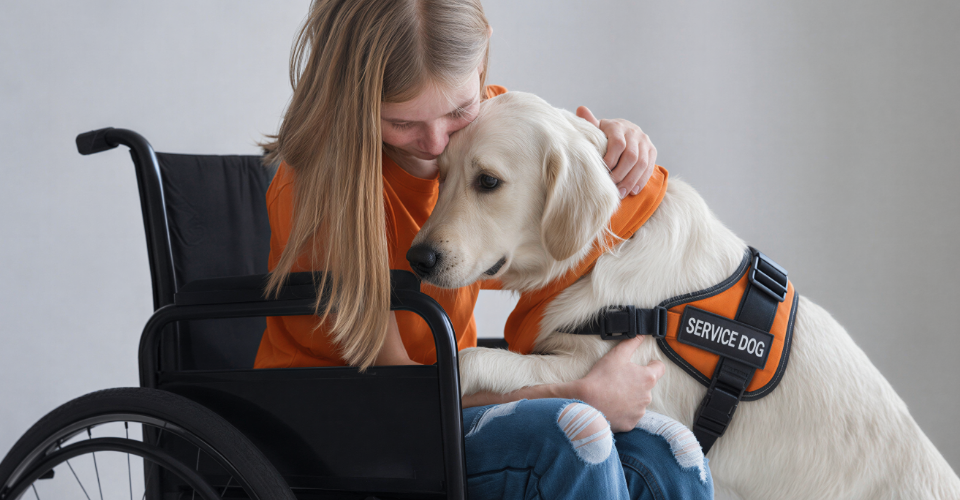
Mobility assistance dogs help people with physical disabilities or limited mobility manage everyday tasks and move around more independently. Depending on their handler’s needs, they can retrieve dropped items, open doors, press buttons, switch lights on and even help with balance or wheelchair-related tasks.
Larger, strong breeds such as labradors and golden retrievers are often suited to these roles because they have the size, strength and steady temperament needed for physical assistance.
Psychiatric Service Dogs
Psychiatric service dogs are specially trained to perform tasks that help people manage psychiatric disabilities. They may assist handlers living with conditions such as PTSD, anxiety or depression by interrupting distressing behaviours, providing grounding during panic episodes, or creating space in crowded environments.
It’s important to distinguish them from emotional support animals: psychiatric service dogs are task-trained to assist with a disability, rather than simply providing comfort through companionship.
Medical Alert And Response Dogs
Medical alert and response dogs are trained to detect changes associated with certain medical conditions and alert their handlers or respond when help is needed. For example, some diabetic alert dogs can recognise scent changes associated with blood glucose levels and alert their handler to a potential low or high.
Other medical response dogs can be trained to retrieve medication, activate an alarm or get another person’s attention during an emergency. Their remarkable sense of smell and ability to notice subtle changes make them particularly valuable in these roles.
Autism Support Dogs
Autism support dogs can help autistic people feel safer and more confident in everyday environments. Their training can include providing tactile or physical grounding, helping their handler remain settled in overwhelming situations, and supporting safe movement through public spaces.
For children who are prone to wandering or bolting, appropriately trained dogs may also help prevent them from moving into dangerous situations and alert caregivers when they need assistance.
Emotional Support Animals (Esas)
Emotional support animals provide companionship and comfort to people experiencing mental or emotional challenges. However, they’re different from service dogs because they aren’t trained to perform specific tasks that aid a disability.
This distinction matters because emotional support animals and service dogs may have different rights, responsibilities and access to public spaces. An ESA can provide valuable support without being classified as a service dog.
Therapy Dogs
Therapy dogs have a different role again. Rather than being trained to assist one specific handler, they visit places such as hospitals, hospices, schools, care homes and other facilities to provide comfort and companionship.
The ideal therapy dog needs an exceptionally calm, friendly temperament. They should be comfortable around unfamiliar people, busy environments, loud noises and many different hands wanting to touch them. Unlike service dogs, therapy dogs don’t automatically have the same access to public spaces.
What Are the Best Breeds for Service Dogs?
There is no single best breed for every service role. Suitability depends on temperament, health, trainability, physical size, and task requirements. While many popular service dog breeds excel in service work, individual evaluation is critical.
Labrador Retrievers
Labrador retrievers are widely ranked as the top choice for working roles such as guide, hearing, mobility, and autism support work because of their trainability, high intelligence, and steady eager-to-please nature.
Golden Retrievers
Golden Retrievers are known for being intelligent, eager to please and generally calm, making them suitable candidates for various assistance roles, including guiding, mobility assistance, psychiatric, and medical alert dogs.
German Shepherd Dogs
German shepherd dogs have a long history of mobility support, guide work, and psychiatric assistance. Their intelligence, loyalty and ability to learn a wide range of tasks makes them versatile helpers across different assistance role.
Poodles
Poodles can also make capable service dogs. Their intelligence and trainability can suit a range of tasks, while different sizes may lend themselves to different roles. A standard poodle, for example, may be physically suited to certain mobility tasks, while smaller poodles can be suitable for less physically demanding alert work.
Ultimately, breed is only part of the picture. A service dog needs the right individual temperament, health, training and task-specific abilities.
What Is the Most Common Service Dog?
Labrador retrievers, golden retrievers, and German shepherd dogs are among the breeds most commonly associated with assistance work. Labradors are particularly prominent across global and local training programmes due to their adaptability, social confidence, and reliable biddability.
Is a Therapy Dog a Service Dog?
No. Therapy dogs are not legally classified as service dogs. There is a difference between assistance, emotional support and therapy dogs. Therapy dogs provide comfort to the public in settings such as hospitals or schools, whereas service dogs are individually trained to assist a single handler with a disability.
Why Can’t You Pet a Service Dog While They’re Working?
Distracting a working assistance dog by touching, feeding, or calling out to it can break its focus, potentially putting the handler in danger. Proper assistance dog etiquette means always asking the handler for permission before interacting with or touching their dog.
Do Service Dogs Have to Wear a Vest?
In South Africa, assistance or Service Dogs are required to wear clearly identifiable equipment when working in public. This can include a vest, harness, lead or bridging handle, depending on the dog’s role and the assistance they provide.
- Clearly identifiable equipment lets the public know that a dog is on duty and should not be petted, distracted or approached without permission.
- The right equipment helps the dog perform its duties while giving the handler greater control and confidence.
- Guide dogs may use specialised harnesses, while mobility assistance dogs may need equipment for wheelchair pulling, bracing, balance or physical support.
- There is no official requirement for assistance dog vests to be a particular colour, and they do not need to identify the disability the dog assists with.
- Where applicable, equipment should clearly indicate that a dog is “In Training”, helping the public understand that it is still learning its working role.
Service Dogs, Therapy Dogs and Other Working Dogs: What’s the Difference?
A service or assistance dog is trained to perform tasks for a person with a disability. A therapy dog provides comfort to others, while an emotional support animal primarily provides companionship and emotional comfort. Other working dogs, such as detection, security, military and anti-poaching dogs, have important jobs too, but they aren’t in the same category as disability-assistance service dogs.
Caring for a Service Dog
Handlers and working-dog caretakers bear full responsibility for their companion’s daily wellbeing, proper feeding, and routine veterinary care. Ensuring these working dogs remain in peak health requires proactive care. That makes having appropriate pet insurance an important consideration for some service-dog handlers to cover unexpected medical bills and safeguard your working companion.
Protecting Your Working Companion
Service dogs give their humans an incredible helping paw every day. From guiding and alerting to retrieving and supporting, their work can make a meaningful difference to the lives of the people they assist.
At dotsure.co.za, we understand that working companions deserve care and protection too. If you have questions about protecting your working animal, contact us today. If you are ready to safeguard your extraordinary bestie – get a quote today and enjoy the peace of mind your service dog deserves.