Author: team dotsure.co.za

  • SCARY ROAD ACCIDENT STATS IN SOUTH AFRICA

    SCARY ROAD ACCIDENT STATS IN SOUTH AFRICA


    South Africa’s road accident stats are so much more than numbers on a page. They’re reminders of the everyday risks we all face when we sit behind the wheel. Our roads are dangerous enough. Now add some students coming home from a party or a few quick glances at some WhatsApps in peak-hour traffic, and you’ve got a recipe for disaster and devastation. Let’s unpack our road accident stats and how to stay safe on Mzansi’s roads.  

    While you can’t always predict what other drivers will do, you can ensure you’re protected with comprehensive car insurance. Chat to us or get a quote today! 


    The Reality of Road Deaths in South Africa 

    Every year, on average, 14,000 people lose their lives on South African roads.  

    And the scary truth is that it’s not the roads or the cars that are the problem; it’s how we drive. “South Africa has some of the worst road traffic injury statistics in the world,” says Arrive Alive. “Each year, millions of people are killed or injured on our roads.” 


    Causes of Car Accidents in South Africa 

    Drunk Driving Accident Stats 

    Alcohol remains the biggest villain on our roads, linked to approximately 65% of fatal crashes. Even just one drink slows your reactions and clouds your judgment. The idea of “just one” isn’t harmless; it’s dangerous. 

    Texting While Driving Stats and Impact 

    You wouldn’t close your eyes for 10 seconds while driving. Yet that’s precisely what happens when you look at your phone while going 120 on the N2… You’re effectively driving blind for let’s say 100 metres. No meme or group chat is worth the crash caused by texting while you’re driving. 

    Fatigue Driving Stats: The Silent Risk 

    Studies show fatigue can be as impairing as alcohol. Long stretches of road, late nights, or certain medications can cause “microsleeps” where you lose focus for just a few seconds… and that’s all it takes. 

    What is Microsleep? 

    It’s when your brain flips rapidly between being asleep and being awake. The episodes last only a few seconds, and often, you aren’t aware of them. These brief and involuntary periods of sleep can lead to a loss of control and potentially fatal accidents, 


    Understanding Car Accident Fatalities 

    Behind every statistic is a person with a name, family, partner, or friend, forever changed. Cause of death statistics point mainly to drunk driving, distraction, and fatigue, but the truth is that these high numbers are preventable. 

    And it’s not only drivers who suffer. Passengers, especially children, are at risk too. Car seat death statistics show just how vital proper restraints are. A poorly fitted seatbelt or skipping a child safety seat can mean the difference between life and death in a crash. 

    Data also reveals that approximately 35-40% of road deaths in SA are pedestrian deaths. That’s right. Innocent pedestrians are a part of these scary road accident stats, too. 


    How to Stay Safe on South African Roads 

    • Skip the drink. Alcohol and driving do not mix.  
    • Take breaks. On long trips, stop every two hours to stretch, snack, and reset your focus. 
    • Ditch distractions. Put your phone in the boot if you can’t resist the ping. We’re being serious! 
    • Check your meds. Some prescriptions can slow reaction times, so read the fine print to ensure you are fit to drive. 


    It’s Not Just a Stat. It’s a Life 

    Yes, the road accident stats in SA are scary, but the good news is that we can change them. Every time we choose to drive sober, rest well, and keep our eyes on the road, we’re lowering those numbers. Insurance can help too.  

    With dotsure.co.za car insurance and the Smart Driver Programme, we’re encouraging a generation of smarter drivers who make smarter moves behind the wheel and are rewarded! You want to know more? Contact us and ask our friendly consultants about game-changing cover. 
     

  • THE PSYCHOLOGY BEHIND ROAD RAGE

    THE PSYCHOLOGY BEHIND ROAD RAGE


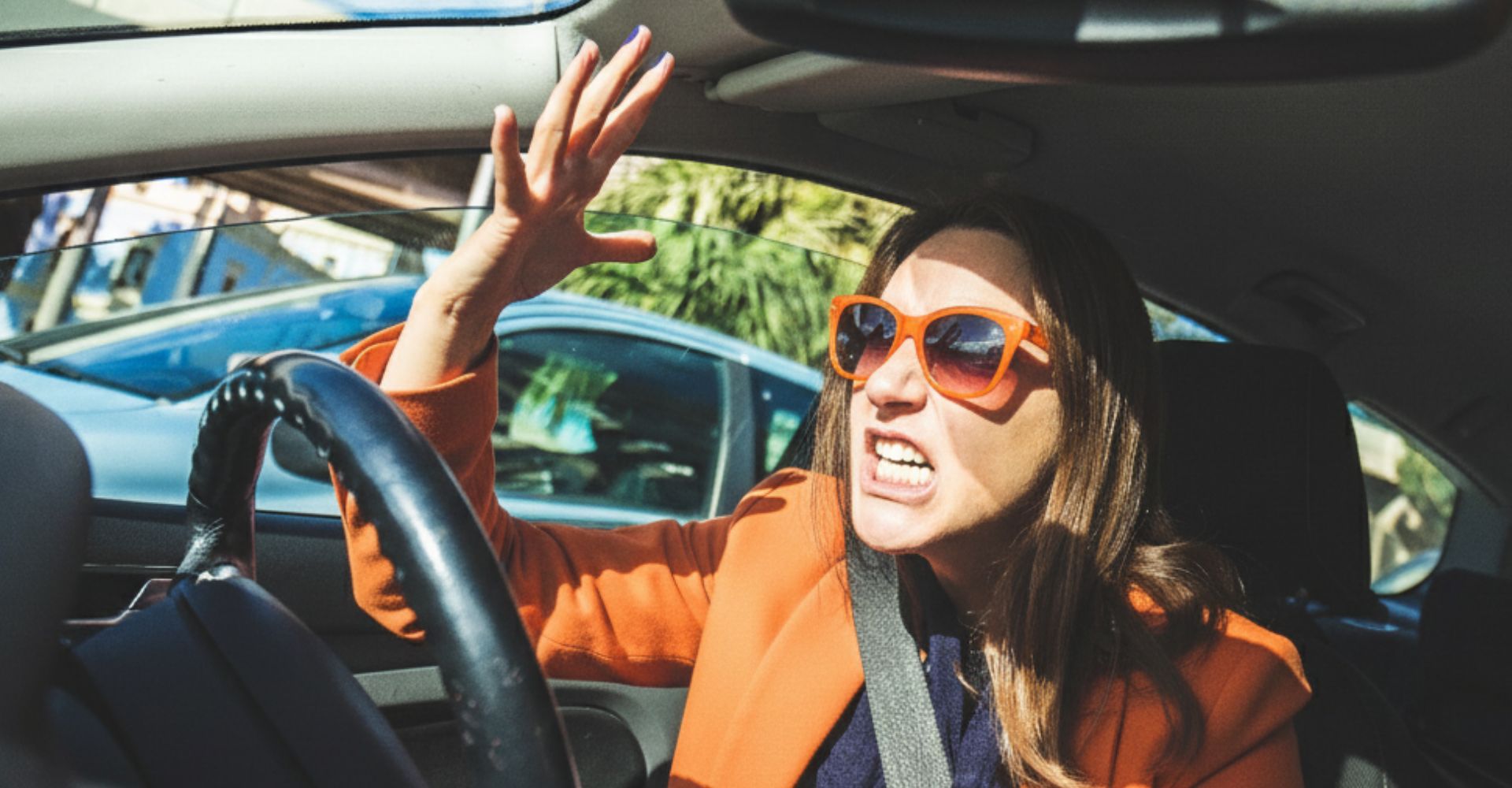
    Have you ever caught yourself muttering choice words at the driver who cut you off, holding up a choice finger out your window? Don’t worry, you’re not alone. The psychology behind road rage isn’t just about bad tempers and traffic jams. It’s a mix of stress, emotions, and, let’s be honest, a little bit of ego. 

    At dotsure.co.za, we’re not here to wag our finger (the pointy one, not the other one you use on the road). We’d rather help you understand why road rage happens, what it does to your mental health, and how to keep your cool behind the wheel. Yes, even when someone forgets how indicators work, or that their cars have them. 

    PS: Get a car insurance quote today and drive with one less thing to stress about. 


    What Is Road Rage? 

    Road Rage: Meaning and Common Examples 

    So, what’s the official meaning of road rage? It’s that sudden violent anger on the road that boils over into aggressive driving, or even full-blown confrontations. Have you ever watched the Netflix series Beef? Now, that’s a story of road rage gone to the extreme! 

    Common examples include: 

    • Shouting, hooting, or “creative” hand gestures 
    • Tailgating to “teach someone a lesson” 
    • Cutting others off intentionally 
    • Getting out of your car to confront another driver angrily.  

    Eye-Opening Road Rage Facts 

    Here are a few road rage facts that might surprise you: 

    • Studies show men under 30 are the most prone to road rage. 
    • Rush-hour traffic is the top trigger for aggressive driving. 
    • Road rage can spike your heart rate and blood pressure in seconds. 


    The Psychology Behind the Rage 

    Common Causes of Road Rage 

    • Traffic jams  
    • Running late 
    • Feeling disrespected 
    • Personal stress 

    Stress, Anonymity, and Cognitive Biases 

    Psychologists point out three key factors: 

    • Stress: The higher your stress, the lower your patience. 
    • Anonymity: People feel “less seen” in cars, so they act out. 
    • Cognitive bias: We assume others drive badly on purpose, but excuse ourselves with “oops.” You know that “oops, I was in the wrong lane, you have to let me in” vs “how can they just push in like that!” 


    Effects of Road Rage on Mental Health 

    Short-Term Reactions vs Long-Term Stress 

    In the moment, road rage can cause: 

    • Adrenaline spikes 
    • Aggressive outbursts 
    • Risky driving behaviour 

    Over time, it may lead to: 

    • High blood pressure 
    • Anxiety 
    • Emotional exhaustion 

    Daily exposure to rage-filled driving leaves you mentally drained. That’s not just bad for your mood, it’s bad for your health too. 


    Dangers and Consequences of Road Rage 

    Legal, Financial, and Safety Risks 

    The dangers of road rage go far beyond an angry hand gesture. It can lead to: 

    • Accidents and injuries 
    • Criminal charges (assault, reckless driving) 
    • Insurance claims that spike your premiums 

    Imagine smashing your bumper because your ego took control of the wheel… 


    RELATED: SCARY ROAD ACCIDENT STATS IN SOUTH AFRICA 


    Road Rage Prevention: How to Keep Calm and Carry On 

    Practical Ways to Prevent Road Rage 

    • Leave earlier to avoid time stress 
    • Breathe deeply instead of shouting 
    • Switch to uplifting music or a good podcast 
    • Don’t take it personally 

    Creating a Calmer Driving Environment 

    Keep your car a stress-free zone. You could include some comfy seats, your favourite playlist, maybe even a calming air freshener or some incense. If you feel yourself boiling, pull over and reset. 


    Road Rage Quotes and Jokes: Lightening the Mood 

    Funny Road Rage Quotes to Make You Smile 

    • “You can’t drive safely when you’re mad. Unless you’re in bumper cars.” – Unknown 
    • “If only cars were fuelled by road rage…” – Unknown 
    • “Sometimes I get road rage just pushing a shopping cart in the supermarket.” – Unknown 

    Road Rage Jokes That Might Just Diffuse the Anger 

    • Why did the angry driver get therapy? Because he couldn’t brake his bad habits. 
    • What do you call road rage in a Smart car? A little temper. 


    Final Thoughts: Mind Over Motor 

    Understanding the psychology behind road rage helps us see that it’s more than “bad driving.” It’s stress, bias, and ego mixed with a taxi and a robot that doesn’t work. Good news is you can take back control with a few calming tricks. 

    Tell Us Your Story 

    Have you ever had a road rage moment you laugh about now? Share your story with us on X and tag us! We’d love to hear it. 

    Get a car insurance quote or contact us today for cover that makes the road less stressful. 

  • CAR SAFETY INSPECTION CHECKLIST FROM US TO YOU

    CAR SAFETY INSPECTION CHECKLIST FROM US TO YOU


    Do you ever run through a car safety inspection checklist before you hit the road for that long weekend or even for your daily commute? Even if to-do lists are your thing, we’re leaning towards that answer being a “no.” 

    While it may seem tedious or unnecessary, it will help you avoid surprises such as a flat battery when you’re already late for work or a wiper that quits mid-thunderstorm. 

    PS: An extended car warranty should also be on that checklist! It can help cover those unexpected repair bills. Get a free quote right now in minutes, and you’ll have already ticked off #1 on our safety checklist! 


    Why Car Safety Inspections Matter 

    The Risks of Skipping Inspections 

    Ignoring inspections is like skipping the dentist. Everything seems fine until you chomp down a popcorn kernel, and then whoops, that rotten tooth you didn’t know about cracks. A worn brake pad or underinflated tyre can quickly escalate into a costly and dangerous breakdown. 

    When and How Often Should You Inspect Your Car? 

    A quick once-over every month should do it. You can perform a more thorough check before long trips. And of course, follow your car service plan and make sure you know when your vehicle is due for routine maintenance. 


    RELATED: EXTENDED CAR WARRANTY VS SERVICE PLAN 


    The Essential Car Safety Inspection Checklist 

    Engine Oil & Fluids: Check for Levels and Quality 

    Engine oil, brake fluid, and coolant are your car’s lifeblood. Ensure all levels are topped up and the fluids are clean. You don’t want any murky colours or burnt smells. 

    Battery: Clean Contacts and Test Power 

    You know how it goes, a weak battery loves to die on us at the worst possible moment. Check for corrosion on the terminals and test the voltage.  

    Wipers & Windscreen: You Need Clear Vision 

    Your car safety inspection checklist should always include checking your wipers and your windscreen. Replace blades if they streak, and keep your windscreen chip-free. 

    Top tip! Some wiper blades have a little black dot on them. When the black dot wears down it reveals a colour dot that means it’s time to replace them. 

    Tyres: Pressure, Tread, and Alignment 

    Far too many accidents are caused by cars with tyres that have no grip. Check tyre pressure monthly, measure tread depth (check out this blog on how much tread your tyres need) and look out for uneven wear that might signal misalignment. 

    Lights: Headlights, Indicators, Brake Lights, and DRLs 

    Lights keep you seen and safe. Test them all, including fog lights and daytime running lights, to avoid being “that car” with a missing headlight that looks like a motorbike in the dark. 


    Major vs Minor Car Service Checklist 

    A minor car service checklist usually covers oil changes, filters, spark plugs, and safety checks. 

    A major car service checklist is a lot more in-depth: timing belts, suspension, transmission fluids, and more. Your mechanic can do these checks for you, and it’s usually covered during your annual service. 


    Car Seat Safety Checklist: Keeping Your Little Ones Safe 

    How to Check Car Seats for Fit, Expiry, and Damage 

    Car seats aren’t made to last forever. Inspect straps for fraying, check expiry dates, and ensure the seat is correctly fitted and appropriate for your car model. 

    Legal Requirements for Car Seats and Seat Belts in South Africa 

    Under the National Road Traffic Act, all children under three must be secured in a proper car seat. Beyond the law, a car seat safety checklist can literally be life-saving. 

    Adults:  

    • Must wear a seatbelt if the seat is fitted with one (except while reversing or parking). 

    Children (3–14 years): 

    • Must use a suitable car seat or booster seat. 
    • If no child restraint is available but a seatbelt is, the child must wear the seatbelt. 

    Infants (0–3 years): 

    • Must be seated in an appropriate child restraint (car seat). 

    Rules for Riding Shotgun 

    • South African law does not prohibit a child from sitting in the front seat, nor does it set a hard minimum front-seat age. 
    • However, some sources do state that children aged 4 to 7 years may travel in the front seat, provided all rear seats are already occupied. 
    • This is more of a safety guideline than a clear statutory rule. 

    Why the Back Seat Is the Safest Place for Children 

    • The back seat is farthest from the point of frontal impact, which is the most common type of crash. 
    • If an airbag deploys, it can severely injure a child in the front seat especially in rear-facing car seats. 
    • Many child restraint manufacturers and road safety bodies strongly recommend keeping children in the rear seats as long as possible.  


    Staying Safe on the Road 

    At the end of the day, sticking to a car safety inspection checklist gives you peace of mind, prevents costly surprises, and keeps you and your passengers safe. Pair that with the right extended car warranty from dotsure.co.za, and you’re ready for the road ahead. 

    Do you need more info? Get a quick quote online or contact us for more about keeping your car and wallet safe. 


  • WHAT WEIGHT TRAILER CAN I LEGALLY TOW IN SOUTH AFRICA?

    WHAT WEIGHT TRAILER CAN I LEGALLY TOW IN SOUTH AFRICA?


    Have you ever spotted a tiny hatchback trying to drag a trailer the size of a small house? In South Africa, trailer towing has its own set of laws and limits. But knowing what weight trailer you can tow isn’t just about following the rules. It’s about safety and saving your clutch from an early retirement.  

    And while we can’t stop your aunt from overpacking, we can help you understand the rules and remind you that dotsure.co.za car insurance has your back when life on the road becomes heavy. 


    Trailer Towing Basics in South Africa 

    What Size Trailer Can I Tow with a Car? 

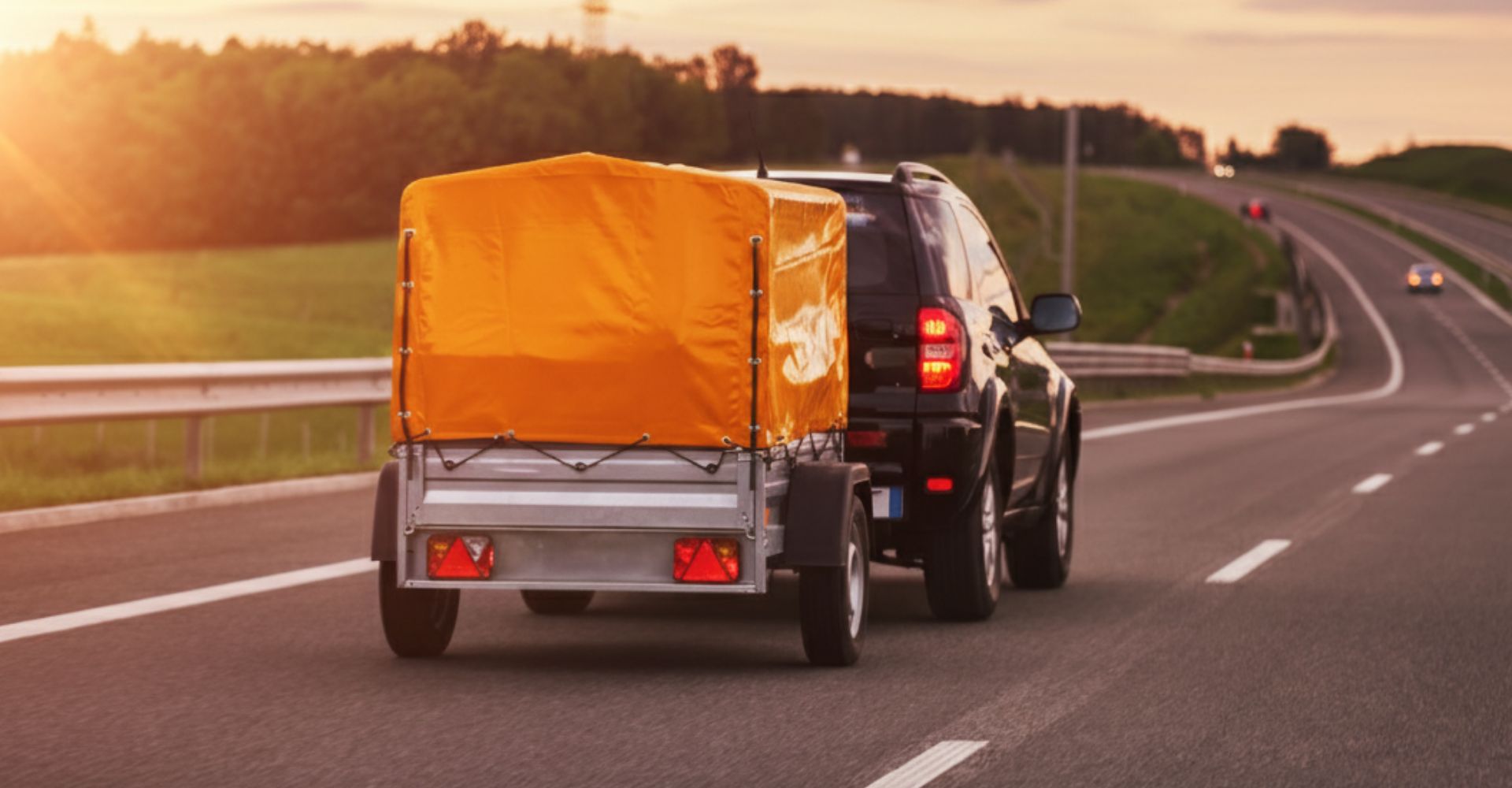
    Small cars can happily tow trailers like Venters and other lightweight models, provided they stay within the legal weight limits. This could carry your groceries, camping gear, or a small load of furniture. But if you’re thinking of moving your friend’s piano across the country in an Opel Corsa Lite… maybe you shouldn’t. 

    Understanding Trailer Towing Weights 

    Legally and mechanically, you need to know two key numbers: 

    • Gross Combination Mass (GCM): This is the maximum weight your car and whatever it’s towing can weigh in total. It includes your vehicle, all passengers, luggage, fuel, and the trailer with its load. Go over this, then you’re breaking the law and putting massive strain on your engine and brakes. 
    • Towing Capacity: This is the maximum trailer weight your vehicle is rated to pull. It will usually be split into two figures: 
    • Unbraked trailers: These don’t have their own braking system. In South Africa, they’re capped at 750 kg or less, no matter how powerful your car is. 
    • Braked trailers: These have their own braking system, which means they can safely weigh more. The actual limit depends on your specific vehicle’s manufacturer specifications, but the general rule is that the trailer can’t weigh more than the towing vehicle itself. 


    South African Trailer Towing Laws and Licensing 

    Trailer Towing Regulations South Africa 

    South Africa’s trailer towing laws are clear: 

    • Unbraked trailers cannot exceed 750 kg. 
    • A braked trailer may not weigh more than the tow vehicle. 
    • A load must always be evenly distributed and secured. 

    For a full deep dive, check Arrive Alive’s safe towing guide 

    Do You Need a Specific Licence to Tow a Trailer? 

    Yes. With a Code B licence (standard car licence), you can tow a light trailer up to 750 kg. If you want to haul anything heavier like a horse trailer or a double-axle camping trailer, you’ll need a Code EB licence or higher.  


    Vehicle Requirements for Towing 

    Best Cars and Vehicles for Towing Trailers 

    SUVs and bakkies are favourites for good reason: They’ve got the torque and weight to keep things steady. If you’re shopping around, look for vehicles with factory-rated towing capacities and towbar packages. 

    Best 4×4 for Towing a Horse Trailer 

    Horse trailers are heavy, sensitive loads. You’ll want stability and torque. Popular choices include the Toyota Land Cruiser, the Ford Everest, and the Land Rover Discovery. 

    Towing a Horse Trailer with an Automatic: What to Know 

    Yes, you can tow with an automatic, but not all gearboxes are made for it. Stick to vehicles with higher torque ratings and towing modes. 

    How Much Torque Do I Need to Tow a Trailer? 

    Torque is your pulling power. For light trailers, 150–200 Nm is often enough. For caravans or horse boxes, aim for 350 Nm or higher. 


    Safety Tips for Towing 

    Tyre Pressure When Towing a Travel Trailer 

    Check both the car and trailer tyres. Increase your pressure slightly (within safe limits) for heavy loads, and always do a pre-trip inspection. 

    Can I Tow a Double Axle Trailer with a Car? 

    It depends on the car. If it’s a small sedan, you probably can’t. Mid-sized SUVs or bakkies? Yes, if they meet the legal weight requirements. Always confirm your vehicle’s maximum towing capacity before hitching up. 


    RELATED: CAR SAFETY INSPECTION CHECKLIST FROM US TO YOU 


    Matching the Right Trailer to the Right Vehicle 

    So, what weight trailer can I tow? The short answer is, don’t ask your car to do more than it’s designed for. A small hatchback and a horse trailer are just a disaster waiting to happen. The longer answer is that it depends on your licence, your car’s specs, whether your trailer is braked or not, and your rulebook and manufacturer’s limits. 

    All this talk about towing has reminded us about one of the game-changing benefits of car insurance: We offer emergency roadside assistance! So, if you need a tow, we’ve got you covered. Get a quote online today, or contact us for more info. 

  • WHICH COLOUR CARS HAVE THE MOST ACCIDENTS?

    WHICH COLOUR CARS HAVE THE MOST ACCIDENTS?


    We all have our reasons for picking a car colour. Some people choose white because it lowers heat absorption. Others go for the luxurious vibes with a sleek black. But believe it or not, the colour you choose can also play a role in your safety on the road. While it’s not the only factor regarding crashes, research shows that visibility and car colour influence accident statistics. 

    So, which colour cars have the most accidents, and what’s the safest shade to drive in South Africa? Let’s break it down. 

    PS: No matter what colour car you drive. Drive it worry-free with our extended car warranty! Get a quote online today or contact us for more. 


    Does Car Colour Affect Safety? 

    The Link Between Colour and Visibility 

    The more a car blends into its environment, the harder it is for other drivers to spot it in time. A grey car on a misty day in Cape Town or a black car cruising along a dimly lit Joburg highway at night. Your eyes need a fraction of a second longer to notice that car, and those fractions of seconds make all the difference on the road. 

    Basically, if your car’s colour blends into the background or vanishes in low light, you may be at a higher risk of being hit, simply because someone didn’t see you in time. 


    Car Colours to Think Twice About 

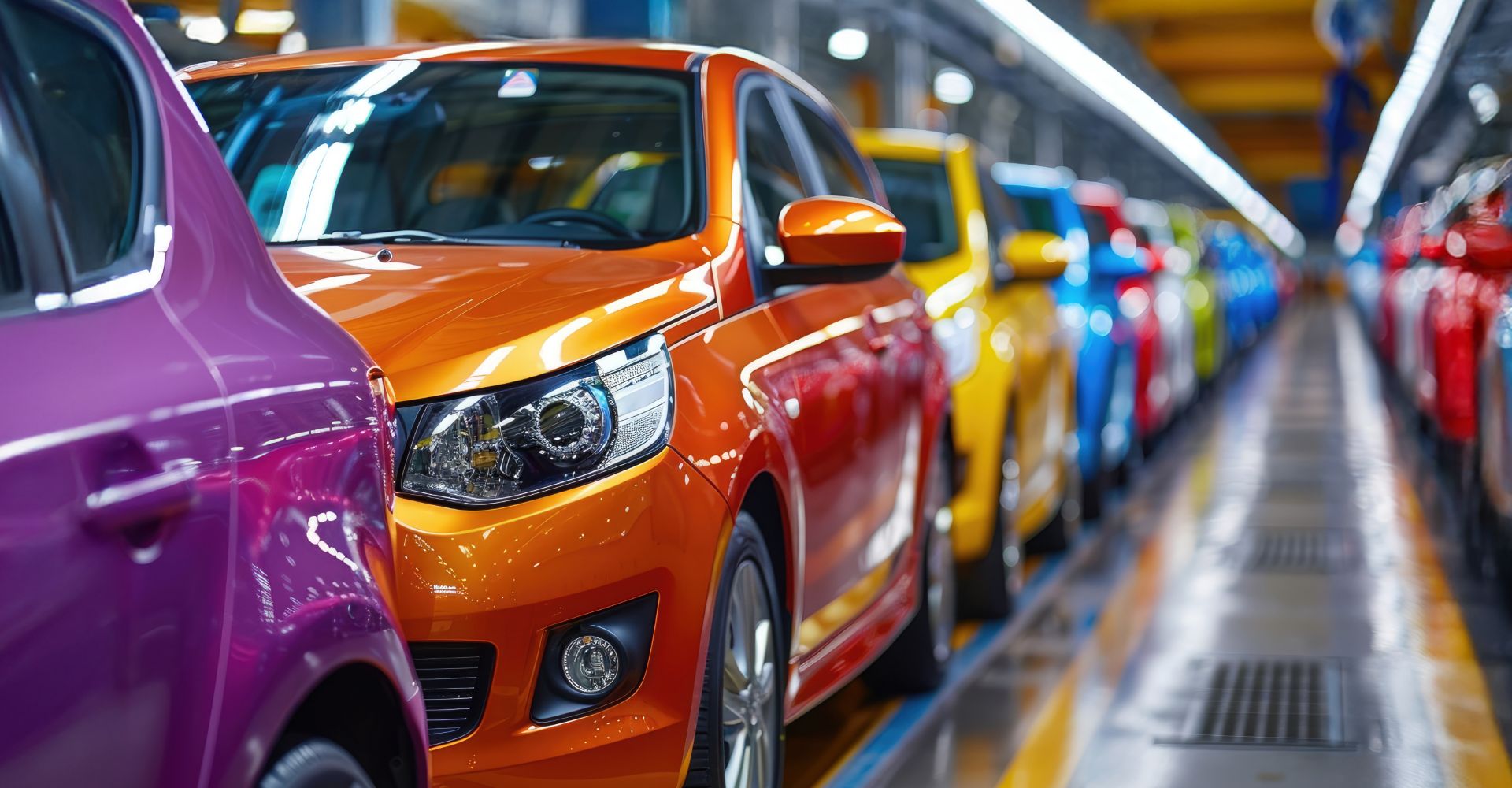
    • Black: Sleek, stylish, but near-invisible at night. Black cars are up to 47% more likely to be involved in crashes than other coloured vehicles. 
    • Grey/Silver: Blends into both tarred roads and rainy weather or cloudy skies 
    • Blue: Dark blue is tricky to see in low light, and other lighter blue shades tend to blend into the sky 
    • Red and Brown: These are difficult to distinguish as they are the same colour as road signs. 

    That doesn’t mean you should cancel your order for that graphite-grey SUV. It just means you have to be more mindful of how you drive it. 


    What Is the Safest Colour Car on the Road? 

    Why White (and Similar Shades) Lead in Safety 

    White consistently ranks as the safest car colour because it’s easy to spot in most environments. It reflects light well, pops against the tar, and remains visible during both day and night driving. 

    Other Safe Colours and Their Visibility Benefits 

    • Yellow: Impossible to miss, even in bad weather. Hey, when was the last time you saw a yellow car? 
    • Orange: Similar visibility perks as yellow, with added personality. We may be biased here because orange is dotsure.co.za’s colour, of course! 
    • Gold/Beige: Not everyone’s cup of tea, but they stand out on the road. 


    What Your Car Colour Says About You 

    While we’re on the topic of car colours and what they say about our accident stats, what does your car colour say about you? This is just for fun. There is no need to turn green with envy or red with anger, okay? 

    • White: Clean, practical, maybe a little cautious. We’re also thinking mom vibes here, maybe? 
    • Black: Sophisticated, likes to be in control. Or really boujee. Or part of the Mafia? 
    • Silver/Grey: Modern, cool-headed, plays it safe (this is super ironic).  
    • Red: Confident, energetic, maybe a little fiery.  
    • Blue: Calm, trustworthy, dependable. Also, first car vibes. 
    • Yellow/Orange: Fun-loving, cheerful, and not afraid to stand out. Again, not sure when you last saw a yellow or orange car? Because their personalities are … the same. 


    RELATED: WHICH CARS GET THE MOST SPEEDING FINES? 


    Other Factors That Influence Car Safety 

    Even the brightest yellow car isn’t invincible to road accidents. Colour is just one factor to consider. What matters more is how you drive and how visible you make yourself. 

    Tips for Staying Visible on the Road 

    • Use daytime running lights (DRLs) or keep your headlights on during cloudy conditions. 
    • Add reflective strips if you drive a work vehicle at night. 
    • Keep your car clean. Dust, mud, and grime dull even the brightest colours. 
    • Drive smartly: Your car colour won’t save you if you’re speeding or distracted. 


    Drive Safe in Any Colour 

    At the end of the day, which colour cars have the most accidents is only part of the safety puzzle. Yes, white cars might be statistically safer, and black cars riskier, but how you drive matters most. Stay visible, maintain your car, and follow the laws of the road. 

    Do you want to look after what’s under the hood of that fancy paint job? Get an extended car warranty from dotsure.co.za, and protect your car parts and your wallet! 

    If you want to know more? Get a quick quote online or contact us today. 


  • FREE VEHICLE SAFETY CHECKS TO AVOID TRAFFIC FINES

    FREE VEHICLE SAFETY CHECKS TO AVOID TRAFFIC FINES


    Receiving a traffic fine in the mail really kills the vibes. Not only does it mean you have disobeyed the law, but it can also cost you some serious cash. One of the simplest ways to stay out of trouble? Keep your car roadworthy with a free vehicle safety check. Not only can it save you money, but it also keeps you safe. Speaking of being safe, have you got an extended car warranty yet? Get a quick online quote right now! 


    RELATED: HOW TO: CHECK YOUR CAR’S ROADWORTHINESS 


    Why Free Vehicle Safety Checks Matter 

    South Africa’s traffic laws are tightening, with the AARTO demerit system expected to roll out nationally in the near future. This means fines for “small” issues such as worn tyres or a faulty brake light could soon carry more weight, adding points to your driving record and costing you some ZAR. A quick inspection can spot problems early and save you from a penalty. 

    The Risks of Skipping Checks 

    • Fines ranging from R250 to R1 000 for faulty brakes, bald tyres, or missing reflectors. 
    • Demerit points (once AARTO is fully active) that stick to your record and steer you closer to suspension. 
    • Unexpected repair bills that a proactive check could have prevented. 


    RELATED: WHEN WILL THE DEMERIT SYSTEM BE IMPLEMENTED IN SOUTH AFRICA? 


    The Free Vehicle Safety Checklist 

    • Lights & Indicators:

      Switch on all your lights; the headlights, indicators, brake lights, and DRLs to confirm they’re working. 

    • Tyres:

      Look for tread depth, bulges, and make sure the pressure matches your manual. Don’t forget to also check your spare! 

    • Wipers & Windscreen:

      A cracked windscreen or worn-out wipers can have you fined plus it compromises safety. 

    • Brakes:

      You can test your brakes for stopping ability, vibration or noise. Your mechanic can test braking efficiency, handbrake performance, and spot wear before it becomes dangerous. 

    • Suspension & Steering:

      The condition of your shock absorbers are harder to self-diagnose but vital for safe handling. So, again, let the experts test them for you. 

    • Exhaust & Fuel System:

      Leaks, smoke, noise, or illegal mods can earn you a fine on the spot. 

    • Tools & Safety Equipment:

      It is essential you check your vehicle is equipped with a reflective triangles, car jack and wrench. It might not score you a fine, but it will score you extra peace of mind. Much like a car warranty from dotsure.co.za would! 


    How to Check Vehicle Fines Online 

    No, don’t worry. You do not need to go to the traffic department to check your fines! Most checks can be done online in just a few clicks. Here’s a simple guide on how to check your vehicle for outstanding fines: 

    1. The AARTO Website

    The Administrative Adjudication of Road Traffic Offences site is where fines and demerit points will be displayed once the system goes national. For now, it’s still a handy portal for checking fines. 

    • Login or register 
    • Scroll through your infringements list 
    • You can also search by notice number, date range and number plate 

    Pro tip: This is where your points balance will live once the system is fully rolled out, so it’s worth bookmarking. 

    1. The RTIA Portal

    The Road Traffic Infringement Agency (RTIA) manages all AARTO fines, and its website only redirects to the AARTO website. So, we recommend skipping this one. 

    1. App Options

    You can easily check fines via mobile apps such as payCity, Fines SA, Paymyfines, or even some banking apps such as the Standard Bank App or FNB Banking App. These allow you to: 

    • Get real-time notifications of new fines 
    • Pay directly from your phone 
    • Receive your proof of payment. 

    Our top tip here is: Don’t ignore a fine. Even a small one. It could block license renewals or affect your points once the demerit system kicks in. It’s not worth the legal headaches. 


    RELATED: HOW TO CHECK YOUR DRIVING LICENCE STATUS IN SOUTH AFRICA 


    Avoid Fines, Drive Worry-Free 

    A free vehicle safety check takes less than an hour but can save you thousands in fines, demerit points, and surprise repair costs. It’s also one of the easiest ways to keep your car compliant and safe on South Africa’s busy roads. 

    Do you need more peace of mind behind the wheel? Explore our extended car warranty options and contact us today for more info!

  • YOUR CAR INSURANCE QUESTIONS ANSWERED

    YOUR CAR INSURANCE QUESTIONS ANSWERED


    Buying car insurance can feel like decoding a secret language. “What does this cover?” “Do I really need this extra?” “How do I even get a quote online?” Don’t worry, we’ve got your back. Let’s break down all your car insurance questions and accelerate your knowledge from zero to expert! 


    What Does Car Insurance Cover? 

    The answer depends on the type of policy you choose. 

    Types of Car Insurance Cover 

    In South Africa, your main options are: 

    • Comprehensive Insurance: Covers you for accidental damage, theft, hijacking, fire, and damage to the property of others. 
    • Third-Party, Fire & Theft: Covers damage you cause to the property of others, plus fire or theft of your car. 
    • Third-Party Only: This only covers damage you cause to other people’s property. 

    RELATED: INSURING YOUR CAR FOR RETAIL, MARKET, OR TRADE VALUE 

    What’s Included and What’s Optional? 

    Depending on the type of plan you choose, cover usually includes accident repairs, towing, and third-party liability. Extras such as cover for your minor scratches and dents are often optional add-ons.  

    Are you curious what your cover might cost? Get a quick car insurance quote online. 


    How to Choose the Right Car Insurance 

    Customising Your Policy Based on Driving Habits (Name Your Price™) 

    With our Name Your Price™ car insurance, you can literally tailor your policy to your lifestyle. You drive less? Pay less. Not driving on weekends? Turn it off and slash your monthly premium! 

    Factors That Affect Your Premium 

    Insurers weigh up: 

    • Your car: Make, model, age, and repair costs. 
    • Your profile: Age, driving history, and where you park your car. 
    • Risk factors: Theft hotspots, accident statistics. 
    • Extras: Telematics devices such as our dotsure.co.za Smart-box, which monitors driving, can lower premiums if you drive well. 

    RELATED: HOW INSURANCE COMPANIES CALCULATE YOUR PREMIUMS 


    How to Get Car Insurance in South Africa 

    Eligibility Criteria 

    To qualify, most South African drivers usually need: 

    • A valid driver’s licence 
    • A registered and roadworthy vehicle 
    • To be the registered owner or stand to suffer a financial loss 
    • To be the regular driver of the car or disclose who is 

    How to Get Car Insurance Online 

    Good news! You don’t need to wait in call centre queues! Sign up online in just a few clicks and you’re covered. Here’s how it works: 

    1. Fill in your details. 
    2. Compare multiple cover options instantly 
    3. Choose the plan that works best for you. 
    4. Customise your cover with Name Your Price™ 
    5. Cover your ride. 

    Get car insurance online right now! Plus, once you’re signed up, you can manage your policy online with our 24/7 Manage Portal or chat with Ace , our AI-powered chatbot,  online or via WhatsApp to answer any queries. 


    Understanding Claims 

    Accidents happen. The question is: what’s the process and how do you claim? 

    When to File a Car Insurance Claim 

    File a claim as soon as possible after an accident, theft, or damage. Most insurers (including us) would like notification within 48 hours. Once you have submitted your claim, we will process it and pay out valid claims within 5 days. 

    How Do I Log a Claim? 

    The best way to submit a claim is through the Manage Portal. Once you’re logged in, head to the “Overview” page, find the product you’d like to claim for, and click “Submit Claim.” Make sure to have the following information handy: 

    • Policy number; ID number; image of vehicle license. 
    • Date, time, and cause of the incident. 
    • SAPS AR report and CAS No. (must be obtained within 24 hours of the incident). 

    Having this ready speeds up processing and gets you back on the road faster. You can track your claim in real-time via Ace, your 24/7 insurance assistant. 

    RELATED: HOW TO CLAIM ON YOUR CAR INSURANCE 


    Managing Your Car Insurance 

    Even after you’re insured, questions pop up. Here are two we hear a lot. 

    Why Do I See Multiple Debits 

    If you notice multiple debits, it’s probably due to value-added products you’ve chosen to add to your car insurance policy. These products carry separate premiums and are debited individually each month. 

    Do I Still Need a Smart-box If I Already Have a Tracker? 

    Yes, they’re different. 

    • Trackers help recover stolen cars. 
    • The Smart-box offers more than just tracking. It provides insights into your driving behaviour, which allows us to tailor your premium and cover to your specific driving habits. 

    With your dotsure.co.za Smart-box and the MyNetstar App, you’ll unlock: 

    • Real-time driving feedback. 
    • Built-in safety tools. 
    • Rewards for safer driving. 

    The better you drive, the more you are rewarded! 


    Car Insurance Myths, Busted 

    “Third-party insurance is enough.”  

    This only covers damage you cause to someone else’s property, not your own car. 

    “I don’t need to update my details.”  

    Outdated info can delay claims or mean it won’t be paid at all. Keep it fresh via Ace or the Manage Portal. 

    “I can wait weeks before filing a claim.”  

    The sooner, the better. Filing your claim ASAP helps for smooth processing. 


    Getting the Most Out of Your Cover 

    See, car insurance doesn’t have to be complicated! And, with the right info, flexible cover like Name Your Price™, and tools like Manage Portal at your side, you can confidently navigate your policies. 

    If you have any other car insurance questions, please call us on 0861 368 7873 or send an email to [email protected]. We’d love to assist you, and we welcome any feedback from our family members! 


    Ts & Cs and possible exclusions may apply and can be obtained by emailing [email protected].  

    Dotsure Limited (Registration number 2006/000723/06) is a licensed non-life insurer and authorised financial services provider (FSP39925). 

  • SPRING PET HAZARDS: HEALTH ISSUES TO WATCH OUT FOR IN DOGS AND CATS

    SPRING PET HAZARDS: HEALTH ISSUES TO WATCH OUT FOR IN DOGS AND CATS


    Spring has sprung! Flowers are blooming, days are warming, and your pets are probably itching to get outside. Pun intended. But while spring brings some sunshine back into our lives, it can also come with dangers for your furry family. Allergies, ticks, toxic plants… Spring can be ruff on our pets. So, we’ve put together a spring pet safety guide with hazards and health issues to look out for so that you can enjoy the warmer days, worry-free.   

    With SA’s #1 pet insurance, every season can be worry-free when your pet is protected with wholehearted cover. Just saying. 
     

    Toxic Plants and Environmental Dangers 

    Spring Blooms That Can Harm Your Pets 

    Many common spring flowers such as lilies, tulips, azaleas, and daffodils are toxic to cats and dogs. Cats in spring are especially curious and might nibble on plants, leading to upset stomachs or worse.  

    RELATED: COMMON HOUSEPLANTS THAT ARE TOXIC TO DOGS AND CATS 


    Spring Cleaning Chemicals 

    Time for a good spring clean? Just remember, harsh cleaning products such as bleach, ammonia, and phenols can cause burns or poisoning if pets walk across wet floors and lick their paws. Choose pet-safe cleaning solutions and always store chemicals out of reach. 


    Standing Water & Shared Bowls: Hidden Health Risks 

    Spring rains leave puddles, which can carry parasites such as Giardia or bacteria such as Leptospirosis. Avoid letting your dogs or cats drink from standing water, and wash their bowls often.


    Outdoor Hazards and Hidden Threats 

    Foxtails and Dog’s Ears 

    These grass seeds can burrow into paws, noses, or ears, causing pain and infections. Always check your dog after a walk; foxtails can cause ear infections and inflammation if not removed ASAP. 

    Snake Season: Signs of an Adder Bite in Pets 

    Snakes start slithering out of hiding as the weather warms, basking in the sun like office employees escaping the air-conditioning. In South Africa, puff adders are a huge spring risk. If your pet is bitten, you may notice sudden swelling, limping, or extreme lethargy. Please don’t wait. A vet visit is urgent in this situation. 


    Parasites, Stings, and Prevention 

    Pet Skin Allergies in Spring 

    More pollen in the air means itchy skin is on the rise. Dogs and cats may lick, scratch, or bite themselves raw. If your pet struggles with spring allergies, ask your vet about treatments or even consider hypoallergenic diets such as Hill’s Pet Nutrition. 

    RELATED:  VET ADVICE: TOP TIPS TO BEAT THE SNIFFSTHE HYPOALLERGENIC DOG FOOD REACTION 


    Parasite Season: Fleas, Ticks, Heartworm & More 

    Regular flea and tick preventatives are a must in spring and all year round. Heartworm prevention is also crucial, especially if you’re travelling to areas with many mosquitoes. 

    RELATED:  HOW TO REMOVE A TICK FROM A DOG: EXPERT STEP-BY-STEP GUIDEA GUIDE FOR TRAVELLING WITH YOUR PET 


    Bee and Wasp Stings: Symptoms and What to Do 

    If your pet is stung, mild swelling is common, but it’s an emergency if they struggle to breathe. Ice the sting, keep calm, and head to your vet if symptoms worsen.


    Emergency Response for Your Pets 

    If your pet ingests something toxic, here’s what you do: 

    • Remain calm 
    • Identify what they have eaten 
    • Phone your vet immediately 
    • Ensure you take the label, plant or chemical with you to the vet 
    • Don’t wait. Time is everything. 


    Spring Pet Safety Starts with You 

    Spring pets are happy pets if we keep them safe! And with dotsure.co.za pet insurance, you can rest easy knowing that unexpected vet bills from allergies, stings, or illnesses are covered. 

    Do you need a quick quote in minutes? Fetch a quote online or contact us for more information about protecting your pet with wholehearted cover. 
  • DISCOVER YOUR PET’S HERITAGE WITH A DOG DNA TEST

    DISCOVER YOUR PET’S HERITAGE WITH A DOG DNA TEST


    It’s not just humans who can celebrate their heritage. Your dog can too! With a simple dog DNA test, you can find out exactly what mix of breeds makes your fluffy friend so unique. Maybe they’re secretly a sausage dog with a side hustle in shepherding? It’s all in their DNA. 

    Of course, heritage is fun, but health is everything. Pet insurance from dotsure.co.za covers a range of pets, regardless of their DNA test results! Do you need cover? Get a quote online or contact us for more info. 


    Why Pet Heritage Matters: Honouring Diversity This September 

    Discovering your pet’s backstory is more than fun trivia for your friends and family: 

    • Health insights: Some breeds are prone to conditions such as hip dysplasia. Knowing their roots means you can spot health risks before they become emergencies. 
    • Training tips: When you understand their heritage, you understand their behaviour. A Border Collie mix might need more mental stimulation. Training a Pug mix may mean many more snacks for motivation. 


    RELATED: TAKING CARE OF A BORDER COLLIEGERMAN SHEPHERD CHARACTERISTICS AND CARETAKING CARE OF A DACHSHUND 


    What Is a Dog DNA Test and How Does It Work?

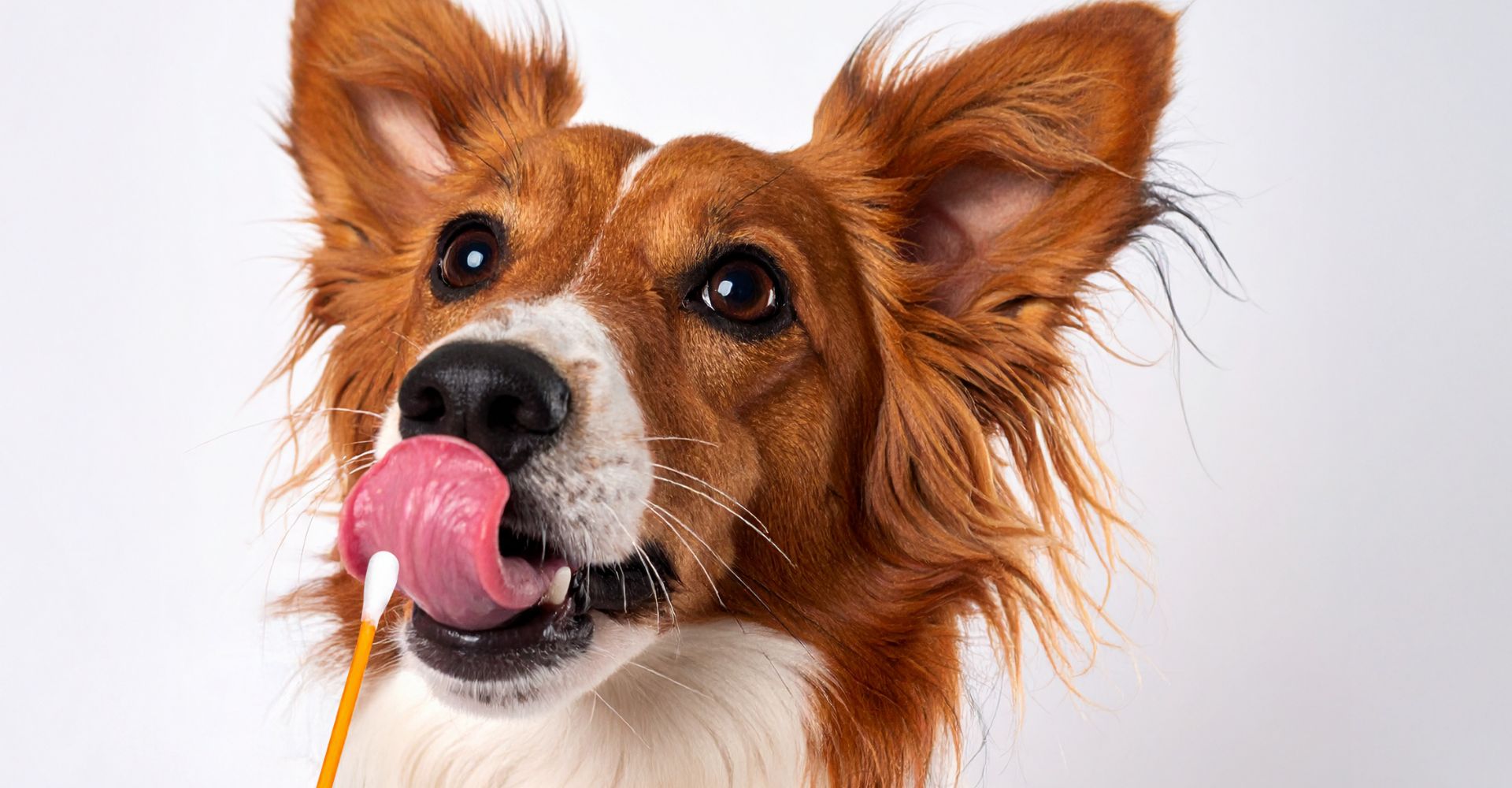
    Testing labs can read your dog’s genetic code with one cheek swab and reveal the mix hiding beneath that fluffy coat.

    The results usually come with breakdowns of breed percentages, possible genetic health markers, and even fun personality predictions.


    What Can a Dog DNA Test Tell You About Your Pet? 

    • Breed breakdown: You’ll discover if your rescue pup is 60% Labrador, 30% Beagle, or 10% Dachshund. 
    • Inherited quirks: DNA can explain why your dog insists on digging, herding, or chasing tennis balls like it’s their life’s work. 
    • Health indicators: Some tests highlight genetic predispositions to conditions such as heart disease or joint issues. This is helpful knowledge for your vet so that they can keep your dog thriving. 
    • Coat colour and traits: DNA reveals why your dog looks the way they do. 


    How to Do a Dog DNA Test at Home 

    1. Order a kit online. 
    2. Swab your doggo’s cheek. 
    3. Send it back. 
    4. Wait for the big reveal. 


    Where to Get a Dog DNA Test in South Africa 

    We sniffed out some options for you: 

    Provider  Price 
    EasyDNA SA  From R2 236 
    PetGen  From R2 995 
    homeDNAdirect  From R1 499 
    MuttMix  From R1 350 


    Heritage and Health

    Discovering your pup’s roots with a dog DNA test is exciting, but knowing you’ve got their health covered is even better. Protect your pet with dog insurance from dotsure.co.za. We cover accidents, illnesses, and more! Contact us today and chat to one of our friendly consultants for more information about wholehearted cover. 
     

    RELATED: THE AFRICANIS: SOUTH AFRICA’S ANIMAL HERITAGE 

  • HOW TO REMOVE A TICK FROM A DOG: EXPERT STEP-BY-STEP GUIDE

    HOW TO REMOVE A TICK FROM A DOG: EXPERT STEP-BY-STEP GUIDE


    We teamed up with our Vet of the Month, Dr Dean McGee from Florandia Dierekliniek in Pretoria, to share expert advice on how to remove a tick from a dog and keep your furry family safe. 

    With dotsure.co.za pet insurance, you’re financially protected if your pet needs treatment after a tick bite or a parasite-related illness. Our wellness benefit add-ons also make being proactive about preventative tick-related care a breeze. 


    Meet Our Vet of the Month 

    Tell us a little more about you and what you do.  

    “I am a small animal veterinarian. Most of my work is in general practice, but I enjoy orthopaedic surgery.” 

    What inspired you to become a vet, and what do you love most about the profession?  

    “My love for animals and an interest in farming, especially beef cattle. I gain satisfaction from alleviating pain and suffering in animals.” 

    Do you have any pets at home?   

    “I have a standard poodle named Watson. He is a rescue but has adapted well to our routine, especially enjoying our farm visits.” 


    Why is It Important to Remove a Tick As Soon As Possible? 

    “Ticks transfer parasites to pets, and their bites can also result in skin infections.”

    What is the safest way to remove a tick from a dog or cat?

    “By using a dog or cat deticking apparatus, ensuring removal of the head and mouthparts.”

    What are the common mistakes to avoid when removing ticks from pets?

    “Do not just pull them off. This could result in micro-abscessation and also transfer of parasites.”

    How can a pet parent tell if a tick’s head is still embedded, and what should they do?

    “If there is a reddened swelling where the tick was, visit your vet.”

    What should pet parents do after removing a tick?

    “Disinfect the area with a dog- or cat-friendly disinfectant (e.g., F10) and safely dispose of the tick, as pets sometimes eat them.”

    What are the signs of tick-borne diseases in pets to watch out for?

    “Lethargy and inappetence with fever.”

    How can pet parents prevent tick bites?

    “Routinely make use of medications that kill or cause ticks to drop off.”

    Any final words of advice for pet parents on dealing with ticks?

    “Regular treatment with registered tick and flea products. Check your pet after a walk, especially in long grass.”


    Our Extended Tick Safety Guide

    Now that you’ve got the expert’s take, let’s unpack a few extra tick truths so you can be prepared.

    Why Safe Tick Removal Matters

    Ticks can pass on diseases like Ehrlichiosis and Babesiosis within hours of biting. These illnesses can be fatal if untreated, so early removal and prevention are your best defence.

    Tick Bite Fever Symptoms Every Pet Parent Should Know 

    While Dr McGee mentioned fever and lethargy, you should also keep an eye out for: 

    • Pale gums 
    • Swollen lymph nodes 
    • Loss of appetite 
    • Weakness or collapse. 

    If you spot these symptoms, don’t hesitate to call your vet immediately. 

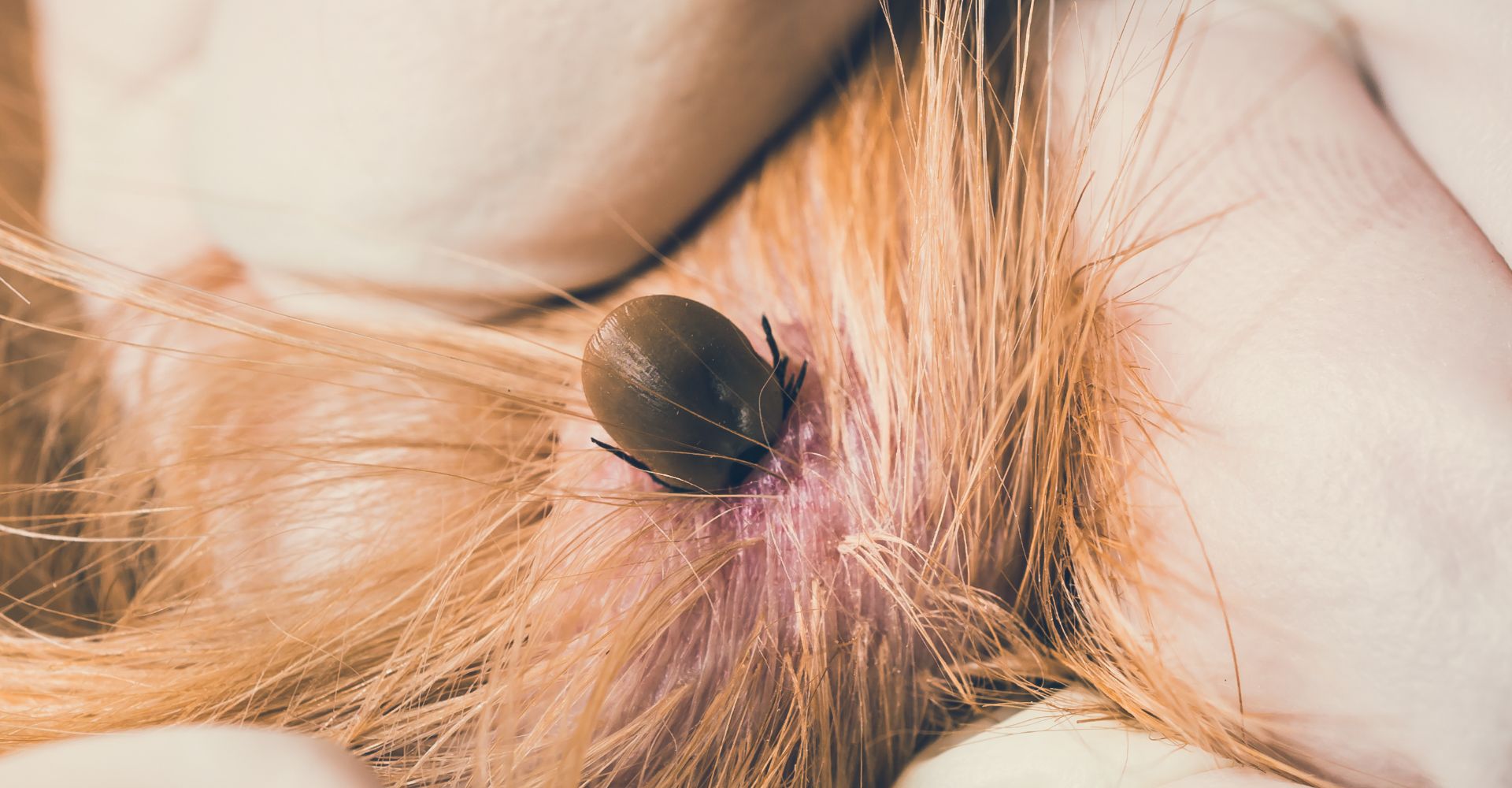
    What Does a Tick Bite Look Like? 

    A tick bite can leave behind: 

    • A small red bump 
    • Irritation around the skin 
    • In severe cases, an ulcer-like sore. 

    If the swelling spreads or doesn’t heal in a few days, a trip to the vet is needed. 

    Preventing Tick Trouble Beyond Medication 

    • Wash your pet’s bedding weekly in hot water. 
    • Keep your lawn trimmed to reduce tick habitats. 
    • Do a tick check after every walk in grassy or bushy areas. 

    Tick Removal in Cats

    Cats are just as vulnerable, but their thinner skin makes removal trickier. Always be gentle, and if you’re unsure, get your vet to do it safely.


    Covered Against Ticks? 

    Ticks might be small, but the vet bills they cause aren’t. Now that you know how to remove a tick from dogs and cats, it’s time to protect them with dotsure.co.za pet insurance.  Get a free quote online or contact us for more info. 


    RELATED: VET ADVICE: KENNEL COUGH SYMPTOMS & TREATMENT 

  • COMMON HOUSEPLANTS THAT ARE TOXIC TO DOGS AND CATS

    COMMON HOUSEPLANTS THAT ARE TOXIC TO DOGS AND CATS


    With over 22 000 indigenous species of plants in South Africa, it’s no surprise we’re a nation of gardeners and plant lovers. But we’re also a nation of pet lovers, and before introducing some greenery into your home, it’s worth knowing that some of these houseplants can be toxic to dogs, cats and other pets.  

    That doesn’t mean you need to give up your indoor jungle dreams, though! Here’s a guide to the most common plants toxic to dogs and cats, the symptoms to watch out for, and some safe alternatives to keep your space safe. 

    Another thing that’s super pet-friendly is pet insurance from dotsure.co.za. Get a free quote online, and then come back to find out which flora is harmful and safe for your pets while you wait for a call back from us. 


    Why Some Houseplants Are Dangerous for Pets 

    How Plant Toxins Affect Dogs and Cats 

    Plants contain natural compounds that help them survive in the wild, but those compounds can be dangerous to your pet’s system. The toxins can irritate mouths and stomachs, and in some cases, damage organs. 

    Common Symptoms of Plant Poisoning in Pets 

    Keep an eye out for: 

    • Drooling or pawing at the mouth 
    • Vomiting or diarrhoea 
    • Lethargy or depression 
    • Difficulty swallowing 
    • In severe cases, tremors or seizures 

    If you notice any of these symptoms, call your vet immediately.


    Houseplants Poisonous to Dogs and Cats 

    Fiddle Leaf Fig (Ficus lyrata) 

    The Fiddle Leaf Fig is the Instagram star of houseplants. Its dramatic leaves and stylish vibes give it some serious décor cred. Unfortunately, this famous flora isn’t friendly to your fur-family, no matter how glamorous it looks. 

    Symptoms to look out for: 

    • Drooling 
    • Vomiting 
    • Skin irritation 
    • Gastrointestinal irritation 
    • Oral irritation. 


    Monstera Deliciosa 

    Second in online popularity only to the Fiddle Leaf Fig, these trendy tropical giants contain insoluble calcium oxalates, which makes the plant mildly toxic to humans and highly toxic to dogs and cats. 

    Symptoms to look out for: 

    • Difficulty swallowing 
    • Swelling of the mouth or throat 
    • Drooling 
    • Vomiting. 


    Mother-in-Law’s Tongue / Snake Plant (Sansevieria) 

    Low-maintenance and stylish, the Snake Plant is often found in homes and offices. But it contains saponins, which affects gastrointestinal activity if ingested. 

    Symptoms to look out for: 

    • Drooling 
    • Nausea 
    • Vomiting 
    • Diarrhoea. 


    Aloe Vera 

    Often a go-to for human skincare, Aloe Vera is far from safe for pets. Despite its healing properties for humans, it’s considered mildly to highly poisonous for cats and dogs. 

    Symptoms to look out for: 

    • Vomiting 
    • Diarrhoea 
    • Lethargy 
    • Depression 
    • Loss of appetite 
    • Tremors 
    • Change in urine colour. 


    Cannabis (Marijuana Plant) 

    With more cannabis plants making their way into gardens and homes, pet exposure has become a growing concern. Cannabis poisoning in dogs is one of the most common toxic plant emergencies vets see. 

    Symptoms to look out for: 

    • Incoordination 
    • Tremors 
    • Drooling 
    • Seizures 
    • Respiratory issues 
    • Depression 
    • Coma. 


    String of Pearls (Senecio rowleyanus) 

    This succulent is native to South Africa and has become popular for its delicate beaded strings and low water needs. Sadly, it’s also another indoor plant poisonous to dogs and cats. Not only is it toxic when ingested, but sap from the beads can also cause skin irritation in animals and humans. 

    Symptoms to look out for: 

    • Vomiting 
    • Diarrhoea 
    • Drooling 
    • Lethargy. 


    RELATED: TOP 15 FOODS DOGS SHOULD NEVER EAT AND WHY 


    Cycads, Flowers, and Other Toxic Plants for Cats and Dogs 

    It’s not just houseplants you have to worry about. Some of the most poisonous plants for dogs and cats grow outside our homes in the garden, park or sidewalks. 

    Cycad Poisoning in Dogs: Why It’s So Dangerous 

    Cycads are one of the most toxic plants to dogs. Every part of the plant, from its seeds to its leaves, contains cycasin, a toxin that attacks the liver. Dogs are especially prone to eating the seeds which can cause severe poisoning. 
    Symptoms of cycad poisoning in dogs include: 

    • Vomiting and diarrhoea 
    • Lethargy and weakness 
    • Jaundice (yellowing of the gums/eyes) 
    • Seizures 
    • In severe cases, liver failure. 

     NB: If you suspect your dog has eaten a cycad, it’s an emergency. Call your vet immediately. 


    Flowers That Are Toxic to Cats 

    Cats love to roam outside playing with leaves and chewing flowers, but some of these plants can be life-threatening. Those beautiful innocent looking lilies are one of them. Every part of the plant, even the pollen, is toxic to cats and can cause kidney failure.  

    Other flowers toxic to cats include: 

    • Azaleas and rhododendrons 
    • Daffodils 
    • Tulips 
    • Chrysanthemums. 


    Other Common Garden Plants That Harm Pets 

    • Oleander: Toxic to both cats and dogs, affecting the heart. 
    • Bougainvillaea: Not deadly, but the thorns can cause nasty injuries. 
    • Hydrangea: Contains cyanogenic glycosides, causing upset stomach in pets. 


    RELATED: SPRING PET HAZARDS: HEALTH ISSUES TO WATCH


    Safe and Non-Poisonous Plants for Cats and Dogs 

    If you love plants but don’t want to worry about your pets’ safety, here are some non-poisonous plants for cats and dogs: 

    • Areca palm 
    • Calathea 
    • Spider plant 
    • Bamboo palm 
    • African violets. 


    RELATED: HUMAN FOODS CATS CAN AND CAN’T EAT


    What to Do If Your Pet Eats a Toxic Plant 

    While ingesting a toxic plant won’t necessarily be deadly for your pet, it’s vital that you act quickly. As they metabolise the toxic material, their condition may worsen, even if they seem perfectly fine to begin with. 

    • DO stay calm and clear-headed 
    • DO call your vet’s emergency number 
    • DO clip a sample of the plant to show the vet 
    • DON’T induce vomiting unless instructed by the vet 
    • DON’T use ipecac or salt unless your vet advises; these old-fashioned approaches could have harmful side effects. 


    Information your vet will need 

    • What plant or flower was eaten 
    • How much your pet ingested 
    • Symptoms you’ve noticed. 


    Prevention and Safety Tips 

    • Place toxic plants for dogs on high shelves or use hanging planters. 
    • Try deterrent sprays if your fur-babies love nibbling leaves. 


    For pet parents who are also plant lovers, dotsure.co.za pet insurance is here to ensure you enjoy stress-free cuddles with wholehearted protection. Do you have questions? Chat with Ace, our 24/7 online chatbot, online or via WhatsApp 

  • THE FRENCH BULLDOG: CHARACTERISTICS, TRAITS & CARE GUIDE

    THE FRENCH BULLDOG: CHARACTERISTICS, TRAITS & CARE GUIDE


    Thinking of bringing a French Bulldog into your home? These little charmers have stolen hearts worldwide with their bat-like ears, smoochy faces, and playful personalities. But before you say “oui, oui!” to your new furry friend, it’s essential to understand what life with a Frenchie has in store. This helpful guide covers everything you need to know to make the best decision. 

    And, hey, if you’re looking to add a Frenchie to your family, why not check out our pet insurance options? Cover for hereditary conditions and vet bills can make life a lot less stressful for you and your new Frenchie.  


    About the Frenchie 

    Breed Traits & Characteristics 

    French Bulldogs are compact, muscular, and full of personality. Typically weighing between 11 and 14 kg, they’re small but mighty. They are known for their bat-like ears, flat faces, and expressive eyes that can make anyone sneak them a treat. Frenchies are equally famous for their stubbornness and constant need for affection. 

    French Bulldog Colours and Markings 

    Frenchies come in various colours: brindle, fawn, cream, pied, and even rare blue or chocolate shades. Their markings can be unique, from patches over the eyes to little speckles across their coats.  

    French Bulldog vs English Bulldog 

    While both breeds share a smooshy face, Frenchies are smaller, more agile, and generally have perkier ears. English Bulldogs tend to be heavier and more laid-back. Both are adorable, but Frenchies often fit better in apartments or smaller living spaces. 


    Personality and Living with a French Bulldog 

    French Bulldog Personality and Temperament 

    Frenchies are playful, affectionate, and pure entertainment. They thrive on human attention and love being part of the action. Treats can easily persuade them of their stubbornness. 

    Is a French Bulldog a Good Pet? 

    Oh, yes. Frenchies make fantastic companions for singles, couples, and families. They adapt well to indoor living and are happiest when involved in your daily routines. 

    Can French Bulldogs Be Left Alone? 

    Frenchies can experience separation anxiety if left alone too often. Short absences are usually okay, but long stretches can be stressful for them. Puzzle toys can help keep them entertained while you’re away. 

    Are French Bulldogs High Maintenance? 

    They’re not overly demanding in terms of exercise, but Frenchies require consistent grooming and regular vet checkups. 


    French Bulldog Health Issues 

    Brachycephalic Airway Syndrome 

    They may struggle with breathing, especially in hot or humid weather. Keep Frenchies cool and monitor any signs of laboured breathing. 

    Sensitive Skin in Frenchies 

    They have sensitive skin and are prone to rashes, allergies, or irritation. Regular checks and vet-approved shampoos are a must. 

    Ear Infections in French Bulldogs 

    Their big ears can trap moisture and wax, increasing the risk of infection. Weekly ear inspections help prevent any issues. 

    Back Injuries and Mobility Issues 

    Their compact bodies make them prone to spinal issues. Avoid excessive jumping or rough play that could stress their backs. 

    Birthing Issues in the Breed 

    Many French Bulldogs require C-sections due to their narrow hips and large heads. Responsible breeding and veterinary guidance are essential. 


    RELATED: HEREDITARY CONDITIONS: IS YOUR PET COVERED? 


    Feeding Your French Bulldog 

    What to Feed a French Bulldog 

    High-quality kibble or wet food formulated for small breeds works best. Look for options rich in protein and balanced nutrients. 

    How to Feed a French Bulldog 

    Split meals into two or three servings daily. Obesity is a common issue in Frenchies, so follow your vet’s instructions and feed them accordingly. 

    How Much Should You Feed a French Bulldog? 

    It depends on age, size, and activity level. Constantly monitor weight and adjust portions accordingly. Follow the feeding guide on their food or ask your vet for their expert advice. 

    Nutritional Tips for a Healthy Frenchie 

    Include fatty acids for skin health, probiotics for digestion, and avoid table scraps that can upset their sensitive tummies. 


    Behaviour and Training Tips for Frenchies 

    French Bulldog Behaviour Basics 

    Frenchies are alert, playful, and sometimes stubborn. Positive reinforcements such as treats, toys, and praise are key. 

    Training a French Bulldog 

    As with all breeds and training, consistency and patience are vital. Short, fun-filled training sessions for Frenchies prevent boredom, and early socialisation ensures they are friendly and confident. 

    Fun Activities for French Bulldogs 

    Short walks, puzzle games, and indoor playtime keep Frenchies stimulated. Long-distance running isn’t really their thing. 


    French Bulldog Grooming Guide 

    Skin Care for Frenchies 

    You must perform daily checks for redness, rashes, or dryness. To soothe sensitive areas, try vet-recommended creams or ointments. 

    Frenchie Coat Care 

    A weekly brush removes loose hairs and keeps the coat shiny. Bathing once a month or as needed is usually all they need. 

    Frenchie Eye Care 

    The shape of their face makes eye infections common. Gently clean tear stains and monitor for redness or discharge. 

    Frenchie Ear Care 

    Regular ear cleaning prevents infections, especially in humid climates or after baths. 


    French Bulldog FAQs 

    Is a French Bulldog a Good Family Dog? 

    Yes. They’re affectionate, playful, and love being part of the family. 

    Are French Bulldogs Smart Dogs? 

    They are smart but stubborn. Training takes much patience and positive reinforcement. 

    Can French Bulldogs Go on Long Walks? 

    Short walks are ideal. Long, strenuous walks or hot weather can cause breathing issues. 

    Are Frenchies Good with Other Pets? 

    Generally, yes, if socialised early. 


    Is the French Bulldog Right for You? 

    If you love a playful, affectionate companion who thrives on attention, then a French Bulldog might be the perfect fit.  

    Before welcoming your Frenchie home, consider protecting them with pet insurance for hereditary conditions, vet visits, and more. Get a free quote online or contact us for more info. 

  • WHY DO I NEED PET INSURANCE?

    WHY DO I NEED PET INSURANCE?


    Are you wondering if pet insurance is really worth it? Or, perhaps you would just like to find out what the fuss about medical cover for your furball is all about. Either way, keep reading!  

    Vet bills can be expensive, but with the right plan, you’ll never have to choose between your budget and your bestie’s health. Get a quick online quote in under 3 minutes here, or contact us for more information on wholehearted cover. 
     

    What Is Pet Insurance and How Does It Work? 

    Simply put, pet insurance helps to cover the cost of veterinary care when your dog, cat, or exotic pet is sick or injured. It is designed to make it affordable for pet owners to provide their precious pet with the best possible health care.  

    We’ve broken it down further in our Pet Insurance FAQs, but here’s the gist: 

    • You pay a monthly premium. 
    • We reimburse you for valid claims, subject to the conditions of your cover. 

     

    RELATED:  WHAT DOES EXCESS MEAN ON PET INSURANCE CLAIMS?UNDERSTANDING PET INSURANCE WAITING PERIODS 


    Why You Need Pet Insurance in Today’s World 

    Rising Vet Costs and Emergency Care 

    Vet bills can easily climb into the thousands. Emergency surgery or treatment for illnesses such as Biliary or FIV can cost over     R10 000. Pet insurance helps soften the blow on your savings. 

    Protecting Your Pet and Your Wallet 

    From accidental injuries to chronic conditions, pet insurance ensures you never have to compromise on care. 

    Real-Life Scenarios Where Pet Insurance Saves Lives 

    Picture this: your dog swallows a sock or some underwear (it happens more often than you think), or your cat has a tumble while roaming the hood. With pet insurance, you can say “yes” to treatment immediately instead of worrying about the bill. 

    Watch how wholehearted pet insurance saved Harvey and his human from a HUGE vet bill here. 


    What Does Pet Insurance Cover? 

    At dotsure.co.za, we’ve built plans to fit your wallet and pet. We cover a range of pets from dogs and cats to reptiles, bunnies and birds. Here’s a breakdown of our cover options: 


    Pet Insurance for Cats and Dogs 

    Accidental Plan 

    This plan covers accidental injuries and the necessary care that comes with them, such as consultations, X-rays, prescribed meds, and surgery. 

    Vital Plan 

    Our no-frills plan covers accidents and up to 50% of illness claims. It’s a solid choice if you want protection against everyday vet visits, infections, and unexpected sniffling. 

    Elite Plan 

    Extra peace of mind for pet parents who want comprehensive cover, for both accidents and illnesses. 

    Deluxe Plan 

    For the pampered pooch or cat with a taste for the finer things, this plan covers accidents, illnesses and hereditary conditions. 

    Ultimate Plan 

    All the bells and whistles, and then some. Our most comprehensive offering covers accidents, illness, hereditary conditions, and wellness benefits, with the least limitations. 


    Pet Insurance for Birds, Bunnies and Reptiles 

    Exotic Pet Plan 

    Not just for dogs and cats! We’ve got cover for exotic pets such as bunnies, reptiles, tortoises, and birds. This plan covers accidents and up to 50% of illness claims. 

    Exotic Plus Plan 

    Do you want more comprehensive cover for your exotic pet? Exotic Plus provides extended cover for both accidents and illnesses to keep your scaly, feathery, or furry friends protected. 


    We’ve answered some more FAQs in detail here: 

    THINGS PET INSURANCE DOESN’T COVER 

    DOES PET INSURANCE COVER PRE-EXISTING CONDITIONS? 

    DOES YOUR PET INSURANCE COVER SPAYING AND NEUTERING? 

    DOES YOUR PET INSURANCE COVER VACCINATIONS? LET’S BREAK IT DOWN 


    Choosing a Pet Policy That Fits Your Needs 

    Every pet parent and every furry, feathered or scaled family member are different. Here’s what to keep in mind when choosing the right policy: 

    • Your pet’s age: We have cover for puppies, kittens, and even senior pets. 
    • Your budget: We offer a variety of plans ranging from R99 per month to R1 399 per month. Choose a premium that gives you peace of mind without breaking the bank. 
    • Your lifestyle: An adventurous outdoor dog may need more cover than an indoor cat who loafs all day. You choose the plan that fits them best. 


    Investing in Your Pet’s Health 

    At the end of the day, the answer to “why do I need pet insurance?” is simple: because life with pets is unpredictable, and their health should never come second to your finances. 

    With dotsure.co.za, you can choose from flexible plans that suit every pet and every budget, and even add extra peace of mind with optional benefits such as Excess Buster and Cover Gap Extension. Discover more about adding value to your pet insurance cover here 

    Do you have questions? Contact us today, our friendly team is always here to help!

  • HOW AI IS TRANSFORMING THE INSURANCE INDUSTRY: INTRODUCING ACE

    HOW AI IS TRANSFORMING THE INSURANCE INDUSTRY: INTRODUCING ACE


    Artificial Intelligence (AI) is no longer just a buzzword. It’s reshaping industries, including insurance, in ways we couldn’t have imagined. At dotsure.co.za, we’ve embrACEd this future with Ace, our AI-powered chatbot designed to simplify your insurance journey. Whether you’re changing personal information, managing your policy, or submitting your claims, Ace is here to help!


    RELATED: HOW DOTSURE.CO.ZA BECAME SA’S FIRST E-COMMERCE INSURER


    What Is Ace and How Is It Transforming Insurance?

    Ace is your digital insurance assistant. Built on conversational AI, Ace can handle everything from viewing and updating your personal information to giving you instant access to your policy details, debit history, or claims. Basically, it’s an insurance expert in your pocket.

    Fun fact: Ace is always learning. With generative AI and integrated FAQs, it delivers accurate, real-time answers to your questions.


    How Is AI Being Used in Insurance Today?

    AI is revolutionising the way insurers serve customers. From tracking claims processes to detecting fraud and predicting risks, AI improves efficiency, reduces costs, and enhances client satisfaction. For example:

    • Claims tracking: AI tools provide real-time updates on claim progress, reducing uncertainty.
    • Customer support: Chatbots such as Ace respond to queries 24/7.
    • Risk analysis: Machine learning helps insurers calculate premiums more accurately.


    Conversational AI in Insurance Is a Game Changer

    Say goodbye to lengthy forms and waiting for responses. Conversational AI makes it easy for clients to get what they need quickly and in plain language. With Ace, you can:

    • View and change personal information.
    • View and change payment details.
    • View claims for pet, motor, and warranty.
    • View policy information.
    • View debit history and request a 12-month history to be emailed to yourself.
    • Change the debit day.

    Ace will also direct you to a human if it cannot execute your changes directly!


    How Can Gen AI Be Used in Insurance?

    Generative AI (like Ace’s underlying technology) can answer complex questions, summarise policy documents, and even predict what information you’ll need next. It’s proactive, not just reactive. Imagine Ace alerting you to upcoming debit days or suggesting the right cover based on your vehicle or pet’s needs. Crazy, but that’s the power of Gen AI.


    How Can AI Help Insurance Claims?

    Claiming has always been a big pain point in insurance. AI removes unnecessary delays by:

    • Providing real-time status updates on submitted claims.
    • Answering frequently asked questions about claims.
    • Directing clients to the correct next steps based on their query.


    The Benefits of AI for Insurers and Clients

    AI bridges the gap between client expectations and traditional insurance.

    • Faster service: No waiting in queues or navigating complex menus.
    • 24/7 support: Unlike humans, Ace is always available.
    • Less stress: Real-time information, whenever you need it, that puts you in control.

    For dotsure.co.za, AI allows us to deliver transparent and personalised cover while reducing operational costs, which directly impacts policy pricing.


    The Future of AI in Insurance

    Ace is just the beginning of how dotsure.co.za and AI are transforming the insurance industry. From car insurance to pet and motor warranty cover, we’re building a fully digital experience that’s faster, friendlier, and designed for you. Ace will continue to evolve, helping you to manage everything instantly.

    Chat with Ace right now online or via WhatsApp and see how easy insurance can be.

  • THE SAFEST CARS FOR WOMEN IN SOUTH AFRICA

    THE SAFEST CARS FOR WOMEN IN SOUTH AFRICA


    Are you looking for the safest cars for women in South Africa? We’ve done the digging, checking NCAP crash ratings, local trends, and driver feedback, to bring you a list of the top cars designed to keep you confident and protected behind the wheel.

    Safety is about more than just airbags and crash-test ratings. It’s also about making sure you have reliable motor warranty cover to keep repair costs from catching you off guard.


    Why Safety Matters for Female Drivers

    While avoiding bad driving habits is vital, having a vehicle with top-tier safety features can be a real game-changer. Plus, we know the road conditions in South Africa can sometimes be anything but safe. The best cars for women often come with:

    • High crash-test ratings: Cars tested and proven to protect passengers in an accident.
    • Advanced driver assistance systems (ADAS): Lane-keep assist, blind-spot monitoring, and emergency braking.
    • Reliable handling and braking: Especially in busy urban areas or roads full of potholes and animals.


    Best Cars for Women in South Africa

    Toyota Corolla Cross

    The Corolla Cross earned a 5‑star Euro NCAP rating, with 85% for adult protection and 83% for child passengers. It’s compact enough for city driving but still has all the smart tech you want, such as lane-keeping assist and automatic emergency braking. Plus, Toyotas are known for affordable parts and great resale value.

    Toyota RAV4

    Another 5-star safety champ, the RAV4 is perfect if you want something bigger but just as reliable. It’s packed with advanced driver assistance features and offers great all-round protection. It’s ideal for women who want a family-friendly SUV that’s easy to handle.

    Hyundai Tucson & Kia Sportage

    Both solid picks in the mid-size SUV space. They include safety features such as lane-keeping, AEB, and blind-spot monitoring as standard. They are also known for their strong crash test results overseas and come with competitive pricing.

    Mazda CX‑60

    The Mazda CX-60 is a newcomer to South Africa, but it’s already making the list with its 5-star Euro NCAP rating: 88% for adults and 91% for child passengers. It’s a great choice if you want something modern, and safe.

    Volkswagen T‑Cross & Polo Vivo

    The VW T-Cross offers a smart balance between affordability and safety. It’s a popular choice for women who want a compact car with a strong safety record. The Polo Vivo, while not as highly rated as the T-Cross (4-star NCAP rating), remains a favourite for its practicality, solid build, and great handling. Plus, it’s perfect for tight parking spots!

    Lexus RX & NX

    For those looking for a car where luxury and safety meet, Lexus models are worth every rand. Both the RX and NX hold 5-star Euro NCAP ratings, with some of the highest safety scores for adults and children.


    RELATED: THE TOP INSURED CAR BRANDS IN SA


    Key Safety Features to Look For

    When shopping for the best cars for women in South Africa, look for:

    • AEB (Automatic Emergency Braking)
    • Blind-Spot Monitoring
    • Lane Keep Assist
    • Anti-Theft Tech


    RELATED: HOW TO AVOID CAR THEFT


    How to Choose the Right Car for You

    It’s all about your lifestyle.  City drivers might prefer a compact model like the T-Cross, while families may lean towards a RAV4 or CX‑60.

    Tips for Test Driving and Comparing Options

    • Test drive during both day and night to assess visibility and comfort changes with lighting.
    • Compare safety features, fuel efficiency, and resale value.
    • Check how the car fits your daily life: Is it easy to park? Do the safety systems feel intuitive?

    Pro tip: Pairing the right car with dotsure.co.za Motor Warranty means you can enjoy every drive without stressing about unexpected repair bills!

    If you’ve just upgraded and are already a dotsure.co.za fan, head to the Manage Portal and update your car details.


    Summary: Our Recommended Safest Cars for Women Right Now

    • Compact SUV: Toyota Corolla Cross
    • Mid-size SUV: Toyota RAV4
    • Family SUV: Mazda CX-60
    • Budget-friendly: VW T-Cross
    • Premium pick: Lexus RX/NX


    RELATED: ARE ASIAN CAR BRANDS CHANGING THE GAME IN SOUTH AFRICA?


    Safety is a Worry-Free Warranty

    Choosing the safest cars for women is just one part of the journey. Making sure your car is protected from expensive mechanical failures and surprise breakdowns with a motor warranty from dotsure.co.za is the other. Whichever vehicle you choose, make sure its parts are covered too.


    Get a quick motor warranty quote online and keep both you and your car safe on the road.

  • UNWRITTEN ROAD RULES FOR FEMALE DRIVERS IN SOUTH AFRICA

    UNWRITTEN ROAD RULES FOR FEMALE DRIVERS IN SOUTH AFRICA


    Sure, the official road laws matter. But let’s be real. Experience has taught us a few unwritten road rules that every female driver in South Africa should know.

    Another safety rule you shouldn’t skip: Game-changing car insurance from dotsure.co.za. Get a quote online or contact us today for more information.


    Road Safety Tips for Women Drivers

    We all know these ones: buckle up, keep your doors locked, and stay alert. But here are the tips you should drive by:

    • Keep your phone charged

    A dead phone means no Google Maps, emergency calls, or live location sharing.

    • Fuel up before driving late at night

    Avoid stopping at deserted petrol stations.

    • Plan your routes

    If possible, stick to main roads and skip the shortcuts through poorly lit or quiet areas.


    The Unwritten Rules for Staying Safe While Driving Alone

    Ladies, we know you know these unofficial road rules:

    • Stop streets after dark don’t count

    It’s an unwritten rule amongst all females: If it’s after 21:00 and there’s no traffic, we slow down, check our surroundings, and keep moving cautiously.

    • Not pulling over for strangers or ‘broken down’ cars

    If we feel something’s off, we drive off. It’s not that we don’t want to help or can’t help; it’s that we know better.

    • Parking smart

    Women always choose well-lit areas near entrances, and if there’s a camera or security guard nearby, that parking spot gets bonus points.

    • Leaving space at traffic lights or in traffic

    There will always be a safe gap from the car in front. It doesn’t matter if we are in a rush or in traffic; that gap is there just in case we need to drive off quickly.


    RELATED: FUNNY SOUTH AFRICAN DRIVING LAWS: THE UNWRITTEN ROAD RULES


    Safety Apps for Female Drivers

    Here are a few apps and features every woman driver should know about:

    • Waze: So much more than a navigation app. It is great because users can plot where they’ve spotted an abandoned vehicle, heavy traffic, or police. That way, we can see what’s happening on the road before getting there.
    • WhatsApp Live Location: Share your live location with a trusted contact so that they can track where you are on your trip.
    • MySOS: Great for quick access to local emergency numbers and medical help.
    • Life360: A family safety and location-sharing app that helps users stay connected and informed about their loved ones’ whereabouts and activities.

    Our Top Tip: If you’re meeting someone or heading somewhere unfamiliar, always send your ETA to a friend or family member


    Safe Driving Advice for Women in SA

    The thing is, no matter how careful you are, the road is unpredictable. Accidents and theft happen. While these unwritten road rules can keep you safe, dotsure.co.za car insurance can keep your savings secure.

    Get a personalised quote today or contact us for more info.

  • CAR TRIP INSTAGRAM QUOTES FOR GIRLS

    CAR TRIP INSTAGRAM QUOTES FOR GIRLS


    There’s nothing like a girls’ road trip. Long drives with good music, snacks, and many pics for the ‘gram. So, we wanted to help you with a library of the perfect Instagram quotes for girls’ trips, to go with all those sunset selfies and snack snaps!

    While we’re talking about road trips, don’t forget to check your car’s warranty before hitting the N2. dotsure.co.za’s motor warranty keeps your wheels and wallet covered when the unexpected happens.


    General Road Trip Captions for Instagram

    “Catch flights? Nope, we’re catching sunsets on the open road.”

    “No maps, just vibes.”

    “Windows down, volume up.”

    “Life is better with messy buns, playlists, and road trip puns.”

    “We don’t chase boys; we chase scenic routes.”

    “Current mood: windows down, hair everywhere.”

    “Keep calm and let’s get lost on purpose.”

    “The best therapy? A full tank and good company.”

    “Let’s wander where the WiFi is weak, but the snacks are strong.”


    Funny Road Trip Captions for Instagram

    “Road trips are just cheaper therapy sessions, with snacks.”

    “Warning: Unsupervised women on the loose.”

    “We’re 98% road trip, 2% knowing where we’re going.”

    “On a mission to find the best selfie spots.”

    “We didn’t choose the road trip life. The road trip life chose us.”

    “Just winging it. Life. Eyeliner. This road trip.”

    “Making memories and a few wrong turns”

    “If you listen closely, you can hear the sound of us trying to figure out where to eat next…”

    “We’re not lost, just ‘locationally’ flexible.”


    RELATED: DRIVING CAPTIONS FOR INSTAGRAM-WORTHY ROAD TRIPS


    Instagram Captions Based on Song Lyrics and Popular Quotes

    “Life is a highway, and I wanna ride it all night long.”

    “I’m on the highway to… coffee and snacks!”

    “Baby, you can drive my car.”

    “Oh darling, let’s be adventurers.”

    “Country roads, take me home.”

    “Just a small-town girl, taking a long drive anywhere.”

    “Adventure is worthwhile in itself.”

    “Only hang around people that are positive and make you feel good.”

    “Just grab a friend and take a ride, together upon the open road.”

    “We like pina coladas and getting caught in the rain.”

    “As soon as I saw you, I knew a grand adventure was about to happen.”


    Road Trip Captions with Friends

    “Road tripping with my ride-or-dies.”

    “Friends that road trip together, stay together.”

    “Not all girls are made of sugar and spice. Some are made of road trips and snacks.”

    “My favourite co-pilot? The one holding the snacks.”

    “Good friends never let you road trip alone.”

    “Here’s to late-night drives and laughter that makes your cheeks hurt.”

    “Real queens fix each other’s hair at red lights.”

    “Exploring new places is always sweeter with your favourite people.”


    The Ultimate Quote

    Next time you’re planning a road trip, remember to pack snacks, grab these Instagram quotes for girls, and make sure your car’s covered.

    Ready to hit the road? Get a quick quote online today and drive with peace of mind.


    RELATED: 25 THERAPEUTIC DRIVING QUOTES FOR THE NEW YEARS

  • HOW TO JUMP-START YOUR CAR LIKE A PRO

    HOW TO JUMP-START YOUR CAR LIKE A PRO


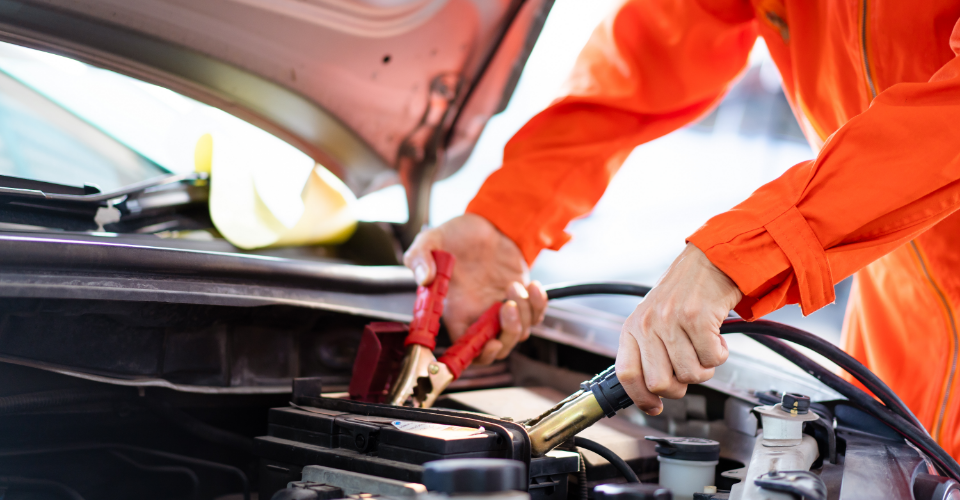
    There’s nothing like being in a rush, getting into your car, turning the key (or pressing a button), and all you get is a sad clicking sound. Now you’re sitting there with a flat battery and no idea how to jump-start a car or travel back in time to the moment you snoozed your alarm. Don’t worry; we’ve got you covered! Here’s how to give your dead car battery the little jump-start it needs!

    RELATED: TIKTOK CAR HACKS THAT ACTUALLY WORK


    Steps to Jump-Start a Car

    Step 1: Get Your Equipment

    • A working car with a fully charged battery
    • A set of jumper cables
    • A little patience

    Step 2: Line Up Both Cars

    Park the working car close enough for the cables to reach without the two cars touching. Ensure both vehicles are in neutral, all lights are turned off, accessories are unplugged, and hand brakes are engaged. Turn off both engines.

    Step 3: Connect the Jumper Cables

    • Red to dead: Attach the red (positive) clamp to the dead battery’s positive terminal.
    • Red to good: Attach the other end of the red clamp to the working battery’s positive terminal.
    • Black to good: Attach the black (negative) clamp to the working battery’s negative terminal.
    • Black to metal: Attach the final black clamp to an unpainted metal part on the engine block or chassis of the dead car.

    Pro tip: It is essential to always consult your car’s user manual, as battery specifications can vary between different vehicles.

    Step 4: Start Your Engines

    • Start the working car’s engine and let it run for a few minutes.
    • Then, try starting the dead car. If it roars back to life, success! If not, wait a few more minutes and try again.

    Step 5: Remove the Cables (In reverse order)

    • Black from metal
    • Black from good battery
    • Red from good battery
    • Red from dead battery

    Step 6: Keep It Running

    Once your car is running, keep it running for at least 15 minutes or take it for a spin around the block to recharge the battery. If the battery dies again, you may need a new one.

    RELATED: HOW LONG DO CAR BATTERIES LAST?


    Cover For Car Parts

    Now that you know how to bring your car back to life, why not jump-start your cover with an extended car warranty from dotsure.co.za? A flat battery is one thing, but a mechanical or electrical failure could leave you stuck for much longer (and with a pricey repair bill). Get a quote today and drive with a warranty, not worry!

  • 5 TYPES OF INSURANCE FOR WOMEN IN SOUTH AFRICA

    5 TYPES OF INSURANCE FOR WOMEN IN SOUTH AFRICA


    Women in South Africa are constantly multitasking, from running their own businesses to running after their kids. But life can be unpredictable, and that’s where insurance for women steps in, because even the best multitaskers can’t plan for the unexpected.

    At dotsure.co.za we have a wide range of cover options designed for women who want reliable, simple insurance. Let’s unpack the 5 essential types of insurance every woman should consider.


    RELATED: TYPES OF INSURANCE TO PROTECT WHAT MATTERS


    Why Insurance for Women Matters in South Africa

    Insurance is about having peace of mind, knowing that if things go wrong, whether it’s a car accident, a break-in, or a health emergency, you’re financially covered and supported. More than that, insurance is empowerment, so you can pursue your goals and take risks knowing you have a safety net.


    Car Insurance for Women Who Rule the Road

    Whether you’re driving to work, on a road trip with friends, or simply running errands, your car is your freedom. Unfortunately, South Africa’s roads aren’t always safe, with risks such as hijacking and accidents on the rise.

    Women need car insurance that offers:

    • Comprehensive theft, accident, and damage cover
    • Emergency roadside assistance
    • Affordable premiums that suit your budget.

    dotsure.co.za car insurance pretty much checks all these boxes. Plus, we make getting cover quick, affordable, and hassle-free.


    RELATED: DOES INSURANCE COVER HIJACKING IN SA?


    Motor Warranty Cover for Unexpected Repairs

    Your car’s manufacturer warranty won’t last forever, and once it expires, a mechanical breakdown could leave you with a huge repair bill. Our motor warranty cover helps with the costs of expensive repairs or replacements, so you can keep your car on the road without breaking the bank.


    Home and Contents Insurance

    Your home is where your life happens. Home contents insurance covers everything from your appliances to your favourite handbag in the event of fire, theft, or damage.


    Life Insurance for Long-Term Peace of Mind

    Life insurance is about looking after the people who matter most. As the natural caregiver and breadwinner, you want to ensure your loved ones are financially protected if something happens to you. It’s a must-have if you have dependents, a bond, or other financial responsibilities.


    Business Insurance for Female Entrepreneurs

    Business insurance safeguards your income and assets if you’re an entrepreneur or freelancer. Whether it’s covering office contents, third-party liability, or interruptions, it’s essential for any woman building her empire.


    Bonus: Pet Insurance for Women Who Love Their Fur Babies

    Pet moms, this one’s for you! From surprise vet bills to routine check-ups, dotsure.co.za pet insurance helps you give your pets the best care without worrying about those vet bills.


    Why Women Deserve Insurance That Works for Them

    The best insurance for women offers you flexibility, affordability, and comprehensive protection. With dotsure.co.za, you can get instant quotes online, manage your policies with ease, and enjoy a range of cover options that’s as hardworking as you are.

    Do you need a quick quote? Contact us today and we’ll find the right cover for you!

  • KNOW YOUR RIGHTS WHEN PULLED OVER IN SOUTH AFRICA

    KNOW YOUR RIGHTS WHEN PULLED OVER IN SOUTH AFRICA


    Getting pulled over can make anyone feel like they have broken the law, even if it’s just a routine roadblock in South Africa. If you’re unsure what the law says about your rights when pulled over, let’s unpack what you need to know so you can stay calm, compliant, and confident the next time a blue light flashes behind you.

    Pro tip: If you’re insured with dotsure.co.za car insurance, you already have peace of mind when something unexpected happens on the road. If not, maybe it’s time to change that? Get a quick quote right now and then come back to discover your legal rights at roadblocks and routine checks!


    Understanding Your Rights When Pulled Over

    In South Africa, you must stop when instructed by a uniformed traffic officer or police official. This isn’t optional. But while you’re obligated to stop, you also have rights to protect you from unlawful treatment.

    • You can ask for identification from the officer. They must produce an official appointment certificate.
    • You have the right to know why you were stopped, whether it’s a routine check or suspicion of an offence.
    • You cannot be forced to pay cash on the spot for a fine. EFT or payment at the traffic department is the correct process.


    Roadblocks in South Africa: What’s Legal and What’s Not

    • K78 Roadblocks: These are planned and legally authorised by the National or Provincial Commissioner. Officers here have broader powers. They can search vehicles without a warrant if they have reasonable suspicion.
    • Informal Checkpoints: These are your random license or sobriety checks. Officers cannot randomly search your car without consent unless they have probable cause.

    Pro Tip: If you’re unsure whether it’s a K78, politely ask for the authorisation certificate. Yes, you’re allowed to do that.


    RELATED: HOW TO CHECK YOUR DRIVING LICENCE STATUS IN SOUTH AFRICA


    The Difference Between Roadblocks and Roadside Checks

    • Roadblocks are fixed points with multiple officers and signage, usually checking licenses and registrations or enforcing laws.
    • Roadside checks are usually just a single officer stopping cars for quick compliance checks such as licenses, tyres, lights or safety belts.


    What Traffic Officers Can and Cannot Do

    They can:
    ✔ Ask for your driver’s license and car registration.
    ✔ Issue fines for valid traffic violations.
    ✔ Impound a vehicle only under certain legal conditions (eg, if the car is unroadworthy).

    They cannot:
    ✖ Demand bribes or cash on the spot.
    ✖ Search your phone without a warrant or strong suspicion.
    ✖ Arrest you without cause.


    RELATED: WHAT MAKES A CAR UNROADWORTHY? HERE ARE 8 SIGNS


    Search and Seizure: Know Your Rights

    Officers may only search your vehicle if:

    • It’s a K78 roadblock, or
    • They have reasonable suspicion of an offence, or
    • You give consent.

    If they impound your vehicle, they must give you a written notice detailing the reason.


    What To Do If Your Rights Are Violated at a Roadblock

    • Stay calm.
    • Take note of the officer’s name and badge number.
    • If possible, discreetly record the interaction. Yes, it’s legal for your own safety.
    • Report misconduct to the SAPS complaints division or a legal professional afterwards.


    Practical Tips to Stay Safe and Compliant

    • Keep your license and car documents up-to-date.
    • Stay polite, even if the situation feels tense or you are frustrated.
    • Never offer a bribe. It’s a criminal offence for both parties.

    Roadblocks are there to keep roads safe, but understanding your rights when pulled over can help you avoid unnecessary stress.


    Another tip for handling unnecessary stress is knowing you’re protected for the unexpected! Get peace of mind with dotsure.co.za car insurance. Get an instant quote online or contact us today.

  • DOES INSTALLING A CAR AUDIO VOID THE WARRANTY?

    DOES INSTALLING A CAR AUDIO VOID THE WARRANTY?


    There’s nothing quite like blasting your favourite playlist on a road trip. But sometimes those standard car radios just aren’t doof-doof enough, you know? So, does installing car audio void the warranty on your car? Not always, but it can if you don’t play by the rules.

    Your car warranty is there to cover you when certain parts fail or need repairs due to breakdowns or mechanical failures, but aftermarket upgrades like that new sound system can raise red flags. Before you put all your money in the boot of your car, let’s unpack what you need to know.

    RELATED: WHICH CAR MODS WILL VOID A WARRANTY?


    What Does Your Car Warranty Actually Cover?

    An extended car warranty usually covers mechanical and electrical failures such as engines, gearboxes, fuel systems, and onboard electronics. However, it doesn’t cover damage caused by aftermarket parts, dodgy DIY installations, or upgrades that compromise your car’s original systems.

    So, if that booming subwoofer installation fries your electrical wiring, you could be left paying the repair bill yourself.


    RELATED: WHAT DOES YOUR EXTENDED CAR WARRANTY ACTUALLY COVER?


    Aftermarket Audio Upgrades: Do They Void a Car Warranty?

    Simply adding an aftermarket sound system doesn’t automatically void your entire car warranty. But, as we mentioned previously, if the installation damages or interferes with the car’s electronics, sensors, or battery, your warranty on those affected components may no longer apply.

    Manufacturers and dealers take no responsibility for non-OEM (Original Equipment Manufacturer) modifications. Basically, if they can prove the fault is linked to your new sound system, you’re on your own.


    How to Install Car Audio Without Risking Your Warranty

    Do you want to keep pumping up the jam and keep your warranty intact? Here’s how:

    • Use a dealer-approved installer: Many dealerships have partnerships with trusted sound specialists.
    • Choose high-quality components: Cheap, low-grade equipment is more likely to cause electrical problems.
    • Get it documented: Keep your receipts and ask the installer to provide a professional report confirming they didn’t alter or damage the car’s wiring.


    Dealer vs. Independent Installation: Which Is Safer for Your Warranty?

    Dealerships will often charge more for audio installations, but they’ll usually ensure the warranty remains unaffected. Independent installers can be just as good, but the key is finding someone reputable who knows modern vehicles and their complex electronics.

    If you go the independent route, ask them directly: “Can you install this without voiding my warranty?” The pros will know how to avoid warranty voids.


    RELATED: RMI-APPROVED WORKSHOPS


    FAQs About Car Audio and Warranties

    What if I remove the sound system before claiming warranty?

    If the damage was already caused by the installation, removing the system won’t help.

    Is a warranty claim possible if I have proof of professional installation?

    Yes. Documentation helps to prove you didn’t mess with the factory wiring.


    RELATED: WARRANTY KNOW-HOW: YOUR MOST COMMON QUESTIONS ANSWERED


    Our Final Song on Car Audio and Warranties

    To answer the question, “does installing car audio void the warranty?”. Your killer sound system doesn’t have to kill your warranty. Just ensure it was professionally installed and that nothing interferes with your vehicle’s original wiring or electronics.

    dotsure.co.za’s extended car warranty is designed to protect your car’s most vital parts. Do you need more info? Get a quick quote online or contact us for more info about how to keep your car parts in tune.

  • FIERCE WOMEN IN MOTORSPORTS

    FIERCE WOMEN IN MOTORSPORTS


    We’re spotlighting some of the incredible women in motorsports who are transforming the track as we know it! Once seen as a male-dominated lane, motorsports is embracing a dynamic shift where women accelerate change, set new records, and redefine what’s possible when they’re in the driver’s seat.

    Maybe you’re not tearing up the track, but your daily drive still deserves winning protection. Get a quick car insurance quote with dotsure.co.za and cruise with confidence.


    RELATED: THE SAFEST CARS FOR WOMEN IN SOUTH AFRICA


    Tasmin Pepper

    VW Cup racer Tasmin Pepper has competed on international stages such as the W Series. Not only is she a fierce competitor, but she is also an inspiration for many young women with a need for speed. Tasmin has also coached young Tyler Robinson, who debuted on the karting track at only 9 years old.


    Nicole van Aswegen

    Known as South Africa’s fastest female superbike racer, “Nix21” has competed against some of the top female riders from around the world. An adrenaline junkie at heart and an inspiration to young girls across South Africa, Nicole is a rider who proves that if you keep racing for your dreams, you can achieve anything.


    Morongoa (Mo) Mahope

    The first black female superbike racer in South Africa, Morongoa Mahope aka “Mo83”, only learned how to ride a bike at 30. However, it’s been full throttle ahead ever since, with a fierce determination to prove that motorsport and women do belong together.

    Morongoa Mahope and Nicole van Aswegen are also South Africa’s only female superbike racing duo. They have established a non-profit company called Basadi in Motorsports. Their aim? By focusing on rider development and safety campaigns, they’re bringing the world of motorsports to a female audience and creating opportunities for women on the track.


    Emma‑Rose Dowling

    South Africa’s karting prodigy, 14-year-old Emma‑Rose Dowling, recently represented the FIA Women in Motorsports Commission at the 2025 FIA Karting Academy Trophy in Valencia. Racing under the Toyota Gazoo Racing Junior Academy flag, she’s earned podiums in the Rotax Junior MAX series and continues to gain vital experience across Europe.


    Chloe Stuart

    As a karting champion turned single-seater contender, Chloe is quickly building her profile and filling her trophy cabinet. Her journey illustrates the hard work and dedication of women climbing the motorsports ladder.


    Hannah Lee Daniel

    At just 17, Durban-born Hannah Lee Daniel races in the national MSA4 single-seater, regional Rotax DD2, and Rok OK-N karting series.  Inspired by Formula 1 role models, she focuses on success that inspires other women.


    Ready to Hit the Track with Confidence?

    Whether you’re a fierce woman in motorsport or just making school laps, every drive matters! With dotsure.co.za car insurance, we’ll keep you covered at every turn. Do you need some more info? Contact us today and we’ll help you customise your car cover.
    RELATED: CELEBRATING WOMEN IN THE AUTOMOBILE INDUSTRY

  • CELEBRATING WOMEN IN THE AUTOMOBILE INDUSTRY

    CELEBRATING WOMEN IN THE AUTOMOBILE INDUSTRY


    The automobile industry in South Africa is full of revved-up females! Despite the stigmas and stereotypes out there, more and more women leaders in auto repair are showing us that this male-dominated field is no longer off-limits. And, at dotsure.co.za, we’re all about supporting those who drive change.


    RELATED: FIERCE WOMEN IN MOTORSPORT


    Meet Charmaine Pule: A Leader in Auto Body Repairs

    Charmaine Pule is a Director at DME Auto Body Repairs, where she plays a pivotal role to ensure high-quality service and fostering a positive work environment.


    What Does It Mean to Be a Director?

    Team Management:

    “I oversee the team of auto body repair technicians and coordinate their work schedules, assignments, and training. I ensure the team works efficiently to meet deadlines and maintain high-quality repairs.”

    Customer Relations:

    “I interact with customers, providing estimates for repairs, explaining the repair process, and addressing any concerns or questions they may have. Maintaining excellent customer service is crucial for customer satisfaction and retention.”

    Safety Compliance:

    “Safety is a top priority for me. I enforce safety protocols and ensure that all employees follow proper safety procedures to prevent accidents and injuries.”

    Equipment Maintenance:

    “I ensure that all tools and machinery are in good working condition and arrange for repairs or replacements as needed.”

    Training and Development:

    “I identify training needs for the staff and provide opportunities for skills development. This includes staying updated with the latest repair techniques, technology, and industry trends.”

    Business Development:

    “I am involved in business development activities, such as networking with potential clients, collaborating with insurance companies, and promoting the shop’s services to increase business opportunities.”


    Challenges for Women in the Automotive Industry

    “Operating as a female in a male-dominated industry, such as auto body repairs, can present several unique challenges. These challenges, I have noticed, arise due to traditional gender stereotypes, cultural norms, and ingrained biases within the industry.

    Some of the key challenges I have faced as a female include:

    • Gender bias and stereotypes
    • Lack of representation
    • Unequal opportunities
    • Balancing work-life demands.

    Despite these challenges, I am proudly growing by leveraging unique perspectives, communication skills, and problem-solving abilities in this male-dominated industry. I have vowed to create a supportive workplace culture, fostering diversity and inclusion, and promoting gender equality initiatives that help to address these challenges and create a more equitable environment for all employees.”


    Inspiring the Next Generation of Women in the Automobile Industry

    “There was a time when I entered a panel shop, and only men were working there. All of them were between the ages of 45 and 70. Only one woman was working there, the cleaner. This is when I decided to follow this career. I was certain that I wanted to alter the perspective. I wanted to make a difference. I tried to influence how people, and especially young people, view the automotive business. I wanted to run a repair shop. In addition, I wanted to support women to become technicians and executives in the car body restoration sector. I wanted to encourage more young people to enter the profession. So, now I am here helping to develop the next generation of automotive leaders, as I believe they will make a positive impact on the industry.”


    Advice for Aspiring Women in the Automobile Industry

    “For females in the auto body repair industry, pursuing a career in a male-dominated field can be rewarding and challenging. Here are some pieces of advice to help navigate and succeed in this industry:

    • Believe in yourself and your abilities.
    • Embrace learning new skills.
    • Find mentors and allies who can provide guidance and support.
    • Develop strong communication skills.
    • Ignore stereotypes and prove your capabilities through your actions and dedication.
    • Engage in industry events, workshops, and conferences. Networking can open doors to new opportunities and help you build a strong professional network.
    • Look for employers and workplaces that foster an inclusive and respectful environment.
    • Support other women in the industry. Encourage and uplift one another, and together, you can contribute to breaking down gender barriers.
    • Take pride in your work and celebrate your accomplishments.

    Remember, your gender does not define your abilities. By staying committed to your goals, continuously improving your skills, and embracing your passion for auto body repairs, you can thrive in this challenging yet rewarding industry.”


    Final Thoughts

    Women like Charmaine Pule are proof that the automobile industry is evolving for the better. Whether you’re in the workshop or just on the road, you deserve cover that supports you, too. Get a quick motor warranty quote from dotsure.co.za today and enjoy the ride knowing you’re protected.

  • WARNING: DRIVING WITH KILLER HEELS IS DANGEROUS!

    WARNING: DRIVING WITH KILLER HEELS IS DANGEROUS!


    Driving with heels may look stylish, but it’s not exactly the safest way to hit the road. Your choice of footwear can make a big difference when it comes to how quickly and safely you can react behind the wheel. So, let’s talk about the risks of driving with heels and which shoes are best for the road.

    Driving without car insurance? We’d say that’s pretty dangerous too! Get tailored cover today so that you’re protected on the road!


    Is it Okay to Drive with High Heels?

    Technically, yes. It is possible to drive with high heels, but it’s not recommended. Heels can make it harder for you to press the pedals correctly.

    • The narrow heel can slip off the pedal.
    • Your foot angle is awkward, which can reduce control.
    • Thicker platforms or wedges limit pedal sensitivity.

    Pro tip: Keep a pair of flat shoes or driving shoes in your car and switch out your heels when you get behind the wheel. You can still arrive in style but at least you’ll get there safely.


    RELATED: THE UNWRITTEN ROAD RULES FOR FEMALE DRIVERS


    What Is the Best Footwear for Driving?

    The best shoes for driving in South Africa are ones that give you maximum control, flexibility, and grip. Thin-soled sneakers or flat loafers allow you to feel the pedals while keeping your foot steady. Driving shoes made with rubber soles and soft leather are ideal because they don’t slip off.


    How Does Footwear Affect Driving Safety?

    Your footwear affects your reaction time and control. Shoes with thick soles, heels, or heavy boots can limit pedal feedback. Even flip-flops are risky because they can get caught under the pedal or slip off entirely.


    What Shoes Should You Avoid When Driving?

    • High heels or wedges: awkward angles and reduced control.
    • Flip-flops: too loose and slippery.
    • Heavy boots: bulky and reduce pedal feel.
    • Platform shoes: no flexibility and can delay braking response.


    RELATED: IS IT ILLEGAL TO DRIVE BAREFOOT?


    Safety First

    Driving with heels is risky business. It’s better to keep a pair of comfy flats or sneakers in your car to swap out before driving. And while you’re thinking about safety, remember that having reliable car insurance from dotsure.co.za is another smart move.

    Are you already insured with us? Log in to your manage portal to check your cover or contact us if you have any questions.


  • WHEN WILL THE DEMERIT SYSTEM BE IMPLEMENTED IN SOUTH AFRICA?

    WHEN WILL THE DEMERIT SYSTEM BE IMPLEMENTED IN SOUTH AFRICA?


    South Africa’s demerit system (under the AARTO Act) has been in the works for years, due in part to pandemic delays and legal reviews. While earlier plans set triggers in 2020 and 2021, we now finally have clarity on what’s coming.

    Do you need clarity on your car insurance cover with dotsure.co.za? Log in to Manage Portal or contact us and we’ll help you out!


    What Is the AARTO Demerit System?

    The Administrative Adjudication of Road Traffic Offences (AARTO) Act introduces a demerit point system aimed at disciplining drivers via administrative penalties. This Act decriminalises many minor traffic infringements and shifts the burden off overcrowded courts.


    When Will the Demerit System Be Rolled Out?

    • December 1, 2025: AARTO’s digital infrastructure and fine-processing system will go live in the first 69 municipalities, which are major metros like Johannesburg, Cape Town, and Pretoria.
    • February 1, 2026: A further roll‑out to remaining municipalities.
    • September 1, 2026: The full demerit point portion officially kicks in. This means accumulating 15 points will lead to licence suspension, with subsequent suspensions possibly resulting in cancellation and the need to reapply.


    How Does the Demerit Point System Work?

    Every South African driver will start off with zero points on their driving licence, and for every infringement, they will gain points according to the severity of their offence.

    You could be fined anywhere between 1 point (for example, operating a vehicle with a damaged light) and up to 6 points (for example, failing to stop your vehicle for a traffic officer).

    The aim of the game is to keep your points as low as possible, because once you reach 15 points you will be disqualified from operating a vehicle for a specified amount of time.


    The Points Breakdown for Various Offences

    1 Demerit point

    • Driving an unregistered vehicle
    • Driving an unlicensed vehicle
    • Driving a vehicle with the licence plate not visible
    • Driving while holding and using a cell phone
    • Skipping a stop sign (light vehicles)
    • Skipping a red light (light vehicles)
    • Failing to yield to a pedestrian
    • Overtaking across a barrier line (light vehicles)

    2 Demerit points

    • Skipping a stop sign (buses, trucks)
    • Skipping a red light (buses, trucks)
    • Overtaking across a barrier line (buses, trucks)
    • Driving 81-85 km/h in a 60 km/h zone
    • Driving 121-125 km/h in a 100 km/h zone
    • Driving 141-145 km/h in a 120 km/h zone

    3 Demerit points

    • Driving 106 -110 km/h in an 80 km/h zone

    4 Demerit points

    • Driving without a driving licence
    • Driving 131-135 km/h in a 100 km/h zone
    • 151-155 km/h in a 120 km/h zone

    5 Demerit points

    • Overloading a vehicle with max 56 000 kg combination mass by 12-13,99%

    6 Demerit points

    • Driving under the influence of an intoxicating substance
    • Driving 100 km/h+ in a 60 km/h zone
    • Driving 120 km/h+ in an 80 km/h zone
    • Driving 140 km/h+ in a 100 km/h zone
    • Driving 160 km/h+ in a 120 km/h zone


    What Happens If You Exceed the Points Limit?

    Your licence is suspended when you hit 15 demerit points, and every point beyond that adds another month of suspension. If you reach three suspensions, your licence will be revoked.


    How to Prepare for the Demerit System

    • Keep an eye on AARTO communications.
    • Maintain a clean driving record.
    • Pay or dispute fines within 32 days to reduce costs.
    • Follow road laws.
    • Track your demerit points as AARTO kicks in.

    The AARTO demerit system may feel overwhelming, but knowledge is power. Understanding when it will be implemented in South Africa helps you stay ahead.


    Do you need car insurance that works with your lifestyle? dotsure.co.za’s Name Your Price™ gives you flexible, affordable cover to protect your ride, whether AARTO is in full swing or not. Get your free quote today!


  • TYPES OF HOUND DOGS: CHARACTERISTICS, TRAITS AND CARE GUIDE

    TYPES OF HOUND DOGS: CHARACTERISTICS, TRAITS AND CARE GUIDE


    These clever canines were bred for hunting, tracking, and trailing. Today, you can find many of them tracking down snacks and hunting for the comfiest spot on the couch. Whether it’s a beagle, basset or dachshund, understanding the types of hound dogs and their unique characteristics is key to choosing the right one for your family.

    Psst!!! at dotsure.co.za, we offer tailored pet insurance for every hound dog out there! Get a quote and protect your bestie today.


    RELATED: UNDERSTANDING BREED STANDARDS


    What Sets Hound Dogs Apart? Traits and Temperament Unpacked

    Hound dogs are one of the oldest dog groups in history, with instincts as strong as their loyalty.

    Key hound dog traits include:

    • Sharp senses, especially smell or sight
    • A stubborn streak for independence
    • Vocal communication. For example, a Dachshund will never hesitate to tell you when they are happy, irritated or hungry.
    • High energy levels
    • Extremely intelligent.


    Exploring the Different Types of Hound Dogs

    Scent Hounds: The Tracking Experts

    Scent hounds such as the Bloodhound or Beagle are built to sniff out everything from missing people to dropped food. Their long ears help funnel smells toward their noses, making them some of the best trackers in the world.

    Sight Hounds: The Speedsters

    Sight hounds rely on their vision and speed to chase prey with their long legs, lean frames, and fast reflexes. Don’t challenge Greyhounds and Afghan Hounds to a race, they’ll run circles around you!


    5 Popular Hound Dog Breeds and What Makes Them Special

    Beagle

    Small but mighty, Beagles are friendly, curious, and great with children. Their size and playful personality make them one of the most popular hound dog breeds in South Africa.

    Fun fact: Beagles are used in pet therapy because of their gentle and affectionate nature!

    Basset Hound

    With their long bodies and short legs, they will charm their way into your heart any day. Basset hounds are loyal, a little lazy, and completely irresistible with their droopy eyes and floppy ears. And, thanks to their powerful nose, they make great detectives should you need one.

    Greyhound

    Greyhounds are surprisingly relaxed despite their need for speed. They’re quiet, sleek, and love lounging around just as much as they enjoy a good zoomies session.

    Bloodhound

    The ultimate tracker with a sniffer so sharp it holds up in court! Bloodhounds are friendly giants that need space and much mental stimulation.

    Afghan Hound

    A fashion icon in the dog world. Afghans are graceful, a little goofy, and very independent. Their silky coat needs heaps of grooming, but their loyalty runs deep. While not the most common hound breed in South Africa, they are known for turning heads worldwide.


    RELATED: TOP 5 RAREST DOG BREEDS IN SOUTH AFRICA; SERVICE DOGS: THE IMPORTANCE OF PROFESSIONAL PUPS


    Honourable Hound Mentions

    There’s no such thing as too many hounds! Here are a few more favourites:

    • Dachshund: The “sausage dog,” brave and bold with a big bark.
    • Rhodesian Ridgeback: Known for guarding and endurance.
    • Whippet: A “mini” Greyhound, perfect for smaller spaces and laps.
    • Harrier: Great with kids and built for stamina.
    • Norwegian Elkhound: A hound with thick fur and a big bark, ideal for colder climates.


    RELATED: TOP 10 MOST POPULAR DOG BREEDS IN SOUTH AFRICA


    How to Care for a Hound Dog: Tips for Happy, Healthy Pets

    Caring for a hound dog means keeping their mind and body stimulated.

    • Exercise: Regular walks, play sessions, and scent games.
    • Diet: High-quality food that supports joint and energy health.
    • Grooming: Short-haired breeds need less brushing; long-haired hounds such as Afghans need regular grooming sessions.
    • Training: Start early and use positive reinforcement. You don’t want a stubborn hound.


    Should You Adopt a Hound Dog?

    If you want a loyal, clever companion with a bunch of personality, a hound might be the dog for you. Just be ready for howling, zoomies, and a little stubbornness. Protect them with dotsure.co.za pet insurance, no matter what type of hound dog you choose. From vet visits, illnesses, and accidents, we’ve got them covered!

    Get a quick quote online today or contact us for more info.


    RELATED:
    TOY DOG BREEDS: THE LITTLE PUPS WITH BIG ATTITUDES

    HERDING BREEDS: DOGS WITH LEADERSHIP INSTINCTS


  • TOP 15 FOODS DOGS SHOULD NEVER EAT AND WHY

    TOP 15 FOODS DOGS SHOULD NEVER EAT AND WHY


    Let’s face it: dogs will eat just about anything. Biltong scraps, a rogue carrot, your favourite pair of socks, their own… You get it. If it’s on the floor or within reach, it’s fair game. But when it comes to actual food, some of the human snacks we love can be dangerous for our furry friends. So, knowing the foods dogs should never eat isn’t just useful; it could save your pet’s life.

    With dotsure.co.za, those “Oops, my dog ate (insert toxic human food here)” moments don’t have to be so scary. Our pet insurance for dogs helps cover emergency care, from licking up some gauc to ingesting lingerie (yes, this happens)!


    RELATED: HUMAN FOODS CATS CAN AND CAN’T EAT


    Why Your Dog’s Diet Matters

    You love your dog like your family, but they can’t exactly eat what is served at the family dinner table. Many of the foods we eat can be toxic to them and cause symptoms such as vomiting, seizures, organ failure, or worse.

    Feeding your dog the right food based on their age, breed, and weight is one of the most important things you can do to protect their health. Always consult your vet regarding your dog’s dietary needs.


    Top 15 Poisonous Foods for Dogs

    These are the 15 most toxic foods for dogs, with the reasons why they’re risky:

    Chocolate

    Chocolate contains theobromine and caffeine, which are stimulants that dogs process much more slowly than we do. The darker the chocolate, the more dangerous it is because of the higher levels of these compounds. If ingested, it can cause vomiting, tremors, and even heart failure.

    Grapes and Raisins

    Some dogs can be more sensitive than others, but even small amounts can lead to sudden acute kidney failure. If you suspect your four-legged friend has eaten some grapes or raisins, contact your vet ASAP.

    Onions and Garlic

    The thiosulfate in onions and garlic attacks red blood cells, leading to anaemia. They are dangerous whether raw, cooked, or powdered.

    Xylitol (found in sugar-free gum and snacks)

    This common sugar substitute can cause liver failure, seizures, and hypoglycaemia. Always read your labels and ensure those diet-friendly snacks are out of reach!

    Alcohol

    Dogs absorb alcohol much faster than we do, so even one sip is dangerous. It depresses your dog’s central nervous system and can cause vomiting, difficulty breathing, and coma.

    Caffeine

    While coffee, tea, and energy drinks may give you the kick you need to tick off your to-do list, caffeine is the last thing dogs need in their diet. Dogs are much more sensitive to its effects, and consuming it can lead to hyperactivity, seizures, tremors, high blood pressure, and hyperthermia.

    Macadamia Nuts

    The exact reason why macadamia nuts are toxic for dogs is unclear, but these nuts are amongst the top human foods to avoid giving your pup! Symptoms include vomiting, weakness, hyperthermia and depression.

    Avocados

    Great for nachos, not great for our furry amigos! The persin in avocados can cause an upset stomach, diarrhoea, and fluid build-up around the heart or lungs in large amounts.

    Cooked Bones

    Cooked bones splinter easily, tearing the digestive tract or causing a blockage. Stick to vet-approved chew toys.

    Fat Trimmings

    Too much fat can lead to pancreatitis, a painful and potentially fatal condition.

    Salty Snacks

    Chips, biltong and processed snacks contain too much salt, which leads to dehydration, tremors, and sodium ion poisoning.

    Yeast Dough

    Raw dough rises in your dog’s stomach, causing bloating and discomfort. Plus, fermentation can produce alcohol, which we know is super dangerous, too.

    Dairy (in large amounts)

    Dogs don’t produce much lactase, so dairy often causes bloating, gas, and diarrhoea.

    Raw or Undercooked Meat

    “But that’s what dogs ate in the wild”.  We know your dog isn’t hunting for their food like their ancestors. Vet-approved raw foods are A-Okay with us. But some uncooked meat can carry bacteria like Salmonella or E. coli, which means a lot of discomfort for your pup and a hefty vet bill for you.

    Mouldy or Spoiled Food

    If it’s not good enough for you, it’s not good enough for them. Mould can contain tremorgenic mycotoxins, which cause seizures.

    Top Tip: Print this list and stick it on the fridge for friends, family or visitors to see! It will make everyone think twice about the human foods they share with your dog.


    What to Do If Your Dog Eats Something Toxic

    Accidents happen. Sometimes a sausage dog’s short legs are too fast; before you know it, that fallen grape has disappeared! Here’s what you should do right away:

    Step 1: Don’t panic

    Check the packaging if possible, and estimate how much they ate.

    Step 2: Call your vet or an emergency animal clinic

    Expert advice is always best. Describe the symptoms, quantity, and food involved and follow their instructions.

    Step 3: Skip the Google remedies

    Activated charcoal or inducing vomiting might help, but only if directed by a professional.


    When to Call the Vet Immediately

    Contact your vet ASAP if you spot any of these signs after your dog swallows something they shouldn’t:

    • Vomiting or diarrhoea
    • Drooling or panting
    • Tremors or seizures
    • Lethargy or collapse
    • Pale gums or bloated belly.

    As pet parents, you know your dog best, so trust your gut and if something feels off, call the vet!


    How Pet Insurance Can Help With Emergencies

    With dotsure.co.za pet insurance, if your dog has taken a bite out of something they shouldn’t have, we’ll help take the bite out of the vet bills in case of emergency treatment!

    Here’s how we help:

    • Cover for accidents such as poisoning
    • Emergency treatment and hospitalisation
    • Diagnostic tests and follow-ups.

    Do you want to know more about our plans and what we cover? Contact us today and chat to one of our friendly agents! If you already have pet insurance, visit the Manage Portal online and review your policy details to ensure you’re covered.


    Our Final Food for Thought

    A few things make the list of foods dogs should never eat. But now you’re equipped with the know-how to keep your bestie safe, and with dotsure.co.za here to help, a backup plan if they ever sink their teeth into something they shouldn’t. Protect them with SA’s #1 Pet Insurer today!


    RELATED: HOW TO MAKE LIP-SMACKING HOMEMADE DOG BISCUITS;
    THE MOST COMMONLY INGESTED FOREIGN OBJECTS IN PETS

  • THE FOREIGN OBJECTS MOST COMMONLY INGESTED BY PETS

    THE FOREIGN OBJECTS MOST COMMONLY INGESTED BY PETS


    We’ve all seen the videos online: A gobbled-up sock or a swallowed AirPod. Pets ingesting foreign objects is one of the top reasons for emergency vet visits, and they can quickly turn into a serious and expensive situation.

    Let’s take a closer look at the most common foreign objects ingested by pets, how to spot the signs, and what to do if your fur child takes a bite out of something weird. And if you’re not already covered, dotsure.co.za pet insurance could take the bite out of those vet bills too!


    RELATED: EXPERT VET TIPS FOR FOREIGN BODY OBJECTS DOGS SWALLOW


    The Most Common Foreign Objects Pets Swallow

    Toys, Balls & Bits of Chewables

    Small rubber toys, squeakers, bouncy balls, and even toy stuffing are prime suspects that get stuck in your dog’s stomach. Cats aren’t innocent either. Those feather wands and loose strings can all be swallowed, too!

    Bones, Food Wrappers & Leftovers

    Cooked bones can splinter and cause blockages or internal damage. Foil, cling wrap, and packaging like a chip bag? They might smell like heaven to your pet, but can mean serious trouble inside their digestive tract.

    Socks, Underwear & Random Laundry

    Dogs love laundry day! The random sock or three that didn’t reach the washing line could be hanging out in their tummies instead. And yes, this also happens to cats, especially kittens.

    Rocks, Sticks & Garden Debris

    Some dogs love eating rocks. And we will never get it. Others chew on garden branches like it’s their full-time job. These can cause severe obstructions or dental injuries.

    Metal, Plastic & Household Items

    Coins, batteries, jewellery, bottle caps, hair ties, earbuds… they’ve all made their way into a pet’s stomach at some point in time.


    RELATED: TOP 15 FOODS DOGS SHOULD NEVER EAT


    Signs Your Pet Has Swallowed a Foreign Object

    Worried that your pet’s eaten something dodgy? Look out for these signs:

    • Repeated vomiting or dry heaving
    • Refusing food, acting tired, or hiding away
    • Hunched posture, whining, or tummy sensitivity
    • Struggling to poop, or passing strange objects. Ever seen some lace hanging from their you know what? It happens!

    We do not recommend pulling that lacey lingerie out yourself. If you notice any of these signs, call your vet to discuss the best course of action.


    What To Do When Your Pet Swallows Something They Shouldn’t

    Step 1: Try to figure out what they ate and when.

    Step 2: Don’t try to make them vomit unless your vet says so.

    Step 3: Call your vet and follow their expert advice.

    Your vet will either suggest monitoring your pet and waiting until it passes naturally or recommend surgery if it’s dangerous and causing symptoms.


    Can You Help Them Pass It Naturally?

    Sometimes, yes. If the object is small and smooth, a vet may suggest feeding high-fibre food to help move things along. But this should never be done without professional guidance. Attempting DIY treatments can make things worse.


    Prevention is the Best Cure

    Keeping curious mouths out of trouble doesn’t have to be hard:

    Pet-proof your home

    Try to keep laundry, cables, and small objects out of reach.

    Choose the right toys

    Opt for vet-approved, size-appropriate toys that can’t be swallowed or shredded easily.

    Train & supervise

    “Leave it” and “drop it” are lifesaving commands. Monitor playtime and discourage chewing on unsafe things. It’s not “cute” when they eventually swallow that hair scrunchie they were playing with.


    Better Safe Than Swallowed

    The list of the most common foreign objects in pets is extensive. And while we love everything our pets do, eating weird stuff shouldn’t be one of them.

    Keep an eye out for signs of trouble and get your pet covered, just in case their next snack isn’t from their food bowl. For affordable, reliable cover when things go down the wrong hatch, pet insurance from dotsure.co.za is here to protect your wallet and your pet’s tummies!

  • HUMAN FOODS CATS CAN AND CAN’T EAT

    HUMAN FOODS CATS CAN AND CAN’T EAT


    Are you curious about what human foods cats can and can’t eat? You’re not alone. As much as we love sharing our snacks with our feline friends, not all foods are safe. Even if their eyes try to convince you otherwise! Whether you’re sprinkling a topper on their pellets or dealing with a countertop ninja who’s stolen a grape (eish!), it’s important to know what’s okay and what’s a hard no.

    PS: If something goes wrong, dotsure.co.za is here with SA’s #1 pet insurance* for cats to help cover those unexpected vet bills after a sneaky snack, and more!


    RELATED: TOP 15 FOODS DOGS SHOULD NEVER EAT AND WHY


    Fruits Your Cat Can Eat

    A little fruity treat, in moderation, never hurt anyone! These are the safer fruit snack options your cat will love:

    Apples (without the seeds, please)

    An apple a day keeps the doctor away! Okay, maybe not every day, but apples are great as an occasional snack! Just remove the core and seeds, which contain cyanide. Yes, really.

    Bananas

    A good source of potassium and fibre. Mash it up or offer them a small slice, but don’t overdo it. Bananas are full of sugar.

    Blueberries

    Rich in antioxidants and totally cat safe. They make for a great frozen summer snack, too!


    Vegetables That Are Feline-Friendly

    Like us, not all cats go wild for veg, but if yours is into them, these are some safe choices:

    Carrots (cooked)

    Boiled or steamed carrots are soft and sweet! Raw ones, on the other hand, can be a choking hazard.

    Green Beans

    Packed with fibre and low in calories. Just ensure they’re plain and cooked; no need to go all Gordon Ramsay on them.

    Pumpkin

    Great for digestion and often recommended for hairballs and tummy troubles.


    Meats Cats Can Eat Safely

    Cats are naturally carnivores, so meat is a must. Just make sure it’s cooked, unseasoned and lean. Again, please leave your MasterChef apron behind when cooking.

    Cooked Chicken

    Plain, skinless chicken breast is perfect. No bones, no spices.

    Lean Beef

    Small, cooked pieces of steak or mince with no sauces or spices are A-OK.


    Grains That Are Safe for Cats

    Yes, some carbs are fine in small doses.

    Rice

    Easily digestible and often used in bland diets for upset stomachs.

    Oats

    Rich in B vitamins and easy to mix into wet food if your cat enjoys it.

    Barley

    Another good grain option, especially when cooked and served plain.


    Fruits That Are a No-Go

    Some fruits are straight-up dangerous.

    Grapes and Raisins

    Toxic to cats and can cause kidney failure.

    Citrus Fruits

    Too acidic and can lead to an upset tummy and nervous system issues.

    Cherries

    Contain cyanide compounds and can be deadly in larger quantities.


    RELATED: FELINE KIDNEY HEALTH: TIPS, DISEASE PREVENTION AND CARE


    Vegetables Cats Shouldn’t Eat

    Onions and Garlic

    Even small amounts can damage red blood cells and cause anaemia.

    Tomatoes (unripe or leaves)

    The green parts and unripe tomato fruit contain solanine, which is toxic.

    Mushrooms

    Some store-bought varieties may be okay, but many wild mushrooms are highly toxic and will involve a trip (that’s punny) to the vet.


    Meats to Keep Out of the Bowl

    Processed Meats (such as ham, bacon)

    These are loaded with salt, preservatives, fat, and a hard no from us and your vet!

    Raw Fish and Fatty Cuts

    Always cook the fish first. Raw fish presents a risk of parasites and thiamine deficiency.

    Seasoned or Spiced Meats

    Herbs and spices like onion or garlic powder can be harmful. Keep it plain, Jane!


    Grains to Avoid

    Breads with Yeast or Additives

    Yeast dough can expand in the stomach and cause bloating.

    Sugary Cereal

    Empty calories and unnecessary sugar? Nope, thank you.

    Gluten-Heavy Grains

    Some cats may struggle with digestion. If yours does, opt for low-gluten or gluten-free options.


    How Pet Insurance Can Help When Treats Go Wrong

    Accidental snacking happens, and it can cost a small fortune at the vet. Pet insurance for cats from dotsure.co.za can help you cover:

    • Emergency vet visits
    • Diagnostic tests
    • Treatment for accidental poisoning.

    Pro tip: If your cat ever eats something questionable, don’t wait. Contact your vet ASAP. Pet insurance gives you the confidence to act fast without worrying about costs.


    A Few FAQs Before You Fill Their Bowl

    What are some vet-approved toppers for dry food?

    A small spoonful of pumpkin, boiled chicken, or a few flakes of tuna in water can safely upgrade their dinner.

    What if my cat ate something toxic?

    Call your vet immediately. Keep the packaging or a sample of the food or item with you for reference.

    Can a poor diet affect insurance claims?

    Yes! Some insurers may exclude claims related to poor nutrition or negligent feeding habits. Always feed your pet responsibly and follow vet advice.


    RELATED: 7 WEIRD THINGS PET PARENTS SEARCH


    Our Final Meow on What Cats Can and Can’t Eat

    Human foods cats can and can’t eat vary more than you might think. While treating them like the tiny humans we believe them to be is tempting, their digestive systems work differently, and even a small snack can become a big problem.

    For peace of mind, get pet insurance for cats that covers you when your cat eats something they shouldn’t. Visit dotsure.co.za to explore your cat insurance options or contact us for a quick quote.

  • HOW TO MAKE LIP-SMACKING HOMEMADE DOG BISCUITS

    HOW TO MAKE LIP-SMACKING HOMEMADE DOG BISCUITS


    There’s nothing quite like the smell of freshly baked goodies, especially when they’re for your best furry friend. There’s no need to be a professional baker. These homemade dog biscuits are a walk in the park to whip up.

    PS: We know how to make delicious treats and are also great at tailoring pet insurance! Get a quote online in minutes, and make your fur child and wallet happy.

    Ready to make some tails wag? Let’s bake.


    DIY Dog Treat Recipe: Quick, Easy, and Pup-Approved

    What you need:

    • 2 eggs
    • 1 jar (125ml) of carrot baby food
    • 2½ cups of flour (whole wheat flour works well)

    Instructions:

    1. Preheat your oven to 180°C.
    2. In a bowl, mix the eggs, baby food, and flour until a dough forms.
    3. Knead the dough by hand if needed. It should be slightly dry but stick together.
    4. Roll it out on a floured surface to about 0,5 cm thick.
    5. Cut the dough into any shape your doggo desires.
    6. Place on a lined baking tray and bake for ±25 minutes or until golden and firm.
    7. Let the biscuits cool completely before offering your pup a taste.
    8. Store in an airtight container. That’s if they last long enough!


    Prefer to follow along visually? Watch our original recipe video here and bake like a pro!


    What Baked Goods Are Safe for Dogs?

    These dog biscuits tick all the right boxes: they’re made with natural dog-safe ingredients, are free of xylitol, and contain no added salt or sugar. Always avoid raisins, chocolate, onions, and nutmeg when baking treats for dogs.

    If you’re ever unsure, speak to your vet.


    RELATED: HUMAN FOODS CATS CAN AND CAN’T EAT; TOP 15 FOODS DOGS SHOULD NEVER EAT


    Want More Pet-Friendly Recipes?

    We’ve got more recipes up our sleeves:


    Treat Your Dog and Your Budget

    Whether your pup is snacking on some homemade dog biscuits or playing in the dog park, accidents happen. Protect your dog with pet insurance that covers those unexpected moments so you can focus on the fun stuff.

    Do you need help? Contact us or get a quote online.


    Psst!!! We have some more treats to share. PET INSURANCE THAT ADDS VALUE: GIVE YOUR POLICY A TREAT!

  • 5 IRRESISTIBLE HOMEMADE PET TREATS

    5 IRRESISTIBLE HOMEMADE PET TREATS


    Nothing says “I love you” like a tasty homemade pet treat. Plus, it’s a fun and rewarding way to spoil your pets, while ensuring you know exactly what goes into their snacks. Cats, dogs, birds, rodents, and reptiles, we’ve got the whole crew covered! And not just with some tasty recipes, but with pet insurance too.

    Let’s whip up some paw-licking goodness.


    Treats for Dogs: Peanut Butter Banana Bites

    Looking for healthy treats for dogs? These frozen peanut butter banana bites are a hit with pups and super easy to make.

    Ingredients:

    • 1 ripe banana
    • ¼ cup of natural peanut butter (unsalted, no xylitol!)
    • 1 tablespoon of coconut oil

    Instructions:

    1. Mash the banana in a bowl until smooth.
    2. Mix in the peanut butter and coconut oil until well combined.
    3. Spoon small dollops of the mixture onto a baking sheet lined with parchment paper.
    4. Place the baking sheet in the freezer for about an hour until the treats are firm.
    5. Once frozen, transfer the treats to an airtight container and store them in the fridge.


    RELATED: HOW TO MAKE LIP-SMACKING HOMEMADE DOG BISCUITS


    Treats for Cats: Tuna and Catnip Crackers

    These homemade cat treats are full of flavour and fun.

    Ingredients:

    • 1 can of tuna in water (drained)
    • 1 egg
    • 1 tablespoon of dried catnip
    • ½ cup of wholewheat flour

    Instructions:

    1. Preheat your oven to 180° C and line a baking sheet with parchment paper.
    2. In a bowl, combine the drained tuna, egg, and dried catnip.
    3. Gradually add the wholewheat flour and mix until a dough forms.
    4. Roll the dough out on a floured surface.
    5. Use cookie cutters to cut out shapes, or simply slice into small squares or rectangles.
    6. Place the treats on the prepared baking sheet and bake for 10-12 minutes, or until golden brown.
    7. Allow the treats to cool completely before serving.


    Treats for Rodents: Veggie Delights

    Rodents love variety, and these chewy veggie balls are the perfect little snack. Try out these treats for your hamster, rat, or guinea pig.

    Ingredients:

    • ½ cup of finely chopped mixed veg (carrots, broccoli, bell peppers)
    • ¼ cup of rolled oats
    • 2 tablespoons of honey
    • 2 tablespoons of chopped fresh parsley

    Instructions:

    1. Combine all ingredients in a bowl and mix until well combined.
    2. Roll the mixture into small balls, about the size of a marble.
    3. Place the balls on a plate and refrigerate for at least 30 minutes to firm up.
    4. Once firm, offer the treats to your rodent friend. Store any leftovers in the refrigerator.


    Treats for Birds: Nutty Bars

    Birds need stimulation and tasty bites! These homemade bird treats combine grains, fruit, and nuts into an energy-packed snack.

    Ingredients:

    • ½ cup of chopped nuts (almonds, walnuts, peanuts – unsalted)
    • ¼ cup of cooked quinoa
    • ¼ cup of mashed banana
    • 1 tablespoon of raw honey

    Instructions:

    1. Preheat oven to 180° C and line a dish with parchment paper.
    2. Combine all ingredients in a bowl.
    3. Press into the baking dish and flatten.
    4. Bake for 15–20 minutes until golden.
    5. Cool thoroughly before slicing into bite-sized bars. Store in an airtight container.


    Treats for Reptiles: Veggie and Fruit Medley

    Yes, even reptiles can get in on the snack action! These treats for reptiles are simple, safe, and packed with variety.

    Ingredients:

    • Reptile-safe vegetables (carrots, leafy greens, bell peppers)
    • Reptile-safe fruits (berries, apples, melons)
    • Calcium powder (optional – check with your vet)

    Instructions:

    1. Wash and finely chop the fruit and veg.
    2. Mix into a colourful medley.
    3. Lightly dust with calcium powder if needed.
    4. Serve as a snack and remove leftovers after a few hours.


    Treat Your Pets with Pet Insurance

    These homemade pet treats are a safe and simple way to keep tails wagging and feathers fluttering. Another safe and simple way to care for them? Pet insurance from dotsure.co.za!  We offer cover for cats, dogs, and exotic pets such as bunnies, birds, and reptiles. Get a quote today and treat them to the ultimate protection.

  • THE 5 CAR PARTS THAT FAIL MOST OFTEN DURING WINTER

    THE 5 CAR PARTS THAT FAIL MOST OFTEN DURING WINTER


    Winter in South Africa may not bring snow to every door, but it does bring a chill that your car might not be ready for. Certain car parts can fail during winter if you don’t take care or keep an eye on them, which means you could be left stranded. That’s why having an extended car warranty cover from dotsure.co.za and a little extra info on the car parts that fail most often in winter, is essential. 

    Here’s a look at 5 car parts that are often the culprits behind winter breakdowns and how to prevent them.  

    RELATED: THE AVERAGE LIFESPAN OF YOUR CAR PARTS  


    Car Batteries

    Batteries are the number one car part that fails during winter. Cold temperatures slow down chemical reactions in your battery, making it harder to produce enough oomph to start the engine. 

    How to charge a car battery 

    It’s not always winter’s fault. Your battery could just need a recharge. You can use a battery charger or jump-start it like a pro. Got an automatic? Push-starting it won’t work, but here’s what you can do. 

    RELATED: HOW LONG DO CAR BATTERIES LAST? 


    Car Fluids

    A short science lesson for you: Fluids thicken in the cold. If your car fluids are already low, it can cause performance problems or lead to part failures that could’ve been avoided. 

    What car fluids should you check? 

    • Engine oil 
    • Transmission fluid 
    • Coolant/antifreeze 
    • Brake fluid 
    • Windscreen washer fluid. 

    How to check car fluids

    Make it a monthly habit, especially in winter. Most reservoirs are clearly labelled, with “min” and “max” markers to guide you. Topping them up can prevent wear and tear and keep your warranty intact. 

    Pro tip: We suggest topping up your oil and water while you’re filling up or grabbing some snacks at a petrol station. The attendants there will happily assist you. When checking your vehicle’s other fluids, it’s always best to consult your mechanic if you’re unsure. 

    RELATED: COMMON WARRANTY EXCLUSIONS AND LIMITATIONS 


    Exhaust System & Undercarriage

    If you think you’re safe from rust and corrosion just because you don’t live by the sea, you’re wrong. Rain and wet conditions still accelerate rust and corrosion, especially on your exhaust, undercarriage, and brake lines. 

    What you can do: 

    • Wash your car regularly, especially the underbody 
    • Keep your car parked in a garage or under cover if possible 
    • Wax your paint to create a water-repellent barrier 
    • Add an old carpet to your garage floor to absorb excess moisture. 


    Tyre Pressure

    When the air gets colder, so does the air inside your vehicle’s tyres. This can lead to under-inflation, which reduces traction and wears down your tyres unevenly, which means you must replace your tyres sooner. 

    How to check your tyre pressure in winter 

    Most petrol stations in SA have pressure gauges. Check your car manual for the recommended PSI and top up as needed. Alternatively, pop in to Tiger Wheel & Tyre, one of our trusted partners, and they can handle it for you. 


    Spark Plugs

    The cold weather can make it more difficult for engines to start, and worn spark plugs may struggle to produce a strong enough spark. If your car’s feeling sluggish when you turn the key, the spark plugs might be the problem. 

    How to check spark plugs 

    Unless you’re a pro under the hood, getting an expert mechanic to check them during your next annual service is best. 

    RELATED: RMI-APPROVED WORKSHOPS: EVERYTHING YOU NEED TO KNOW 


    Expert Cover for Your Car Parts in Winter 

    Car batteries, spark plugs, fluids, tyres, and rust-prone components are the car parts that fail most often during winter. But with regular checks, a little TLC, and dotsure.co.za extended car warranty in your corner, you’ll be ready for the cold. 

    And if you’re not protected yet, now’s the perfect time to get extended warranty cover before anything happens, to keep your winter driving worry-free.

  • THE TOP INSURED CAR BRANDS IN SA

    THE TOP INSURED CAR BRANDS IN SA


    Do you ever wonder what your car says about you? Well, it might also say something about your car insurance premium. So, we’ve taken a peek under the hood at SA’s top insured car brands to uncover the popular rides Mzansi loves protecting. 

    RELATED: THE FASTEST AND MOST FURIOUS CARS OF 2025 


    Why These Car Brands Dominate South Africa’s Insurance Market 

    Car insurance trends in SA follow a few golden rules: affordability, availability of parts, resale value, and of course, popularity. Basically, if your car ticks those boxes, it’s likely to be cheaper to insure and more likely to appear on this list. 


    Toyota: South Africa’s Most Insured Car Brand 

    Why do so many South Africans insure Toyotas? 

    Toyota has earned its rep as South Africa’s go-to brand for value, reliability, and durability. With repair parts that are widely available and resale values that hold steady, Toyota car insurance tends to be simpler and more affordable. 

    Popular Toyota models South Africans insure:

    • Toyota Hilux
    • Toyota Corolla
    • Toyota Yaris


    Volkswagen: Reliable and Widely Insured

    Why Volkswagen models are a popular choice for cover 

    Volkswagens are all over the roads in South Africa. They’re reliable, widely serviced, and stylish without breaking the bank. And because of their popularity, they’re up there amongst the most insured. 

    Best VW’s to insure:

    • VW Polo Vivo
    • VW T-Cross
    • VW Tiguan


    Suzuki: Affordable, Light on Fuel and Insurance-Friendly 

    Why insuring a Suzuki makes sense 

    Suzuki has become the underdog-turned-superstar in South Africa. Lightweight, easy to drive, and cheap to repair, car insurance for a Suzuki is typically very affordable 

    SA’s top insured Suzuki cars: 

    • Suzuki Swift
    • Suzuki S-Presso
    • Suzuki Celerio


    Renault: Entry-Level Excellence 

    Renault Kwid insurance 

    The Renault Kwid has taken off amongst young drivers and first-time buyers. It’s compact, easy to park, and parts are becoming increasingly available, which makes Renault car insurance relatively affordable. 

    Other Renaults, such as the Clio and Duster, are also climbing up the road of popularity. 


    BMW: Premium Cars Worth Protecting 

    Why South Africans choose to insure their BMWs 

    BMW has advanced safety tech, strong resale value, and loyal fans. BMW car insurance in South Africa may be high because of their luxury status, but for many drivers, that peace of mind is worth the extra cost. 

    Top BMW cars insured in SA 

    • BMW 3 Series
    • BMW X3
    • BMW 1 Series


    What Makes a Car Popular to Insure in SA? 

    Affordability, Parts, and Resale Value 

    Cars with low running costs, widely available parts, and strong resale value tend to be cheaper to insure. That’s why so many of the cars on this list are compact, practical, and built to last. 

    RELATED: HOW INSURANCE COMPANIES CALCULATE YOUR PREMIUMS 


    Get a Car Insurance Quote That Matches Your Brand 

    Not all cars are created equal, and neither are their policies. Whether you drive one of these top insured car brands in SA or not, you deserve a car insurance plan that fits your budget and driving style. At dotsure.co.za, you can customise your cover with our Name Your Price™, and explore tailored options for your specific model. 

    Get a quote online or contact us today for game-changing car insurance you can count on! 


  • THE DIFFERENCE BETWEEN MECHANICAL BREAKDOWN & WEAR AND TEAR

    THE DIFFERENCE BETWEEN MECHANICAL BREAKDOWN & WEAR AND TEAR


    Your car has decided to make some weird sounds. You’re hoping it’s covered by your warranty but you’re actually not sure if it’s a mechanical breakdown or just wear and tear. 

    When it comes to car warranty claims, knowing the difference between a mechanical breakdown and wear and tear makes the fine print and your claim outcome easier to understand. 


    What is a Mechanical Breakdown? 

    Mechanical breakdowns happen when a component in your vehicle suddenly fails due to a defect or malfunction. The part wasn’t worn out; it stopped doing its job properly. 

    Mechanical breakdown examples include: 

    • Your starter motor seizing up 
    • A sudden turbocharger failure 
    • A malfunctioning timing belt 
    • The water pump breaking. 

    These kinds of issues are usually covered by extended warranty insurance if they weren’t caused by neglect, skipped services or pre-existing damage. 

    RELATED: EXTENDED CAR WARRANTY VS SERVICE PLAN 


    What Does Mechanical Breakdown Insurance Cover? 

    At dotsure.co.za, our extended warranty plans are designed to cover sudden, unexpected mechanical or electrical failures and not parts that have worn down over time from normal use. 

    That’s why regular servicing and maintenance records are essential if you want your claim to be paid. And if a car part fails out of the blue, you have peace of mind that you’ve got cover to help with the nasty repair bills. 

    Are you already covered? You can log in to manage your policy anytime. Not covered, yet? Get a quote now before the unexpected happens. 


    Understanding Wear and Tear on Vehicles 

    Wear and tear are expected because every car experiences them. It’s not a fault, it’s more like a pair of running shoes with holes in them: they’ve had their moment, and now it’s time for a new pair. 

    What is considered a wear and tear item on a vehicle? 

    It’s the car parts that gradually degrade over time, such as: 

    • Brake pads 
    • Clutch plates 
    • Tyres 
    • Wiper blades 
    • Shock absorbers 
    • Fan belts. 

    Most warranty plans do not cover these because they’re meant to be replaced periodically as part of standard vehicle maintenance. 


    Common Scenarios: Breakdown vs. Wear 

    Let’s clear it up with a few quick comparisons. 

    Scenario  Mechanical Breakdown?  Wear and Tear? 
    Your engine’s water pump fails suddenly.     
    Your clutch starts slipping after 80 000 km.     
    The starter motor burns out without warning.     
    The brake pads are worn below the minimum thickness.     


    Does Insurance Ever Cover Wear and Tear? 

    It’s rare, but some comprehensive motor or wear and tear insurance products offer limited cover for these components. At dotsure.co.za, our extended warranty focuses on mechanical or electrical breakdowns or failures. 

    If you want to know more, check your policy documents or contact our team for help if you’re unsure what your plan includes. 

    RELATED: COMMON WARRANTY EXCLUSIONS AND LIMITATIONS 


    Drive with the Warranty Experts 

    Understanding the difference between mechanical breakdown and wear and tear can help you avoid surprises when claiming. 

    And if you’re not yet protected? Don’t wait for the clunk. Get extended warranty cover today and drive with a warranty!  

  • THE EASIEST WAY TO GET AN INTERNATIONAL DRIVING PERMIT

    THE EASIEST WAY TO GET AN INTERNATIONAL DRIVING PERMIT


    Are you planning an overseas holiday and keen on road tripping across Italy or cruising down Route 66? Then you’ll need more than just car snacks and playlists. You’ll need an international driving permit (IDP). It’s your golden ticket to legal, hassle-free driving abroad and essential to avoid awkward conversations with foreign traffic cops. 

    Let’s break it down, the easy-peasy way. 


    Can I Drive Overseas with a South African Driver’s License? 

    You can use that trusty little SA driver’s card only in certain countries. Most destinations will ask for an international driving permit alongside your SA licence. 

    Pro tip: Your SA license must be valid and not expired to apply for an IDP. A suspended or expired licence? That’s a nope. 

    RELATED: HOW TO CHECK YOUR DRIVING LICENCE STATUS IN SOUTH AFRICA 


    What Is the Easiest Way to Get an International Driver’s Permit? 

    Through the Automobile Association of South Africa (AA): They’ve streamlined the process so you can drop gears and disappear ASAP. Just ensure you apply before leaving the country because you can’t get one when you’re abroad.  

    Online: Apply for an international driving permit online here and complete the application form! We said it would be easy-peasy, right? 

    In-store: Use their branch locator to find the closest AA-accredited sales agents and get your international driving permit in-store.  


    How To Get an International Driving Permit in South Africa 

    Option 1: Apply Online 

    Just a few clicks and you’re ready: 

    -A copy of your valid South African driver’s licence

    -Your ID or a valid passport

    -A passport-sized photo (just one per IDP type). 

    • Choose your preferred collection branch. 
    • Submit and wait for a ready-for-collection alert. 

    Heads-up: You still have to collect your IDP in person, but the paperwork is sorted ahead of time. 

    Option 2: Apply In-Store 

    Do you need it in a hurry? If you visit a participating AA Travel Experience outlet, you can leave there with your IDP in hand after about 10-30 minutes. 

    Bring the following: 

    • Your valid SA driver’s licence 
    • Your ID or passport 
    • A passport-sized photo (some stores can take them for you, so call ahead to check!). 

    Either way, it’s easy-peasy-lemon-squeezy! 


    AA International Driving Permit: Some FAQs Answered 

    The AA is the only officially recognised issuer of IDPs in South Africa. They’ll issue your permit according to the country you’re visiting (there are different versions, depending on the destination). The most common type is the 1949 Convention IDP. 

     We didn’t make this up earlier. The AA also recommends always carrying both your SA licence and your IDP when driving abroad. 

    How Much Does an International Driving Permit From South Africa Cost? 

    As of 2025, the cost is approximately R350, depending on the type and the branch. Some branches might charge extra for the passport photos if you don’t bring your own. 

    How Long Does It Take to Get an IDP in South Africa? 

    The good news is that applying in person with all the right documents is instant. You’ll walk out with your permit, ready to conquer foreign roads.  


    The Advantages of International Driving Permits 

    • The ability to drive in over 150 countries
    • Translated ID info (really helpful in non-English-speaking countries) 
    • Peace of mind with car rental agencies 
    • No fines for not having it where required. 


    On the Road… But Smarter 

    Getting an international driving permit in South Africa is easier than you think and much less stressful than trying to charm a traffic officer in Paris with your Afrikaans. So, wherever you’re heading, sort out your IDP ahead of time and drive stress-free. 

    Speaking of driving stress-free, with dotsure.co.za car insurance, Name Your Price™ lets you choose cover that fits your budget. So, when you’re driving your own car on home soil, you’re covered and protected too! 

    Do you still have questions? Contact us here or explore more travel and motor tips on our blogs below! 


    RELATED:  

  • WHO ARE THE MOST VULNERABLE ROAD USERS? TIPS FOR SA DRIVERS

    WHO ARE THE MOST VULNERABLE ROAD USERS? TIPS FOR SA DRIVERS


    We all know SA’s roads are not only occupied by motorists. While drivers may feel the streets were made for them, cyclists, pedestrians, horses, cattle, and children also have the right to be there. However, these individuals are also amongst the most vulnerable road users in South Africa, and there is an urgent need for increased awareness and safer driving practices. 


    Why Vulnerable Road Users Need Your Extra Attention 

    • Pedestrians and cyclists are harder to see, especially during dawn, dusk and bad weather. 
    • Unlike driving in a car, they don’t have much physical protection, which means any collision could result in serious injuries. 
    • Children and animals can be unpredictable, running into the street unexpectedly or getting spooked by sudden noises. 
    • In many areas of our country, sidewalks or dedicated bicycle lanes don’t exist, so we all have to share the road. 


    Sharing the Road: Tips for SA Drivers 

    Pedestrians: Walkers, Joggers & Runners 

    Pedestrians are at the highest risk on our roads, specifically in townships, cities, and rural areas without pavements or streetlamps. 

    Pedestrian safety tips for drivers: 

    • Always slow down and stop at zebra crossings. 
    • Drive slower in areas with foot traffic, such as schools, shopping centres and bus or taxi stops. 


    Cyclists

    Cyclists get a bad rap for using our roads. Maybe we’re all guilty of waving a fist at a cyclist at some point, but they’re legally allowed to be there, so it’s our job to help keep them safe. 

    Driving tips for cyclist safety: 

    • Check your mirrors when turning left or opening a door. 
    • Don’t tailgate. Give them room and time to move safely. 
    • Avoid sudden braking or swerving in front of them. You wouldn’t like that done to you. 


    Horse Riders on SA Roads 

    Horse riders are legally allowed on many South African roads, especially in rural areas and the outskirts of cities. 

    Can you ride a horse on the road in SA?  

    Yebo, under the National Road Traffic Act, it’s allowed. 

    How to drive safely around horses: 

    • Slow down long before you reach them. 
    • If you need to pass, pass wide, at least a car’s width away, and don’t rush. 
    • Avoid revving your engine, honking, or flashing lights, which may startle the horses. 
    • Watch for hand signals, the rider may know something about their horse that you do not. 
    • Be prepared to stop completely if necessary. 


    Children

    Children often don’t understand road rules or how long a car takes to stop. They may suddenly run into the road, especially near schools or in neighbourhoods. 

    Tips for driving near children: 

    • Always obey school zone driving laws and speed limits. 
    • Be extra cautious when driving around the suburbs. 
    • Watch for kids on bicycles or skateboards. 


    Animals

    Roads are shared not only with humans but with animals too. 

    • Pets: Dogs and cats can sprint into traffic. 
    • Farm animals: Cows, goats, and sheep are often seen grazing on the side of the road. 
    • Wildlife: Look out for baboons, owls, and other wild birds near forests, bush and game reserves. 

    Our top driving tips: 

    • Stay alert in rural areas or game regions as you might encounter livestock or wildlife. 
    • If you see a warning sign for animals, take it seriously. Reduce your speed. 
    • Never swerve violently to avoid hitting an animal. This can be more dangerous than braking in a controlled manner. 

    What do you do if you hit an animal? 

    1. Stop safely and check on the animal (only if it’s safe). 
    1. Call animal welfare and local authorities. 
    1. Contact your insurer. dotsure.co.za offers 24-hour roadside assistance. 

    RELATED: HOW WE PROTECT YOU AFTER A CAR ACCIDENT 


    Who Else Counts as a Vulnerable Road User? 

    Here are a few more to keep an eye out for: 

    People with Disabilities 

    • Wheelchair users and people with limited mobility may take longer to cross the road. 
    • Be cautious near hospitals and clinics. 

    Emergency Responders 

    • Ambulance staff, firefighters and traffic officers working on the road are highly exposed. 
    • Always move over and slow down when approaching emergency scenes. 


    The Law is Clear: Slow Down and Share the Road 

    South African legislation mandates drivers to exercise caution and yield to vulnerable road users. According to the National Road Traffic Act 93 of 1996 drivers must stop their vehicles upon the request or signal of a person leading or driving any horse, cattle, donkey, mule, sheep, goat, pig or ostrich on a public road. This provision underscores the legal obligation to prioritise the safety of both human and animal road users. 

    Furthermore, the Act emphasises motorists’ responsibility to be vigilant and considerate towards pedestrians and cyclists, who are amongst the most vulnerable on the roads.  


    Drive Safe, Drive Kind 

    Let’s sum it up: pedestrians, cyclists, children, horse riders, and animals are all amongst the most vulnerable road users in SA. Adhering to traffic laws and exercising caution can significantly reduce accidents and fatalities involving these vulnerable road users.  


    PS: If you’re a motorist on SA’s roads driving without car insurance, we’d say you’re also pretty vulnerable. Click here for a free insurance quote online or contact us for more! 

  • HOW DOTSURE.CO.ZA BECAME SA’S FIRST E-COMMERCE INSURER

    HOW DOTSURE.CO.ZA BECAME SA’S FIRST E-COMMERCE INSURER


    When others were still faxing forms, we were busy forming the facts on simple insurance. dotsure.co.za was built to make insurance easier, faster, and smarter. That’s why we became SA’s first e-commerce insurer, making it possible for you to buy, claim, and manage your policy with the click of a button. There were no queues or paperwork. Just simple insurance that was ahead of its time. 


    What It Means to Be the First Online Insurer in SA 

    We’re constantly evolving, adapting, and innovating. We’re not just tech-driven insurance. We’re a customer-obsessed team of experts who are always looking for ways to make your insurance journey fast and simple. Our online insurance platform allows you to get quotes, buy cover, and manage your claims and policies in one place. Being the first online insurer in South Africa means setting a standard we always aim to beat. 


    How We Changed the Insurance Landscape 

    Before we came along, buying insurance entailed admin. We spotted a gap in the market and built an online insurance model that made things easier for everyday South Africans. Fast-forward to today, and we’re one of the most trusted names in the digital insurance game.  

    Some of our digital firsts: 

    • First to offer an online solution to quote, buy, and manage car insurance 
    • First to offer Name Your Price™ on pet, car, and life insurance 
    • First pet insurer to have an online purchase process. 


    The Benefits of Buying Insurance Online 

    • Instant cover without any of that call centre drama 
    • Real-time quotes without the wait 
    • Paperless everything, so the trees don’t have to suffer. 


    Why We’re One of the Leading Online Insurers 

    From our award-winning tech innovations to our excellent customer service, we’ve built a business around putting customers, aka our fans, first. Not just our profits. 

    But don’t just take it from us, we’ve also got the reviews to back it up. Fans love us, pets love us, and even cars probably would if they could leave a favourable Google review. 

    Speaking of reviews, if we’ve made your insurance journey easier, let us know and leave a review. 


    A Look at Our Digital Insurance Products 

    Let’s talk about your dotsure.co.za online insurance options: 

    • Pet Insurance Online: SA’s #1 pet insurance* protects your furry, feathered, or scaled friends with wholehearted cover . 


    Join Our Fans Who Made the Switch to Online Insurance 

    Thousands of South Africans are already with us as they switched to insurance that actually keeps up with their lives. So, if you’re still calling your insurer to update your policy, it might be time to join the digital option. 

    Are you ready to experience one of SA’s smartest online insurance options? Get a quote at dotsure.co.za or speak to our team here 


    *Voted South Africa’s Best Pet Insurance 2023/2024 by readers of various media publications. 

  • COMMON WARRANTY EXCLUSIONS AND LIMITATIONS THAT CATCH YOU OFF-GUARD

    COMMON WARRANTY EXCLUSIONS AND LIMITATIONS THAT CATCH YOU OFF-GUARD


    You’ve got your extended car warranty. You’re covered. You’re protected. But then the claim comes back… declined. Haibo. Welcome to the fine print of warranty exclusions and limitations. The bits that most drivers only discover after they’ve made a claim. Let’s break it down, with no jargon and no surprises, so you know exactly what your extended car warranty does and doesn’t cover. 

     

    What Vehicle Warranties Typically Cover 

    Extended car warranties generally cover mechanical breakdowns and electrical failures on major components. That means things such as: 

    • Engine failure 
    • Gearbox issues 
    • Electronic ignition faults 
    • Cooling and fuel systems 
    • Steering mechanisms. 

    RELATED: THE DIFFERENCE BETWEEN MECHANICAL BREAKDOWN & WEAR AND TEAR 


    Surprising Warranty Exclusions Most Drivers Miss 

    Warranties don’t cover everything. Some of the most common warranty exclusions include: 

    • Pre-existing damage 
    • Wear and tear (more on that below) 
    • Carbon build-up 
    • Unapproved modifications or racing 
    • Repairs without prior authorisation 
    • Incorrect fuel or oil use 
    • Corrosion or rust. 

    Psst: Your claim can be rejected if your odometer has been tampered with. So don’t try to pull a Ferris Bueller. 

    Not Covered  Reason 
    Wear-and-tear parts  These degrade naturally over time through normal use and aren’t due to a defect. 
    Cosmetic damage  Paint scratches and upholstery wear don’t impact your car’s function. 
    Modifications or aftermarket parts  Non-OEM parts can void the warranty, especially if they caused the damage. 
    Neglect or skipped services  Not sticking to your service schedule can hurt a claim. 
    Damage from accidents  That’s a claim for your car insurance plan. 


    Limitations That Can Void Your Warranty 

    It’s not just what’s not covered, it’s how you use your car. These everyday actions can void your warranty: 

    • Not sticking to the manufacturer’s service schedule 
    • Missing your annual service 
    • Having repairs done by an unapproved workshop 
    • Using your car for business or taxi use when it’s not covered for that 
    • Not informing your insurer when you hit the maximum vehicle age or mileage cap. 

    With dotsure.co.za’s worry-free Warranty, you have a 30-day grace period from policy inception to get your service up to date, and you’re free to use any RMI-approved workshop. 

    RELATED: CAR MODS THAT VOID A WARRANTY 


    Why Using Generic Parts Can Cost You 

    That off-brand part might seem like a bargain, but you could void your warranty if it’s not OEM-approved or professionally fitted. 

    At dotsure.co.za, we stick to quality parts and quotes from RMI-approved workshops 


    Does Insurance Ever Cover Wear and Tear? 

    It’s rare, but some comprehensive motor or wear and tear insurance products offer limited cover for these components. At dotsure.co.za our extended warranty focuses on mechanical or electrical failures. 

    You can check your policy wording and read your car warranty fine print, or contact our team for help if you’re unsure what your plan includes. 


    The Fine Print: Consequential Damage and Betterment Clauses 

    We know we said no jargon, but it’s insurance. So, here’s what these lawyery words mean: 

    Consequential Damage or Resultant Damage 

    If a covered part fails and causes other damage, the warranty might only cover the original part and not the full extent of the damage. if the damage to a covered part is caused by a part that is not covered, the damage may also not be covered.  

    The Betterment Clause 

    If replacing your part leaves your car “better” than it was before the failure, you may be liable to contribute to the cost. 

    Both clauses are standard in many warranties, but still catch people off-guard. The golden rule? Read your policy and the Ts & Cs. Remember, we’re always here to help explain it to you. 

    RELATED: WARRANTY KNOW-HOW: YOUR MOST COMMON QUESTIONS ANSWERED 


    Tips to Avoid Warranty Surprises 

    • Service on time every year, as recommended 
    • Use RMI-approved workshops 
    • Read your policy docs  
    • Add optional extras such as ServiceXtender if you want more peace of mind 
    • Log every repair or service. 


    Our Final Warranty Tips for Car Owners 

    A good extended car warranty is about confidence, not confusion. At dotsure.co.za, we give you simple insurance cover, fast payouts within 3 days, and real support when things go wrong.  

    Are you still not sure about the different warranty exclusions and limitations? Contact us, or log in to manage your policy today.


  • WILL INSURANCE COVER NATURAL DISASTERS?

    WILL INSURANCE COVER NATURAL DISASTERS?


    What Is Considered a Natural Disaster? 

    Natural disasters are large-scale events caused by natural forces beyond our control, such as floods, storms, fires, and earthquakes. These events can cause considerable damage to property and infrastructure, and loss of life. But, will insurance cover natural disasters or not? When it comes to your insurance policy, the term “Act of Nature” is often used with the key characteristic being that it is unpredictable and unpreventable. Let’s unpack your cover and “Acts of Nature” before a natural disaster strikes! 

    RELATED: HOW INSURANCE COMPANIES CALCULATE YOUR PREMIUMS 


    Common Natural Disasters in South Africa 

    Floods

    Flooding is a recurring issue, particularly in KwaZulu-Natal and the Eastern Cape. In 2022, Durban experienced catastrophic floods, resulting in over 400 fatalities and extensive damage to infrastructure and homes. 

    Storms

    We’re no stranger to storms: hailstorms with hail the size of golf balls in Johannesburg and gale-force winds in Port Elizabeth. South Africa has experienced severe storms that have damaged homes, cars, and crops, leading to significant financial loss. 

    Fires

    Remember the devastating Knysna fires in 2017? Wildfires are ruthless and can destroy vast areas of vegetation and property. Dry conditions and strong winds often fuel these fires.  

    Earthquakes

    While not common, South Africa has experienced earthquakes, such as the 2014 Orkney earthquake, which measured 5.5 on the Richter scale. A few tremors have also been felt in other parts of the country, and while rare, they can cause structural damage and pose risks to communities. 

    Tornadoes

    Tornadoes are rare but have occurred. Just this year, on February 18, 2025, Pretoria North was struck by a tornado that tore through buildings, uprooted trees, and caused severe damage to vehicles. Miraculously, no one was hurt. 


    What Disaster Is Often Not Covered by Insurance? 

    Not all insurance policies automatically cover “Acts of Nature”. Some natural disasters, such as floods or earthquakes, are often not covered under standard insurance policies. These typically require additional cover or specific policies. Always check your policy details to ensure you are protected.  

    Need help reviewing your current insurance policy? Contact us or log in to our 24/7 Manage Portal to get started. 


    What Affects Your Claim During a Natural Disaster? 

    Several factors can influence the success of your insurance claim after a natural disaster: 

    • Your policy details: Go through your policy wording to ensure it includes cover for the specific disaster. 
    • Maintenance and preventative measures: If you don’t take care of your property, damage that could have been avoided with regular property maintenance can lead to claim denials. Demonstrating that you’ve taken steps to mitigate risks can support your claim. 
    • Documentation: Provide detailed damage records, including photos and receipts. 
    • Prompt reporting: Report damages to your insurer as soon as possible. 


    How Do I Claim for a Natural Disaster? 

    If you’re affected by a natural disaster: 

    1. Ensure safety: First, ensure you and everyone around you are safe after the natural disaster. 
    2. Contact your insurer: Reach out to your insurance provider to report the incident. 
    3. Document the damage: As mentioned above, take photographs and list all damages. 
    4. Submit your info: Provide all necessary documentation and information as requested to your insurer. 

    At dotsure.co.za, we aim to make the claims process as smooth as possible. You can manage your policy, submit claims and upload supporting data through our online Manage Portal. 


    Does Your Insurance Policy Have You Covered for Natural Disasters? 

    So, will insurance cover natural disasters? The short answer is “yes”. Insurance policies can cover natural disasters, but the type of cover and extent of that cover can vary.  

    The dotsure.co.za team is always here to help you understand your cover and make changes if needed. If you’re not covered yet, visit our website and stay protected. 


    RELATED: DOES INSURANCE COVER HIJACKING IN SOUTH AFRICA? 

  • CAR MAINTENANCE PLAN VS SERVICE PLAN VS MOTOR WARRANTY

    CAR MAINTENANCE PLAN VS SERVICE PLAN VS MOTOR WARRANTY


    Life’s already confusing enough, you don’t need complicated insurance jargon to make things worse. 

    That’s why we’ve put together this guide to help you make sense of your car maintenance plan, how it compares to service plans, and what sets it apart from car warranties. And if it gets confusing again, feel free to come back for a refresher! 


    Key Differences Between a Maintenance Plan vs a Service Plan 

    Simply put, a car warranty, a car service plan, and a maintenance plan are different types of cover for various vehicle functions and parts that make the car operate. 

    • Manufacturer/Extended warranty plans: Designed to cover unexpected failure or breakage of car parts as well as electrical components. This can be provided by the manufacturer or a third-party. 
    • Service/Maintenance plans: These generally cover elements guaranteed to become worn through normal wear and tear and vehicle use. Maintenance plans are usually more robust and come with a more comprehensive list of covered parts. 

    RELATED: HOW DOES A CAR WARRANTY WORK? A BEGINNER’S GUIDE 


    More About Manufacturer Warranty 

    All new cars come with a manufacturer’s warranty, which is a promise from the manufacturer that the vehicle is of good quality and the parts won’t fail. If they should, the manufacturer will repair or replace them.  

    However, as the car gets older, parts weaken and present a higher risk of failure, so manufacturers limit the time or kilometres for which their warranty is valid. Different manufacturers will have different warranty limits, for example, a 5-year/150,000 km warranty limit on mechanical parts or specific warranty limits on the paint, body, or battery. 

    Once these limits are exceeded, the components are no longer covered. At this point, the driver may choose to extend their manufacturer warranty or purchase an extended motor warranty through a third-party extended motor warranty provider, such as dotsure.co.za. 

    RELATED: EXTENDED CAR WARRANTY VS SERVICE PLAN 


    Service and Maintenance Plans for Vehicles Explained 

    A service plan is a separate policy from the manufacturer’s warranty or extended warranty. This plan pays the full cost of a scheduled motor service, which maintains elements that are expected to wear down during normal use. It generally includes things such as spark plugs, tyre rotations, filters, and fluid changes. Like a warranty plan, manufacturers limit their service plans to a period of time or number of kilometres driven. 

    A maintenance plan covers everything a service plan covers but is more comprehensive in nature. It also covers parts not covered by a service plan, for example brake pads or wiper blades. 

    RELATED: THE DIFFERENCE BETWEEN MECHANICAL BREAKDOWN & WEAR & TEAR  


    How Car Maintenance Insurance Complements Your Insurance 

    The first thing to know is that a warranty or service/maintenance plan complements car insurance and definitely isn’t intended as a replacement for your motor cover. 

    You can think of it as cover for internal vs. external risks. While a warranty or service/maintenance plan covers the car’s internal mechanics, car insurance will cover external risks such as accidental damage, theft, fire and/or third-party liability. 

    To ensure your car is fully covered, you want  comprehensive car insurance and a maintenance or warranty plan that keeps your car in top condition. Through a combination of these cover types, your car (and bank balance) will remain protected, especially if the unexpected happens. 

    For an obligation-free extended warranty quote, visit dotsure.co.za today. 


  • 5 TIPS FOR WINTER CAR CARE

    5 TIPS FOR WINTER CAR CARE


    South Africa’s winters might not bring blizzards and ice, but that doesn’t mean your car doesn’t need seasonal TLC. As temperatures drop it’s time to ensure your vehicle is prepared for the colder months. These winter car care tips will help keep you safe and ensure your vehicle performs at its best.

    Psst…! The real car care begins when you protect your ride. Explore our car insurance options and get a quote today.


    Check and Top Up Your Car’s Essential Fluids 

    Our winters may not freeze your engine block, but dips in temperature can still mess with your car’s fluids and performance. If you’re in Johannesburg, Bloemfontein, or other inland areas where morning temperatures drop below 5°C, this one’s especially for you. 

    Oil

    Cold air thickens oil, making it difficult for your engine to start and operate smoothly. Consider using a multi-grade or winter-specific oil that flows better in low temperatures.  

    Pro tip: Your mechanic can help with the right recommendation for your model. 

    Coolant

    Coolant (antifreeze) helps regulate engine temperature during short winter trips but doesn’t always warm your engine correctly. Ensure your car’s levels are good and the antifreeze ratio is spot on. 

    Windshield Washer Fluid

    A water-only mix can freeze on your windscreen or become ineffective. Use a washer fluid with alcohol or spirits added. It’s a popular little hack that works surprisingly well during frosty morning drives. 

    Fuel

    Keeping your tank full reduces condensation, which can lead to fuel line freeze-ups in colder regions. While the petrol and diesel prices may not be in our favour, it is a safe habit always to ensure your  vehicle’s tank is full because you never know when you’ll be stuck in a traffic jam or have to take a spontaneous long drive. 

    RELATED: HOW TO: SAVE FUEL WHEN DRIVING 


    Prep Your Tyres for Winter Roads 

    Rain, dew, and low sun angles often cause winter driving hazards, including blinding drivers during rush hour. Keeping your vehicle’s tyres in good condition is crucial for safe driving, especially in winter. 

    Tread Depth

    The legal minimum tread in South Africa is 1,6 mm, but anything below 3 mm drastically reduces traction in wet conditions. Smooth tyres are a big no, no matter what type of weather you’re driving in, and need to be replaced ASAP!  

    Tyre Pressure

    Cold air contracts, and you might lose tyre pressure overnight. Check it at least once a week, especially before early commutes. Low pressure affects braking and increases your fuel usage. 

    Winter Tyres

    While most South Africans don’t need full-on snow tyres, drivers in areas near the Drakensberg or some parts of the Free State should consider all-weather or winter-rated tyres. They improve grip and handling on icy or gravel roads. 


    Inspect Battery and Lighting Systems 

    Car batteries are more likely to fail in winter due to the increased demand on the starter to crank a cold engine. 

    Battery Health

    If your battery is over 3–4 years old, have it tested. Also, ensure the battery is clean and secure. Wipe the terminals with warm, soapy water to remove acid or dirt build-up, and ensure it is safely secured to prevent it from shifting. 

    RELATED: HOW LONG DO CAR BATTERIES LAST? 

    Lights

    Shorter days mean more driving in the dark or in low-light conditions. Ensure all your headlights, brake lights, and indicators are working. Clean the lenses or replace the covers to boost visibility if they are dirty or foggy. 


    Keep Visibility Clear

    Poor visibility can result from coastal fog or inland haze. This doesn’t just slow you down, it’s a safety risk. 

    Windshield Wipers

    Your wipers put in overtime in winter. Replace them if they’re streaky, noisy, or leave missed patches.  

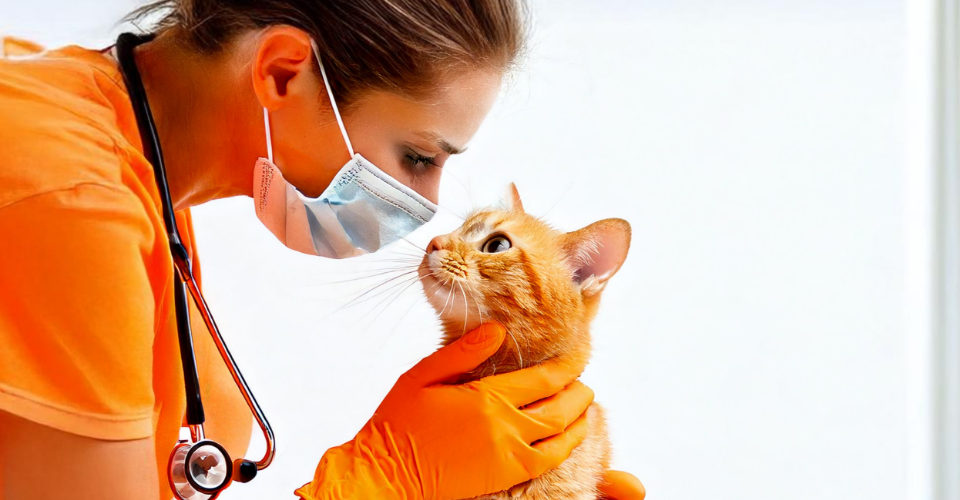
    Windshield Condition

    Do you already have a chip from a flying stone thanks to your summer road trip? The winter cold can make it spread across the glass. Repair chips before they become cracks and compromise your visibility or your wallet. 


    Prioritise Safety and Emergency Preparedness 

    Brakes

    Damp, cold roads increase stopping distances. Ensure your vehicle’s brakes function correctly and have sufficient pad thickness. Have them inspected and replaced if necessary.  

    Car Washes

    It may sound wild, but winter is a great time to wash your car. Winter weather can be harsh on your car’s exterior. 

    • Regular Car Washes: Remove dirt and grime to prevent paint damage and rust. 
    • Wax Application: Apply a protective wax coating to shield your car from the elements. 

    Emergency Kit

    A local-ready emergency kit includes: 

    • Jumper cables 
    • Blanket 
    • Snacks and water 
    • Phone charger or power bank 
    • Torch with spare batteries. 

    You might also add gloves and a raincoat, because being stuck in a KZN downpour with a flat tyre is no joke. 

    RELATED: AFTER-HOURS EMERGENCIES ON THE ROAD, HOW TO JUMP-START A CAR 

    Engine Pre-Heating

    If you’re in the country’s colder regions, a block heater can help warm your engine before you start it. This reduces wear and improves fuel efficiency. 


    Are You up to Date with Your Winter Car Maintenance? 

    Being proactive about winter car care saves time, money, and stress. If you have any questions or need expert advice, contact us today at dotsure.co.za. You can also explore our car insurance options to learn more about how we can help you drive stress-free this winter. 


  • 7 FASCINATING BIRD SUPERSTITIONS AND THEIR HIDDEN MEANINGS

    7 FASCINATING BIRD SUPERSTITIONS AND THEIR HIDDEN MEANINGS

    Birds have fluttered their way into superstitions and folklore around the world since the dawn of mankind. Some people believe them to be messengers from the gods or even representations of the gods themselves. Others believe them to be a sign of good luck or a bad omen. Let’s take a look at 7 bird superstitions and the hidden meanings behind them.

    PS: Do you already own a feathered friend? Protect them with dotsure.co.za!

    RELATED: BLACK CATS AND OTHER SUPERSTITIONS


    The Meaning of a Bird Pooping on You

    Getting pooped on by a bird might mess up your favourite shirt, but in many cultures it’s actually a sign of good luck. It’s believed to bring wealth and prosperity, especially if it lands on your head. So, next time it happens, instead of shouting some fowl language up to the sky, maybe go and play the Lotto.


    What Does It Mean When a Bird Enters Your House?

    A bird flying into your home can cause some panic, but in folklore it usually means one of two things:

    1. An important message is coming your way (good or bad).
    2. A spirit of a loved one is visiting.

    In some cultures, though, it’s a bad omen, especially if the bird can’t find its way out or flies into the window.


    Are Owls Omens of Death or Wisdom?

    Owls have a mystical reputation and they’re often linked to death in folklore. Many cultures believe seeing or hearing an owl means a major change or loss is coming. In other cultures owls symbolise wisdom and guidance.


    Do Crows and Ravens Mean Trouble Is Coming?

    Both crows and ravens have always been painted as villains in superstition. Seeing a single crow or raven is often thought to signal bad luck, misfortune or even death.

    However, seeing two or more crows together is actually considered good luck! So, if you spot a murder of crows (yes, that’s what a group of them is called, hence the whole villain thing), don’t panic, it might be a sign that fortune is on your side.


    Seeing a Robin Means a Loved One Is Watching Over You

    In many cultures, robins are believed to be messengers from the spirit world. If a robin appears near you, especially after you’ve lost someone, it could mean that a loved one is watching over you and sending comfort.

    So, next time you see a robin take a moment to appreciate the visit, it might just be a little feathered hug from above.


    Hearing a Bird Sing at Night Is a Bad Omen

    Birds are supposed to sleep at night, right? So, if you hear one chirping in the dark, it can feel a little eerie. According to superstition, it’s a sign of bad luck or an upcoming loss.

    On the flip side, some cultures believe a night-singing bird could mean a message is on its way. So, maybe their evening serenade is just trying to tell you something important.


    If a Bird Builds a Nest on Your House, It Brings Blessings

    Is there a bird’s nest on your house, balcony, or window ledge? Congrats! You’ve been hand-pecked for good fortune. Many cultures believe a bird nesting on your home means happiness, protection, and prosperity for the household.

    Just don’t disturb the nest. It’s said that removing it could reverse the good luck!


    Final Feathers of Thought

    Whether you believe in these bird superstitions or not, they do have a way of keeping life interesting.

    Do you want to keep your feathered pets safe? Visit dotsure.co.za for our Exotic Pet plans that cover birds!

  • UNDERSTANDING ASPERGILLOSIS IN BIRDS: A VET’S PERSPECTIVE

    UNDERSTANDING ASPERGILLOSIS IN BIRDS: A VET’S PERSPECTIVE

    Meet Dr. Kobus Grobler from Bergbos Animal Clinic in Rustenburg, here to answer questions about aspergillosis in birds, what it is, how to spot it early and how to protect your feathered friends from this potentially serious condition.


    What is Aspergillosis in Birds?

    ”Aspergillosis is caused by fungi of the genus Aspergillus, more often A fumigatus. The fungi occur in the environment and grow commonly in moist and warm conditions. Birds are especially prone to developing the disease. Infection occurs when spores are inhaled, and the bird’s immune system is compromised through concurrent disease or malnutrition. A seed-only diet is deficient in Vitamin A, predisposing the bird to respiratory infections. “

    What Are the First Signs and Symptoms of Aspergillus?

    “The fungus grows in the lungs and air sacs, causing chronic signs such as emaciation, difficulty breathing, and coughing.  It can also spread to the intestines and nervous system, causing diarrhoea and other nervous symptoms, but this happens infrequently. The diagnosis can be quite challenging, but radiographs can suggest the disease. The best way of diagnosing the disease is by endoscopy, where lesions in the trachea, lungs, and air sacs can be observed, and samples can be taken for either culture or histopathology. A preliminary diagnosis can also be made from direct smears from such lesions.”

    What Medication Is Used for Aspergillosis in Birds?

    “Anti-fungal drugs such as Itraconazole are used, but their efficacy is limited by the fact that the body forms granulomas around the lesions which block the penetration of the medication. The medication can also be instilled right into air sacs during endoscopic procedures.  Supportive care and improved nutrition are also important in managing sick birds.”

    How Can Bird Owners Prevent Aspergillosis?

    “The main preventative measures are ensuring the bird’s environment is dry and clean with good ventilation. Proper nutrition is paramount, especially vitamin A supplementation if deficient in the diet. Feed must be kept dry to prevent mould from growing on it.”

    Any Last Thoughts on ASpergillosis in Birds? 

    “Although Aspergillosis doesn’t occur very frequently, it can be devastating if it does. Diagnosis can be challenging, and treatment is not always effective. The antifungals can also be very pricey.  It is always better for birds to be seen to by vets who have experience with the disease and the necessary equipment for diagnosis, treatment, and aftercare.  As usual, prevention is better than cure!”


    More About Our Vet of The Month

    Tell us a little more about you and what you do.

    “I am originally from Pretoria, where I grew up, went to school and completed my Bachelor’s at Onderstepoort. I did a two-year stint in the Medical Corps in Bophuthatswana and then worked for six months in Kempton Park as a small animal vet. Since September 1990, I have been in mixed practice in Rustenburg, where we treat every non-human mammal imaginable. My favourite part of the job is small animal surgery, and if I had a choice, I would spend the whole day with some surgical instrument in my hands.”

    What inspired you to become a vet? 

    “I have often tried to answer that question, but ever since I can remember, that has been my dream, so I suppose it was a calling more than anything else. Working with vets like the late Dr Duncan Prinsloo just furthered my aspirations, and I must say, I have not regretted my decision.”

    Do you have any pets?

    I do not own any pets at the moment. Both my mutts died within a short time, and I am still trying to get over the loss.


    Pet Insurance and Aspergillosis

    At dotsure.co.za, we offer Exotic Pet plans that cover a wide range of avian health issues, including aspergillosis in birds, ensuring your feathered family members get the care they need. Visit dotsure.co.za and get a quote today.

    More from our expert vet community:

  • WHAT TO FEED A BABY BIRD IN AN EMERGENCY (AND WHAT TO AVOID)

    WHAT TO FEED A BABY BIRD IN AN EMERGENCY (AND WHAT TO AVOID)

    So, you’ve found a baby bird on the ground chirping away for help, and just like that, you’re a new bird parent. But there’s just one problem. You have no idea what to feed your new feathered child. Before you start Googling recipes for worm smoothies, here’s what to feed a baby bird in an emergency and how to protect it, so you can give your new little friend the best shot at survival.


    What Homemade Food Can You Feed a Baby Bird in an Emergency?

    You can offer emergency food substitutes if you can’t get to a vet immediately. Depending on the bird species, you can try:

    • Soft dog or cat food soaked in warm water to a mushy consistency
    • Unseasoned scrambled eggs
    • Mashed-up insects or mealworms for insectivorous birds
    • Moistened plain baby cereal for grain-eating birds.

    Pro tip: Don’t force-feed. Gently touch the food to the edge of their beak and let them decide when to nibble.


    What Not to Feed Baby Birds

    Yes, it may be an emergency. Some foods can do more harm than good.

    • Milk: While milk sounds like the “nurturing” thing to feed them, baby birds can’t digest dairy.
    • Bread: It might fill their little bellies, but it offers zero nutrients. Instead, go for that moistened baby cereal we mentioned earlier on.
    • Raw meat: Too risky! It can introduce harmful bacteria and do more harm than good.
    • Rice: It’s hard to digest and can lead to bloating, which is not ideal for tiny tummies.
    • Fruit seeds: Some, like apple seeds, contain toxins. If you’re offering fruit, make sure you’ve cut the core out and removed the seeds.

    Avocado: Avo might be trendy for humans, but it is toxic to birds.


    How Often Should You Feed a Baby Bird?

    Feeding frequency will vary from every fifteen minutes to every two hours, depending on the species and age. If the bird looks weak or isn’t begging for food, get it to a professional ASAP!


    Can You Give a Baby Bird Water?

    Nope! Unlike adult birds, baby birds don’t drink water. They get all their hydration from their food. Dropping water directly into their beaks can cause choking or drowning.


    Our Final Chirp on Feeding Baby Birds

    Now that you know how to feed a baby bird, you’re better prepared to give a little life a fighting chance!

    If you already share your home with a pet bird, ensure they’re protected with dotsure.co.za pet insurance. It’s just one more way to be the best bird parent you can be!

    RELATED: SOUTH AFRICA’S MOST POPULAR PET BIRDS AND WHY WE LOVE THEM

  • DOES YOUR PET INSURANCE COVER SPAYING AND NEUTERING?

    DOES YOUR PET INSURANCE COVER SPAYING AND NEUTERING?

    Sterilising your pet is one of the best decisions you can make for their health, behaviour, and the general pet population. But, of course, it comes with a visit to the vet and a vet bill. So, we’re here to answer that burning question: Does pet insurance cover spaying and neutering?

    At dotsure.co.za, we offer flexible pet insurance plans and optional add-ons that can help cover sterilisation costs depending on your level of cover. Let’s break it down.


    What’s the Difference Between Spaying and Neutering?

    • Spaying is a surgical procedure for female animals which involves removing the ovaries and sometimes the uterus to prevent pregnancies.
    • Neutering is a surgical procedure for male animals which involves removing the testicles, reducing aggressive behaviours and making them sterile.

    While they are different procedures, spaying and neutering are collectively referred to as sterilisation.


    What Is the Difference Between Routine Care and Standard Cover?

    Standard Cover (Accident & Illness): Covers accidents, illnesses, surgeries, and vet visits, but not sterilisation. Some of our plans also cover hereditary conditions.

    Wellness Benefit (Routine Care): Depending on your selected plan, this is an added benefit to standard cover, which covers preventative treatments such as vaccinations, spaying and neutering.

    RELATED: HEREDITARY CONDITIONS: IS YOUR PET COVERED?


    How Much Does It Cost to Sterilise a Pet in South Africa?

    Sterilisation costs depend on your pet’s size, breed and the vet clinic you choose to visit, but here’s a rough estimate:

    Cats: R500 – R2 000
    Small Dogs: R750 – R2,500
    Medium to Large Dogs: R2 500 – R5 000

    Please note: This is just a rough estimate and not the actual costs. Consult your vet for a more detailed cost estimate.


    Are There Pet Insurance Plans That Cover Sterilisation?

    Yes! At dotsure.co.za, if your plan includes Wellness Benefits, you’ll be covered for sterilisation up to a specified amount.


    Can You Add Spaying and Neutering to Your Pet Insurance Plan?

    Yebo! With dotsure.co.za, if your plan supports the Wellness Benefit, you can add this extension to your plan.

    This not only helps with spaying and neutering costs but also covers:

    • Vaccinations
    • Deworming
    • Tick & flea treatments
    • Dental cleanings
    • And more.

    Do you need to add our Wellness Benefit to your policy? Contact us today or simply visit the 24/7 online Manage Portal.


    Get the Right Pet Insurance for Your Pet’s Needs

    Looking for pet insurance that covers more than just the basics? At dotsure.co.za, we offer customisable plans so you can choose what works for you. Visit dotsure.co.za to get a quote.

    Do you have more questions other than whether pet insurance covers spaying or neutering? Check our FAQS here: PET INSURANCE MADE SIMPLE: YOUR TOP QUESTIONS ANSWERED.

  • COMMON BIRD DISEASES EVERY OWNER SHOULD KNOW AND HOW TO SPOT THEM EARLY

    COMMON BIRD DISEASES EVERY OWNER SHOULD KNOW AND HOW TO SPOT THEM EARLY

    Fun fact: Birds are masters at hiding illness. Looking sick makes them an easy target in the wild, so even pet birds instinctively mask their symptoms. Knowing the common bird diseases and their early warning signs is key to keeping your feathered friend healthy.

    Here’s a breakdown of the most common bird diseases, how to spot them, and how you can protect your winged pets.


    Common Signs of Illness in Pet Birds

    If your bird isn’t acting like their usual chirpy self, watch for these signs of illness in birds:

    • Fluffed-up feathers for long periods
    • Lethargy or unusual quietness
    • Changes in eating or drinking habits
    • Runny nose or sneezing
    • Laboured breathing or tail bobbing
    • Unusual droppings (watery, discoloured, or fewer than usual)
    • Weakness or difficulty perching.

    Early detection can make a huge difference. So, a vet visit is always a good idea if something seems off.


    Psittacosis (Parrot Fever) in Pet Birds

    Psittacosis, also known as Parrot Fever, is one of the top contenders. It’s caused by a bacterium (Chlamydia psittaci) and can be transmitted to humans.

    Symptoms in birds include:

    • Greenish diarrhoea
    • Eye or nasal discharge
    • Ruffled feathers and weight loss
    • Difficulty breathing.

    Since humans can get psittacosis too, always wash your hands after handling your bird and keep their cage clean.


    Aspergillosis: A Dangerous Fungal Infection

    Aspergillosis is a serious fungal infection that affects the respiratory system in birds. It’s caused by mould, which is common in dirty cages, damp bedding, and old food.

    Symptoms include:

    • Difficulty breathing or wheezing
    • Loss of voice
    • Weakness and loss of appetite.

    Prevention is simple: Keep your bird’s environment dry, fresh and clean.

    RELATED: UNDERSTANDING ASPERGILLOSIS IN BIRDS: A VET’S PERSPECTIVE


    More Common Pet Bird Diseases

    Avian Polyomavirus

    This viral disease primarily affects young birds, causing a loss of feathers, vomiting, and sudden death in severe cases. Unfortunately, there’s no cure, so prevention through hygiene and vaccination is  very important.

    Proventricular Dilatation Disease (PDD)

    Sometimes called “Macaw Wasting Disease,” PDD affects the digestive and nervous systems, leading to weight loss, difficulty digesting food and neurological issues. While there’s no cure, early detection can help manage symptoms.


    Additional Bird Illnesses to Watch For

    Feather Plucking and Behavioural Issues

    While feather plucking can be caused by stress or boredom, it can also indicate underlying health issues, such as infections, mites, or nutritional deficiencies.

    Nutritional Deficiencies in Birds

    A poor diet can lead to vitamin and mineral deficiencies, affecting feather quality, bone health, and immune function. Ensure your bird has a balanced diet with fresh fruits, vegetables, and high-quality pellets.


    Can Humans Catch Bird Diseases?

    Yes, some bird diseases, such as Psittacosis, can spread to humans. While rare, practising good hygiene when handling birds and cleaning their cages is essential. See a doctor if you develop flu-like symptoms after exposure to a sick bird.


    How to Prevent Common Bird Diseases at Home

    Prevention is always better than treatment! Here’s how to keep your feathered friend healthy:

    • Provide a clean, dry, and well-ventilated living space
    • Feed a balanced diet tailored to their species
    • Schedule regular check-ups with an avian vet
    • Quarantine new birds before introducing them to existing pets.


    Protect Your Feathered Friend with Pet Insurance

    Vet bills for exotic pets can be pricey but with dotsure.co.za’s Exotic Pet plans, you can get cover for some common bird diseases and illnesses, vet visits and more. Get a quote today and protect your bird with SA’s #1 pet insurance*.

    *Voted South Africa’s Best Pet Insurance 2023/2024 by readers of various media publications.

  • DOES INSURANCE COVER HIJACKING IN SOUTH AFRICA?

    DOES INSURANCE COVER HIJACKING IN SOUTH AFRICA?

    Hijacking is an unfortunate reality on South African roads. With carjackings on the rise, many vehicle owners are worried about the financial implications. So, does your insurance cover hijackings in South Africa?


    How Common Is Hijacking in South Africa?

    According to the South African Police Service (SAPS), carjacking incidents have shown an upward trend in recent years, with thousands of cases reported annually. Criminals often operate in coordinated groups, targeting both private and business vehicles.


    Where Do Most Hijackings Take Place?

    While hijackings can happen anywhere, certain areas are considered high-risk. Hotspots often include:

    • Residential driveways during entry/exit
    • Intersections with high traffic volumes
    • Quiet streets near shopping malls
    • Petrol stations
    • Areas near schools and ATMs.

    Urban provinces like Gauteng, KwaZulu-Natal, and the Western Cape typically report the highest numbers of hijackings.


    Does Car Insurance Cover Hijacking?

    If your vehicle is hijacked, most insurers will typically pay out based on the market, retail, or agreed value of the car (depending on your policy). However, it’s essential to read the fine print, as not all policies include hijacking cover by default.

    Check that your car insurance includes:

    • Hijacking and theft cover
    • Towing and recovery costs
    • Temporary transport contribution.

    Also, check whether personal items inside the vehicle are covered. dotsure.co.za offers cover for Portable Possessions as an optional cover section.

    RELATED: CAR INSURANCE: WHAT’S COVERED?


    How Do Insurance Companies Pay for Recovered Hijacked Vehicles?

    If your car is recovered after a hijacking, your insurer will assess the vehicle for damage and decide on the next steps. Depending on the condition:

    • If the vehicle is repairable, the insurer may pay for repairs and return the car to you.
    • If the vehicle is written off, the insurer will pay out according to your policy terms.
    • If major parts are missing, such as the engine or transmission, this may influence the payout value.

    In either case, you’ll need a police case number and a detailed report for the claim process to begin.


    What Are the Safety Tips for Avoiding a Hijacking?

    Prevention is essential when it comes to hijackings. Here are some practical tips:

    • Be aware of your surroundings, especially when entering or leaving your driveway.
    • Avoid distractions such as using mobile phones while driving.
    • Leave enough space between you and the car in front to allow for a quick getaway.
    • Drive with doors locked and windows rolled up.
    • Avoid routine travel patterns. Switch your routes and times.
    • Be extra cautious at intersections and stop streets.
    • Avoid leaving valuable items visible (on cars seats or consoles).


    Protect What Moves You 

    Life is unpredictable, but the right insurance can give you peace of mind. At dotsure.co.za, we offer comprehensive car insurance that includes hijacking cover as a standard benefit (subject to Ts & Cs), along with flexible excess options and fast claims. We also offer business insurance that protects your business vehicles, including theft, hijacking, and accidental damage.

    Contact us or quote online today!

  • DOES YOUR PET INSURANCE COVER VACCINATIONS? LET’S BREAK IT DOWN

    DOES YOUR PET INSURANCE COVER VACCINATIONS? LET’S BREAK IT DOWN

    Your furry bestie deserves the best care, including those all-important vaccinations. But here’s the big question: Does pet insurance cover vaccinations, or will you need to budget separately for them? As SA’s #1 pet insurance*, we’ve got all the answers (and the plans) for you.


    Are Vaccinations Covered by Pet Insurance?

    Standard pet insurance usually covers unexpected illnesses and accidents; routine care such as vaccination isn’t always included. However, some plans (like some of the dotsure.co.za plans) allow you add wellness benefits that help cover these essential vet visits.

    Are you already part of the dotsure.co.za pet fam? Visit the Manage Portal online or contact us and add the Wellness Benefit today.

    RELATED: DOES YOUR PET INSURANCE COVER SPAYING AND NEUTERING?


    What Is the Cost of Pet Vaccinations in South Africa?

    Keeping your pet’s vaccines up to date is crucial, but what’s the price tag?

    Puppy and Kitten First-Year Vaccines

    Young pets need multiple vaccinations in their first year to protect them against deadly diseases such as parvo and rabies. The cost? Around R500 – R1 000 per shot, with multiple rounds needed.

    Annual Boosters

    After their first year, dogs and cats need yearly booster shots to stay protected. These costs are between R400 and R800 per visit.

    RELATED: CANINE PARVOVIRUS: SYMPTOMS, TREATMENT AND PREVENTION


    Do We Cover Vaccinations?

    Yes, with the right plan or extension! While vaccinations aren’t covered under standard accident and illness plans, our Wellness Benefit options helps with routine care costs. Here’s how they work:

    • Included in our Ultimate Plan
    • Available as an add-on for Elite, Vital and Deluxe Plans

    Helps cover the costs of vaccinations, deworming, tick and flea prevention, and more!


    Is Pet Insurance Worth It for Vaccinations Alone?

    Pet insurance is primarily designed for unexpected vet bills, but with the Wellness Benefit, you can get help with preventative care such as vaccines. That means less stress for you and better protection for your pet, which is a win-win!


    Ready to Protect Your Pet? Get a Quote Today!

    Keeping your pet happy and healthy is easier (and more affordable) with dotsure.co.za. Whether you need cover for surprise vet visits or routine care such as vaccinations, we have a plan for you!

    Get a quote today at dotsure.co.za.

    *Voted South Africa’s Best Pet Insurance 2023/2024 by readers of various media publications.

  • INSURANCE FOR VETS: TAILORED PROTECTION FOR YOUR VETERINARY PRACTICE

    INSURANCE FOR VETS: TAILORED PROTECTION FOR YOUR VETERINARY PRACTICE

    Running a veterinary practice comes with its fair share of unique risks. That’s where insurance for vets comes in, offering peace of mind so that you can focus on caring for our pets.


    What Is Veterinary Practice Insurance?

    This type of cover is designed specifically for veterinarians who would like insurance cover for all their business assets under one policy. It protects your clinic, equipment, and even the animals in your care. Basically, ensuring that when life throws a curveball (or a feisty Chihuahua) at you, you’re financially protected.


    Veterinary Practice Insurance Cover: What’s Included?

    Property and Contents Insurance

    Your clinic is more than just a workspace. It’s where you calm anxious pet parents, perform emergency surgery, or bring new life into the world. This cover protects your equipment, medication and stock from fire or theft, helping you to bounce back without “paws.”

    Animal Bailee Cover: Protecting Pets in Your Care

    What happens if a pet is injured or lost while in your care? That’s where animal bailee cover comes in. It helps to cover financial liability if something happens to a pet patient under your watch.

    Business Interruption Insurance for Veterinary Clinics

    If your clinic has to close tomorrow due to a fire, flood, or some other unexpected event, business interruption insurance ensures you don’t have to dig into your personal savings or go into panic mode. It covers lost revenue and ongoing expenses such as staff salaries and rent, helping you to get back on your feet!


    Why Choose Specialised Insurance for Your Vet Practice?

    At dotsure.co.za, we understand that vets face unique risks, so we offer tailored veterinary insurance that protects you while you protect our pets.

    Get a quote today and ensure your business keeps purring.

  • INSURANCE FOR BUTCHER SHOPS: SAFEGUARDING YOUR BUSINESS

    INSURANCE FOR BUTCHER SHOPS: SAFEGUARDING YOUR BUSINESS

    Owning a butchery is all about serving up the best cuts. With the right business insurance for butchers, you can ensure your shop stays a cut above the rest, no matter what happens.


    Why Butcher Shops Need Business Insurance

    You have built your business on great customer service, top-quality meats and a reputation for freshness. But what happens if a fire, theft or natural disaster threatens to take that all away? Much like your secret rub that everyone asks you about, you need a special ingredient to keep your business safe from these unexpected risks. That’s where business insurance comes in. It’s the special sauce that helps you get back to doing what you do best!

    RELATED: BUSINESS INSURANCE SIMPLIFIED: WHAT YOU NEED TO KNOW


    General Liability Insurance:

    Protection Against Customer Claims

    General liability insurance covers legal costs and compensation if someone gets injured or their property is damaged in your shop.


    Commercial Property Insurance:

    Safeguarding Your Physical Assets

    You can’t serve up cold cuts without a fridge or slicer, let alone an actual building. If a fire, theft or natural disaster causes damage to your shop or the contents of your shop, commercial property insurance helps to cover repairs or replacements.


    Business Interruption Insurance:

    Maintaining Financial Stability During Unexpected Closures

    If a fire or a flood causes you to close up shop, with Business interruption insurance, you can still bring home the bacon. It covers lost income so you can pay your bills, your staff and yourself until you’re back to serving up the good stuff.


    Choosing the Right Insurance Provider for Your Butcher Shop

    When it comes to protecting your business, you deserve a prime cut, not a raw deal. With dotsure.co.za, you can get custom-made business insurance for butchers to protect you and your unique risks.

    Ready to beef up your butcher shop’s protection? Contact us or request a quote online today!

  • SOUTH AFRICA’S MOST POPULAR PET BIRDS AND WHY WE LOVE THEM

    SOUTH AFRICA’S MOST POPULAR PET BIRDS AND WHY WE LOVE THEM

    Birds aren’t just beautiful. They’re full of personality, charm and even a few words. If you’re looking for a talkative companion, a low-maintenance friend, or a feathered cuddle bug, there’s a pet bird out there (and a dotsure.co.za pet insurance plan) to match.
    Two birds, with one stone. Except, no birds are harmed here, they’re only protected. 😉 Let’s meet South Africa’s most popular pet birds and what we love about them!


    Best Pet Birds for Beginners

    New to bird parenthood? Some birds are easier to care for than others. The best beginner-friendly birds are:

    • Budgies (Budgerigars): Small, social, and easy to train, budgies are amongst the best first birds for new owners. Plus, they can learn to mimic words.
    • Cockatiels: Friendly, intelligent, and relatively low-maintenance, cockatiels love whistling tunes and bonding with their humans.
    • Lovebirds: Tiny but full of personality, lovebirds are affectionate and easy to care for. They usually come in pairs, so give them enough social and mental stimulation if you get a single lovebird.


    Pet Birds That Can Talk

    Do you want a bird that chirps back? Some species are natural talkers and can even learn phrases:

    • African Grey Parrots: These intelligent birds can develop a vast vocabulary and accurately mimic human speech.
    • Indian Ringneck Parakeets: Known for their clear pronunciation, these birds can learn entire sentences!
    • Budgies: As mentioned earlier, budgies are great for beginner bird owners and can learn over 1 000 words with enough patience and training.

    Note to reader: Be careful what you say; your pet bird could reveal all your secrets.


    Low-Maintenance Pet Birds for Busy Owners

    Working pet parents, these birds are for you:

    • Canaries: Independent and happy in their cage, canaries need minimal handling. Plus, they love to sing and can remember melodies, so leave the radio on so that they can sing along.
    • Finches: These tiny birds thrive in pairs or groups and don’t need much human interaction.
    • Doves: Gentle and quiet, doves are easy-going pets that don’t demand constant attention.

    Fun fact: “To sing like a canary” doesn’t mean you’ve got pipes; it means you’re a bit of a snitch.


    Most Affectionate Pet Birds

    Looking for a bird that loves snuggles and companionship? These birds adore their humans:

    • Cockatoos: The cuddle bugs of the bird world! Cockatoos crave attention and will happily snuggle up to their owners.
    • Quaker Parrots: Playful, affectionate, and social, these parrots love to bond with their humans.
    • Lovebirds: Their name says it all. Lovebirds love love! They form strong attachments and enjoy sitting close to their owners.


    Which Pet Bird Is Right for You?

    Choosing the perfect bird depends on your lifestyle. Do you want a chatty companion, a hands-off pet, or a cuddly bird?

    No matter which popular pet bird you choose, dotsure.co.za pet insurance can help to protect their health and your pocket. Our Exotic Pet plans cover your bird’s vet visits, accidents and illnesses so you can focus on enjoying their chirps and songs without worrying about the vet bills.

    Get a quote online today, or contact us for more info.

  • HOW TO: SAVE FUEL WHEN DRIVING

    HOW TO: SAVE FUEL WHEN DRIVING

    With fuel prices continuing to fluctuate in South Africa, finding practical ways to save on fuel when driving has become essential for every motorist. And just like comparing car insurance to cut monthly costs, small changes to your driving habits can result in big savings at the pump.


    Does Speeding Consume More Fuel?

    Yes, speeding significantly increases your fuel consumption. The faster you drive, the harder your engine has to work, and that extra effort burns more fuel. For example, driving at 120 km/h instead of 100 km/h can increase fuel consumption by up to 20%, depending on your vehicle.


    What Is the Best Speed to Save Fuel?

    The optimal fuel-saving speed varies depending on the vehicle, but most cars are at their most efficient between 60 to 90 km/h.

    Here’s a helpful illustration of how speed affects fuel consumption:

    Speed (km/h) Fuel Efficiency (l/100km)
    60 km/h 6,0
    80 km/h 6,5
    100 km/h 7,5
    120 km/h 9,0
    140 km/h 11,5

    (Values are general estimates and may vary by vehicle type.)


    7 Smart Driving Techniques That Help Save Fuel

    1. Maintain Steady Speeds: Fluctuating between fast and slow speeds forces your engine to work harder.
    2. Avoid Harsh Acceleration: Putting pedal to the metal can increase fuel consumption by up to 40% in stop-start traffic.
    3. Use Cruise Control Wisely: Cruise control can help maintain a consistent speed on flat roads. But driving uphill keeps your car in a lower gear for longer, using more fuel.
    4. Anticipate Stops: Instead of braking hard at the last second, ease off the accelerator early.
    5. Keep Tyres Inflated: Underinflated tyres increase rolling resistance, meaning your engine has to work harder to move the car. Check tyre pressure at least once a month.
    6. Limit Idling: Letting your engine idle for more than 30 seconds uses more fuel than turning it off and restarting it.
    7. Lighten Your Load: Excess weight puts extra strain on your engine. Remove unnecessary items from your boot, and remove roof racks when not in use.

    RELATED: TIPS FOR LOWERING YOUR CAR INSURANCE PREMIUM

    Don’t Fall for Fuel-Saving Myths

    Some fuel-saving tips floating around online simply don’t work, such as using premium petrol in a regular car or always running your tank to empty. Stick with proven, research-backed techniques for real savings.


    Become a Smart Driver

    dotsure.co.za‘s Smart Driver Programme is an added benefit on your car insurance policy that rewards safer, smarter driving. From car tracker insights to tailor-made cover, it’s a win-win for your car and your budget.

    RELATED: GET THE MOST OUT OF YOUR POLICY

  • BEST SOUNDING CAR ENGINES LOVED BY ENTHUSIASTS

    BEST SOUNDING CAR ENGINES LOVED BY ENTHUSIASTS

    There’s something about a great-sounding engine that stirs the soul of every car enthusiast. Whether it’s the raspy bark of a high-revving V10 or the deep growl of a classic V8, the engine’s sound is one of the most emotional aspects of the driving experience.


    Why Do Some Engines Sound Different?

    That iconic roar, howl, or purr comes down to a range of engineering and design decisions made during development of an engine. While performance is the main goal, the sound has become a badge of honour, especially for petrol heads who love revving through tunnels or straights.

    What Determines the Sound of a Car Engine? 

    Several factors influence what an engine sounds like. It’s not just about displacement or horsepower, it’s about how the engine breathes, fires, and releases gases.

    Cylinder Count:

    More cylinders typically mean more pulses of combustion per cycle, which affects both the tone and the smoothness. A 12-cylinder engine often sounds smoother and more melodic than a four-cylinder, while a five-cylinder might sound oddly off-beat.

    Engine Configuration (V vs Inline):

    Inline engines tend to produce a smoother, more balanced sound, while V-shaped engines (like V6s, V8s, V10s) often deliver a throatier and more aggressive growl. Flat engines (like those in some Subarus and Porsches) have their own unique rumble too.

    Exhaust Setup:

    The exhaust system plays a critical role. From pipe length and diameter to muffler and resonator design — these components can make a quiet engine sound like a beast or vice versa.

    Crankshaft Design (Flat-Plane vs Cross-Plane):

    A flat-plane crankshaft (often found in Ferraris or the Ford Mustang GT350) gives a sharper, higher-pitched sound, while cross-plane crankshafts (like those in American V8s) provide a deep and burbly tone.


    Top 7 Best Sounding Car Engines

    According to enthusiasts and sound tests around the world, here are engines that earn goosebumps on demand.

    • Ferrari 812 Superfast – 6.5L V12: Screams to the heavens at 8 900 RPM.
    • Porsche Carrera GT – 5.7L V10: Mechanical, raw, and totally addictive.
    • Ford Mustang GT350 – 5.2L Flat-Plane V8: Unique American sound with Ferrari-like flair.
    • Lamborghini Aventador SVJ – 6.5L V12: Thunderous drama with Italian soul.
    • Mercedes-AMG C63 (W204) – 6.2L V8: Raw, thunderous muscle.
    • Audi RS3 – 2.5L Inline-5: Unusual warble with character for days.
    • Mazda RX-7 – Rotary Engine: Lightweight scream with high-revving insanity.

    RELATED: FASTEST CARS OF 2025


    Why Do V8 Engines Sound So Good? 

    V8s are the sound of power and presence. With their even firing intervals (in cross-plane form) and balanced design, they produce a deep, rhythmic rumble that hits you in the chest.

    Whether it’s the burble of a classic muscle car or the refined thunder of a Mercedes-AMG, V8s deliver the perfect blend of grunt and drama.


    Want to Keep That Engine Singing? 

    A great-sounding engine deserves great care. Whether it’s a high-revving inline-4 or a soulful V12, the last thing you want is a costly breakdown muting the music. That’s where dotsure.co.za’s extended car warranty comes in, covering unexpected repair bills so your engine keeps purring, roaring, or howling like it should.

    RELATED: WORRYING CAR SOUNDS

  • UNDERSTANDING PET INSURANCE WAITING PERIODS

    UNDERSTANDING PET INSURANCE WAITING PERIODS


    We all know the saying, “Good things come to those who wait”. Well, when it comes to pet insurance, it’s no different. Let’s break down what a pet insurance waiting period is, why they exist, and why they’re worth the wait.

    RELATED: WAITING PERIODS EXPLAINED


    What Is a Waiting Period for Pet Insurance?

    Also known as the qualifying period, it is the time between when you sign up or upgrade your pet insurance and when certain cover types become active. In other words, it’s a short pause before you can claim for specific conditions. This prevents people from taking out insurance only after their pet is sick or injured.

    RELATED: THINGS PET INSURANCE DOESN’T COVER


    Why Does Pet Insurance Have Need Them?

    They help keep pet insurance fair and affordable for every paw-rent and their pets. Without them, people could try to dupe the system, leading to higher premiums for all pet parents.


    How Long Are Waiting Periods for Pet Insurance?

    Here’s a more detailed breakdown of our pet insurance waiting periods:

    • Accidental Claims: No waiting period.
    • Illness Claims: 30-day waiting period.
    • Wellness Claims: 60-day waiting period.
    • Hereditary Conditions: 12-month waiting period.


    What Happens If Your Pet Gets Sick During the Waiting Period?

    For example, if your pet develops an illness during the 30-day qualifying period, your policy won’t cover it. That’s why it’s best to sign up as soon as you become a pet parent, so you can cover your pet when it matters most. We cover accidental injuries from day one, so your pet gets immediate protection.


    Get Covered Today with SA’s #1 Pet Insurance*

    Pet insurance waiting periods might seem like a hassle, but they help keep pet insurance fair and affordable. The bottom line? Don’t wait for an emergency. Get your pet covered today with dotsure.co.za!

    *Voted South Africa’s Best Pet Insurance 2023/2024 by readers of various media publications.

  • 9 BAD DRIVING HABITS THAT DAMAGE YOUR CAR

    9 BAD DRIVING HABITS THAT DAMAGE YOUR CAR

    We all want our cars to last longer, perform better, and save us money in the long run. But the truth is, many of us develop bad driving habits without even realising the long-term damage they cause to our vehicles.

    RELATED: AVERAGE LIFESPAN OF CAR PARTS


    Riding the Clutch

    Riding the clutch means resting your foot on the clutch pedal while driving. This creates unnecessary friction and causes premature wear. Over time, it can lead to total clutch failure, which is an expensive fix.


    Shifting Gears Without Stopping Properly

    Ever shifted from reverse to drive (or vice versa) without coming to an absolute stop? Even if your car allows it, forcing the transmission to switch gears while moving can is bad driving habit that can cause internal damage to the gearbox.


    Not Using the Hand Brake Properly

    Relying solely on your automatic transmission’s “park” function when stopping on an incline puts strain on your transmission. Always engage the hand brake before releasing the foot brake to prevent gearbox damage.


    Driving Over Potholes Too Fast

    Potholes are a reality we face in many parts of South Africa. Hitting them at high speed can damage your car’s suspension, wheels, and alignment. If you can’t avoid it, slow down beforehand to reduce the impact.


    Overloading Your Vehicle

    The effects of overloading a vehicle include worn-out brakes, overheating, and a strain on suspension components. It also affects handling, especially in emergency situations.


    Ignoring Dashboard Warning Lights

    Those dashboard warning lights aren’t just for show. Always investigate a warning light immediately to catch issues before they become serious (and expensive).


    Sudden Acceleration and Braking

    Rapid acceleration and braking can cause unnecessary strain on your engine, brakes, and transmission. Smooth driving not only extends the life of your car. It also improves fuel efficiency and road safety.


    Running on a Low Fuel Tank

    It might seem harmless, but the dangers of running on low tank fuel include damage to your fuel pump. Sediment at the bottom of the tank can clog the fuel filter and reduce engine performance. Try to refuel before dropping below a quarter tank.


    Using the Wrong Transmission Fluid

    The wrong type of transmission fluid can lead to overheating, gear slipping, or total transmission failure. Always use fluid recommended by your vehicle’s manufacturer.


    Protect Your Car and Your Pocket

    Breaking these bad driving habits will not only protect your car but also save you thousands in repairs. And for extra peace of mind, consider an extended car warranty from dotsure.co.za, the smart way to cover unexpected breakdowns and keep your car running longer.

  • FUNNY SOUTH AFRICAN DRIVING LAWS: THE UNWRITTEN ROAD RULES

    FUNNY SOUTH AFRICAN DRIVING LAWS: THE UNWRITTEN ROAD RULES

    Driving in South Africa comes with its fair share of official road rules, many of which are clearly outlined in the K53 manual and reinforced when it’s time to deal with your car insurance. But there’s also a set of silent, unspoken South African driving laws that many local drivers follow without question. So, which ones are real, and which are just myths passed down from generation to generation?


    Silent Driving Rules South African Drivers Still Believe 

    Many South African drivers adhere to a unique code of conduct that’s never been written down. These silent driving rules include:

    • Thanking fellow drivers with a double flick of the hazard lights.
    • Moving onto the shoulder to let faster traffic pass on single-lane roads.
    • Flashing headlights to alert oncoming drivers of possible obstructions ahead.
    • Waving your hand out the window to signal “thank you” or “after you.”

    These aren’t enforceable by law, but they’ve become part of the everyday driving culture, especially on rural and long-distance roads. Some of these, such as driving on the shoulder, can actually put you at risk and merit a fine.


    Common Driving Myths in South Africa That Aren’t True 

    Over time, myths about what’s legal and what’s not, have taken on a life of their own. Let’s clear up some of the most common ones.

    Is It Illegal to Drive Barefoot in South Africa?

    No, it’s not illegal. There’s no law in South Africa that prohibits driving barefoot. However, it’s always best to drive in footwear that provides good grip and control, just in case.

    Is Eating While Driving Illegal in South Africa?

    Not directly. Eating behind the wheel isn’t against the law in and of itself. But if it distracts you to the point where you’re not in full control of your vehicle, you could be fined for negligent or reckless driving.

    Can You Get Fined for Flashing Headlights in South Africa?

    Flashing your headlights to warn others about speed traps or hazards is a common courtesy among South African drivers. It could, however, be interpreted as obstructing justice.


    Weird Traffic Laws South Africa Actually Enforces 

    Some laws sound too strange to be true, but they’re legit.

    Things You Can Get Fined for in South Africa while Driving

    • Driving without a shirt on. While uncommon, this falls under “indecent exposure.”
    • Sticking your elbow out the window. This one is real. It’s considered unsafe and can earn you a fine.
    • Letting passengers travel in the boot. This is definitely illegal and dangerous.
    • Driving with an unsecured load. Yup, you’ll get a fine for putting a couch on the roof.

    RELATED: WHAT YOU NEED TO KNOW ABOUT TRAFFIC FINES


    South Africa Driving Laws: What’s Real and What’s Not

    While many silent rules are rooted in goodwill and practical experience, they shouldn’t be mistaken for legal obligations.

    Visit dotsure.co.za to explore flexible, affordable car insurance options that are as real as the road under your wheels.

  • INSURANCE EXPLAINED: UNDERSTANDING WAITING PERIODS

    INSURANCE EXPLAINED: UNDERSTANDING WAITING PERIODS

    When you take out an insurance policy, one term you’ll often come across is the waiting period. While it might sound like industry jargon, it’s an important part of how insurance works.

    RELATED: COMMON INSURANCE TERMS


    What Are Waiting Periods in Insurance?

    Also known as a qualifying period, this is the amount of time you need to wait after purchasing an insurance policy before you’re eligible to make certain types of claims. It’s essentially a buffer zone designed to prevent claims for incidents that may have occurred before the cover started.

    Waiting periods can vary depending on the type of insurance and the provider. For example, a pet insurance policy might have a waiting period for illness cover but offer immediate cover for accidental injuries.

    RELATED: PET INSURANCE WAITING PERIODS


    Why Does Insurance Have Waiting Periods?

    Insurance waiting periods exist to protect both the insurer and the wider pool of policyholders. Without them, people could take out a policy only after something has gone wrong, such as getting life cover after having received a serious diagnosis.

    These periods ensure fairness and allow insurers to keep premiums reasonable for everyone.


    What Is the Waiting Period for Claims? 

    The length depends on:

    • The type of insurance you have
    • The type of event or condition covered
    • The specific policy terms.

    Here are a few typical examples:

    • Pet Insurance: Often 30 days for illness, sometimes none for accidents (as with dotsure.co.za). Waiting periods for hereditary conditions may be much longer.
    • Health Insurance: Varies for different treatments. Dental or maternity benefits may have longer waiting periods.
    • Life Insurance: Often 12–24 months for claims related to pre-existing conditions or suicide.

    Always check the fine print when signing up for cover to understand what’s included and what’s excluded during the waiting period.

    RELATED: HOW INSURANCE CLAIMS WORK


    Can You Get Insurance Without a Waiting Period?

    If you’re switching providers and have maintained uninterrupted cover, some waiting periods might be waived or reduced, but this isn’t guaranteed. Look for insurers who are transparent about their waiting periods and make it easy to understand what’s covered and when.

    At dotsure.co.za, we’re committed to treating customers fairly and keeping things simple. That’s why we offer a fast and easy claim process, backed by clear policy terms and compassionate support when you need it most.

  • SA ROAD TRIP PIT STOPS YOU CAN’T MISS: A GUIDE BY PROVINCE

    SA ROAD TRIP PIT STOPS YOU CAN’T MISS: A GUIDE BY PROVINCE


    Road-tripping across South Africa? Buckle up! Here are some of the quirkiest, must-visit pit stops to stretch your legs, refuel, and stock up on the ultimate padkos.


    Western Cape

    • Calitzdorp Cellar (Route 62): Sip on the taste of the Klein Karoo while taking in the region’s natural beauty. Designated drivers can stock up on some wine to enjoy off-duty.
    • Peregrine Farm Stall (Grabouw): Famous for pies and fresh produce.
    • The Blue Shed Coffee Roastery (Mossel Bay): A cosy spot to escape time with great coffee and sea views.


    Eastern Cape

    • Big Pineapple (Bathurst): The biggest pineapple in the world as your road trip selfie backdrop? Say less.
    • Marilyn’s 60s Diner (Storms River): A retro American-style diner with classic burgers and shakes. The portions are enormous, so pack a plastic container for some leftovers!
    • Nanaga Farm Stall (N2 near Port Elizabeth): Famed for its delicious pies, roosterkoek, and fresh pineapple juice.


    KwaZulu-Natal

    • Piggly Wiggly (Midlands Meander): A farm-style shopping and dining stop with gorgeous views of the vineyards.
    • Nottingham Road Brewing Company: One of SA’s oldest microbreweries, perfect for craft beer lovers (who aren’t drinking and driving, of course).
    • Blueberry Café (Nottingham Road): Scenic views and the best blueberry cheesecake.


    Gauteng

    • Irene Dairy Farm (Pretoria): A family-friendly experience with restaurants, a farm stall, walking trails, and the opportunity to say “hi” to the cows.
    • MiMi se Plaaskombuis: Home-cooked goodness and a beautiful view of the Vaal River.


    Northern Cape


    Mpumalanga


    Limpopo


    Free State

    • The Artist’s Café (Clarens): Artsy vibes and great coffee in SA’s ‘Jewel of the Eastern Free State.’


    Protect Your Road Trip

    Now that you have mapped out your pit stops, ensure your car is covered with dotsure.co.za car insurance before hitting the road!

    RELATED: READY, SET, GO! YOUR ROAD TRIP PREP CHECKLIST


  • WORRYING CAR SOUNDS: WHAT THEY MEAN AND HOW TO FIX THEM

    WORRYING CAR SOUNDS: WHAT THEY MEAN AND HOW TO FIX THEM


    We know the sounds of car trouble can cause a sense of worry and panic because even the smallest sound can mean a huge dent in your pocket when it comes to repairs or replacements. Luckily, our extended car warranty covers mechanical breakdowns or electrical failures, so these sounds don’t have to send shivers down your spine!

    However, even with a warranty, it’s still important to listen to our cars and what they are trying to say. Here are some common car noises, what they mean, and what you should do about them.

    RELATED: WHAT DOES YOUR EXTENDED CAR WARRANTY ACTUALLY COVER?


    5 Worrying Car Sounds Under Your Hood


    Grinding or Screeching

    • What it means: If you hear a high-pitched screech when braking, your brake pads could be worn down. A grinding sound? That’s worse. Your brake discs might be damaged.
    • What to do: Get your brakes checked ASAP! Faulty brakes are a safety hazard.


    Ticking or Knocking

    • What it means: Ticking could mean low oil levels or valve issues. A rhythmic knocking sound could mean something’s wrong with your engine, bearings or pistons.
    • What to do: Your engine needs oil to run smoothly, so check the oil levels and top up if needed. If you hear a knocking sound, stop driving and have your car checked out immediately, before it waves a white flag.


    Clapping

    • What it means: If you hear a clicking sound while turning, your CV joints may be worn out.
    • What to do: Have them replaced before they fail. You don’t want to be left stranded!


    Whining or Humming

    • What it means: A high-pitched whining sound could indicate transmission issues, often due to low transmission fluid or mechanical failure.
    • What to do: Check your transmission fluid levels. If the noise persists, have it inspected.


    Hissing

    • What it means: A hissing sound could mean a leaking vacuum hose, a cooling system issue, or overheating.
    • What to do: Pull over and let your engine cool. If the problem continues, call for assistance.


    RELATED:
    AFTER-HOURS EMERGENCIES ON THE ROAD
    THE AVERAGE LIFESPAN OF YOUR CAR PARTS
    MECHANICAL ISSUES AND CAR CRASHES


    Don’t Drive with Worry, Drive with a Warranty

    We cover a range of mechanical and electrical failures, so if your car starts sounding suspicious, you won’t have to panic about surprise repair costs. Ready to drive with warranty? Get a quote online from dotsure.co.za today.


  • HOW TO CHECK YOUR DRIVING LICENCE STATUS IN SOUTH AFRICA

    HOW TO CHECK YOUR DRIVING LICENCE STATUS IN SOUTH AFRICA


    Are you renewing your driver’s licence or waiting for a new card? Here are two ways to check your driving licence status in South Africa.


    SMS Notification Service

    The Road Traffic Management Corporation (RTMC) offers an SMS service to inform you about your licence status. By sending your ID number to 33214, you can receive real-time updates on your application. This service will provide you with the following responses:

    • Application Received: The Driver’s Licence Testing Centre (DLTC) has filed your application but it hasn’t been processed yet.
    • Production Queue: Your application is approved and awaiting card manufacturing.
    • Problem Card: There’s an issue with your card’s production; you’ll need to revisit the DLTC to resolve it.
    • Produced and Ready for Collection: Your licence is ready for pickup.

    NB: It’s essential to collect your new card within the specified timeframe mentioned in the SMS. If you don’t, the DLTC may deface your card, which means you’ll have to restart the entire process again and pay additional fees (not funny!).


    Online Status Check via NaTIS

    The National Traffic Information System (NaTIS) provides an online platform to monitor your licence application status:

    • Create a Profile: Visit the NaTIS website and register using your cell phone number or email address, along with your ID number.
    • Access Your Dashboard: After logging in, navigate to your profile dashboard to view the current status of your driver’s licence application.

    Here’s a step-by-step guide on how to: Renew your driving licence.


    Stay Road-Ready with Car Insurance

    While waiting for your licence, make sure your car is covered! Get a quick online quote from dotsure.co.za today.

    RELATED:


  • CAN YOU PUSH-START AN AUTOMATIC CAR?

    CAN YOU PUSH-START AN AUTOMATIC CAR?


    Did you accidentally leave your lights on all night? Now you’re sitting in a car that won’t start and wondering if you can give it a little push down the driveway and be on your way. If you drive a manual, the answer is yes. But if you’re behind the wheel of an automatic car, it’s a different story.

    RELATED: INSURING THE CAR PARTS OF TOMORROW


    Why You Can’t Push-Start an Automatic Car

    Push-starting works in manual cars because the clutch allows the engine to engage when the wheels turn. Automatic cars rely on hydraulic systems with a torque converter instead of a clutch, which means you can’t manually engage the engine by rolling the car forward because without power the transmission won’t engage.


    How to Start an Automatic Car with a Flat Battery

    Jump-start the battery:

    The most common culprit is a dead battery, so try to jump-start your car with another vehicle. We’ve got a step-by-step guide on how to do that here: HOW TO JUMP-START YOUR CAR LIKE A PRO

    Replace the battery:

    If jump-starting doesn’t work, your battery might be completely dead. Car batteries typically last 3–5 years, so it may be time for a new one if yours is older.

    Test the starter motor:

    If your car makes a clicking sound but doesn’t start, the starter motor could be faulty and need replacement.

    Get the neutral safety switch checked out:

    Automatic cars have a neutral safety switch that prevents the engine from starting unless the car is in Park (P) or Neutral (N). If this switch is faulty, your car won’t start even if the battery is fine. Try shifting into Neutral and starting your car again.

    Call for help:

    Roadside assistance (or a warranty covering breakdowns and towing costs) can be a lifesaver if all else fails.

    RELATED: AFTER-HOURS EMERGENCIES ON THE ROAD


    Protect Your Car Against the Unexpected

    A dead battery is just one of the many car problems that can leave you stranded. Get covered for the unexpected and drive with an extended car warranty from dotsure.co.za.


  • HOW INSURANCE COMPANIES CALCULATE YOUR PREMIUMS

    HOW INSURANCE COMPANIES CALCULATE YOUR PREMIUMS


    Have you ever wondered why your insurance premium is a certain amount? Whether it’s for your car, pet, home, or business, insurance companies use a variety of factors to determine how much you pay.

    RELATED: WHY DO INSURANCE PREMIUMS INCREASE?


    The Key Factors That Influence Your Insurance Premium

    We don’t just pull your insurance premiums out of a hat. It’s far more personal than that. Insurance premiums are carefully calculated based on risk, statistics, and your individual details. Here are some of the main factors at play:

    • Your Risk Profile: Insurers assess how likely you are to claim based on statistics. For example, younger drivers might pay more for car insurance. Pet insurance may be pricier for certain breeds, and business insurance for an online store may be more expensive due to transit or cyber risks.
    • The Value of What You’re Insuring: A brand-new luxury car will cost more to insure than an older hatchback. The same goes for a larger home versus a modest one and selecting higher or lower limits on your pet insurance.
    • The Use of What You’re Insuring: A car or building used for business activities is exposed to more risk and, therefore, higher premiums.
    • Location, Location, Location: Where you live or operate your business affects your premium. High-crime areas or regions prone to extreme weather may result in higher premiums.
    • Claims History: A clean claims history can mean lower premiums, while frequent claims may increase premiums.
    • Excesses: The general insurance principle is that the higher your excess, the lower your premium. So, if you have chosen a lower excess to avoid paying more when you claim, you may pay a higher premium monthly.
    • Cover Level: Comprehensive cover, such as our Ultimate Pet Plan, will cost more than our Accidental Plan. The same applies to dotsure.co.za car insurance, which offers tailored cover with Name Your Price™. This allows you to save by removing cover options you don’t need.

    Psst… Find out exactly how your car insurance premiums are calculated here: HOW MUCH WILL MY CAR INSURANCE COST?


    Premium Insurance, Premium Peace of Mind

    At dotsure.co.za, we offer flexible cover, ensuring you get the best value for your money. Do you want a personalised quote? Get one today in minutes.

    RELATED: HOW INSURANCE CLAIMS WORK

  • WHY DO INSURANCE PREMIUMS INCREASE?

    WHY DO INSURANCE PREMIUMS INCREASE?


    Nobody enjoys a price increase. Petrol, medical aid, gym memberships… They always seem to be going up. And insurance premiums are no different. But before your inner Karen comes out and asks to speak to the manager, let’s unpack the reasons behind premium increases and what you can do about them.

    RELATED: HOW INSURANCE COMPANIES CALCULATE YOUR PREMIUMS


    Common Reasons for Insurance Premium Increases

    Inflation & Rising Costs

    Like groceries and petrol, repairs, vet treatments, and labour costs increase over time. If mechanics, vets, or spare parts become more expensive, insurers adjust premiums to keep up.

    Increased Claims in Your Area

    If your neighbourhood has more thefts or accidents, insurers may see it as a higher risk, influencing your premiums.

    Changes in Your Circumstances

    Moving to a new area, upgrading to a more expensive car, or adding a new pet to your policy can impact on your premium.

    Market Trends & Regulations

    Economic shifts, supply chain issues, and new regulations can also affect how premiums are structured.


    How to Keep Your Premiums Manageable

    Keep Your Claims History Clean

    The fewer claims you make, the less risky you appear to insurers — helping to keep your premiums steady.

    Choose the Right Plan

    Pick an insurance plan that matches your needs. Being underinsured can leave you exposed, but overinsuring can mean paying for cover you don’t need.

    Increase Your Excess

    A higher excess means lower monthly premiums, but only if you can afford the excess in the event of a claim.

    RELATED: CLAIMS 101: UNDERSTANDING POLICY WORDING


    Save with Insurance

    The bottom line? Insurance premiums aren’t random price hikes. They reflect real-world costs and risks. But by making smart choices, such as choosing the right insurance company (it’s us, dotsure.co.za), you can help keep your premiums in check while staying covered when you need it most.

    Are you looking for affordable car, pet, home, or business insurance? Visit dotsure.co.za today!

  • CANINE PARVOVIRUS: SYMPTOMS, TREATMENT AND PREVENTIONS

    CANINE PARVOVIRUS: SYMPTOMS, TREATMENT AND PREVENTIONS

    Meet Dr Simone Pietersen from Sandton Veterinary Clinic, here to answer questions about canine parvovirus.

    Understanding Canine Parvovirus

    What is canine parvovirus (parvo)?

    “Canine parvovirus is a viral infection that mainly affects young, unvaccinated dogs. It is an extremely contagious disease that spreads easily between dogs that are not protected by vaccinations. “

    Why is parvo such a serious illness for dogs?

    “What makes it such a serious disease is that it has a high mortality rate if not treated early, and even with treatment, it can still be fatal.”

    What are the main symptoms of parvovirus that pet parents should watch for?

    “The main symptoms are vomiting, diarrhoea, and inappetence. So, pet parents should notice it easily.”

    How is parvo transmitted?

    “Parvo is transmitted through the vomit and diarrhoea of infected dogs. The virus is extremely resistant to the environment and can survive and infect other dogs even years later. “

    Which dogs are most at risk for contracting parvo?

    “Young dogs under 2 years of age are most at risk because the virus replicates in fast-dividing cells. Unvaccinated animals have a much higher risk of contracting the virus than vaccinated animals.”

    What steps can pet parents take to prevent their dogs from contracting parvovirus?

    “Vaccination is the key factor. It is also important to keep young puppies who have not been fully vaccinated away from high-risk areas such as parks. Be sure not to introduce a new puppy into an area that has previously been contaminated by a parvo-positive dog unless it is fully vaccinated.”

    If a pet parent suspects their dog has parvo, what should they do immediately?

    “Please take your dog to a vet. There is a lot of advice online on how to treat these animals at home. There is no miracle cure. They need intravenous fluids, intravenous anti-nausea medications, and antibiotics for secondary bacterial infections. Only mild cases can be treated as outpatients.”

    Can parvovirus be treated?

    “The virus itself can’t be killed by medication. Only the immune system can fight the virus. And because the virus also suppresses the immune system, it can often be a losing battle.”

    What does the recovery process look like?

    “What we do in the hospital is provide fluid to prevent dehydration (with an IV drip) and help prevent nausea with antiemetics, keeping the animal going while the immune system fights the battle. It can be a long hospital stay, sometimes up to two weeks.”

    Any final advice for dog owners on protecting their pets from this dangerous virus?

    “Vaccination, vaccination, vaccination.”

    More About Our Vet of The Month

    Tell us a bit about yourself and your work as a vet.

    “I am a small animal vet who qualified in 2010 at Onderstepoort. I was born and raised in the Free State and never thought I would end up in Johannesburg. I now love Johannesburg, the people, and their pets. I love that I see people who want the absolute best for their pets and are willing to go the extra mile for them.”

    What inspired you to work with animals, and what keeps you passionate about your work?

    “I have always loved animals, as all vets do, but it was actually horse riding that made me want to study to be a vet. Later, at Onderstepoort, I realised that I really didn’t want to be an equine vet at all! I love the smallies and feel I make a difference in the owner’s lives as much as in the lives of their pets.”

    Do you have any pets? Share a little about your furry family members!

    “I have three dogs, all little mutts. One is called Vlooi, and he has three legs. The others are Benji and Lindsey. Then there are two cats called Milly and Snowy, one rabbit, and five silkie chickens. It can be a handful to manage sometimes, but luckily, I have help.”

    Pet Insurance and Canine Parvovirus

    dotsure.co.za pet insurance offers a range of plans to help cover the costs of vet bills. Vaccinations, including canine parvovirus vaccinations, are covered up to a specified limit under the Wellness cover section of the Ultimate plan. Wellness Benefits or Wellness Benefits Plus can be added to Vital, Elite and Deluxe plans at an additional premium.

    Get a quote today and ensure your pet is protected!

    RELATED BLOGS:

  • FELINE KIDNEY HEALTH: TIPS, DISEASE PREVENTION AND CARE

    FELINE KIDNEY HEALTH: TIPS, DISEASE PREVENTION AND CARE

    The kidneys help filter toxins, regulate hydration and maintain overall well-being. Unfortunately, chronic kidney disease is extremely common in cats.

    What is Chronic Kidney Disease (CKD)?

    Chronic kidney disease (CKD) is a progressive condition where the kidneys lose their ability to function properly over time. It’s one of the most common health issues in cats and can develop gradually, making early detection essential. So, if you own a feline friend or 2 or 5 (is there such a thing as too many cats?), here’s everything you need to know.

    Psst… Did you know dotsure.co.za offers multiple pet discounts? Get 15% off your plan premium when you insure more than one pet!

    What Causes Chronic Kidney Disease in Cats?

    The exact cause of kidney disease in cats varies. However, there are a few factors involved that may contribute to your cat’s risk of developing kidney disease:

    • Age: There is a higher risk of kidney deterioration as cats get older.
    • Genetics: There is often a higher risk in certain breeds (e.g. Persians and Maine Coons).
    • Dehydration: Vomiting or diarrhoea that affects kidney function can increase your cat’s risk of developing CKD.
    • Nutrition: Some foods can accelerate the progression of kidney disease in cats.

    RELATED: VET ADVICE: PROPER NUTRITION FOR YOUR PET

    Signs and Symptoms of Kidney Disease

    • Increased thirst
    • Decreased appetite
    • Increased urine volume
    • Weight loss
    • Lethargy or weakness
    • Vomiting and diarrhoea
    • Constipation
    • Bad breath or a sore mouth

    RELATED BLOGS:

    How to Keep Your Cat’s Kidneys Healthy

    Hydration

    Cats aren’t always great at drinking enough water. Encourage hydration with fresh water sources such as cat fountains.

    Pro tips:

    • Add water to their wet foods or pellets to improve their water intake.
    • Cats instinctively prefer their water source separate from food, as they avoid potential contamination from “kills” in the wild. So keep the food and water bowls in different areas.
    • Because they can be quite particular about where they drink, having multiple water bowls or water fountains encourages hydration.

    A Kidney-Friendly Diet

    High-quality, balanced diets are essential. Hill’s Pet Nutrition have a range of delicious clinically proven nutrition that supports kidney health, which you can find here.

    Regular Vet Check-Ups

    Annual vet visits are essential for all pets! Routine bloodwork and urine tests can detect early kidney issues in cats before symptoms appear.

    NB: dotsure.co.za does not cover costs for the treatment of pre-existing conditions, so the sooner they are covered, the better. Read more about that here: DOES PET INSURANCE COVER PRE-EXISTING CONDITIONS?

    Pet Insurance and Kidney Health

    When it comes to cats and chronic kidney disease, it’s always better to be proactive. Get them covered with dotsure.co.za cat insurance before it’s too late. You’ll have more time to focus on your cat’s kidney health and less time worrying about vet bills! Fetch a quote today.

  • TIKTOK CAR HACKS THAT ACTUALLY WORK

    TIKTOK CAR HACKS THAT ACTUALLY WORK

    While TikTok might be famous for its viral dances and endless pet videos, there are also a few useful automotive tips that can help you to keep your car clean, fresh, and in top condition. Here are some of the best TikTok car hacks that actually work, just by using everyday household items you probably already have!

    RELATED: Car Maintenance Tips You Should Know

    How To Keep Cup Holders Clean

    Car cup holders tend to collect dust, crumbs, and sticky residue. Place silicone cupcake moulds inside them to catch spills and debris. When they get dirty, just remove, rinse, and replace them.

    How To Brighten Foggy Headlights

    Toothpaste’s mild abrasiveness makes it perfect for restoring cloudy headlights. Apply a small amount to an old toothbrush, scrub the headlights, then wipe clean with a damp cloth.

    How To Prevent Streaky Wipers

    If your windscreen wipers leave streaks, try wiping the rubber blades with a vinegar and Sunlight soap mixture. This simple trick helps remove built-up grime and improves visibility in rainy conditions.

    How To Remove Bugs from a Car Exterior

    Bug splatters can be tough to clean off your car, but canned cooking spray can help. Spray a small amount onto the affected area, let it sit for a few seconds, and wipe away with a damp cloth.

    How To Clean Car Floor Mats

    Floor mats can collect dirt quickly. Mix a capful of handwashing laundry detergent with water to create a cleaning solution, scrub the mats with a brush, rinse, and let them dry before putting them back into your car.

    Freshen Up Your Ride-or-Die.

    Keeping your vehicle in great shape doesn’t have to be expensive or time-consuming. Try them out and see the difference for yourself.

    Here’s one last hack that really helps your car to go further: Get an extended car warranty!

  • DOES PET INSURANCE COVER PRE-EXISTING CONDITIONS?

    DOES PET INSURANCE COVER PRE-EXISTING CONDITIONS?

    Pet insurance is a game-changer when it comes to protecting your fur family and your finances, but what about pre-existing conditions? If your pet has a health issue before getting insured, will it be covered? Let’s break it down.

    Pre-Existing vs. Hereditary Conditions

    A common misconception is that hereditary conditions are the same as pre-existing conditions.

    • Hereditary Conditions: These are genetic conditions passed down from a pet’s lineage, such as hip dysplasia in large dog breeds or polycystic kidney disease in Persian cats. Hereditary conditions don’t only impact on purebreds. Mixed breeds and “pavement specials” are at risk too.

    dotsure.co.za offers cover for hereditary conditions on certain plans. Find out more here: HEREDITARY CONDITIONS: IS YOUR PET COVERED?

    • Pre-Existing Conditions: As mentioned above, this is any condition your pet was diagnosed with or showed symptoms before being insured. Pre-existing conditions are typically not covered. If the pet is diagnosed with hereditary conditions prior to the inception date of the policy, it’s not covered as it is seen as a pre-existing condition.

    Why Pet Insurance is Still Worth It

    Even if your pet has a pre-existing condition, insurance can still provide valuable cover for future illnesses, accidents, and emergency care.  With Accidental cover, your pet can live their best life and explore to their heart’s content! Our Accidental Plan covers veterinary expenses incurred for the diagnosis and/or treatment of your pet’s accidental injury. Plus, Our Vital Plan covers 50% of illnesses, while our Elite Plan offers 100% cover, taking the bite out of vet bills!

    Our advice is that the sooner you insure your pet, the better! Get a quote today and ensure that your furry friend is covered for life’s surprises.

  • PAWS OFF THE BEER! THE DANGERS OF ALCOHOL FOR PETS

    PAWS OFF THE BEER! THE DANGERS OF ALCOHOL FOR PETS

    It’s braai day, and you’ve cracked open a cold one. While focussing on tanning the chops, your dog accidentally knocks your beer over and licks it all up! Now, you’re left wondering (and panicking), “Is beer safe for pets?”.  The short answer: NO!  So, let’s spill the beer on the dangers of alcohol for pets.

    Alcohol, even in small amounts, can have toxic effects on dogs and cats. Their bodies can’t metabolise it like ours, so it hits them much harder.

    Plus, the smaller the pet, the greater the risk! A little Yorkie, for example, taking even a few licks of beer or wine can lead to serious health issues.

    RELATED: TAKING CARE OF A YORKSHIRE TERRIER

    Signs of alcohol poisoning in pets:

    • Vomiting and diarrhoea
    • Disorientation and loss of coordination
    • Decreased body temperature
    • Breathing difficulties
    • Lethargy
    • Weakness
    • Drooling

    Hidden alcohol sources:

    You might think a beer or glass of wine is the only concern, but alcohol can sneak into your pet’s system in unexpected ways:

    • Fermented foods (such as raw bread dough or overripe fruit)
    • Cooking extracts
    • Certain medications and mouthwashes
    • Alcohol-based cleaning products

    What to do if your pet consumes alcohol:

    If you suspect your pet has ingested alcohol, act fast:

    1. Assess symptoms: Monitor your pet and look out for the signs of alcohol poisoning mentioned above.
    2. Call the vet immediately: Even a tiny amount of alcohol can be life-threatening, chat to your vet so that they can guide you on the right course of action.
    3. Provide fresh water: Encourage hydration while waiting for professional advice.

    How to Keep Your Pet Safe

    • Keep drinks out of reach, especially at social gatherings or holiday celebrations.
    • Store alcohol securely and clean up spills immediately.
    • Watch for signs of alcohol poisoning and act quickly if you need to.

    RELATED: HOW TO CARE FOR YOUR PET: TIPS AND TRICKS WITH DOTSURE.CO.ZA

    Accidents happen. As responsible pet parents we know you’re not adding vodka to your dog’s water bowl. While we can’t stop their curiosity, we can help cover those unexpected vet visits that come with it! Get a quote today and protect your best friend with SA’s best pet insurance.*


    *Voted South Africa’s Best Pet Insurance 2023/2024 by The Star, Die Burger, Beeld, and City Press.

  • HOW TO: CHECK YOUR CAR’S ROADWORTHINESS

    HOW TO: CHECK YOUR CAR’S ROADWORTHINESS

    What Is a Roadworthy Certificate and Why Do You Need One?

    A roadworthy certificate (RWC) is an official document that proves your car meets the minimum safety standards set by the National Traffic Act. In South Africa, you need this certificate in the following situations:

    • When registering a car in your name.
    • When selling a car.
    • For certain licensing transactions, such as re-registering a previously deregistered vehicle.

    It is illegal to drive a car that is not roadworthy, and failing to maintain your vehicle’s condition can put you and other road users at serious risk.

    RELATED: Mechanical Failures That Cause Car Crashes

    How To Get a Roadworthy Certificate

    To obtain a roadworthy certificate, you need to take your car to an accredited private or public vehicle testing station. The process is straightforward:

    Visit a vehicle testing station with the following documents:

    • Your vehicle’s registration certificate.
    • Your identity document (ID).
    • The prescribed testing fee (typically around R500).

    2. Complete the Application for Certification of Roadworthiness (ACR) form at the testing station.

    3. Undergo the roadworthiness test. If your car passes, you’ll receive a roadworthy certificate, which is valid for 60 days.

    How Do I Know If My Car Is Roadworthy?

    A roadworthy test checks whether your vehicle is in a safe and legal condition. Here’s what is inspected:

    • Identification and documentation
    • Bodywork and structure
    • Interior features
    • Lights and indicators
    • Windscreen and windows
    • Wheels, tyres, and brakes
    • Suspension and steering
    • Engine and exhaust system

    Checking a Vehicle’s History Before Buying

    If you’re buying a second-hand car, it’s important to verify its history and condition before finalising the sale. The South African Insurance Association (SAIA) offers a free VIN-Lookup tool, which allows buyers to check if a car has been written off or salvaged. This tool helps prevent fraud and ensures that you don’t unknowingly purchase a previously stolen or extensively damaged vehicle.

    RELATED: Transferring Vehicle Ownership

    Why Car Roadworthiness Matters

    It’s not just about sticking to regulations; it’s a critical part of ensuring that your vehicle is safe for use on the road.

    Protect yourself and your pocket – quote online today!

  • BUSINESS INSURANCE FOR RESTAURANTS: A COFFEE SHOP OWNER’S GUIDE

    BUSINESS INSURANCE FOR RESTAURANTS: A COFFEE SHOP OWNER’S GUIDE

    A coffee shop isn’t just a place for great cappuccinos and steamy chats. It’s a business with daily risks. From broken coffee machines to customer accidents, a single mishap could spill over into financial trouble. That’s why business insurance for restaurants is essential to keep your coffee shop brewing smoothly.

    Not sure how business insurance works? Check out BUSINESS INSURANCE SIMPLIFIED: WHAT YOU NEED TO KNOW.

    Why Coffee Shops Need Business Insurance

    Running a coffee shop comes with unique risks including:

    • Equipment breakdowns – Coffee machines, grinders, and fridges. When they stop working, so does your business.
    • Customer injuries – A slip on a spilt Americano or a wobbly chair could lead to liability claims.
    • Fire and water damage – Kitchens are at a high risk for fires and burst pipes; not even the smoothest coffee shop playlist could save such a damp mood.
    • Food-related claims – You could be held responsible if a customer experiences an allergic reaction or food poisoning.

    Essential Cover for Coffee Shops

    All Risk Cover for Equipment:

    Your coffee machine, grinder, and other essential equipment are the heart of your business. All-risk cover protects you against accidental damage or loss.

    Liability Cover:

    If a customer spills a hot drink and gets burned or someone slips on a wet floor, there’s no need to cry over spilt milk. With liability cover, your business is protected from legal and medical claims.

    Food Poisoning Cover:

    If a customer claims they became ill from your food or drink, this cover helps you to handle legal costs, provided negligence is proven.

    Machinery Breakdown Cover:

    Coffee machines, fridges, and extractor fans need to work as hard as you do. If they break down due to a mechanical failure this cover ensures you can have them repaired or replaced without losing revenue.

    Business Interruption Cover:

    If a fire, flood, or major equipment failure forces you to close temporarily, business interruption cover helps replace lost income while you get back on the grind.

    Why Choose Business Insurance?

    At dotsure.co.za, we understand that no two coffee shops are the same. That’s why we offer specialised business insurance for restaurants, so you can keep those lattes flowing, no matter what happens. Ts & Cs apply.

  • FELINE FRESH: HOW TO GET RID OF THAT CAT PEE SMELL

    FELINE FRESH: HOW TO GET RID OF THAT CAT PEE SMELL

    Let’s be honest: Nothing makes your nose crinkle and your eyes water quite like the smell of lingering cat pee. Plus, it can be pretty tough to eliminate, especially if you had no idea it happened or didn’t clean it up immediately.

    Because we’re the insurer who cares the most, we’ve put together some helpful tips on removing that cat pee smell from different surfaces and fabrics. We don’t just protect pets; we also protect pet parents and their nostrils! 😉

    What you’ll need:

    • A paper towel or a clean cloth
    • White vinegar
    • Baking soda
    • Enzyme-based cleaners (NB for breaking down the uric acid in cat urine, which makes the smell linger)
    • A vacuum cleaner

    1. How to Get the Cat Pee Smell Out of Carpets

    The sooner you tackle the mess, the better.

    • If the spot is fresh, use a paper towel and blot (don’t rub) to soak up as much urine as possible.
    • Saturate the area with an enzyme-based cleaner and let it sit for at least 10–15 minutes before blotting it up.
    • Then, sprinkle baking soda over the area and vacuum it up after a few hours to neutralise any lingering odour.

    2. How to Get the Cat Pee Smell Out of Mattresses

    If your cat has an accident on your bed, don’t sleep on it!

    • Again, blot up as much urine as possible, as soon as possible, with a paper towel or cloth.
    • Mix equal parts white vinegar and water, apply to the stain, and let it air dry.
    • Once dry, sprinkle a generous amount of baking soda over the area, let it sit for several hours, and then vacuum it up.
    • For persistent smells, use an enzyme-based cleaner specifically designed for mattresses.

    3. How to Get the Cat Pee Smell Out of Clothing

    If your cat has found its way into your laundry basket, simply throwing your clothes in the wash won’t be enough.

    • Rinse your clothing with cold water as soon as possible.
    • Soak in a mixture of white vinegar and water for about 30 minutes before washing.
    • Add an enzymatic cleaner or baking soda to the wash cycle for extra odour-fighting power.
    • Avoid using the tumble dryer until you’re sure the smell is gone, as heat can set the odour (“cat pee perfume” just isn’t it).

    How to Prevent Future Cat Pee Accidents?

    • Keep their litter box clean and change the litter regularly.
    • Provide enough litter boxes in quiet, accessible areas.
    • If accidents persist, visit the vet to rule out medical issues such as urinary tract infections or poor kidney function.

    RELATED: “URINE TROUBLE!”: IS THE COLOUR OF YOUR CAT’S PEE TELLING YOU SOMETHING?


    While we can’t stop your cat from urinating wherever they please, we can protect your felines with cat insurance! Cover them with SA’s best pet insurer, dotsure.co.za and get a quote today.


    *Voted South Africa’s Best Pet Insurance 2023/2024 by The Star, Die Burger, Beeld, and City Press.

  • BUSINESS INSURANCE FOR RETAILERS: A GUIDE FOR ONLINE CLOTHING STORES

    BUSINESS INSURANCE FOR RETAILERS: A GUIDE FOR ONLINE CLOTHING STORES

    Running an online clothing store requires you to focus on the newest trends, customer service, and seamless logistics. But just like a physical retail store, e-commerce businesses face risks. That’s where business insurance for retailers comes in. It covers your online store so you can focus on fashion, not on financial setbacks.

    RELATED: 7 TIPS FOR SMALL BUSINESS OWNERS

    Why Online Clothing Stores Need Business Insurance

    Your store may not have a brick-and-mortar location, but it still faces risks such as:

    • Stock damage or loss – Fire, theft, or courier mishaps could leave you out of pocket.
    • Cyber threats – Online fraud and data breaches are the fashion faux pas of e-commerce.
    • Delivery issues – Lost parcels and misplaced returns? So not in style!
    • Liability claims – You could be held responsible if a product is defective or causes harm.

    Essential Cover for Online Clothing Businesses

    Stock Protection:

    Your inventory is your runway to success. Whether stored in a warehouse or at home, ensure that your stock is covered against fire, theft, or accidental damage.

    Business Interruption Cover:

    If an unexpected event such as a fire or flood prevents you from walking the catwalk, business interruption cover can help replace lost income and keep you strutting forward.

    Goods in Transit Cover:

    Online clothing stores need to deliver their products to their customers. If you transport stock from suppliers or send out orders, cover for loss or damage while goods are in transit keeps your deliveries on-trend.

    RELATED: WHY TRANSIT INSURANCE IS CRUCIAL DURING BLACK FRIDAY

    Machinery Breakdown Cover:

    Online retailers often rely on packing and printing equipment, steamers, and sewing machines. If these break down due to mechanical failure, machinery breakdown cover ensures you’re not left hanging.

    Liability Cover:

    You don’t have to stitch up the damage on your own. If a customer claims an allergic reaction to a material or a courier gets injured while handling your package, liability insurance helps to cover legal and compensation costs.

    Why Choose Business Insurance for Your Online Store?

    With dotsure.co.za’s flexible business insurance, you have tailored cover that fits your retail needs. Protect your online clothing store with business insurance for retailers that means business! Ts & Cs Apply.

    Psst… Need some extra inspiration? Check out our MOTIVATIONAL QUOTES FOR SMALL BUSINESS SUCCESS.

  • QUICK AND EASY GUIDE TO ONLINE CAR INSURANCE

    QUICK AND EASY GUIDE TO ONLINE CAR INSURANCE

    Car insurance should be simple, flexible, and hassle-free. Online car insurance from dotsure.co.za makes it easy for you to get the cover you need, without the endless paperwork.

    Quote and Buy Car Insurance Online in Minutes

    Gone are the days of tedious paperwork and waiting on hold. You can quote and buy your car insurance online in just a few minutes. Our policies are customisable, ensuring that you only pay for what you need.

    Submit Car Insurance Claims Online with Ease

    Accidents and breakdowns are stressful enough, your claims process shouldn’t be. No unnecessary delays, just quick and efficient claim settlements so you can get back on the road.

    RELATED: How to Claim Online

    Emergency Assistance When You Need It

    From fender-benders to engine trouble, the unexpected can happen anytime. That’s why our comprehensive car insurance policies include emergency benefits,  so we can be your knight in shining armour when you need it most!

    Manage Your Policy, Your Way

    From start to finish, we’re passionate about providing a seamless online insurance solution. With our 24/7 Manage Portal, you have full control over your policy. Enjoy self-service convenience at your fingertips.

    RELATED: How to Manage Your Policy Online

    Get Covered Today

    Why wait? Get the car insurance you need in just a few clicks. Plus, you can get a 20% lifetime discount, when you buy online!

    Ts & Cs apply. Savings are based on online purchase discounts and may vary based on individual risk profiles.

  • DRIVING VALUE: GET THE MOST OUT OF YOUR POLICY

    DRIVING VALUE: GET THE MOST OUT OF YOUR POLICY

    Car insurance should offer more than cover for accidents, it should provide real value. With dotsure.co.za you’re in the driver’s seat with customisable cover.

    RELATED: Save On Your Car Insurance Premium

    Essential Car Insurance That Protects You

    With dotsure.co.za, you’re covered for the most common risks that come with owning a car:

    • Accidental damage
    • Third party liability
    • Fire, theft, or hijacking
    • Key replacement
    • Towing & storage
    • Windscreen damage
    • Passenger liability

    But that’s not all, dotsure.co.za goes beyond just covering the basics:

    • Vehicle Credit Cover – If your financed car is written off, this helps to settle outstanding debt.
    • Veterinary Expenses – Covers vet costs if your pet is involved in a car accident.
    • Smart Driver Programme – Get rewarded for being a responsible driver.

    Exclusive Car Insurance Benefits

    Some policyholders don’t realise their car insurance includes more than just accident cover. Below are some hidden gems included in your dotsure.co.za policy.

    Road Protect Benefits

    • Fines Protect: Get notified of traffic fines, and possible reductions negotiated on your behalf.
    • License Protect: Skip the queue! Hassle-free renewal of your vehicle licence.
    • Pothole Protect: Don’t let pothole damages put a dent in your pocket! Get help with processing these claims.
    • Accident Protect: We’ll deal with the Road Accident Fund, so you don’t have to!

    RELATED: Traffic Fines in SA

    Emergency Assistance Benefits

    • Hotel Accommodation: Rest your head if you’re stranded.
    • Car Hire Assistance: Rent a vehicle when you’re stuck in the middle of nowhere.
    • Flat Battery Assistance: Get your car up and running with a recharge.
    • Fuel Assistance: Run out of petrol? Get a top-up.
    • Locksmith Assistance: Get locksmith services and towing if necessary.
    • Flat Tyre Assistance: Cover for tyre inflation or repair.
    • Medical Response & Transportation: EMS personnel and transport to a hospital if needed.
    • Medical Advice: 24/7 telephonic medical support.
    • Legal Consultations: Two 30-minute sessions with a qualified attorney.

    Lifestyle Benefits

    • Tiger Wheel & Tyre: Get preferential rates and extra discounts on your total bill.
    • Tyres & More: Enjoy discounts on services and your invoice.
    • Car Hire Discounts: Save big with Avis, Bluu, Europcar, Hertz, Tempest, and Thrifty.

    RELATED: How You’re Protected After an Accident

    Get More Value from Your Car Insurance

    The right car insurance policy should work for you, not the other way around. If flexibility and cost-saving options are for you, then get a free online quote with dotsure.co.za today!

  • TOY DOG BREEDS: THE LITTLE PUPS WITH BIG ATTITUDES

    TOY DOG BREEDS: THE LITTLE PUPS WITH BIG ATTITUDES

    We’ve all seen a Chihuahua try to take on a dog that’s maybe 20 times their size. The toy dog breed may be small, but its tiny stature comes with a big heart and an even bigger attitude!

    Are you looking for more information on other dog breeds? Check out our latest blogs:

    History of Toy Dog Breeds

    Originally bred as companions for royalty and aristocrats, these little dogs were pampered and adored by emperors, queens, and nobility around the world. Breeds such as the Pekingese and Italian Greyhound were once prized lap warmers in ancient courts. Yes, that means your little kings and queens actually do come from royalty.

    Nowadays toy breeds call many laps in South Africa their thrones. Especially for people living in flats or townhouses because they don’t take up much room in your home, only in your heart.

    Characteristics of Toy Dog Breeds

    • Big Personalities: Don’t let their size fool you. These dogs are known for their confidence, sass and sometimes even a little stubbornness.
    • Affectionate Companions: Toy breeds thrive on human interaction and love to always be by their owner’s side.
    • High Energy: While they might not need as much exercise as larger breeds, toy dogs are often lively and playful. Aka: Zoomies for days!
    >>• Watchdog Instincts: Many toy breeds have big barks (piercing could be a more accurate word) and a strong sense of territory, making them surprisingly effective watchdogs. Haven’t we all been chased or growled at by a Chihuahua?

    Toy Dog Breed Behaviour

    They are the definition of “big dog energy”. Some common behavioural traits include:

    • Fearless Attitude: Many toy dogs don’t seem to realise they’re small or refuse to believe it, and they will happily compete with much larger dogs.
    • Vocal Tendencies: They can be pretty expressive, often using their bark to communicate or demand attention.
    • Lap Lovers: They were bred for companionship and adore cuddling up with their favourite humans.

    Popular Breeds in the Toy Group

    Are Toy Breeds Right for You?

    Toy breeds are perfect for individuals and families who want a small, loving companion that fits easily into their lifestyle. However, they are more of an inside dog, and some breeds can be prone to separation anxiety if left alone too often. So, if you’ve got a lot of love to give, don’t mind sharing your bed, and you’re okay with your pet being your boss, the toy dog breed is for you!

    PS: If you want to protect your most loved little companion, ensure they’re covered with SA’s most loved pet insurer*, dotsure.co.za. Get a quote today.


    *Voted South Africa’s Best Pet Insurance 2023/2024 by The Star, Die Burger, Beeld, and City Press.

  • INSURANCE BROKERS 101: EVERYTHING YOU NEED TO KNOW

    INSURANCE BROKERS 101: EVERYTHING YOU NEED TO KNOW

    Whether you’re looking for personal cover or insurance for your business, an insurance broker can help you understand the ins and outs of different insurance policies.

    RELATED: Understanding Short-Term and Long-Term Insurance

    What Is an Insurance Broker?

    They are the middleman between you and an insurance company. Unlike agents who work for specific insurers, brokers are independent and work to find the best policy for you. They know the market, understand different policies, and can break down the fine print so you know exactly what you’re signing up for.

    What Does an Insurance Broker Do?

    Brokers do much more than just find you a policy.
    • Understanding your needs: They take time to assess what kind of coverage suits you best.
    • Giving expert advice: Brokers offer recommendations based on thorough market research.
    • Managing risks: Brokers identify potential risks and suggest ways to protect yourself.
    • Handling paperwork: From applications to renewals, they take care of the admin side of things.

    Types of Brokers

    There are different kinds of brokers, depending on the type of coverage you need.

    General insurance brokers:

    They handle a range of policies from life, health, car, pet, to household insurance.

    Independent insurance brokers:

    These brokers do the hard work of researching options, so you can make an informed decision.

    Business insurance brokers:

    Also known as commercial insurance brokers, they specialise in helping businesses protect their assets and manage risks.

    RELATED: Business Insurance for Retailers; Business Insurance for Restaurants.

    How To Find the Right Insurance Broker

    Here’s what to look for:

    Experience & Specialisation
    Find someone with expertise in the type of insurance you need.
    Licensing & Accreditation
    Make sure they’re registered with the right regulatory bodies.

    Doing Your Insurance Research

    Whether you’re using a broker or making decisions on your own, we know one size doesn’t fit all. At dotsure.co.za, we offer a range of options for car insurance, extended car warranty, pet insurance, and business insurance!

  • WELL-WARRANTED PROTECTION FOR CAR PARTS

    WELL-WARRANTED PROTECTION FOR CAR PARTS

    How to Get More from Your Extended Car Warranty

    An extended car warranty shields you from unexpected repair costs, helping you to avoid financial stress when things go wrong. But did you know you can take your warranty even further?

    At dotsure.co.za, we believe in giving you more: More protection, more value, and more personalisation. That’s why we offer extra value-adding cover options that go beyond your standard warranty, ensuring that your car stays in top shape without breaking the bank.

    RELATED: What an Extended Car Warranty Covers; How an Extended Car Warranty Works


    ServiceXtender: Keeping Your Car Running Smoothly

    Regular servicing is essential to keep your car in top condition. With the ServiceXtender add-on you’ll get:

    • Cover towards your annual service to help with routine maintenance costs.
    • A cash contribution for minor repairs, such as small chips and scratches.

    RELATED: Difference Between Motor Warranty and Service Plans


    Lights, Badges & Mirrors: Small Parts, Big Savings

    Replacing lights, badges, or mirrors may seem like a small fix, but these repairs can be costly. This add-on ensures you don’t have to claim from your main policy for:

    • Accidental loss or damage to headlamps, indicators, and brake lights.
    • Replacement of metal badges attached to your car.
    • Fitted external and internal mirrors.
    • Plastic covers that form part of lights and mirrors.


    Roadwise Tyre & Rim: Beat Potholes and Uneven Roads

    South African roads can be tough on your car, but you don’t have to foot the bill alone. You can get cover for:

    • Tyre damage from potholes and road hazards.
    • Rim repairs or replacement, ensuring your wheels stay in great shape.


    ScratchZone: Keep Your Car Looking Its Best

    Scratches and dents happen, but they don’t have to be a headache. This add-on includes:

    • Cover for the repair of minor chips, scratches, and dents to keep your car looking flawless.
    • The Excess Buster, covering up to 50% of your basic excess if you need to claim from your main policy.


    Upgrade Your Car’s Protection

    At dotsure.co.za, we’re all about making car ownership easier and more affordable. Adding these value-boosting cover options to your Extended Car Warranty is a smart move for stress-free driving.

  • THE REAL COST OF PUPPY LOVE IN SOUTH AFRICA

    THE REAL COST OF PUPPY LOVE IN SOUTH AFRICA

    Bringing a pet into your life can be a rewarding journey filled with companionship and love. But this journey is also a long-term financial commitment. From food to vet bills and toys to travel costs, the price tag of pet ownership adds up. Here’s a breakdown of how much that new dog will cost you.

    Do you want to know if you’re ready for a pet? Take our quiz and find out! QUIZ: HOW TO KNOW IF YOU’RE READY FOR A PET


    How Much Does It Cost to Buy a New Pet?

    If a stray captures your heart, the upfront cost might be minimal, but vaccinations and medical check-ups still apply. Purebred pets from reputable breeders can come with a high price tag alongside breed-specific health concerns. Rescue pets from shelters are generally more affordable, but their unknown lineage could result in higher costs later on.

    Estimated cost for adding a new dog to the family: R1 000 to R25 000 once-off.


    How Much Does It Cost to Feed a Pet?

    Good nutrition keeps pets healthy and happy. High-quality pet food can reduce future vet bills, but food costs vary depending on your pup’s size and dietary needs.

    Estimated cost for dog food: R200 – R3 000 per month.


    How Much Will Vet Visits and Health Care Cost?

    Pets need regular medical attention, from vaccinations and grooming to sterilisation or emergency care. Accidents and surprise health issues can also lead to unexpected vet visits. The bills add up, and you can never be sure just how much they will cost.

    Estimated cost for vet visits: R200 – R6 000 per month.
    Estimated cost for accidents: R400 – R30 000 per incident.


    Additional Costs to Consider:

    Gear, Training, and Toys – Think collars, leashes, beds, microchips, fences, training classes, and a never-ending supply of toys!

    Travelling – Are you heading on holiday? Travelling with or without pets entails costs for sitters, daycares, pet carriers, and pet-friendly accommodation.

    Beds and pet accessories – Creating a comfortable living environment for your pet involves blankets, food and water bowls, enclosures and kennel expenses.

    RELATED: HOW TO CARE FOR YOUR PET


    How to Manage the Cost of a Pet

    When it comes to vet bills and those surprise medical expenses, dotsure.co.za pet insurance can help protect your pet and your pockets!

    Get a quote today and protect your new fur baby with SA’s best pet insurer*


    *Voted South Africa’s Best Pet Insurance 2023/2024 by The Star, Die Burger, Beeld, and City Press.

  • NEW VS USED CARS: SWIPE RIGHT ON THE PERFECT RIDE

    NEW VS USED CARS: SWIPE RIGHT ON THE PERFECT RIDE


    Car shopping can feel like navigating a dating app. You’re looking for your perfect match, love at first sight, an adventure buddy, or a long-term partner! So, should you swipe right on an out-of-the-box model or a pre-loved gem with stories to tell? Let’s help you figure it out.


    Why Choose a New Car?

    Going brand new comes with some undeniable perks:

    • Reliability: Fresh off the production line means fewer repairs (at least for a while).
    • Tech & safety upgrades: Hello, built-in parking assist and lane-keeping tech. Some of us are still winding our windows up (cough, cough).
    • Low maintenance: Manufacture warranties and service plans cover you for years.
    • Customisation: Pick your colour, features and add-ons straight from the get-go.

    The downside? Cha-ching! New cars come with a bigger price tag and depreciate faster than you can say, “Let’s Ride!”.


    Why Choose a Used Car?

    If you’re all about value, a used car might be your soulmate:

    • Cost savings: Avoid the depreciation hit; someone else has already covered that.
    • Lower insurance premiums: Used cars often mean cheaper cover.
    • More car for your money: A used premium model may cost the same as a new budget car.
    • Proven reliability: Trusted brands and models have a track record you can research.

    But don’t skip a thorough inspection! Just as you may stalk your potential dates on Instagram, find out as much as you can about your new-to-you car. Those red flags could lead to costly repairs.


    The Final Swipe

    Deciding between new and used depends on your budget, lifestyle, and priorities. Need the latest gadgets and tech? Go new. Want to save big and get more bang for your buck? Used it is!


    Swipe Right on Car Insurance

    Whether you’re cruising in something fresh off the showroom floor or a reliable pre-loved ride, dotsure.co.za car insurance has you covered. With customisable cover options thanks to Name Your Price™, we’ll help you find insurance that fits your budget.

    Ready to swipe right on stress-free car ownership? Get a free quote online today!

  • HOW DOES A CAR WARRANTY WORK? A BEGINNER’S GUIDE

    HOW DOES A CAR WARRANTY WORK? A BEGINNER’S GUIDE


    It doesn’t matter how many YouTube videos you watch, unless you’re a mechanic or dotsure.co.za, most of us have an experience point (XP) level of minus 100 for repairing and replacing car parts, which is why a car warranty is a must-have for expert peace of mind. But how does an extended car warranty actually work? Let’s explore how to sign up, what your extended warranty covers, and how to claim.


    How To Sign Up For An Extended Car Warranty

    1 – Click the link below to get a quote:

    Quote Now.

    2 – Fill in your details:

    Share your name, surname, contact number, email address, and ID number.

    Provide details about your car: model, make, year, and mileage.

    3 – Choose your plan:

    Pick between 7 different pricing and cover options, which you can upgrade or downgrade anytime.

    4 – Sign up:

    Once you’ve signed up, there’s a waiting period of 30 days, and then you’re covered!


    What Does It Cover?

    Mechanical and electrical failures: We cover up to 60 components in your car that break due to mechanical or electrical failures. Plus, you can take your vehicle to any Retail Motor Industry (RMI)-approved workshop anywhere in SA, and we’ll pay the claims directly to you.

    Emergency roadside and medical assistance: Get help when you need it most at no extra cost!

    RELATED: AFTER-HOURS EMERGENCIES ON THE ROAD


    How to Claim

    If something goes wrong, claiming with dotsure.co.za is simple:

    1. Head to an approved provider:
      • Take your car to an RMI-approved workshop of your choice.
    2. Notify us:
      • Log in to your Manage Portal to submit your claim or contact our team directly.
    3. Submit your documents:
      • Have your policy number, breakdown report, and any required forms ready.
    4. Relax, while we handle the rest:
      • One of our consultants will contact you to process your claim!


    Seamless Cover

    Easy, right? Do you know what’s not as easy, though? Driving without a warranty and the ‘shift’ hits the fan. Life’s unpredictable; take back a little control and get covered with our extended car warranty today!

  • THE COST OF VEHICLE OWNERSHIP TRANSFERS IN SA

    THE COST OF VEHICLE OWNERSHIP TRANSFERS IN SA


    So, you’ve bought or sold a car; what’s next? Changing ownership is not just about signing papers. A process (and some costs) are involved. Don’t worry. We’ve broken it down from how to change your vehicle ownership to making sure you and your new car are covered every step of the way, too!


    How Much Does Vehicle Ownership Cost?

    The cost of changing ownership depends on where you are and what’s required. Here’s a quick breakdown of the typical expenses:

    • Change of Ownership Fee: This is capped at R330, as gazetted in May 2023.
    • Roadworthy Certificate: Expect to pay between R500 and R800 per vehicle at a roadworthy inspection centre.
    • Vehicle Licence Fees: These vary by province and car type, ranging from R500 to R1 500.

    Pro Tip: Costs can change, so double-check with your local licensing department before starting the process.

    RELATED: THE HIDDEN COSTS OF CAR OWNERSHIP.


    Steps to Transfer Ownership

    Changing ownership is easier when you know the steps. Here’s what you’ll need to do:

    1 – Get Your Documents Ready:

      • Both the buyer and seller need to provide copies of their IDs and proof of address.
      • The seller must hand over the vehicle registration certificate.
      • A valid roadworthy certificate is required.
      • A Notification of Change of Ownership (NCO) form (both buyer and seller need to sign this).

    Find all the forms you need here at the NATIS website.

    2 – Visit the Licensing Department or Post Office:

    Fill in the Notification of Change of Ownership (NCO) form and submit all the documents.

    3 – Pay the Fees:

    These include the ownership transfer fee and any outstanding licence fees.

    Pro Tip: Any changes to the vehicle owner or title holder’s details must be reported to the relevant registering authority within 21 days of the change.

    For a full guide, links to forms, and who to contact, check out this article by the SA Government: Change owner or title holder particulars for a vehicle.


    What About Your Car Insurance?

    Don’t forget to cancel your car insurance if you’re selling your car.

    Upgrading to a new ride? Update your policy to match your new vehicle. At dotsure.co.za, we make adjusting your motor insurance online quick and hassle-free! Simply sign in to your Manage Portal!


    Why It’s Worth It

    Changing ownership isn’t just a legal requirement; it’s peace of mind. Knowing your car is correctly registered in your name (or the new owner’s) avoids potential issues down the line. For example, if the new owner gets a speeding fine for a car still registered under your name, guess who’s paying? That’s right, you’ll be sent the fine.

    For seamless car insurance to match your new (or new to you) ride, visit dotsure.co.za today. We’ve got your back every step of the way!

  • WHEN INSURANCE SAYS ‘IT’S NOT YOU, IT’S ME’

    WHEN INSURANCE SAYS ‘IT’S NOT YOU, IT’S ME’


    Breakups are tough, especially when it’s your insurance company delivering the news. While it might feel personal, there are a few reasons why insurers might part ways with you (and, spoiler alert) it’s usually them.


    Why Does an Insurer ‘Break Up’ With You?

    1. High Risk, High Stakes

    Insurance is all about risk, and if the insurer decides your risk profile has become too high, they might call it quits. This could happen if you’ve had multiple high-risk claims in a short period of time or if your circumstances change, making you a higher-risk policyholder.

    2. Non-Payment of Premiums

    Love is a two-way street. If premiums aren’t paid on time, the insurer might consider it a deal-breaker. Set reminders or choose auto-debit options to keep the relationship healthy.

    We make it easy for you to pay your premiums! It’s all online. Just log in to your portal and follow the steps.

    3. Failure to Disclose

    You know what they say: Don’t try to be perfect; just be honest! If you forget to mention you were in a previous car accident or that your new dog was already previously diagnosed with an illness, your insurer could feel blindsided and decide to walk away.

    4. Policy Violations

    Every relationship has boundaries, and insurance is no different. If you violate the terms of your policy (e.g., driving recklessly or neglecting regular maintenance), your insurer might reconsider the partnership.


    How to Avoid the Breakup

    Be Transparent: Always inform your insurer about changes in your life, car, or home.

    Stay Responsible: Drive safely, maintain your property and give your pets the care they deserve.

    Choose the Right Partner: At dotsure.co.za, we work to make the relationship as smooth and supportive as possible.

  • SHOULD YOU GET AN EXTENDED WARRANTY ON A USED CAR?

    SHOULD YOU GET AN EXTENDED WARRANTY ON A USED CAR?


    Buying a used car can feel like a huge win: lower price and solid value. But let’s say you bought it privately or on auction. Sometimes, the manufacturer and dealer warranty has expired.


    What’s the Difference Between a Car Warranty and an Extended Motor Warranty?

    When it comes to warranties, it’s good to know the basics:

    • Manufacturer Warranty:

      This is the coverage your car gets when it’s brand new, provided by the manufacturer. It typically lasts for a specific period, like 3 years or 100 000 km (whichever comes first), covering factory defects or faults.

    • Dealer Warranty:

      When you buy a pre-owned car from a dealership, it might come with a dealer warranty. These are usually shorter-term and may have limited coverage compared to manufacturer warranties.

    • Extended Car Warranty:

      Once your manufacturer or dealer warranty expires, an extended car warranty steps in. Without it, you’re exposed to the unexpected and need an additional safety net. At dotsure.co.za, we offer extended warranties for cars up to 15 years old and with up to 300 000 km on the clock, perfect for your “golden oldie.”

    RELATED: EXTENDED CAR WARRANTY VS SERVICE PLAN


    Why Our Extended Warranty is Perfect for Used Cars

    • Protection Against Costly Repairs:

      Older cars are more likely to need repairs for mechanical or electrical breakdowns. An extended warranty ensures you don’t have to dip into your savings.

    • Peace of Mind:

      Knowing you’re covered for expensive repair bills makes enjoying the drive much easier.

    • Tailored Coverage:

      With dotsure.co.za, you can choose a plan that fits your needs and budget. Why should you save by buying a used car and not when it comes to the cover you need for it?


    Ready to Keep Your Used Car Covered?

    dotsure.co.za makes it easy to protect your ride:

    • We offer cover for up to 60 car parts!
    • It includes mechanical and electrical repairs, replacement parts, and emergency roadside and medical assistance.

    Get a quote today and protect your used car.

  • LOVE INSURANCE? HERE’S WHY!

    LOVE INSURANCE? HERE’S WHY!


    Insurance might not seem like something worth crushing over, but it’s easy to fall head over heels when you look a little closer. Okay, maybe that’s going a bit far. But there are so many things to love about insurance. Bad experiences or terminology that “tricked” you may have caused some doubt, and now you believe insurance is the problem. Well, we’re here to let you know that it probably wasn’t. Maybe it was because you didn’t choose the right provider (aka, you didn’t choose dotsure.co.za). Here’s why we think insurance should win your heart.


    All The Reasons To Love Insurance

    1. You Can Always Count On Us

    Life happens. Cars break down, pets fall ill, or the business you’ve built from the ground up burns down. With insurance, you’ve got someone to protect you, hold you and tell you everything is going to be okay! No need to dip into your savings and borrow from future you. There’s business, car, home, or pet insurance for that!

    2. Peace of Mind, All the Time

    Love is about trust, and insurance gives you just that. And with dotsure.co.za, there are no secrets. No ghosting or awkward “read between the lines” surprises here. We actually care about you, so we’re always here to protect you.

    RELATED: INSURANCE AND YOUR MENTAL HEALTH

    3. Tailored for You

    We don’t do “one-size-fits-all.” Love isn’t about settling for only one type, and neither is insurance. From pet cover to car insurance and home contents protection, we offer you cover options that fit your lifestyle and budget.

    4. We’re There for the ‘What Ifs’

    Life throws curveballs. An insurance policy is your declaration of love to yourself and your family. When you choose cover, you’re choosing to keep the things and people you love, safe.

    5. We Never Judge

    Whether you’re a new driver and had your first fender bender or own a mischievous pet who swallows underwear for dessert, we’ve seen it all. There’s no judgment here. Just solutions that help you get back on your feet (or paws).


    Ready To Give Insurance a Second Chance?

    Whether it’s safeguarding your wheels, fur babies or home, cover from dotsure.co.za will make you fall in love with insurance! Get a quote today and experience the warm fuzzy feeling of being insured. Cheesy? Maybe. Covered? Absolutely!

  • TRAFFIC FINES: EVERYTHING YOU NEED TO KNOW

    TRAFFIC FINES: EVERYTHING YOU NEED TO KNOW


    Let’s face it; traffic fines aren’t exactly anyone’s favourite mail delivery. Plus, when you don’t often get mail (no one writes letters anymore ☹), it’s quite disappointing when you do finally receive one, and it’s a fines notice. However, understanding how traffic fines work, and knowing the process for paying them, are essential for all motorists. Let’s take a closer look and answer some common questions.


    Understanding Traffic Fines in SA

    Traffic fines are penalties imposed on motorists for violating traffic laws. They play a crucial role in:

    • Maintaining road safety
    • Ensuring compliance with traffic regulations
    • Promoting responsible driving behaviour


    Common Traffic Offences

    Some of the most common traffic offences in South Africa include:

    • Speeding
    • Reckless driving
    • Failure to obey traffic signals
    • Improper parking
    • Driving without a valid license or vehicle registration

    The severity of the offence determines the fine amount. For example, stopping past the line at a robot might result in a smaller fine than speeding.


    How Are Traffic Fines Issued?

    Traffic fines are typically issued in two ways:

    • Direct citation: A traffic officer issues the fine on the spot.
    • Camera system: Violations like speeding or running a red light are captured by cameras.

    Once issued, you’ll receive your fine in the mail. Again, it’s not as pleasant an experience as when we used to receive physical birthday cards from family members.


    How to Pay Your Traffic Fines

    • Online: Most municipalities have online payment platforms. All you need is your fine notice number, vehicle registration and a valid payment method.
    • Municipal Offices: Head to your local traffic department (yay) or municipal office. Bring your fine notice, ID, cash or card, and maybe some snacks. You may be there for a while.
    • EFT: Check your fine notice for banking details and make a transfer using your banking app. Remember the reference number!
    • Postal Payment: This is old-school but still an option. Mail a cheque or postal order with your fine notice to the relevant authority.

    Want to know what else we cover? Check out our blog, CAR INSURANCE: WHAT’S COVERED?


    How to Reduce Traffic Fines

    Looking to reduce your traffic fines? Here are some strategies:

    • Early Payment: Some municipalities offer discounts for early payment.
    • Representation: You can contest the fine if it was issued incorrectly.
    • Defensive Driving Courses: Some jurisdictions may reduce fines if you complete an approved driving course.
    • Use the Road Protect benefit included in your dotsure.co.za policy: With this, we can help negotiate fine reductions on your behalf.

    NB! Failure to pay traffic fines within 30 days may result in:

    • Increased fine amounts
    • A summons to appear in court
    • A warrant for your arrest (don’t let it come to this)


    How We Can Help

    As we mentioned earlier, if you’re a dotsure.co.za policyholder, you benefit from us on your side!

    • Road Protect: Assistance with fine payments and potential reductions.
    • License Protect: Reminders for license renewals to avoid related fines.
    • Fines Protect: Alerts for new fines and facilitation of seamless payments.

    Want to learn more about how we can help you stay on top of your traffic fines? Get a quote today!

  • HOW MUCH WILL MY CAR INSURANCE COST? LET’S BREAK IT DOWN!

    HOW MUCH WILL MY CAR INSURANCE COST? LET’S BREAK IT DOWN!


    So, you plan  to insure your vehicle and wondering, “How much will my car insurance really cost?”. The answer isn’t just some random number we spin. The truth is that premiums vary from person to person. For example, a single driver, with access to secure parking, who only drives during the week, won’t pay the same premium as a mom living on the coast, commuting daily, in a big family SUV.

    As they say in Gen Z and Millennial lingo, it all comes down to the “deets” (details).😉

    Don’t worry; this blog does not end here. Let’s unpack these “deets” so that you can understand exactly what factors affect your car insurance premiums.


    What Affects Your Car Insurance Premium?

    The Car You Drive

    • Make and Model: High-performance or luxury cars often have higher premiums due to costly repairs and harder-to-source parts.
    • Age of the Vehicle: Newer cars cost more to insure because of their higher value. That said, older luxury cars can sometimes be just as pricey!
    • Safety Features: Cars with alarms, trackers, or advanced safety systems are considered lower risks, making them cheaper to insure.

    You, as The Driver

    • Age and Driving Experience: Younger drivers, or those with less experience, typically pay more. K53 only gets you so far, and a few fender benders are almost a rite of passage.
    • Driving History: A clean record equals lower premiums, but accidents or fines can push them up.
    • Occupation: If your job keeps you on the road, your risk profile increases, affecting insurance costs.

    Where You Live

    • Residential Area: Higher crime or accident rates in your area can raise premiums.
    • Parking Situation: A locked garage could help reduce costs, while street parking may increase your risk.

    How You Use Your Car

    • Daily Commutes vs Weekend Drives: More mileage generally means a higher accident risk, which affects premiums.
    • Business or Personal Use: Cars used for business purposes tend to cost more to insure, especially if others drive them on your behalf.

    Policy Add-Ons

    • Extras such as roadside assistance or car hire add convenience but can increase your premium slightly.

    RELATED: AFTER-HOURS EMERGENCIES ON THE ROAD.


    With Us, You Control How Much Your Car Insurance Costs

    At dotsure.co.za, your premiums work for you because with Name Your Price™, you can choose cover that fits your lifestyle and pocket. Basically, all your deets are the ingredients, and we use them to make the perfect insurance recipe just for you.

    Check it out: 7 WAYS TO SAVE ON  CAR INSURANCE WITH US.


    The Bottom Line

    Car insurance premiums don’t have to be a secret. And when you understand the factors that influence your premiums, you’re in the driver’s seat! Plus, with car insurance from dotsure.co.za, you have the perfect insurance dish: flexible, affordable and customisable, made just for you!

    Ready to save? Get an instant quote and start customising your policy today!

  • THE TOP 5 CAT BREEDS IN SA

    THE TOP 5 CAT BREEDS IN SA


    Cats, cats, cats; we love them all! But who are the top cat breeds in South Africa? With so many feline friends to choose from, here’s a look at some of Mzansi’s most loved kitties.

    American Shorthair

    Low-maintenance and family-friendly, American Shorthairs are the ultimate lap cats. Known for their even temper and adaptability, they are purr-fect for first-time cat owners.

    Bengal

    Bengals’ gorgeous spots and endless energy make them a stunning addition to any family who enjoys activity. They’re highly playful and intelligent, needing plenty of stimulation and interactive toys to stay happy.

    Bombay

    Bombays have a sleek black coat, copper eyes and a love for staying home. These affectionate cats thrive in calm households where they can stay close to their humans. They are also very sociable with their owners and almost anyone who crosses their path (no bad luck here).

    RELATED: 7 REASONS TO LOVE BLACK CATS

    Maine Coon

    The gentle giant: Sweet, smart and great with families. Their long fur needs regular grooming to prevent matting, and they love climbing structures. Despite their size, they are known for being gentle, friendly, and sociable.

    RELATED: CAT LOVERS: KEEN TO ADOPT A MAINE COON CAT?

    Ragdoll

    Soft and silky, Ragdolls are known to be incredibly gentle and love a cuddle. Their relaxed and easy-going nature makes them perfect for a calm household looking for affection. While Ragdolls are not hypoallergenic, they are among the best cat for allergies thanks to low shedding coats with no undercoat.

    RELATED: VET ADVICE: TOP TIPS TO BEAT THE SNIFFS

    Bonus – Domestic Short Hair

    The domestic shorthair cat is probably the most common cat in South Africa! They’re a mixed breed known for their short, sleek coats in various colours. Their personalities also range from friendly and playful, to curious and sociable, to calm or lazy.

    Cover SA’s Top Cats with Pet Insurance

    Come one, come all! No matter what breed, we have the cover to match! Fetch your quote today and enjoy all the protection from SA’s #1 Insurer!

    *Voted South Africa’s Best Pet Insurance 2023/2024 by The Star, Die Burger, Beeld, and City Press.

  • MOTIVATIONAL QUOTES FOR SMALL BUSINESS SUCCESS

    MOTIVATIONAL QUOTES FOR SMALL BUSINESS SUCCESS


    Running a business can be challenging, but the right words can spark inspiration when you need it most. We’ve created a collection of motivational quote for small business owners! Perfect for your workspace or LinkedIn. Save and share these to keep the momentum going!

    Kick 2025 With Our Motivational Quotes For Small Businesses

    An inspiring quote emphasizing that success comes from daily small efforts, encouraging a consistent and dedicated approach.

    “Success is the sum of small efforts, repeated day in and day out.” – Robert Collier

    Success isn’t a one-time thing! A series of consistent actions, day after day, make all the difference. When you focus on small, intentional steps, those efforts compound into big results.

    A motivational quote by Oprah Winfrey: "Do what you love, and success will follow," inspiring passion and achievement.

    “Do what you love, and success will follow.” – Oprah Winfrey

    Passion fuels progress, people! There are many versions of this, but it shows in all aspects of your work when you love what you do. Customers feel it, your work thrives, and growth often follows.

    Inspirational quote by Mark Twain: "The secret of getting ahead is getting started."

    “The secret of getting ahead is getting started.” – Mark Twain
    A blank canvas can be intimidating. But the key here is not to overthink it! Taking the first step, no matter how small, breaks the mental block. If you’re considering starting your own business, turn those notebook ideas into a strategy, even if the doors aren’t opening just yet.

    Chris Grosser's quote: "Opportunities don't happen. You create them." Inspiring words about taking initiative.

    “Opportunities don’t happen. You create them.” – Chris Grosser.

    Great businesses aren’t built by waiting for the right moment, but by proactive thinking and action. Define your ‘why’ and let it guide every decision you make. When you take charge, you’ll create the opportunities you need, not just the ones you want.

    A motivational quote by Theodore Roosevelt: "Believe in yourself, and you’re already halfway there."

    “Believe in yourself, and you’re already halfway there.” – Theodore Roosevelt

    Confidence is your foundation. Trusting yourself and your abilities is the starting point of every success story. When you back yourself, you’ve already won half the battle.


    How to Use These Quotes:

    • Print them for your workspace
    • Share them on your LinkedIn with the hashtag #DotsureBusinessSuccess
    • Use them in team meetings for a motivational boost
    • Save them for your desktop

    PS: Get small business insurance from dotsure.co.za for more business success! We offer personalised business insurance cover to match your small business needs!

  • TERRIERS UNLEASHED! EVERYTHING YOU NEED TO KNOW ABOUT THIS FIESTY BREED

    TERRIERS UNLEASHED! EVERYTHING YOU NEED TO KNOW ABOUT THIS FIESTY BREED


    How to Care for Terriers:

    Terriers may be small; but their personalities are HUGE! Known for their boundless energy and bold nature, these feisty animals were initially bred for hunting and pest control.

    History and Characteristics

    Terriers originated in the UK and were bred to hunt small vermin. Their name comes from the Latin word “terra”, meaning earth, a nod to their ground-digging skills. Their instincts and fearlessness made them ideal for farm work and pest control.

    This means you can’t be too precious about your flower beds if you have a terrier running around your garden. They were born to dig!😉

    Popular Types of Terriers:

    Terriers come in various sizes and coat types, but they all share a tenacious spirit and a love for activity.

    • Jack Russell Terrier: Energetic and adventurous, great for active families.
    • Scottish Terrier: Independent and intelligent, known for their iconic beard and eyebrows.
    • Yorkshire Terrier: Small but sassy, often seen as a lapdog with a feisty heart.
    • Bull Terrier: Distinctive egg-shaped head and playful nature.

    Care Guide:

    • Health: Terriers are generally healthy but can be prone to breed-specific issues such as hip dysplasia, patellar luxation and skin allergies. Regular vet visits and pet insurance from dotsure.co.za can help manage these health risks.
    • Grooming: Grooming needs vary by coat type. Wirehaired terriers require much more maintenance than smooth-coated breeds.
    • Exercise: Netflix and chill? BORING! These busybodies need daily walks, playtime and mental stimulation. Interactive toys, scent games and agility obstacle courses can keep them happy and prevent heavy sighs.
    • Training: Smart but stubborn, terriers respond best to positive reinforcement and rewards. Early socialisation is essential to prevent territorial behaviour. As with all dog training, patience and consistency work best.
    • Nutrition: A balanced diet suited to their size and energy level is key. Avoid the extra treat under the table, as some terrier breeds are prone to weight gain.

    Living With a Terrier

    Terriers are known for their bold personalities and endless curiosity. If you have an active household, any of these terrier breeds will thrive in your home.

    Plus, you know what they say… Dynamite comes in small terriers? Something like that. Just be prepared for digging, barking and a whole lot of personality. 💥

    Psst! If you own a terrier and want to give it the best care, choose dotsure.co.za. Fetch a quote online today and give your feisty friend the protection it deserves.

  • HOW TO CHOOSE THE PERFECT PET FOR YOUR FAMILY

    HOW TO CHOOSE THE PERFECT PET FOR YOUR FAMILY


    Are you thinking about adding a new member to the family? With so many pets, from bunnies and snakes to cats and dogs, when it comes to know how to choose the perfect pet which best suits you and your family can feel overwhelming.

    There’s no need to sweat your paws, though! Here’s how to pick the purr-fect match.

    5 Factors to Consider When Choosing a Pet:

    1. Can You Afford a Pet?

    Food, vet bills, grooming and accessories; the costs add up! Plus, when budgeting, you must consider medication, emergency care or unexpected vet visits! We recommend factoring in pet insurance from dotsure.co.za, which will help protect your pet and your pocket. Check out our different plan options here.

    2. How Much Space Will They Need?

    If you’re considering a dog, do you have a big enough garden for them to run around in? And if it’s a cat you’re wanting to welcome home, do you have windows you can leave open for them to roam? Smaller pets such as hamsters need compact living spaces, while larger reptiles require a habitat that’s the right size, in a location with a stable temperature and away from direct sunlight.

    Basically, a Great Dane and a small flat with no garden don’t pair well. Consider your space and then choose the pet that best suits it. If your heart is still set on a big dog, then we suggest spending some time on Property24 first 😉.

    3. Time Commitment

    No matter what breed or species of animal you decide on, they all need your love and attention! Are you ready for daily walks, regular playtime or litter box duty? Some pets, especially young puppies, parrots or exotic reptiles, need more interaction than others. Consider low-maintenance pets such as cats or guinea pigs if your to-do list already bursts off the page!

    4. Lifestyle Fit

    Are you an active family? Consider a playful pup such as a Border Collie. Do you prefer afternoon naps in the sun? A cat or bunny could be ideal. Choose a pet that fits in with your lifestyle rather than trying to fit in with theirs.

    5. Allergies Alert

    Pets with fur or feathers are more likely to trigger allergies than scaly animals, such as reptiles and amphibians. If you’re always one sniff away from a sneeze attack, do some research on breeds that are less likely to set off your allergies.

    Choose the Perfect Pet Insurance

    No matter what pet you choose, there’s one choice that is a no-brainer: covering your new pet with dotsure.co.za, SA’s best pet insurer*. With plans for cats, dogs, birds, reptiles, bunnies and more, whichever pet you choose, we’ve got the care to match.

    *Voted South Africa’s Best Pet Insurance 2023/2024 by The Star, Die Burger, Beeld, and City Press.

  • HOW TO CARE FOR YOUR PET: TIPS AND TRICKS WITH DOTSURE.CO.ZA

    HOW TO CARE FOR YOUR PET: TIPS AND TRICKS WITH DOTSURE.CO.ZA


    Being a pet parent is like having a full-time job! That’s why, whether you’ve just adopted a new family member or want to ensure you’re doing the best you can for your current furry friend, you need a game plan on how to care for your pet.

    The first step is to ensure you know everything about your animal. If you’re a new pet owner, we suggest starting by consulting your vet and doing some research online.

    After that many things can help you care for your pet. Here’s how to provide them with a happy, healthy life filled with all the love and cuddles they need!

    How to Take Care of Your Pet

    Nutrition Matters

    Feed your pet a balanced diet suited to their breed, size and age. From their pet food to their treats, check with your vet for specific diet recommendations based on your pet’s needs.

    Psst! We have a few breed-specific care guides; here are some you might enjoy:

    Hydration

    Always ensure fresh water is available at home and take some with you, along with a collapsable bowl, when you go on an adventure together! Hydration is essential for pets’ digestion, temperature regulation and overall health.

    Top tip: Cats can be fussy about water, so consider a pet fountain to encourage some water intake!

    Exercise and Play

    Regular walks, playtime and mental stimulation keep your pet happy and healthy. For extra enrichment, try puzzle toys, fetch or training games. There are also some fun tablet games for cats and dogs. Check out the AppStore or Google Play for some stimulating games that will also keep them busy and out of trouble 😉.

    Vet Visits

    Routine check-ups identify potential health issues early. Keep vaccinations up-to-date, schedule dental cleanings and ensure preventative care such as tick and flea treatments.

    It is also important to spay or neuter your pet, as well as to get them microchipped!

    RELATED: VET ADVICE: WHY YOUR PET SHOULD BE MICROCHIPPED

    Bonding Time

    Quality bonding time strengthens your relationship with your pet. Make time for activities you both enjoy, and yes, cuddling is an activity,

    Training sessions can also be a great way to spend time together and to ensure that you and your pet understand each other.

    The Ultimate Care? Pet Insurance

    The best way to care for your pet is to make sure they’re protected with SA’s best pet insurer, dotsure.co.za!

    Don’t wait, get a quote today and give your pet the care they deserve.

    *Voted South Africa’s Best Pet Insurance 2023/2024 by The Star, Die Burger, Beeld, and City Press.

  • THE ULTIMATE GOALS FOR SMALL BUSINESS SUCCESS IN 2025

    THE ULTIMATE GOALS FOR SMALL BUSINESS SUCCESS IN 2025


    Small businesses are the heartbeat of the economy, and 2025 is the perfect time to set bold objectives for growth and success. Whether you’re just starting out or already established, here are key small business goals to help you thrive in the year ahead.

    Your 2025 Business Goal Checklist:

    1. Strengthen Your Online Presence

    Hello, It’s 2025! Do we really need to harp on this one? We all know the importance of a digital footprint. Focus on strengthening that across all your digital platforms, from SEO to social media best practices.

    2. Prioritise Financial Security

    Financial stability is essential for long-term success. Review your business insurance policy to ensure you’re covered for unexpected events such as theft, fire or business interruptions. At dotsure.co.za, we offer tailored small business insurance solutions to protect you.

    Don’t you have business insurance? Get your business covered within 24 hours.

    3. Build Strong Customer Relationships

    Loyal customers are your biggest assets. To keep them coming back, focus on personalised service, loyalty rewards and genuine engagement. Remember, people like talking to people.

    4. Embrace Innovation

    Stay competitive by adopting the latest tech tools. From automated scheduling systems to AI-powered analytics, smart tech can streamline operations and save time.

    5. Invest in Your Team

    Can we get some morale? A motivated team is the backbone of your business. Encourage professional development, recognise achievements and foster a positive work culture.

    7. Give Back to Your Community

    Purpose-driven businesses stand out. Sponsor local events, support charities, or partner with initiatives that align with your values. Don’t force it; these initiatives or partnerships should come naturally.

    Did you know? At dotsure.co.za, we’re all about creating Soft Landings for our fans, employees and communities. Check out our Soft Landings initiatives here.


    Now, let’s make these small business goals happen. Here’s to an incredible 2025 with all the success and growth your business deserves.

  • BUSINESS INSURANCE SIMPLIFIED: WHAT YOU NEED TO KNOW

    BUSINESS INSURANCE SIMPLIFIED: WHAT YOU NEED TO KNOW


    How Business Insurance Works

    Business insurance protects your company from financial losses due to unforeseen events. At dotsure.co.za, we offer customised packages that combine property, motor, assets and liability insurance into one straightforward plan. This means you can get down to business, knowing that we’ve got you covered.

    What Does Business Insurance Cover?

    Our business insurance policies can be personalised to your specific needs, but typical business insurance coverage areas include:

    1. Property Damage: Protection for your buildings, office contents, and stock against perils such as fire, theft, and natural disasters.
    2. Business Interruption: Compensation for lost income if your operations are disrupted due to insured events.
    3. Liability Protection: Coverage against claims arising from injuries or damages related to your business activities.
    4. Commercial Vehicles: Insurance for company-owned vehicles used in daily operations.
    5. Goods in Transit: Safeguarding products being transported against loss or damage.
    6. Employer’s Liability: Cover for employee claims for work-related injuries or illnesses.

    RELATED: TAILORED COVER TO MATCH YOUR SMALL BUSINESS NEEDS

    What Does dotsure.co.za Business Insurance Cover?

    Let’s dive in to what dotsure.co.za can provide for you and your small business:

    1. Hospitality Cover

    This cover is ideal for hotels, guesthouses, and restaurants.

    • Business Interruption: Income replacement during disasters.
    • Property & Contents: Protection against fire, water damage and more.
    • Liability: Cover for guest-related claims, from injury to property damage.
    • Event & Booking Cancellations: Financial protection for cancellations.
    • Loss of Liquor Licence: If your licence is revoked, you get compensation for lost income.
    • Billing Cover: Protection if guests leave without paying.

    2. VetSure Cover

    Tailored for veterinary practices and animal care professionals.

    • Business Interruption: Income protection during closures.
    • Property & Contents: Cover for equipment, stock and medication.
    • Damage by Animals: Cover for property damage caused by animals.
    • Animal Bailee: Liability coverage for animal injury or loss.
    • Motor: Cover for business vehicles.

    3. Contractors’ All Risk Insurance

    Designed for construction and installation projects.

    • Construction Cover: Protection for projects from start to finish.
    • Public Liability: Cover for injury, death or property damage.
    • Debris Removal: Up to 10% of the contract value.
    • Off-Site Storage: Cover up to 15% of the contract value.
    • SASRIA: Riot, strike and public disorder cover.
    • Theft: On-site theft protection.

    4. Plant All Risk Insurance

    In construction and using heavy equipment? This cover was made for you.

    • Construction Equipment: Protection for damage, loss and temporary replacement or hire costs.
    • SASRIA: Riot, strike and public disorder protection.
    • Liability Cover: Third-party liability cover up to R2,5 million for accidental bodily injury, death or property damage.
    • Wreckage Removal: Optional extra, up to R20 000 cover per event.
    • Fire Extinguishing Costs: Optional extra, up to         R25 000 cover per event.
    • Stripping Costs: Optional extra, up to R25 000 cover per event.

    5. Church Cover

    Finally, this cover specifically supports places of worship and faith-based organisations

    • Buildings: Protection from unforeseen damages.
    • Public Liability: Cover for injury, death or property damage.
    • Loss of Income: Safeguards against revenue loss from disruptions.
    • Electronic Equipment: Cover for audiovisual and electronic equipment.
    • Motor Insurance: Protection for vehicles used by the church.
    • Theft & Money Cover: Protection against burglary and robbery.

    Now that you have a better understanding of how business insurance works, let’s get down to business! Get your business covered within 24 hours when you click here!

  • YOUR 2025 PET CALENDAR

    YOUR 2025 PET CALENDAR


    2025 Pet Holidays & Observances List for Animal Lovers

    If you’ve ever wanted a reason to throw a party for your pooch, post a selfie with your sassy cat, or spend a day spoiling your scaly, feathered or furry family member, you’re in luck! We’ve curated the ultimate 2025 Pet Calendar to ensure you never miss a whisker-worthy or tail-wagging celebration.

    PS: While marking these special dates, don’t forget to keep your pets covered with wholehearted Pet Insurance from dotsure.co.za!

    January

    Thyroid Awareness Month, National Train Your Dog Month, and Walk Your Pet Month set the tone for a healthy new year.

    • Month-long Observances:
      • Thyroid Awareness Month
      • Adopt a Rescued Bird Month
      • One Health Awareness Month
      • National Train Your Dog Month
      • Walk Your Pet Month
    • Important Dates:
      • 14 January: National Dress Up Your Pet Day
      • 24 January: Change a Pet’s Life Day

    February

    It’s all about dental health and responsible pet ownership this month.

    • Month-long Observances:
      • Pet Dental Health Month
      • Adopt a Rescued Rabbit Month
      • Responsible Pet Owners Month
    • Important Dates:
      • 20 February: Love Your Pet Day
      • 23 February: Dog Biscuit Appreciation Day

    March

    Pet Poison Prevention Month is the perfect time to make your home pet safe.

    • Month-long Observances:
      • Pet Poison Prevention Month
    • Dates:
      • 13 March: K9 Veterans Day
      • 17 March: St. Patrick’s Day
      • 23 March: National Puppy Day
      • 30 March: Take a Walk in the Park Day

    April

    Celebrate National Pet Day (11 Apr) and bring attention to World Veterinary Day (26 Apr)!

    • Month-long Observances:
      • National Pet First Aid Awareness Month
      • Heartworm Awareness Month
      • Prevention of Cruelty to Animals Month
      • Prevention of Lyme Disease in Dogs Month
    • Dates:
      • 11 April: National Pet Day
      • 17–23 April: National Pet ID Week
      • 24 April: International Guide Dog Day
      • 26 April: World Veterinary Day
      • 30 April: Adopt a Shelter Pet Day

    May

    From arthritis to asthma and allergies, this month reminds us to care for our pets.

    • Month-long Observances:
      • Arthritis Awareness Month
      • Asthma and Allergy Awareness Month
      • Service Dog Eye Examination Month
    • Dates:
      • 1–7 May: Be Kind to Animals Week
      • 3 May: Specially-Abled Pets Day
      • 4 May: Mayday for Mutts (First Sunday)
      • 11 May: Animal Disaster Preparedness Day
      • 13 May: Migratory Bird Day
      • 23 May: World Turtle Day

    June

    National Foster a Pet Month is a great chance to give animals a loving temporary home.

    • Month-long Observances:
      • National Foster a Pet Month
      • Adopt a Cat Month
      • National Microchipping Month
    • Dates:
      • 4 June: Hug Your Cat Day
      • 11 June: World Pet Memorial Day
      • 21 June: Take Your Dog to Work Day

    July

    We’re all for helping the shelters and adopting pets in July and all year round!

    • Month-long Observances:
      • Clear the Shelters Month
    • Dates:
      • 6 July: World Zoonoses Day (Raise awareness of diseases transmitted between humans and animals)
      • 10 July: Kitten Day
      • 18 July: Nelson Mandela Day (Dedicate your 67 minutes to help pets in need!)

    August

    Let the celebrations begin; it’s dotsure.co.za’s birthday month!

    • Month-long Observances:
      • Itchy Pet Awareness Month
      • National Immunization Month
    • Dates:
      • 8 August: International Cat Day
      • 14 August: World Lizard Day
      • 15 August: Check the Chip Day (Promote microchipping pets)
      • 16 August: dotsure.co.za’s Birthday!
      • 22 August: Take Your Cat to the Vet Day
      • 26 August: International Dog Day

    September

    September is Pet Insurance Awareness Month; it’s time to cover your furry friends!

    • Month-long Observances:
      • Rabies Awareness Month
      • Pet Insurance Awareness Month
      • Responsible Dog Ownership Month
      • Animal Pain Awareness Month
    • Dates:
      • 12–18 September: Adopt-a-Less-Adoptable-Pet Week (3rd week)
      • 22–28 September: Deaf Dog Awareness Week
      • 28 September: World Rabies Day

    October

    Get your walking shoes ready for a week of adventures; it’s also excellent for your mental health.

    PS: Don’t forget to say hi if a black cat crosses your path because it’s Black Cat Awareness Month!

    • Month-long Observances:
      • Black Cat Awareness Month
      • Mental Health Awareness Month
    • Dates:
      • 1–7 October: Walk Your Dog Week
      • 4 October: World Animal Day
      • 9 October: National Pet Obesity Awareness Day
      • 13 October: Vet Tech Week
      • 31 October: Halloween

    November

    Our senior pets deserve all the love and cuddles!

    • Month-long Observances:
      • Adopt a Senior Pet Month
      • Pet Cancer Awareness Month
      • Senior Pet Health Month
    • Dates:
      • 3–9 November: National Animal Shelter Appreciation Week
      • 17 November: Take a Hike Day (With pets!)
      • 18–24 November: Antibiotics Awareness Week

    December

    Happy Howlidays! Enjoy the festive season with your pets.

    • Month-long Observances:
      • National Cat Lovers’ Month
    • Dates:
      • 9 December: International Day of Veterinary Medicine
      • 15 December: Cat Herders’ Day
      • 25 December: Christmas Day

    Mark Your 2025 Pet Calendar Dates!

    Ready to keep track of every pet holiday in 2025? Mark these important dates on your phone, diary or desk calendar and make it a year to remember with your fur babies!

    And for everything else, there’s dotsure.co.za; South Africa’s #1 choice in Pet Insurance!*


    *Voted South Africa’s Best Pet Insurance 2023/2024 by The Star, Die Burger, Beeld and City Press.

  • VET ADVICE: SPOTTING THYROID ISSUES IN PETS

    VET ADVICE: SPOTTING THYROID ISSUES IN PETS


    Meet Dr Ashley Heymans

    We spoke to Dr Ashley Heymans from Manorswood Veterinary Clinic in Sandton about pet thyroid-related health issues, their signs and symptoms, and ways to manage them.

    Tell us a little more about you and what you do.

    “I am originally from Zimbabwe, where I grew up on a farm. I knew from about age five that I wanted to be a vet. I moved to South Africa in 2016 and qualified from Onderstepoort in 2021.”

    When did you decide to become a vet?

    “My career started in rural Limpopo, where I worked with a welfare organisation. It was there that I encountered and took home my two second-hand dogs, Frieda and Ellie. Frieda is a mixed breed that came in as a stray with horrible mange, and Ellie is a border collie that a breeder surrendered due to a large venereal tumour. Both dogs came with me when I moved to Johannesburg at the beginning of 2024 and are healthy and happy “Joburg girls” now. The dogs share their home with two rescue cats, Toast and Pepper.”

    Understanding Thyroid Issues in Pets

    What are the most common thyroid-related health issues found in pets?

    “The thyroid is a gland located in the neck that releases hormones. Thyroid hormones have many purposes but are primarily involved in controlling the metabolism. Dogs and cats can both be affected by problems in their thyroid glands. Most commonly, dogs can develop hypothyroidism (underactive thyroid gland), and cats can develop hyperthyroidism (overactive thyroid gland).”

    How do hyperthyroidism and hypothyroidism differ?

    Hyperthyroidism is often seen in cats and rarely diagnosed in dogs. Cats with hyperthyroidism are usually older than 8 years old and their symptoms stem from too much thyroid hormones in the body, causing what is essentially an increased metabolism.

    Hypothyroidism is most often diagnosed in middle-aged dogs (2 to 9 years old) and very rarely in cats. Certain breeds, including Boxers, Dachshunds and Dobermans, are more commonly affected, but hypothyroidism can happen to any breed.”

    What are the main signs and symptoms?

    Cats with hyperthyroidism may show:

    • Weight loss despite a normal or increased appetite
    • Hyperactivity
    • Increased drinking and urination
    • An unkempt coat

    Dogs with hypothyroidism may show:

    • Lethargy
    • Weight gain
    • Hair loss over the body and tail

    What are the treatment options available?

    “We can test thyroid hormone 4 (T4) levels by taking a blood sample from the cat. If the cat has elevated T4 levels, we can begin treatment for hyperthyroidism. There are several options to treat this condition. Most commonly vets recommend an anti-thyroid medication (a tablet given once a day) to reduce the activity of the thyroid. We can alternatively change to an iodine-restricted diet to reduce the thyroid hormone levels (Hills y/d Cat Food is one of these diets). However, only cats can eat this food, which can be difficult for homes with multiple animals. Some cases are suitable for a surgery called a thyroidectomy, where the thyroid gland is removed surgically.

    The individual cat, the feasibility of giving medication or changing diet, and the veterinarian’s available options all influence the decision about which method to use to manage the thyroid. Cats with hyperthyroidism risk developing other diseases, such as kidney disease and high blood pressure. So, regular checkups with the vet are strongly recommended to keep your cat healthy and happy.

    Diagnosing hypothyroidism is slightly more complicated than diagnosing hyperthyroidism, as we must test the thyroid hormone (T4) and thyroid-stimulating hormone (TSH) levels to check if the brain is trying to tell the thyroid to produce hormones. If there is high TSH and low T4, we can assume that the thyroid gland is underactive and begin treatment for hypothyroidism. We treat an underactive thyroid gland by supplementing thyroid hormones with oral medication. Treatment is lifelong.”

    What advice do you give pet parents to ensure early detection and effective management?

    “Early detection and starting treatment early in the course of the disease is essential for both hyperthyroidism and hypothyroidism. Your GP vet can most often do a diagnosis of hypothyroidism and hyperthyroidism. If you see signs in your cat or dog that are unusual or suspicious of these conditions, you should visit the vet and describe them. When the veterinarian recommends blood tests, owners are often reluctant to go through with them due to cost constraints. Blood tests are not cheap. However, the peace of mind that doing full diagnostics brings is more than worth the cost of the tests.

    Starting your cat or dog on treatment for these conditions vastly improves their quality of life and will give you more time with them. Medical treatment for thyroid conditions is lifelong, and we must stick to the treatment plan provided by the vet to ensure your pet remains healthy. Often, when we have had our cat or dog on medication for a month or two, they start to look better, and we stop their medication, only for them to get worse again. Try to give medications exactly as instructed and collect your pets’ chronic medications in time to prevent them from deteriorating. Giving a tablet daily might be a schlep, but if it improves your pet’s quality of life and extends their lifespan it is worth it!”

    Manage Thyroid Issues (and More) with Pet Insurance

    Thyroid problems can be tricky to manage, but with early detection, proper care and Pet Insurance from dotsure.co.za, you can help your furry friend lead a healthier, happier life.

    Get cover today! We take the bite out of vet bills, putting you and your pet’s well-being first!

    Are you looking for more vet advice? Check out our VET ADVICE ON PROPER NUTRITION FOR YOUR PET.

  • DOTSURE.CO.ZA AND AACL JOIN FORCES FOR ANIMALS IN NEED

    DOTSURE.CO.ZA AND AACL JOIN FORCES FOR ANIMALS IN NEED


    At dotsure.co.za, our purpose is simple: providing our world with Soft Landings. Whether it’s our people, policyholders or our communities, Soft Landings embodies the gentle care, understanding and good outcomes we strive to deliver daily. We’ve partnered with the Animal Anti-Cruelty League (AACL) to support their big-hearted welfare vets. These incredible professionals dedicate their lives to caring for animals in need and we’re proud to stand beside them in their mission!

    Supporting Big-hearted Vets Who Care for Our Pets

    Last year, we donated over R150 000 to the AACL!

    AACL welfare vets are the unsung heroes of the animal world. They pour their hearts and souls into their work, going above and beyond for pets and pet parents to provide veterinary care. Their job is not for the faint of heart.

    And, at dotsure.co.za, we know that being big-hearted isn’t always easy, which is why we’ve been striving to provide financial support to make their care possible. Last year, we donated R150 000 to support their vital work so that these big-hearted vets can continue making a difference in the lives of our pets!

    Did you know? When you buy a pet insurance policy online, you’re contributing directly to their efforts! Every policy purchased helps ensure these big-hearted vets have the resources they need to keep on saving lives.

    How You Can Help?

    You don’t need a stethoscope to make a difference. Here’s how you can join us to support AACL and their big-hearted vets:

    • Donate: Every rand helps to provide critical care to animals in need.
    • Adopt: Give a rescue pet the loving home they’ve been waiting for.
    • Share: Spread the word about the incredible work being done by the AACL.

    Watch the Big-hearted Vets in Action!

    Do you want to see the magic of Soft Landings in motion? Check out our latest TV ad about our big-hearted Vets and how we support them here.

    Together We Can Make a Difference

    We’re committed to doing good, thinking good and being good. With your help, we can provide even more Soft Landings to the pets and vets who need them most.

    Let’s continue to uplift the big-hearted vets of the AACL and create a world where every wagging tail and purr-fect paw gets the happy ending it deserves.

  • BACK TO PUPPY SCHOOL!

    BACK TO PUPPY SCHOOL!

    PREPARING YOUR DOG FOR DAYCARE

    Daycare isn’t just for humans. It’s a growing trend for pups who love to play, learn and socialise. Plus, it’s an excellent option for working pet parents who need to keep their dog entertained, happy and safe while checking off their to-do list!

    Why Daycare is a Great Option for Your Dog

    Daycare is the ultimate treat for energetic dogs and their busy parents. It’s a place where your pet can:

    • Burn off energy with structured playtime.
    • Make friends and develop strong social skills.
    • Reduce separation anxiety and boredom at home.

    It’s a win-win for you and your bestie!

    Steps For Daycare Success

    Step 1: Health First

    Before your dog’s big puppy school debut, ensure their vaccinations are up to date. Most daycare centres require proof of vaccinations to protect all their furry attendees. Don’t forget regular flea and tick treatments, too. Nobody wants unexpected guests hitching a ride home! 😉

    Are you wondering, “Are vaccinations covered by my pet insurance”, We’ve got your back! Check out YOUR TOP QUESTIONS ANSWERED.

    Step 2: Pack Their Bags

    Just like kids heading to school, your dog needs a few essentials to settle in comfortably:

    • A labelled bag with their favourite toy or blanket for familiarity.
    • A container of their usual food to avoid upset tummies.
    • Any medication they might need during the day.

    Psst…! We have more packing tips up our paws! Check out PACK LIKE A PRO: YOUR DOG’S ULTIMATE HIKING BAG CHECKLIST!

    Step 3: Socialisation 101

    Daycare can be overwhelming for dogs who aren’t used to meeting other dogs. Ease them in by organising playdates with friendly fur babies beforehand. It’s great practice and builds their confidence!

    Step 4: Take a Test Run

    Visit the daycare together for a trial run. Let your pup explore, sniff around and meet the staff. Familiarity with the space can help reduce first-day nerves and ensure a smooth transition.

    Step 5: Brush Up on Basics

    A little training goes a long way! Learning familiar commands such as “sit,” “stay,” and “no” at home helps your pup to stay calm and be cooperative in a daycare setting.

    Get Them Covered by Pet Insurance

    Accidents can happen, even in the best daycare environments. Before sending your dog off to school, make sure they’re protected with SA’s best pet insurer*, dotsure.co.za!

    Fetch your cover today and give your dog the ultimate combo of care and security.

    PS: Don’t forget to tag us, @dotsurepetsa, with your dog’s first-day  snaps! We love a cute “first day of school” moment!


    *Voted South Africa’s Best Pet Insurance 2023/2024 by The Star, Die Burger, Beeld, and City Press.

  • THE ULTIMATE GIFT GUIDE FOR CAR LOVERS

    THE ULTIMATE GIFT GUIDE FOR CAR LOVERS


    Is there a car enthusiast on your gift list this year? Buckle up! We’ve got the ultimate gift guide for car lovers that will have them revving and wheeling with excitement! 😉

    A Car Lover’s Wishlist:

    1. Personalised License Plate Frames

    Hey, look! It’s “007”! Add a bit of personality to their ride with a customized license plate. You could include their name, favourite saying or even a cheeky pun.

    Here’s how to Personalise Your Motor Vehicle Number Plate.

    2. Tech Upgrades

    Who doesn’t love new gadgets for the car? You could get them a dash cam, phone mount or a Bluetooth adapter for that friend driving an older car who still has a CD player!

    3.Car Detailing Kits

    A car detailing kit is a dream come true for the car lover who treats their vehicle like royalty. Throw a microfiber cloth and a voucher for a valet in for good measure.

    Go check out takealot.com; they have a few interior and exterior detailing kits available!

    4. F1 Driver for The Day

    For the adrenaline junkie, get them out on the track and book a racing day. It’s a chance to let them channel their inner Stig without worrying about any car insurance claims. 😉

    5. Stylish Accessories

    From steering wheel covers to boot organisers and travel mugs for those friends with long commutes, car accessories are a thoughtful and practical gift for your car-loving pals!

    Again, takealot.com is your go-to for most of these accessories!

    6.Subscription Boxes for Petrolheads

    Consider car magazines or an audiobook subscription for long drives; you can find a subscription service to match your car lover’s passion and gift them a 6-month or year subscription!

    7. Console Games

    Bring the racing track to them with epic PC, PlayStation or Xbox games such as GTA and this year’s F1 24. They can live life in the fast lane from the comfy safety of their homes.

    Are you looking for a holiday gift for your car, too? Get a quick quote with dotsure.co.za today and give your vehicle the care it deserves!

  • TOP FESTIVE SEASON INSURANCE CLAIMS – DON’T GET CAUGHT OFF-GUARD

    TOP FESTIVE SEASON INSURANCE CLAIMS – DON’T GET CAUGHT OFF-GUARD


    While the festive season is all about being merry and jolly, December is also a time when insurance claims tend to spike, thanks to the holiday chaos. From road accidents to car troubles, from household disasters to Mother Nature herself, here’s what to look out for to keep the festive spirit merry.

    Top Insurance Claims Over December

    Common Household Insurance Claims:

    • Power Surges: What happens when you pair load shedding and festive décor together? Things get heated, especially when the Christmas tree catches alight.
    • Water Damage: Burst geysers and leaking pipes due to extra water usage and old pipes can really dampen the holiday mood.
    • Theft: Empty homes and distracted neighbours? Sounds like the perfect time for burglars and thieves to take their chances.

    Common Car Insurance Claims

    • Accidents: This time of the year, the roads are packed with last-minute shoppers racing around, tired drivers from out of town, and everyone on holiday or on leave! Road accidents and collisions lurk around every corner.
    • Hijackings: It’s South Africa, Crime is always a concern, but it tends to spike during December because of all the distractions. Vehicle break-ins, theft and hijacking risks increase during this time.
      RELATED: Fact: Crime Increase Over December
    • Breakdowns: Old tyres, neglected services, and a planned road trip don’t always make the best memories. Being stranded on the side of the road isn’t the getaway anyone really plans for.

    Common Business Insurance Claims

    • Fire Damage: Thank overloaded circuits and festive lights for this one.
    • Theft: We know a busy store is all you want for Christmas, but they are also prime targets for shoplifters.
    • Defective Products: Nobody wants unhappy customers or clients, but the rush to meet demand can lead to costly product and service recalls and complaints.

    For prevention and tips, read our full Festive Season Survival Guide to help you to stay protected!

    Keep the Festive Spirit Alive with Protection

    Insurance may not be the most exciting part of your holiday checklist, but having the right cover ensures peace of mind when the unexpected happens. Whether you’re hitting the road or decking the halls, ensure your policy is ready for the season’s surprises.

    Visit dotsure.co.za today and keep your business, homes and vehicles protected over the December rush!

    Happy holidays, South Africa. Don’t let mishaps ruin your merry moments!

  • THE GIFT OF PROTECTION: WHY CAR INSURANCE IS ESSENTIAL FOR THE FESTIVE SEASON

    THE GIFT OF PROTECTION: WHY CAR INSURANCE IS ESSENTIAL FOR THE FESTIVE SEASON


    Reassess Your Insurance This Festive Season

    There’s nothing like Dezemba in South Africa! The sun is shining, friends and family are coming together, and the air is alive with all the vibes of a true Mzansi Summer! With all the festivities, the last thing you want to worry about is your car insurance premiums or your budget!

    The holidays are the perfect time to review your cover with us. Are you not driving your car on weekends? Maybe you’re jetting off somewhere, so you won’t be using it at all.

    With dotsure.co.za’s Name Your Price™,  we allow you to adjust your motor insurance policy, ensuring it works for you this festive season.

    It’s also a great time to review your car maintenance. Check out our 5 Car Maintenance Tips You Should Know.

    Customise Your Car Insurance Cover for the Holidays

    Name Your Price™ is the Build-A-Bear of insurance. You can customise your cover to fit your needs and your pocket. Because over the festive season, we know saving money is probably the best gift you could give yourself.

    How to save on car insurance this festive season:

    Weekend Driving: Staying in for movie marathons or family braais? Switch off weekend driving and fill those Christmas stockings with the savings you just scored!

    Night-Time Driving: Are you using this holiday to relax and have no desire to make any plans past 21:00? Then, turn off the night-time driving cover and lower your premium.

    Frequent Driver: Are you taking a holiday break from your usual daily commute? Simple: pay less if you’re driving less. Plus, you’ll have some extra change for those island cocktails you’ve been dreaming about.

    Hail Cover: If your holiday spot is sunny and hail-free, turn it off and save!

    Windscreen Cover: Are you planning to drive on smooth highways instead of bumpy gravel roads? Turn off this cover and get an extra gift with your discount.

    Driver Options: If you’re the only driver for the summer, switch to the single-driver option to reduce costs.

    RELATED: Are You Covered if Someone Else Drives Your Car?

    Get Festive Ready

    We’re all about giving you control over your car insurance without worrying about how much you’re spending. Not just over the holidays but all year round! If saving money is your thing, and it should be, go to your 24/7 online Manage Portal and tailor your cover now!

    PS: Speaking of the festive season, we have some fantastic gift ideas for car lovers! If you need some gift inspiration, read our latest blog here:  The Ultimate Gift Guide For Car Lovers This Festive Season