Author: Team dotsure.co.za

  • HOPPING HEALTH: HOW LONG BUNNIES LIVE AS PETS

    HOPPING HEALTH: HOW LONG BUNNIES LIVE AS PETS


    If you’re thinking about adopting a pet rabbit or already have one, understanding their lifespan can help you provide the best care possible. Unlike their wild counterparts, who face numerous threats, domestic rabbits enjoy a safer, more controlled environment.

    RELATED: CHOOSING THE PERFECT PET FOR YOUR FAMILY


    How Long Do Pet Rabbits Live?

    The average lifespan of a pet rabbit ranges from 5 to 10 years, though some can live up to 12 years with the proper care. Factors such as breed, diet, exercise, and healthcare play significant roles in determining how long your bunny may live.


    The Role of Nutrition and Exercise

    A rabbit’s diet and exercise routine have a bigger impact on longevity than genetics alone. Many people assume rabbits are low-maintenance pets, but they actually require significant attention and care.

    Proper Diet for a Longer Life:

    • Unlimited Timothy hay is essential to prevent overgrown teeth and digestive issues.
    • Fresh leafy greens such as romaine lettuce and parsley provide necessary vitamins and minerals.
    • High-fibre pellets should be given in moderation to supplement their diet.
    • Avoid sugary foods such as fresh grass, fruit, and carrots, as these can disrupt digestion.

    Exercise and Enrichment:

    • Large rabbits require at least 2 square metres of cage space.
    • Rabbits need several hours outside their cage each day to run, jump, and explore.
    • Toys, tunnels, and chewable items help prevent boredom and stress.


    Essential Rabbit Care Tips

    Beyond diet and exercise, there are other factors to consider for a long and healthy rabbit life.

    Keep Their Living Space Clean:

    Rabbits can be messy, so daily spot-cleaning and a weekly deep clean of their hutch are a must. Unclean environments can lead to bacterial infections and stress.

    Spay or Neuter Your Rabbit:

    Unspayed female rabbits are highly prone to uterine cancer, and unneutered males can develop testicular cancer. Spaying or neutering not only prevents health issues but also reduces aggressive behaviour.

    Find a Rabbit-Savvy Veterinarian:

    Rabbits are often classified as small mammals or exotic pets, meaning not all vets specialise in their care. Regular checkups can help detect issues such as overgrown teeth, respiratory infections, and tumours early.

    RELATED: PET PARENT’S GUIDE TO BUNNIES


    Give Your Bunny the Best Life

    If you’re thinking of bringing a rabbit into your home, ensure you’re ready for the commitment, and you’ll be rewarded with years of joy and companionship.

    Did you know dotsure.co.za offers pet insurance for exotics as well? Have a look at our dedicated plans for bunnies!

  • A HELPING PAW FOR BIG-HEARTED VETS

    A HELPING PAW FOR BIG-HEARTED VETS


    Addressing Compassion Fatigue in the Veterinary Industry

    Veterinarians are driven by their love for animals and a desire to alleviate suffering. But for all their dedication, there’s an emotional cost that comes with being on the front lines of animal care every day.


    What is compassion fatigue?

    The chronic stress of caring for others can result in emotional and physical exhaustion. While burnout is related to job-related stress such as poor management or overwhelming workloads, compassion fatigue stems from repeated exposure to trauma and distress.


    The risk factors

    Veterinarians are uniquely vulnerable to compassion fatigue due to the nature of their work, which includes the following risks:

    • Having to make difficult decisions about an animal’s care, including whether to euthanise or provide treatment, can cause emotional strain.
    • Being regularly exposed to suffering, whether it’s the loss of a beloved pet or the aftermath of animal cruelty.
    • Long hours and the pressure of constant care can leave vets with little time to recharge and focus on their own well-being.


    The symptoms

    Compassion fatigue manifests in several ways, and for veterinarians, it can impact both their personal and professional lives. Some symptoms include:

    • Feeling disconnected from others, even in social or professional settings.
    • Losing interest in activities that once brought joy and fulfilment.
    • Suppressing emotions, which can lead to memory issues and anxiety.
    • Difficulty sleeping, which can have further negative effects on mental and physical health.


    Supporting our heroes

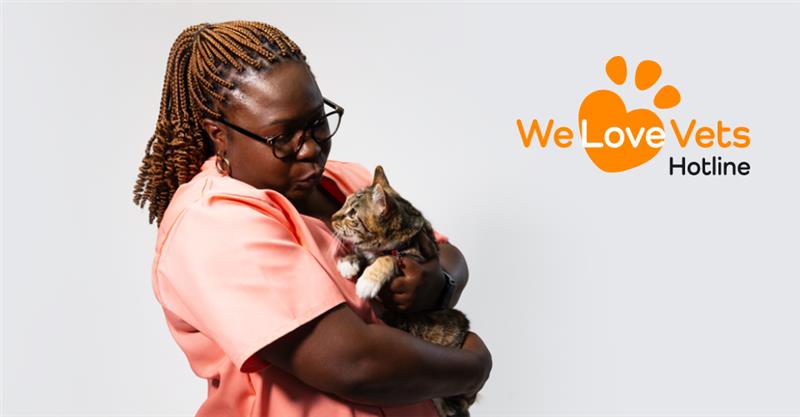
    We’ve always had a deep appreciation for the incredible work that veterinarians do. That’s why we’re launching a dedicated hotline for veterinarians experiencing compassion fatigue. This resource will connect vets with professional counselling services, offering them a safe space to talk through their experiences, emotions, and challenges.

    Veterinarians give so much of themselves to care for animals, and now it’s time to care for them. We’re committed to standing by their side, offering support when they need it most.

  • 7 WEIRD THINGS PET PARENTS SEARCH

    7 WEIRD THINGS PET PARENTS SEARCH


    If you’ve ever found yourself down a rabbit hole of bizarre online searches about your pet, you’re not alone. Every pet owner has, at some point, typed out a burning question about their furry friend’s odd habits, hoping for an answer.


    Why Do My Dog’s Feet Smell Like Fritos? 

    If you’ve ever sniffed your pup’s paws and caught a whiff of corn chips, don’t panic. The distinct Fritos-like aroma comes from bacteria that naturally exist on a dog’s skin. Since dogs don’t sweat like humans, their paw pads release moisture, creating the perfect environment for these bacteria to thrive. While the smell is normal, excessive licking, redness, or limping may indicate a problem requiring veterinary attention.


    Do Dogs Dream? What Do They Dream About? 

    Yes, dogs dream! Research shows that dogs experience REM (rapid eye movement) sleep, the same stage in which humans dream. Ever noticed your dog twitching, whimpering, or moving their legs while asleep? They might be dreaming about their daily activities, such as chasing a ball or going for a walk.

    RELATED: WHAT DOES MY DOG’S SLEEPING POSITION MEAN?


    Why Does My Dog Greet Me with Their Butt? 

    While it may seem like an odd welcome, dogs greeting you with their rear end is a sign of trust and friendliness. Dogs communicate through scent, and presenting their behind allows other dogs to pick up on their unique scent profile. It’s their version of a handshake!


    Why Does My Dog Shake?

    Shaking or shivering can mean excitement, nervousness, or feeling cold. Some dogs shake when they’re wet to dry off, while others may tremble due to stress. If shaking becomes persistent and is accompanied by lethargy or appetite loss, a vet visit may be necessary.


    Common Cat Questions

    Dog parents aren’t the only ones with quirky queries.

    • Why does my cat follow me everywhere? Cats are naturally curious and bond strongly with their humans. They may also be staking their claim on you!
    • Why does my cat head-butt me? This is a sign of affection and a way for your cat to mark you with their scent.
    • Why does my cat love laser pointers? The quick, unpredictable movements mimic prey, tapping into their hunting instincts.

    RELATED: WAYS CATS COMMUNICATE


    Heartfelt Enquiry or Serious Concern

    Have a look at this visual exploration made by pet loving creatives: Why Do Dogs…?

    While Google is great for quick answers, always consult a veterinarian for medical concerns. After all, our pets deserve the best care!

    Finally, for your pet insurance related questions: uncover Pet Insurance Frequently Asked Questions.


  • BUSINESS INSURANCE FOR MOTOR SERVICE: SPECIALIST WORKSHOP OWNER’S GUIDE

    BUSINESS INSURANCE FOR MOTOR SERVICE: SPECIALIST WORKSHOP OWNER’S GUIDE


    Running an automotive workshop is exciting but comes with its fair share of risks. Whether you’re servicing cars, repairing engines, or fitting accessories, having the right insurance keeps your business, employees, and customers protected. Some policies aren’t just nice to have, they’re essential.

    RELATED: WHEN A BUSINESS NEEDS INSURANCE


    Motor Traders Insurance

    This cover is designed for businesses in the automotive service industry, including fitment centres and auto repair shops.

    Important Features:

    • Covers client vehicles on your premises against accidental damage.
    • Protects against loss of, or damage to, specialised equipment and expensive stock due to fire, water, explosion, or impact.
    • Available to a variety of different types of motor repair shops.


    Insurance for Motor Service Industry

    dotsure.co.za offers tailored business insurance solutions for motor traders and related repair shops, covering risks such as loss, damage, and third-party liability.

    Cover Options:

    • Loss or Damage to Vehicles: Covers vehicles in the workshop or used by the business.
    • Liability to Third Parties: Protects against claims for third-party property damage or injuries.

    Additional Benefits:

    • Protection and removal of damaged vehicles.
    • Storage and delivery after repair.
    • Emergency repair cover.
    • Wreckage removal.
    • Liability for work performed off-premises.
    • Windscreen cover.
    • Cross-liabilities.


    Secure Your Auto Repair Business Today

    The right insurance cover ensures your motor service business thrives without unexpected financial setbacks. With dotsure.co.za, you get comprehensive, tailored cover to meet your business’s specific needs!

    RELATED: BUSINESS INSURANCE SIMPLIFIED; TYPES OF BUSINESS INSURANCE

  • WHAT DOES EXCESS MEAN ON PET INSURANCE CLAIMS?

    WHAT DOES EXCESS MEAN ON PET INSURANCE CLAIMS?


    When it comes to pet insurance, we aim to make your life easier. So, you can focus on what truly matters: spending quality time with your furry family members. One of the most common questions we receive is about excess on pet insurance claims. To help you, we’ve compiled this simple guide.

    RELATED: PET INSURANCE FREQUENTLY ASKED QUESTIONS


    What is Excess in Pet Insurance?

    Excess is a standard part of all short-term insurance policies, including pet insurance. It refers to the portion of a claim that you, as the policyholder, must pay before your insurer covers the remaining amount.

    RELATED: WHAT IS INSURANCE EXCESS


    Your Pet Insurance Excess

    Depending on your plan, the basic excess options at dotsure.co.za apply as follows:

    • 10% of the claim amount; minimum R200 (default option)
    • 20% of the claim amount; minimum R200

    Important Notes:

    • Basic excess does not apply to illness-related claims on the Vital Plan, as this plan covers 50% of the claim amount.
    • No excess applies to Wellness Benefit claims, keeping preventive and routine care affordable.


    Why Do I Have to Pay Excess on Insurance Claims?

    Insurance providers use excess to keep policy premiums affordable while ensuring that claims are reasonable. By requiring a small contribution from policyholders, excess helps prevent minor claims and ensures sustainability for pet parents in the long run.


    Excess Buster

    For those who want to reduce excess payments, dotsure.co.za offers the Excess Buster. This optional add-on waives applicable excesses following a valid insurance claim. The premium for this extension depends on your chosen plan, providing extra peace of mind and financial ease.

  • BUSINESS INSURANCE FOR RETAILERS: A GUIDE FOR FLOWER SHOP OWNERS

    BUSINESS INSURANCE FOR RETAILERS: A GUIDE FOR FLOWER SHOP OWNERS


    A flower shop is a beautiful business – literally. But hidden behind the colourful arrangements and fragrant blooms, are risks waiting to happen.

    RELATED: GUIDE FOR ONLINE CLOTHING STORES


    Why Insurance is Essential for Florists

    Owning a flower shop means balancing creativity with business management. While you focus on crafting stunning floral designs, unexpected incidents can happen. If you have comprehensive insurance, you’re protected against financial challenges.

    RELATED: BUSINESS INSURANCE FREQUENTLY ASKED QUESTIONS


    Insurance for Flower Shops

    General Liability Insurance:

    This protects your business in case you’re found legally liable for accidental bodily injury or property damage.

    Commercial Property Insurance:

    Your shop’s physical space and assets, such as furniture, coolers, and floral inventory, are vulnerable to risks such as fire, theft, and natural disasters.

    Business Interruption Insurance:

    This cover ensures you can still pay rent, wages, and other bills if disaster temporarily halts operations.

    Motor Insurance:

    If you use a van, truck, or even your personal car for business purposes, motor insurance is crucial.

    Business All Risk Cover:

    Florists often use portable equipment such as laptops, mobile card readers, and tools that might be taken off-site for events or deliveries.

    Goods in Transit Insurance:

    Your floral arrangements, supplies, and stock are constantly moving. This ensures you’re covered if your products are lost, stolen, or damaged while being transported.

    Buildings Combined Cover:

    If you own the building that you run your business from, this covers the premises against fire, storms, theft, and accidental damage.

    RELATED: NECESSITY FOR EMPLOYER’S LIABILITY INSURANCE


    Protecting Your Business

    At dotsure.co.za, we understand the unique risks involved with running a flower shop. Our business insurance policies are designed for small to medium-sized businesses, allowing you to personalise your insurance to fit your specific needs. With comprehensive cover, we can help ensure that your business continues to flourish.


    Blooming with Confidence

    Don’t let risks wilt your success, invest in comprehensive business insurance and allow your floral dreams to bloom!

  • SMART MONEY MOVES: SMALL BUSINESS BUDGETING TIPS

    SMART MONEY MOVES: SMALL BUSINESS BUDGETING TIPS


    Budgeting isn’t just about numbers on a spreadsheet, it’s about giving your small business the best chance to thrive. A well-planned budget empowers you to eliminate wasteful spending, achieve profitability faster, and make informed financial decisions.

    RELATED: SMALL BUSINESS TIPS


    Why Budgeting Matters for Small Businesses

    A budget provides essential insights into your financial health by helping you:

    • Determine how many sales are needed to cover costs.
    • Decide how much money you can reinvest in the business.
    • Plan when you can afford to hire employees.


    The Numbers That Matter

    Budgeting might seem complicated, but it’s simpler than you think. It all comes down to understanding the essential financial reports.

    Profit & Loss Statement:

    This report helps you determine whether you’re making a profit or a loss by subtracting expenses from income.

    Balance Sheet:

    A balance sheet provides an overview of what your business owns (assets) and owes (liabilities).

    Trial Balance:

    A trial balance consolidates all your business transactions, showing debits, credits, assets, and liabilities in one document.


    Budgeting Tips for Your Small Businesses

    • Overestimate Expenses: Budgeting a little extra ensures you’re prepared for unforeseen expenditures.
    • Monitor Your Sales Cycle: Understanding your sales trends helps you plan for off-peak seasons.
    • Value Your Time: Budget for labour costs and set realistic deadlines to maximise efficiency.
    • Assess Risks: Identify financial risks such as market changes, regulatory updates, and potential crises.
    • Revisit and Adjust Your Budget: Regularly update it to reflect business growth and changing conditions.
    • Utilise Technology: Budgeting software can streamline financial management and provide accurate insights.
    • Plan for Taxes: Set aside funds for yearly tax obligations to avoid last-minute cash flow problems.
    • Prioritise Debt Management: Tackle high-interest debts first to save money in the long run.
    • Track Financial Performance: Regularly compare performance against your budget to identify areas for improvement.


    Protect Your Business with the Right Insurance

    Even with the best budgeting, unexpected setbacks can occur. That’s why dotsure.co.za business insurance offers tailored cover to protect your financial health. From asset protection to liability cover, we help safeguard your small business so you can focus on its growth.

  • THINGS PET INSURANCE DOESN’T COVER

    THINGS PET INSURANCE DOESN’T COVER


    Pet insurance can be a lifesaver when unexpected vet bills pop up, but it’s just as important to know what’s not covered. Every policy has exclusions (areas where cover doesn’t apply), and these can vary between providers. Knowing what to expect upfront can save you from any surprises when it’s time to claim.


    Does Pet Insurance Cover Pre-Existing Conditions? 

    One of the most common things pet insurance won’t cover is pre-existing conditions. These are illnesses or injuries your pet had before your cover started or during the waiting period. Most insurers won’t cover ongoing or chronic health issues diagnosed before you signed up.

    RELATED: COVER FOR HEREDITARY CONDITIONS


    Does Pet Insurance Cover Routine Care?

    Routine checkups, dental cleanings, and vaccinations aren’t usually covered under standard pet insurance plans. But here’s the good news: dotsure.co.za offers Wellness Benefit extensions to help cover these costs!

    Typical routine or preventative care expenses:

    • Annual Vaccinations
    • Dental checks
    • Tick and flea treatments
    • Spaying and neutering
    • Emergency boarding fees
    • Prescribed foods and supplements
    • Behavioural therapy

    If you want to avoid out-of-pocket costs for these, consider adding Wellness Benefits to your policy. It could save you money in the long run.


    Are There Age Limits on Pet Insurance?

    Pet insurance often has age limits. Typically, puppies and kittens under eight weeks old may not be eligible for cover. Senior pets (often 12 years and older) might have limited cover options because they’re more prone to age-related health issues.


    Does Pet Insurance Cover Diseases If My Pet Wasn’t Vaccinated?

    If an illness could have been prevented with a vaccine, most pet insurance policies won’t cover it. This includes diseases such as Parvovirus and Feline Immunodeficiency Virus (FIV). Keeping your pet’s vaccinations up to date is essential, not just for their health, but also to ensure you’re covered when it matters most.

    RELATED: UNDERSTANDING CANINE PARVOVIRUS


    Protect Your Pet and Your Pocket

    Knowing what your pet insurance covers, and what it doesn’t, is crucial to avoid unexpected costs. Understanding your policy helps you make the best decisions for your pet’s health and keeps your budget in check!

    RELATED: PET INSURANCE FREQUENTLY ASKED QUESTIONS


  • VET ADVICE: WHEN IS ANAL GLAND EXPRESSION NECESSARY?

    VET ADVICE: WHEN IS ANAL GLAND EXPRESSION NECESSARY?


    Dr Corné Viljoen graduated from Onderstepoort in 2013 and is supported by an incredible team at Innovavet Veterinary Clinic.


    What are the main indicators that a dog has anal gland issues?

    “Common signs of anal gland issues in dogs include scooting, excessive licking or biting at the rear, a strong foul odour, pain or discomfort when sitting, redness or swelling around the anus, changes in bowel movements, and unusual behaviours such as restlessness or aggression. These symptoms may indicate that the anal glands are full, impacted, or infected and require veterinary attention.”


    Which treatments are available for these issues?

    “Treatment options for anal gland issues vary depending on the severity of the condition. A veterinarian will determine the best approach after a thorough evaluation. Manual expression is commonly used to relieve pressure in full or impacted glands, while antibiotics and anti-inflammatory medication may be prescribed for infections. In some cases, an anal gland flush can help clear debris or bacteria. Dietary adjustments, such as adding fibre, can aid natural expression, while steroids may be used to reduce inflammation. For chronic or severe cases, surgical removal of the glands may be considered as a last resort.”


    Can pet parents express their pet’s anal glands at home?

    “Yes, in some cases, pet parents can express their dog’s anal glands at home, though it’s not always recommended unless you’re comfortable with the process and have received proper guidance from a veterinarian. Improper handling can lead to injury, infection, or discomfort to the dog.”


    Introducing Our Vet of the Month

    Dr Corné Viljoen’s primary interest lies in pet healthcare, with a strong belief that prevention is better than cure. He’s dedicated to building lasting relationships with clients and is passionate about providing patients with the highest level of care and respect.

    What inspired you to become a vet?

    “I always wanted to be a veterinarian ever since I was a young boy. Since I can remember, I always had a deep love for animals and farm life. My parents also love animals, and we had many animals in and around the house when we grew up.”

    Dr Corné, do you have any pets?

    “Sometimes I feel like Dr Dolittle. I saved and treated some animals on the farm, and now they have a second chance at life on the farm. Others I bought or received as gifts. But they are all special and treated the same.”

    Any last thoughts on the topic?

    “If the anal glands are not causing problems and the dog isn’t showing any signs of discomfort or distress, there is generally no need to express them. Over-expression can also irritate the glands and may lead to further issues, so it’s best to avoid doing it unless it’s necessary. If you’re unsure whether the dog’s glands need to be expressed, a veterinarian can assess the situation and guide you on whether it’s necessary, and how often it should be done.”

  • BOOMING BUSINESS: WHEN YOU’LL NEED INSURANCE

    BOOMING BUSINESS: WHEN YOU’LL NEED INSURANCE


    Starting and running a small business can feel like walking a tightrope. Every decision, especially financial ones, feels consequential. While keeping costs low is a priority, skipping business insurance might leave you exposed to risks that could cripple your budding enterprise. The challenge is figuring out when you really need it. Here’s a breakdown to help you decide.


    Why Your Small Business Needs Insurance

    To Cover Equipment:

    Your equipment is the backbone of your business. From high-end tools to everyday essentials, these items can take a significant chunk out of your budget.

    Even home-based businesses need insurance to cover related risks such as inventory loss, legal expenses, or income disruption.

    To Protect Employees:

    Hiring your first employee is a big milestone, but it comes with responsibility. Offering employer’s liability cover not only attracts top talent, but also reassures them that you’re prepared for unforeseen circumstances.

    To Cover Your Premises:

    Your first physical location, whether a small storefront or a spacious warehouse, is an exciting step forward. Many commercial leases require tenants to carry business insurance to cover potential liabilities.


    What Happens if You Don’t Have Insurance?

    Small and medium enterprises (SMEs) and start-ups face a variety of risks, from financial challenges to operational disruptions. Without insurance these risks could result in:

    • Financial losses: A single unbudgeted claim can derail your operations.
    • Loss of income: Interruptions caused by theft, equipment failure, or natural disasters might force you to shut down temporarily.
    • Legal liabilities: Without liability coverage, you could face expensive lawsuits from third-party claims such as accidental injuries or damages.


    Types of Cover to Consider

    As you map out the right plan for your small business, here are essential types of cover to explore:

    • Broadform Liability: Covers third-party damages or injuries.
    • Buildings Combined: Protects your premises against damages or loss.
    • Employer’s Liability Insurance: Supports employees in case of workplace incidents.
    • Business Interruption: Covers income lost during operational disruptions.
    • Vehicle Insurance: Essential for businesses with cars, vans, or fleets.


    Don’t Wait Until It’s Too Late

    Taking proactive steps now ensures you’re covered from the start, so you don’t face the financial strain of an unexpected event.

    Hand over the risks, today! Talk to a business insurance expert to build tailored cover that suits your business needs.

  • COMPASSION FATIGUE: A VET’S PERSPECTIVE

    COMPASSION FATIGUE: A VET’S PERSPECTIVE


    Dr Saadiya Mangera is a small animal vet at (and owner of) Brighton Beach Veterinary Clinic in Durban. Admitting business isn’t her forte, Saadiya’s true passion is working with beloved pets.


    Understanding Compassion Fatigue

    For those who may not know, what is compassion fatigue?

    “It’s a combination of physical and psychological exhaustion that can result from caring for others and feeling empathy for their pain. Veterinary Science is unique in that we care for our patients, but we also have to consider the emotions of the pet parents.”


    What are the main signs of compassion fatigue?

    “It can be seen in physical and emotional effects, which includes feeling overwhelmed, helpless, detached, or exhausted.”


    How does compassion fatigue affect a vet’s own well-being while caring for their patients?

    “The close relationships we have with our patients are unique in that we often care for our patients from 6 weeks of age. We nurse and heal them during their lifespan, and we’re then required to help them on their final journey. It can be emotionally draining. Unfortunately, many vets have insufficient resources to cope.”


    Have you ever experienced compassion fatigue or seen a colleague go through it? How did you or they manage it?

    “Yes, I have. I’ve been a vet for over 24 years. I love my job and can’t see myself doing anything else, but it’s exhausting to deal with so many emotions. We try to keep our work environment as fun-filled and relaxed as possible. Every staff member is so supportive of each other. They’re quick to give me a hug if I’m having an emotionally draining day!”


    Do you recommend any resources, tools, or coping strategies to vets experiencing compassion fatigue?

    “Have a really, really, good support network! Check out NOMV – it’s a website that was started due to the high suicide rates in our profession.”


    What can pet parents do to support their vet teams better?

    “We all became vets because of our love for animals, but we also have to make a living from our jobs. Just be kind!”


    Learn More About Our Vet of the Month

    Dr Saadiya owns Brighton Beach Veterinary Clinic in Durban, where she’s been caring for pets since 2010. With over 20 years of experience, including nine years in the UK, she’s passionate about educating pet parents and promoting vaccination, especially against rabies. A proud wife and mom of three, she credits her family and faith for supporting her journey as a veterinarian and animal advocate.


    What inspired you to become a vet, and what do you love most about the profession?

    “I became a vet due to my love for all things feline. This started when I was a young girl and came across a litter of unwanted kittens. At the time, I wasn’t allowed to take all of them home, but I made up for it by always having cats as pets. I love dogs as well and have a special interest in canine behaviour. At Brighton Beach Vet Clinic, we try very hard to practice fear-free veterinary care. All of our patients are treated with special attention to ensure a calm experience.”


    Do you have any pets at home? 

    “I have 4 cats. They’re all female and their names are Nutmeg, Cinnamon, Sugar, and Pepper. Nutmeg and Cinnamon are siblings and come from Zululand. They both have heart problems but are very healthy and happy. Sugar has Feline Leukaemia, and I took her in knowing that she has this disease. She’s generally healthy, albeit a bit overweight. Pepper was abandoned as a 7-week-old kitten, but we’ve nurtured her and she’s about a year old now.”


    Any final words of advice for vets or pet parents about the importance of mental health?

    “Veterinarians have the highest rate of suicide in the medical field. As a result, there is a growing trend that vets, once qualified, are leaving the profession to pursue careers where there is no public interface; or leaving South Africa to pursue the profession where we’re appreciated more. There is a growing belief that vets are expensive and overpriced, which isn’t true. We’re doing what we’ve been trained to do. We’re both doctors and surgeons. We also play the role of dentist, ophthalmologist, dietician, and even behaviourist/psychologist. Please be kind and compassionate.”


  • DIFFERENT WAYS OUR PETS SHOW US LOVE

    DIFFERENT WAYS OUR PETS SHOW US LOVE


    Our fur babies may not speak our language, but they have countless ways of showing their love and affection. From a warm snuggle to a happy tail wag, pets communicate their feelings in unique and heartwarming ways.


    How Dogs Show Their Love

    Seeking Attention Through Touch

    Dogs thrive on physical contact as a way to connect. Whether they’re nudging your hand for attention or trying to fit on your lap (yes, even Great Danes) their actions scream love. These gestures are their way of saying, “I want to be close to you.”

    Loving Eye Contact

    Relaxed eye contact between you and your dog is more than just a gaze – it’s a bonding moment. Studies reveal that mutual eye contact releases oxytocin, the “love hormone,” in both humans and dogs.

    Wags and Wiggles

    A loose, wagging tail often accompanied by a wiggling body is a clear sign that your dog is thrilled to see you. This joyful movement is their way of expressing excitement and affection.

    Turning Back During Walks

    Even during their most adventurous walks, dogs often glance back at their humans to ensure they’re keeping up. This simple act shows they see you as part of their pack and want to make sure you’re safe.


    How Cats Show Their Love

    Purring and Meowing

    Cats save their meows for communicating with humans, which makes their “chats” with you extra special. Add in their soothing purrs, and it’s clear they’re happy and comfortable in your company.

    Head Bunts and Cheek Rubs

    Cats mark you as “theirs” by gently bumping their heads or rubbing their cheeks on you. This behaviour transfers their facial pheromones, signalling trust and affection.

    “Making Biscuits”

    When a cat kneads you with their paws, they’re showing they feel relaxed and safe, much like they did as kittens with their mothers.

    Bringing Gifts

    Though a gift might come in the form of a toy or a less-welcome surprise (hello, mice!), cats bring offerings to their humans as a gesture of affection.


    Universal Signs of Pet Love

    • Following You: Pets who love you will follow you from room to room, ensuring that they’re always near their favourite person.
    • Excited Hellos: Whether it’s a dog’s full-body wag or a cat’s eager chirp, their excitement when you return home is a surefire sign of love.
    • Calm Goodbyes: If your dog stays relaxed when you leave, it shows they trust that you’ll return, a sign of a secure bond.


    Showing Your Pet Some Love

    Keeping your pet healthy is the ultimate act of love. Remember the importance of regular vet visits, and consider comprehensive pet insurance to protect them against the unexpected!