Author: Team dotsure.co.za

  • HERDING BREEDS: DOGS WITH LEADERSHIP INSTINCTS

    HERDING BREEDS: DOGS WITH LEADERSHIP INSTINCTS


    Recognised for their unique instinctual ability to herd and protect livestock, the Herding Group is one of the most fascinating dog breed categories.


    History of Herding Dogs

    The first known herding breeds emerged in Asia over 10,000 years ago, with European settlers later introducing them to the Americas in the 16th century.

    Initially classified under the Working Group until 1983, these breeds have established their own distinct identity. Their ability to follow subtle hand signals and whistle commands has set them apart.

    Today, this group includes over 200 breeds, each adapted to specific herding and guarding tasks.


    Characteristics of Herding Breeds

    • Intelligence and Trainability: These dogs are quick learners, making them excellent at tasks requiring precision and focus.
    • Energy and Agility: Bred for short bursts of high-speed activity, herding dogs excel in physically demanding roles.
    • Protective Instincts: Their natural drive to protect their “flock” often extends to their human families, making them loyal companions and excellent watchdogs.
    • Versatility: From herding sheep to assisting law enforcement, herding breeds are as diverse as they are capable.


    Herding Behaviour

    The herding instinct is deeply ingrained in these breeds, and it sometimes manifests in surprising ways. For instance, herding dogs may try to “herd” their owners, especially children, by gently nipping at their heels or corralling them.

    Herding techniques also vary amongst breeds:

    • Barking and Circling: Some breeds, such as Australian Cattle Dogs, drive livestock by barking and nipping at their heels.
    • Silent Stare: Others, such as Border Collies, use an intense gaze to control and direct the flock.


    Popular Breeds in the Herding Group

    Some of the most beloved herding breeds include:

    • Border Collie: Famous for their intelligence and work ethic, they excel in agility and obedience sports.
    • Australian Shepherd: Energetic and loyal, this breed thrives in active households.
    • German Shepherd: Renowned for their versatility, they are often employed in police, military, and protection roles.
    • Belgian Malinois: Agile and focused, they are preferred for high stakes working environments.
    • Old English Sheepdog: A fluffy favourite known for its gentle nature and ability to herd sheep.


    Are Herding Breeds Right for You?

    If you’re an active individual or family looking for a loyal, energetic companion, a herding breed might be the perfect match. These dogs excel in homes where they can participate in regular outdoor activities and receive consistent training. Their protective instincts and eagerness to please make them beloved members of the family.

  • WHAT DOES MY DOG’S SLEEPING POSITION MEAN?

    WHAT DOES MY DOG’S SLEEPING POSITION MEAN?


    Ever caught your furry friend curled up in a ball, stretched out, or snoozing belly up with their paws in the air? A dog’s sleeping position is more than just adorable, it can reveal a lot about their personality, comfort level, and even their health.


    The Side Sleeper

    • What it Looks Like: Your dog is lying on their side, limbs extended, and belly partly exposed.
    • What it Means: This is one of the most relaxed positions for dogs. A side-sleeping pup feels safe, content, and at ease in their environment.
    • Pro Tip: If your dog chooses a cool tile floor on a hot day, they may be trying to cool down. Consider a cooling mat to help them stay comfortable.


    The Doughnut

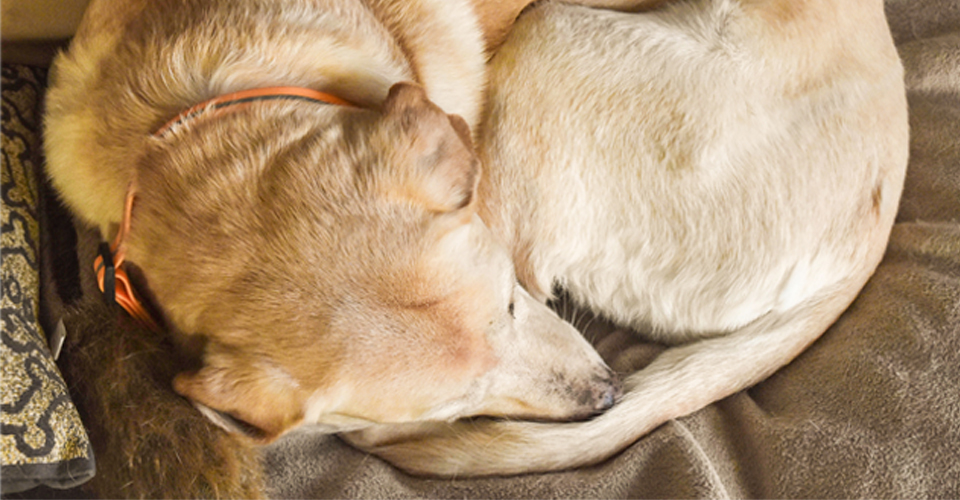
    • What it Looks Like: Curled into a tight ball, with paws tucked in and tail wrapped around their body.
    • What it Means: This position is often about conserving body heat, which is why it’s popular with dogs who feel chilly. It’s also common in shy or reserved pups, or those adjusting to a new home.
    • Health Note: If your dog doesn’t typically sleep this way but suddenly does, they could be feeling unwell. Monitor their behaviour and consult your vet if needed.


    The Superman

    • What it Looks Like: Belly down, with front legs stretched forward and back legs extended behind.
    • What it Means: This playful position is popular among puppies and high-energy breeds such as French Bulldogs and Pugs. It suggests your pup is tired but ready to jump back into action after their nap.
    • Fun Fact: The Superman pose often doubles as a cooling position, allowing your dog’s belly to rest on a cool surface.


    The Lion’s Pose

    • What it Looks Like: Your dog rests belly down, with their head perched on their front paws.
    • What it Means: This position is often seen when dogs are alert but relaxed. It’s a favourite of loyal pups who want to stay aware of their surroundings, whether they’re guarding the house or keeping an eye on their family.
    • Comfort Tip: Anxious dogs in this position may benefit from a calming dog bed to help them relax.


    The Belly-Up

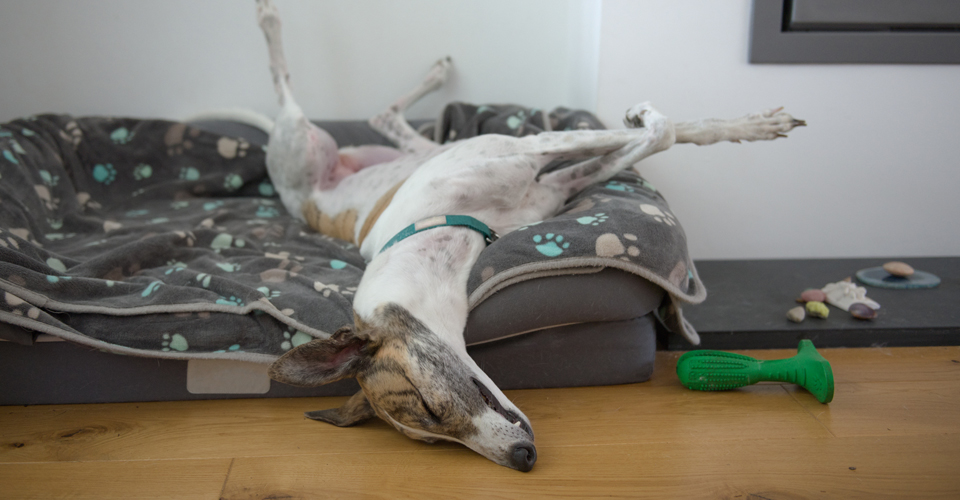
    • What it Looks Like: Legs in the air, belly exposed, often referred to as the “dying cockroach.”
    • What it Means: A dog in this position feels completely safe and trusts their environment. It’s also a way to cool off, as exposing the belly helps regulate body temperature.
    • Age Insight: While this position is common in puppies, older dogs may prefer the side sleeper as they age, as the belly-up pose can strain their spine.


    The Burrower

    • What it Looks Like: Nestled under a blanket, pillow, or even your clothes.
    • What it Means: This position shows your pup is seeking warmth or security. Burrowing can also be a way for dogs to calm themselves in stressful situations.
    • Comfort Hack: Provide a soft, plush bed with an extra blanket for ultimate burrowing bliss.


    Why Dogs Switch Positions

    Dogs sleep for 12–16 hours daily (even more for puppies), and their positions often change based on their mood, temperature, or health. While some positions are about comfort, others signal how your dog feels physically and emotionally.

  • 15 WAYS PETS IMPROVE OUR LIVES

    15 WAYS PETS IMPROVE OUR LIVES


    We fully agree that pets are part of the family: They bring joy, comfort, and countless benefits to our lives. The fact is, the bond between humans and animals has transformative effects.


    Mental Health Boosters

    Pets have a profound impact on our mental wellbeing.

    • Calming the Mind: Stroking or playing with a pet releases serotonin and dopamine, the “feel-good” hormones that reduce stress and elevate mood.
    • Therapeutic Companionship: Pets are often used in therapy for trauma recovery, as they offer non-judgmental comfort, helping individuals work through challenging emotions.
    • Creating Routine: Caring for a pet adds structure to your day, which can be particularly beneficial for those managing mental health challenges.


    Physical Health Perks

    Having a pet is good for your heart, figuratively and literally.

    • Lower Stress Hormones: Interacting with pets has been shown to reduce cortisol levels, easing the effects of stress.
    • Better Heart Health: Pet parents often have lower blood pressure, cholesterol, and triglyceride levels, reducing the risk of heart disease.
    • Encouraging Exercise: Dogs, in particular, motivate owners to stay active, whether it’s daily walks, playful games of fetch, or outdoor adventures.


    Social Benefits

    Pets are natural social connectors, who can help break the ice.

    • Easing Loneliness: For those who live alone or work from home, pets offer consistent companionship.
    • Fostering Friendships: Walks in the park, visits to pet stores, or attending training classes often lead to meeting fellow pet enthusiasts.
    • Building Empathy: Caring for a pet nurtures patience and empathy, which are traits that can strengthen relationships with others.


    Different Life Stages

    For Children

    • Teaching Responsibility: Feeding, grooming, and caring for a pet instils accountability in children.
    • Boosting Confidence: The unconditional love of a pet helps children build self-esteem and a sense of importance.
    • Enhancing Social Skills: Children with pets often develop empathy and communication skills, helping them form stronger relationships with others.

    For Seniors

    • Providing Purpose: Caring for a pet can restore a sense of meaning and routine after retirement or life changes.
    • Encouraging Activity: Pets inspire older adults to stay active and engaged, boosting energy and immune function.
    • Combating Isolation: Pets are wonderful companions, who can also help spark conversations and new friendships.


    A Tail-Wagging Reminder

    Pets enrich our lives in countless ways, and the bond you share is one of life’s greatest joys. So, why not return the favour? Protect their unconditional love with wholehearted pet insurance!

  • QUIZ: HOW TO KNOW IF YOU’RE READY FOR A PET

    QUIZ: HOW TO KNOW IF YOU’RE READY FOR A PET


    These questions can help you determine if you’re prepared for the responsibilities and joys that come with being a pet parent.


    Take the Quiz!

    Why do you want a pet?

    a) For companionship and I’m prepared for the responsibility. (3 points)

    b) Because they’re cute and fun. (2 points)

    c) I’m not sure, I just feel like it. (1 point)

    How much time can you dedicate to a pet each day?

    a) A few hours daily, including walks, playtime, and training. (3 points)

    b) An hour or two, if I’m not busy. (2 points)

    c) I might not have time every day. (1 point)

    Do you have the financial means to care for a pet?

    a) Yes, I’ve budgeted for it, including pet insurance. (3 points)

    b) I can manage the basics, but might struggle with unexpected costs. (2 points)

    c) I’m not sure if I can afford it right now. (1 point)

    Do you live in a pet-friendly environment?

    a) Yes, I live in a pet-friendly home and neighbourhood. (3 points)

    b) It’s manageable, but there might be some challenges. (2 points)

    c) No, my living situation isn’t ideal for pets. (1 point)

    How much do you know about the type of pet you’re considering?

    a) A lot! I’ve done my research, and I know what they need. (3 points)

    b) Somewhat, but I still have questions. (2 points)

    c) Not much, I’ll figure it out as I go. (1 point)

    How will you handle your pet when travelling or during emergencies?

    a) I have plans in place for pet care. (3 points)

    b) I might need to scramble, but I’ll find a solution. (2 points)

    c) I haven’t thought about it yet. (1 point)

    Are you prepared for the long-term commitment a pet requires?

    a) Yes, I understand pets are a lifetime responsibility. (3 points)

    b) I think so, but it feels a bit daunting. (2 points)

    c) Not really, I’ll see how it goes. (1 point)

    How do you feel about cleaning up after a pet?

    a) It’s part of the deal, and I’m fine with it. (3 points)

    b) I’m okay with it, but it’s not my favourite idea. (2 points)

    c) I really don’t want to deal with that. (1 point)


    The Results Are In

    21-24 Points: Pro Pet Parent!

    You’re well-prepared for the commitment of providing a loving home for a pet.

    15-20 Points: Almost Ready!

    You’re close, but there are a few things to consider before making this decision.

    8-14 Points: Think Twice.

    Adding a pet to the family might not be the best choice for you right now.

    7 Points or Less: Not Ready Yet.

    Pets require significant time, effort, and money. Take your time to evaluate whether a pet will fit into your life.


    Still Have Love to Give?

    If you’re overflowing with love for animals but aren’t ready for a pet just yet, you can still make a difference. Consider donating supplies or volunteering at your local shelter. Every little bit helps!

  • WHY SOME DOGS CAN’T STOP LICKING

    WHY SOME DOGS CAN’T STOP LICKING


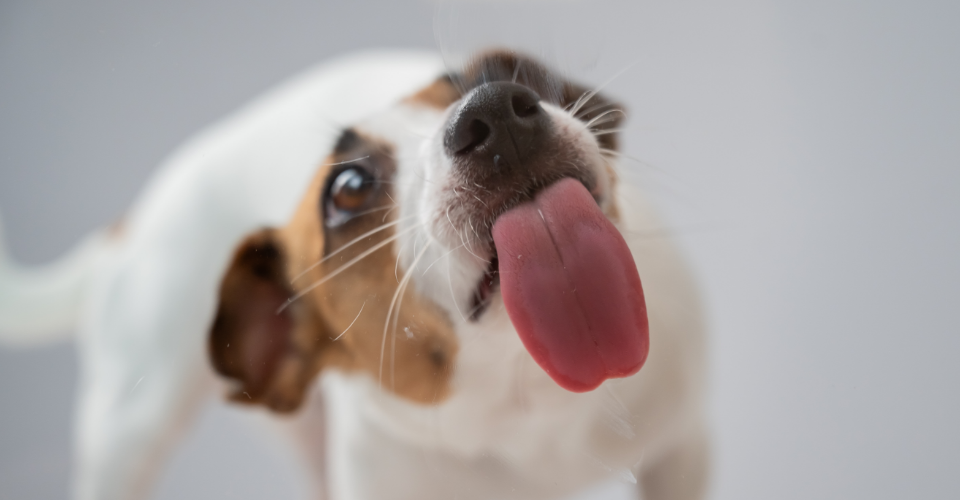
    Dogs are known for licking, as it’s a natural behaviour that helps them explore their environment and express themselves. But when licking becomes excessive, it can signal underlying issues that might need your attention.


    Causes of Excessive Licking

    Behavioural Reasons

    • Boredom or Anxiety: Licking can be a way for dogs to self-soothe, as it releases relaxing hormones like dopamine. Look for triggers such as being left alone (separation anxiety) or a lack of mental stimulation.
    • Affection or Attention-Seeking: Dogs may lick their owners or other pets as a sign of affection, mimicking the nurturing licks they received as puppies. Sometimes, it’s simply a way to say hello or grab your attention.
    • Habit or Comfort: For some dogs licking becomes a habit, much like humans biting their nails or twirling their hair.
    • Taste or Hunger: Dogs might lick their lips because they’re hungry, or they might lick you because they enjoy the salty taste of your skin.

    Medical Reasons

    • Allergies: Skin allergies triggered by pollen, food, or fleas can cause intense itching, leading to excessive licking.
    • Infections: Bacterial, fungal, or parasitic infections can irritate the skin. Fleas, ticks, or hot spots (infected skin areas) are common culprits.
    • Pain or Discomfort: Dogs might lick a specific area, like a joint to soothe pain caused by arthritis or injury.
    • Gastrointestinal Issues: An upset stomach can prompt dogs to lick unusual surfaces, the air, or their abdomen. Research suggests that up to 60% of dogs with excessive licking behaviours may have a GI disorder.
    • Neurological or Cognitive Issues: Neurological conditions or age-related cognitive dysfunction can lead to compulsive licking.
    • Dental Problems: Oral pain, lesions, or dental disease might lead to increased licking often accompanied by bad breath.


    How to Help a Dog That Licks Excessively

    For Medical Causes:

    • Treat Allergies: Work with your vet to identify allergens and manage symptoms with medications or dietary changes.
    • Address Skin Conditions: Use flea and tick prevention and treat infections promptly.
    • Manage Pain: Joint supplements, arthritis medication, or prescribed pain relievers can help reduce discomfort.
    • Treat GI Issues: Diet adjustments or medication may alleviate gastrointestinal distress.

    For Behavioural Causes:

    • Mental and Physical Stimulation: Engage your dog with toys, games, and regular exercise to combat boredom.
    • Redirect Attention: Use commands like “leave it” and reward your dog when they stop licking.
    • Avoid Reinforcement: Ignore your dog when they lick excessively for attention to help break the habit.
    • Calming Environments: If anxiety is the root cause consider calming aids like vests or pheromone diffusers.
    • Seek Professional Help: A dog trainer could help address compulsive behaviours.


    When to See the Vet

    While occasional licking is harmless, excessive licking often results in negative side effects, such as:

    • Hair loss or bald patches.
    • Skin redness, irritation, or discharge.
    • Disrupted sleep due to constant grooming.
    • Whimpering or discomfort while licking.
    • Neglect of normal activities like playing.

    If you notice these signs, your dog may be dealing with more than just a quirky habit. Early intervention can prevent further complications and help your pup feel better sooner.

  • 7 TIPS FOR SMALL BUSINESS OWNERS

    7 TIPS FOR SMALL BUSINESS OWNERS


    Starting a small business is an exciting yet challenging journey. While the road ahead may seem uncertain, you can increase your chances of success by learning from others’ experiences and following proven strategies. Here are a few practical tips to help you through the early stages of building a thriving venture!


    Focus on the Business, Not Just the Offering

    It’s easy to fall in love with a specific product or service, but this can limit your adaptability. Instead, embrace the concept of being a business owner. The ability to pivot and adjust your offerings in response to market needs is invaluable.


    Break Big Goals into Manageable Steps

    Define long-term goals, such as one-year and five-year objectives, and break them down into monthly milestones. These smaller, actionable steps will help you stay on track and measure progress effectively.


    Start Simple and Stay Focused

    Many entrepreneurs are tempted to overcomplicate their initial business ideas. Avoid unnecessary features and concentrate on delivering a high-quality product or service that solves a specific problem for your target audience. As your business grows, you can expand your offerings.


    Build an A-Team

    Delegate tasks that aren’t your strengths to qualified team members or outsource them. When hiring, look beyond skills. Seek individuals whose values and creativity align with your business vision.


    Count the Costs

    Calculate all potential expenses, including rent, supplies, marketing, and utilities. Develop a realistic business budget and explore funding options such as small business loans or investors. A solid financial foundation is essential to sustaining your operations.


    Automation is Your Friend

    Streamline your daily operations by implementing efficient processes and leveraging the power of technology. Automating repetitive tasks not only saves time, but also improves accuracy and consistency in your business.


    Protect Your Business

    Unexpected setbacks can derail even the best-planned businesses. Invest in insurance tailored to your small business needs, to cover industry-specific risks.

  • THE FASTEST AND MOST FURIOUS CARS OF 2025

    THE FASTEST AND MOST FURIOUS CARS OF 2025


    Car enthusiasts worldwide are gearing up for an electrifying year. While 2024 delivered some impressive rides, the next wave of speed demons promises to elevate the excitement further. From groundbreaking EVs to classic fuel-powered beasts, the line-up for 2025 caters to both modernists and traditionalists.


    Dodge Charger Daytona Scat Pack Sedan

    The iconic Dodge Charger evolves with a family-friendly twist, introducing a four-door version for 2025. Despite its practicality, the Daytona Scat Pack doesn’t skimp on muscle. Its dual-motor EV powertrain delivers a robust 670 hp, propelling this all-electric muscle car into uncharted territory. Dodge proves that you can blend power and responsibility. Though whether this qualifies as a “family car” is still up for debate.


    BMW M5 Touring

    The BMW M5 Touring promises to redefine what it means to be a family car for petrolheads. With a twin-turbo 4.4-litre V8 paired with EV tech, this powerhouse churns out an astounding 727 hp. Set to debut in early 2025, the Touring offers the practicality of a wagon with the thrill of a supercar, making it a dream for those juggling kids, pets, and a need for speed.


    Tesla Roadster

    After years of anticipation, the Tesla Roadster is finally set to hit showrooms in 2025. Boasting a staggering 1,000 hp, this EV is engineered for mind-blowing speed. Tesla claims it will sprint from 0-100 km/h in just 1.9 seconds, showcasing their relentless pursuit of automotive innovation.


    Chevrolet Corvette ZR1

    For those yearning for raw, fuel-powered adrenaline, the Chevrolet Corvette ZR1 is here to answer the call. Featuring a twin-turbocharged 5.5-litre V8, this beast cranks out 1,064 hp. Its carbon fibre aero package ensures optimal downforce, making the ZR1 not only a powerhouse, but also a track-ready weapon. As the most potent production Corvette to date, it’s a must-have for traditionalists.


    Why 2025 Is a Year to Watch

    From family-friendly wagons to high-performance EVs, the fastest cars of 2025 embody the automotive industry’s innovation and versatility. With manufacturers pushing the limits of performance and sustainability, the future of driving has never looked brighter.

  • KEEP IT COOL: DEALING WITH CAR OVERHEATING

    KEEP IT COOL: DEALING WITH CAR OVERHEATING


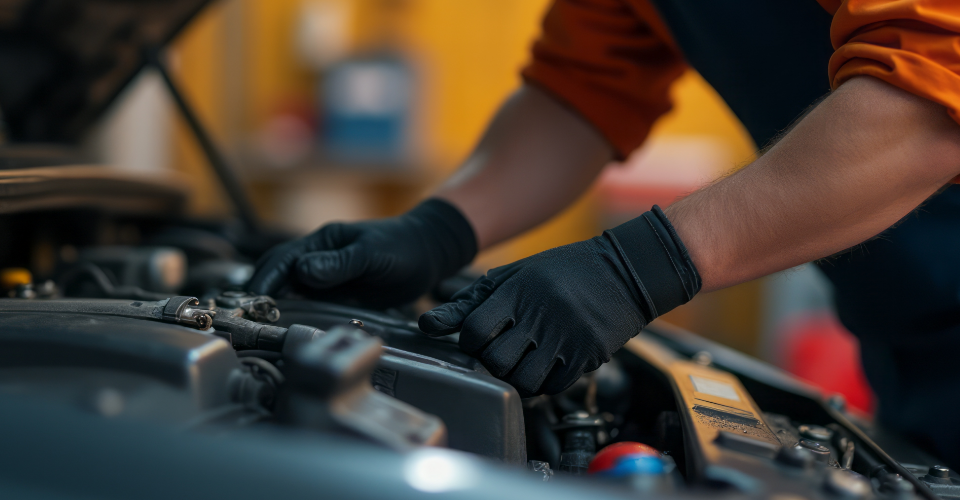
    Few things can disrupt a summer road trip like an overheated engine. Watching steam rise from under the hood isn’t just frustrating, it can also lead to serious and costly damage. Knowing why engines overheat, how to respond, and how to prevent it can save you from unexpected breakdowns.


    Why Do Engines Overheat?

    Engines typically overheat due to issues in the cooling system, which prevents heat from escaping the engine compartment.

    Common causes include:

    • Cooling system leaks.
    • Faulty water pump.
    • Radiator problems.
    • Low engine oil levels.
    • Thermostat failure.

    If left unaddressed, overheating can cause severe damage to the engine, gaskets, hoses, and seals.


    Signs Your Engine is Overheating

    Keep an eye out for:

    • Steam rising from the hood.
    • High temperature gauge readings (in the red or on “H”).
    • Unusual smells, such as sweet odours from leaking coolant or burning smells from oil.

    If you notice these signs, take immediate action.


    What to Do When Your Engine Overheats

    1. Turn Off the A/C and Crank Up the Heat:

    Reducing the load on the engine by turning off the air conditioning and running the heater can help pull heat away from the engine.

    1. Find a Safe Place to Pull Over:

    Stop the car and turn off the engine. Allow it to cool for at least 15 minutes before checking the temperature gauge.

    1. Restart the Engine (if Necessary):

    If it’s safe and your car isn’t being towed, restart the engine and drive cautiously to the nearest workshop. Monitor the temperature gauge to avoid further overheating.

    1. Call for Assistance:

    If you have a dotsure.co.za car insurance policy, you can contact our emergency roadside assistance.


    Preventing Engine Overheating

    Regular maintenance is crucial to avoid overheating. Be sure to follow these tips, with help from your car’s service centre:

    • Check coolant levels frequently and refill as needed.
    • Inspect hoses, belts, and the radiator for wear or damage.
    • Schedule regular coolant flushes as per the manufacturer’s recommendations.
    • Monitor engine oil levels and change oil regularly.
    • Keep an eye on the temperature gauge while driving.


    Taking proactive steps, like having the right extended car warranty in place, can save you costly repairs down the road!

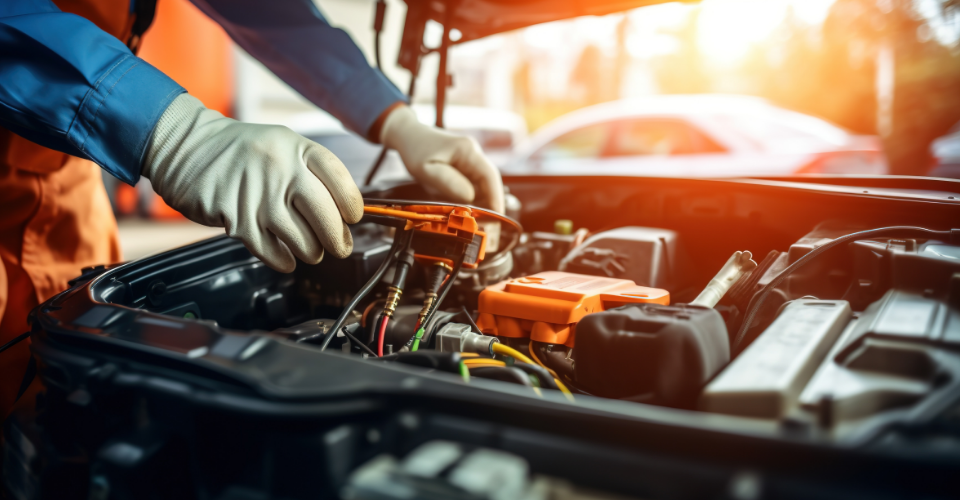
  • HOW LONG DO CAR BATTERIES LAST?

    HOW LONG DO CAR BATTERIES LAST?


    Car batteries power more than just your engine, they support the electrical systems that make driving modern vehicles comfortable and safe. But how long can you expect a car battery to last, and what can you do to extend its lifespan? Let’s have a look at the factors affecting battery longevity, signs of failure, and maintenance tips to keep your battery in top condition.


    Car Battery Lifespan

    The lifespan of a car battery depends on its type, usage, and environmental factors. On average, car batteries last 3 to 5 years, but proactive maintenance can extend their lifespan. If your battery shows signs of trouble or reaches its third birthday, consider testing it at a trusted fitment centre. Specialists can help you decide if a replacement is necessary, and they’ll even recycle your old battery responsibly.


    Signs Your Car Battery May Be Failing

    A failing battery can leave you stranded if not addressed. Look out for these warning signs:

    • Slow engine cranking.
    • Flickering lights.
    • Frequent jump starts.
    • Electrical malfunctions.
    • Rotten egg odour under the hood.

    Proactively test your battery every six months, especially once it’s over three years old.


    Why Do Car Batteries Fail?

    Even with regular use, car batteries eventually wear out. Common reasons for failure include:

    • Neglecting Lights or Electronics: Forgetting to switch off headlights or accessories drains the battery.
    • Corrosion: Dirty terminals block the flow of power.
    • Temperature Extremes: Both heat and cold strain the battery.
    • Short Trips: Frequent short drives prevent the battery from fully charging.
    • Inactivity: Cars left unused for long periods can suffer battery drain.


    Tips to Extend Your Car Battery Life

    With proper care, you can prolong your battery’s life and avoid unexpected failures. Follow these tips:

    Regular Battery Checks

    Have your battery tested twice a year to catch potential issues early. Trusted specialists can also assess your alternator and starter.

    Keep the Battery Clean

    Dirt and corrosion reduce performance. Clean your battery terminals with a mixture of water and baking soda.

    Avoid Extreme Temperatures

    Protect your battery from harsh weather by parking in a garage or using a car cover.

    Drive Regularly and Smartly

    Frequent driving keeps the battery charged. Avoid overloading it by switching on accessories only after the engine has been running for some time.

    Use a Battery Maintainer

    For cars left unused for extended periods, a battery maintainer prevents it from discharging.


    Proactive Car Care

    Regular checks, cleaning, and mindful driving habits are your best defence against sudden battery failure.

    As for the rest of your car, you’ll need our comprehensive car insurance to protect your pocket against unexpected costs!

  • HOW TO: CHECK YOUR CAR’S WARRANTY

    HOW TO: CHECK YOUR CAR’S WARRANTY


    Wondering if your car is still covered by its warranty? This guide will walk you through the process of checking your warranty status, understanding its terms, and maximising its benefits.


    What is a Car Warranty?

    A car warranty is a promise from the manufacturer to repair or replace certain defects within a specific time or mileage limit. Common warranties cover 3 to 5 years or up to 100,000 km, whichever comes first. While comprehensive warranties usually exclude wear-and-tear items, accidental damage, and modifications that deviate from manufacturer specifications.

    Knowing what your warranty includes is essential to avoiding unexpected costs.


    Steps to Check if Your Car is Still Under Warranty

    1. Understand Your Warranty Terms

    Start by identifying the coverage period and mileage limit. For example, if your warranty is 5 years/100,000 km:

    • Check your car’s odometer for the mileage.
    • Verify the car’s model year to determine its age.
    1. Locate Your Vehicle Identification Number (VIN)

    Your VIN is a unique identifier for your vehicle, usually found on:

    • The driver’s side dashboard.
    • Inside the driver’s side door frame.
    • Your car’s registration or insurance documents.
    1. Contact Your Manufacturer’s Dealer

    Take your VIN to an authorised dealer. They can quickly confirm your warranty status by using their system.


    New vs. Used Cars: Warranty Considerations

    New Car Warranty

    When buying a new car, the warranty typically includes:

    • Repairs for manufacturing defects.
    • Coverage for a fixed period or mileage, as long as the vehicle is maintained per manufacturer guidelines.

    To maintain your warranty:

    • Service your car on schedule at authorised centres.
    • Use only Original Equipment Manufacturer (OEM) parts.

    Used Car Warranty

    Used cars may come with the balance of the manufacturer’s warranty, but it’s crucial to:

    • Verify the car’s service and maintenance history using the VIN.
    • Check for modifications or hidden damages that could void the warranty.


    Protect Your Car Today

    Is your warranty about to expire? Extend your coverage with an extended car warranty to safeguard against unexpected repair costs.

  • CLAIMS 101: UNDERSTANDING POLICY WORDING

    CLAIMS 101: UNDERSTANDING POLICY WORDING


    Insurance can feel overwhelming, especially when it comes to understanding the language used in your policy. Here, we demystify some common insurance terms related to insurance claims.


    Average

    The concept of average applies when a claim is made in situations of under-insurance (when your insured sum is less than the actual value of the insured property).

    Example:

    • Sum insured: R200,000
    • Value at risk: R300,000
    • Loss (repairs): R60,000

    The settlement would be:

    (R200,000/R300,000) × R60,000 = R40,000

    To avoid under-insurance and reduced payouts, ensure your assets are insured for their full replacement value.


    Agreed Value

    For certain high-value items like classic cars or rare artwork, you can opt for agreed value coverage. This means you and your insurer agree on a set value for the item at the policy’s inception. In case of a total loss, the insurer pays this agreed value.


    Excess (First Amount Payable)

    The excess is the portion of a claim you pay out of pocket before your insurer steps in. It can be a fixed amount or a percentage of the claim.

    Example:

    If your policy states an excess of 10% or a minimum of R1,000.

    • Claim of R100,000: Excess = R10,000
    • Claim of R5,000: Excess = Minimum R1,000

    A higher excess often results in lower premiums, but you’ll pay more in the event of a claim.


    Proximate Cause

    This term refers to the direct cause of a loss that has not been interrupted by other events. Insurers only cover claims for insured events directly causing the loss.

    Example:

    A shop insures its windows against all risks except fire. A fire nearby causes a mob to riot, breaking the windows. The proximate cause is the riot, not the fire, so the insurer will cover the damage.


    Reject vs. Repudiate

    • Reject: The insurer declines to pay a claim, or part of it, based on the terms of the client’s policy.
    • Repudiate: Similar to reject, but involves other reasons like misrepresentation or fraud.

    Always review the reasons provided if your claim is rejected or repudiated.


    Cash-Back and No-Claim Bonuses

    • Cash-back bonus: Some insurers reward policyholders with a cash payout for not claiming over a specific period.
    • No-claim bonus: A discount on your premium based on your claim history. Claiming can reduce this discount.


    Write-Offs

    A write-off occurs when an item, often a vehicle, is deemed beyond repair or uneconomical to fix. Vehicles are classified into codes depending on their condition:

    • Code 2: Repairable but uneconomical under the policy.
    • Code 4: Permanently demolished.

    If your vehicle is written off, the insurer will compensate you based on the insured value.


    Simplifying Insurance for You

    At dosture.co.za, we’re dedicated to making insurance simple and hassle-free, ensuring you get the coverage you need without any confusion.


  • WHICH CAR MODS WILL VOID A WARRANTY?

    WHICH CAR MODS WILL VOID A WARRANTY?


    Making modifications to your car can be an exciting way to enhance its performance or personalise its appearance. However, some mods could put your warranty at risk. A car warranty typically covers repairs or replacements for broken or failed parts. However, if a modification causes direct damage to your vehicle, the warranty for those affected components may no longer apply.


    Performance Mods That Could Void Your Warranty 

    • Performance Chips/ECU Tuning: Performance chips reprogramme your car’s engine control unit to enhance speed and power. However, altering factory settings could conflict with emission regulations and affect warranty coverage.
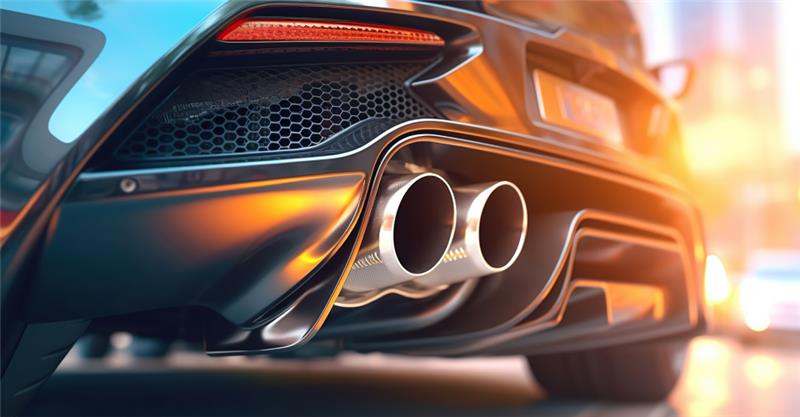
    • Performance Exhaust Systems: These systems help engines expel gases more efficiently, improving performance. However, they can disrupt factory settings and cause issues that could void your warranty.
    • Cold Air Intakes: Adding a cold air intake can improve engine power by increasing oxygen supply. While effective, they can lead to warranty complications if they cause engine issues.
    • Nitrous Oxide Systems: Popular in racing, nitrous oxide systems boost power but strain the engine, potentially voiding the warranty.
    • Turbochargers: Turbochargers compress air to increase performance but can cause extensive engine strain, making them a risky modification under a warranty.


    Visual Mods and Warranty Risks

    • Aftermarket Wheels: Changing rims is a common mod. However, mismatched sizes can damage the suspension.
    • Lowered or Lifted Suspension: Lowering improves aerodynamics, while lifting increases ground clearance. Both can strain suspension components and void warranties.
    • Body Kits: These include spoilers, splitters and sills for a sportier look. While they rarely impact on mechanical components, dealers or insurers might flag them if issues arise.
    • Aftermarket Lighting: Replacing standard lights with LED or HID kits can improve aesthetics, but may lead to electrical complications.


    What to Consider Before Modifying Your Car 

    • Consult an Expert: Always ask your dealer or insurer how specific mods could affect your warranty.
    • Extended Warranty Impacts: If you have an extended warranty, ensure your mods won’t void it.
    • Resale Value: Modifications can impact your car’s resale value positively or negatively, so choose carefully.


    The Safe Route

    While car modifications can be fun and functional, they come with risks. Manufacturer-approved upgrades are the safest option, while performance and visual mods require caution.

    Always check with your dealer or insurer before making any changes to ensure your warranty stays intact.