Author: Team dotsure.co.za

  • HOW INSURANCE CLAIMS WORK

    HOW INSURANCE CLAIMS WORK


    Insurance is a safety net offering financial relief when unexpected events occur. But when you need to file a claim, the process can seem daunting. At dotsure.co.za, we strive to simplify insurance!


    What is an Insurance Claim?

    An insurance claim is a formal request to your insurance provider for compensation or coverage under your policy after an incident. It’s the first step in accessing the benefits outlined in your insurance contract.


    How to Submit a Claim

    Effortlessly submit your claim online in seconds, and we’ll sort it out quickly and fairly.

    Here are a few things to keep in mind:

    • Log In to the Manage Portal Immediately
      Early notification helps to expedite the process.
    • Submit Supporting Documentation
      Ensure that you provide all requested documents, including photos, repair quotes, and incident reports.
    • Understand Excess Payments
      Each claim involves an excessa predetermined amount you must pay. This is outlined in your policy schedule and will be deducted from the final payout.

    Related: How to Claim on Your Pet Insurance; How to Claim on Your Car Insurance.


    What Happens Next?

    Once the claim is submitted, we’ll assess the details and determine whether it meets the policy’s terms. One of our friendly consultants will be in contact, and we aim to process all claims within 5 working days.


    Customer Commitment

    At dotsure.co.za, we adhere to the principles of Treating Customers Fairly (TCF). This means that every interaction is designed to ensure transparency, fairness, and a hassle-free experience.


  • IS IT ILLEGAL TO DRIVE BAREFOOT?

    IS IT ILLEGAL TO DRIVE BAREFOOT?


    Regarding footwear and driving, many drivers question whether driving barefoot or in certain types of shoes, such as flip-flops or high heels, is illegal. While the short answer is “no,” it’s important to understand the risks associated with inappropriate footwear and how it can impact your safety on the road.


    What Does the Law Say? 

    In South Africa there is no specific law that prohibits driving barefoot, in flip-flops, or in high heels. However, the rules of the road stipulate that drivers must ensure that their clothing and footwear do not prevent them from operating the vehicle’s controls effectively. This puts the responsibility on drivers to make safe choices for maintaining control of their vehicles.


    The Impact of Footwear on Driving Safety 

    Your choice of footwear plays a significant role in how well you can control your vehicle. Here are some essential considerations:

    • Pedal Control: Proper footwear helps you judge the pressure needed to operate the accelerator, brake and clutch effectively. Incorrect footwear may cause accidental pressing of two pedals or jerky movements, which may lead to unsafe driving.
    • Reaction Time: In an emergency, you need to brake swiftly and with precision. Loose or inappropriate shoes can delay your reaction time.
    • Fatigue and Comfort: Driving long distances can put strain on your feet and ankles. Comfortable shoes reduce fatigue and enhance control.


    The Risks of Driving Barefoot 

    Flip-flops are often considered one of the riskiest footwear choices for driving:

    • Lack of Support: They provide no ankle support, leading to the foot slipping off or missing the pedal.
    • Distraction: Flip-flops can easily come off, distracting the driver.
    • Reduced Braking Efficiency: Thin soles and poor grip make effective braking difficult.

    If you find yourself driving in flip-flops, removing them and driving barefoot may be safer.


    Safer Driving

    Whether you’re headed to the beach in flip-flops or a formal event in high heels, your choice of footwear can significantly impact on your safety on the road. Always prioritise effective vehicle control over fashion or convenience.

  • KEEP YOUR BUSINESS SAFE THIS FESTIVE SEASON

    KEEP YOUR BUSINESS SAFE THIS FESTIVE SEASON


    The festive season has arrived, which means businesses can experience heightened risks. Whether you’re closing shop for the holidays or leaving your premises unattended, it’s essential to safeguard your business from potential threats. Our business insurance offers tailored cover options to ensure your peace of mind during this period. Here’s how you can protect your business during the festive season.


    Essential Cover Options

    Fire Insurance

    Fire incidents can strike unexpectedly, and the festive season is no exception. Fire insurance provides cover for damage caused by fire, lightning, storms, explosions, and other specified events.

    What’s Covered:

    • Commercial buildings and assets.
    • Rent or rental value.
    • Plant, machinery and other contents.
    • Stock and materials in trade.


    Office Contents Insurance

    Your office contains valuable assets, from equipment to documents. Office contents insurance offers comprehensive cover for damages caused by unforeseen events.

    What’s Covered:

    • Movable assets on your premises.
    • Damage due to pipe bursts.
    • Impact from falling trees.
    • Accidental breakage of glass fixtures.
    • Theft involving forcible entry.


    Theft Insurance

    A business premises is a prime target for theft during the holiday season. Theft insurance provides cover for loss or damage caused during break-ins involving forcible and violent entry.

    What’s Covered:

    • Loss of fixtures and fittings.
    • Replacement of locks and keys.
    • Property belonging to the staff.
    • Security guard expenses.


    Considerations for Effective Protection

    While business insurance provides financial cover, taking proactive measures is equally important. Ensure that your property complies with the following special provisions.

    • Security Systems: Install burglar bars, security gates, and a linked alarm system to deter intruders.
    • Lightning/Surge Protection: Equip your property with lightning and surge protectors to prevent electrical damage.


    Secure Your Business

    Protect your premises, assets, and peace of mind this festive season. Contact us today to discuss your business insurance requirements and stay prepared for the unexpected.

  • EXPLAINED: TYPES OF BUSINESS INSURANCE

    EXPLAINED: TYPES OF BUSINESS INSURANCE


    Every business is unique, and so are its insurance needs. Whether you’re running a small start-up or a larger enterprise, finding the right insurance can protect your operations, assets, and employees from the unexpected. At dotsure.co.za, we offer bespoke business insurance solutions that can be tailored to your specific industry, size, and risk profile.


    Core Business Insurance Options 

    • Buildings, Office Contents, and Stock: Protect your premises, assets, and inventory from damage, theft, or loss.
    • Business Interruption: When an unexpected event disrupts operations, this cover helps you recover lost income.
    • Business Vehicle: Covers loss or damage to company-owned vehicles.
    • Goods in Transit: Protects products being transported from loss or damage.
    • Employer’s Liability: Provides cover for claims made by employees for work-related injuries or illnesses.
    • Broadform Liability: Comprehensive protection for a wide range of liabilities.
    • Commercial Crime Insurance: Safeguards against fraudulent or dishonest acts by employees or third parties.
    • Business All Risks Insurance: Provides cover for movable assets both inside and outside your business premises.


    Specialised Insurance Solutions 

    Our cover options go beyond general business insurance by offering pre-packaged solutions designed for specific industries and risks.

    • DotBiz: Ideal for SMMEs, this straightforward solution covers all the essentials.
    • Hospitality Cover: Comprehensive protection for guesthouses, restaurants, and game lodges.
    • Church Cover: Trusted insurance for places of worship.
    • Contractors All Risk: Tailored for construction, supply, and installation projects.
    • Motor Trader Cover: Designed for businesses that buy, sell, or repair vehicles.
    • Plant All Risk: Customised cover for construction equipment, whether owned or hired.
    • VetSure: Specialised insurance for veterinary practices, addressing unique risks in the industry.


    Hand Over the Risks

    At dotsure.co.za, we believe in building solutions regarding your business, not the other way around. With up to 20 bespoke sections and numerous additional, industry-specific cover, we collaborate closely with you to craft an air-tight policy that meets your needs.

  • SANTA’S LIST FOR PETS AND PET PARENTS

    SANTA’S LIST FOR PETS AND PET PARENTS


    The holidays are meant for the whole family and finding the perfect gift can make the season even more magical. To help you ace the festive shopping, we’ve compiled a list of thoughtful gift ideas for both pets and their beloved parents.


    Gifts for Pet Parents

    Pampering a pet parent is as rewarding as spoiling their furry friend. Here are a few gift ideas to bring joy to the human members of your furry family.

    • Personalised Keepsakes: Custom pet portraits or engraved ornaments are heartfelt gifts that celebrate the special bond between pets and their parents.
    • Pet-Themed Accessories: From stylish tote bags to cute coffee mugs featuring their pet’s face, these gifts offer personality and charm.
    • Subscription Boxes: Surprise them with a subscription box packed with treats and toys for their pet and goodies for themselves.
    • Cosy Comfort: A warm blanket embroidered with their pet’s name, or an adorable pet parent hoodie, is a perfect blend of functionality and sentimentality.


    Gifts for Dogs

    Your dog deserves a place on Santa’s “Nice List”! Here are some gift ideas to keep their tails wagging.

    • Interactive Toys: Stimulate your pup’s mind with puzzle toys or treat-dispensing gadgets.
    • Durable Chew Toys: Perfect for teething or playful pups. Look for long-lasting options to keep them entertained for hours.
    • Stylish Accessories: Gift your pooch a festive bandana, bowtie, or even a winter coat for those chilly walks.
    • Comfy Beds: After all the holiday excitement, a plush, cozy bed makes the ultimate snooze zone.
    • Home Obstacle Course: Build an at-home obstacle course to keep your dog active and entertained during the holidays.


    Gifts for Cats

    Cats love to explore, scratch, and lounge. Spoil your feline with gifts that cater to their curious nature.

    • Scratching Toys: Protect your furniture by providing your cat with a sturdy scratching post or toy.
    • Interactive Playthings: Feather wands, laser pointers, and puzzle feeders will keep your cat happily engaged.
    • Window Hammocks or Cat Trees: These elevate your cat’s napping game and provide perfect bird-watching spots.
    • Boxes: Sometimes, the simplest gifts are the most fun. Cats love boxes for hiding, lounging, and playing – no extra wrapping required!


    Gifts for Small Mammals

    Even the tiniest family members deserve some holiday cheer!

    • Stimulating Habitats: Upgrade their living space with tunnels, hideouts, and multi-level cages.
    • Safe Chew Toys: Keep their teeth healthy and boredom at bay with chewable treats and toys.
    • Nutritious Snacks: Festive treats can make your small pets’ holiday extra special.


    Our Gift to You

    Feel free to download these cute and festive illustrations, for social posts or wallpapers!


    The Gift of Peace of Mind

    Want a gift that lasts beyond the holidays? Consider pet insurance! Protecting your pet’s health and well-being is a meaningful way to show how much you care.


  • TOP 5 RAREST DOG BREEDS IN SOUTH AFRICA

    TOP 5 RAREST DOG BREEDS IN SOUTH AFRICA


    South Africa is home to a rich variety of dog breeds, from beloved family favourites to fascinating rarities. While popular breeds often dominate local homes, some dog enthusiasts seek unique and rare companions that stand out from the crowd. These lesser-known breeds have remarkable qualities, histories, and characteristics that make them truly special.


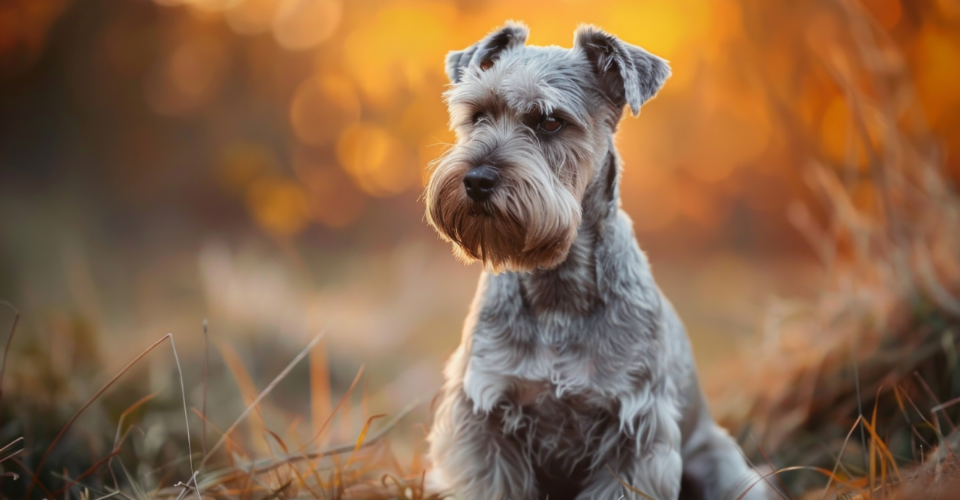
    Cesky Terrier

    Origin: Czech Republic

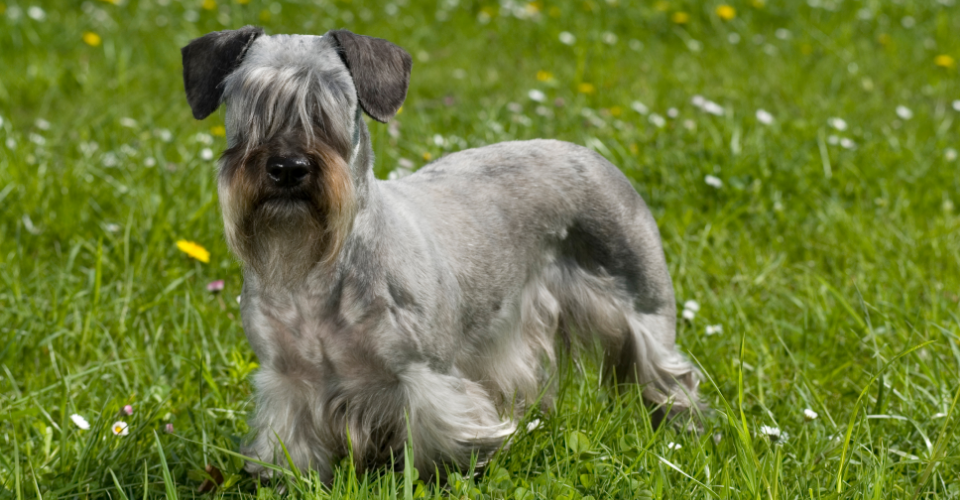
    The Cesky Terrier is a compact yet muscular hunting dog that stands out for its silky grey coat and elegant, wavy facial hair. While they maintain the determination and prey drive typical of terriers, Cesky Terriers are more mellow, making them excellent family pets. Protective, yet not overly vocal, they are fantastic watchdogs and loyal companions.


    cesky terrier


    Finnish Spitz

    Origin: Finland

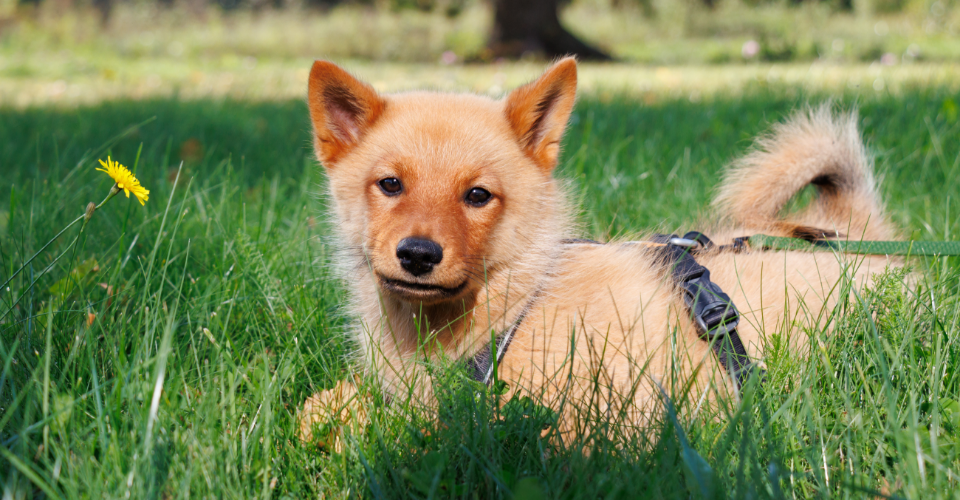
    The Finnish Spitz is a lively breed famous for its foxy appearance, glowing golden-red coat, and melodic vocalisations. Their distinct yodel-like sounds make them a delight for fans of vocal dogs. These small but fearless hunters are intelligent and sensitive, which makes them loyal pets for those who appreciate their unique quirks.


    finnish spitz


    Basenji

    Origin: Africa

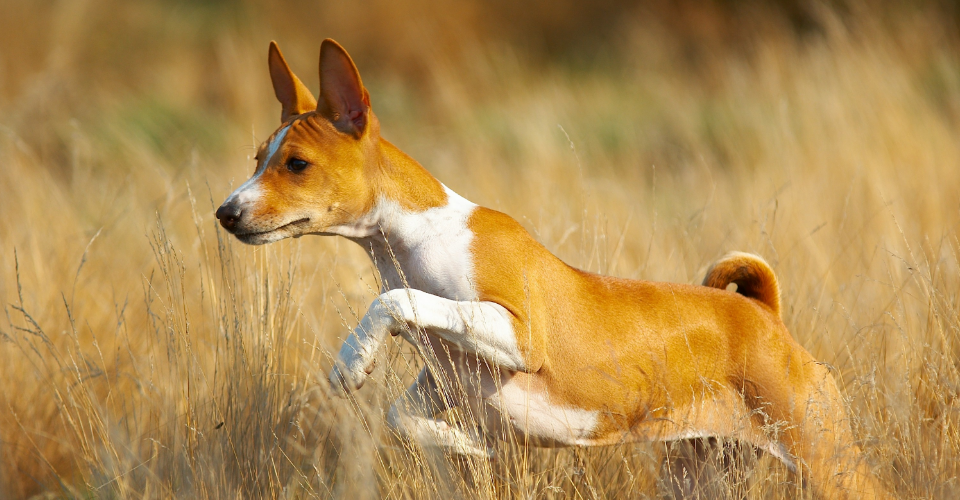
    The Basenji is one of the most unique breeds in the world. Compact and graceful, Basenjis are easily recognised by their tightly curled tails, wrinkled foreheads, and expressive almond-shaped eyes. Ideal for experienced pet owners, the Basenji thrives with proper training and mental stimulation.


    basenji


    Azawakh

    Origin: West Africa

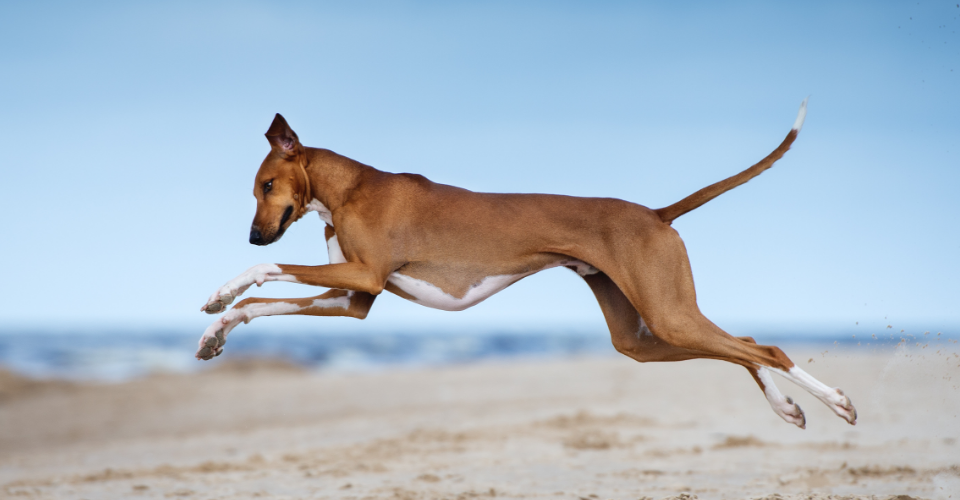
    The Azawakh is a breathtakingly elegant sighthound known for its lean, S-shaped body and ultrafine coat. This ancient breed has been a trusted hunter and guardian for centuries, excelling in speed and agility. Their graceful appearance belies their toughness. Azawakhs are durable and resilient. They are perfectly suited for the harsh deserts of their homeland.


    azawakh


    Xoloitzcuintli (Mexican Hairless)

    Origin: Mexico

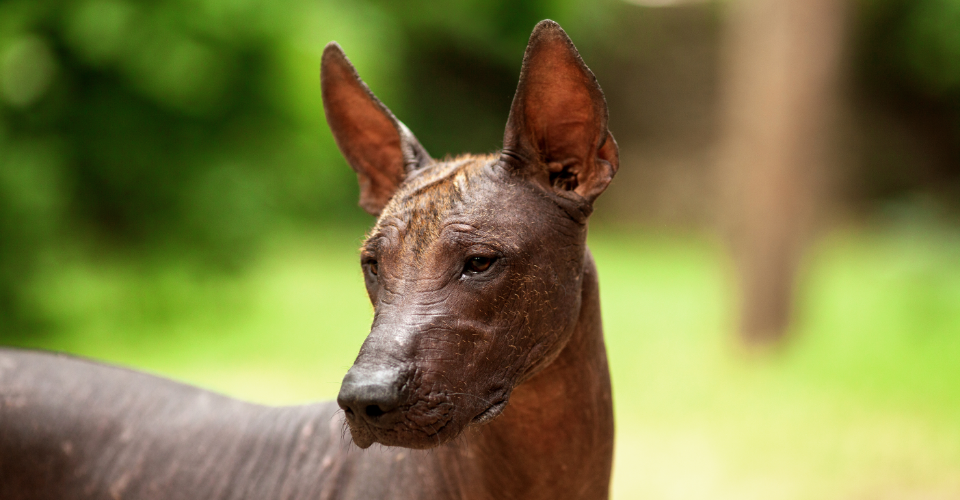
    With a history spanning over 5 000 years, the Xoloitzcuintli (or “Xolo”) is an ancient breed revered by the Aztecs as a sacred dog of the gods. Available in three sizes – toy, miniature, and standard; this breed comes in both hairless and coated varieties. Xolos are loyal, calm, and watchful, making them excellent companions.


    Xoloitzcuintli (Mexican Hairless)


    Why Are These Breeds Rare?

    Several factors contribute to the rarity of these breeds in South Africa.

    • Geographic origins: Some breeds hail from distant regions with limited international export.
    • Specialised traits: Many breeds were originally bred for niche roles, such as hunting or guarding, that may no longer be in high demand.
    • Public perception: Certain breeds may be considered unsuitable as family pets or challenging to train.


    Are Rare Breeds Right for You?

    Choosing a rare breed requires careful consideration. Their unique needs, exercise requirements, and temperament might differ significantly from more common breeds. However, for those willing to invest time and effort to develop a bond with one of these exceptional dogs is a rewarding experience.

  • 5 HOLIDAY TREAT RECIPES FOR PETS

    5 HOLIDAY TREAT RECIPES FOR PETS


    The holiday season is all about love, laughter, and food! But why should humans have all the fun? This year, bring your pets into the festivities by whipping up some homemade holiday treats. We’ve got recipes tailored for dogs, cats, reptiles, small mammals, and even birds to make your celebrations extra special.


    Dog Delights: Berry Bones

    These frosty treats are a sweet, healthy snack for your dog!

    Ingredients:

    • Greek yoghurt
    • Diced strawberries
    • Blueberries

    Method:

    1. Scatter diced strawberries and whole blueberries into a freezer-safe mould (holiday-themed shapes like stars also work great!).
    2. Spoon Greek yoghurt over the fruit and smooth with the back of a spoon.
    3. Tap the mould gently on a hard surface to remove air bubbles.
    4. Freeze overnight.


    Cat Creations: Turkey Balls

    These savoury turkey balls are packed with flavours your feline friend will adore.

    Ingredients:

    • 1 cup ground turkey
    • ½ cup grated carrots
    • ¼ cup Parmesan cheese
    • ½ cup finely crushed crackers
    • ¼ cup powdered milk
    • 1 egg
    • 1 tbsp brewer’s yeast
    • ½ tsp salt

    Method:

    1. Preheat oven to 160°C.
    2. Mix all ingredients in a bowl using your hands.
    3. Shape into golf ball-sized nuggets and place on a non-stick baking tray.
    4. Bake for 20 minutes or until golden brown and fully cooked.
    5. Cool completely before serving.
    6. Freeze leftovers and reheat as needed.


    Reptile Refreshment: Pumpkin Pie

    Perfect for iguanas, bearded dragons, and more, this reptile-friendly pie is both nutritious and festive.

    Ingredients:

    • Natural reptile pellets
    • Pumpkin or butternut squash purée
    • Cranberries
    • Reptile multivitamin powder

    Method:

    1. Moisten and mash pellets into a crust-like base on a paper plate.
    2. Spread squash purée evenly over the crust.
    3. Garnish with cranberries and vitamin powder.
    4. Serve fresh.


    Small Mammal Munchies: Apple & Cinnamon Treats

    These bite-sized treats are ideal for hamsters, guinea pigs, and other small rodents.

    Ingredients:

    • 1 cup organic oatmeal
    • 1½ cups organic wholewheat flour
    • 1 apple, finely chopped
    • ¼ cup raw honey
    • 2 tbsp chopped walnuts
    • ½ tsp cinnamon (Ceylon)
    • ½ cup water

    Method:

    1. Preheat oven to 180°C.
    2. Combine oatmeal, apple, honey, walnuts, cinnamon, and water in a bowl.
    3. Gradually mix in flour until a firm dough forms.
    4. Roll small dough balls and flatten them with a fork on a lined baking tray.
    5. Bake for 15-20 minutes, ensuring they don’t burn.
    6. Cool completely before serving.


    Bird Bonanza: Sweet Potato Cookies

    These nutrient-packed cookies will be a hit with your feathered friends.

    Ingredients:

    • 3 cooked sweet potatoes
    • 1 cup all-purpose flour
    • ¼ tsp cinnamon (Ceylon)
    • ¼ tsp vanilla

    Method:

    1. Preheat oven to 180°C.
    2. Mash cooked sweet potatoes in a bowl.
    3. Mix in flour, cinnamon, and vanilla until well combined.
    4. Scoop spoonfuls of the mixture onto a lightly greased cookie sheet.
    5. Bake for 30 minutes or until the edges are golden brown.
    6. Cool completely before serving.


    Tips for Festive Pet Treats

    • Portion Control: Keep treats small to avoid overfeeding.
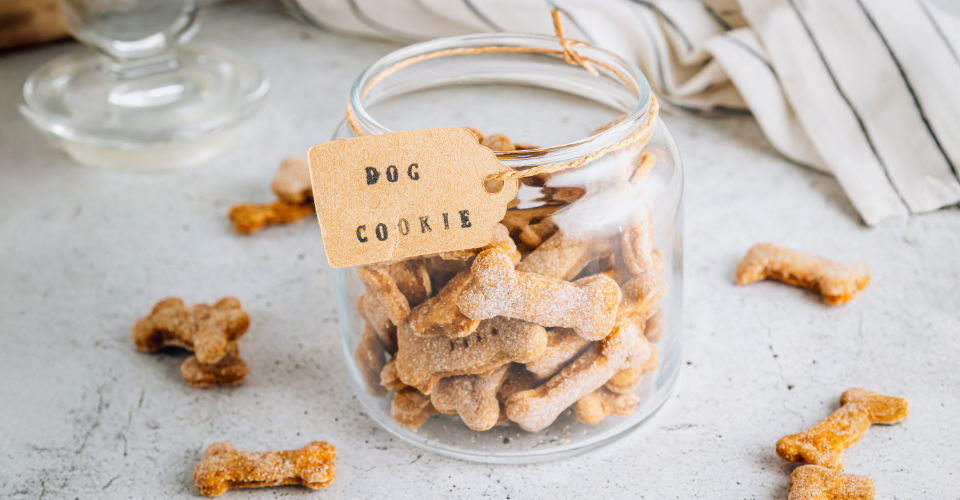
    • Storage: Many of these treats can be frozen for long-term enjoyment.
    • Safety First: Always check recipes for ingredients that may be harmful to pets, like chocolate, onions, or artificial sweeteners.


    Celebrate this holiday season by including your pets in the feasting fun!

  • GUIDE TO PET-FRIENDLY BEACH TRIPS

    GUIDE TO PET-FRIENDLY BEACH TRIPS


    There’s nothing quite like a day at the beach with your furry best friend! South Africa boasts an array of stunning coastlines, many of which welcome our four-legged companions. But before you and your pup hit the waves, proper planning is essential to ensure your adventure is fun-filled, safe, and stress-free.


    Scout for Dog-Friendly Beaches

    Not all beaches allow dogs. So, be sure to do your research beforehand. Many South African beaches (some even within SANParks) are dog-friendly, but regulations vary. Some beaches may have specific hours, leash requirements, or seasonal rules for dog access. Check online or call ahead to confirm the guidelines at your chosen spot.


    Pack Your Pup’s Essentials

    Your dog needs their beach bag, too! Don’t forget:

    • Fresh water and a portable bowl.
    • Doggy sunscreen to protect sensitive noses and light-coloured fur.
    • Poop bags to clean up after your pet.
    • A towel for drying off.
    • Shade items such as a beach tent or umbrella.


    Safety First

    Always Supervise:

    Not all dogs are born swimmers, and the ocean can be unpredictable. Keep an eye on your dog near the water, especially if they’re new to swimming. For extra peace of mind, consider a doggy life vest. And if your pup isn’t keen on swimming, keep them entertained on the sand with toys and games.

    Watch the Heat:

    Hot sand and direct sunlight can be tough on your dog. Plan your beach trip during cooler parts of the day, such as early morning or late afternoon. Bring a blanket or mat for your pup to rest on and provide plenty of clean water and breaks in the shade to avoid overheating.


    Etiquette Matters

    Socialising:

    If your dog is sociable, the beach is a fantastic opportunity for them to make new furry friends. Always ensure your dog’s interactions are friendly and supervised. Ask fellow pet parents for permission before introducing your pup to theirs to maintain a positive experience for everyone.

    Respect the Beach:

    Nobody likes a messy beach. Always clean up after your dog and dispose of waste in designated bins. This keeps the environment clean for other beachgoers and helps preserve the beauty of South Africa’s coastlines.


    Rinse and Rehydrate 

    After a day of sandy fun, rinse off your dog to remove saltwater and sand, which can irritate their skin and coat. Offer them plenty of fresh water before heading home to keep them hydrated after all the activity.


    Making Memories

    With a little preparation and attention to safety, a beach day with your dog can be an unforgettable experience. Before those furry paws hit the sand, remember to protect them with pet insurance!

  • VET ADVICE: FESTIVE SEASON SAFETY

    VET ADVICE: FESTIVE SEASON SAFETY


    Meet Dr Marcus C. Lessing, here to answer our questions about keeping pets safe during the festive season!


    Which Holiday Foods Are Toxic or Harmful to Pets?

    “During the festive period and holiday celebrations, we indulge in quite a few foods that pose a risk if ingested by our pets. Some common examples include chocolate (dark chocolate posing the biggest risk), grapes (including raisins), xylitol (mostly found in sugar-free gum, some baked goods and candy), onions, garlic, left-over bones, as well as high fat foods such as roast lamb. Some nuts (including macadamias), and avocados could also be toxic. Alcoholic drinks and coffee could also be harmful to our furry friends if ingested.”


    Which Decorations Can Pose a Danger to Pets?

    “Any decorations made of plastic, decorations with strings or glitter, or any electrical items could potentially be harmful to pets. Any decorations or ornaments made from glass could pose a risk if broken. Candles could also be a risk if pets can access them in any way.”


    Any Advice for Pet Parents Travelling with Their Pets?

    “It’s always a good idea to have your pets checked by a veterinarian prior to any planned trips, to ensure that they are healthy and that vaccinations are up to date. Proper transport crates are essential, especially when travelling with cats. Depending on the distance travelled, one should try and stop frequently, allowing for bathroom breaks, stretching legs, as well as refreshments. When travelling with very nervous or anxious pets, calming medications prescribed by a registered veterinarian could make the trip run a lot smoother. Pet insurance is also an important consideration, to ensure that necessary care can be provided in case of emergencies.”


    How Can Pet Parents Help Pets Adjust to a Busy Home During the Holidays?

    “Pets can sometimes struggle with a lot of activity and new people in their territory. It is a good idea to have some areas where they can hide or relax away from the noise. Calming medications, again, can assist with stress related to the change in environment. A registered veterinarian should be consulted in this regard.”


    What Should Pet Parents Do in Case of Emergency When Vet Offices Are Closed?

    “There are quite a few veterinary clinics who operate on a 24-hour basis and are equipped to deal with emergencies. It is best to familiarise yourself with any such clinics at your holiday destination. It’s always a good idea to have some type of first aid kit for your pets when travelling. Speak to your local veterinarian, as they should be able to assist with acquiring the most important basics to deal with emergencies. It is, however, imperative to seek veterinary advice in any emergency situation.”


    Learn More About Our Vet of the Month!

    Dr Marcus graduated from the University of Pretoria in 2008 and has been a small animal veterinarian at Boskruin Vet Clinic since 2009. He mostly treats domestic pets and the occasional exotic animal, but he has a particular interest in feline medicine.


    When did you decide to become a vet?

    “Ever since I can remember I’ve had a fondness for animals. At school I realised that I had an interest and passion for the well-being of animals and decided to pursue a career in veterinary medicine.”


    Do you have any pets? If yes, tell us about them!

    “I have 3 cats. Benji is my old boy, a 15-year-old tabby, rescued when I first started working. Luke is a 14-year-old red bi-colour Munchkin, and then I have 4-year-old British Shorthair called Goose.”


    Any last thoughts on the topic?

    “The holiday season is a busy time of the year filled with lots of joy and good food. Pets form an integral part of our families and thus should always be considered during this time. It’s always a good idea to consult your local trusted veterinarian for any questions or queries relating to your pets.”


  • PET DIABETES 101: EVERYTHING YOU NEED TO KNOW

    PET DIABETES 101: EVERYTHING YOU NEED TO KNOW


    Just like humans, pets can develop diabetes too. It’s a growing concern for cats and dogs, especially as they age. With the proper knowledge and management tools, you can help your furry friend live a long, happy life despite the diagnosis. Here’s everything you need to know about spotting the signs, managing the condition and how dotsure.co.za can support you along the way.


    Spotting the Signs and Symptoms of Pet Diabetes

    Detecting diabetes early is critical to giving your pet the best care. Keep an eye out for these common signs of diabetes mellitus in dogs and cats:

    • Increased thirst
    • Frequent urination
    • Weight loss despite a healthy appetite
    • Lethargy or reduced activity
    • Changes in mood
    • Cloudy eyes (cataracts) in dogs or weak back legs in cats

    If you notice any of these symptoms, contact your vet. MSD Animal Health, a trusted name in pet care, offers resources to help you track these signs and manage diabetes effectively through their Pet Diabetes Tracker app. You can download it here.


    Managing Diabetes in Dogs and Cats

    Managing pet diabetes requires a consistent routine of proper nutrition, exercise and medical care. While it may sound overwhelming initially, staying on top of your pet’s health becomes easier with the right tools.


    1. Healthy Diet and Nutrition

    • Diabetic dog food: A specialised diet plays a massive role in regulating your pet’s blood sugar levels. Ensure that you’re using the best food for diabetic dogs, such as low-carb, low-glycaemic dog food, to prevent glucose spikes.
    • Diabetic treats: Keep their snacks healthy by choosing diabetic dog biscuits or low-carb treats.


    1. Monitoring and Medical Care

    • Insulin treatment: Most diabetic pets need daily insulin.
    • Glucose monitoring: Consider a glucose monitor for dogs to keep blood sugar levels in check.
    • Vet check-ups: Regular visits help prevent complications, such as chronic kidney disease or diarrhoea in dogs.
    • Exercise: Consistent physical activity helps maintain a healthy weight and regulates insulin levels.

    MSD Animal Health makes the only veterinary insulin for pets. Chat with your veterinarian to ensure that your pet gets the proper care.


    How Pet Insurance Can Help Manage Pet Diabetes

    Caring for a diabetic pet can become expensive with the need for insulin, monitoring tools and prescription food. This is where pet insurance steps in to ease the burden so that you can focus on your animal. Check out our variety of plans and choose the right cover for your furry family members. Get cover now.

  • ON THE MOVE: WHY TRANSIT INSURANCE IS CRUCIAL DURING BLACK FRIDAY

    ON THE MOVE: WHY TRANSIT INSURANCE IS CRUCIAL DURING BLACK FRIDAY


    When Black Friday and Cyber Monday come around, businesses shift into high gear to meet consumer demands. However, there is also a shift when it comes to Goods in Transit Insurance claims. That’s because while businesses are moving stock and fulfilling all our online orders, hijacking of courier vehicles and theft of goods are in high gear too.


    Protecting Goods on the Road

    As Black Friday deals navigate across Mzansi this November, the risks such as traffic accidents, theft or even weather damage increase. Transit Insurance for goods ensures that your stock stays protected from pickup to delivery, minimising financial losses if something goes wrong along the way.


    Essential Tips for Courier Companies

    • Stay alert: It’s easy to get distracted while travelling all day. Keep your eyes on the road and always be aware of your surroundings.
    • Maintain distance: Leave enough room between your vehicle and the one in front of you to avoid being boxed in.
    • Watch for followers: If you suspect someone is following you, drive to the nearest police station or a safe, public location.
    • Insure smartly: Make sure your insurance covers both the vehicle and the goods in transit.
    • Employee training: Provide training to employees on theft prevention and how to react in case of a hijacking or a robbery.
    • Red Zone Alert: The first few hours after leaving the depot are often the riskiest. Be vigilant and switch your routes to avoid predictability.
    • Park smart: When possible, park in well-lit, guarded locations. The same goes for unpacking.
    • Control your speed: Adjust your speed when approaching traffic lights to avoid coming to a complete stop.


    Don’t Allow Your Business to Be Left Behind

    With deliveries piling up and shoppers counting on smooth transactions, get a Comprehensive Business Insurance Policy that includes Goods in Transit Protection as 1 of the 20 cover sections we offer.

    Stay ahead of the Black November Rush with dotsure.co.za. Get cover today and keep your business moving.

  • GERMAN SHEPHERD CHARACTERISTICS AND CARE

    GERMAN SHEPHERD CHARACTERISTICS AND CARE


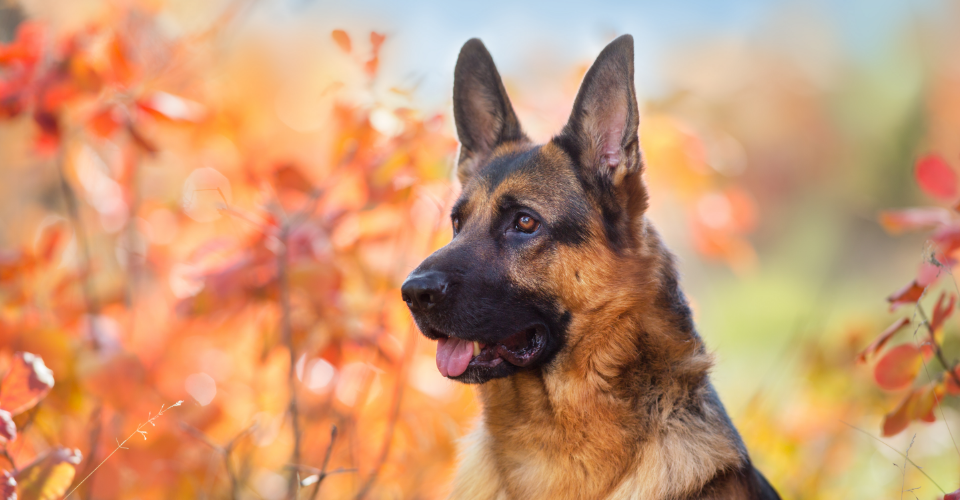
    German Shepherds are known for their intelligence, loyalty and bounds of energy! These protective and highly active companions also have a silly soul and a heart of pure gold! Just picture one, their ears too big for their head, looking up at you, tilting their face with absolute adoration.

    Whether you have a German Shepherd puppy or a professional working adult (they’re also known for policing our streets, you know), here’s your ultimate guide to caring for your loyal companion.


    How to Take Care of a German Shepherd


    Diet: Fuelling Their Energy Levels

    German Shepherds are high-energy dogs that need a well-balanced diet.

    • Protein-Rich Meals: Aim for 18-25% protein to support their active lifestyle. Chicken, fish and baked dry foods are great options.
    • Avoid Additives: Skip foods with wheat or soy that could trigger allergies.
    • Add Healthy Fats: Include Omega-3 and Omega-6 fatty acids to maintain their thick, luxurious coats.
    • Follow an Age-Specific Diet: Puppies need extra protein and fat, while adult and senior dogs require fewer calories to maintain their weight.


    How to Train a German Shepherd

    As highly active dogs, training is essential to help your German Shepherd channel their natural drive.

    • Physical Exercise: These dogs thrive on activities such as fetch, agility training and long hikes or walks. They need at least 2 hours of daily exercise.
    • Interactive Play: German Shepherds are extremely intelligent. Puzzle toys and scent games will keep them mentally stimulated.
    • Obedience Basics: Use positive reinforcement to strengthen their learning.


    Grooming: Keep Your Shepherd Looking Sharp

    Though their grooming needs are moderate, regular maintenance keeps German Shepherds looking extra fresh!

    • Brush Regularly: German Shepherds shed A LOT! So, brush them several times a week to remove loose hair and perhaps consider throwing out all your black clothing items.
    • Bath Occasionally: Use a gentle dog shampoo to keep their coat fresh.
    • Care for Ears and Paws: Clean those big ears regularly to prevent infections and trim nails to avoid discomfort (and zoomie scratches).
    • Dental Health: Brush their teeth at least twice a week to ensure a picture-perfect smile.


    Health Concerns to Watch Out For

    German Shepherds are generally healthy but can be prone to certain conditions:

    • Bloat/GDV: A severe condition where the stomach twists. It requires emergency treatment.
    • Hip and Elbow Dysplasia: These joint issues can cause pain and mobility challenges.
    • Allergies: Skin and food allergies may lead to itching, redness or hair loss.
    • Ear Infections: Regular ear cleaning can prevent moisture buildup that causes infections.
    • Arthritis: Osteoarthritis may develop with age, affecting their mobility.

    Make sure you keep to your routine vet visits so that your German Shepherd stays in top form.


    Ready to Welcome a GSP to Your Herd?

    Protect your German Shepherd with dotsure.co.za Pet Insurance for extra peace of mind. Because every shepherd needs a safety net when life’s adventures get RUFF!