
– 14 minutes
Table of contents
- How to Make an Insurance Claim
- What Is an Insurance Claim?
- What Are the Steps of an Insurance Claim?
- What Documents Do You Need to Make an Insurance Claim?
- How to Make an Insurance Claim Online
- How to Claim for Different Types of Insurance
- Special Claim Situations
- Common Insurance Claim Mistakes to Avoid
- What to Do If Your Insurance Claim Is Denied
- How dotsure.co.za Makes Claims Simpler
- Frequently Asked Questions
- Be Prepared Before You Need to Claim
Knowing how to make an insurance claim in South Africa isn’t just about knowing what to do when something goes wrong. It’s also about knowing what you can expect from your insurer. Under Rule 17 of the Policyholder Protection Rules, insurers must have a claims process that is fair, transparent, accessible and communicated in plain language.
Your insurer should explain what information you need, how to submit your claim, applicable waiting periods, exclusions and any excesses. If your claim is declined, they should explain why and tell you how to challenge the decision.
This guide takes you through your responsibilities and rights at every stage, from checking your cover and gathering evidence to submitting a claim and challenging a decision.
How to Make an Insurance Claim
Making an insurance claim in South Africa depends on the type of insurance and what happened. According to Charlotte Groenewald, Senior Manager: Non-Motor and Pet Claims Admin at Dotsure, pet claims are submitted through the online portal, while non-motor claims are usually registered over the phone. Pet claims generally require a detailed invoice and, in some cases, clinical notes or medical history. Non-motor claims may require supporting documents such as images, proof of ownership, repair quotes, damage reports or an A1 statement, depending on the cause of the claim.
According to Isaac Williams, Senior Manager: Motor Claims at Dotsure, “For cosmetic motor damage, detailed photos can often help us complete a desktop assessment and quantify the damage for your claim. For more structural or severe damage, we’ll usually need a complete repair quote and supporting photos. Depending on the nature of the accident or loss event, an accident report from SAPS may also be required. For glass claims, we’ll refer you to one of our preferred glass suppliers for a quote, while fast-track claims, such as tyre and rim, scratches and dents, typically require a quote and photos.”
Janine Bosman, Senior Manager Warranty Claims Admin, explains the warranty claims process clearly: “Contact your insurer as soon as a mechanical or electrical fault is picked up on your car, before any repairs begin. Have the fault diagnosed by an industry-recognised repairer, then submit the quotation, cause of damage and your vehicle’s service history to your insurer. Your insurer will assess the claim against your policy and, if approved, authorise payment directly to you, subject to your limits, exclusions and excess.”
What Is an Insurance Claim?
An insurance claim is a formal request from a policyholder to an insurance company for financial compensation or reimbursement for an insured loss, damage, or event.
Understanding the insured’s contractual duty and how insurance claims work is essential for navigating unexpected expenses such as an accident, burst geyser, or vet emergency.
When You Should Submit a Claim
As Charlotte Groenewald, Senior Manager: Non-Motor and Pet Claims Admin at Dotsure, explains: “You should submit a claim when you experience a loss, damage, treatment or event that may be covered under your policy. Cover, limits, excesses and exclusions will depend on your specific product and policy terms.” Common scenarios include:
- Vehicle damage or theft: Accidental collisions, hail damage, or stolen vehicles.
- Property loss or damage: Home break-ins, burst geysers, storm damage, fire, accidental damage or power surge-related damage.
- Pet healthcare: Unexpected veterinary treatments, surgeries, accidental care or other eligible treatment costs.
- Warranty-related repairs: Mechanical or electrical failures that may be covered under your motor warranty terms.
When You May Not Need to Claim
You may not need to claim if the damage is below or close to your excess amount. If minor scratch repairs cost about R2 500 and your basic excess is R2 000, paying out of pocket may make more financial sense and avoid unnecessarily affecting your claims history or future premiums.
What Are the Steps of an Insurance Claim?
Claiming can be scary, but it shouldn’t be complicated. Here are your typical steps to file for a motor insurance claim:
Report the Incident
Motor claims are one of the more common types of insurance claims in South Africa — and accidents can be stressful enough without having to figure out what to do next. While the exact process will depend on your insurer, policy and circumstances, the steps below focus on motor claims as a practical example of how the claims process typically works.
National Road Traffic Act 93 of 1996requires drivers involved in an accident to stop immediately, check for injuries, provide reasonable assistance and exchange the required details. If the accident wasn’t reported at the scene, it must be reported as soon as reasonably possible, within the applicable reporting deadline:
- Criminal activities & motor accidents: Report thefts, break-ins, or road collisions to the South African Police Service (SAPS) within 24 hours to obtain an official police case number.
- Time limits: Most South African insurance policies stipulate reporting timeframes (often 24 to 72 hours). Delaying notification can jeopardise claim approval.
Gather Supporting Documents
Take photos and videos from multiple angles before cleaning up or initiating temporary repairs. Collect witness details where relevant, and gather any required paperwork, such as your South African ID or passport, police case number, and written quotes or invoices from industry-recognised repairers or service providers.
Notify Your Insurer
Log the claim via your insurer’s digital portal, mobile app, or claims line. State the facts clearly without speculating on details you aren’t certain about. Always request and retain your unique claim reference number.
Assessment and Validation
For mid-to-large claims, your insurer may assign an independent claims assessor or loss adjuster. They will review the evidence, inspect the damaged property or vehicle, verify policy conditions, and determine the approved settlement amount.
Repairs, Replacement or Settlement
Once validated, the insurer manages resolution in one of three ways:
- Authorising repairs through an approved contractor or panel beater.
- Replacing lost or damaged goods directly.
- Paying a cash settlement into your bank account.
With Dotsure, the process depends on the type of cover and claim. For many motor-related claims, you submit a quote from an industry-recognised specialist and, if approved, the funds are paid directly to you. Charlotte Groenewald explains: “It works a bit differently for non-motor claims. Dotsure may authorise replacements, and not all non-motor claims are paid out in cash.”
Claim Outcome and Payment
The final payout reflects the total approved assessment figure minus your policy excess (the fixed first amount payable by you).
What Documents Do You Need to Make an Insurance Claim?
To make an insurance claim, you’ll generally need your policy details, proof of loss or damage, and any supporting documents requested by your insurer. Requirements vary depending on the type and cause of the claim.
Documents Required for Most Insurance Claims
- South African ID or Passport: Proof of identity.
- Policy Number: Found on your policy schedule.
- Proof of Incident: SAPS case number and police report (where applicable).
- Photographic Evidence: Clear, dated images and videos depicting the damage or scene.
- Proof of Ownership/Value: Invoices, purchase receipts, valuation certificates or quotations for stolen or damaged goods.
Additional Documents Depending on the Type of Claim
| Claim Type | Additional Required Documents |
| Car Insurance | Driver’s licence copy, third-party details, accident report form, repair quotes. |
| Pet Insurance | Detailed veterinary invoice, treatment report, medical history records. |
| Home Contents / Buildings | Asset inventory list, professional damage assessment, repair quotations. |
| Motor Warranty | Vehicle service history records, diagnostic report from an approved mechanic. |
Charlotte Groenewald, Senior Manager: Non-Motor and Pet Claims Admin at Dotsure, explains: “For non-motor claims, we may request additional documents depending on the type and cause of the claim. For example, theft claims may require an A1 statement from the police, while damaged items may require proof of ownership, clear images showing the damage, serial numbers for electronics, and a quotation for repair or replacement.”
Tips for Submitting Documents Online
- Use clear, high-resolution scans or photos where all text and numbers are readable.
- Keep file formats standard (PDF or JPEG) and keep file sizes under 5MB per upload.
- Label files logically (e.g., ID_Copy_JSmith.pdf or Car_Damage_Photo1.jpg).
How Long Does the Claims Process Take?
As Charlotte Groenewald explains, “Straightforward claims with all the required information can often be processed quickly, while more complex claims may take longer depending on the circumstances and any additional information or assessment required.”
According to Isaac Williams, Senior Manager: Motor Claims at Dotsure, “Motor comprehensive claims can take around five days to process, while glass claims may be handled within approximately six hours and fast-track claims within about one day, provided all required information and supporting documents are received.”
What Affects Claim Turnaround Times?
- Completeness of initial application: Submitting all required paperwork upfront reduces delays.
- Assessor availability: Scheduling physical property or vehicle inspections.
- Third-party verification: Awaiting reports from SAPS, medical professionals, or third-party insurers.
These factors can cause some claims to take longer, but digital claim tools can help reduce delays by making it easier to submit documents, route claims to the right teams, and track progress online.
How to Make an Insurance Claim Online
Many insurers in South Africa allow policyholders to submit and manage claims through a website, mobile app or self-service client portal. The exact process differs between insurers, but you will generally need your policy details, information about the incident and supporting documents before starting the online claim.
Benefits of Digital Insurance Claims
- Always-On Access: Start or manage a claim online when it suits you, subject to your insurer’s portal availability and claim requirements.
- Streamlined Submission: Digital document uploads can help claims teams start assessment sooner when all required information is provided.
- Transparency: View real-time status updates without needing to phone a call centre.
Uploading Documents Securely and Tracking Progress
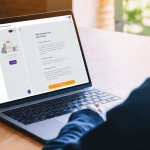
If you hold a Dotsure pet policy, you can claim online with your pet insurance directly through your Manage Portal. Upload files straight from your smartphone gallery or file manager via encrypted submission channels, then track every milestone, from receipt to payout on your digital dashboard.
How to Claim for Different Types of Insurance
Different types of insurance require specific steps during the claiming process.
- Ensure safety, call medical services if necessary, and report to the SAPS within 24 hours.
- Exchange details with any other drivers involved and collect details of eyewitnesses where relevant, including names, ID numbers, vehicle registration and insurer details.
- Do not drive a vehicle if it may be unsafe or unroadworthy. If you notice signs such as leaking water or oil, or you are unsure whether the vehicle is safe to drive, request towing assistance through your insurer’s emergency roadside assistance.
- Review what you can claim for with motor insurance to confirm policy limits, then follow the standard steps to claim on car insurance.
How to Claim on Pet Insurance
If you’ve got your beloved companion covered with pet insurance and need to claim, Charlotte Groenewald, Senior Manager: Non-Motor and Pet Claims Admin at Dotsure, explains: “For pet claims, you’ll need to submit your claim through the online portal and include a detailed invoice. In some cases, we may also request clinical notes or medical history.” You can:
- Take your pet to a registered veterinarian for treatment.
- Settle the bill upfront, as Dotsure does not offer pre-authorisation for pet insurance claims.
- Request a detailed, itemised invoice from your veterinarian and keep any supporting treatment information in case it is requested.
- Submit the claim via your online portal. Be mindful of understanding applicable excesses on pet insurance claims to know your out-of-pocket costs, and familiarise yourself with common pet insurance claims to understand what may be covered.
How to Claim on a Motor Warranty
Protecting your car against mechanical breakdowns with a motor warranty can save you a lot of trouble, but when you need to claim, you should:
- Contact your warranty provider before agreeing to any mechanical repairs.
- Take the vehicle to an industry-recognised specialist or dealership for diagnostics.
- Submit your quote and, if approved, Dotsure will pay the cash directly to you.
Special Claim Situations
Some claims involve added complications, such as another person being responsible or important documents not yet being available. Understanding how to handle these situations can help protect your claim and prevent avoidable delays.
How Do I Claim Insurance If the Accident Wasn’t My Fault?
The quickest and safest way to claim after a not-at-fault accident is to claim through your own comprehensive insurer. They can arrange your vehicle repairs and recover the costs, including your excess, from the at-fault driver or their insurer.
What Happens If Another Person Is Responsible?
- Do not attempt to negotiate privately or settle at the scene.
- Collect the third party’s full contact, licence, and insurance information.
- Collect contact details for independent eyewitnesses.
- Provide all information to your insurer to assist their legal recovery team.
What If I Can’t Provide All Documents Immediately?
Charlotte explains that if required documents are not received within the requested timeframe, the claim may be placed on hold until the documents are submitted. During this time, the claims team will follow up with the client and confirm when the claim is placed on hold.
Common Insurance Claim Mistakes to Avoid
A simple oversight can result in delays or claim repudiation. Avoid common mistakes by reviewing common festive season insurance claims and prioritising understanding your policy wording. Below are the critical insurance mistakes to avoid.
What You Should Never Say When Making an Insurance Claim
Avoid admitting fault at the scene of an incident. Stick to the facts and let your insurer or investigators assess what happened. If you’re unsure of details such as speed or timing, give an estimate rather than stating them as fact, as inaccurate information could affect your claim.
Delaying Your Claim
Failing to report an incident within the contractually required timeframe (typically 24–72 hours) is a frequent cause of rejection.
Providing Incomplete or Inaccurate Information
According to Charlotte Groenewald, “Incomplete information can delay the assessment of your claim, while inaccurate or material information may affect the outcome of the claim in accordance with your policy terms.” Always be honest and accurate when providing information to your insurer.
Not Understanding Your Policy Wording
Not understanding your policy can lead to rejected claims or unexpected costs. Ask your insurer or broker to explain key sections, such as definitions and exclusions, in plain language, and request written confirmation of how specific clauses apply to you.
What to Do If Your Insurance Claim Is Denied
Having an insurance claim denied can feel frustrating, confusing and, when the claim follows a loss or traumatic event, deeply upsetting. However, a declined claim is not necessarily the end of the process.
According to Charlotte, “When a claim is declined, we follow a clear process. We verify the claim outcome, phone the client to explain the decision, and send a formal letter outlining the reason for the declination, along with the steps they can take if they disagree with the outcome.”
You have the right to understand the insurer’s reasons, review the decision and challenge it if you believe it was incorrect.
1. Understand Why the Claim Was Declined
Request a formal written repudiation letter identifying the exact policy terms, exclusions or clauses behind the decision. Depending on the product, this could involve a pre-existing condition or waiting period for pet insurance, the circumstances of a car insurance claim, or an uncovered component or servicing requirement under a motor warranty.
2. Review Your Policy Wording
Cross-reference the rejection reason against your policy schedule and terms. Look for ambiguities or double-check whether missing context or overlooked evidence led to the wrong decision.
3. Dispute the Decision Internally
If you have new evidence, repair quotes, or context, submit a formal dispute to your insurer’s internal dispute resolution or complaints department.
4. Escalate to the Ombud
If internal dispute resolution fails, you can escalate the matter to the National Financial Ombud Scheme (NFO). The NFO provides an independent, impartial, and free dispute resolution service for South African financial consumers.
How dotsure.co.za Makes Claims Simpler
dotsure.co.za makes managing insurance claims clear, accessible, and hassle-free through:
- Digital-First Convenience: Manage, submit and track claims online through the Manage Portal, where available.
- Streamlined Claims Support: Streamlined workflows can help reduce administrative bottlenecks so valid claims move smoothly through the process.
- Transparent Communication: Receive regular progress updates via SMS and email so you always know where your claim stands.
- Secure Document Hub: Easily upload photos, invoices, and police reports straight from your smartphone or computer.
Frequently Asked Questions
Can Someone Else Submit a Claim on My Behalf?
Yes, an authorised representative, legal proxy, or broker named on the policy can submit a claim on your behalf, provided they have your written consent and necessary policy details.
Can I Cancel a Claim After Submitting It?
Yes, you can withdraw or cancel a claim at any point before settlement by notifying your insurer in writing. For example, if the damage is smaller than initially thought and you choose to cover repairs out of pocket.
Will Making a Claim Affect My Premium?
In many cases, submitting a claim may affect your risk profile and lead to an adjustment in your monthly premium or loss of a claim-free bonus upon your policy renewal.
Do I Have to Pay an Excess Before My Claim Is Processed?
Yes. An excess is the amount you agree to pay towards a claim when you sign up. Depending on your insurer and the nature of the claim, it is either paid by you directly to the repairer or deducted from your final cash settlement payout.
Be Prepared Before You Need to Claim
Are you ready for car insurance designed around your lifestyle? Get a quote today.
Maybe you want to protect the newest four-legged member of the family? Get a quote in minutes.
If you still have questions, contact us to speak with our friendly consultants.